Интерактивный гид по городу
С мобильным приложением бродить по городу гораздо интереснее!

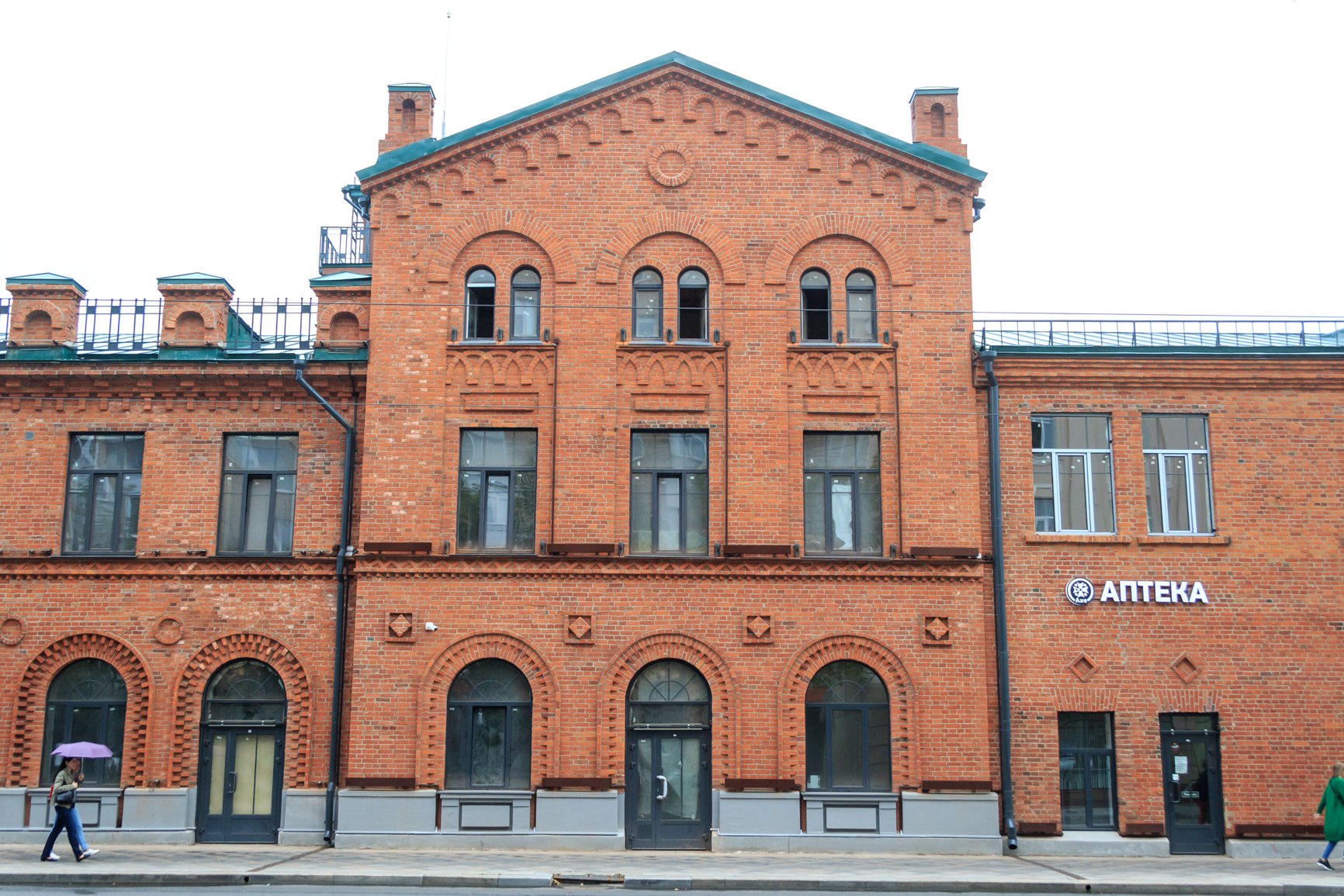
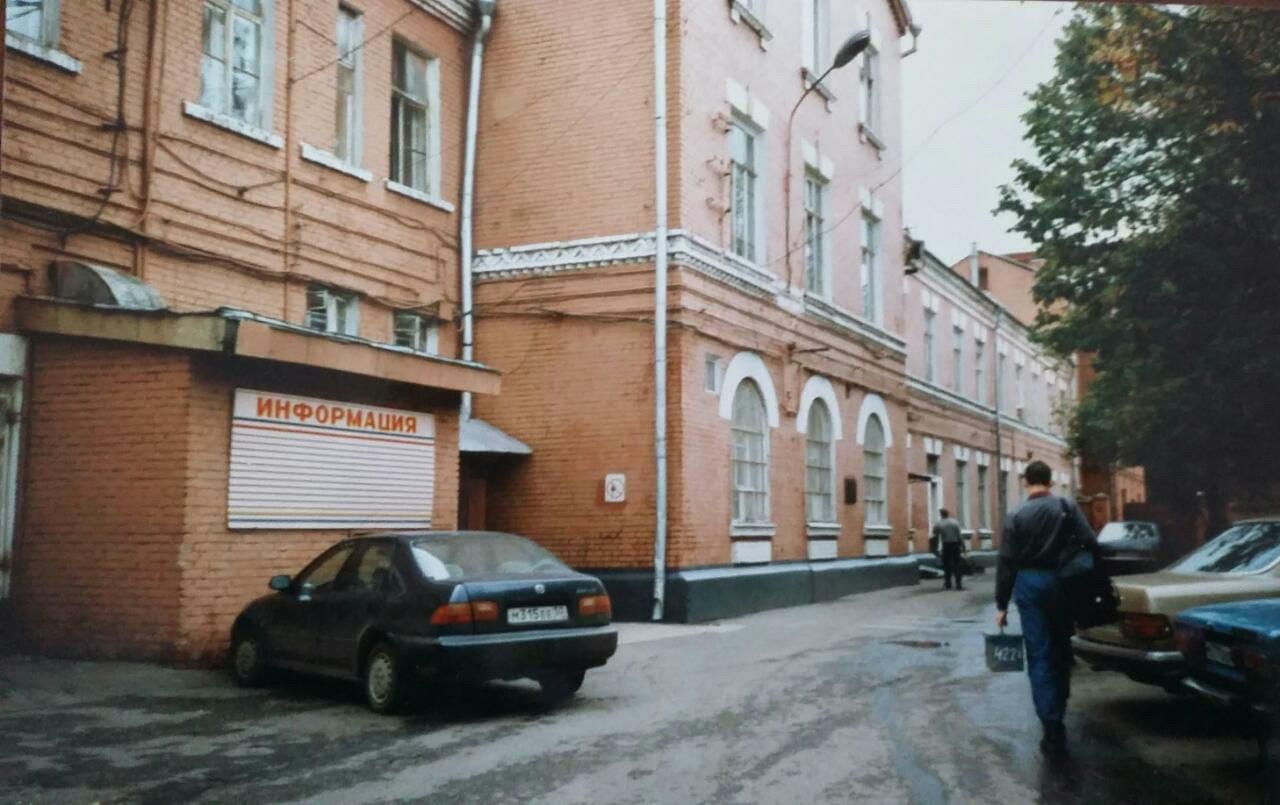
Административно-жилой корпус Миусского трамвайного депо

Up to the year 1907, the Miussky Tram Depot on the Lesnaya Street served both for the new electrified lines and the old good Moscow horse tram. Now it is a public space.

Административно-жилой корпус Миусского трамвайного депо
Up to the year 1907, the Miussky Tram Depot on the Lesnaya Street served both for the new electrified lines and the old good Moscow horse tram. Now it is a public space.
Вы можете воспользоваться QR-кодом, чтобы открыть эту страницу в нашем приложении
Архитектурный стиль:
,
Годы постройки:
1874, 1909-1910, 1932
Архитекторы:
Н.К. Жуков, М.Н. Глейнинг, Н.А. Сытенко
Эпоха:
19th century, 1900s, 1910s, 1930s
Информация о здании

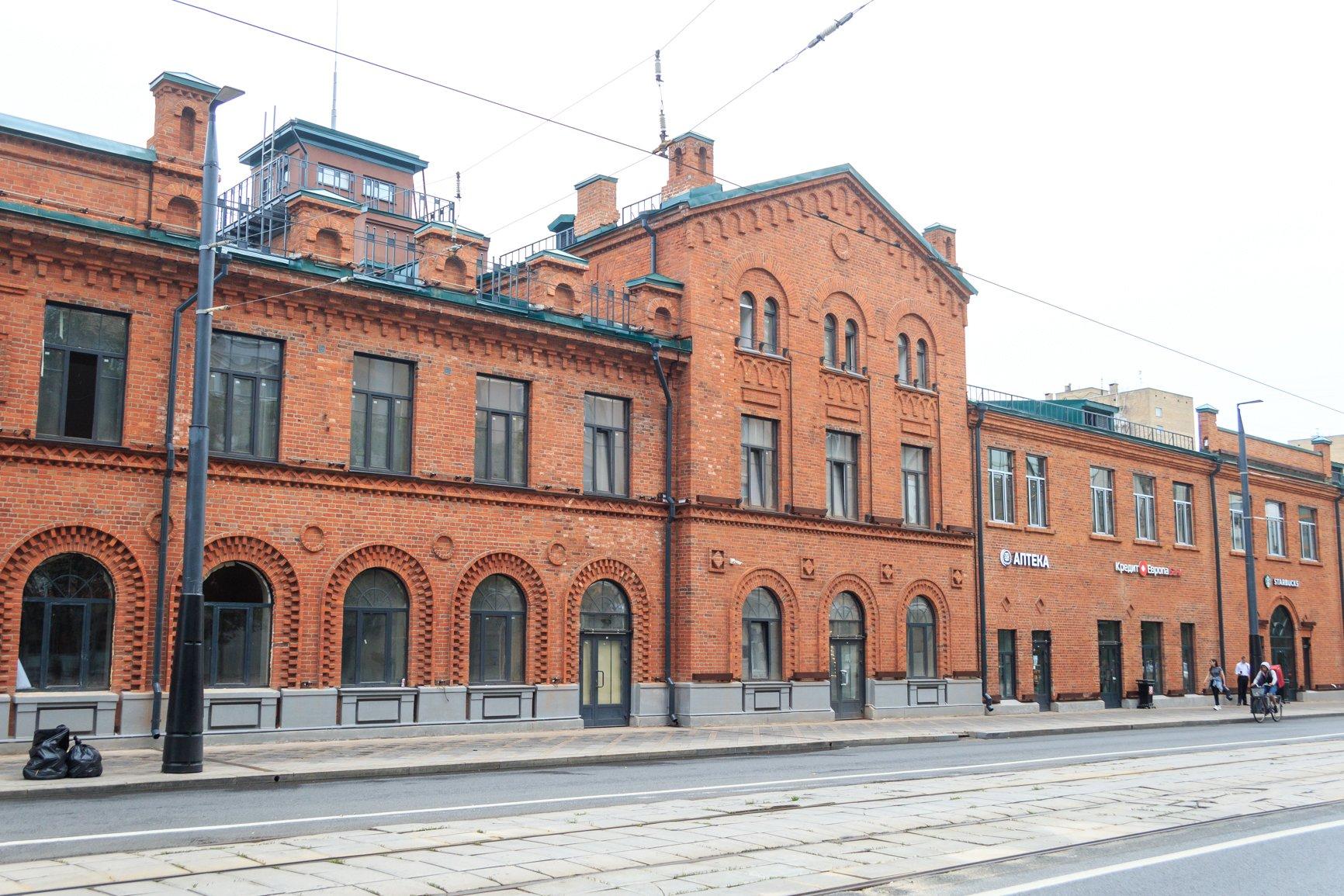
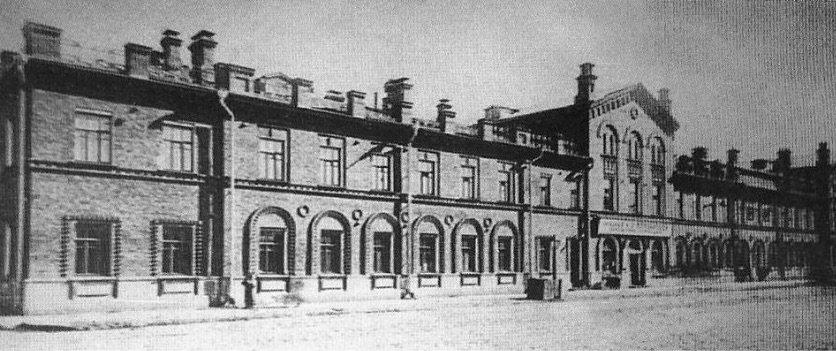
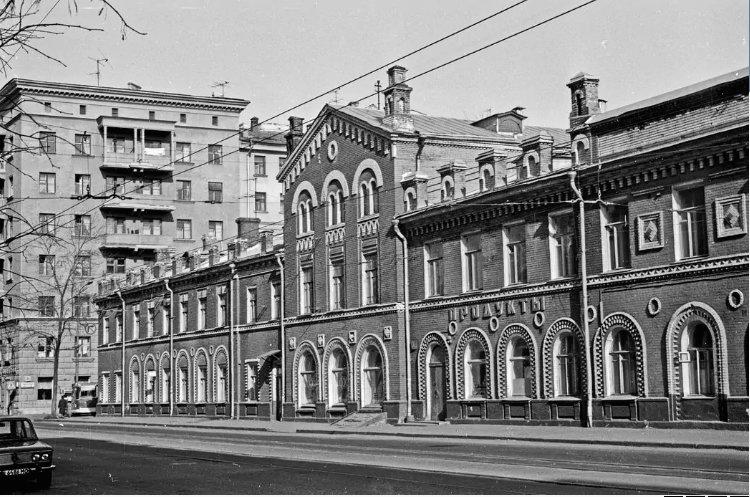
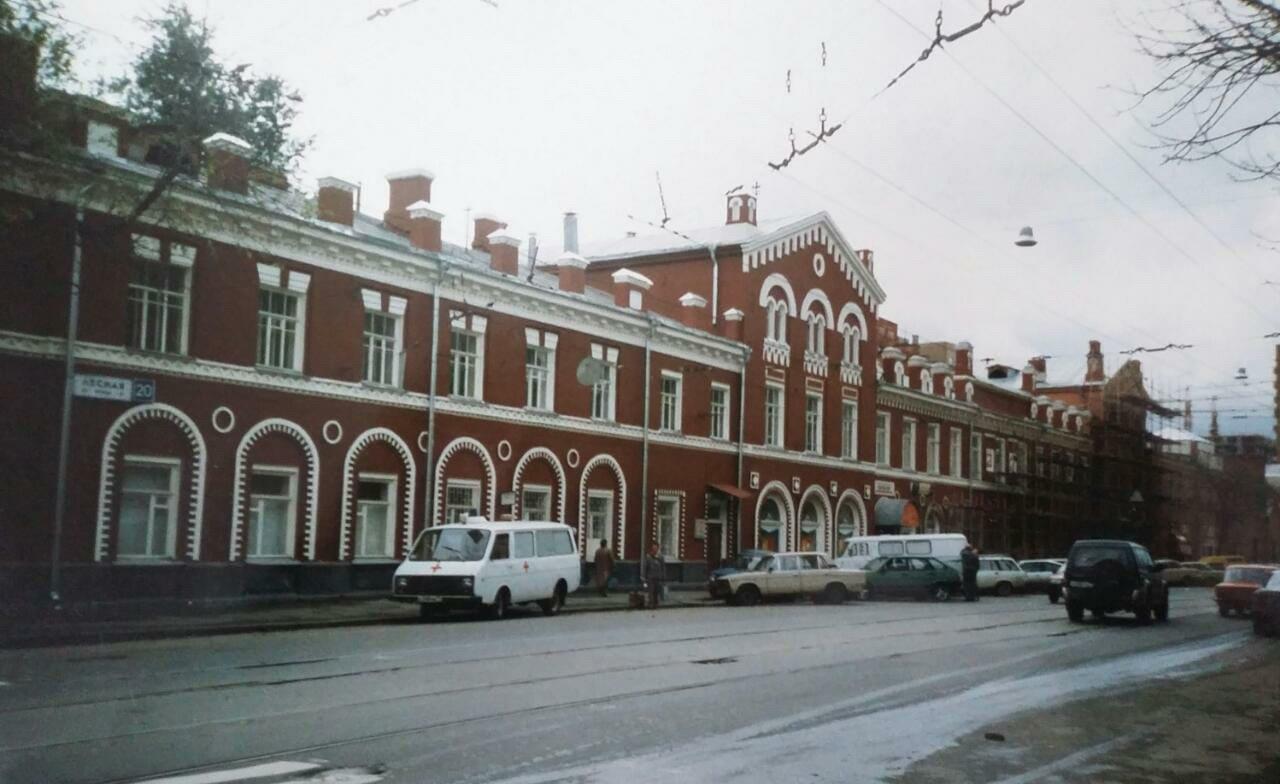
«Административно-жилой корпус, 1874 г., 1909-1910 гг., 1932 г., архитекторы Н.К.Жуков, М.Н.Глейниг, инженер Н.А.Сытенко» – часть объекта культурного наследия регионального значения «Ансамбль Миусского трамвайного депо». Это первое здание ансамбля, которое видят его посетители на Лесной улице.

История Миусского трамвайного депо начинается с парка конно-железных дорог, который был построен между Лесной улицей и Миусской площадью в 1874 году. Тогда же было открыто пассажирское движение конки от Воскресенской площади (ныне пл. Революции) до Смоленского (Белорусского) вокзала.

В 1901 году, когда столичный трамвай стали переводить на электрическую тягу, началась и реконструкция Миусского парка. До 1907 года он обслуживал и новые трамваи, и старую добрую московскую конку. В первое десятилетие ХХ века был выстроен из кирпича новый комплекс трамвайного депо – контора, жилые казармы для служащих, вагонные сараи. На Лесной улице вырос внушительный ансамбль в стиле эклектики, с готическими мотивами, несколько раз реконструировавшийся в советское время. В 1950-е годы он был переоборудован под троллейбусный парк, а в наши дни, после бережной реставрации конца 2010-х гг., стал популярнейшим «фудкортом» – местом отдыха и развлечений москвичей и туристов.

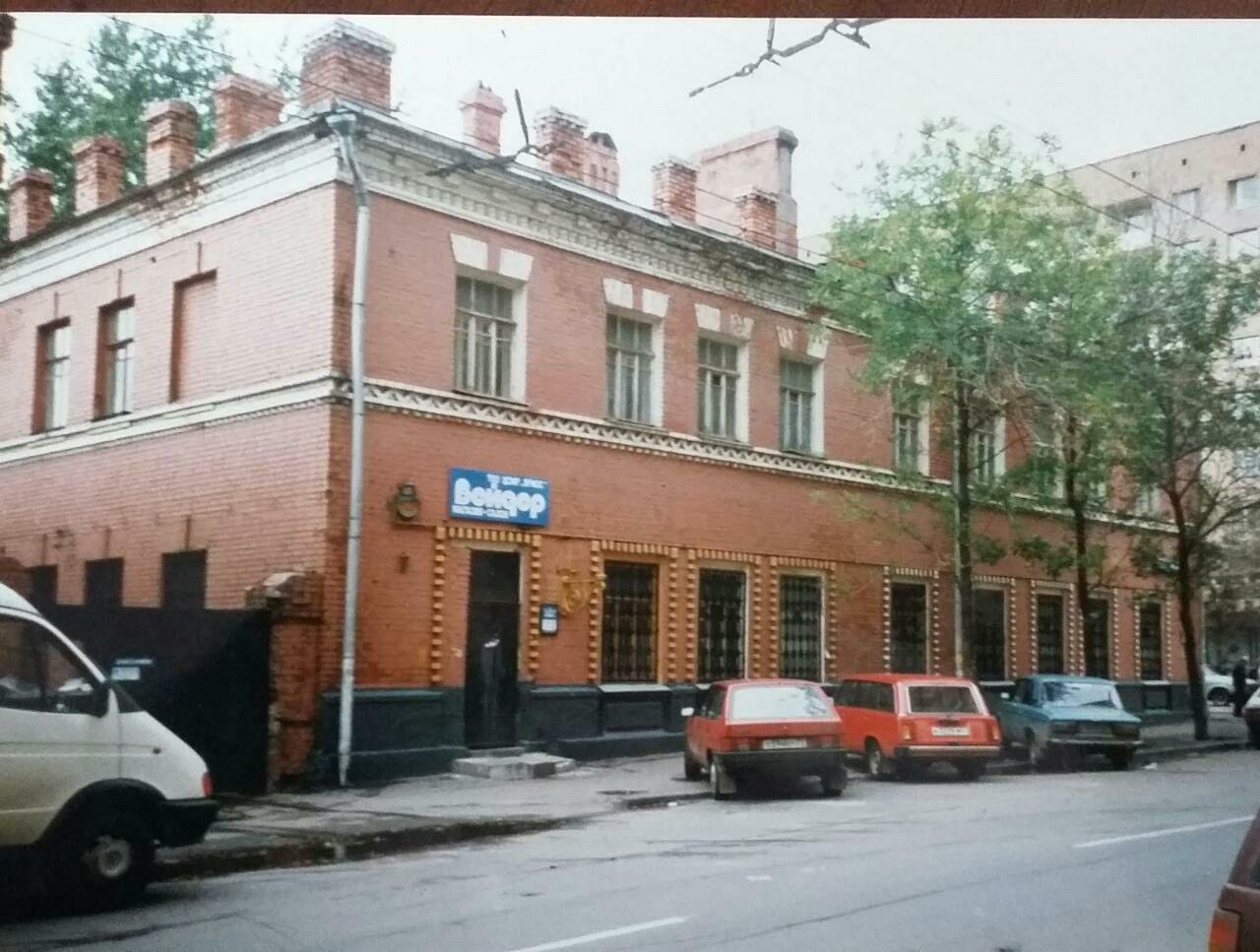
Двух-трехэтажный Административно-жилой корпус Миусского депо был построен в 1901–1905 гг. Жилая часть предназначалась для шоферов, врачей, вагоновожатых, монтеров, смотрителей парка, а также под аптеку и магазин. В административной части корпуса были школа вагоновожатых и кондукторов, контора заведующего парком, приемная. В советское время к зданию были сделаны пристройки.

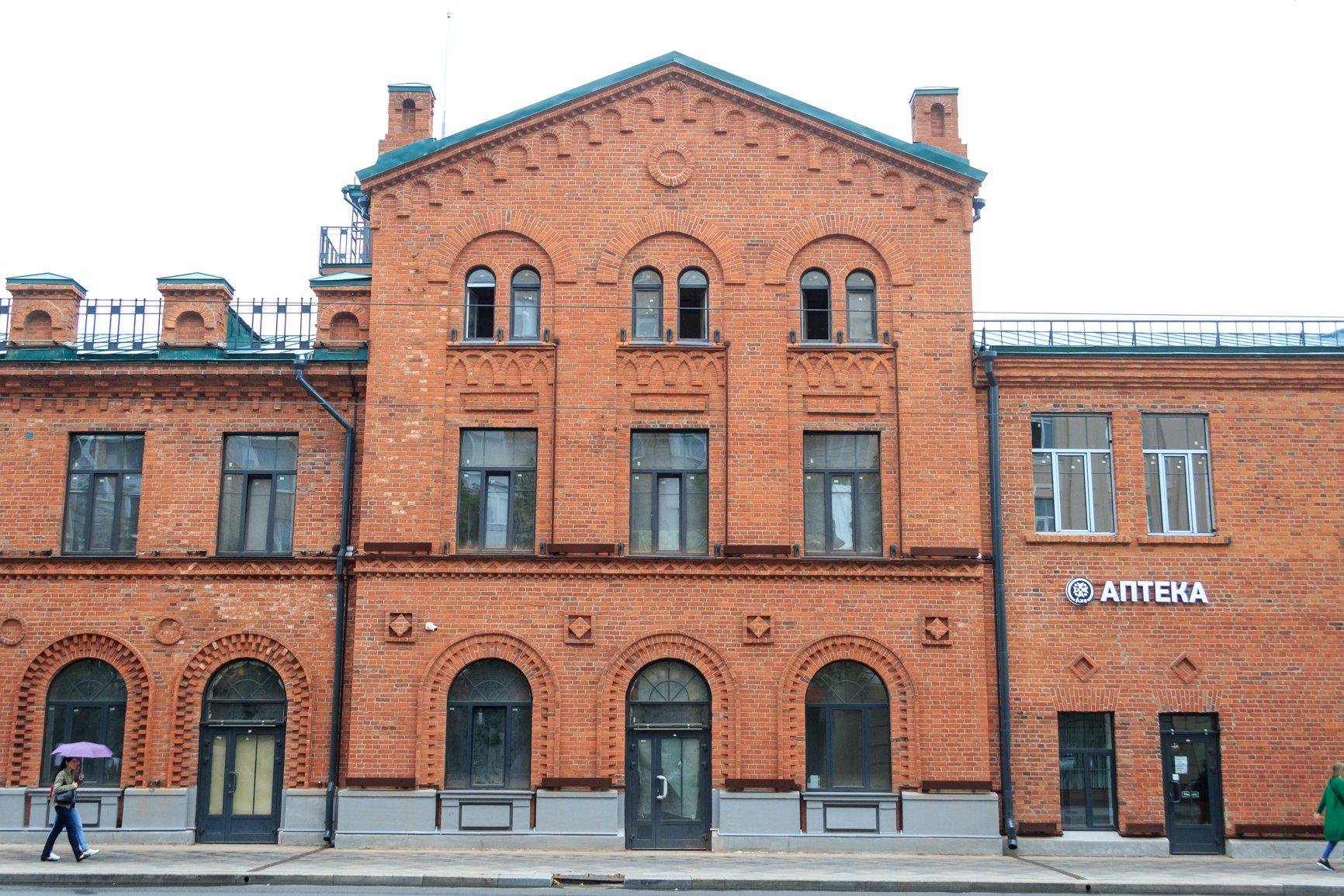
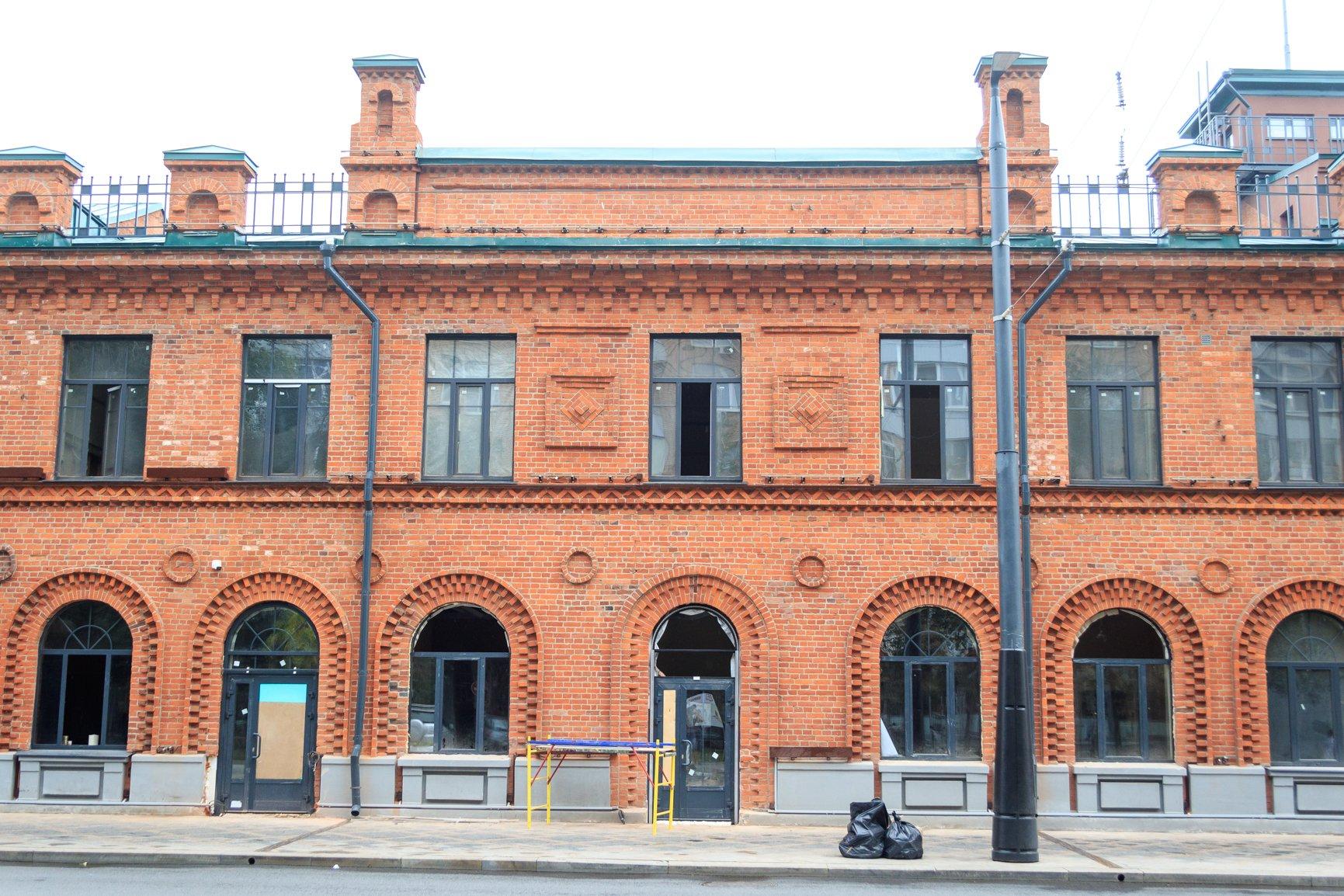
Самая старинная часть здания – бывшие одноэтажные сараи начала ХХ века с арочными окнами, выходившими на Лесную улицу. Три таких окна сохранились на фасаде корпуса. Фасад имеет вид глухой аркады по первому этажу, украшен междуэтажным карнизом, оконными наличниками. В третьем этаже интересны сдвоенные щелевидные окна, под которыми помещены орнаментальные фризы, имитирующие готические мотивы.

При реставрации и приспособлении здания в 2017–2019 гг. были сохранены его исторические габариты и планировка, восстановлена отделка фасадов.

The Office and Residential Building, 1874, 1909 1910, 1932 by architects N.K. Zhukov and M.N. Gleyning, engineer N.A. Sytenko is a part of the Miusskoye Tram Depot Ensemble — a cultural heritage site of regional significance. This building is the first one of the Ensemble on the Lesnaya Street that visitors can see. The Miusskoye Tram Depot history began with the horse drawn tram depot that has been constructed between the Lesnaya Street and the Miusskaya Square in 1874. Later, the horse tram passenger service connected the Voskresenskaya Square (now the Revolutsii Square) and the Smolensky Station (now the Belorussky Station). In 1901, with the beginning of the Moscow tram lines electrification, also began the Miussky Depot reconstruciton. Up to the year 1907, the Depot served both for new trams and the good old Moscow horse trams. During the 1910s, a new tram depot compound has been built of brick including an office, barracks for staff and car sheds. The Depot on the Lesnaya Street became an impressive ensemble in eclectic style with some Gothic elements; during the Soviet era the Depot has undergone several reconstructions. In 1950s, it has been adapted for trolleybuses; nowadays, following the careful restoration performed in the late 2010s, the Depot has become a food court and one of the most popular entertainment destinations for Moscow residents and tourists. The two to three story Office and Residential Building of the Miusskoye Depot has been constructed in 1901 1905. Its residential part was a home for drivers, medical staff, repairmen, Depot watchmen, also, there were a pharmacy and a grocery. In the building's office part there were a school for drivers and conductors, the Depot manager's office and reception. During the Soviet times, some annexes have been added to the building. The oldest part of the building — one story building with arched street view windows — in the early 20th century used to serve as sheds. Three of those windows are still there on the building facade. The facade has a blank arcade along the ground floor, an intermediate cornice and decorative window cases. The second floor is peculiar for its biforate windows with ornamental friezes imitating Gothic elements in between. In 2017 2019, in the process of the restoration and adaptation, the original dimensions and layout have been preserved; the facades decoration has been recreated. Konstantin Mikhailov
Автор статьи: Константин Михайлов
Поделитесь статьей с друзьями
Интересное рядом(7)
The Russian National Museum of MusicThe Russian National Museum of Music is the largest treasury of monuments of musical culture, which hasn’t analogues in the world. Here are kept a unique set of music and literary author’s manuscripts, research for history of culture, rare books and printed music. Museum of Music’s funds count about one million exhibits. Autographs, letters, photos and different kind of documents which connect with life and creativity of figure of Russian and foreign musical culture are concentrated in the branches.

Collection of musical instruments of the people of the world takes a special place. The Museum of Music’s funds include the State collection of unique musical instruments: the largest collection of stringed instruments by masters from different countries and epochs among them masterpieces by A. Stradivari, Guarneri’s families and Amati.

The fund of audio- and video recordings is vast; in collection of graphic materials – masterpieces, which could decorate expositions of the best world art museums, - canvas by M. Vrubel, K. Korovin, V. Serov and other artists who are world renowned.

The Museum of Music is authoritative scientific centre. Research associates conduct research, are engaged in search, introduction in cultural use of the unknown forgotten or unidentified works, autographs and musical names.

The Russian National Museum of Music includes:
The Museum of Music (Fadeyev St., 4.)
The Prokofiev's museum (Kamergersky Lane, 6)
The Chaliapin Memorial Estates (Novinsky Blvd., 25–27)
The Tchaikovsky and Moscow Museum (Kudrinskaya Square, 46/54)
The Golovanov Memorial Apartment (Bryusov Lane, house 7, quarter 10)
The Goldenweiser Memorial Apartment (Tverskaya St., 17, quarter 110)

http://glinka.museum/
https://vk.com/musicmusem_ru
https://www.facebook.com/musicmuseum.ru/
https://ok.ru/group/54222634549426
Instagram: musicmuseum_ru