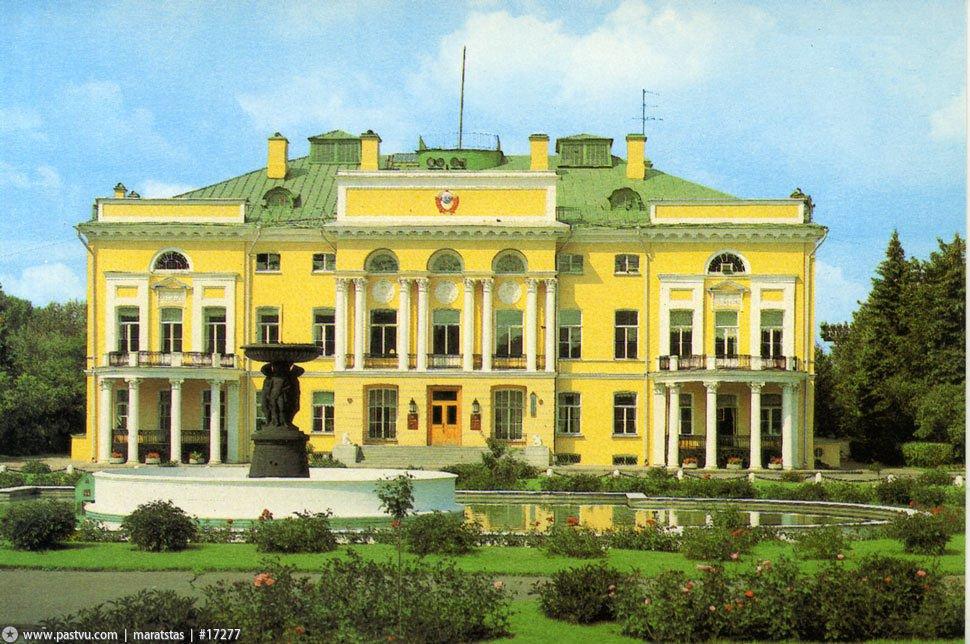
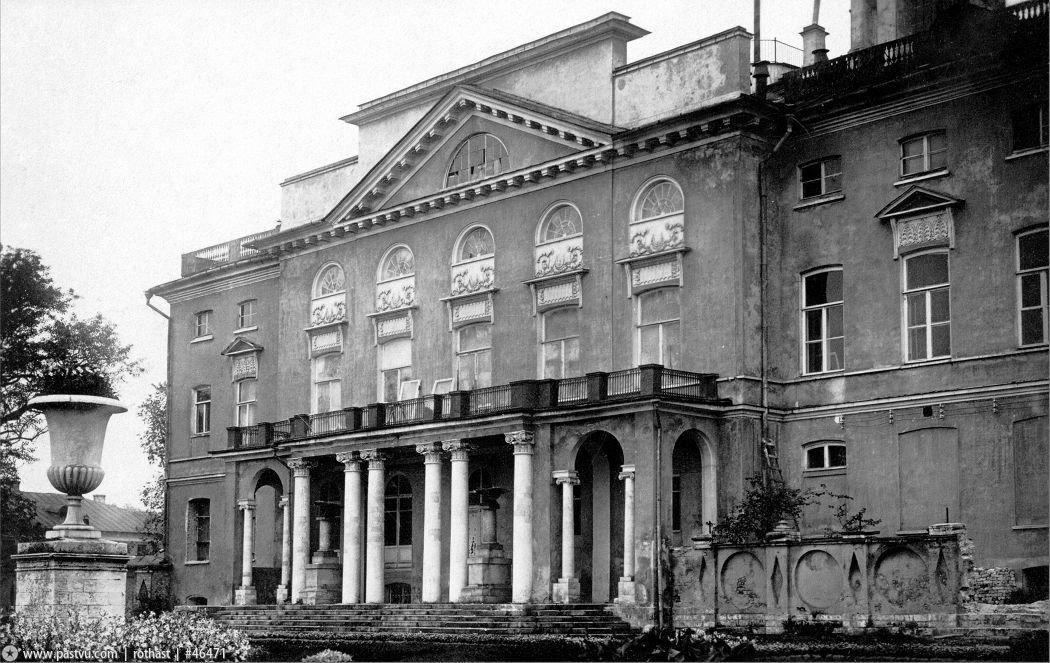
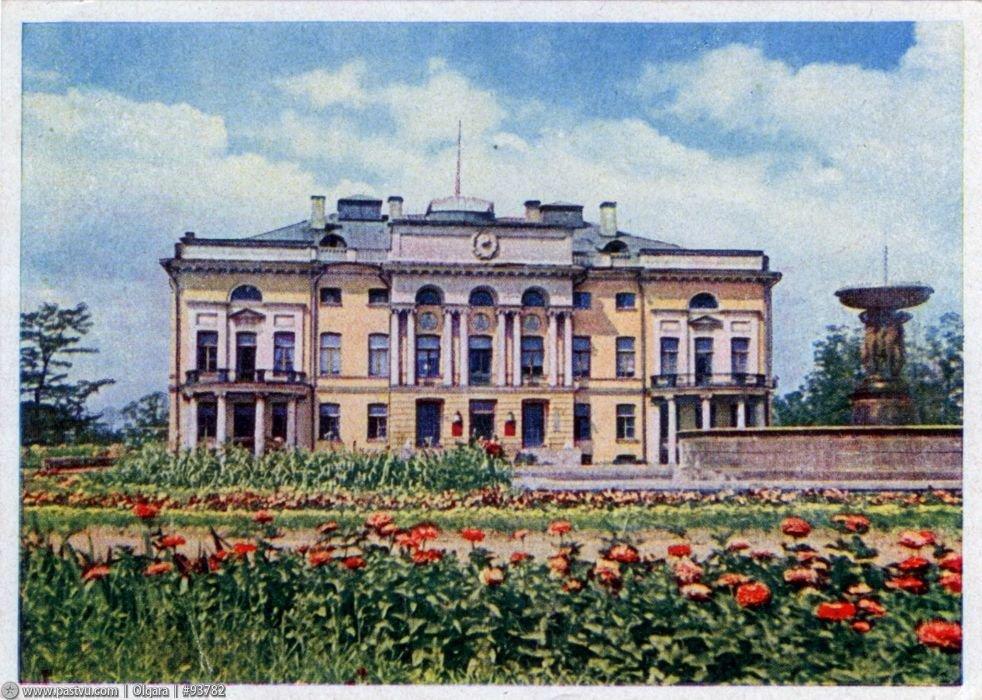
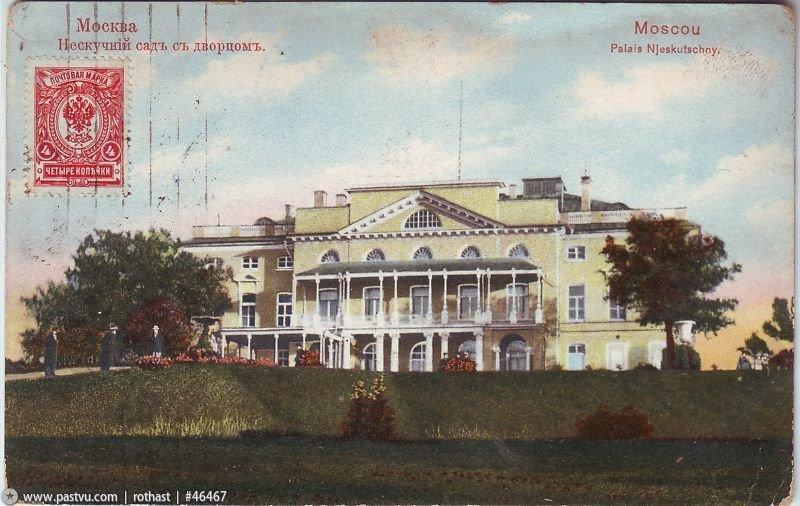
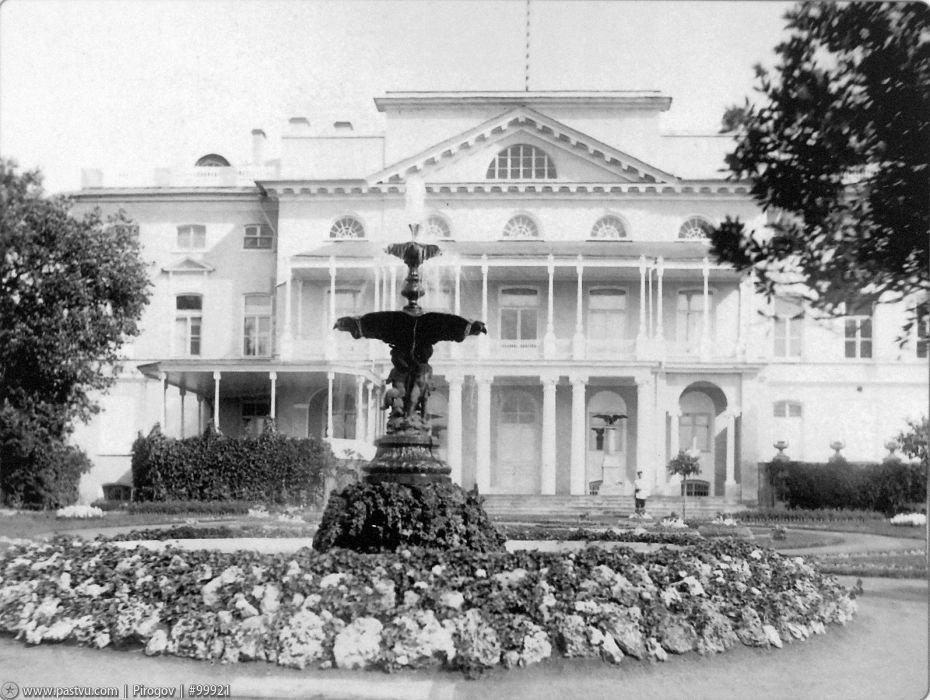
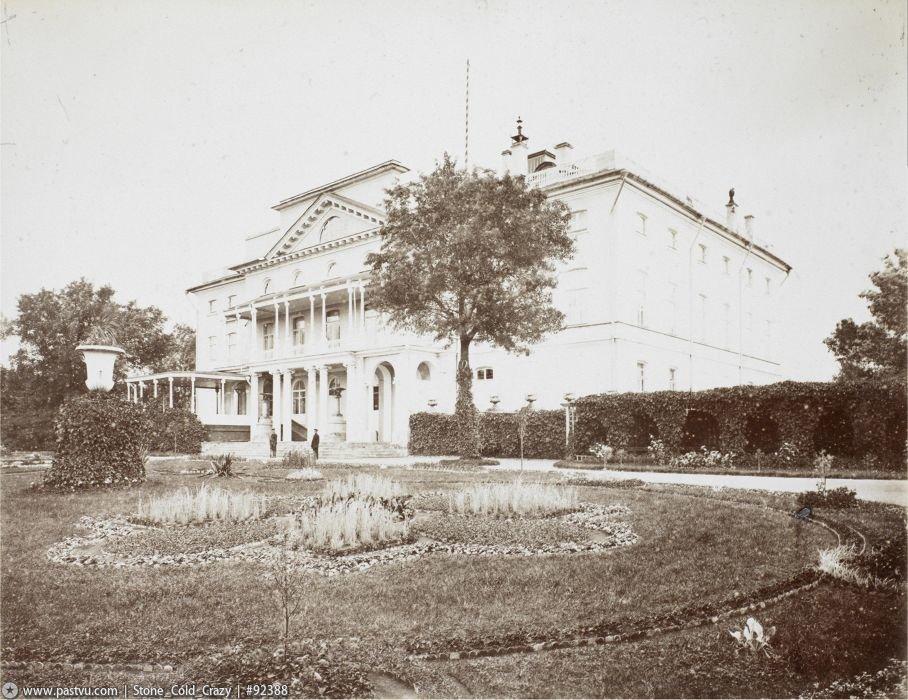

В основе здания по Ленинскому проспекту, 14, лежат П-образные палаты (1756 г.) – главный дом усадьбы, созданной П. А. Демидовым, сыном уральского заводчика и известным садоводом-любителем.
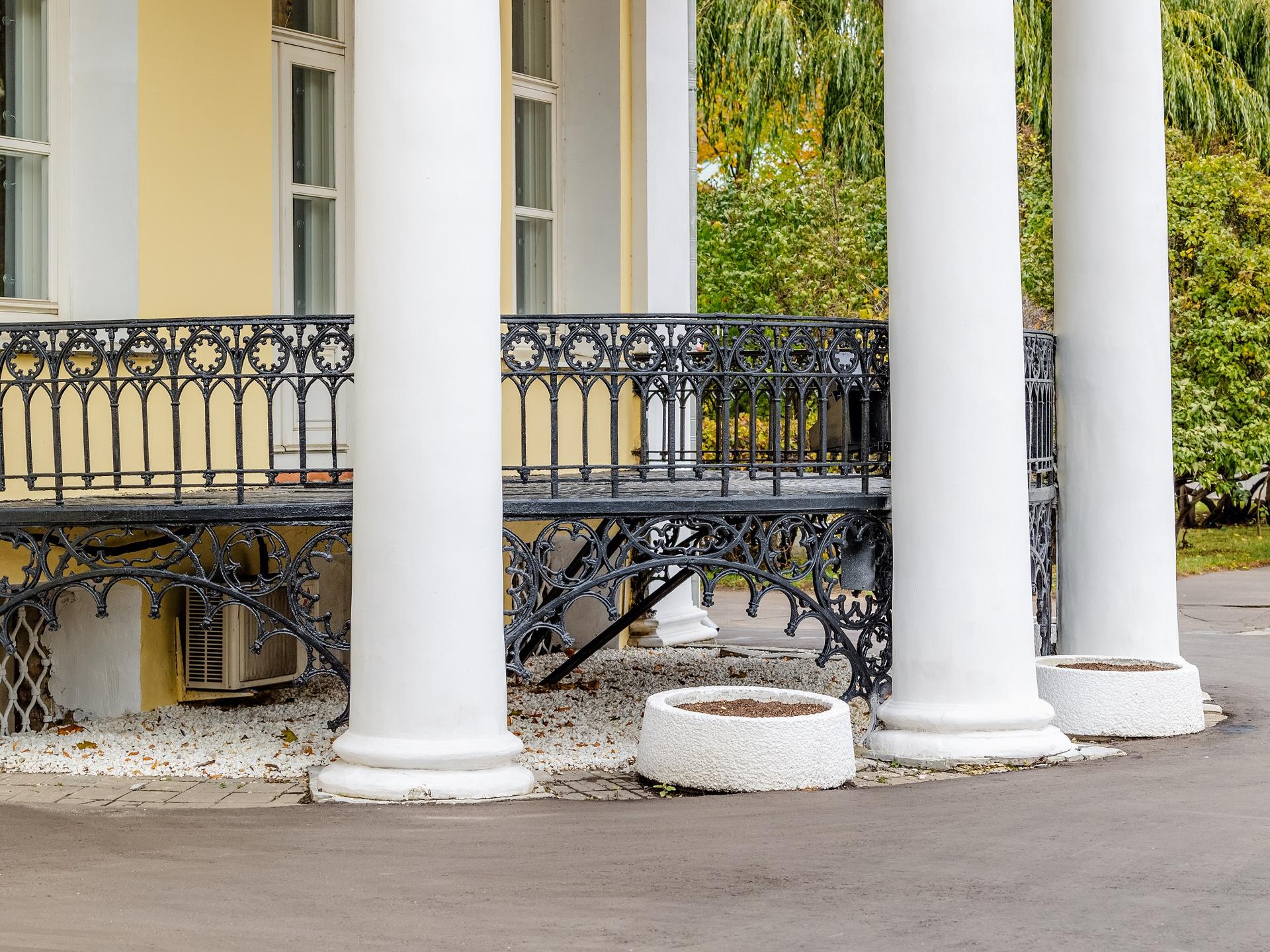
Между ризалитами садового фасада был помещен балкон на колоннах. Демидов в течение ряда лет приобретал на имя жены землю у московских владельцев. К этим владениям в 1754 году был куплен двор с домом Ф. И. Соймонова, известного навигатора и картографа. Это округлило участок, и усадьба заняла все пространство, лежащее между "рвом и дорогою, что ездят от церкви Риз-Положения к Москве-реке".
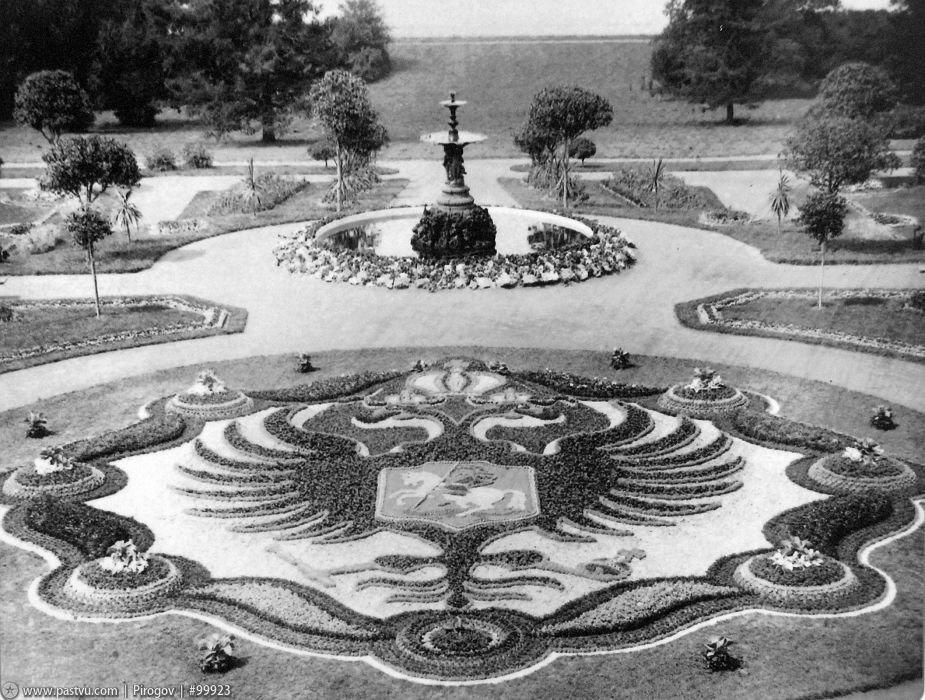
Сохранилась "челобитная дворянина П.А. Демидова и жены его Матрены Антиповой" от 10 апреля 1756 года о том, что они хотят построить “каменные палаты”. Имеется и резолюция: "дозволяется строиться согласно приложенному плану архитектора Яковлева". Двор перед домом окружали каменные службы и чугунная ограда, отлитая на заводах Демидова. За домом на берегу Москвы-реки был устроен террасный сад с заморскими цветами и деревьями.
Рядом с Демидовской усадьбой существовало большое владение фабриканта Ф. И. Серикова, в 1786 г. его южная часть перешла к Ф. Г. Орлову. После смерти Демидова его владение и сериковское приобрели Вяземские, а через семь лет - Ф. Г. Орлов. В 1796 г., после его смерти, всю территорию унаследовала малолетняя дочь его брата, А.Г. Орлова-Чесменского.
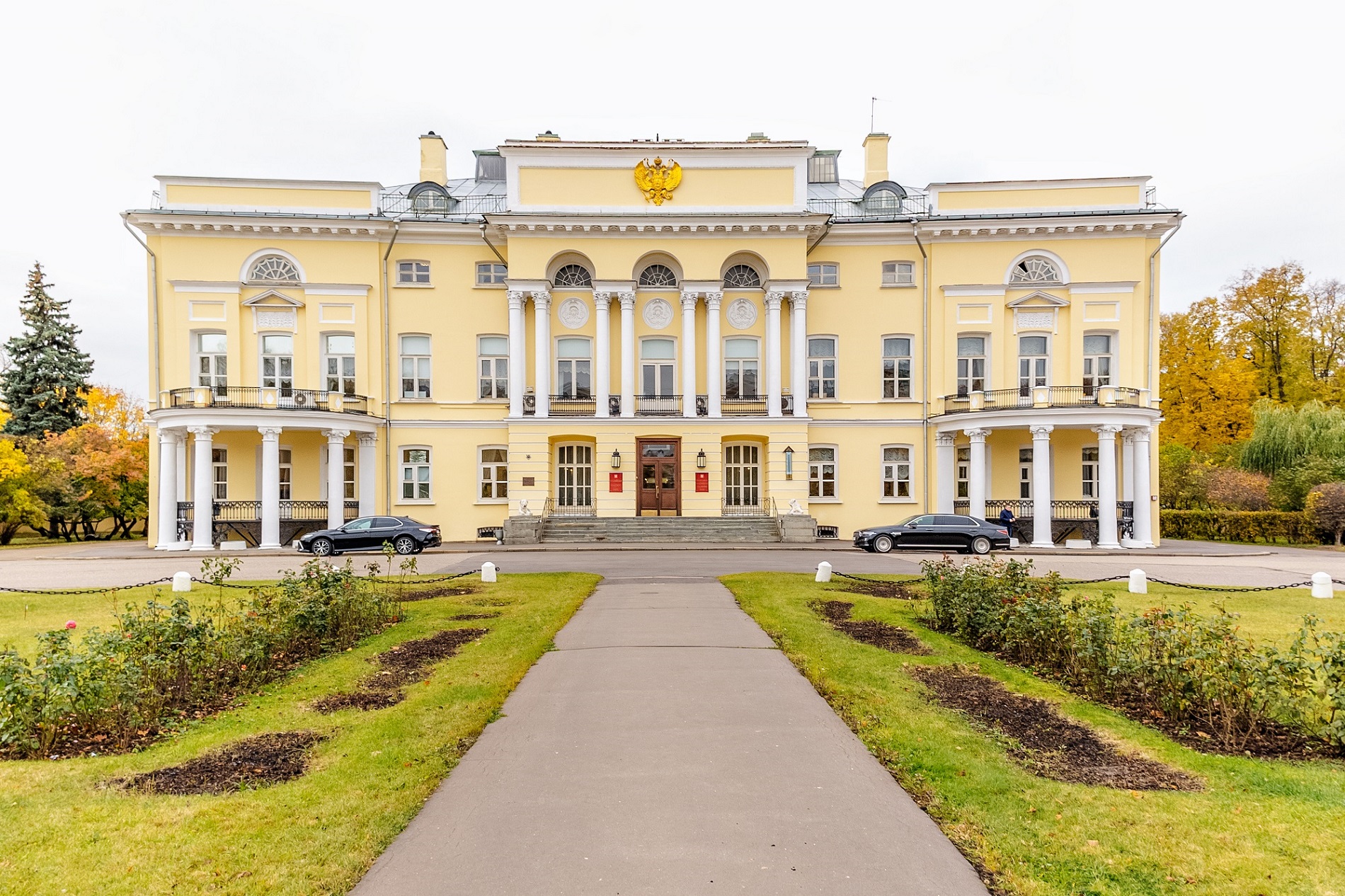
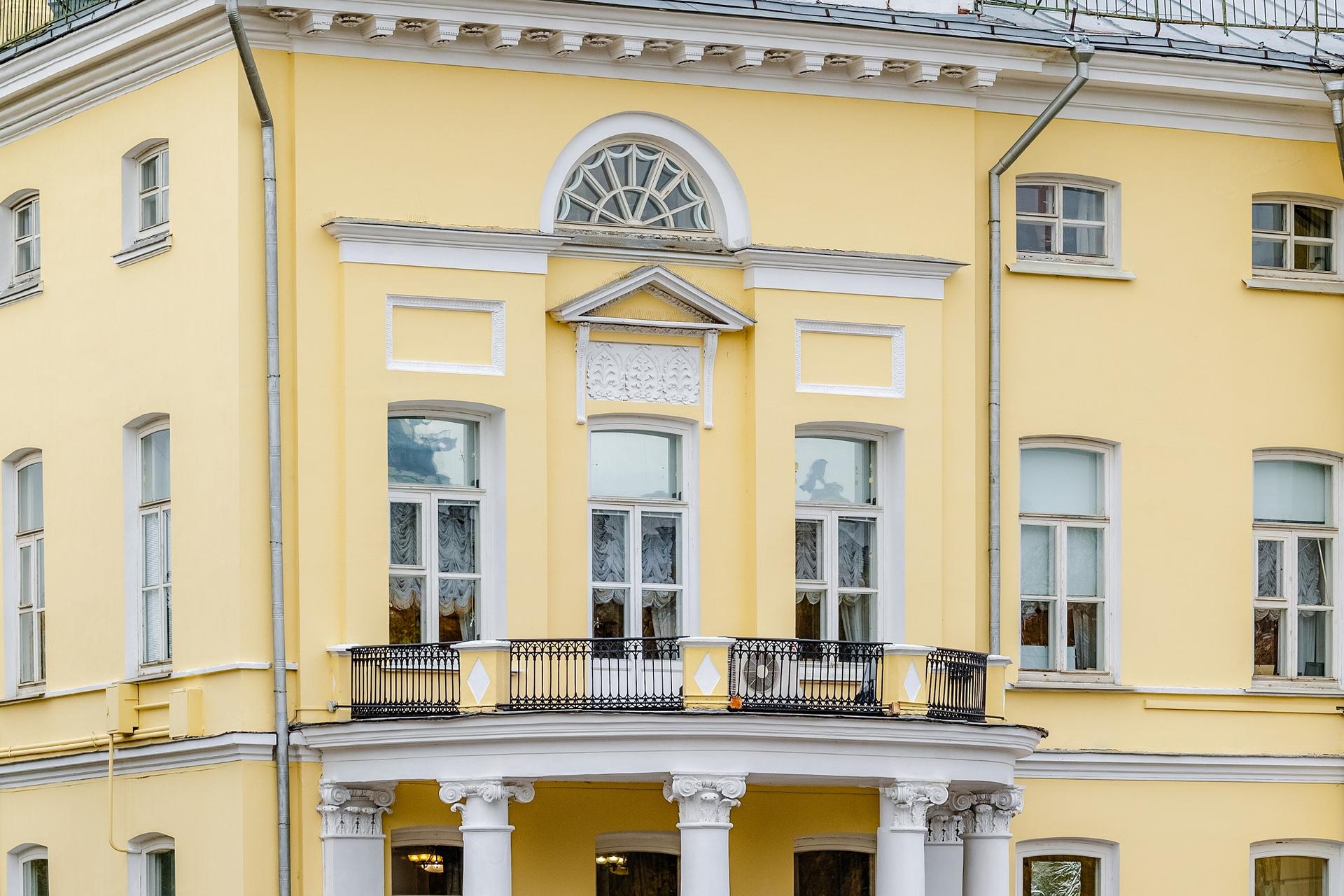
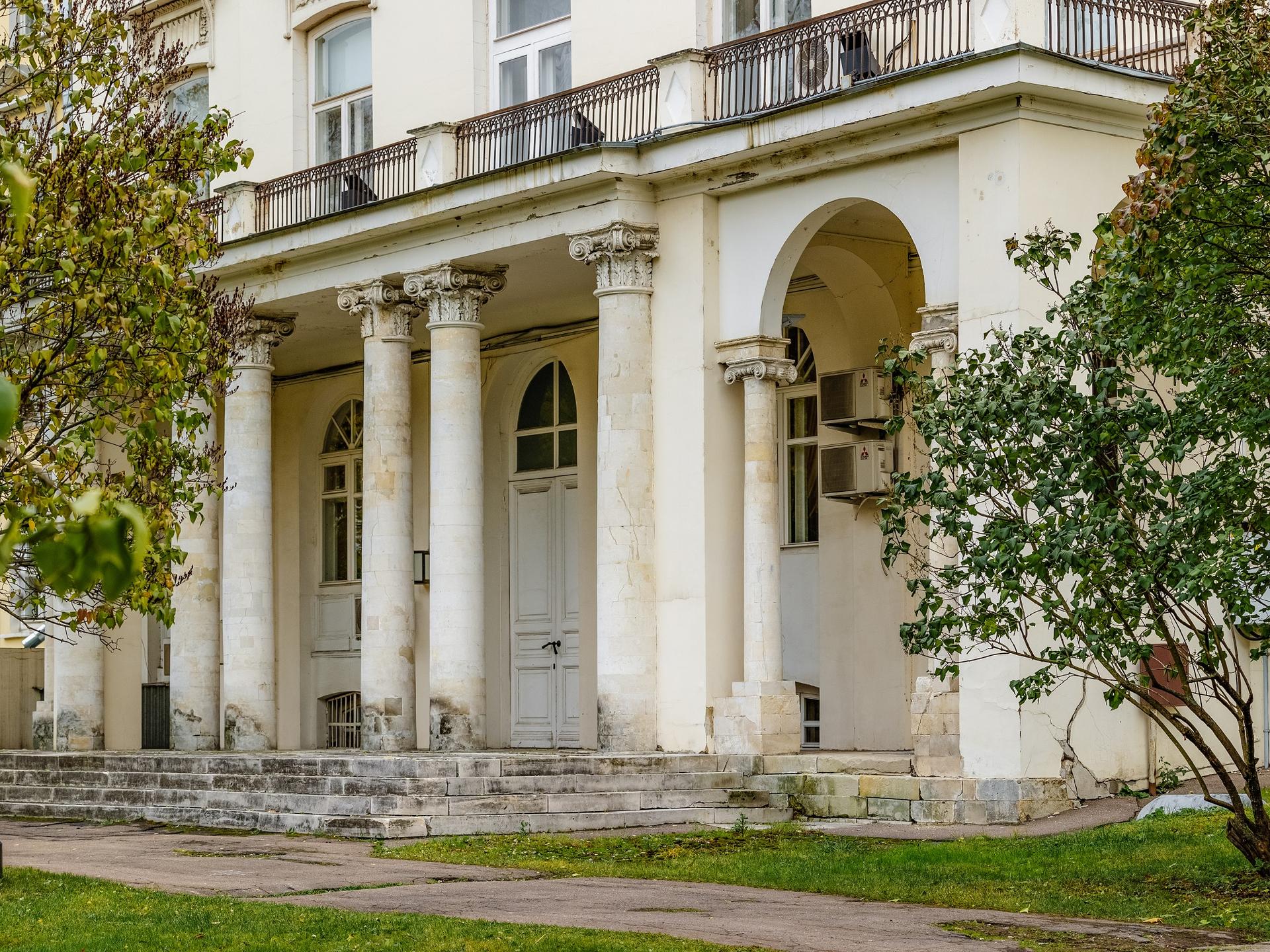
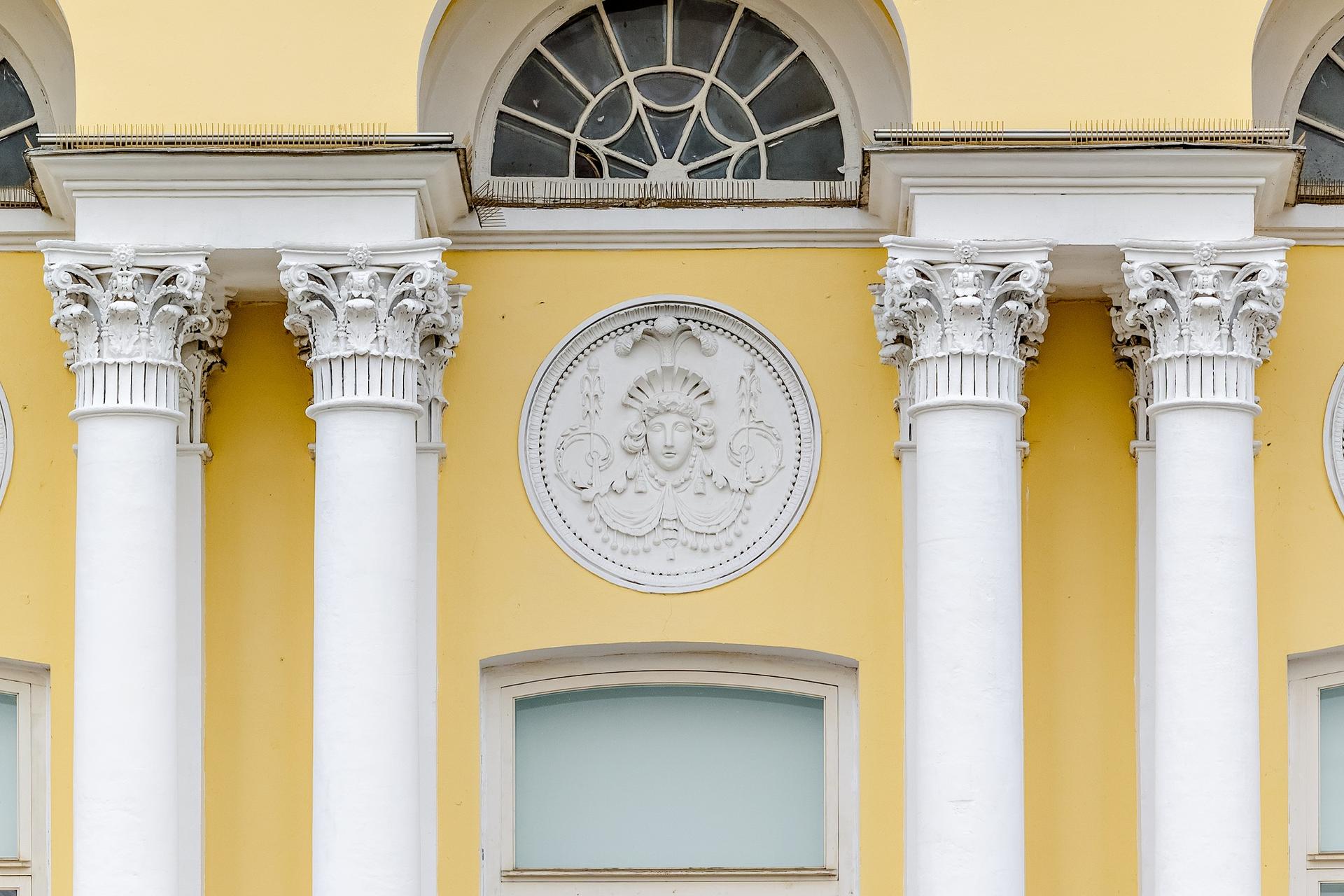
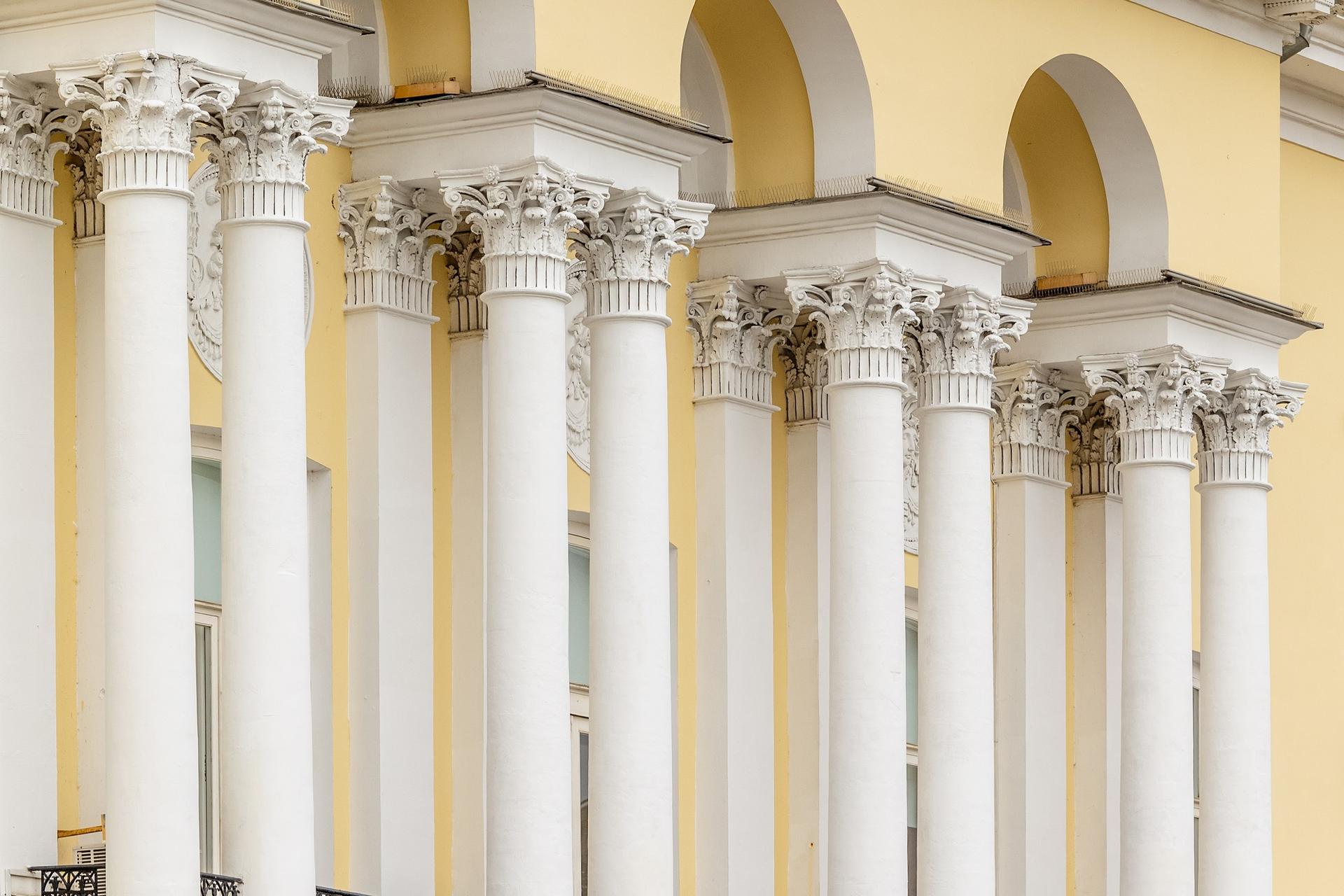
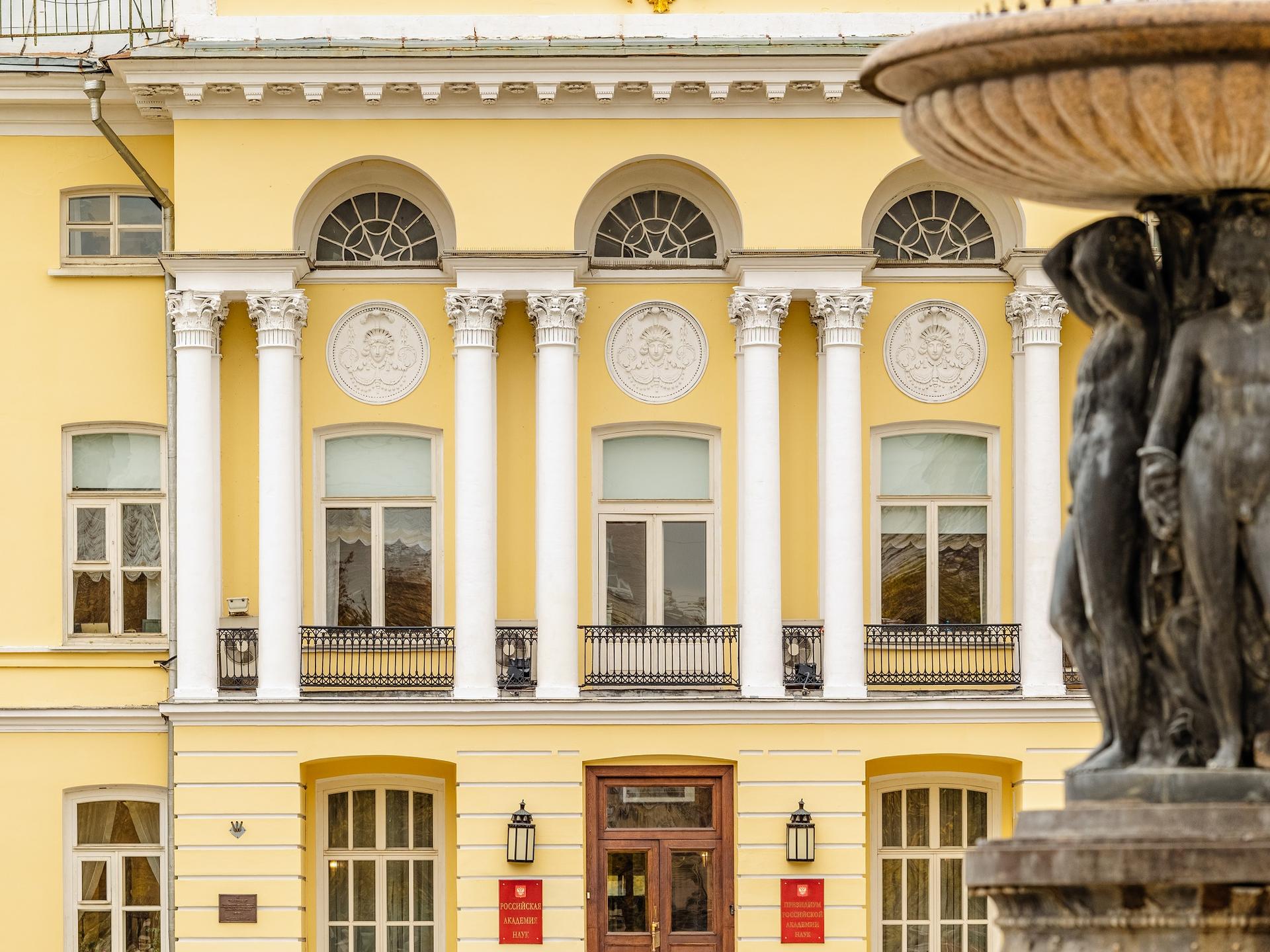
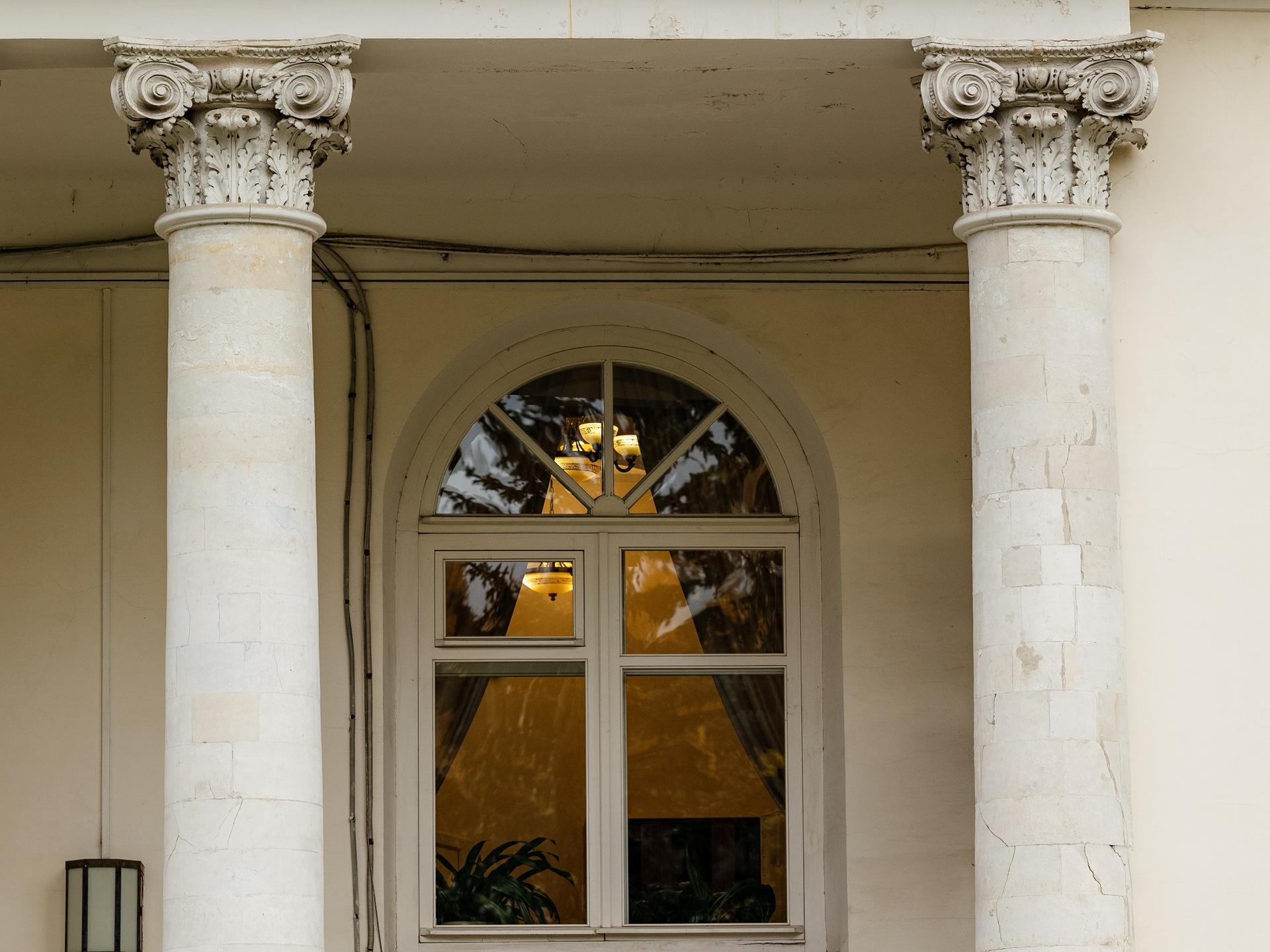
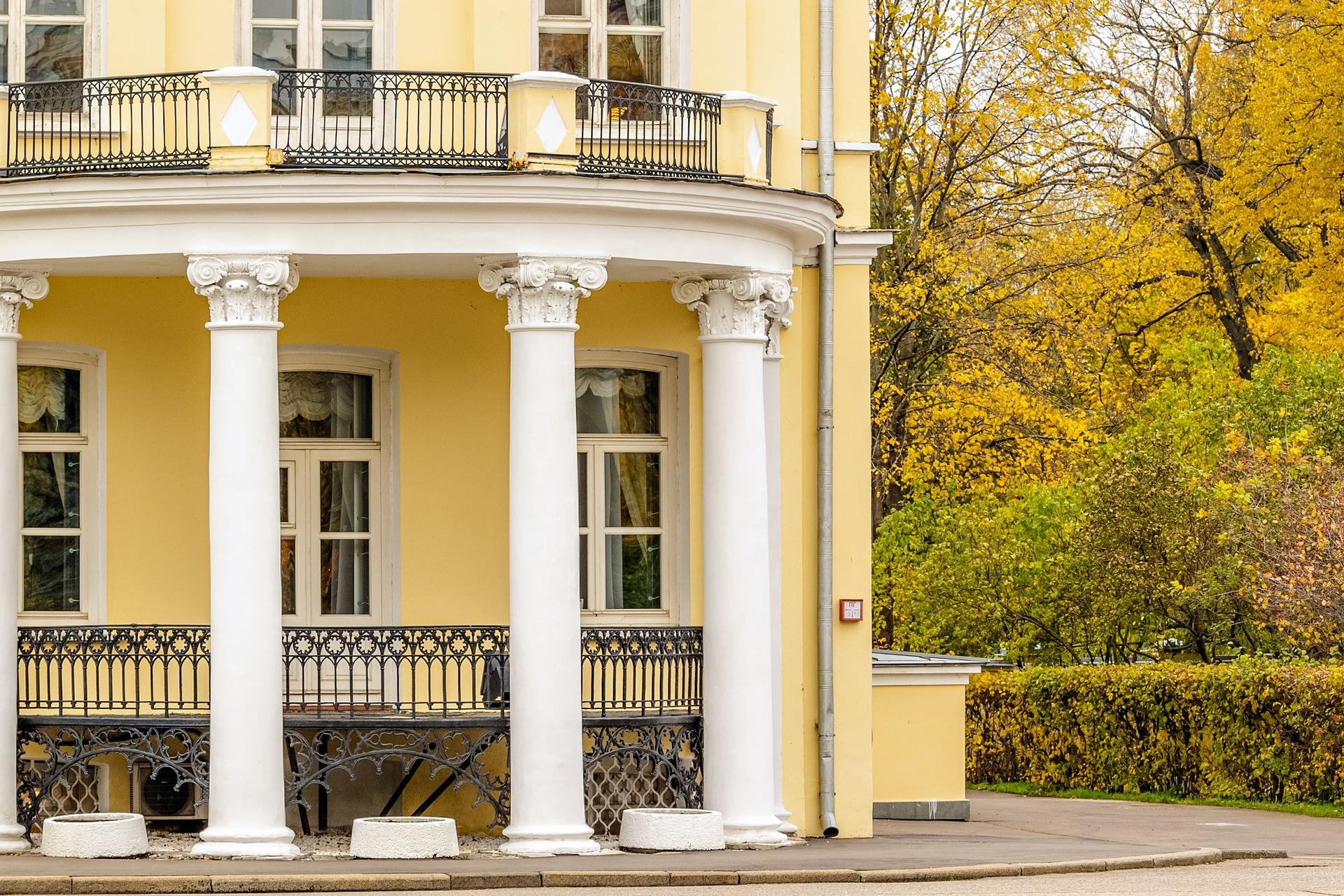
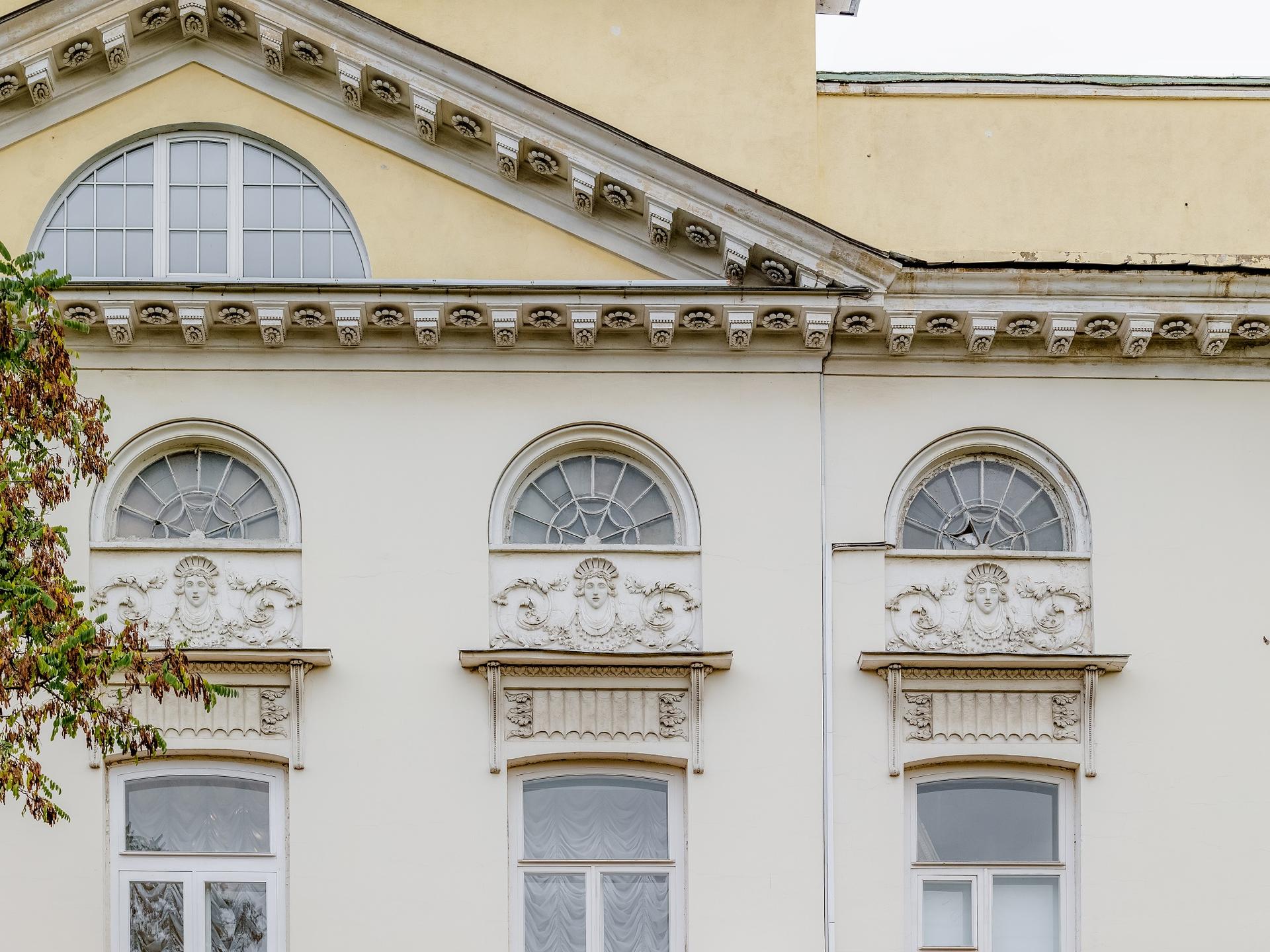
Главным домом стали палаты Демидова, перестроенные в 1804 г. в несколько измельченных формах зрелого классицизма. Своеобразен портик на центральном ризалите главного фасада: четыре пары коринфских колонн несут декоративную стенку, прорезанную арками, в которые выходят окна третьего этажа. Перед плоскими боковыми ризалитами помещены сильно выступающие полуциркулярные балконы на невысоких колонках.
В 1832 г. А. А. Орлова продала огромную усадьбу Дворцовому ведомству. Она была названа Нескучным садом. Главным домом стал дом Орловой, названный Александринским дворцом по имени жены Николая I, для которой устраивалась усадьба. К этому же времени относят и последнюю перестройку дворца, которой руководили архитекторы Тюрин и Мироновский.
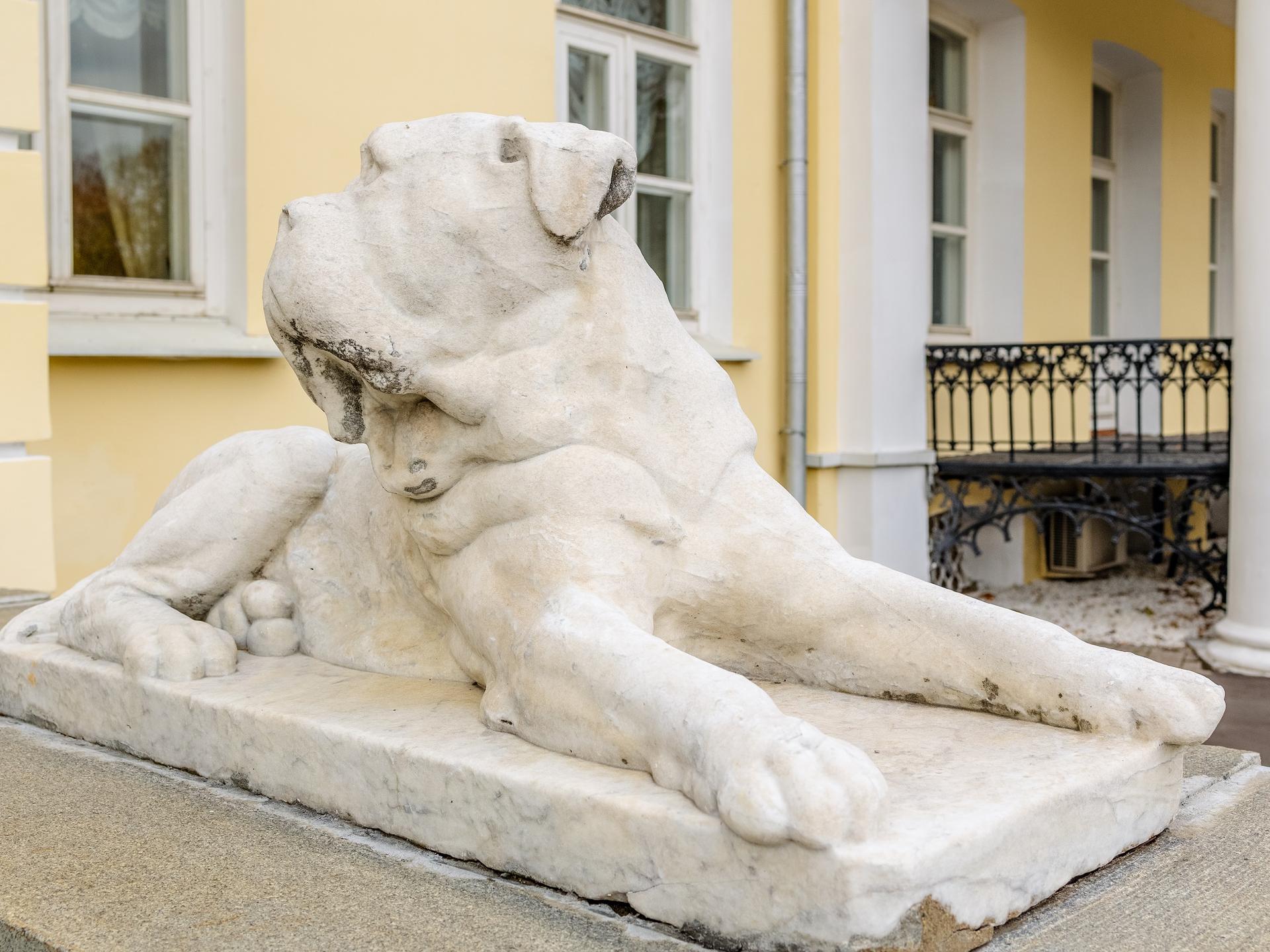
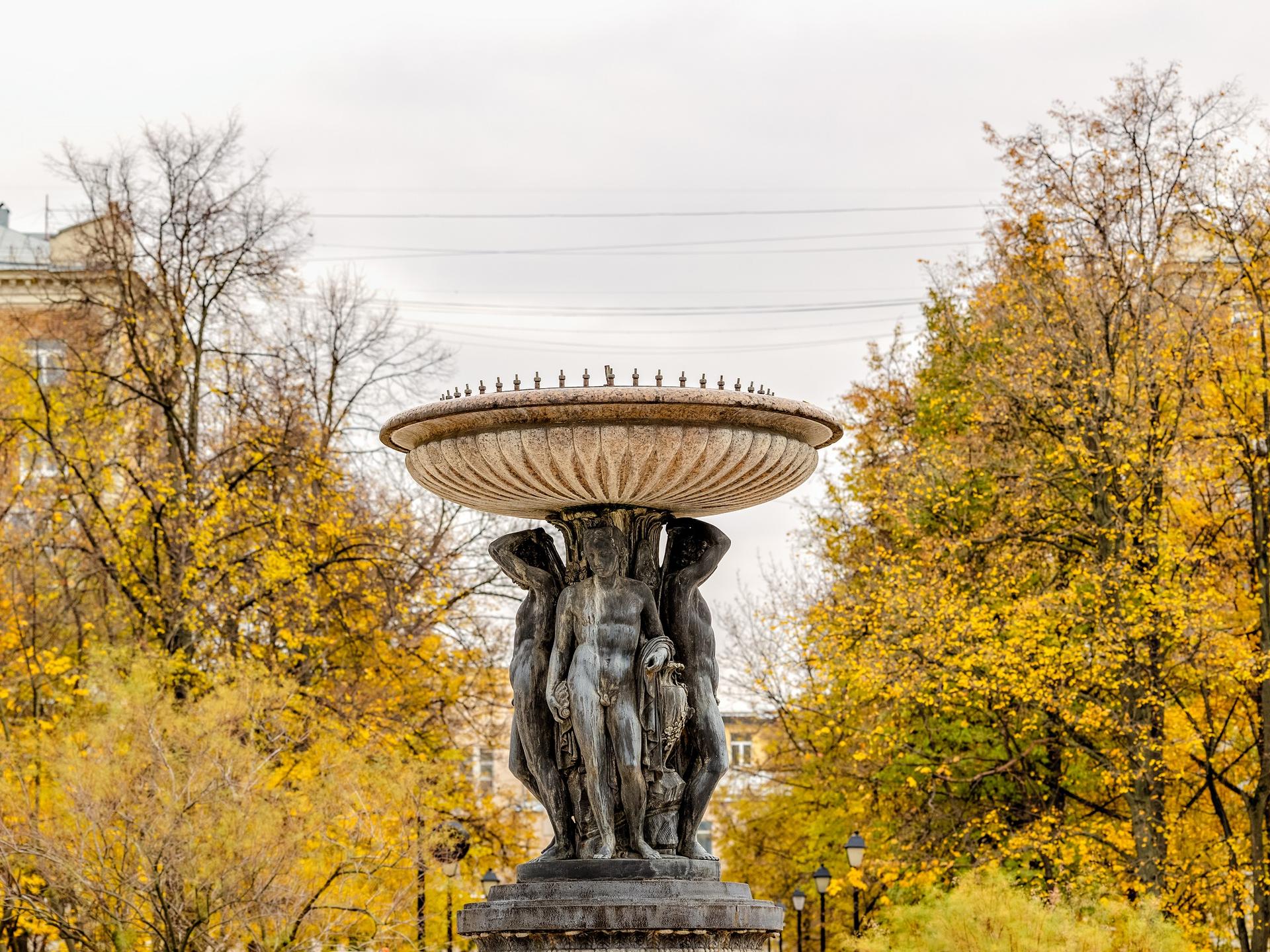
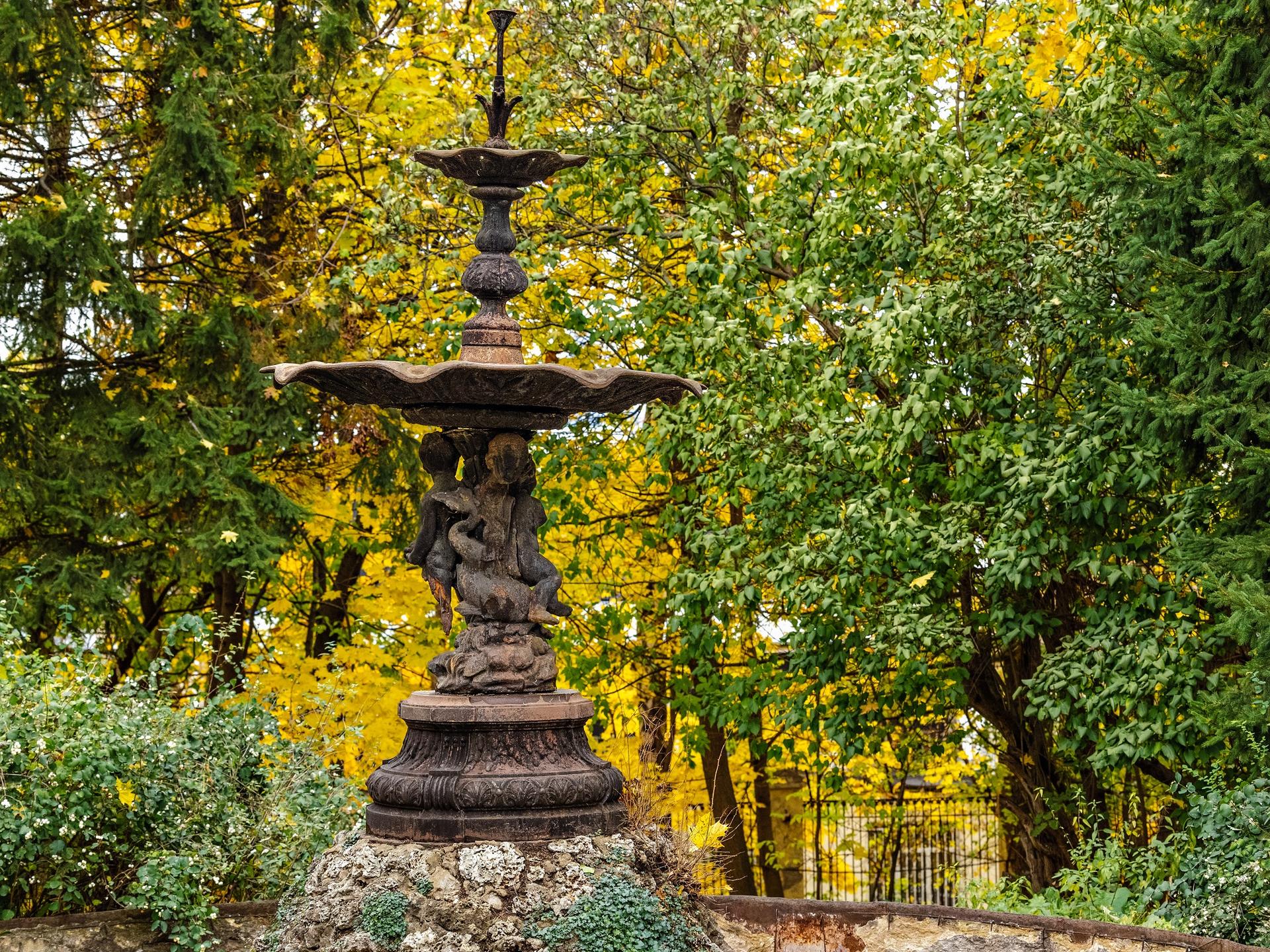
Дворец стал центром царской резиденции, к нему со стороны ворот вела парадная аллея, открывающаяся парадными воротами со скульптурными группами, символизирующими изобилие (скульптор – Витали, 1846г.). Парадный двор оформляли Фрейлинский и Кавалерский корпуса, рядом появилась небольшая Гаупвахта. Очень удачно в этот ансамбль вписался чугунный фонтан. Небезынтересно будет узнать, что фонтан здесь появился почти на век позже, в 1936 году, когда в здании Александринского летнего дворца, переехав из Ленинграда, расположился Президиум Академии Наук СССР. Ранее фонтан стоял на Лубянской площади, где служил водозаборным бассейном, в который питьевая вода подавалась из Мытищинского водопровода.
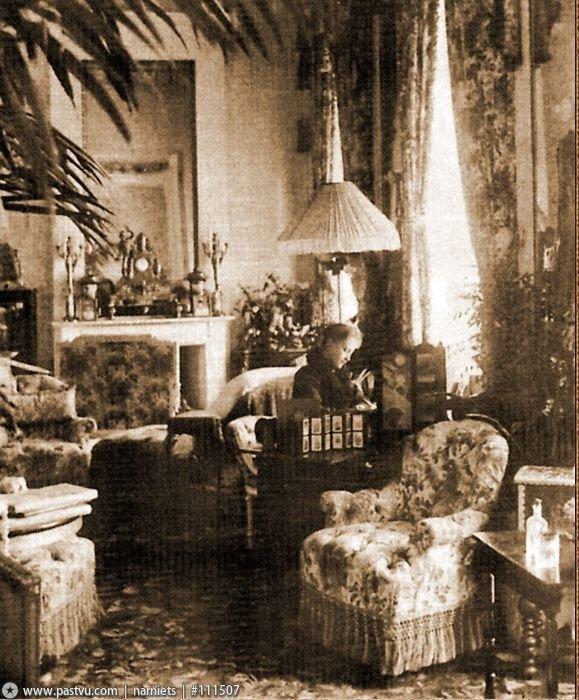
Еще один интересный эпизод жизни дворца связан с первым постреволюционным десятилетием. В те годы здесь располагался Московский музей мебели. В книге Ильфа и Петрова "Двенадцать стульев" выведено описание этого музея мебели. Так что именно здесь Остап Бендер и Киса Воробьянинов разыскивали "драгоценные стулья".
Реставрационные работы на территории ансамбля Александринского дворца ведутся достаточно давно и активно. Были отреставрированы боковые корпуса и восстановлен первоначальный цвет фасадов. Обновлено здание Гауптвахты, в том числе колонны и другие архитектурные элементы. Реставраторы воссоздали два шлема над карнизом и скульптуру двуглавого орла по архивным фотографиям. Привели в порядок въездные ворота со скульптурными группами “Времена года”.
Сейчас разрабатывается проектная документация для нового этапа реставрации.
Balcony with columns was placed between risalits of the facade garden. Demidov was buying land from several Moscow landlords and registering plots at the name of his wife. F.I. Soymonov’s house with garden was acquired in 1754. Soymonov was famouse navigator and cartographer. This property rounded the plot, and the estate was taken all the space that lies between the "moat and roads where people go from of the Vestments-position church to the Moscow River."
"Petitioner of nobleman P.A. Demidov and his wife Matryona Antipova" was preserved on April 10, 1756 .They ask a permition to build a "stone chambers." There is also a resolution "allowed to build in accordance with the architect Yakovlev’s plan attached." Courtyard in front of the house was surrounded by stone life- and cast iron fences, cast at Demidov’s factories. Terraced garden with flowers and trees brought from overseas was arranged behind the house on the banks of the Moscow River.
Large property of manufacturer F.I. Serikov was near there. The southern part of this property moved to F.G. Orlov in 1786. Vyazemskys purchased the Serikov’s and Demidov’s properties after the death of Demidov. F.G. Orlov bought it seven years later. Infant daughter of A.G. Orlov Chesmensky, the brother of F.G. Orlov inherited the entire territory in 1796, after the death of A.G. Orlov.
Demidov’s Chambers became the main house. It was rebuilt in 1804 in crushed forms of mature classicism. The central portico on the Rizal of the main facade is peculiar: four pairs of Corinthian columns are supporting decorative wall cut by arches, which extend in a third floor window. Strongly protruding semi-circular balconies were placed on low columns in front of the flat side risalits.
A.A. Orlova sold a huge manor to the Tsar’s Court administration in 1832. It was called Neskuchny garden. Orlova’s house becomes the main building of the estate. The estate was arranged for the wife of the Tsar Nicholas I and was name Aleksandrinsky after her. The latest restructuring of the palace happened at that time. It was led by architects Tyurin and Mironovsky.
The palace became the center of the royal residence, an alley with sculptural groups symbolizing abundance (designed by the sculptor Vitali in 1846) led from the front gate to the palace, opening the front gate.
Freylinsky and Cavalry Corps were decorated the front yard. S mall guardhouse was built next to these corps. Cast-iron fountain fit very well in this ensemble.
It is interesting to know that the fountain appeared here almost a century later, in 1936, when The Main Bureau of the USSR Academy of Sciences moved from Leningrad to the Aleksandrinsky Summer Palace. Earlier fountain stood in Lubyanka Square, where it served as Diversion pool where drinking water was supplied from Mytischinsky plumbing system.
Another interesting episode of palace life is associated with the first post-revolutionary decade. Moscow Museum of furniture was located here during those years. It was described in the book "12 chairs" by Ilf and Petrov. Two main characters of the book Ostap Bender and Kisa Vorobianinov searched for "precious chairs" in this building.