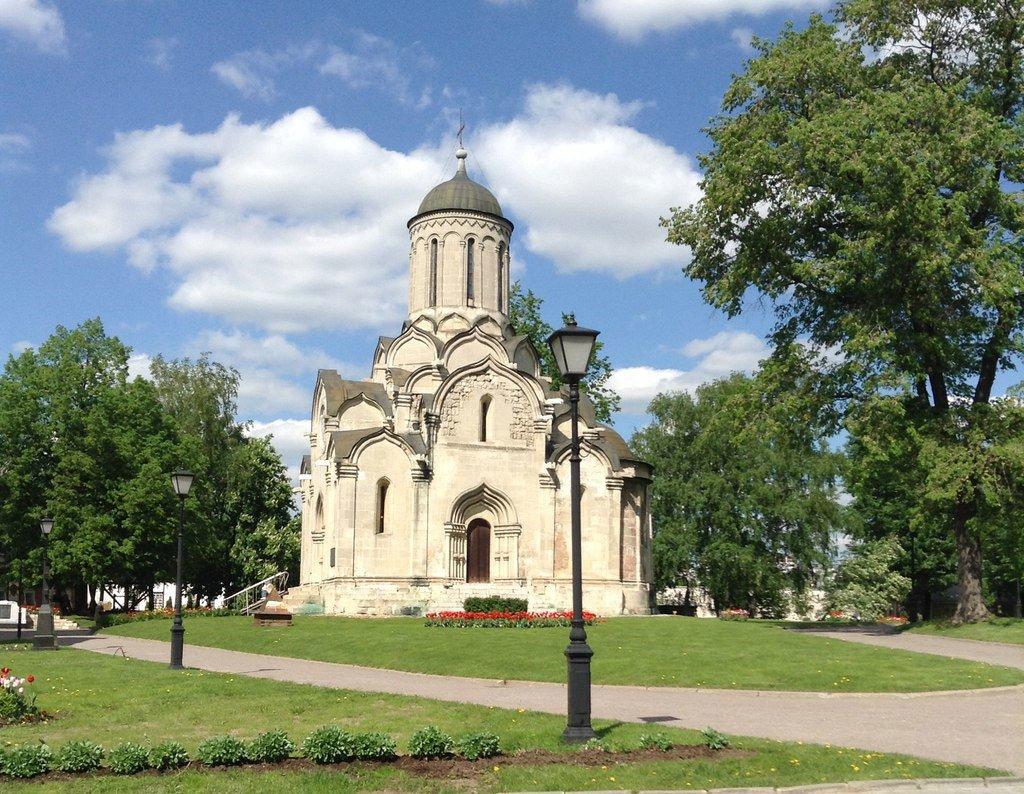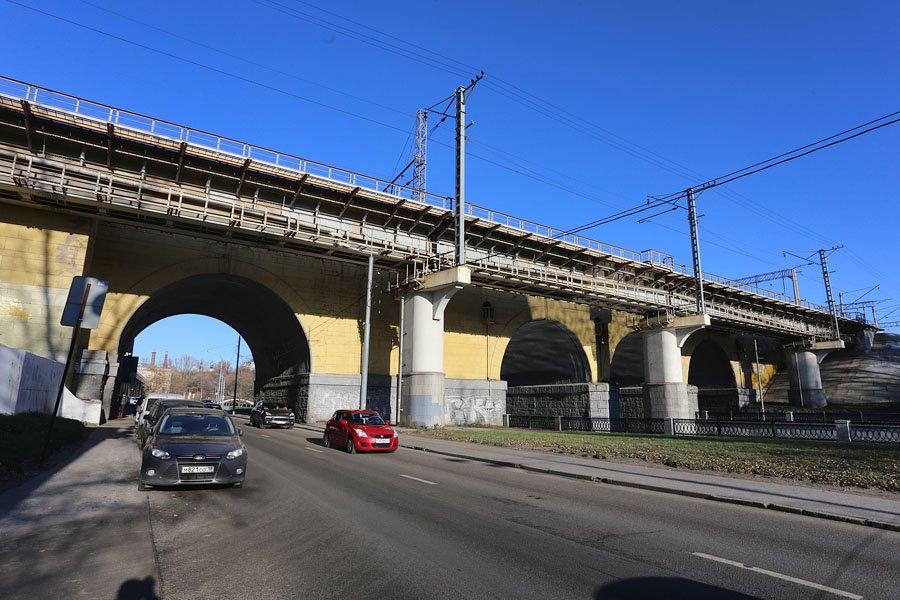

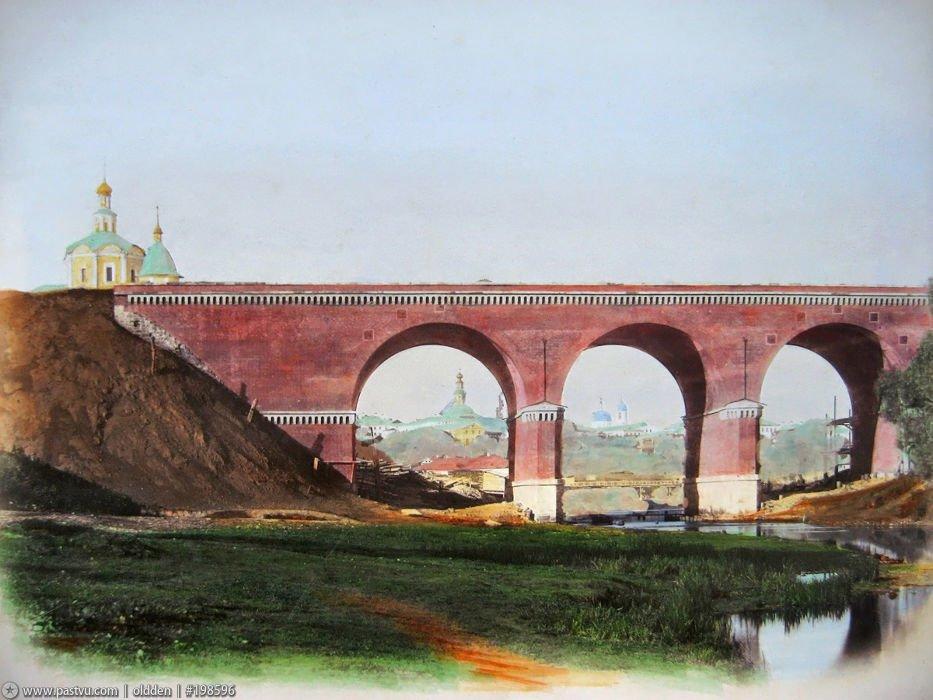
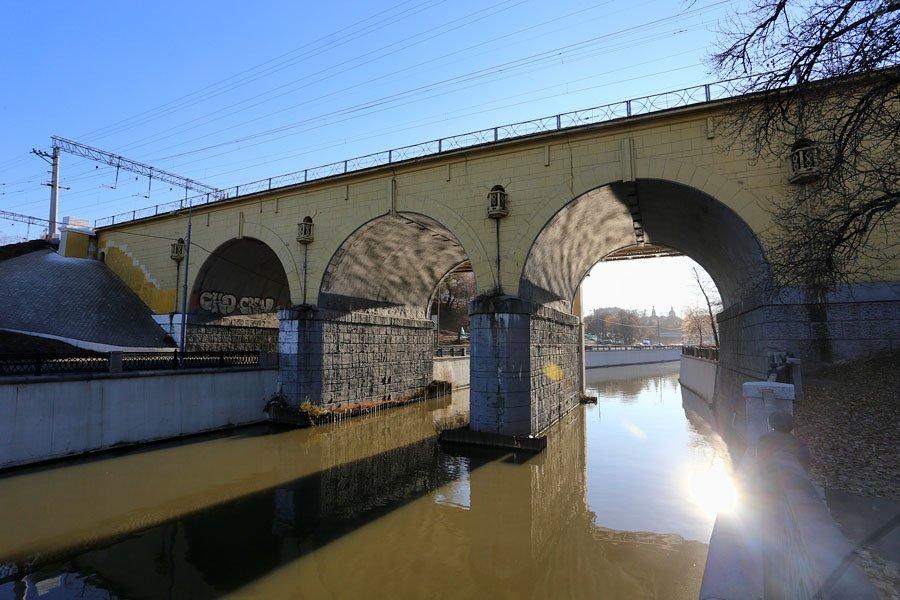
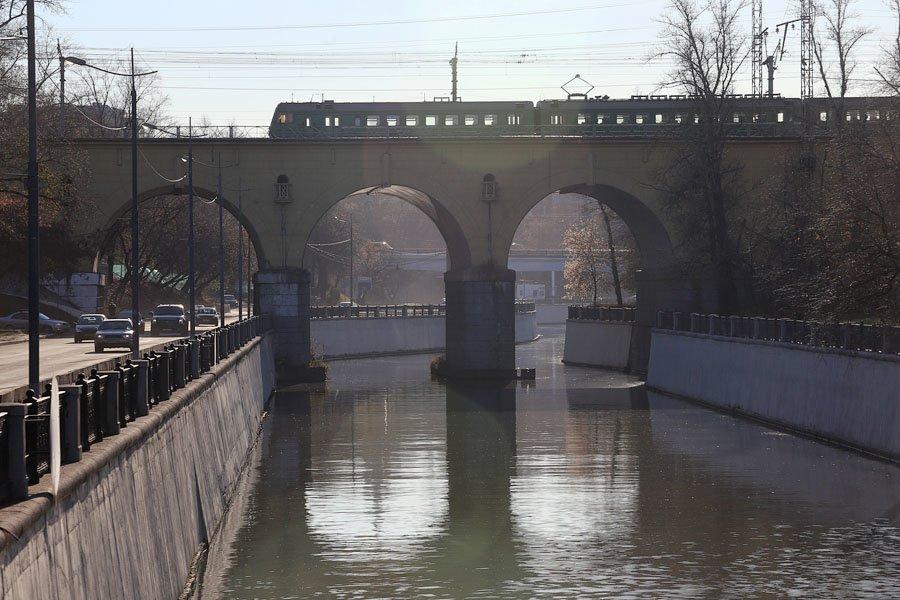
Один из живописнейших московских мостов, перекинутый с высокого берега Яузы близ Спасо-Андроникова монастыря, он напоминает своими лапидарными монументальными формами древнеримские акведуки.
Мост был выстроен в 1865 году для Курской (Нижегородской) железной дороги и был трехпролетным, русло реки помещалось в один центральный пролет.
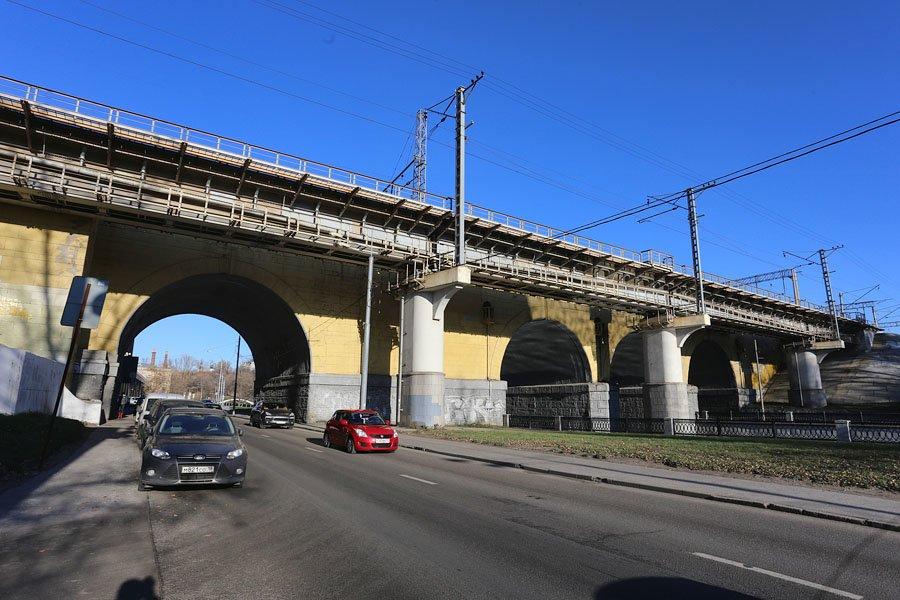
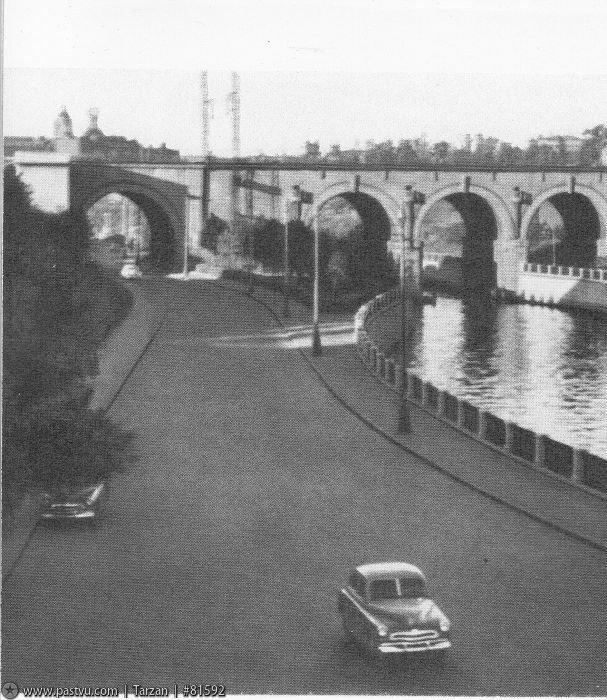
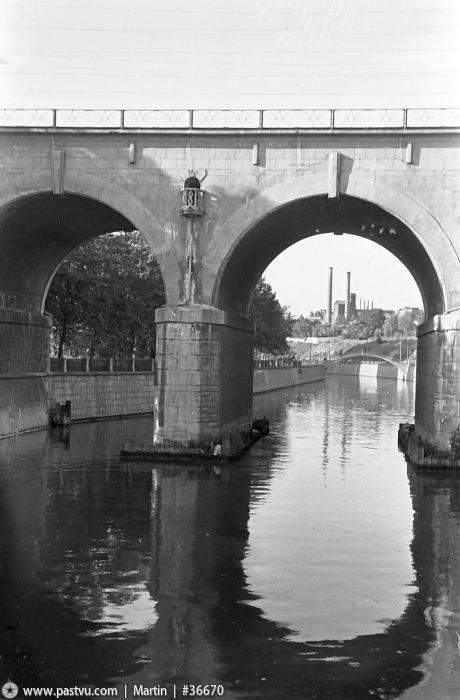
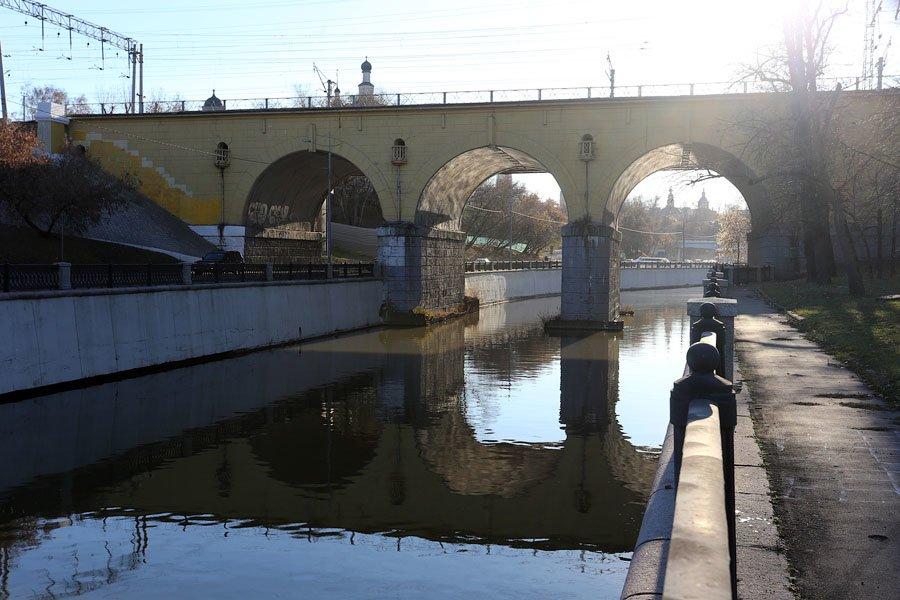
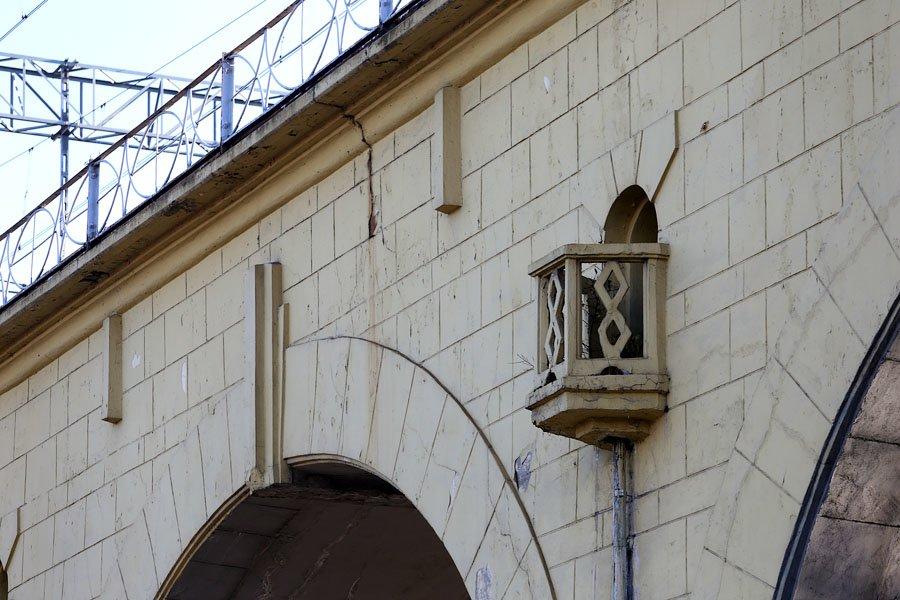
Сам рисунок моста поражает своей четкостью и изящностью замысла. Мост был перекинут между двух склонов высоких насыпей, гладкая поверхность его боковой стороны прорезана тремя циркульными арками, лишь быки по бокам центрального пролета чуть выступают вперед своими скошенными гранями. Над быками и стопами арок сделаны небольшие технические проемы, той же арочной формы, но в меньшем масштабе. К ним примыкают небольшие балкончики — консоли смотровых ходов, через которые выведены водостоки. Они появились во время первой реконструкции моста в 1888 году, а во время второй, в 1950-1951 гг., которую выполнили инженеры Н. М. Колоколов, С. Я. Терёхин и архитектор Б. М. Надежин, тонкие металлические парапеты балконов были превращены в более солидного вида «фонарики» с геометричным узором решеток. Тогда же гладкие стены были украшены рельефной окантовкой арочных изгибов и высокими замковыми камнями, но главное изменение состояло в добавлении четвертого пролета, под новой аркой прошла проезжая часть набережной.
Is there a bridge with balconies? It turns out that there is.
One of the most beautiful bridges in Moscow, built from a high bank of Yauza near Saviour-Andronnikov monastery reminds his lapidary monumental forms of the Roman aqueducts.
The bridge was built in 1865 for the Kursk (Nizhny Novgorod) Railroad and was three-span, the river bed fit in a central span.
Drawing of the bridge is striking in its clarity and elegance of design. The bridge spanned between the two slopes of high embankments, smooth surface of the side of the circular cut by three arches; only the bulls on the sides of the central span just come forward with their beveled edges. Bulls over arches and feet are made minor technical openings, the same arched shape, but on a smaller scale. They relate to a small balcony - Consoles observation moves, which derived through drains. They appeared during the first reconstruction of the bridge in 1888, and during the second in 1950-1951., Which is made engineers NM Bells, SY Teriokhin and architect BM Nadezhin, thin metal railings of balconies were converted into a solid form "lanterns" with geometric pattern arrays. Then smooth walls were decorated with embossed edging arch bends and high keystones, but the main change was the addition of a fourth flight, a new arch passed roadway embankment.