Интерактивный гид по городу
С мобильным приложением бродить по городу гораздо интереснее!

Basmannyy hospital

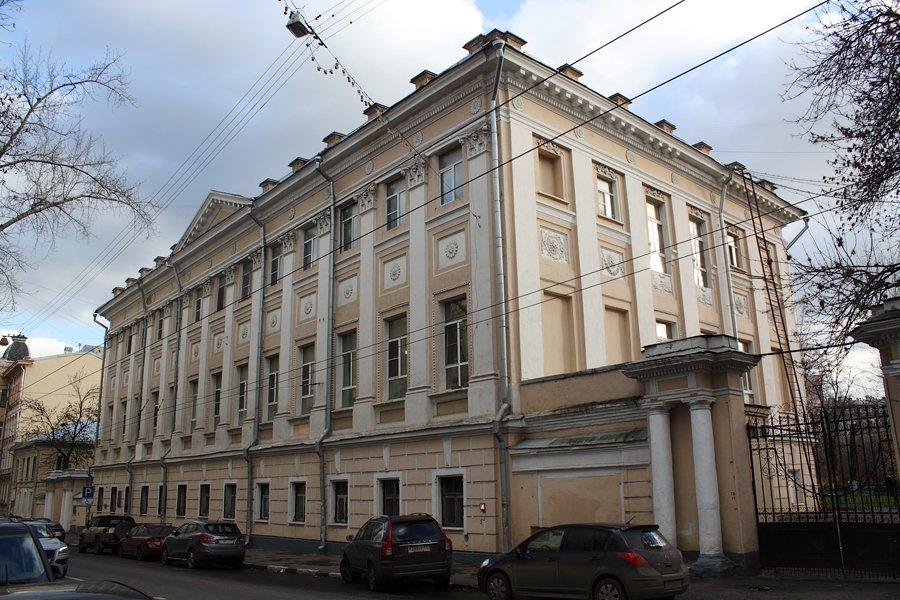
The basis of the building of the Basmannaya hospital consists of an old Demidov’s house, it was built at the end of the XVIII century, and the building was rebuilt for community needs subsequently.

Basmannyy hospital
Basmannyy hospital
The basis of the building of the Basmannaya hospital consists of an old Demidov’s house, it was built at the end of the XVIII century, and the building was rebuilt for community needs subsequently.
3.45
Вы можете воспользоваться QR-кодом, чтобы открыть эту страницу в нашем приложении
Архитектурный стиль:
Годы постройки:
1779–1791
Эпоха:
18th century
Информация о здании

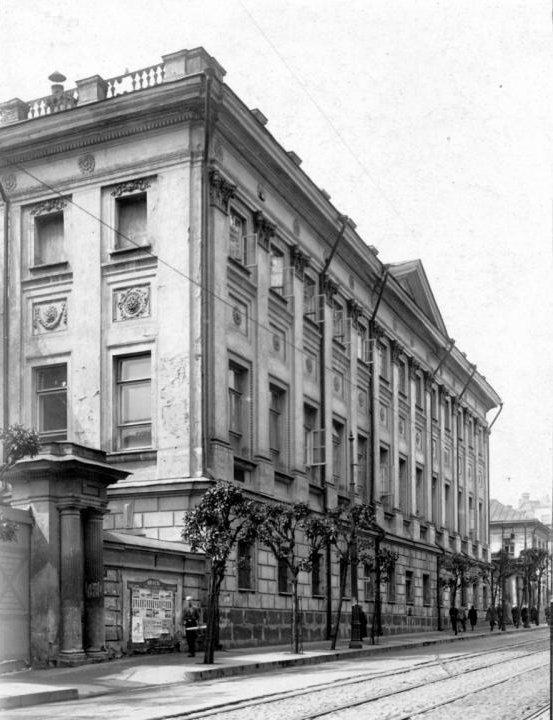
Этот «несгораемый» дом на Новой Басманной был известен своей картинной галереей, про которую современники писали, что ее «можно назвать музеем или московским Эрмитажем в малом виде: то же разнообразие предметов, тот же вкус ко всему изящному и то же искусство в размещении их».

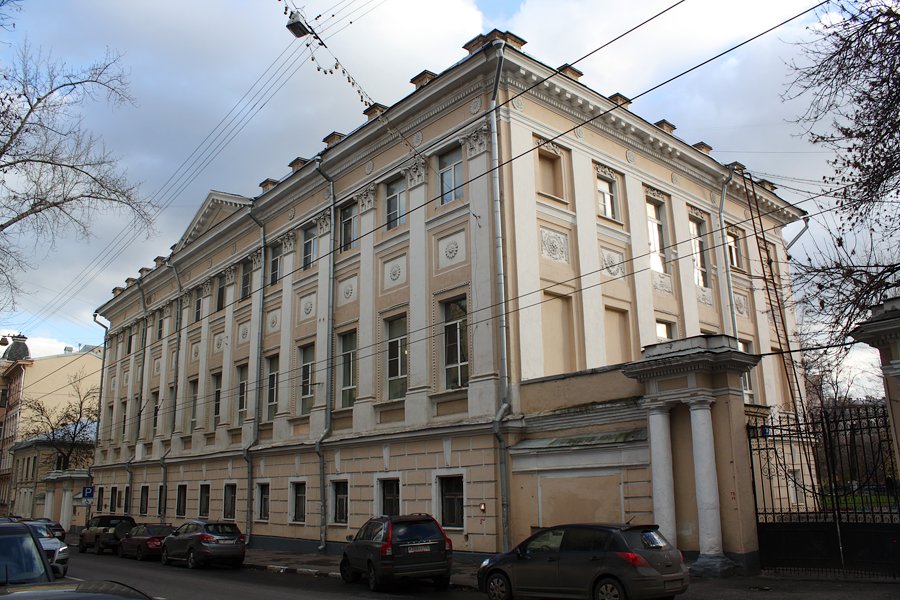
Большая усадьба, чье владение простиралось некогда почти до Старой Басманной улицы, была построена в 1790-х годах для Никиты Никитича Демидова (младшего), одного из представителей знаменитой династии уральских заводчиков Демидовых.

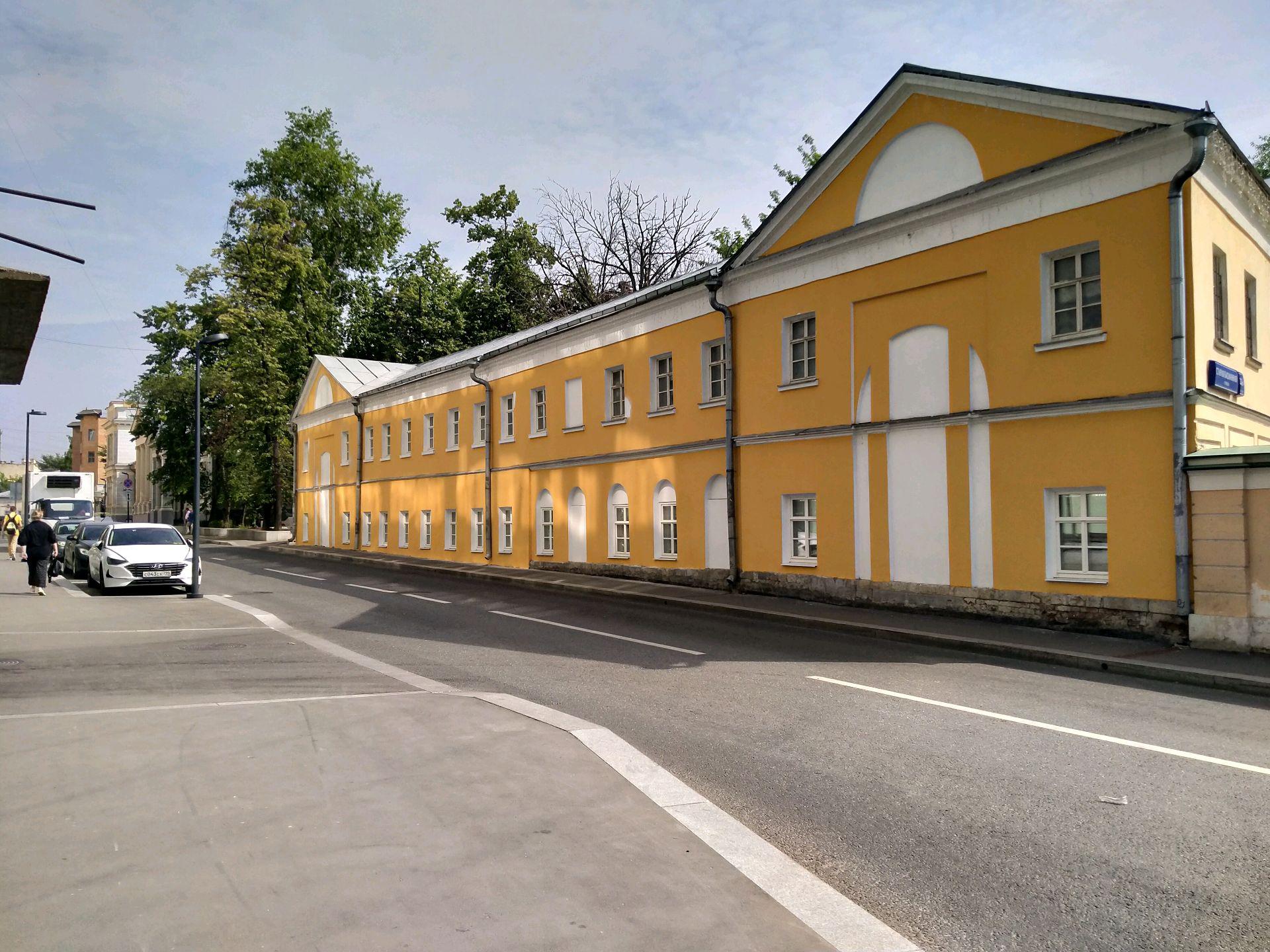
Демидов купил владение у графа Н.А. Головина, и на месте деревянных строений старой усадьбы выстроил по красной линии улицы большой каменный трехэтажный дом с двумя симметрично расположенными флигелями и хозяйственным флигелем во дворе.

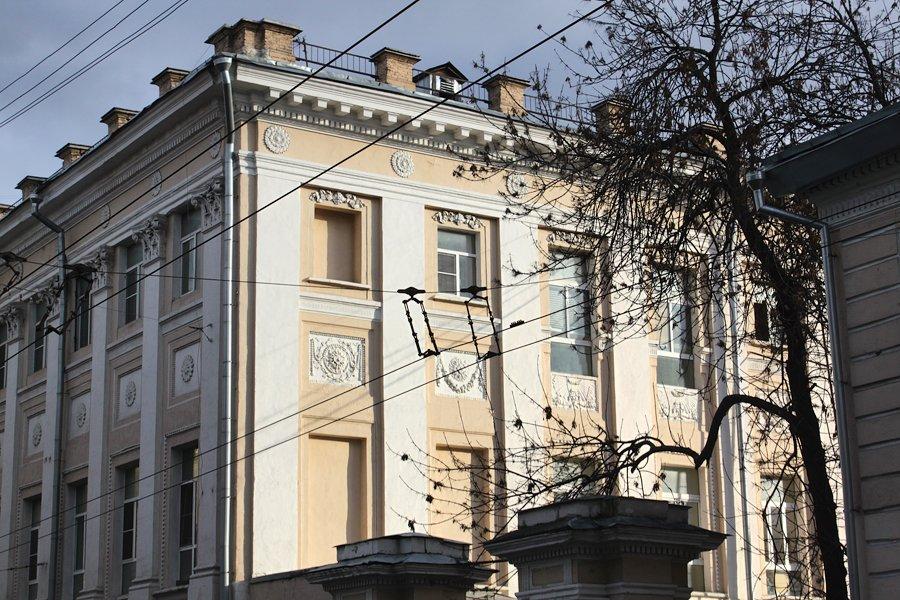
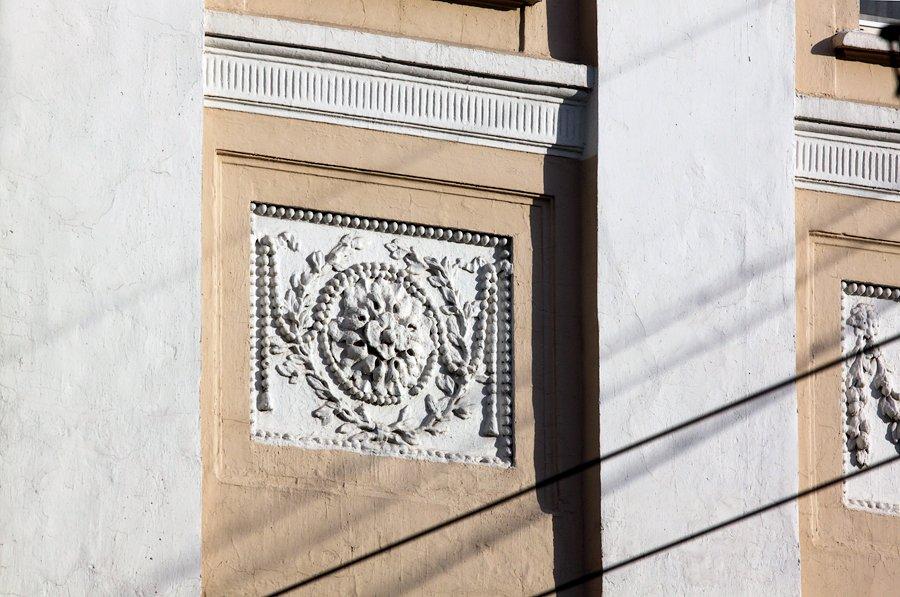
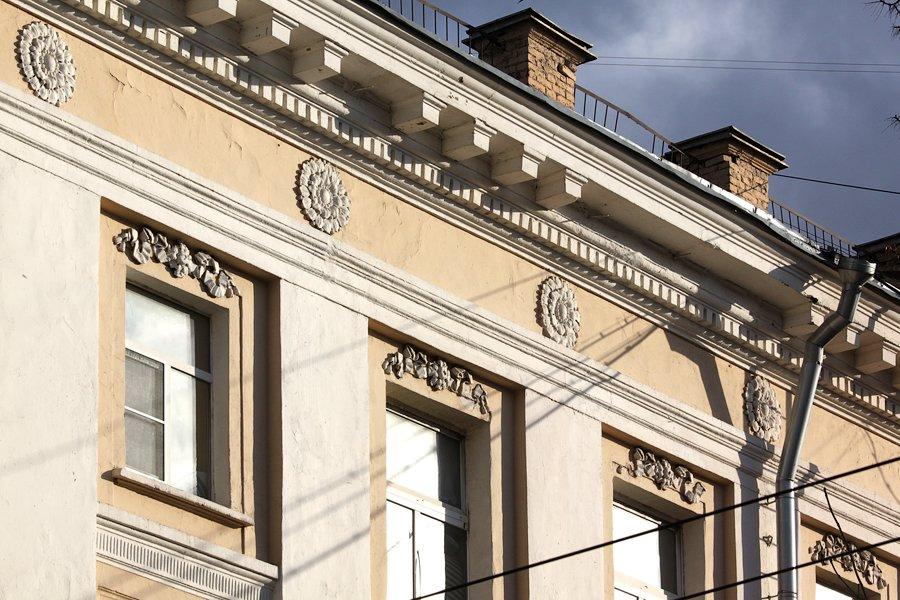
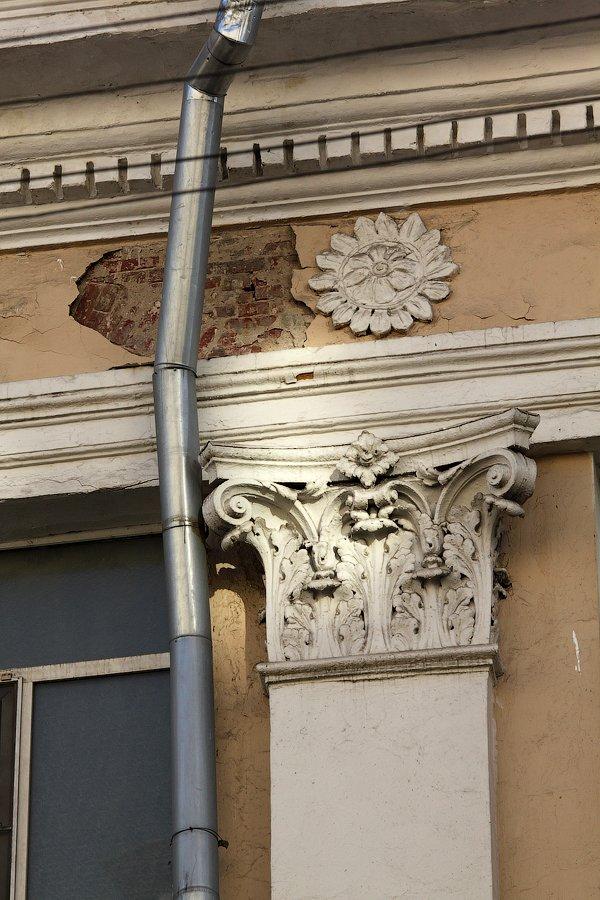
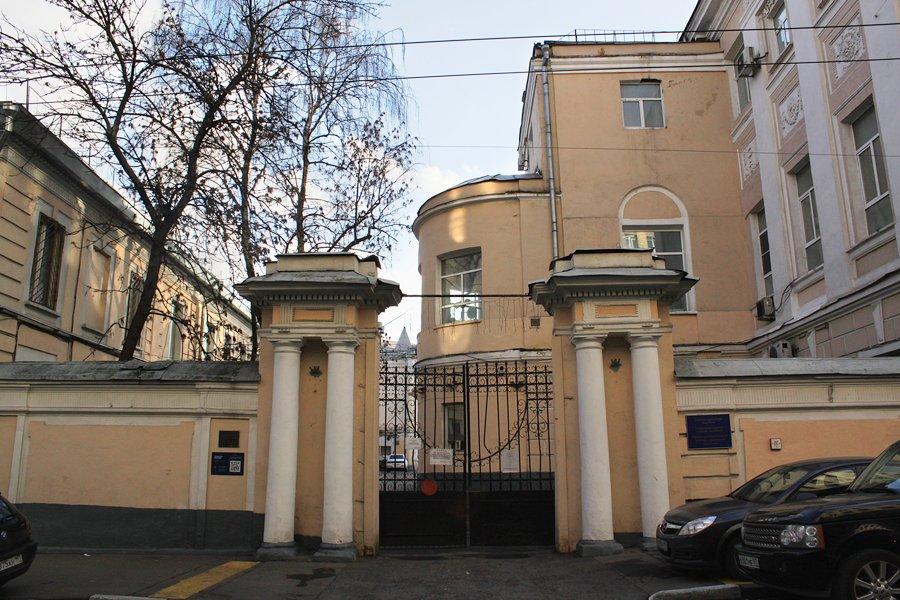
Дом сохранил до наших дней архитектурный облик, характерный для раннего классицизма – его главный фасад оформлен пилястрами с коринфскими капителями, нишами, заполненными тонким лепным декором, розетками во фризе и рустом в уровне первого этажа. Между главным домом и флигелями сохраняется каменная ограда с пилонами ворот по обе стороны дома.

В 1805 году усадьбу купил князь Михаил Петрович Голицын, шталмейстер, действительный камергер, хозяин имения Пехра-Яковлевское (район современного городского округа Балашиха), владевший ранее усадьбой на Старой Басманной улице, 15.

После 1812 года дом Голицына получил прозвище «несгораемого» - он был одним из немногих домов на Новой Басманной, которому удалось уцелеть в большом московском пожаре.

В 1834 году усадьбы была куплена Попечительным советом заведений общественного призрения для устройства здесь Сиротского дома. В 1837 году, при переустройстве дома под нужды нового заведения, была сооружена домовая церковь Успения святой Анны, ее апсиду можно увидеть с левой стороны главного здания.

В 1876 году здесь разместилась Басманная больница для чернорабочих, дом был переделан уже под больничные нужды по проекту архитектора А.А. Мейнгарда. Это была одна из крупнейших больниц в Москве, рассчитанная на 660 коек. Первым главным врачом здесь служил доктор медицины Петр Николаевич Федоров, отец знаменитого врача, лейб-хирурга Сергея Петровича Федорова.

Больница, кстати, существует здесь до сих пор – сейчас это Городская клиническая больница скорой помощи №6.

В интерьерах главного дома сохраняются первоначальные сводчатые помещения в первом этаже и парадный вестибюль, оформленный парными колоннами дорического ордера, который был создан, вероятно, в 1830-е годы.
This "nonburning" house on Novaya Basmannaya Street was famous because of art gallery. The contemporaries wrote that it "can be called museum or Moscow's Hermitage on a small scale: the same variety of showpieces, the same taste to entire the elegant and the same skill in placing of them". There was a time when the area of large estate stretched almost to the Staraya Basmannaya Street. The estate was built in the 1790s for Nikita Demidov (Junior), one of the famous dynasty representatives of the Ural manufacturers Demidovs. Demidov bought the ownership from the Earl N. Golovin, and built a large three-story stone building with two symmetrical wings on the red line of the street and economic outhouse in the yard on place of wooden buildings of the old manor house. The house’s architectural look, typical for the early classicism, is preserved to nowadays. The main facade is decorated with niches filled with fine stucco decorations, pilasters with Corinthian capital, rosettes in the frieze and rustication on ground floor level. The stone wall with gate’s pylons on both sides of the house is preserved between the main house and outbuildings. In 1805 Prince Mikhail Golitsyn bought the estate. He was a Deputy Master of the Horse, the actual Chamberlain, and the owner of the estate Pehra-Yakovlevskoye (near the Balashikha urban district today). Previously he owned the estate on the Staraya Basmannaya Street, 15. After 1812 the Golitsyn’s house was nicknamed as "nonburning" building. It was one of the few houses on the Novaya Basmannaya Street which survived in the great Moscow fire. In 1834, the estate was purchased by the Public assistance institution supervisory board to organize an orphanage here. In 1837 St. Anna family chapel was built during the house reconstruction for the needs of the new institution. Its apse can be seen from the left side of the main building. In 1876 Basmannaya hospital for unskilled workers was established here. The house was rebuilt by architect A. Meyngard for the hospital needs. It was one of the largest hospitals in Moscow with 660 beds. The first medical director was Petr Fedorov, a father of the famous surgeon Sergey Fedorov. By the way, the hospital operates now. It is the City ambulance clinical hospital number 6. In the interior of the main house there are original vaults on the first floor and a grand lobby, decorated with paired Doric columns, which was established probably in the 1830s.
Автор статьи: Мария Подъяпольская
Поделитесь статьей с друзьями