Интерактивный гид по городу
С мобильным приложением бродить по городу гораздо интереснее!

The exchange building

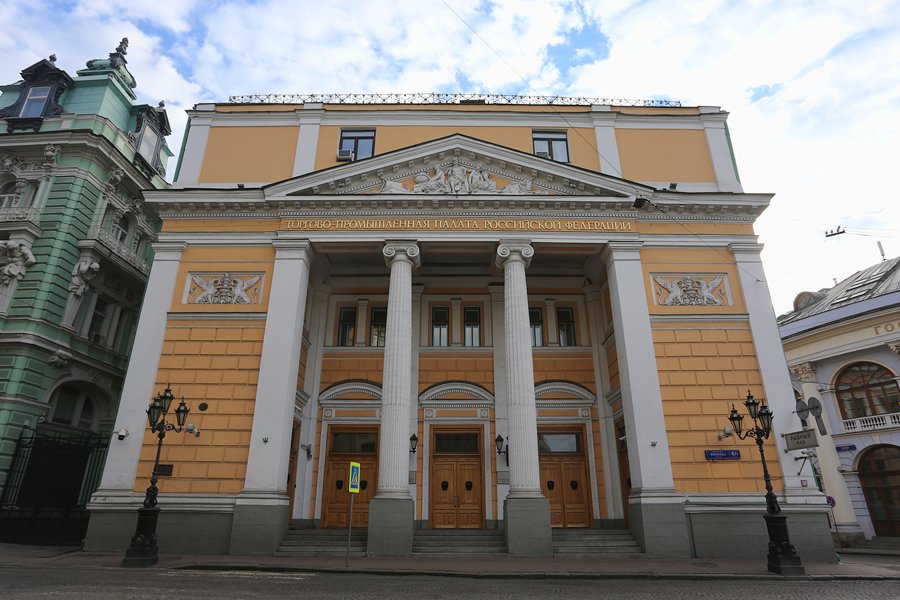
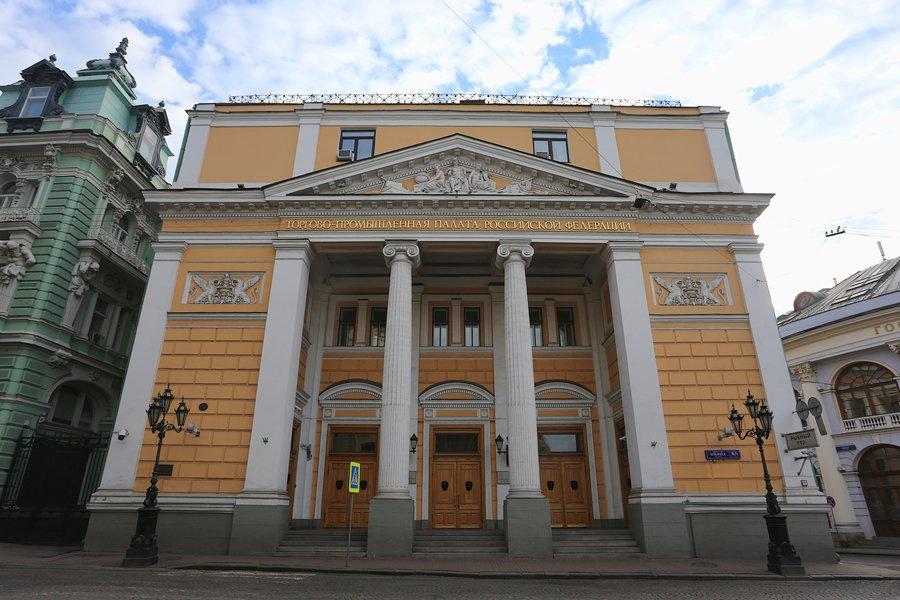
Built in the XIX century, partly at the expense of the Emperor Nicholas I, the building is now owned by the Chamber of Commerce of Russia.

The exchange building
Built in the XIX century, partly at the expense of the Emperor Nicholas I, the building is now owned by the Chamber of Commerce of Russia.
3.38
Вы можете воспользоваться QR-кодом, чтобы открыть эту страницу в нашем приложении
Архитектурный стиль:
Годы постройки:
1873 - 1875
Архитекторы:
Эпоха:
19th century
Информация о здании

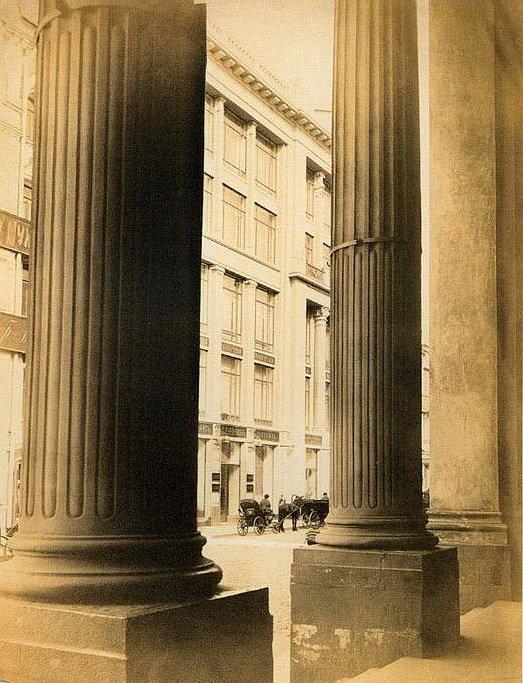
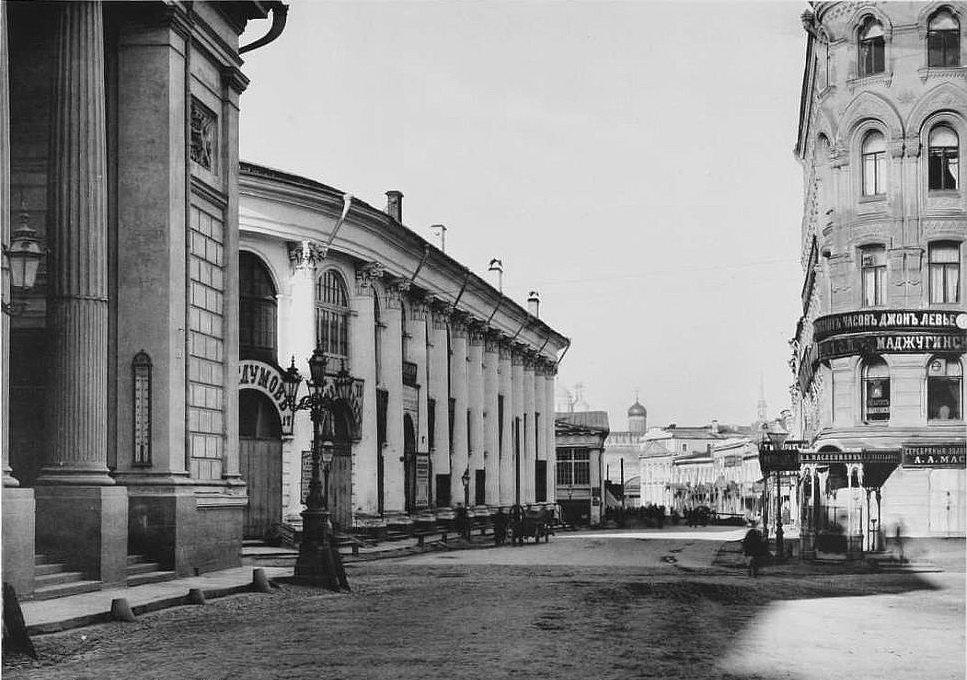
Здание Биржи появилось на Ильинке в 1839 году. Тогда на углу Рыбного переулка вырос дом архитектора М. Быковского. Московские купцы ждали его 11 лет – именно столько времени прошло с тех пор, как купечество обратилось к генерал-губернатору Д.В. Голицыну с прошением учредить в Москве биржу.

Место для нового здания после долгих споров было выбрано рядом со Старым Гостиным двором. Постройку частично оплатил император Николай I, однако в основном оно строилось на купеческие деньги.

В 1870‑х годах встал вопрос о перестройке здания. К этому времени биржа обзавелась собственным уставом (до этого Московская биржа работала по Петербургскому уставу), а также телеграфом.

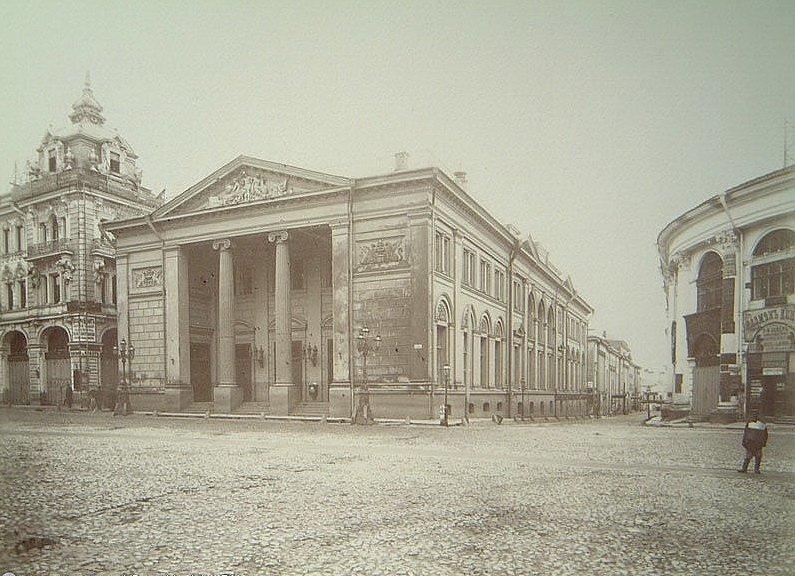
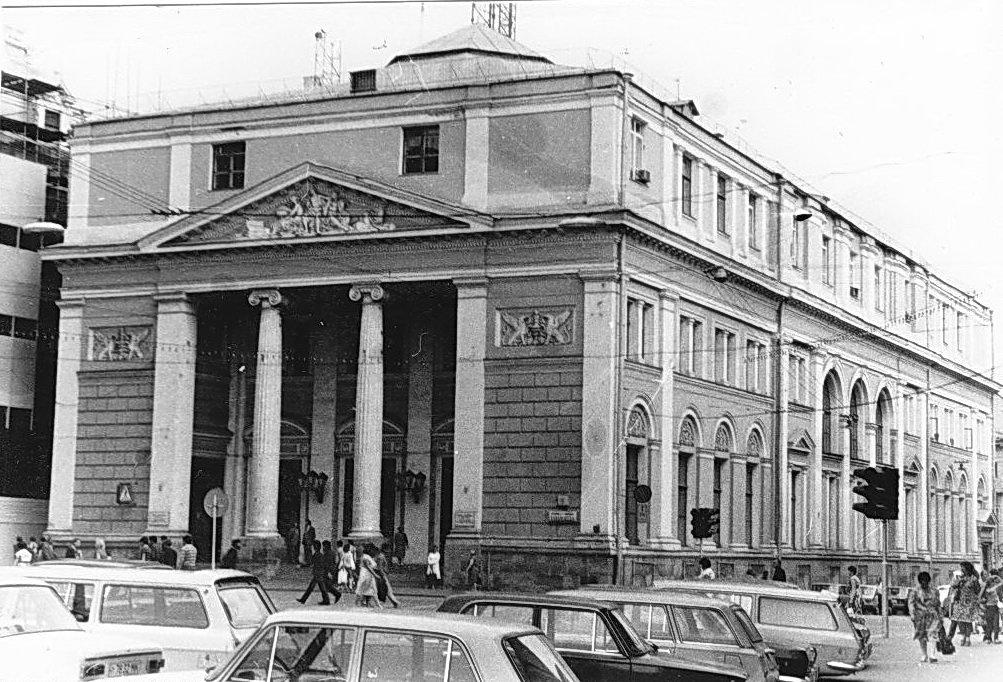
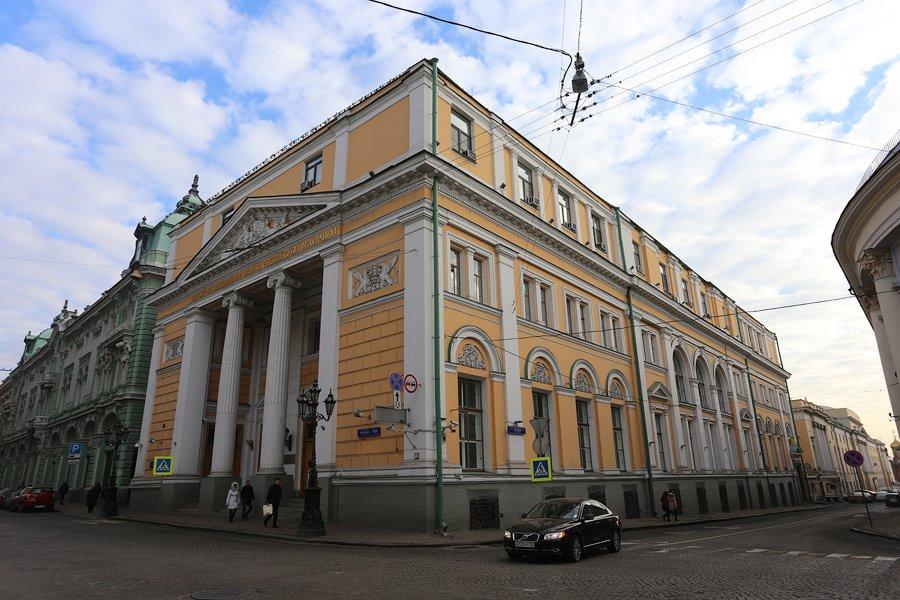
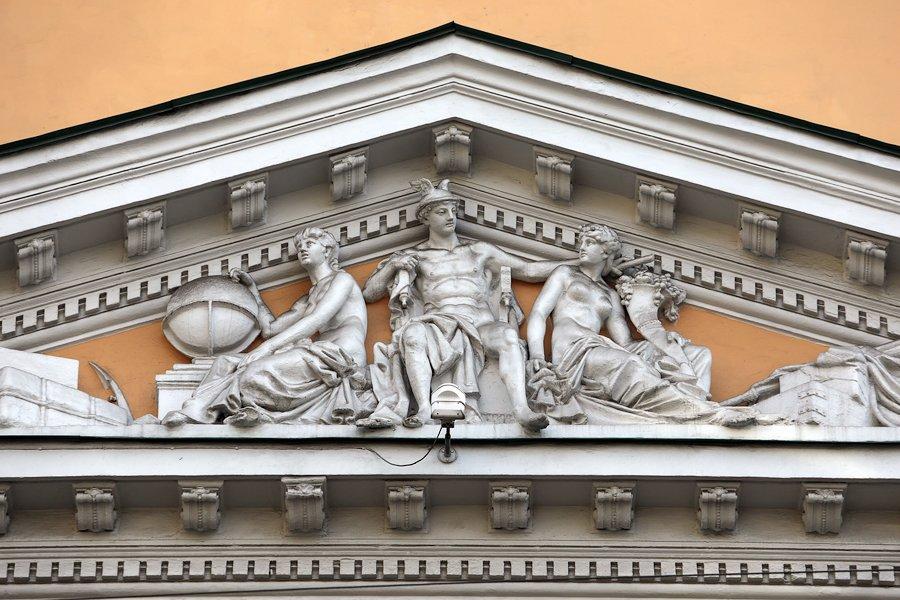
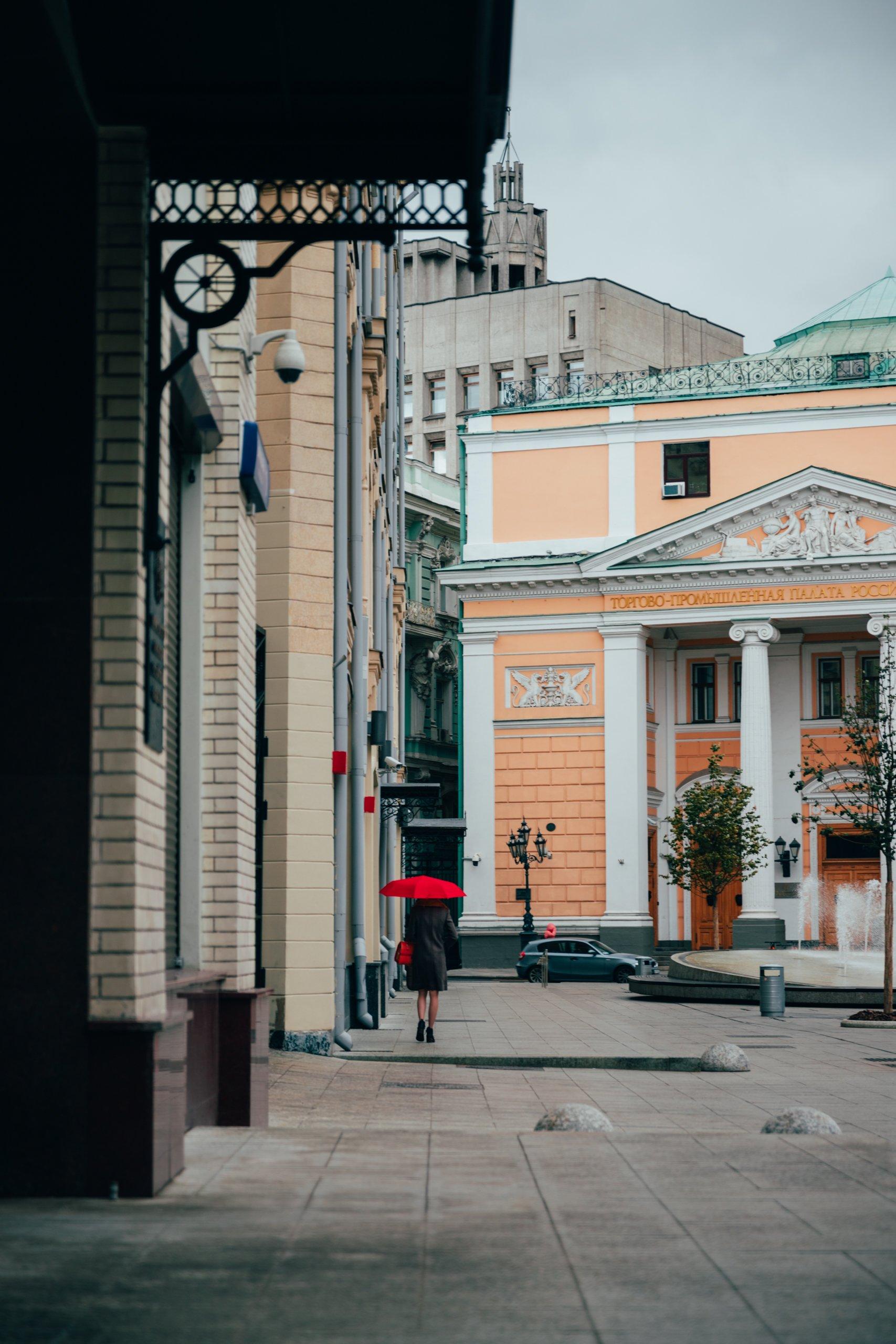
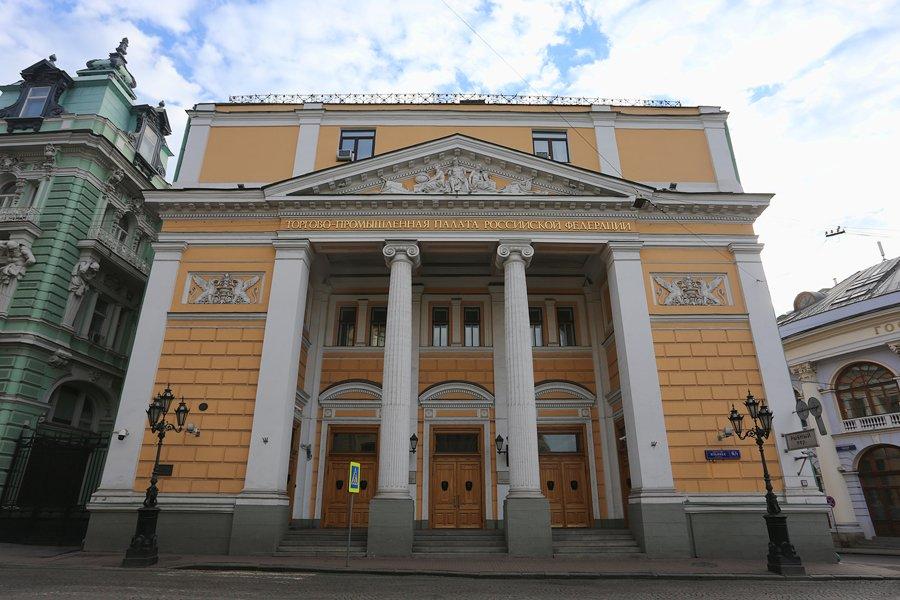
Для постройки новой, более вместительной биржи был выкуплен смежный участок по Рыбному переулку. Проект нового здания подготовил архитектор А.С. Каминского. Двухэтажное здание было построено по образцу классического храма. Фасад, выходивший на Ильинку, имел классический портик, украшенный лепниной. На фронтоне сохранилась скульптурная композиция с древнеримским покровителем торговли богом Меркурием. По обеим сторонам входа есть два барельефа с изображением грифонов.

Боковой фасад здания, выполненный в стиле неоренессанса, тянется вдоль Рыбного переулка. Этот вход напоминает о старой бирже архитектора Быковского, выполненного в этом стиле. Как ни странно, именно со стороны переулка был основной вход на биржу.

После революции в 1920‑1925 годах в здании размещался Горный совет. В 1925 году здание было надстроено еще одним этажом по проекту И.С. Кузнецова. В советское время его заняла Всесоюзная торговая палата. Сейчас здесь размещается Торгово-промышленная палата Российской Федерации.
The Exchange building appeared on Ilyinka in 1839. Then, the house designed by architect M. Bykov grew up at the corner of the Rybinsky alley. Moscow merchants were waiting for the building for 11 years. They filed a petition to the Governor-General D.V. Golitsyn and waited for 11 years until the exchange was established in Moscow. Room for the new building after a long dispute was chosen next to the Old Trade Arcade. Emperor Nicholas I financed the construction in part, but mostly it was built on merchants' money. The question of the restructuring of the building arose in 1870's. By this time the exchange has got its own charter (before Moscow stock exchange operated by the St. Petersburg Charter), and the telegraph. Adjacent portion of the Rybniy alley was purchased for the construction of a new, more capacious exchange building. Architect A.S. Kaminsky prepared a draft of a new building. The two-story building was built on the model of a classical temple. Façade, fronted Ilyinka street had a classic portico, decorated with stucco. On the pediment of preserved ancient Roman sculpture with the patron god of commerce Mercury. On both sides of the entrance there are two bas-relief depicting griffins. Side facade of the building, designed in the neo – renaissance style, stretches along the Rybniy Alley. This entry is reminiscent of the old stock exchange entrance designed by architect Bykovsky performed in this style. Ironically, the main entrance to the stock exchange was from the lane’s side. After the revolution the building housed the Mountain board in 1920-1925. In 1925, the building was overbuilt with another floor by the project of I.S. Kuznetsov. In Soviet times, the All-Union Chamber of Commerce was in the building. Now it houses the Chamber of Commerce of the Russian Federation.
Автор статьи: Зинаида Одолламская