Интерактивный гид по городу
С мобильным приложением бродить по городу гораздо интереснее!

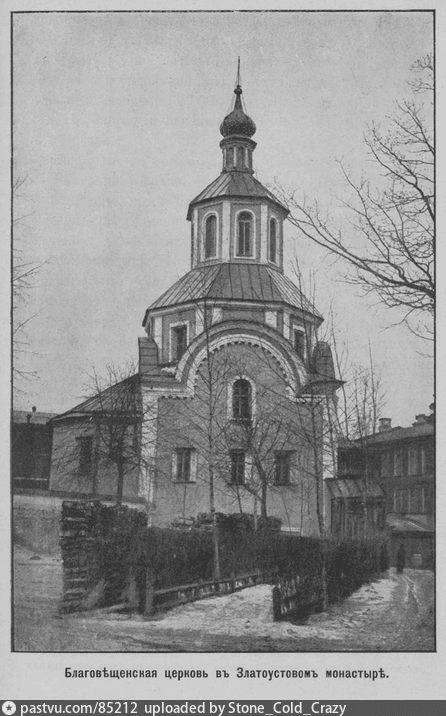
Blagoveshchenskaya (Annunciation) Church

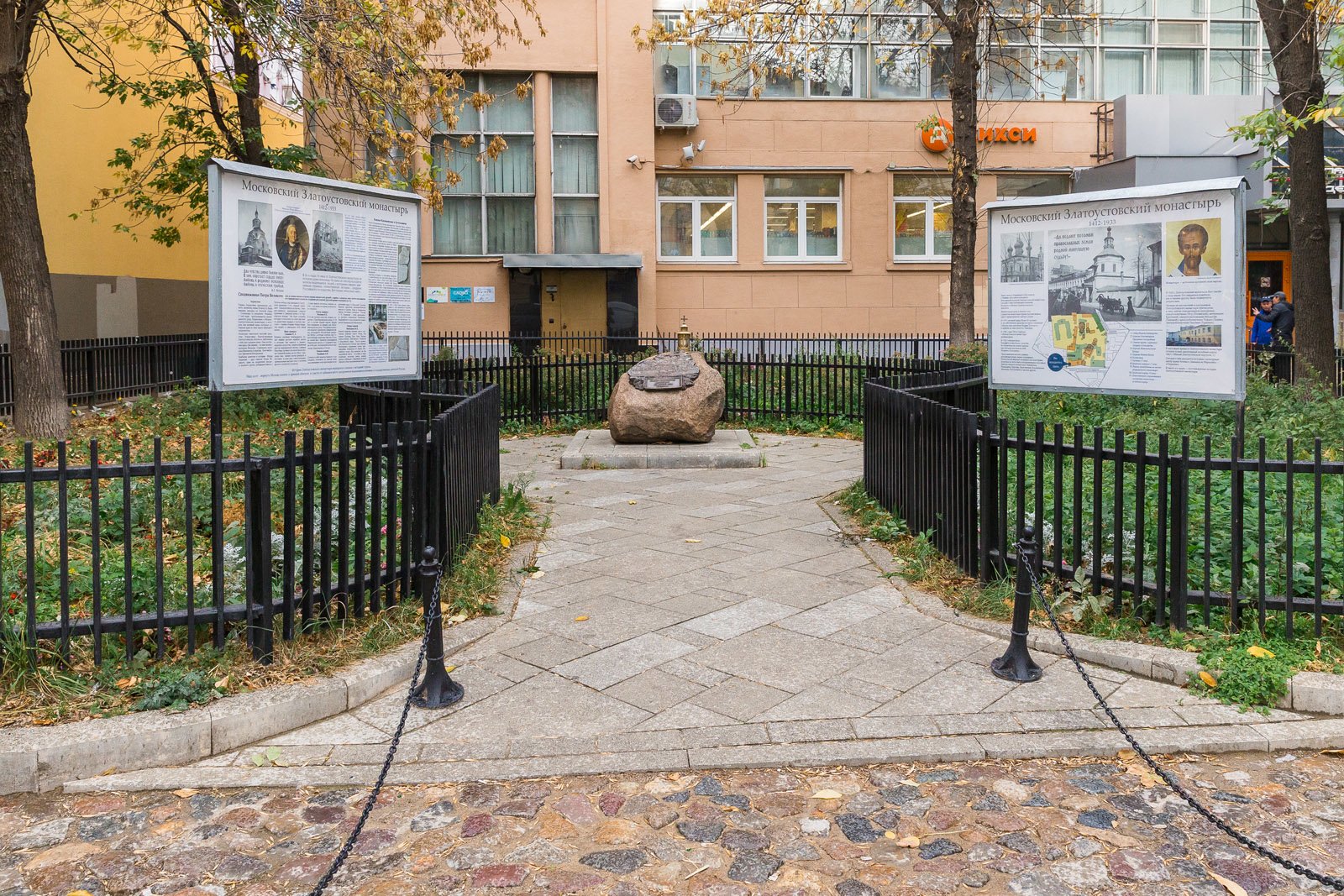
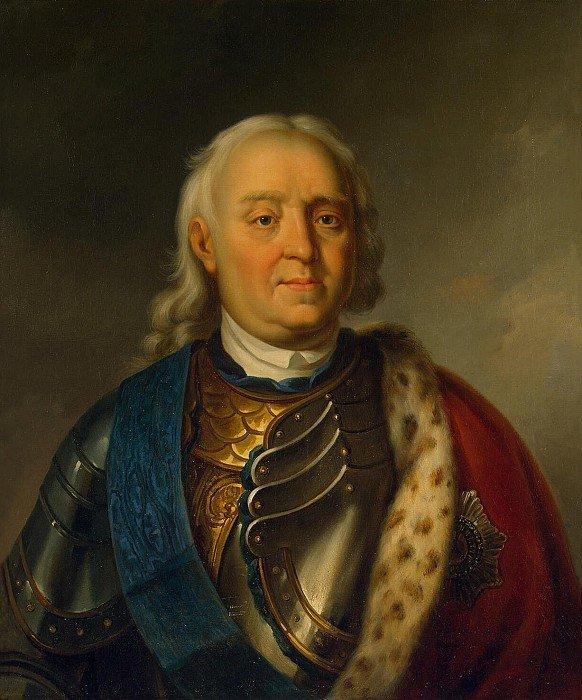
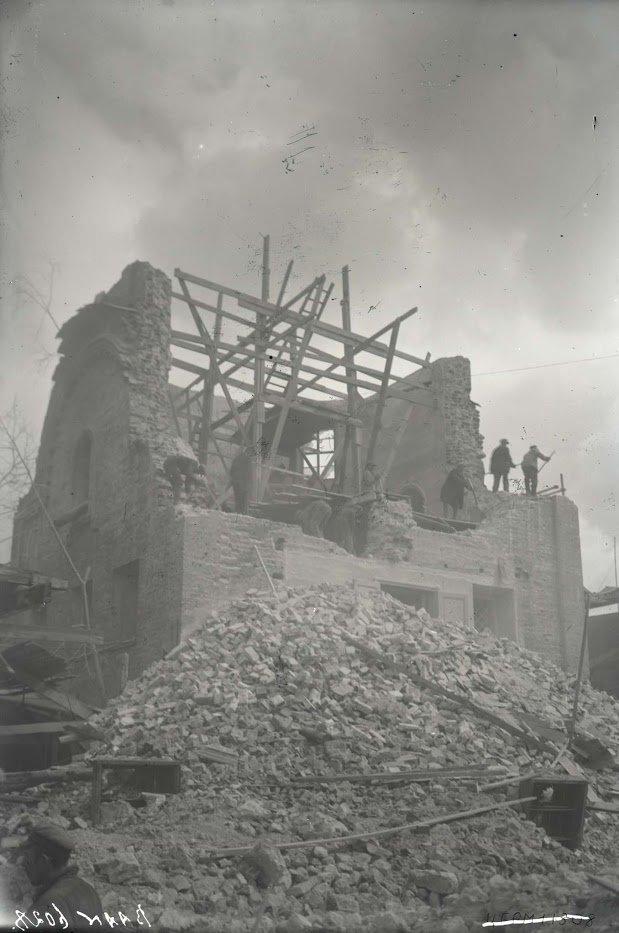
Admiral General Fiodor M. Apraksin, one of the founders of the Russian Navy and maker of the first ships is buried in the Apraksin family vault. The vault was demolished in 1933. Today, there is a parking lot in its place.

Blagoveshchenskaya (Annunciation) Church
Admiral General Fiodor M. Apraksin, one of the founders of the Russian Navy and maker of the first ships is buried in the Apraksin family vault. The vault was demolished in 1933. Today, there is a parking lot in its place.
Вы можете воспользоваться QR-кодом, чтобы открыть эту страницу в нашем приложении
Годы постройки:
1712, 1933 - разрушена
Эпоха:
18th century
Информация о здании

История Благовещенской церкви связана с древним родом Апраксиных. Первые Апраксины, приехавшие в Москву на службу к великому князю Иоанну III, были внуками Солохмира – выходца из Золотой Орды, принявшего в крещении имя Иоанн. С той поры Апраксины «прикипели» к Иоанно-Златоустовскому монастырю: заботились о нём, украшали, благоустраивали, построили здесь три церкви: во имя великомученика Феодора Стратилата, мученика Василиска и церковь Благовещения Пресвятой Богородицы.

Благовещенский храм был возведён в 1712 г. генерал-адмиралом графом Федором Матвеевичем Апраксиным над могилами своих родственников. Кирпич, бут и известь для строения были пожертвованы его сестрой, царицей Марфой Матвеевной, вдовой царя Фёдора Алексеевича. Благовещенская церковь стала родовой усыпальницей Апраксиных. Здесь покоились: прадед Фёдора Апраксина – Пётр Никитич, воевода в городе Оса, ставший схимонахом Пименом; дед Василий Петрович – воевода в городах Гремячий, Короча, Севск; отец Матвей Васильевич – Астраханский воевода, погибший в 1668 г. при нападении калмыков и башкирцев, и другие члены семьи. В 1728 г. в родовой усыпальнице были похоронены и сам Фёдор Матвеевич, его брат Пётр, президент Юстиц-коллегии и действительный тайный советник, а в 1732 г. – брат Андрей, участник Великого Посольства, автор уникальных путевых «Записок». Все они были сподвижниками Петра I и посвятили свои жизни воплощению его грандиозных замыслов.

Из соратников Петра I наиболее известен генерал-адмирал граф Ф.М. Апраксин, один из создателей русского военного флота, строитель первых кораблей. В 1708 г. он защитил от шведов Санкт-Петербург, в 1710 г. обеспечил взятие Выборга, в 1714 г. вместе с царём одержал победу в сражении при Гангуте. Это была первая победа молодого русского флота, которая в настоящее время отмечается 9 августа как День воинской славы России. Кавалер орденов Андрея Первозванного и Александра Невского, Ф.М. Апраксин выиграл главные битвы в Северной войне и в Персидском походе, стал первым президентом Адмиралтейств-коллегии, членом Верховного Тайного Совета.

Какие бы должности Ф.М. Апраксин ни занимал, он оставался главным ктитором Златоустовского монастыря. Невозможно перечислить всё, что он делал для обители, но одно можно сказать точно: здесь каждый камень Апраксина знает.

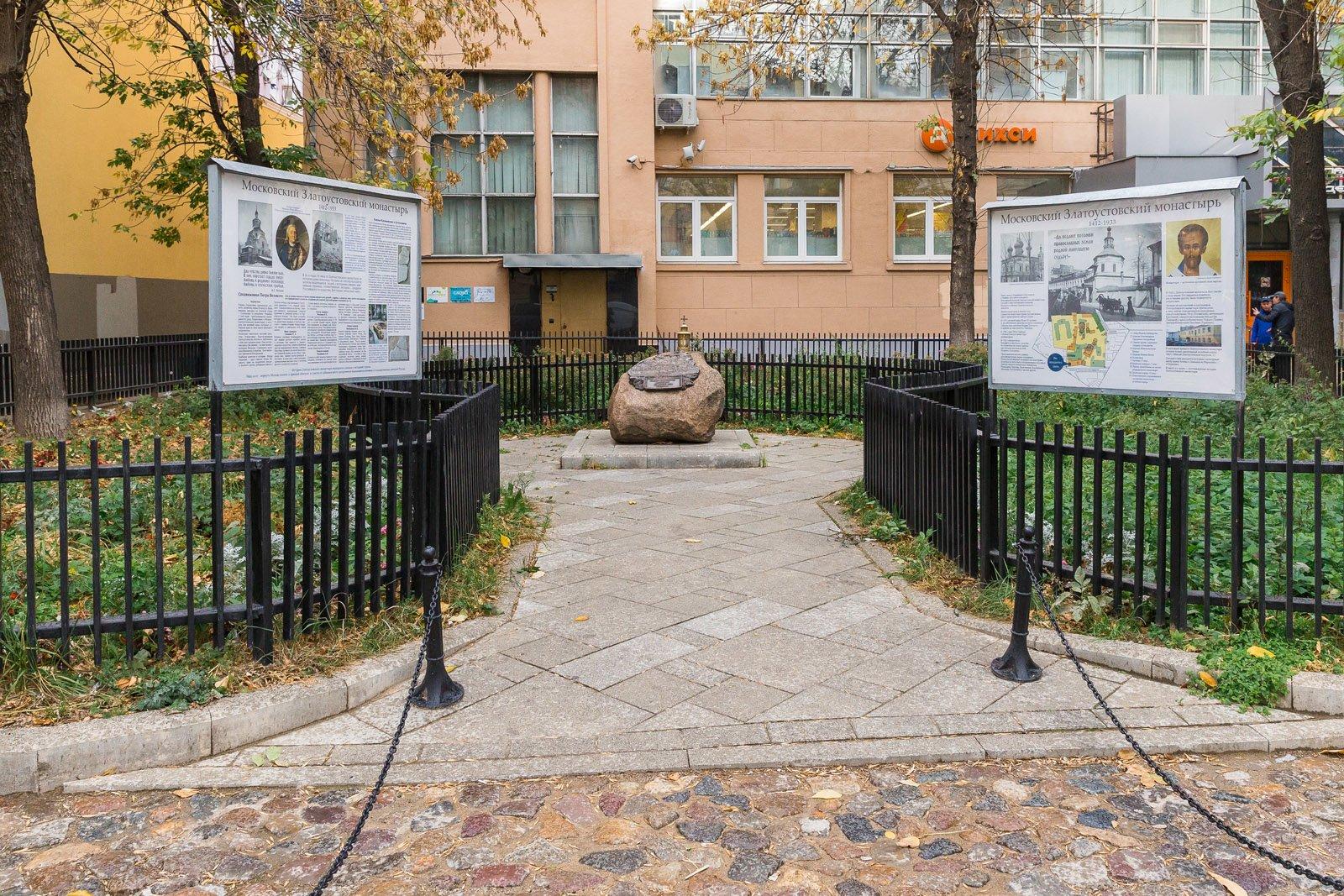
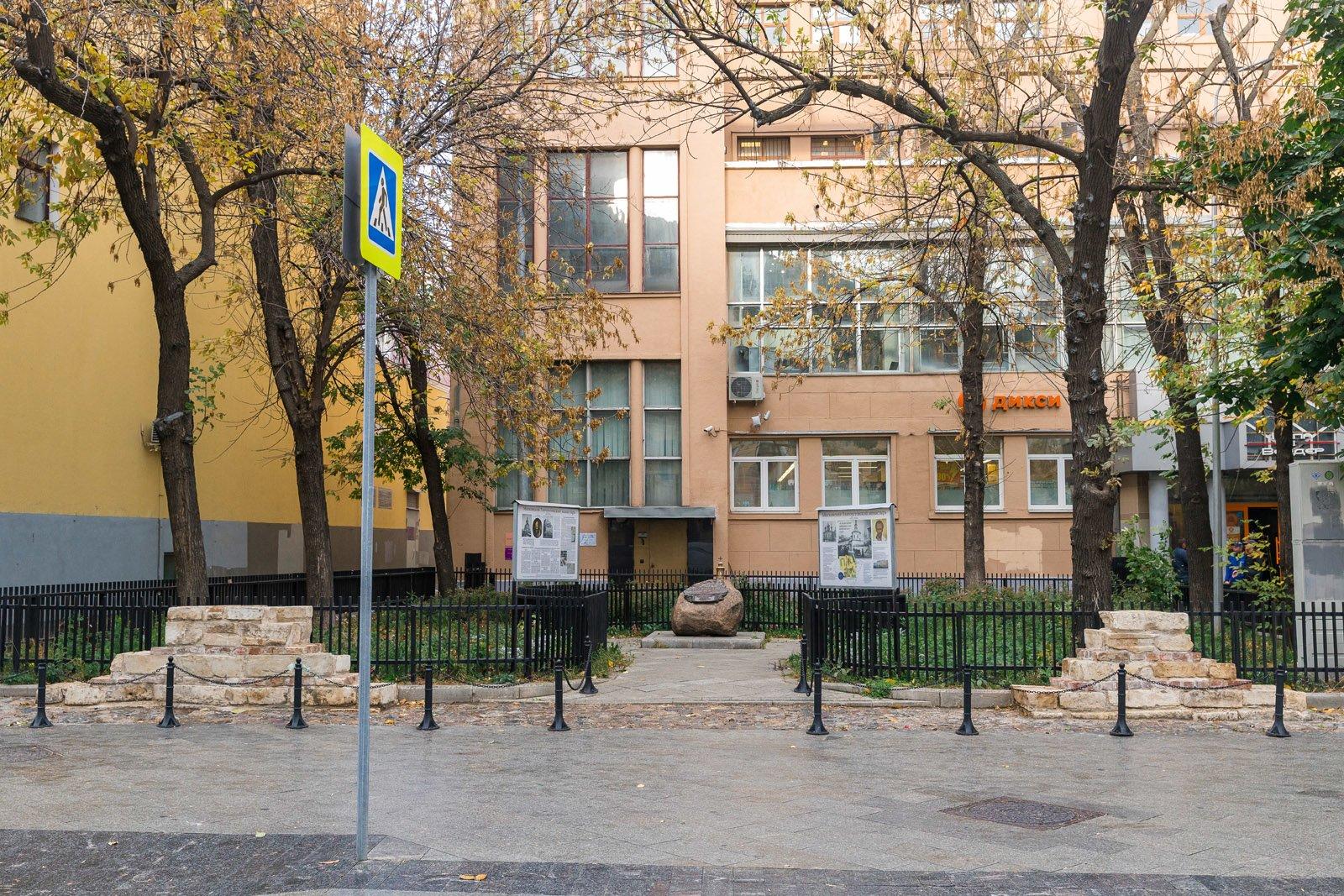
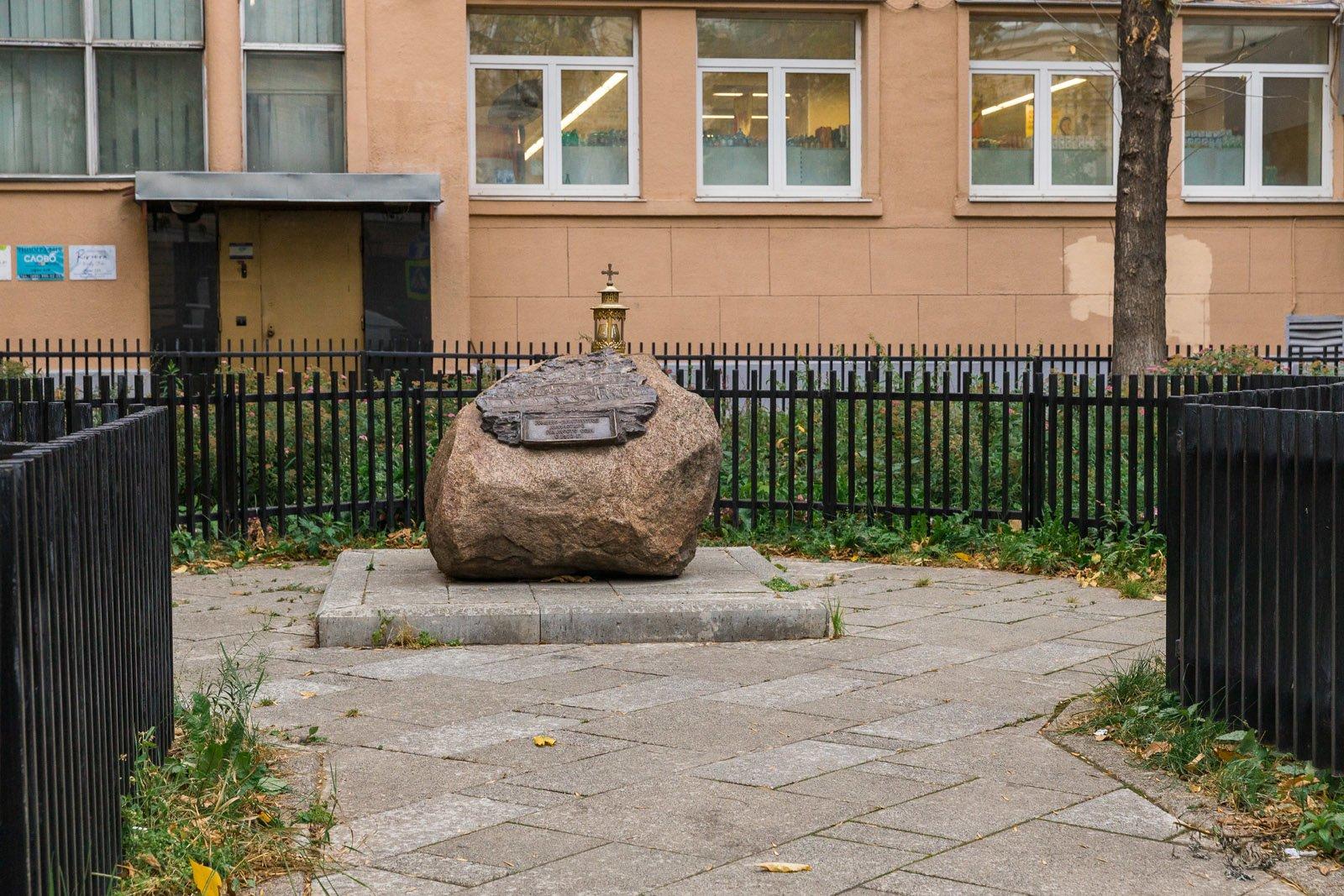
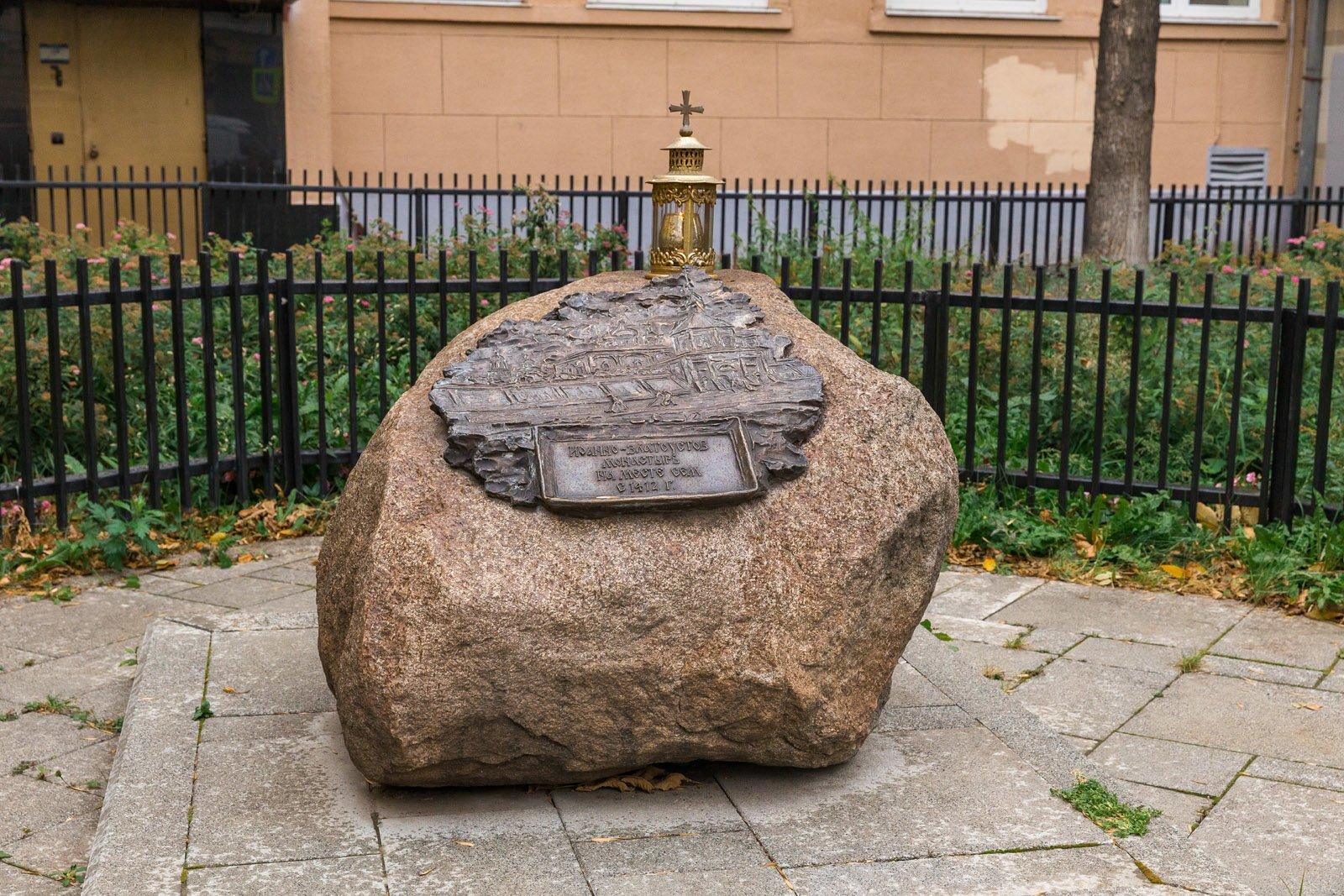
После разрушения Благовещенской церкви в 1933 г. от усыпальницы Апраксиных не осталось и следа, сегодня на её месте находится автостоянка. Наш общий долг – восстановить историческую справедливость и увековечить память выдающихся сынов Отечества.

Автор статьи – Батурина Татьяна Николаевна, Центр изучения истории и наследия Московского Златоустовского монастыря
The history of the Blagoveshchenskaya Church is connected with the ancinet Apraksin family. The first Apraksins who came to Moscow to join the court of Ivan III were grandchildren of Solokhmir of the Golden Horde origin. Solokhmir converted to Christianity and was baptized as Ivan (John). Since then, the Apraksins "stuck" to the John Chrysostom monastery: took care of it, had it decorated and improved, as well as three churches built there: the Martyr Theodor Stratelates, the Martyr Basilisk and the Our Lady Annunciation. The Blagoveshchenskaya (Annunciation) Church was built in 1712 for Count Fiodor Apraksin upon the graves of his family. Bricks, ashlar and lime for the construction were provided by his sister Tsarina Martha, Tsar Fiodor Alexeyevich's widow. The Blagoveshchenskaya Church became the Apraksin family's vault. There rest: Fiodor Apraksin's: great grandfather Piotr, governor of the Osa town who took the monastic vows as schemamonk Pimen; grandfather Vasily, governor in the towns of Gremyachy, Korocha and Sevsk; father Matvey, governor of Astrakhan who was killed in 1668 when the Bashkir and Kalmyk troops attacked the city, and other members of the family. In 1728, Fiodor Apraksin himself was buried in the family vault as well as his brother Piotr, President of the Justice Collegium and the Full Privy Councilor; in 1732, their brother Andrey, member of the Great Embassy and author of the unique Travel Notes joined the family. All of them were Peter I associates and devoted their lives to implementing his great projects. Of all the Peter I associates, Admiral General Count Fiodor M. Apraksin was most famous; he was one of the founders of the Russian Navy and builder of the first Russian ships. In 1708, he defended Saint Petersburg; in 1710, made ensured the capture of Vyborg; in 1714, fought side by side with the Tsar at the victorious battle of Gangut. It was the first victory of the young Russian Navy; today it is celebrated on August 9 as the Day of the Russian Military Glory. Decorated with the St. Andrew and St. Alexander Nevsky Orders, Fiodor M. Apraksin won the major battles of the Northern War and the Persian campaign, he became the first President of the Admiralty Collegium and a member of the Supreme Privy Council. Whatever official positions Fiodor Apraksin filled, he always remained the church warden with the Zlatoustovsky Monastery. It is hard to name all the things he did for the monastery; however, one thing is for sure: every stone here is a silent witness of Apraksin's deeds. In 1933, when the Blagoveshchenskaya Church was demolished, nothing remained of the Apraksins' vault; today there is a parking lot in its place. Our duty is to give the history its due and to eternize the memory of the outstanding sons of Fatherland. Written by Tatiana N. Baturina, Center for the Zlatoustovsky Monastery History and Heritage Studies
Автор статьи: Департамент культурного наследия города Москвы
Рекомендации
Лужники (МЦК), Sportivnaya
Новодевичий пр-д, д. 1, стр. 34
Лужники (МЦК), Sportivnaya
Поделитесь статьей с друзьями
Интересное рядом(3)
Славянская пл.
пл. Старая