Интерактивный гид по городу
С мобильным приложением бродить по городу гораздо интереснее!

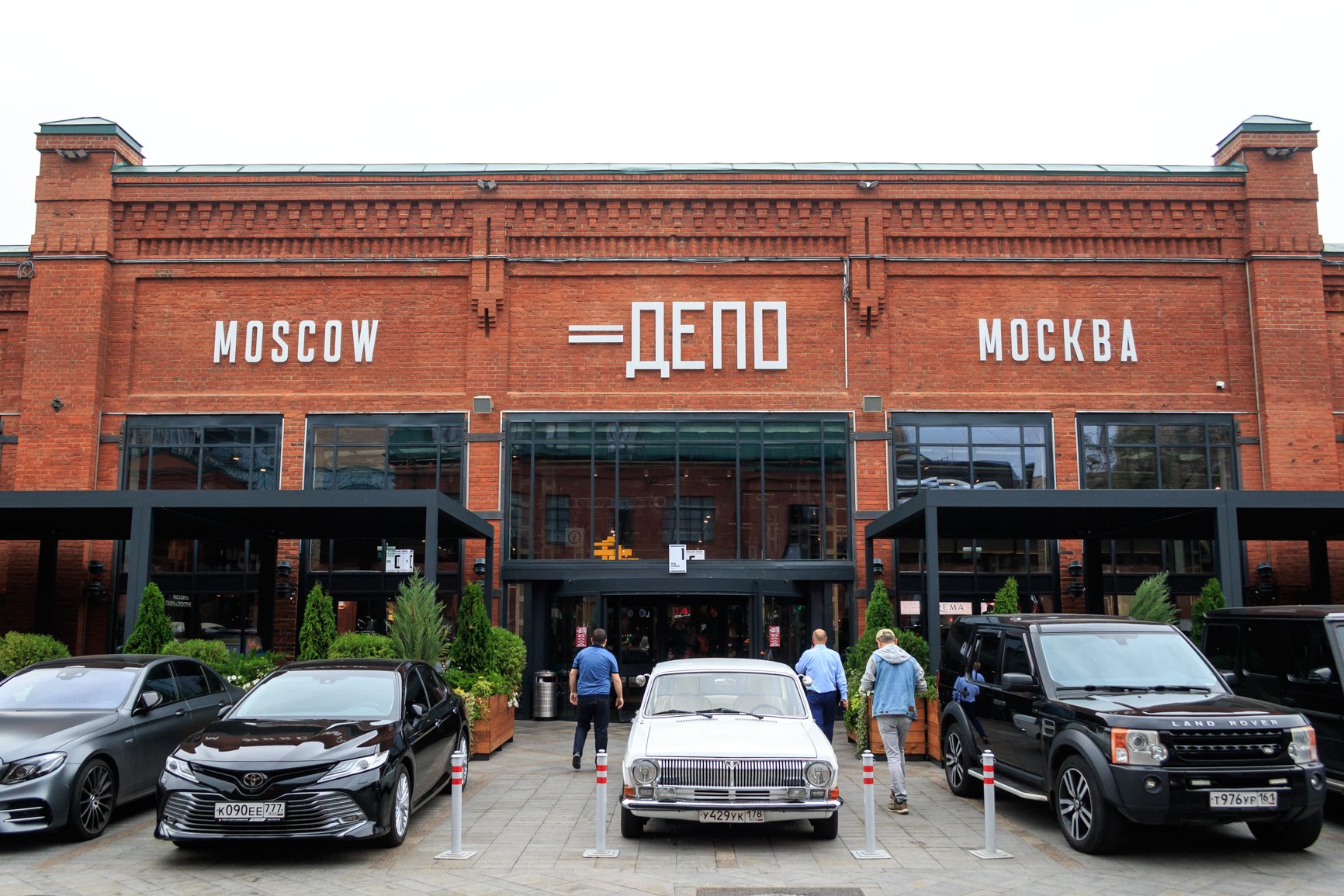
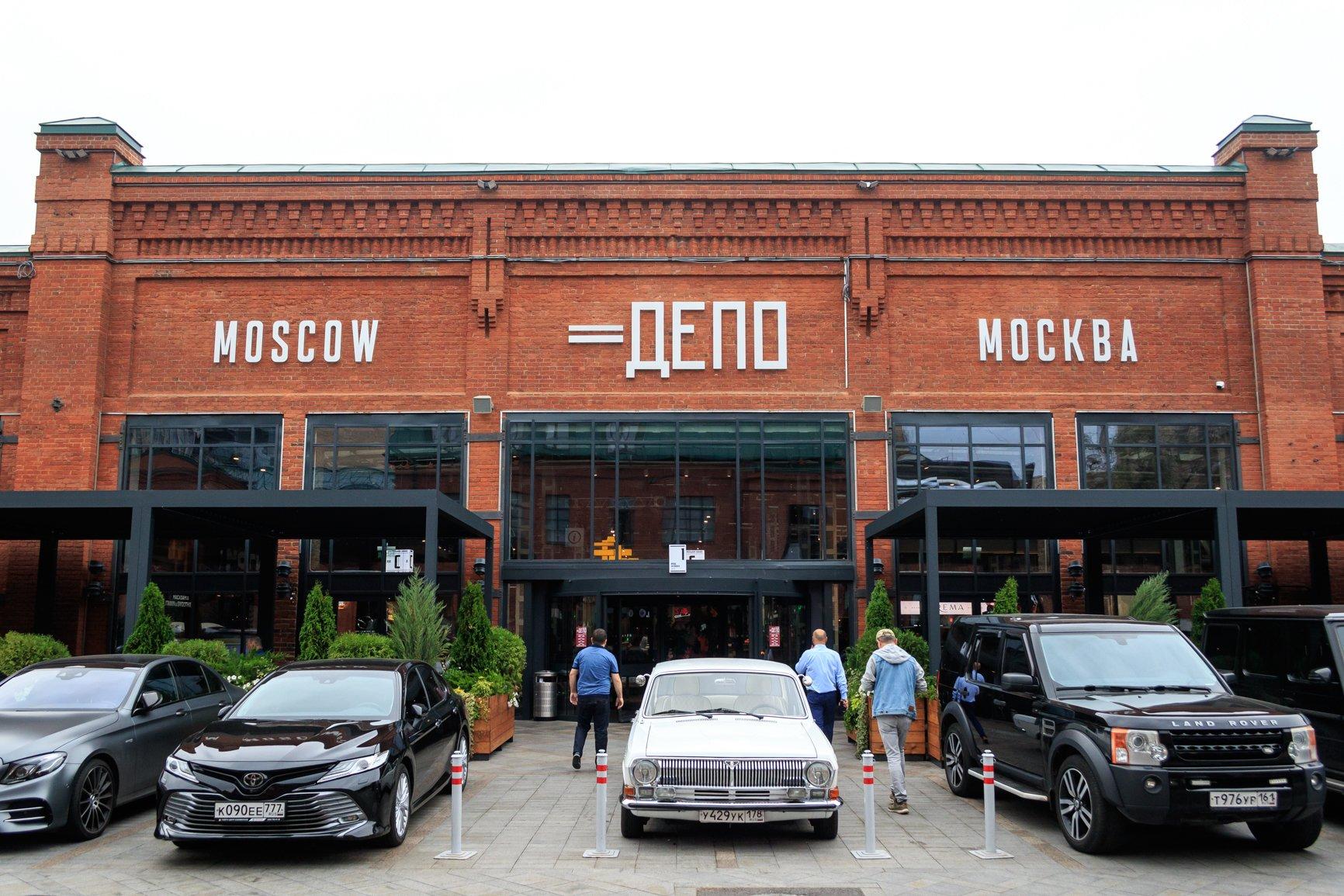
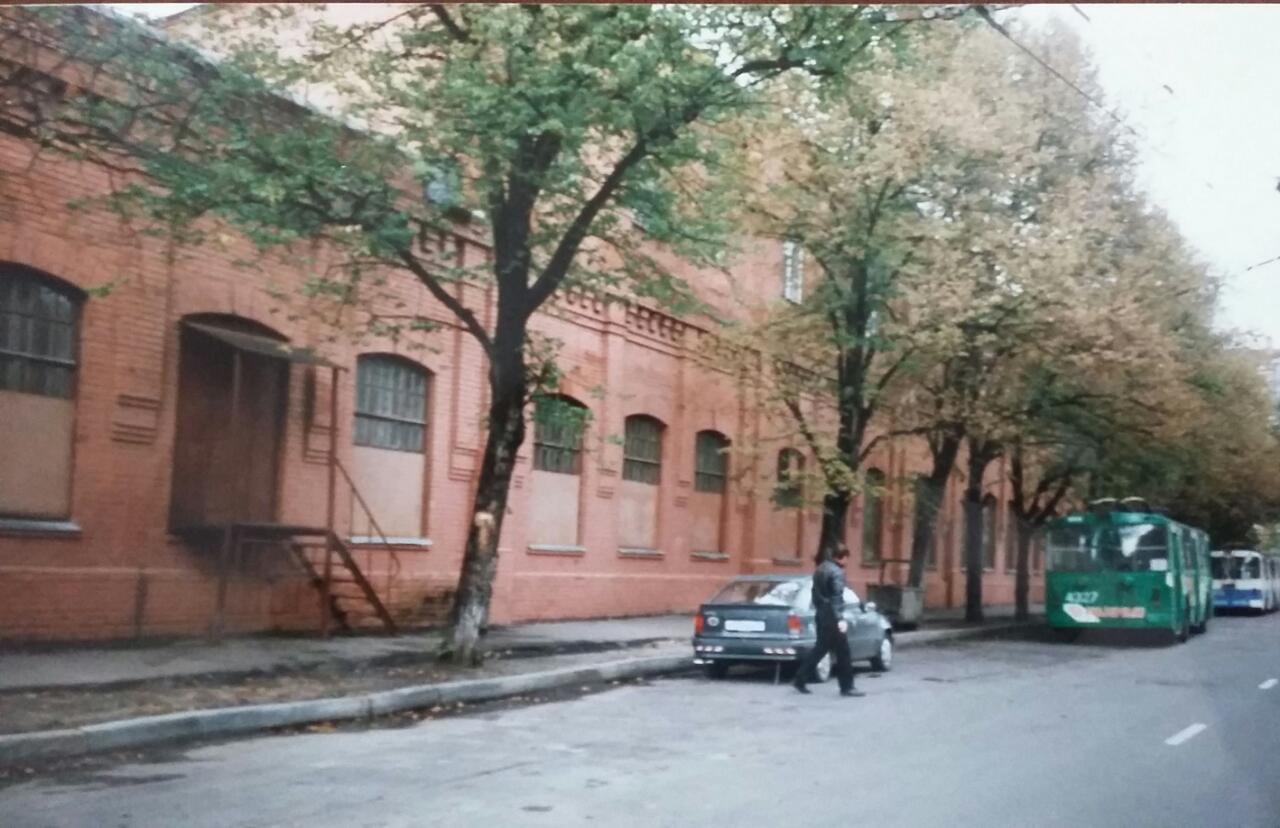
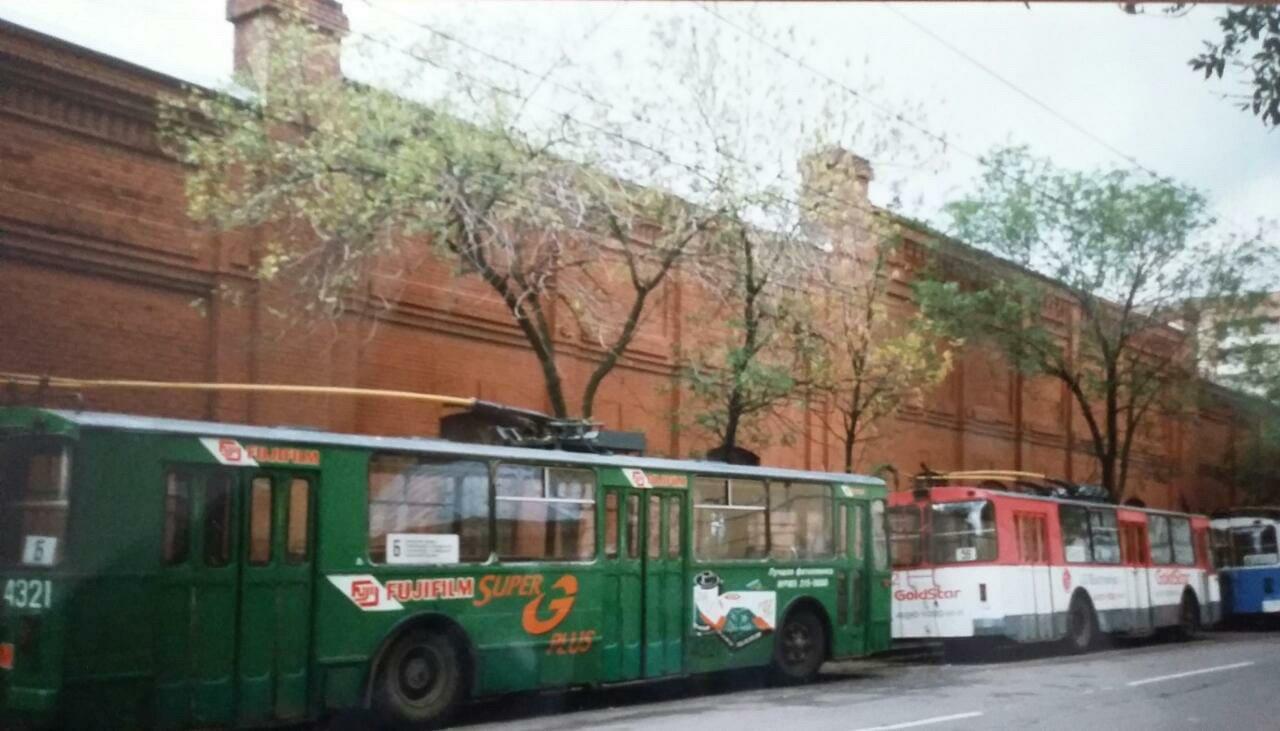
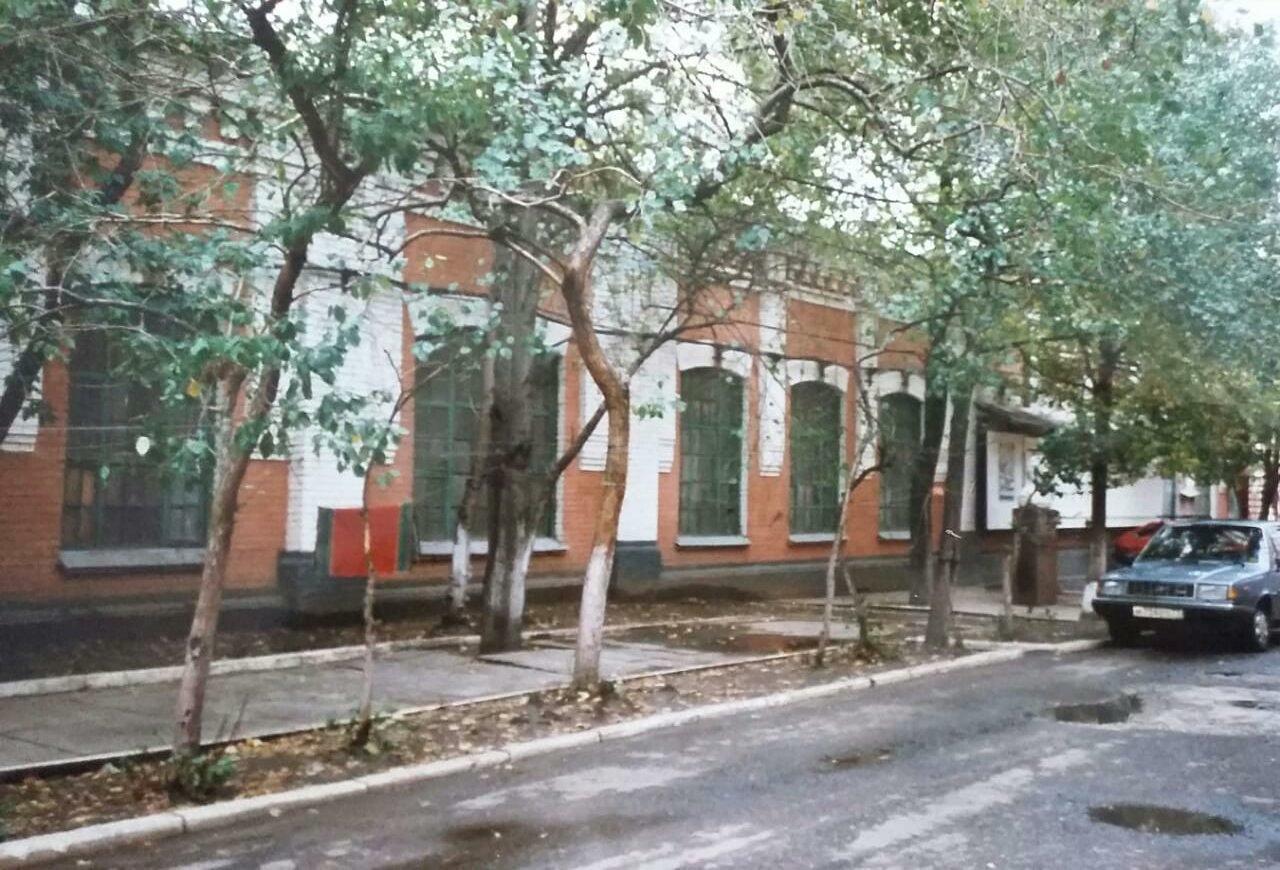
Большой вагонный сарай Миусского трамвайного депо

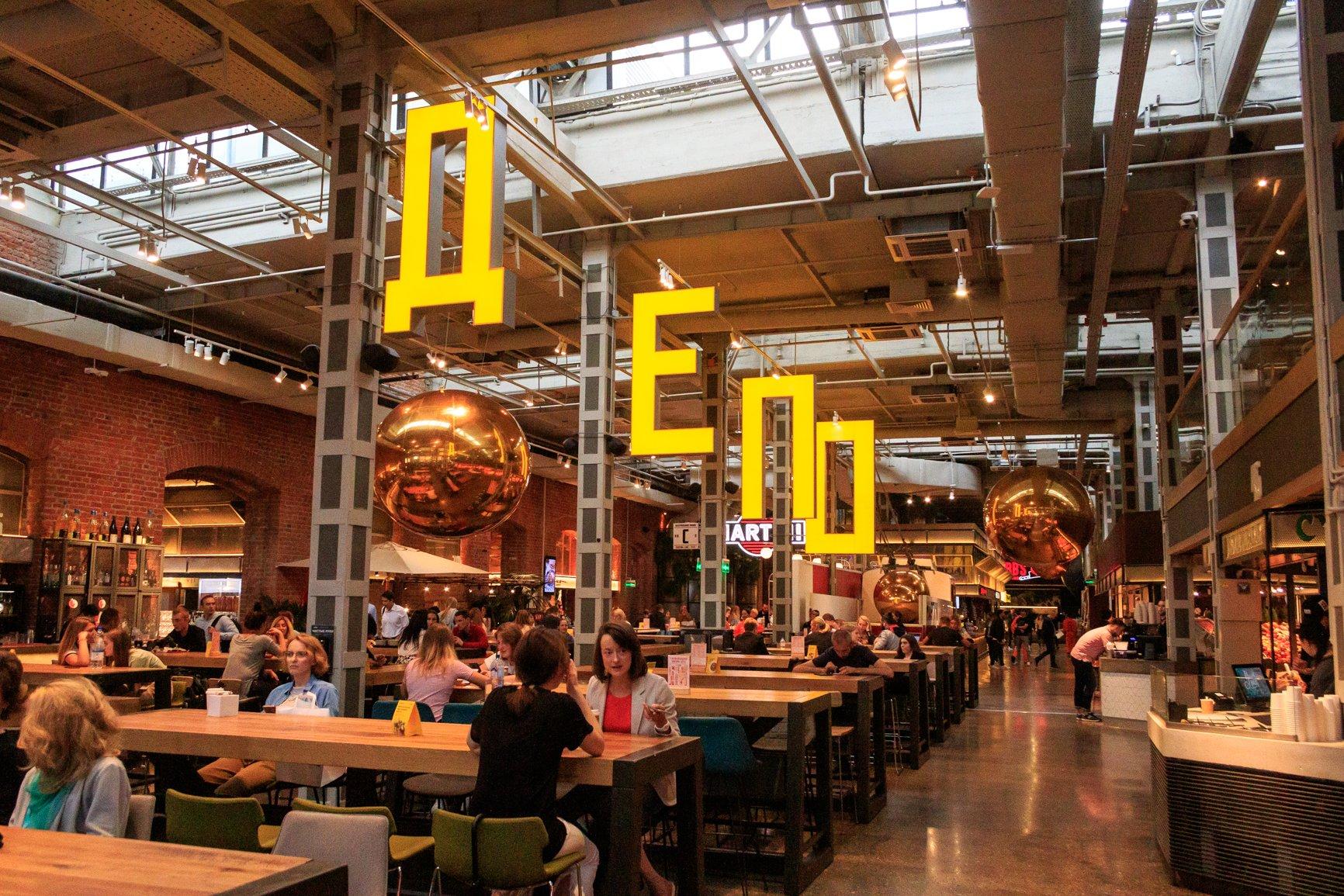
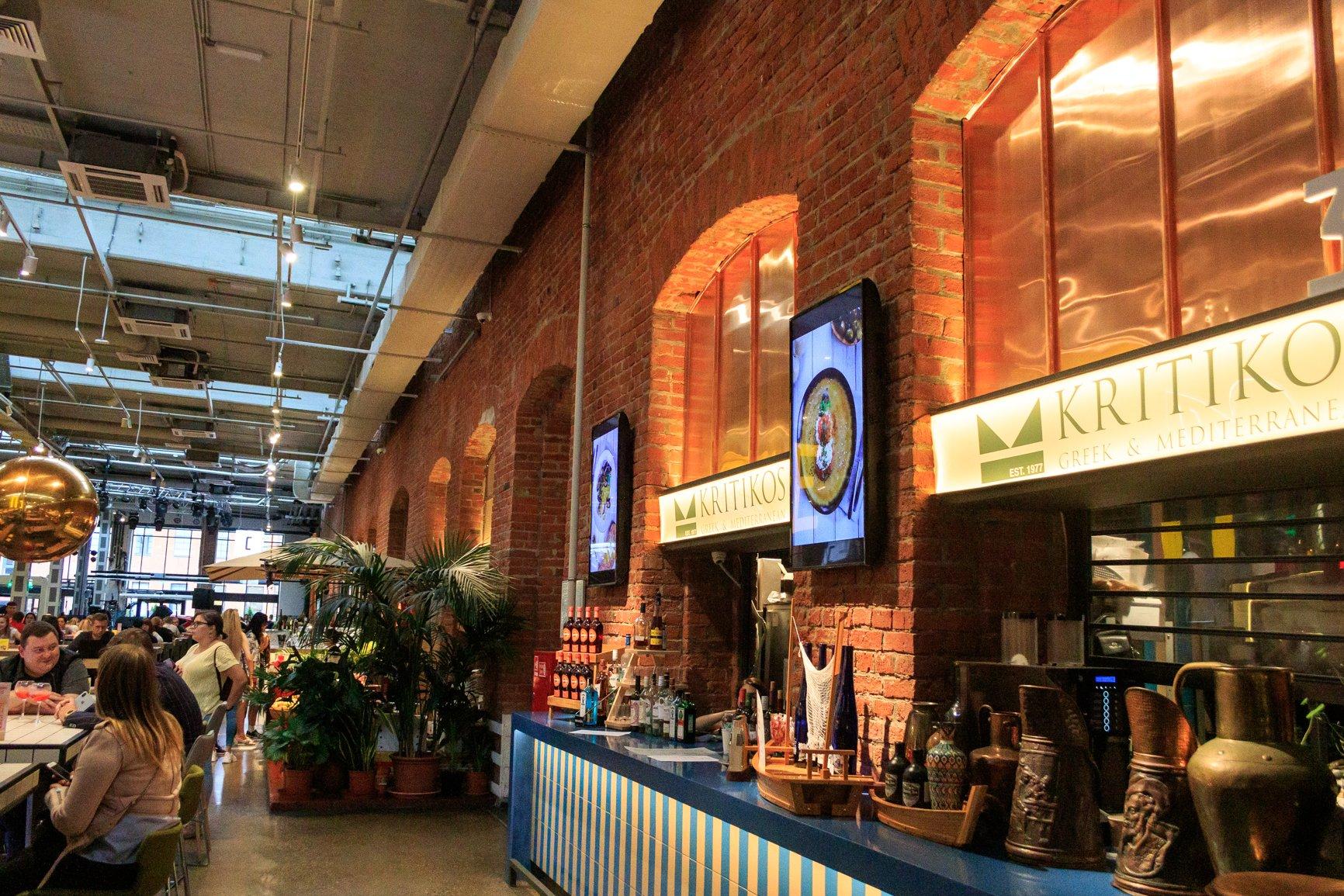
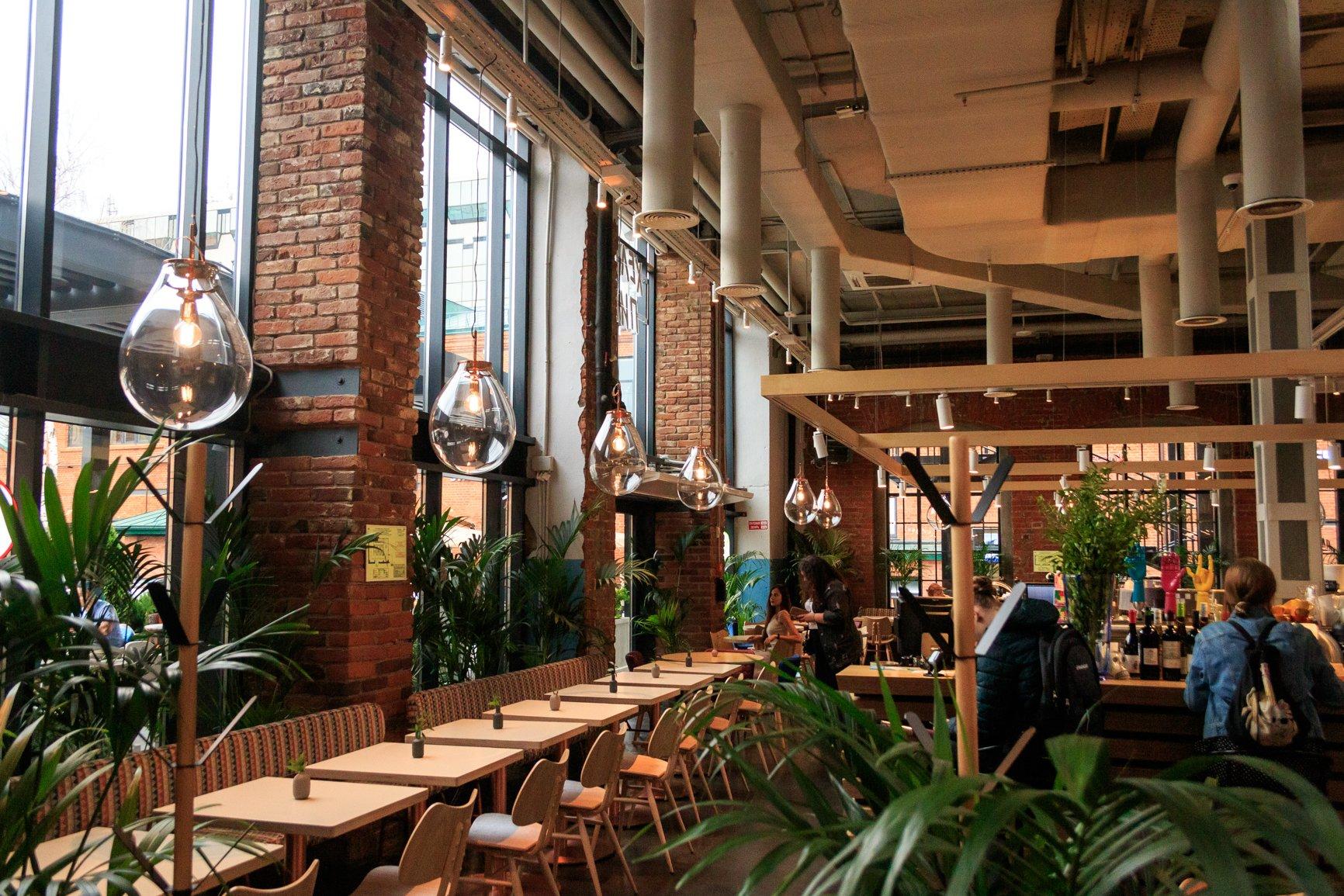
In 2017, the Miusskoye Tram Depot ensemble has been given the state protected status as a valuable industrial heritage. It has been recognized as a cultural heritage site of regional significance. Today, there is a food court with markets and restaurants in the Big Car Shed.

Большой вагонный сарай Миусского трамвайного депо
In 2017, the Miusskoye Tram Depot ensemble has been given the state protected status as a valuable industrial heritage. It has been recognized as a cultural heritage site of regional significance. Today, there is a food court with markets and restaurants in the Big Car Shed.
5.00
Вы можете воспользоваться QR-кодом, чтобы открыть эту страницу в нашем приложении
Архитектурный стиль:
Годы постройки:
1909
Архитекторы:
Н.К. Жуков, М.Н. Глейнинг, Н.А. Сытенко
Эпоха:
1900s
Информация о здании

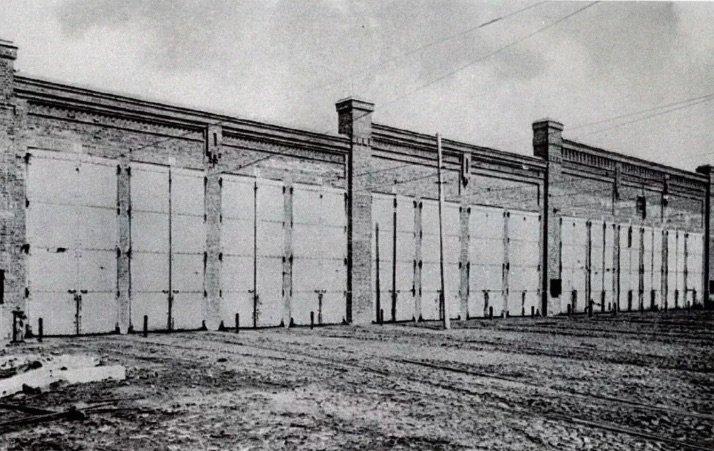
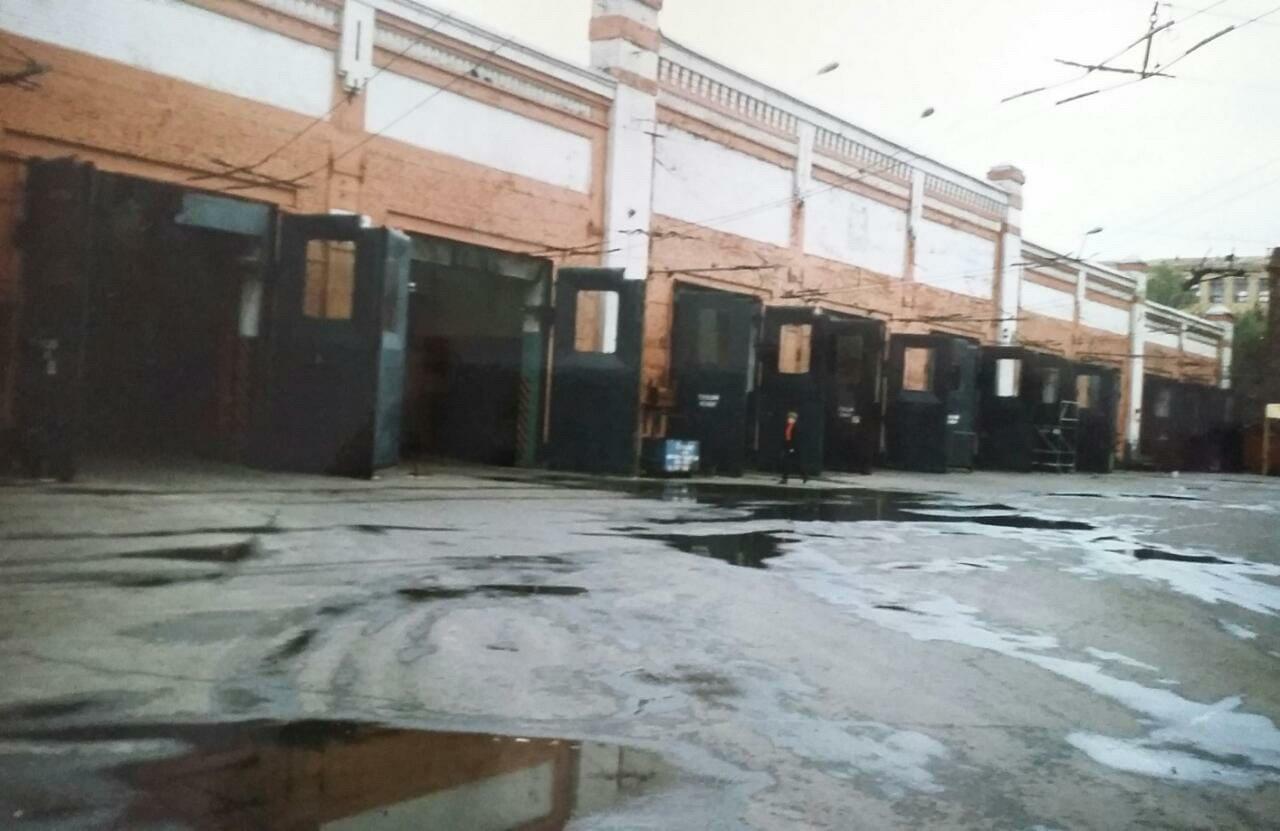
Большой вагонный сарай – основное сооружение Миусского трамвайного депо, предназначавшееся для стоянки трамвайных вагонов. Это самое большое по объему сооружение ансамбля. Под его кровлей должны были помещаться все трамвайные составы парка. Главный фасад здания, прорезанный многочисленными воротами, через которые въезжали и выезжали трамваи, обращен внутрь участка, отчего отделка его несколько скромнее, чем у выходящего на Лесную улицу административного корпуса.

Строительство Большого вагонного сарая началось в первой половине 1900-х годов, закончено было в 1909-м. Первоначально на фасаде были устроены 22 воротных проема, закрывавшихся огромными деревянными полотнами. В советское время, когда трамвайный парк превращали в троллейбусный, увеличили высоту ворот, а проемы для проезда попарно объединили друг с другом. Теперь, после реставрации 2017–2019 гг., фасаду здания возвращен исторический облик.

Над сараем была устроена кровля со световым фонарем (есть гипотеза об участии в этом знаменитого инженера В.Г. Шухова, но она не подтверждена). Конструкции кровли в 1970–1980-е годы были заменены новыми.

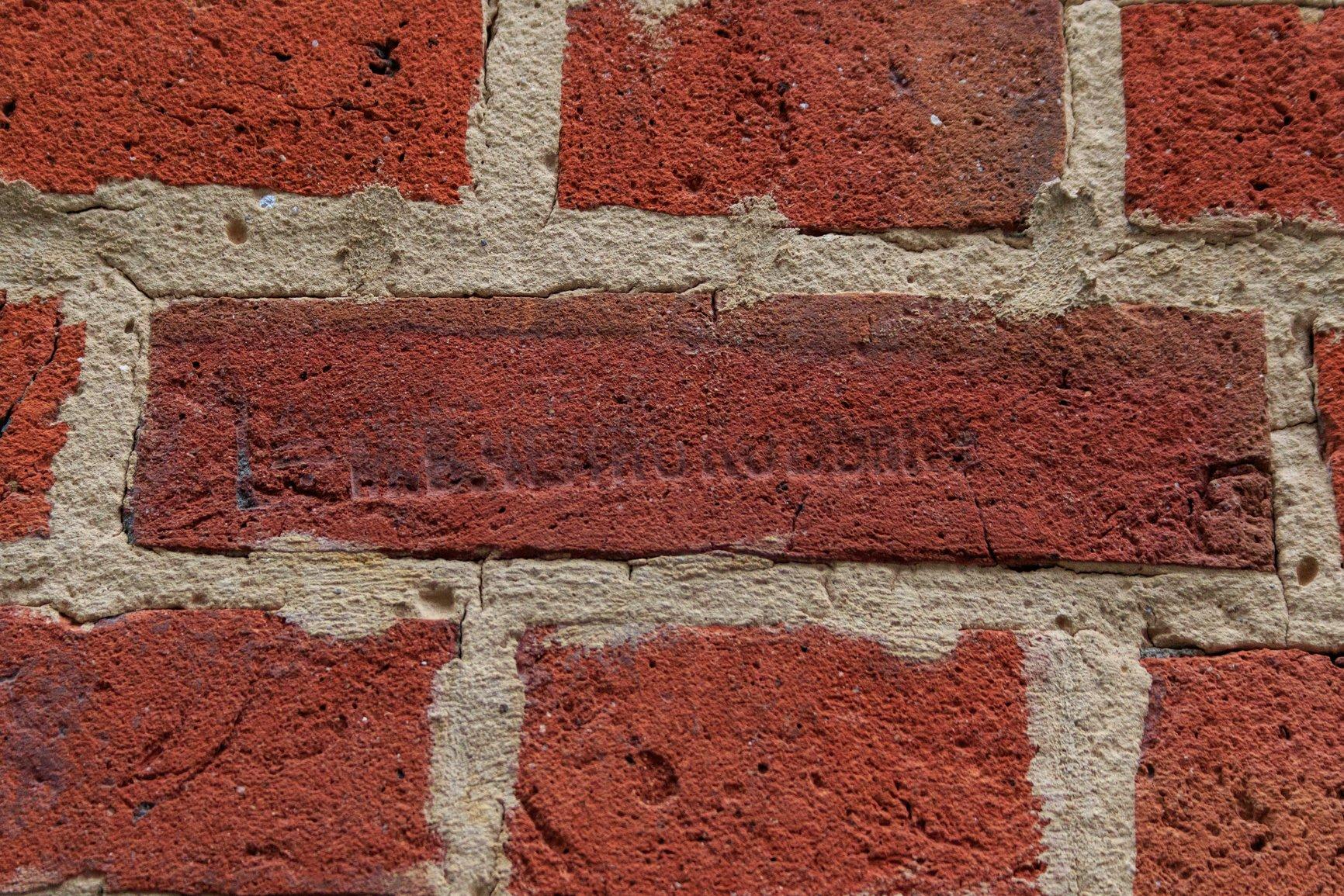
Здание построено из кирпича. Его фасад украшен небольшим аттиком и венчающим карнизом. Фасады, обращенные к окружающим улицам, имеют также междуэтажные профилированные карнизы с фигурными завершениями, декоративные фризы над окнами. Со стороны 1-й Миусской улицы можно разглядеть заводские клейма начала ХХ века на кирпичах: «Шапошниковъ и Челноковъ». При реставрации кладка фасадов была бережно вычинена.

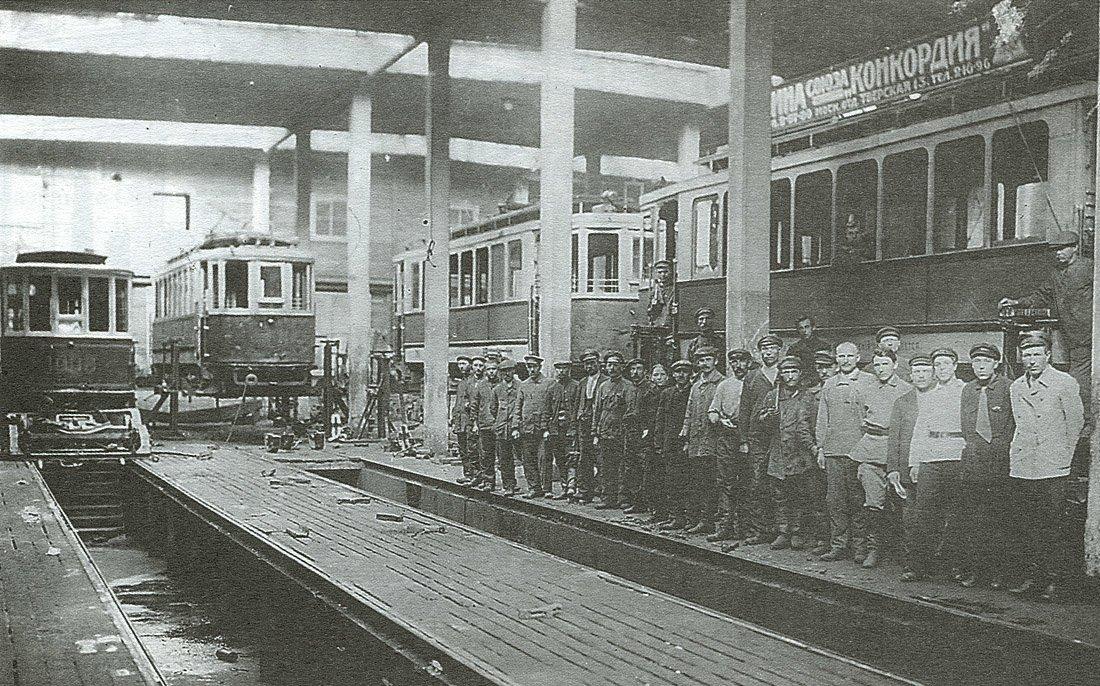
Просторное внутреннее пространство квадратных очертаний было устроено очень функционально. Колонны-опоры разделяли его на длинные коридоры, по которым передвигались трамвайные составы. Колонны служили и основанием для металлических конструкций светового фонаря кровли.

В 2017 году ансамбль Миусского трамвайного депо был поставлен под государственную охрану, как ценный комплекс промышленной архитектуры. Он признан объектом культурного наследия регионального значения.

Сейчас Миусский трамвайный парк отреставрирован и является популярным местом отдыха и развлечений москвичей – здесь, в том числе и в Большом вагонном сарае, открыт новомодный «фудкорт» с рынками и ресторанами.

The Big Car Shed is the major structure within the Miusskoye Tram Depot; it was used as a shelter for tram cars when not in use. The Shed is the largest structure of the entire ensemble. It was designed to have space for the Depot's entire tram pool. The building's main facade with many a gate through which trams used to come and go is facing the inner side of the plot; therefore, its decor is somewhat modest compared to the Office Building facing the Lesnaya Street. The construction of the Big Car Shed began in the early 1900s and was completed in 1909. Initially, there were 22 gateways with huge wooden door leafs in the facade. During the Soviet era, when the tram depot has been converted into the trolleybus depot, each two gateways have been joined and their height has been increased. Nowadays, following the restoration in 2017 1919, the facade has regained its historical appearance. The Shed has been covered with the roof with a skylight (allegedly, V.G. Shukhov, the famous engineer was engaged in its design; however, there is no proof of that). In 1970 1980s, the roof structures have been replaced. The building is constructed of brick. Its facade is decorated with a small attic and a final cornice. The facades along the side streets also have moulded intermediate cornices with ornamental tops and decorative friezes above windows. On the side facing the 1st Miusskaya Street, one can discern the early 20th century brand marks on the bricks: "Shaposhnikov & Chelnokov". In the course of the restoration, the facades' brickwork has been carefully mended. Ample interior space of square layout used to be very functional. Supporting pillars were dividing it into long passages along which trams used to move. The pillars also served as supports for the metal elements of the skylight in the roof. In 2017, the Miusskoye Tram Depot ensemble has been given the state protected status as a valuable industrial heritage. It has been recognized as a cultural heritage site of regional significance. Nowadays, as the Miusskoye Tram Depot including the Big Car Shed is restored, it has become a popular entertainment destination for Moscovites as a new format food court with markets and restaurants. Konstantin Mikhailov
Автор статьи: Константин Михайлов
Отзывы
(1)
Поделитесь статьей с друзьями
Интересное рядом(10)
AZ MuseumThe AZ Museum is a museum of Russian artist Anatoly Zverev (1931–1986). Anatoly Zverev was and remains one of the most significant figures in the artistic life of Moscow in the second half of the twentieth century. The AZ Museum was founded by collector and patron of the arts Natalia Opaleva and art curator Polina Lobachevskaya in 2013. The Museum building on the 2nd Tverskaya-Yamskaya Street was opened in May 2015. The basis of the collection of the Museum AZ was the personal collection of Natalia Opaleva. In 2013, the daughter of the famous collector George Kostaki, Aliki Kostaki, presented the museum with more than 700 works by Zverev, archival materials and artifacts from the collection of her father. Today, the museum has more than 1,500 works by Anatoly Zverev and over 500 works by artists of his circle - nonconformists (Plavinsky, Nemukhin, Rabin, Krasnopevtsev, Tselkov and many others). Simultaneously with the foundation of the museum, a large publishing program was developed. Books and albums with works by Anatoly Zverev were published - “100 self portraits”, “Zverev. Love”, “Anatoly Zverev's Gogoliad”, “Anatoly Zverev Draws Andersen's Fairy Tales”, “Golden Ass”, “Apulea in Illustrations by A. Zverev” (publishing group: publisher - Natalia Opaleva, author of publishing project - Polina Lobachevskaya, compiler - Natalia Volkova , editor and author of articles - Sergey Solovyov). The small space of the museum does not allow to present the entire collection at the same time. Therefore, the AZ Museum offers a consistent story about different periods and directions in the works of Anatoly Zverev. Exhibitions follow each other, turning into a kind of “iso-series”. Each new exhibition is recorded in the film and becomes a film document - a film about the life of the AZ Museum. Multimedia screens play an important role in the concept of exhibition space. They expand the real space of each of the floors and allow you to see the works of Zverev in new perspectives.
Moscow, 2nd Tverskaya-Yamskaya Street, 20-22
Egg Monument

What is more important: the chicken or the egg?

3 Tikhvin lane, the territory of technical lyceum number 1501
Mendeleevskaya, Savelovskaya
The Russian National Museum of MusicThe Russian National Museum of Music is the largest treasury of monuments of musical culture, which hasn’t analogues in the world. Here are kept a unique set of music and literary author’s manuscripts, research for history of culture, rare books and printed music. Museum of Music’s funds count about one million exhibits. Autographs, letters, photos and different kind of documents which connect with life and creativity of figure of Russian and foreign musical culture are concentrated in the branches.

Collection of musical instruments of the people of the world takes a special place. The Museum of Music’s funds include the State collection of unique musical instruments: the largest collection of stringed instruments by masters from different countries and epochs among them masterpieces by A. Stradivari, Guarneri’s families and Amati.

The fund of audio- and video recordings is vast; in collection of graphic materials – masterpieces, which could decorate expositions of the best world art museums, - canvas by M. Vrubel, K. Korovin, V. Serov and other artists who are world renowned.

The Museum of Music is authoritative scientific centre. Research associates conduct research, are engaged in search, introduction in cultural use of the unknown forgotten or unidentified works, autographs and musical names.

The Russian National Museum of Music includes:
The Museum of Music (Fadeyev St., 4.)
The Prokofiev's museum (Kamergersky Lane, 6)
The Chaliapin Memorial Estates (Novinsky Blvd., 25–27)
The Tchaikovsky and Moscow Museum (Kudrinskaya Square, 46/54)
The Golovanov Memorial Apartment (Bryusov Lane, house 7, quarter 10)
The Goldenweiser Memorial Apartment (Tverskaya St., 17, quarter 110)

http://glinka.museum/
https://vk.com/musicmusem_ru
https://www.facebook.com/musicmuseum.ru/
https://ok.ru/group/54222634549426
Instagram: musicmuseum_ru