Интерактивный гид по городу
С мобильным приложением бродить по городу гораздо интереснее!

Grand palace of Tsaritsyno national park

The Grand Palace in Tsaritsyno invariably attracts the attention of tourists.

Grand palace of Tsaritsyno national park
Orekhovo, Caricyno
The Grand Palace in Tsaritsyno invariably attracts the attention of tourists.
3.75
Вы можете воспользоваться QR-кодом, чтобы открыть эту страницу в нашем приложении
Архитектурный стиль:
Годы постройки:
1786—1796
Архитекторы:
Эпоха:
18th century
Информация о здании

На юге Москвы расположено одно из достопримечательных мест не только столицы, но и всей России — Царицыно. А.Ф. Раевский написал о нем в XVIII веке так: «Все, что природа изящного, что искусство прекрасного имеет — все найдете вы в Царицыне».

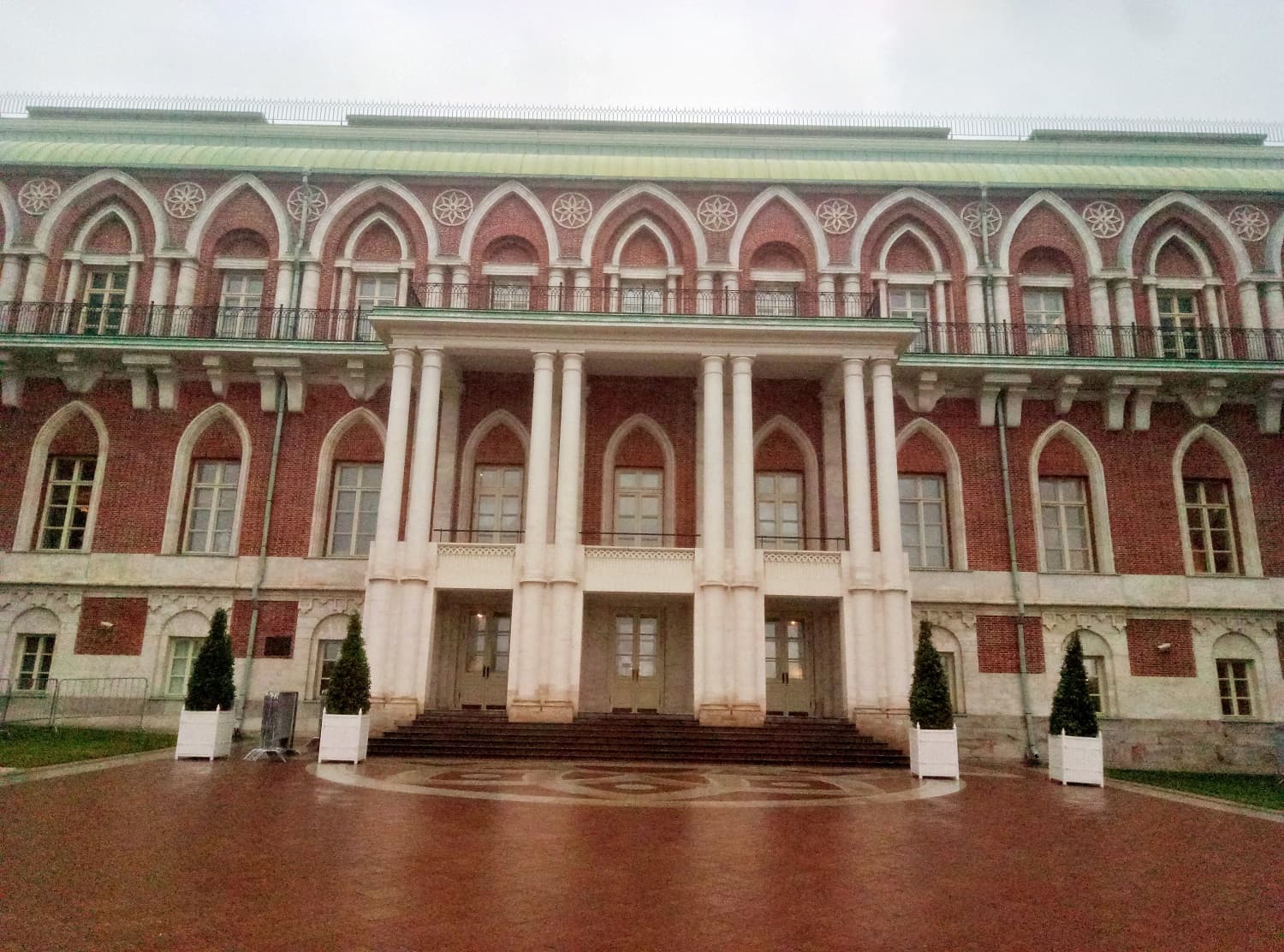
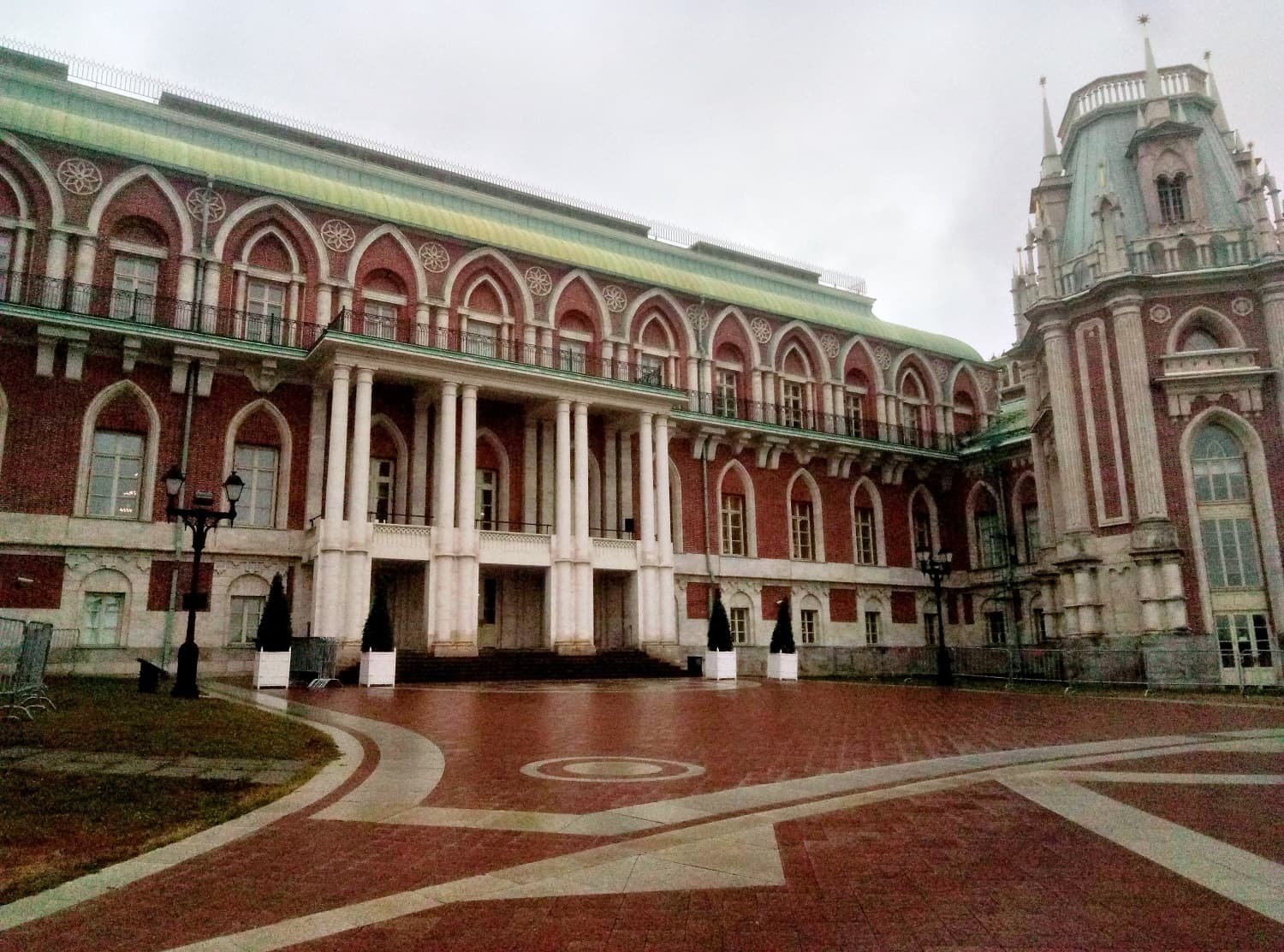
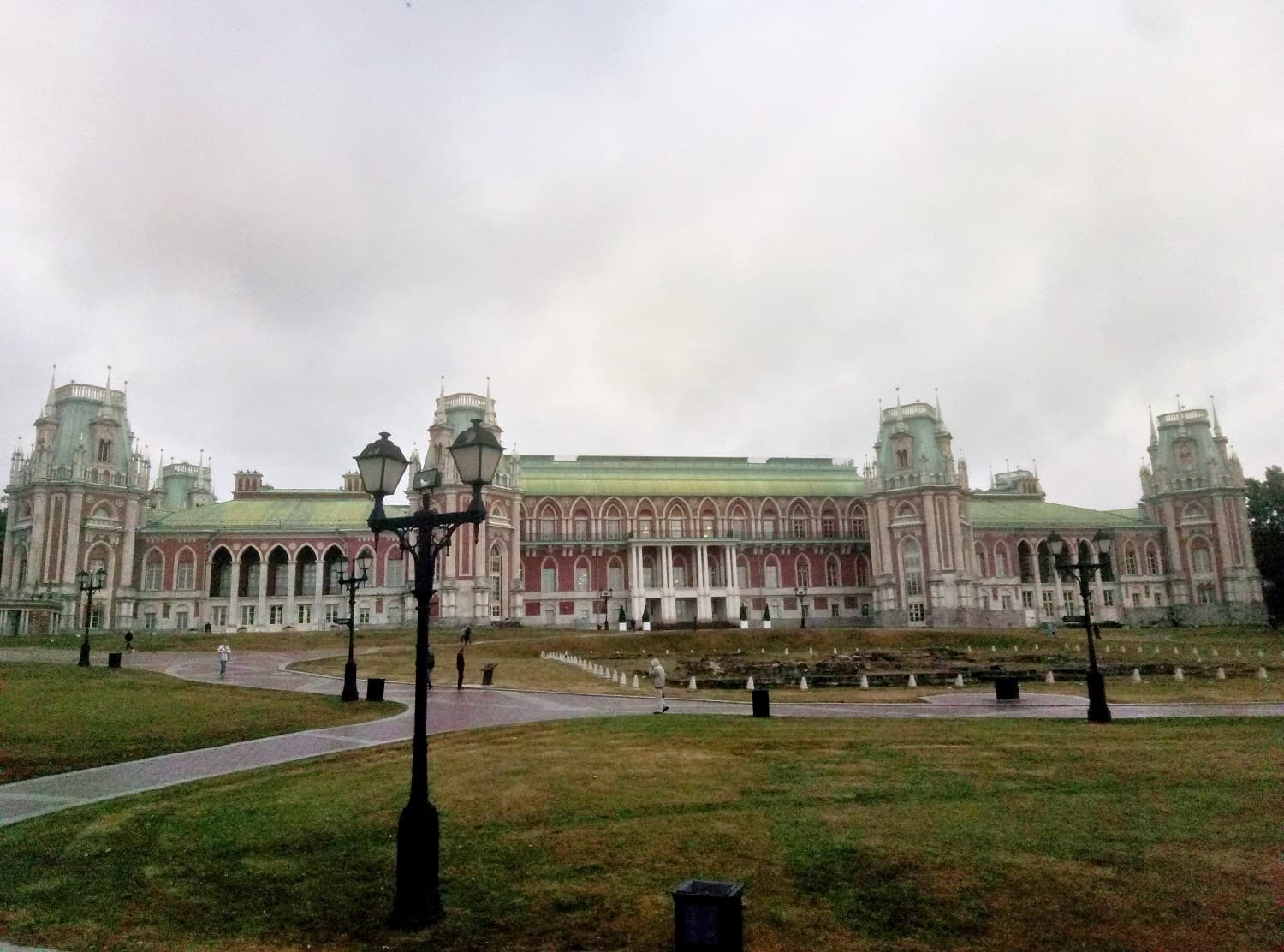
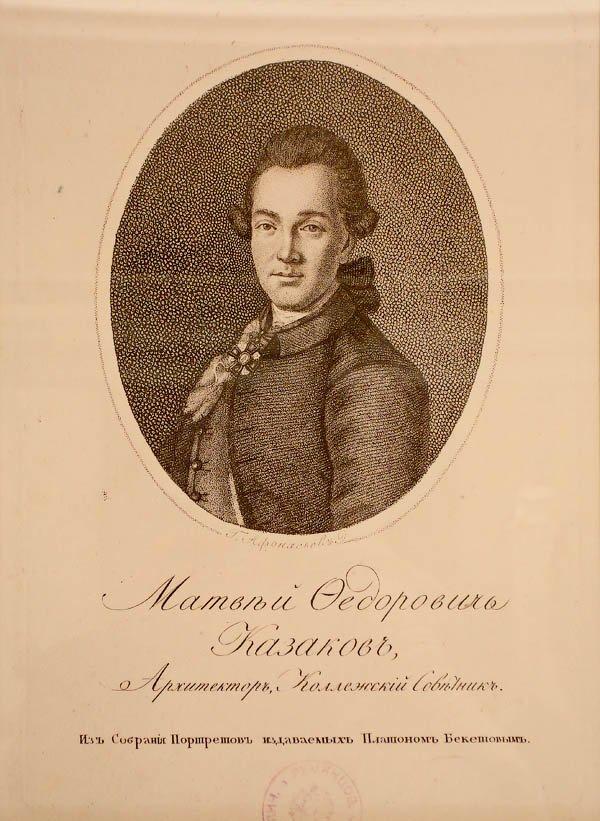
Cреди памятников архитектуры на территории музея-заповедника следует выделить Большой дворец. Он был построен для императрицы Екатерины Второй М.Ф. Казаковым в 1786–1796 гг. на месте трех дворцов-павильонов, созданных ранее В.И. Баженовым и снесенных по велению государыни.

И хотя Матвей Казаков попытался сохранить избранный Баженовым, уходящий корнями в традиции московского зодчества, стиль, было очевидно, что проект нового дворца не гармонирует с созданной Баженовым структурой усадьбы. По задумке новый дворец становился ведущим, доминирующим элементом застройки, что подчеркивалось разбивкой традиционной парадной площади перед ним.

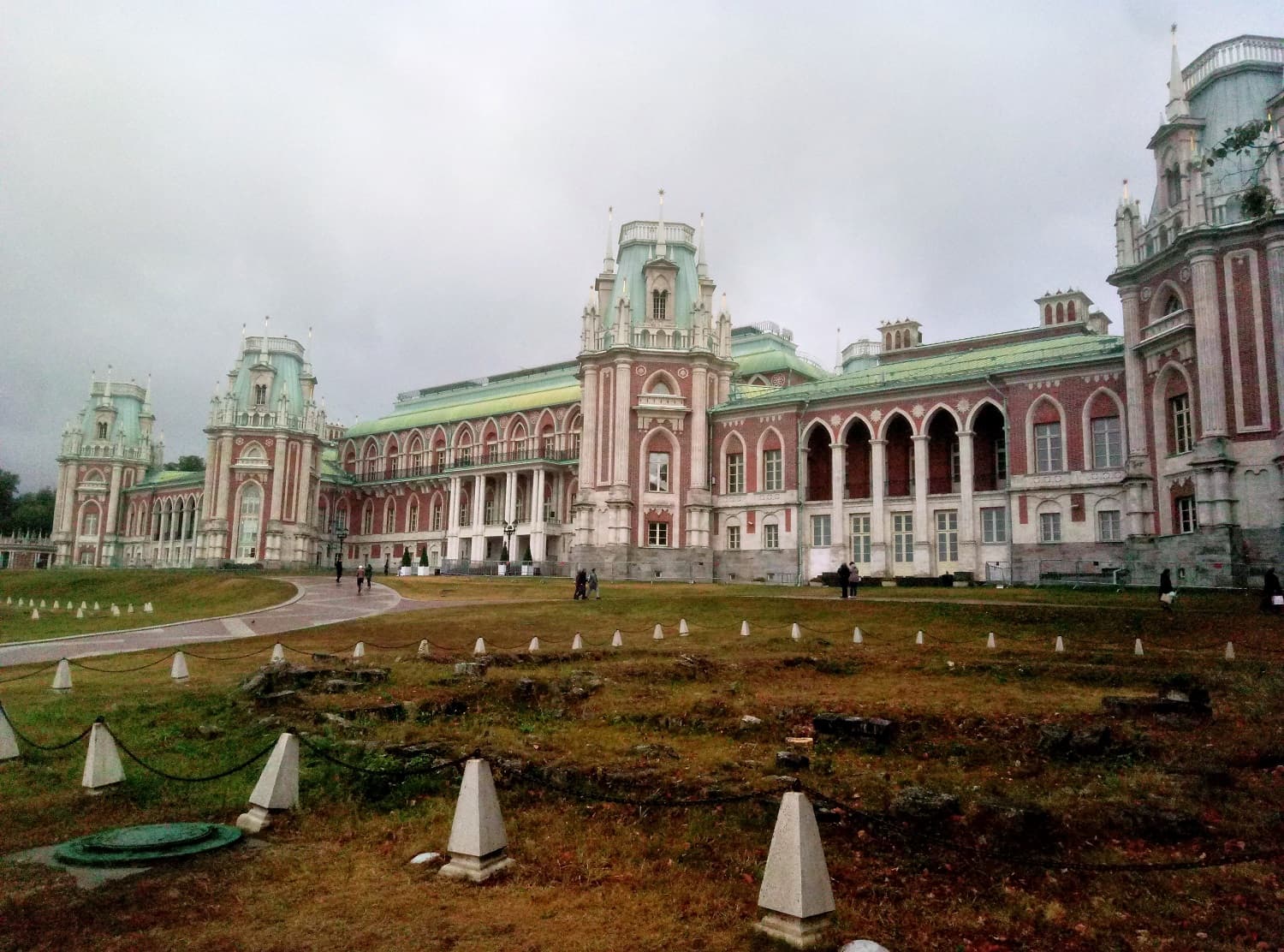
Дворец имел трехчастную структуру. В центральной его части предусматривались парадные залы, в западной части (ближе к прудам) планировались покои самой императрицы, а в восточной (расположенной ближе к Хлебному дому) – апартаменты ее сына, цесаревича Павла Петровича и его семейства.

Готический стиль дворца был подчеркнут восьмью башнями с шатрами. Дворец, построенный Матвеем Казаковым, походит на западно-европейский средневековый замок.

В 1790 году строительство дворца было приостановлено, его высота уменьшена на один этаж. М.Ф. Казакову пришлось спешно готовить новый проект, в то время как и предыдущий еще не был полностью реализован. Изменение высоты здания привело к тому, что силуэт его стал несколько расплывчатым; нарушение первоначальных пропорций повлияло на композиционную взаимосвязь частей дворца.

В ноябре 1796 года Екатерина Великая внезапно скончалась. K этому времени строительство Большого дворца было практически завершено, но Матвей Казаков не успел утвердить внутреннюю планировку дворца с императрицей. Здание покрыли временной кровлей, начались внутренние отделочные работы. После своей коронации император Павел I посетил Царицыно и принял решение прекратить там строительные работы.

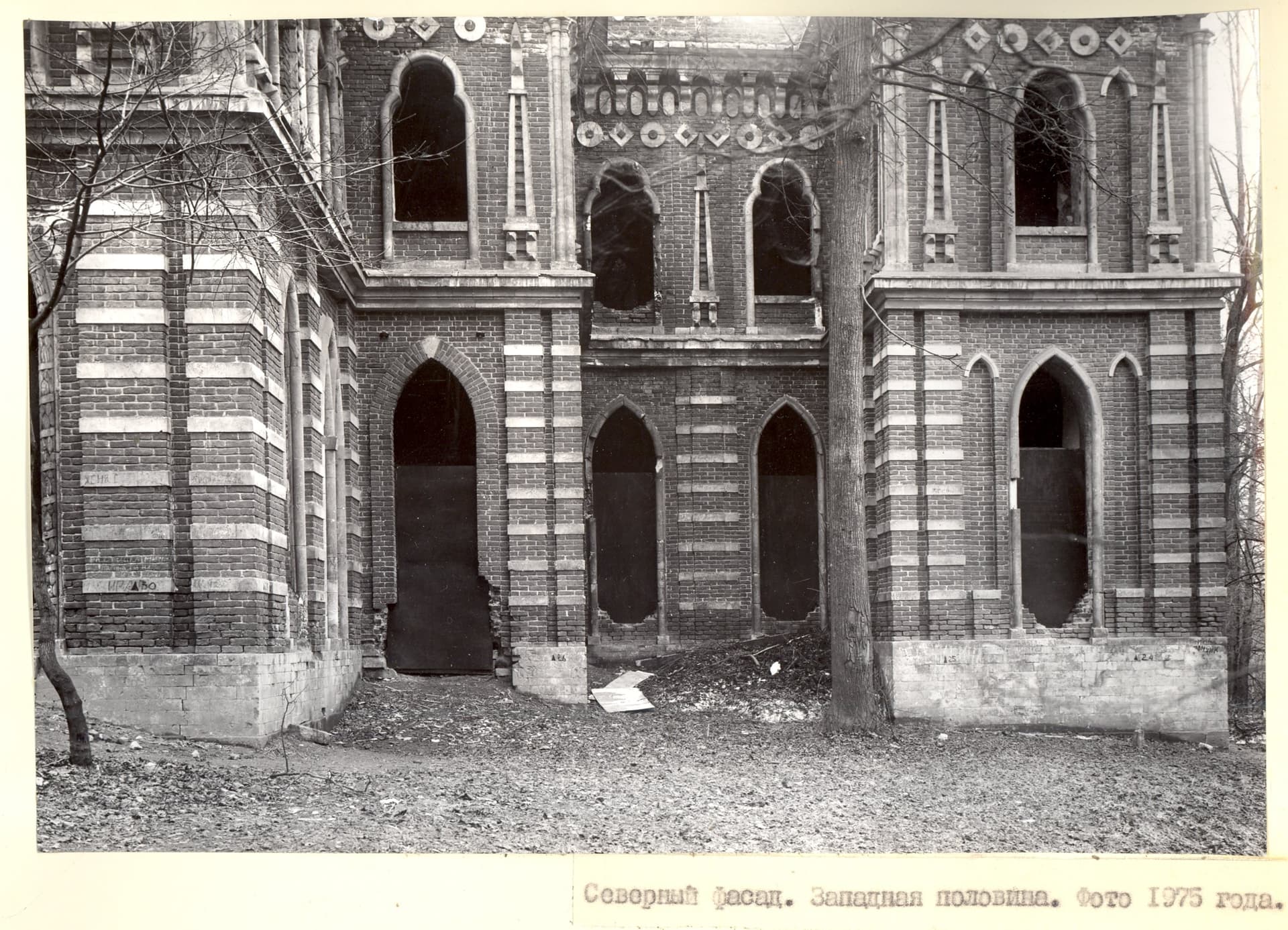
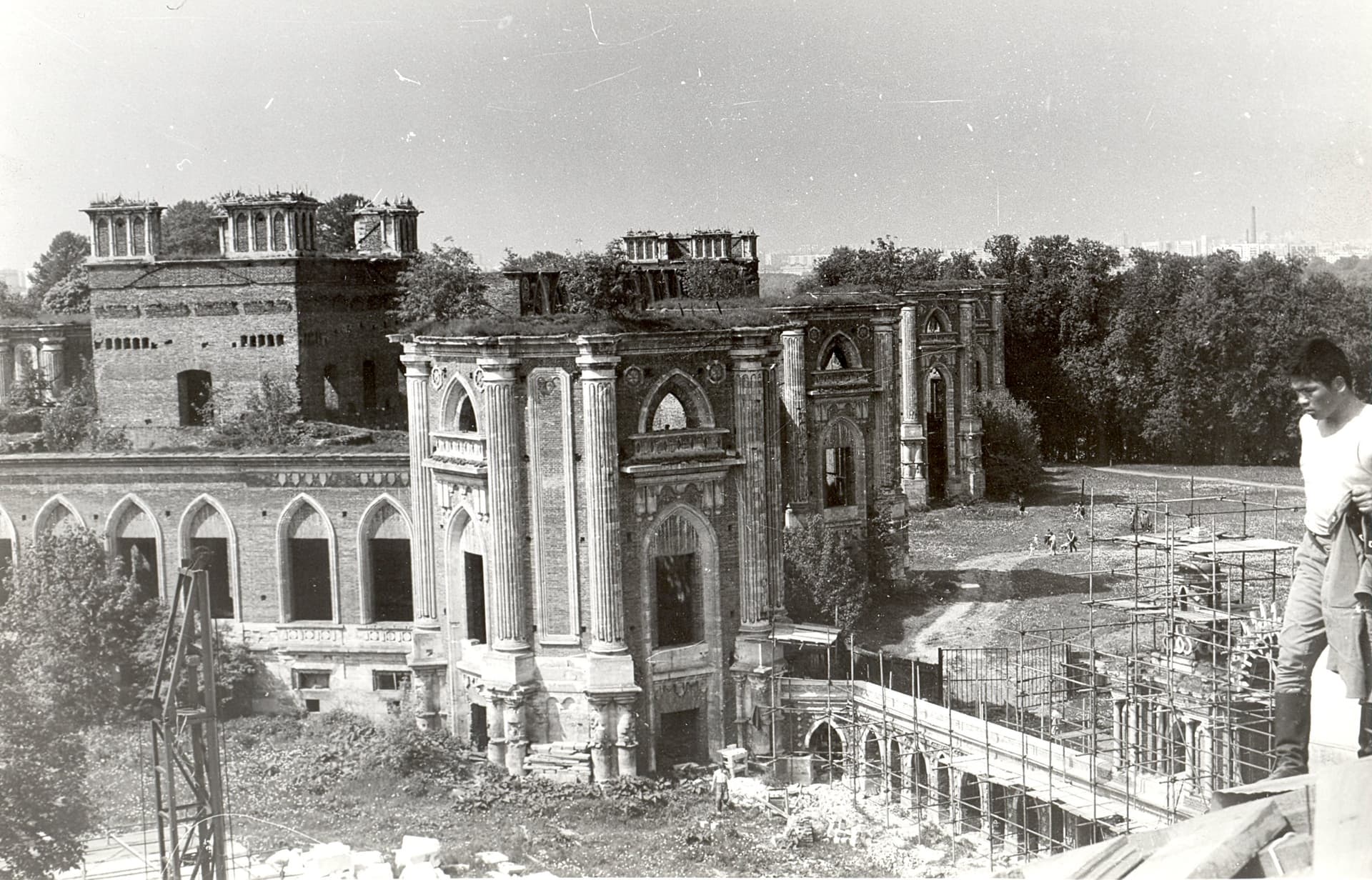
Большой дворец, как и другие постройки в Царицыне, так и не стал императорской резиденцией. Оставленный и неиспользуемый, он уже в начале XIX столетия начал разрушаться и зарастать живописной зеленью, превращаясь в руины. К середине XIX века обвалились железные крыши и межэтажные перекрытия. Большой дворец превратился в исполинскую развалину.

К началу XXI века от Большого дворца остались лишь основные стены. В 2005–2007 годах была осуществлена его полномасштабная реконструкция. Общие формы и пропорции здания в целом достоверно воссозданы, но есть и существенные различия между его историческим и нынешним обликом.

Во-первых, железные кровли дворца в XVIII в. были выкрашены черной краской, что придавало ему мрачноватый вид. После реставрации они приобрели более приятный для глаз салатно-зеленый цвет. Во-вторых, в 1790-х годах М. Ф. Казакову не довелось украсить крыши дворца тем пышным архитектурным декором, какой им первоначально задумывался и был одобрен Екатериной Второй. Современные архитекторы украсили высокие кровли реконструированного здания множеством декоративных элементов. Отреставрированный дворец радует посетителей своим нарядным видом, напоминающим сказочные чертоги.
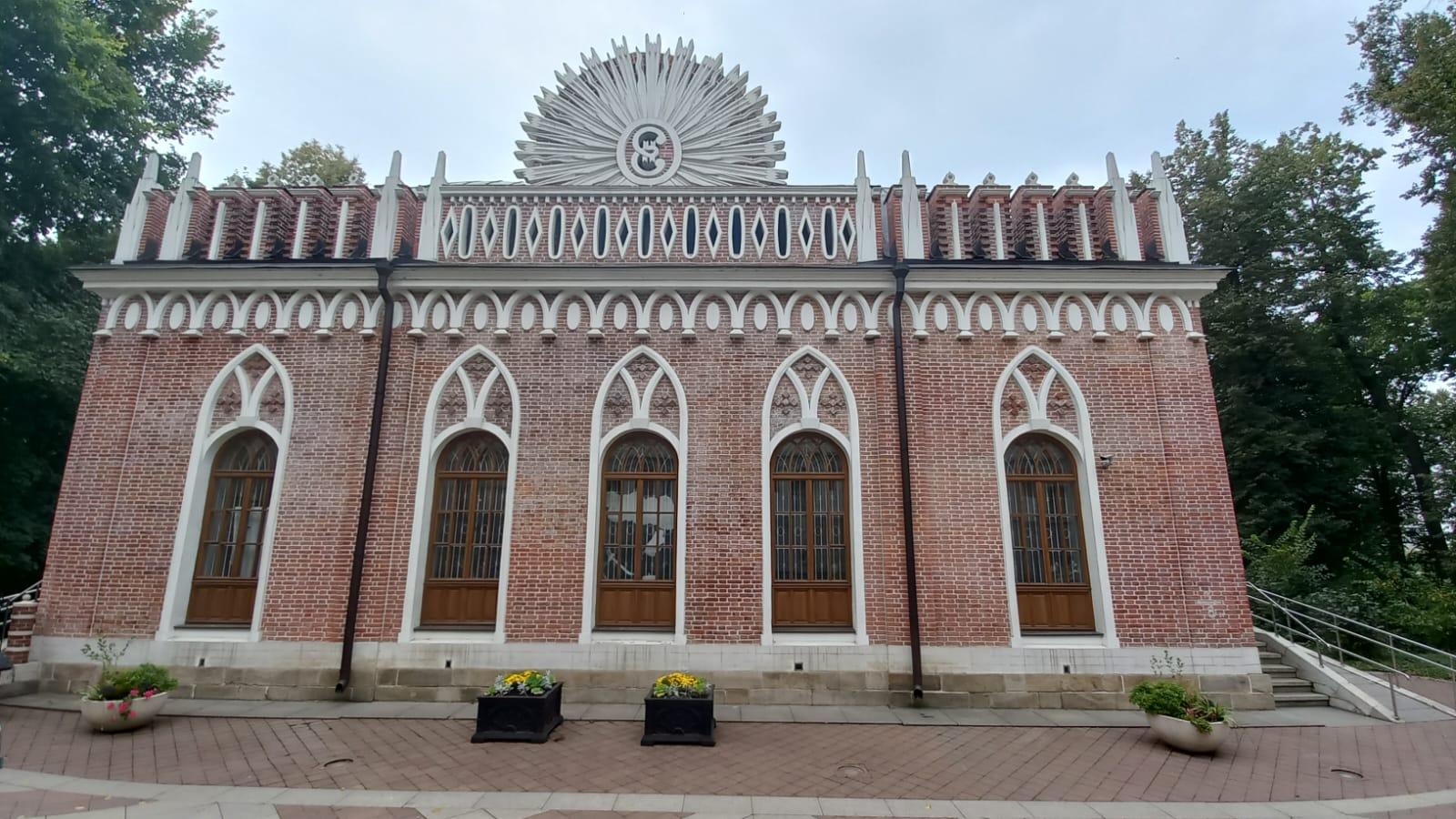
One of the most spectacular Moscow’s and Russia’s places of interest Tsarino National Park is located in southern part of Moscow. A.F. Raevskii mentioned Tsaritsino in the XVIII century as follows: "All that is beautiful in the nature, all that is fine art - everything you will find in Tsaritsyno". Grand Palace stands out of the architectural ensemble of Tsaritsino . It was built for the Empress Catherine II, by the famous architect Matvey F. Kazakov in 1786-1796. Previously there were three pavilion-palaces created by Vasiliy I. Bazhenov earlier at this place. The Empress ordered to demolish these pavilions and build a new Grand Palace. Although Matvey Kazakov tried to preserve Bazenov’s masterpieces rooted in the traditions of the Moscow architectural style, it was obvious that the draft of the new palace is not in harmony with the existing structure of the Bazhenov estate. According to the plan, the new palace should become the leading and dominant element of the ensemble. Traditional parade square in front of the palace emphasized it. The palace had a three-part structure. State rooms were in the central part, apartments of the empress occupied the western part (closer to ponds), and apartments of her son, Crown Prince Paul Petrovich and his family were located in the eastern part (closer to the Bread house). Gothic style of the palace was highlighted by eight towers with marquees. The palace built by Matvei Kazakov looked like a Western European medieval castle. In 1790, the construction of the palace was suspended; its height was reduced by one floor. M.F. Kazakov had to prepare a new project quickly, while the previous one has not yet been fully realized. Changes made to the height of the building led to the fact that its silhouette become somewhat vague, violation of the original proportions affected the compositional parts of the palace. In November 1796 , Catherine the Great died suddenly . By that time the construction of the Grand Palace was almost completed , but Matvey Kazakov had no time to receive the Empress approval of the internal layout of the palace. The building was covered with a temporary roof, interior finishing work began. After his coronation, the Emperor Paul I visited the Tsaritsino and decided to stop construction work there. The Grand Palace , as well as other buildings in Tsaritsyno, did not become the imperial residence. Left unused, it began to break down and overgrown with beautiful greenery , turning into ruins already in the beginning of the XIX century. By the middle of the XIX century the iron roofs and floor slabs collapsed. The Grand Palace turned into a gigantic wreck. By the beginning of XXI century only main walls were left from the Grand Palace. In 2005-2007 the full-scale reconstruction of the palace was conducted. Common forms and proportions of the building as a whole faithfully reproduced, but there are significant differences between its historical and present appearance. First, the iron roofs of the palace were painted with black paint in the XVIII century, which gave the palace a grim look. After restoration, roofs were painted with more pleasing to an eye salad green color. Secondly, in the 1790s, M.F. Kazakov was not able to decorate the roof of the palace with so magnificent architectural decoration, which he originally conceived and approved by Catherine II. Modern architects decorated the high roof of the reconstructed building with lots of decorative elements. Restored palace pleases visitors with its elegant view, reminiscent of fairy palaces.
Автор статьи: ГМЗ "Царицыно"
Рекомендации
10
12 м.
1 км
Отзывы
(7)
Поделитесь статьей с друзьями
Интересное рядом(8)
Пруд Керкова
улица Дольская, 1
Orekhovo
Orekhovo
Orekhovo
Kazakov M. F.
архитектор
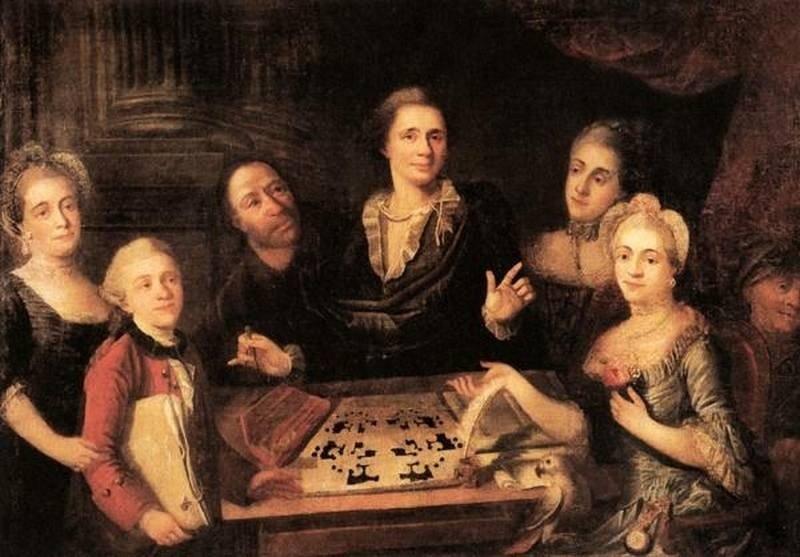
Bazhenov V. I.
архитектор
Gallery «Zagorie»The State Exhibition Hall-Museum "Zagorie" was founded in 1997 and stores about 400 paintings in its funds. The museum's collection is based on paintings by front-line artists Ilya Lukomsky and Boris Rozhdestvensky. Collective and personal exhibitions of painting, drawing, sculpture, photography, decorative and applied art acquaint visitors with the works of Moscow and regional artists, both professional and amateur, beginners and become masters of the authors of modern art. Today, life with its current events, disputes and new practices breaks into the museum space. The exhibition hall - the Zagorie Gallery is currently part of the Exhibition Halls of Moscow Association and is a platform for updating classical art and a place for meetings and communication of local district communities - a convenient and accessible "the third place". “The third place” is a space that can be used for work or leisure, but is not a home or office. The friendliness of people around and the mandatory location within walking distance for visitors are the main features and advantages of such spaces. Here you can set up a business meeting and see friends, or you can just work intently, without being distracted by outsiders and at the same time not feeling lonely, divorced from society. According to the curators, the “third place” located in the museum space will have a special atmosphere, plunging into which visitors want to return to meet with friends, partners and, of course, art.
Moscow, Lebedyanskaya Street, 24 (metro station Tsaritsyno, Kantemirovskaya)
Kantemirovskaya, Caricyno

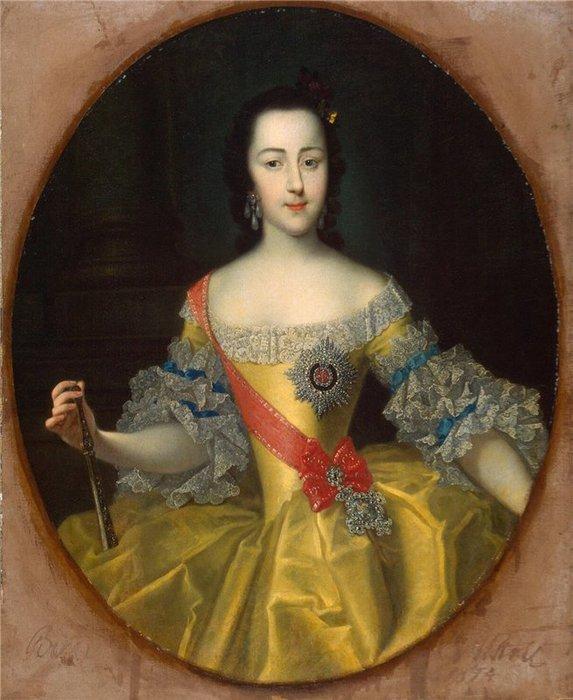
Catherine II
Российская императрица