Интерактивный гид по городу
С мобильным приложением бродить по городу гораздо интереснее!

Boyarsky court

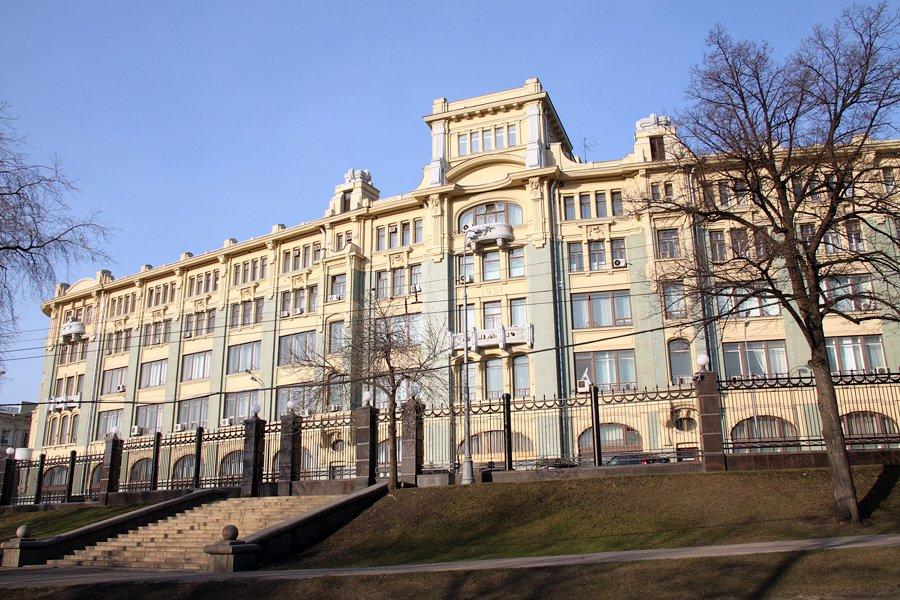
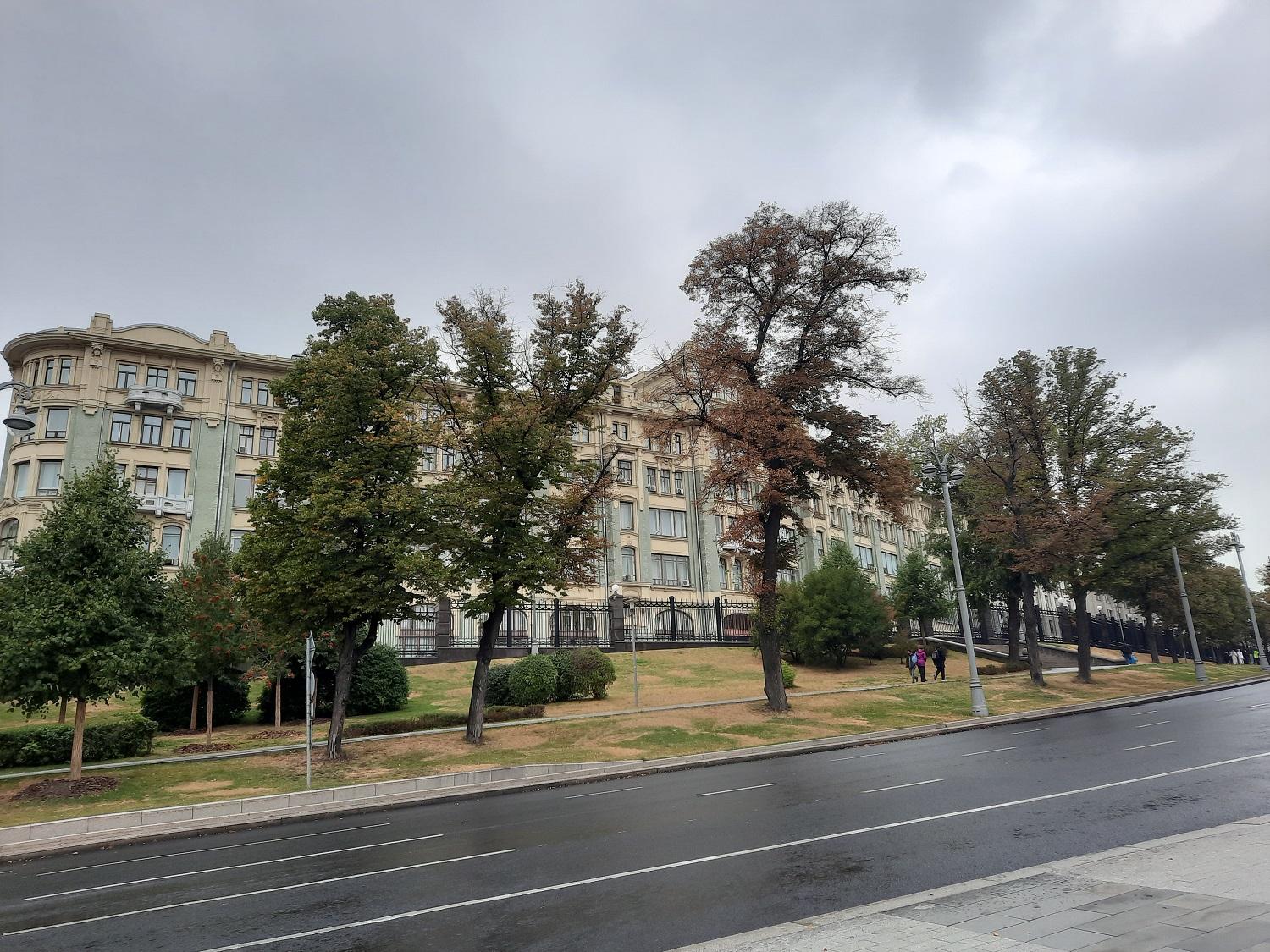
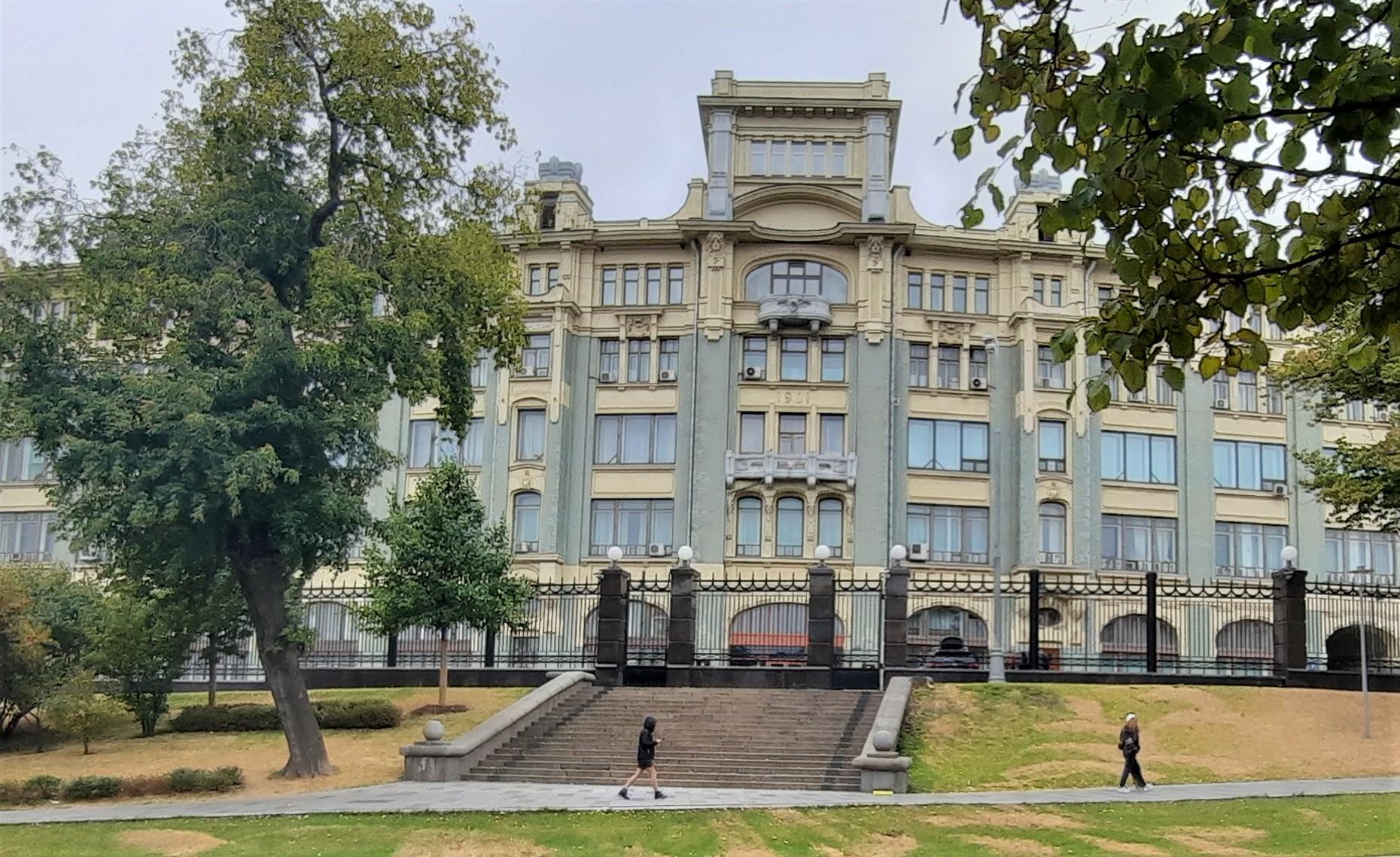
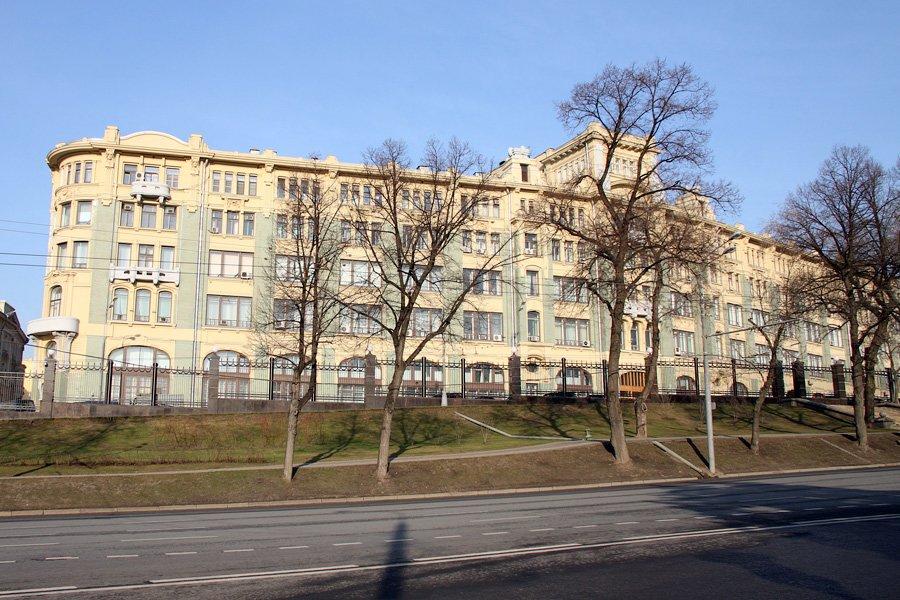
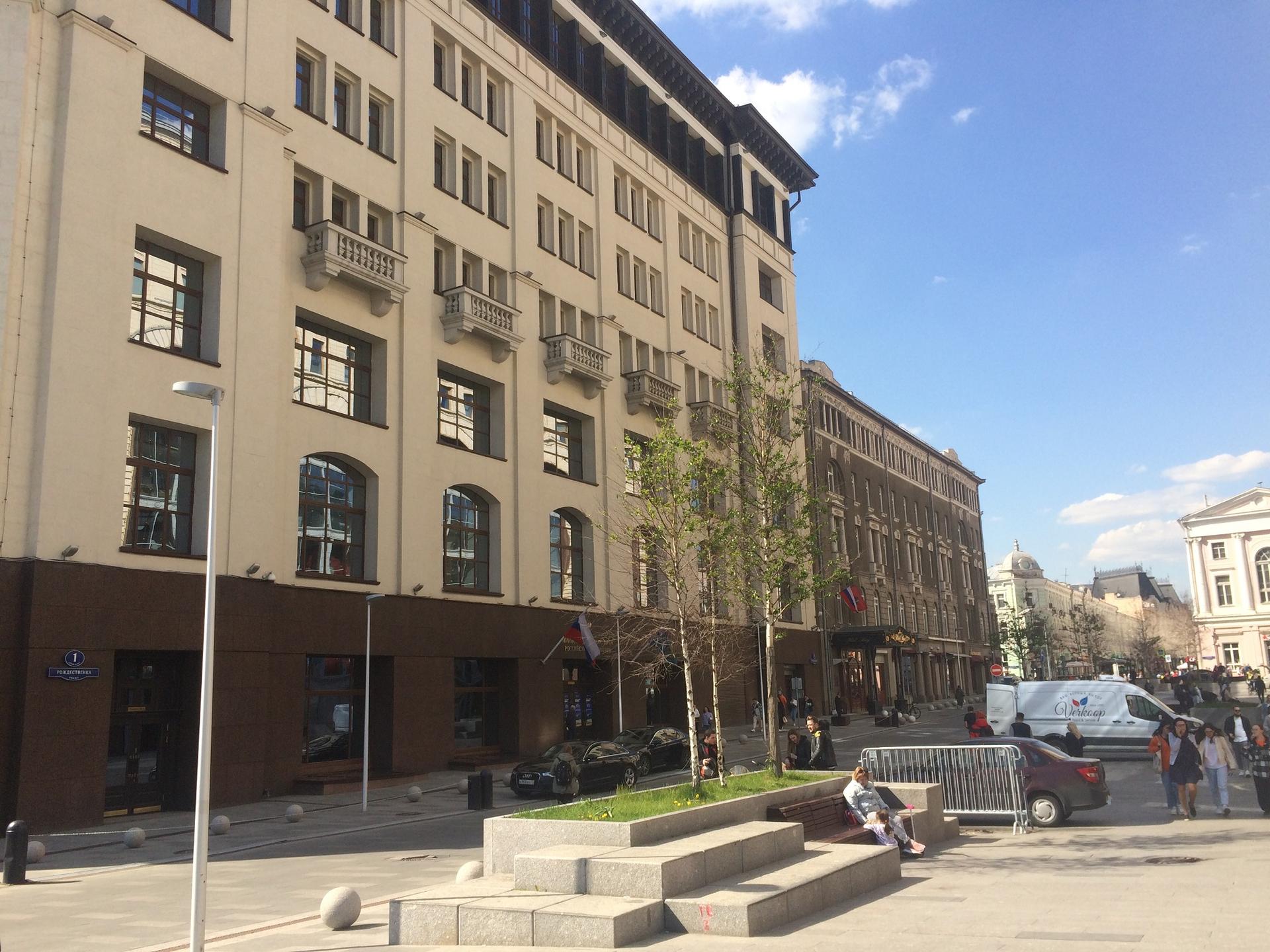
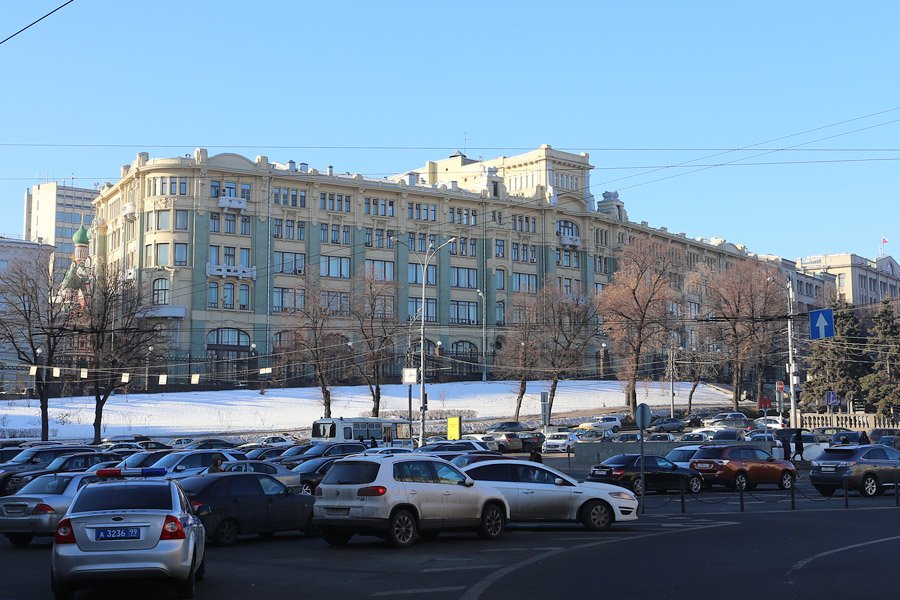
If you walk from Kitay-gorod metro station in the direction of Varvarka street, on the hill you can see an interesting house with huge windows and smooth lines of the balconies. It is as if going up, repeating the curve of the hill and the street.

Boyarsky court
Boyarsky court
If you walk from Kitay-gorod metro station in the direction of Varvarka street, on the hill you can see an interesting house with huge windows and smooth lines of the balconies. It is as if going up, repeating the curve of the hill and the street.
4.30
Вы можете воспользоваться QR-кодом, чтобы открыть эту страницу в нашем приложении
Архитектурный стиль:
Годы постройки:
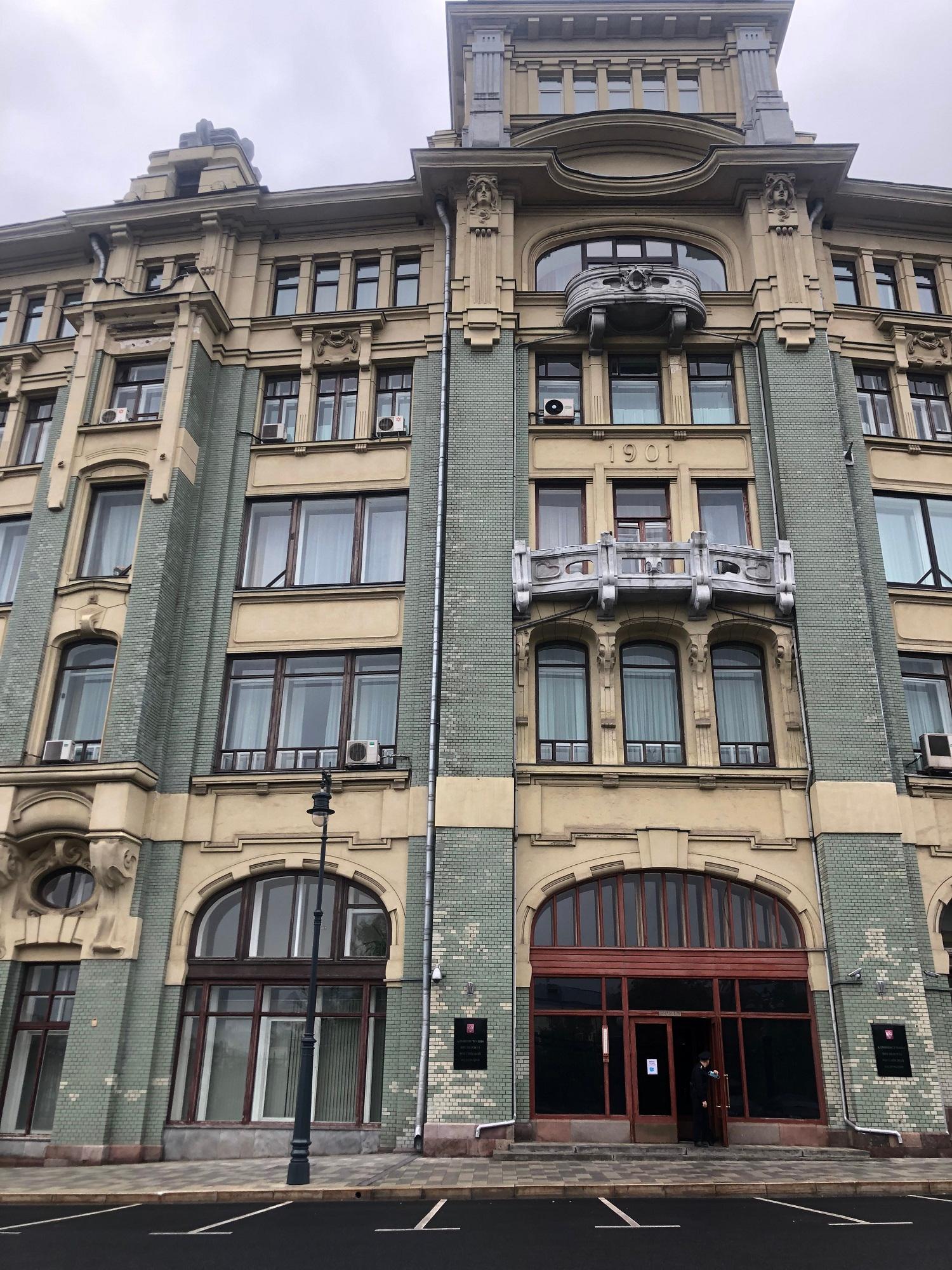
1901
Архитекторы:
Эпоха:
1900s
Информация о здании

Если пройти от станции метро «Китай-город» в сторону Варварки, то на холме можно увидеть интересный дом с огромными окнами и плавными линиями балконов. Он как бы уходит вверх, повторяя изгиб улицы и холма.

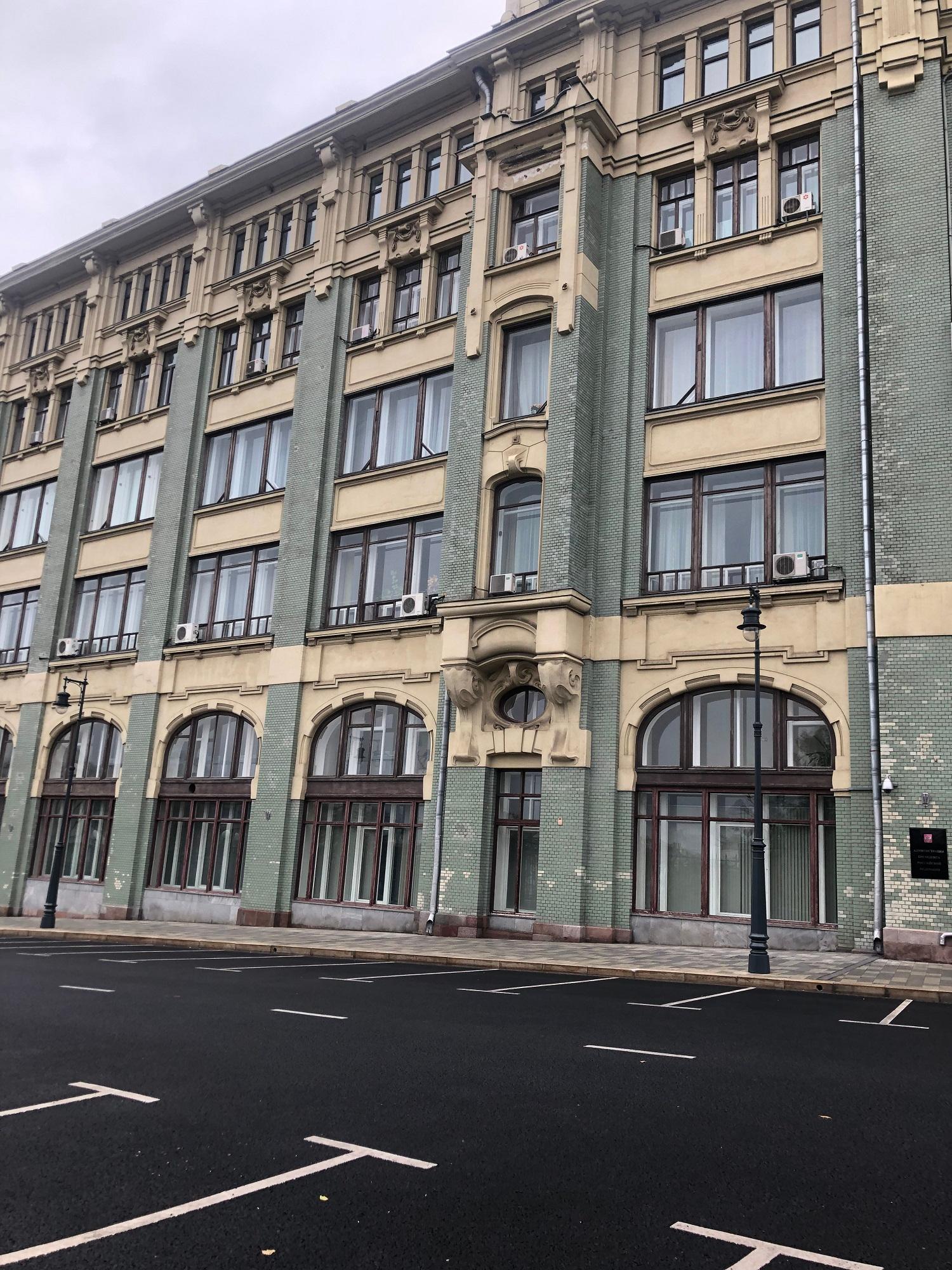
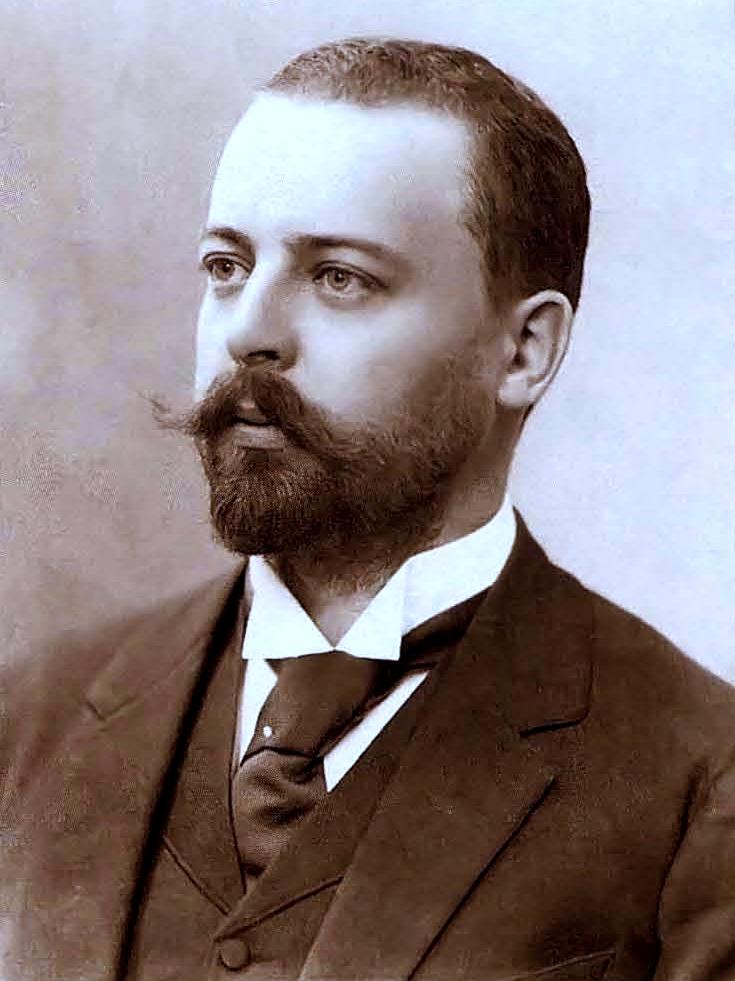
24 сентября 1903 г. в газета «Новости дня» писала: «На Старой площади введено в эксплуатацию 5-этажное здание Московского страхового общества, построенное по проекту академика архитектуры Ф.О. Шехтеля. Фасад дома облицован глазурованным серо-зеленым кирпичом, главный вестибюль украшен витражом, изображающим Кремль при заходе солнца. Значительная часть здания сдана Богородско-Глуховской мануфактуре. Первые три этажа с подвалами рассчитаны на торговые помещения и конторы, четвертый и пятый – заняты гостиницей "Боярский двор".»

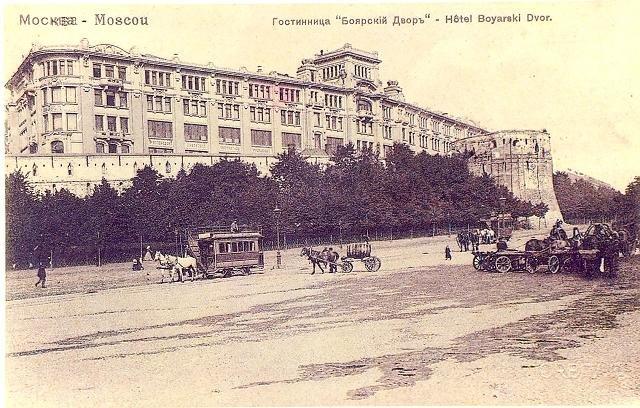
Здание вытянулось вдоль Китайгородской стены. Со стороны площади можно было видеть только верхние этажи здания, поэтому Шехтель решил стилизовать дом под древнюю крепость. Здание Двора как бы выглядывало из-за массивной древней стены.

Шехтель украсил только аттик и верхние этажи здания, эркеры, заканчивающиеся башенками, смотрелись как башни старинного замка, украшенного балконами и сползающей вниз лепниной. Заказчиком здания выступало Московское страховое от огня общество, комплекс объединял под одной крышей представительскую, торговую и биржевую деятельность. Здание должно было привлекать к себе внимание и быть визитной карточкой владельцев и арендаторов. МСОО было крупным заказчиком, из всех российских обществ огневого страхования оно имело самую сильную собственную финансовую базу. Инициатором постройки Двора выступил С.И. Морозов, и значительная часть здания принадлежало Морозовской Богородско-Глуховской мануфактуре, которая являлась наиболее крупным хлопчатобумажным предприятием края, и нуждалось в представительстве в Москве. В 1901 г. первая часть Двора была сдана, и чистый доход от него составил более 42 тыс.рублей.

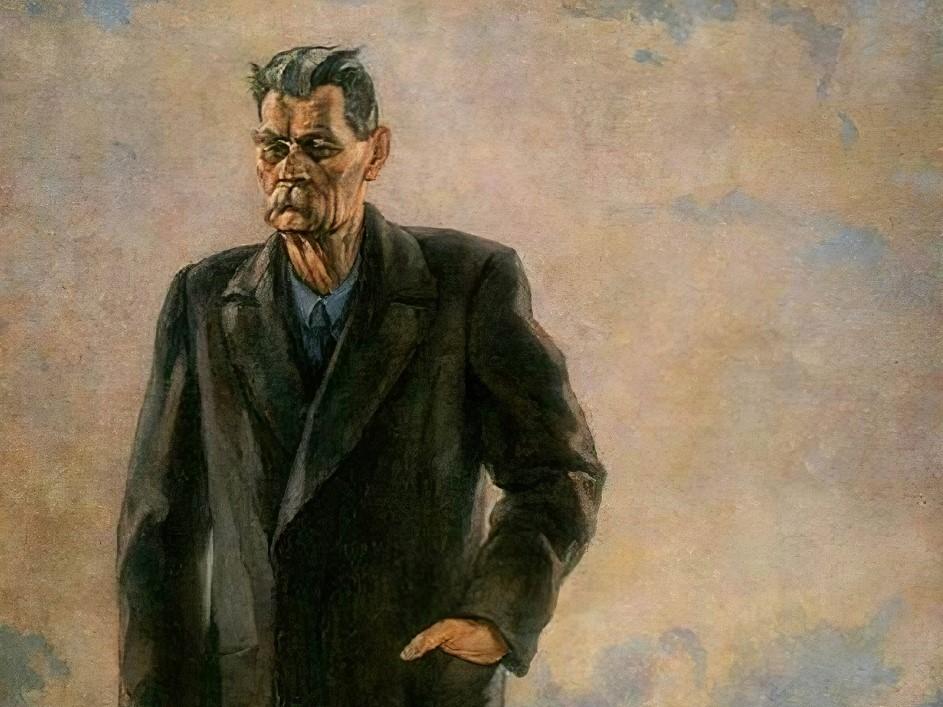
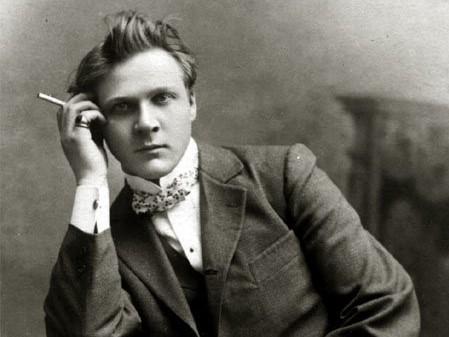
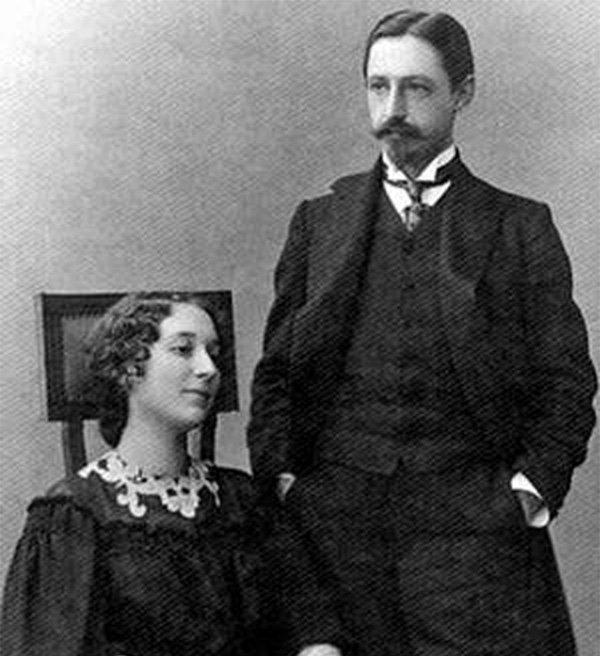
«Боярский двор» стал одним из интересных произведений Ф.О. Шехтеля, За него Шехтель был удостоен звания академика архитектуры. Сейчас здание Двора видно полностью и, если обратить внимание на окна, то можно заметить, что на первом этаже в больших оконных проемах почти не видно линий переплетов, а выше они становятся все более и более определяющими, тем самым Шехтель зрительно парадоксально увеличил массу здания кверху. Внутренние помещения Двора были удобными и элегантными. В 1914-1915 гг. в одном из номеров гостиницы останавливался Максим Горький, здесь его посещали Федор Шаляпин и Иван Бунин. В 1920-е гг здание передано Наркомзему. В октябре 1941 г. средняя часть дома была серьезно повреждена во время фашисткой бомбардировки Москвы. При этом погиб выходивший из подъезда драматург А. Афиногенов.

В советское время в здании двора расположился ЦК КПСС, сейчас его занимает Аппарат Президента РФ.
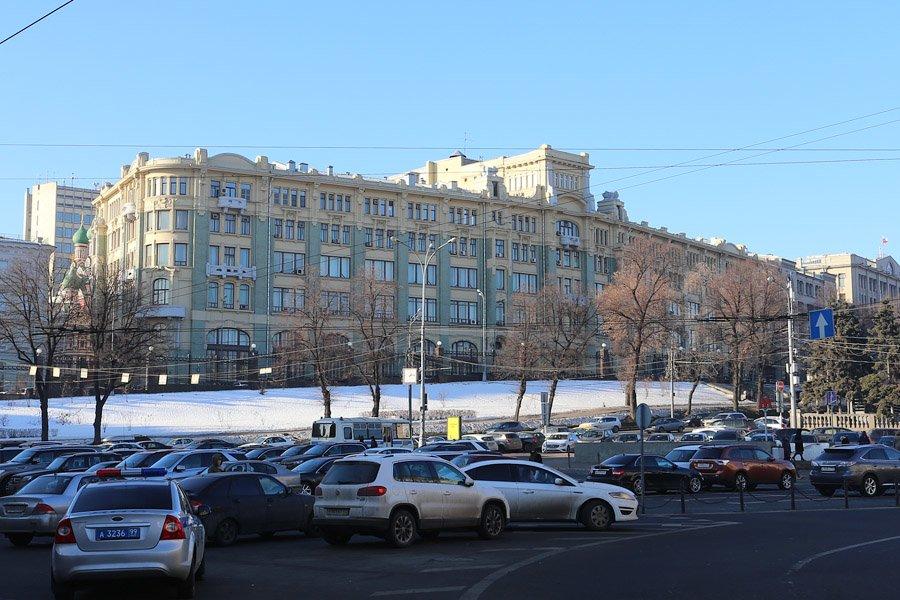
On the 24th of September, 1903 it was written in the "Daily News" newspaper: "A new 5-storey building of the Moscow Insurance Company, designed by the academician of architecture Fedor Shechtel, opened its doors on Staraya Square. The frontage is decorated with glazed grey-green bricks, the main lobby is decorated with stained-glass window depicting the Kremlin at sunset. The biggest part of the building space is rented out to Bogorodsko-Glukhovskoy manufactory. The first three floors will be given to shops and offices, "Boyarsky Dvor" (Boyarsky Court) hotel occupy the fourth and the fifth floors. The building stretches out along the Kitaigorodskaya wall. From the side of the square you could see only the upper floors of the building, so Shekhtel decided to stylize the house as an ancient fortress. The building of the Court looked as if it was peering out from behind a massive ancient wall. Shekhtel adorned only the attic and the upper floors, bay windows topped with turrets looked like towers of an old castle, decorated with balconies and sliding down moldings. The Moscow Fire Insurance Company was an ordering customer of the building. The complex under one roof combined representational offices, stores and exchange house. The building was supposed to attract attention and to be the trademark of the owners and the tenants. MFIC was a major customer – out of all Russian fire insurance companies it had its own strong financial base. Savva Morozov initiated the construction of the Court, a large part of the building belonged to Bogorodsko - Glukhovskaya manufactory, which was the largest cotton producer in the region and needed a representative office in Moscow. In 1901, the first part of the Court was rented out and generated over 42 thousand rubles net income. "Boyarsky Court" was one of the most interesting works of Fedor Shechtel, he was awarded the title of academician of architecture for this creation. Currently the Court building is completely visible and if you look at the windows, you can see that the lines of bindings of the first floor windows are hardly visible, and the higher they are – the more and more defined they are becoming, thus visually Shekhtel paradoxically increased the mass of the the upper part of the building. The interiors of the Court were comfortable and stylish. Maxim Gorky stayed in one of the rooms of the hotel in 1914-1915 and Feodor Chaliapin, the famous base singer and Ivan Bunin, the poet, visited him here. In 1920s, the building was transferred to People's Land Commissariat. In October 1941, the middle part of the house was severely damaged during the Fascist bombing of Moscow. Playwright Alexander Afinogenov died, while leaving the building. In Soviet times the Court building housed the Central Committee of the Communist Party of the Soviet Union, and now it is the office of the Presidential Administration of Russian Federation.
Автор статьи: Зинаида Одолламская
Отзывы
(1)
Поделитесь статьей с друзьями
Интересное рядом(7)