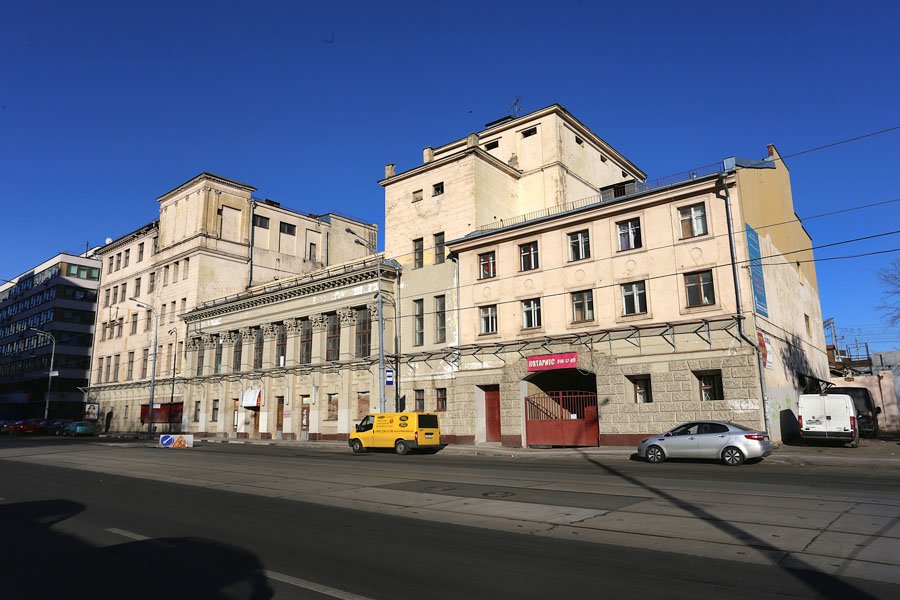
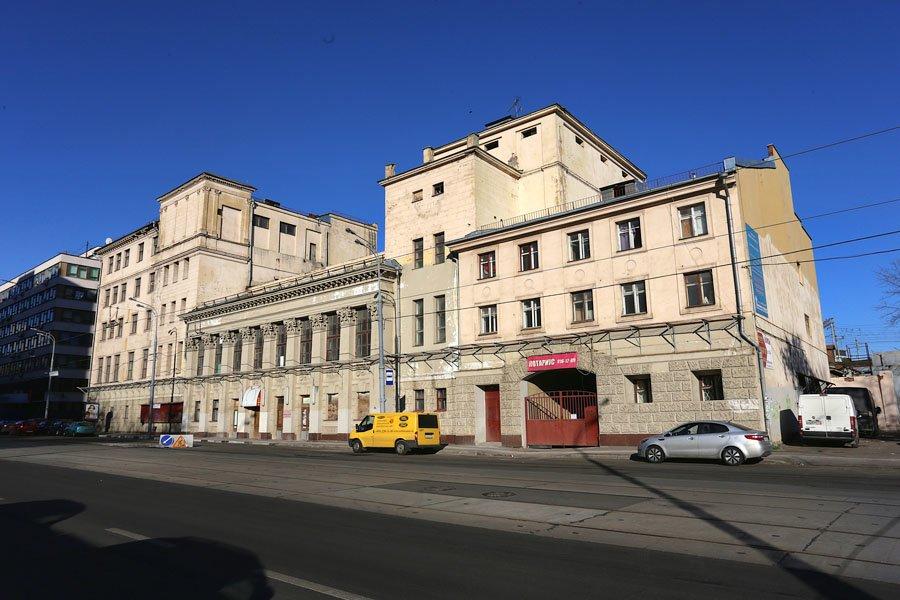
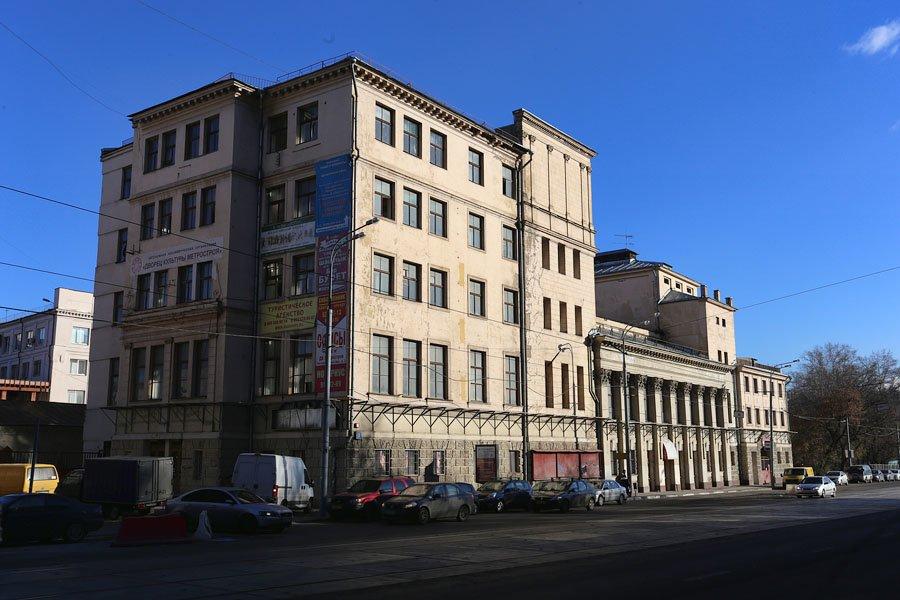
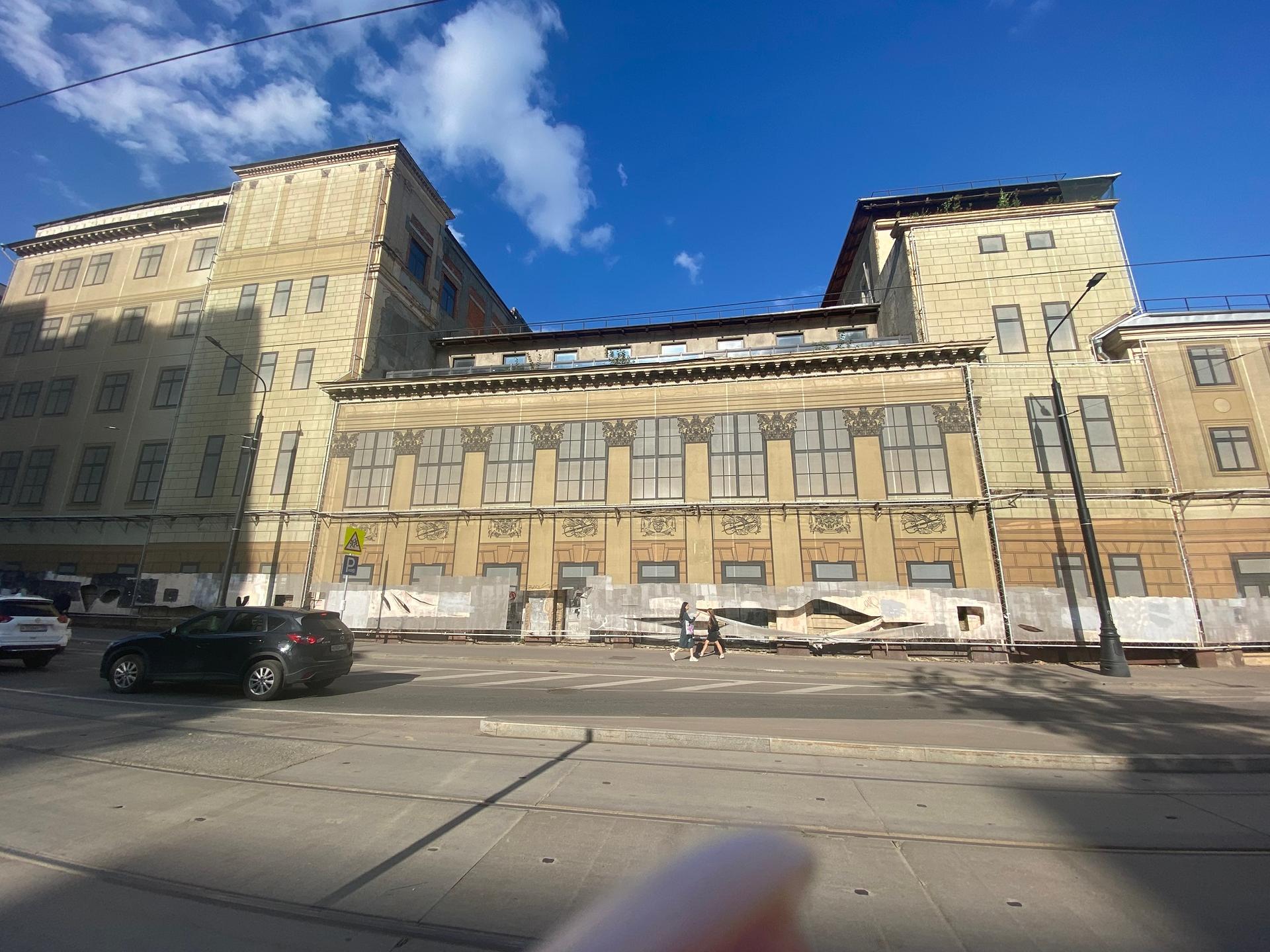
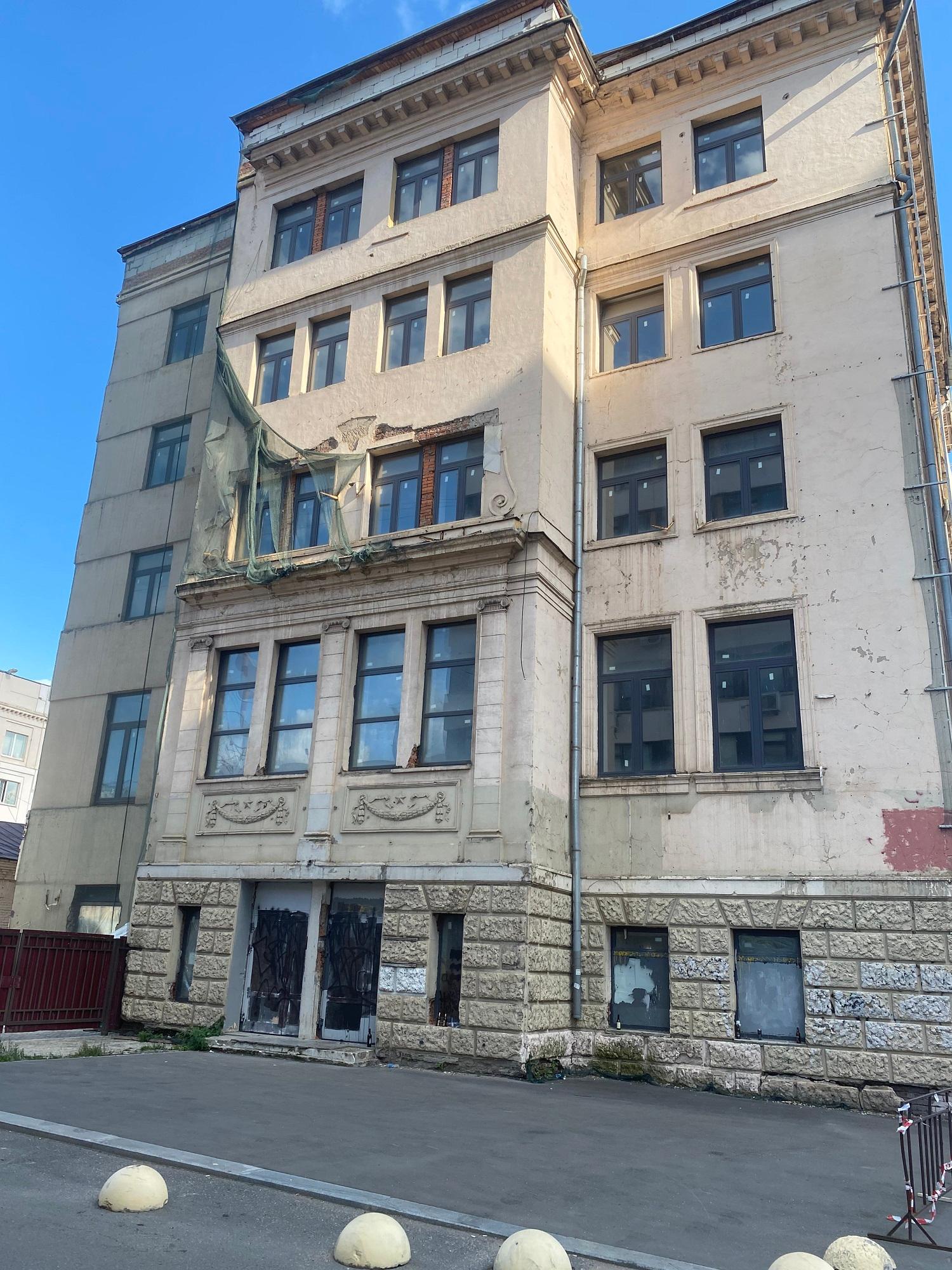
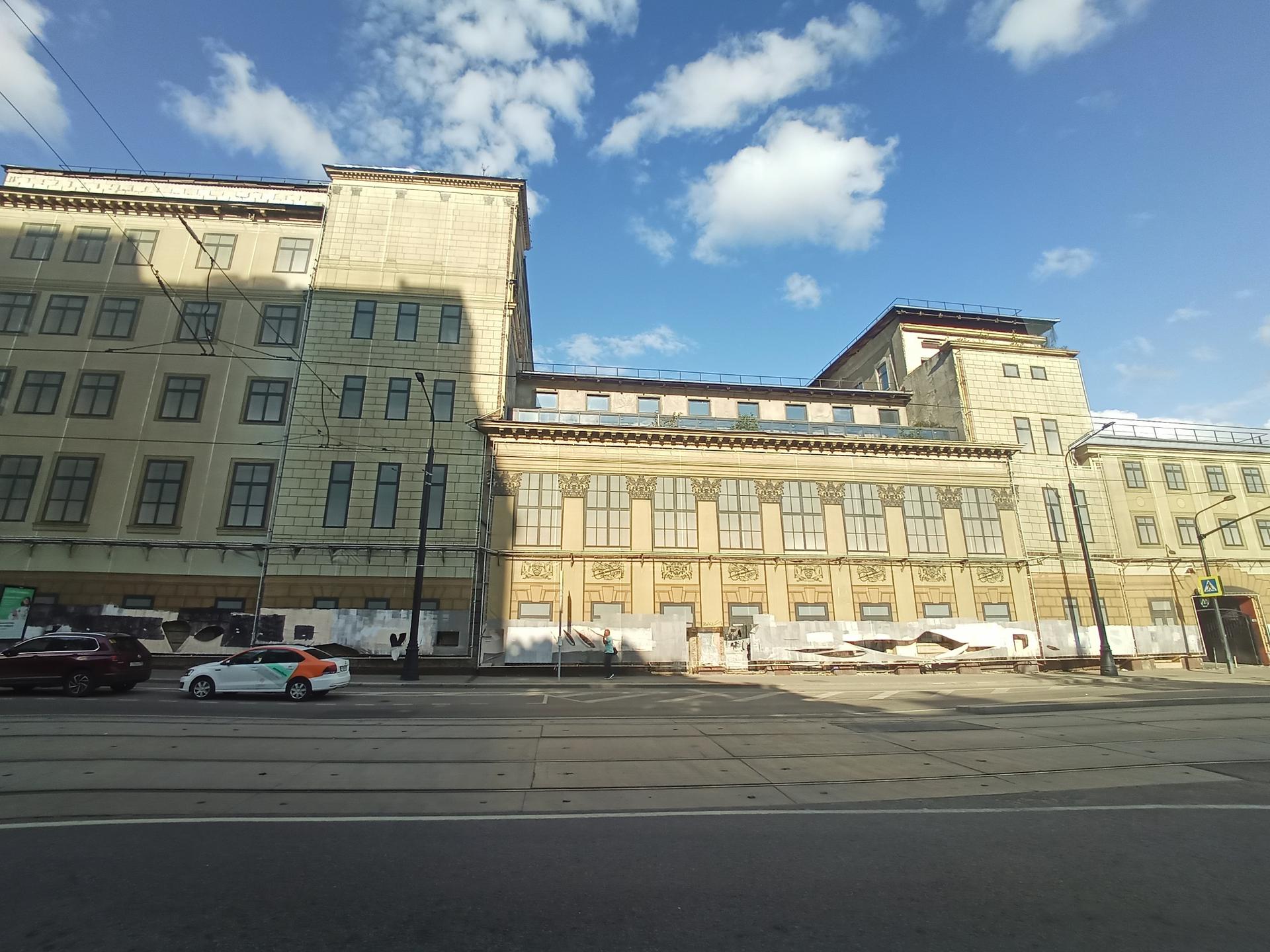
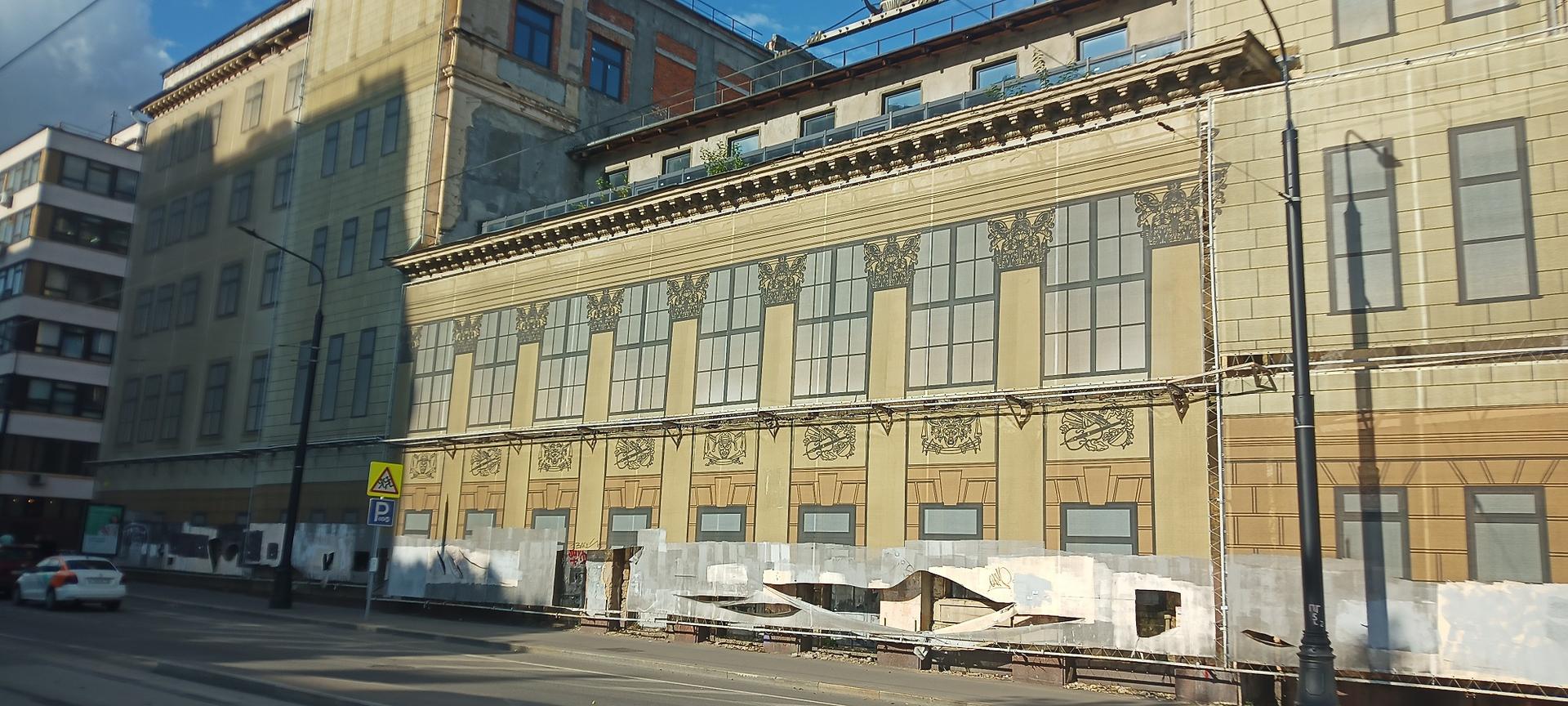
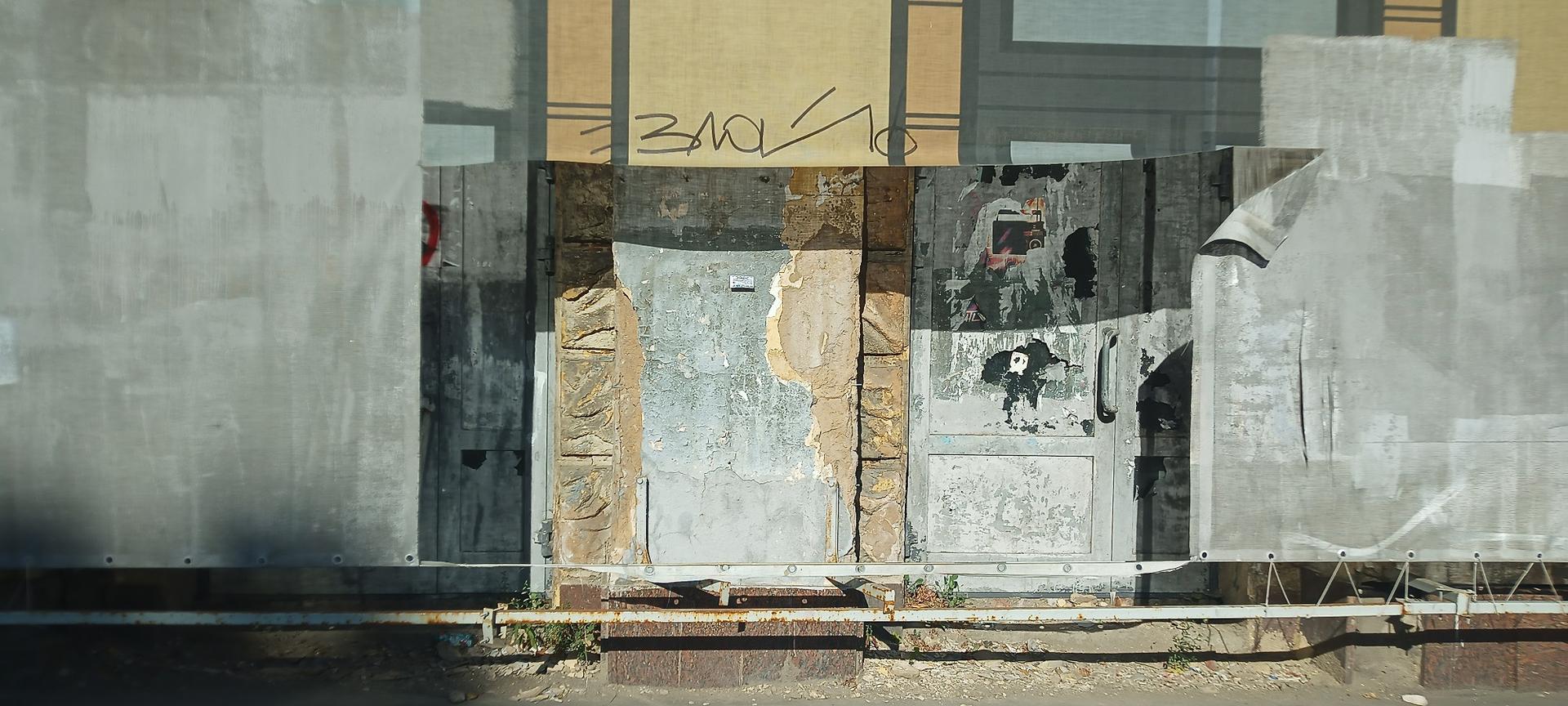
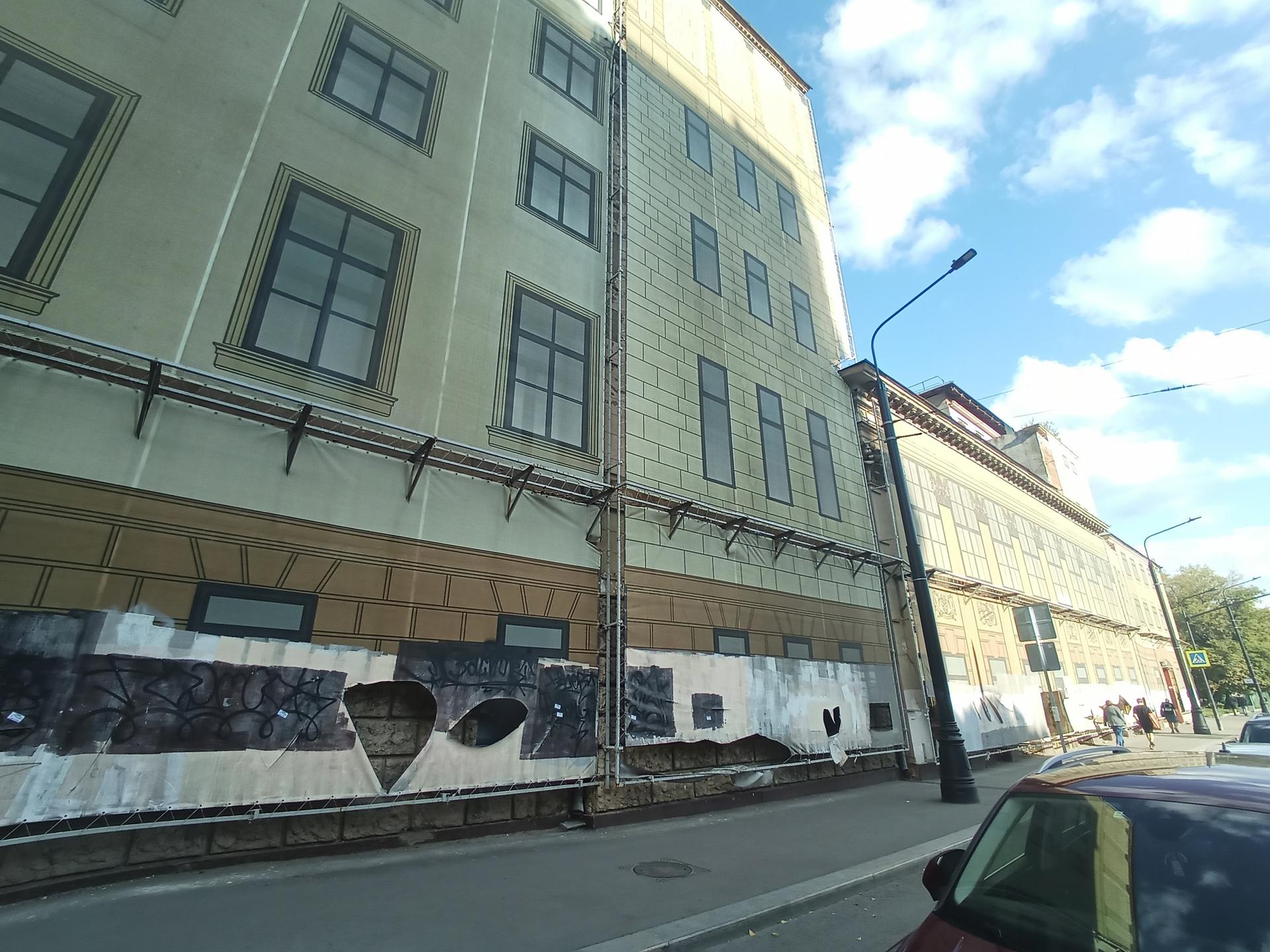
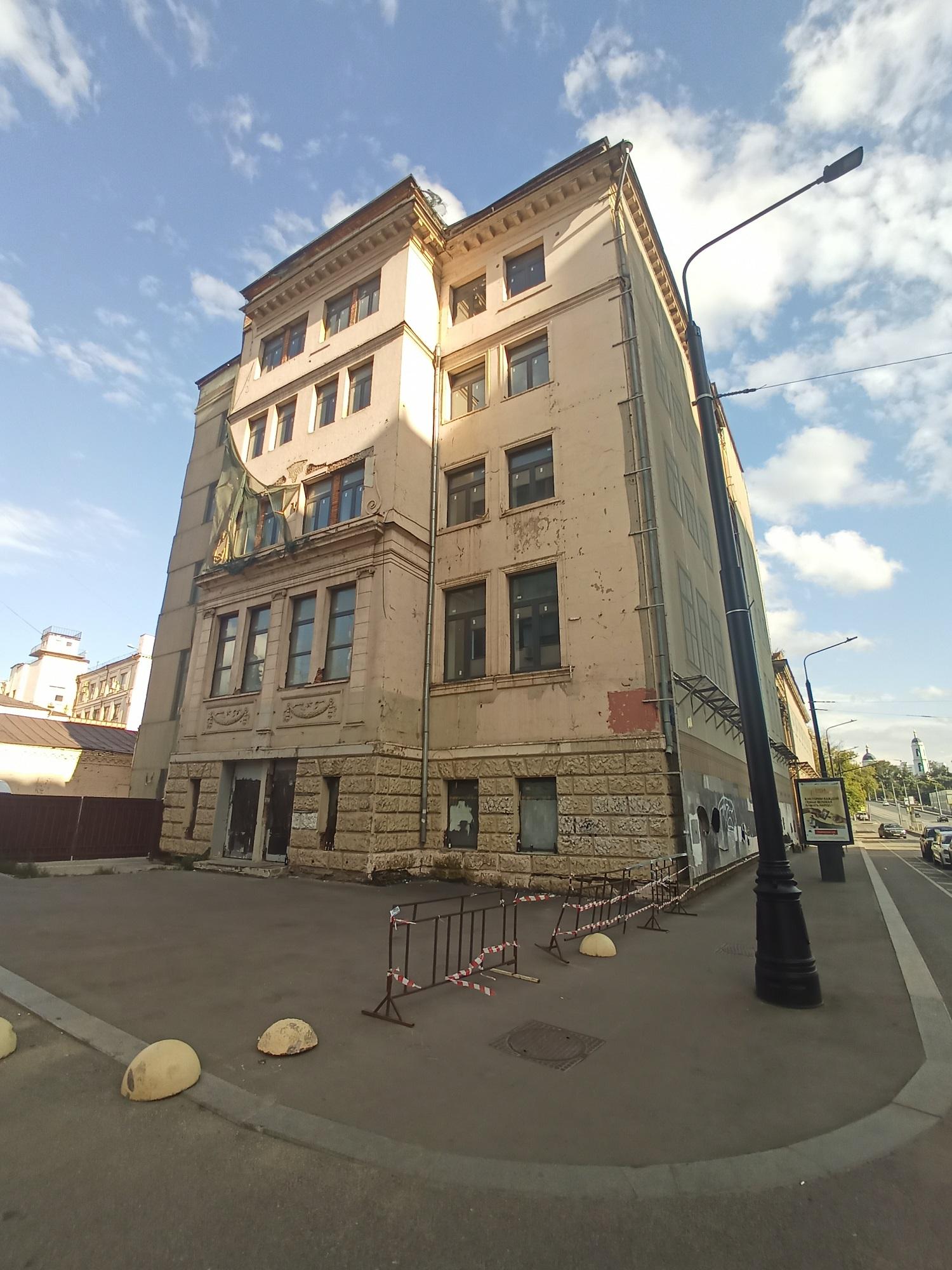
Построенное внутри промышленной зоны близ Яузы и железных дорог, здание ДК оказалось на границе Москвы дореволюционной и Москвы современной.
Первоначальный проект, конструктивистского толка, предполагал свободную композицию разновысоких объемов здания, размещенного вдоль участка и выходящего на улицу боковым фасадом. Однако к середине 1930-х, когда к ударной стройке и собственно открытию метрополитена возможности и амбиции Метростроя стали возрастать, поменялись и стилистические установки советского зодчества. Заложенная в проекте, разноэтажная функциональная компоновка ДК с трудом поддалась переделке и в общих чертах уцелела.
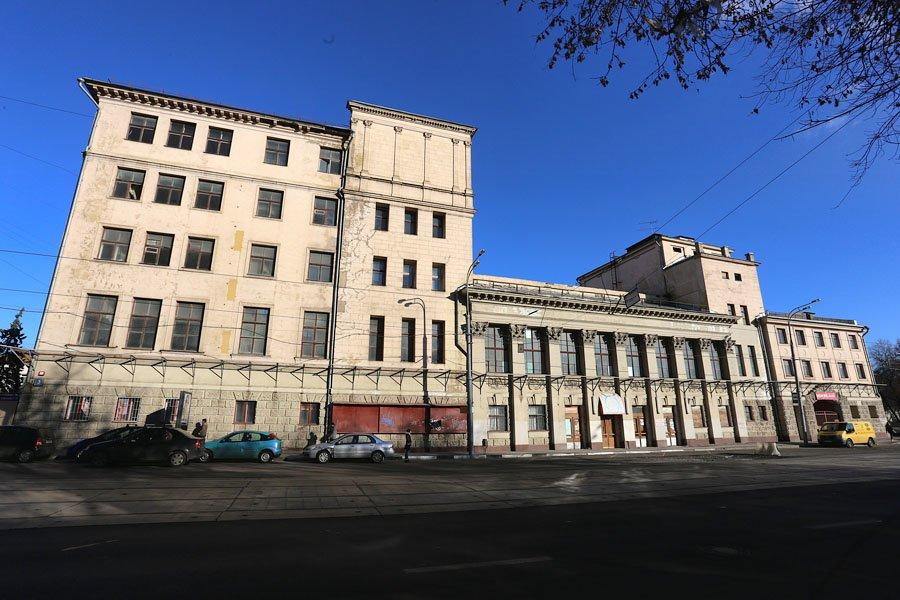
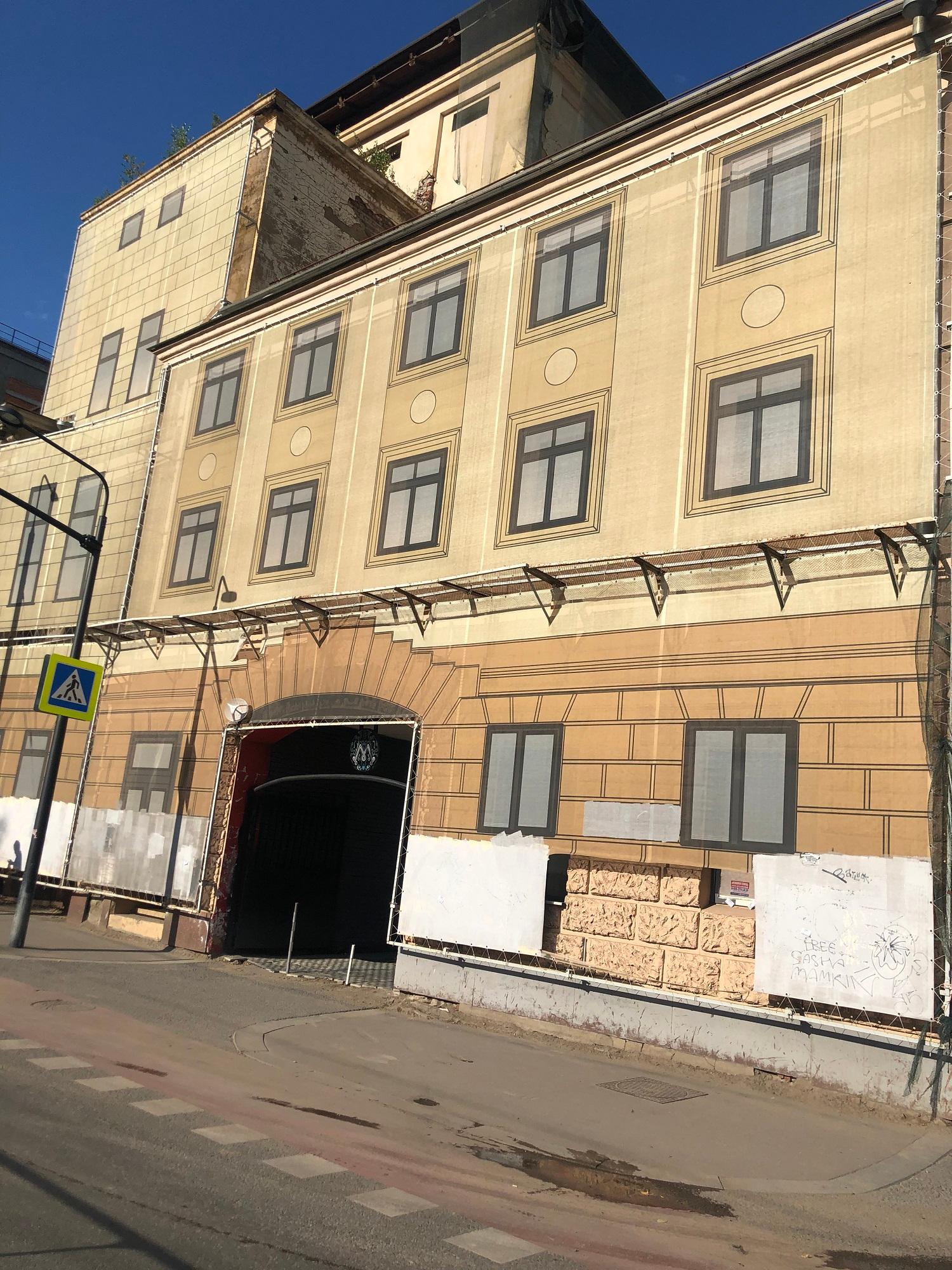
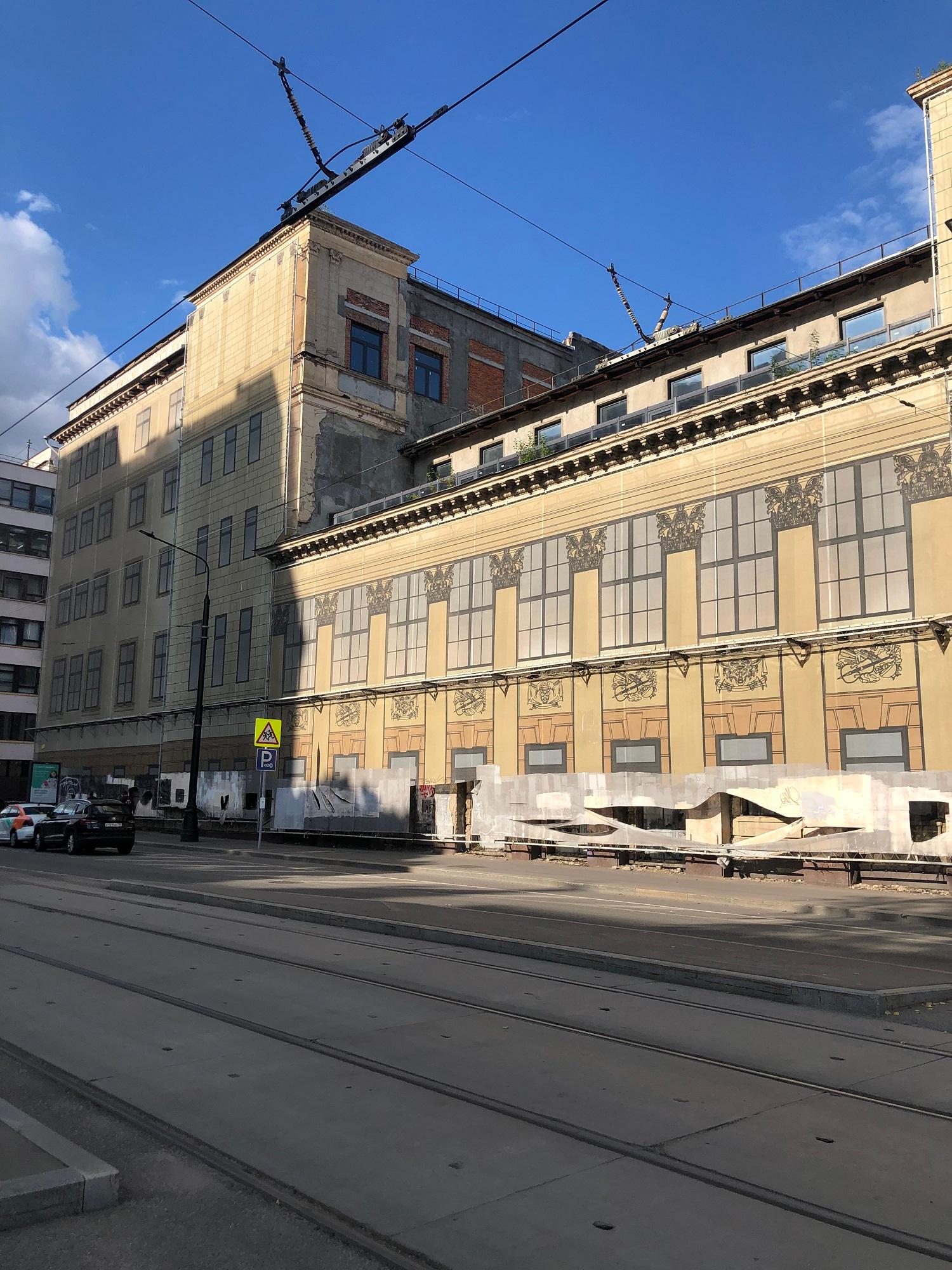
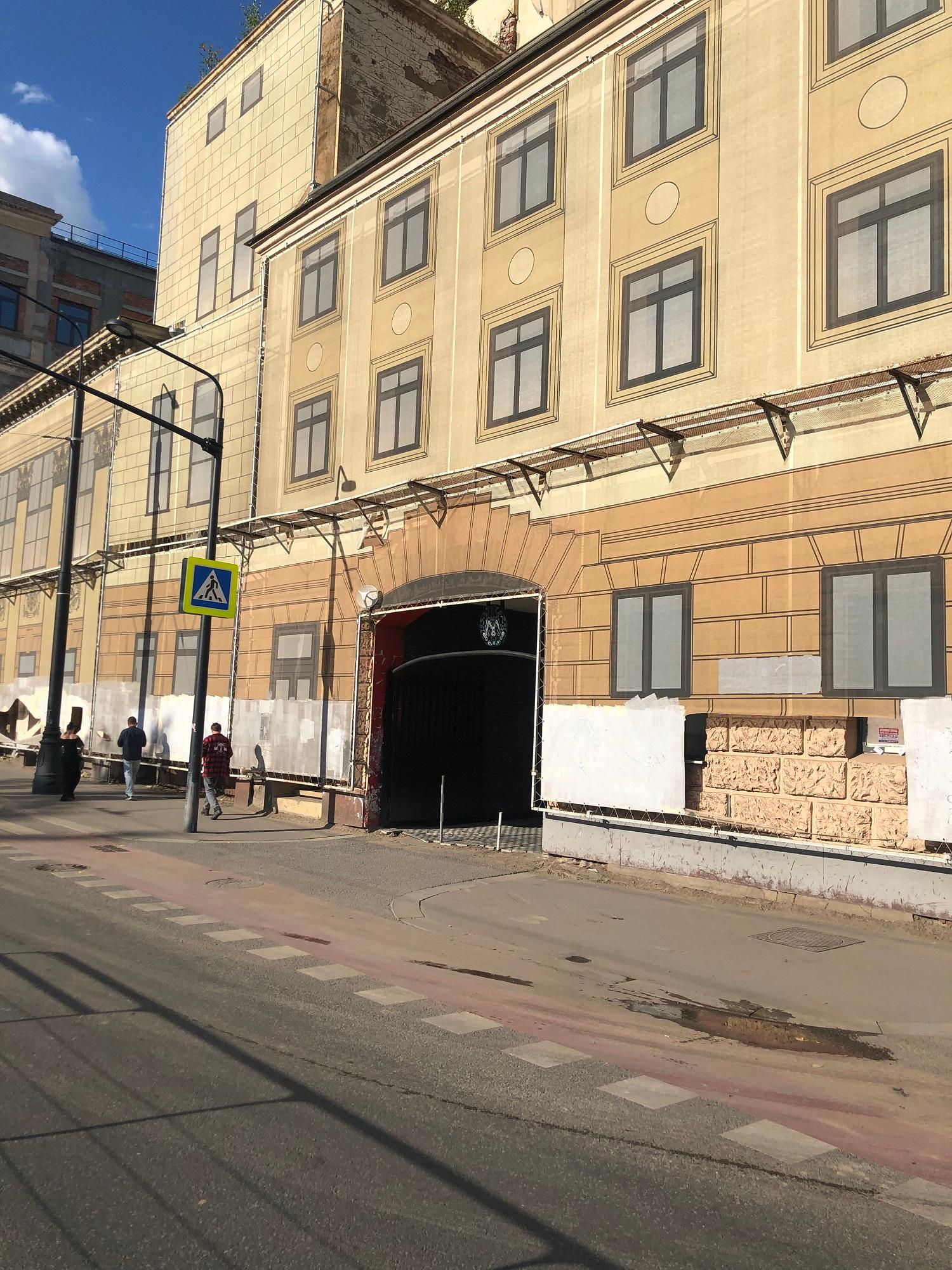
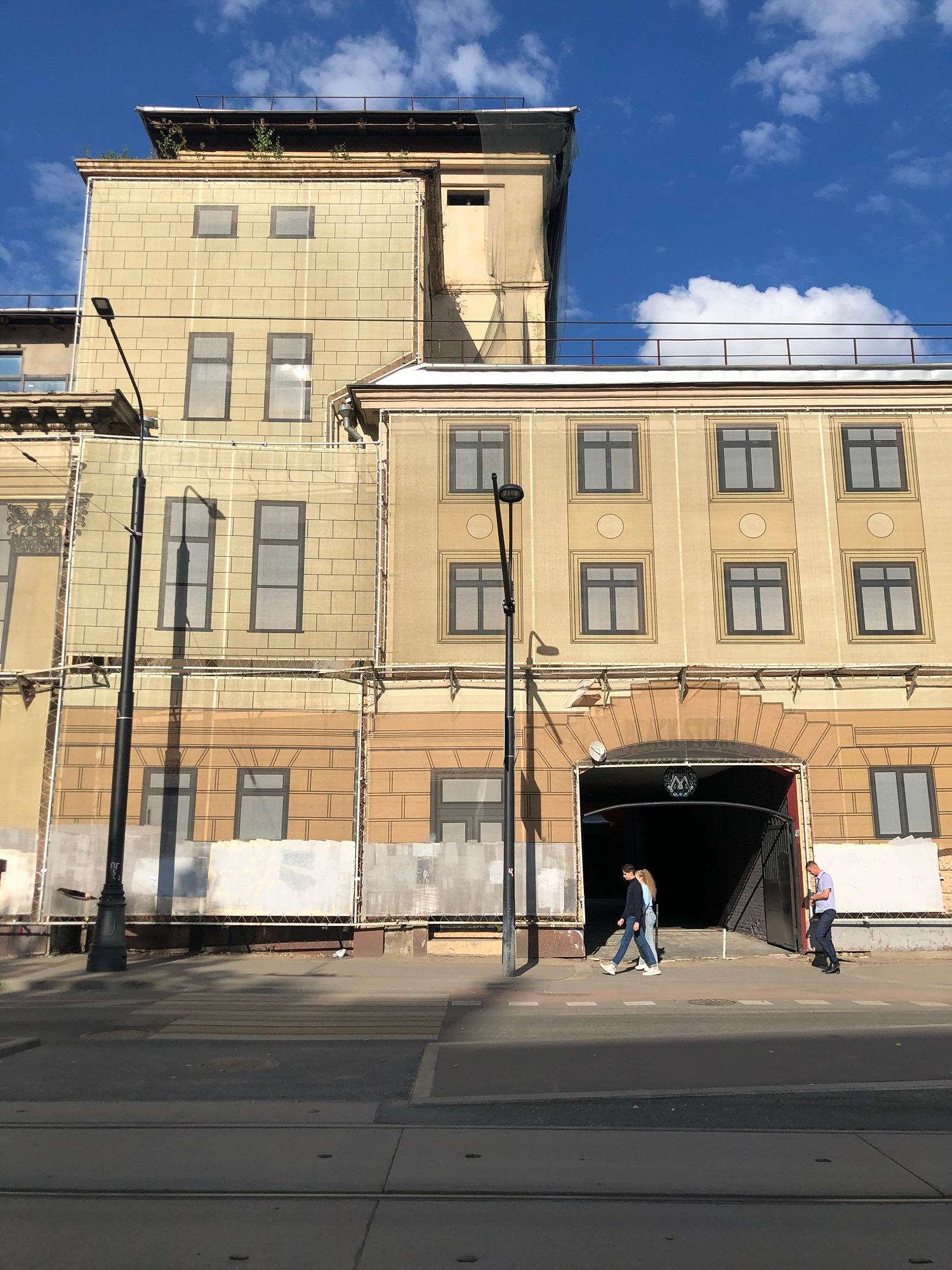
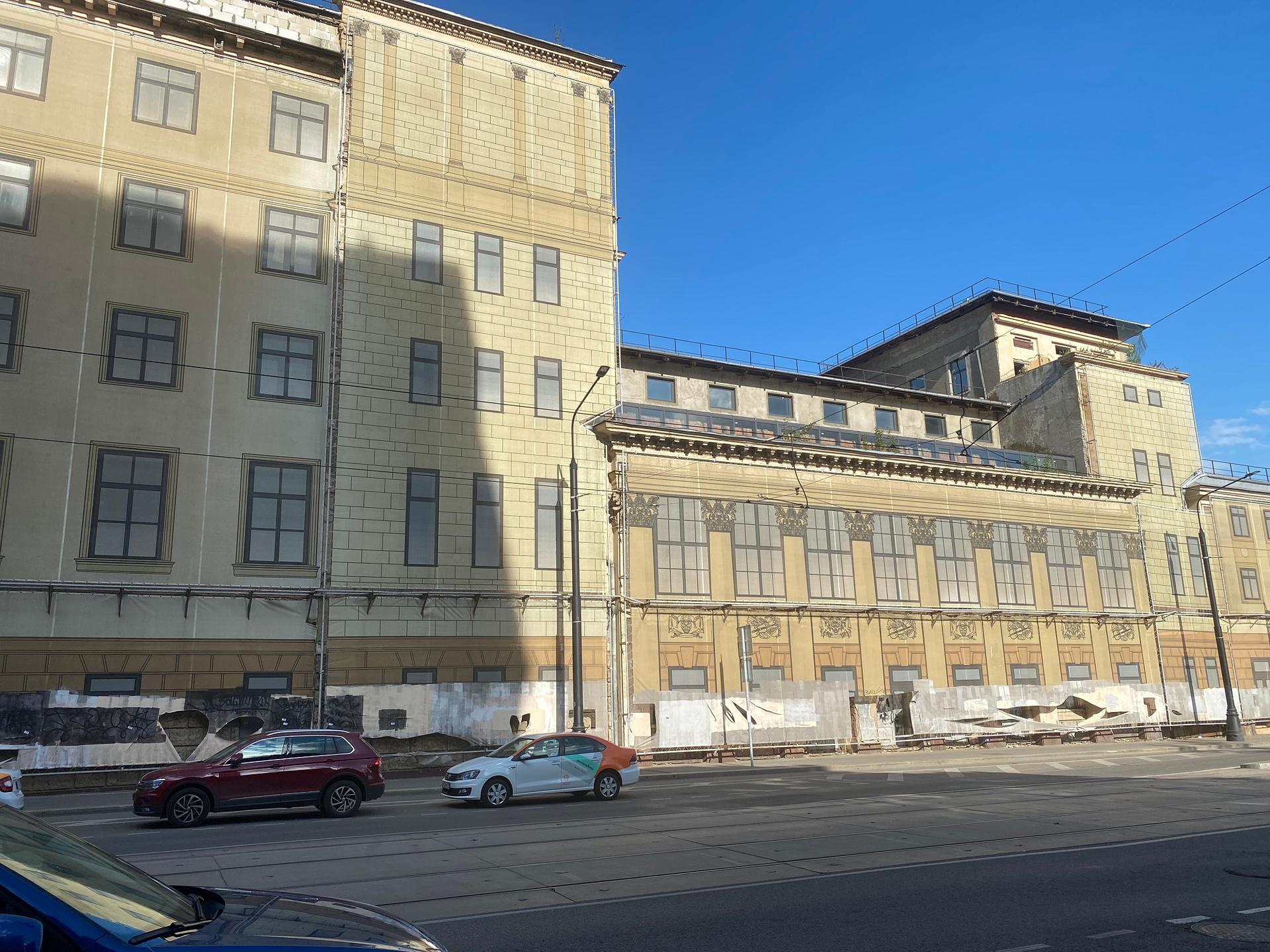
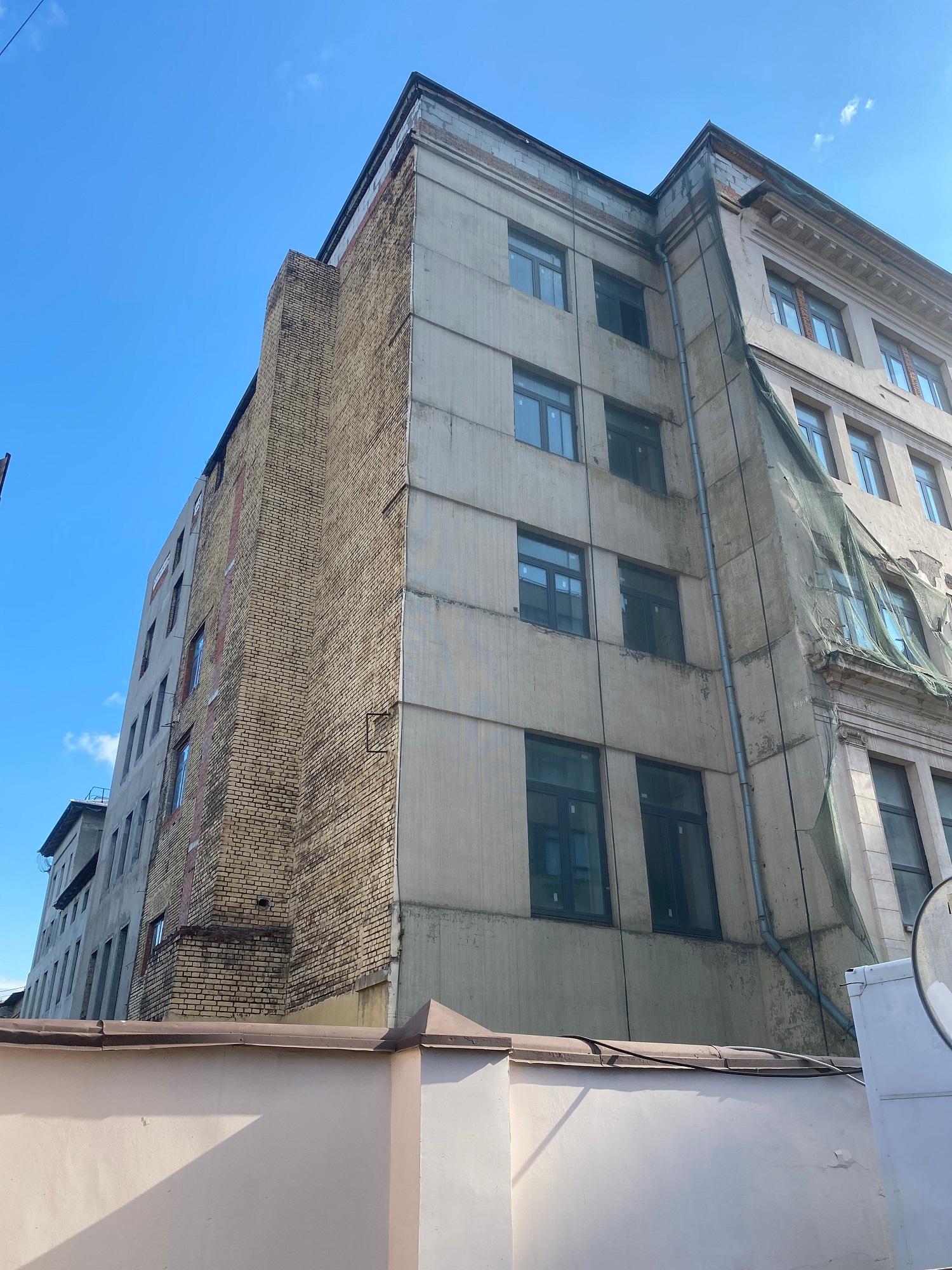
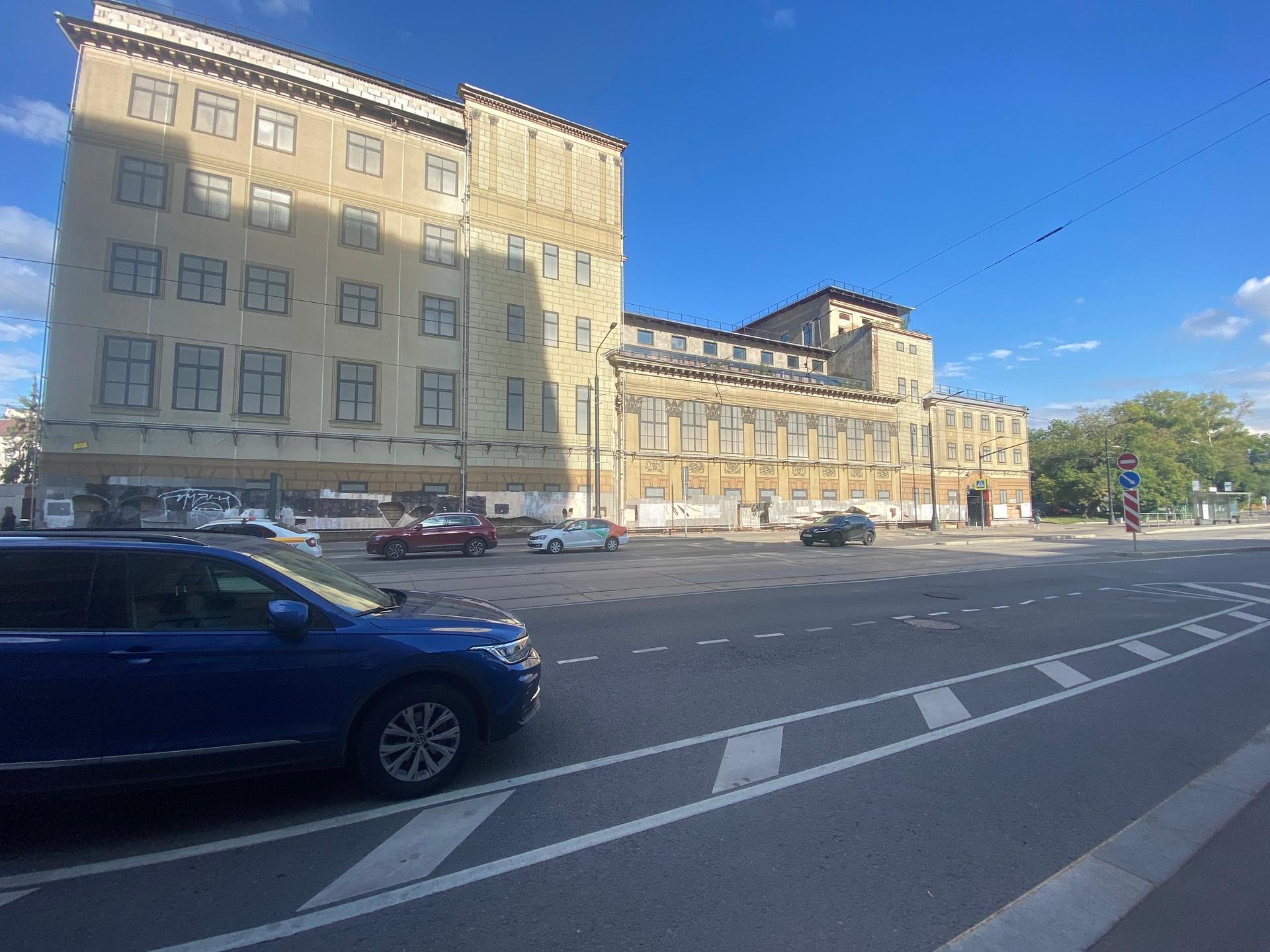
Помещения зала нанизаны на одну ось, пятиэтажный объем с северной стороны включает в себя не только кружковую часть, знакомую по рабочим клубам 1920-х, но и киноаппаратную и фойе зрительного зала. Следующий объем невысок, он более протяженный и в нем скрывается сам зал. Южнее возвышается ступенчатый объем сценической коробки, а еще дальше примыкает трехэтажная часть клубных помещений, прорезанная проездной аркой, ведущей в хозяйственный двор.
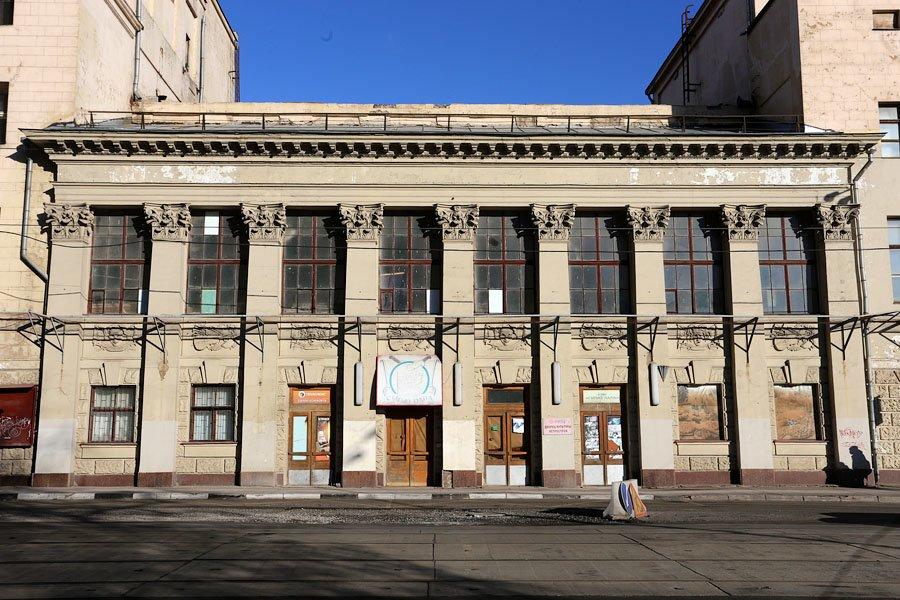
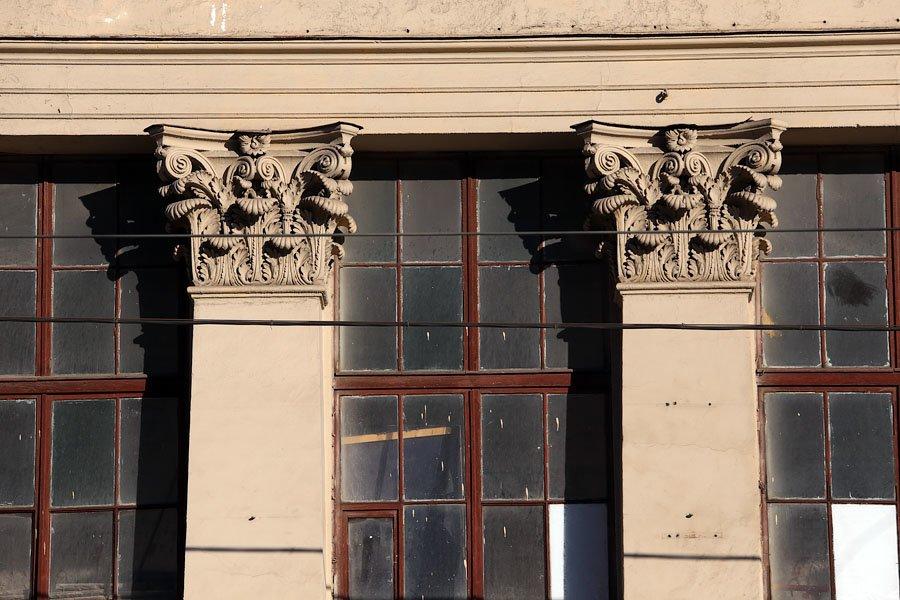
Завершенное во второй половине 1930-х, здание получило типичное для отечественного ар-деко убранство – рустовку цоколя, карнизы и отделанный пилястрами аттик, скрывающий скат кровли высокой части здания. Окна были обрамлены тонкими рамками наличников, а боковой фасад в средней своей части, сохранил обширные окна, скорее всего — еще одно напоминание о конструктивистом замысле. Окна эти скорее не отдельные проемы, прорезанные в стене, но остаток сплошного остекления, к которому были «прислонены» коринфские пилястры. В пользу этой версии свидетельствует нечетное их число, невозможное в классическом каноне. Любопытны лепные эмблемы — театральные маски и музыкальные инструменты в простенках между пилястрами.
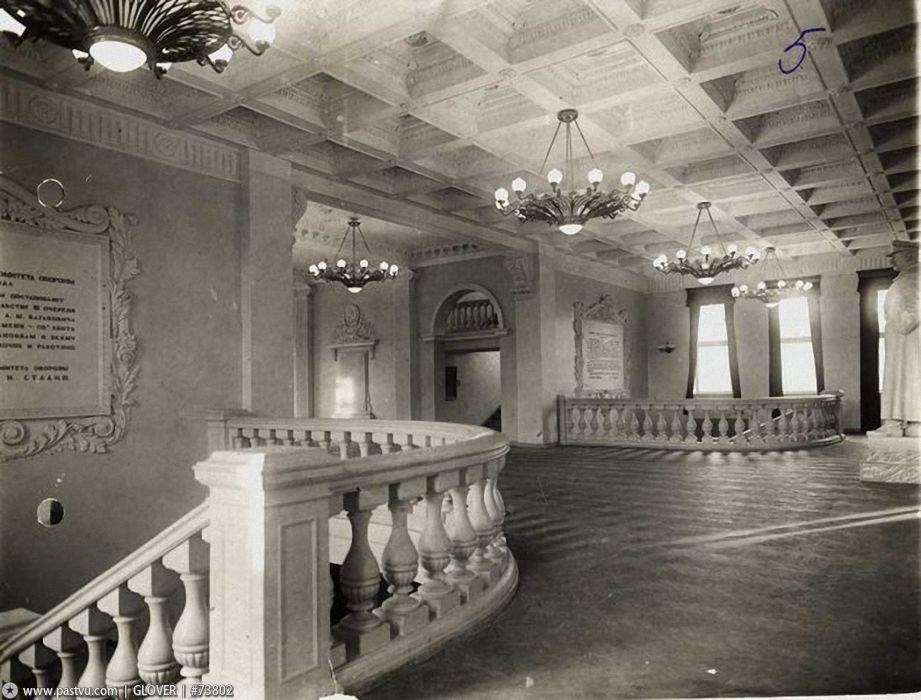
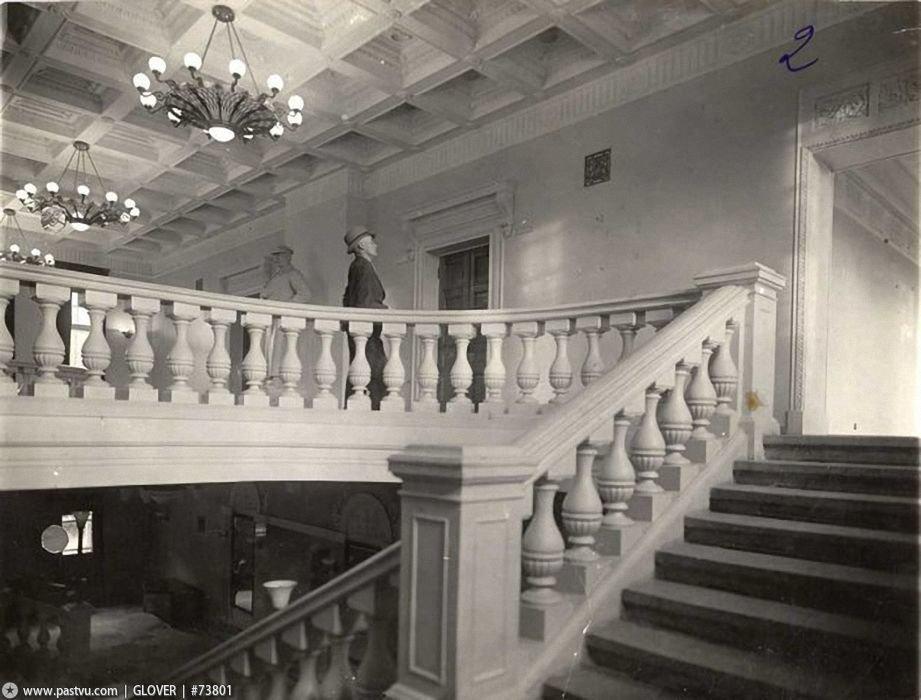
Интерьеры здания решены в духе 1950-х – после войны ДК «доукрашали»: появились балюстрады парадных лестниц, люстры, плафонные росписи, богатая лепнина карнизов и парапета балкона зрительного зала.
Metrostroi’s Palace of Culture - remarkable building of the Soviet era
Built in the industrial zone near the Yauza and railways, the building turned out to be located on the border of the pre-revolutionary and modern Moscow.
The initial draft of constructivist sense, implies free composition uneven volume of the building, placed along a section and facing the street side facade. However, by the mid-1930s, when the shock to the construction site and the actual opening of the subway capabilities and ambitions Metrostroi began to increase, changed and stylistic installation of Soviet architecture. Incorporated in the design of the DK functional layout of the various height was difficult to rework and broadly survived.
Premises room strung on one axis, five-storey volume on the north side includes not only the narrow circles’ part, familiar from the workers' clubs of the 1920s, but the projection room and foyer of the auditorium. The next volume was low, it was more extended and it hided the hall itself. Step volume stage box rises souther, and farther three-story part of the club premises adjacent to it and cutting travel archway leading into the service yard.
Completed in the second half of 1930, the building was typical for the domestic art deco decoration - rustication plinth, cornices and pilasters decorated attic hiding slope of the roof of the building high. The windows framed by thin frame trims and side facade in the middle part, kept the vast windows, most likely - another reminder of constructivist ideas. These windows rather than individual openings cut into the wall, but the rest of solid glass, which were "leaning against" Corinthian pilasters. This version shows an odd number, the impossible in the classical canon. Stucco emblems are interesting - theatrical masks and musical instruments in the spaces between the pilasters.
Interiors of the building designed in the spirit of the 1950s - after the war DK added some décor: balustrades of formal stairways, chandeliers, ceiling paintings, rich stucco cornices and parapets balcony of the auditorium appeared.

.jpg&w=1920&q=75)