Интерактивный гид по городу
С мобильным приложением бродить по городу гораздо интереснее!

Privalov’s apartment buildings

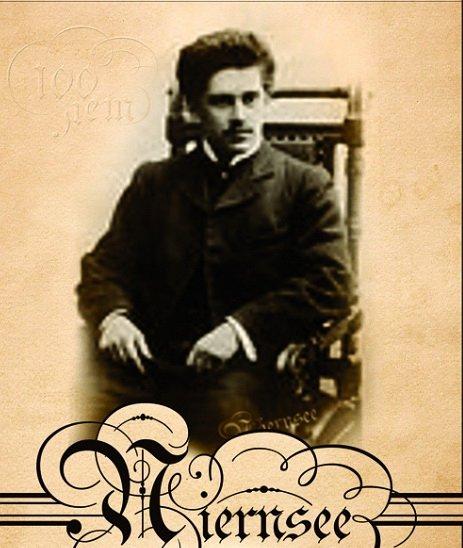
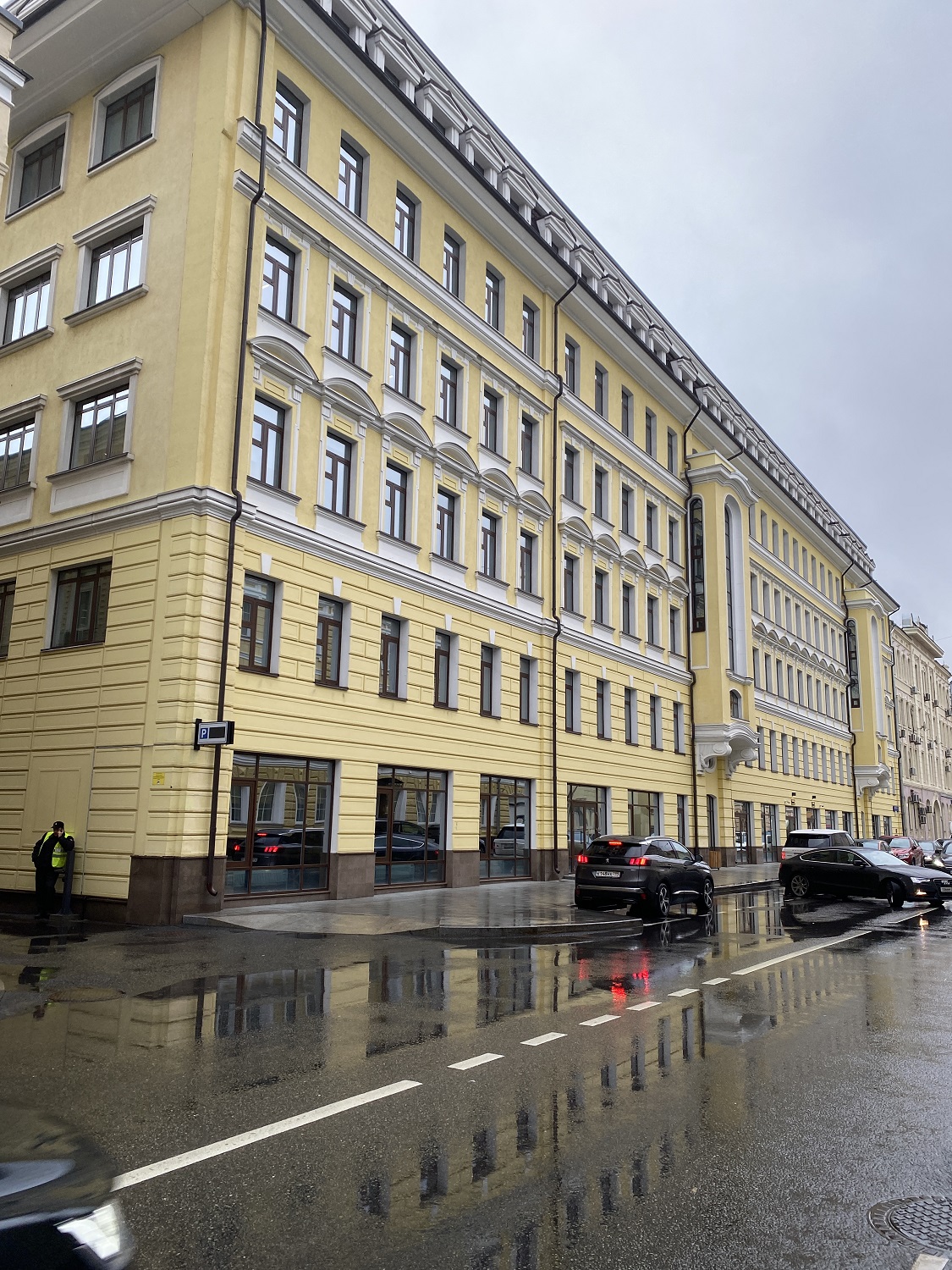
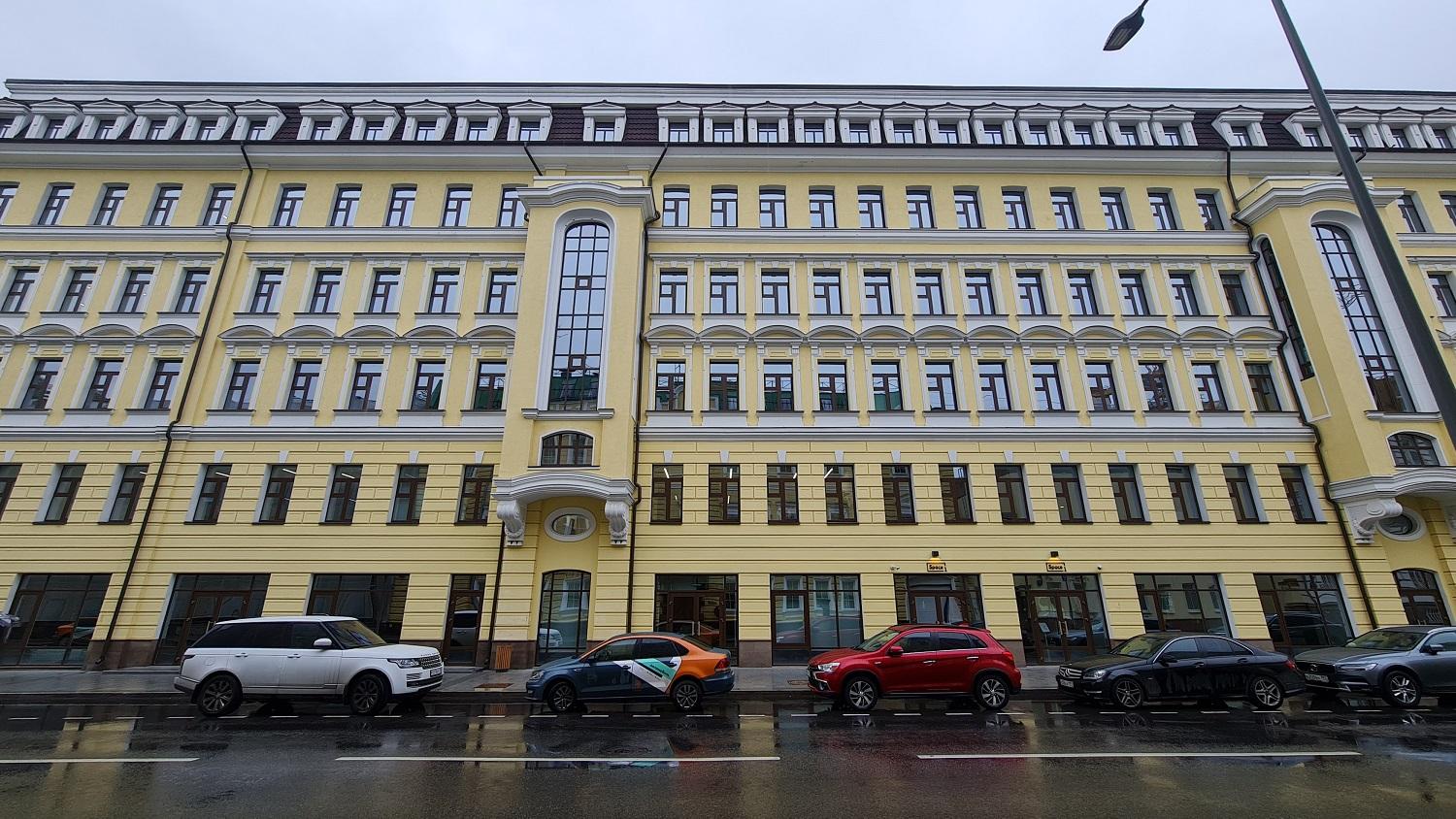
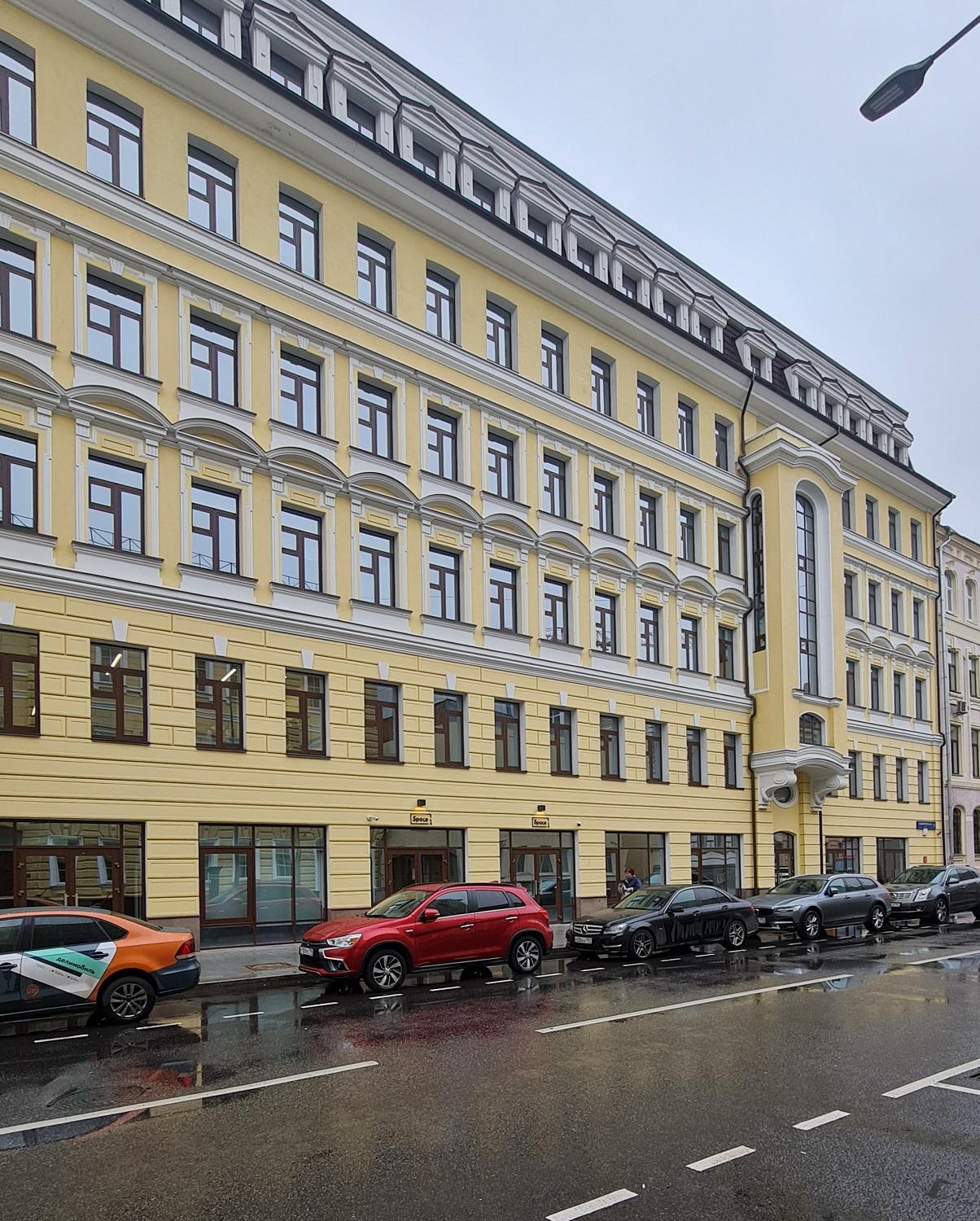
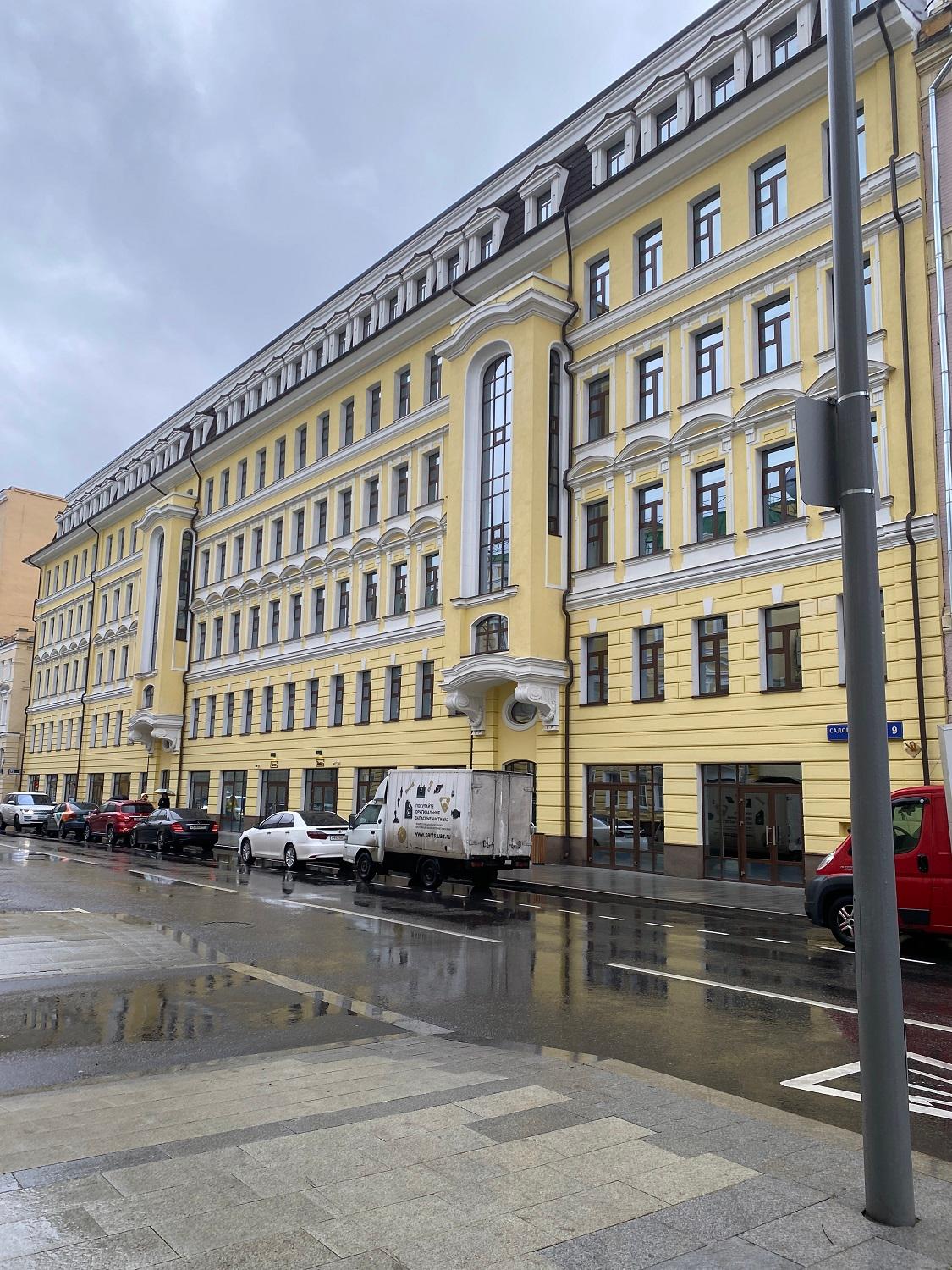
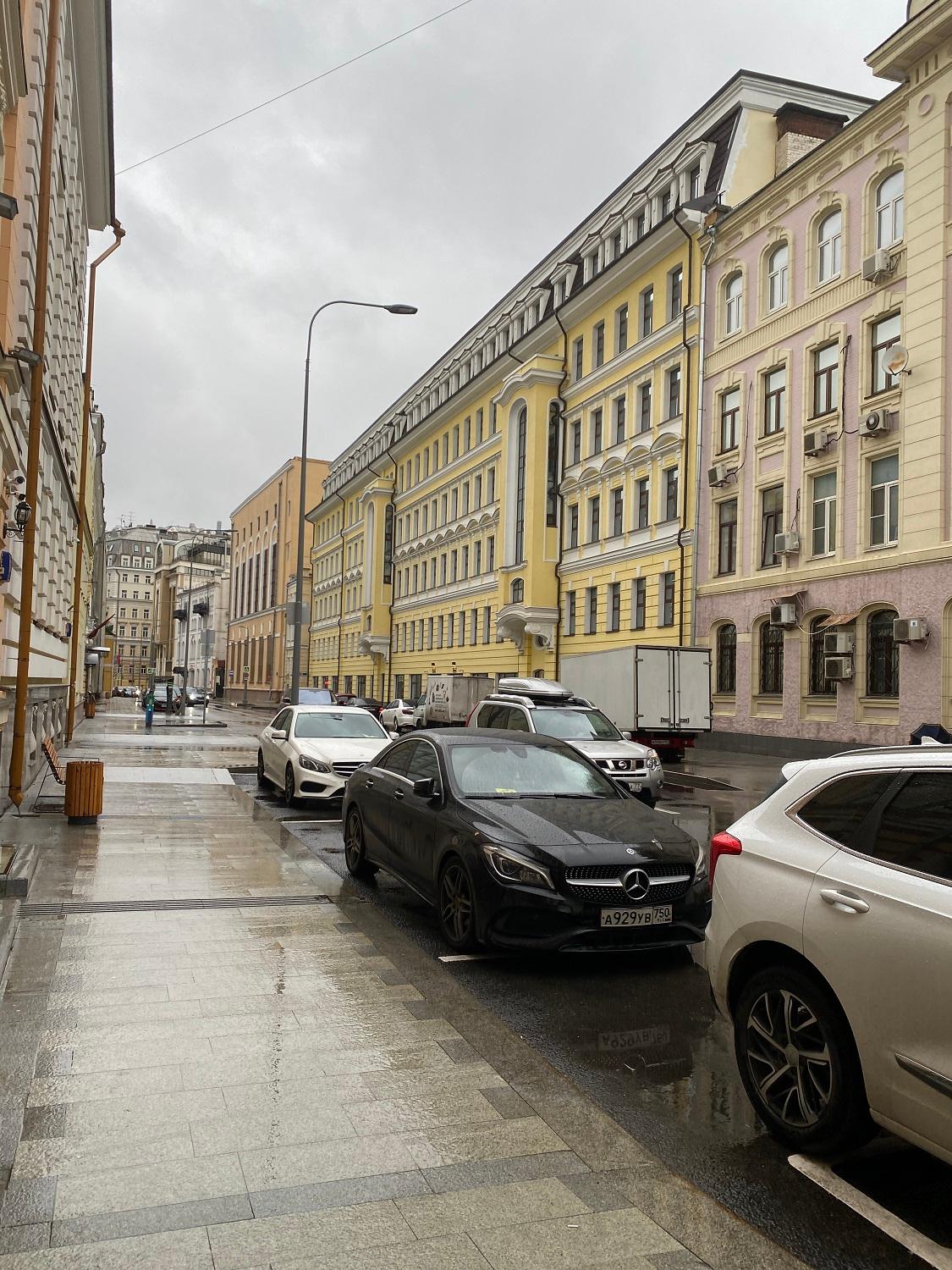
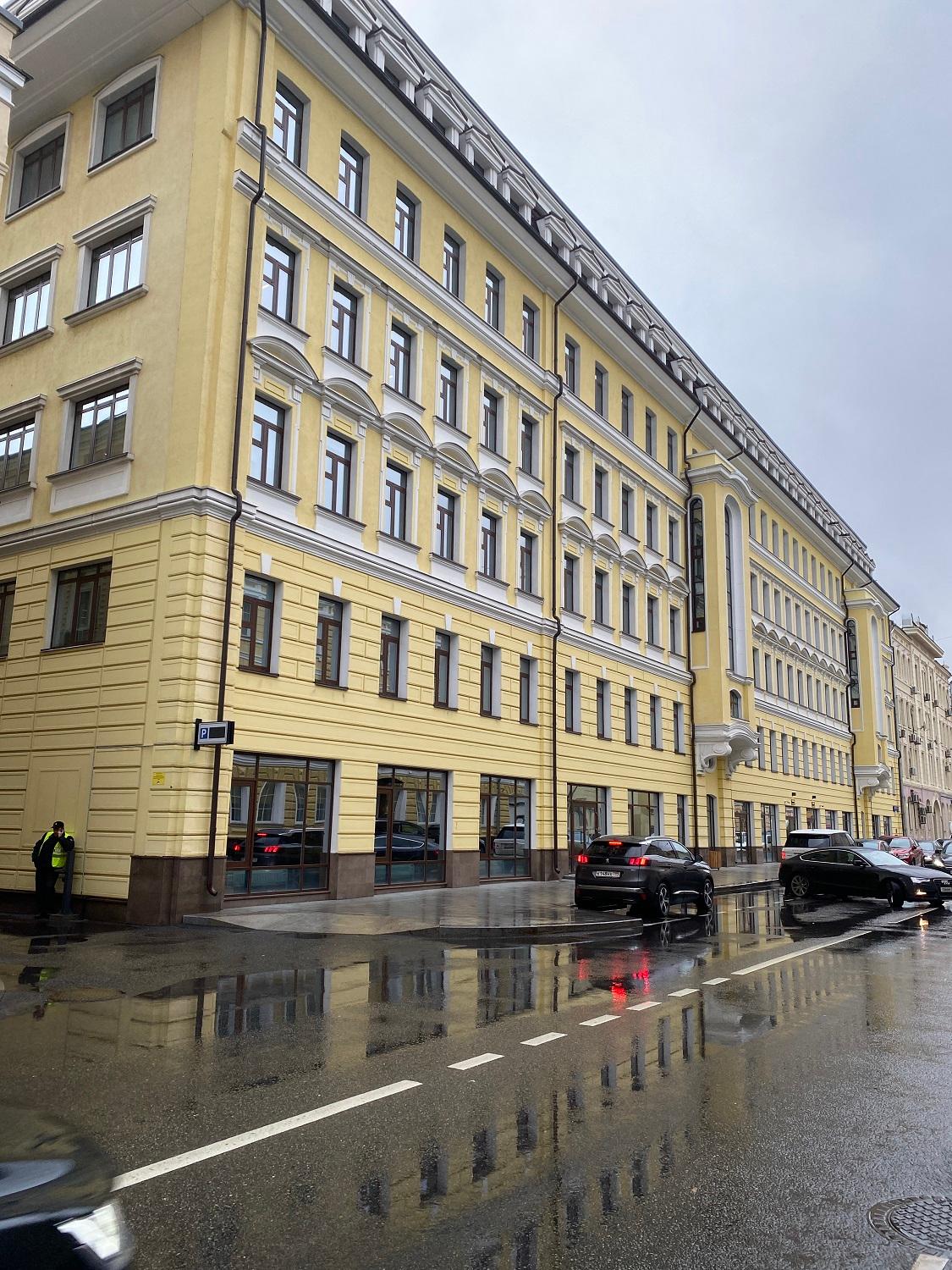
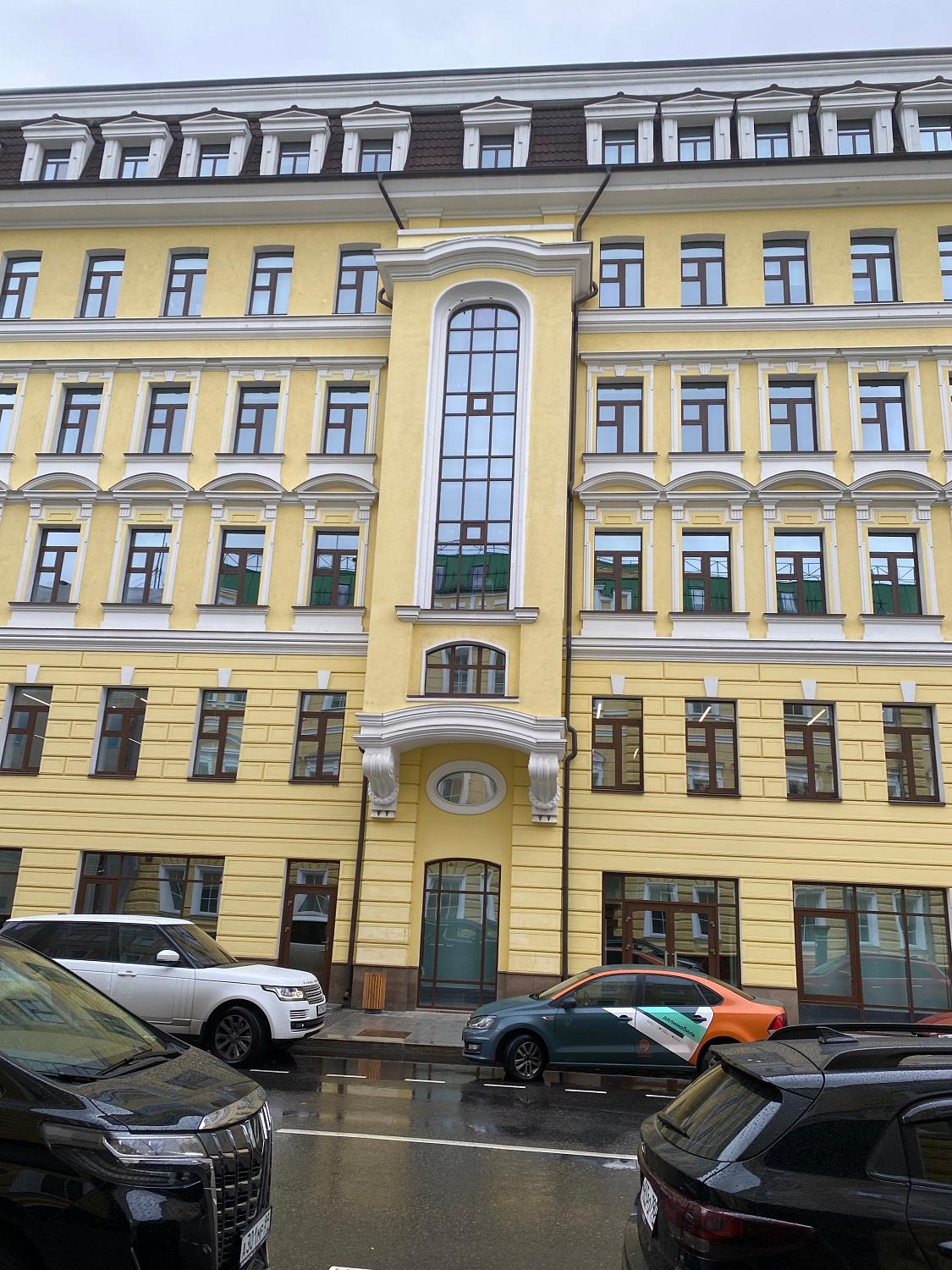
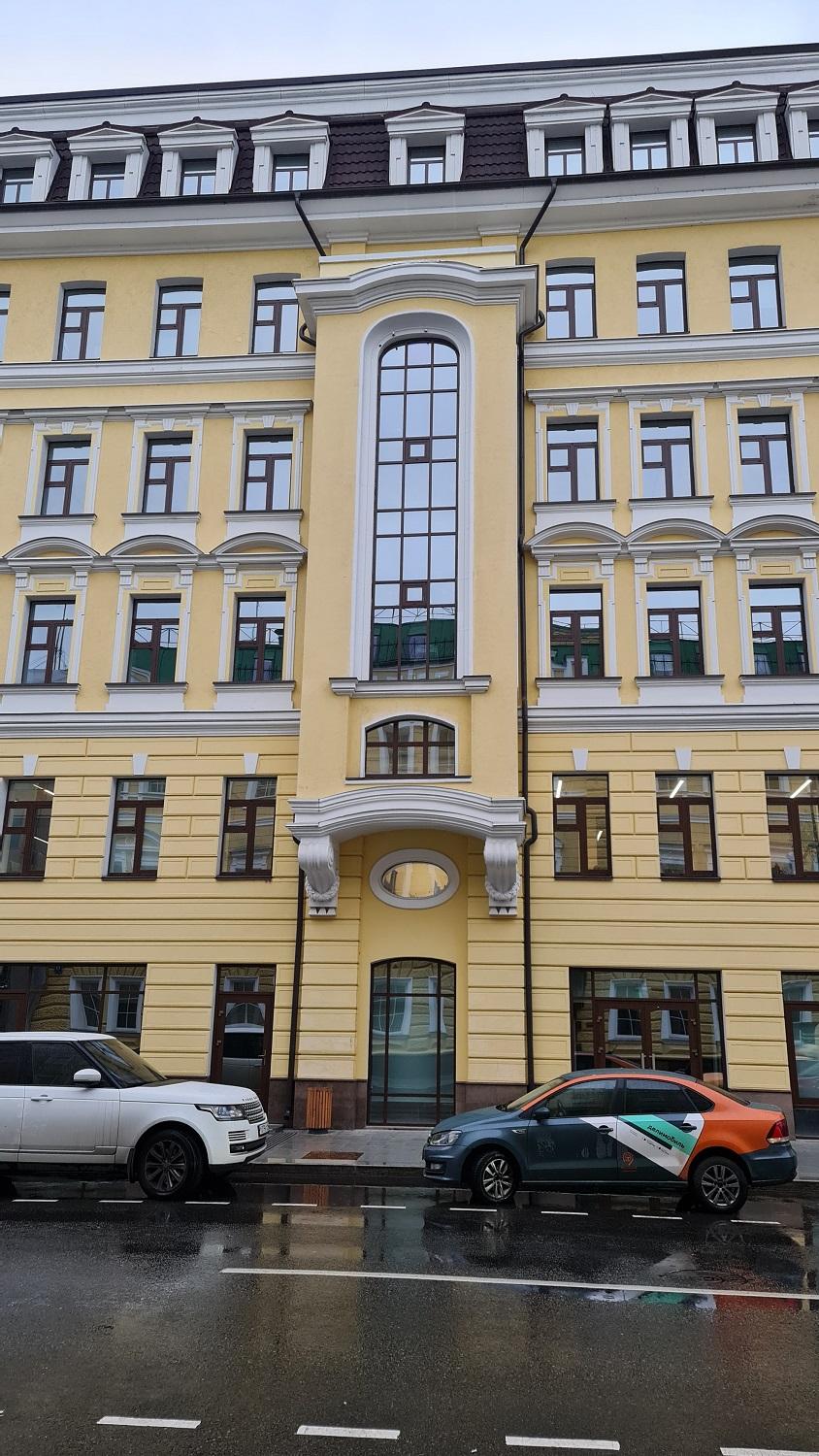
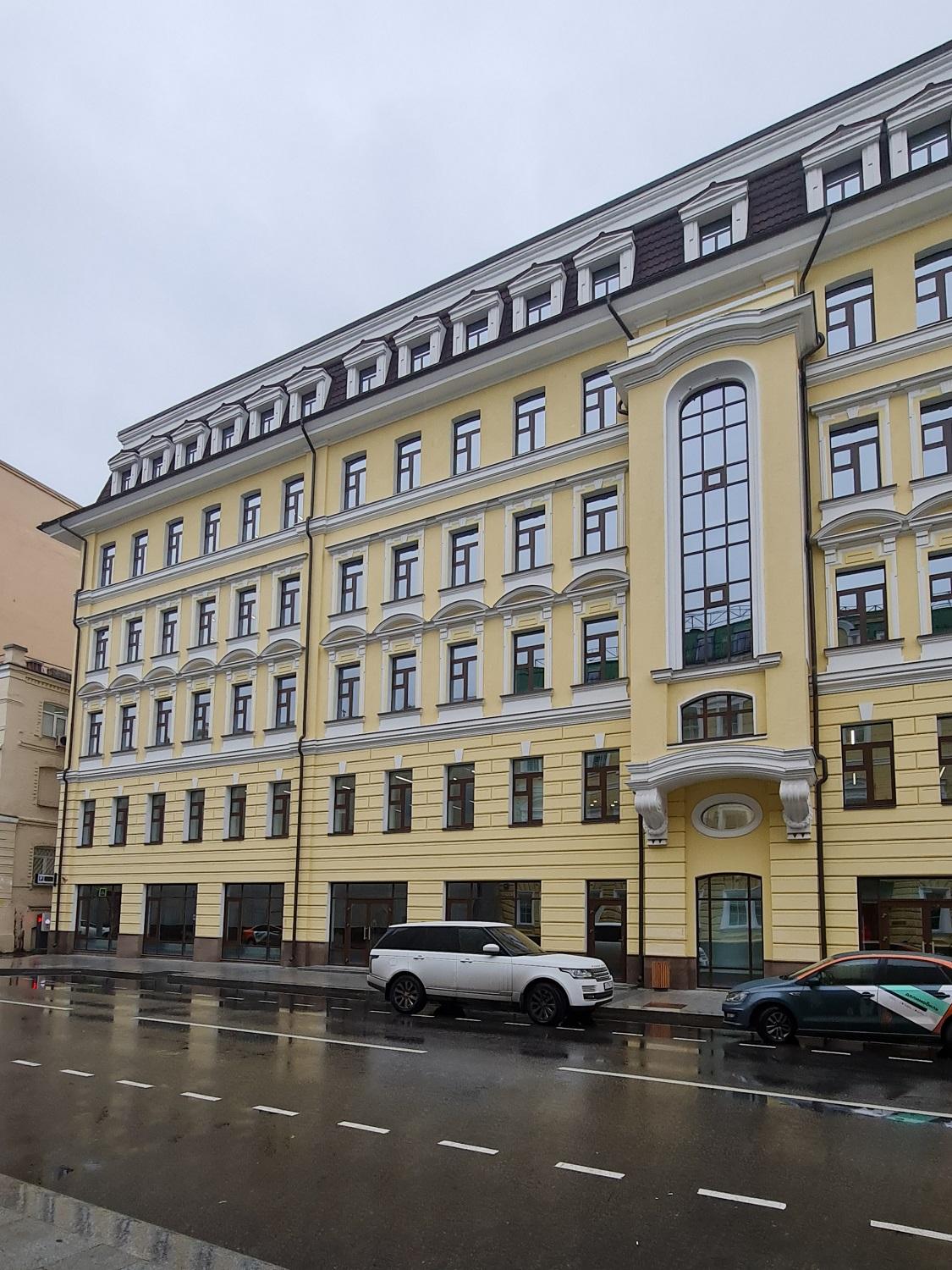
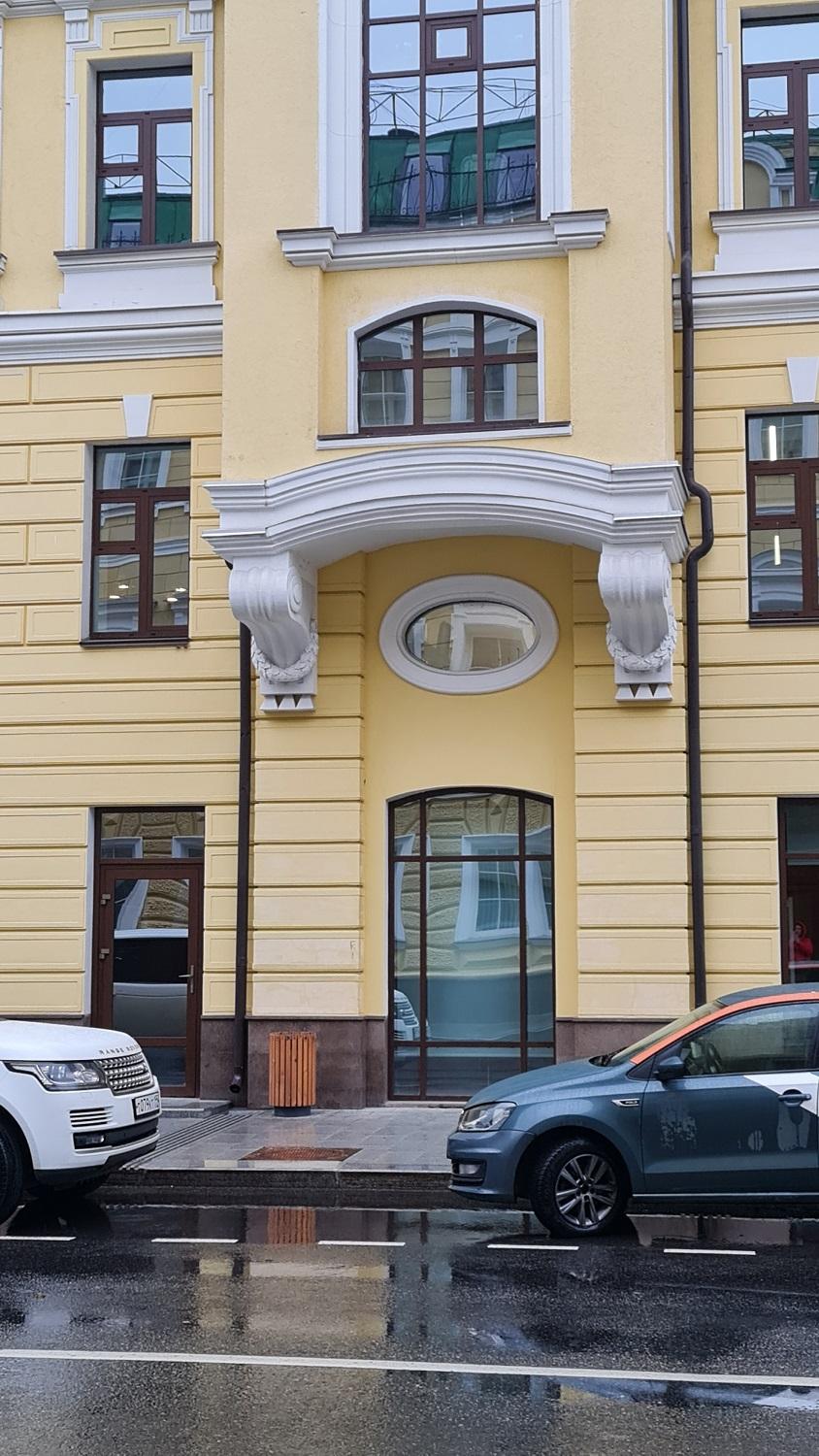
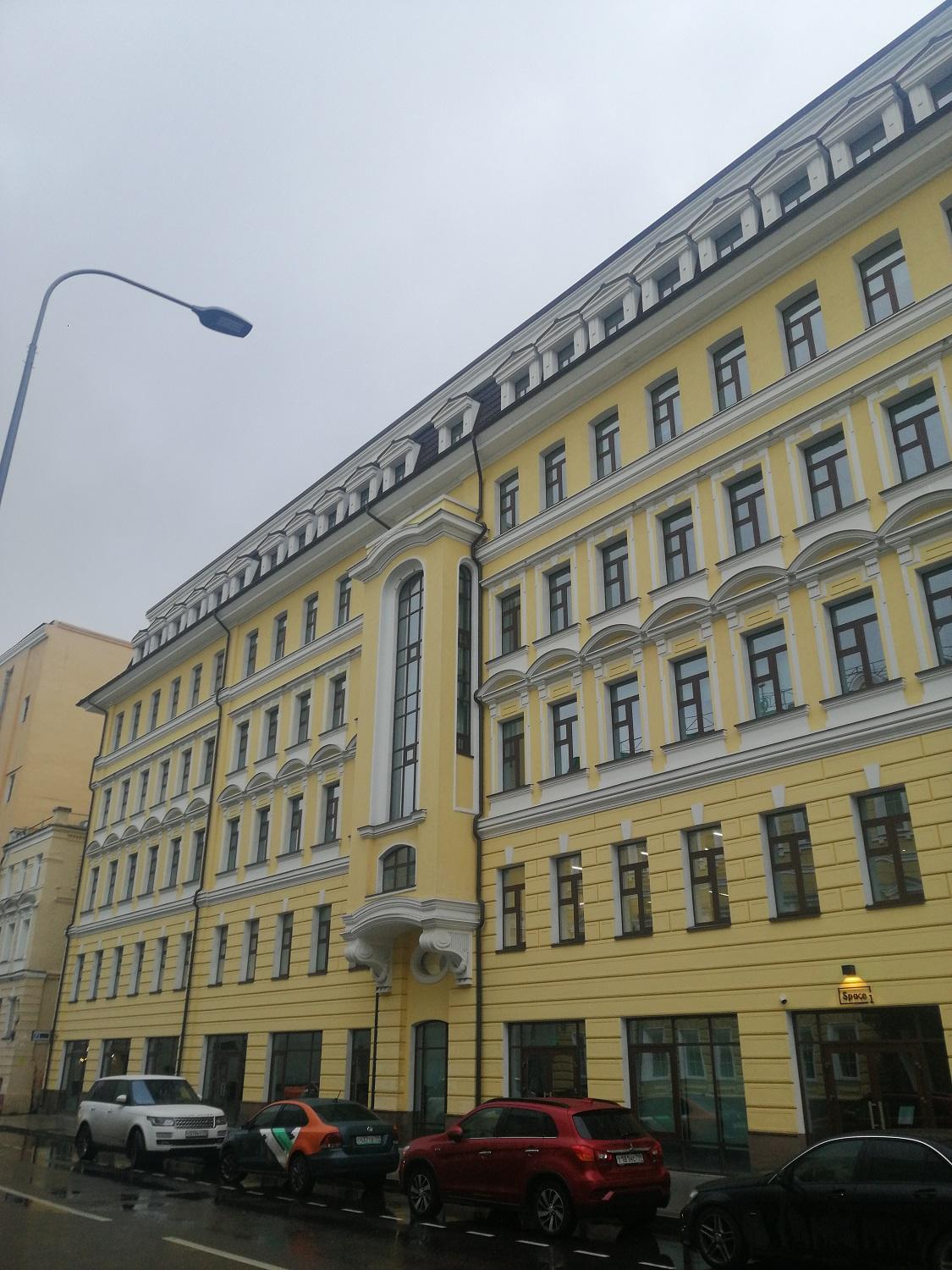
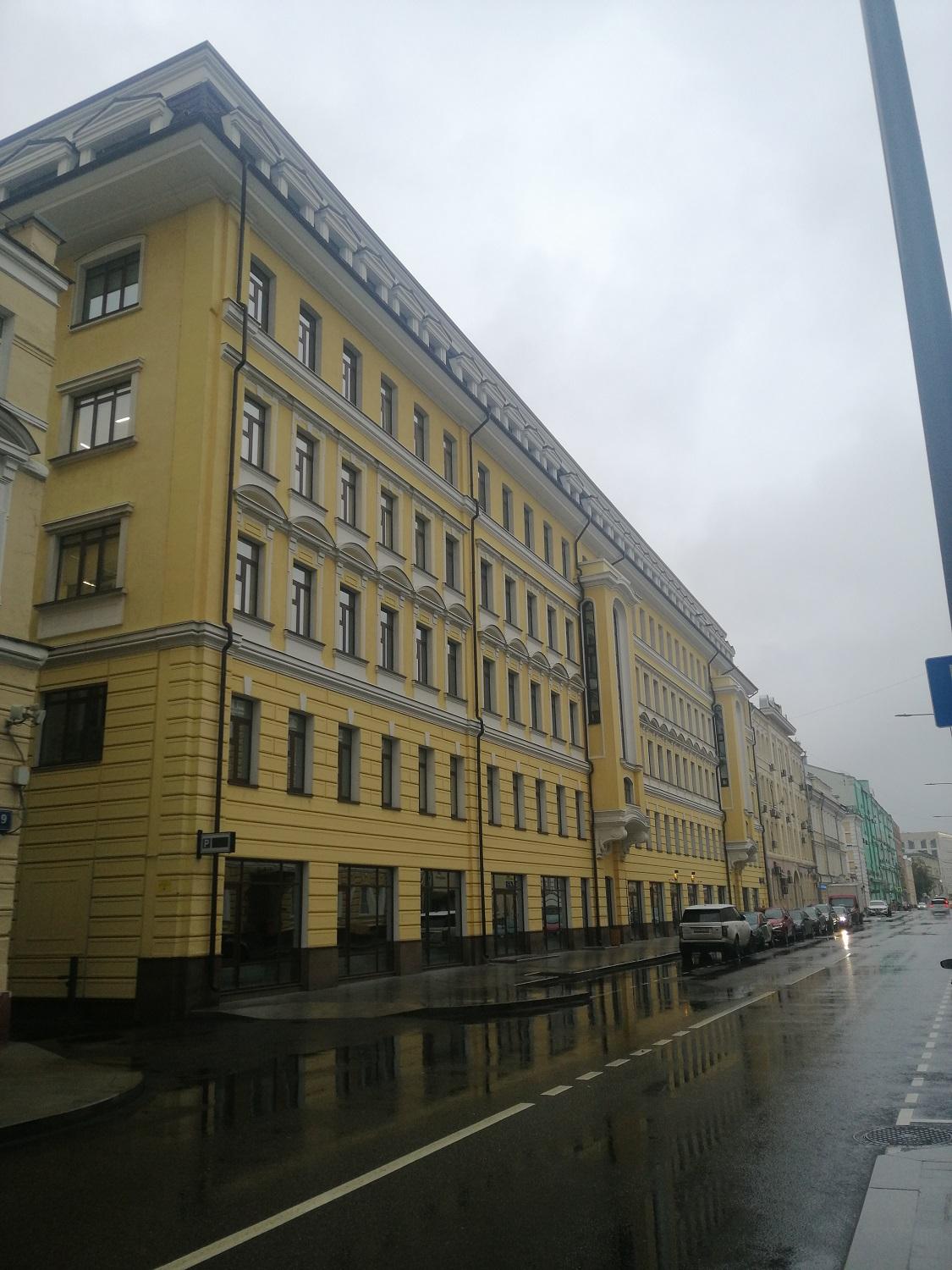
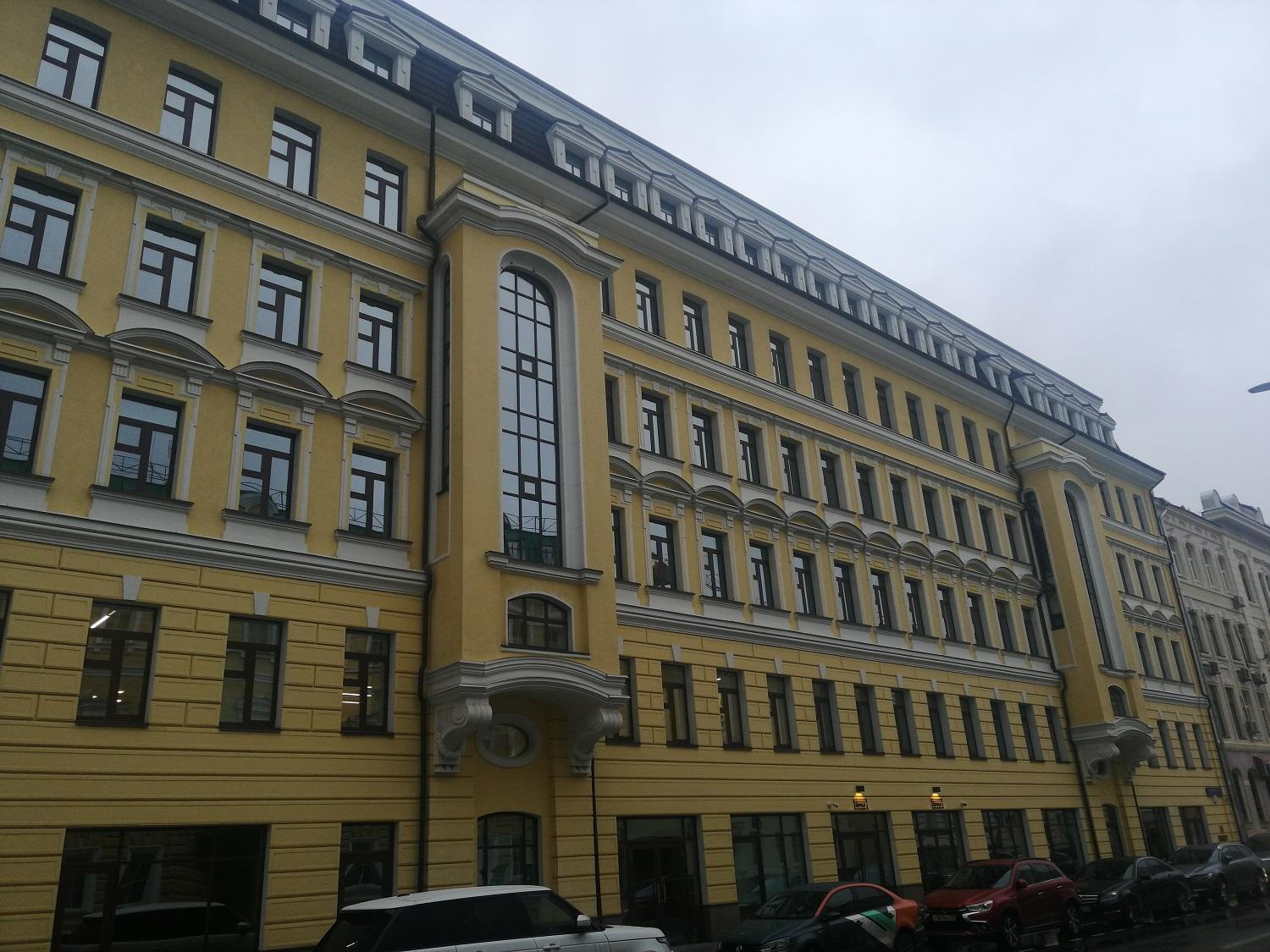
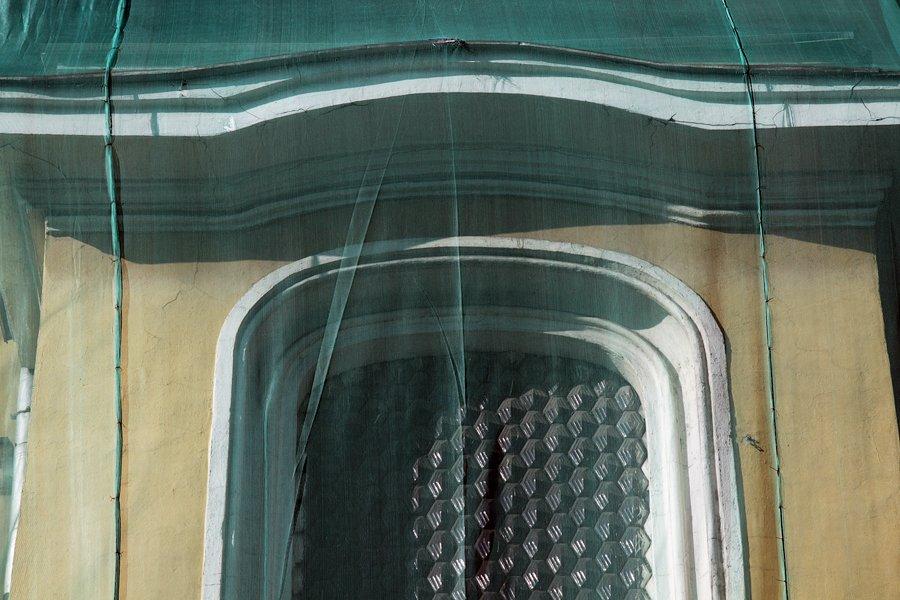
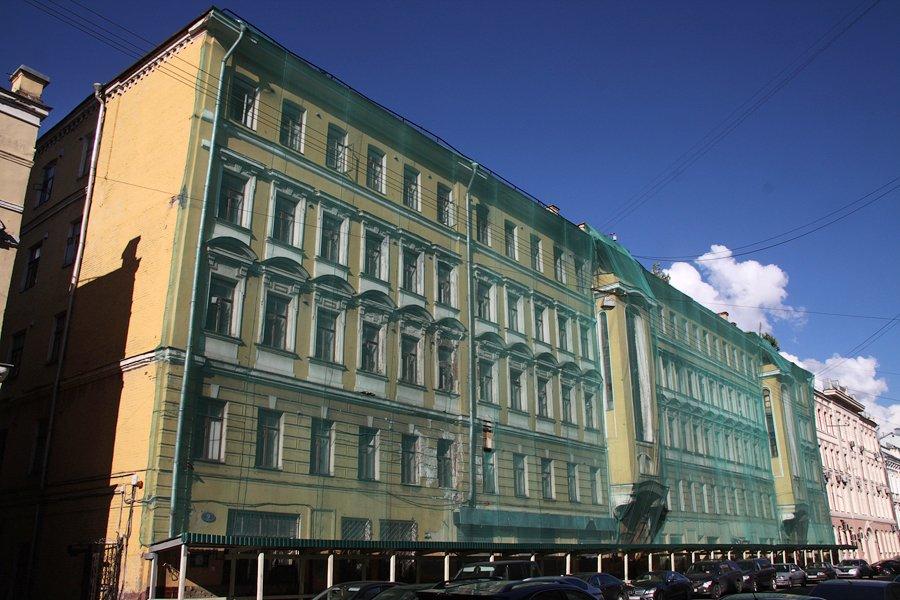
House at 9 Sadovnicheskaya Street entangled by construction grid today. Long body along the street dissected by two bay windows above the entrances. Two more building are in the backyard. This is the work of architect E.K. Nirnzee. Current owners of the site tried to burn, drown and destroy these buildings. However, they obviously can not handle the strong architectural creation of the previous century.

Privalov’s apartment buildings
Tretyakovskaya, Novokuzneckaya
House at 9 Sadovnicheskaya Street entangled by construction grid today. Long body along the street dissected by two bay windows above the entrances. Two more building are in the backyard. This is the work of architect E.K. Nirnzee. Current owners of the site tried to burn, drown and destroy these buildings. However, they obviously can not handle the strong architectural creation of the previous century.
3.40
Вы можете воспользоваться QR-кодом, чтобы открыть эту страницу в нашем приложении
Архитектурный стиль:
,
Годы постройки:
1908-1909
Архитекторы:
Эпоха:
1900s
Информация о здании

Дом 9 по улице Садовнической сегодня смотрит на нас из-за строительной сетки. Длинный уличный корпус рассечен двумя эркерами над подъездами. Внутри владения стоят еще два корпуса. Это работа архитектора Э.К. Нирнзее. Их пытаются сжечь, затопить и истребить нынешние владельцы участка. Однако крепкая архитектура столетней давности им явно не по зубам.

Владение № 9 было куплено Ефимом Ермиловичем Приваловым с торгов в 1896 году. Оно занимало тогда всю ширину квартала, один его фасад выходил на Садовническую улицу, а другой - на Раушскую набережную Москвы-реки. Разделение участка на два, на северную и южную части, произошло только в 1904 году. Северную, выходящую на реку часть, купили соседи - Общество электрического освещения.

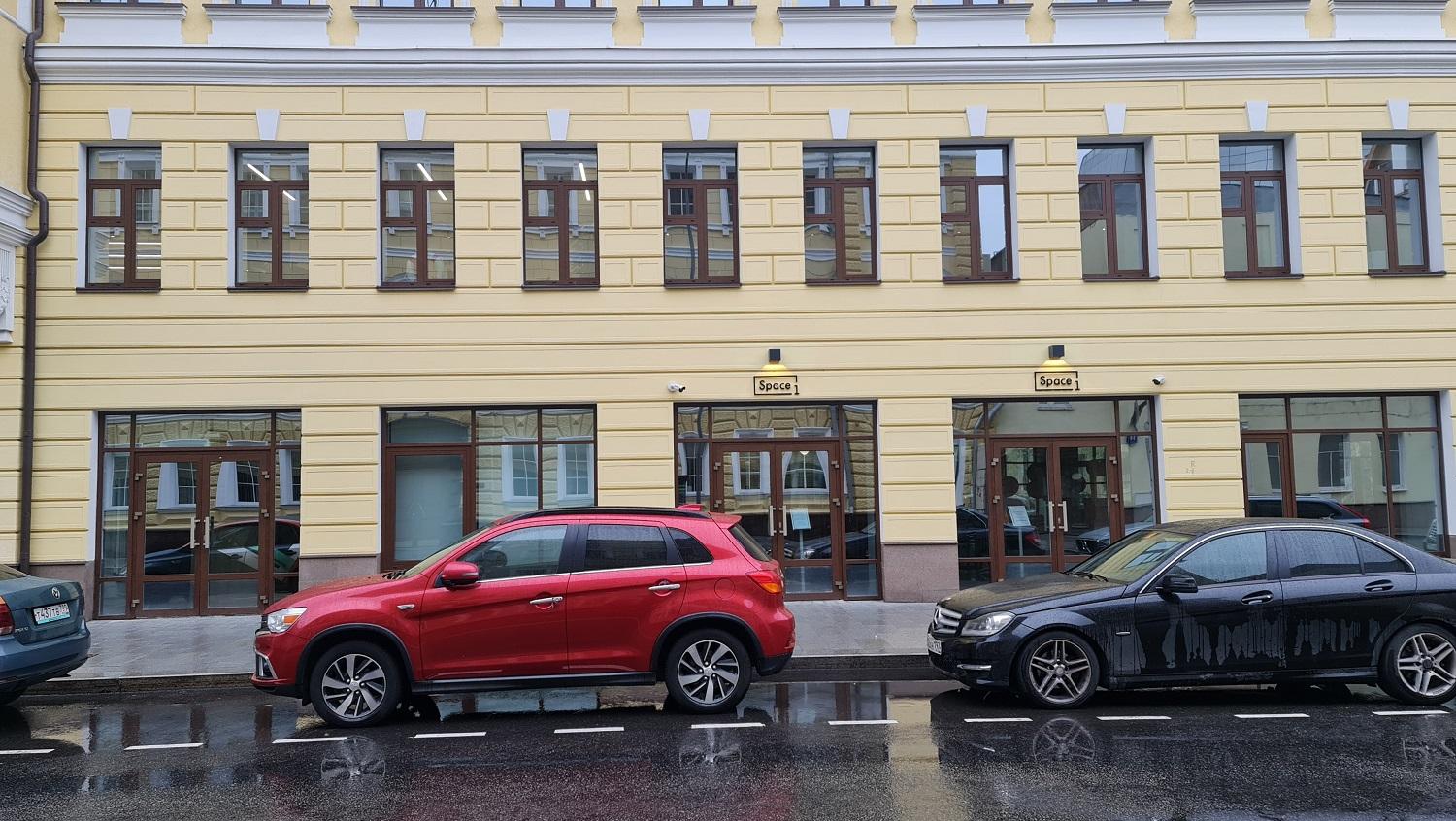
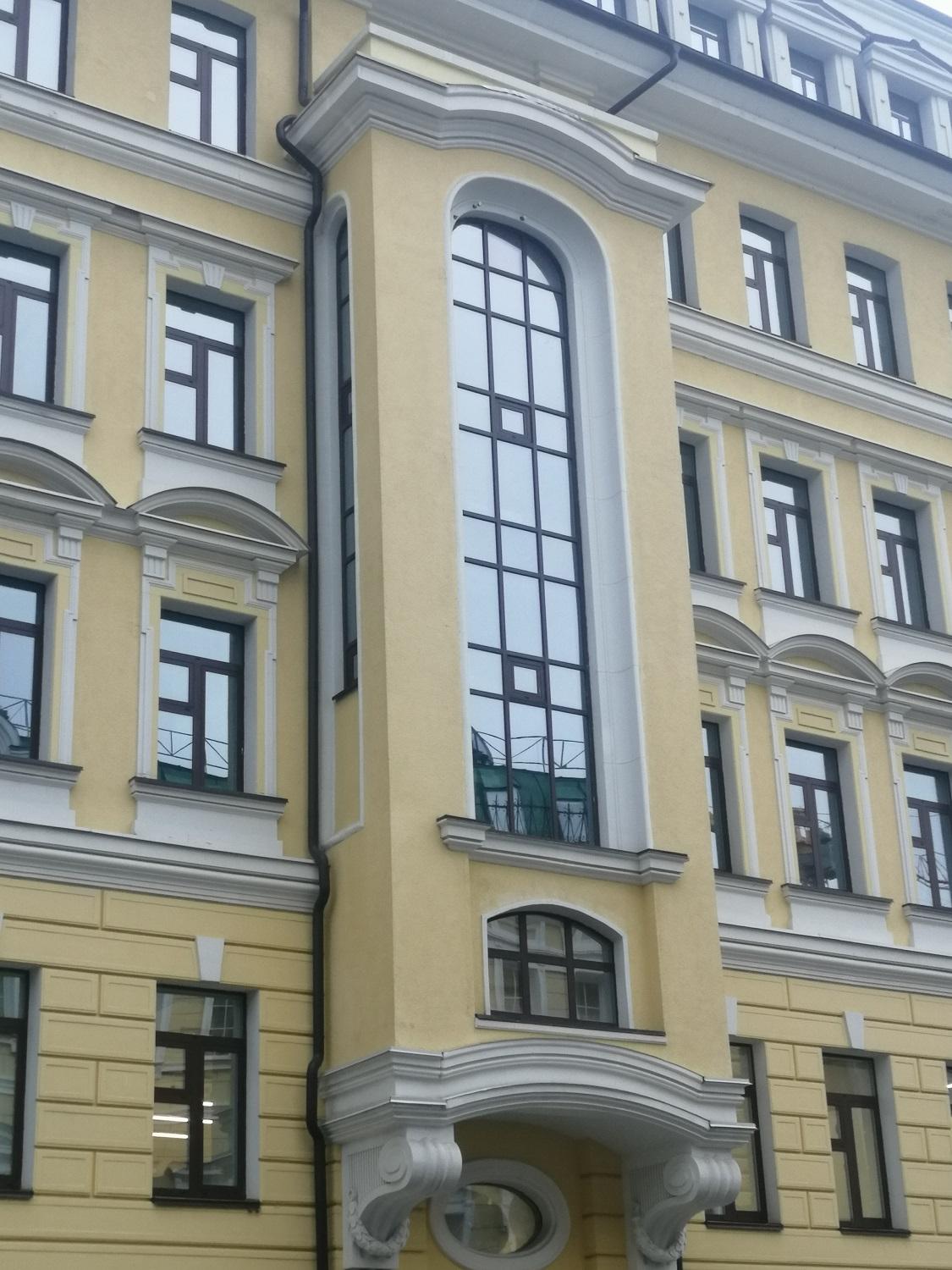
На южной, приваловской части, вдоль Садовнической улицы стоял длинный двухэтажный дом 1-й половины XIX века в 18 окон. Это был скромный по отделке, рядовой для классической Москвы дом. Незадолго до разделения участка, в 1903 году, Привалов подаёт прошение о разрешении ему надстроить существующий дом на три этажа. При этом от старого дома оставались только капитальные стены. Старые окна закладывались, а новые, большие, пробивались в других местах. Оформление фасада тоже делалось заново. Полностью менялась и планировка: от старого здания не осталось ничего, кроме части капитальных стен первых двух этажей. В результате получился пятиэтажный доходный дом, протяжённый фасад которого разделён двумя эркерами высотой от второго этажа до пятого. В эркерах - лестницы. Чтобы сильнее выделить лестницы и дать на них больше света, применено вертикальное остекление, окна охватывают несколько этажей сразу. До сих пор дом сохранял уникальную аутентичную расстекловку эркеров выпуклым «лунным» стеклом в форме сот. Первый этаж, как и в старом доме, предназначался под магазины, поэтому в нём - широкие витрины. Автором этого проекта стал тогда еще совсем молодой и неизвестный архитектор Эрнст Нирнзее. В 1900-м году он только получил диплом гражданского архитектора, и мотивы, по которым купец Привалов доверил ему строительство доходного дома, неизвестны. Зато совершенно ясно, почему последующие корпуса владения хозяин тоже строил по проекту этого архитектора.

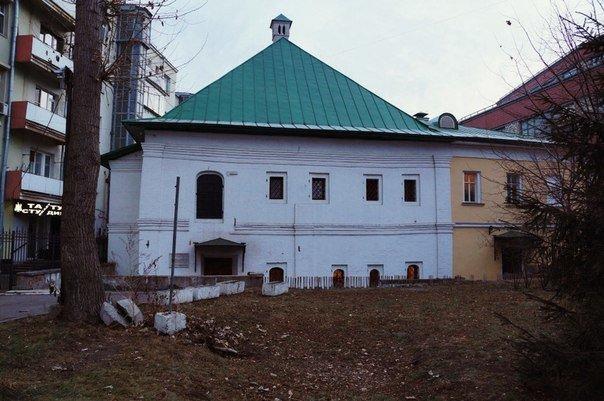
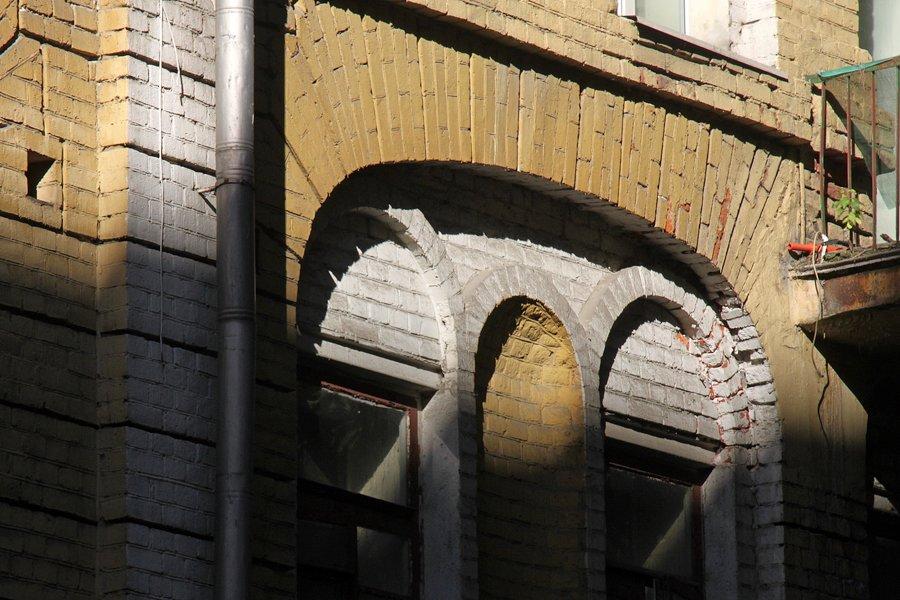
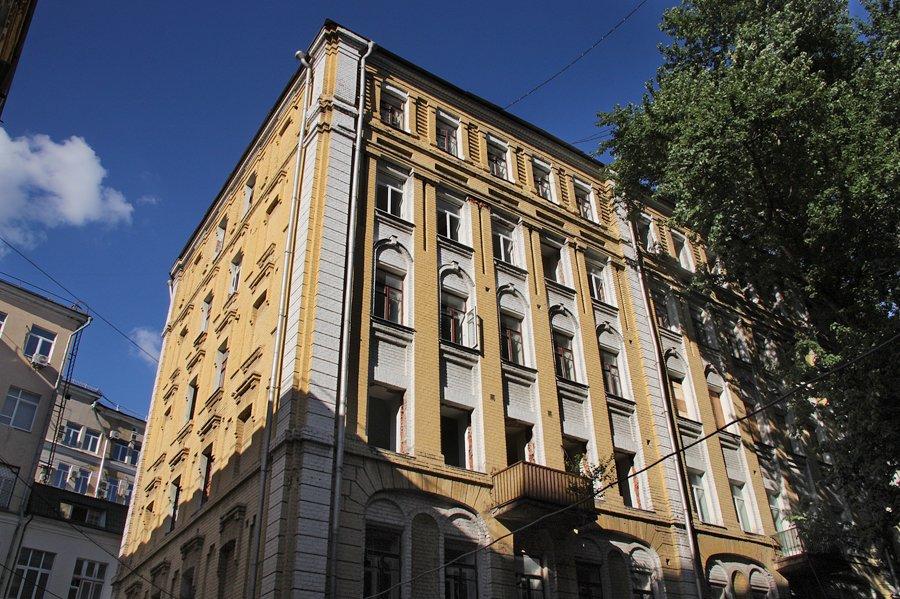
К 1913 году Привалов собрал деньги на строительство ещё одного шестиэтажного корпуса во дворе (строение № 2). Естественно, что проект был заказан Нирнзее. Высокий дом немного напоминает крепость — да и в оформлении фасадов архитектор прибегает к готическим элементам: венчает здание угловая башенка, заметная с набережной Водоотводного канала, но совершенно не видная с улицы. Центр увенчан аттиком с декоративными стрельчатыми окошками-арочками, а, согласно проекту, слева от него должна была располагаться витражная розетка. Сейчас там просто заложенное кирпичом круглое слуховое окно. Обилие готических элементов нарастает снизу вверх: первые два этажа здания отделаны классическим рустом, далее окна украшены стрельчатыми арками и круглыми розетками. Выше всех — готическая башенка.

После 1917 года во владении № 9 было образовано жилищное товарищество рабочих и служащих соседней электростанции, которую переименовали в 1-ю МГЭС им. товарища Смидовича.

В 1960-х годах двор дома №9 славился на всю улицу. Сюда собирались парни «подраться», у девочек были свои компании, зачастую враждебно относившиеся к «чужим». Густо заселенные квартиры — коммуналки на 3-4 семьи делали двор похожим на улей. Кухни корпуса №1 до сих пор хранят следы разделения на две-три зоны. Дома считались «простыми» по сравнению с соседним домом №11, где проживали не только рабочие ГЭС, но и руководящий состав станции. Но внутренний декор квартир домов владения 9 говорит об обратном. Претерпев два поджога весной и летом 2011 года, дом по-прежнему хранит старинные двери с аутентичной столяркой, филенками и резьбой, аутентичные рамы, уникальные «лунные» стекла в эркерах подъездов, тянутые карнизы и лепное убранство на потолках некоторых квартир.

В настоящее время все три корпуса выселены, в части подъездов находится муниципальная охрана.
House at 9 Sadovnicheskaya Street entangled by construction grid today. Long body along the street dissected by two bay windows above the entrances. Two more building are in the backyard. This is the work of architect E.K. Nirnzee. Current owners of the site tried to burn, drown and destroy these buildings. However, they obviously can not handle the strong architectural creation of the previous century. Yefim Ermilovich Privalov purchased property of the number 9 at auction in 1896. It occupied the entire width of the quarter then; one of its facade faced Sadovnicheskaya street, and the other - on Raushskaya Moscow river embankment. The division of land into two (north and south parts) occurred only in 1904. North part overlooking the river, bought by the neighbors - Electric Lighting Company. On the southern Privalov part, along Sadovnicheskaya street was a long two-storey house of the first half of the XIX century with 18 windows. It was a modest trim, ordinary classical Moscow home. Shortly before the separation area, in 1903, Privalov submits an application for permission to build on the existing house of three floors. In this case, the old houses were only main walls. Old windows were laid, and the new, large, made their way to other places. Design of the facade was also redone again. At the same time, only the capital walls remained from the old house. Old windows were laid, and new, large, made their way elsewhere.The result is a five-story apartment house, the length of the facade of which was divided by two bay windows in height from the second floor to the fifth. Staircases were in bays. Vertical glazing applied in order to highlight stars even more, window cover several floors. Until now, the house retains a unique authentic glazing of bay windows bulging "moon" glass in the form of cells. The first floor, as well as in the old house, was designed for shops, so there were wide windows. The author of this project was then still quite young and unknown architect Ernst Nirnzee. In 1900, he had just received his civil architect, and the reasons for which the merchant Privalov entrusted him with the construction of the apartment building are unknown. However, it is clear why the subsequent housing tenure owner is also built by the project of the architect. By 1913, Privalov collected money to build another six-storey housing in the yard (building number 2). Naturally, the project was commissioned to Nirnzee. High building resembles fortress a bit. Architect resorts to Gothic elements and in the design of facades: the building is crowned with a corner turret, marked the waterfront of the Vodootvodny channel, but it is not visible from the street. Center attic crowned with decorative lancet windows, arches, and, according to the draft, to the left was located stained glass rosette. Now there's just pledged brick circular skylight. The abundance of Gothic elements increases from bottom to top: the first two floors of the building are decorated with classic rustication, and then windows are decorated with pointed arches and round rosettes. Gothic towers are above all. After 1917, in the possession of number 9 housing association of workers and employees of the neighboring power plant was formed, which was renamed into 1st SHP named after Comrade Smidovich. In the 1960's courtyard of number 9 was famous all over the street. These guys were coming here to "fight", the girls had their own companies, often hostile to "aliens". Densely populated apartment - communal 3-4 families made the yard look like a hive. Kitchens of the corps one still retain traces of division into two or three zones. Houses were considered "simple" compared to the neighboring house #11, where not only workers of HPP lived, but also leaders of the station. However, the interior decoration of apartments house 9 suggests otherwise. Having undergone two arson in the spring and summer of 2011, the house still keeps the old doors with authentic woodwork, paneling and carvings, authentic frame, unique "lunar" glass porches, bay, drawn cornices and stucco decorations on the ceilings of some apartments. Currently, all three buildings evicted in terms of entrances is a municipal guard.