Интерактивный гид по городу
С мобильным приложением бродить по городу гораздо интереснее!

Tenement Building

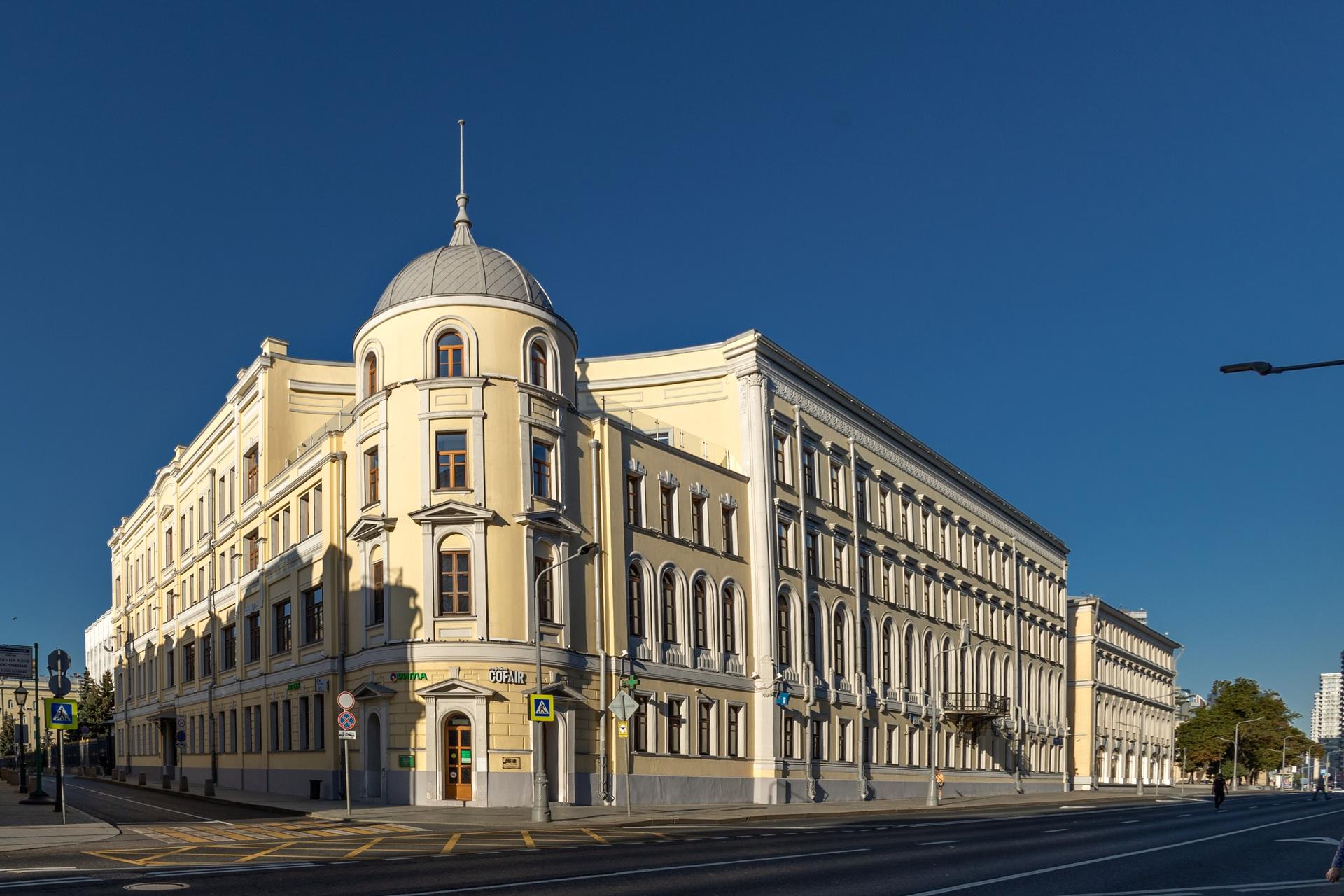
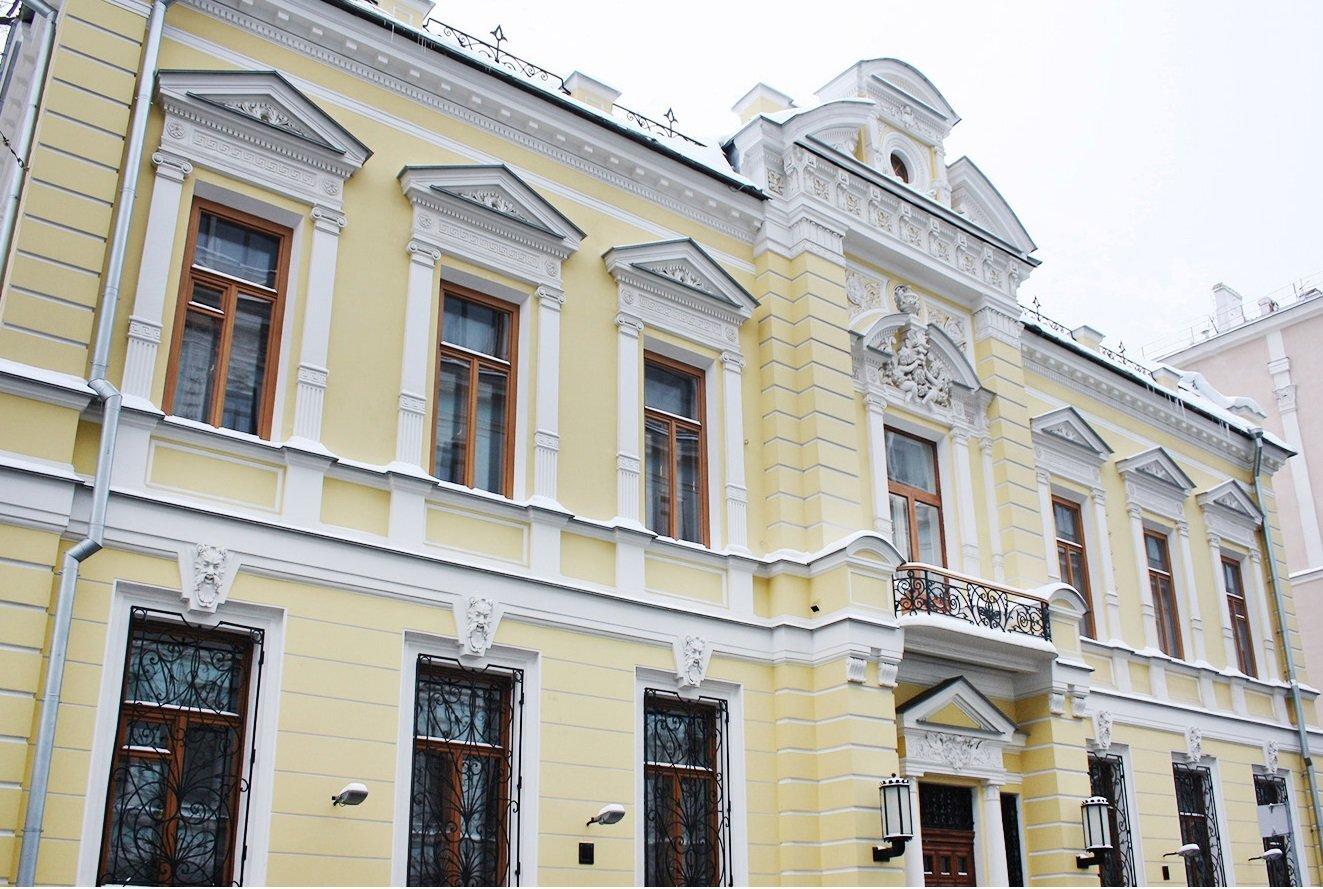
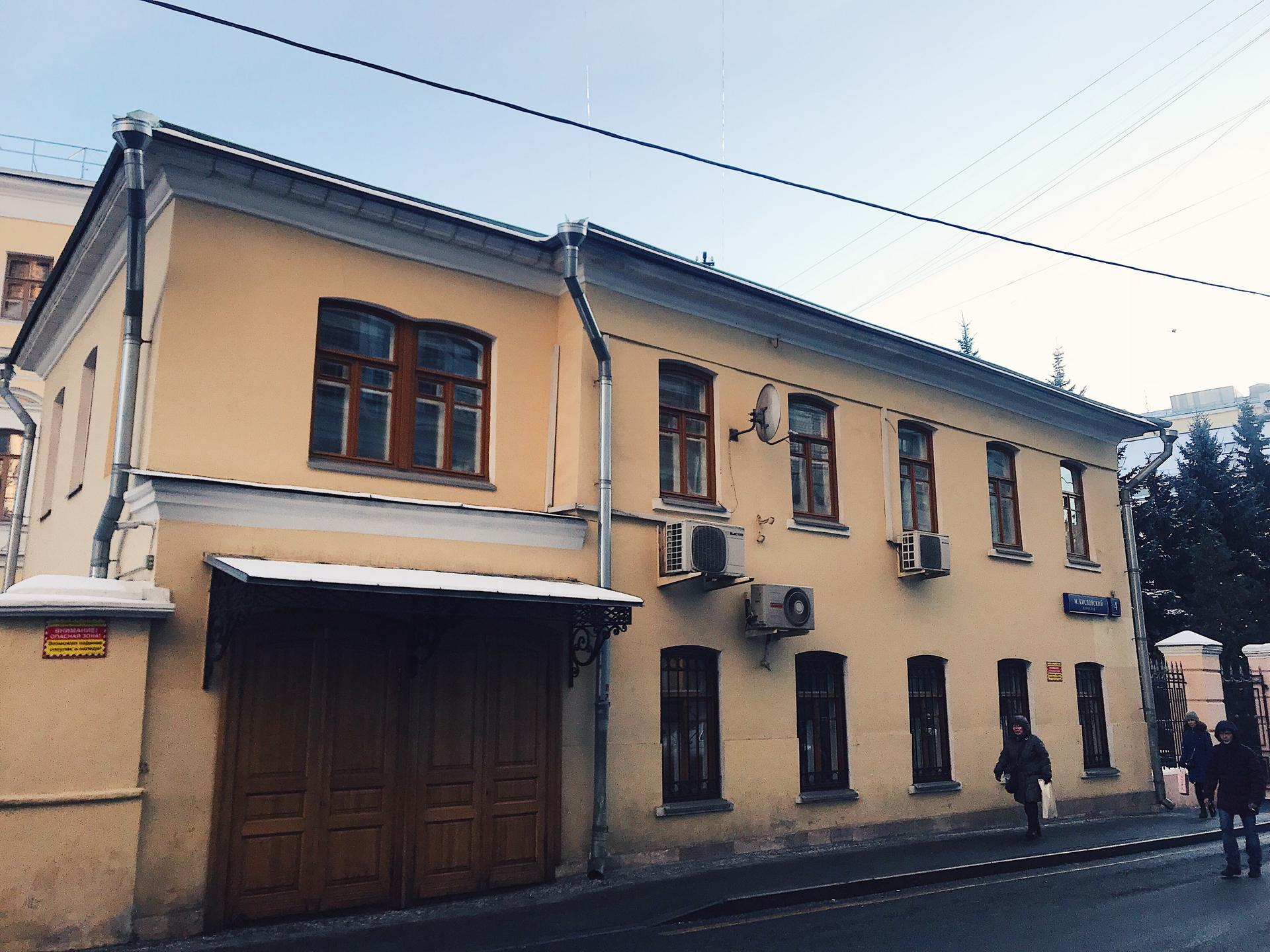
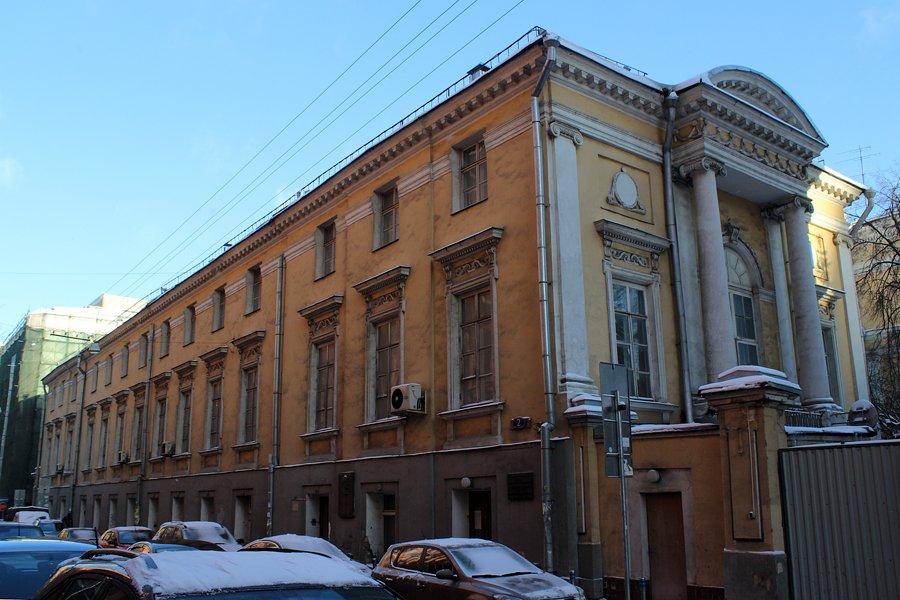
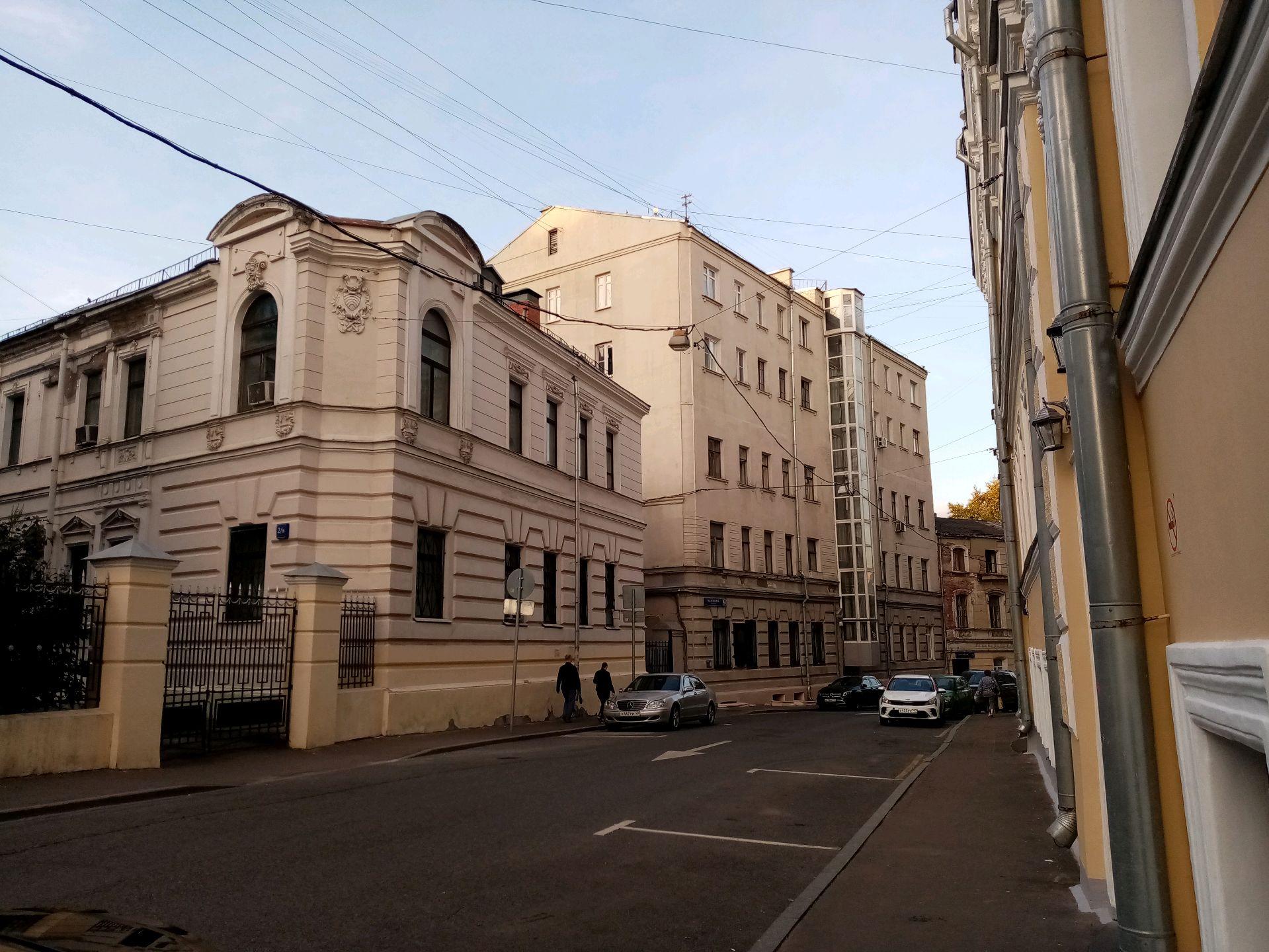
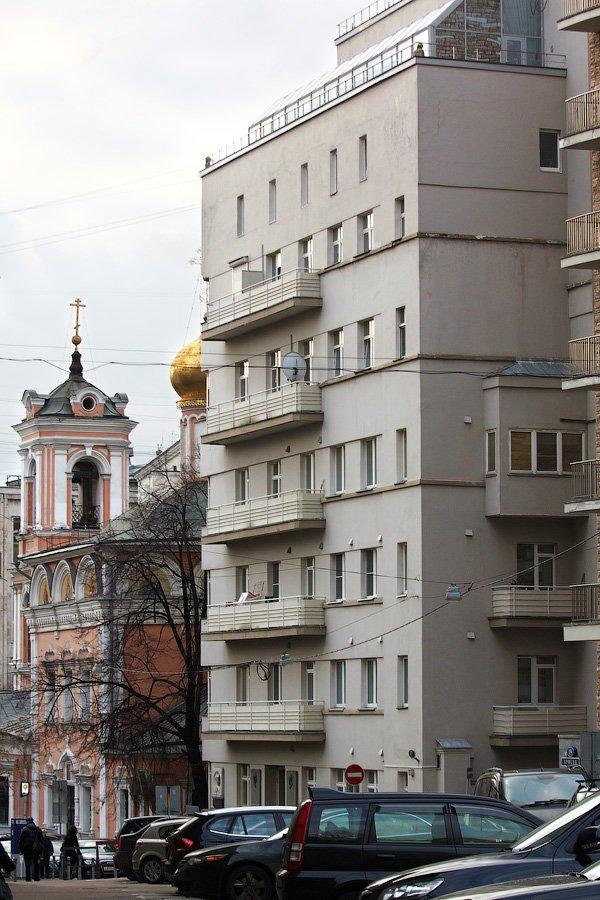
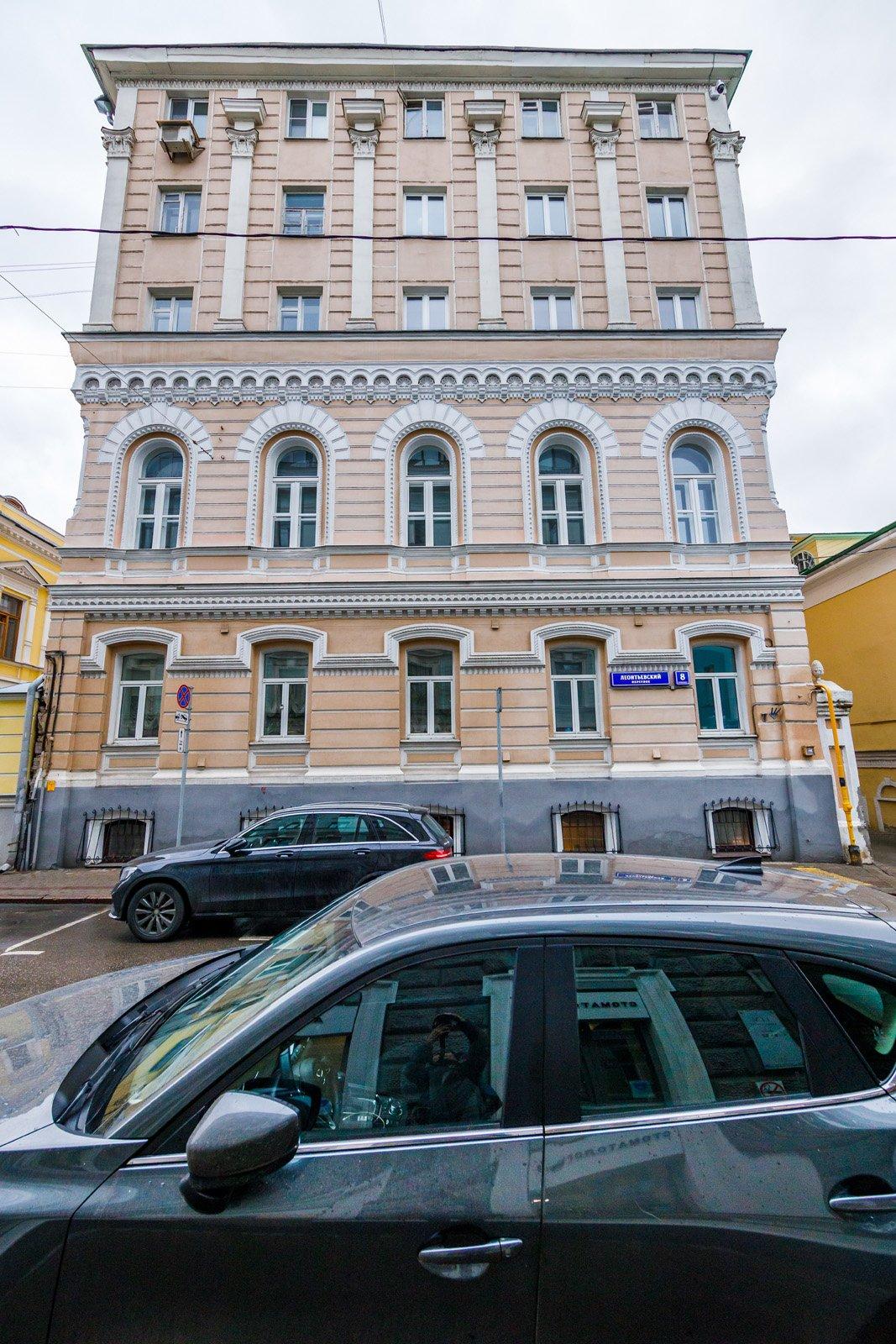
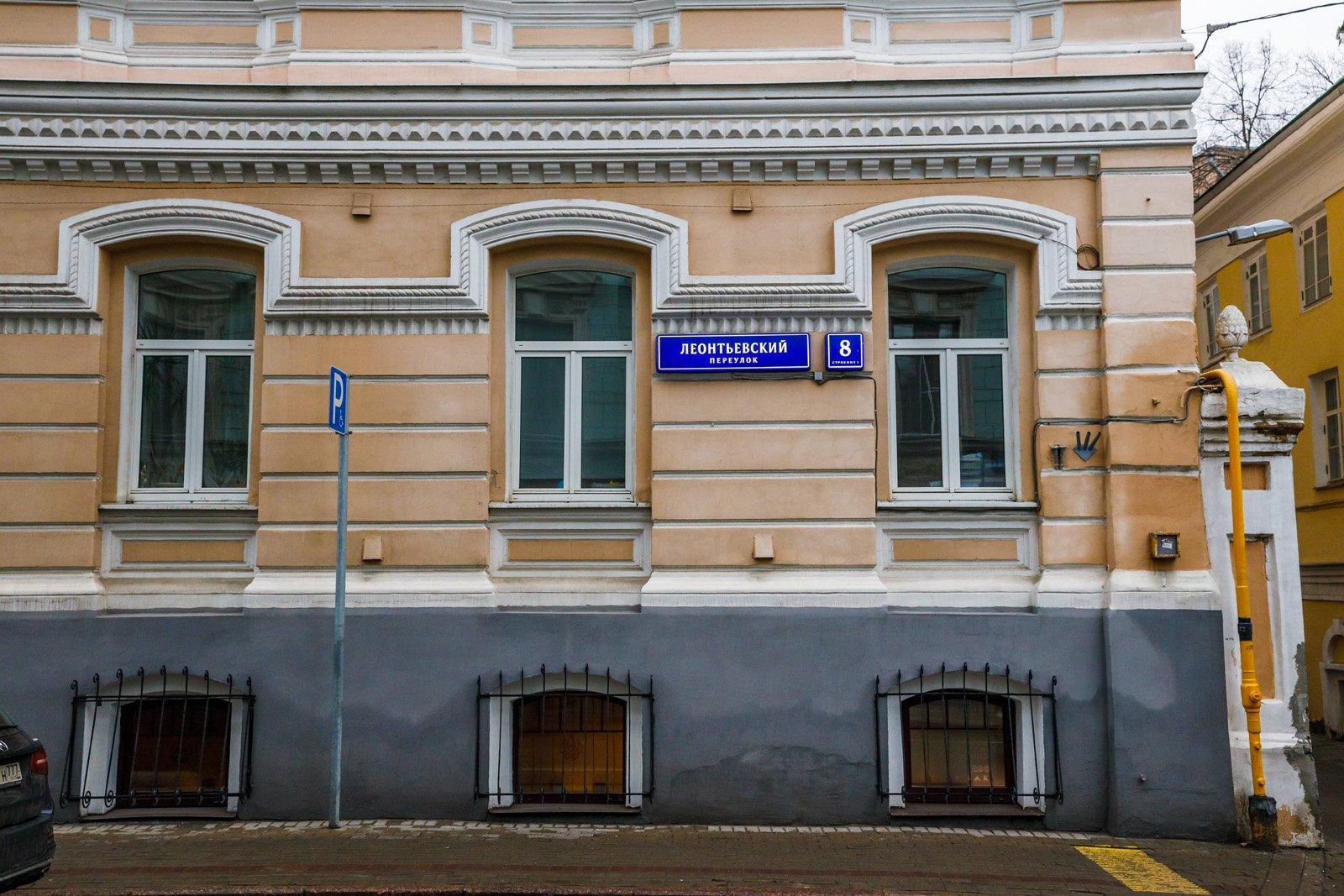
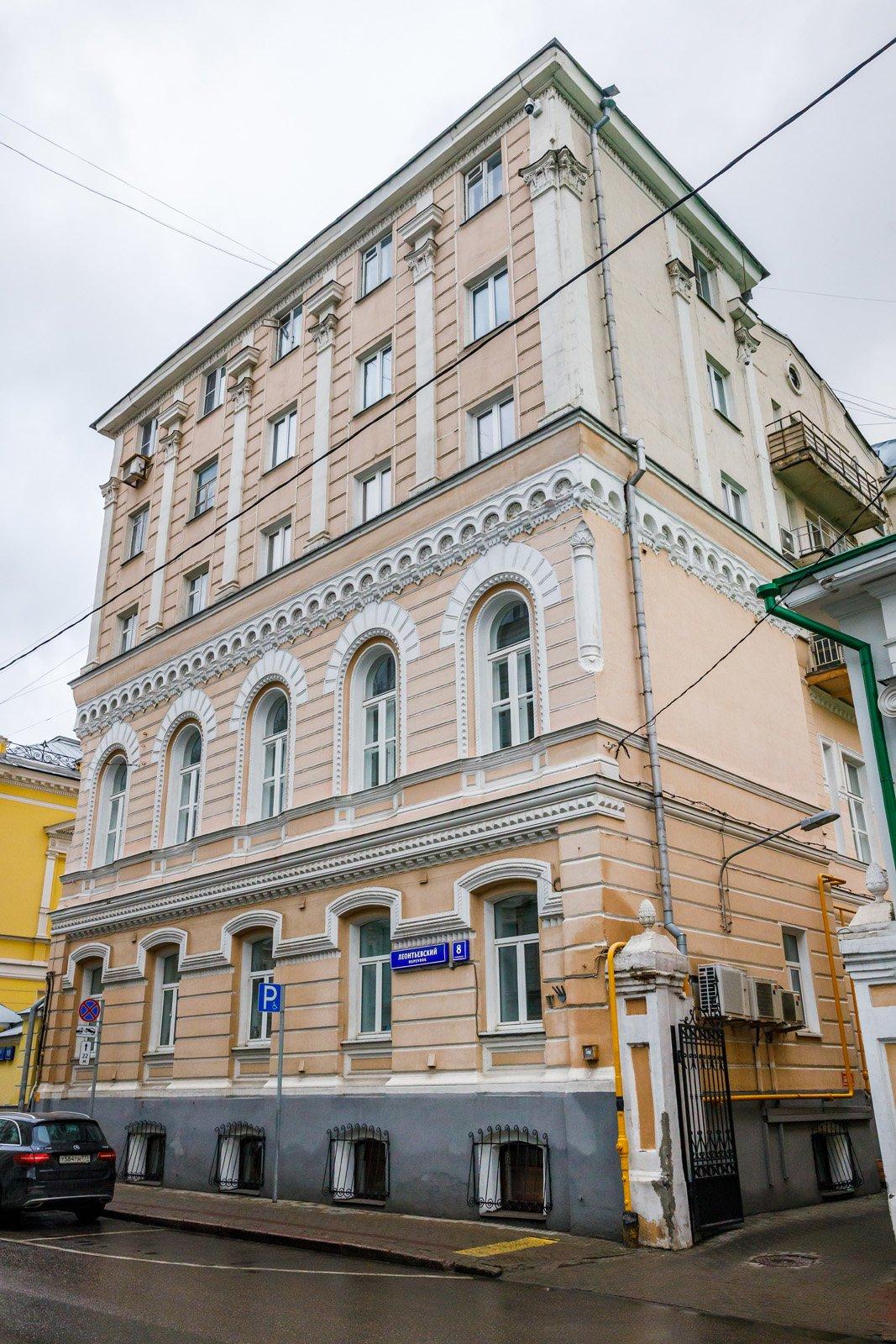
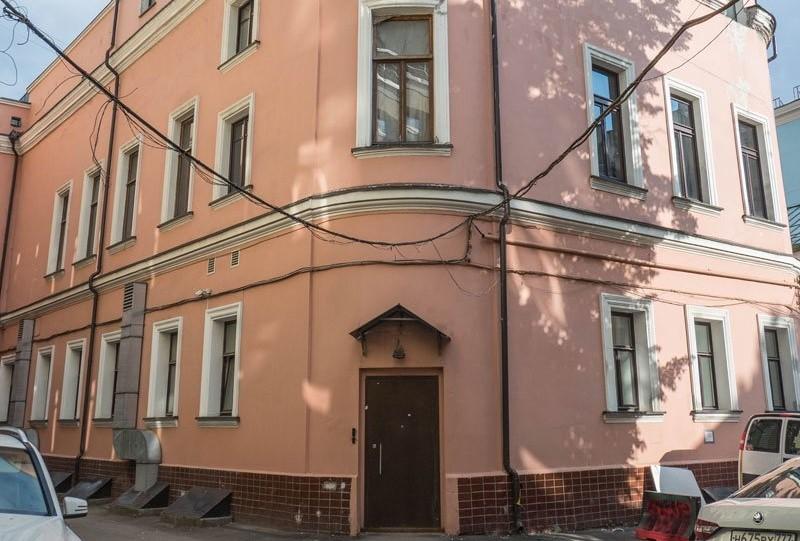
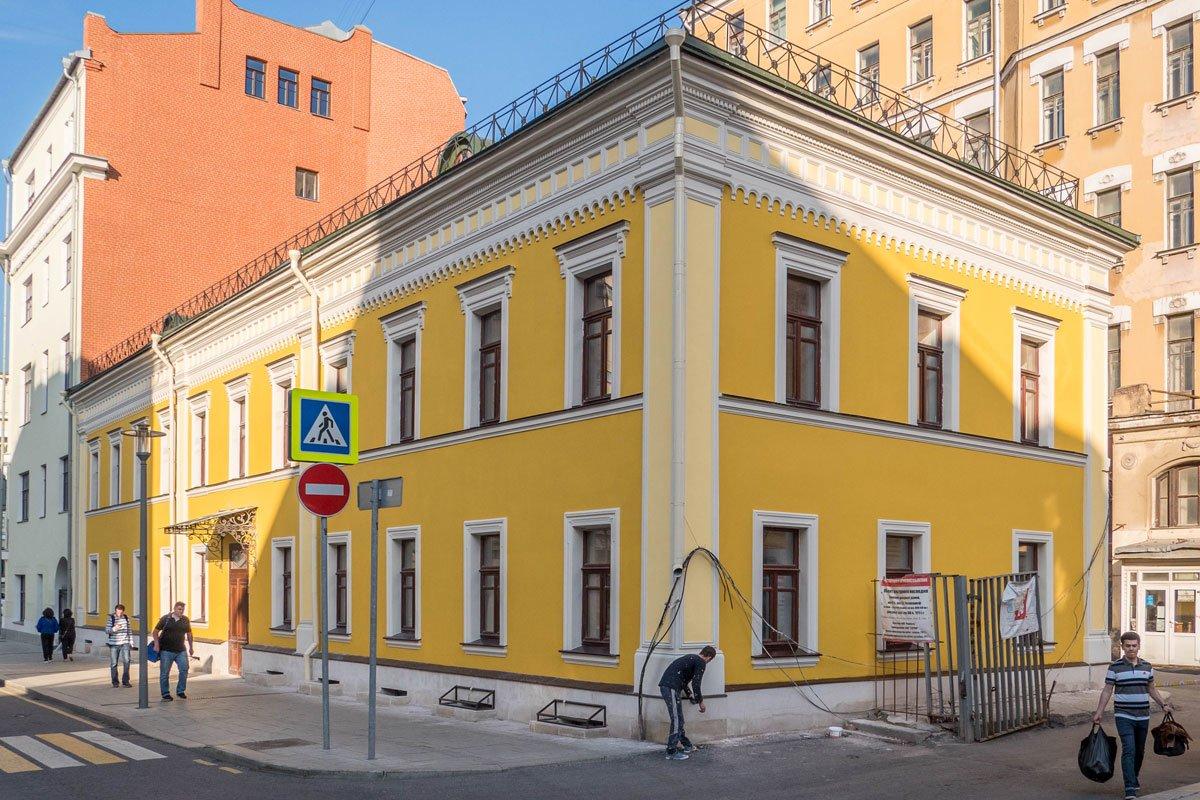
The building in the Leontyevsky Lane is an example of eclecticism in architecture as well as that of a case of a private residence converted to a tenement building.

Tenement Building
Tenement Building
Tverskaya
The building in the Leontyevsky Lane is an example of eclecticism in architecture as well as that of a case of a private residence converted to a tenement building.
3.20
Вы можете воспользоваться QR-кодом, чтобы открыть эту страницу в нашем приложении
Архитектурный стиль:
Годы постройки:
1896–1898
Архитекторы:
А.С. Каминский, А.Е. Вебер
Эпоха:
19th century
Информация о здании

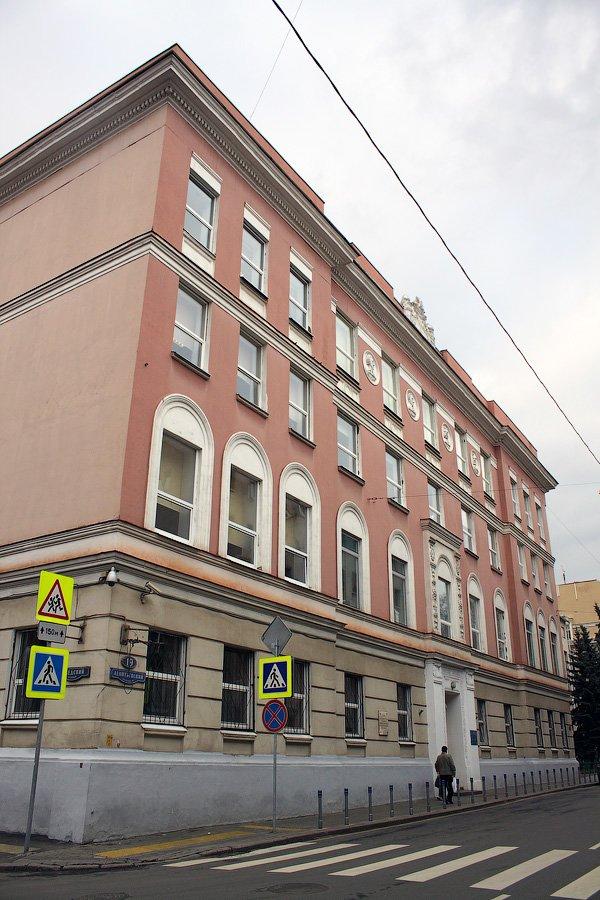
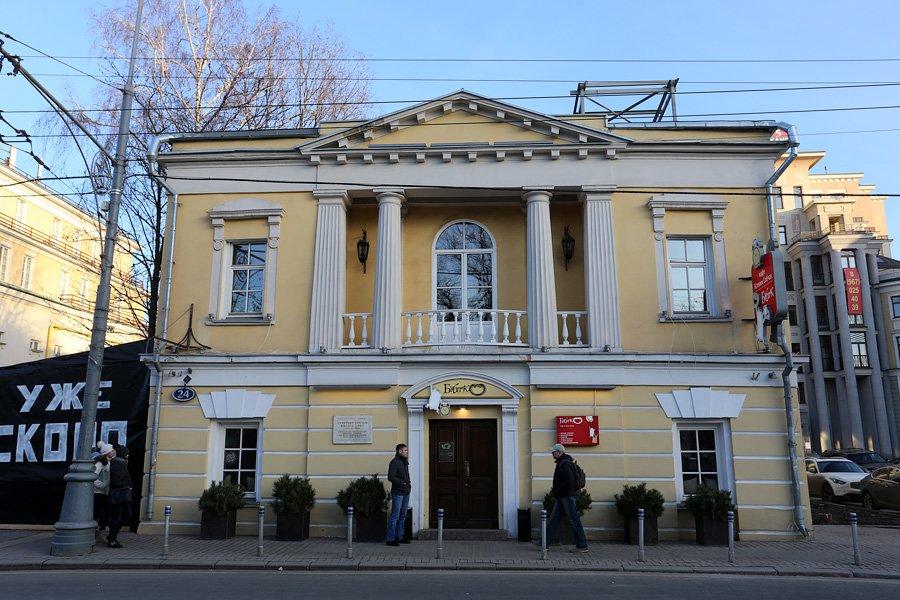
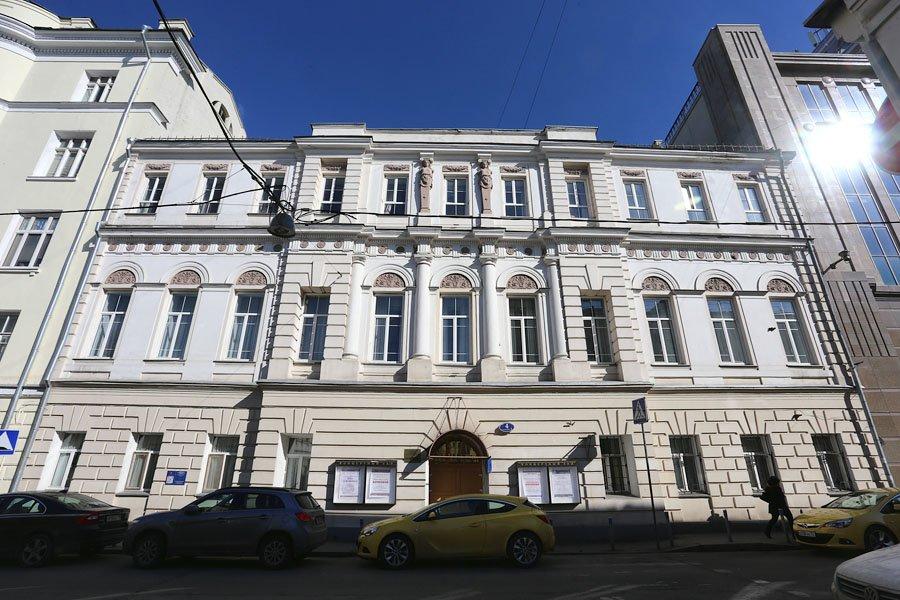
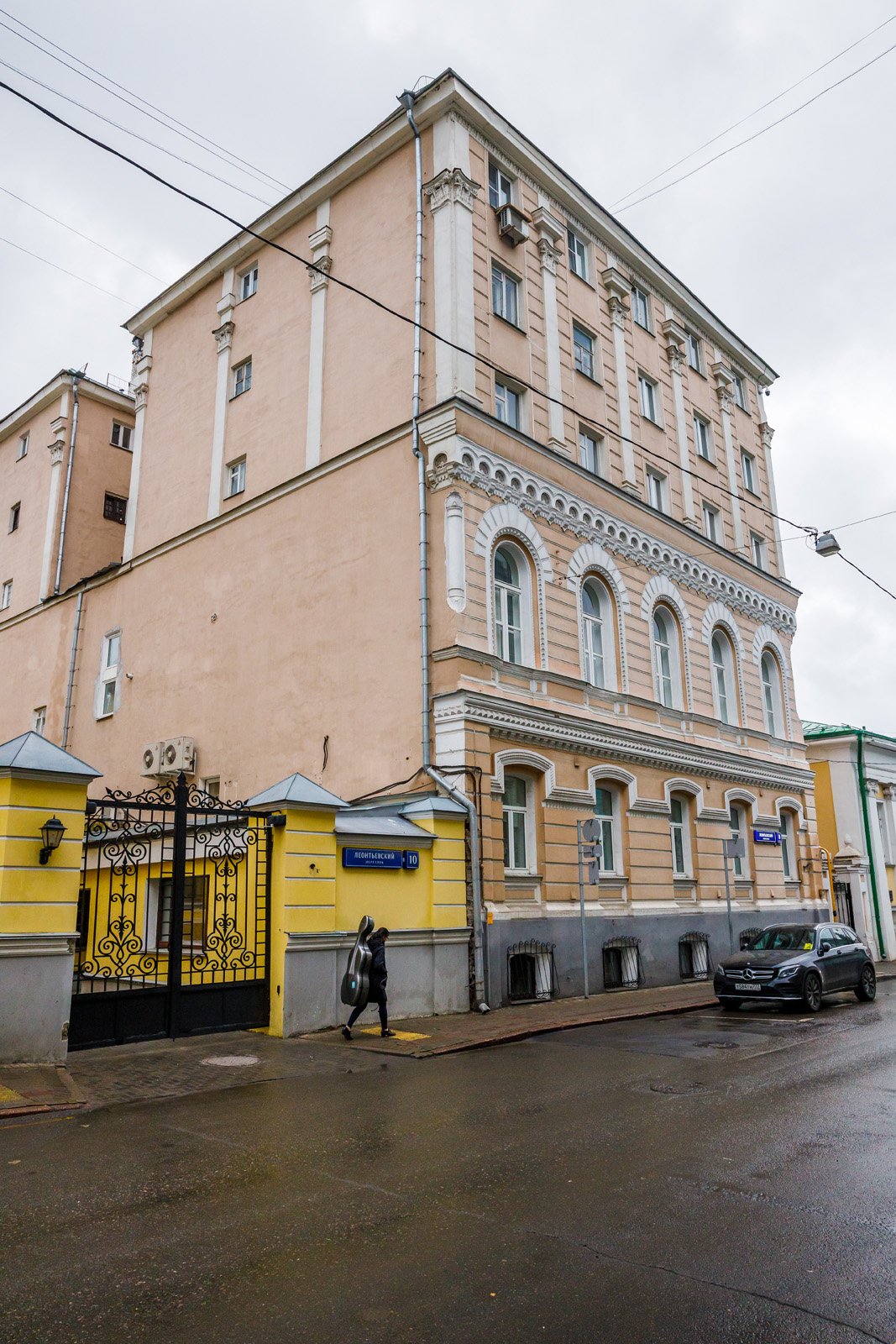
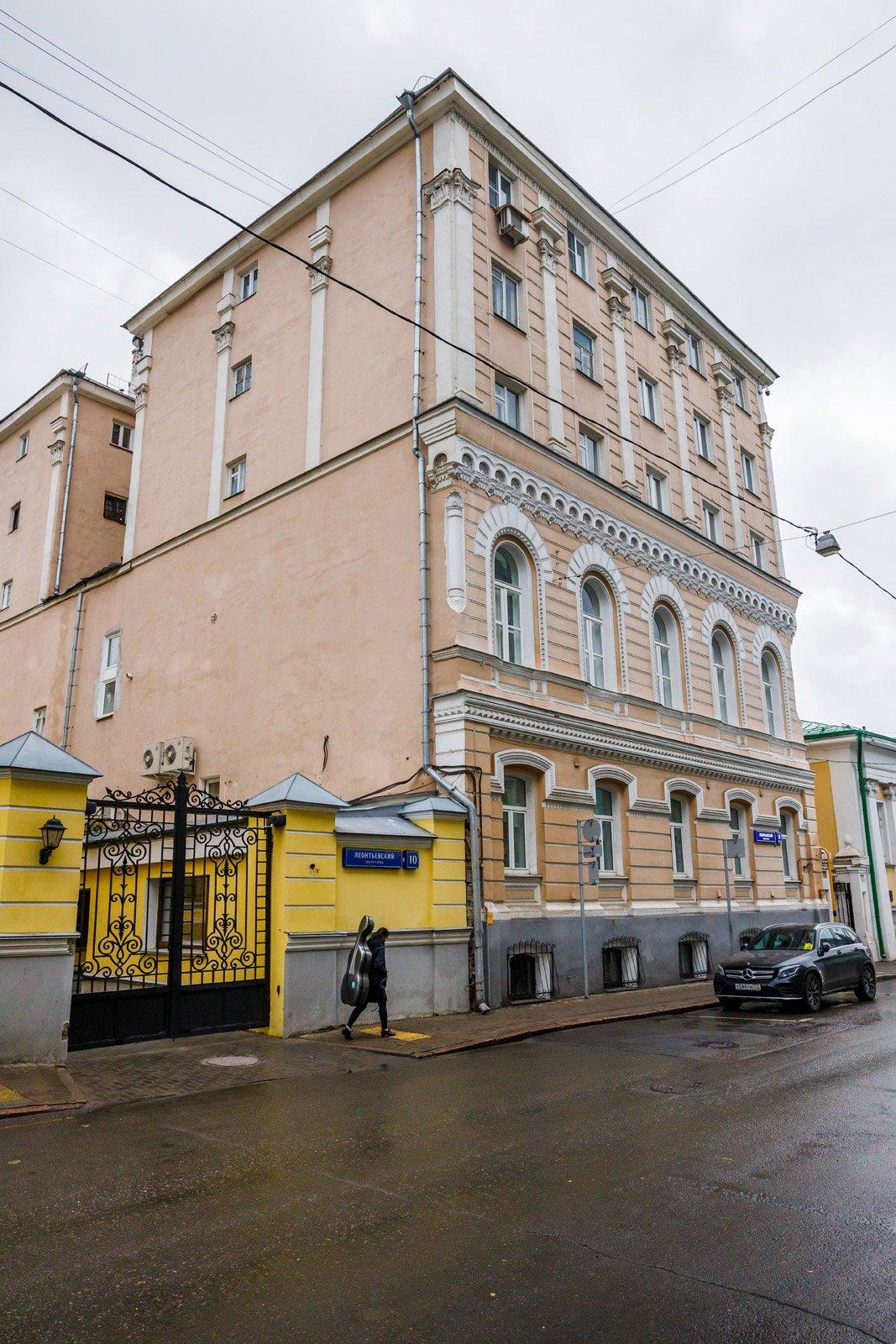
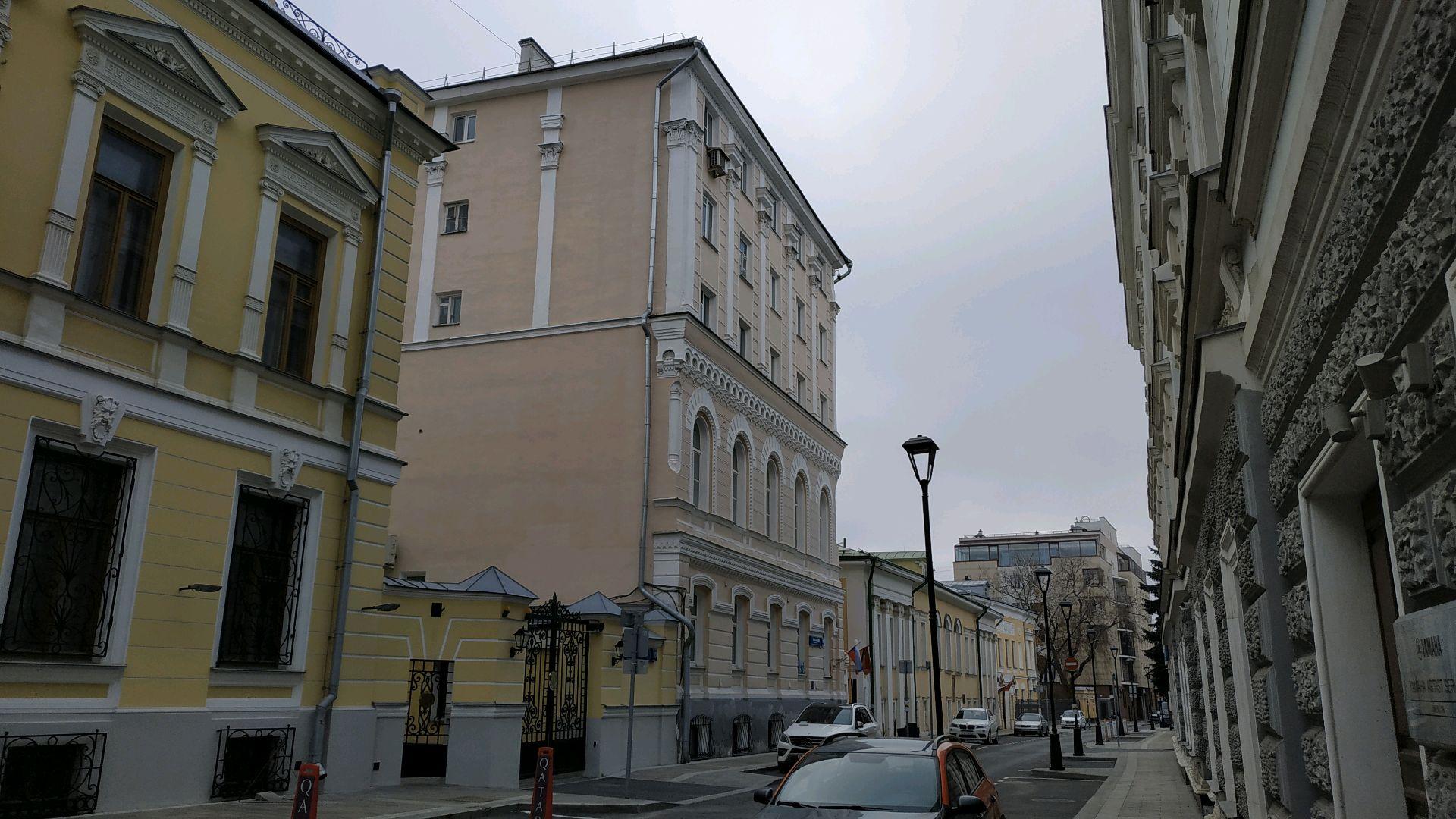
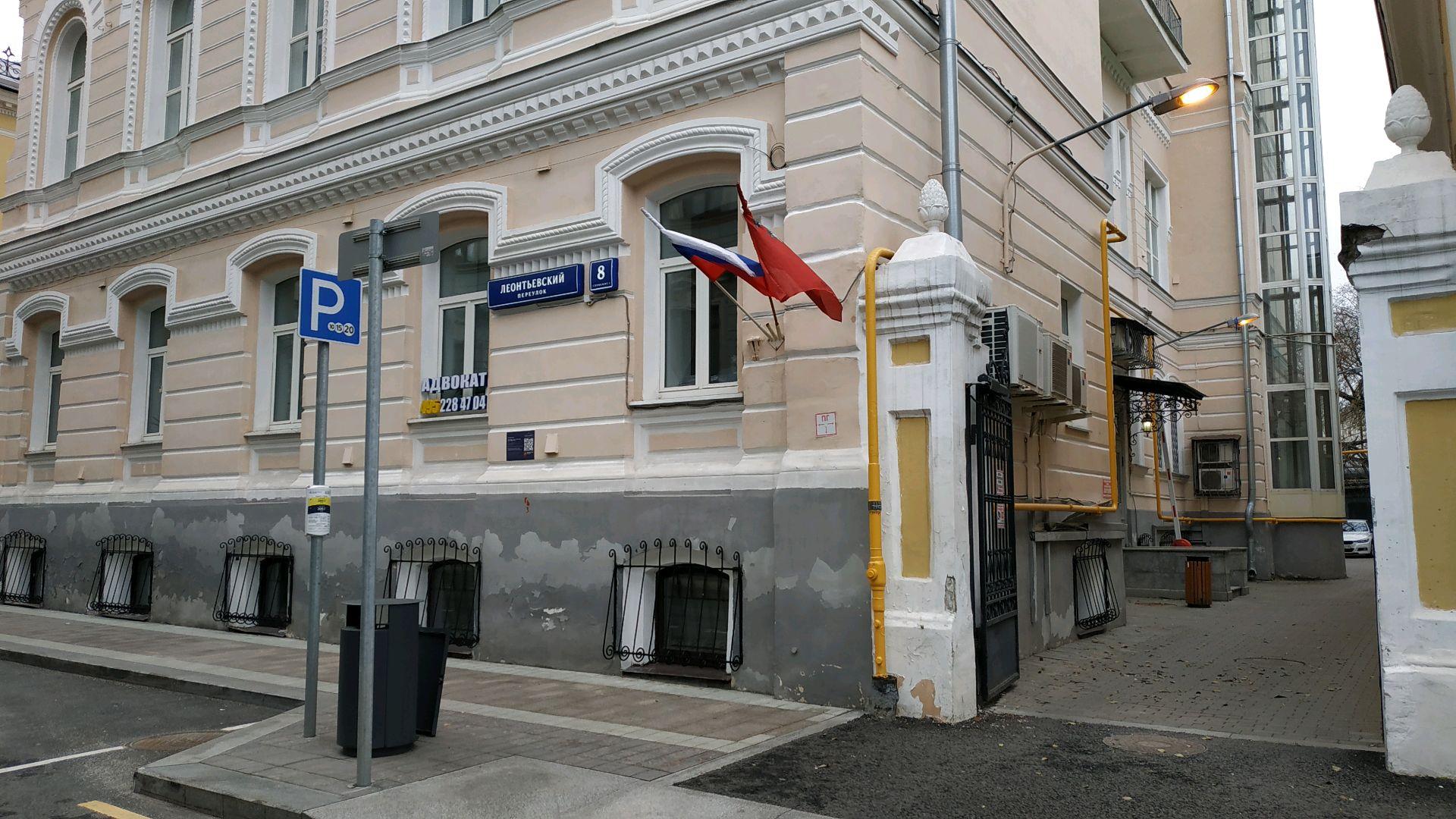
Доходный дом в Леонтьевском переулке – любопытный образец столичной архитектурной эклектики, доходящей в данном случае до откровенного «разностилья». А также – пример превращения индивидуального частного особняка в доходный дом.

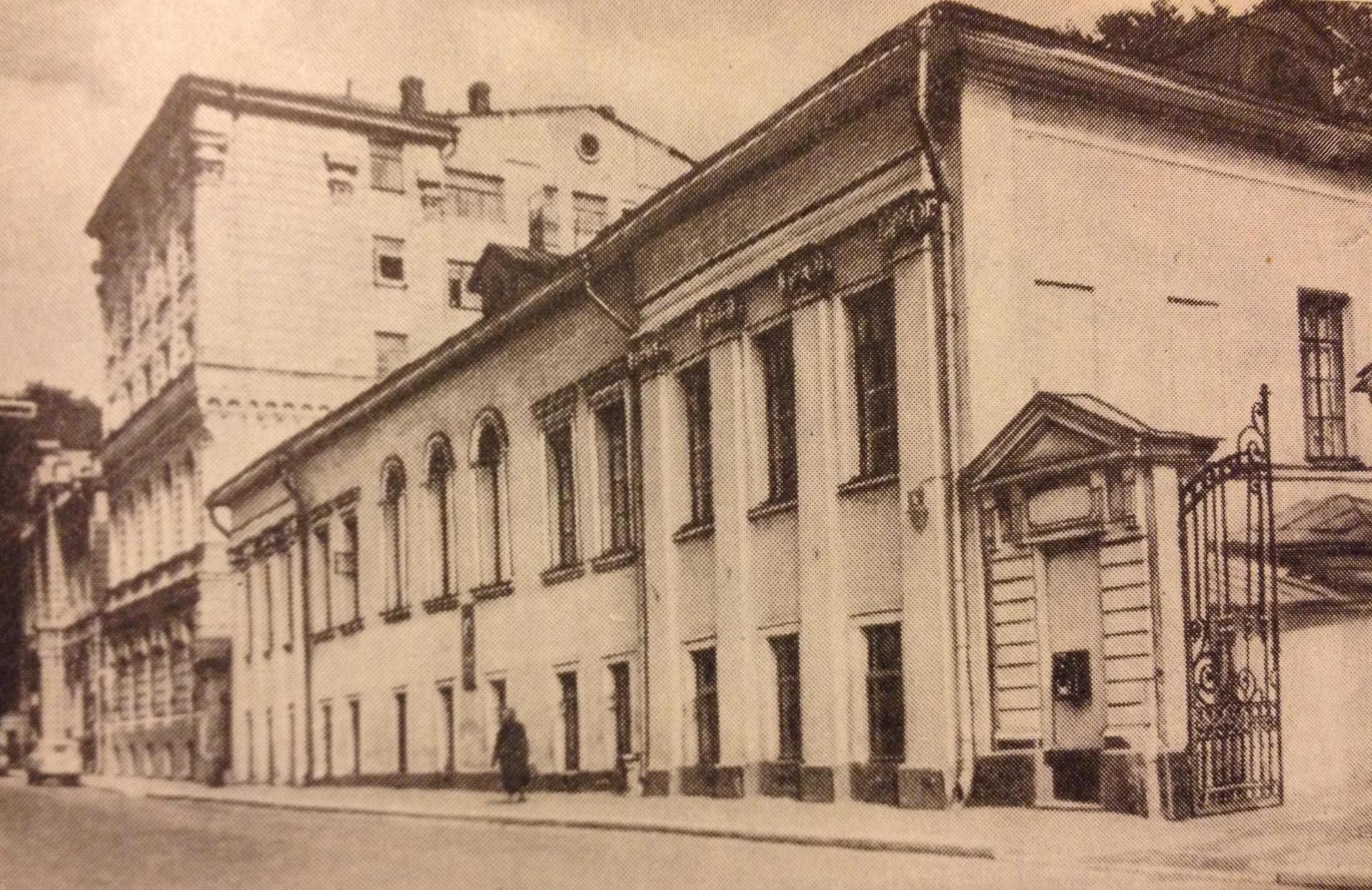
Нижние два этажа дома, поставленные на невысокий цоколь, построены в 1896–1898 годах по проекту архитектора Александра Каминского, одного из знаменитых московских зодчих последней трети XIX века. В строительстве принимал участие архитектор Август Вебер, который еще в начале 1880-х годов работал вместе с Каминским над сооружением павильонов Всероссийской художественно-промышленной выставки на Ходынском поле.

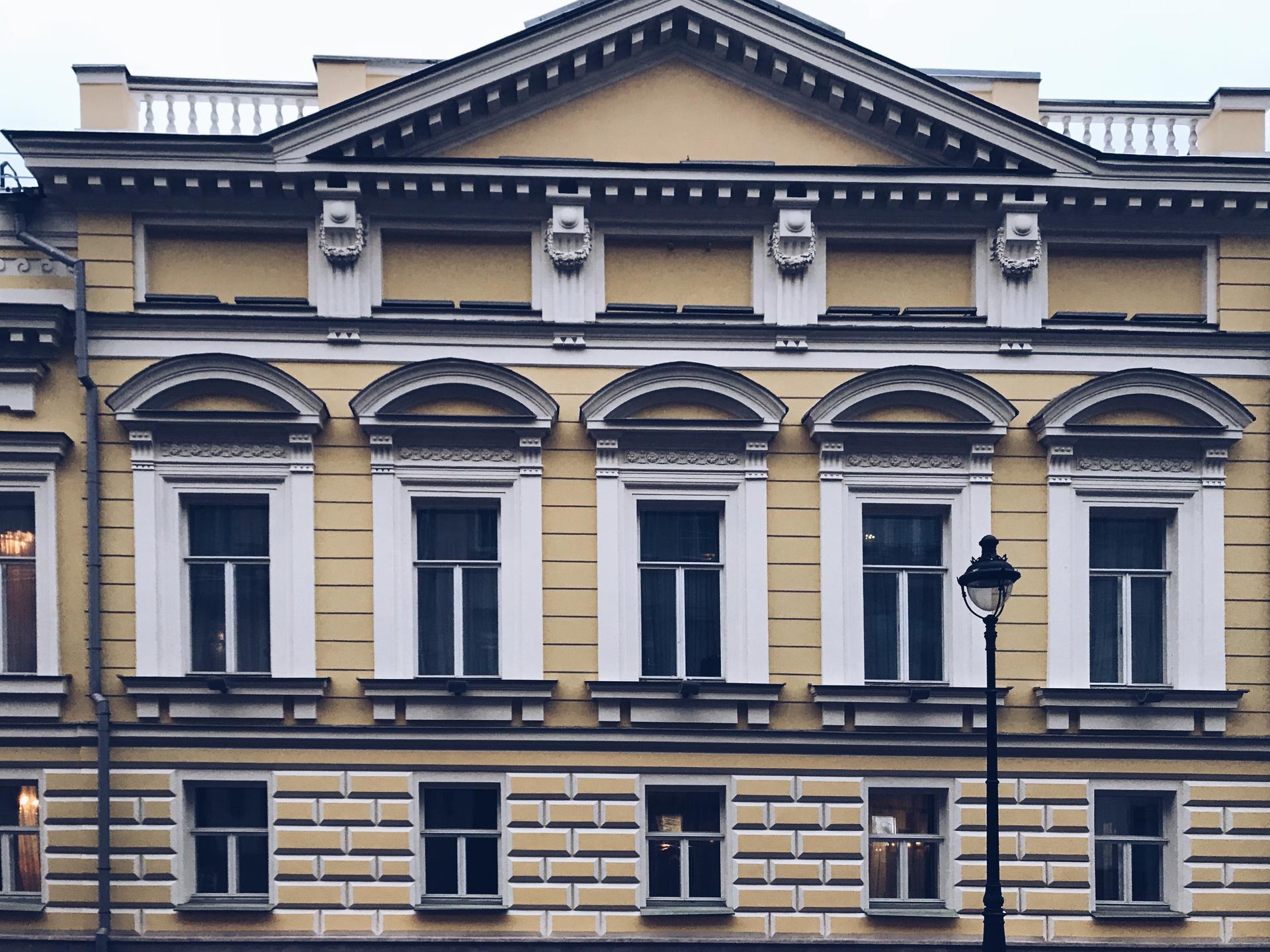
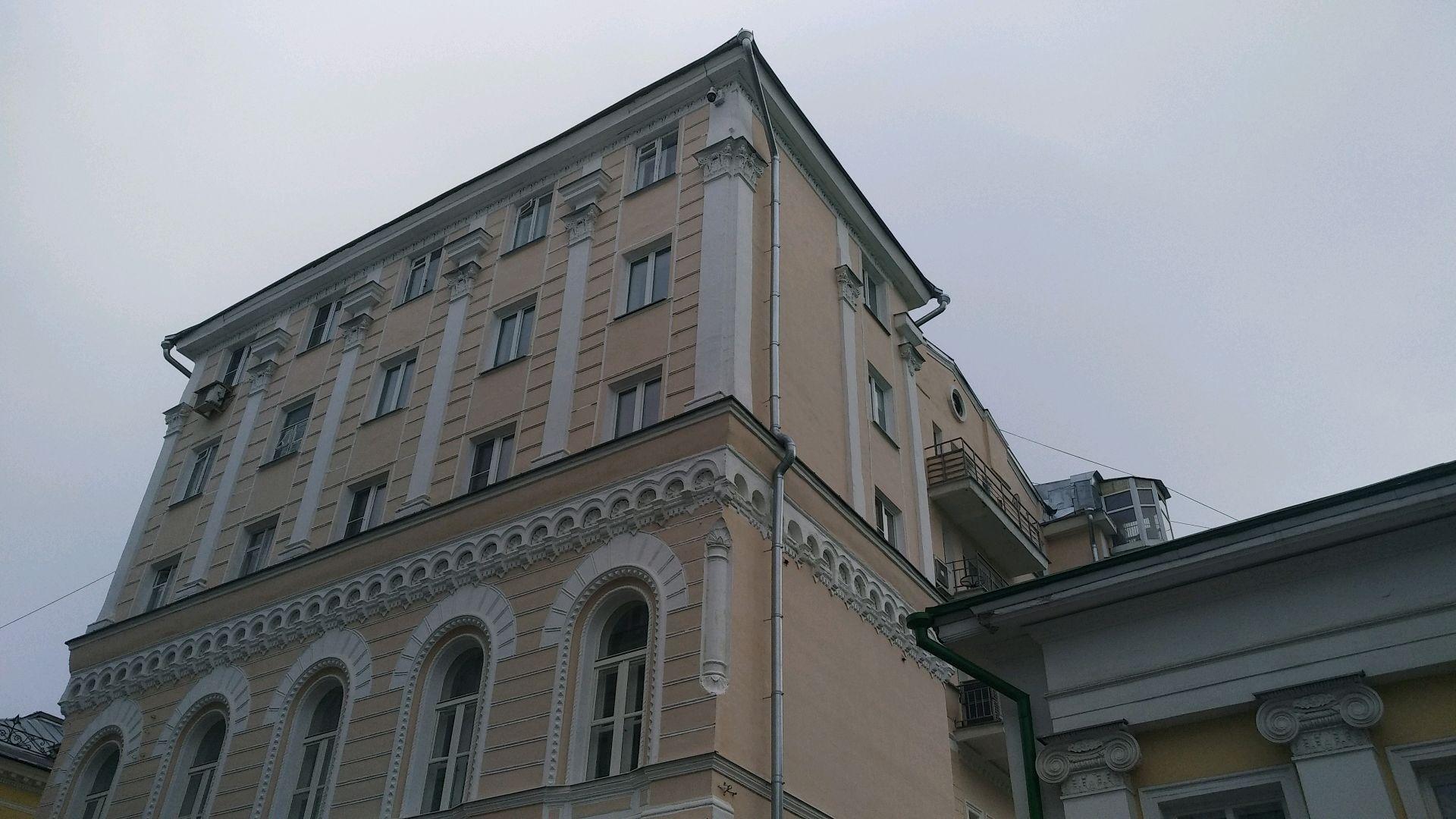
Дом строился для В.Б.Спиридоновой, жены потомственного почетного гражданина. Она была известна всей Москве как благотворительница: в частности, пожертвовала огромную по тем временам сумму в 300 тысяч рублей на богадельню на Петербургском шоссе. Фасады дома Спиридоновой стилизованы зодчим под архитектуру итальянского ренессанса и воспроизводят образ небольшого «палаццо» с полуциркульными окнами в парадном втором этаже и характерным карнизом из крохотных арочек. Отделка парадных залов второго этажа с четырехметровыми потолками отличалась роскошью.

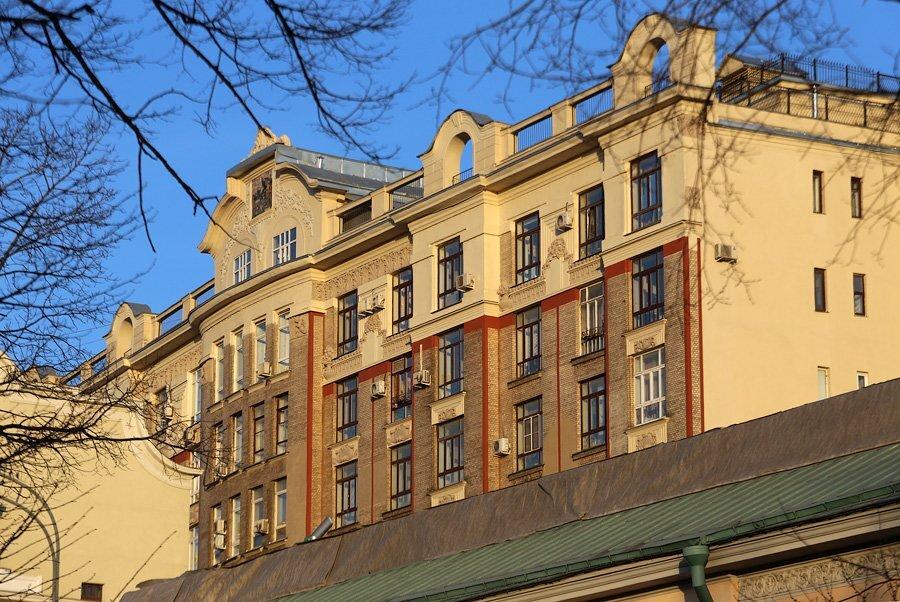
А вот верхние три этажа здания надстроены в 1912 году, когда домовладения в центре Москвы стали заметно расти в высоту. Именно тогда небольшой частный особняк стал доходным домом, соответствующим новому масштабу городской застройки. Его верхние этажи оформлены уже в традициях классицистической эстетики, ставшей модной в начале ХХ века, украшены пилястрами «большого ордера», зрительно объединяющими всю надстройку. Но в результате нижняя и верхняя части сооружения заметно контрастируют друг с другом по стилю.

В 1920-е годы в здании, национализированном советской властью, размещался «Дом художественного воспитания». Но большинство помещений по-прежнему занимали жилые квартиры.

Внутри дома частично сохранилось убранство интерьеров парадных залов времен Спиридоновой, уцелела историческая лепнина, отреставрирована мраморная парадная лестница.

Дом имеет статус исторически ценного градоформирующего объекта. В современной Москве он сохранил первоначальную жилую функцию, только считается уже не доходным, а элитным жильем.

The Tenement Building in the Leontyevsky Lane is a distinctive example of the Moscow architectural eclecticism which, in this case, resulted in quite a mish mash of different styles. Moreover, it illustrates how a private mansion was turned into a tenement building.

The two lower floors of the building resting on a low plinth were built in 1896–1898 under the design by Alexander Kaminskiy, one of the famous Moscow architects of the last third of the 19th century. Architect August Weber has also contributed to the design and construction. In 1880s he worked with Kaminskiy on the construction of the pavilions of the All Russian Art and Industry Fair on the Hodynskoye Field.

The house was built for V.B.Spiridonova, the wife of a hereditary honourable citizen. Mrs. Spiridonova was a well known philanthropist in Moscow: in particular, she donated 300 thousand roubles, a huge amount of money at the time, for a hospice on the Petersburg Road. The Spiridonova's house facade decor simulated the Italian Rinascimento architectural style and mimicked a small palazzo with semicircular windows in the first "formal" floor and a typical cornice of tiny arches. The formal rooms in the first floor with four meter ceilings were lavishly decorated.

The upper three floors, however, have been added in 1912 when buildings in the downtown Moscow started tending to become taller. It was then that a small private house has become a tenement building in line with the new scale of the urban environment. Its upper floors have been designed in the classical style that came in vogue at the turn of the centuries; they were decorated with the "giant order" pilasters that make the upper floors look as a whole. However, it resulted in a stark style contrast between the lower and the upper parts of the building.

In 1920s, the building has been nationalized and was occupied by the House of Art Education. Most of the rooms, however, were still used as residences.

Inside, interior decor of the formal rooms dating back to the Mrs. Spiridonova times has partly survived: authentic moulding and restored main staircase.

The building has a status of a valuable historical element of urban environment. Nowadays, it still functions as a residential building; however, instead of tenements there are high class apartments there.

Konstantin Mikhailov
Автор статьи: Константин Михайлов
Поделитесь статьей с друзьями
Интересное рядом(35)
MAT
Tverskaya
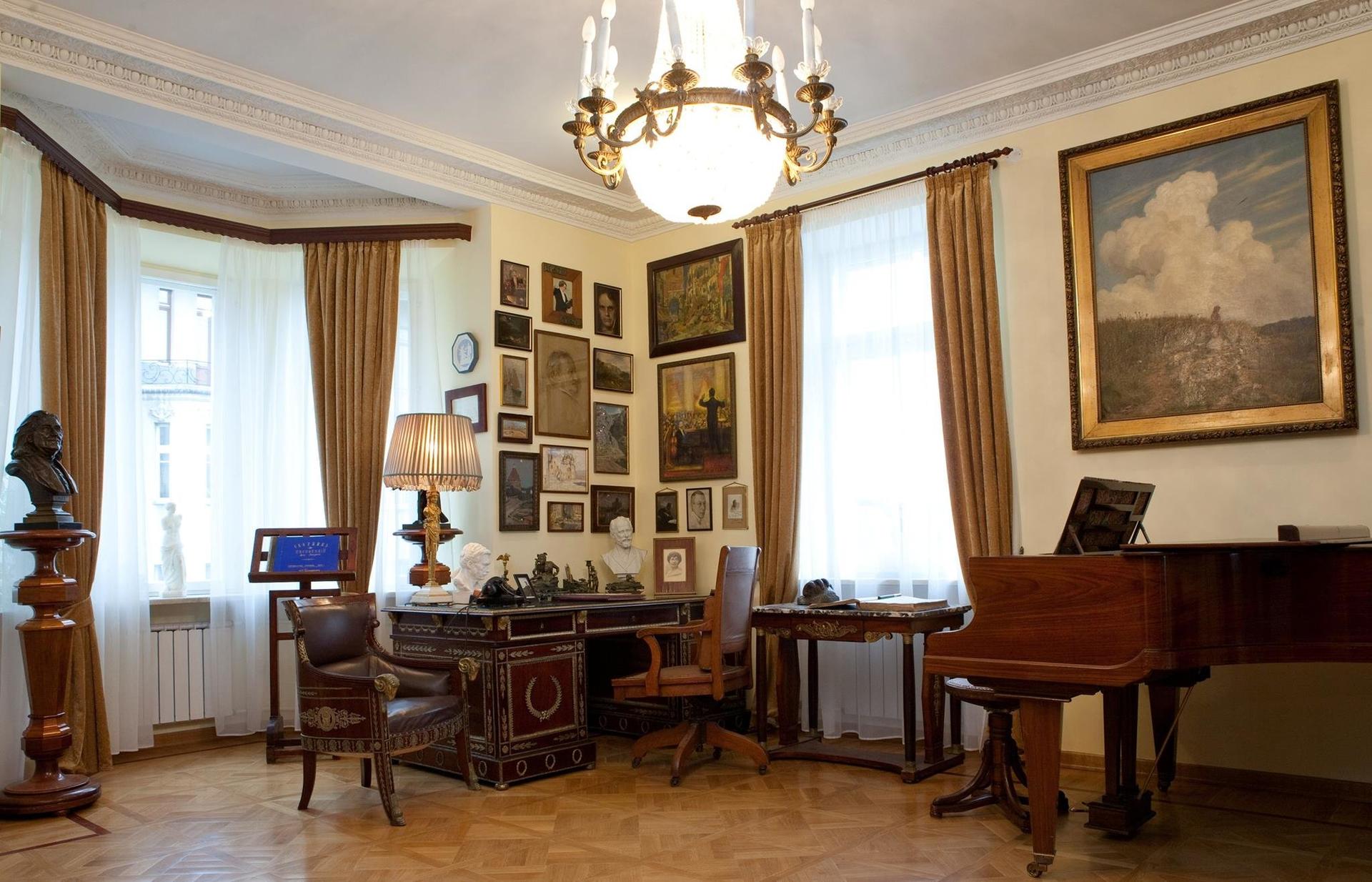
Museum-Apartment of N.S. GolovanovThe museum-apartment of Nikolai Semenovich Golovanov (1891–1953), a great conductor, composer and pianist, has been going on since 1969, when, after the death of the musician’s sister, this apartment became part of the Russian National Museum of Music. The base of foundations was the richest heritage of the musician: his collection of paintings, sculptures, applied arts, a library, an archive and a music library. Over the years, the value of this heritage has steadily increased. Golovanov’s status as a conductor and composer has changed: now this master is recognized as great. Wonderful concentration of spirituality, creative energy, the true scope of his work amazes. His personality attracts, above all, loyalty to the high moral principles established from childhood and uncompromising, selfless service to art. The memorial apartment of the conductor, which stores a variety of rarities, is also amazing. The house itself in Bryusov Lane, in which it is located, is a cultural monument. He belonged to the Bolshoi Theater. Such luminaries of Moscow’s vocal art as A.V. Nezhdanova, N.A. Obukhova, I.S. Kozlovsky, A.S. Pirogov, M. P. Maksakova had been living here since 1935. Golovanov lived in this house for about twenty years (1935–1953). During these years, he became a leading figure in the musical life of Moscow. He leaded the orchestra of the All-Union Radio and later the Bolshoi Theater. Three rooms of this apartment (study, living room, dining room) are memorials. Here almost every object remembers Golovanov. And in the former bedroom the archive materials are concentrated, allowing to trace the path of the musician. The initial stage is study at the Synodal School of Church Singing (1900–1909), which was conducted under the guidance of such masters as choir masters V. S. Orlov, N. M. Danilin, composers P. G. Chesnokov, A. D. Kastalsky, Vic. S. Kalinnikov. Golovanov wrote at the declension of years: “The Synodal school gave me everything: moral principles, principles of life, iron discipline, the ability to work a lot and systematically, instilled in me a sacred love of work.” The next stage is studying at the Moscow Conservatory in the class of composition and theory with S. N. Vasilenko and A. A. Ilinsky. At the same time, Golovanov did not lose contact with the Synodal School, becoming his teacher and regent’s assistant of the famous Synodal Choir. From 1915 to almost the last days - work at the Bolshoi Theater (with three forced breaks). These were the culminating years in the theater's life. Such masterpieces as productions by “Boris Godunov”, “Sadko”, “ Khovanshchina " (1948-1950) were created under the direction of Golovanov and his eminent “team” (artist F. F. Fedorovsky, directors L. V. Baratov, B. A. Pokrovsky and other outstanding masters). The management of Golovanov Large Symphony Orchestra of Radio was no less effective. Especially his activity in Moscow during the Great Patriotic War is important. Live broadcasts of the orchestra performances raised the spirit of even people far from music. In the photo of 1943 we see the conductor during the first performance of the Third Symphony in the USSR by S. V. Rakhmaninov. The exposition also reflected Golovanov’s composer’s work of various years, starting with the piano variations of his childhood years and ending with the spiritual chants of the 1940s. A special section is devoted to the long-term union of Golovanov and A. V. Nezhdanova: the musician was the accompanist and husband of the great singer. Entering the memorial rooms of the Museum, visitors immediately plunge into the world of art. Pictures of first-class artists (I. I. Levitan, M. V. Nesterov, K. A. Korovin and many others), sculptural portraits, antique furniture in the Empire style, stucco molding on the ceilings - everything creates a unique atmosphere. At the same time, the “handwriting” of Golovanov is felt. Features of theatricality are already visible in the planning of the apartment: the living room corresponds with the library like a theater hall and a stage. Doors with bronze mythological figures are remarkable. Although the genres, themes of paintings and sculptures presented in the memorial rooms are diverse, each room has its dominants. The study is the most "musical" room. There are many portraits of composers, conductors, as well as people of art and literature. Images related to religious themes, and images that embody the ideals of female beauty occupy a significant place in the living room. Travel in time and space: Russia and England, Italy and Egypt, India and the fabulous Berendeyev Kingdom, ancient antiquity and the 20th century is the thematic dominant in the dining room. Architectural masterpieces of the world come to life on paintings - the Taj Mahal mausoleum painted by V.V. Vereshchagin, the Pskov Kremlin by V.V. Meshkov, and the Venetian Doges Palace in the picture by I.K. Aivazovsky. And another attraction of the Museum is its visitors in the past and in the present. After all, Golovanov was visited by many outstanding musicians and artists. The owner of the apartment loved to arrange a feast on holidays and memorable days. Frequent guests were the singers of the Bolshoi Theater, who lived in the same house - Obukhov, Maksakova, Pirogov, Kozlovsky and others. Conductors B. E. Khaikin, K. P. Kondrashin, G. N. Rozhdestvensky, F. Sh. Mansurov, Yu. I. Simonov spoke here with memories and conversations after the Museum was opened (1974). Among the visitors of the concerts are the composer V. A. Gavrilin, the ballerina E. S. Maximova, the singer Z. A. Dolukhanova. And at the present time there are many things in the Museum that attract both conductors, professional musicians, painting connoisseurs, music lovers, and a wide circle of people who want to touch the world of beauty.
г. Москва, Леонтьевский пер., д. 6
Pushkinskaya, Tverskaya, Chekhovskaya