Интерактивный гид по городу
С мобильным приложением бродить по городу гораздо интереснее!

Bakhrushin tenement building on Tverskaya

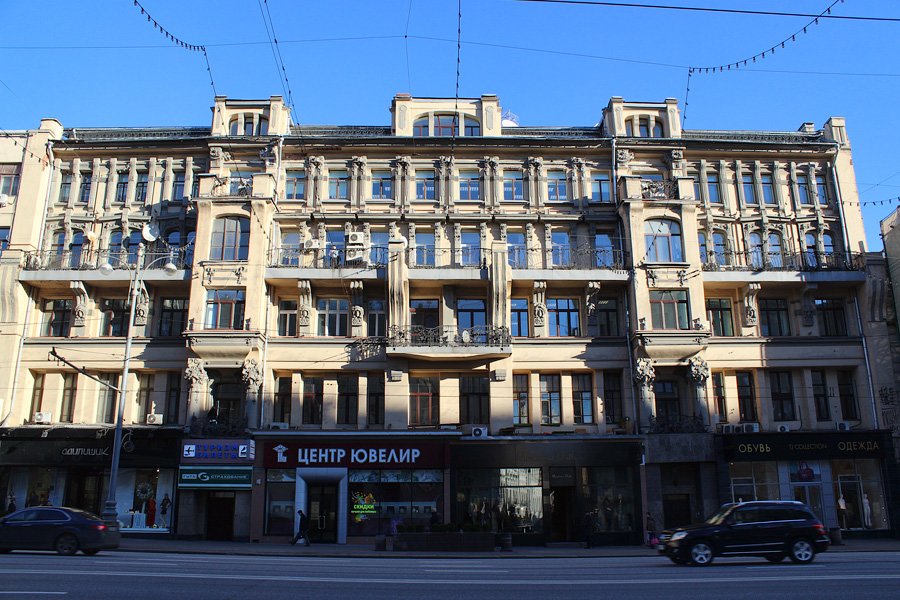
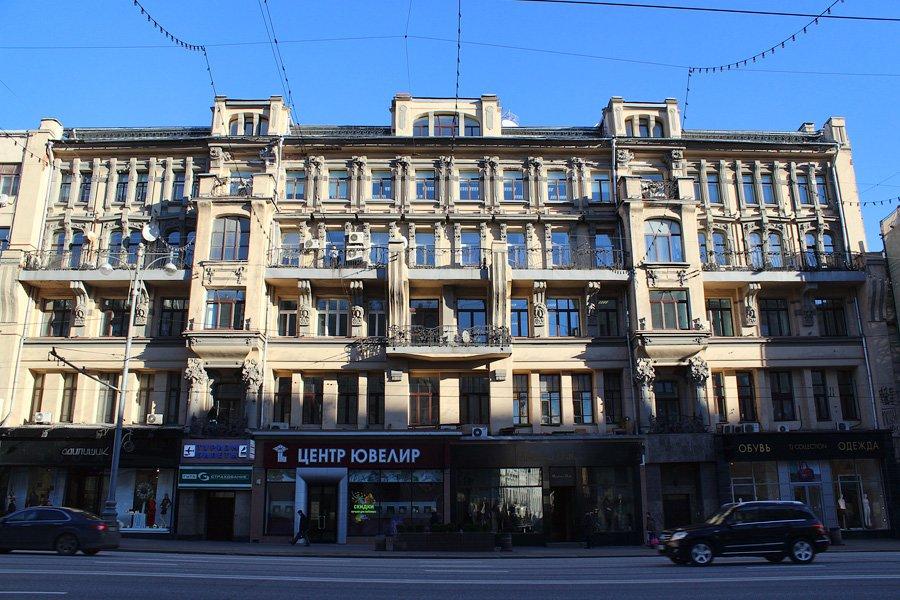
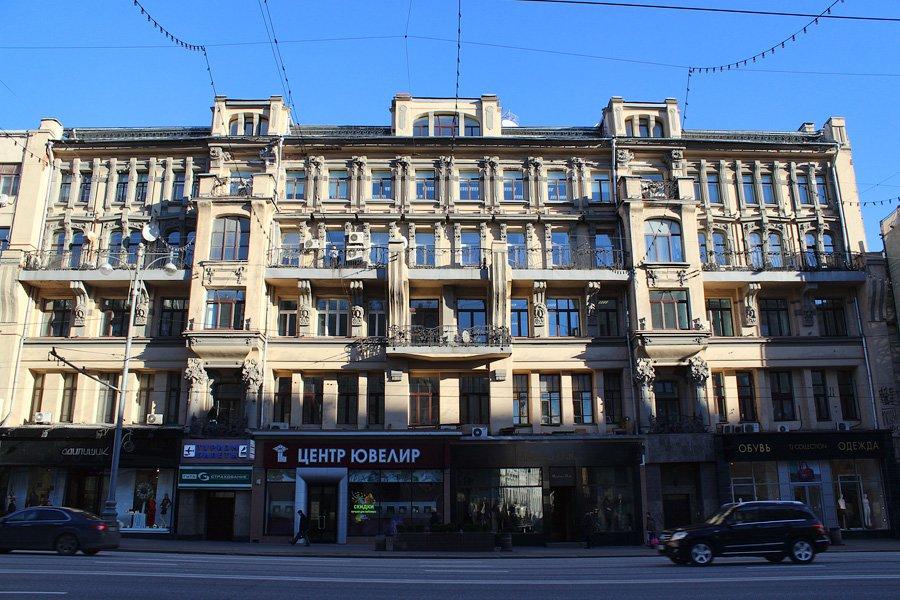
A five-storey residential tenement building with shops on the first two floors was built on a lot, which was owned by the Partnership "A. Bakhrushin sons", by the architect Carl Gippius in 1900-1901.

Bakhrushin tenement building on Tverskaya
Tverskaya
A five-storey residential tenement building with shops on the first two floors was built on a lot, which was owned by the Partnership "A. Bakhrushin sons", by the architect Carl Gippius in 1900-1901.
3.72
Вы можете воспользоваться QR-кодом, чтобы открыть эту страницу в нашем приложении
Архитектурный стиль:
Эпоха:
1900s
Информация о здании

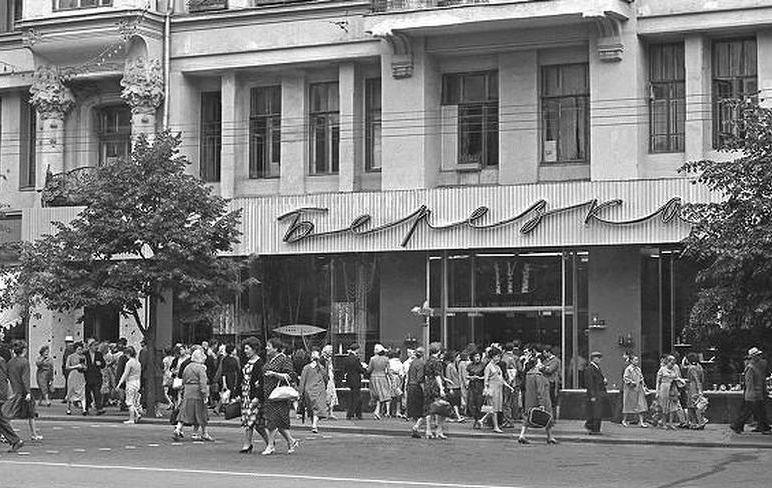
Пятиэтажный жилой доходный дом с магазинами на первых двух этажах построен на участке, принадлежавшем Товариществу «А. Бахрушина сыновья», архитектором Карлом Гиппиусом в 1900-1901 годах.

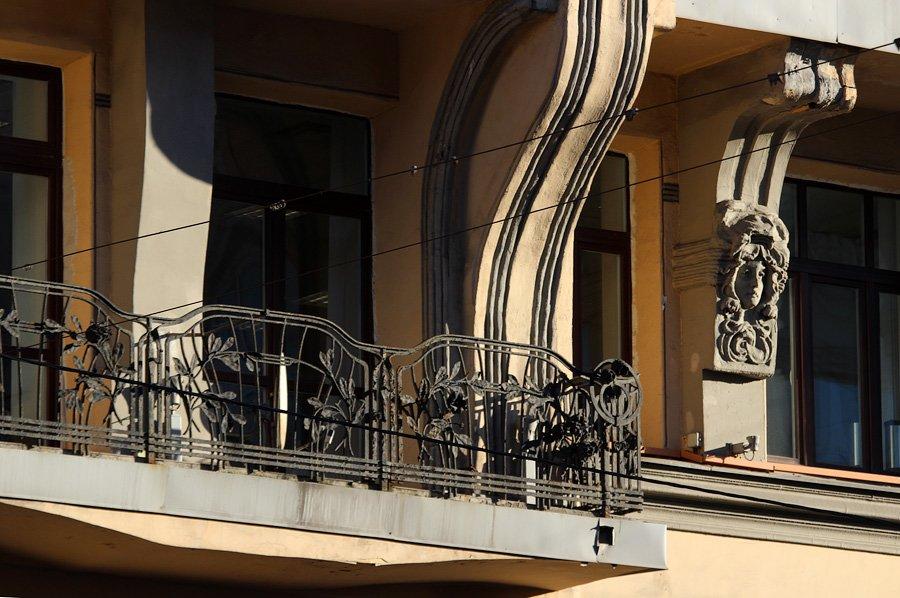
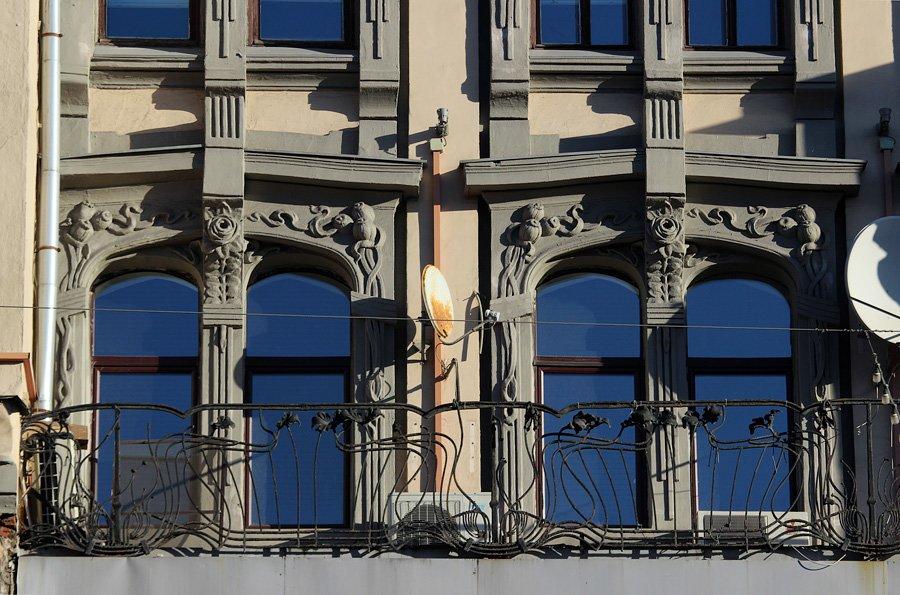
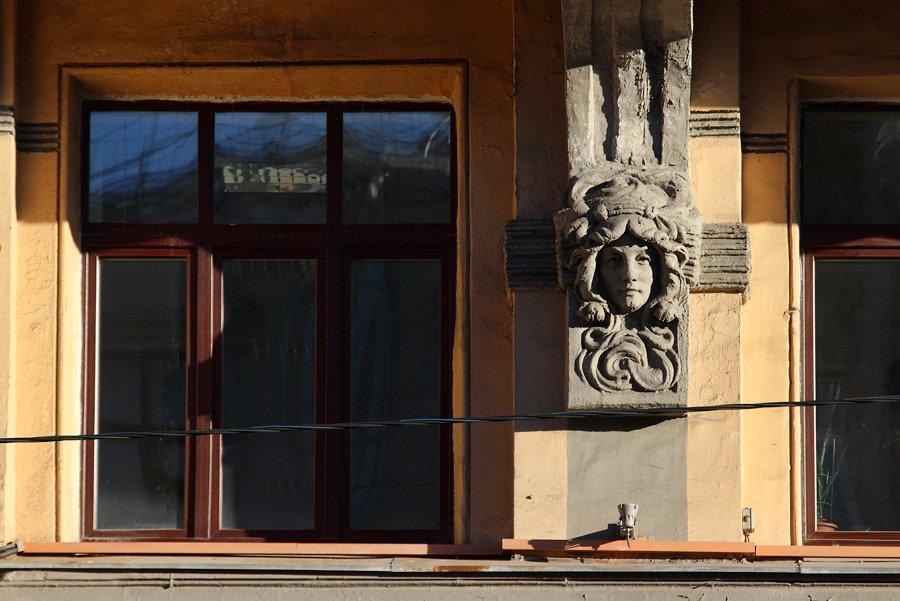
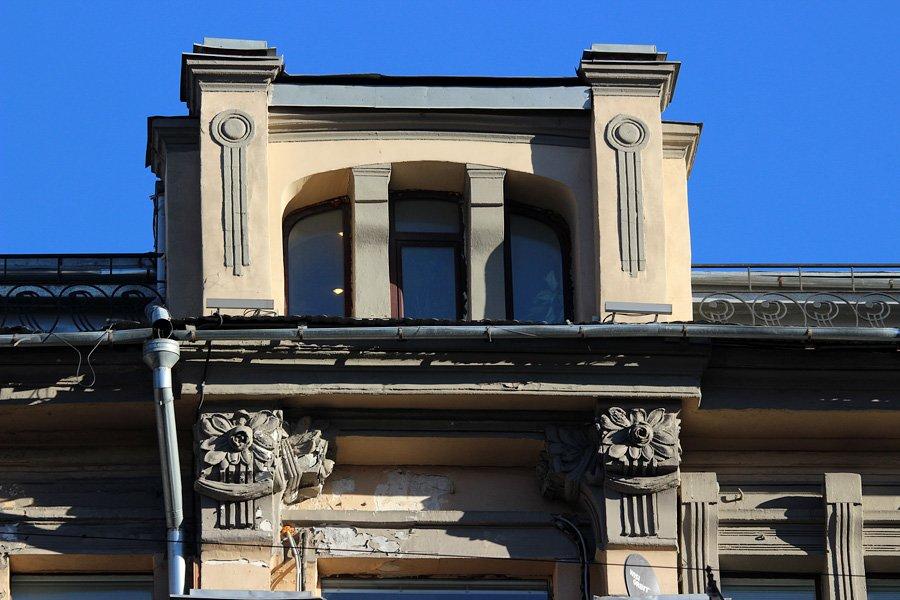
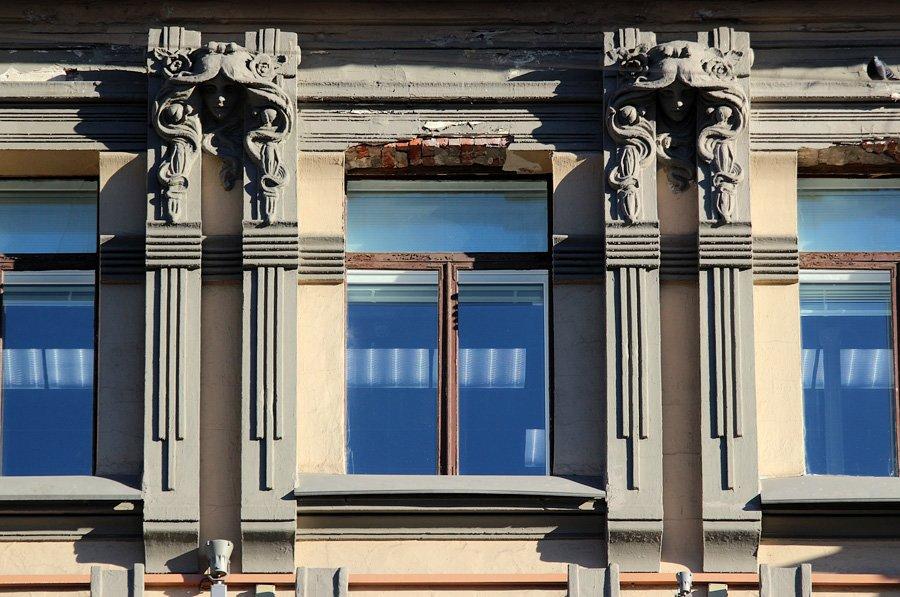
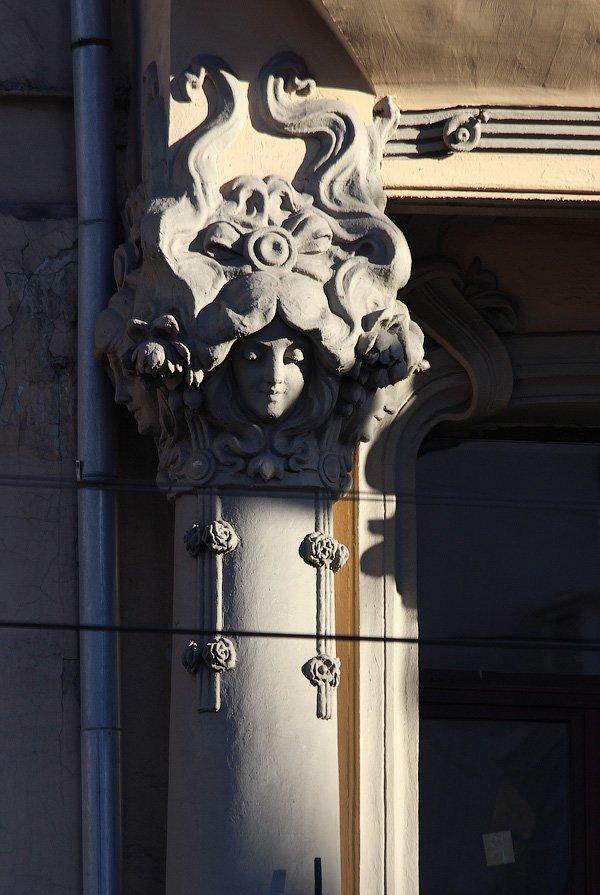
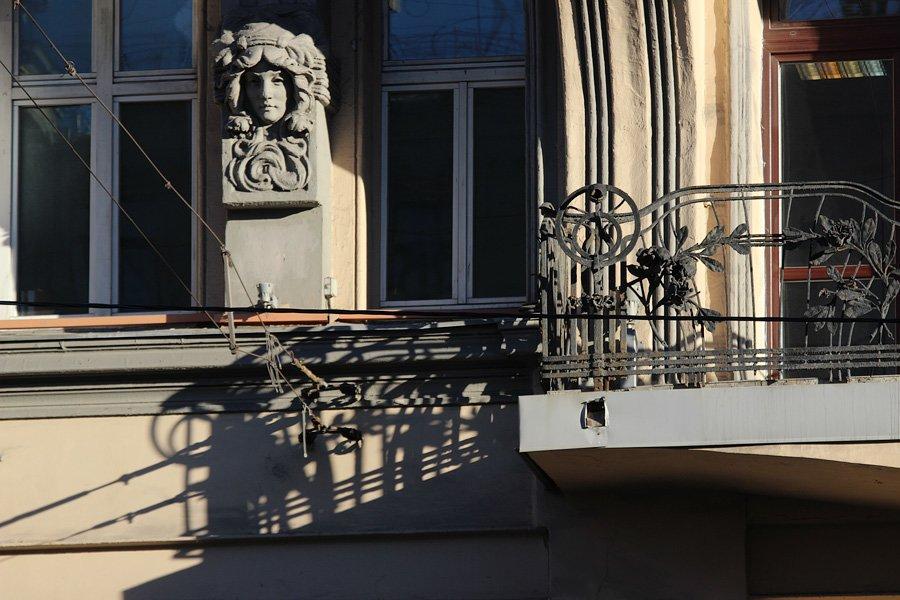
Карл Гиппиус – крупный московский архитектор, много строивший для семьи Бахрушиных в разных их владениях. В его творчестве присутствуют разные течения, мотивы модерна. В этом доходном доме явно присутствуют мотивы французского ар нуво. Его фасад имеет причудливый сочный декор – один из характерных образцов московского модерна. Самым запоминающимся декоративным элементом дома являются металлические огаждения балконов – тонкие стебли с качающимися венчиками цветов. Два эркера по бокам фасада поддерживаются короткими колонками с капителями в виде женских масок с развивающимися волосами – лорелеями. По всему фасаду на уровне 4 этажа тянется балкон, в кронштейнах которого тоже лорелеи, они же подпирают козырек дома в центре. Вообще это самый богато декорированный дом архитектора Гиппиуса.

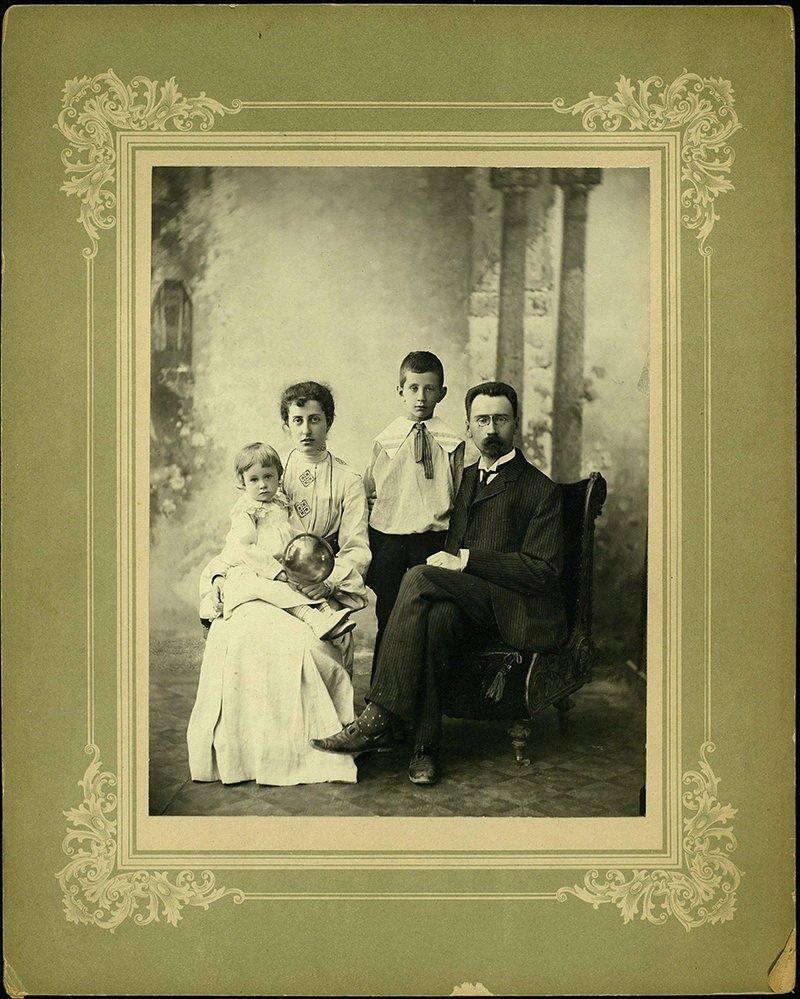
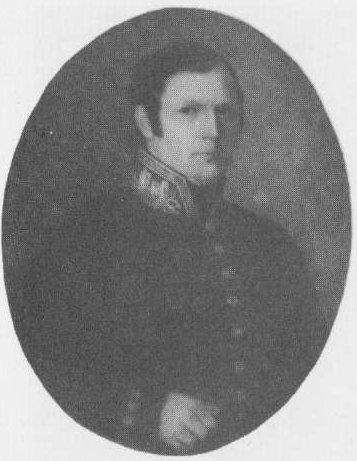
Купцы Бахрушины ведут свой род из Касимова. В Москву родоначальник их Алексей Федорович Бахрушин пришел с супругой и тремя сыновьями из Зарайска. Они обосновались сначала на Таганке, а потом создали крупное кожевенное производство в Кожевнической слободе, куда и переселились. Там им принадлежало два крупных производства – кожевенный завод и суконная фабрика, а так же половину улицы Кожевнической занимали их жилые дома. Вырабатывали они разные виды кож, от грубой невыделанной кожи до сафьяна и лайковых перчаток. Имели свой клеевой завод.

После неожиданной смерти Алексея Федоровича осталось много долгов, и на семейном совете братья решили никогда не делить дело, не брать деньги в долг и часть ежегодной прибыли пускать на благотворительность. Чему и следовали вплоть до революции. Их в Москве называли даже «професиональными благотворителями». Ими построены и содержались Вдовий дом или дом бесплатных квартир для вдов и курсисток на Софийской набережной, больница для неизлечимых больных на Стромынке, детский приют или убежище для детей, покинутых родителями. Кроме того они учреждали стипендии учащимся 5 учебных заведений – Московского университета Духовной академии, Коммерческого интститута и гимназии. Они давали деньги многим городским попечительствам о бедных, о народной трезвости и другим благотворительным заведениям.

На деньги А.А. Бахрушина и при его деятельном участии был выстроен Введенский народный дом на Введенской пл, теперь площадь Журавлева. Всего на дела благотворительности по грубым оценкам с 1882 года по 1917 год ими было потрачено почти 6 млн. рублей.

Многие Бахрушины являлись известными коллекционерами. Алексей Алексанрович Бахрушин создал удивительный театральный музей, который передал Императорской Академии Наук. Его кузен Алексей Петрович Бахрушин был самым известным и фанатичным в Москве коллекционером старинных книг и предметов. После его смерти вся коллекция передана в Исторический музей.

За доходным домом, выходящим на Тверскую своим фасадом, Гиппиус выстроил целый комплекс из четырех доходных домов для Товарищества «А. Бахрушина сыновья» по Козицкому переулку.

Carl Gippius was a famous Moscow architect, who built a lot of properties for Bakhrushin family. There are different trends in his work, motifs of modern. French Art Nouveau motifs are clearly present in this tenement building. Its facade has a quaint lush decor - one of the most characteristic examples of the Moscow Art Nouveau. The most memorable decorative element of the house are the metal balcony rails which look like thin stems with swaying flower-buds. Two bay windows on the sides of the facade are supported by short columns with capitals in the form of a female masks with Lorelei flying hair. Balcony stretches across the entire façade on the level of the 4th floor, in consoles of which there are Loreleis also; they are also propping the abat-jour of the house in the center. Generally speaking, this is the most richly decorated house by Gippius. Merchants Bakhrushins are tracing their ancestry to the city Kasimov. Progenitor of the family Alexei Fedorovich Bahrushin came to Moscow with his wife and three sons from Zaraysk. They settled down first on Taganka, then build a large-scale leathermaking in Kozhevnicheskaya settlement, where they moved later. There they owned two large enterprises - a tannery and a cloth factory, and half of Kozhevnicheskaya Street were occupied by their dwelling houses. They developed different types of leather, from rough unskilled leather to morocco and kid gloves. They had their own glue plant. Alexei Fedorovich died unexpectedly, a lot of debts were left, and on the family council the brothers decided never to divide business, not to borrow money and spend a part of the annual profit to charity. This is what they followed up until the Revolution of 1917. In Moscow they were even called "professional benefactors”. They financed the construction and maintenance of the “Widows house” on the Sofiiskaya Embankment - that provided free apartments for widows and girl students; the hospital for the terminally ill at Stromynka; orphanage or shelter for children who were abandoned by their parents. In addition, they have established scholarships for 5 educational institutions - Moscow University of Ecclesiastical Academy, Commercial institute and gymnasium. They gave money to many city guardianship of the poor, for national sobriety and other charitable institutions. Vvedenskiy community hall on Vvedenskaya square (now Zhuravlev square) was constructed at A. A. Bakhrushin expense and with his active participation. Total Bakhrushin charity expenses are summed up to almost 6 million rubles during the period between 1882 to 1917. Several members of Bakhrushin family were known collectors. Alexei Aleksandrovich Bahrushin founded a wonderful theatrical museum, which he handed over to the Imperial Academy of Sciences. His cousin Alexei Petrovich Bakhrushin was well-known in Moscow and fanatical collector of antique books and objects. After his death, the entire collection was transferred to the Historical Museum. Right behind the tenement building, which façade overlooks Tverskaya street, Gippius built a complex of four tenement buildings for Partnership "A. Bakhrushin Sons" along the Kozitsky lane.
Автор статьи: Ирина Левина
Рекомендации
Поделитесь статьей с друзьями
Интересное рядом(2)
благотворители
Bakhrushin A. F.
предприниматель