Интерактивный гид по городу
С мобильным приложением бродить по городу гораздо интереснее!

Grigoryev’s Tenement House

Apart from sausage, Grigoryev’s brand store on the ground floor of the house on Pyatnitskaya Street offered a whole selection of specialty foods, including smoked and boiled ham, ham roulades, stuffed goose, duck, turkey, capon, poularde, suckling pigs, and cow tongues, both stuffed and smoked.

Grigoryev’s Tenement House
Apart from sausage, Grigoryev’s brand store on the ground floor of the house on Pyatnitskaya Street offered a whole selection of specialty foods, including smoked and boiled ham, ham roulades, stuffed goose, duck, turkey, capon, poularde, suckling pigs, and cow tongues, both stuffed and smoked.
3.81
Вы можете воспользоваться QR-кодом, чтобы открыть эту страницу в нашем приложении
Архитектурный стиль:
Годы постройки:
1903 - 1904
Архитекторы:
А.М. Калмыков
Эпоха:
1900s
Информация о здании

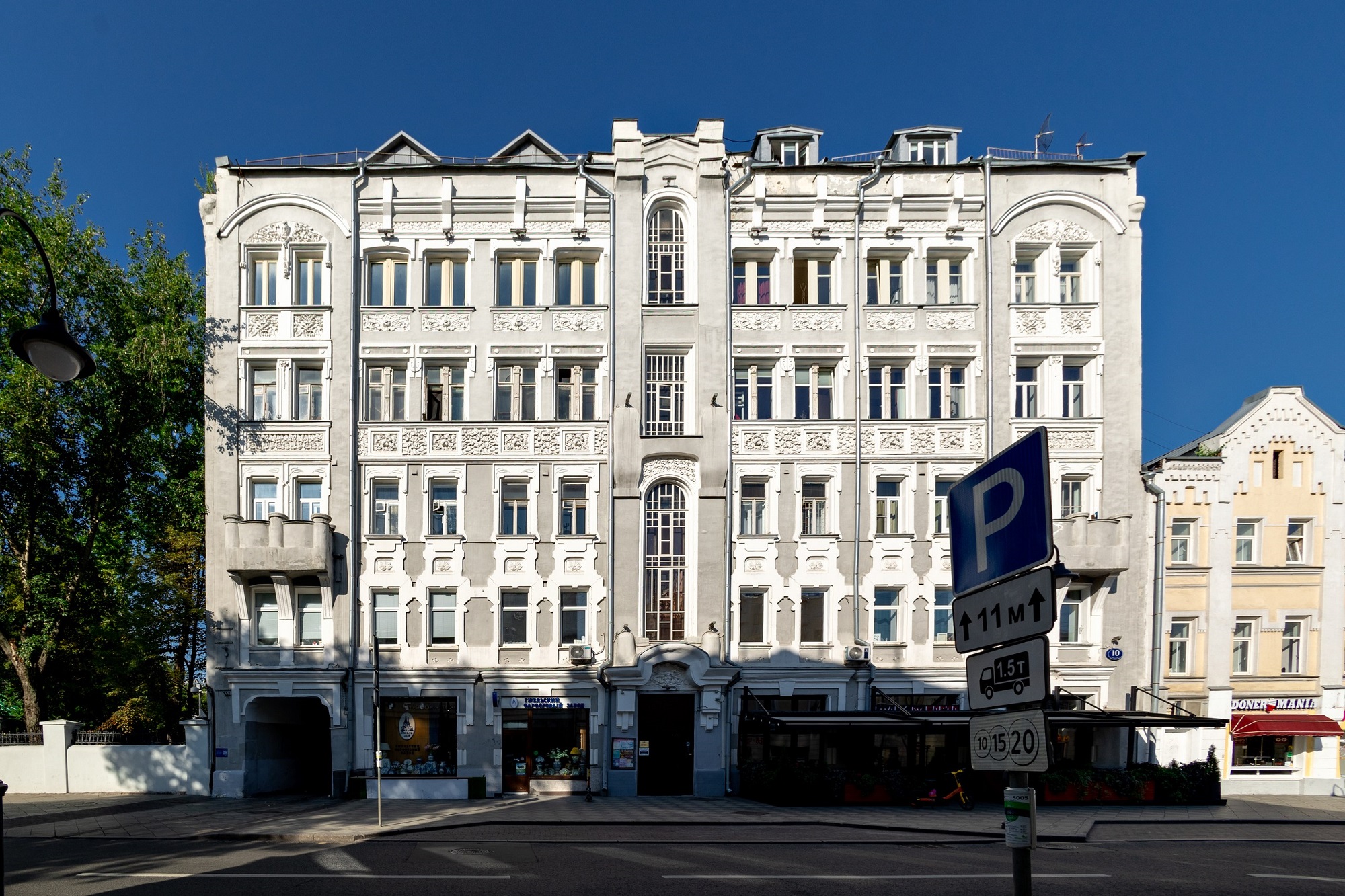
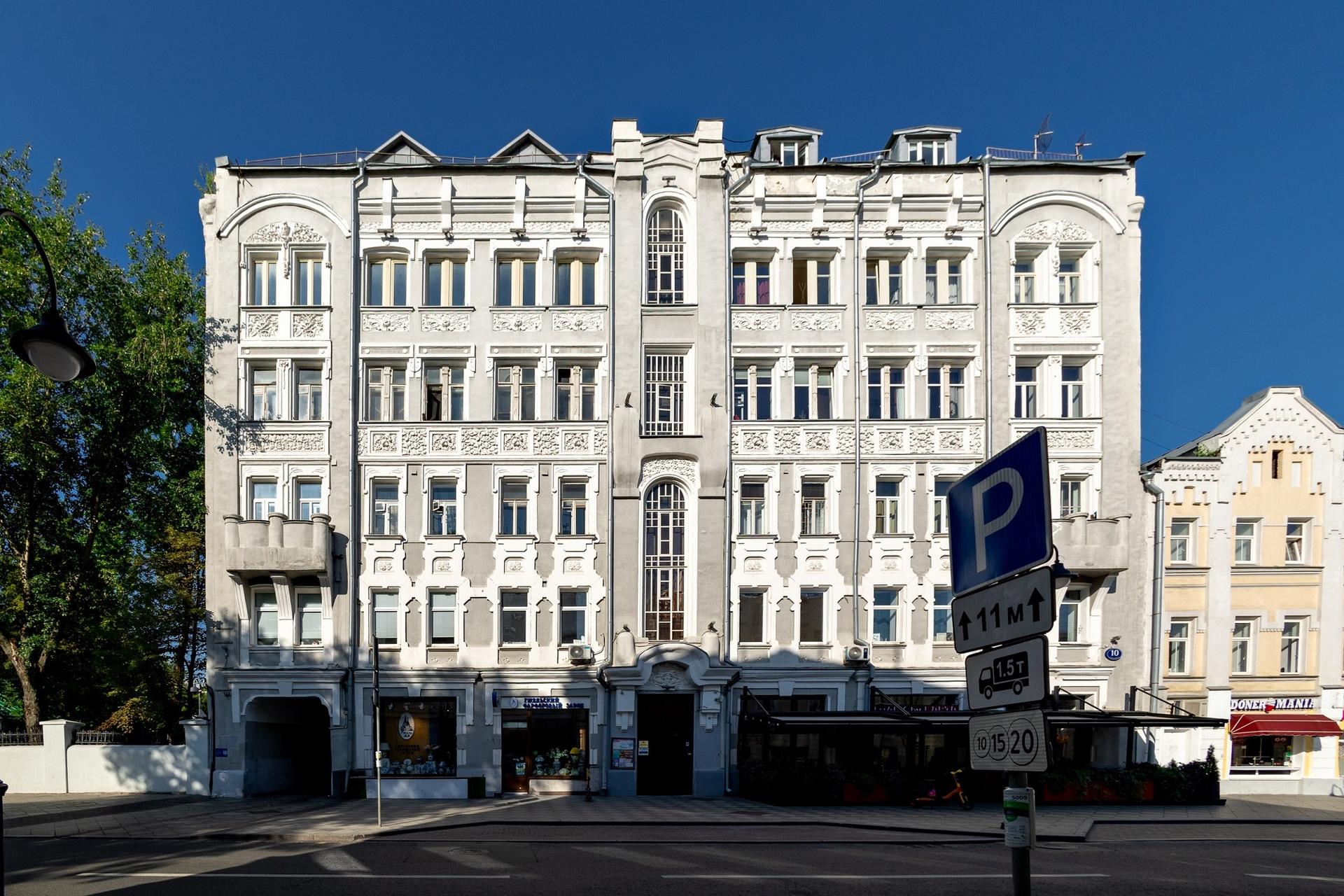
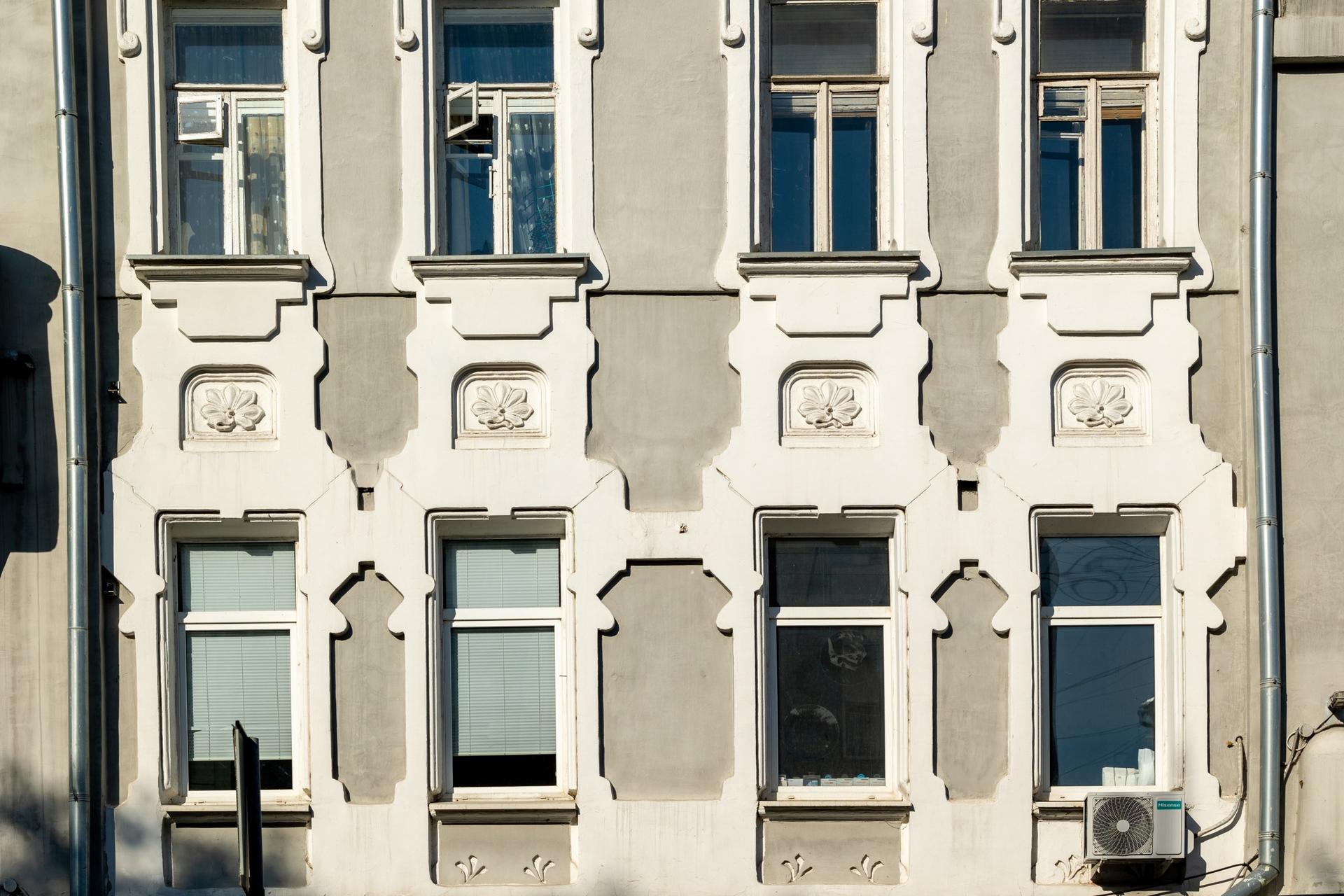
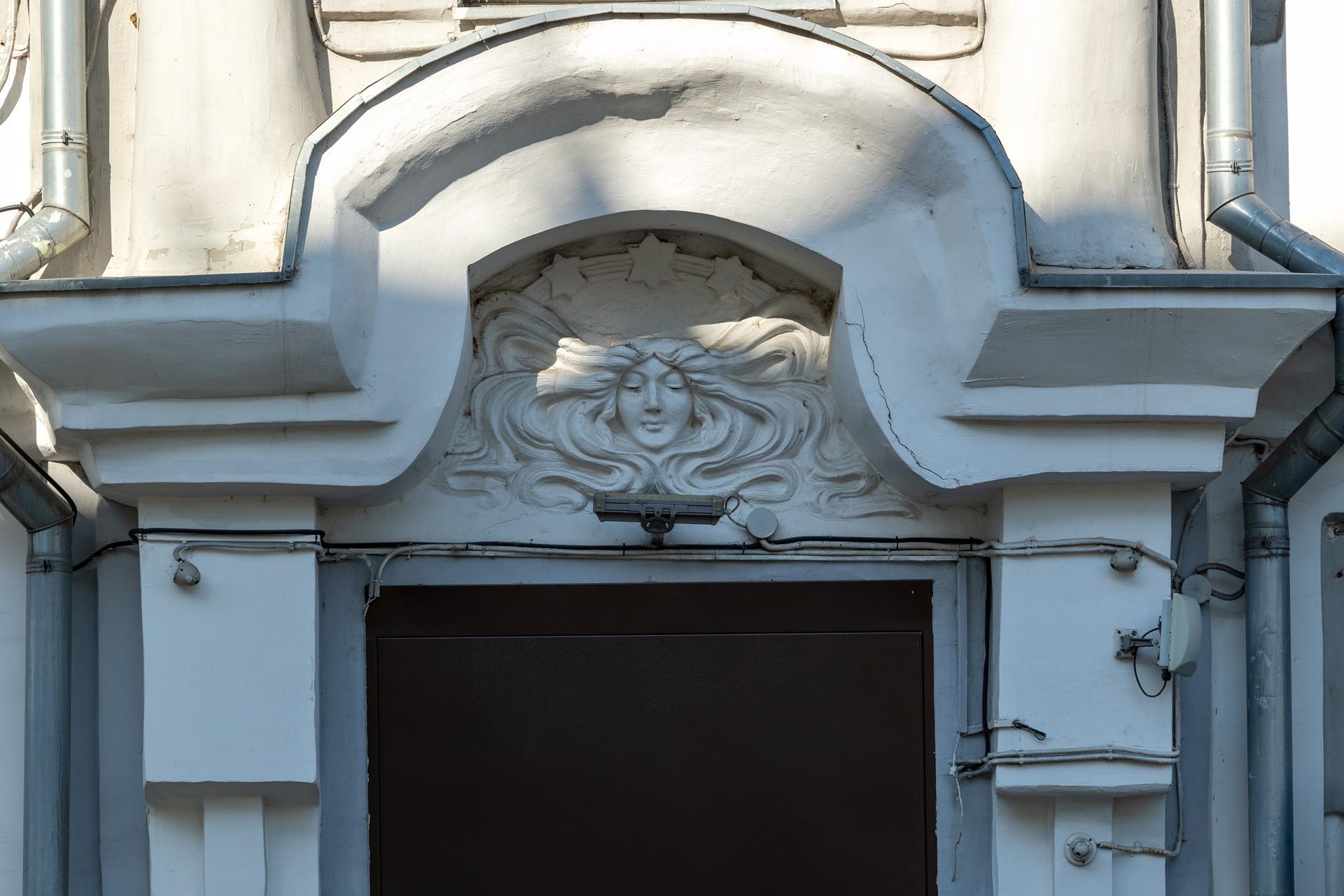
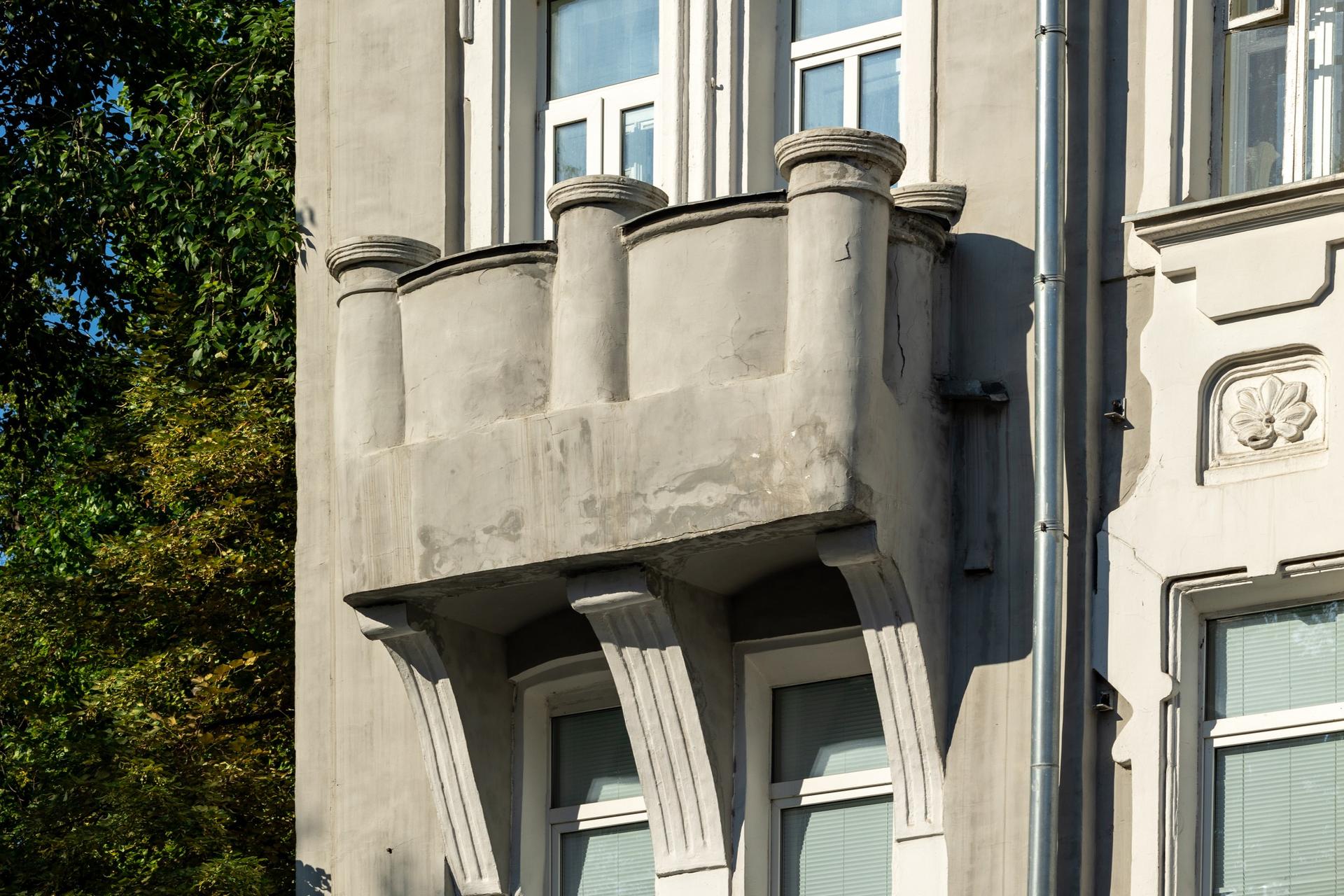
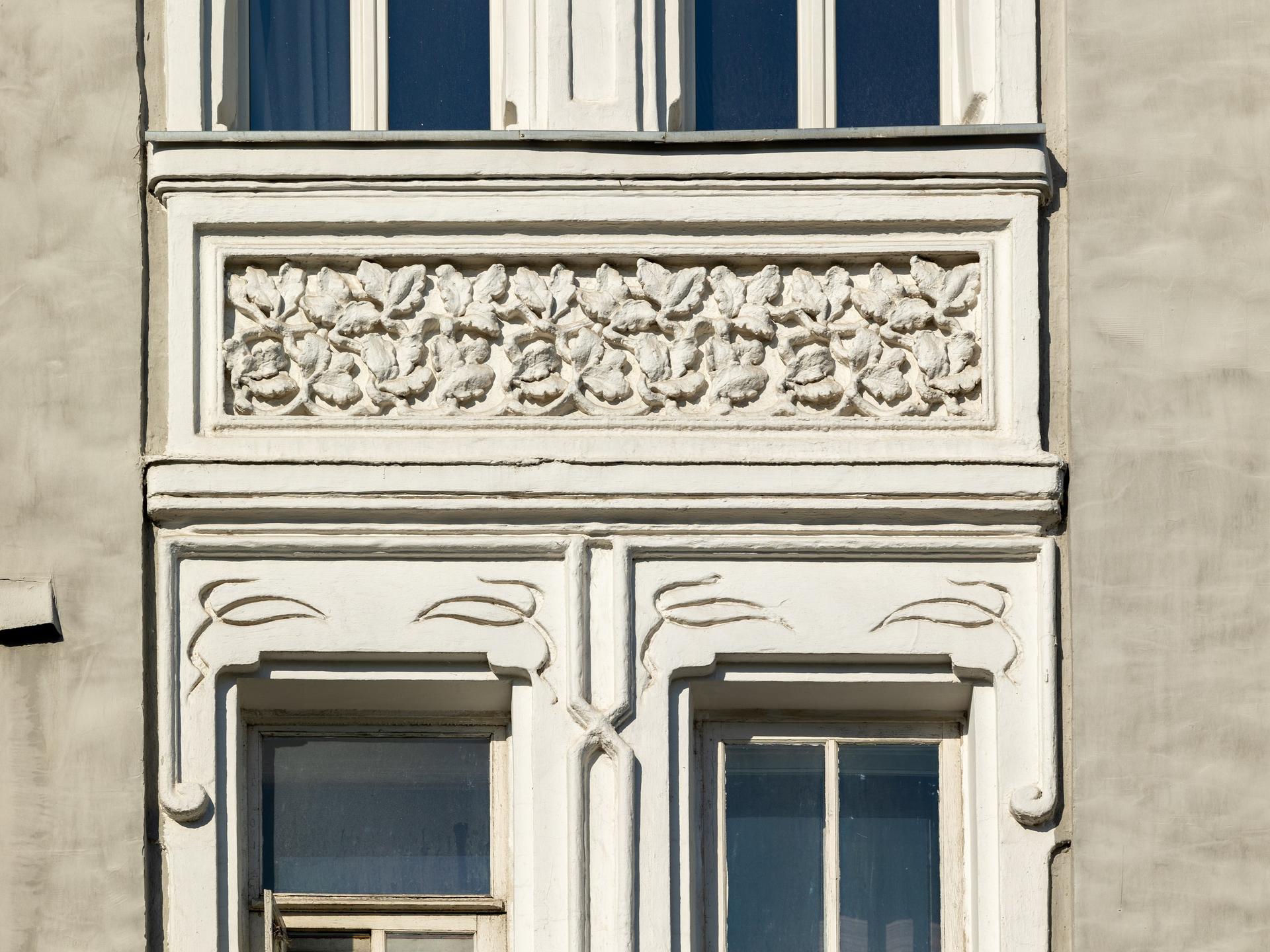
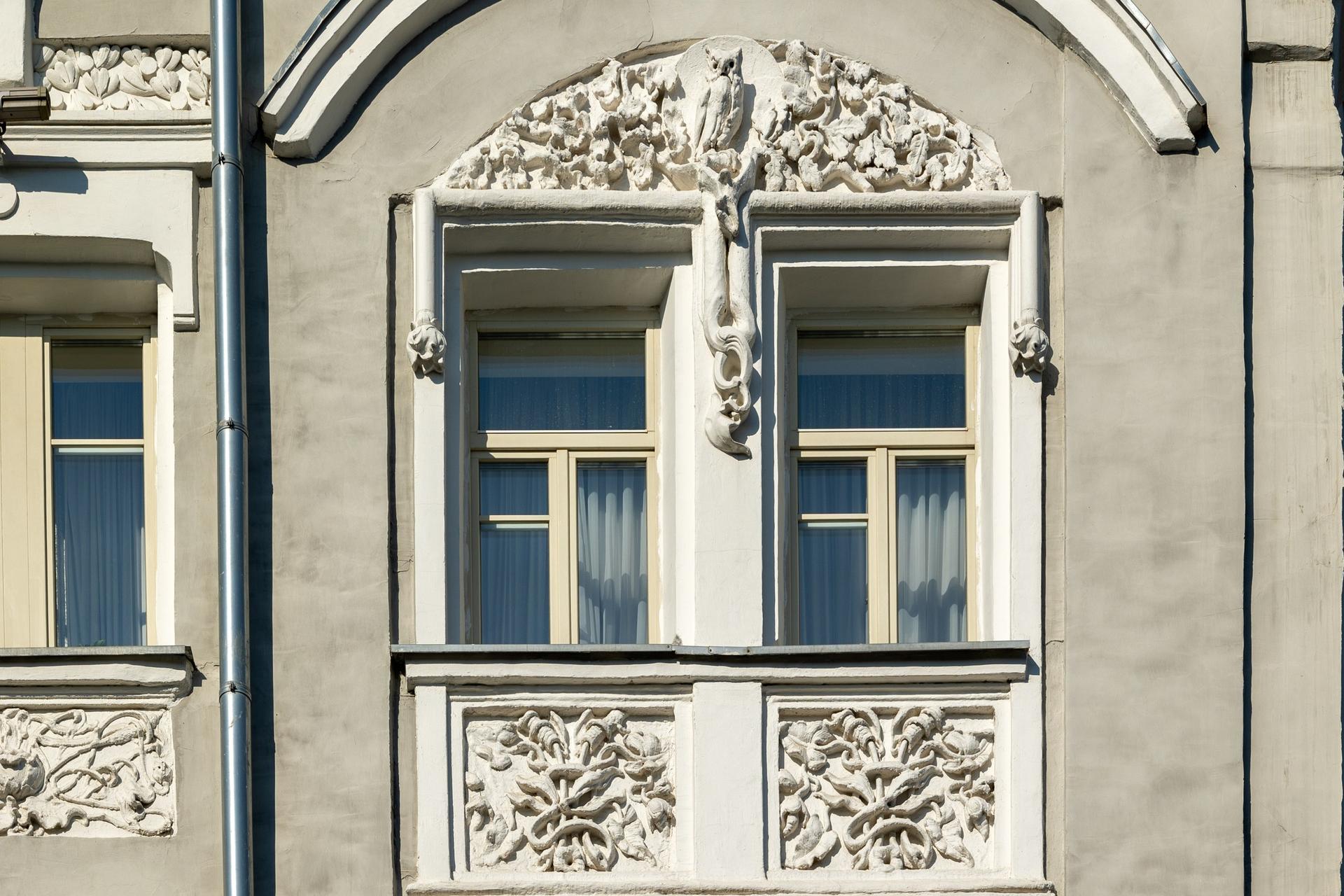
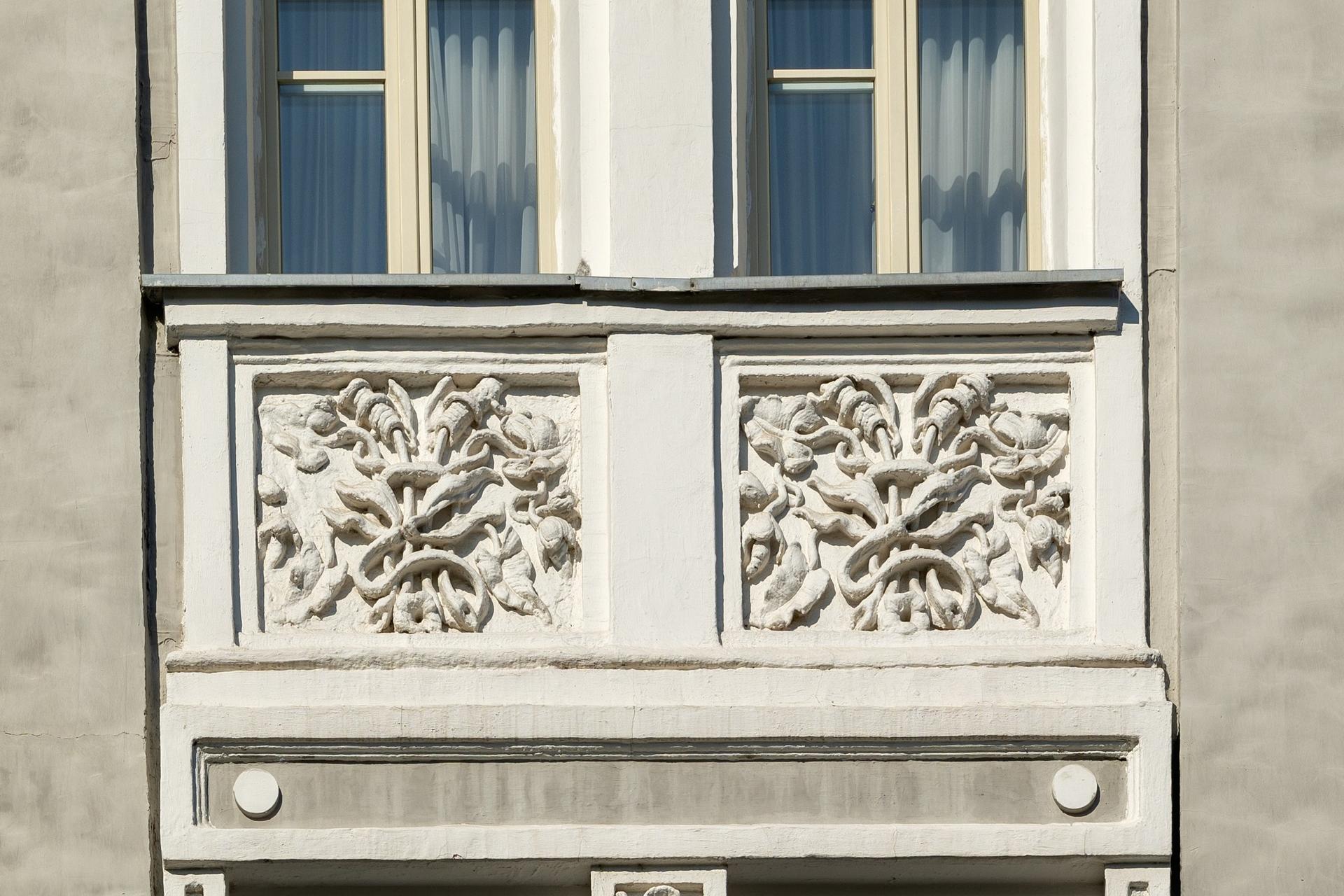
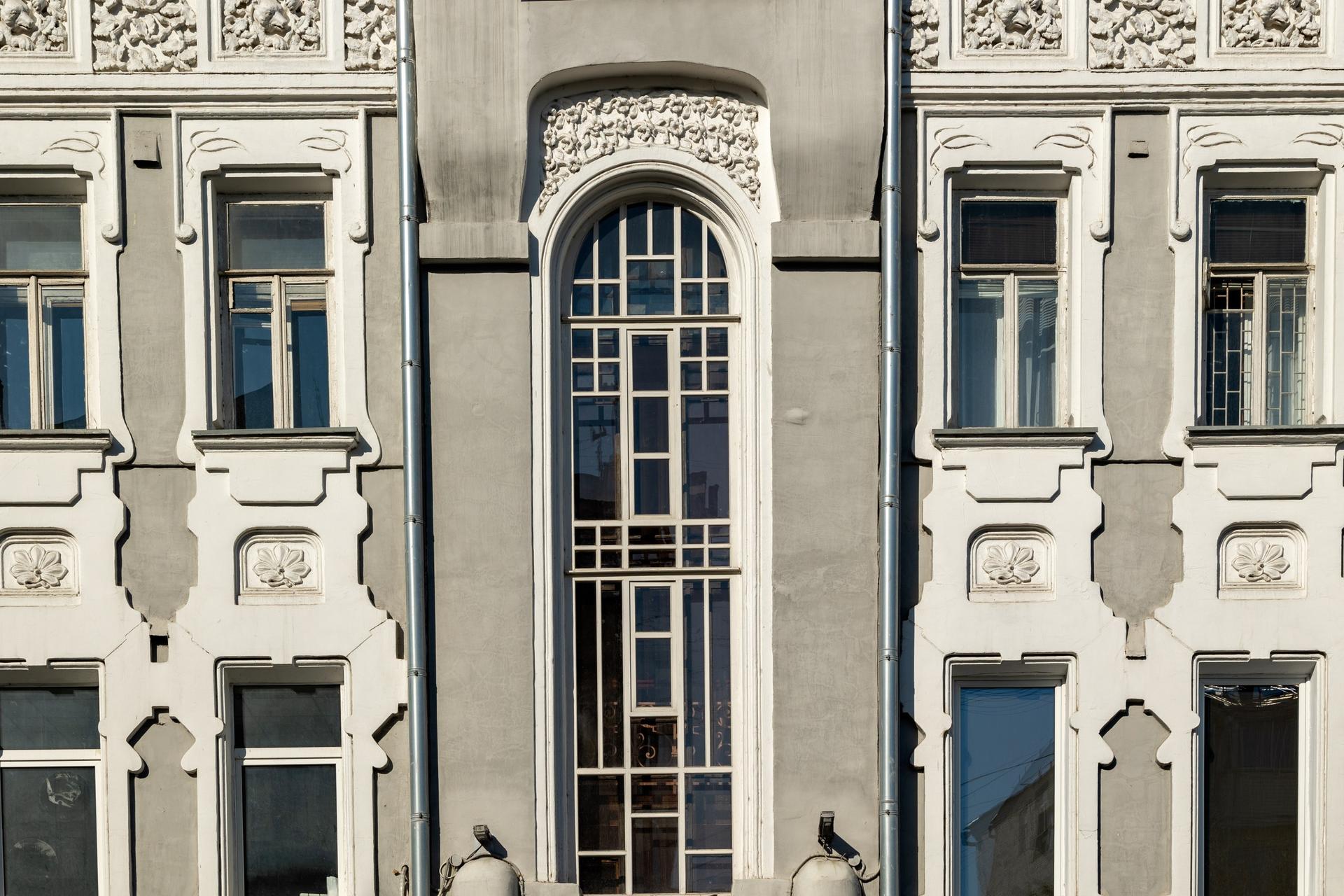
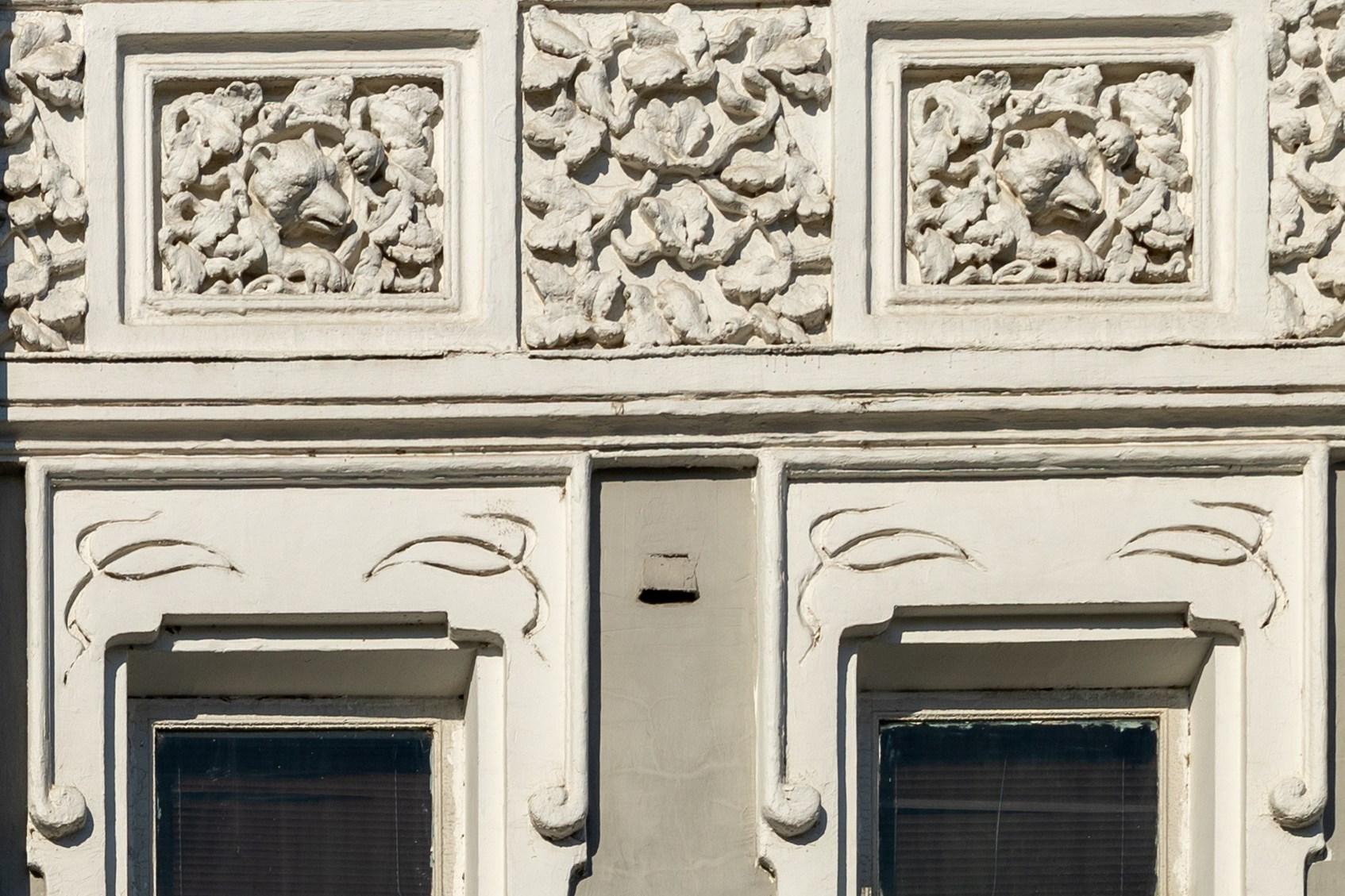
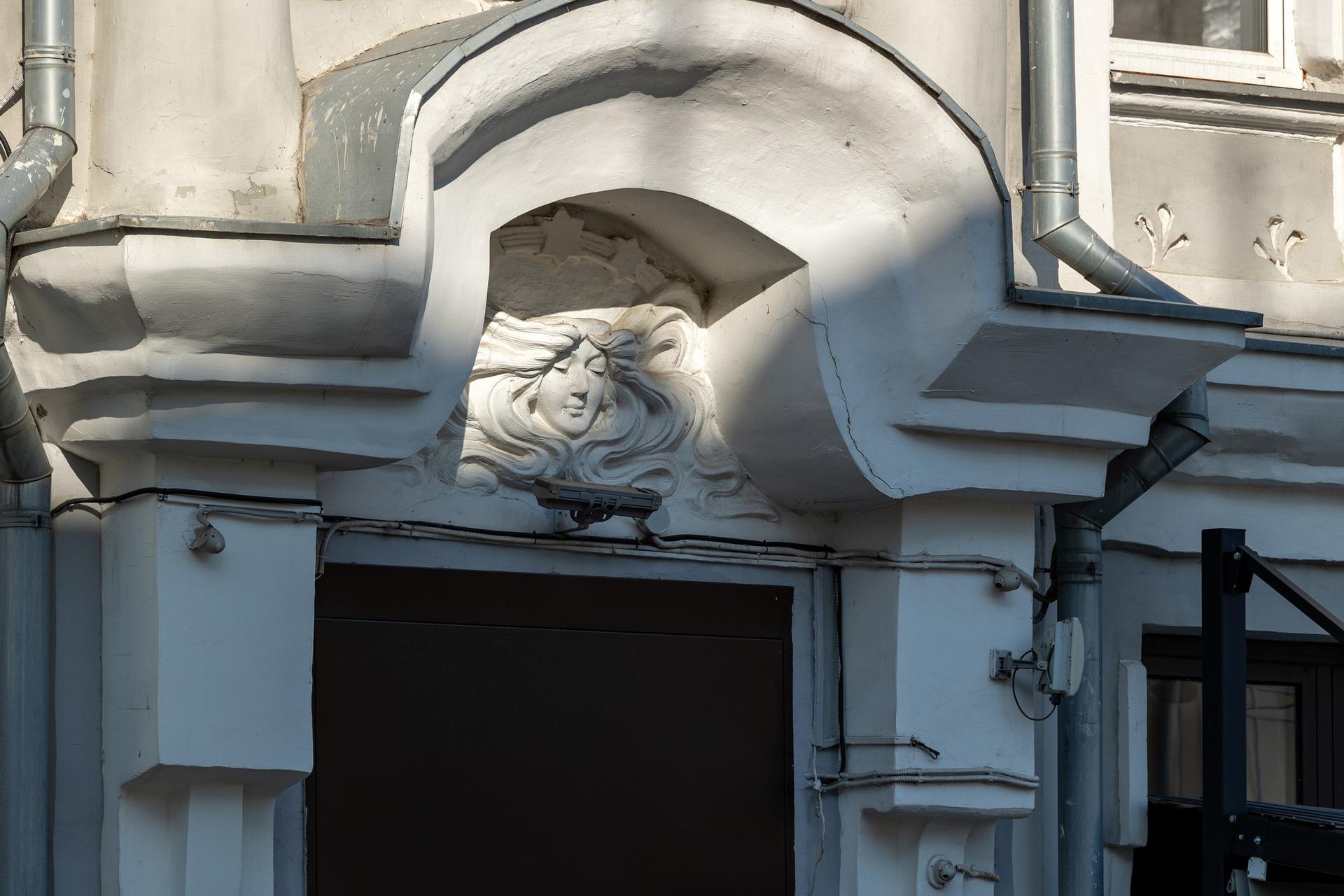
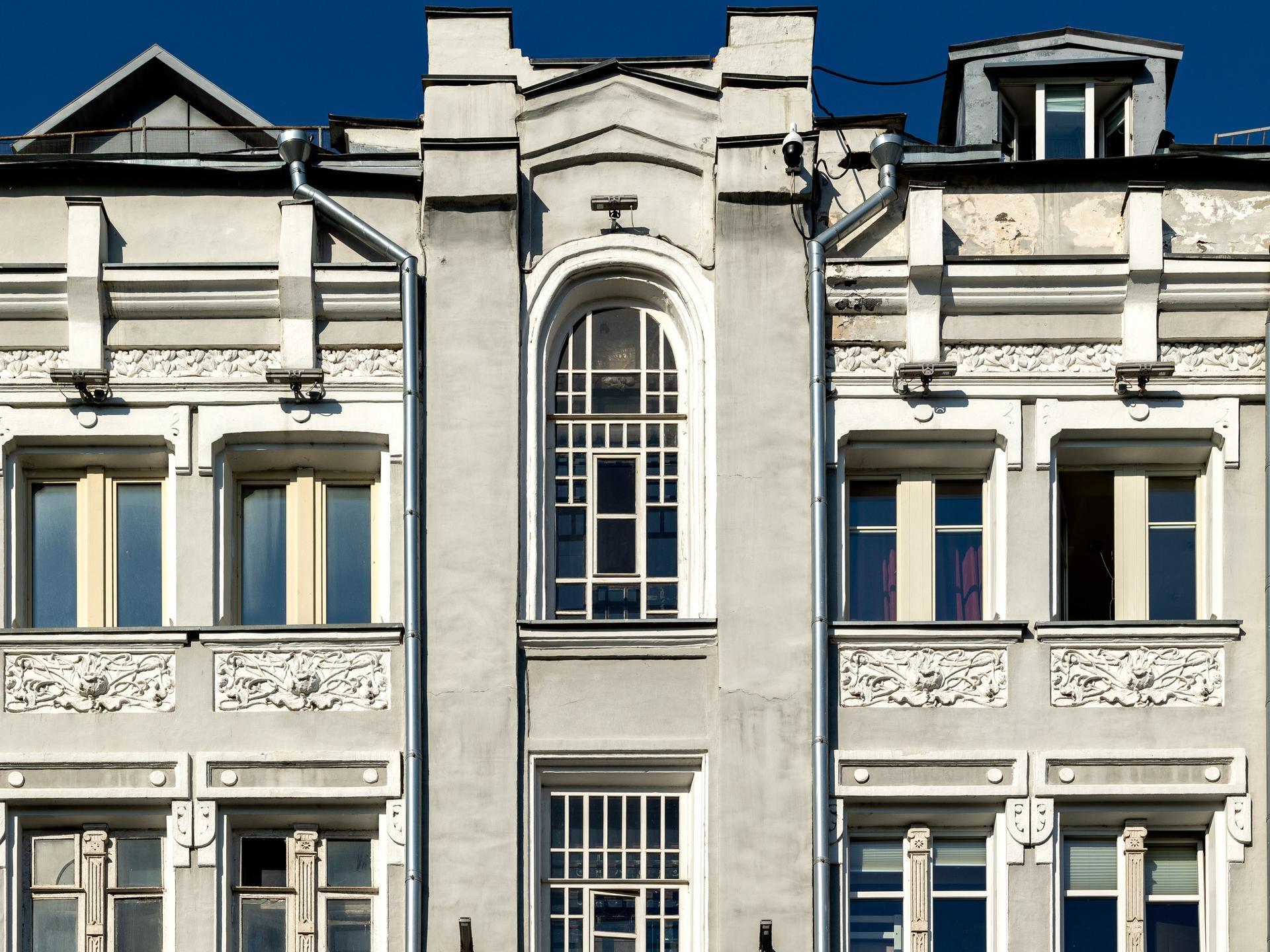
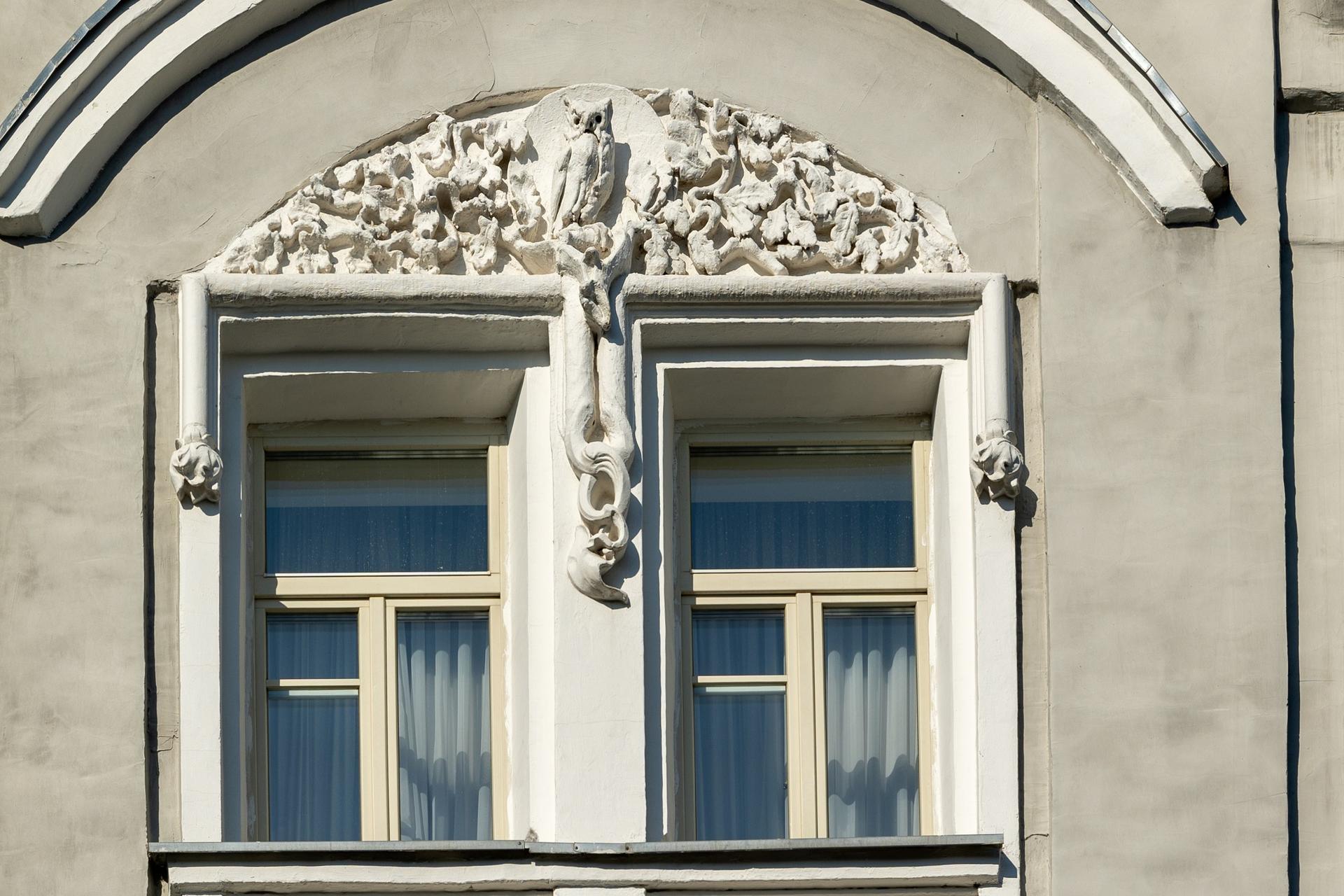
Высокий доходный дом в стиле модерн на чётной стороне Пятницкой улицы, был построен по проекту архитектора А. М. Калмыкова для купца Н. Г. Григорьева в самом конце XIX века. На первом этаже до революции располагался гастрономический магазин знаменитого «колбасного короля», купца 2-й гильдии, потомственного почётного гражданина Николая Григорьевича Григорьева. Обращают на себя внимание два балкона по сторонам здания, сохранившаяся «столярка» высокого, на два этажа, окна над подъездом, барельеф с изображением женской головки с распущенными волосами – Лорелеи, одного из любимых мотивов модерна, богатый лепной растительный орнамент по фасаду. Особенно интересен декор над третьим этажом: с высоты на нас смотрят то ли волки, то ли медведи, а на предпоследнем этаже спряталась настоящая сова.

Николай Григорьевич Григорьев – основатель одной из самых крупных российских колбасных фабрик – родился в 1845 году в деревне Ратманово, неподалёку от Углича, в семье крепостного крестьянина. В 1861 году он приезжает в Москву и начинает торговать пирожками вразнос. Позже, поднакопив денег, открывает небольшое колбасное заведение в Охотном Ряду, в доме Карзинкина. В 1876 году Григорьев поступает в купечество, а ещё через два года покупает дом в Кадашёвском переулке. При этом же доме находился небольшой недействующий колбасный завод. Вот за его переоборудование и взялся Николай Григорьевич. В 1897 году у себя в Кадашах он открывает паровую колбасную фабрику и резко увеличивает производство. Одновременно он скупает дома рядом с фабрикой под общежития для рабочих. К 1911 году на колбасно-гастрономической фабрике «Торговый Дом «Н.Г. Григорьев с сыновьями» работают уже около 100 служащих и 200 рабочих. Для продажи своих изделий у фирмы было шесть больших магазинов в Москве – на улицах Пятницкой и Большой Бутырской, на Страстной и Лубянской площадях, в Охотном ряду и во 2-ом Кадашёвском переулке при фабрике. Продукция экспортировалась во многие европейские страны. Фабрика была «Поставщиком двора Его Императорского Величества», получила золотые медали на выставках в Париже и Лондоне.

Помимо колбасы в фирменном магазине, располагавшимся на первом этаже дома на Пятницкой улице, продавались деликатесы: ветчина копчёная, варёная, рулетная, фаршированные гуси, утки, индейки, каплуны, пулярки и поросята, фаршированные и копчёные языки. Кстати, по соседству с колбасным магазином находился винный магазин Л. И. Арабеджи – очень удобно, закуска рядом.

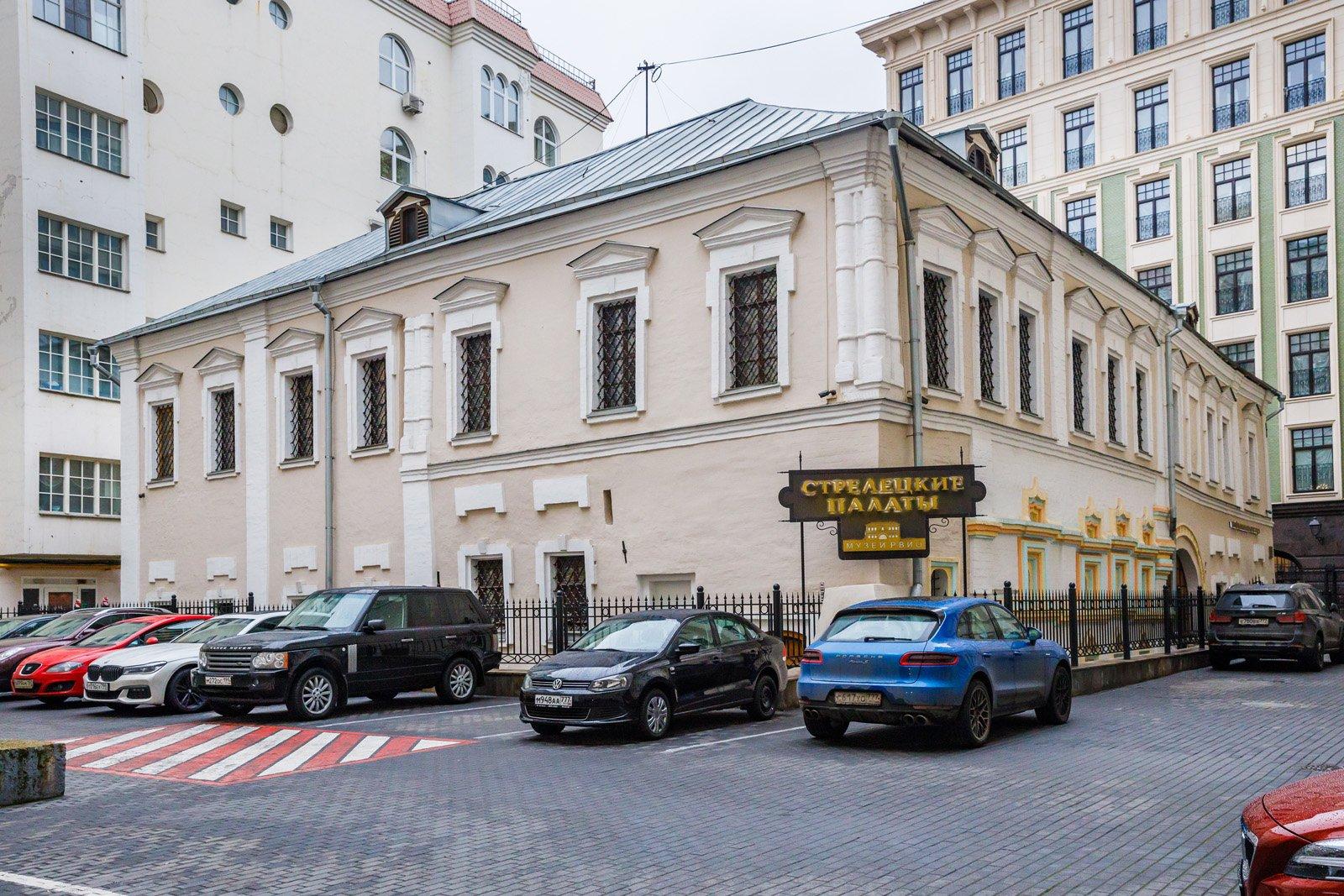
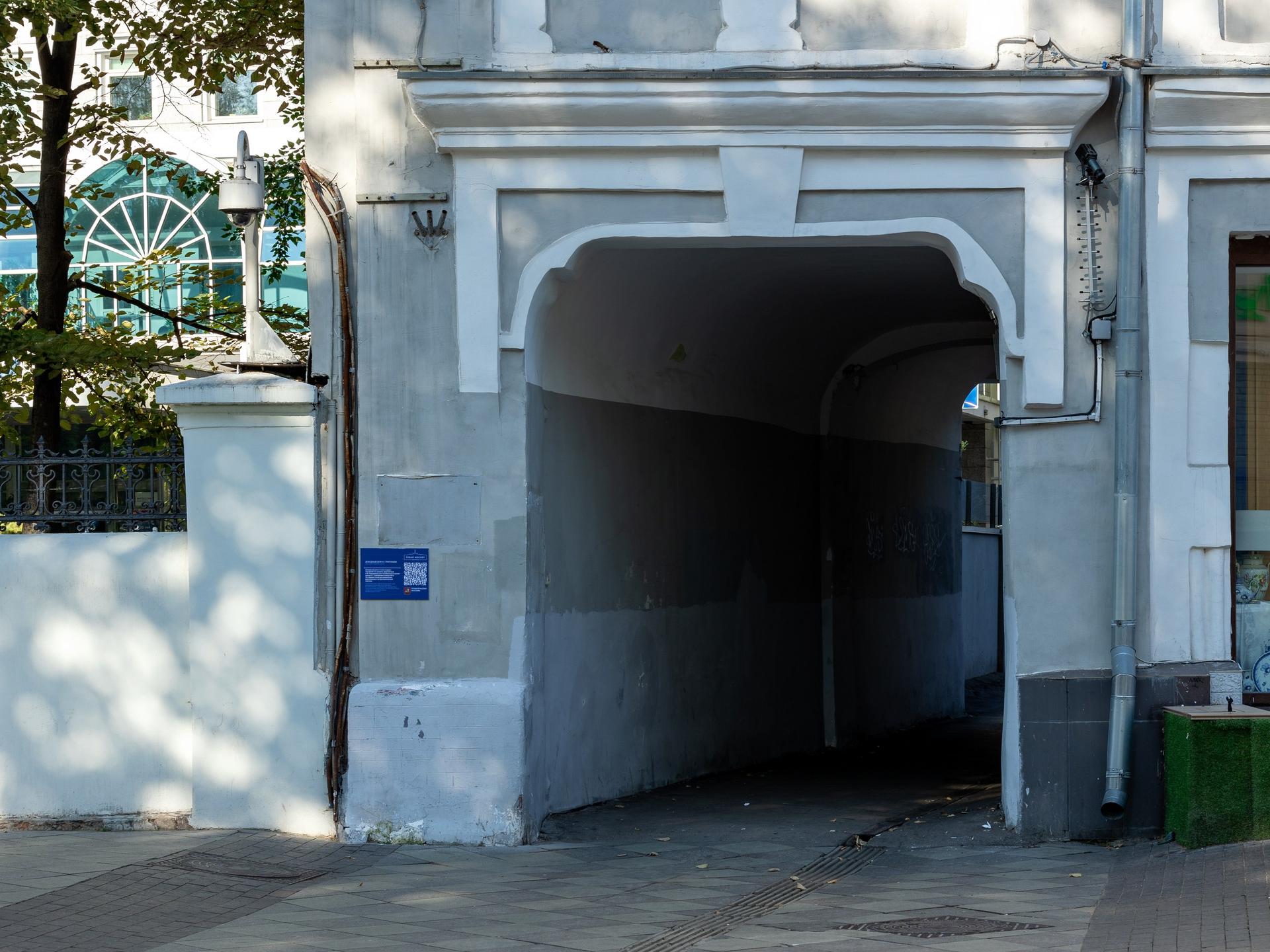
В верхних этажах дома располагались меблированные комнаты «Пятницкое подворье», позже переоборудованные в квартиры. В этом доме провёл свои детские и юношеские годы знаменитый кинорежиссёр Михаил Ильич Ромм. А если заглянуть в арку в южной части дома, то во дворе можно увидеть один из интереснейших памятников Пятницкой улицы – палаты XVIII века фабриканта-суконщика И. Г. Журавлева.
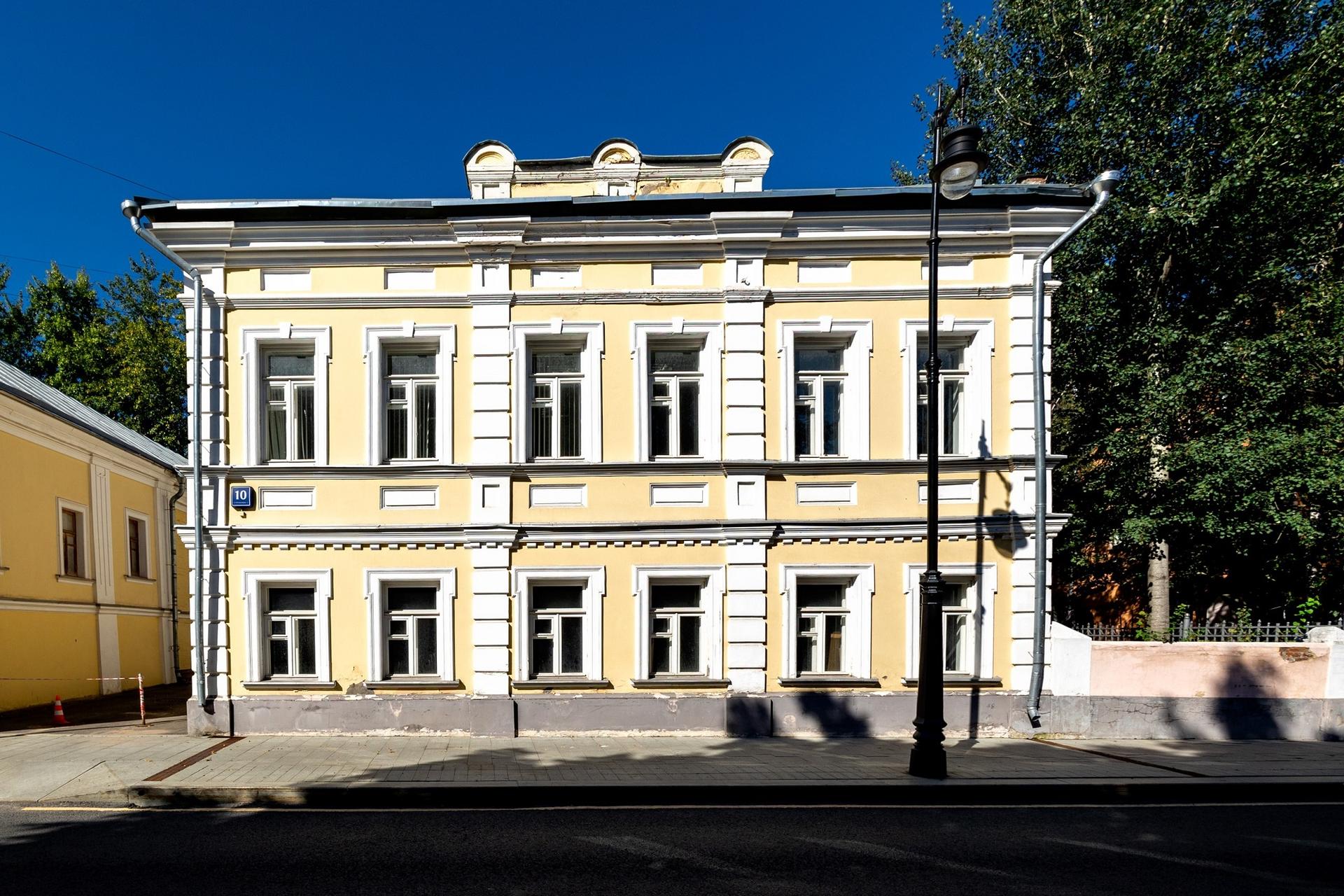
Commissioned at the close of the 19th century by merchant Nikolay Grigoryev, this tall Art Nouveau tenement house on the even-numbered side of Pyatnitskaya street was designed and constructed by the architect A.Kalmykov. Before the revolution, its ground floor was occupied by a grocery shop of Nikolay ‘The Sausage King’ Grigoryev himself, who, apart from being a merchant of the second guild, also held the hereditary title of a citizen of honor. Among the prominent features of the building are the two balconies on its sides, the still surviving wooden frame of the high, two-storey window above the entrance, a bas-relief of a woman’s head with loose hair — it is a lorelei, one of the most popular motifs of Art Nouveau, — and the rich plasterwork ornamentation of the façade. The ornaments above the second floor are particularly interesting: weird beasts, resembling wolves or bears, watch the observer from above; hiding on the second-to-last floor is a full-sized owl. Nikolay Grigoryev, the founder of one of Russia’s largest sausage factories, was born in 1845 in a family of serfs residing in the village of Ratmanovo, not far from the town of Uglich. In 1861, he came to Moscow and started a small business, selling pirozhki (stuffed buns) on the street. Later, having saved some money, he opened a small sausage shop on Okhotny Ryad, in Karzinkin’s House. In 1876, Grigoryev obtained the official title of a merchant, and two years later, he bought a house on Kadashevsky Lane. On its premises was a small, non-functioning sausage factory, and Nikolay Grigoryev proceeded to modernize it. In 1897, he opened a new steam-powered factory in the house, boosting the productivity immensely. In the meantime, he also bought all the nearby houses, establishing dormitories for his workers there. By 1911, the sausage factory of ‘N.G.Grigoryev&Sons Company’ employed about 100 desk clerks and 200 workers. The firm also owned six large brand stores in Moscow, located on Pyatnitskaya and Bolshaya Butyrskaya Streets, in Strastnaya and Lubyanskaya Squares, on Okhontny Ryad, and finally on Second Kadashevsky Lane, right outside the factory. Grigoryev’s products were exported to many European countries, and his factory held the sought-after title of the ‘Official Supplier of the Imperial Court’. The company was awarded numerous gold medals at various Paris and London trade fairs. In addition to the sausage in the company store, located on the first floor of the house on Pyatnitskaya Street, delicacies were sold: ham smoked, boiled, roulade, stuffed geese, ducks, turkeys, caplets, poultry and piglets, stuffed and smoked tongues. By the way, next to the sausage shop was L. I. Arababi's wine store - very handy for those looking for a chaser to go with their wine. The top floors of the house contained a hotel named Pyatnitskoye Podvorye. Its rooms were later transformed into private apartments. The famous Soviet filmmaker Mikhail Romm spent his childhood here. And, if you take a look through the arch in the southern part of the building, inside the courtyard behind it, you will see one of the most interesting historic buildings on Pyatnitskaya Street, the 18th century built palace of the textile magnate I.G.Zhuravlev.
Рекомендации