С 1834 года в истории владения появляется еще одна, весьма неординарная, личность. Сантин Петрович Кампиони, орнаментальный скульптор, родившийся в Северной Италии, с отцом переехавший в Санкт-Петербург. Лишившись отца, мальчик в неполные 15 лет становится хозяином мастерской по производству мраморных и бронзовых работ. В 1795-м (в 21 год) Кампиони перебирается в Москву и оборудует мастерскую на Дмитровке. Дом его служил местом собраний иностранных художников, сам он оформлял интерьеры дома московского генерал-губернатора на Тверской улице, церкви при Голицынской и Шереметьевской больницах, дома Благородного собрания, графа Разумовского на Гороховом поле, Шереметева в Останкине, Юсупова в Архангельском и многое другое. Дети Кампиони также стали скульпторами, и мастерская мраморных изделий существовала тут фактически до начала XX века.
Все последующие владельцы усадьбы, так или иначе, были связаны с мраморным делом. В 1883 году обширное владение делится на два, Кампиони остаются на землях нынешней Б. Дмитровки, 22, а часть (ныне Б. Дмитровка, 24) отходит О.П. Леве, жене виноторговца Егора Егоровича Леве, чей магазин расположен по соседству в Столешниковом переулке. Ольга Павловна строит новый главный дом (как ни странно существующий до сих пор, но так переделанный в 1930-х и 1980-х годах, что мало кто вообще сможет его разглядеть в пятиэтажном административном корпусе) и, пользуясь случаем, в 1886 году прикупает у детей умершего соседа В.В. Яковлева участок земли, ранее занимаемый садом. В итоге, получается удивительной формы участок, огибающий владение Кампиони и соединяющийся со Столешниковым переулком.
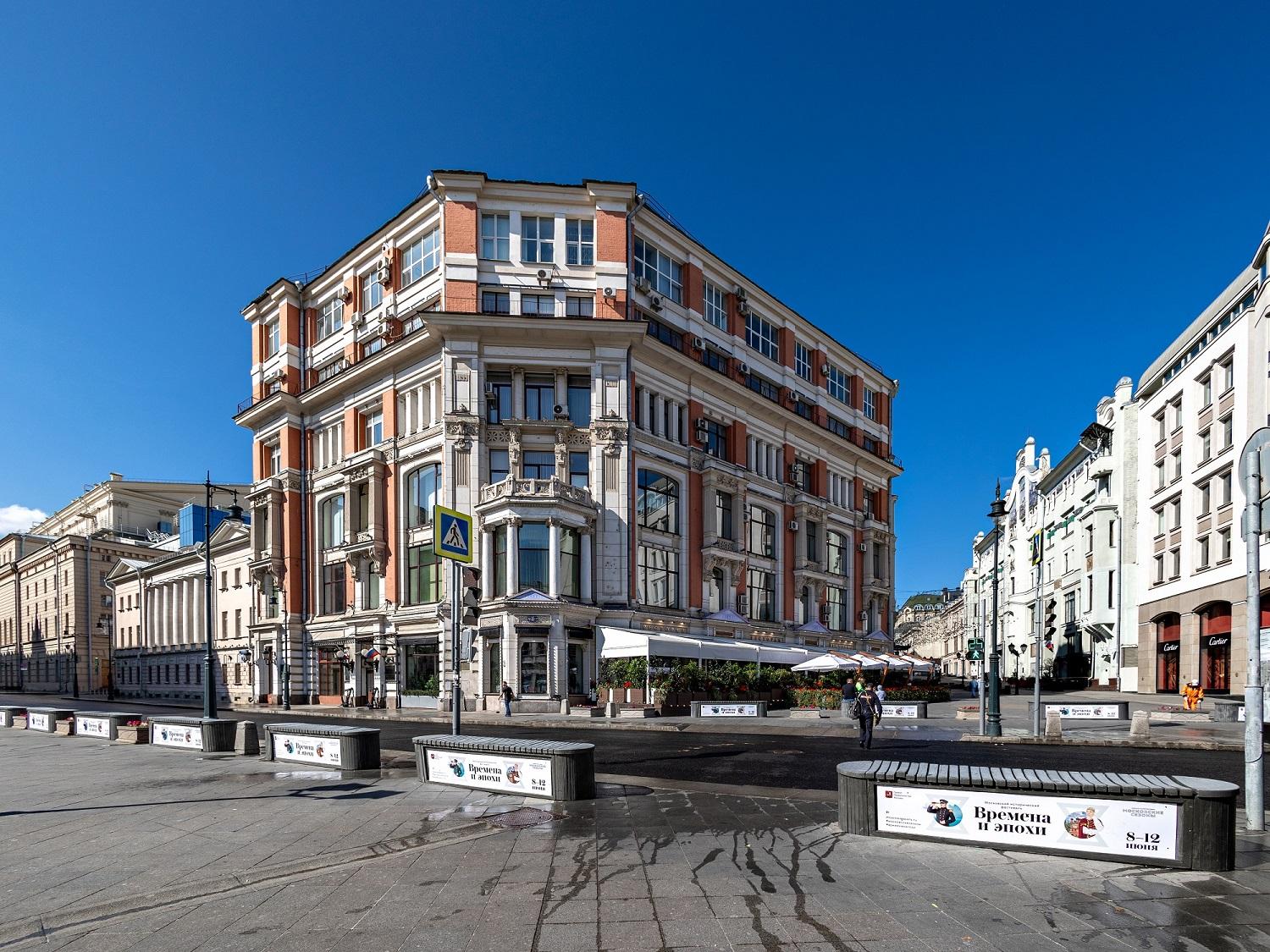
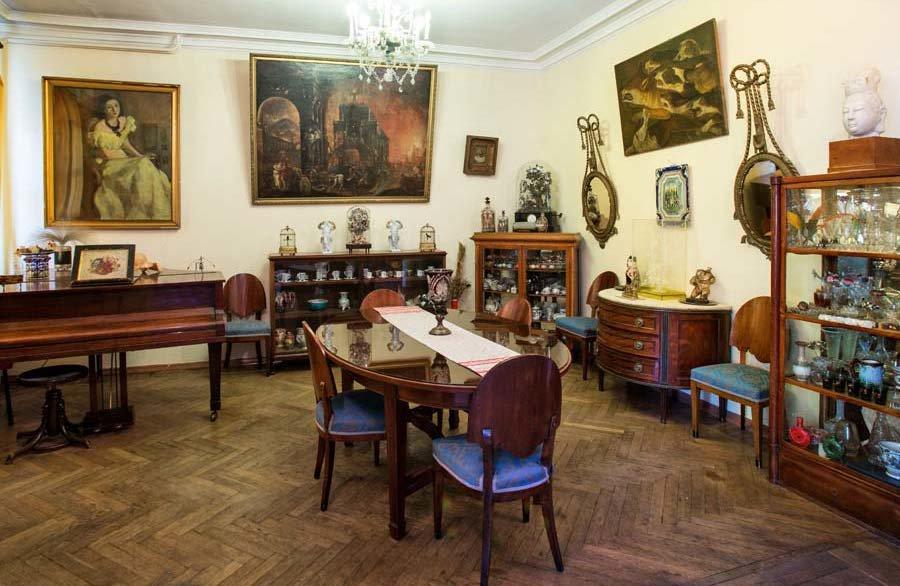
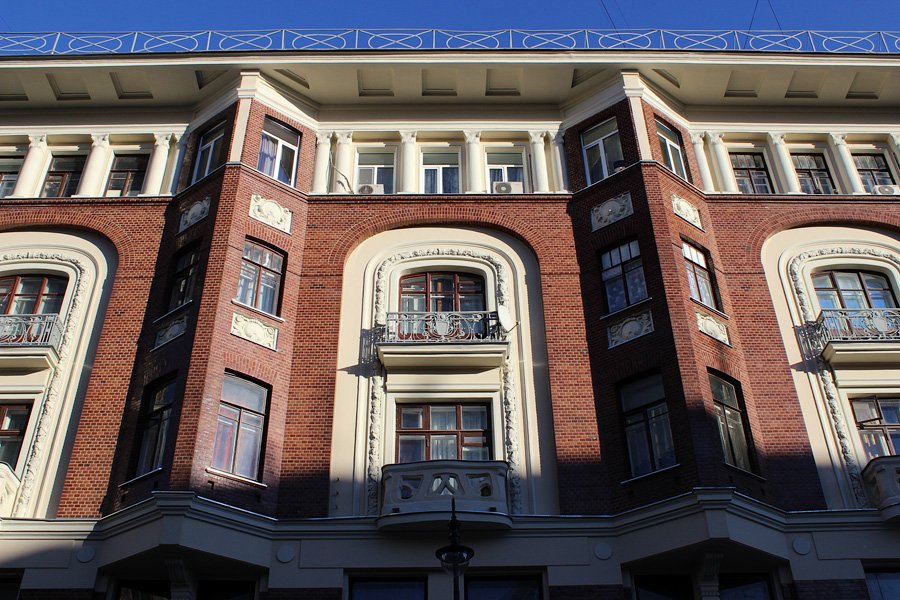
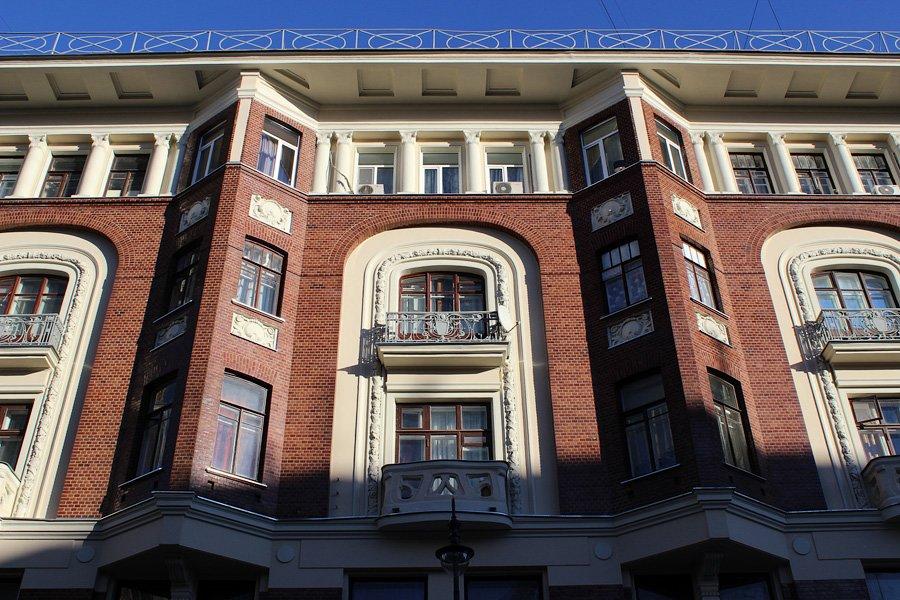
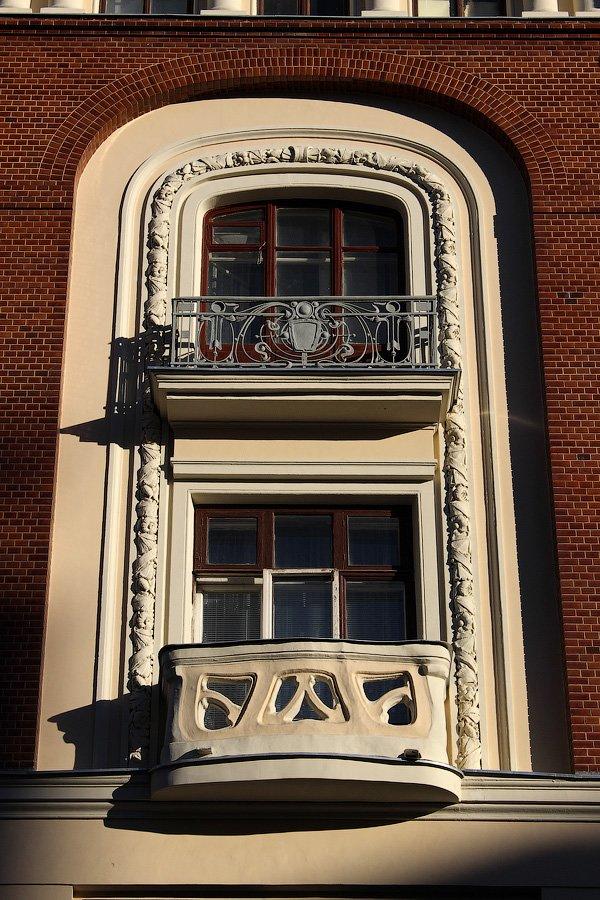
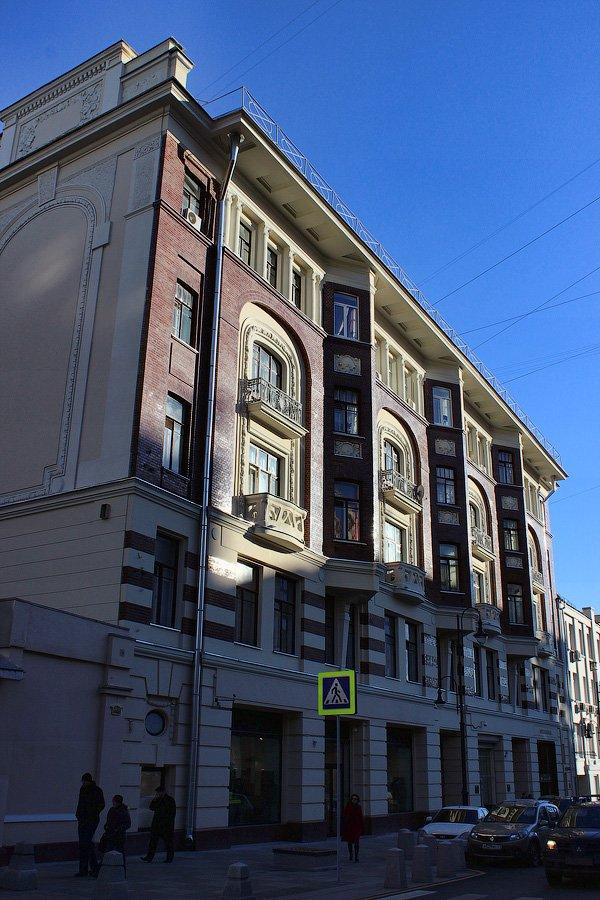
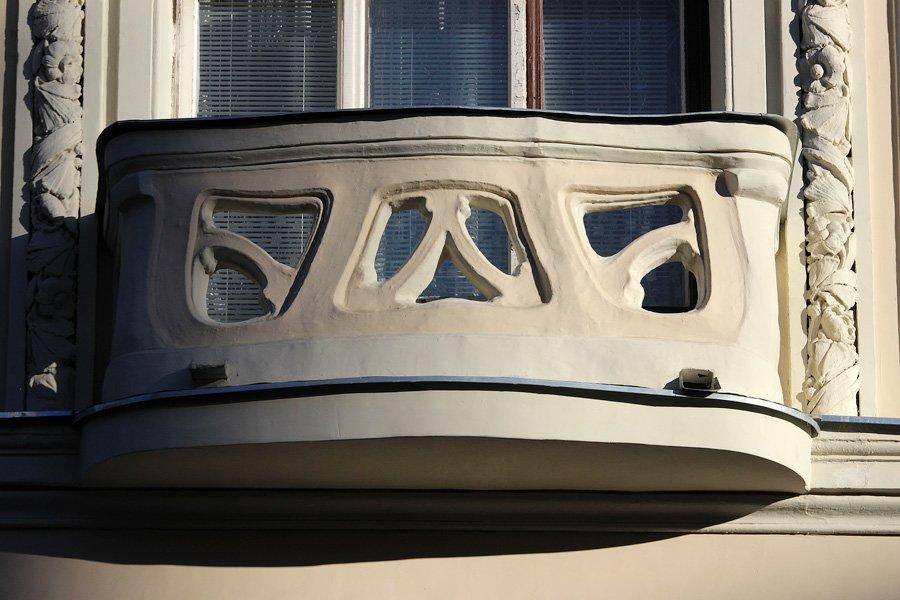
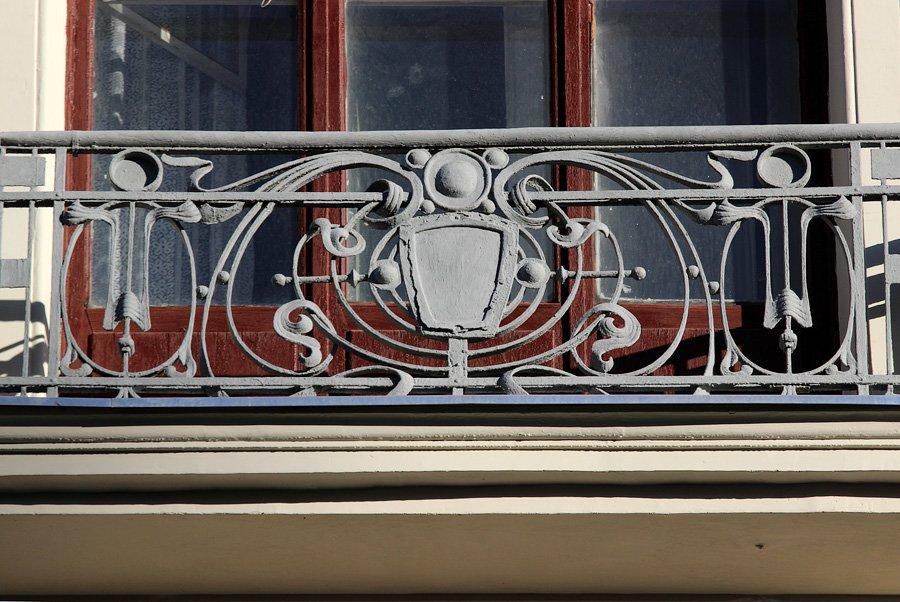
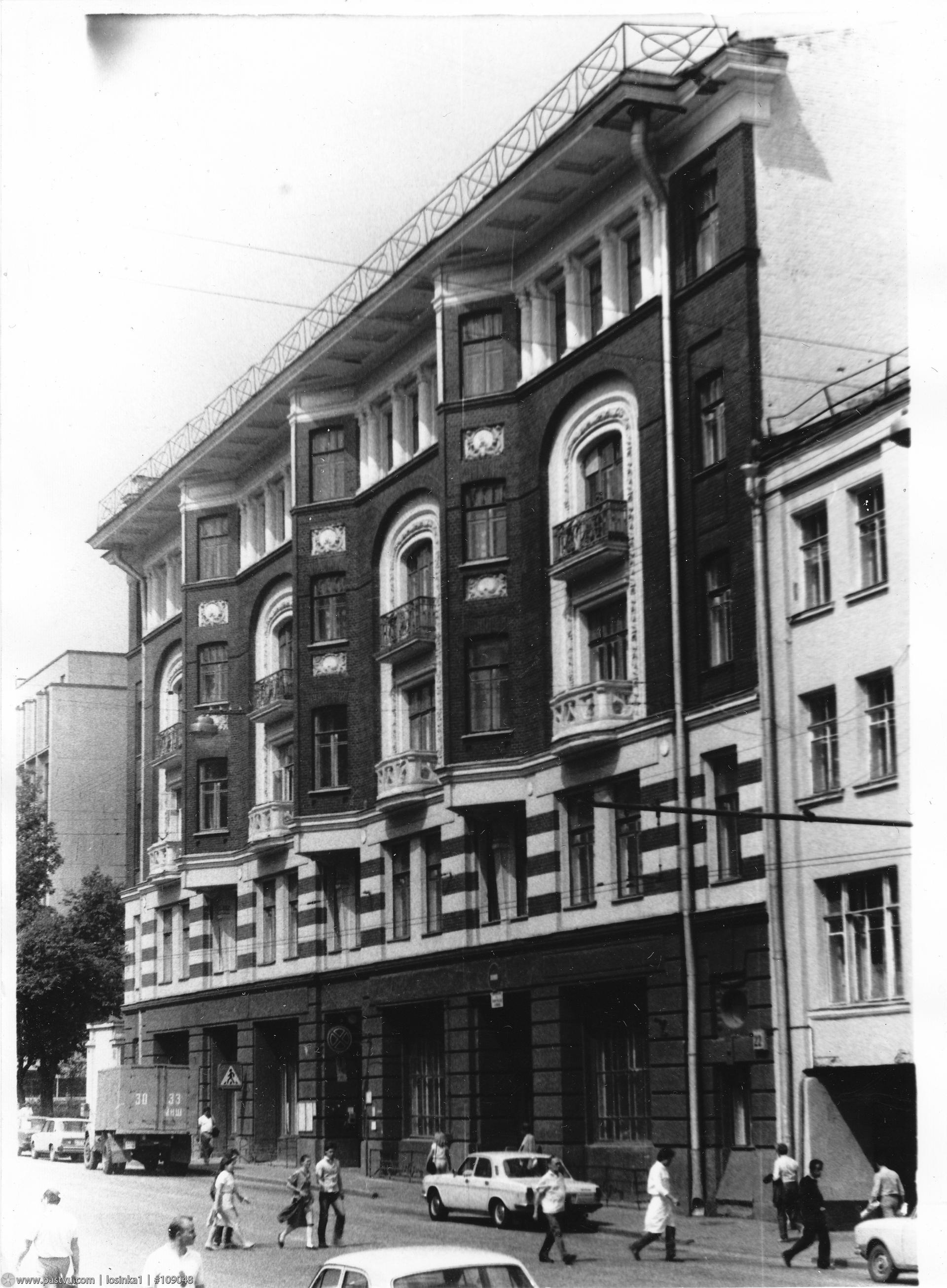
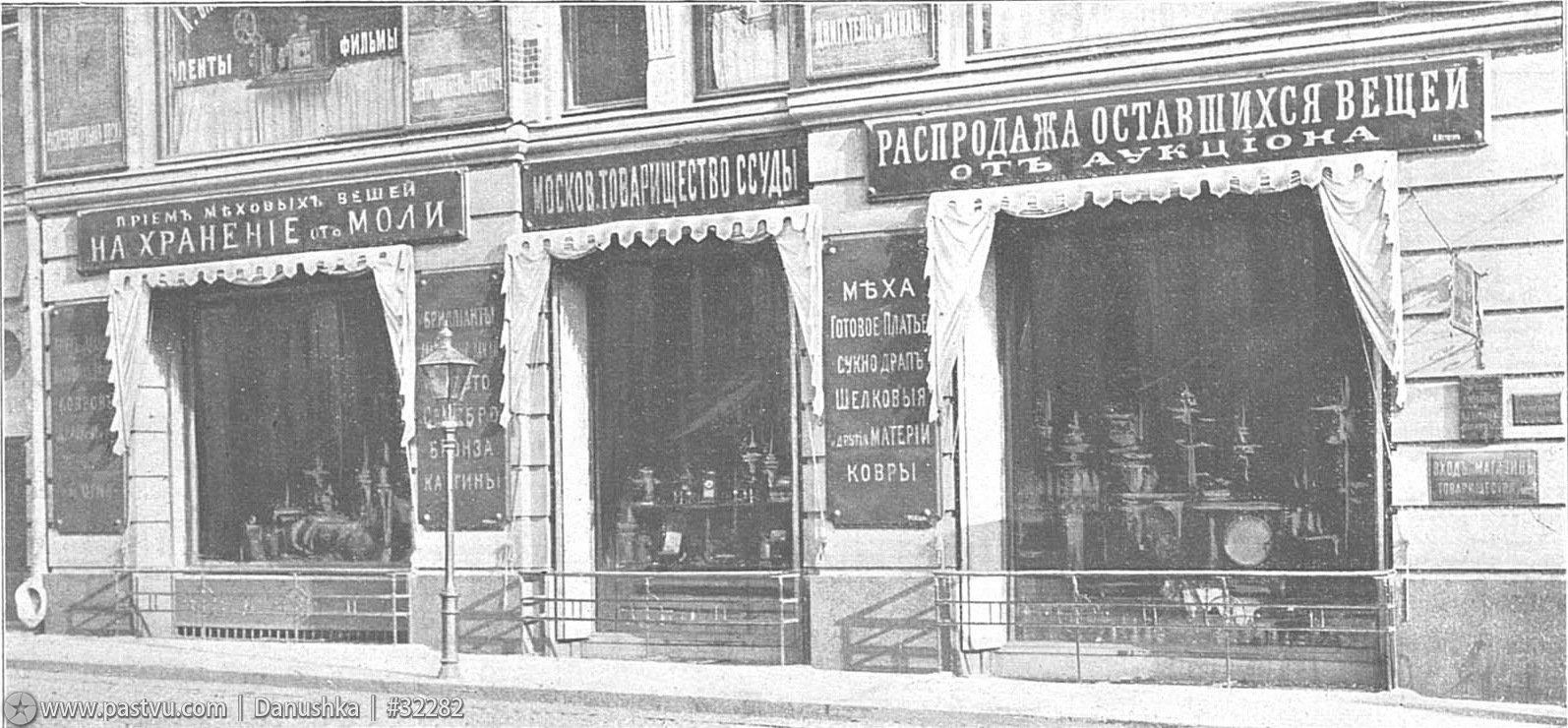
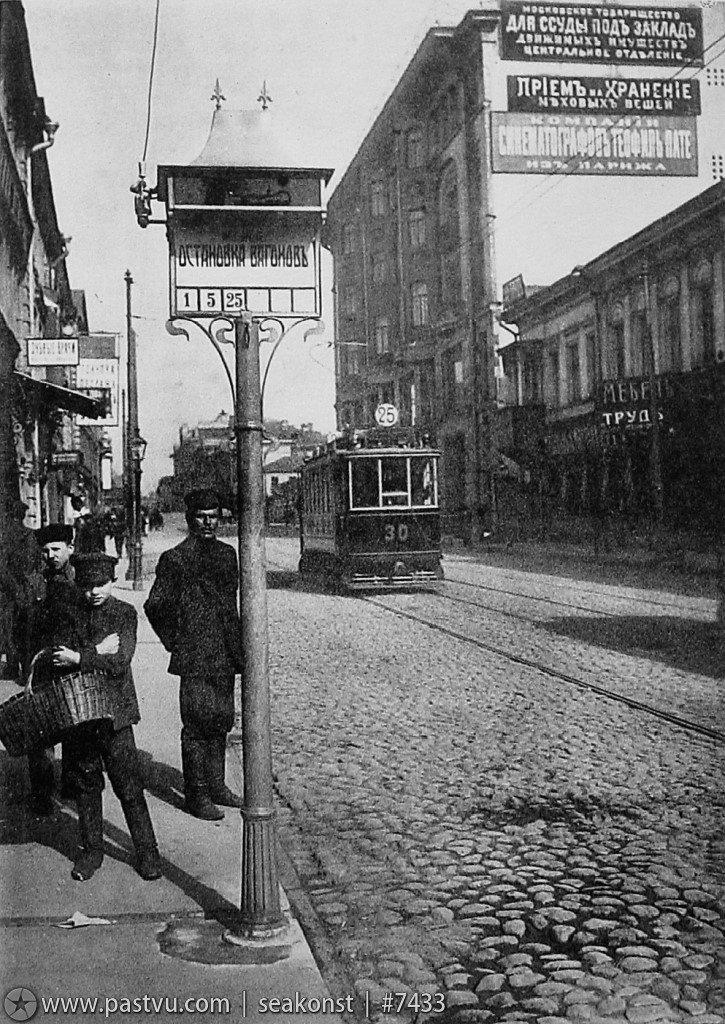
В 1904 году на Дмитровке вырастает пятиэтажный доходный дом, соответствующий всем требованиям: огромный подвальный этаж под склады магазинов первого этажа, лифты при парадных лестницах, хозяйственный корпус с прачечной и общественным туалетом во дворе, ванные и клозеты в квартирах, водяное отопление. Помимо магазинов на первом этаже размещаются правление, приемная, касса и канцелярия Товарищества, на втором – помещения Товарищества, представительство компании «синематографов Теофиль Пате» и квартиры, на пятом – шляпный магазин. Судя по описи, квартиры были большие - от пяти до десяти комнат. Что интересно, и после революции тут продолжал существовать ломбард, на конец двухтысячных годов сохранялись интерьеры залов ломбарда и многих квартир, а входящие в подъезд могли видеть необычную вывеску про «выдачу верхней одежды, тканей и обуви, принятых в залог» Собственно, ломбард есть здесь и по сей день, о чем можно прочесть на его сайте: «единственный функционирующий и по сей день - ОАО МГКЛ «Мосгорломбард». Датой рождения компании под государственным началом принято считать 5 июля 1924 года, когда постановлением Народного комиссариата финансов РСФСР был учрежден московский городской ломбард.
The rich history of the property where, perhaps, the most beautiful tenement houses on Bolshaya Dmitrovka begins with 1744.
In 1744, these lands owned by Prince Vladimir Petrovich Dolgorukov. Being governor of Riga and Revel during Elizabeth’s time, he even left the job choosing Moscow over Riga. A manor house with all the buildings in 1761 passed to his son - Vasily Vladimirovich, who apparently following the established family habit, too, did not live in it.
Since 1776 the owner was the daughter of Dolgorukova Praskovja Vladimirovna Melissino. Her husband was a man of a very famous, he studied with Sumarokov, was the director of the Moscow University, and later guardian of the Moscow Orphanage. Family Melissino was extremely friendly terms (or maybe was related) to MA Pushkin, who participated in the infamous coup in 1762, thanks to which Catherine II ascended to the throne. So when in 1772 Michael Alexeevich, in connection with charges of printing counterfeit money, was stripped of his nobility and exiled to Siberia, Praskovja Vladimirovna adopted his infant son Alexei. Probably loved him, because in the future he became the owner of the Melissino estate on the Bolshaya Dmitrovka. He was poet, translator, actor, wit. "And Pushkin, a joker, a blasphemer of my poems - which Voltaire just like one" - this is about him, not the far more well-known and where we are now relative.
Since 1834 another quite extraordinary personality appeared in the history of the property. Santin Petrovich Campioni, ornamental sculptor, born in northern Italy, moved to St. Petersburg with his father. Having lost his father, almost 15 years old boy becomes the owner of the studio for the production of marble and bronze works. In 1795, 21-years old Campioni moved to Moscow and opened a workshop on Dmitrovka. His house served as a meeting place for foreign artists, he designed the interiors of homes Moscow Governor-General on Tverskaya Street, the church at the Golitsyn and Sheremetyev’s hospitals, Nobility House, Count Razumovsky’s home on Gorohovoe Pole, Sheremetev’s in Ostankino, Yusupov’s in Archangelskoe and more. Children of Campioni also became sculptors and marble products workshop actually existed here untill the beginning of the XX century. All subsequent owners of the estate, one way or another, have been associated with the marble business.
In 1883, an extensive ownership divided into two, Campionis remain on plot where 22 Bolshaya Dmitrovka is today, and part (now 24 Bolshaya Dmitrovka) goes to OP Levet, the wife vintner Egor Egorovich Loewe, whose shop is located next door in Stoleshnikov Lane. Olga Pavlovna built a new main house (oddly enough still exists today, but converted in the 1930s and 1980s, very few people will be able to see it at all in the five-story administrative building) and took the opportunity to buy from children of the deceased neighbor VV Yakovlev land previously occupied by the garden in 1886. In the end, it turns out amazing shape portion enveloping possession of Campioni and connects with Stoleshnikov.
Radical changes in the plot of our interest occur in 1903, when merchant DI Kabanov, who bought the house from Campioni contained herein and places for the production of marble and granite monuments, sells ownership of the Moscow Association for mortgage loans. The partnership immediately orders a project of Petersburg architect AV Ivanov. Aleksandr Vasilievich Ivanov has designed many buildings in St. Petersburg, and only from the 1890s began to work in Moscow. Hotel "National" built, hotel «Novomoskovskaya” rebuilt by his projects, he was working in the Grand Kremlin palaces and Nicholaevsky palace decorating it to the 300th anniversary of the Romanov dynasty.
Five-story apartment building grows on Dmitrovka in 1904 up to all expectations: huge basement warehouses stores first floor elevators at the grand staircase, the economic body with laundry and a public toilet in the yard, bathrooms and closets in homes, water heating. In addition to the shops on the ground floor houses the board, desk, ticket office and the office of the Association, on the second - the premises of the Association, the representation of "cinematograph Theophile Pate" and apartments, hat shop on the fifth floor. Based on the inventory, the apartments were huge - from five to ten rooms.
What is interesting, pawnshop continued to work here after the revolution. Here at the end of two-thousand preserved interiors of pawnshop halls and many apartments. Entering the building could see an unusual sign about the "return of outer clothing, textiles and footwear, taken in pledge". Actually, there's a pawnshop here to this day, as can be read on its website: "the only functioning to this day - of MGKL" Mosgorlombard." The date of birth of the state-owned company considered to be on July 5, 1924, when Moscow city pawnshop established by the decision of the People's Commissariat of Finance of the Russian Federation.