Интерактивный гид по городу
С мобильным приложением бродить по городу гораздо интереснее!

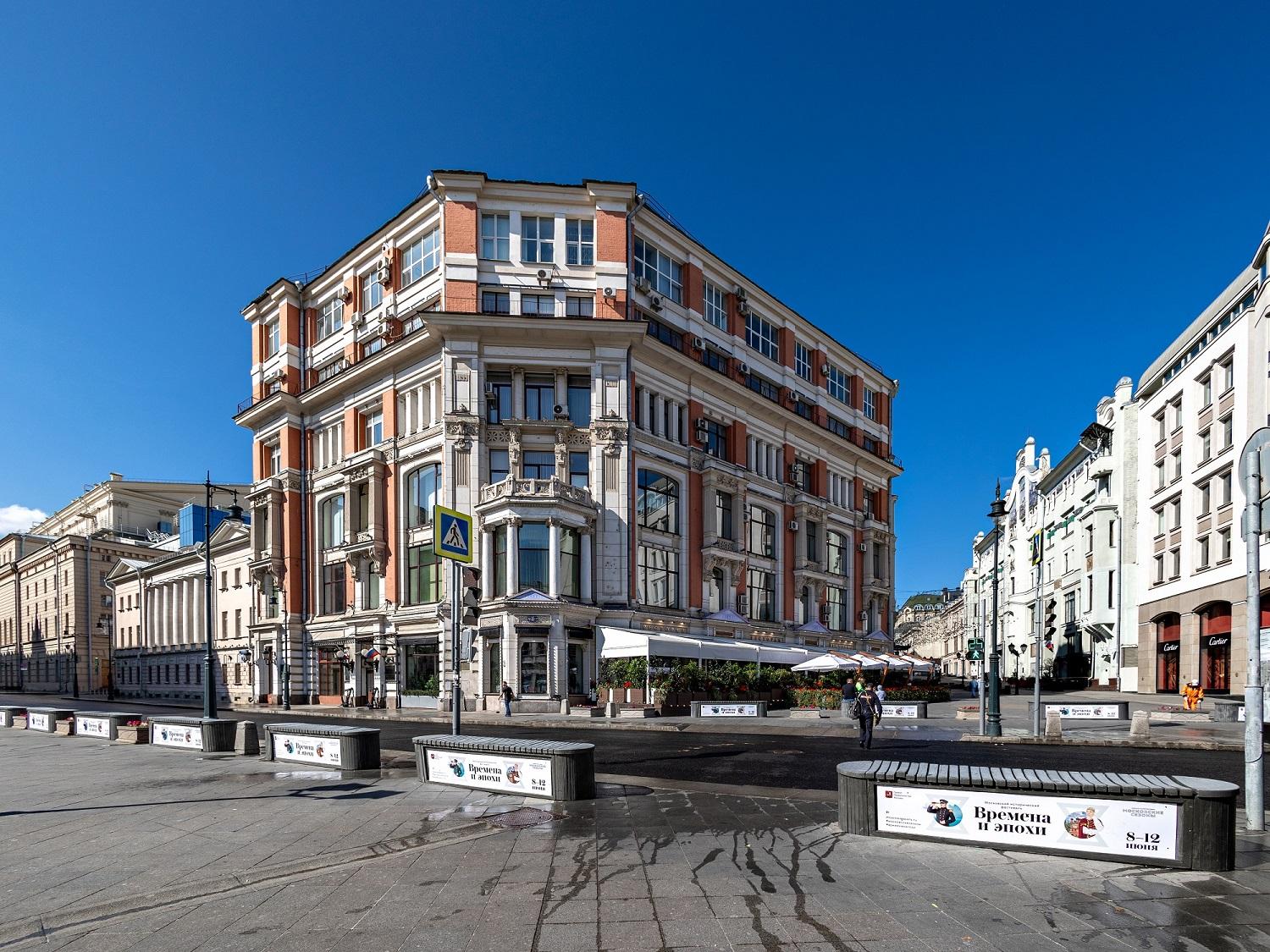
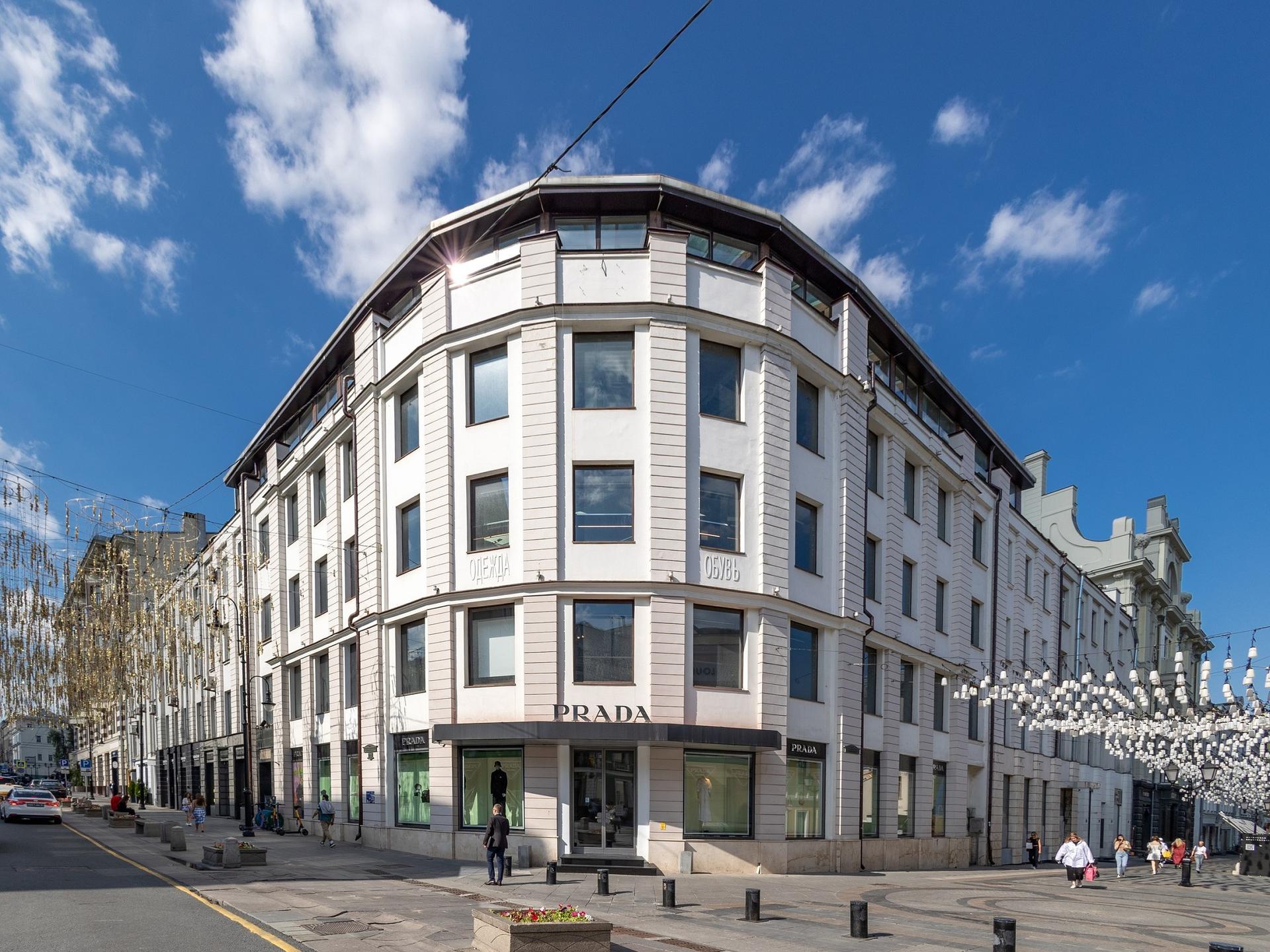
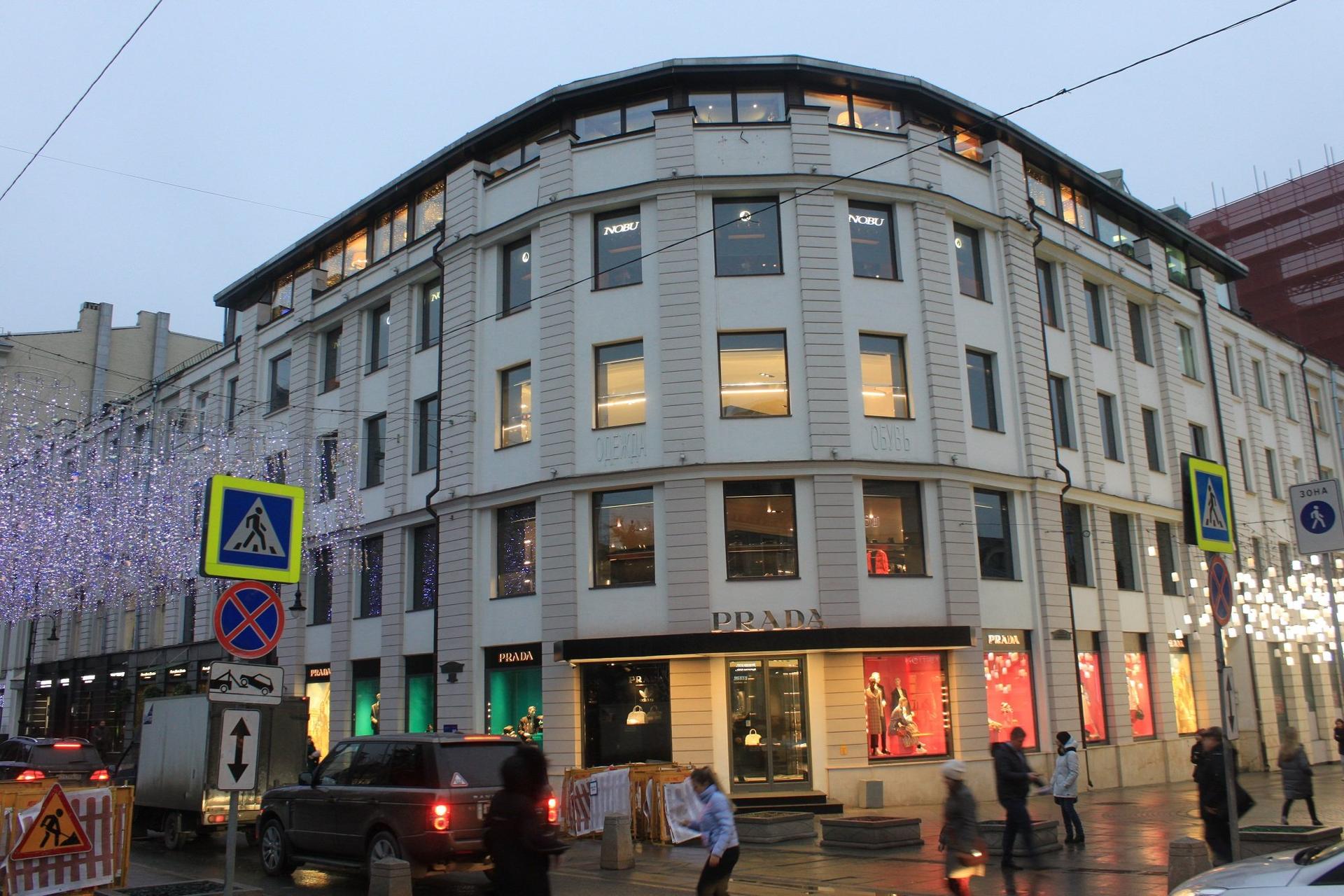
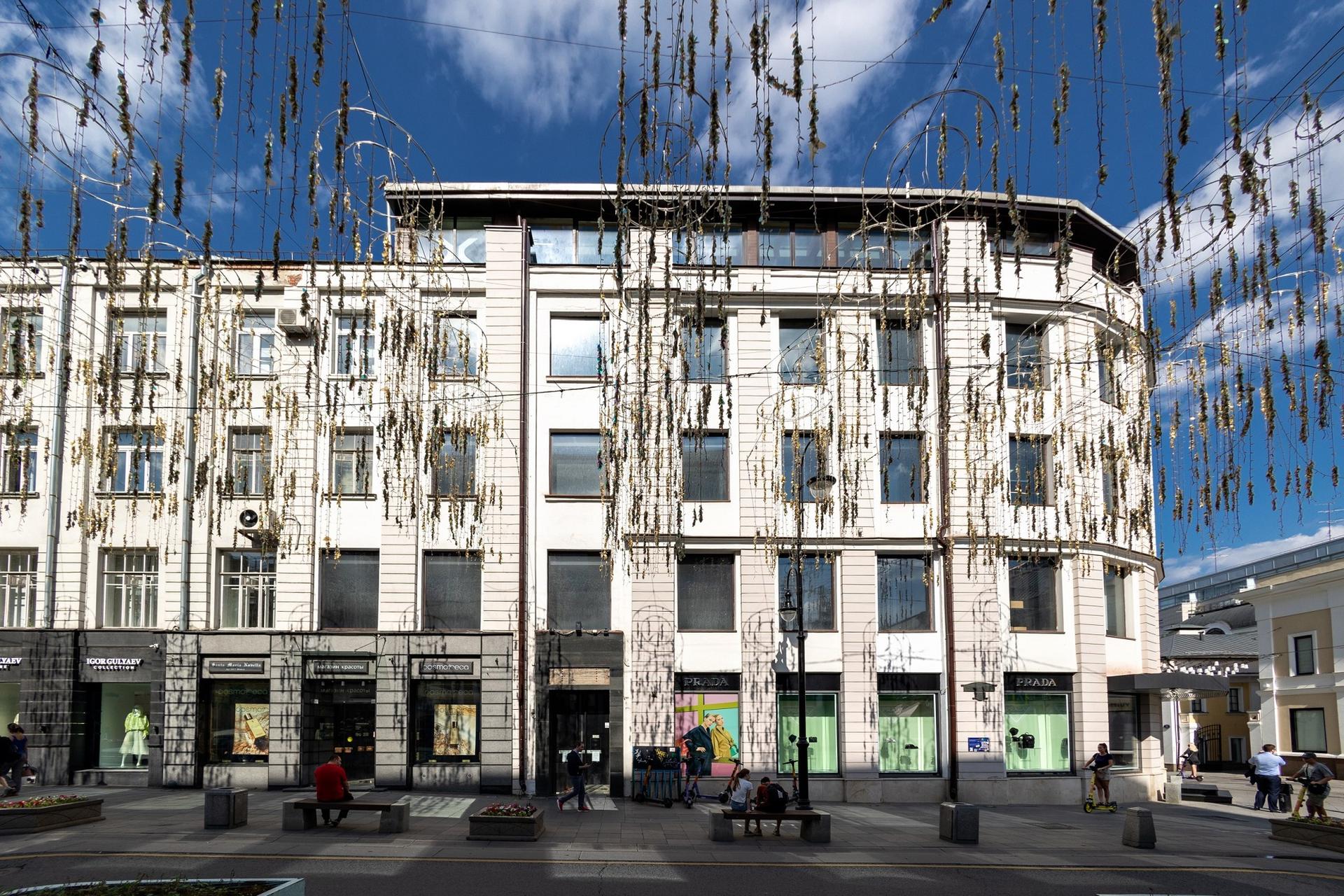
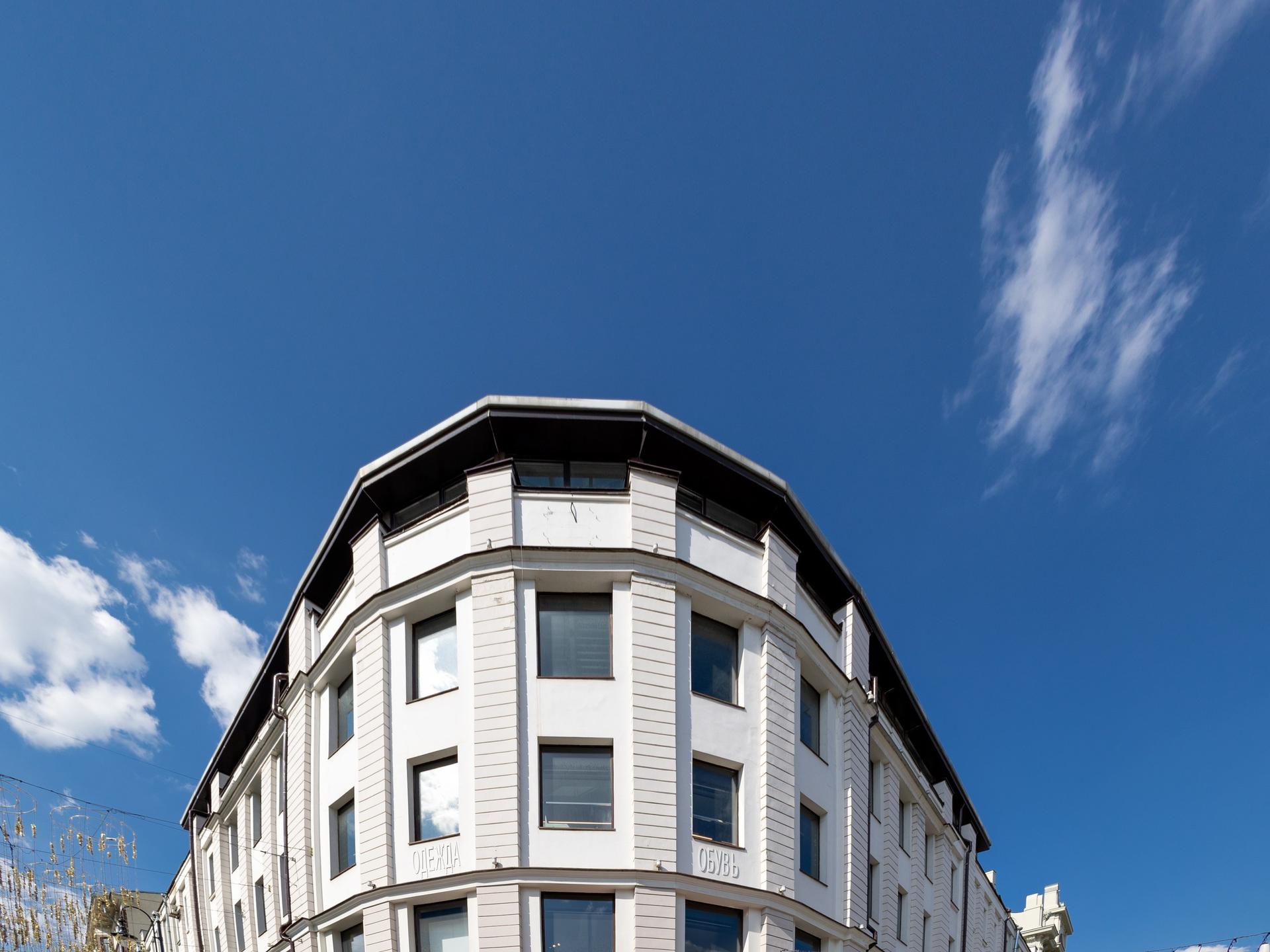
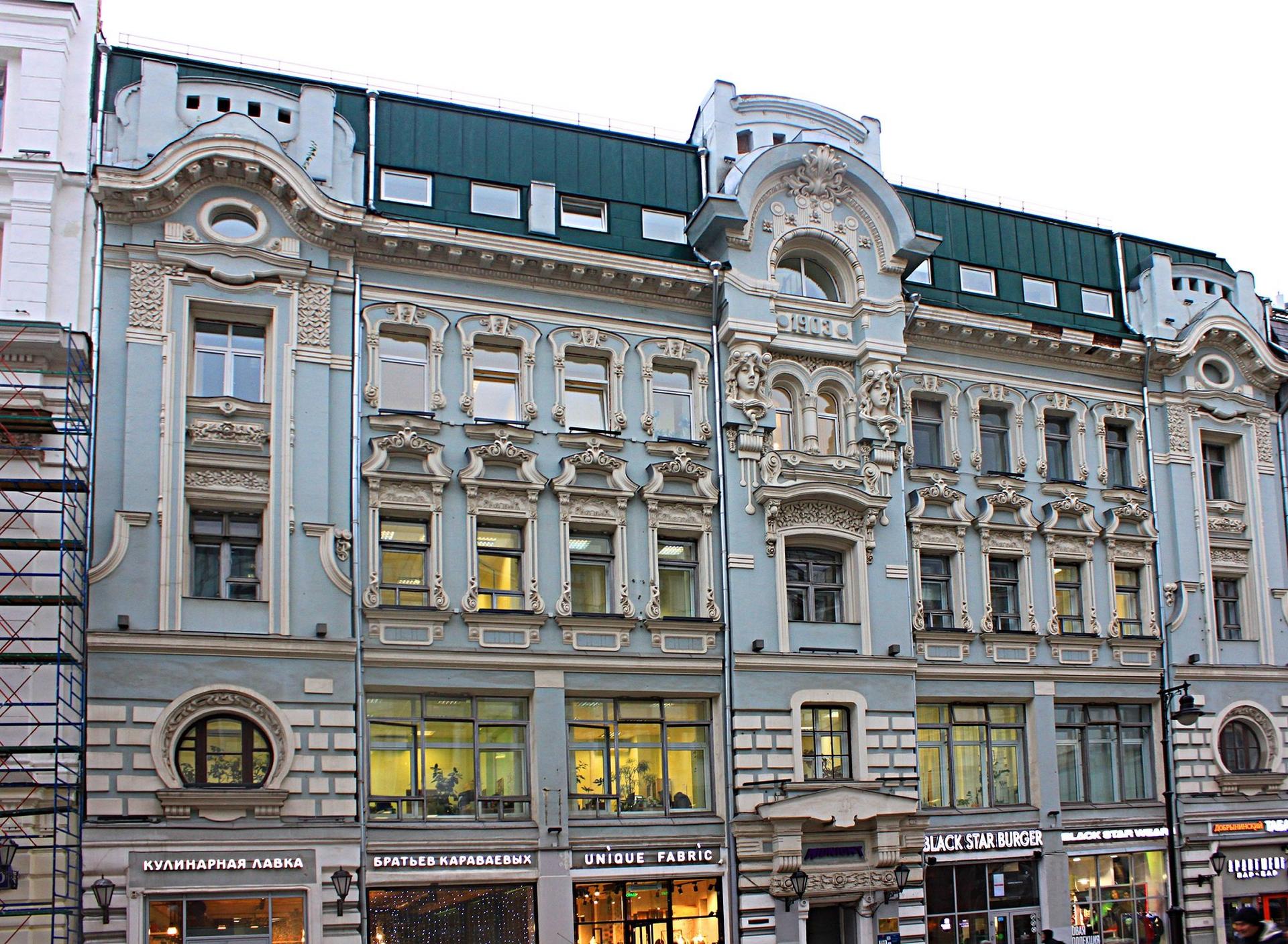
Mozgin’s apartment building

Konstantin Paustovsky wrote "Meschersky stories" and Fraerman wrote "Wild Dog Dingo" in this house.

Mozgin’s apartment building
Pushkinskaya, Tverskaya, Chekhovskaya
Konstantin Paustovsky wrote "Meschersky stories" and Fraerman wrote "Wild Dog Dingo" in this house.
2.88
Вы можете воспользоваться QR-кодом, чтобы открыть эту страницу в нашем приложении
Архитектурный стиль:
Годы постройки:
1911
Архитекторы:
К.Л. Розенкампф
Эпоха:
19th century
Информация о здании

В начале XIX в. угловой участок принадлежал прапорщику Кожину. Главный дом усадьбы выходил фасадом на Б. Дмитровку, а в переулок тянулся длинный дворовый флигель.

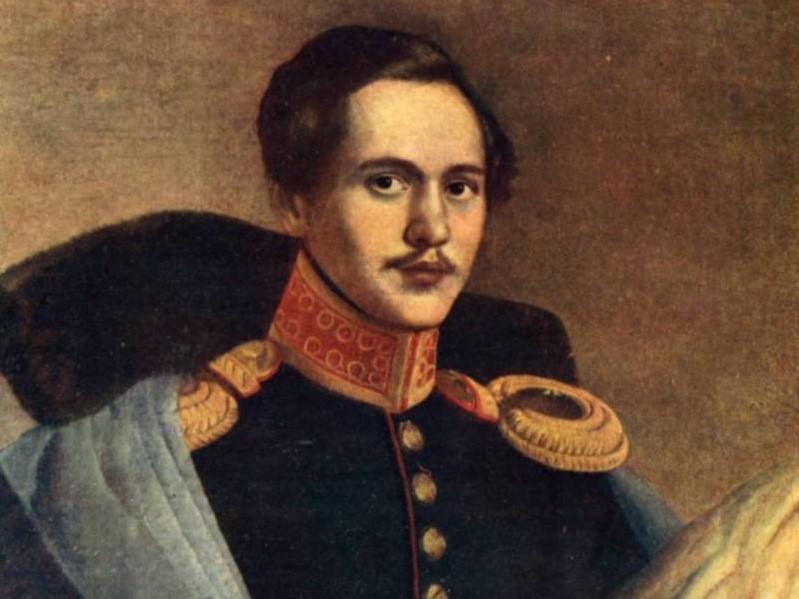
Здесь у своего университетского товарища Тиличеева бывал Лермонтов. В середине XIX в. усадьба перешла к губернскому секретарю Засекину, который сдавал часть помещений внаем. В конце 1840-х и начале 1850-х гг. это адрес одного из первых фотоателье “Дагерротипного заведения Пейшиса”. В Историческом музее хранится выполненный здесь портрет известного славянофила И. Киреевского.

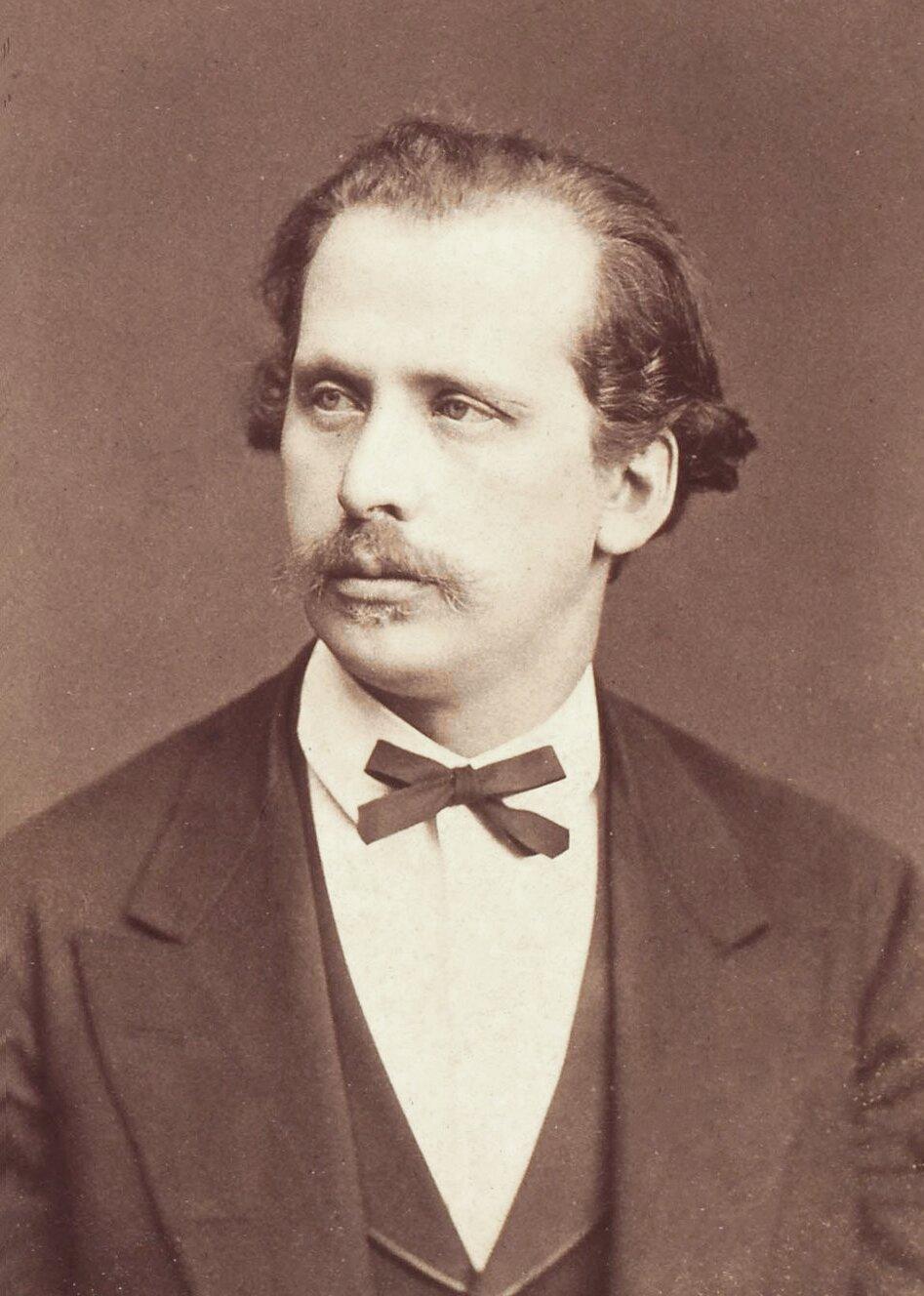
Другое помещение снимал нотоиздатель П. Юргенсон для своего “Музыкального магазина” и для конторы Русского музыкального общества, где принимал посетителей Н.Рубинштейн. В доме бывали знаменитые музыканты, композиторы, авторы романсов: А. Плещеев, Р. Вагнер, жил дирижер К. Альбрехт.

В конце XIX в. участком владел купец И. Савостьянов, а в 1900-х г. его приобрел купец второй гильдии П. Мозгин. Тогда в доме разместился популярный у москвичей “Магазин ремесленных изделий”.

В 1911 г. на дворовой территории участка по заказу Мозгина архитектор К. Розенкампф возводит пятиэтажный доходный дом с двумя подъездами. Здание, до сих пор стоящее во дворе, украшает лаконичный декор в стиле неоклассицизма.

В 1914 г. сын купца М. Мозгин решает продолжить строительство, новый проект углового здания принадлежал архитектору Н. Эйхенвальду. К сожалению, осуществлению проекта помешала Первая мировая война и строительство остановилось, не дойдя до второго этажа.

Недостроенным здание простояло до 1925 г., когда угловой участок был отдан издательству газеты «Правда». Тогда же был организован жилищно-строительный кооператив «Правдист» во главе с известным журналистом, корреспондентом «Правды» М. Кольцовым. Новый, лаконичный проект здания в модном стиле авангард принадлежал все тому же Эйхенвальду. Однако схожесть ЖСК «Правдист» и ЖСК «Жир-кость», построенного в те же годы на углу Петровки и Рахмановского переулка, позволяет утверждать, что автором проекта был также архитектор-конструктивист П. Кучнистов.

Жильцами нового дома стали журналисты и писатели. До переезда в Дом на набережной здесь жил М. Кольцов. В Столешниках получил квартиру К. Паустовский, написавший здесь "Блистающие облака", "Колхиду", "Мещерские рассказы". Здесь Р. Фраерман писал "Дикую собаку Динго, или Первую любовь". Жили Е. Зозуля и сын Б. Пастернака.

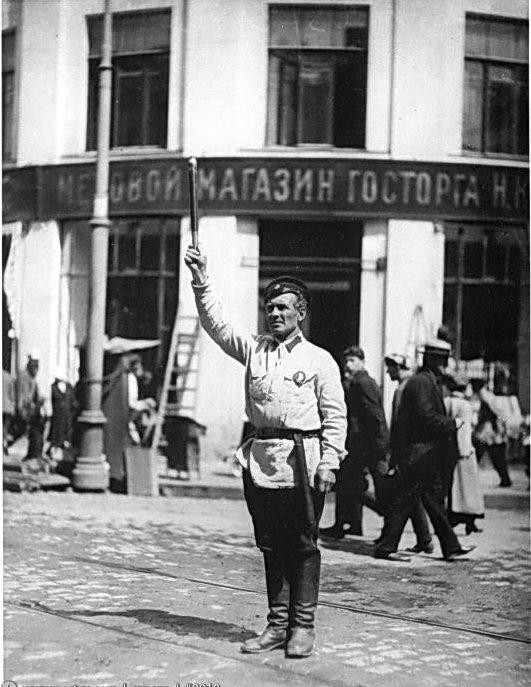
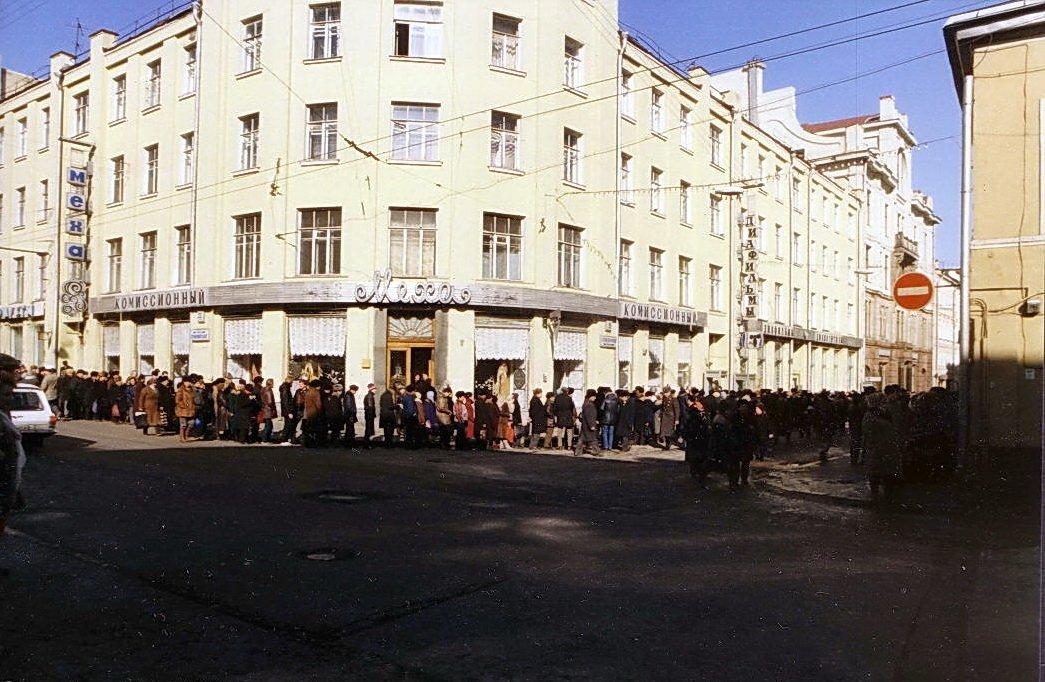
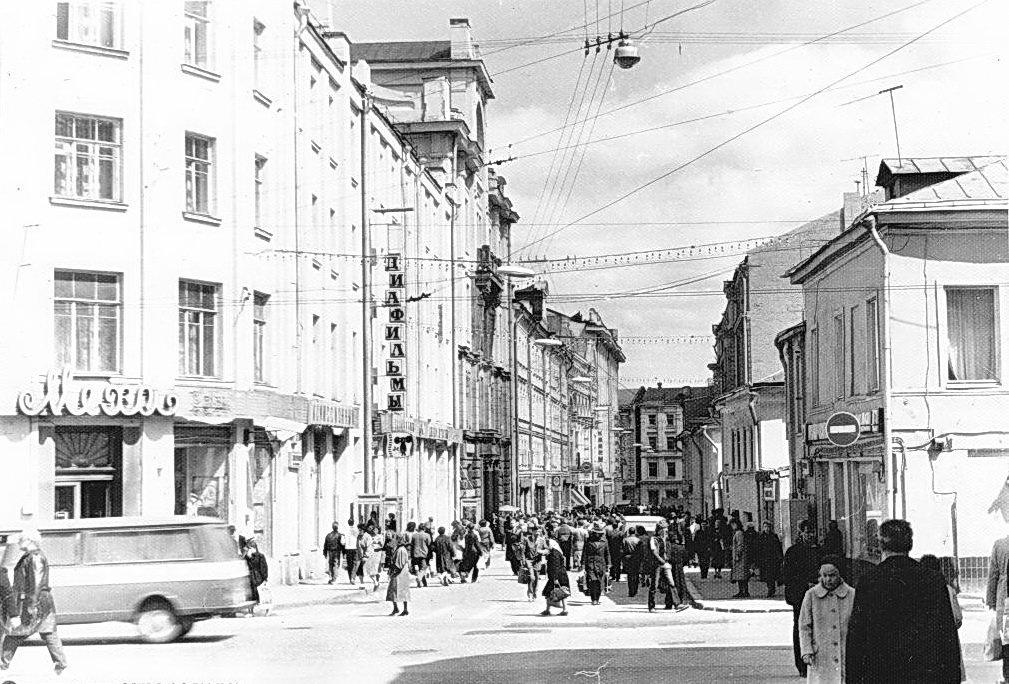
В нижнем этаже дома №20 в советские годы работал комиссионный меховой магазин.

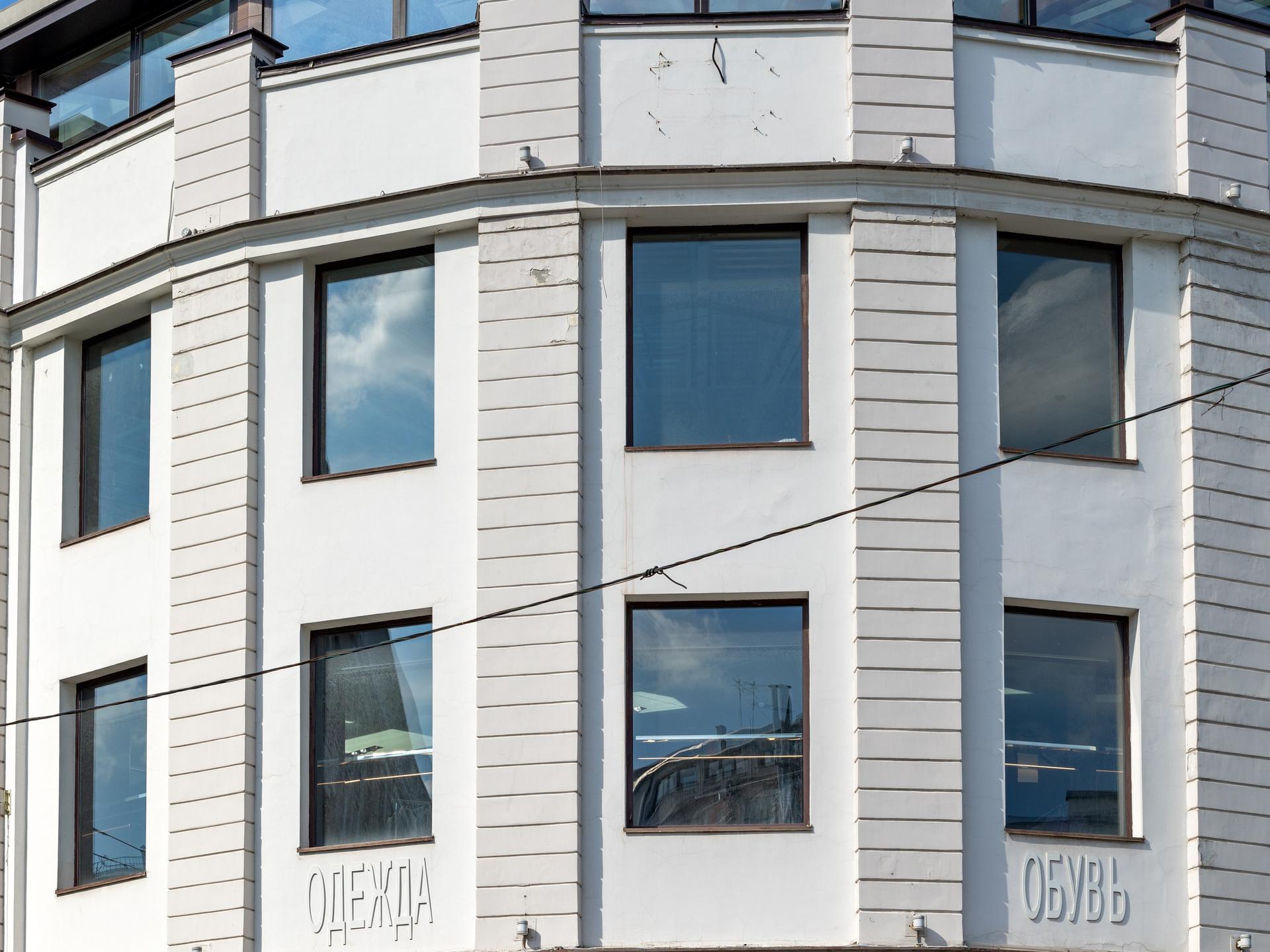
В 2010 г. чердачное помещение дома было реконструировано, оштукатуренные межоконные лопатки расшиты под руст.
Ensign Kozhin owned a corner lot at the beginning of the XIX century. The main manor house looks out to Bolshaya Dmitrovka, and long yard outbuilding was stretched along the alley. Lermontov visited his university friend Tilicheev in this house. Provincial secretary Zasekin acquired the estate in the middle of the XIX century. Zasekin rented out some parts of the estate. There was an address of one of the first photo stores "Peyshis daguerreotype institution" in the late 1840s and early 1850s. A portrait of the famous Slavophile Kireevskii is kept in the Historical Museum now. Music note publisher P. Jurgenson rented another space in the house for his "Music Store" and for the office of the Russian Musical Society, where N.Rubinshteyn was accepting visitors. A Plescheev, R. Wagner and many other famous musicians, composers, writers of romances visited here. Famous conductor K. Albrecht lived in the house. Merchant I. Savostjanov acquired the house at the end of the XIX century. Then it was purchased by the merchant of the second guild P. Mozgin in 1900. Popular among Muscovites "shop craft products" appeared at the house at that time. Mozgin hired the architect K. Rosenkampf to build a five-story apartment building with two entrances at the yard area in 1911. The building is still standing in the yard, decorated with sleek decor in the neoclassical style. In 1914, the son of a merchant M. Mozgin decided to continue the construction of the new corner building. The project was entrusted to the architect H. Eichenwald. Unfortunately, the First World War prevented the implementation of the project and construction was stopped before it reached the second floor. Building stood unfinished until 1925, when the corner lot was given the publisher of the newspaper "Pravda". Then "Pravda" building society was organized, headed by well-known journalist, correspondent of "Pravda" newspaper M. Koltsov. The new, sleek-design project of the building in the fashionable avant-garde style belonged to all the same Eichenwald. However, the similarity of the cooperative "Pravda" and cooperative "Fat – bone” which was built in the same years at the corner of Petrovka street and Rahmanovsky lane, suggests that the author of the project was also the architect-constructivist P. Kuchnistov. Residents of the new home were journalists and writers. Before moving to the House on the Embankment M. Koltsov lived here. IPaustovsky received a flat in Stoleshnikov. He wrote his famous "Glittering Clouds", "Colchis", "Meschersky stories" here. R. Fraerman wrote "Wild Dog Dingo, or first love" while living here. E. Zozulja and son of Boris Pasternak lived here as well. Commission fur shop was open on the ground floor of the building during Soviet times. The attic was renovated, plastered fireplace units under the shoulder embroidered for rust in 2010.
Автор статьи: Зинаида Одолламская
Отзывы
(1)
Поделитесь статьей с друзьями
Интересное рядом(6)