Интерактивный гид по городу
С мобильным приложением бродить по городу гораздо интереснее!

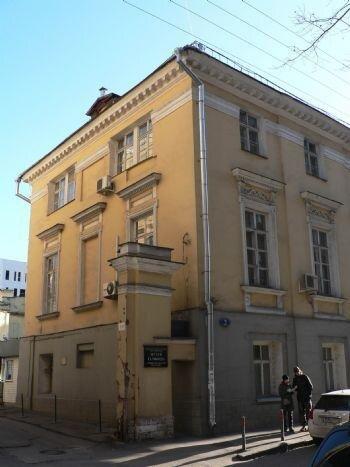
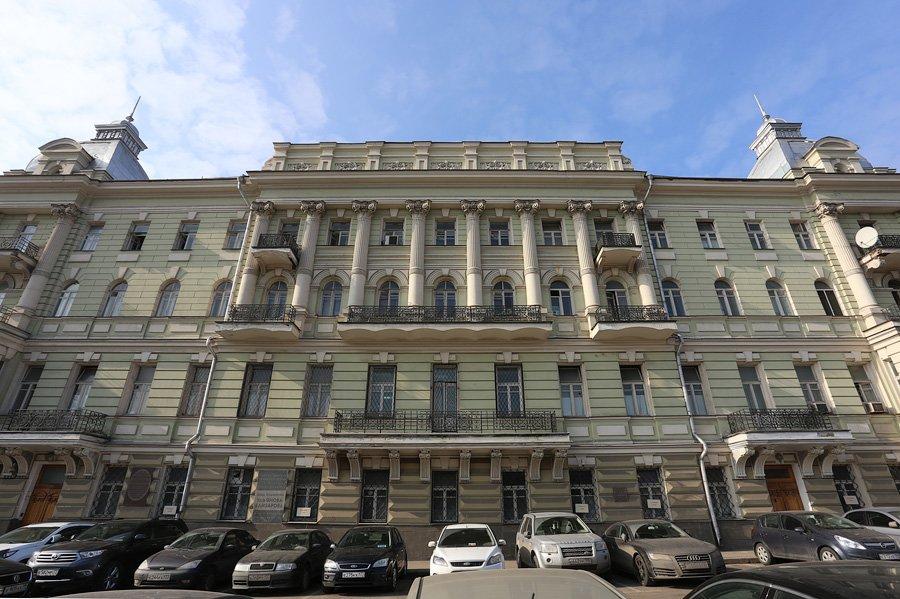
S.A. Egorov’s apartment building

V.I. Lenin’s girlfriend Inessa Armand and his sister Anna Ilinichna Elizarova - Ulyanova lived here in 1918-1920.

S.A. Egorov’s apartment building
V.I. Lenin’s girlfriend Inessa Armand and his sister Anna Ilinichna Elizarova - Ulyanova lived here in 1918-1920.
3.44
Вы можете воспользоваться QR-кодом, чтобы открыть эту страницу в нашем приложении
Архитектурный стиль:
,
Годы постройки:
1904
Архитекторы:
С.Б. Залесский
Эпоха:
19th century, 1900s
Информация о здании

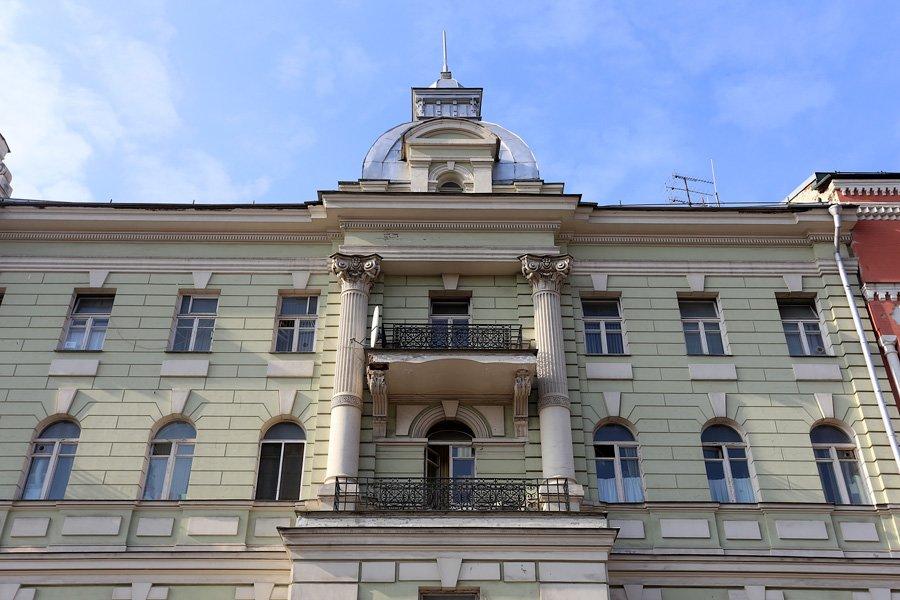
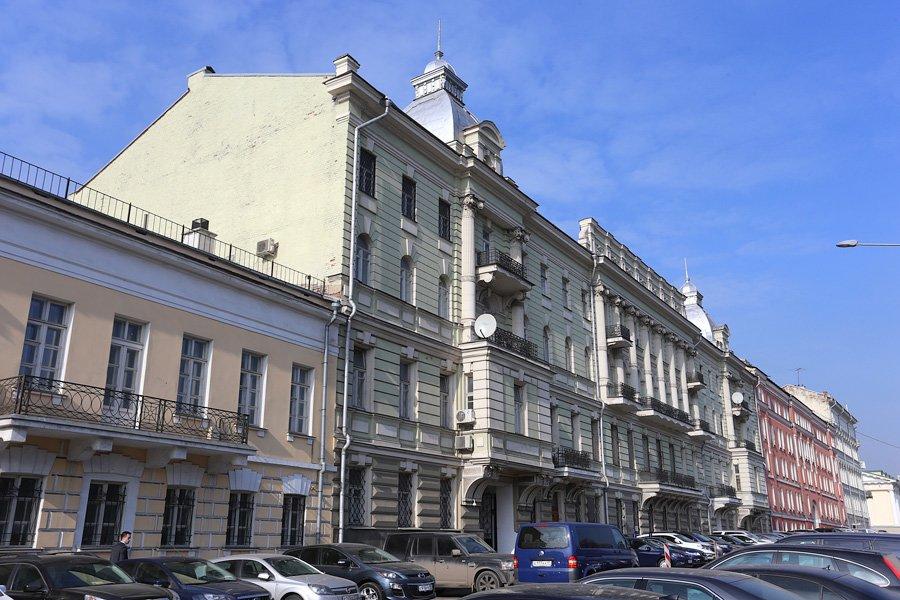
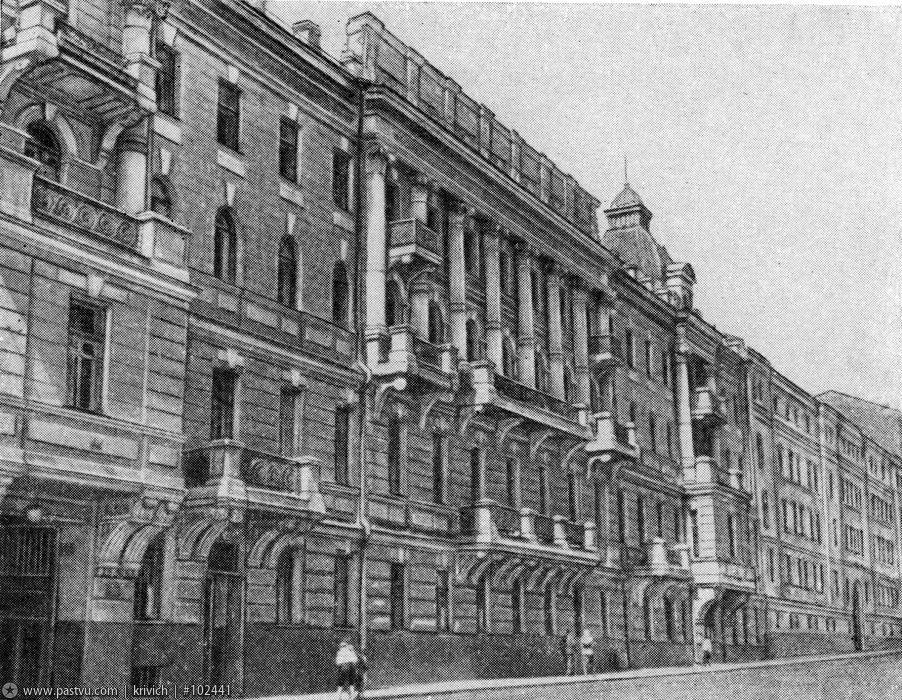
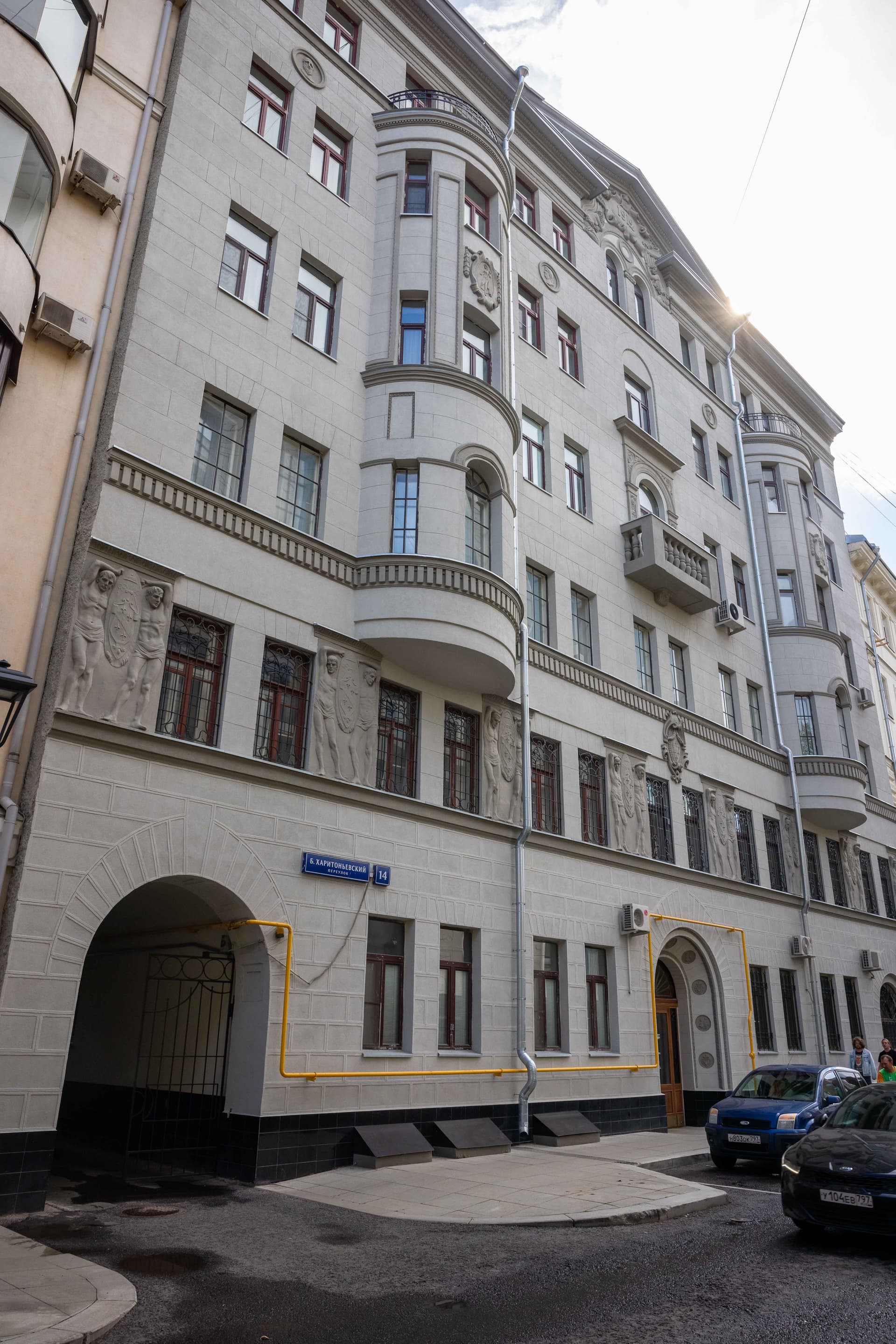
Четырехэтажный доходный дом с двумя куполами и колонным портиком посередине, взлетевшим вверх на третий и четвертый этаж, построен здесь в 1904 году архитектором С.Б. Залесским в стиле классицизированной эклектики, так любимом этим архитектором. Еще можно видеть детали старого двухэтажного особняка, который оказался встроенным в новое здание. Классический ампирный особняк был построен тут в 1824 г., когда владения старого Аптекарского огорода Ивана Грозного, в XVIII в. принадлежавшие Кремлевскому ведомству, распродали в частные руки. Его выстроил гвардии ротмистр Александр. Степанович Талызин — правнук фельдмаршала Степана Федоровича Апраксина (1702–1758) — героя Семилетней войны и внук капитана Александра Федоровича Талызина, одолжившего свой Семеновский мундир императрице Екатерине в день переворота 1762 г. Александр. Степанович был женат на внучке А.В. Суворова, графине Ольге Николаевне Зубовой.

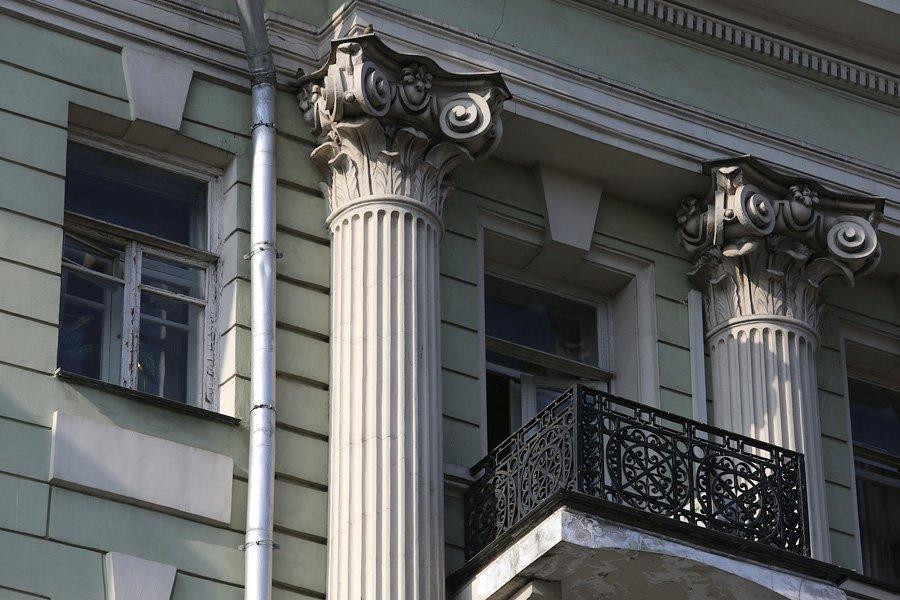
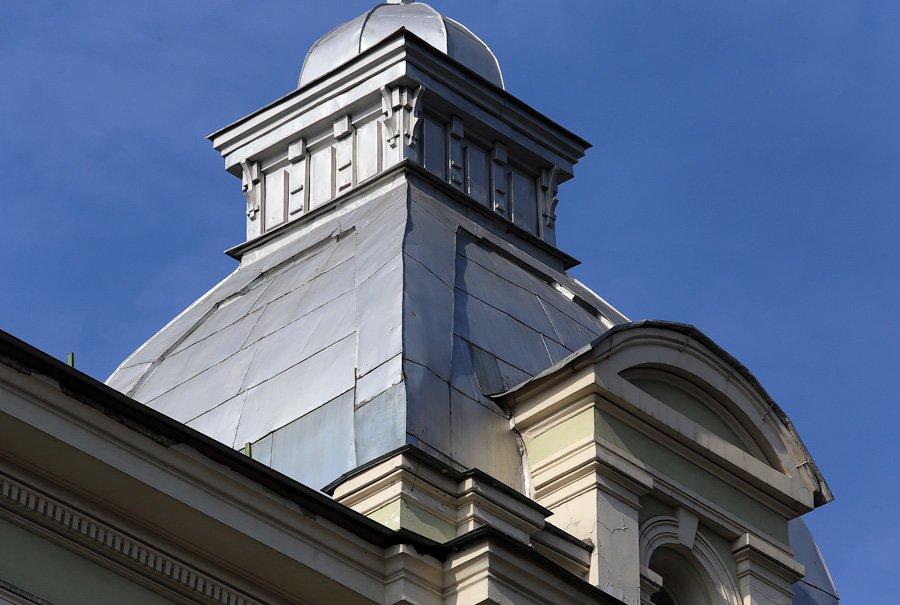
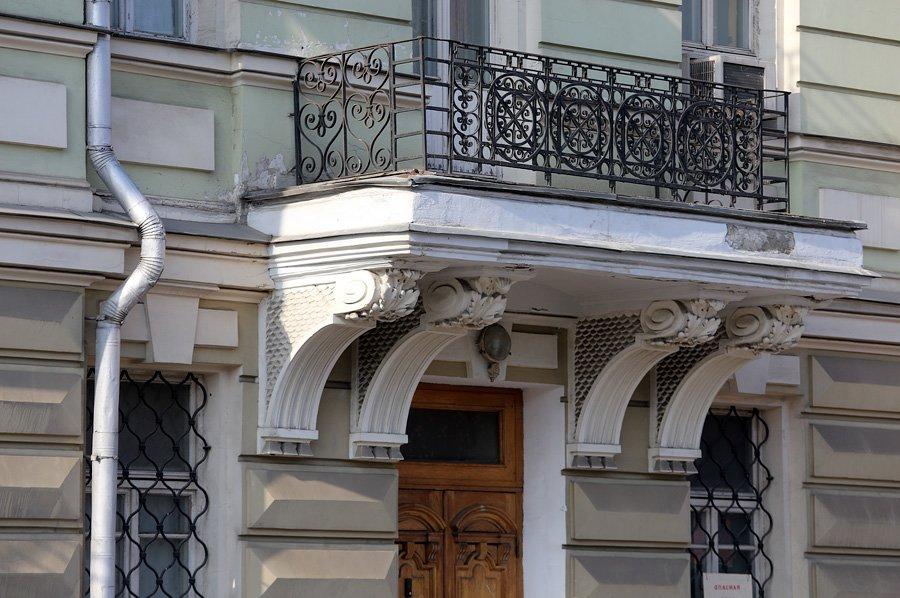
В начале XX в. владение перешло к купцу Сергею Андреевичу Егорову, который и выстроил тут доходный дом. Центр здания так же как в ампирном особняке выделен восьмиколонным портиком трехчетвертных колонн композитного ордера. Как и особняк Талызиной, новое здание имеет трехчастную композицию фасада. Трехчастность и симметрия общей композиции подчеркнуты в силуэте массивным аттиком в средней части и двумя куполами барочного абриса по сторонам над слуховыми окнами. Здание приятно рассматривать во всех деталях, как всегда у Залесского. Ажурное плетение балкончиков хорошо смотрится на рустованной отделке стены и красивой лепнины. Обращает на себя внимание ритмика расположения балконов разных размеров.

В советское время дом, близко расположенный от Кремля, заселили новыми жильцами. Здесь с 1918 по 1920 г. жила подруга В.И. Ленина Инесса Арманд и сестра Анна Ильинична Елизарова-Ульянова, а также и другие видные деятели ВКПб. Дом оставался жилым до 1990-х гг. Здесь, в частности, жил артист Юрий Богатырев.

The four-storey apartment building with two domes and columned portico in the middle, soaring up to the third and fourth floor, was built here by architect S.B. Zaleski in the classic-eclectic style in 1904. This was Zaleski’s favorite style. You can still see parts of the old two-storey mansion, which turned out to be built in a new building. Classic Empire-style mansion was built here in 1824, when the property of the old Apothecary backyard of Ivan the Terrible, belonged to Kremlin agency, was sold into private hands in the XVIII century.

It was built by Guard Captain Alexander Stepanovich Talyzin, the great-grandson of Field Marshal Stepan Fedorovich Apraksin (1702-1758) - the hero of the Seven Years' War and the grandson of Captain Alexander Fedorovich Talyzin who lent his Semyonov regiment’s uniform to Empress Catherine in the day of the coup of 1762. Alexander Stepanovich was married to the granddaughter of A.V. Suvorov, Countess Olga Nikolaevna Zubova.

The property passed to the merchant Sergey Andreevich Egorov, who built the apartment house here at the beginning of XX century. Center of the building was decorated with eight-columned portico of three-quarter columns of composite order just like in the Empire-style mansion. The new building has a three-part composition of the façade just like Talizina’s manson. Ternary and symmetry of the overall composition are underlined in silhouette by the massive attic in the middle and two baroque domes of the contour at the sides of the dormers. It is interesting to examine the building in detail, as it is always with Zaleski’s buildings. Openwork weaving of balconies looks good on the rusticated walls and beautiful moldings. Rhythmic arrangement of terraces of different sizes is noteworthy.

The house located near the Kremlin was populated with new tenants in Soviet times. V.I. Lenin’s girlfriend Inessa Armand, his sister Anna Ilinichna Elizarova - Ulyanova and other prominent figures of VKPb lived here in 1918-1920. The building remained residential until the 1990s. The famous artist Yuri Bogatyrev lived here.
Автор статьи: Ирина Левина
Поделитесь статьей с друзьями
Интересное рядом(5)
Соймоновский проезд
Романов переулок, д. 4, стр. 2
Кремлёвская набережная
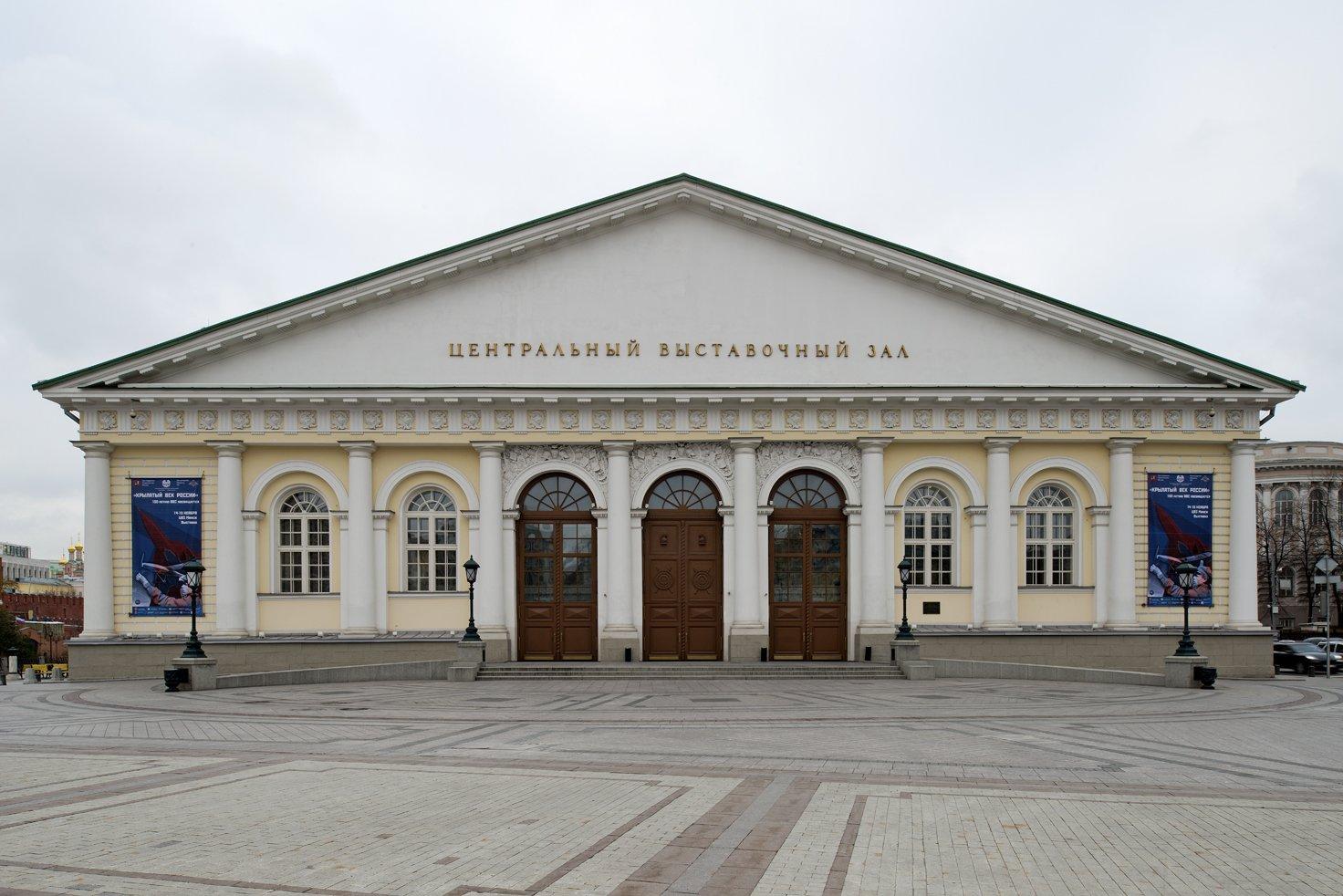
Manege Central Exhibition HallThe building of Big Manege was built by the order of Alexander I for 8 months in 1817 on the occasion of the 5th anniversary of the victory in the war of 1812. The construction was carried out according to the project of engineer Augustine Betancourt by a special staff of engineers and architects subordinated to the Chief Inspector of hydraulic and earthworks in Moscow, Major-General Lev Carbonier. The building was called then “Ekzersirgauz” (home for military exercises). It impossible to tell that deal with construction went well. The idea, offered by Betancourt and which was carried out by Carbonier, meant the unique technological principle: the unique wooden construction of rafters, covering 44.86 m of space without intermediate supports. However, with the onset of a heat at the end of July, 1818 two rafter farms of the Manege cracked. They were fixed, but a year later, in the heat, the damaged in the rafters happened again. By the highest order of Alexander I, from September 1823 to May 1824, farms were rebuilt, and their numbers increased from 30 to 45. In August 1824, a ceiling was sewn to the roof of the Manege. Miracle of the equipment of times of an empire style is a result of joint action of many architects. A. Betancourt and L. Carbonier’s ideas were brought to mind by honest and modest professionals whom history is almost silence: Colonel R.R. Bausa, lieutenant engineer A. Ya. Kashperov and others. In 1825, the main architect of the Commission of Buildings, famous moscow architect Osip Bove decorated the Manege with stucco and plaster decorations. Since 1831, concerts and festivities were regularly held in the Manege. After the revolution, there was a government garage in the Manezh and in the times of Nikita Khrushchev (since 1957), the Central Exhibition Hall opened in the building. An interesting fact was told by the researcher Sergey Petrov, who had studied the construction of the Manege for many years as the head of the Main Directorate for the Preservation of Monuments of the USSR. It turns out that in order to preserve wooden structures, in the days of Bove, the entire attic was covered with a makhorka (shag). On half-meter. All sorts of rodents and insects do not like this smell. In spite of the fact that the makhorka itself was smoked during the war of 1941–1945, all the constructions were as good as new in the 1970s. But even then in the attic there was still a thick smell of tobacco. Interestingly, the makhorka case at the Manege pulls along a beautiful train of cultural associations. Associations concern, first of all, the history of national architecture. Here - a makhorka! Saying this, today is almost an exotic word, how can you not recall the symbol of the transformations of modern Moscow - The Central Park of Culture and Leasure named after Maxim Gorky, on whose territory in 1923, hosted the first All-Union Agricultural Exhibition - VSHV. And its symbol for subsequent generations was the Makhorka pavilion built by the young architect Konstantin Melnikov - one of the first examples of avant-garde design.