Интерактивный гид по городу
С мобильным приложением бродить по городу гораздо интереснее!

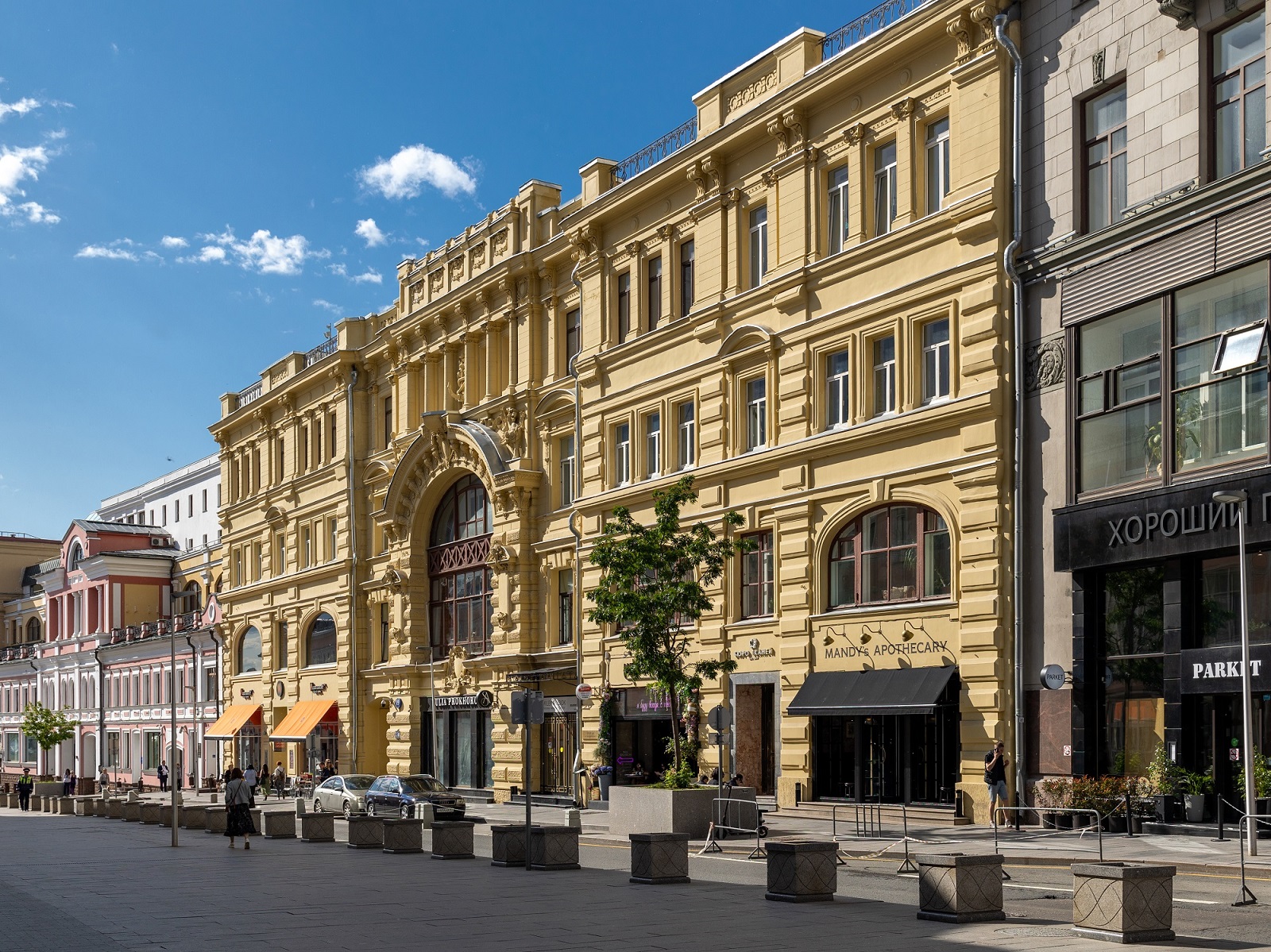
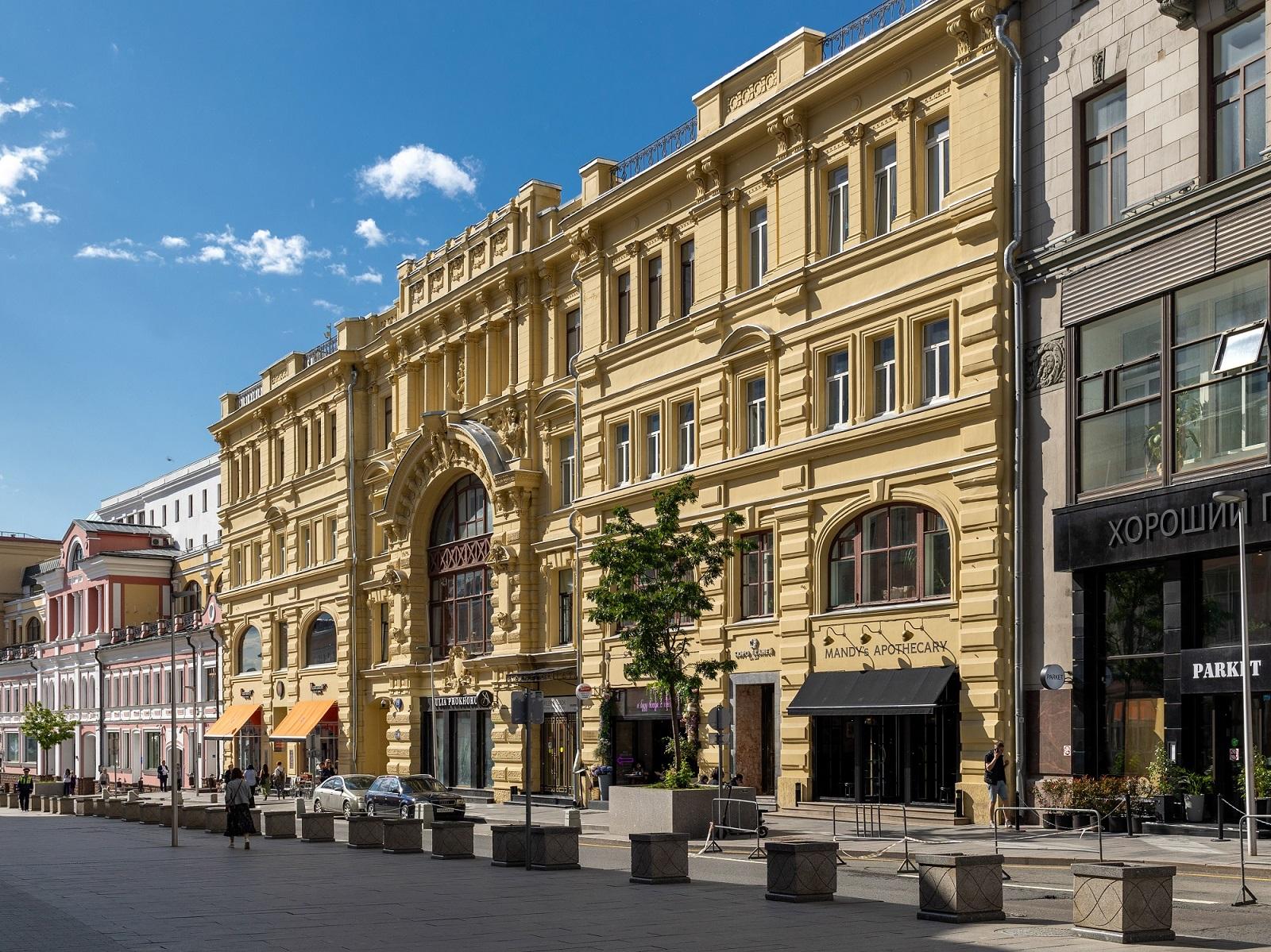
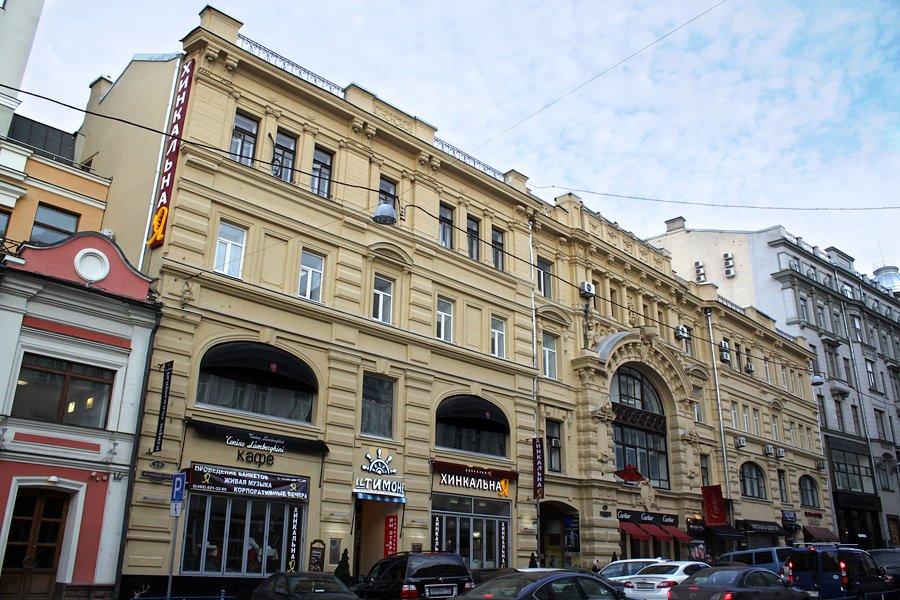
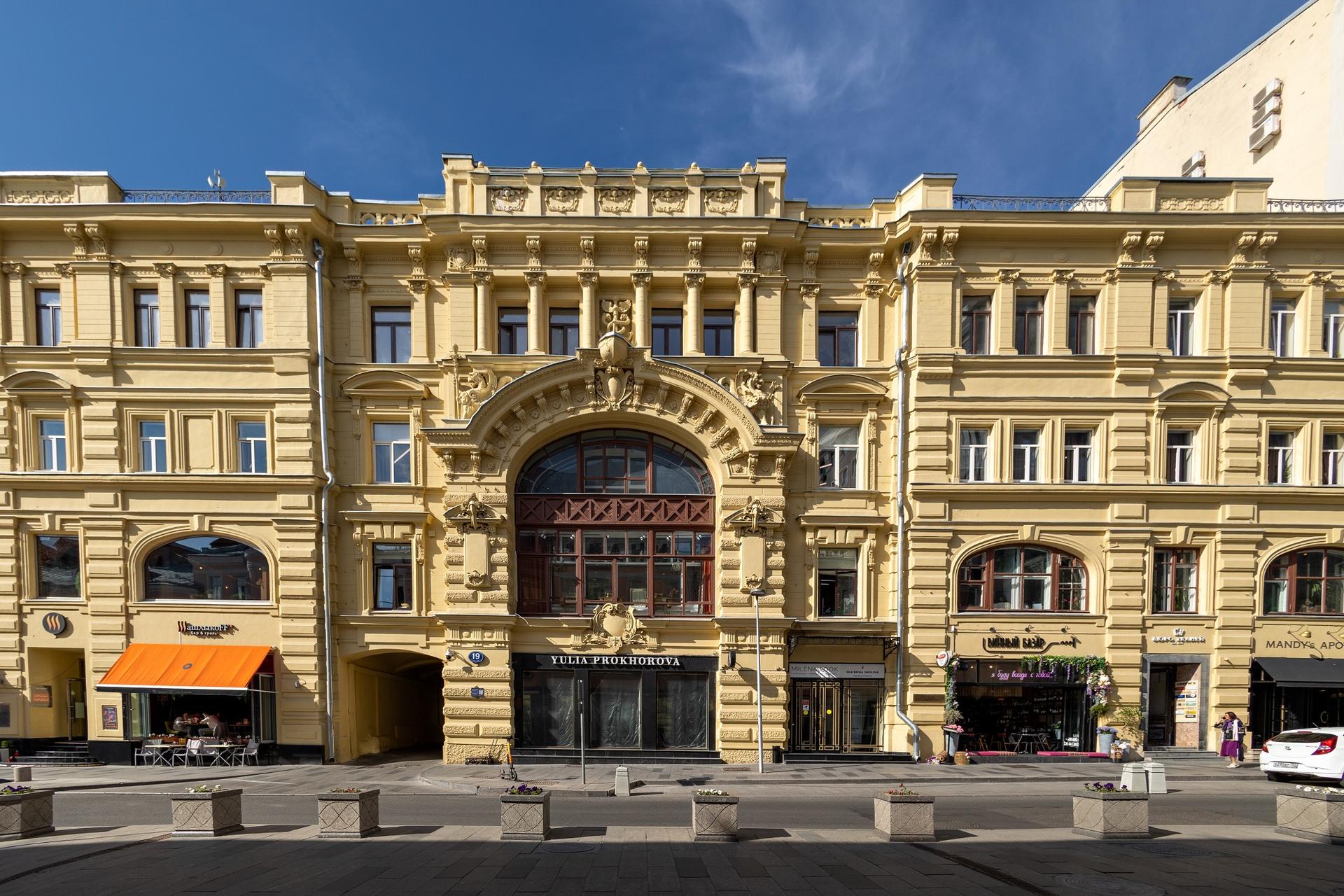
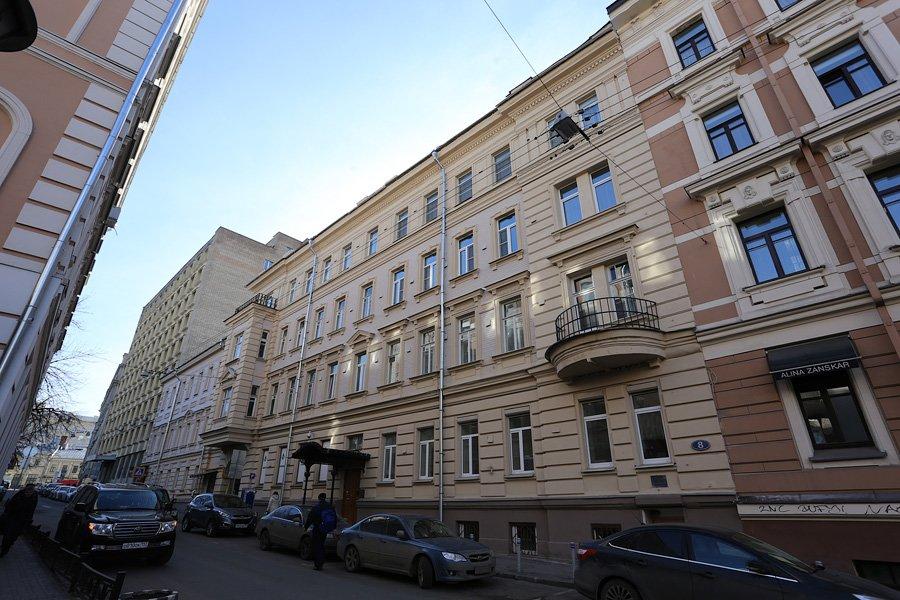
Apartment building and shops of prince Gagarin

In the middle of the XIX century in this ancient mansion, which retained its commercial importance to the present day, the first store of Russian goods was placed on the "French" Kuznetsky Most.

Apartment building and shops of prince Gagarin
Lubyanka, Kuzneckij most
In the middle of the XIX century in this ancient mansion, which retained its commercial importance to the present day, the first store of Russian goods was placed on the "French" Kuznetsky Most.
3.54
Вы можете воспользоваться QR-кодом, чтобы открыть эту страницу в нашем приложении
Архитектурный стиль:
,
Годы постройки:
XVIII в., 1817, 1886-1887, 1896
Архитекторы:
Р.И. Клейн, В.А. Коссов
Эпоха:
19th century
Информация о здании

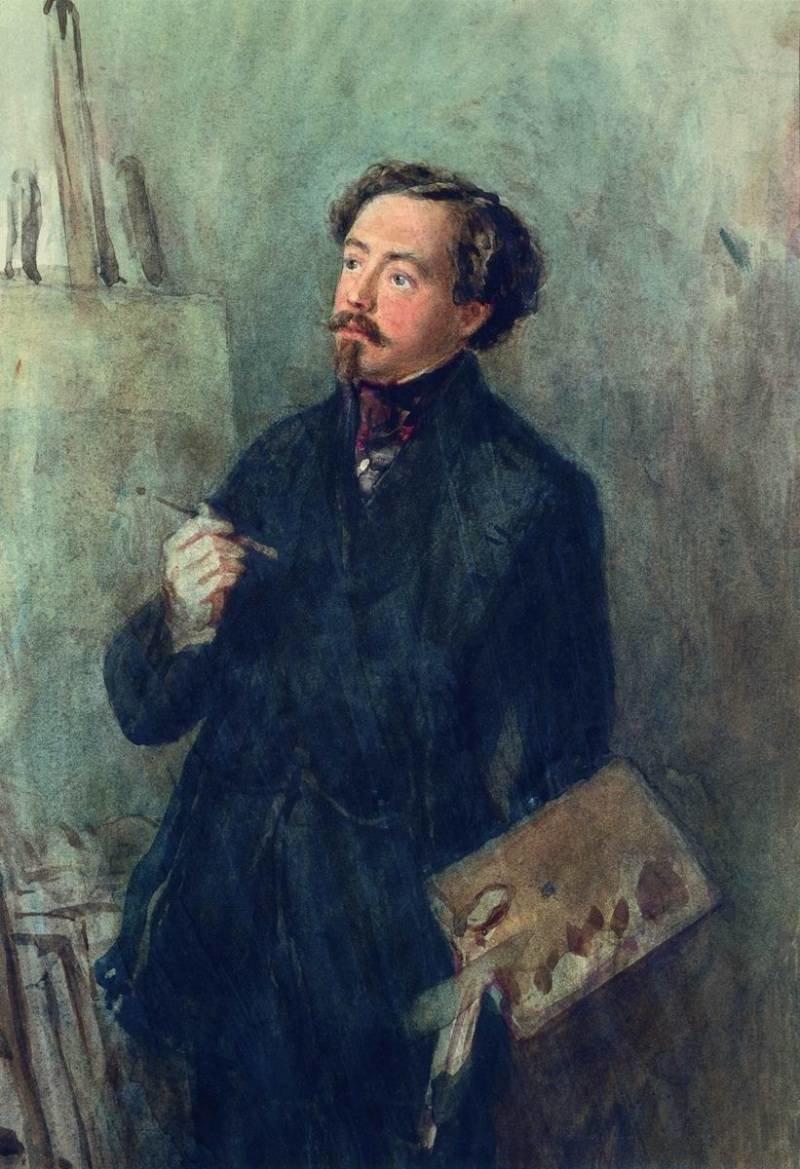
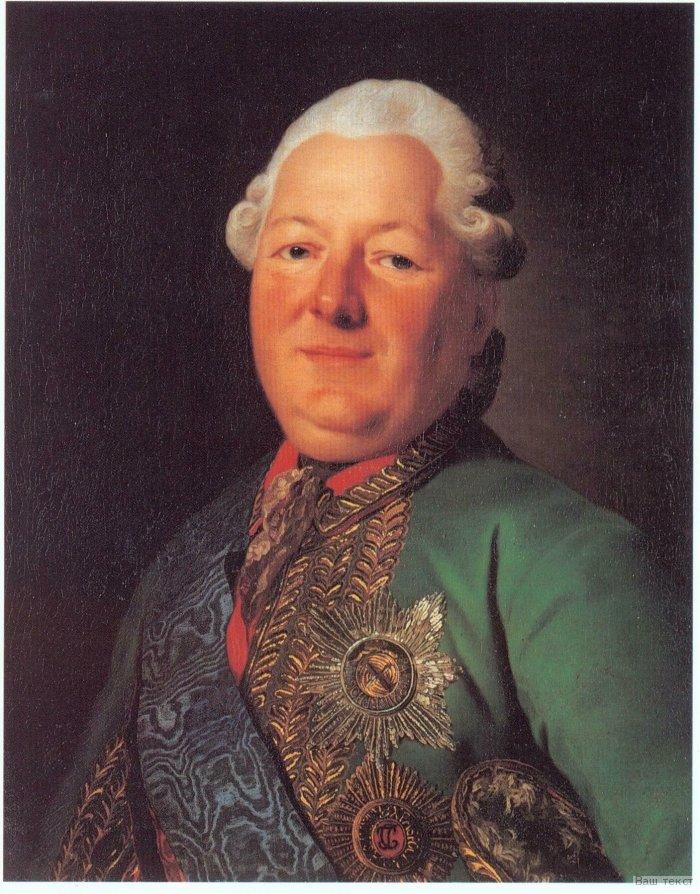
В 1742 г. владение принадлежало И.И. Вельяминову-Зернову — представителю старинного боярского рода. При нем на участке были возведены каменные палаты, позже вошедшие в объем современного здания. В 1780-е гг. владельцем стал генерал-аншеф князь В.М. Долгоруков-Крымский, а позже — его зять князь Г.Г. Гагарин — художник, вице-президент Императорского Археологического общества и Императорской Академии художеств. С тех пор и до революции Гагарины и оставались хозяевами этого владения.

Здание пострадало в пожаре 1812 г. и через пять лет было перестроено. В то время это был усадебный комплекс, состоящий из главного дома в глубине двора и двух флигелей, соединенных чугунной оградой с воротами по красной линии Кузнецкого.

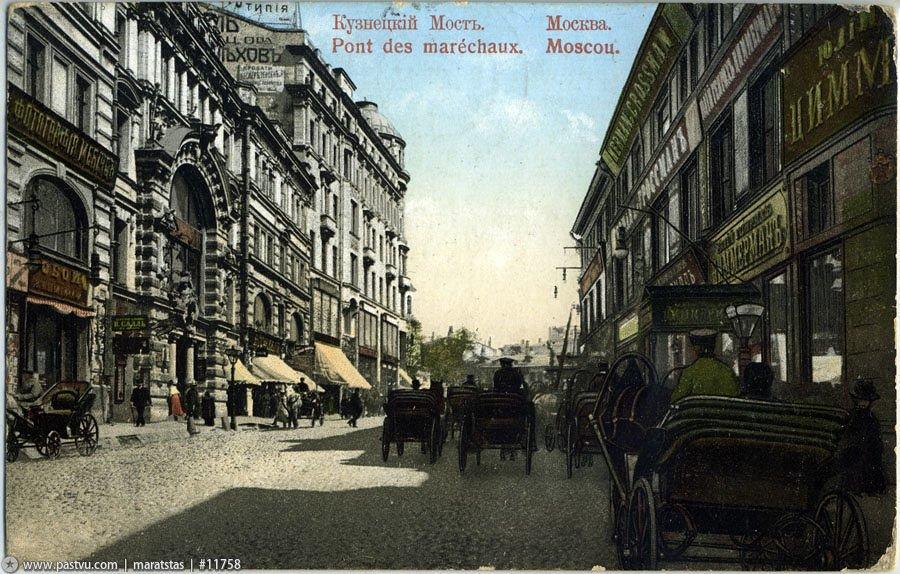
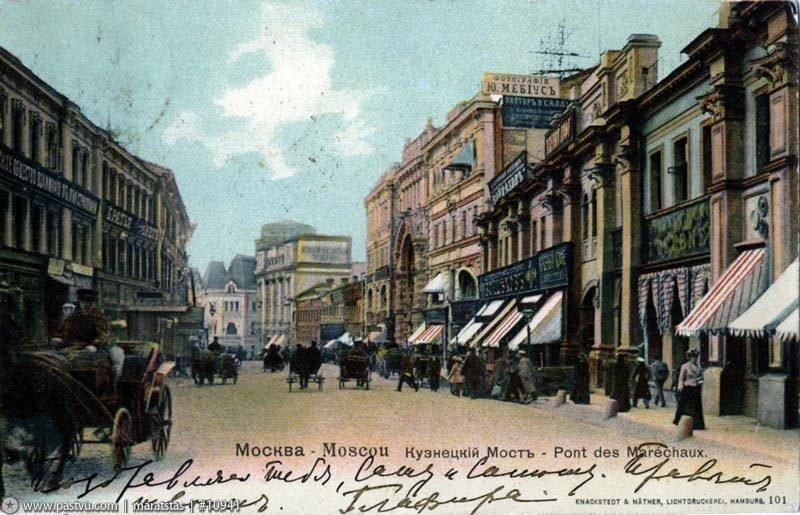
В усадьбе располагались, в основном, торговые заведения: например, знаменитый магазин Е. Наливкиной с «Кабинетом для чтения» — читальным залом, где регулярно проводились книжные выставки; книжный магазин с библиотекой для чтения А. Ланга. В 1843 г. здесь, по инициативе фабриканта и будущего городского головы Е.Ф. Гучкова, открылся «Магазин русских изделий» — первый магазин отечественных товаров на «французском» Кузнецком Мосту. Позже в левом флигеле усадьбы открылся еще один подобный магазин «Русский базар» («Базар изделий русских фабрик»). В середине XIX в. оба флигеля были соединены с главным домом застекленными галереями: так было создано единое торговое пространство, получившее неофициальное название «Пассаж Гагарина» — с магазинами купцов Поповых, Гучковых, Сапожниковых, А. Кони, мадам Дабо и мн. др.

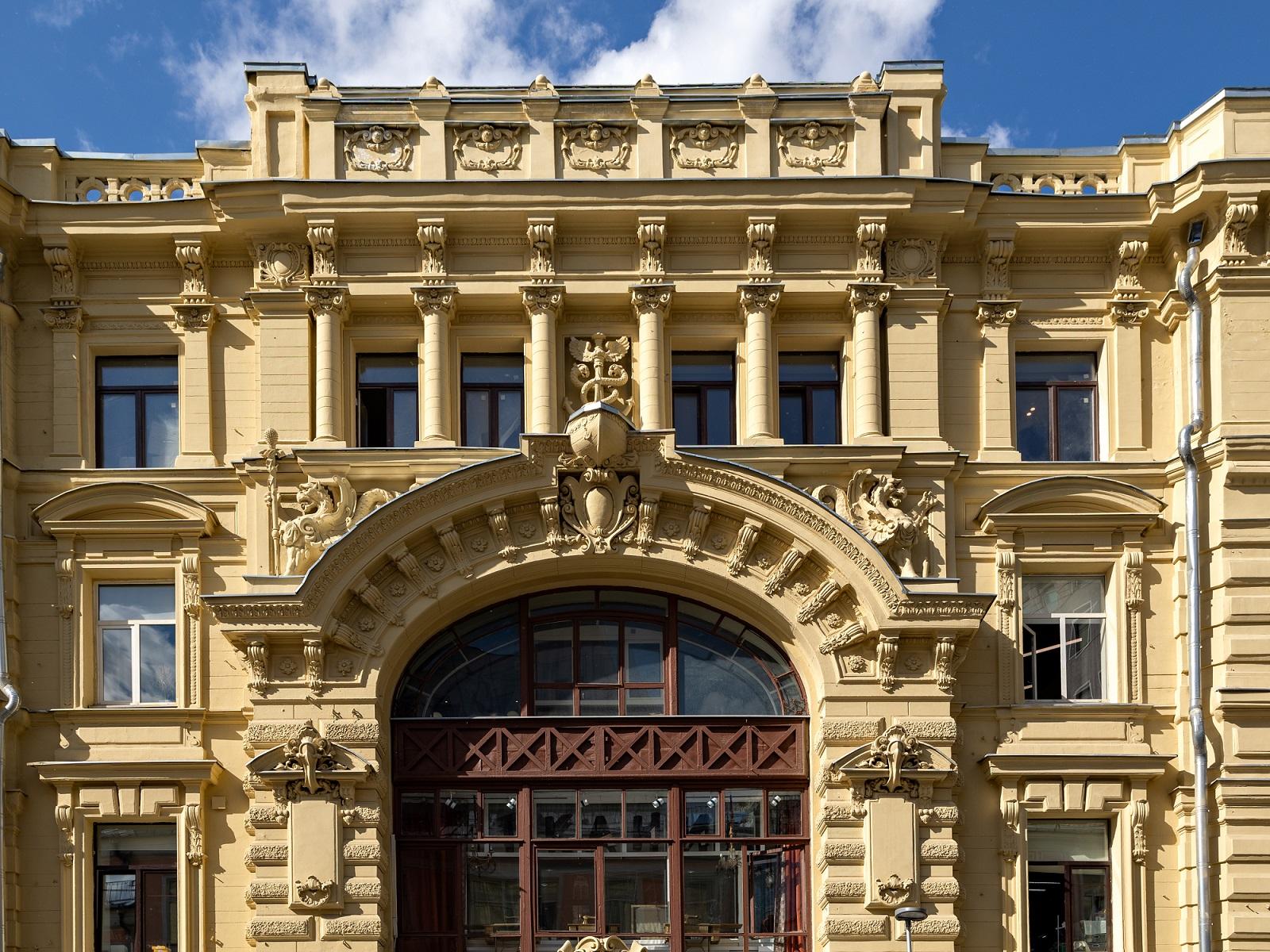
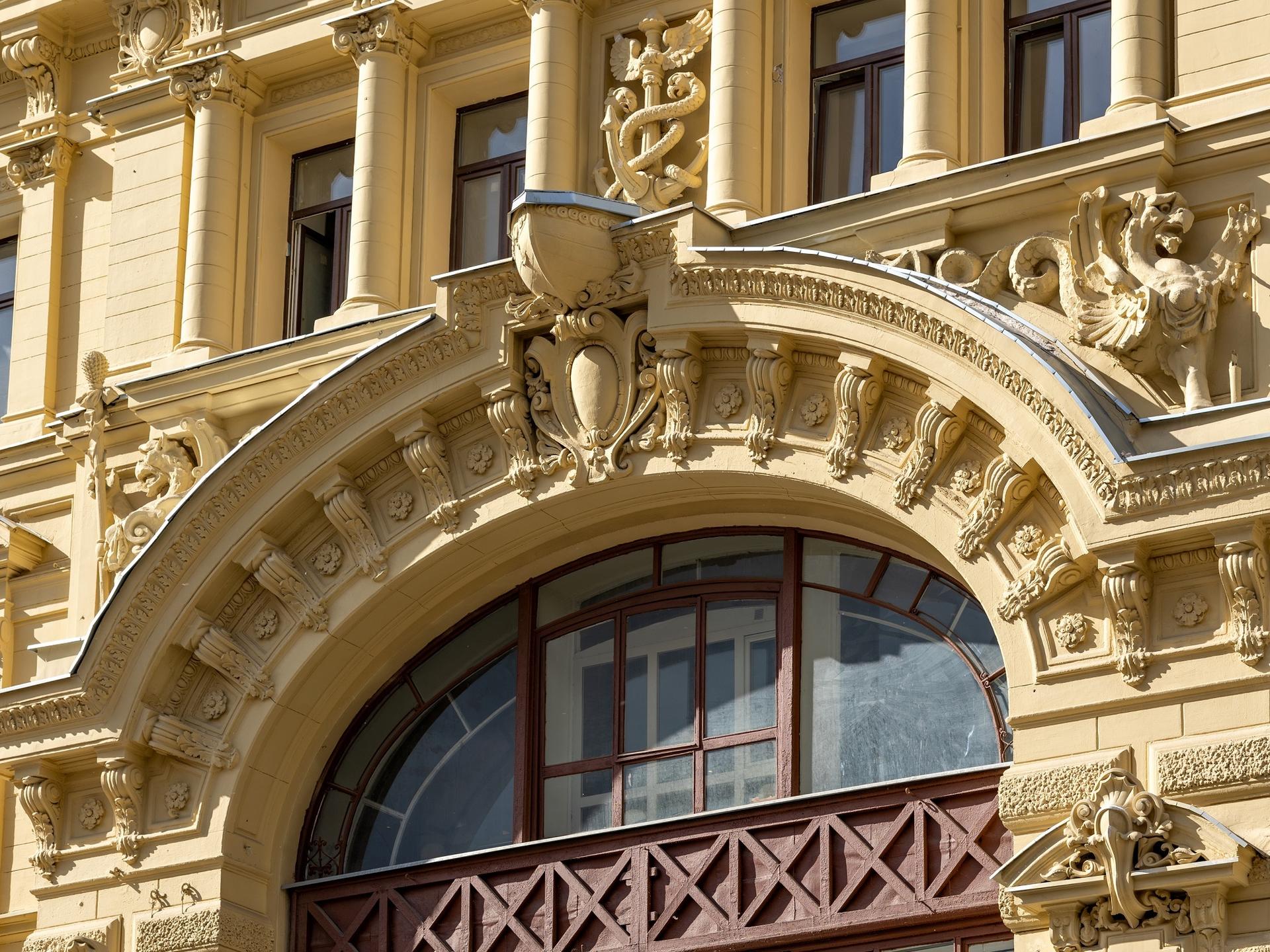
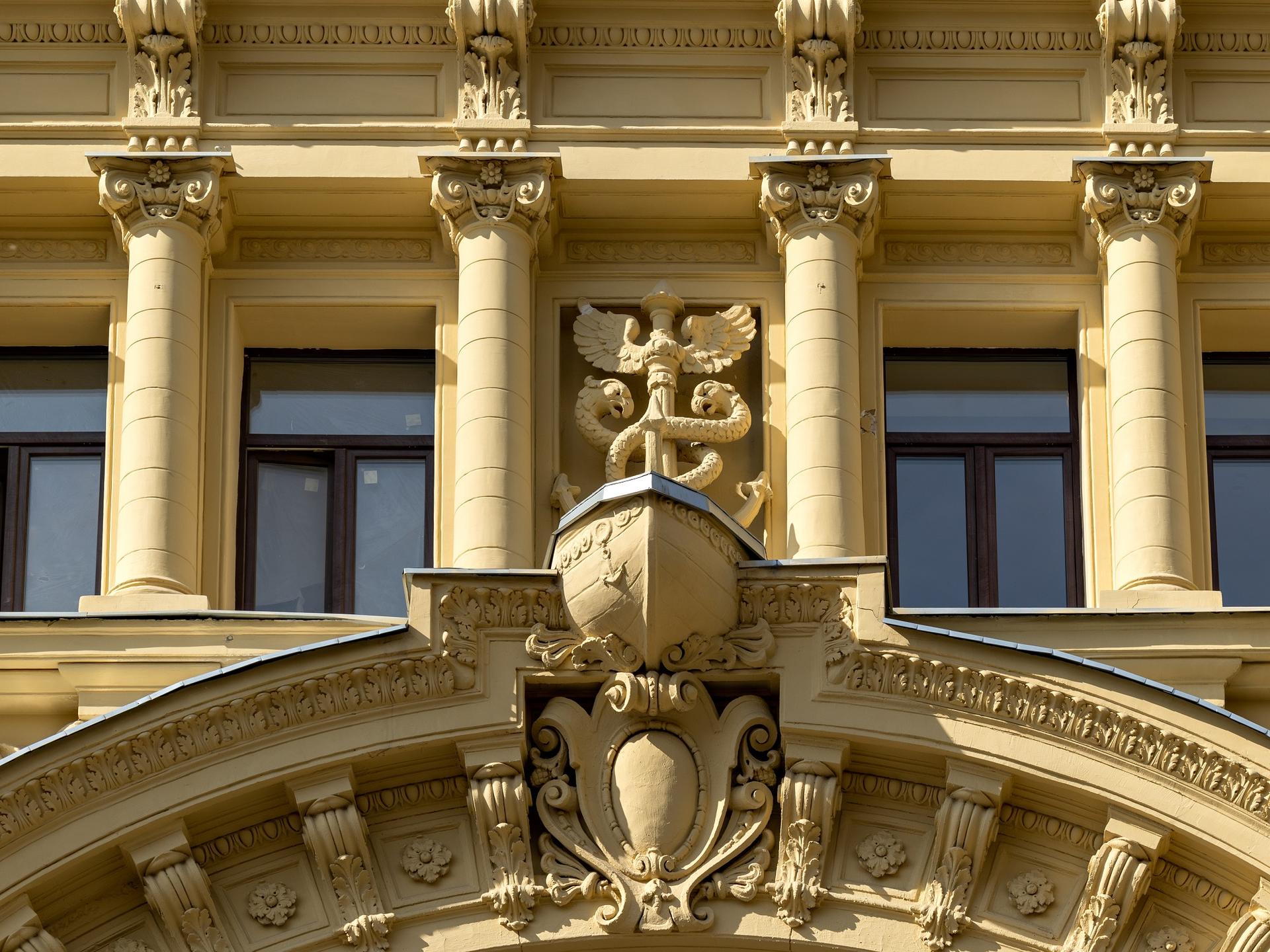
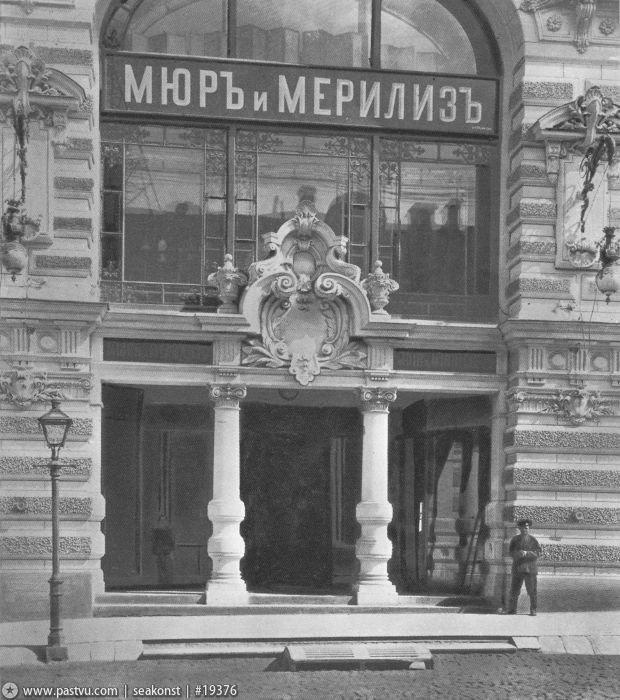
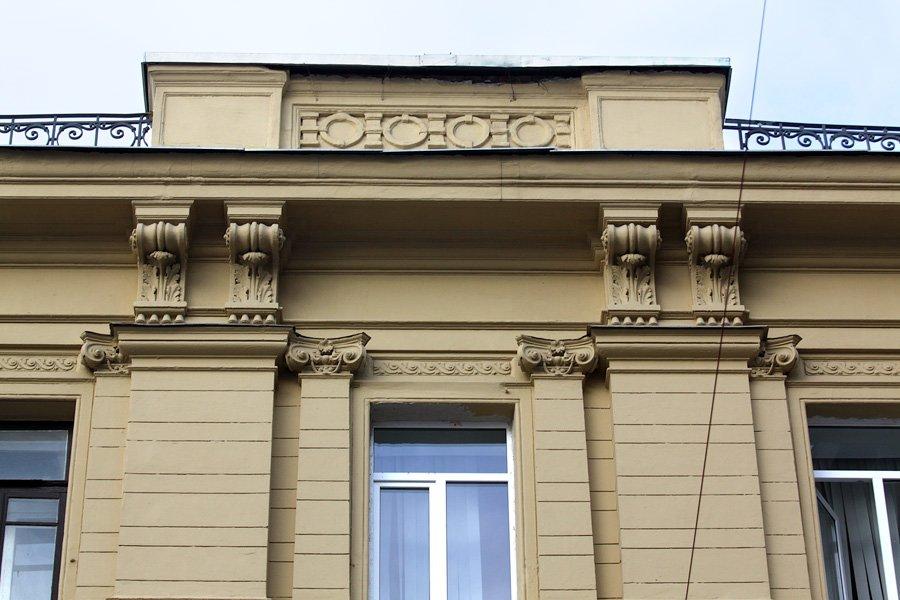
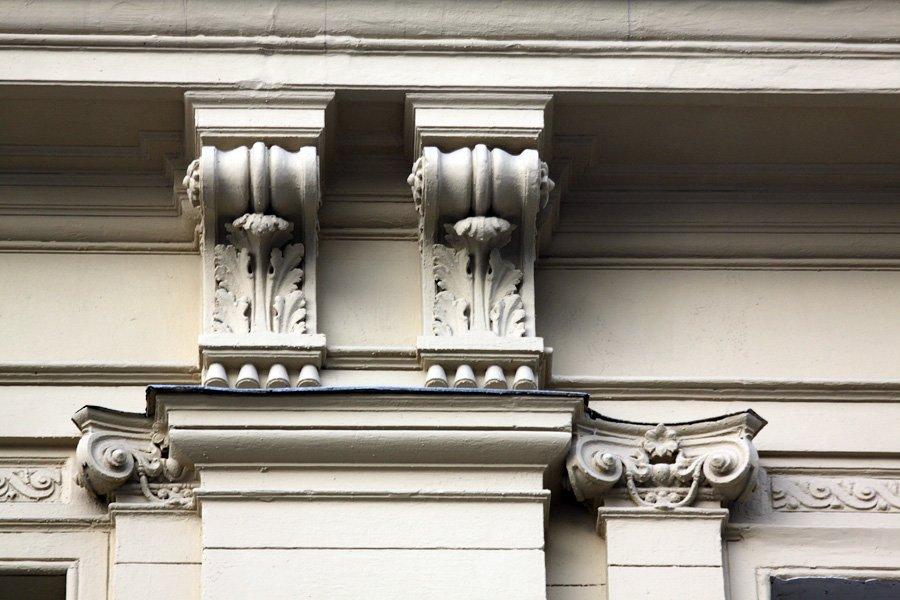
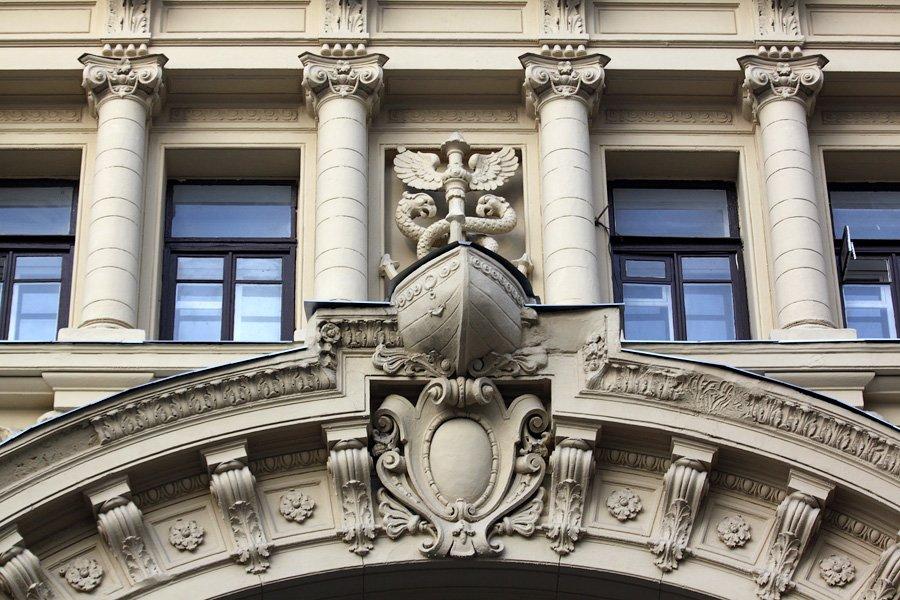
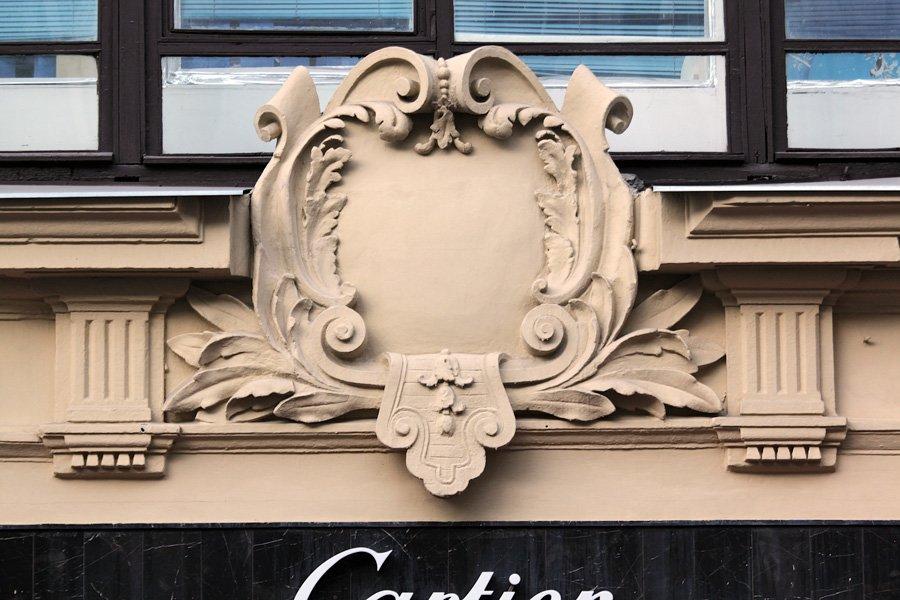
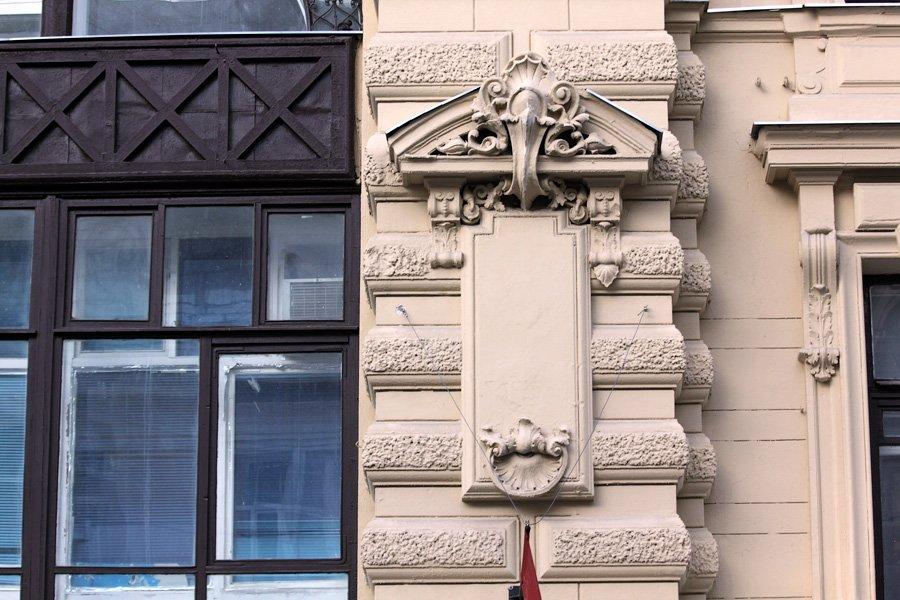
А в 1886 г. усадьба была перестроена по проекту В. Коссова. Вскоре здесь был открыт филиал знаменитого универмага «Мюр и Мерилиз», который торговал тут галантереей, канцелярией, посудой. Через десять лет, по пожеланиям владельцев «Мюр и Мерилиз», была осуществлена еще одна перестройка — теперь уже под руководством известного московского архитектора Р. Клейна, включившего главный дом и оба флигеля в единый архитектурный объем. Фасад здания получил богатый лепной декор, включающий в себя фигуры грифонов и кадуцей — жезл бога торговли Меркурия. В центре фасада обращает на себя внимание гигантское двухэтажное окно, в верхней части арки которого расположен горельеф, изображающий нос лодки с якорем.

Помимо отделов «Мюр и Мерилиза», в гагаринском пассаже располагался ряд фотосалонов, в т. ч. известное в Москве фотоателье А. Рихтера (Ю. Мебиуса), основанное еще в 1850 г.

После революции в здание въехало издательство «Земля и фабрика», а также кооперативный магазин для работников ОГПУ. В верхних этажах были устроены коммунальные квартиры.

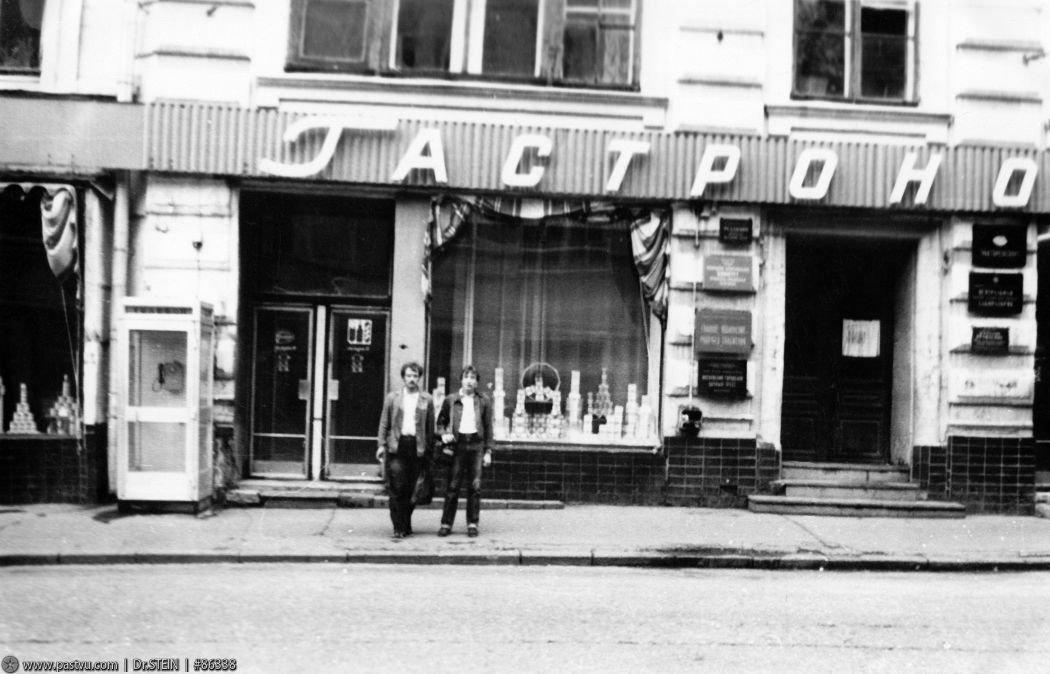
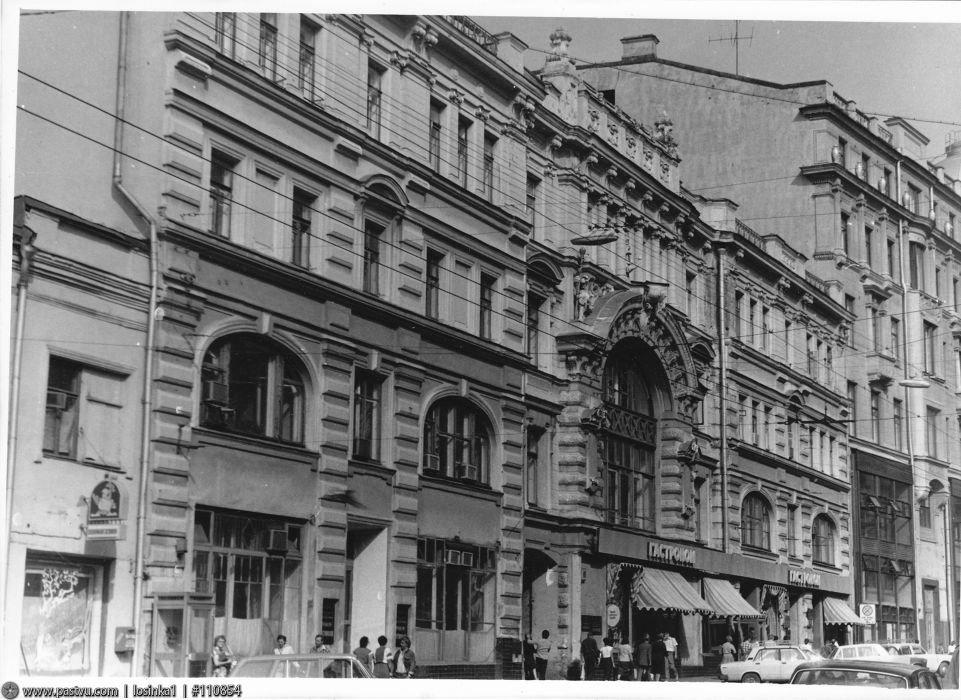
В послевоенные годы здесь был открыт гастроном № 41. Любопытной особенностью его планировки был П-образный зал с двумя входами со стороны Кузнецкого, между которыми находился подъезд с лестницей, которая вела на верхние этажи.

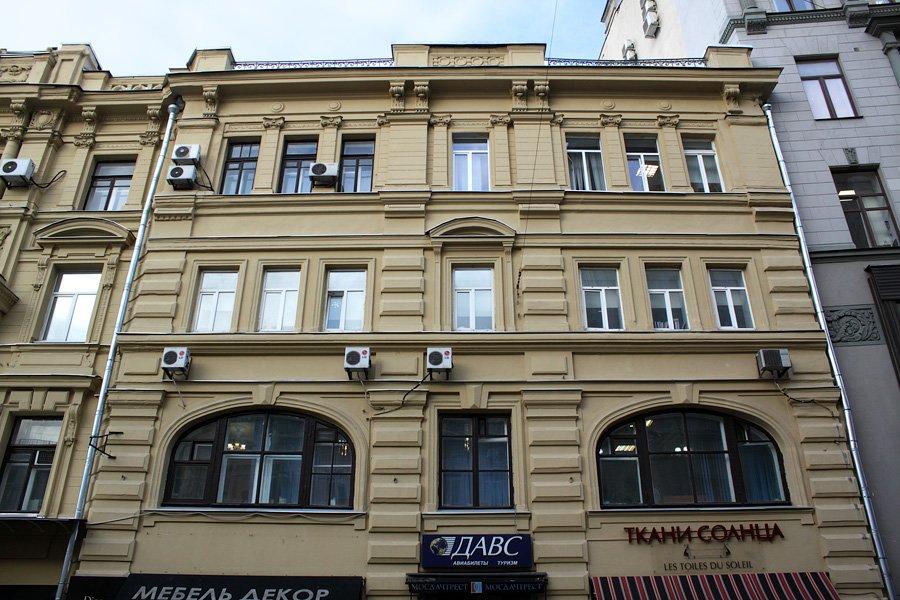
Торговые функции сохранились у дома и в наши дни. Сейчас здесь пассаж «Кузнецкий Мост» с многочисленными магазинами.
In 1742 property belonged to I.I. Velyaminov-Zernov of an old aristocratic family. He built stone chambers which later were included into the scope of a modern building. In the 1780s Prince V. Dolgorukov-Krimsky, commander in chief became an owner of the building. His son Prince G.G. Gagarin, the artist and vice -president of the Imperial Archaeological Society and the Imperial Academy of Arts inherited the building. Since then and until the revolution Gagarins remained owners of the propery. The building was damaged in a fire in 1812 and five years later it was rebuilt. At the time it was the manor complex, consisting of a main house in the back yard and two wings connected by a cast-iron fence with a gate on the Red Line of the Kuznetsky birdge. In the estate there were mainly commercial establishments, for example, the famous store of E. Nalivkin with "Cabinet for reading " - reading room, where he regularly conducted book exhibitions, a bookstore with a library for reading A. Lang. In 1843, here, on the initiative of industrialist and future mayor E.F. Gutchkoff, "Top Russian products" - the first store of domestic goods in the "French" Kuznetsky bridge was opened. Later in the left wing of the manor another shop like " Russian Bazaar" ("Russian Bazaar product factories") was opened. In the middle of the XIX century both wings were connected to the main house glazed galleries : it was created by a single trade area that has received the informal name "Passage of Gagarin " - with shops merchants Popov, Guchkovs, Sapozhnikov, A. Coney, Madam Dabo, and more. etc. And in 1886 the estate was rebuilt by the V.A. Kossov. Soon there was a branch of the famous department store, " Muir and Meriliz ", which sold here haberdashery, stationery, kitchenware. Ten years later, according to the wishes of the owners of "Muir and Meriliz", another restructuring was carried out - now under the leadership of the famous Moscow architect R. Klein, who included the main house and both wings into a single architectural volume. The facade of the building received a rich stucco decoration, which includes figures of griffins and a caduceus - the rod of the god of Mercury trade. In the center of the facade, a giant two-story window attracts attention, in the upper part of the arch there is a high relief depicting the bow of the boat with an anchor. In addition to the departments of "Muir and Meriliza", a number of photo salons were located in Gagarin's arcade, including the photo studio of A. Richter (Y. Mobius), known in Moscow, founded as far back as 1850. After the revolution, the publishing house "Land and Factory" entered the building, as well as a cooperative store for workers of the OGPU. In the upper floors were built communal apartments.In the postwar years, there was opened a deli No. 41. A curious feature of its layout was the U-shaped hall with two entrances from the side of Kuznetsky, between which there was an entrance with a staircase leading to the upper floors. Trade functions have been preserved at home today. Now here is the passage "Kuznetsky Most" with numerous shops.
Автор статьи: Алексей Дедушкин
Отзывы
(1)
Поделитесь статьей с друзьями
Интересное рядом(6)
Kuzneckij most
русский учёный и инженер
обергофмейстер, генерал-майор, тайный советник, живописец, график, акварелист, литографист, князь
генерал-аншеф, князь