Интерактивный гид по городу
С мобильным приложением бродить по городу гораздо интереснее!

Tenement house of the Stroganov School for technical drawing

Rational and yet inspired project of Shechtel, which is associated with the names of S. Obraztsov, R. Simonov, I.Rerberg – this house is the "homeland of GOERLO” (the famous "Lenin's plan for electrification of Russia".

Tenement house of the Stroganov School for technical drawing
Turgenevskaya, Chistye_prudy
Rational and yet inspired project of Shechtel, which is associated with the names of S. Obraztsov, R. Simonov, I.Rerberg – this house is the "homeland of GOERLO” (the famous "Lenin's plan for electrification of Russia".
3.78
Вы можете воспользоваться QR-кодом, чтобы открыть эту страницу в нашем приложении
Архитектурный стиль:
,
Годы постройки:
1904
Архитекторы:
Эпоха:
1900s
Информация о здании

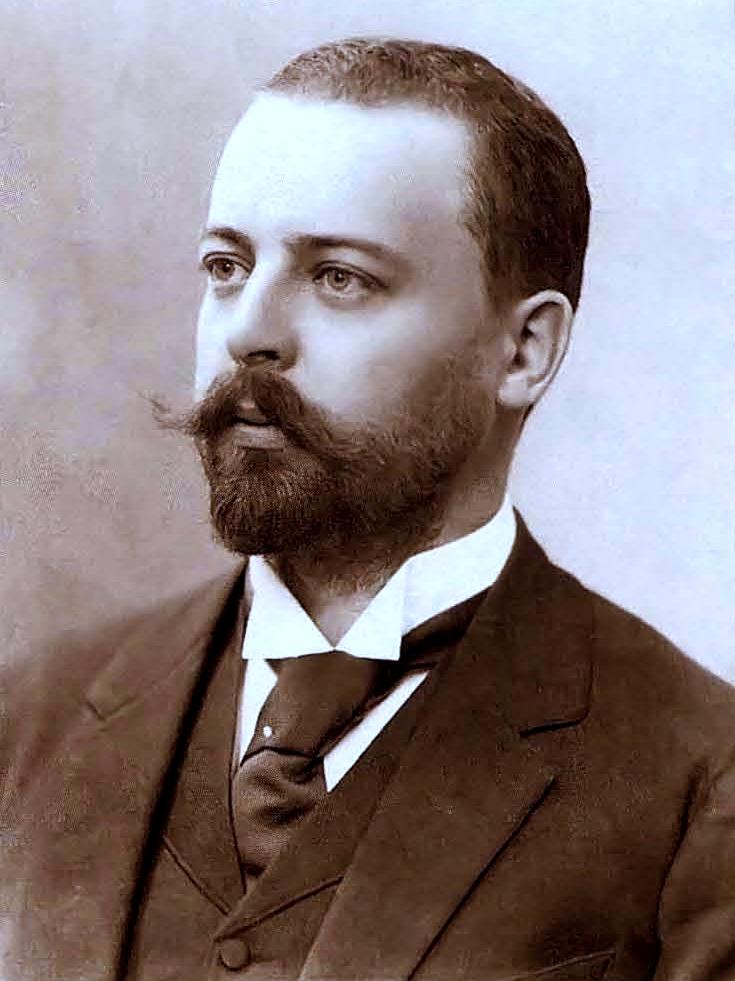
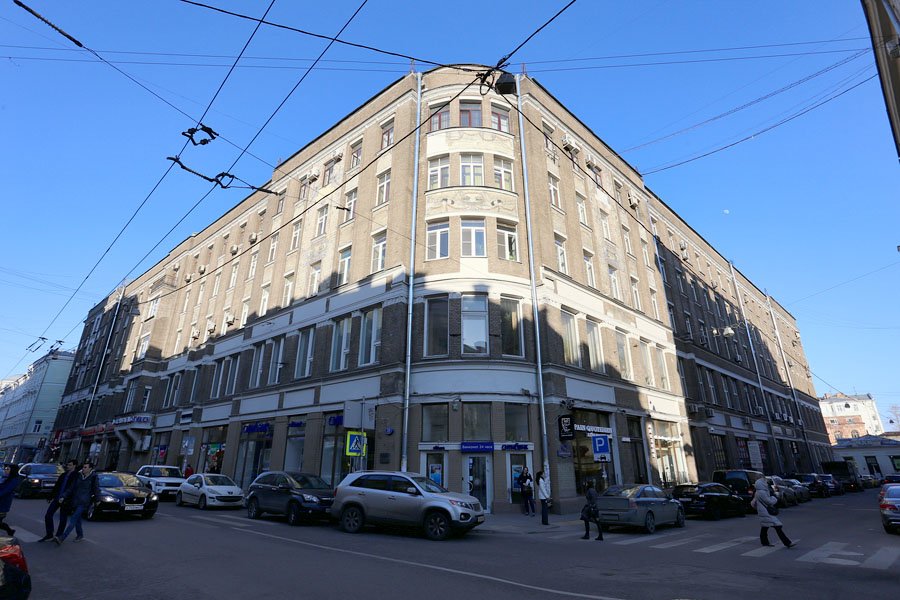
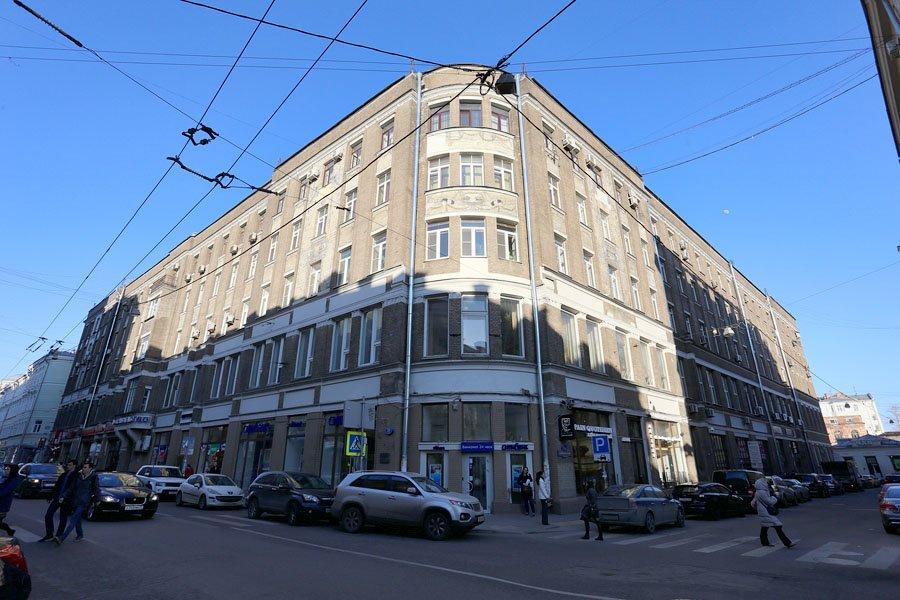
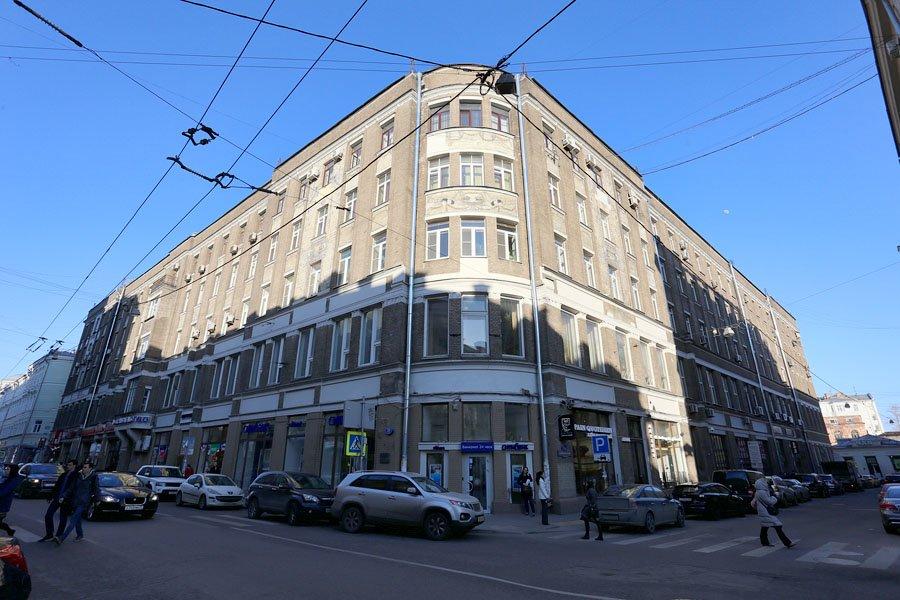
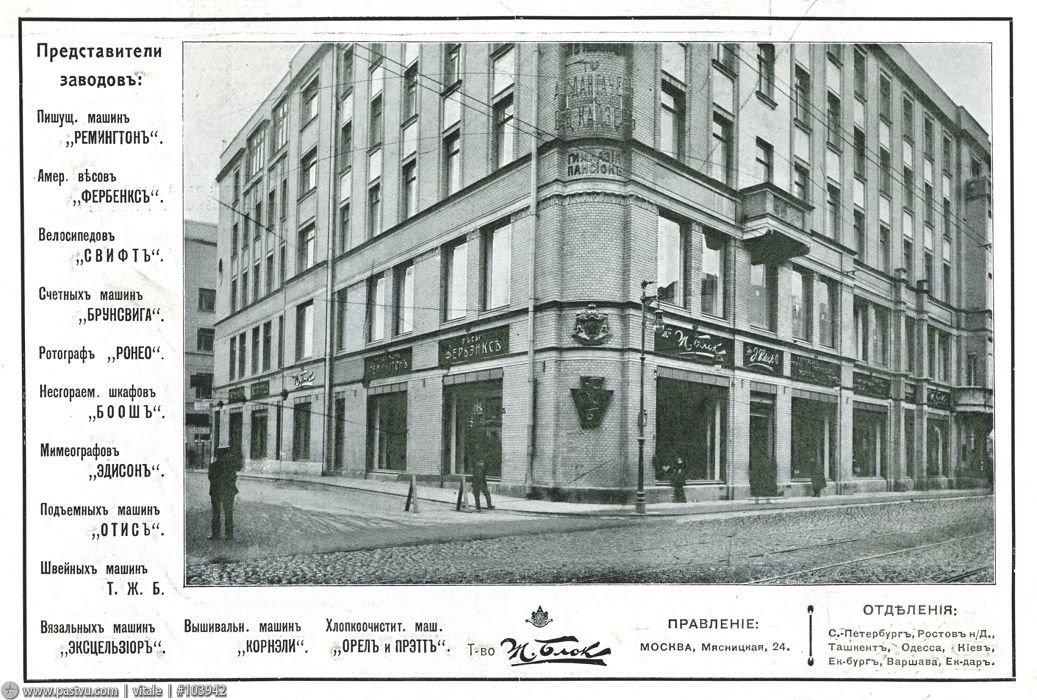
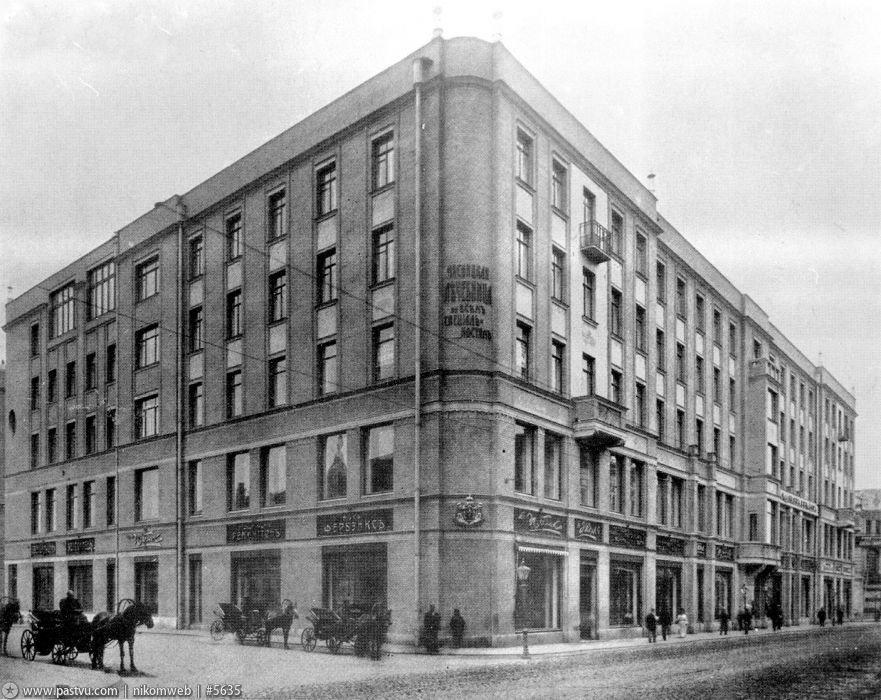
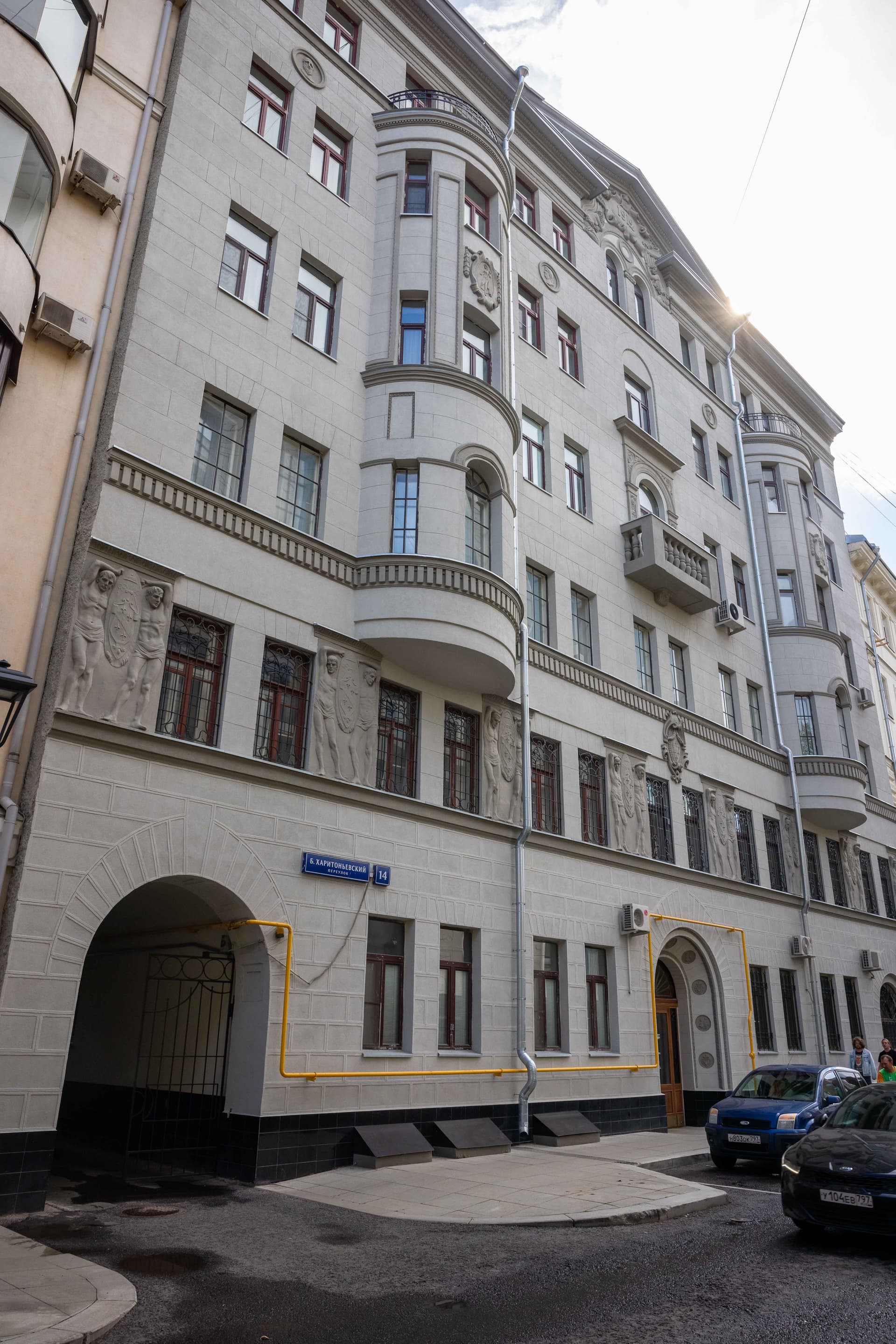
Доходный дом Строгановского училища был выстроен на улице Мясницкая в 1904–1906 гг. по проекту архитектора Ф. Шехтеля.

В 1901 г. Строгановское училище было удостоено звания Императорское, тогда же в ознаменовании 70-летней годовщины ему было пожаловано владение на Мясницкой улице (д. 24). Доходы от участка должны были поступать в фонд училища и тратиться на капитальный ремонт и содержание художественно-промышленного музея.

В 1902 г. архитекторы Ф. Шехтель и И. Жолтовский предложили проект доходного дома, который училище могло бы построить на собственные средства. Сначала был объявлен конкурс, но постройку дома, в конце концов, поручили Шехтелю.

В 1906 г. на участке земли между улицей Мясницкая, Банковским и Кривоколенным переулком вырос «дом-город». Шехтель и его помощник А. Кузнецов разработали проект пятиэтажного здания в форме незамкнутой трапеции. Архитектор решает не замыкать двор по периметру и тем самым избегает двора-«колодца». В доме нет труднопроветриваемых и темных помещений. Внутри двора был разбит сквер. Здание считается примером рационального использования площади.

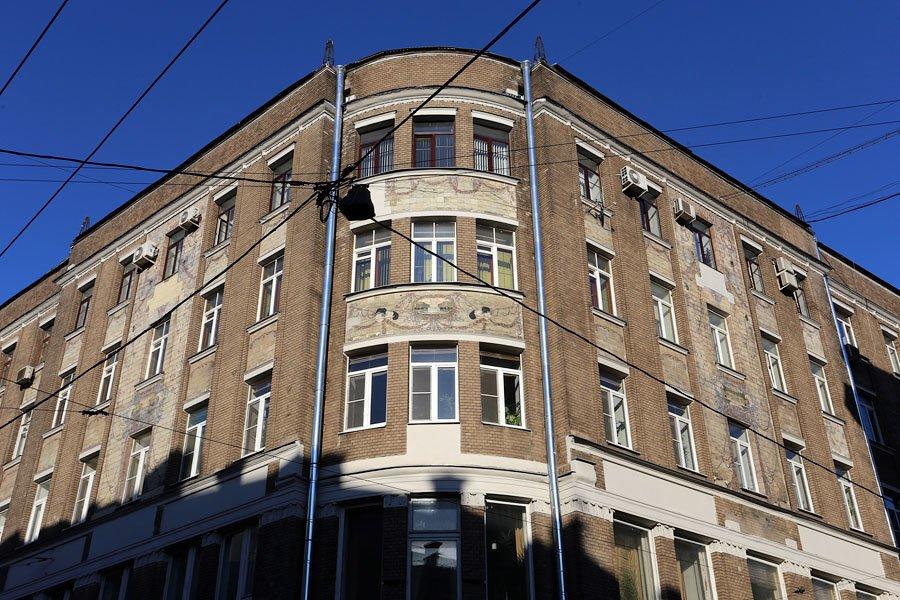
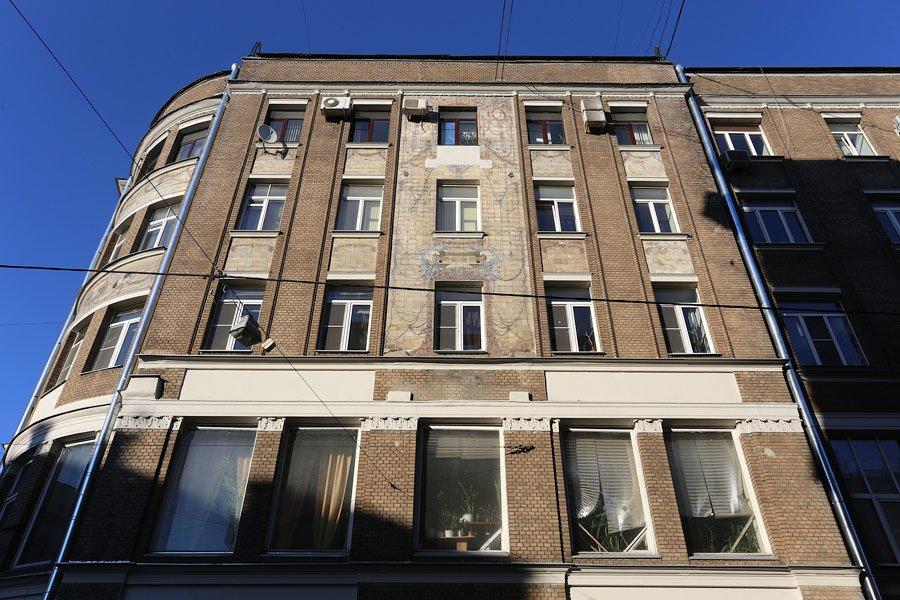
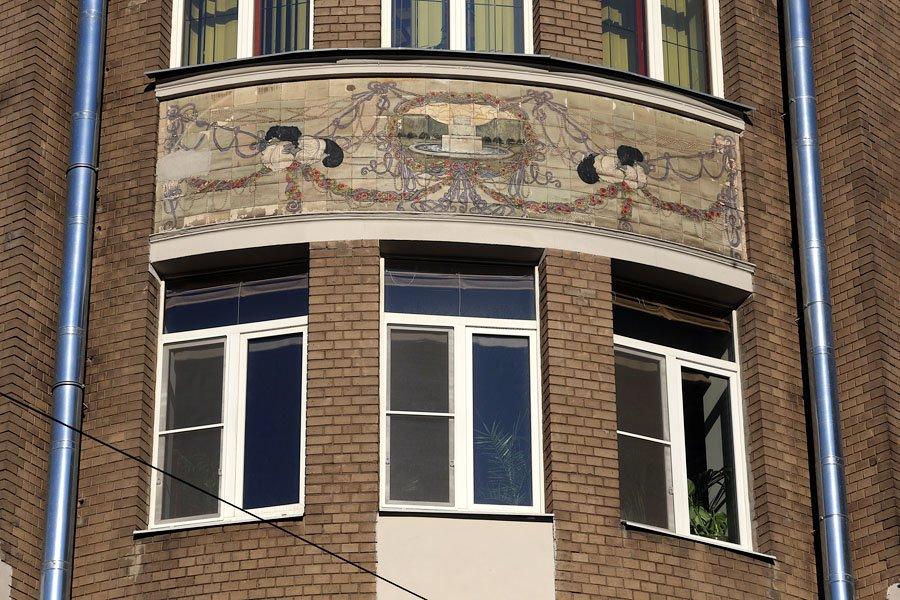
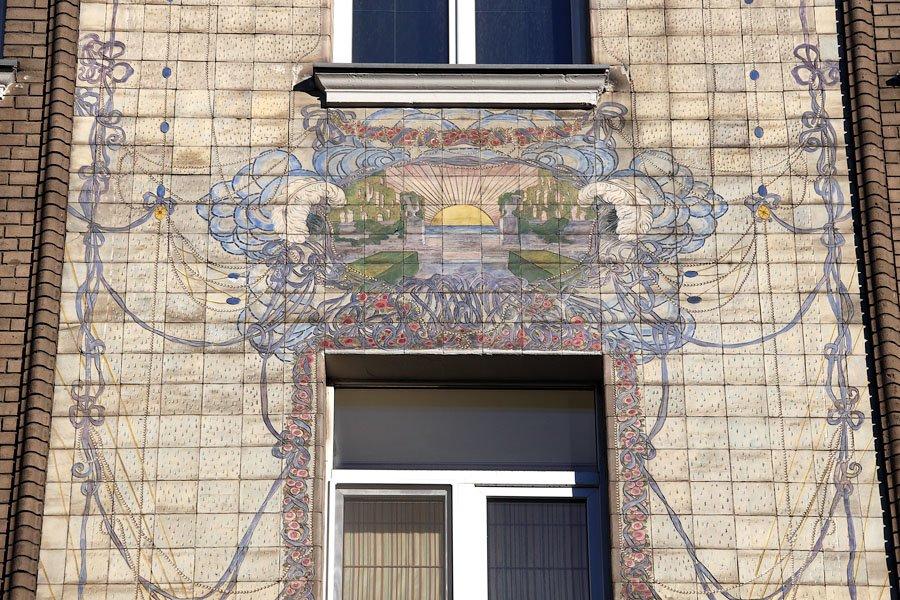
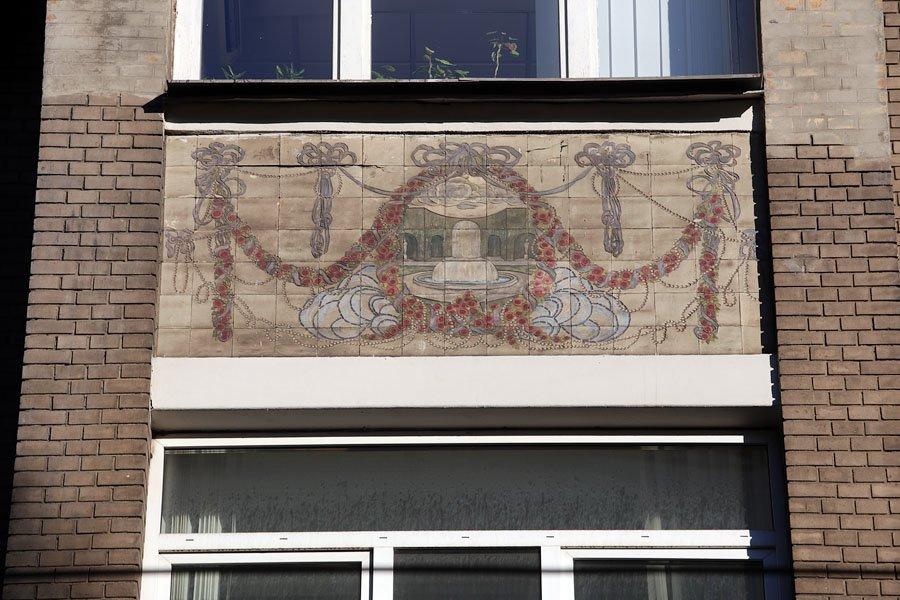
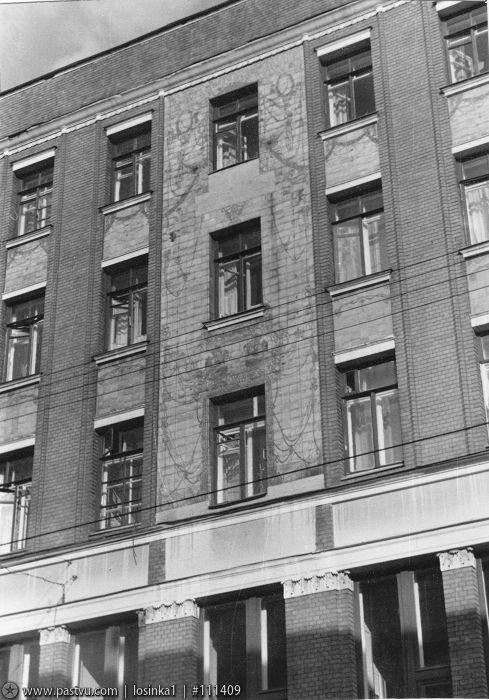
Фасад здания по всем трем улицам оформлен как единая линия с пластично скругленными углами. Внешние фасады дома облицованы плиткой земляного цвета, который изысканно сочетается со сдержанным рисунком крупных керамических панно 3–5 этажей и подоконных керамических вставок. Рисунок панно выполнен в стиле графики художников, представляющих «Мир искусства»: перепутанные ленты, бусы, венки и гирлянды лениво оплетают рамки для пейзажных видов, воспроизводящих парки эпохи классицизма. Все панно выполнены по рисункам Ф. Шехтеля.

Над входом во внутренний корпус сохранилось керамическое панно с вензелем Строгановского училища, выполненное по рисунку Ф.Ф. Федоровского.

Два нижних этажа предназначены под магазины и конторы. Верхние этажи — жилые.

К 1910 г. на первом этаже здания открыли представительства такие крупные фирмы, как «Общество Путиловских заводов», «Товарищество Феррейн», фирмы пишущих машин «Ремингтон».

В доме проживали архитекторы И. Рерберг и Н. Курдюков, учёный-арабист А. Крымский, семья будущего основателя Кукольного театра С. Образцова.

После революции в доме расположилось Главное управление электротехнической промышленности, здесь был разработан знаменитый «Ленинский план электрификации России» (ГОЭЛРО). В советское время в доме проживал режиссёр Театра им. Вахтангова Р. Симонов. В настоящее время здание является нежилым, все помещения заняты под офисы.
Tenement house of Stroganov School for drawing was built on the Myasnitskaya street in 1904-1906 by architect F. Shechtel. In 1901 the Stroganov School was awarded the title of Imperial one, at the same time, to commemorate the 70th anniversary, it was granted an estate on Myasnitskaya Street (building 24). Revenues from the plot were supposed to come to the fund of the school and to be spent on capital repair and maintenance of Industrial Art Museum. In 1902 architects F. Shekhtel and I. Zholtovsky proposed a project of a tenement house, which could be built by the school at its own expense. First there was a tender, but as a result Shekhtel got the construction contract of the house. In 1906, on a plot of land between the Myasnitskaya street, Bankovsky and Krivokolenny lanes a house, which looked like a town, was built . Shekhtel and his assistant A.Kuznetsov created a five-storey building in the shape of an open trapezium. Architect decided not to close the yard perimeter and thus avoided the popular in St. Petersburg "well-type yard". The house does not have any ‘hard-to-ventilate’ and dark areas. Garden was laid out inside the courtyard. The building is an example of the rational use of space. The facade of the building on all three streets is designed as a single line with plastically rounded corners. The exterior facades of the house are tiled with earthen color tile, which are exquisitely combining with soft pattern of large ceramic panels of the 3-5 floors and ceramic panels under the windows. Design of the panels is done in the style of graphic of the artists, representing the "World of Art ": intricate ribbons, beads, wreaths and garlands are lazily enlacing the frames for the landscapes, which reproduce parks of the Classical period. All panels are made on the basis of F. Shechtel’s drawings. The ceramic panel with the monogram of the Stroganov School made on the basis of F. Fedorovsky above the entrance to the inner hall is still on its place. The two lower floors are designed for shops and offices. The upper floors are for the housing. Several major companies like "Society of Putilov Factories", "Ferrein partnership", "Remington" - company producing typewriters - opened their departments on the first floor of the building by 1910. Architects I.Rerberg and N. Kurdyukov, arabist scientist A. Krymsky, the family of the future founder of the Puppet Theatre S. Obraztsov lived in the house. The Main control committee of the electrical industry settled in the house after the revolution. Here the famous "Lenin's plan for electrification of Russia" (GOELRO) was developed. The famous director of Vakhtangov Theater R. Simonov lived in the building during soviet times. Currently the building is uninhabitable; all the spaces are occupied by offices.
Автор статьи: Зинаида Одолламская
Рекомендации
Chistye_prudy
10
29 м.
2.4 км
Поделитесь статьей с друзьями
Интересное рядом(6)
Turgenevskaya, Sretenskij bulvar
пл. Старая
Shekhtel F. O.
Архитектор
архитектор