Интерактивный гид по городу
С мобильным приложением бродить по городу гораздо интереснее!

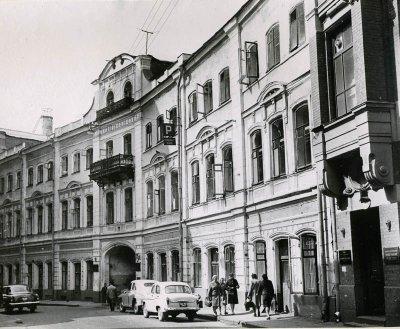
Apartment building of Danilovskaya manufactory partnership

Contractor recalled that the owner kneaded concrete and put bricks together with the workers starting early in the morning.

Apartment building of Danilovskaya manufactory partnership
Contractor recalled that the owner kneaded concrete and put bricks together with the workers starting early in the morning.
3.10
Вы можете воспользоваться QR-кодом, чтобы открыть эту страницу в нашем приложении
Архитектурный стиль:
Годы постройки:
1877 - 1878
Архитекторы:
М.П. Степанов
Эпоха:
19th century
Информация о здании

В середине XVIII века на углу Старопанского переулка находилось владение купца и фабриканта И. Ф. Карунина. Его именем долгое время называлась соседняя площадь. Здесь стоял трехэтажный каменный дом, первый этаж которого был занят казенным питейным домом и, конечно, торговыми лавками. В 18 столетии тут же у Карунина была латунная фабрика. На ней числилось 30 работников. В середине 1840-х гг. этим участком владел «купецкий брат Карп Петров сын Капканчиков». Он открыл тут Ново-Воронежское подворье, которое еще часто называли Капканчиково подворье.

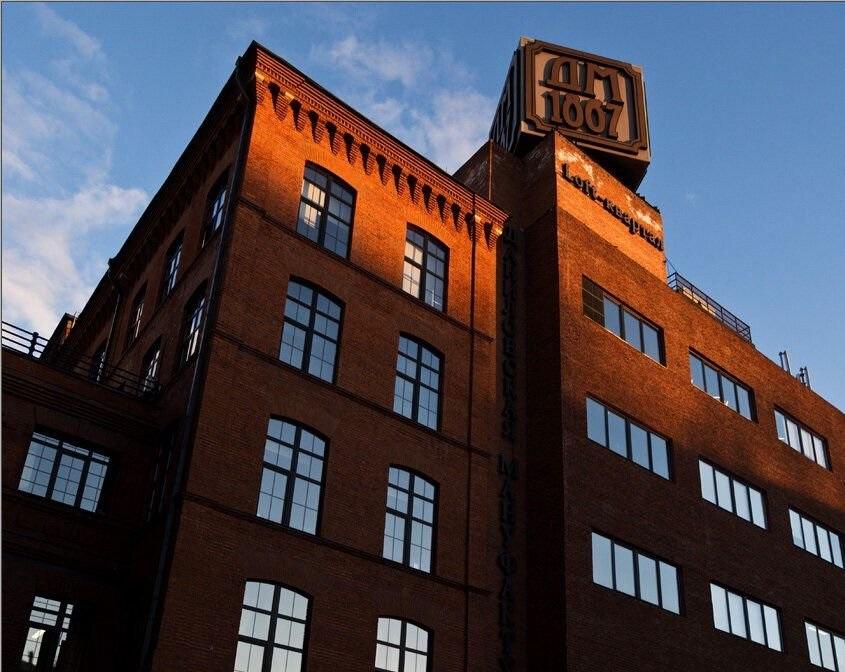
В 1870-х гг. участок покупает купец первой гильдии Василий Ефремович Мещерин, основатель и владелец «Даниловской мануфактуры». В 1867 году он открыл небольшую отделочную мастерскую, которая за десять лет выросла в большое текстильное производство с полным циклом. Для расширения дела он в 1876 году создал Товарищество, где членами правления в разное время были К.Т. Солдатёнков, Ф.Л. Кноп, Н.И. Щукин, Г.П. Нейвейлер, А.С. Бер и другие.

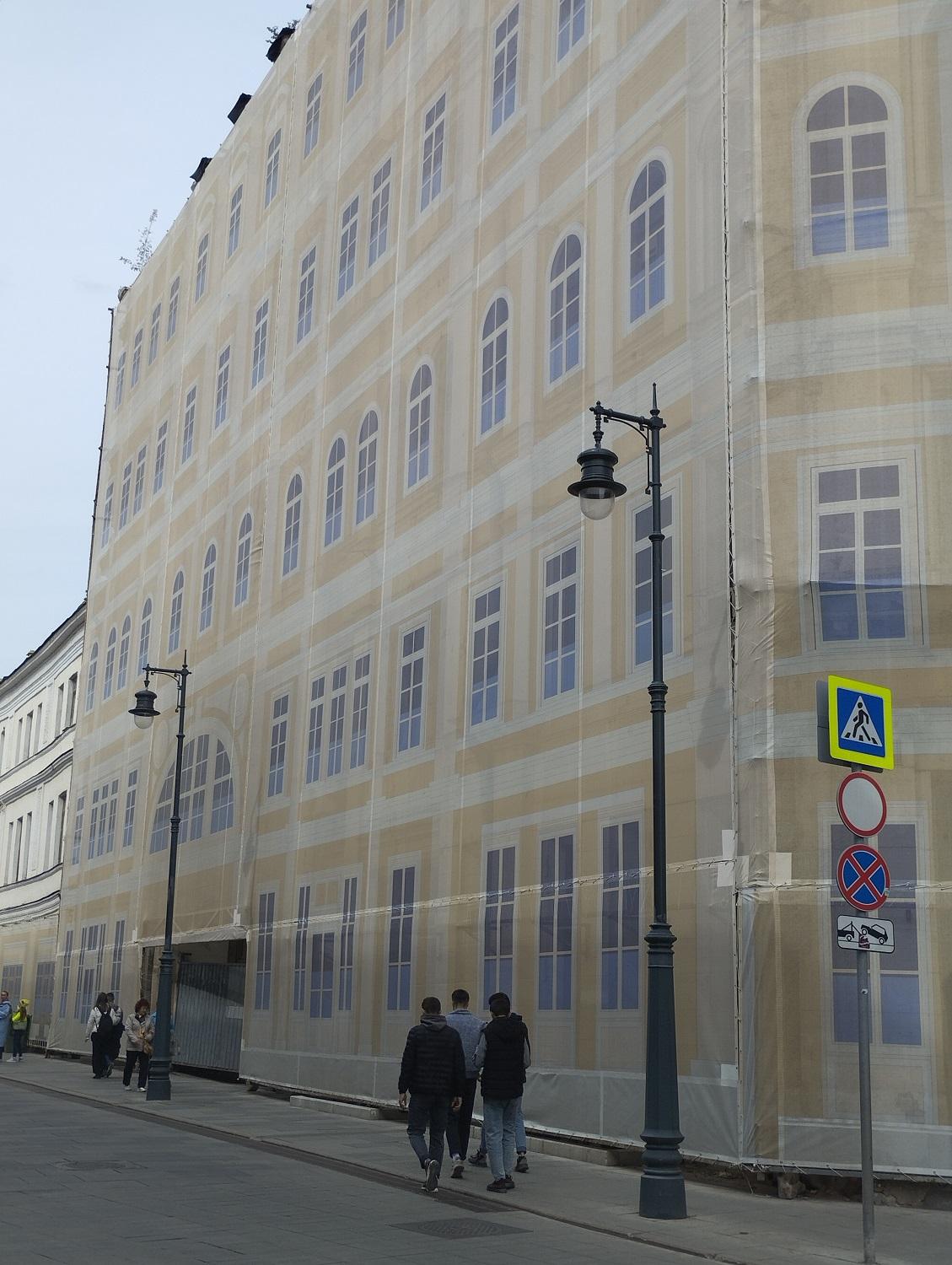
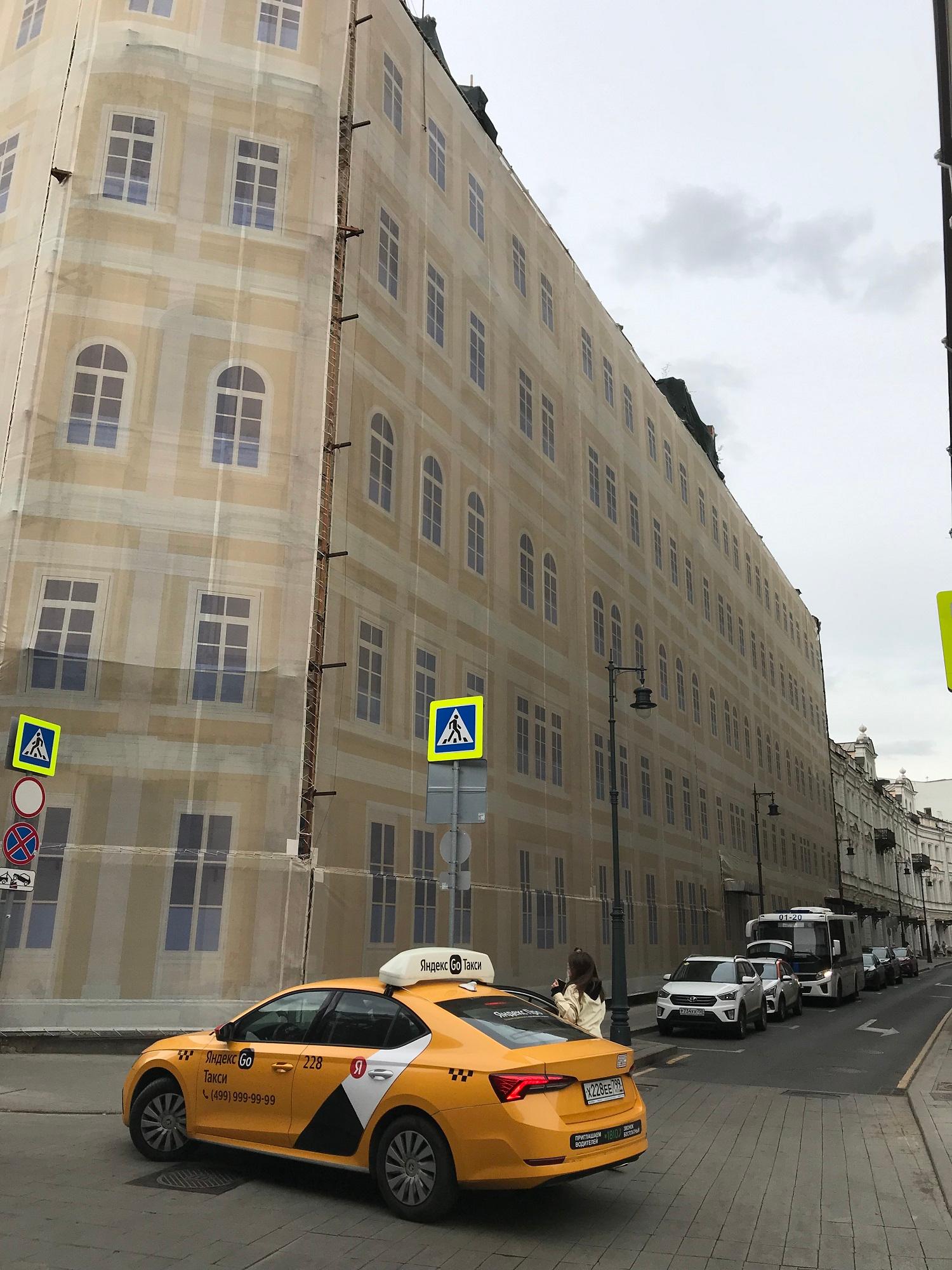
В 1877-1878 гг. Мещерин сносит здесь все старинные здания и строит сохранившееся до нашего времени здание по проекту архитектора М. П. Степанова. Строил дом подрядчик Мирон Алексеевич Пантелеев, который вспоминал, что сам хозяин Василий Мещерин вместе с рабочими с раннего утра месил раствор и клал кирпичи. Потом он шел в свой амбар, ехал на мануфактуру, а вечером опять возвращался на стройку и сам контролировал весь процесс. Дом был построен в типичном для торговых подворий стиле. В нижних двух этажах размещались магазины (во дворе сохранились даже номера над входами в них), а верхние этажи отводились для жилых комнат, в обширных же подвалах были склады товаров. В нижнем этаже сохранилась первоначальная столярка — резные украшения входов в торговые помещения, закрашенные номерные знаки.

Еще недавно в доме располагались Институт истории естествознания и техники им. С. И. Вавилова, журнал «Науковедение» и Московский институт социально-культурных программ.

К сожалению, дом не имеет статуса объекта культурного наследия.
Contractor recalled that the owner kneaded concrete and put bricks together with the workers starting early in the morning. In the middle of the XVIII century the property of the merchant and industrialist J.F. Karunin was on the corner of Staropansky alley. The nearby square was called in his honor for a long time. There was a three-story stone house, the first floor of which was occupied by the State-owned drinking house and, of course, trade arcades. In the 18th century here was Karunin’s brass factory with 30 employees. In the mid -1840s. This site owned "Kupetsky brother Carp Petrovich, the son of Kapkanchikov". He then opened the Novo- Voronezh compound, which is still often called Kapkanchikovo compound. In the 1870s the first guild merchant Vasily Efremovich Mesherin founder and owner of "Danilov manufactory" bought the land. In 1867, he opened a small finishing workshop, which grown into a large textile industry with a complete cycle in ten years. To expand the business he formed a partnership in 1876 in which K.T. Soldatenkov, F.L. Knop, N. Shchukin, G.P. Neyveyler, A.S. Baer and others were members of the board at different times. In 1877-1878 Mesherin destroyed all the old buildings and built the house that survived to our time designed by architect M. P. Stepanov. Contractor Myron Alexeevich Panteleev recalled that the owner kneaded concrete and put bricks together with the workers starting early in the morning. Then he used to go to his barn, went to his manufactory, and again in the evening returned to the construction site and controlled the whole process. The house was built in the typical style of trading farmsteads. Shops occupied the lower two floors (number plates preserved to our days over the entrances to shops from the courtyard), while rooms for visitors occupied the upper floors. Huge warehouse were in the basement. Original woodwork is preserved on the ground floor - carved entrances to the retail spaces and painted plates. Vavilov Institute of the History of Natural Sciences and Technology, “the Science " magazine and the Moscow Institute of welfare programs were located in the house up until the recently.
Автор статьи: Ирина Левина
Рекомендации
10
29 м.
2,38 км