Интерактивный гид по городу
С мобильным приложением бродить по городу гораздо интереснее!

5.00
Вы можете воспользоваться QR-кодом, чтобы открыть эту страницу в нашем приложении
Архитектурный стиль:
Годы постройки:
1832
Архитекторы:
А. Каминский
Эпоха:
19th century
Дата открытия, История появления

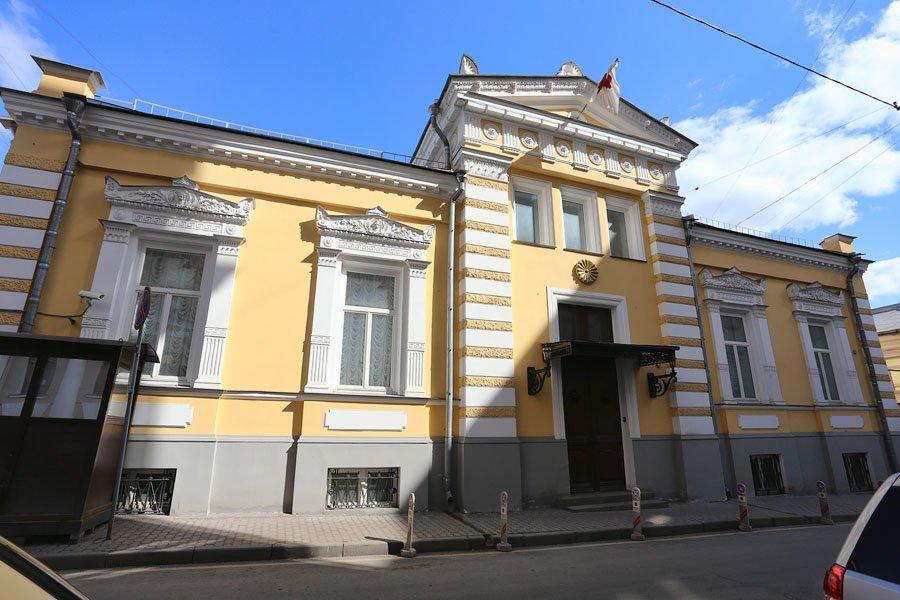
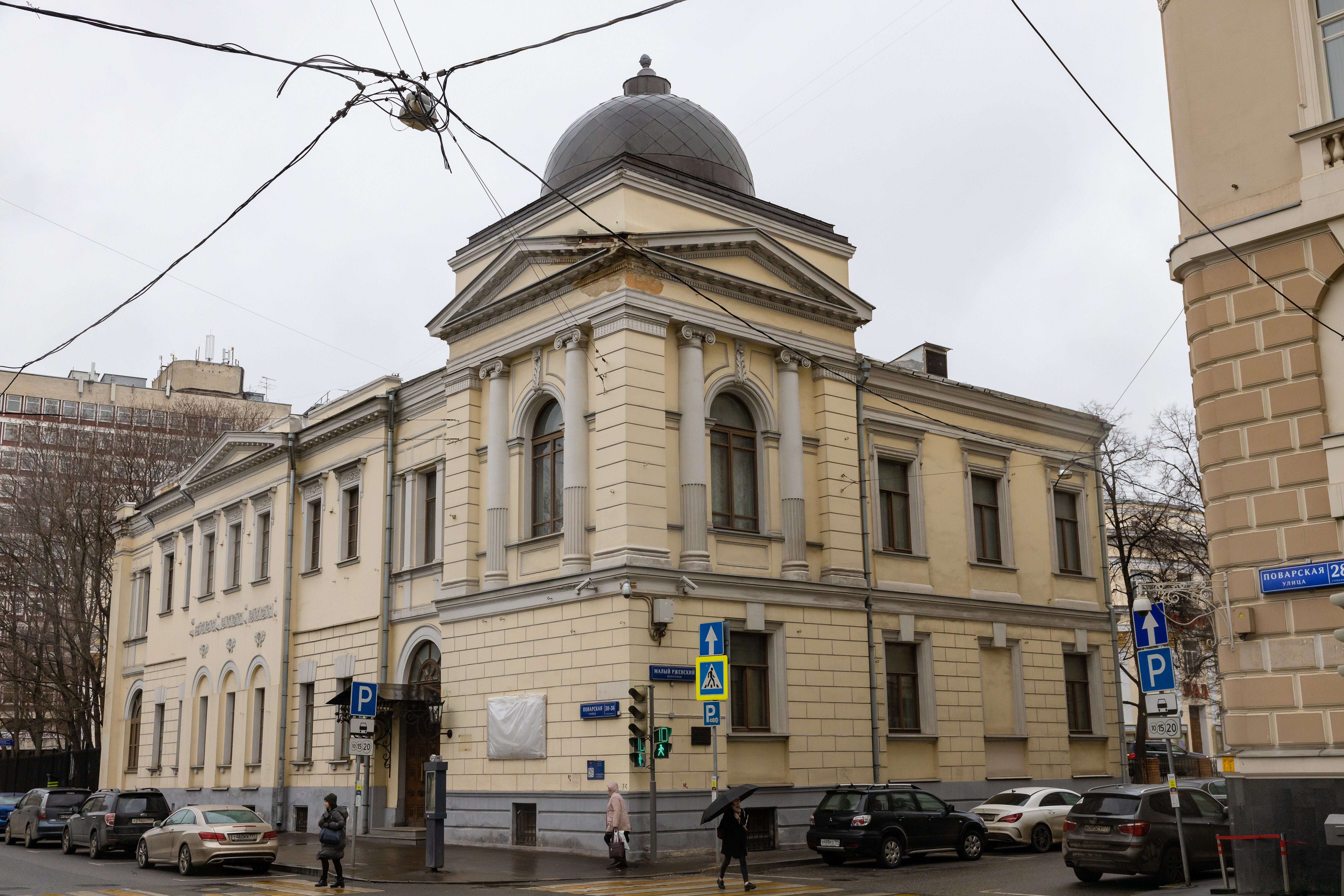
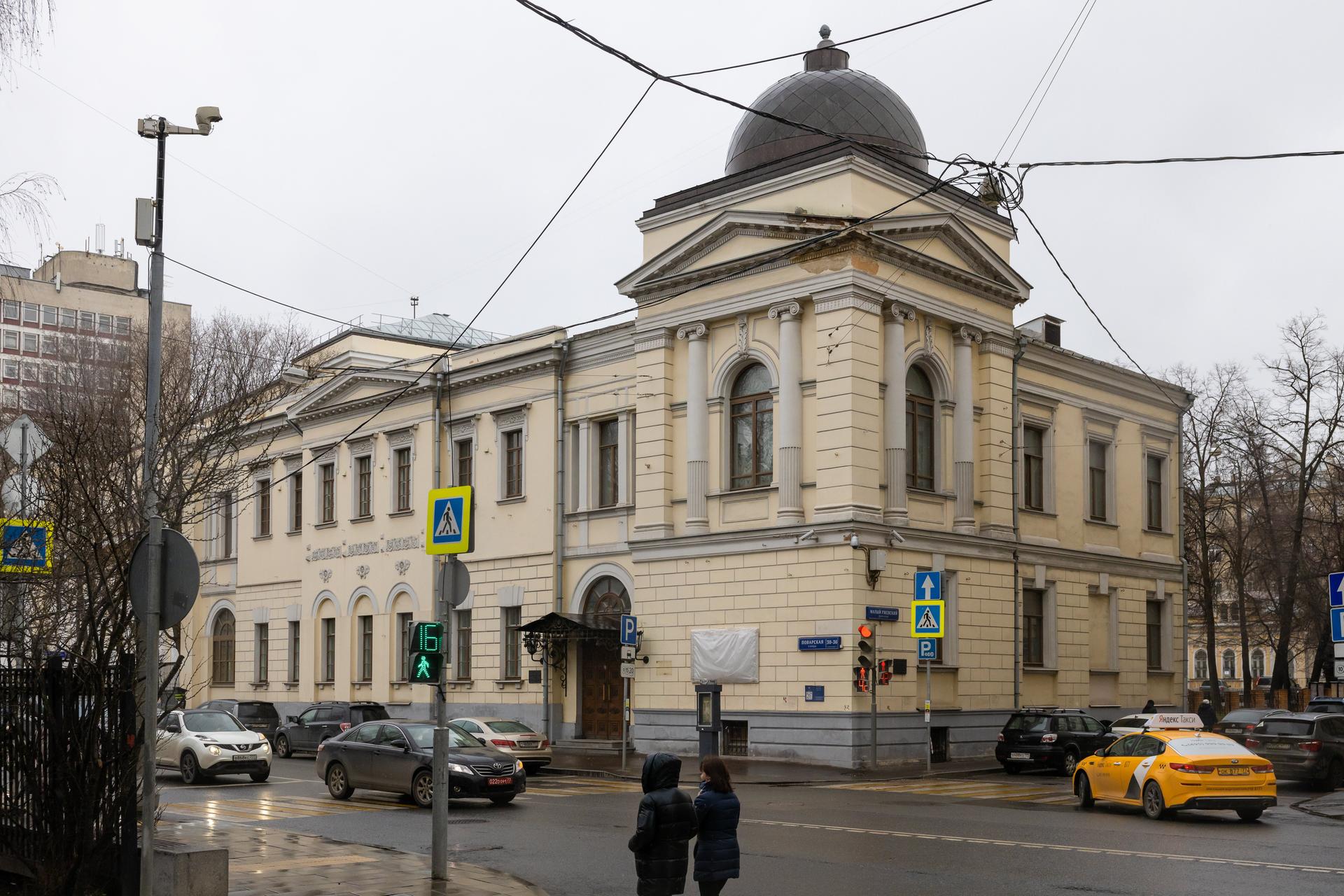
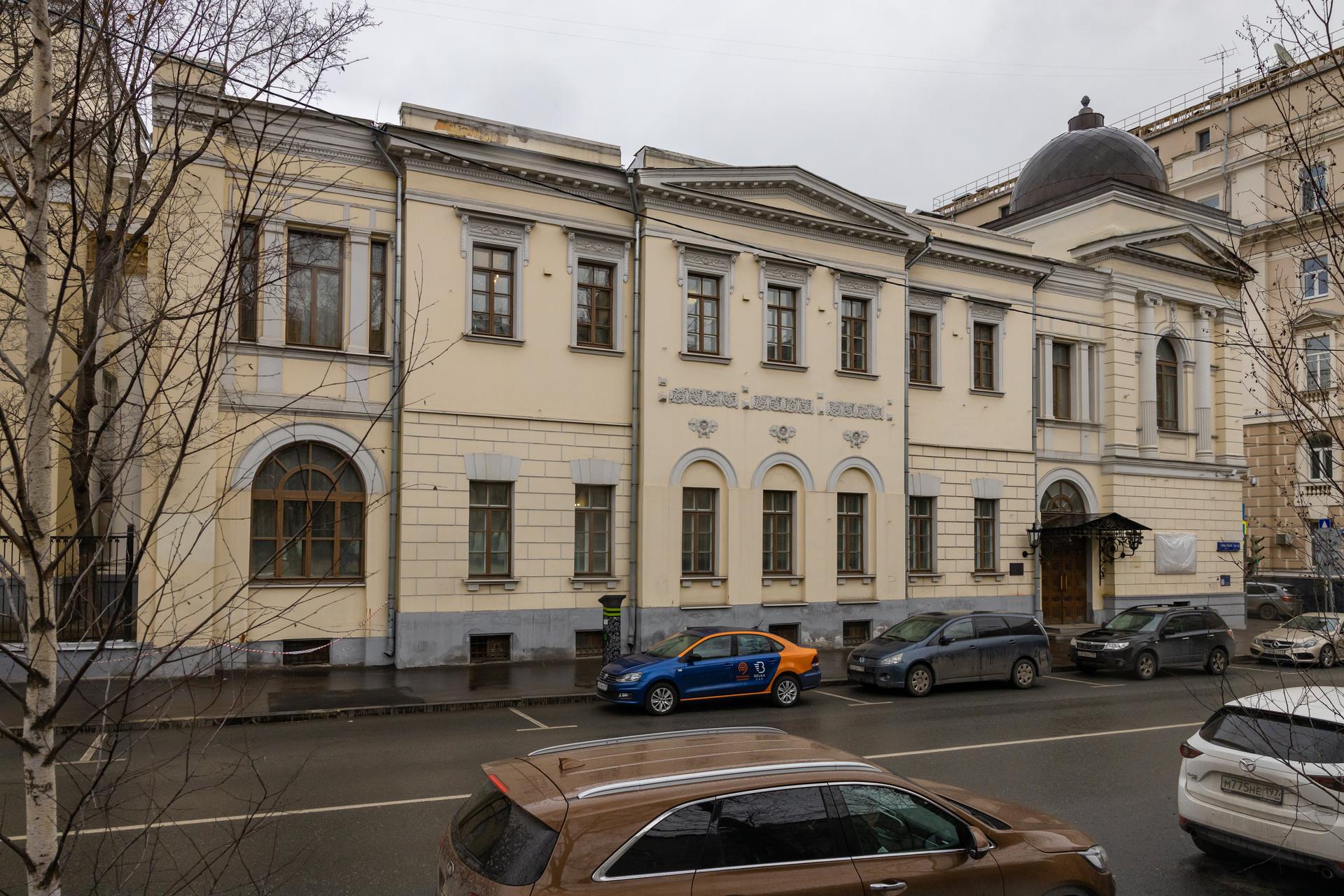
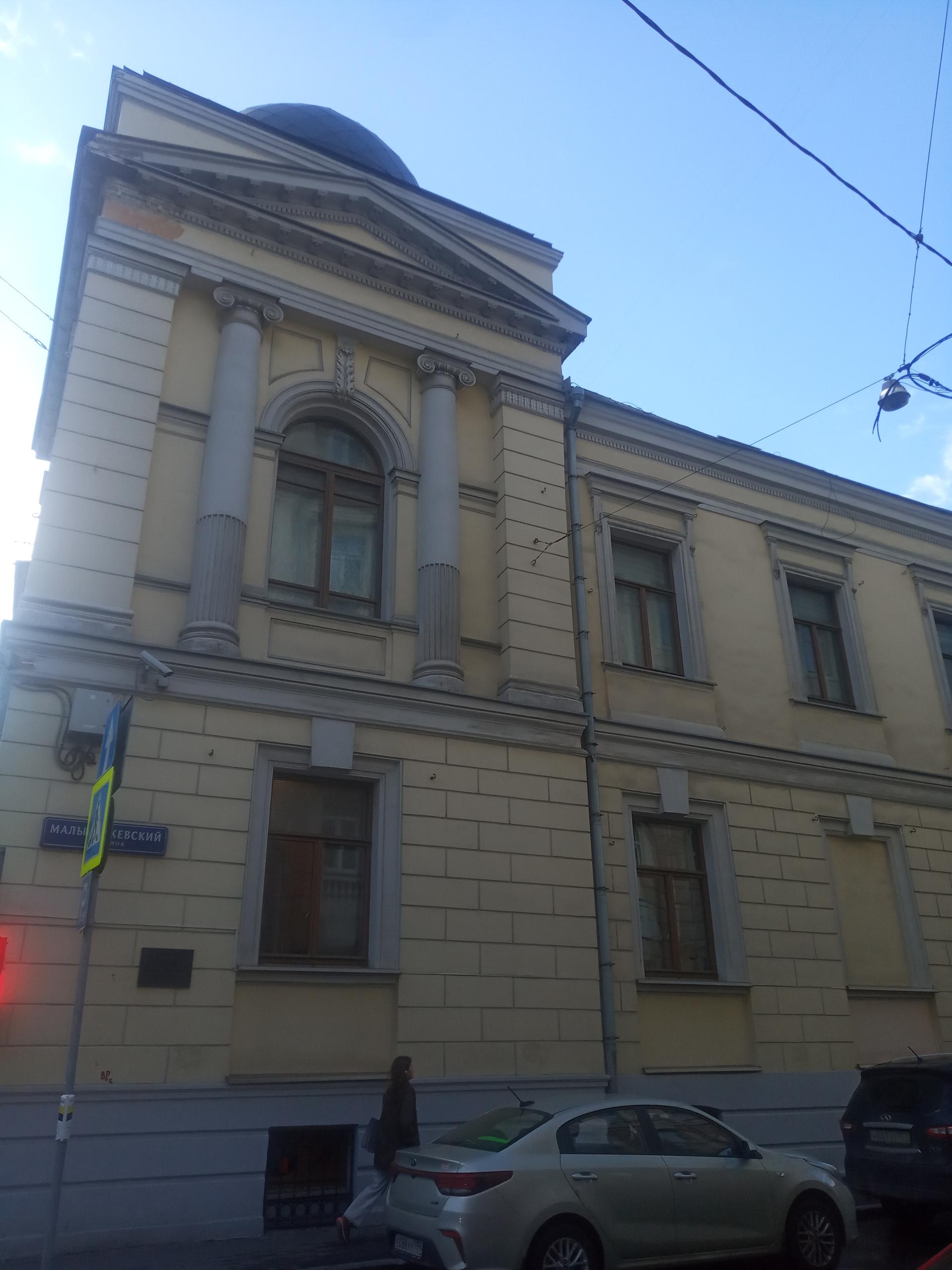
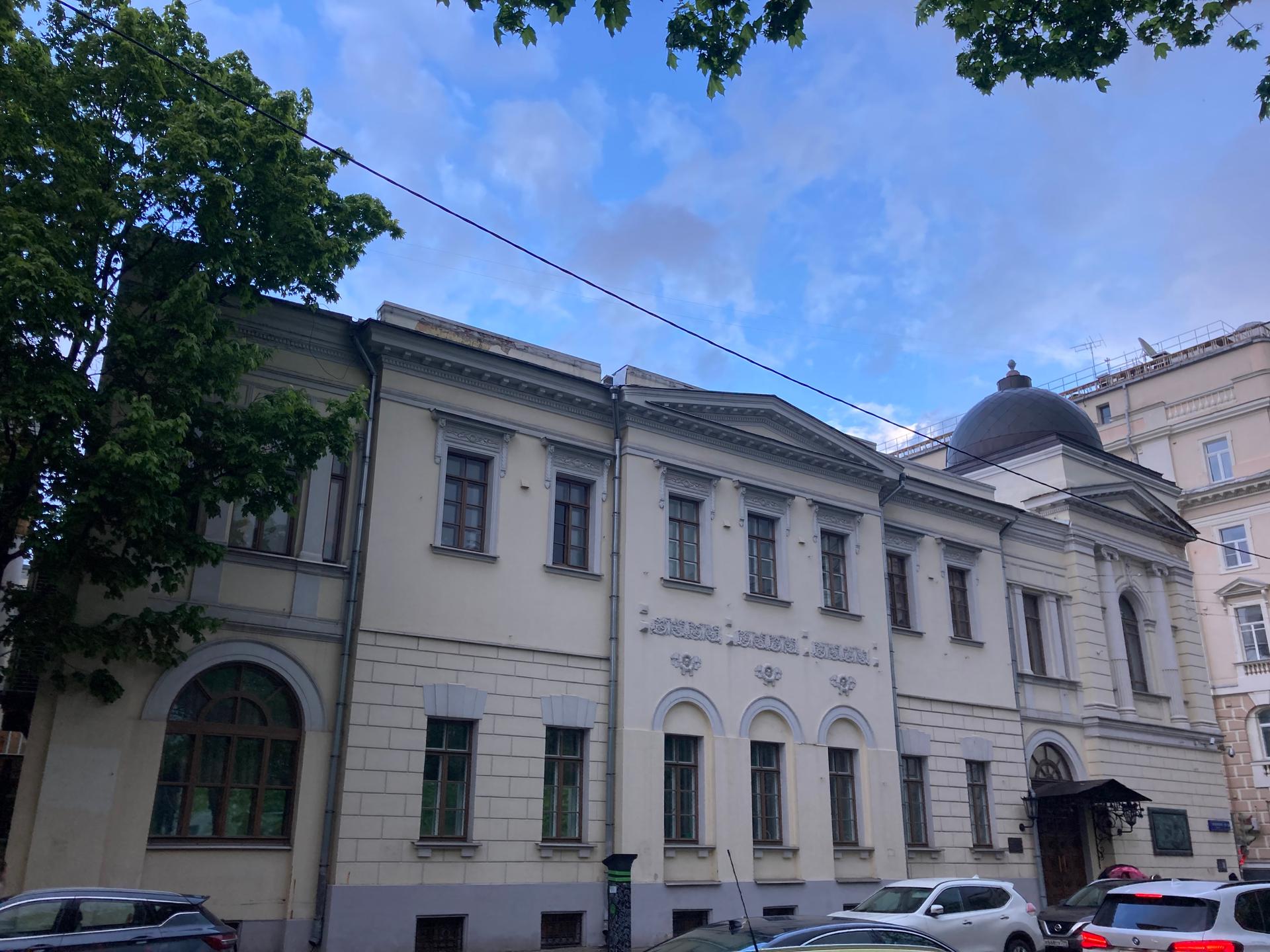
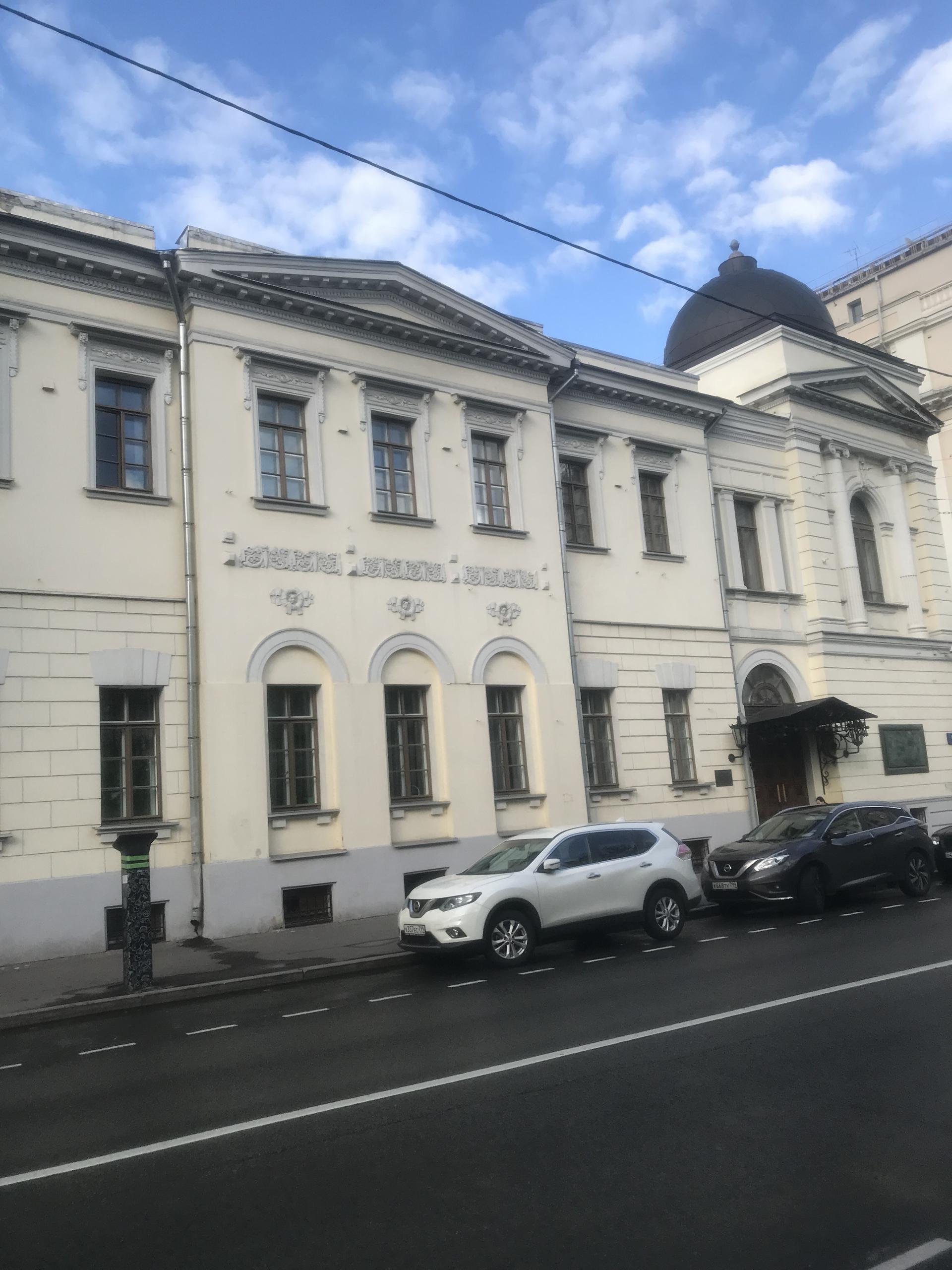
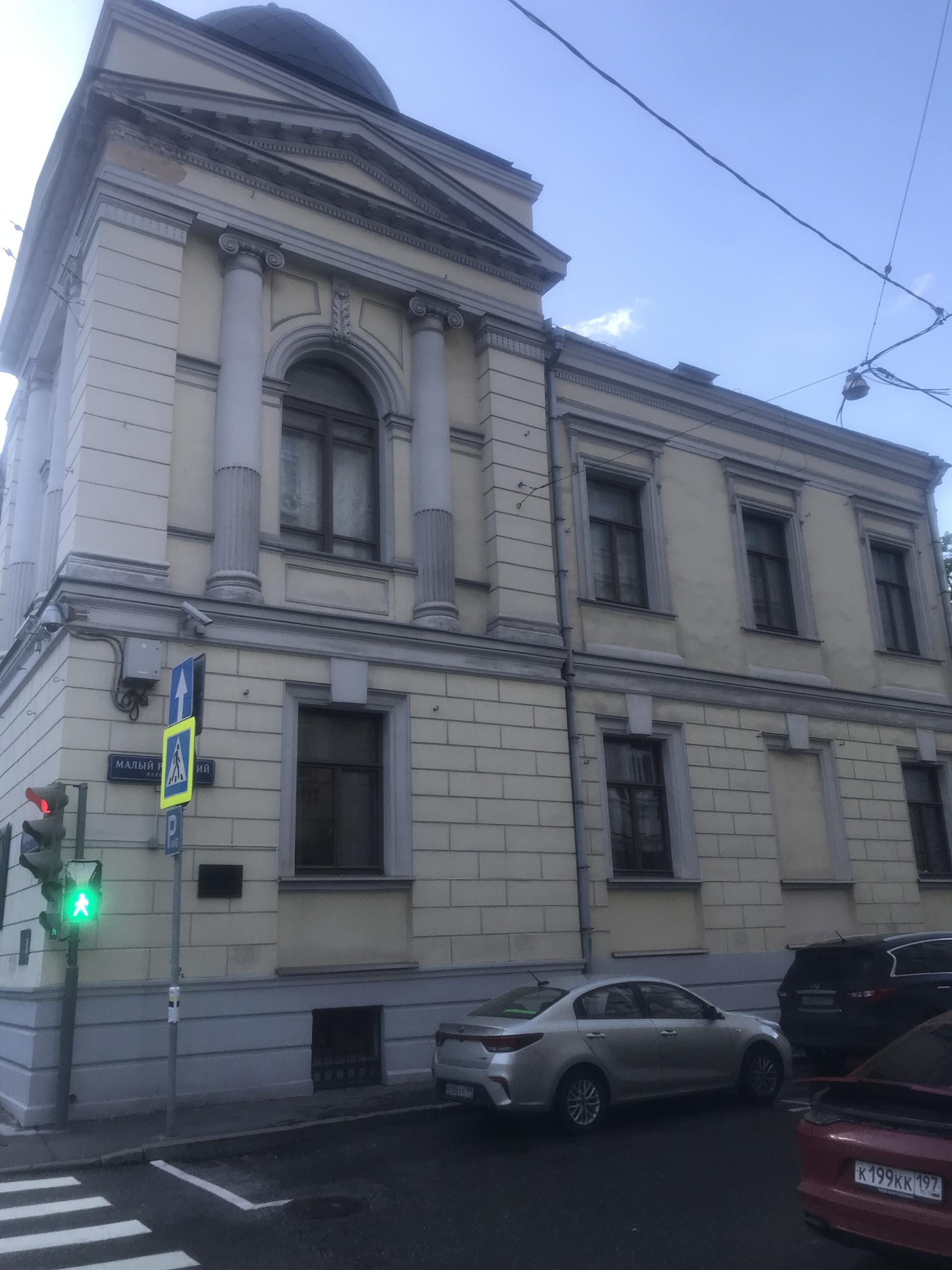
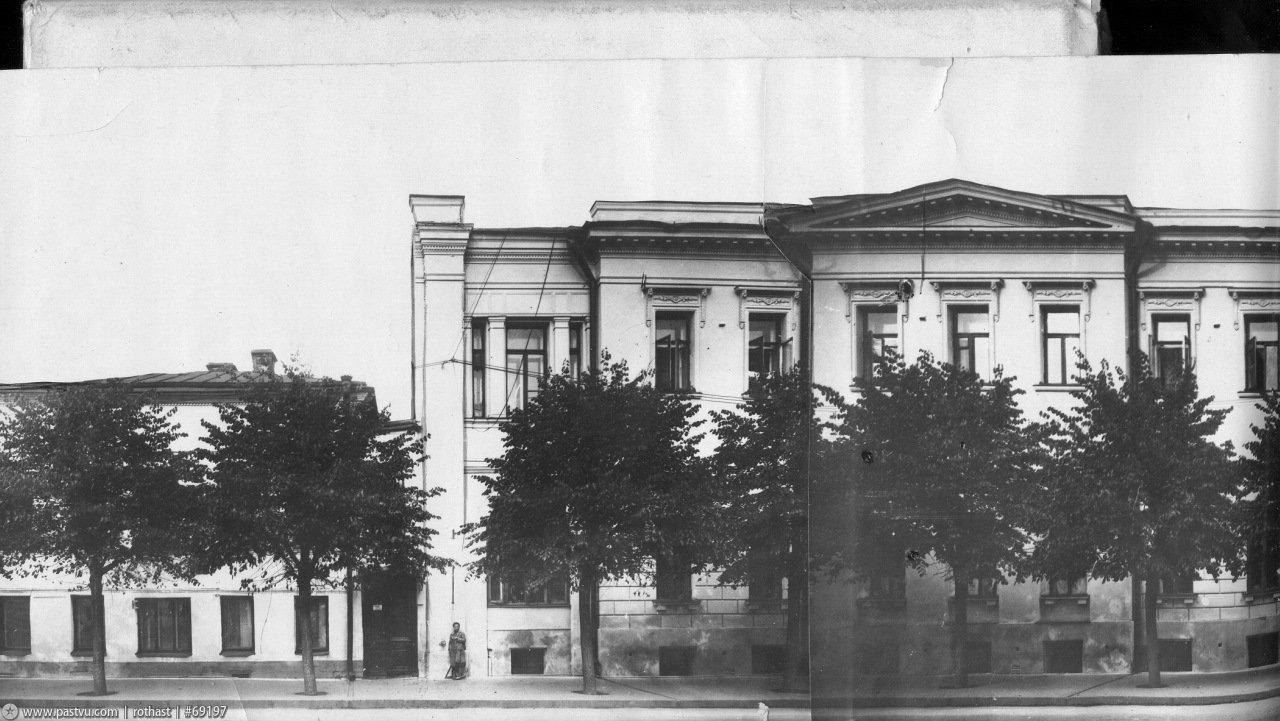
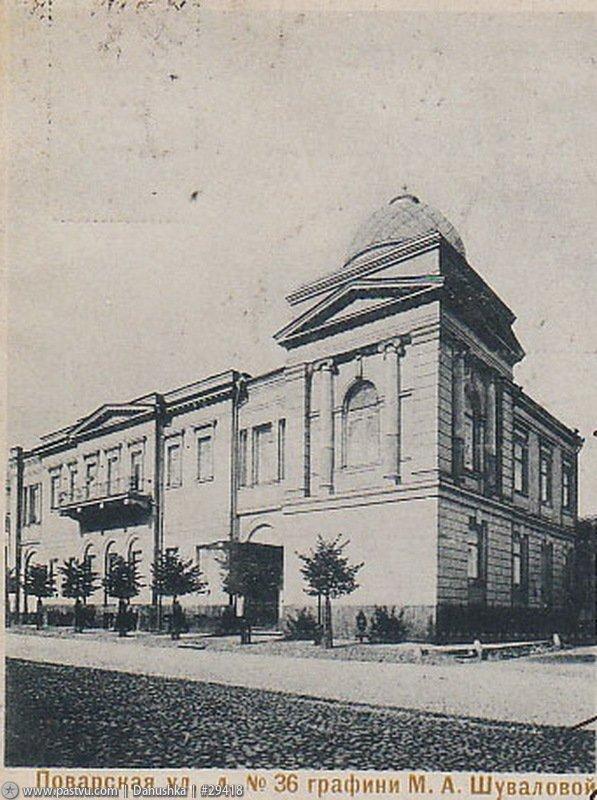
В 1832 году для купца Селиверстова на углу Поварской улицы и Малого Ржевского переулка был построен одноэтажный дом с подвалом. Здание является ярким примером застройки Москвы после пожара 1812 года.

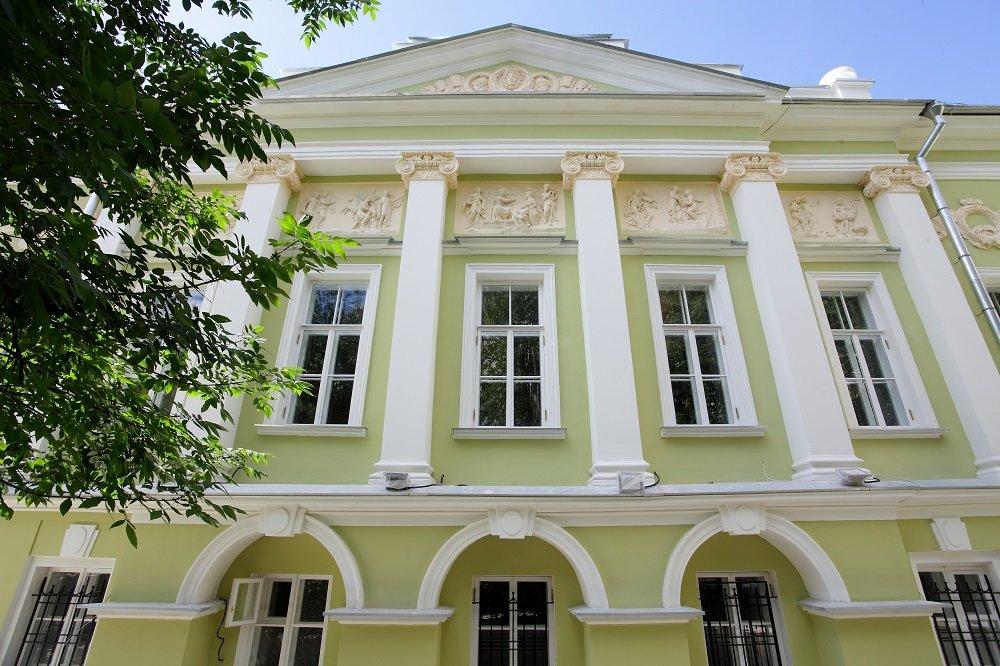
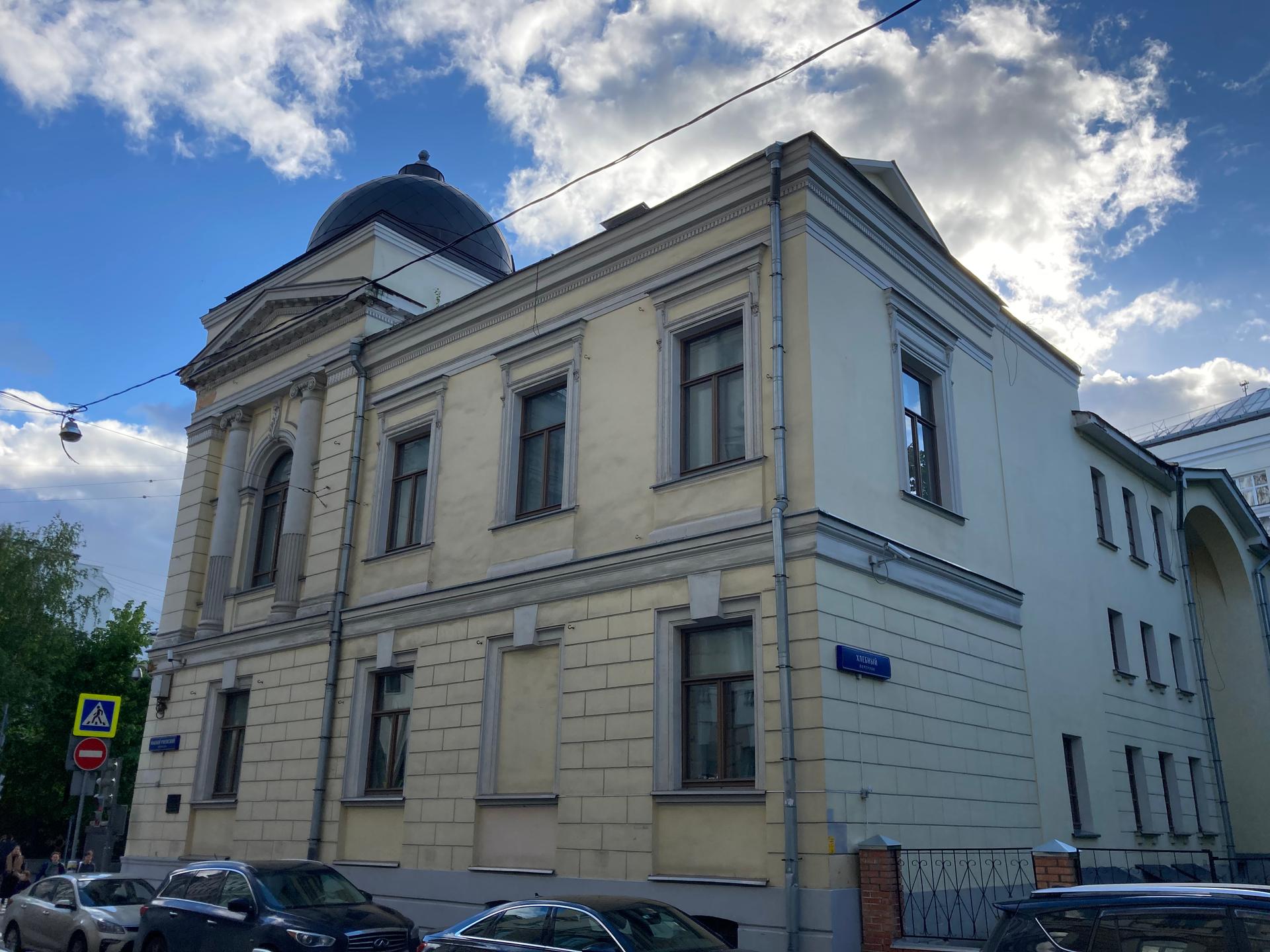
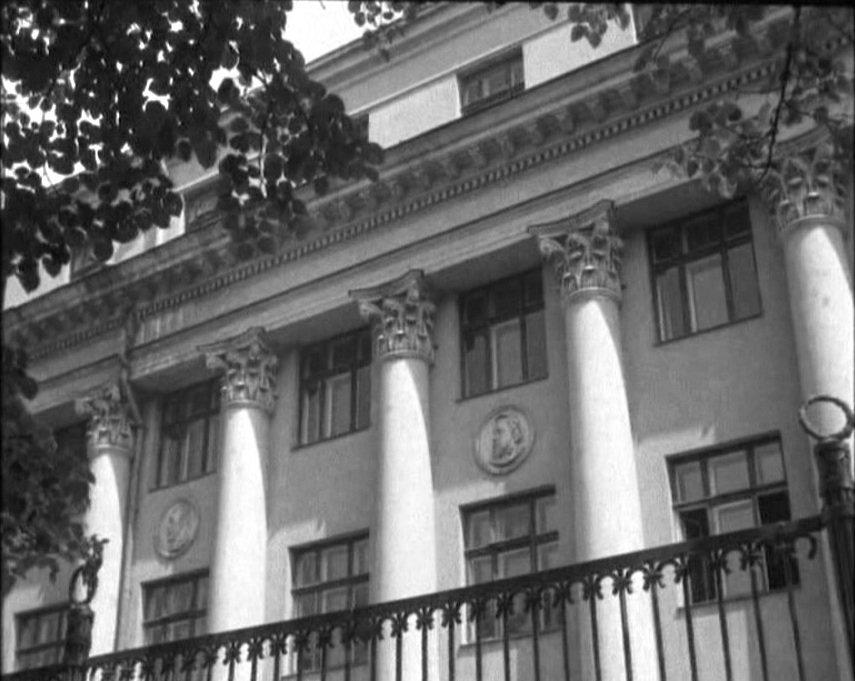
В 1838 году вплотную к существующему дому для генерал-майора К.П.Офросимова пристроен одноэтажный особняк, выполненный в стиле ампир.

Владельцы и значимые персоны

Следующим владельцем генеральского особняка стала его племянница Бухвостова.
В середине XIX столетия все владения на углу Поварской улицы и Малого Ржевского переулка перешли в собственность семьи Охотниковых.

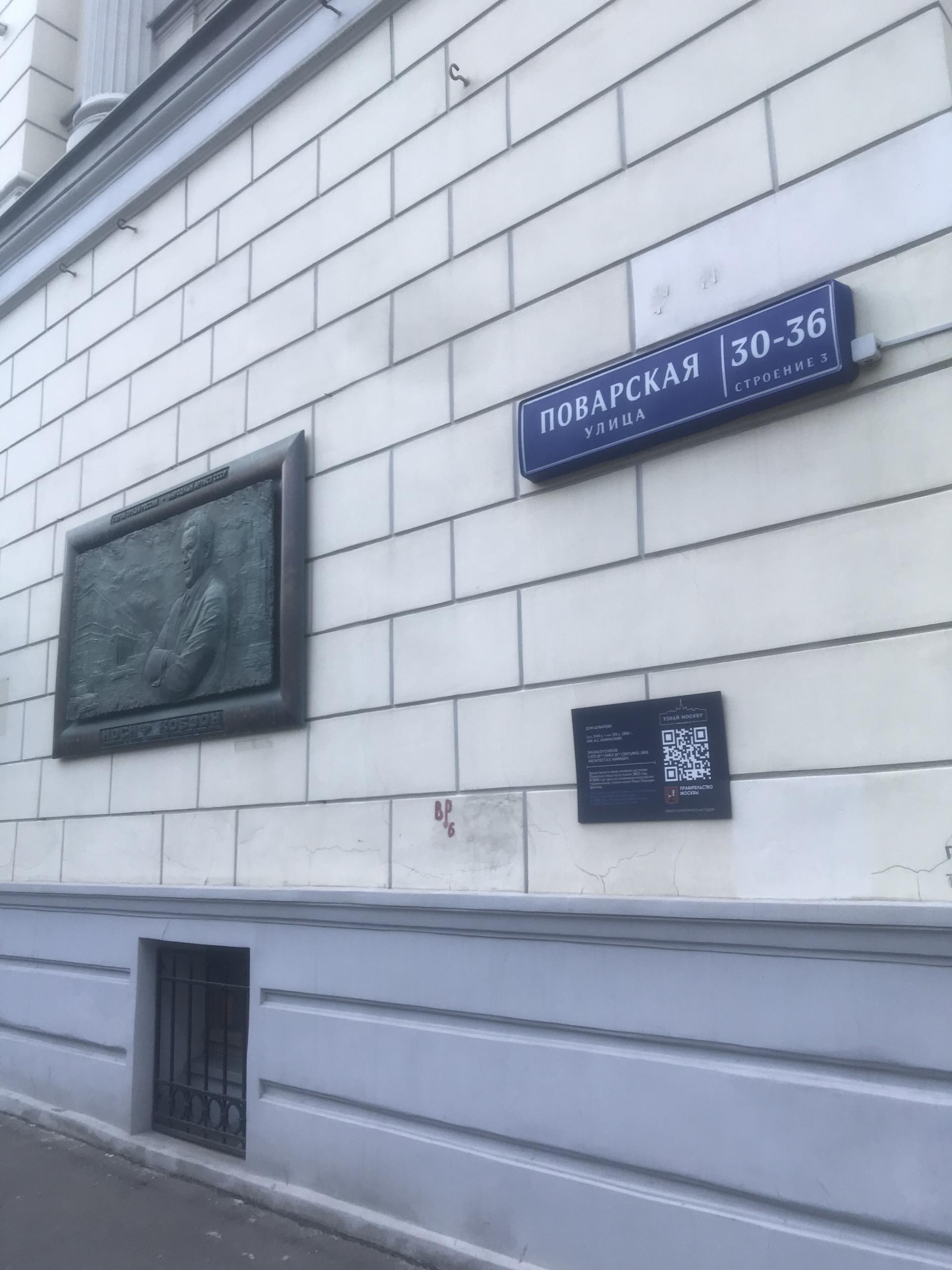
Следующим хозяином владения стал граф, дипломат и государственный деятель Павел Андреевич Шувалов.

С 1904 года в доме Шувалова размещался санаторий для больных, страдающих внутренними и нервными заболеваниями. Это лечебное учреждение организовал врач Федор Александрович Гриневский, приходившийся троюродным братом Александра Грина, автора бессмертной повести «Алые паруса».

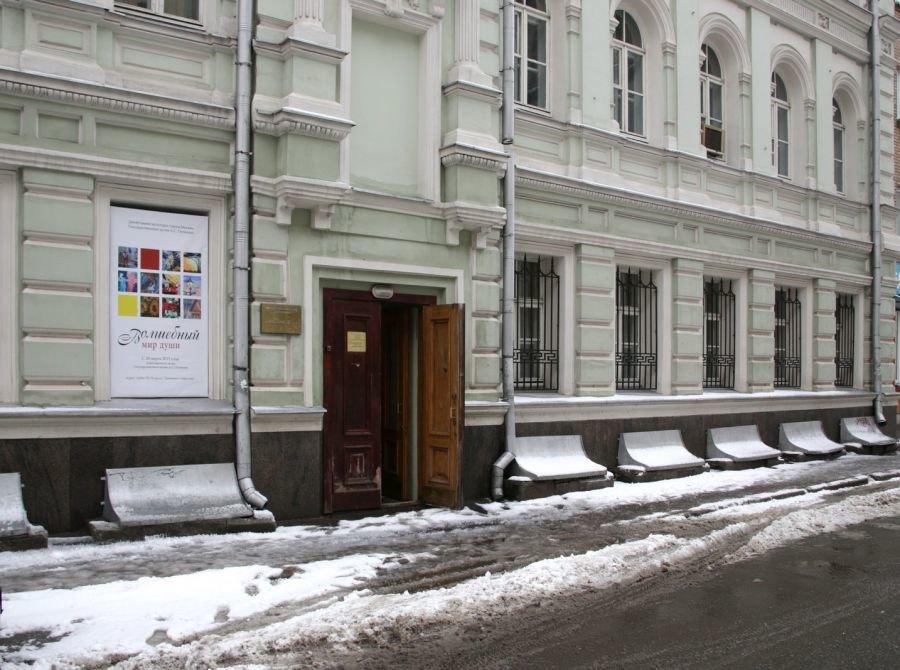
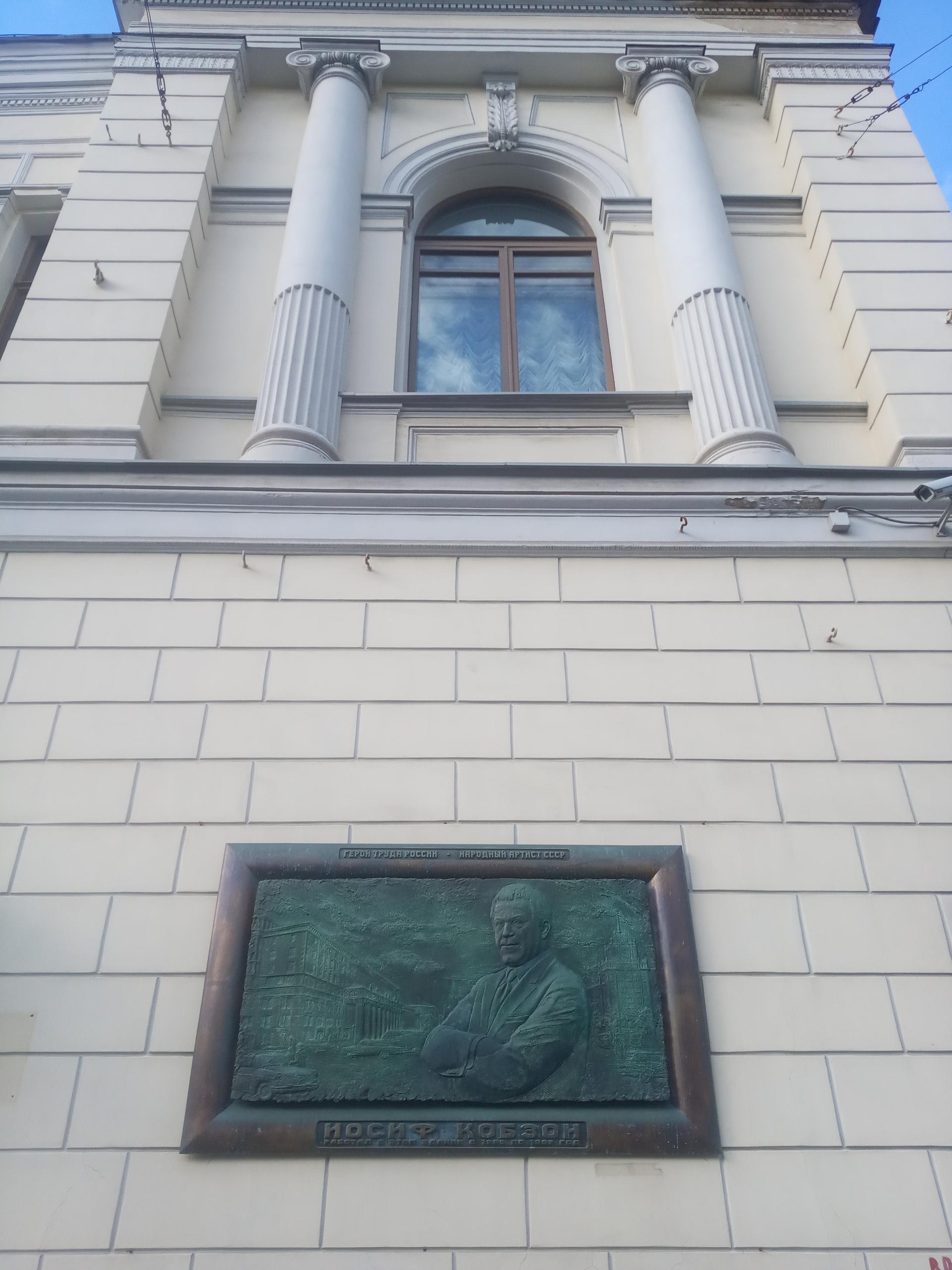
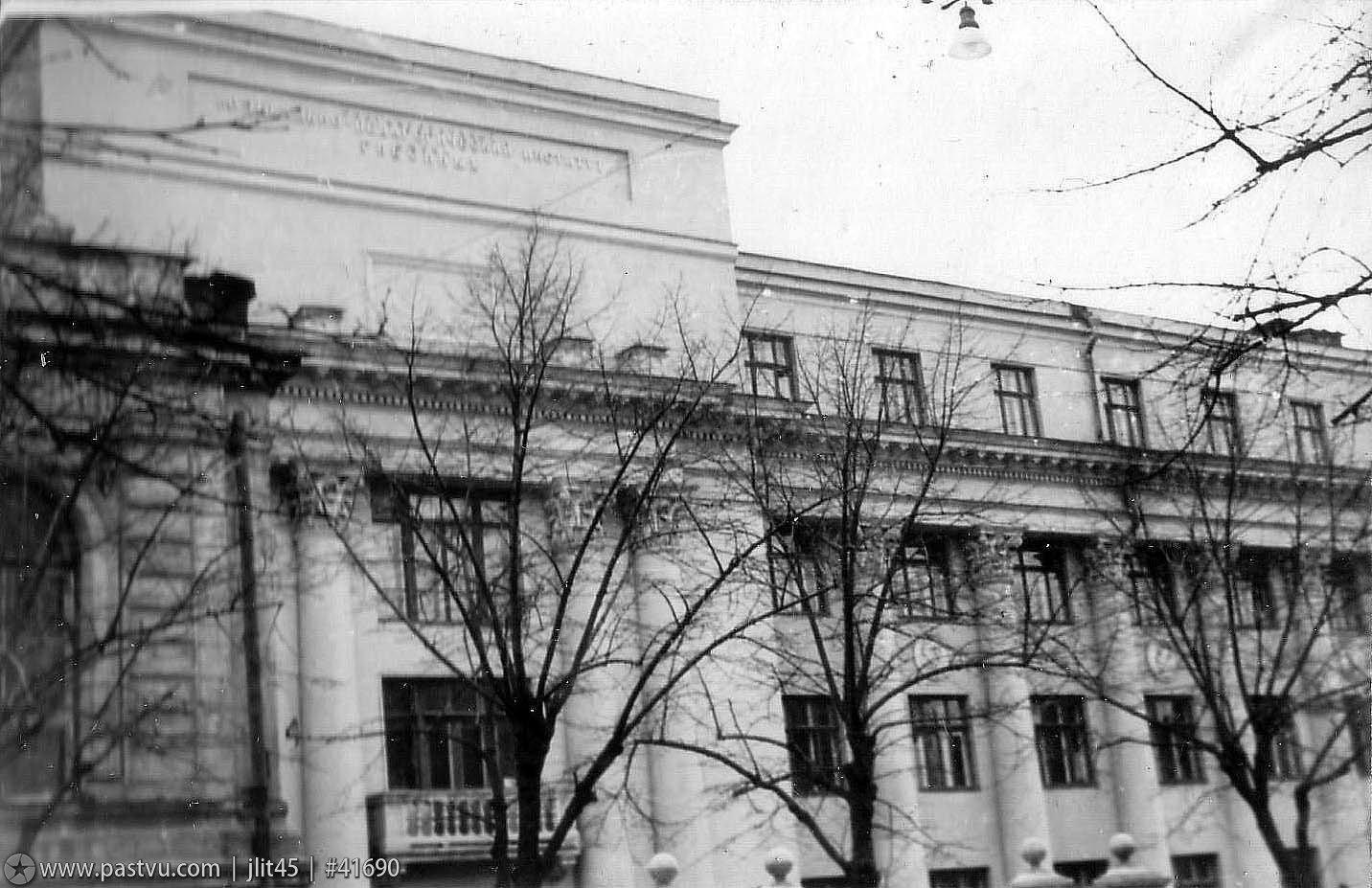
В советское время, в 1950-е годы, владение Охотникова-Шуваловых было передано Государственному музыкально-педагогическому институту имени Гнесиных.

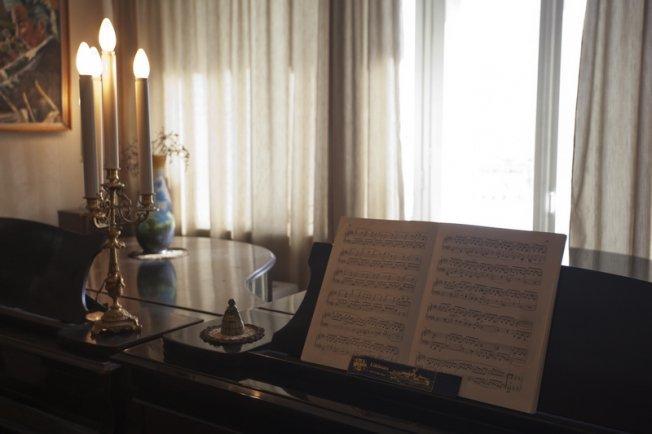
В 1989 году в доме открыли камерный концертный зал «Музыкальная гостиная в доме Шуваловых».

Перестройка и реставрация

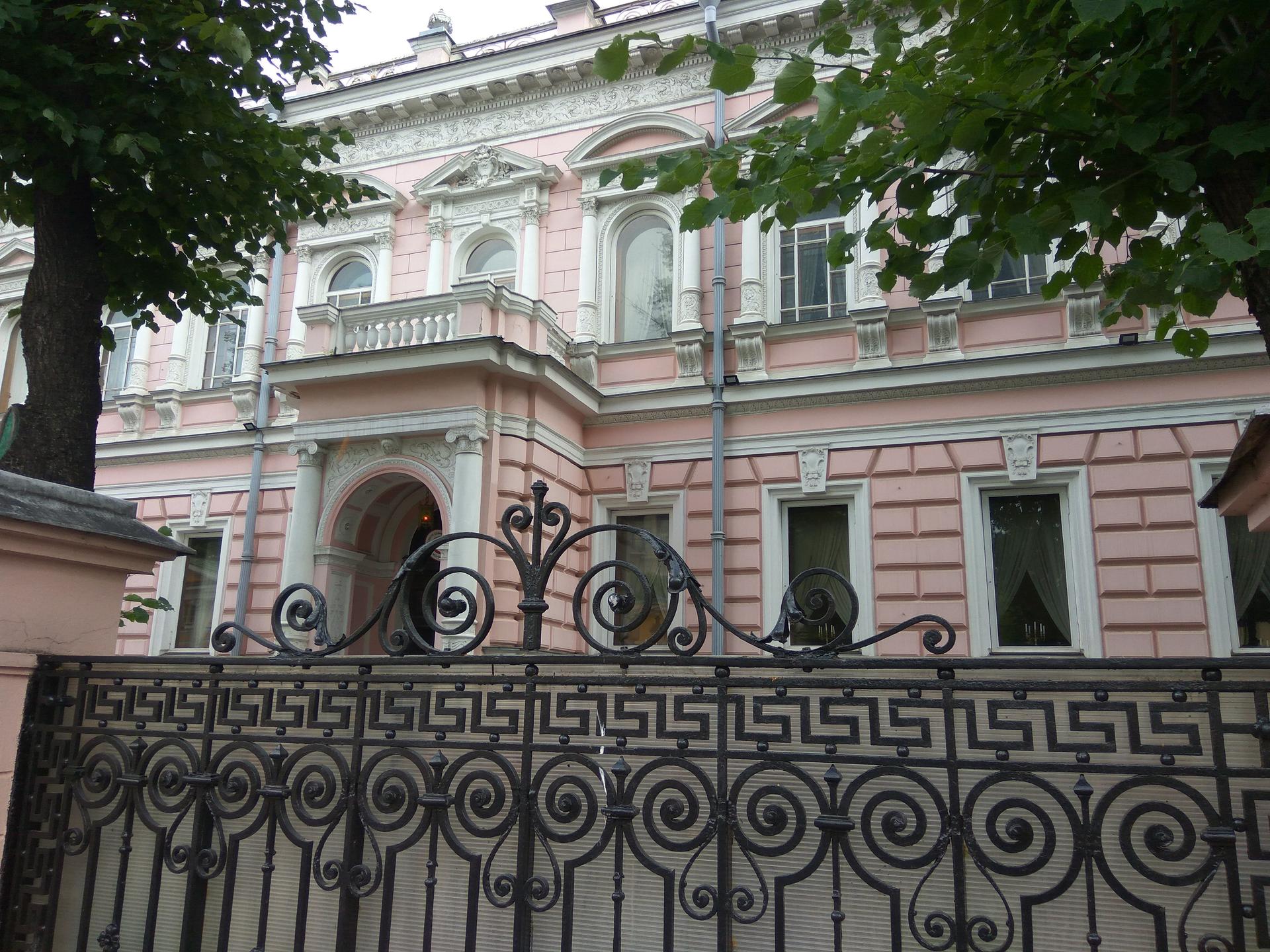
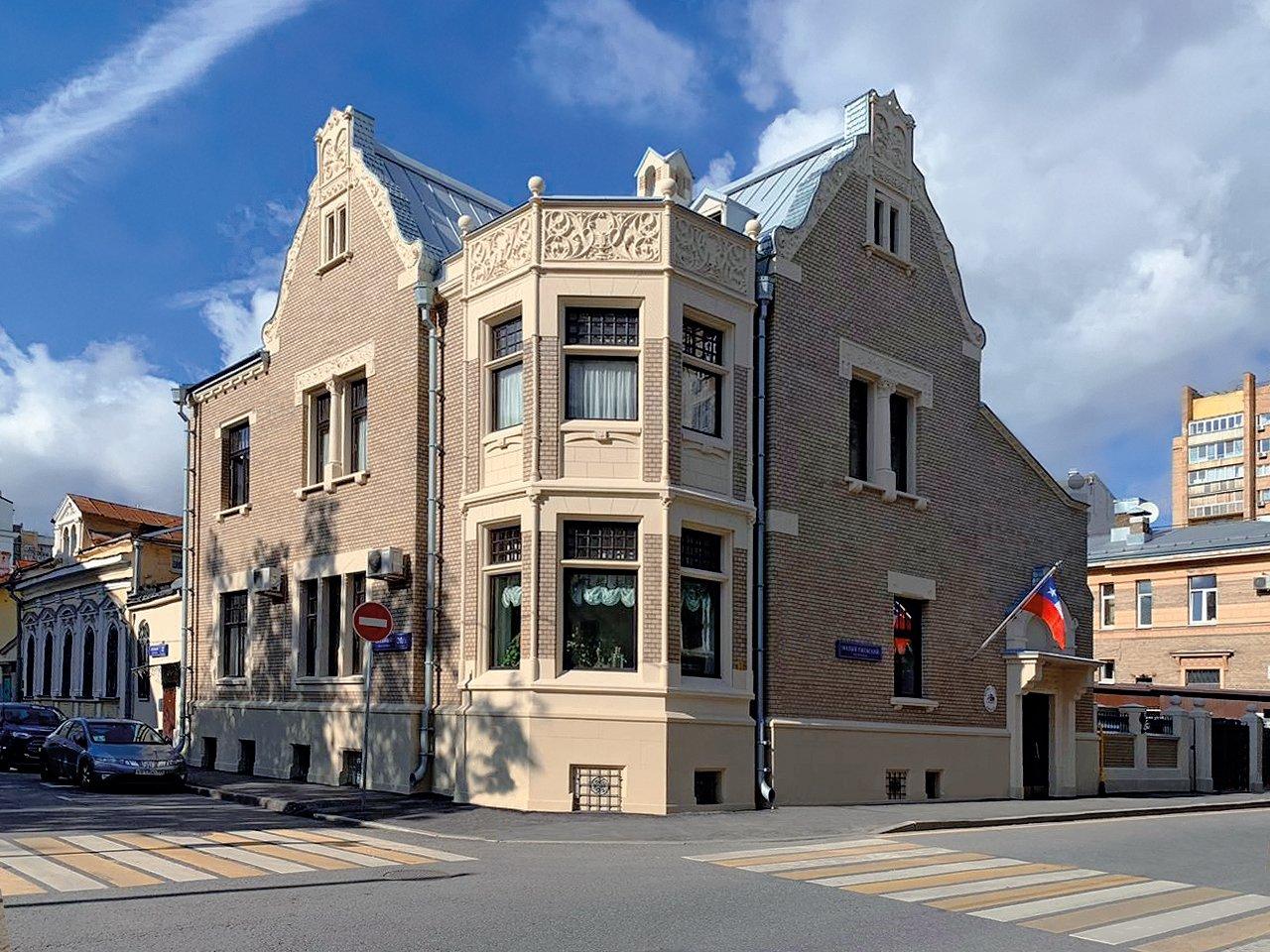
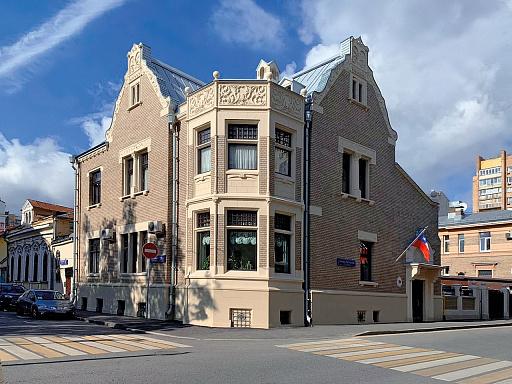
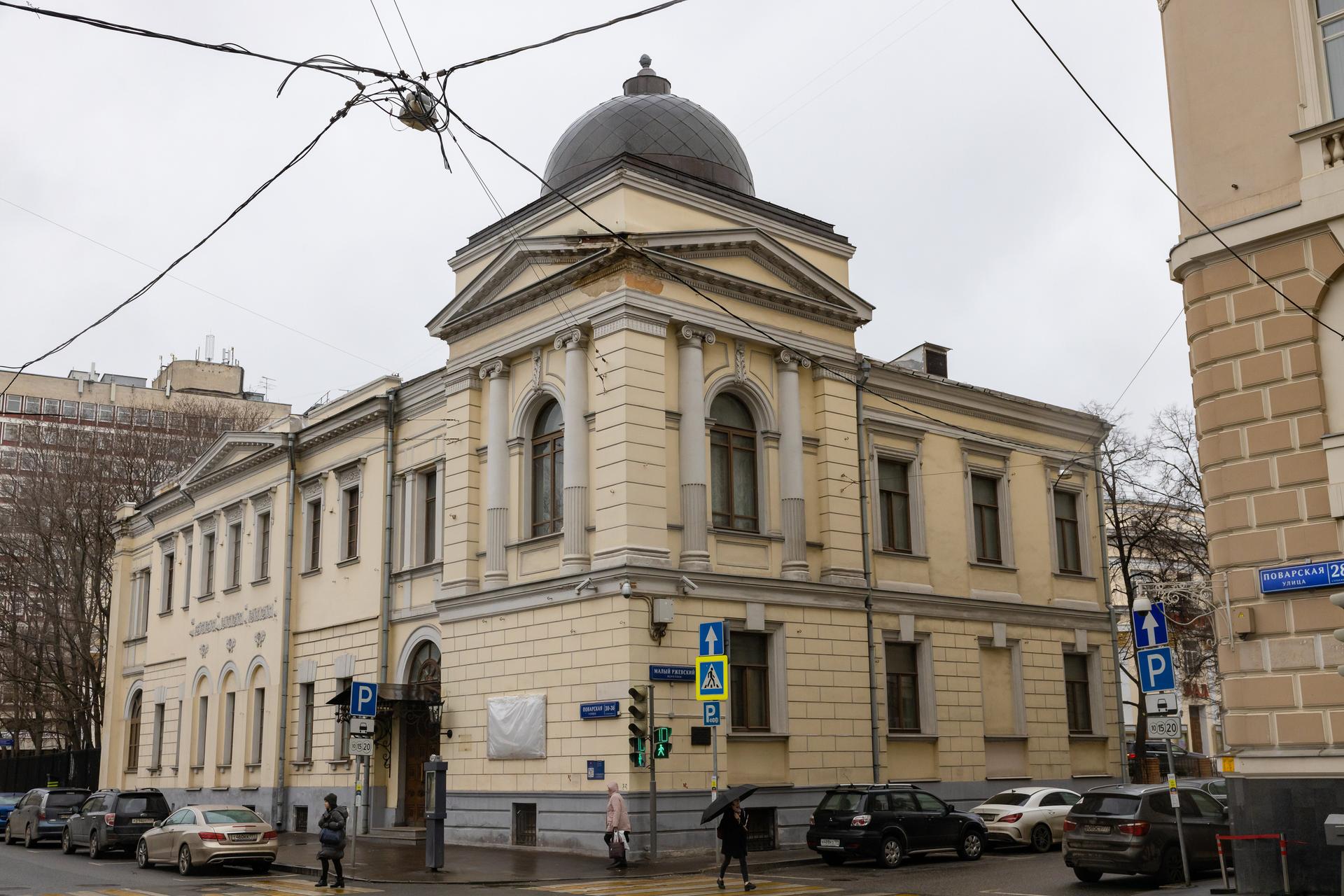
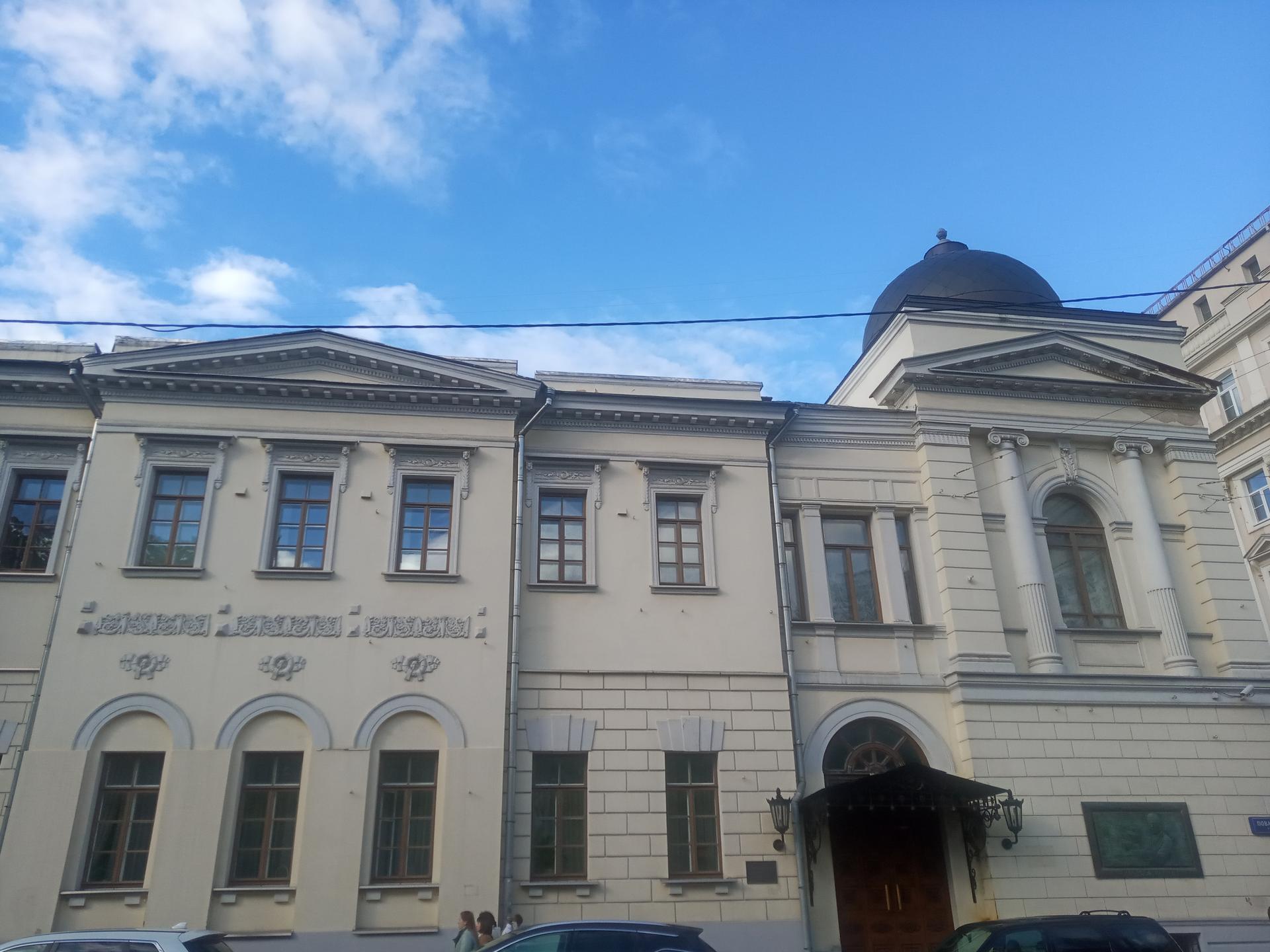
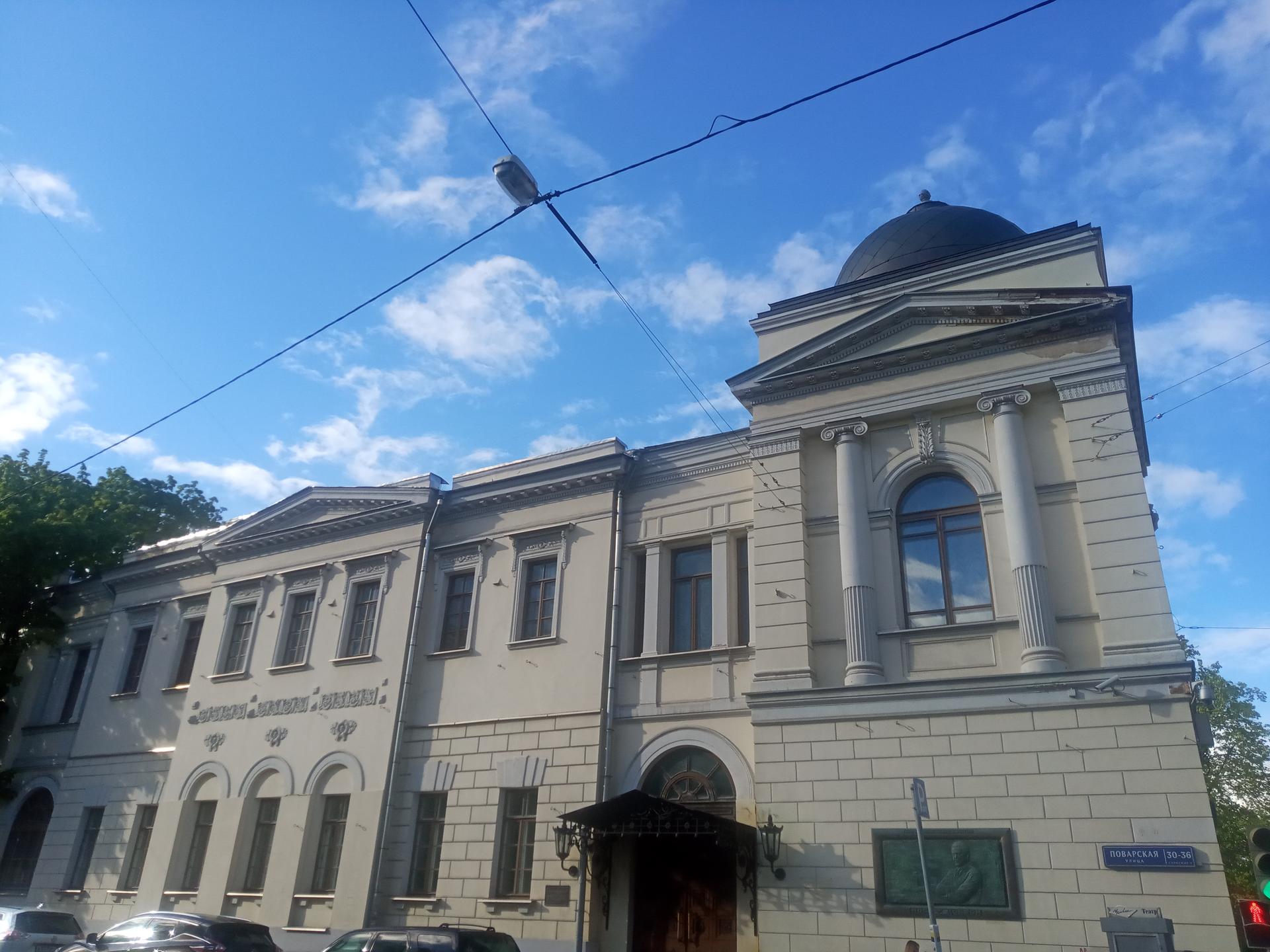
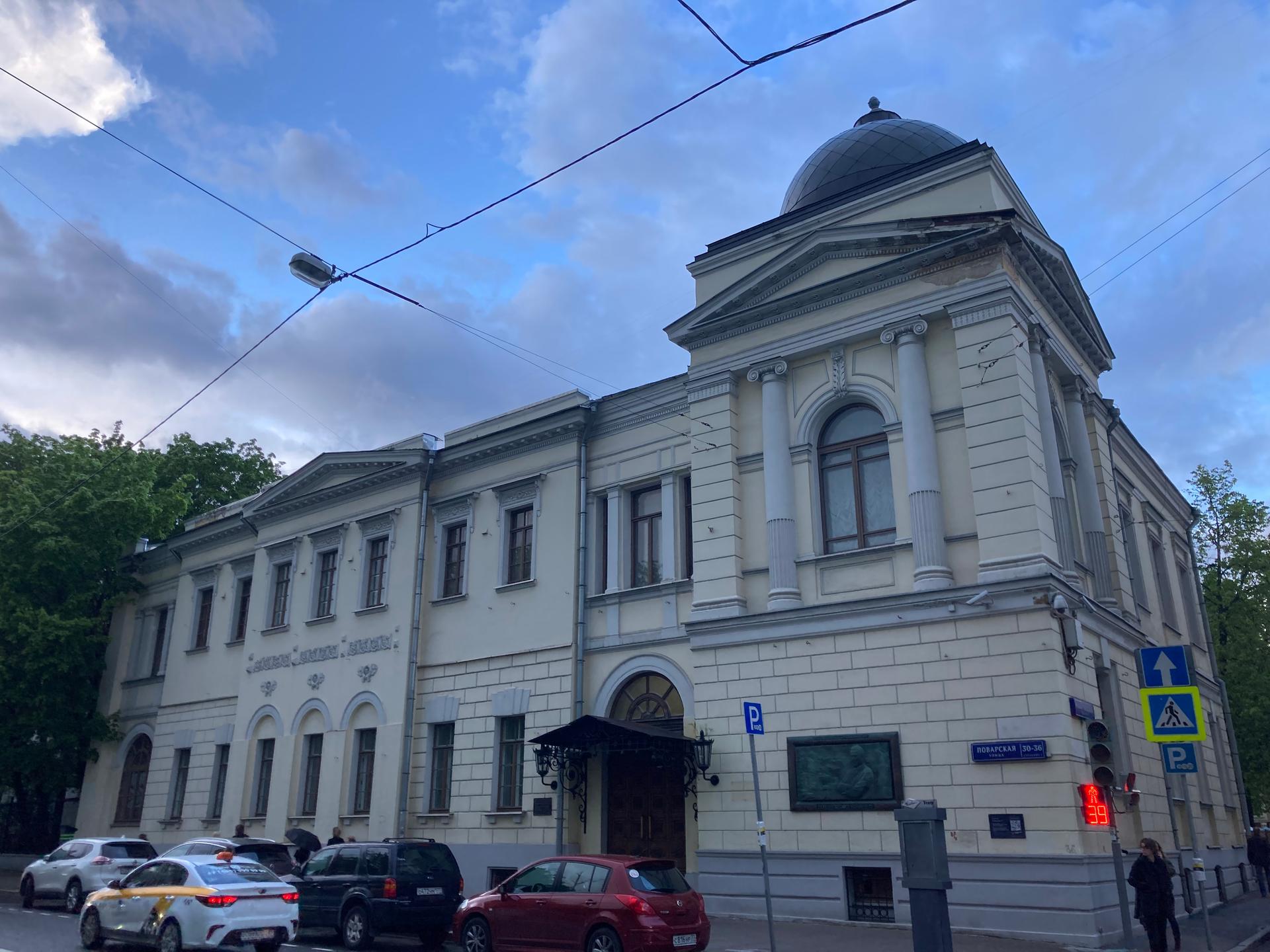
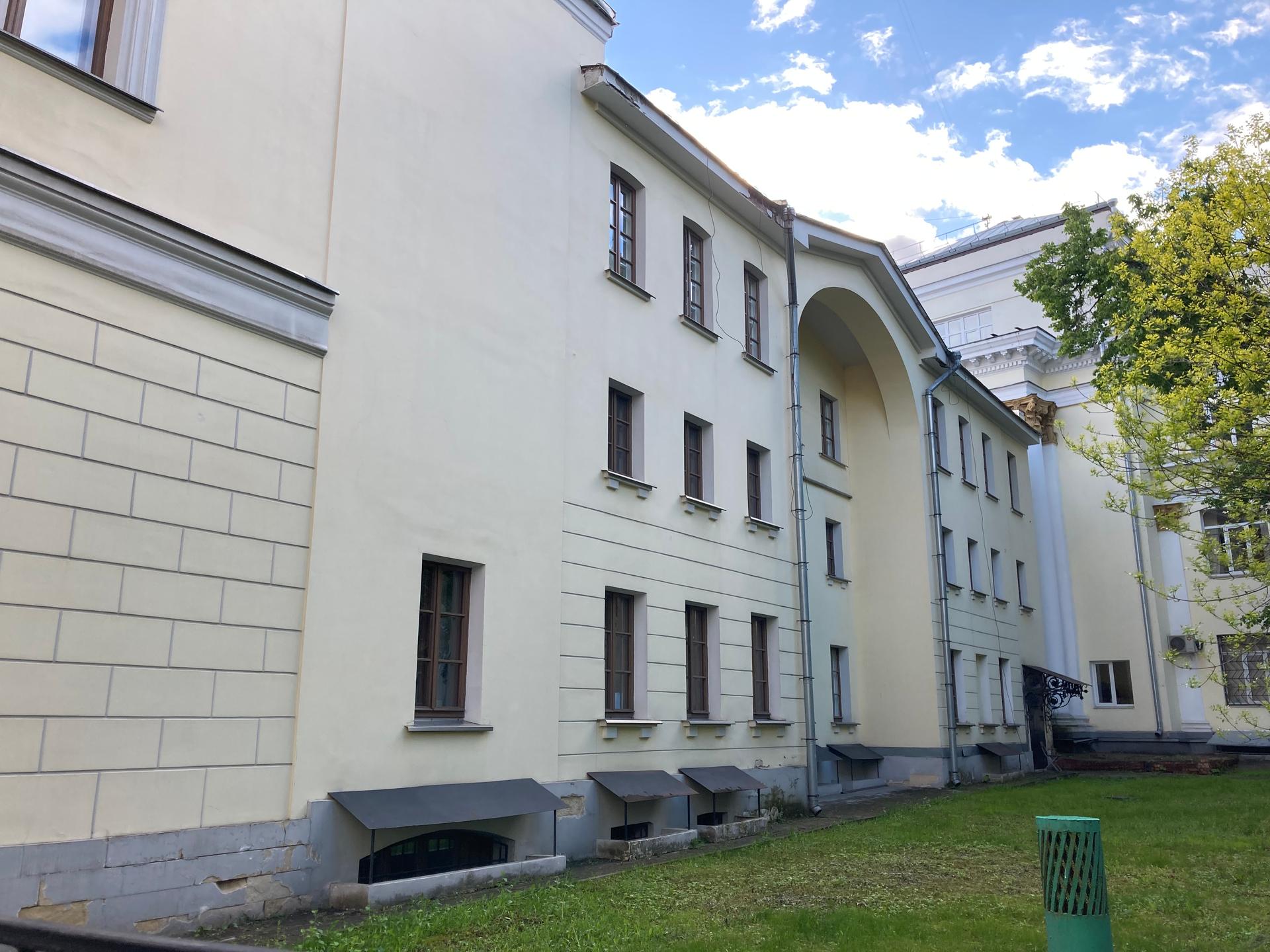
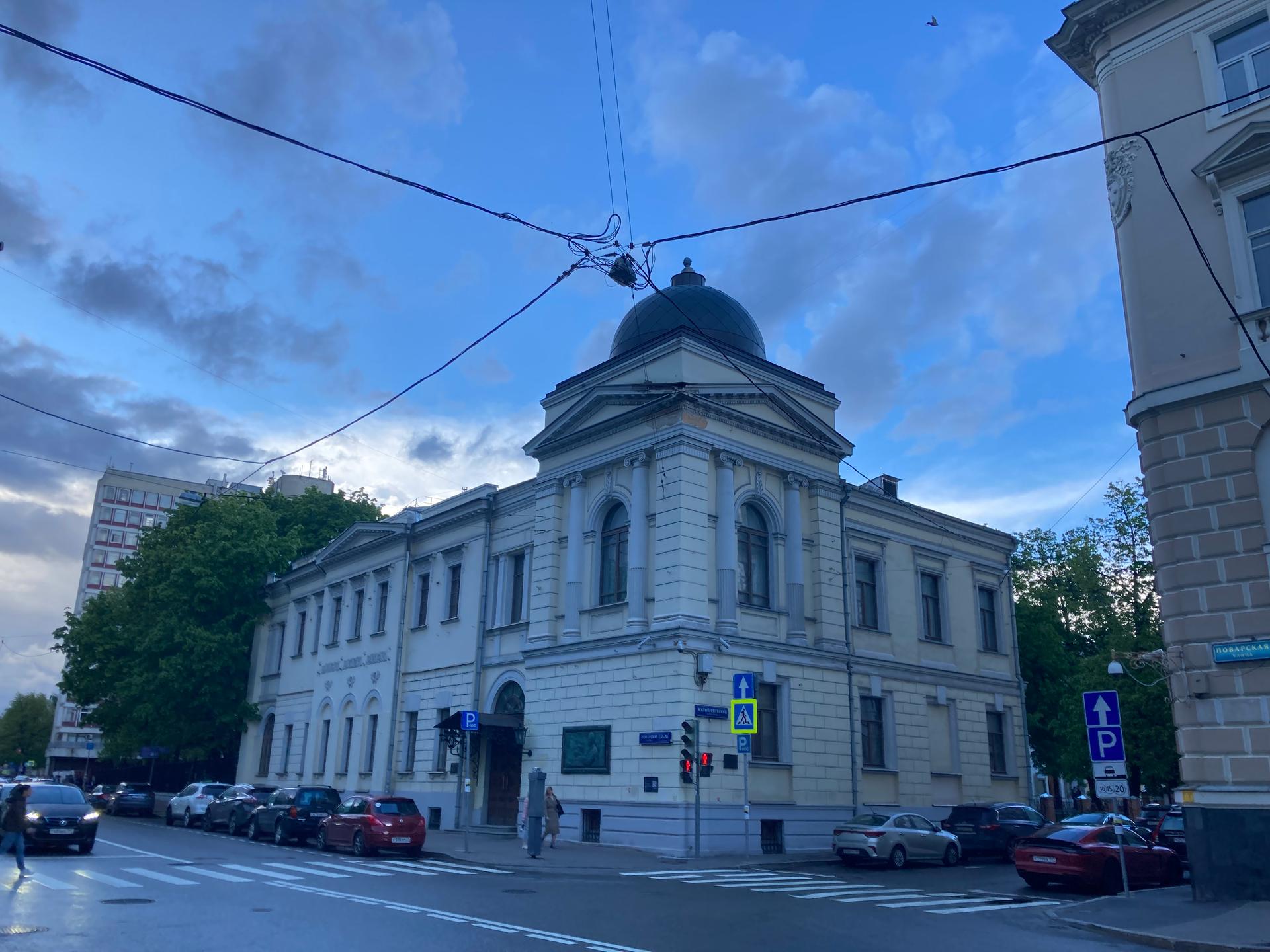
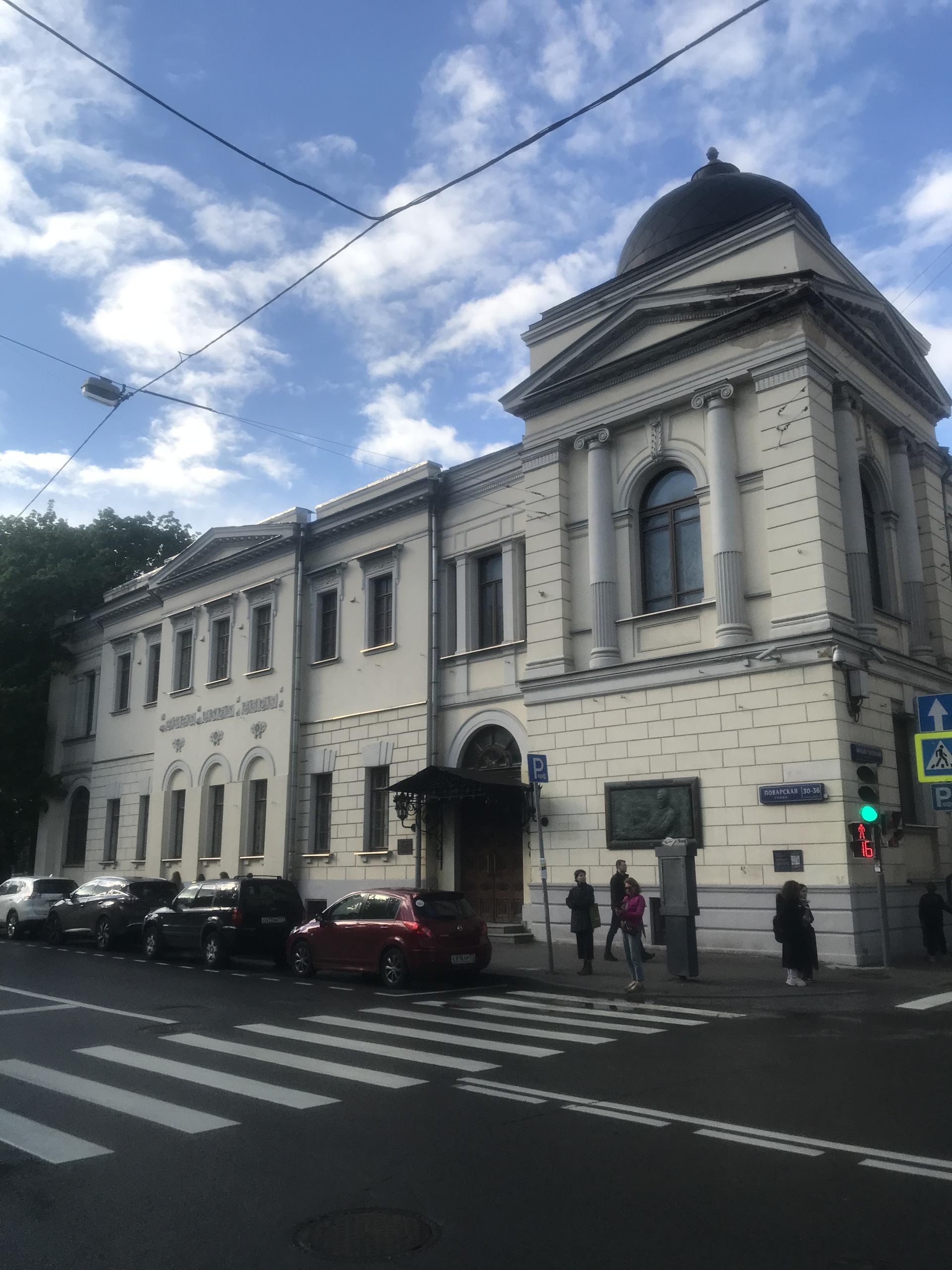
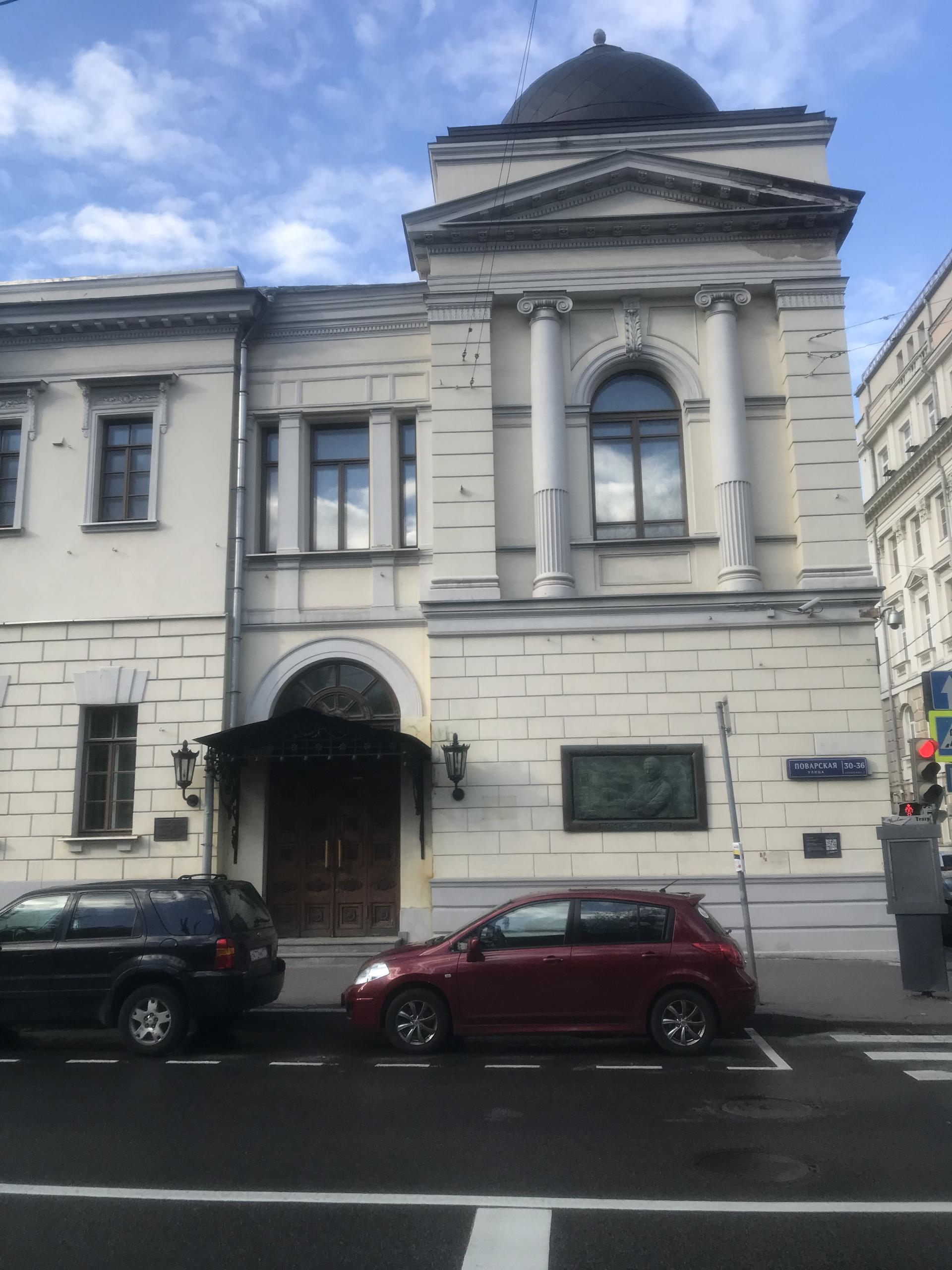
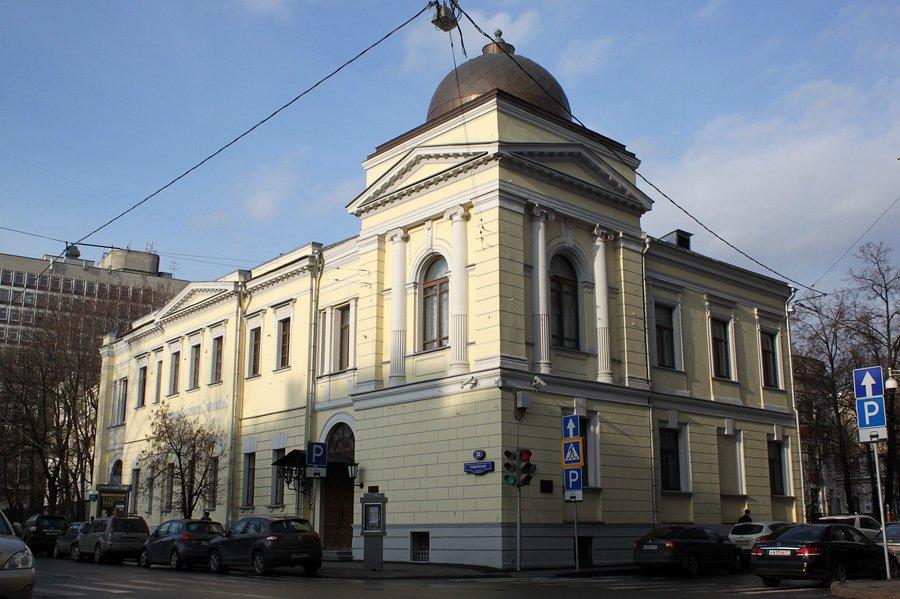
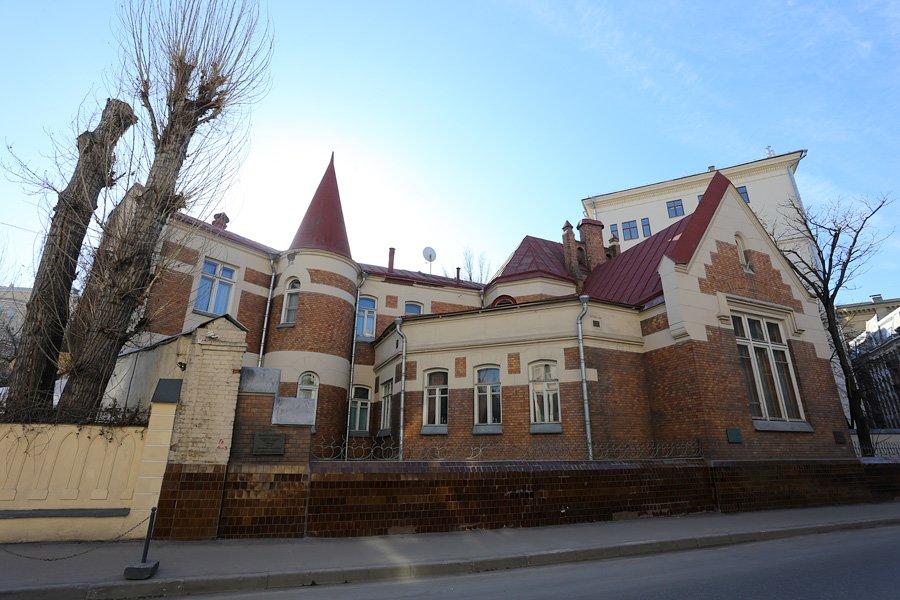
В 1892 году по заказу В.Н. Охотникова дом на Поварской перестроен по проекту архитектора Александра Каминского. Строение было выполнено в стиле эклектики. В процессе строительных работ был частично сохранен бывший дом Офросимова (планировка, декоративное оформление парадного фасада, а также сводчатые подвалы).

Главный акцент в архитектурно-художественном оформлении здания архитектор Каминский придал угловой части постройки, представив ее в виде своеобразной башни с выполненным глухим первым этажом. Особое внимание было уделено хорошей прорисовке большинства деталей фасада здания.

В конце прошлого века в здании была проведена реконструкция с частичным сохранением былого внутреннего декора: лепнины, мраморной лестницы и настенной росписи.

Автор статьи: Департамент культурного наследия города Москвы
Рекомендации
10
46 м.
3.9 км
Отзывы
(1)
Поделитесь статьей с друзьями
Интересное рядом(20)
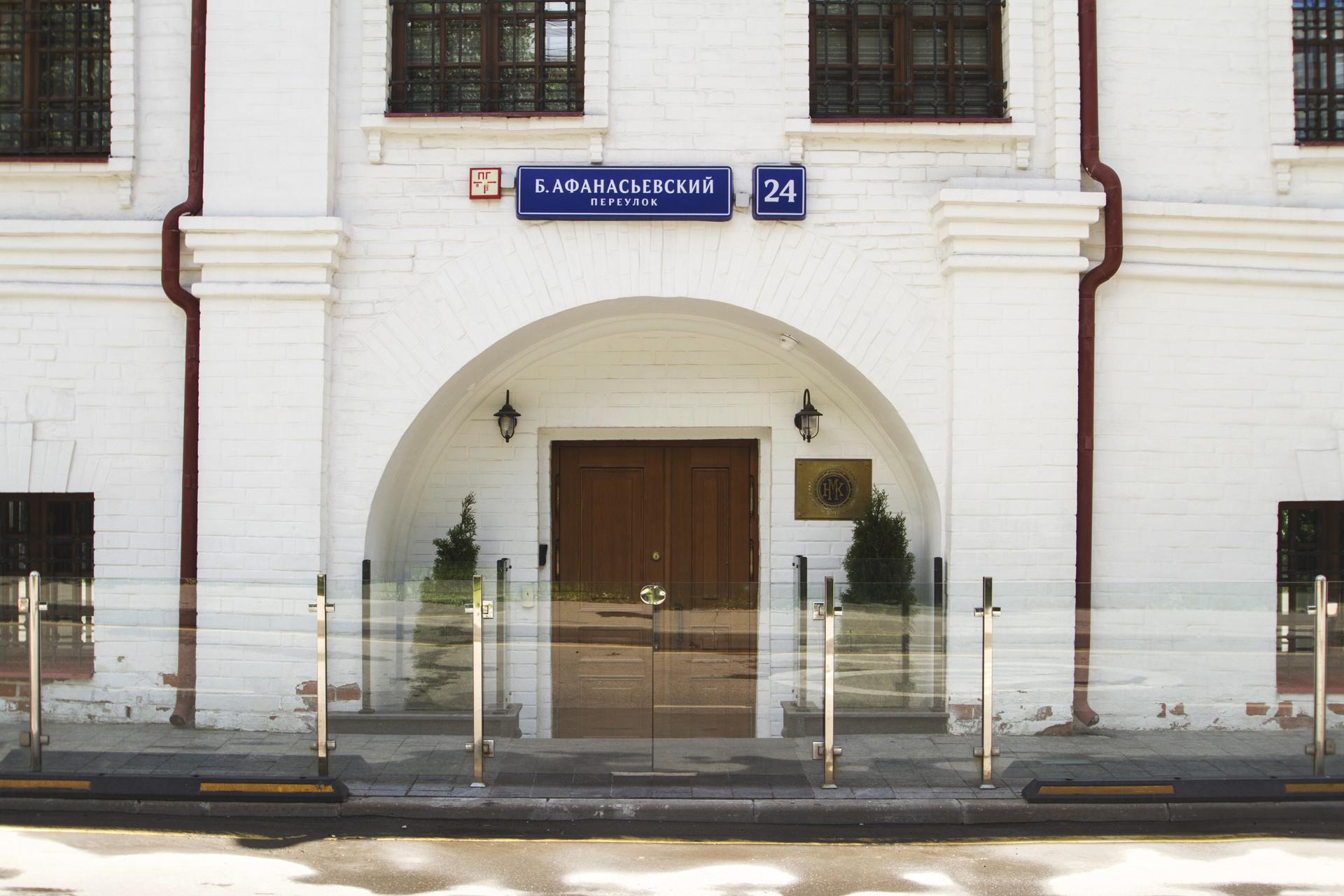
Museum of military uniformsIn February 2017, a new museum of the Russian military-historical society - the Museum of Military Uniform, was opened in the building of the Turgenev-Botkin estate. The first exhibition “Saved relics” introduces visitors to selected samples of Russian military uniforms of the 18th – 19th centuries. The exhibition became a memorial - it is the memory of those killed in the area of Sochi on December 25, 2016, about Anton Nikolaevich Gubankov - director of the Department of Culture of the Ministry of Defense of the Russian Federation. He supported the idea of transferring objects from the museum’s storerooms to the Russian Military Historical Society for their restoration and display in the RVIO military uniform museum. Among them are real relics - priceless items of military uniforms from the Imperial quartermaster's museum. It received items of military uniforms not only of the Russian army, but also of foreign ones. The life of the museum ceased after the events of 1917: the exhibits were put in boxes and sent for storage in the Peter and Paul Fortress. In 1932, the wanderings of an invaluable collection began: a part was transferred to the artillery historical museum, a part went to costume theaters. The restoration of the priceless collection began in 2016, with the direct participation of RWIO. A year after the start of restoration work, after a hundred years of oblivion, visitors can see amazing exhibits. All subjects tell of the feat of the warriors who wore this uniform and were proud of it.
Moscow, Petroverigsky Lane, 4 (metro station Kitai Gorod)
Krasnopresnenskaya, Barrikadnaya
г. Москва, ул. Бронная Б., д. 2/6
Pushkinskaya, Tverskaya
The International Numismatic Club MuseumThe International Numismatic Club Museum (MNC) was founded by entrepreneur and patron Vagit Alekperov in 2015 and is located in the restored chambers of the XVII century, owned by Yusupov-Zinoviev. Today, the museum’s collection counts about 5,000 exhibits belonging to different cultures and eras – from Antiquity to the present day. Modern technologies are used to create expositions: each show-glass is equipped with tablet; mapping is used, where additional illustrative material is demonstrated with help of projection installations. The images of coins in a 3D pyramid complement the image, and thanks to VR glasses, viewers will plunge into virtual reality, a special world of the Romanov dynasty. Now in the museum of MNC are several exhibitions that will last until December 30, 2018. The exhibition “Gold coins in the history of Romanov dynasty” presents gold and platinum coins for the entire period of the Romanov dynasty from 1613 to 1917 – more than 500 coins from the museum’s funds and private numismatic collections. These coins can tell many fascinating stories: the Romanovs were crowded kingdom under their ringing, used in everyday life and as “butts” to their revered icons, they were paid for foreign trips and gambling, paid for wars and rewarded for service. Most of the items presented at the “Not All That Gold ...” exhibition were threatened with death by that at whom they could be found. You will see fake coins, which not only deceived their contemporaries, but still mislead collectors. You will learn about various technologies of falsifiers and how to expose them. Art critics and fans of architecture will be interested in an excursion on Zinovyev-Yusupov' chambers – to the oldest house near the Arbat. Chambers were building by the steward Peter Zinovyev in 1685. History was made under their roof, legends of family life were made and its owner went down in history. At an excursion you learn about the history of chambers, its owners in more detail and also to see the small movie about reconstruction of the building and the halls of the museum which were not opening for wide audience yet.
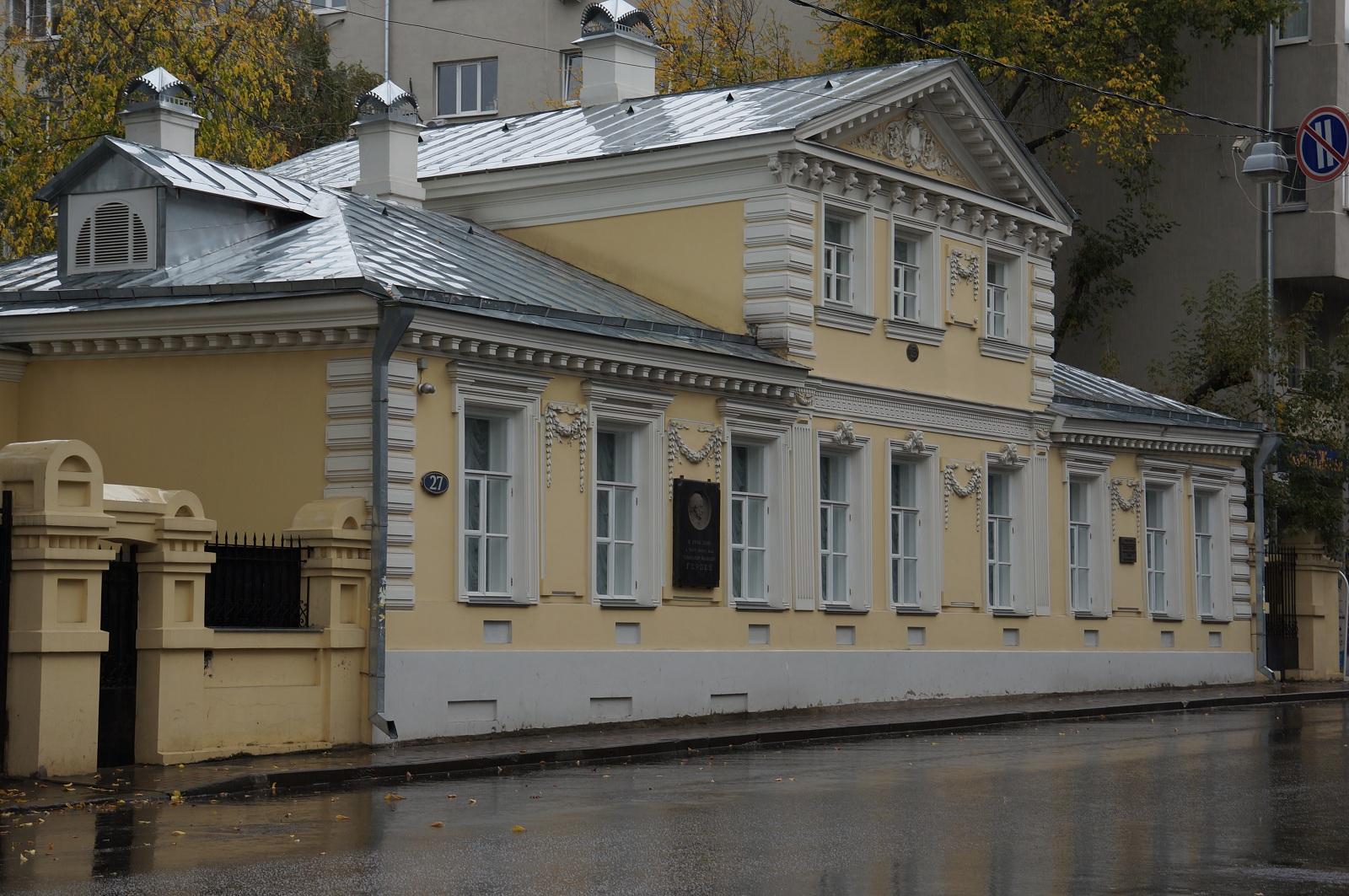
A. I. Herzen House-MuseumThe one-story building in the Empire style at Sivtsev Vrazhek, 27 is the only museum in the world dedicated to the life, work and fate of Alexander Ivanovich Herzen. Actress A. Aaburova and T. A. Lopukhina were the owners of this house at different times. In 18939, the mansion was bought by the writer’s father from the general and poet S. A. Tuchkov. In this house Alexander Herzen lived with his family for almost three and half years before leaving abroad in January 1847.

The decision to create the Herzen House-Museum on the rights of department of the State Museum of the History of Russian Literature (State Literary Museum) was accepted in 1968. After restructuring in 1892, the mansion lost the vivid features of the Empire, but since that time it has remained intact. In 2008 - 2012, a careful historical restoration of the building was carried out. As part of the celebration of the 200th anniversary of A.I. Herzen, a renewed museum of the writer was opened for visitors. Today the museum can be divided into two complexes: the memorial “Tuchkovsky House” and the modern extension, where exposition “Herzen in the West” is located and a hall for temporary exhibitions and concert evenings.
The museum holds temporary exhibitions, lectures, musical concerts, theatrical evenings, meetings with famous artists, interactive classes for students, lectures and excursions for visitors of all ages.


https://www.facebook.com/literaturemuseum
https://vk.com/goslitmuz
https://twitter.com/goslitmuz
https://www.instagram.com/literarymuseum/
https://www.youtube.com/channel/UCXHtjdH9V03e2Z5H9IFxVUg