Интерактивный гид по городу
С мобильным приложением бродить по городу гораздо интереснее!

Brusov’s house

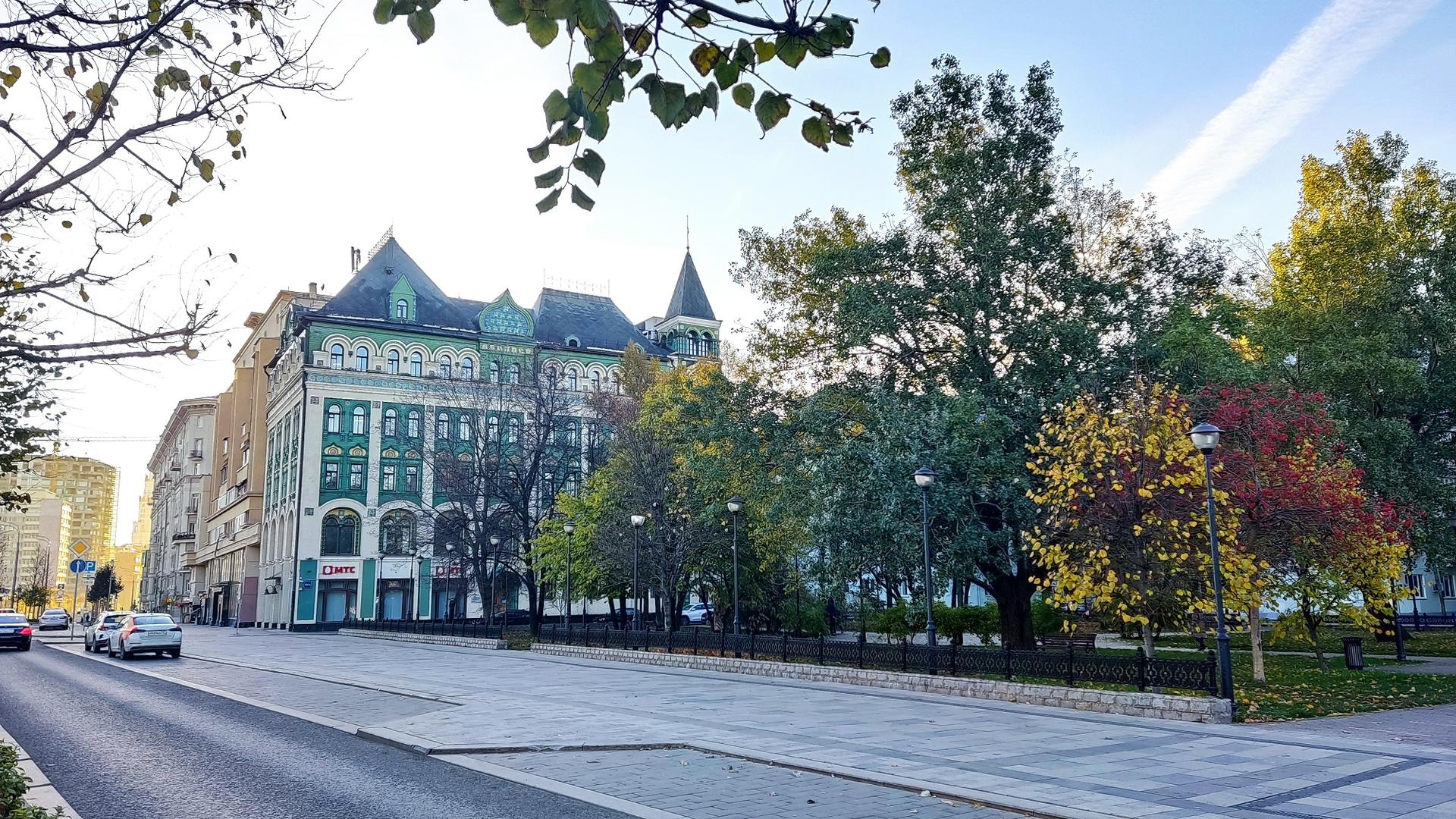
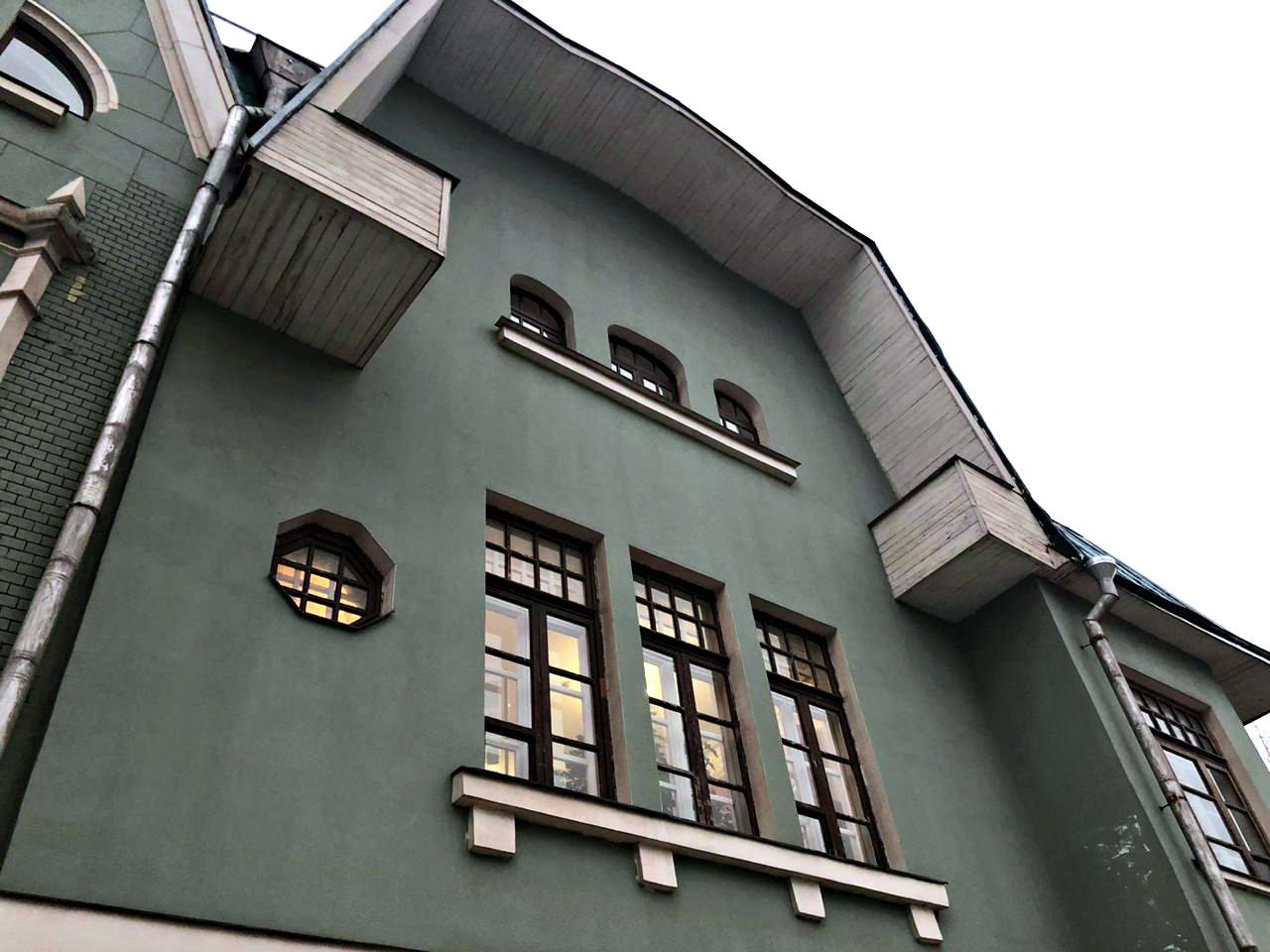
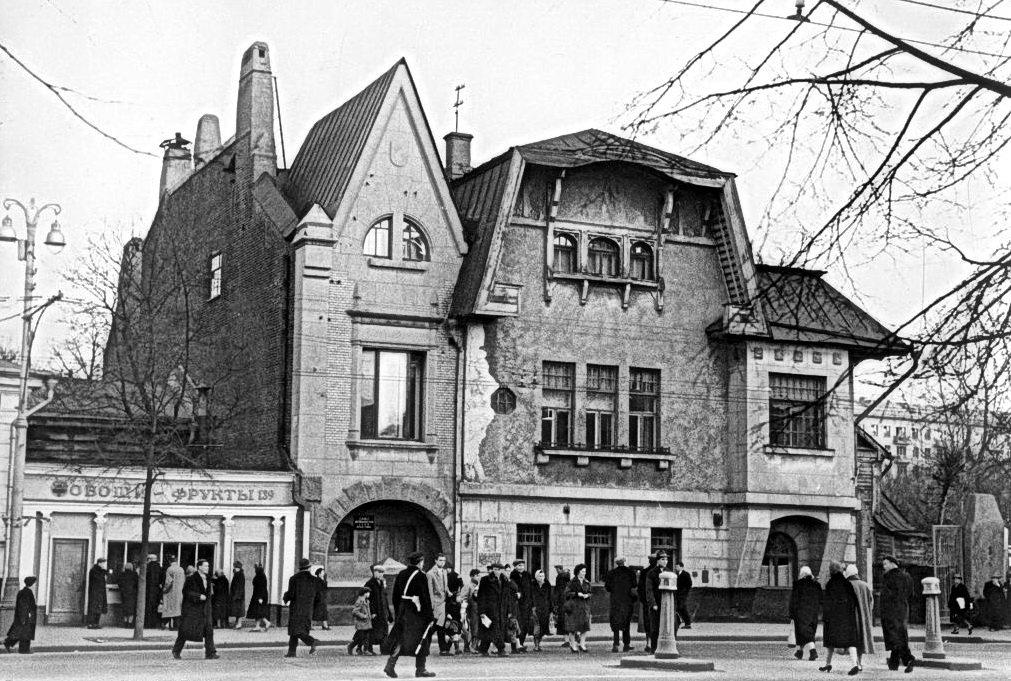
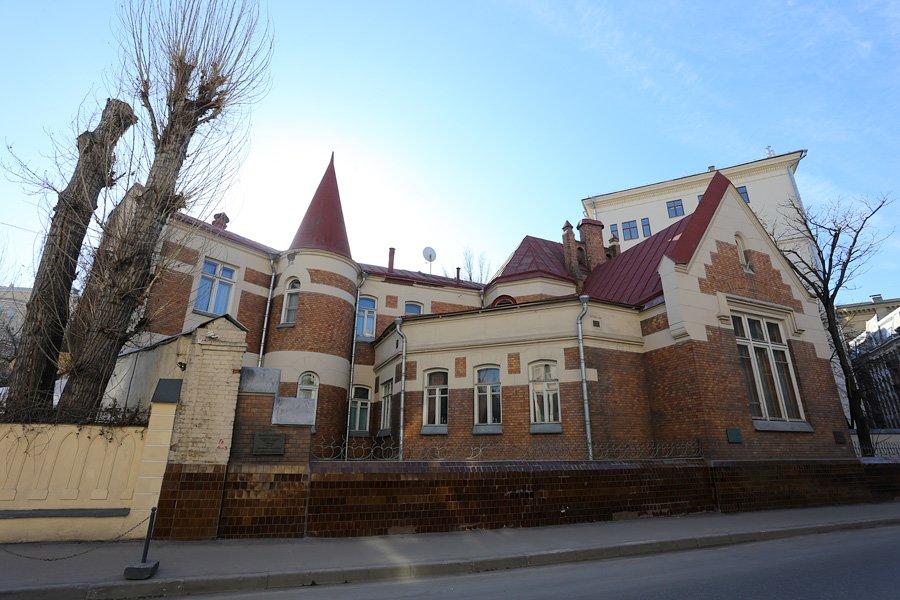
This northern modern-style Cottage became the residence of V.Y. Bryusov and poetry of the Silver Age.

Brusov’s house
Brusov’s house
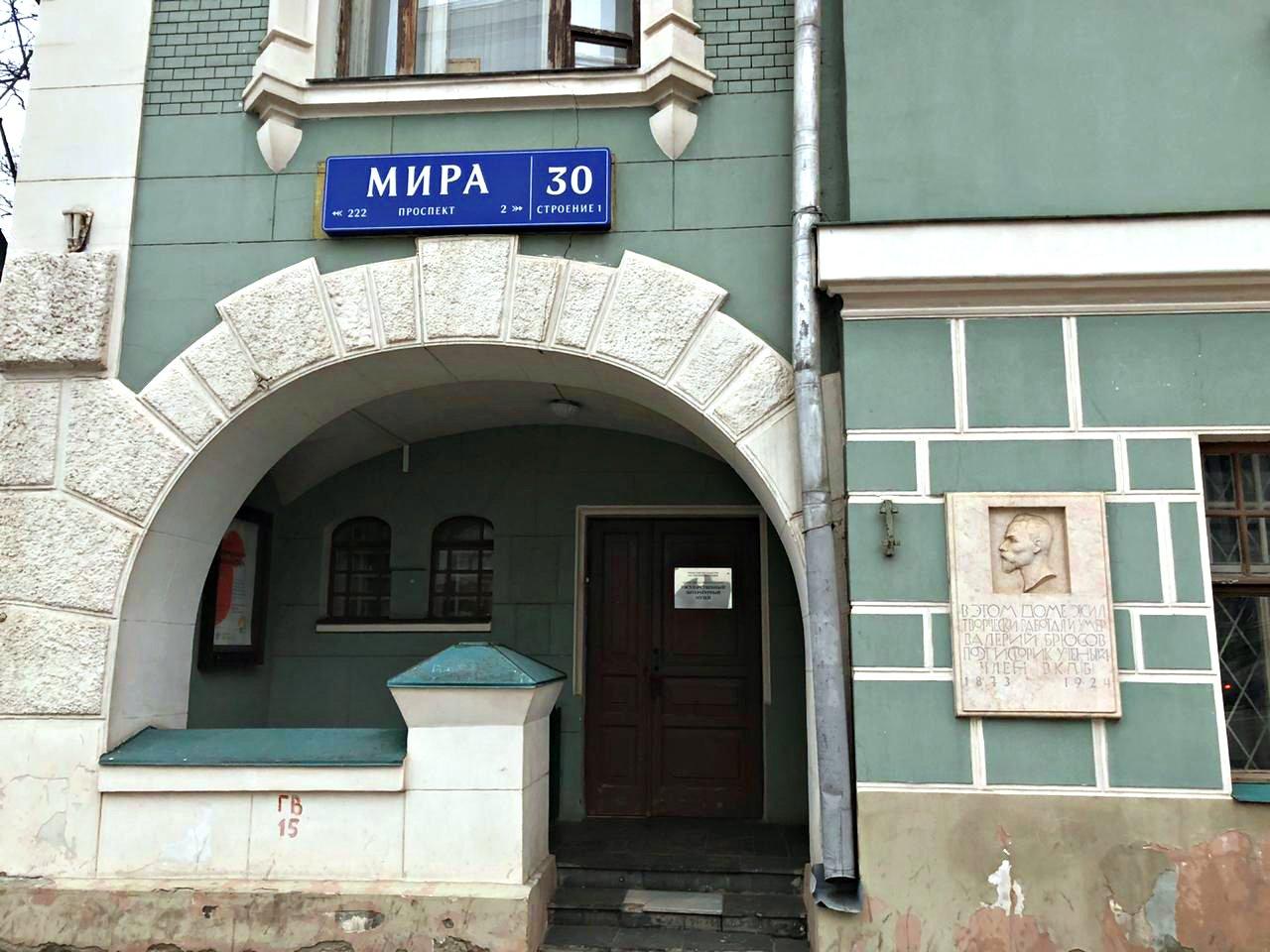
Prospekt Mira, Проспект Мира (радиальная)
This northern modern-style Cottage became the residence of V.Y. Bryusov and poetry of the Silver Age.
3.43
Вы можете воспользоваться QR-кодом, чтобы открыть эту страницу в нашем приложении
Архитектурный стиль:
Годы постройки:
1830-е
Архитекторы:
В.И. Чагин
Эпоха:
19th century
История появления и значимые персоны

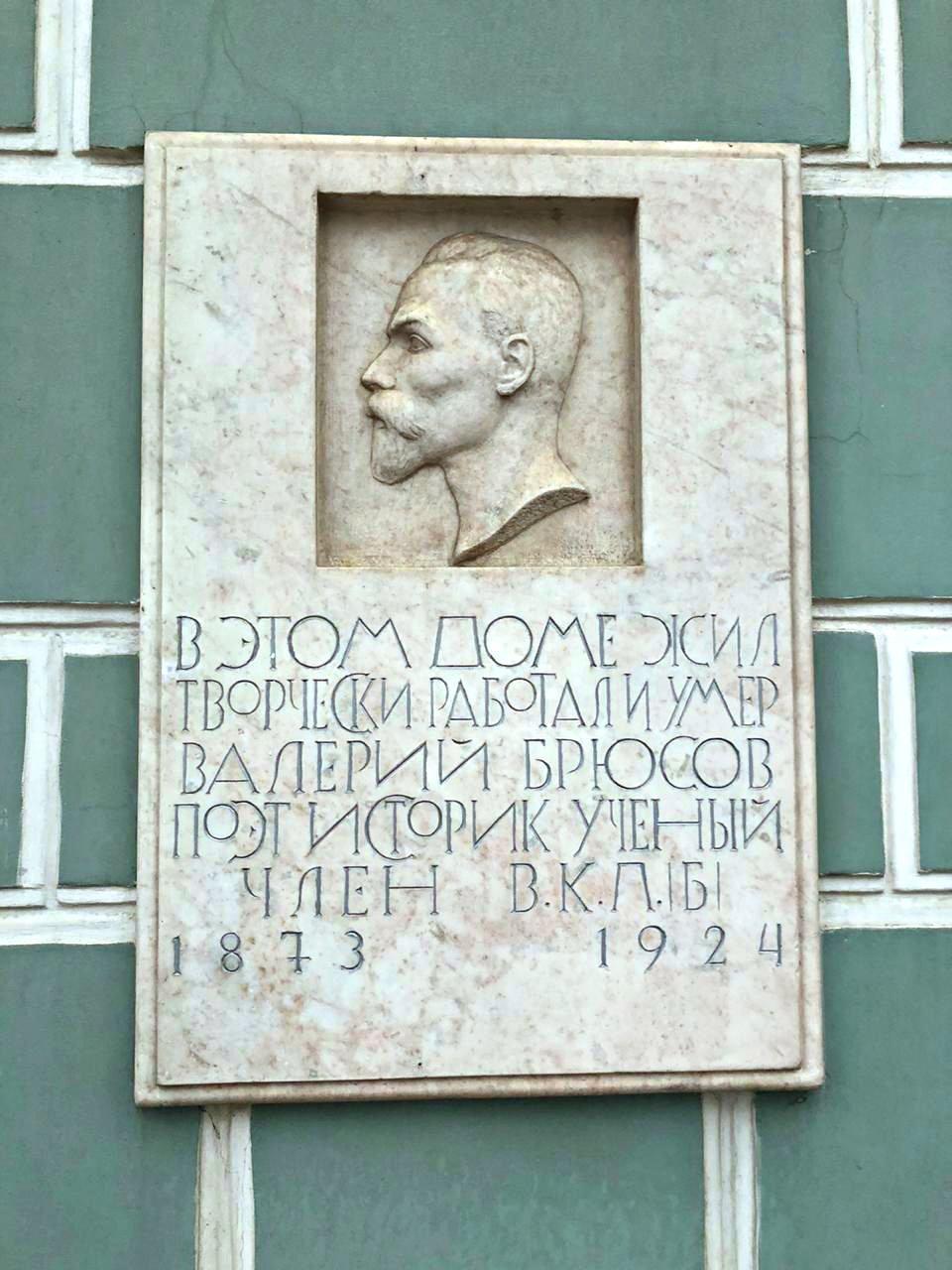
На проспекте Мира, рядом с входом в Аптекарский огород, расположен небольшой особняк в стиле модерн - известный московский мемориальный памятник - дом поэта Валерия Брюсова. Брюсов провел здесь 14 последних лет жизни – с 1910 по 1924 год, здесь же он и умер.

Сам особняк до революции (тогдашний его адрес – 1-я Мещанская улица, д. 32) принадлежал купцу Ивану Кузьмичу Баеву, потомственному почетному гражданину, члену Торгового дома «Иван Денисович Баев старший с братьями». Брюсов вместе со своей семьей снимал в доме Баева квартиру на первом этаже.

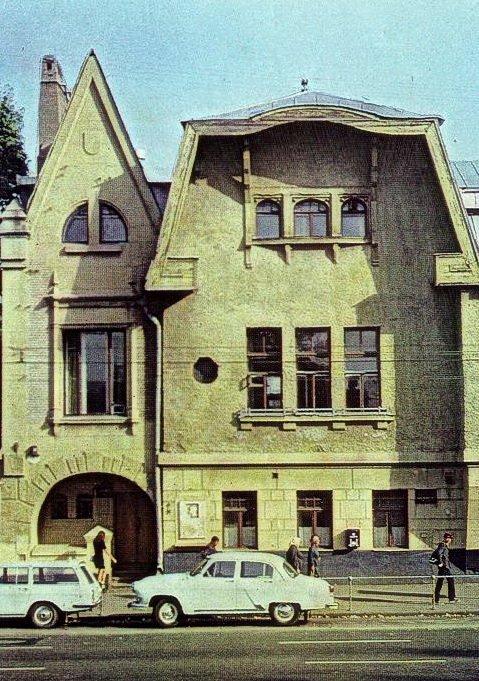
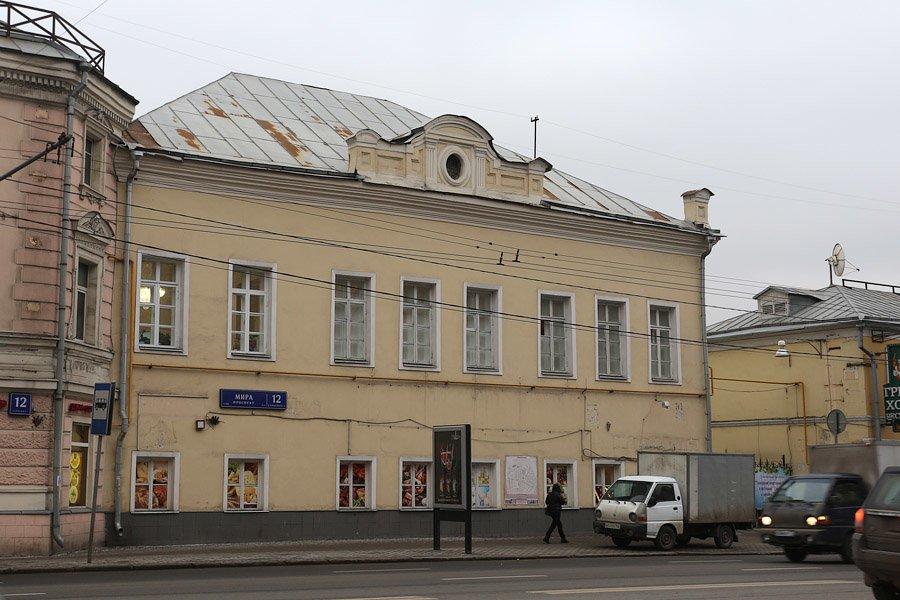
Дом был построен в 1830-х годах – тогда это был двухэтажный жилой дом, с деревянным вторым этажом («низ каменный, верх деревянный») и характерной для того времени классической обработкой фасада. Усадьба – дом и два флигеля -принадлежала в XIX веке купеческим семьям – сначала купцам Аршиновым, затем Молчановым, пока наконец в 1895 году ее не купил купец 2-й гильдии Кузьма Денисович Баев. Позже, в 1909 году, она перешла по наследству к его сыну Ивану Кузьмичу, который решил кардинально перестроить старый дом, пригласив для этих целей архитектора Владимира Ивановича Чагина. Чагин спроектировал для Баева особняк в формах «северного модерна» - выразительное двух-трехэтажное здание с асимметрично решенными фасадами, кровлей сложной формы с островерхой крышей над входной зоной, и с оригинально устроенным входом в заглубленной арочной нише.

Для хозяйской семьи была предназначена квартира во втором этаже с большой мансардой наверху, а квартира на первом этаже сдавалась внаем. Именно эту квартиру в августе 1910 года и снял для себя и своей жены поэт Валерий Яковлевич Брюсов.

Брюсов тогда уже был известным на всю Россию поэтом и писателем, одним из основоположников русского символизма, «мэтром», оказавшим влияние не на одно поколение поэтов. Его авторитет в литературных кругах и Москвы, и Петербурга был непререкаемым. Брюсов возглавлял влиятельный символистский журнал «Весы», руководил издательством «Скорпион», его критические и литературоведческие статьи публиковались и в других изданиях – журнале «Русская мысль», альманахе «Северные цветы». Он выпустил более десяти своих поэтических сборников и несколько прозаических произведений, самые известные из которых - романы «Огненный ангел» и «Алтарь победы». Прославился он и как переводчик – он первый перевел на русский язык стихотворения Поля Верлена и Эмиля Верхарна, полностью перевел «Фауста» Гёте и «Энеиду» Вергилия; переводил не только с европейских языков, но и, например, с армянского – на основе своих переводов он составил антологию армянской поэзии «с древнейших времен до наших дней». На протяжении многих лет Брюсов был также директором Московского литературно-художественного кружка. 

Его дом был одним из центров литературной жизни Москвы, да и не только Москвы – до революции здесь устраивались еженедельные поэтические «среды», куда приходили поэты, писатели, критики; читали стихи, вели дискуссии о литературе и искусстве, обменивались мнениями о выходивших книгах и статьях.

Брюсов принял власть большевиков (даже вступил в 1919 году в ряды членов РКП(б)) и после октября 1917 года принимал активное участие в литературной жизни Москвы, сотрудничал с советскими учреждениями – работал в Народном комиссариате просвещения (Наркомпросе), возглавлял Московское отделение Книжной палаты, работал в Государственном издательстве. В 1921 году организовал Высший литературно-художественный институт, ректором которого был до самой смерти.

Умер поэт в своей квартире на 1-й Мещанской в октябре 1924 года. После его смерти его вдова Иоанна Матвеевна продолжала жить в этом доме, она стала хранительницей архива Брюсова, привела в порядок все его рукописи и документы, готовила к публикации его труды. Она сохранила обстановку квартиры и кабинета такой, какой она была при жизни Брюсова.

В 1960-е годы дом был передан под устройство здесь районной библиотеки, а после смерти вдовы Брюсова в 1965 году было решено в мемориальном кабинете поэта устроить его музей. Он открылся в 1971 году и стал, по сути, не только музеем поэта Валерия Брюсова, но музеем всего Серебряного века.

Перестройка и реставрация

В 1975 году дом пострадал во время пожара, сгорел мансардный этаж, – библиотека и музей были из дома эвакуированы, но дом долго не восстанавливался и стоял заброшенным. Только в конце 1980-х годов дом был восстановлен и отреставрирован, после чего был целиком передан Государственному Литературному музею. В 1999 году в доме был открыт Музей Серебряного века, который и существует здесь сейчас
On the Prospect Mira, next to the entrance to the Apothecary Garden, there is a small Art Nouveau mansion - known Moscow memorial monument - the home of the poet Valery Bryusov. Brusov had spent the last 14 years of his life - from 1910 to 1924, and died here. The mansion itself before the Revolution (then its address was 1st Street Bourgeois, 32) belonged to the merchant Ivan Kuzmich Baev, hereditary honorable citizen, a member of the Trade House "Ivan Denisovich Baev elder brothers." Brusov and his family rented a house Baev apartment on the first floor. The house was built in the 1830s - then it was a two-story apartment building, with a wooden second floor ("stone bottom, wooden top ") and typical for that time of the classical treatment of the facade. Manor – the house and two outbuildings, belonged to the XIX century merchant families - first merchants Arshinov, then Molchanov, until finally in 1895 it was bought by the merchant of the second guild Kuzma Denisovich Baev. Later, in 1909, it was inherited by his son Ivan Kuzmich, who decided to radically restructure the old house, inviting for these purposes architect Vladimir Ivanovich Chagina. Chagin designed the mansion in the forms of "the northern modern " - expressive two - storey building with an asymmetrical solution to the facade, the roof of irregular shape with a peaked roof over the entrance area, and arranged with the original entrance to the recessed arched niche. Apartment in the second floor with a loft upstairs was designed for the owner’s family, and the apartment on the first floor was rented. The poet Valery Yakovlevich Bryusov rented this apartment for himself and his wife in August 1910. Brusov was already a Russia-wide well-known poet and writer, one of the founders of Russian Symbolism, "maestro ", which influenced by many generations of poets. His authority in the literary circles of both Moscow and St. Petersburg was unquestioned. Brusov headed the influential Symbolist magazine "Balance", supervised by publishing house "Scorpion ", his critical and literary articles appeared in other publications - "Russian idea" magazine, " Northern Flowers" anthology. He has released more than a dozen of his books of poetry and several prose works, the most famous of which - the novels "The Fiery Angel" and "Altar of Victory." He became famous as a translator and he was the first translated into Russian poetry of Paul Verlaine and Emile Verhaeren, fully translated "Faust", " Goethe" and the " Aeneid " by Virgil, translated not only from European languages ​​, but also, for example, the Armenian - on the basis of his translations he compiled an “anthology of Armenian poetry " from ancient times to the present day." Over the years, Brusov was also the director of the Moscow literary and artistic circle. His home was a center of literary life in Moscow, and not only in Moscow - before the Revolution hosts weekly poetry "environment", which came to poets, writers, critics, read poetry, having discussions about literature and art, exchanged views on the publication of the book and articles. Brusov took the Bolshevik government ( even joined in 1919 in the ranks of the RCP) and after October 1917 took an active part in the literary life of the capital, collaborated with Soviet institutions, worked in the People's Commissariat of Education ( Commissariat ), head of the Moscow branch of the Book Chamber, worked at the State publishing House. In 1921 he organized the High Literary Art Institute and was rector until his death. Poet died in his apartment on the 1st Meschanskaya in October 1924. After his death, his widow Ioanna Matveevna continued to live in this house, she became the keeper of the Bryusov archive tidied all his manuscripts and documents prepared for the publication of his works. It has kept the apartment and office furnishings such as it were during the lifetime of Bryusov. In 1960 the house was taken over by the regional library device here, and after the death of the widow Bryusova in 1965, it was decided in the memorial of the poet’s office to arrange his museum. It opened in 1971 and was, in fact, is not only a museum of the poet Valery Bryusov, but a museum of the Silver Age. In 1975 the house was damaged during a fire. Library and museum were evacuated from the house, but the house was not restored for a long time and was abandoned. Only in the late 1980s, the house was restored and renovated, after which he was entirely transferred to the State Literary Museum. In 1999 the house was opened Museum of the Silver Age, which exists here now.
Автор статьи: Мария Подъяпольская
Отзывы
(1)
Поделитесь статьей с друзьями
Интересное рядом(4)
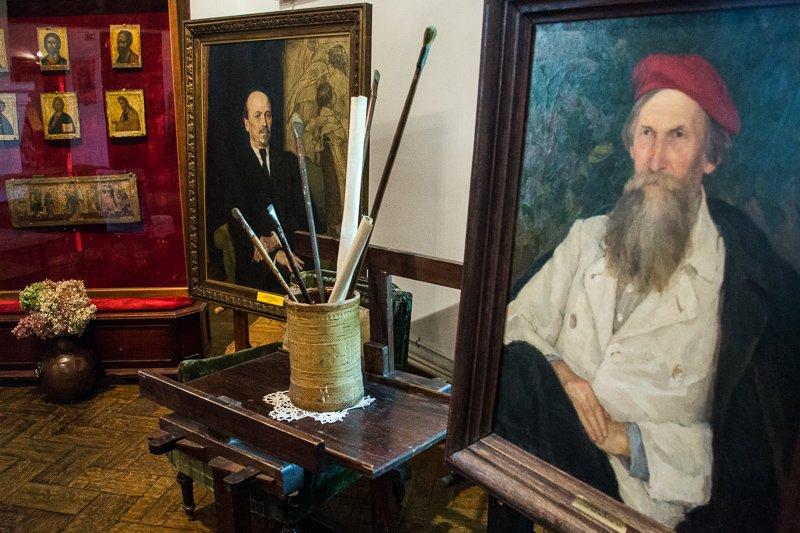
V.M. Vasnetsov House - MuseumThe house of the outstanding Russian artist V. M. Vasnetsov is located behind the Sadovoe Ring, not far from the Moscow Courtyard of the Holy Trinity St. Sergius Lavra, in a quiet, shady lane. It was built in 1894 by the artist himself in the neo-Russian style. VM Vasnetsov lived here the last 32 years of his life (1894–1926). On August 25, 1953, a museum was opened in the house, in 1954 the 3rd Trinity Lane, in which the house stands, was renamed Vasnetsov Lane.

Immediately after the death of the artist, the relatives had the idea of “to preserve everything, as it were, to arrange something like a house-museum”. Turning to the Tretyakov Gallery for help, they received consent to work together to organize a posthumous exhibition of works by V. M. Vasnetsov with the further perspective of creating a museum.

On January 27, 1927, the artist's son, Alexey Viktorovich Vasnetsov, submitted to the Gallery's Board a statement that the family was ready to accept all the obligations related to the arrangement of the exhibition. He was also approved as the ombudsman. Alexey Viktorovich was helped by his sister Tatyana Viktorovna and wife Zinaida Konstantinovna. M. V. Nesterov, P. Korin, An. M. and Vl. V. Vasnetsov and Scientific Secretary of the Tretyakov Gallery N. S. Morgunov participated in the design of the exhibition. The necessary repairs were carried out, several hundred posters with information about the exhibition were printed and posted, tickets were prepared and a catalog was published.

The exhibition opened on March 13, 1927. On the first day, about 600 people visited it. In the following days, many interested visitors and school groups came to the exhibition, there were excursions. The exhibition remained until 1933.

In the preface to the catalog it was stated that the works exhibited at the exhibition, in particular the fairy-tale cycle, were presented to the public for the first time and that in the future landscapes, sketches and sketches will be shown, “which, combined with what is shown now, should be composed by the Victor Vasnetsov Museum ". The exhibition featured 212 exhibits: painting, graphics and objects of decorative and applied arts. The exhibits were located in the living room, the former classroom and in the workshop. Fabulous epic paintings the authors of the catalog provided with short texts from the literary source.

During the Great Patriotic War, the artist's family continued to live in the house. Large paintings were rolled up, the rest of the work laid out in boxes. The house itself was not damaged, but the fence and the terrace were not preserved. In September 1946, the heirs expressed a desire to organize a museum in the house by the centenary of the birth of V. M. Vasnetsov in 1948 and negotiate with the Tretyakov Gallery about it. The exhibition of paintings by the master, which opened in May 1948 in the exhibition hall of the Union of Soviet Artists, aroused great interest among the visitors and contributed to the decision to organize the museum.
On June 29, 1950, an order was issued by the Council of Ministers of the USSR on the organization of the House Museum of V. M. Vasnetsov. The Committee on Arts at the Council of Ministers of the USSR issued an order to proceed with the organization of the museum, for which purpose it is possible to receive the house, as well as art collections and property, which the heirs of the artist donate to the state.

A month later, on July 29, 1950, the heirs signed a statement to the Committee for Arts at the Council of Ministers of the USSR on the donation of property and valuables to the state for the organization of the V.M. Vasnetsov House-Museum. On July 18, 1951, the Order of the Committee approved the “Regulations on the House-Museum of V.M. Vasnetsov”. On August 28, 1951, an act was signed by the commission of the house, works of art — painting, graphics, works of decorative and applied arts, household items and property of V. M. Vasnetsov from his heirs.

The first director of the museum (from 1951 to 1957) was the nephew of the artist Dmitry Arkadyevich Vasnetsov, a member of the First World War and the Great Patriotic War, the actor of the Musical Theater K. S. Stanislavsky and V. I. Nemirovich-Danchenko, the director of the Children's Music School. Z.K. Vasnetsova was appointed chief custodian. Together with Tatiana Viktorovna D. A. Vasnetsov was engaged in repairing the house, restoring its planning and recreating the situation that was during the life of V. M. Vasnetsov. The architecture of the house was fully preserved. The decor of the house was restored at the beginning of the twentieth century. The decoration of the dining room, living room and workshop is almost completely preserved. Also, genuine objects, which were transferred to the museum by the artist's family, were presented in all the other rooms, including exposition ones.
The part of the collection that remained in the ownership of the heirs was transferred to the museum under the will of T. V. Vasnetsova in 1959 and on the basis of its deed of gift in 1961. Thus, all collections: painting, graphics, objects of decorative and applied arts and everyday life, the personal archive and library of the artist, photography and reproduction were included in the museum collection, which was replenished with gifts from various individuals, procurement, and currently has about 25 thousands of museum items.

In 1978–80, the house was restored, the outbuildings of the outbuildings were restored, where the janitor’s, the laundry room and the coach house were located under the common roof, and the cobblestone pavement and brick path were restored in the courtyard. A firewall (brick wall) erected in the 80s of the 19th century was preserved from the east, to which in the 1970s "the Savior on the Throne" mosaic, made at the beginning of the 20th century according to the design of V.M. Vasnetsov in the Petersburg mosaic workshop, was transferred under the leadership of V. A. Frolov. On the north and west side of the house there is a garden with centuries-old oaks and elms.

At the time of its organization, the museum was under the jurisdiction of the Committee for Arts at the Council of Ministers of the USSR. The practical management of the museum was carried out by the General Directorate of Fine Arts. In 1954, the museum was transferred to the jurisdiction of the Ministry of Culture of the RSFSR, in January 1955 - under the jurisdiction of the Department of Culture of the Moscow City Council. In 1963, it was decided to join the Museum of History and Reconstruction of Moscow, and in 1986 the House Museum of V.M. Vasnetsov became part of the All-Union Museum Association "State Tretyakov Gallery" as a scientific department.
Moscow, Vasnetsov Lane, 13
Suharevskaya, Prospekt Mira
Most Suharevskaya area

Once the most, perhaps, a noisy area.

г. Москва, Большая Сухаревская пл.
Suharevskaya
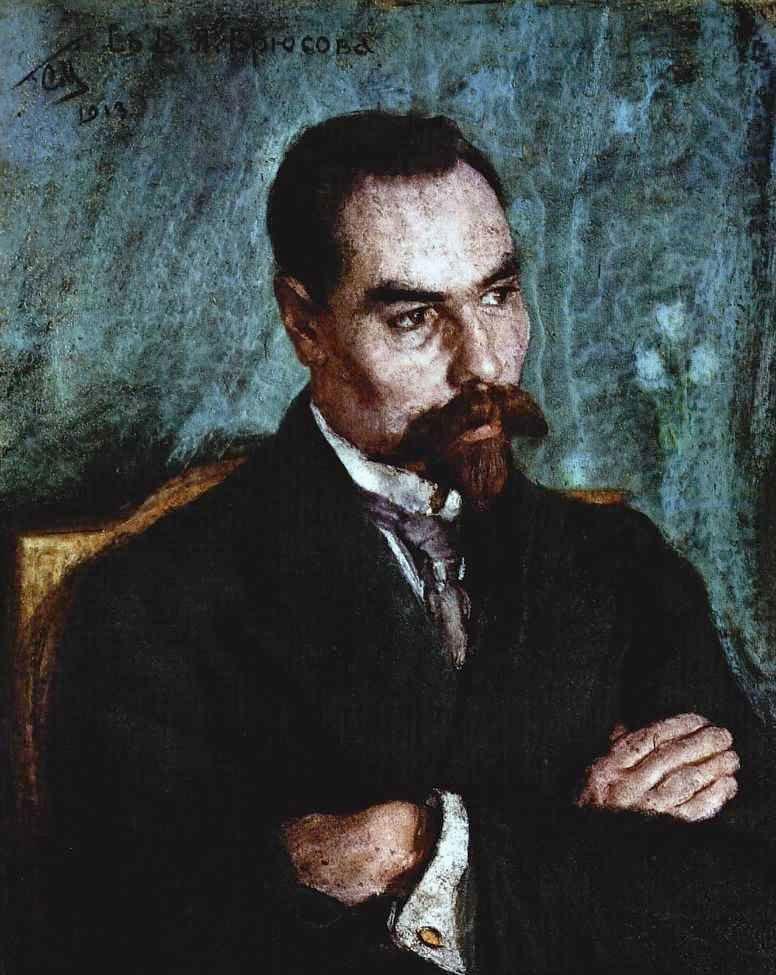
Bryusov V. Y.
поэт, прозаик, критик, переводчик