Интерактивный гид по городу
С мобильным приложением бродить по городу гораздо интереснее!

The House of Gleb Krzhizhanovsky

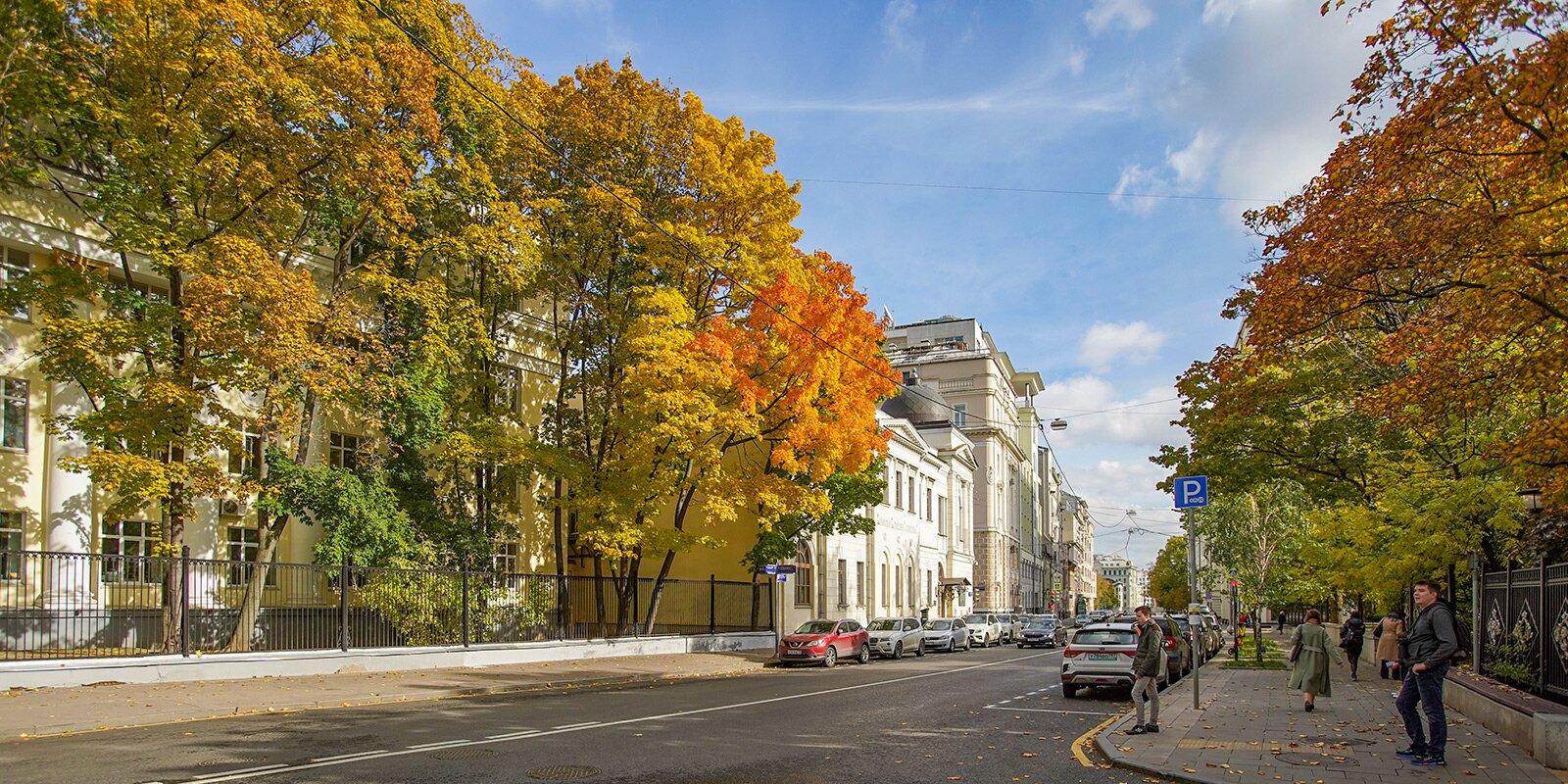
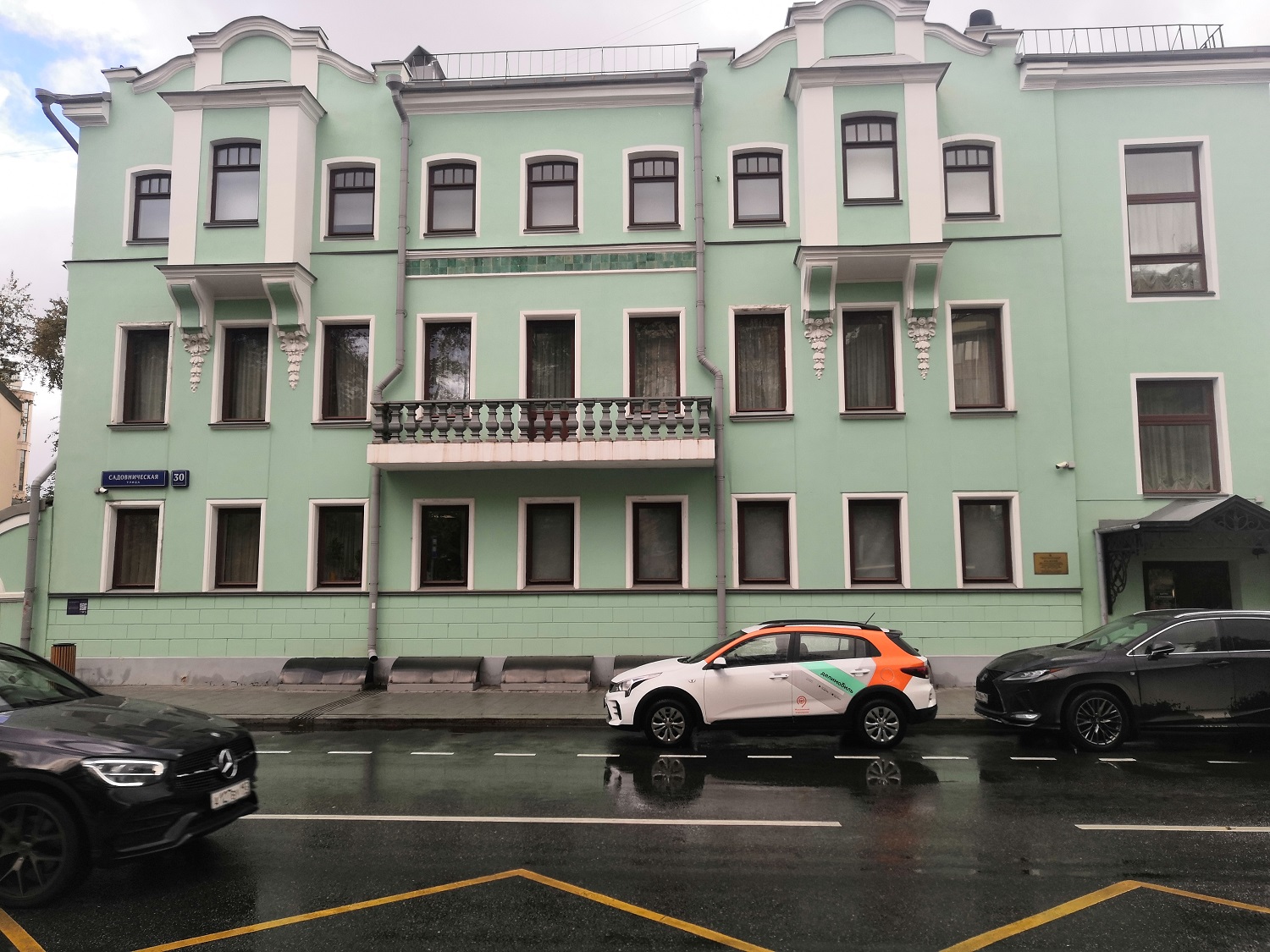
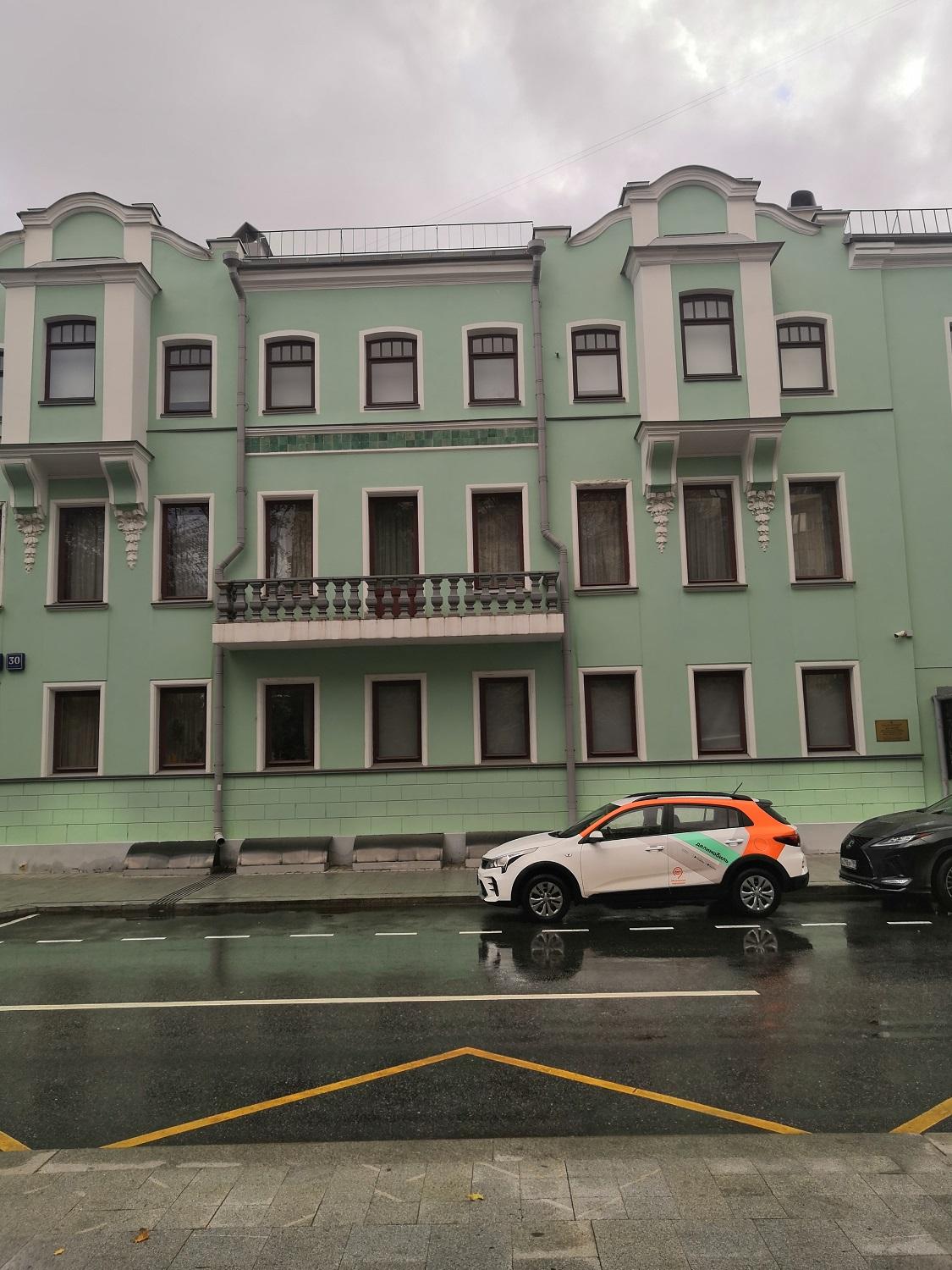
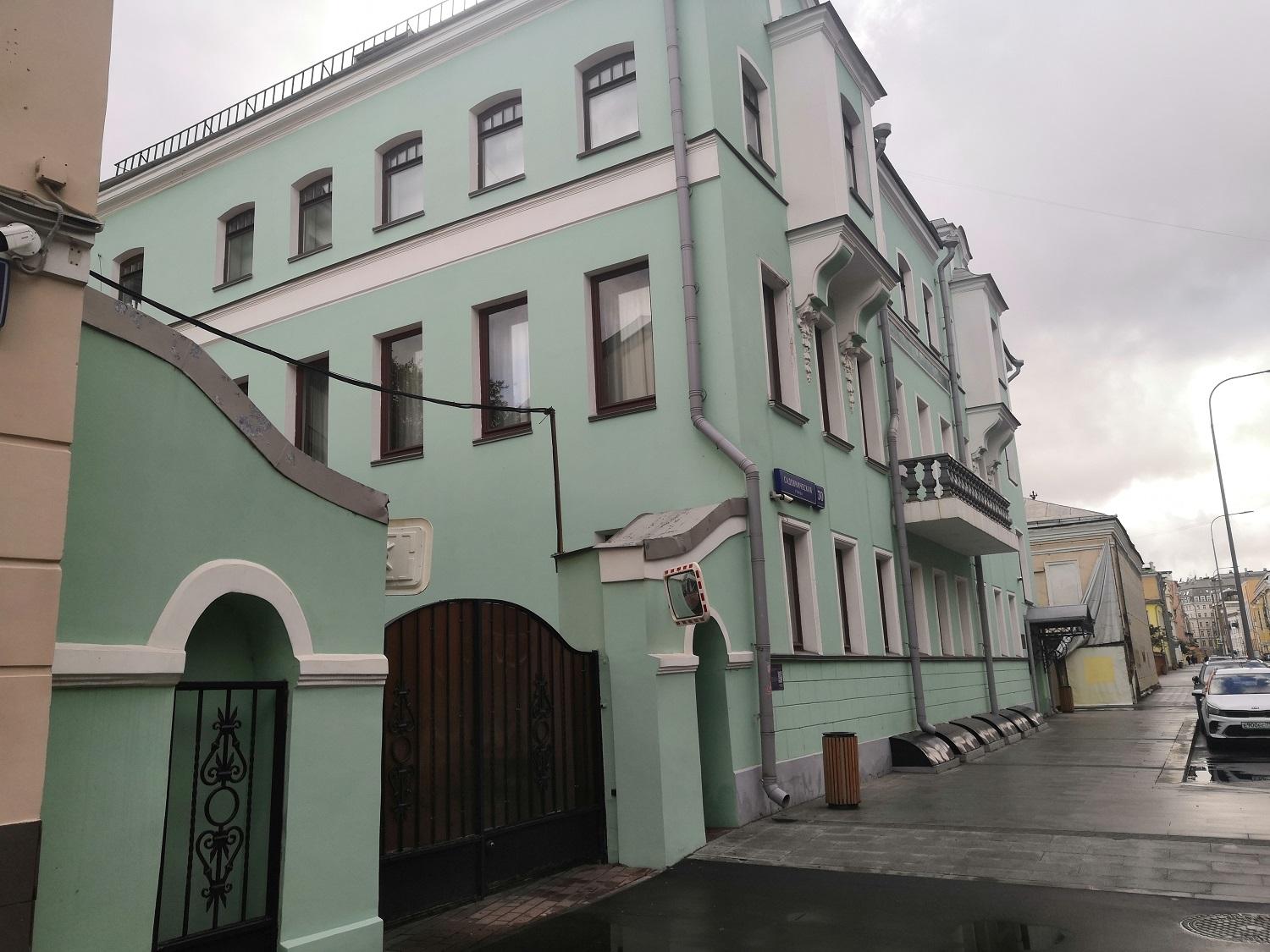
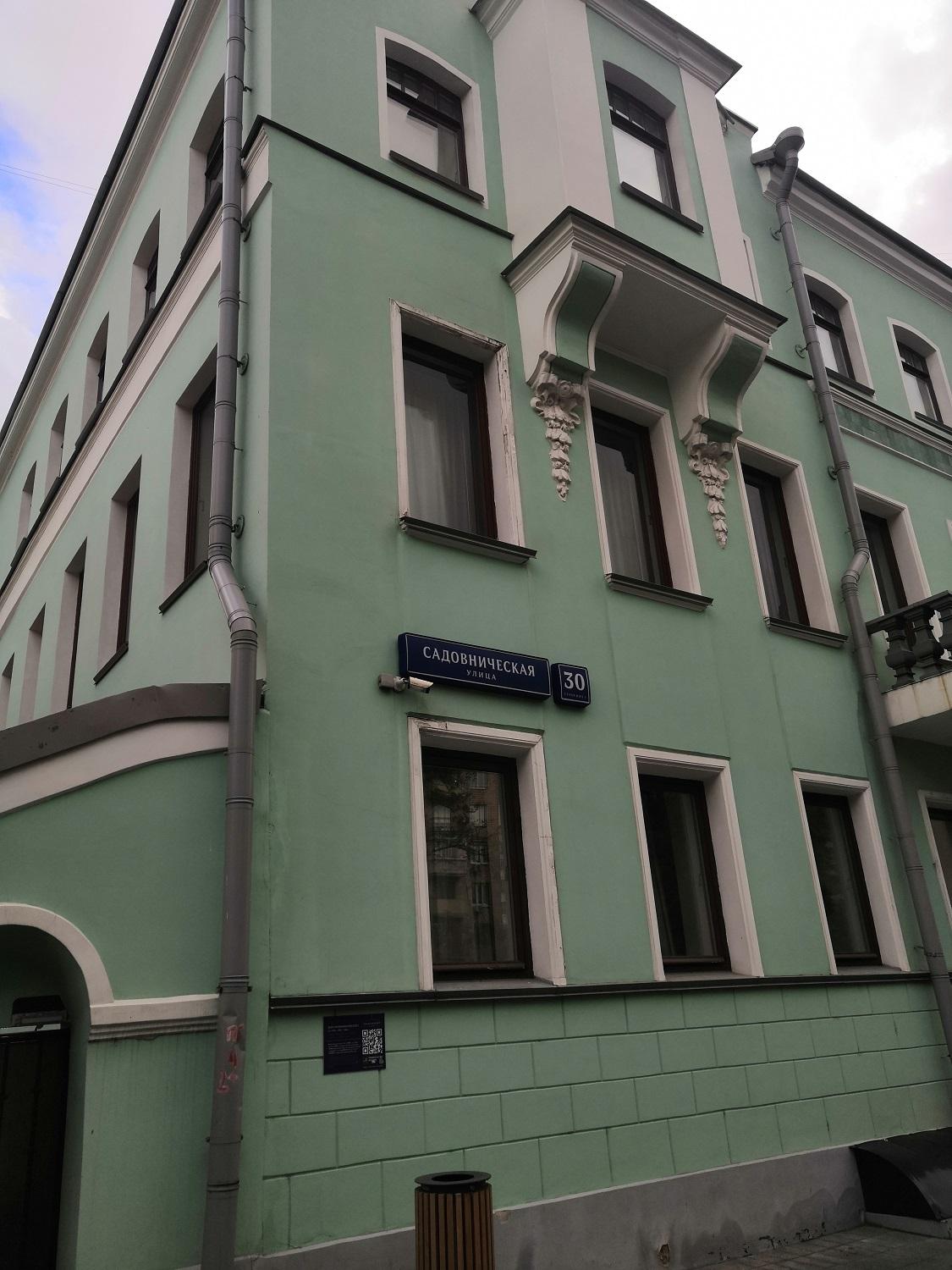
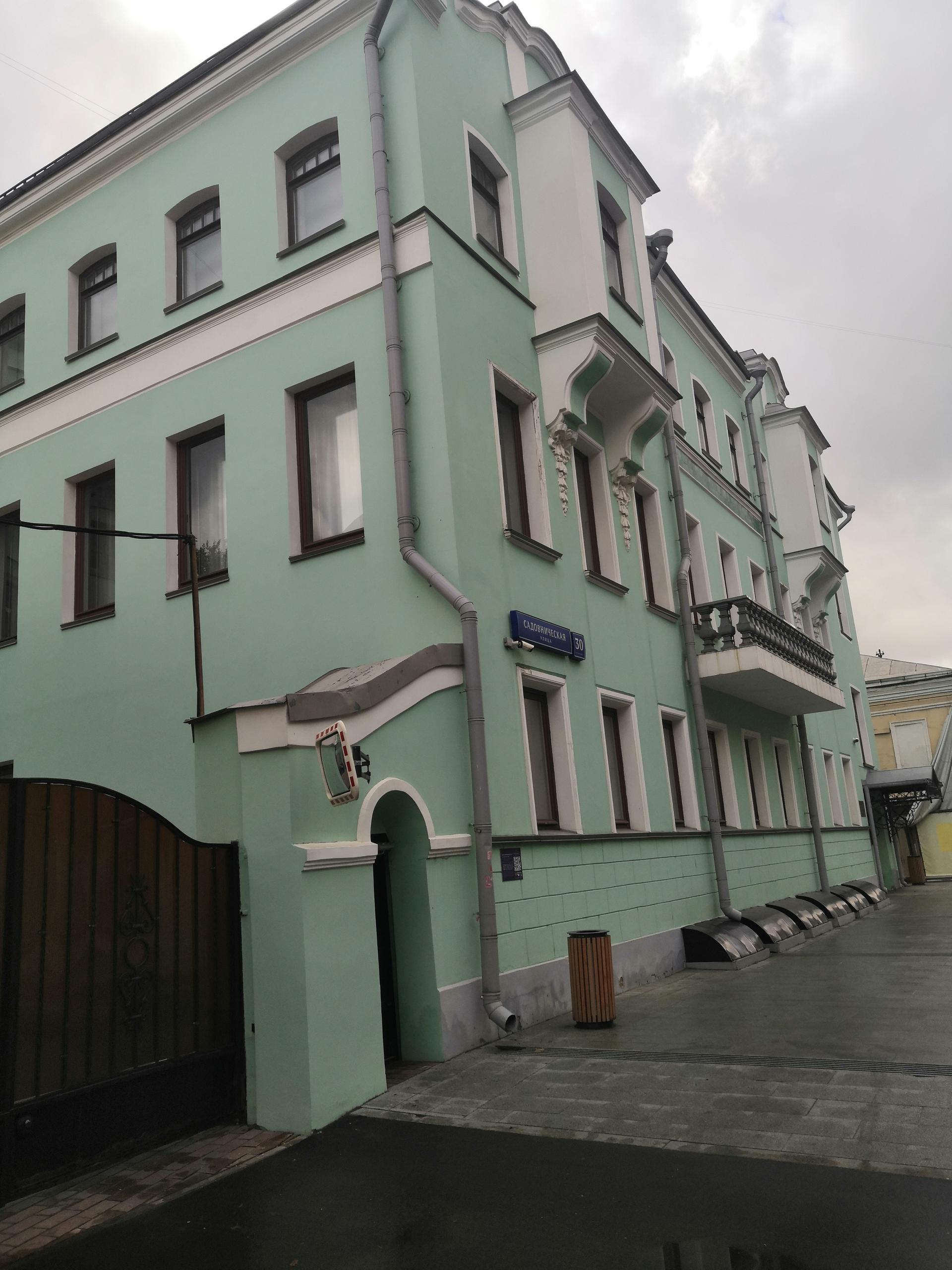
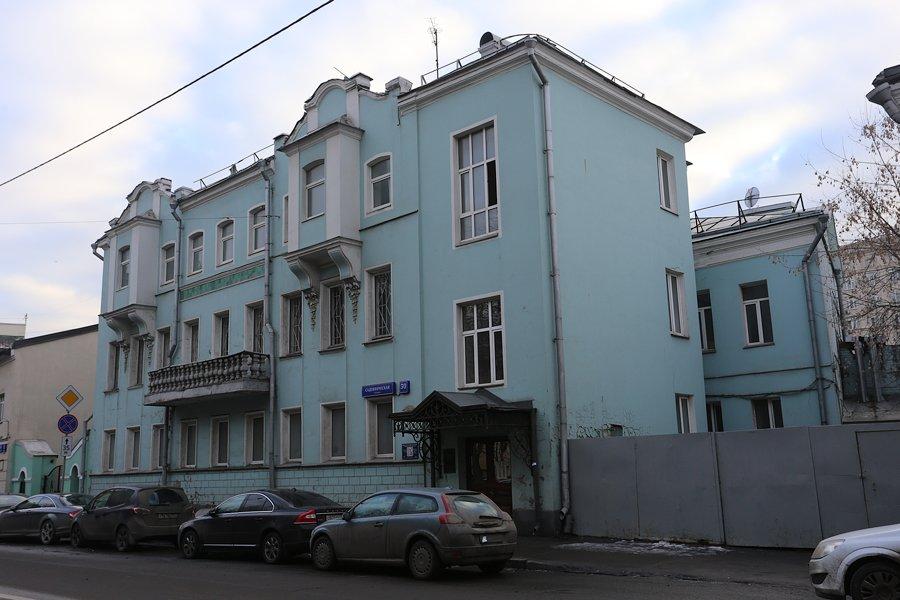
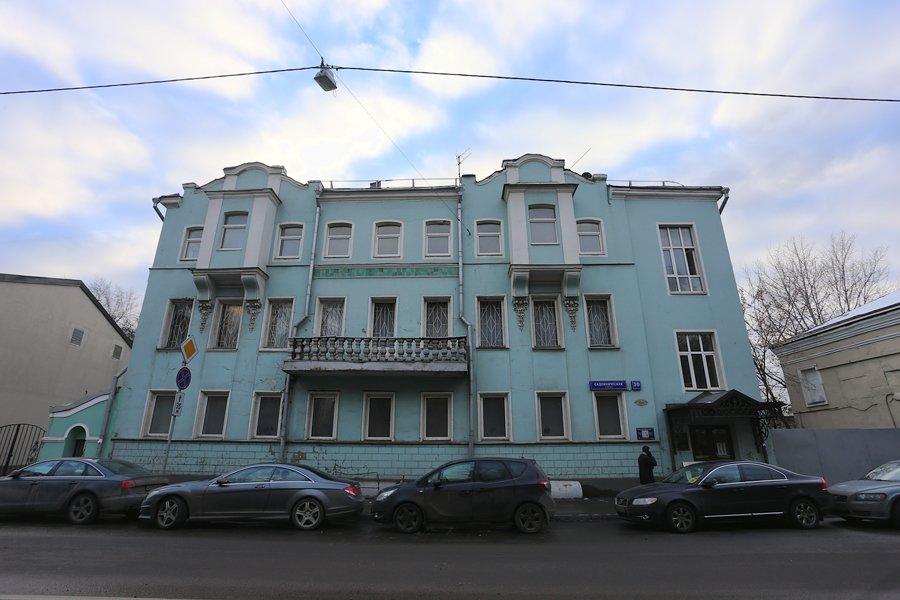
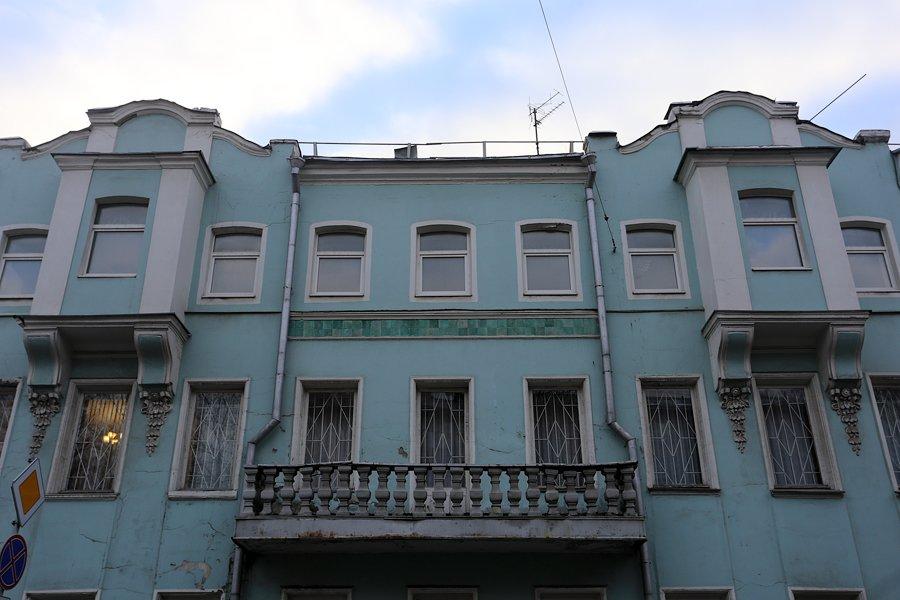
This building is an example of how the typical old Moscow cityscape would have looked if all the old structures have been treated that well.

The House of Gleb Krzhizhanovsky
Tretyakovskaya, Novokuzneckaya
This building is an example of how the typical old Moscow cityscape would have looked if all the old structures have been treated that well.
3.02
Вы можете воспользоваться QR-кодом, чтобы открыть эту страницу в нашем приложении
Архитектурный стиль:
Годы постройки:
XVIII в.
Эпоха:
19th century, 1900s
Информация о здании

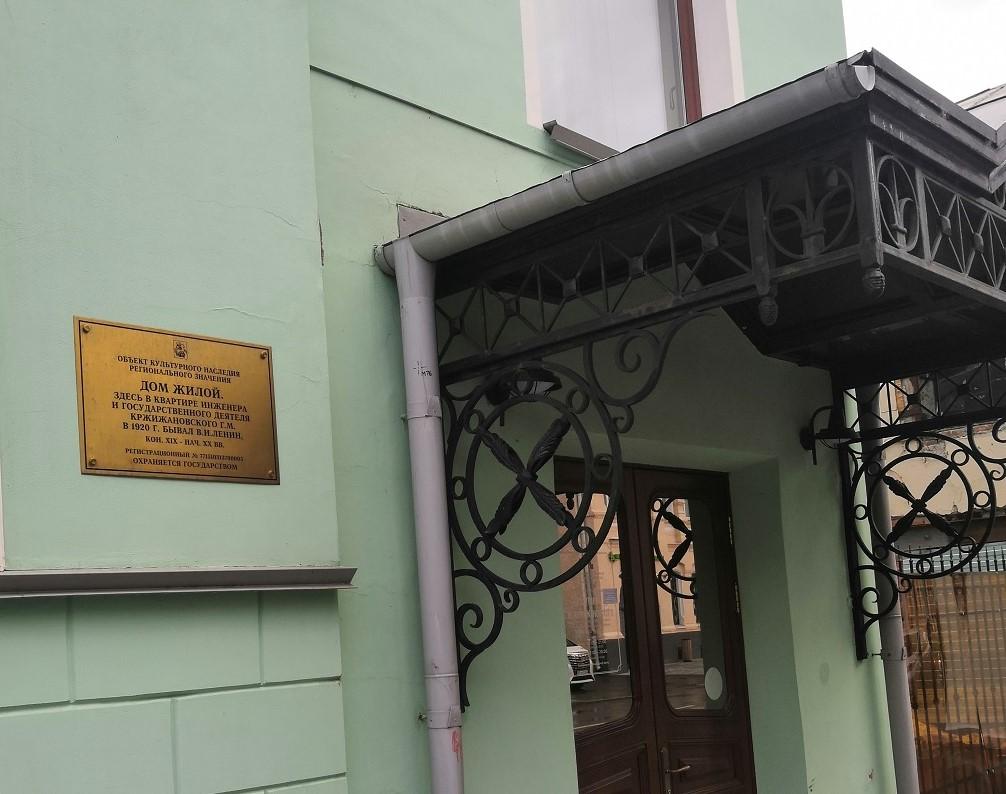
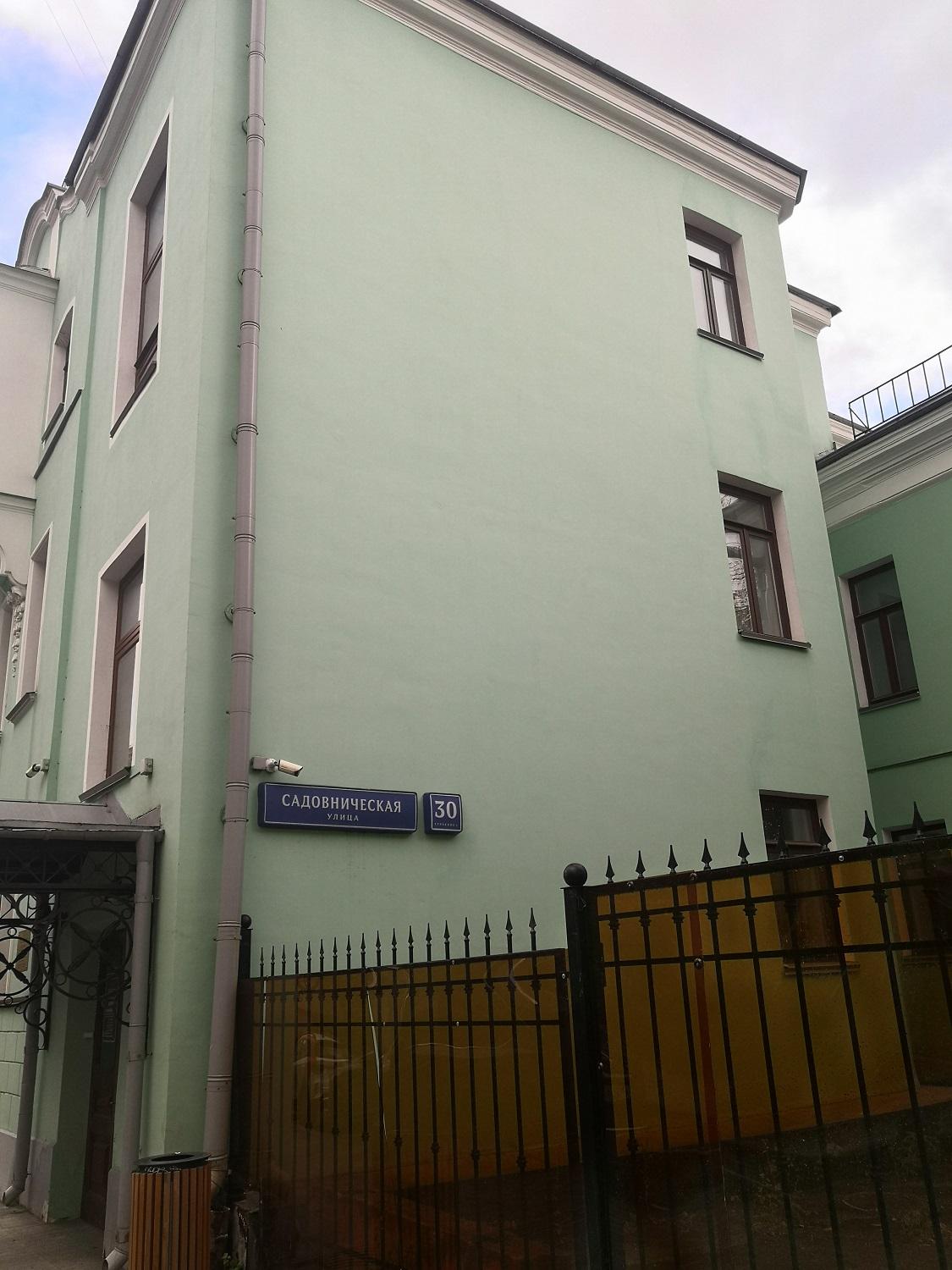
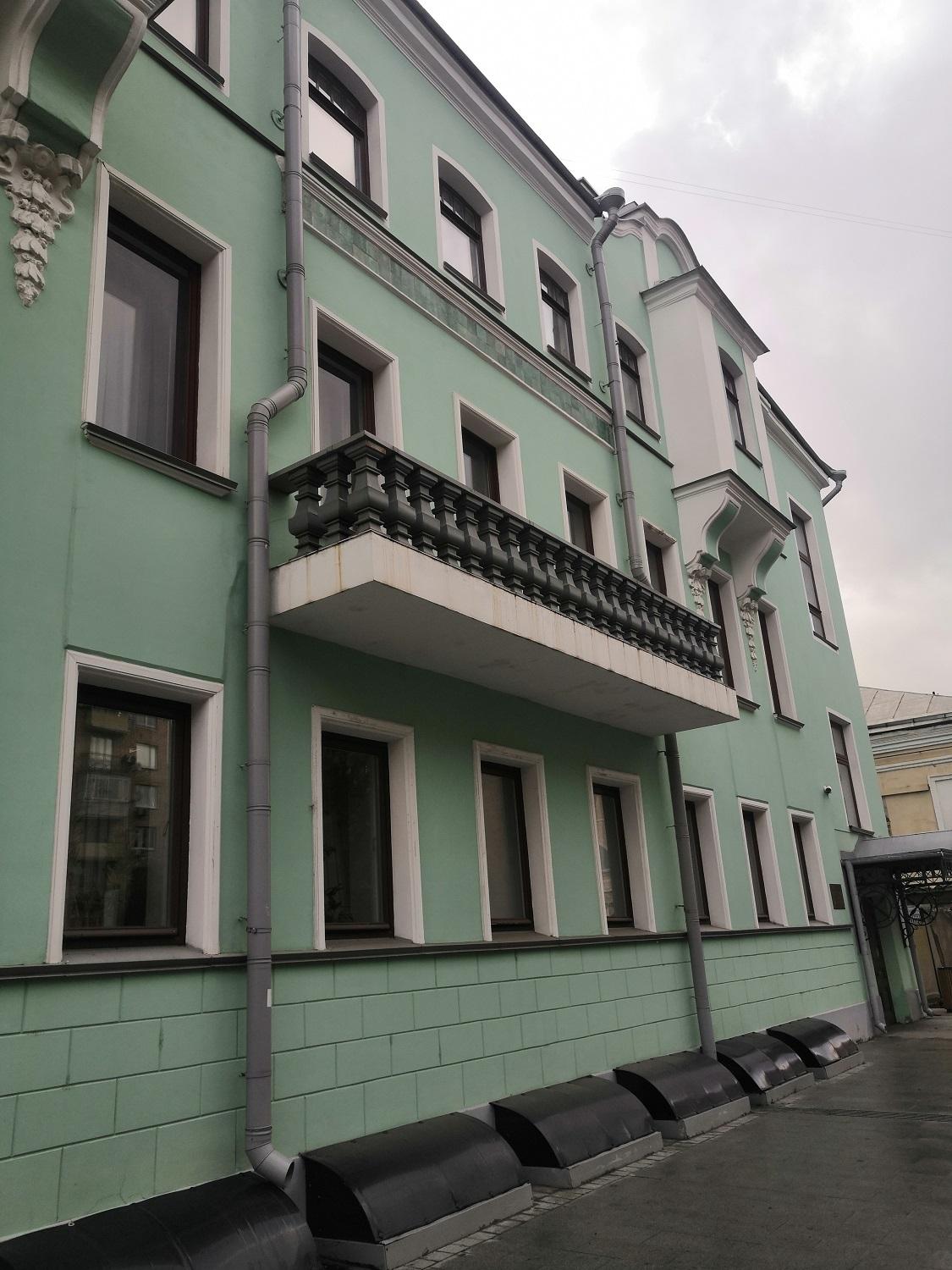
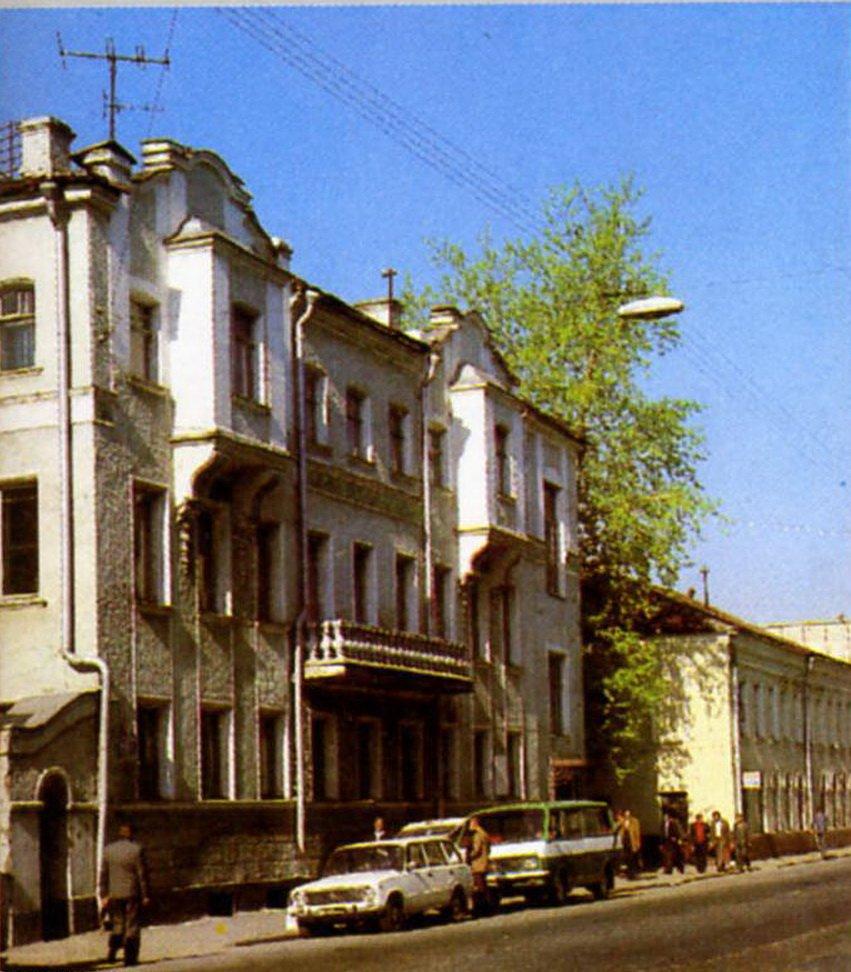
В середине длинной Садовнической улицы стоит ухоженный жилой дом. Из ряда соседей он выделяется небольшим балконом в центре и двумя эркерами, помещенными на последнем, третьем, этаже. Пример того, как могла бы выглядеть рядовая застройка старой Москвы сейчас, если бы к старым домам относились так же бережно. Охранной грамотой для этого дома послужил один из жильцов — старый большевик и инженер Глеб Максимилианович Кржижановский, живший на втором этаже с 1919 по 1959 годы.

Застройка четной стороны Садовнической улицы купеческими и мещанскими домами началась во второй половине XVIII столетия. На участке, который позже получил номер 30 по Садовнической улице, в конце XVIII века был построен двухэтажный жилой дом со службами, переделанный после пожара 1812 года новым владельцем. Им в 1826 году — до этого обгоревшее здание стояло опустевшим — стал отпущенный на волю крепостной графа Шереметьева Иван Дмитриевич Варыханов, торговавший шорным товаром на Балчуге в собственной лавке. При Варыхановых дом надстроили третьим этажом (1860 г.) и перелицевали по проекту архитектора В. В. Шауба (1904 г.). В 1918 году дом национализировали.

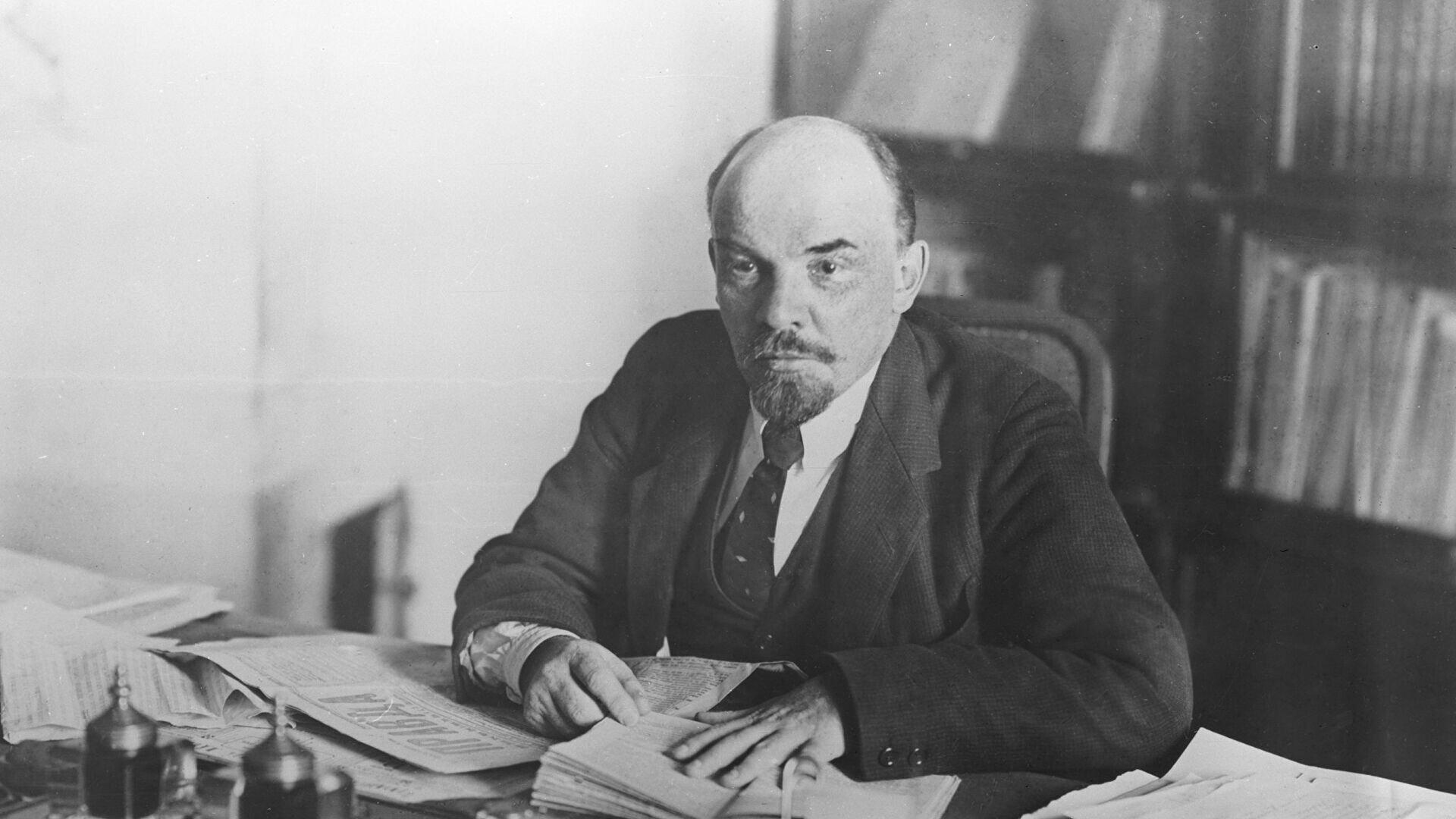
В 1919 году квартиру на втором этаже получил инженер-большевик Г. М. Кржижановский — один из наиболее известных «технократов» ранних лет советской власти. Получивший фундаментальное техническое образование и при этом убежденный социалист, Кржижановский был связан с коммунистическими партиями еще до революции, а после 1917 года стал близок к правительству. Садовническую улицу для своей квартиры Кржижановский выбрал из-за близости к Московской городской электростанции (МОГЭС), ныне ГЭС-1 им. Смидовича. Раушская набережная и Садовническая улица были тогда главным московским «энергокластером».

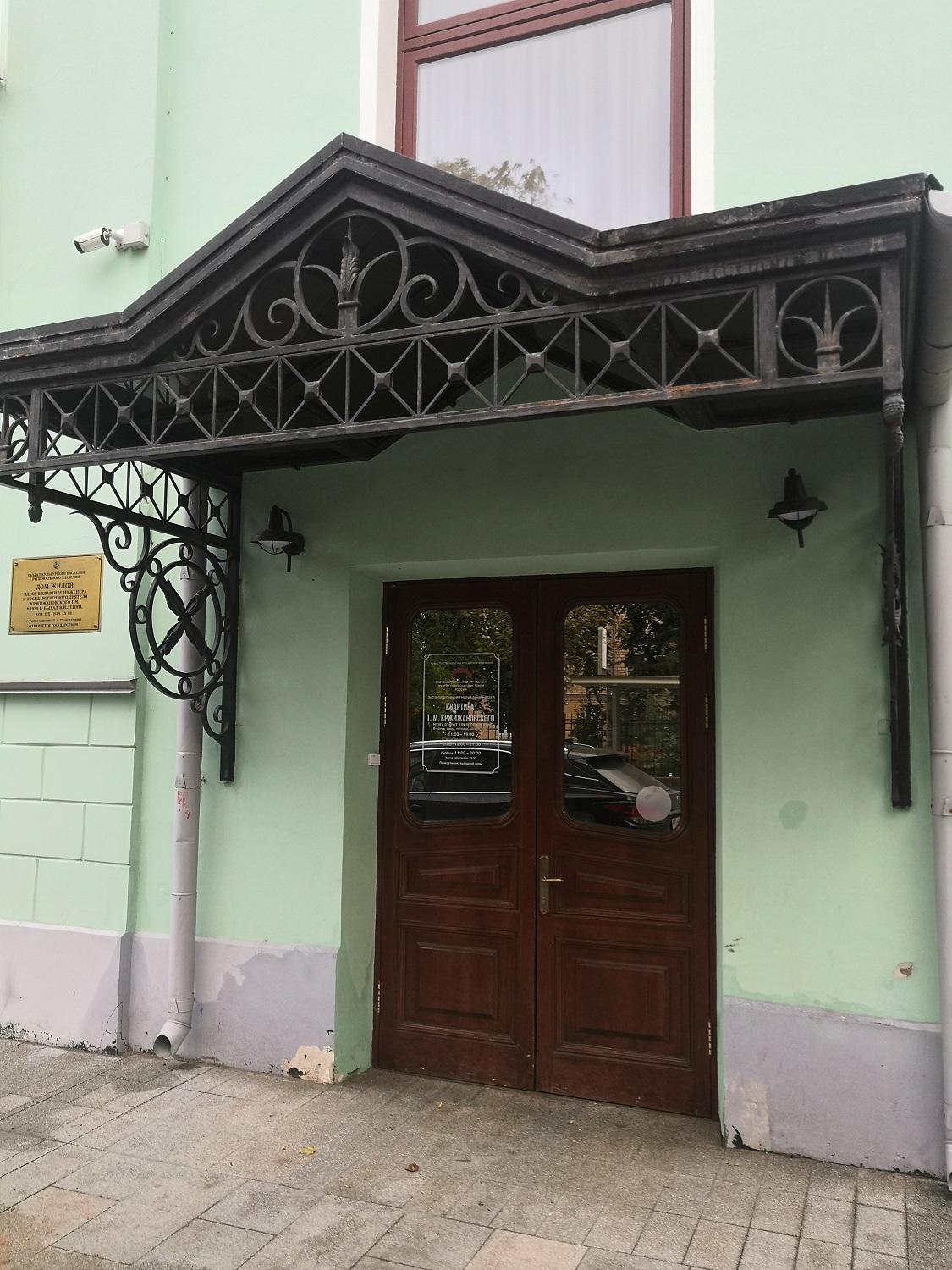
Именно в этой квартире проходили решающие совещания с участием В. И. Ленина по проекту ГОЭЛРО - плану электрификации России. Кржижановский прожил здесь до своей смерти в 1959 году. Впоследствии на доме установили мемориальную доску в честь посещения дома Лениным (1961 г., скульптор П. В. Данилов), а в квартире Кржижановского и по сей день существует музей.
In the middle of the long Sadovnicheskaya Street, there is a well-kept residential house; it stands out from the rest of the buildings in the vicinity by the small balcony in the center of its façade and two window bays on its second and last floor. This building is an example of how the typical old Moscow cityscape would have looked if all the old structures have been treated that well. The house was so well kept thanks to one of its residents — Gleb Krzhizhanovsky, the engineer and one of the original members of the Bolshevik party, who lived on the first floor of the building from 1919 to 1959. Back in the mid-to-late 18th century, the even-numbered side of Sadovnicheskaya Street was being filled with numerous houses, owned mainly by merchants and members of the bourgeoisie. At the close of the century, a residential house with several outbuildings was constructed on the land plot that would later receive the address Sadovnicheskaya Street, 30; it would later be rebuilt by a new owner after the fire of 1812. This owner was Ivan Varykhanov, a former serf of Count Menshikov who by that time owned a store on the Balchug island in central Moscow, selling horse tack. He bought the house on Sadovnicheskaya in 1826; before that, the badly burnt building was abandoned. After the Varykhanov family moved in, the house received an extra storey (1860) and was late revamped by the architect V.V.Schaub. In 1918, the house was nationalized, becoming government property. In 1919, the engineer Gleb Krzhizhanovsky — one of the most famous technocrats of the early days of the Soviet era — got an apartment on the first floor of the house. A well-educated technical specialist and a staunch socialist, Krzhizhanovsky had some connections to communist movements even before the revolution, so he became close to the new authorities in post-1917. Krzhizhanovsky selected Sadovnicheskaya Street as his residence because it was right next to his workplace, MOGES (Moscow City Power Station), which bore the name Sidorovich GES-1 at the time. Sadovnicheskaya Street and the nearby Raushskaya Embankment represented Moscow’s main ‘energy cluster’ back then. It was in fact in Krzhizhanovsky’s apartment on Sadovnicheskaya that the crucial meetings concerning the GOELRO initiative — an ambitious project to provide electricity for all Russia’s households — took place; Vladimir Lenin himself took part in these discussions. Krzhizhanovsky resided in the same apartment until his death in 1959. Later, a commemorative plaque to honor Vladimir Lenin’s rather brief visit to the house (made by the sculptor P.V.Danilov in 1961) was installed on the wall of the building. Mr.Krzhizhanovsky’s former apartment is now open as a museum.
Поделитесь статьей с друзьями