Интерактивный гид по городу
С мобильным приложением бродить по городу гораздо интереснее!

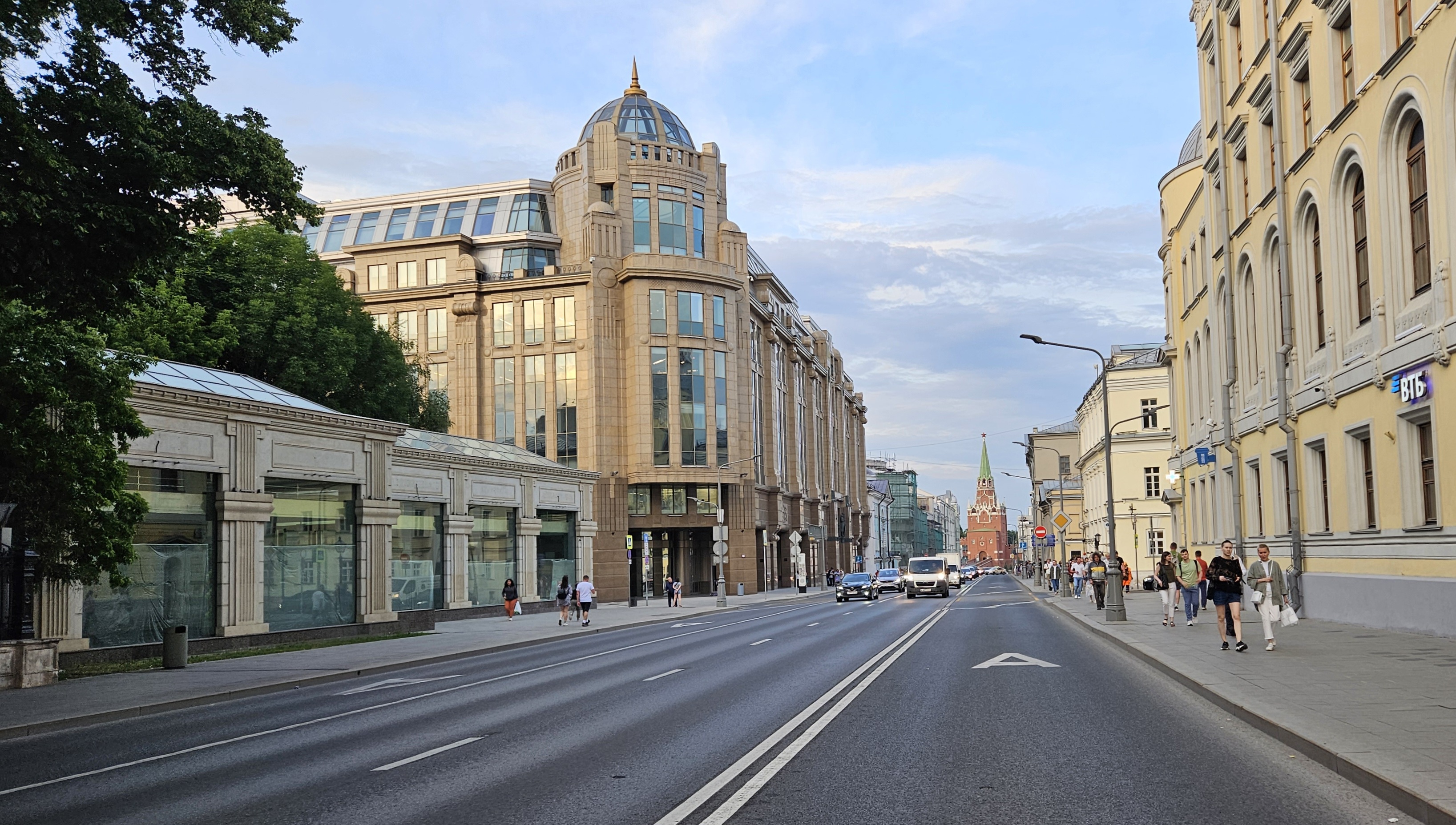
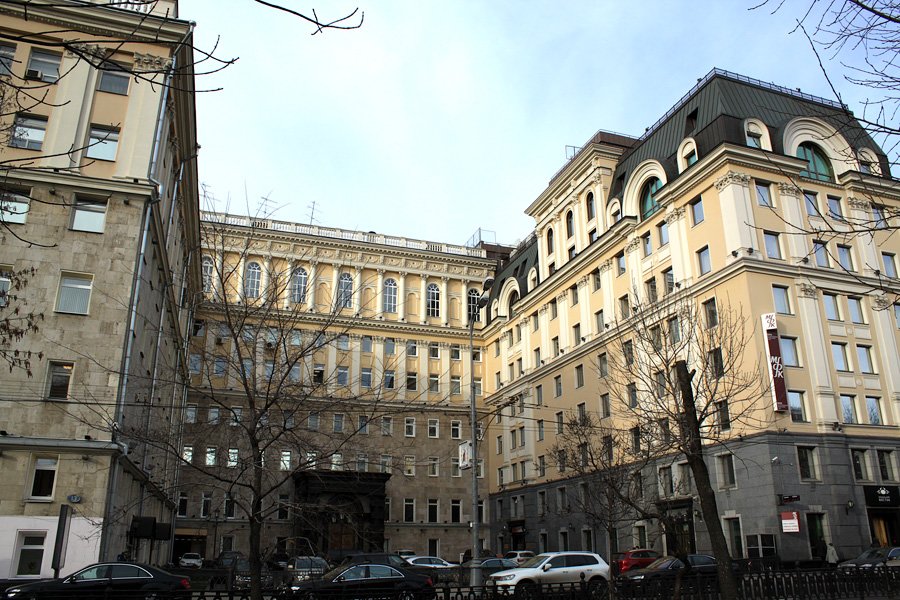
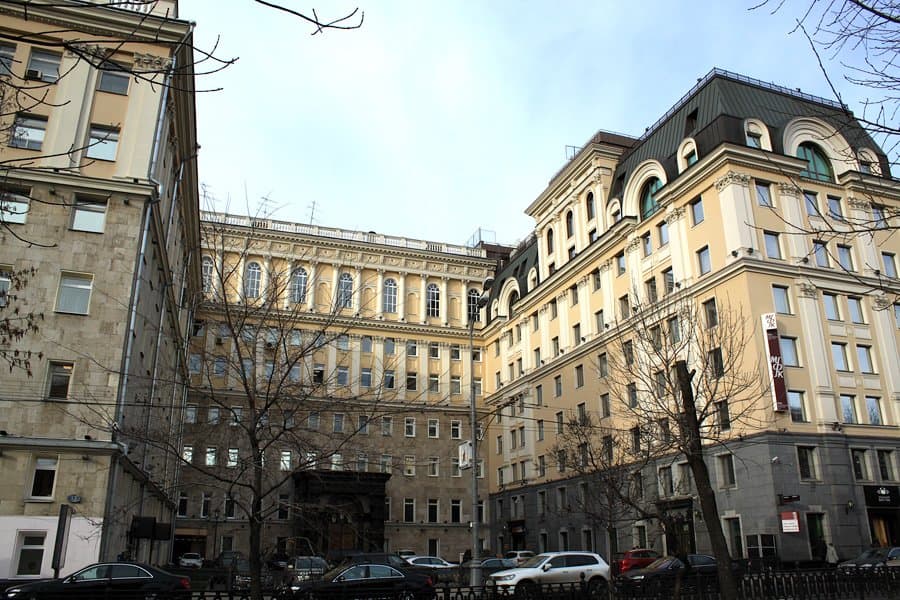
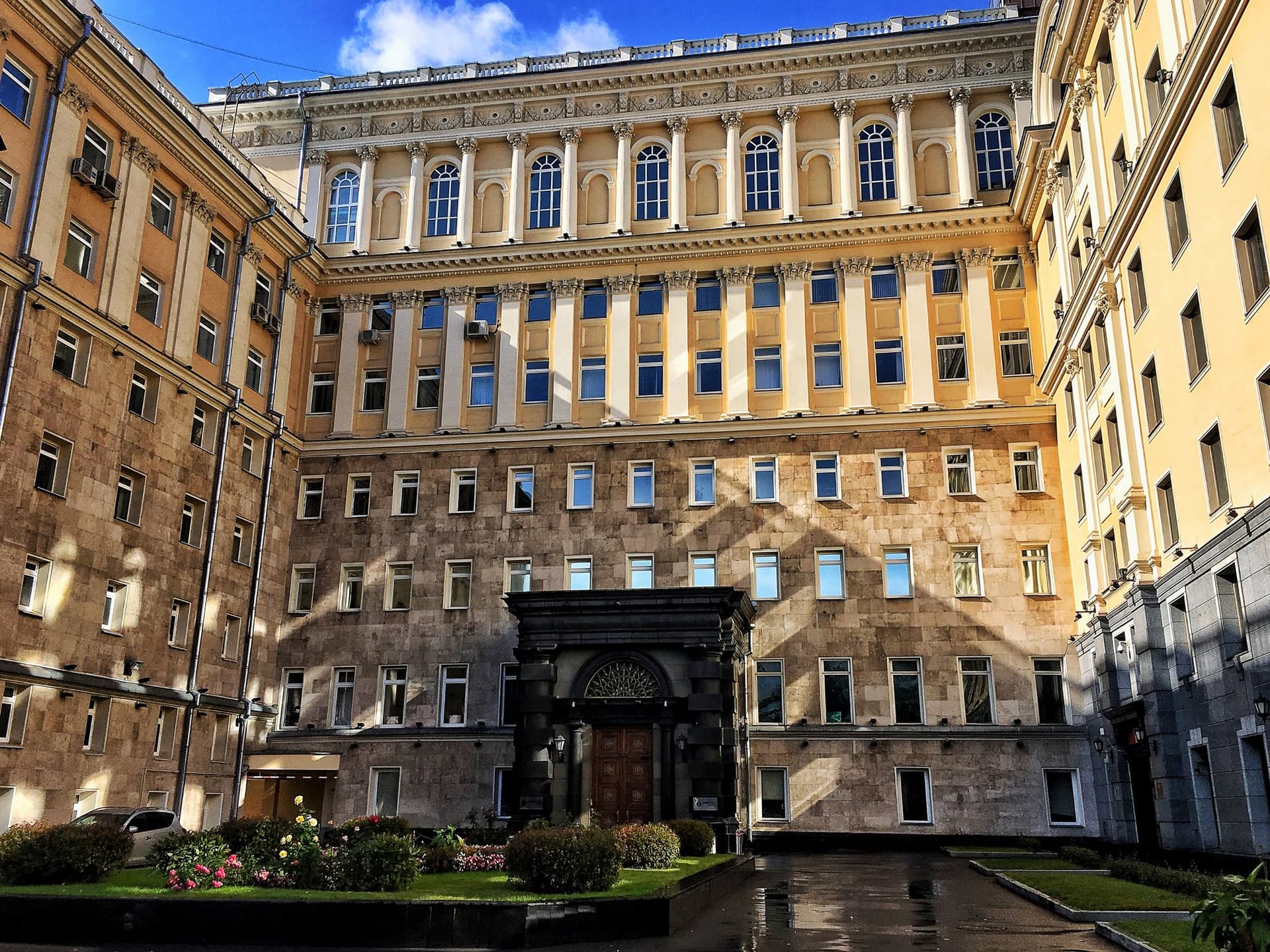
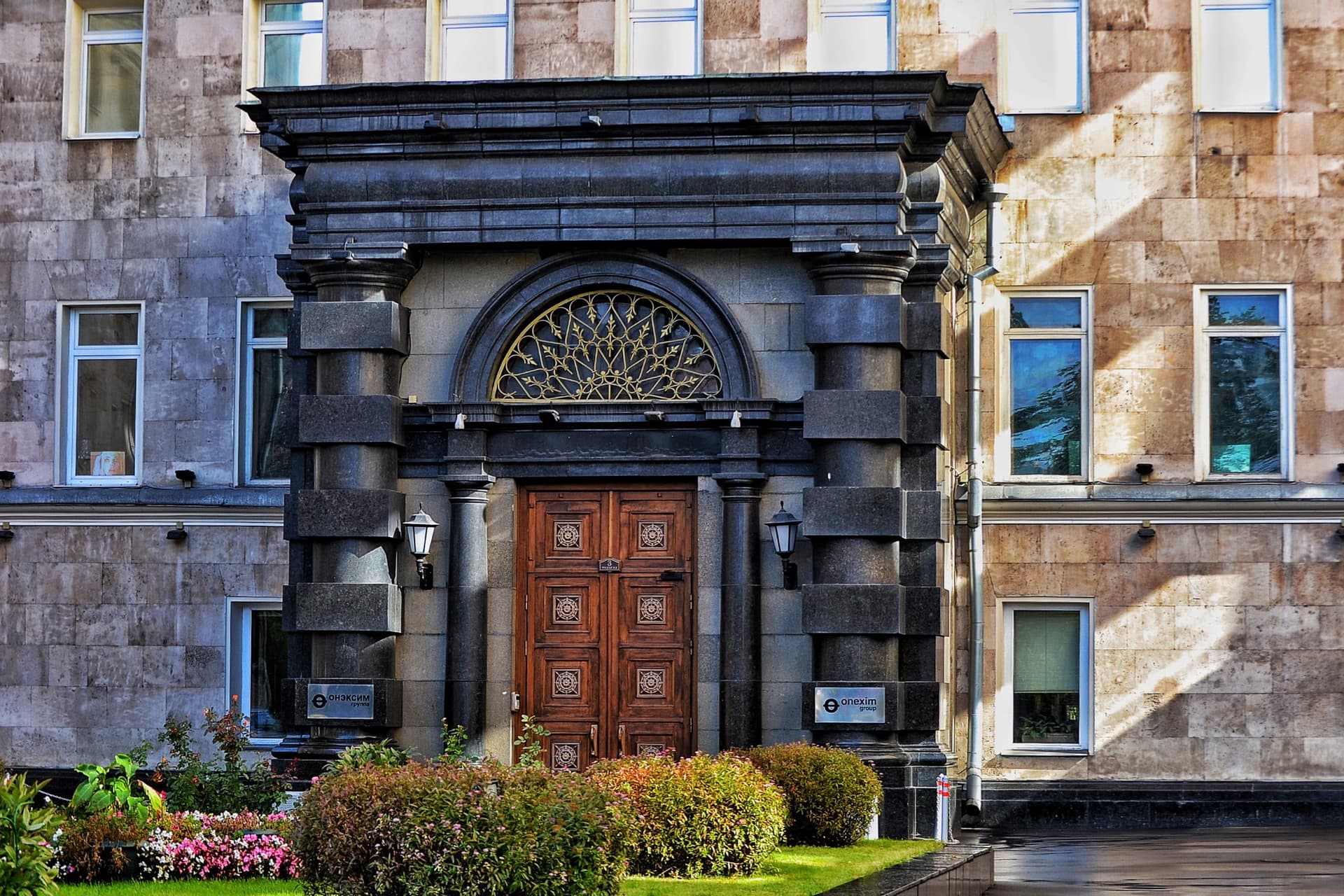
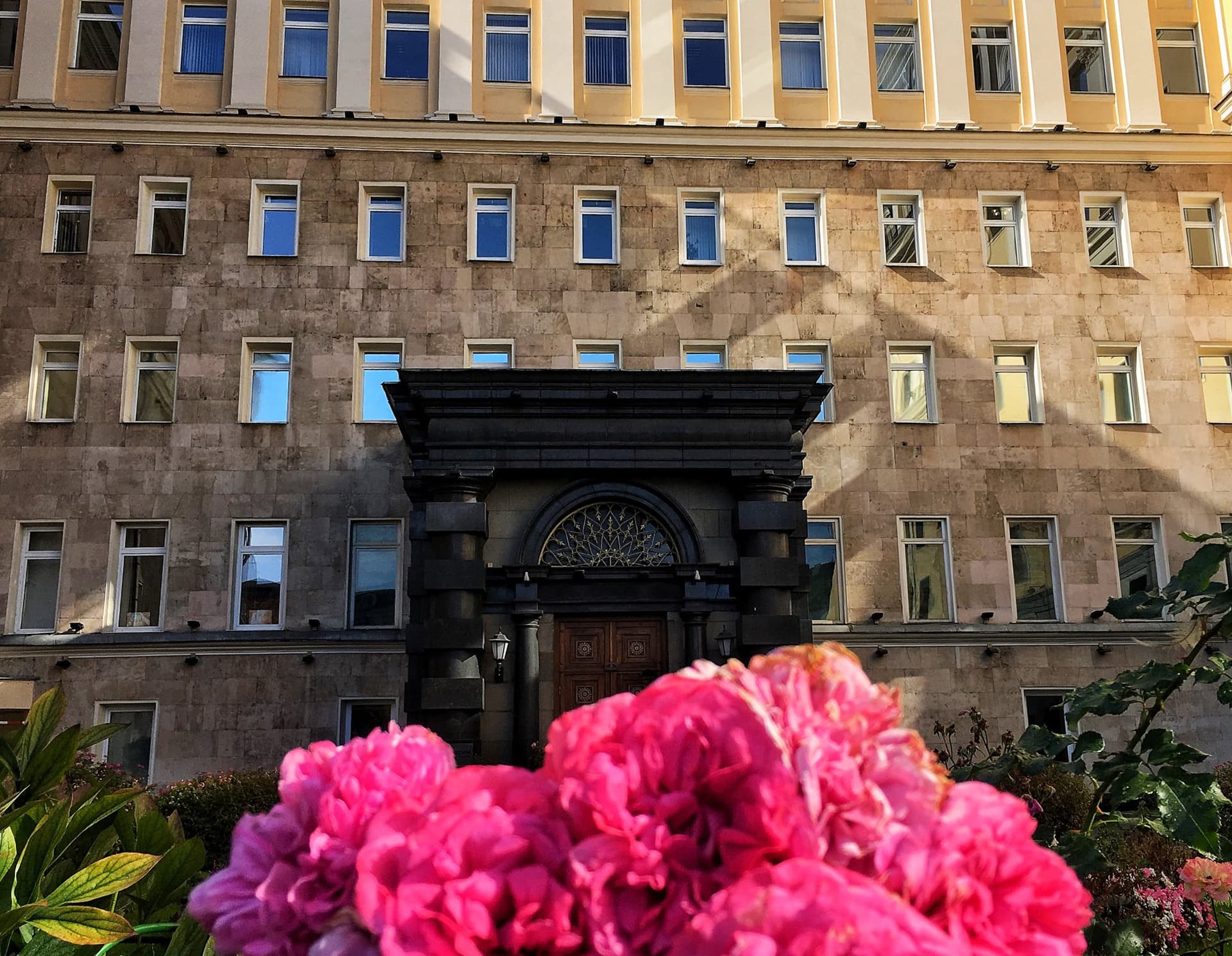
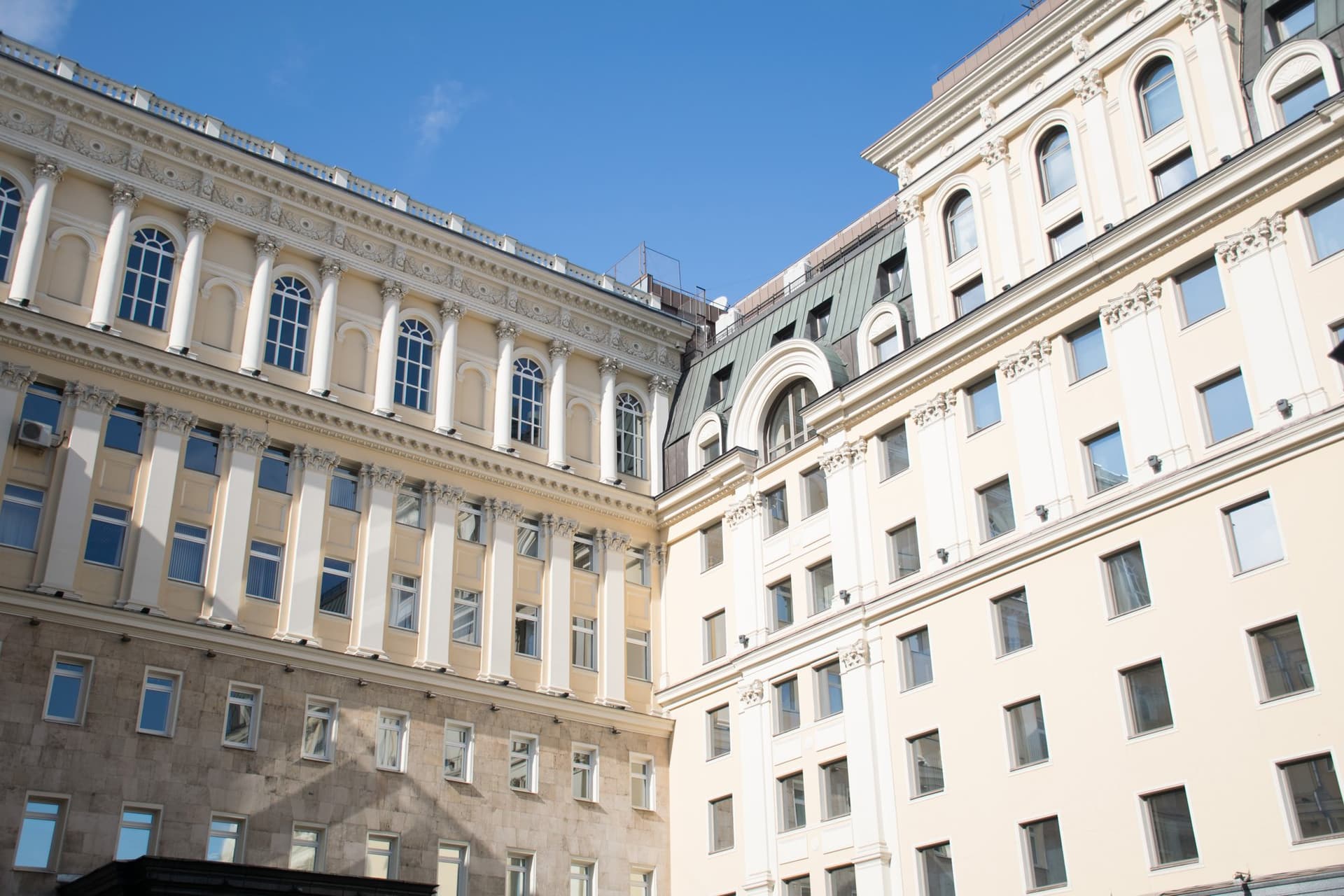
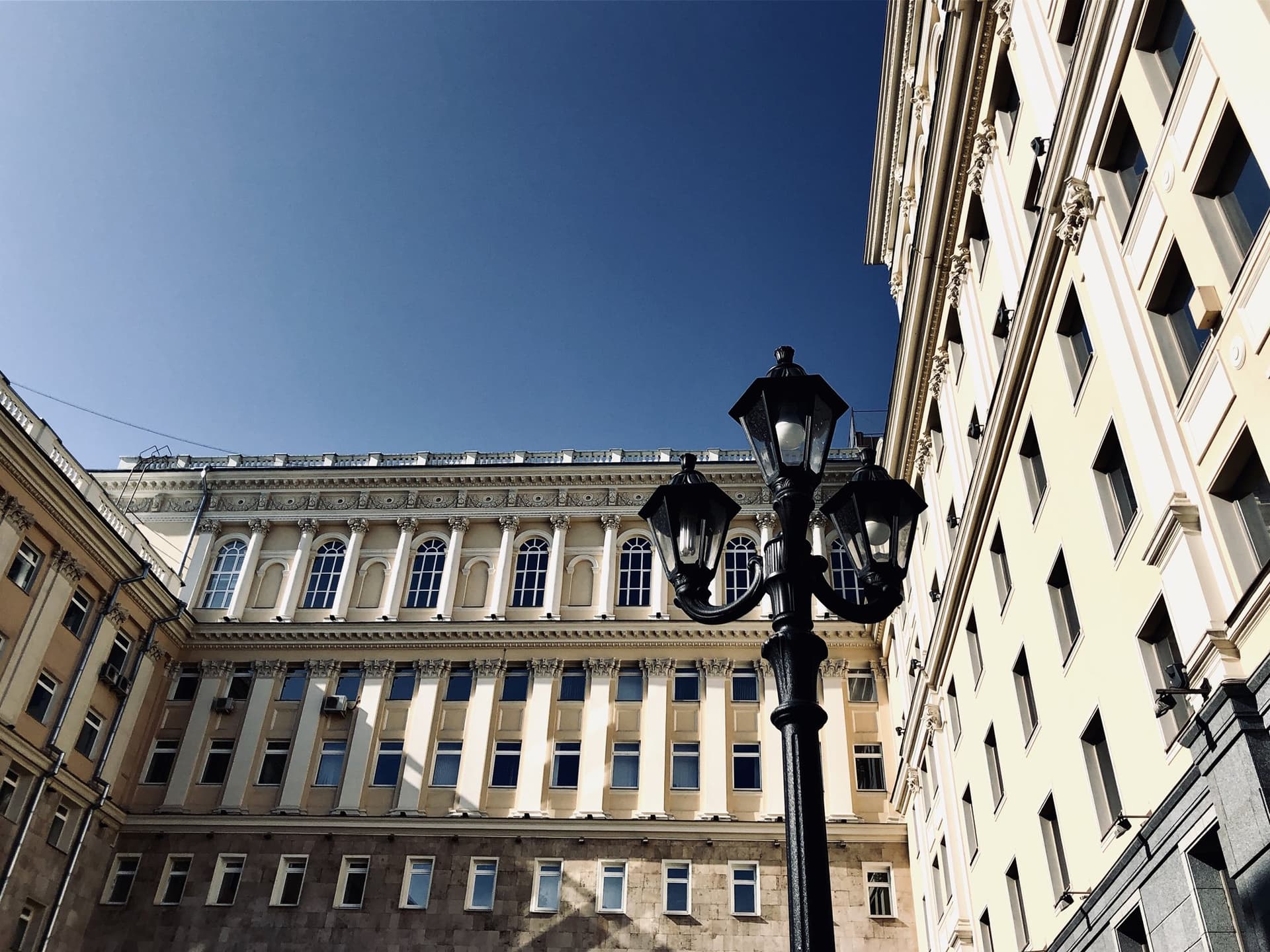
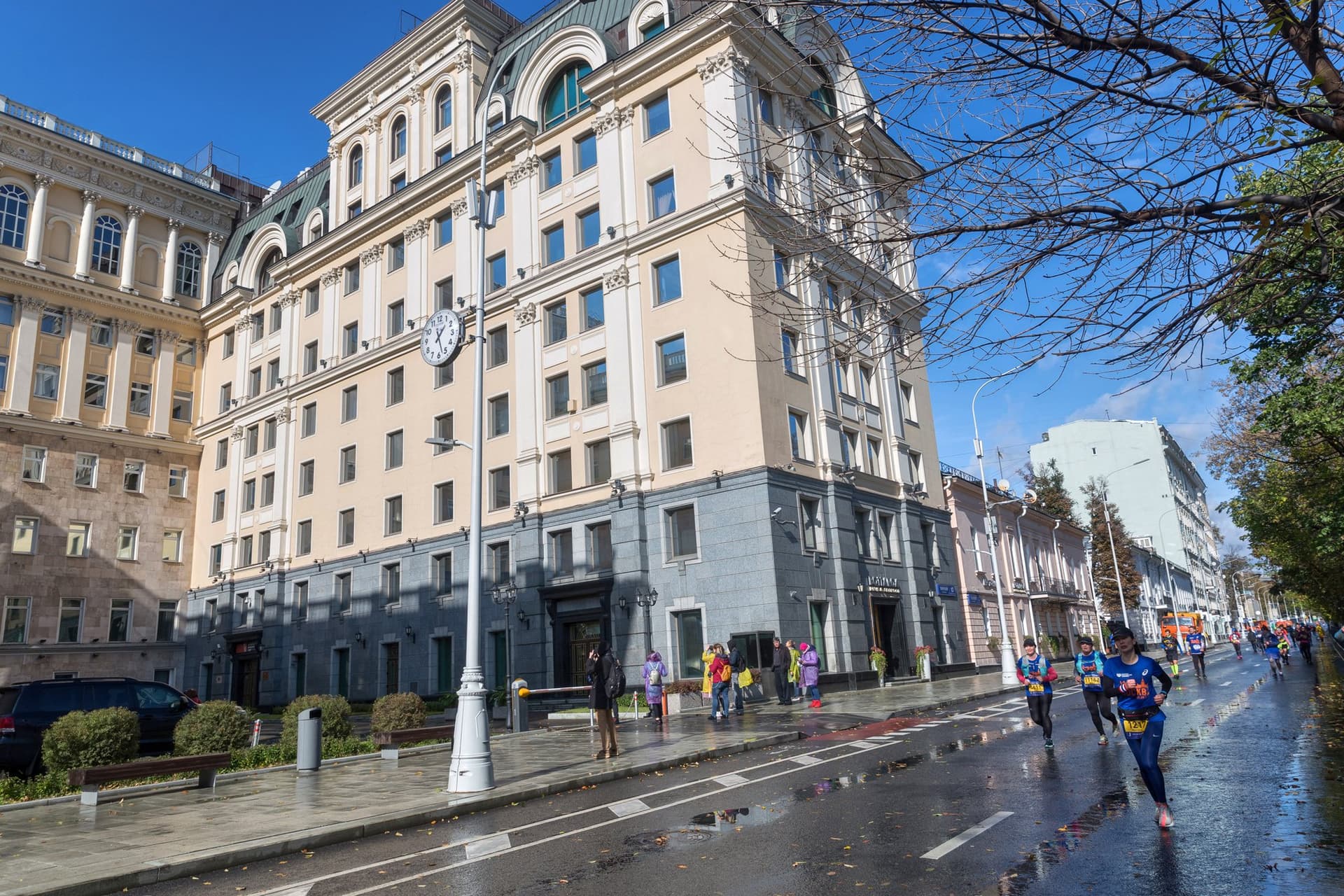
Golokhvastov’s house

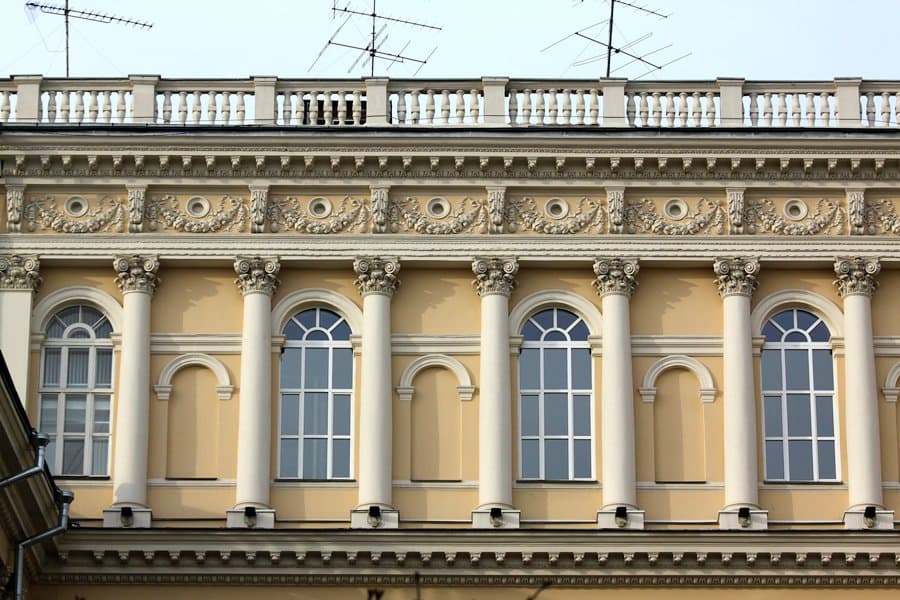
The house once sheltered the revolutionary A.I. Herzen, and now it is a home of a "Civic Platform" liberal party.

Golokhvastov’s house
Pushkinskaya, Tverskaya, Chekhovskaya
The house once sheltered the revolutionary A.I. Herzen, and now it is a home of a "Civic Platform" liberal party.
3.40
Вы можете воспользоваться QR-кодом, чтобы открыть эту страницу в нашем приложении
Архитектурный стиль:
Годы постройки:
XIX в.
Эпоха:
19th century
Информация о здании

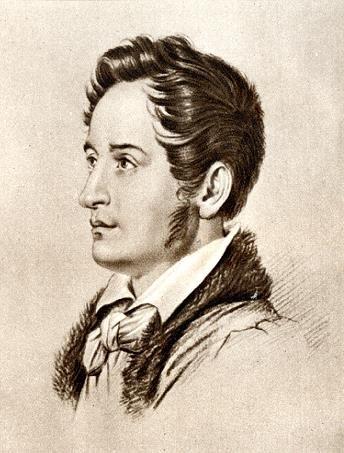
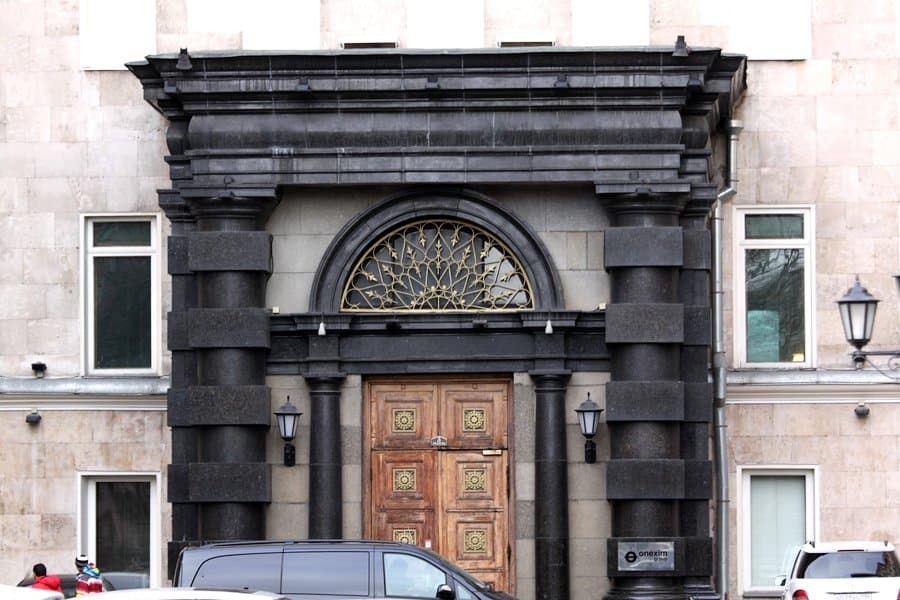
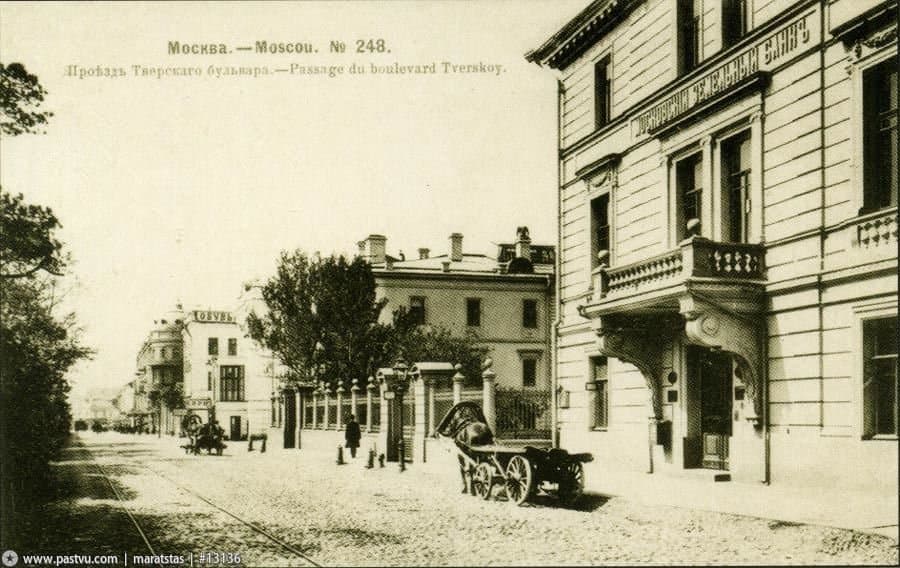
Участок дома № 13 по Тверскому бульвару в XIX веке принадлежал семье Голохвастовых. О Павле Ивановиче Голохвастове вспоминал А.И. Герцен в романе «Былое и думы». Родственник и друг семьи Герцена, Голохвастов спас их от пожара 1812 года, зазвав к себе в усадьбу: «Пойдемте ко мне, мой дом каменный, стоит глубоко на дворе, стены капитальные». Старый дом описывал как красивое здание с фасадом, украшенным пышным четырехколонным портиком, по бокам участка шли флигеля, но пожар не пожалел старого каменного здания. Дом пришлось восстанавливать.

О следующем владельце дома № 13 Д.П. Голохвастове (1796‑1849) известно как о попечителе Московского учебного округа, судье Московского совестного суда, председателе Московского цензурного комитета, пропускавшего «Мертвые души» Гоголя. Помимо особняка на Тверском бульваре, у Голохвастова было имение в Покровском‑Рубцове. Дмитрий Павлович приходился А.И. Герцену двоюродным братом и поэтому тоже попал на страницы «Былого и дум».

В 1885 году в ходе новой перестройки флигеля были соединены с главным зданием. В конце XIX века владение перешло к удачливому предпринимателю Л.С. Полякову, который скупил на Тверском бульваре четыре участка по нечетной стороне.

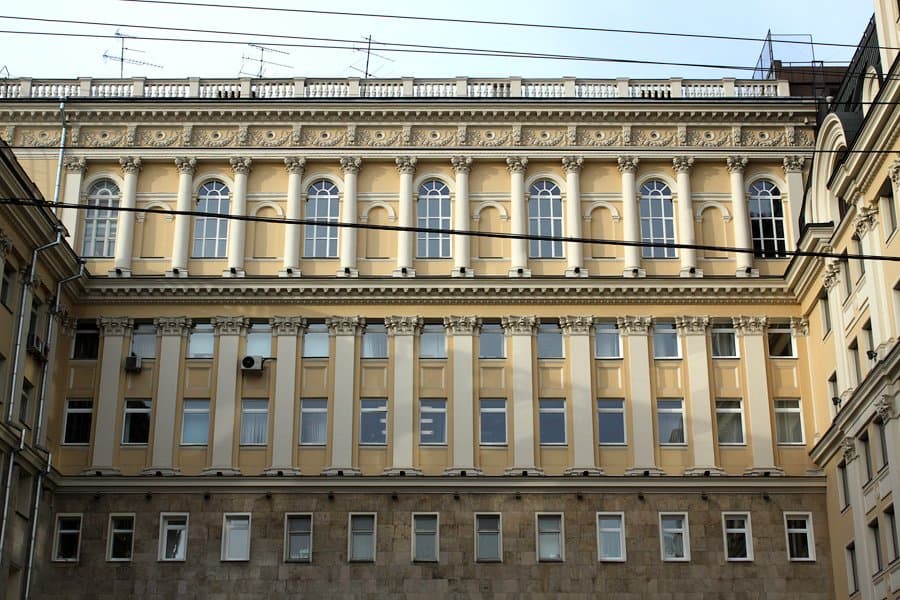
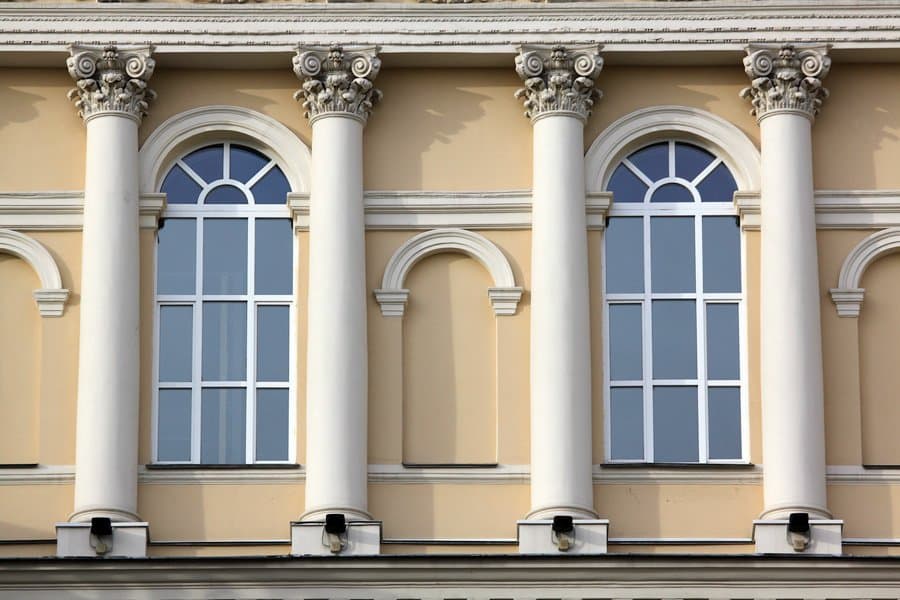
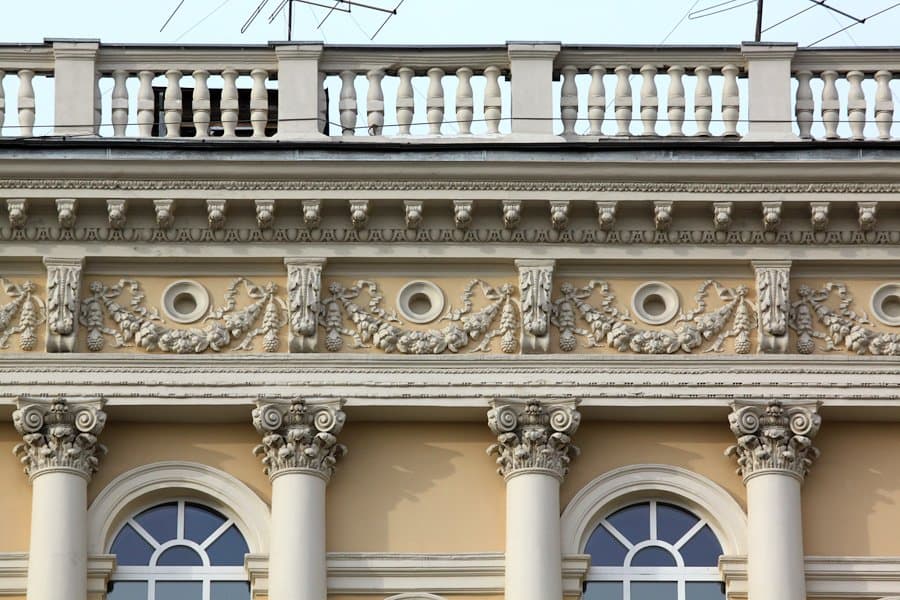
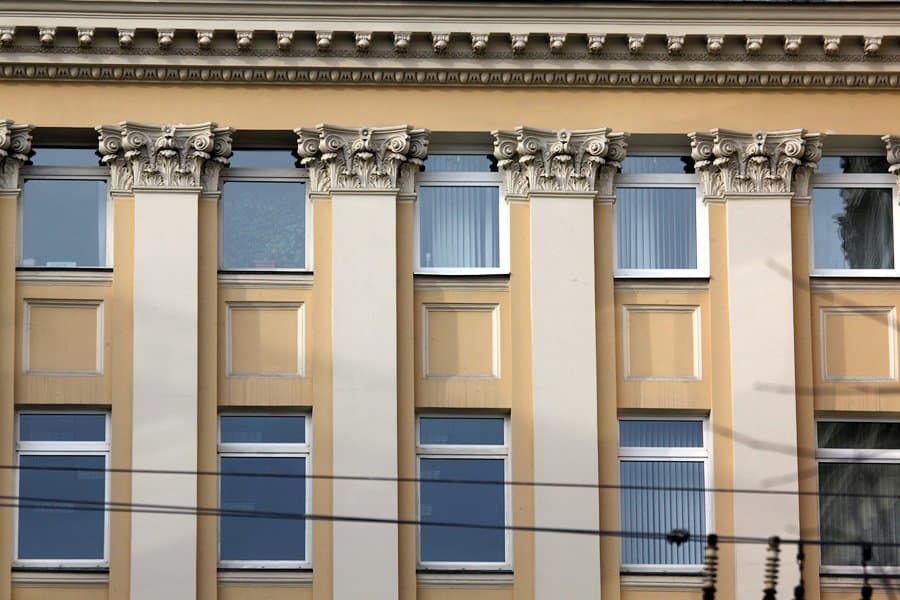
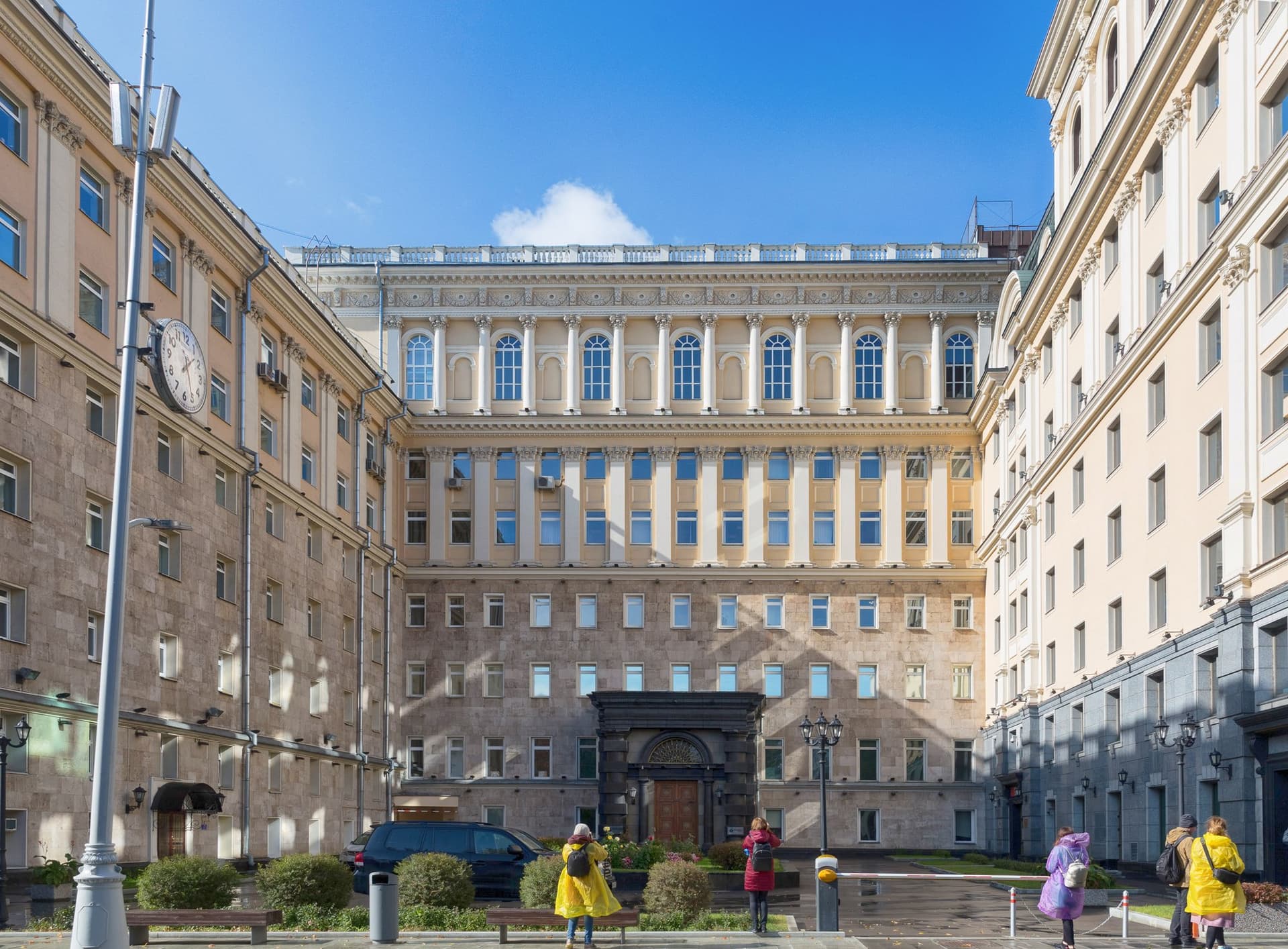
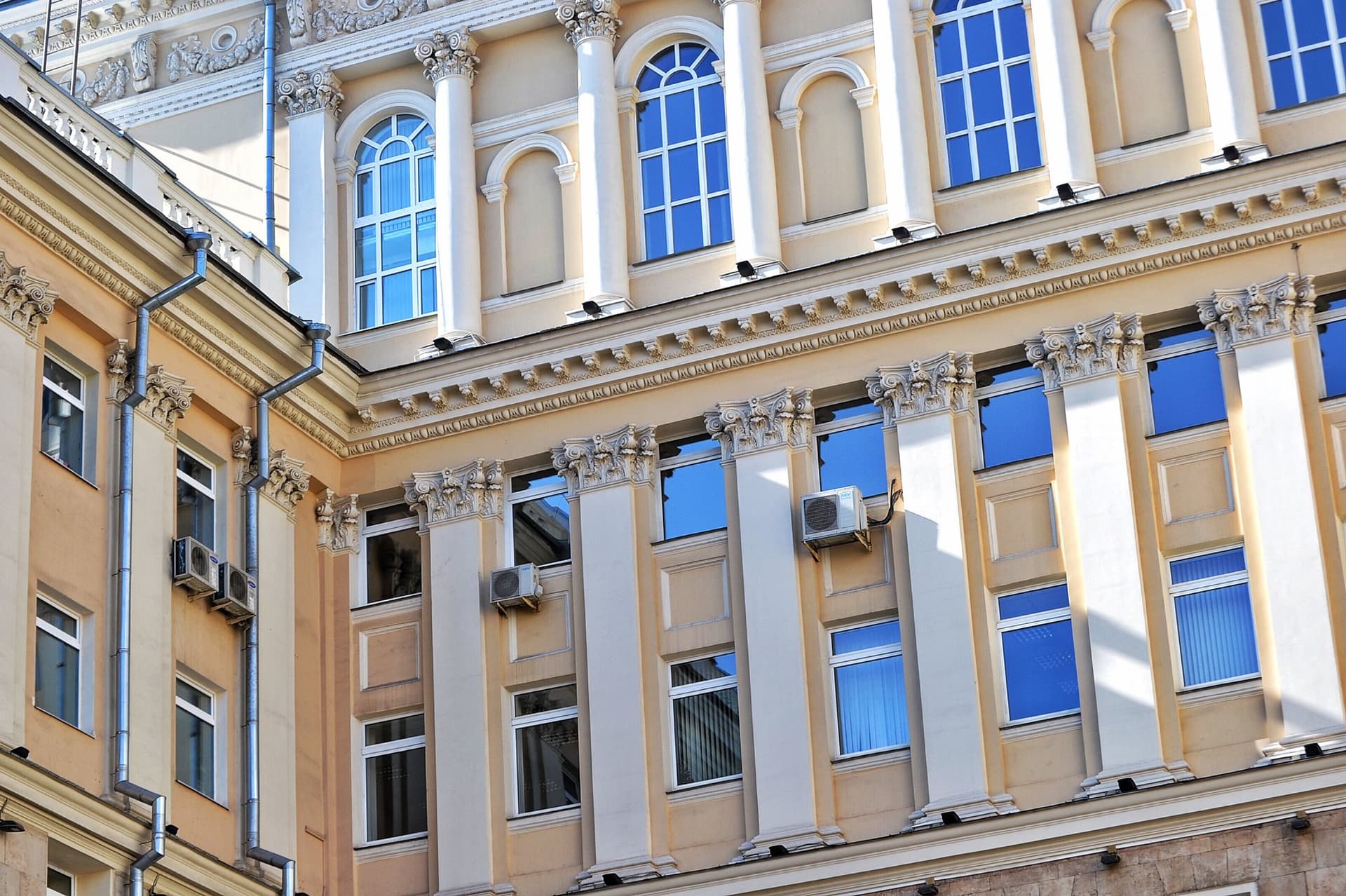
Особняк Голохвастовых стал основой здания банка. Если приглядеться к центральной его части, по расположению окон можно угадать строение начала XIX века В 1903 году здание снимает Ярославско-Костромской земельный банк. В 1951‑1952 годах здание перестроено в П‑образное помещение для Стройбанка СССР.

С 2012 года здание принадлежит центральному аппарату политической партии «Гражданская платформа».

Golokhvastov family owned the house located at 13 Tverskoy boulevard in the XIX century. A.I. Herzen mentioned Pavel Ivanovich Golokhvastov in his novel "The Past and Thoughts". Golohvastov, a relative and a family friend of Herzens saved them from the fire of 1812. He invited Herzens to his estate: "Come to me, my house is a stone build and located deep in the backyard, the walls are strong." Hertsen described the old house as a beautiful building with a facade decorated with magnificent four-column portico and side wings. However, the fire did not spare the old stone building. The house had to be rebuilt. D.P. Golohvatov (1796 1849), the next owner of the house number 13 is known as a trustee of the Moscow School District, Moscow conscientious trial judge, chairman of the Moscow Censorship Committee who allowed Gogol to publish his "Dead Souls". Golohvastov owned an estate at Pokrovskoe-Rubtsovo in addition to the mansion on Tverskoy Boulevard. Dmitri Pavlovich was A.I. Herzen 's cousin, and so he was one of the characters of "My Past and Thoughts" by Hertsen. Wings of the house were connected to the main building during the new restructuring of the house in 1885. The ownership passed to the successful entrepreneur L.S. Polyakov at the end of XIX century. He also bought another four sites on the odd side of Tverskoy Boulevard. Golokhvastov mansion later becomes the basis of a bank building. If you look closely at the central part of the house you can guess where the building of the early XIX century was located by the windows disposition. Yaroslavl-Kostroma land bank rented the building in 1903. The building was reconstructed and given a T-shape for Stroibank in 1951-1952. Since 2012, the building belongs to the central office of the "Civic Platform” political party.
Автор статьи: Зинаида Одолламская
Отзывы
(1)
Поделитесь статьей с друзьями
Интересное рядом(8)
Пушкинская пл., 5
Pushkinskaya, Tverskaya, Chekhovskaya
Пушкинская площадь
Pushkinskaya, Tverskaya, Chekhovskaya
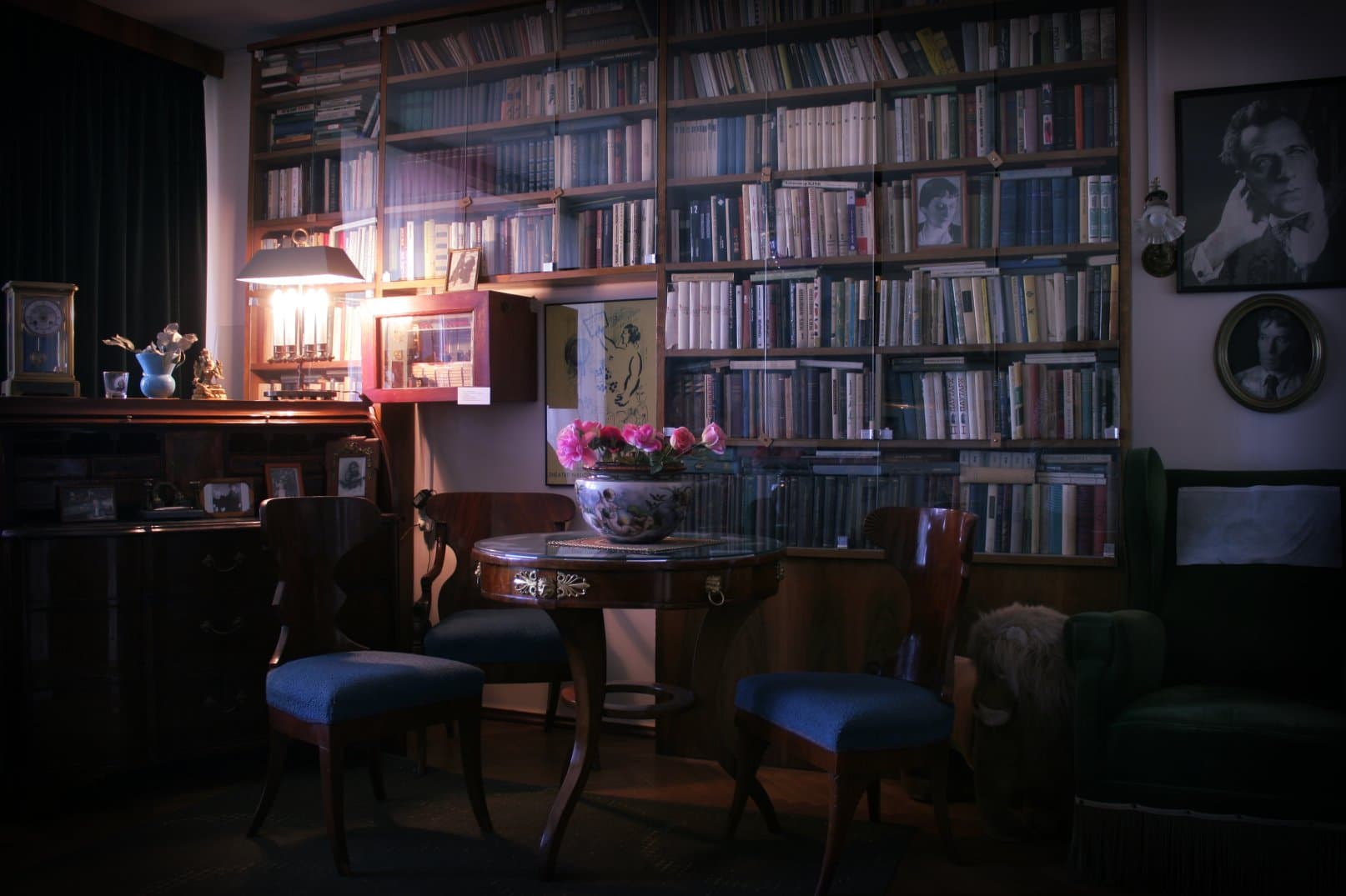
V.N. Pluchek Museum - ApartmentThe Museum of National Artist of the USSR Valentin Pluchek was opened in October 2009 to the centenary of an outstanding director. In the house at the intersection of two metropolitan streets - Bolshaya and Malaya Bronnykh, near the square of Nikitsky Gate, on the 13th floor, in the apartment 47, Valentin Nikolaevich lived for 30 years. His neighbors were Svyatoslav Richter, Yuri Nikulin, Rufina Nifontova, Boris Andreev, Rostislav Plyatt, Boris Ravensky, and Andrei Goncharov. In the Pluchek’s apartment, everything is like during the life of an eminent owner: antique furniture, porcelain, crystal chandeliers, massive bronze lamps, priceless paintings and drawings received as a gift from the authors: Tyshler and Falk, Chagall and Leger paintings, Picasso compositions on biblical themes. The memorial part of the exposition is complemented by: V. Levental’s sketch for the play “Cherry Orchard”, the costume of Andrei Mironov from the play “Crazy Day, or the Marriage of Figaro”, the uniform of the Mayor, in which Anatoly Papanov played “the Inspector General”, the models for the performances “Banya” and “the Inspector General”, sketches for the "Mysteries-Buff". Photo albums and video materials, collected in the Museum-apartment, provide an opportunity to get acquainted with the performances of Valentin Nikolaevich Pluchek, included in the history of Russian theatrical art.
Moscow, Bolshaya Bronnaya Street, 2/6
Barrikadnaya, Pushkinskaya, Tverskaya, Chekhovskaya
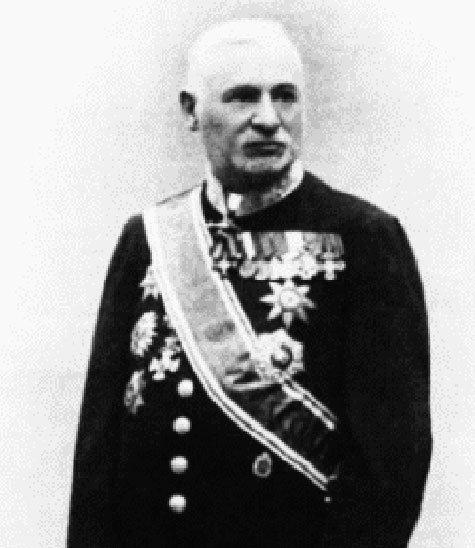
финансист

Herzen A. I.
Писатель, политический деятель, философ.