Интерактивный гид по городу
С мобильным приложением бродить по городу гораздо интереснее!

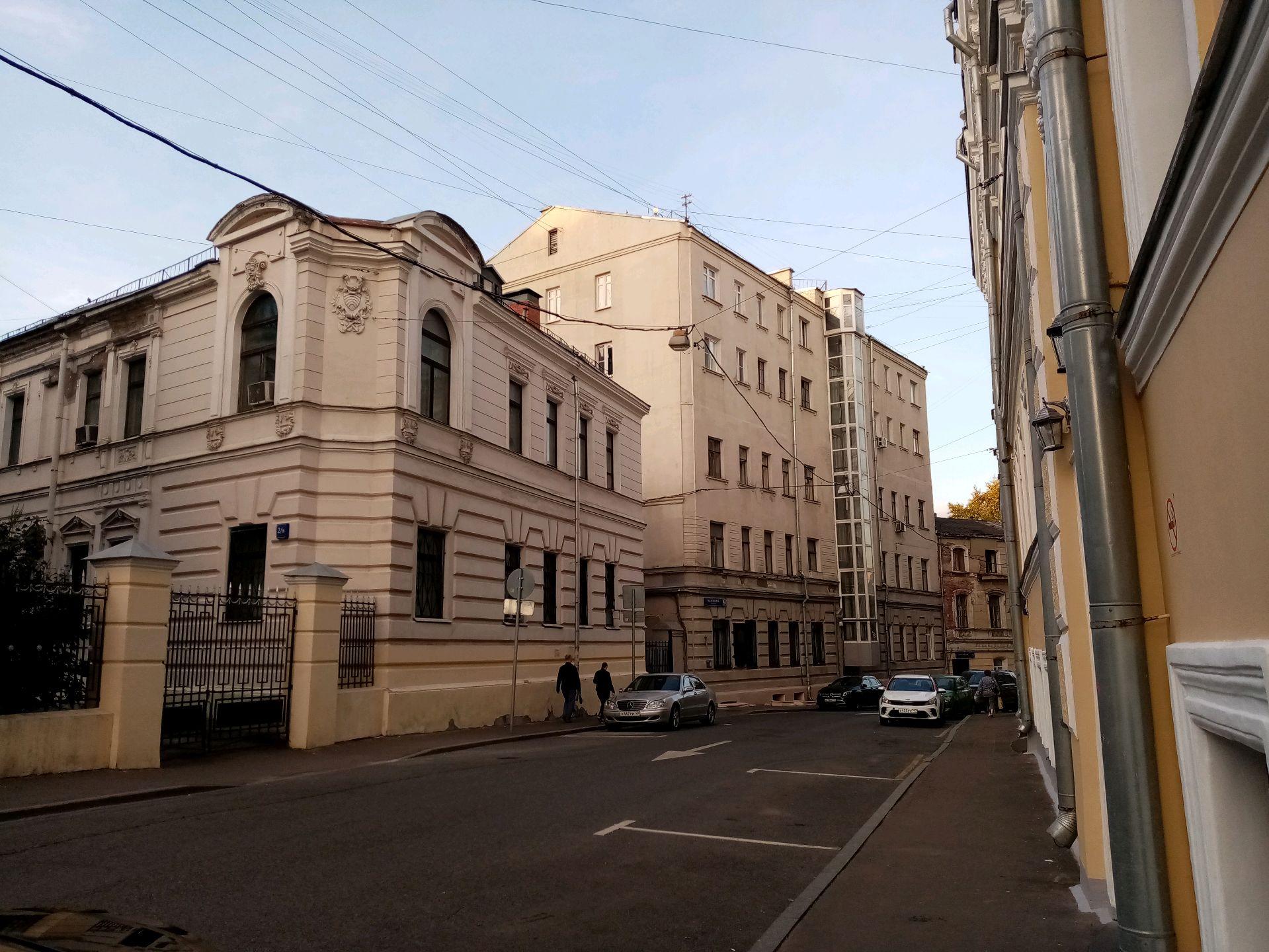
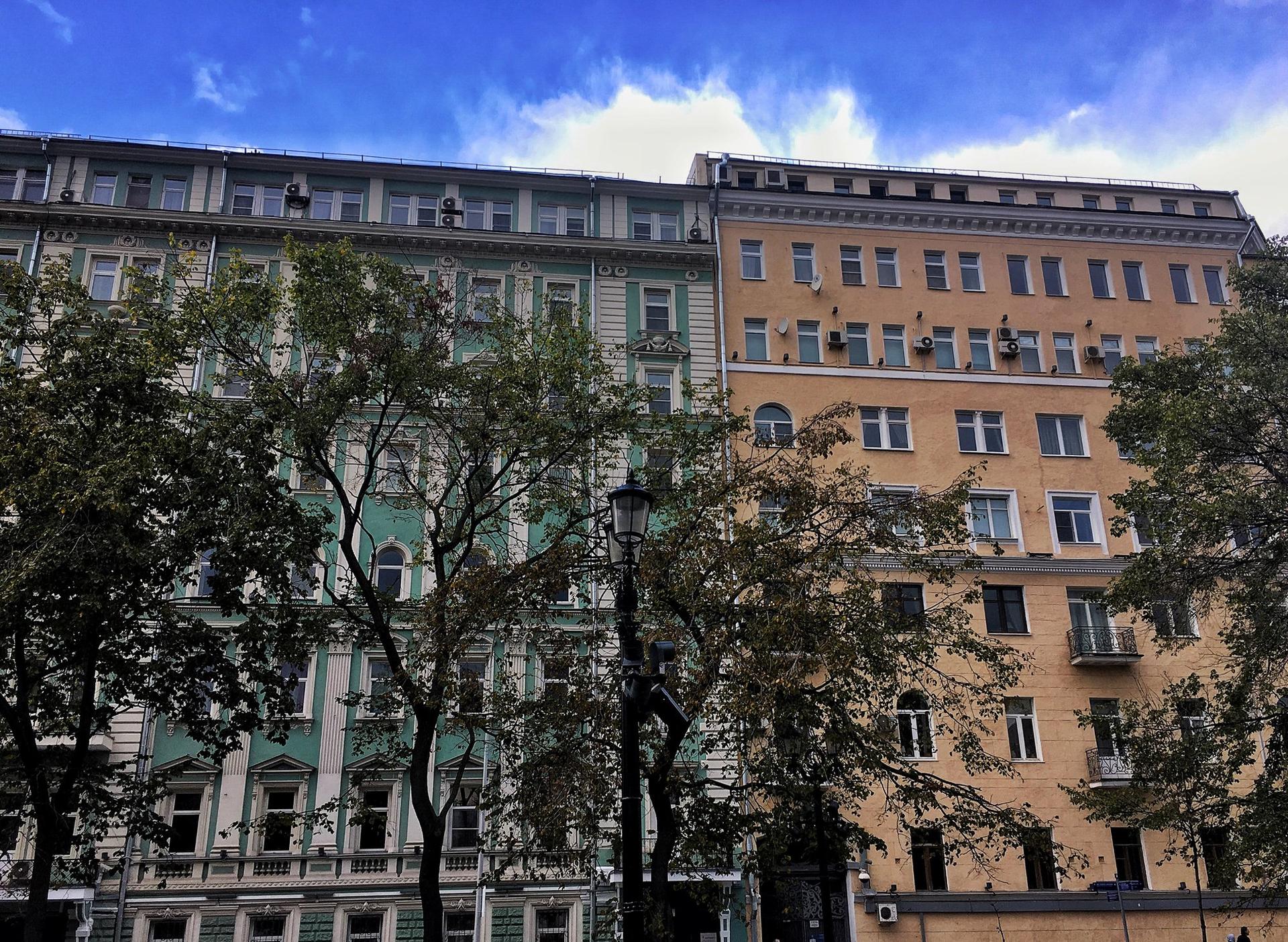
K.M.Svyatopolk-Mirskaya’s house

The famous Russian surgeon Nikolay Sklifosovsky resided in this old merchant house for 14 years.

K.M.Svyatopolk-Mirskaya’s house
Pushkinskaya, Tverskaya, Chekhovskaya
The famous Russian surgeon Nikolay Sklifosovsky resided in this old merchant house for 14 years.
3.84
Вы можете воспользоваться QR-кодом, чтобы открыть эту страницу в нашем приложении
Архитектурный стиль:
,
Годы постройки:
XIX в.
Архитекторы:
Эпоха:
19th century
Информация о здании


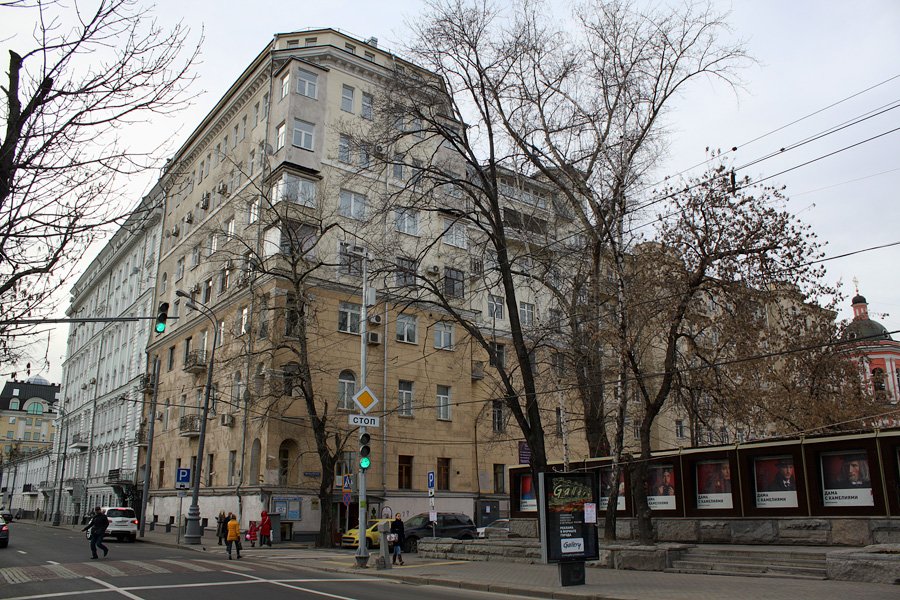
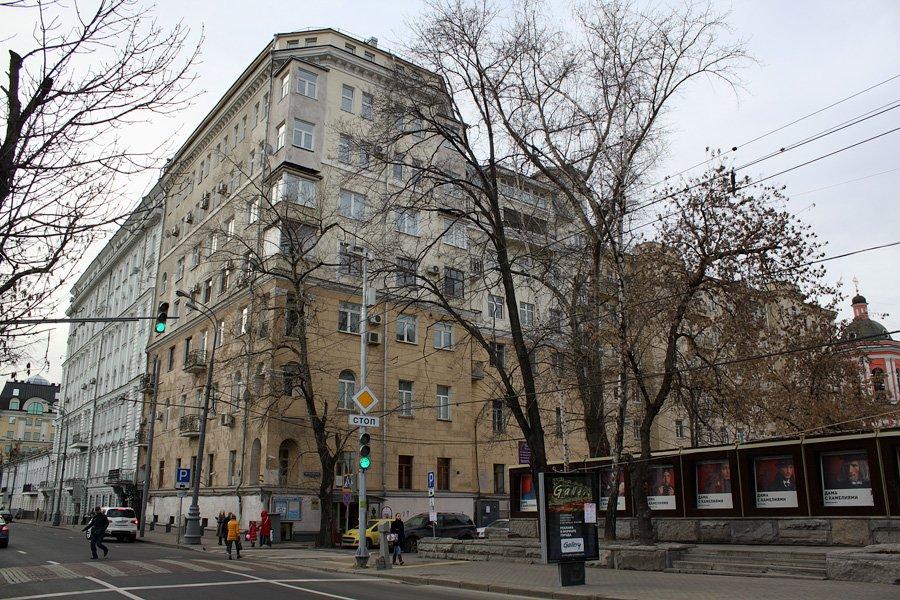
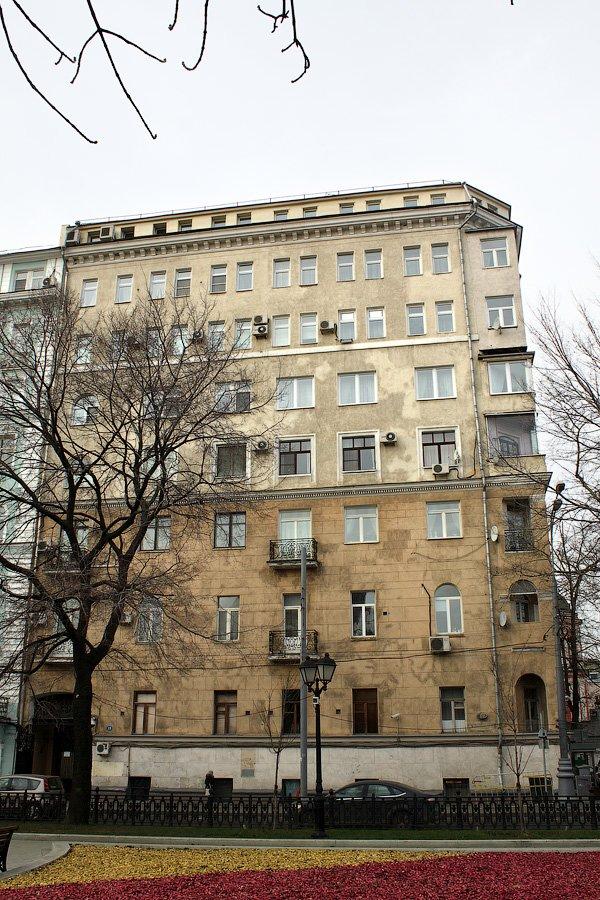
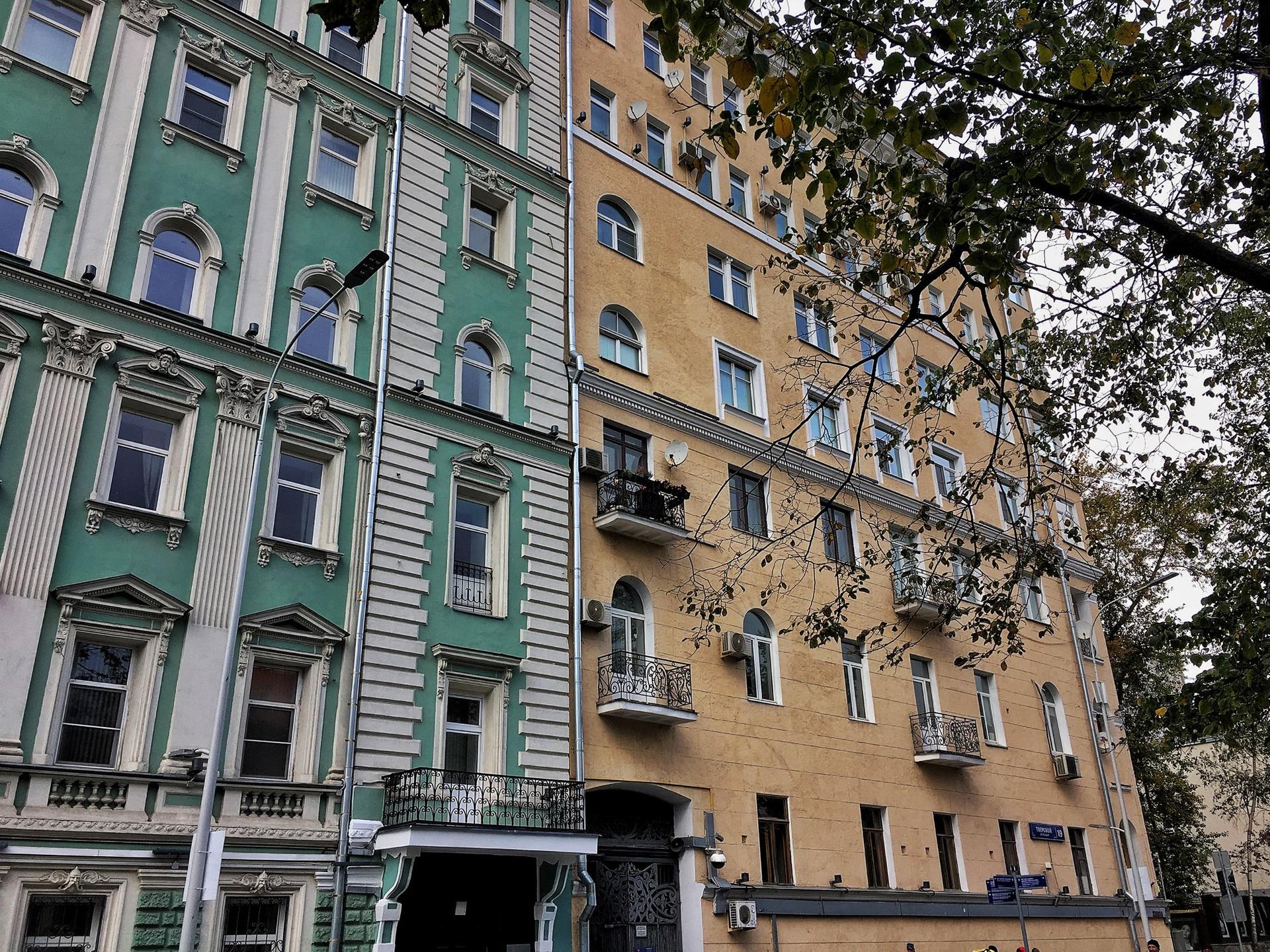
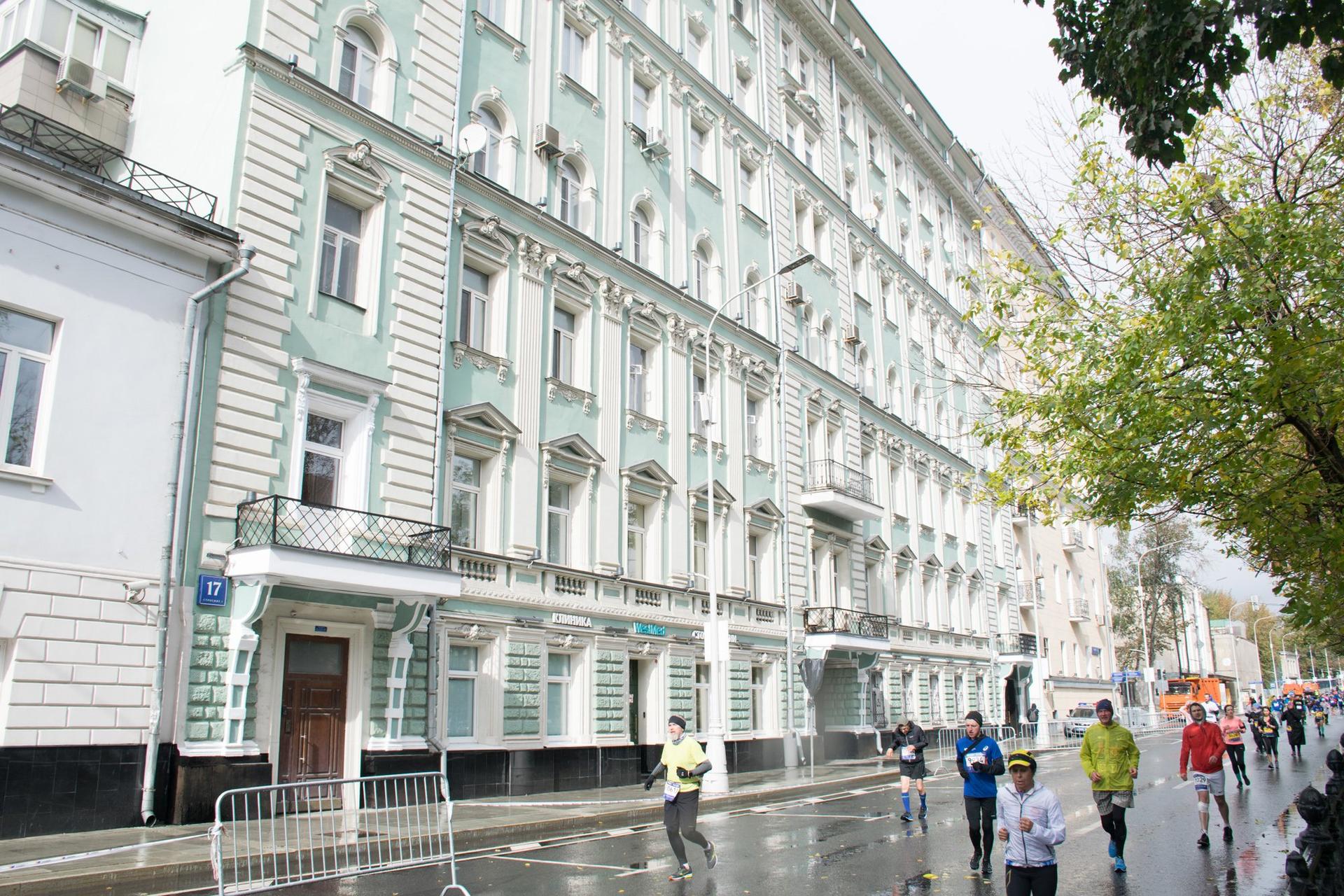
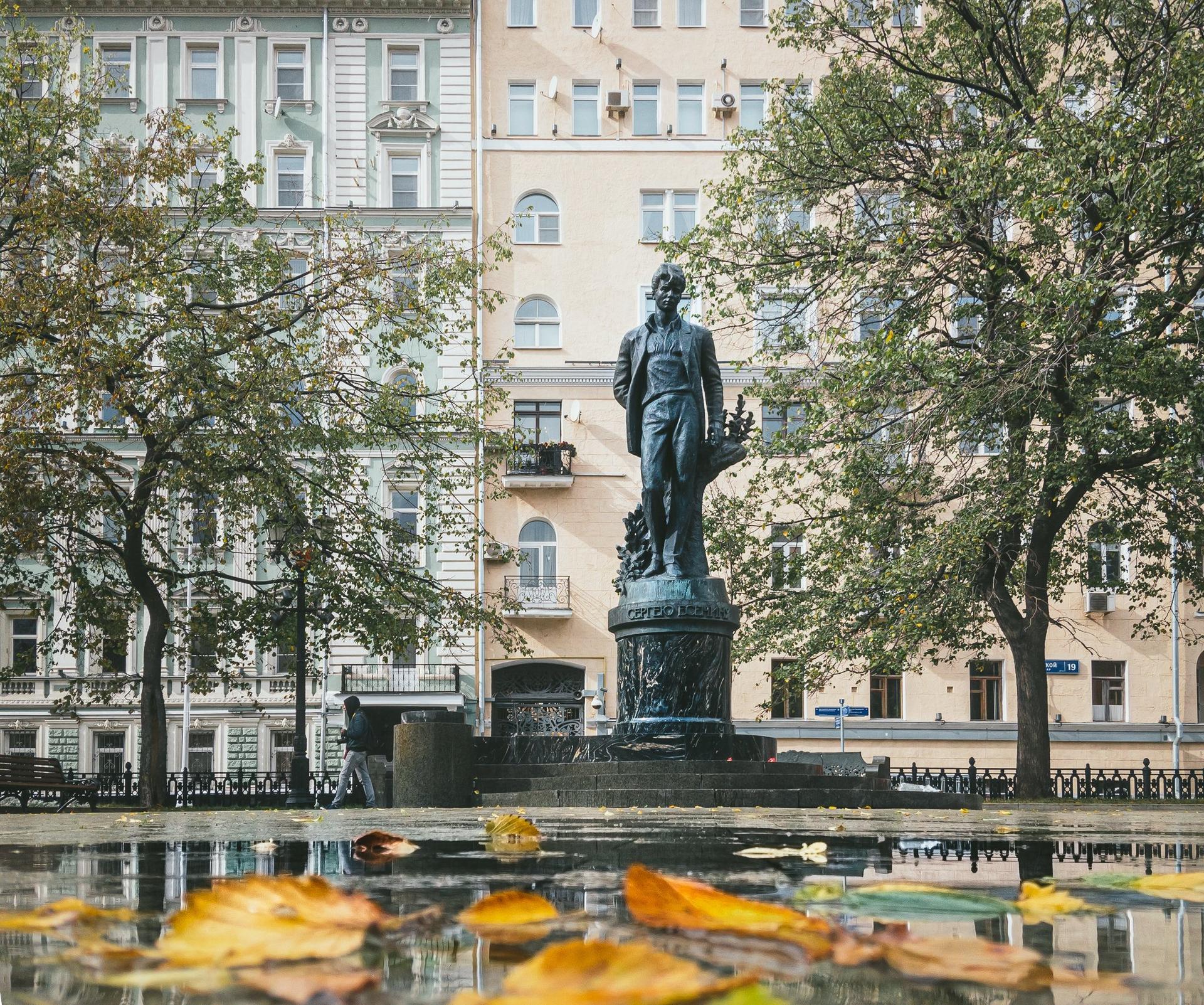
Жилой дом № 19 стоит на углу бульвара и Богословского переулка. На карте Хотева 1852 г. это сложное квадратное строение с запутанным внутренним двором, принадлежащее купчихе Анисье Яковлевой.


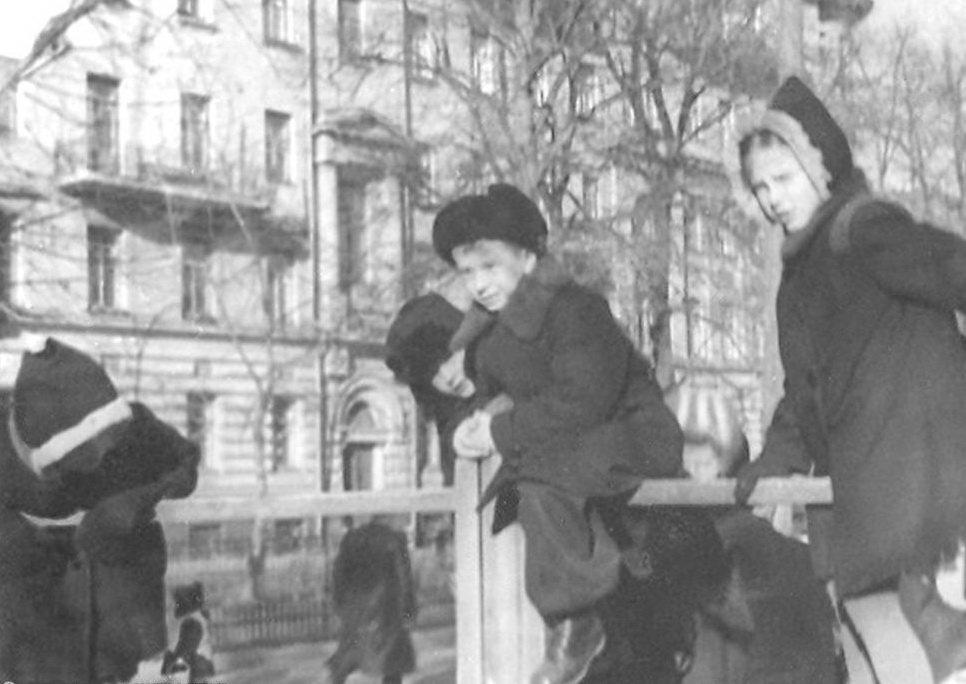
Во второй половине XIX в. владение записано на Клеопатру Михайловну Святополк-Мирскую. Сохранилась фотография 1896 г., посвященная коронационным тожествам Николая I, на ней богатый двухэтажный дом на полуподвале, со скошенным углом и рустованными стенами, архитектора А.А.Мартынова.


Клеопатра Михайловна, представительница старинных дворянских и баронских родов Ханыкова и Энгельгард, была женой князя Н.И. Святополк-Мирского. (Жемчужиной их владений был Мирский замок, расположенный в Белоруссии). После ее смерти дом на бульваре переходит к сыну Ивану, который записывает его на свою жену Н.М. Святополк-Мирскую.


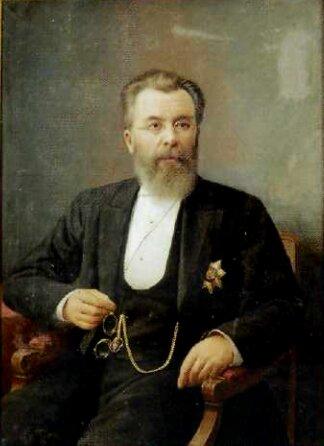
Известно, что в конце XIX в. здесь жил Николай Васильевич Склифосовский, это был блестящий хирург, прошедший несколько войн, автор нескольких величайших открытий в медицине, прекрасный педагог и необычайно скромный человек.


После окончания Русско-Турецкой войны в 1880 г. Склифосовский становится профессором Московского университета, заведующим хирургической клиникой. На войне он спас сотни жизней. Иногда он по несколько суток не прерывал работу.


Москва обязана ему постройкой прекрасного Клинического городка Московского Университета, сделанного по последнему слову медицинской науки, а также памятником Н.И.Пирогову. Склифосовский добился того, чтобы памятник великому ученому появился в Москве.


Все остальные обязаны Склифосовскому тем, что врачи стали мыть руки перед медосмотром, дезинфицировать инструменты и медицинское белье перед хирургическими вмешательствами.


В Москве Николай Васильевич провел 14 лет, и это были самые плодотворные годы его жизни, как в научной, так и в педагогической деятельности.


Знаменитая в народе фраза «Короче, Склифосовский!», действительно, связана с жизнью хирурга. Склифосовский был соредактором журнала “Летописи хирургического общества”. Его статьи были полны массы подробностей и длинны настолько, что коллеги не удосуживались дочитать их до конца. «Короче, Склифосовский», - просили они.


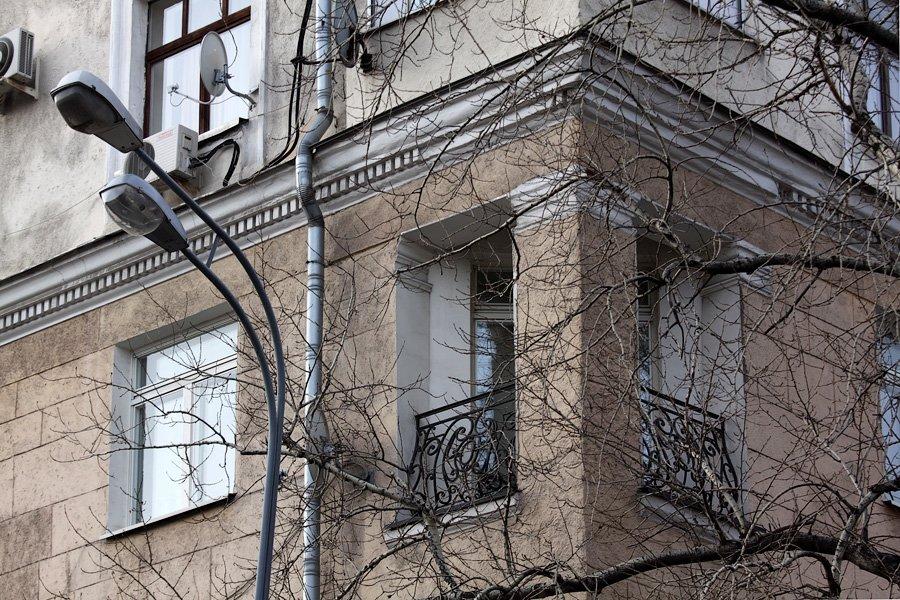
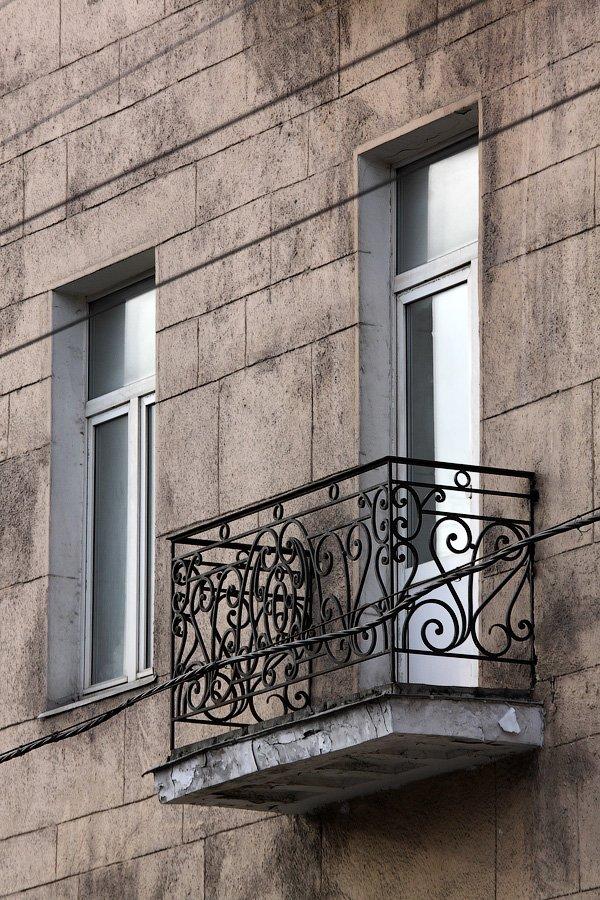
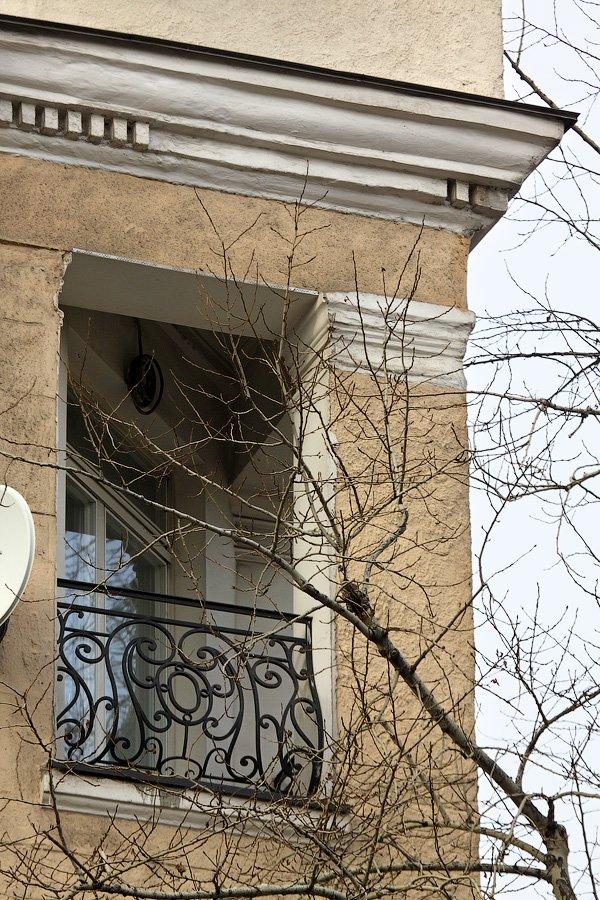
Дом № 19 был надстроен в 1950-х. Скошенный угол также достроили, там предполагались балконы.


Сейчас это жилой дом.
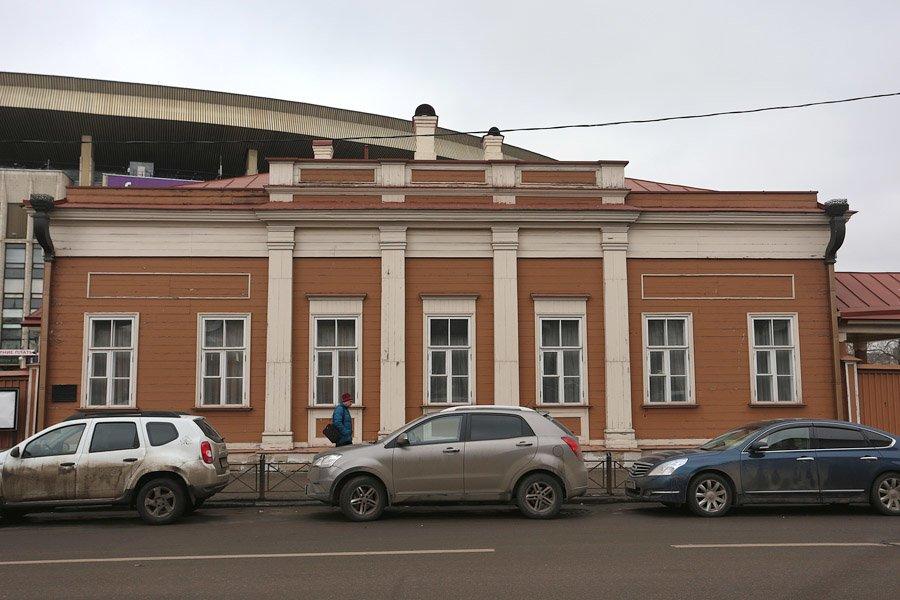
The house number 19 is located at the corner of Tverskoy Boulevard and Bogoslovsky Lane. It can be spotted on the map of Moscow of the year 1852, compiled by Alexey Khotev: a complex structure with an intricate square courtyard, it belonged to Anisya Yakovleva, a wife of a merchant. In the second half of the 19th century, Cleopatra Svyatopolk-Mirskaya was registered as the owner of the building. The rich two-storey house with a semi-basement, a canted corner, and rusticated masonry walls, designed by the architect A.A.Martynov, can also be seen on an 1896 photograph depicting the festivities after the coronation of Tsar Nicholas I. Cleopatra Svyatopolk-Mirskaya, a member of the noble and ancient dynasties of Hanykov and Engelhard, was the wife of Prince Nikolai Svyatopolk-Mirsky. The family owned numerous properties. After Cleopatra’s death, the house on Tverskoy Boulevard was passed to her son Ivan, who registered his wife N.M.Svyatopolk-Mirskaya as its sole proprietor. It is known that Nikolai Sklifosovsky - the brilliant surgeon, the veteran of several wars, the author of some of the greatest discoveries in medicine, an excellent teacher and an extremely modest man - lived in this house in the late XIX century. In 1880, after the end of the Russo-Turkish War, Sklifosovsky became a professor of Moscow University and a head of one of the city’s surgical hospital. He saved hundreds of lives during the war. Sometimes he had to work non-stop for several days in a row to do that. The city owes to Sklifosovsky a debt of gratitude for his role in the construction of the beautiful Medical Campus of Moscow University, equipped with the latest medical technology available at the time. Sklifosovskiy also convinced the city authorities to erect a monument dedicated to Nikolay Pirogov, another prominent Russian medical scientist. Everybody else owes Sklifosovsky a debt of gratitude for establishing many rules that are followed by medical professionals today, like washing their hands before an examination, or disinfecting medical instruments and hospital bedsheets before an operation. Nikolai Sklifosovsky spent 14 years in Moscow. It was the most productive period of his life both as a scientist and a metntor. By the way, the famous Russian saying that goes ‘Cut to the chase, Mr. Sklifosovsky!’ actually does have something to do with the man himself. Sklifosovsky was a co-editor at the Surgeon Chronicles, a scientific magazine. His articles were famously so lengthy and so packed with details, that his colleagues often did not even read them completely. So, they had to ask him repeatedly to express his thoughts in a more concise form – probably using the same phrase. The house number 19 on Tverskoy Boulevard was extended in height in 1950. The canted corner was also built over, since balconies were supposed to be added there. It is currently a residential building.
Автор статьи: Зинаида Одолламская
Рекомендации
Shchepkin’s house
Prospekt Mira, Проспект Мира (радиальная)
Ул. Достоевского, 4 к.1
Поделитесь статьей с друзьями
Интересное рядом(6)
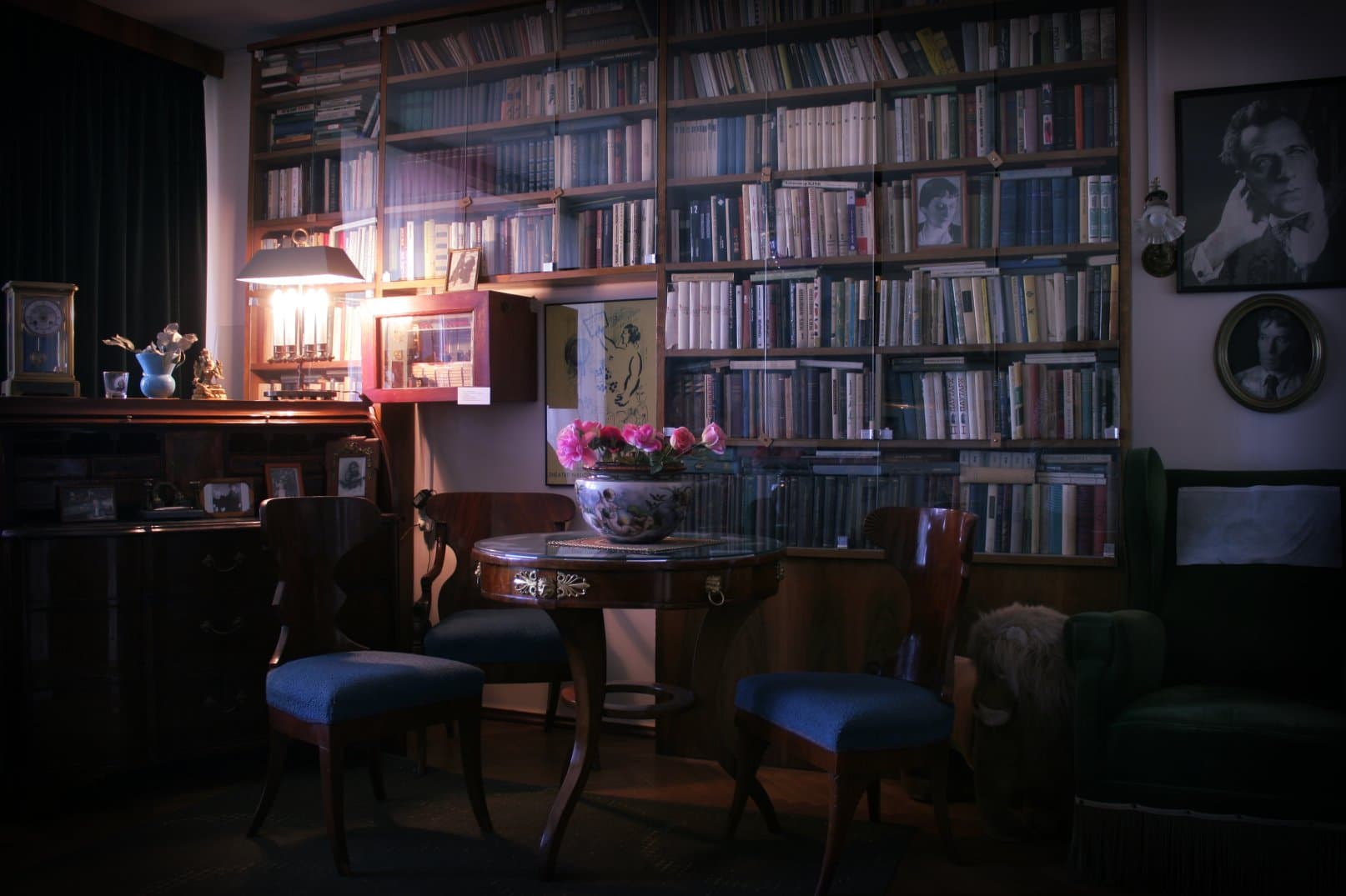
V.N. Pluchek Museum - ApartmentThe Museum of National Artist of the USSR Valentin Pluchek was opened in October 2009 to the centenary of an outstanding director. In the house at the intersection of two metropolitan streets - Bolshaya and Malaya Bronnykh, near the square of Nikitsky Gate, on the 13th floor, in the apartment 47, Valentin Nikolaevich lived for 30 years. His neighbors were Svyatoslav Richter, Yuri Nikulin, Rufina Nifontova, Boris Andreev, Rostislav Plyatt, Boris Ravensky, and Andrei Goncharov. In the Pluchek’s apartment, everything is like during the life of an eminent owner: antique furniture, porcelain, crystal chandeliers, massive bronze lamps, priceless paintings and drawings received as a gift from the authors: Tyshler and Falk, Chagall and Leger paintings, Picasso compositions on biblical themes. The memorial part of the exposition is complemented by: V. Levental’s sketch for the play “Cherry Orchard”, the costume of Andrei Mironov from the play “Crazy Day, or the Marriage of Figaro”, the uniform of the Mayor, in which Anatoly Papanov played “the Inspector General”, the models for the performances “Banya” and “the Inspector General”, sketches for the "Mysteries-Buff". Photo albums and video materials, collected in the Museum-apartment, provide an opportunity to get acquainted with the performances of Valentin Nikolaevich Pluchek, included in the history of Russian theatrical art.
Moscow, Bolshaya Bronnaya Street, 2/6
Barrikadnaya, Pushkinskaya, Tverskaya, Chekhovskaya
хирург
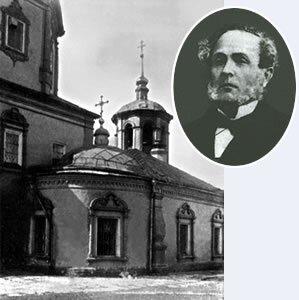
Martynov A. A.
архитектор-реставратор