Интерактивный гид по городу
С мобильным приложением бродить по городу гораздо интереснее!

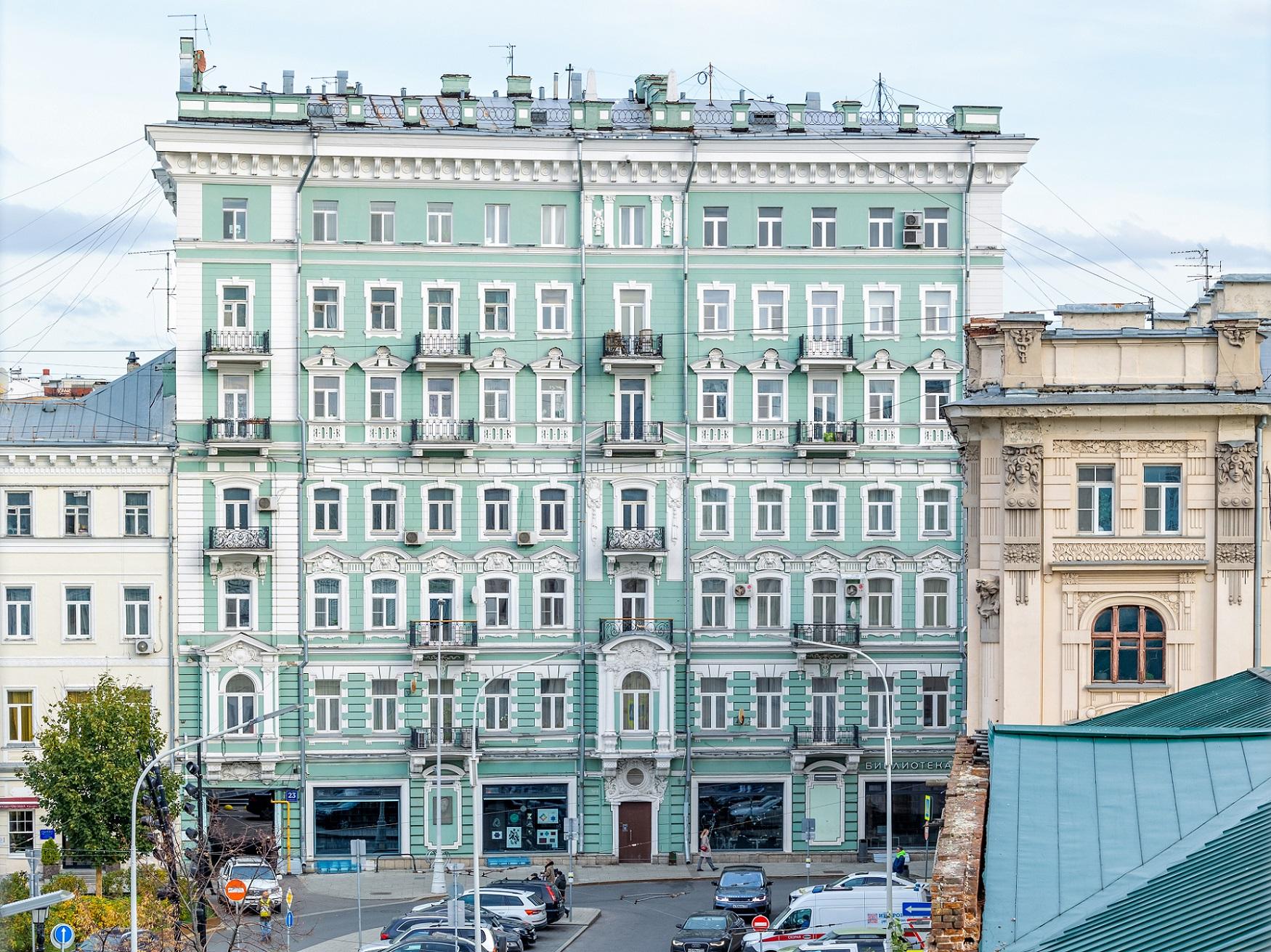
9/11 Potapov lane

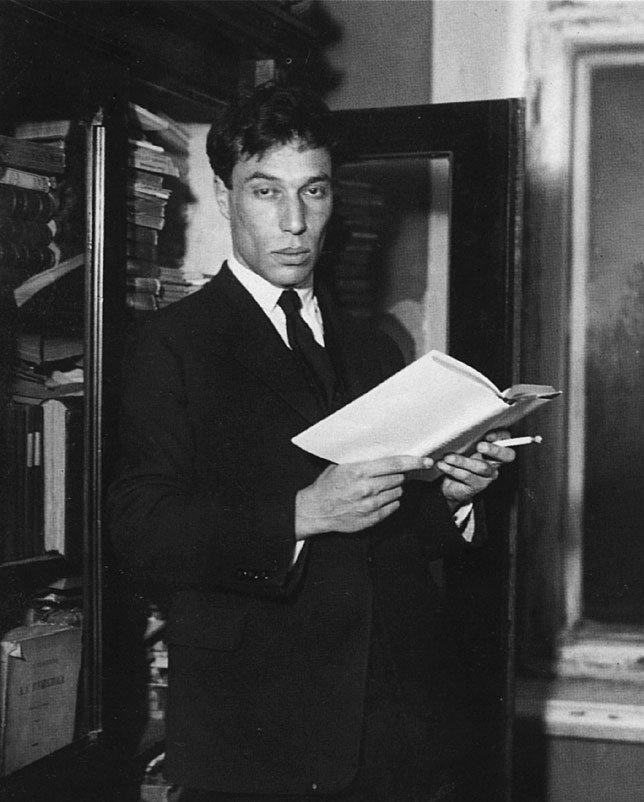
“Potapovsky lane” is marked in the title of one of the books dedicated to the memory of Pasternak - "Legends of Potapovsky lane" by I.Emelyanova.

9/11 Potapov lane
9/11 Potapov lane
“Potapovsky lane” is marked in the title of one of the books dedicated to the memory of Pasternak - "Legends of Potapovsky lane" by I.Emelyanova.
3.33
Вы можете воспользоваться QR-кодом, чтобы открыть эту страницу в нашем приложении
Архитектурный стиль:
Годы постройки:
1928
Архитекторы:
К.В. Аполлонов
Эпоха:
19th century, 1920s
Дата открытия, История появления

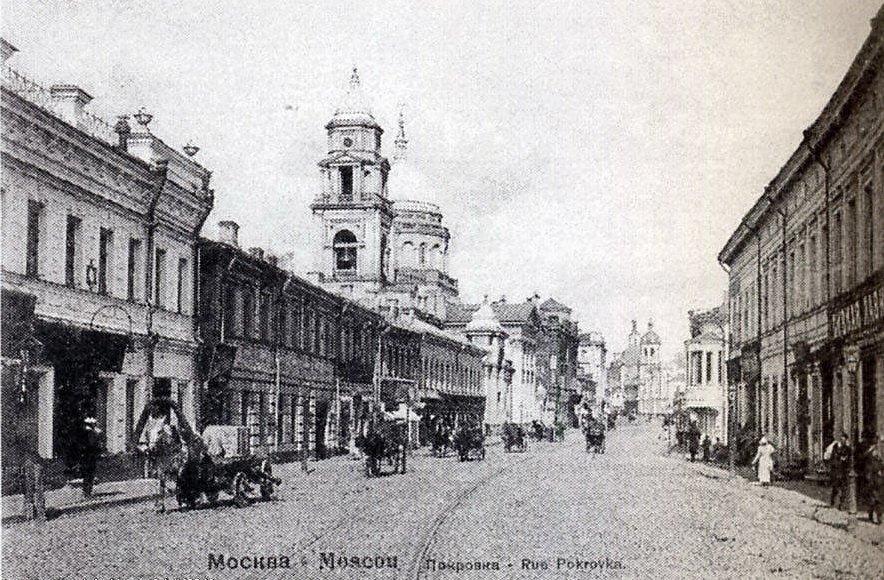
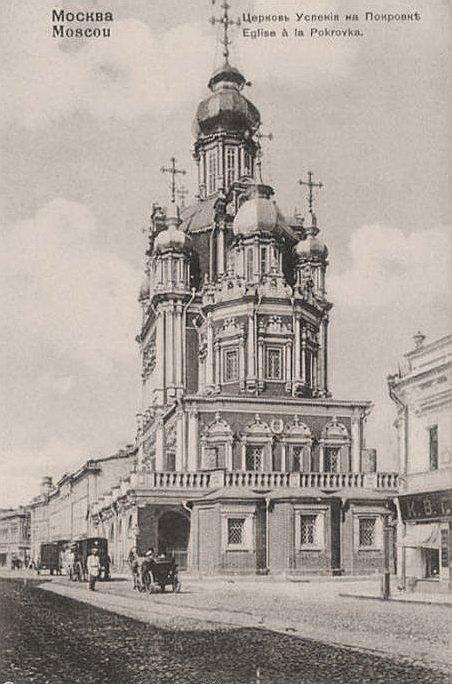
До революции Потаповский переулок носил название Большой Успенский, по имени барочного храма Успения Божией Матери, построенного здесь крепостным архитектором Петром Потаповым в конце XVII в. По иронии судьбы, переулок был переименован в 1922 г. в честь Потапова, а выстроенный им храм снесен в 1935-1936 гг.

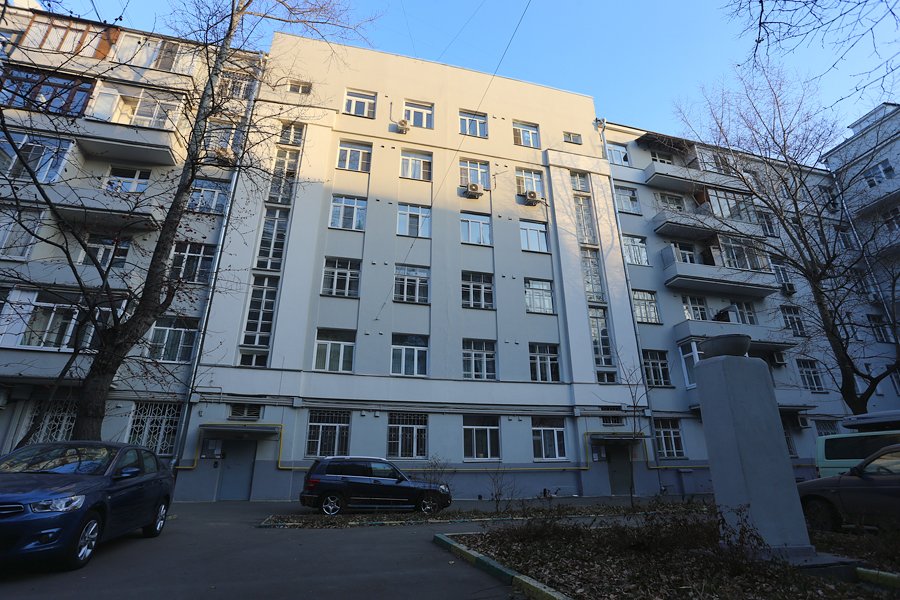
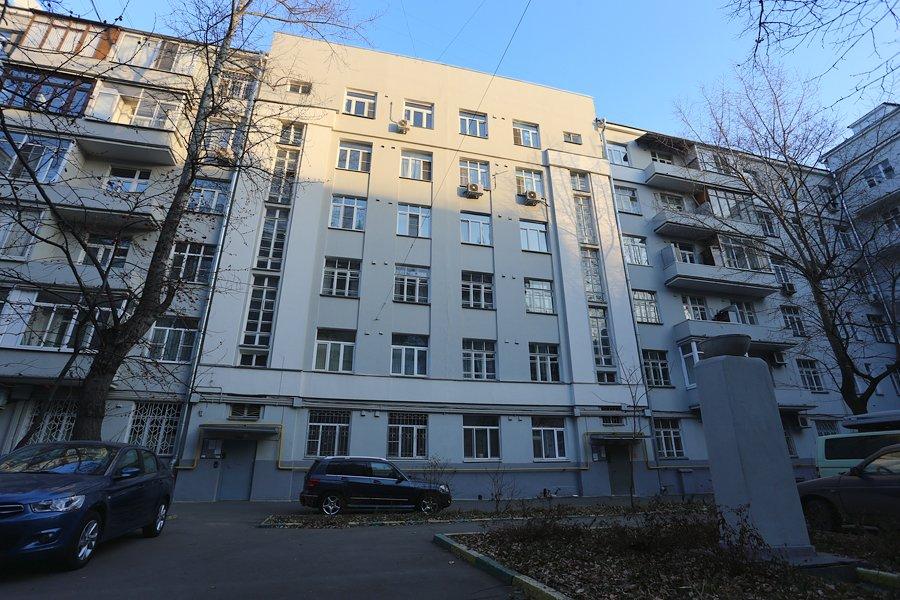
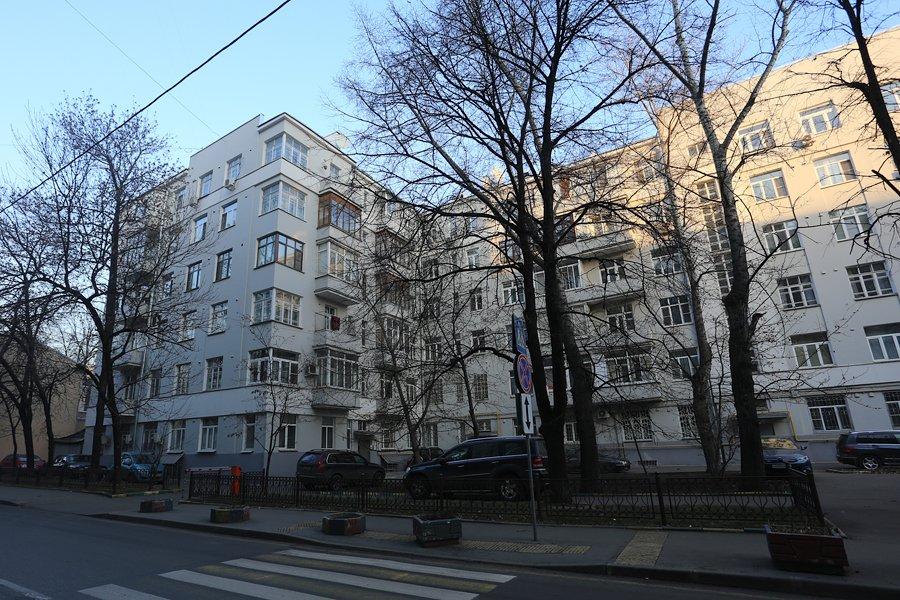
В 1914 году на углу Покровки и переулка находилось владение Родионовых - Александра Николаевича и Марии Ильиничны. В 1890-м году здесь жила семья А.П. Хлебникова, затем владения перешли к семье Баулиных. В 1928 году на этом месте возводится комплекс жилых зданий для кооператива «Военный строитель». Разновысотные дома с перепадом в 6-8 этажей, построенные в стиле конструктивизма, проектировал архитектор К.В. Аполлонов. Также в разработке проекта принимали участие архитектор Н. Якобсон и инженер Д. Бер (часть зданий этого комплекса находится по Чистопрудному бульвару, 12). 

Владельцы и значимые персоны

Некогда в этих строениях размещались редакция газеты «Красная Звезда», а затем и издательство «Финансы и статистика». Однако известен дом совсем не этим.

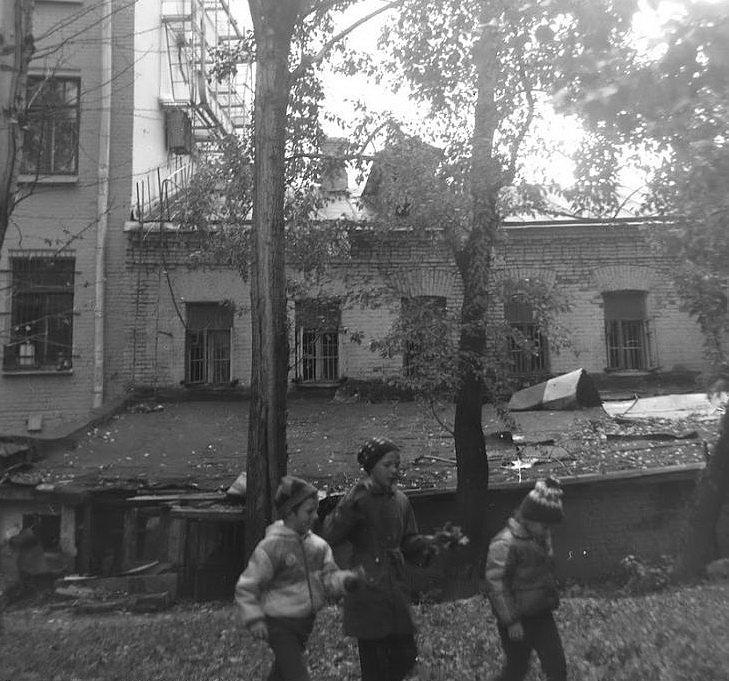
Здесь в угловом доме при самом выезде на Покровку по адресу Потаповский переулок, д. 9/11, кв. 18 жила с матерью, отчимом и двумя детьми Ольга Всеволодовна Ивинская – последняя любовь и муза Бориса Пастернака. Первые посещения этого места Пастернаком описывает дочь Ивинской Ирина Емельянова: «Уже давно до наших детских ушей долетают суровые суждения бабушки о невозможном, немыслимом ни с какой точки зрения романе матери с женатым человеком (“Моих лет!” — восклицает наша бабушка). Для нас не секрет и ее вечерние дежурства на балконе, когда между рядов “хмурых по случаю своего недосыпа” лип нашего двора <…> долго бродят две фигуры — одна из них мать. Прощающиеся уходили во внутренний двор — бабушка перемещалась к другому окну, и все это до тех пор, пока громкий, рокочущий на весь переулок голос Б.Л. — “Посмотрите, какая-то женщина хочет выброситься с шестого этажа!” — не отгонял ее от наблюдательного пункта».

Упомянутое мемуаристкой стихотворение Пастернака «Лето в городе», относящееся к 1953 г., О.В. Ивинская в своих воспоминаниях относит прямо на свой счет — как биографическое описание начинающейся страсти: «Мы встречались почти ежедневно. <…> В то лето особенно буйно цвели липы, бульвары словно пропахли медом. Великолепный “недосып” на рассвете влюбленности нашей — и вот рождаются строчки о вековом недосыпе лип Чистопрудного бульвара».


А на улице жаркая  

Ночь сулит непогоду,  

И расходятся, шаркая,  

По домам пешеходы.  

Гром отрывистый слышится,  

Отдающийся резко,  

И от ветра колышется  

На окне занавеска.  

Наступает безмолвие,  

Но по-прежнему парит,  

И по-прежнему молнии  

В небе шарят и шарят.  

А когда светозарное  

Утро знойное снова  

Сушит лужи бульварные  

После ливня ночного,  

Смотрят хмуро по случаю  

Своего недосыпа  

Вековые, пахучие,  

Неотцветшие липы.


В 1948 г. отношения между Пастернаком и Ивинской были фактически прерваны. 

После возобновления отношения с Ивинской в 1955-м ее почтовый адрес Пастернак дает некоторым своим корреспондентам по конспиративным или деловым соображениям. Ольга Всеволодовна взяла на себя значительную часть издательских дел Пастернака из-за того, что он стал намного реже бывать в Москве, предпочитая основное время проводить на даче. Через руки Ивинской проходила часть переписки Пастернака, связанной с романом «Доктор Живаго». Иногда Пастернак просил Ивинскую отправлять с Почтамта его письма, что исполнялось не всегда аккуратно. После скандала, разразившегося из-за вручения Пастернаку Нобелевской премии в октябре 1958 г., квартира Ивинской стала «штабом», в котором собирались друзья и единомышленники опального писателя, выдумывающие разнообразные способы его спасения. Именно отсюда вышли два «покаянных письма Пастернака» Н.С.Хрущеву и в редакцию газеты «Правда», в составлении которых он не принимал личного участия, но которые был вынужден подписать, чего потом бесконечно стыдился. 

Дом, где жила Ивинская, уже в наше время упомянут в романе Людмилы Улицкой «Зеленый шатер», герои которого преимущественно живут в Потаповском переулке. Улицкая пишет: «И рядом, в трех минутах ходу, был Потаповский переулок, по которому еще ходила немолодая обрюзгшая женщина, последняя любовь Пастернака, отсидевшая срок за эту любовь, и ее дочка, тоже отсидевшая за причастность и осведомленность, бегала в ту же булочную, в тот же овощной, что и Миха. Встречая их на улице, он шептал Алене в ухо: вот Ивинская, вот Ира Емельянова, она тоже нашу школу кончала».
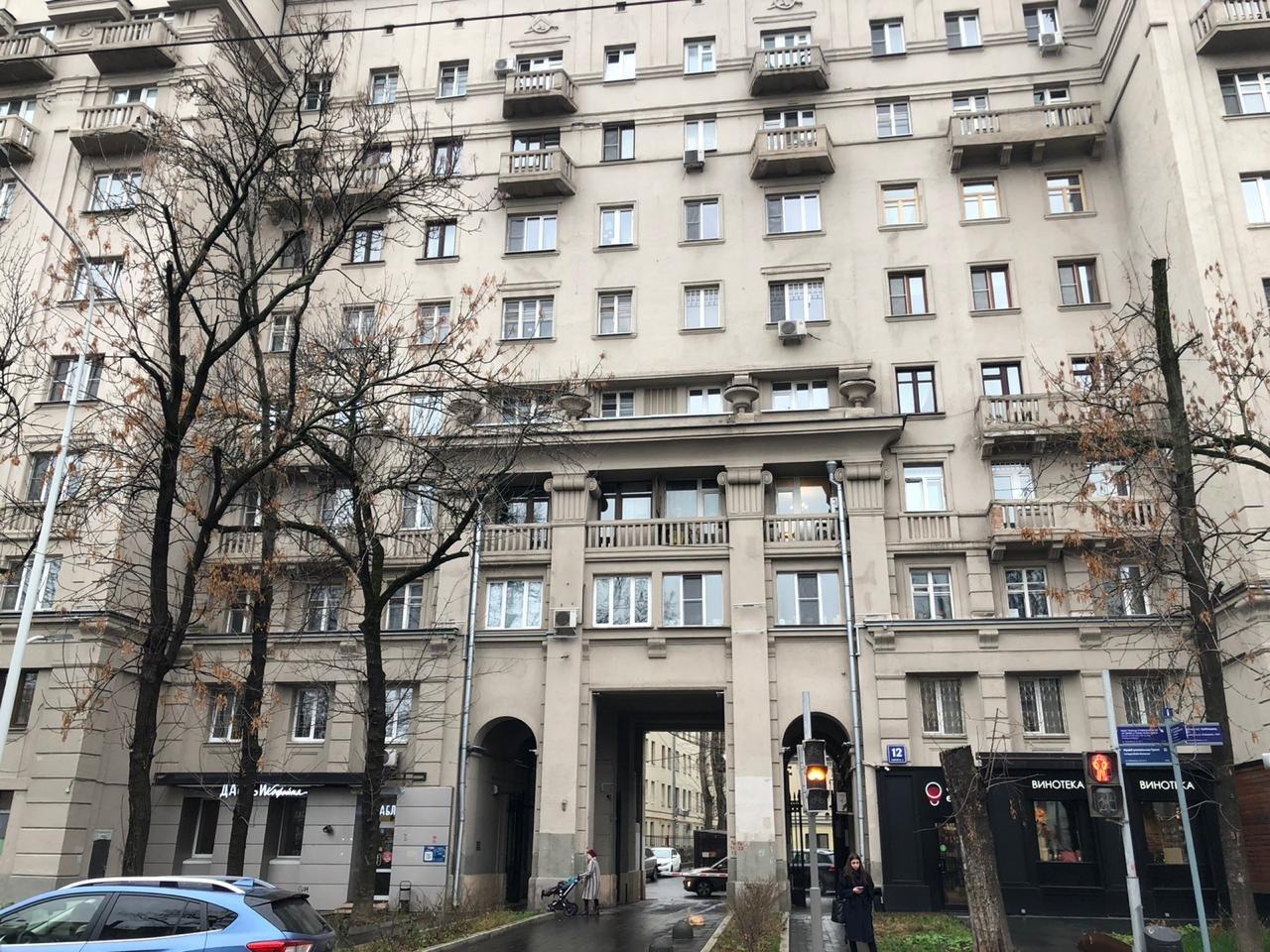
Before the revolution, Potapov lane was named “Big Assumption lane”, after the baroque church of the Assumption of Our Lady, which was built here by serf architect Peter Potapov, at the end of the XVII century. Ironically, the lane was renamed in honor of the Potapov in 1922, and the temple was demolished in 1935-1936. The Property of Alexander Nikolaevich and Mariya Ilinichna Rodionovs was located at the corner of Pokrovka street and the lane in 1914. In 1890 A.P. Khlebnikov’s family lived there, then the property moved to the Baulins’ family. In 1928, the complex of residential buildings for “military constructor” cooperative was built on the site. Architect K. Apollonov designed a set of Variable-height buildings of 6-8 floors built in the constructivism style. Architect and engineer N. Jacobson and engineer D. Baer were also involved in the project development. Part of the complex buildings was located on 12 Chistoprudny Boulevard. Once these buildings housed the "Red Star" newspaper and then "Finance and Statistics" publishing house. However, the house known for something else. Olga Vsevolodovna Ivinskaia - last love and muse of Boris Pasternak lived here in the corner house at the very exit Pokrovka Street at 9/11Potapovsky lane, apartment 18. She lived with her mother, stepfather and two children. Irina Emelyanov, the daughter of Ivinskaya described the first visit of Pasternak here as following: "Harsh judgments of our grandmother were heard by kids for a long time. She said that the affair of the mother with the married man of grandmother’s age this is impossible and unthinkable situation from any point of view. For us, kids, it was not a secret and watch the evening on the balcony, when the series between the " gloomy on the occasion of his lack of sleep " limes our yard <... > wandered two figures - one of them is our mother. The “farewellers” went into the courtyard - my grandmother moved to another window, and all of this for as long as the loud, rumbling voice of Boris Leonidovich - "Look, a woman wants to be thrown from the sixth floor!" - Do not chase her away from her vantage point. " O. Ivinskaia in her memoirs, relates the poem "Summer in the City", referring to the 1953 directly to her account as a biographical description of incipient passion : "We met almost daily. <... > Particularly riotous blooming of linden avenues smelled like honey that summer. Magnificent " lack of sleep " at the dawn of our love - and that's born a century-old line about not getting enough sleep limes Chistoprudny Boulevard. " While the humid, muggy night Insinuates a storm, All the passersby outside Quickly scatter home. And the thunder can be heard now. There, resounding, it rings. By the widow-frame, the curtain, In the crosswinds, swings. All is silent, all is hushed now And it’s humid all the while, And the lightning’s golden flashes Are still groping in the skyline… But the sunrise will ensue With a breaking light, so stifling, And dry the puddled avenues, From the downpours and lightning. You will see a look still stagnant, From the lack of sleep, sedate, On those age-old, on those fragrant Limes that simply will not fade. Relations between Pasternak and Ivinskaya were actually stopped in 1948. However Ivinskaya was arrested in 1949, and Pasternak used to visit and support the family at Potapovskiy financially. "Here he is sitting at our large table covered with oilcloth old, one of the remaining two small rooms (grandmother have rented the mother's room) not taking off his coat, a long, black, which went to the last days, and in black astrakhan furhat, even then not new. <... > The ritual noisy kiss goodbye, slams the door, B.L. quickly - so he ran to the end of his days - down the stairs ", - recalls Irina Emelyanov. After the return of Ivinskaya from Stalin’s camps in 1953 and the resumption of relationships with her in 1955, Pasternak gave some of his correspondents her postal address on secrecy or some other business reasons. Olga Vsevolodovna took over a large part of the publishing affairs Pasternak, because he was coming to Moscow not that often preferring to spend most of the time at his summer house outside the city. Ivinskaya passed Pasternak’s messages through associated with the novel "Doctor Zhivago." Sometimes Pasternak was asking Ivinskaya to mail his letter to someone from the Centarl Post Office, which was not always accurately executed. After the scandal was connected to the Nobel Prize award to Pasternak the in October 1958, Ivinskaya’s apartment became a "headquarters ", where friends and associates of disgraced writer gathered and invented various of ways to save him. This is the place where two "Pasternak letters of repentance" came out to N.S. Khrushchev and to the editor of the newspaper "Pravda" in the drafting of which he was not personally involved, but was forced to sign, which then infinitely ashamed of KGB almost immediately began to visit Ivinskaya’s apartment after the death of Pasternak. At first they were interested in remaining manuscripts of Pasternak and then they have started to conduct searches. Ivinskaya was arrested again in a few months after the death of Pasternak, in August 1960, and was sentenced to eight years imprisonment. Her daughter I.Emelyanova went along with it to the camp. Later their terms were reduced by half. The house where Ivinskaia lived, is mentioned in the novel, Ludmila Ulitskoj "Green Tent" in our times. Characters of the novel mainly live in Potapovskiy alley. Ulitskaja writes: "And there, in the course of three minutes, was Potapov lane in which even went flabby middle-aged woman, the last love of Pasternak, who served time for that love, and her daughter, too, had served for his involvement and awareness, ran into the same bakery, the same vegetable store as Micah. In case of popping at them on the street, he whispered in Alyona’s ear: Here is Ivinskaia, here is her daughter, Ira Emelyanov, she also graduated from our school. "
Поделитесь статьей с друзьями
Интересное рядом(3)
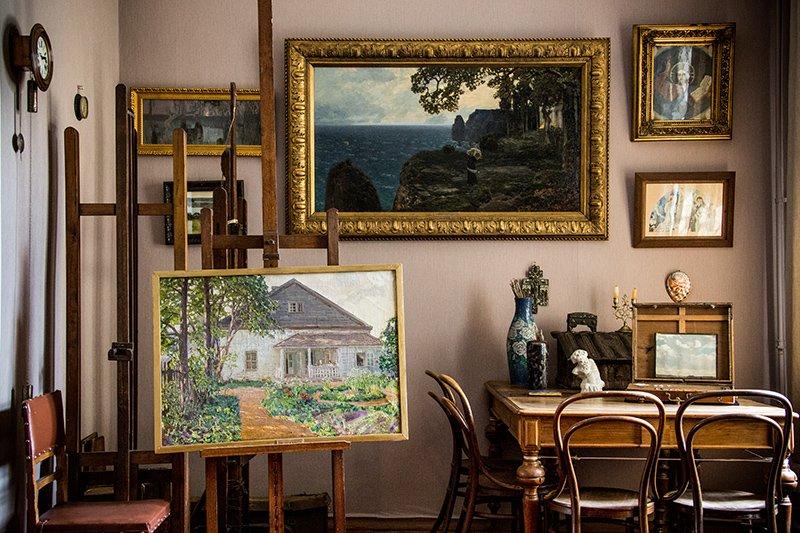
A. M. Vasnetsov Museum-apartmentThe memorial museum-apartment of the academician of painting A. M. Vasnetsov is a department of the State Tretyakov Gallery All-Russian Museum Association. It is located in Moscow, in Furmanny Lane, 6, in apartment №21–22, on the third floor of a four-story building. The house was built in the early twentieth century. From 1903 to 1933, a great Russian artist, Moscow historian A. M. Vasnetsov, who made a significant contribution to the history of the city and Russian art, lived, worked and died in this house. The formation of the museum and its collection took place over many years: from the moment the idea of organizing the museum in 1956 to its full implementation in 1997 began. In 1956, it was 100 years since the birth of Apollinaris Mikhailovich Vasnetsov. The Moscow public petitioned the RSFSR Ministry of Culture to re-create its home workshop. On December 13, 1957, the Decision of the Moscow City Executive Committee "On the reconstruction of the artist's memorial workshop" was made. The city authorities have provided enormous assistance in resolving this issue. In 1960, thanks to the efforts of the artist's son Vsevolod Apollinrievich and his wife Ekaterina Konstantinovna Vasnetsov, a memorial workshop was opened to the public, in which the artist had been working for the past 15 years. In 1965, the Vasnetsovs transferred the large rooms to the museum exposition, while they themselves moved into the small ones. In 1986, by order of the USSR Ministry of Culture, the museum of A. M. Vasnetsov became part of the State Tretyakov Gallery All-Russian Museum Association.The artist’s son and daughter-in-law decided to bequeath a collection of paintings, graphics, artistic furniture, a family archive, a library and household items of the late nineteenth and early twentieth centuries to the state after his death. In 1997, under the will of E.K. Vasnetsova, all her property and apartment became the property of the State Tretyakov Gallery. Currently, the collection of the museum has about 8,5 thousand items. In 2003, a new exposition of the museum was opened, which introduces visitors to the home workshop, the memorial furnishings of the late nineteenth and early twentieth centuries, as well as the multi-faceted artistic work of Apollinarii Vasnetsov.
Moscow, Furmanny lane, 6
Chistye_prudy
Чистопрудный бул., 23, стр. 1
Pasternak B. L.
поэт