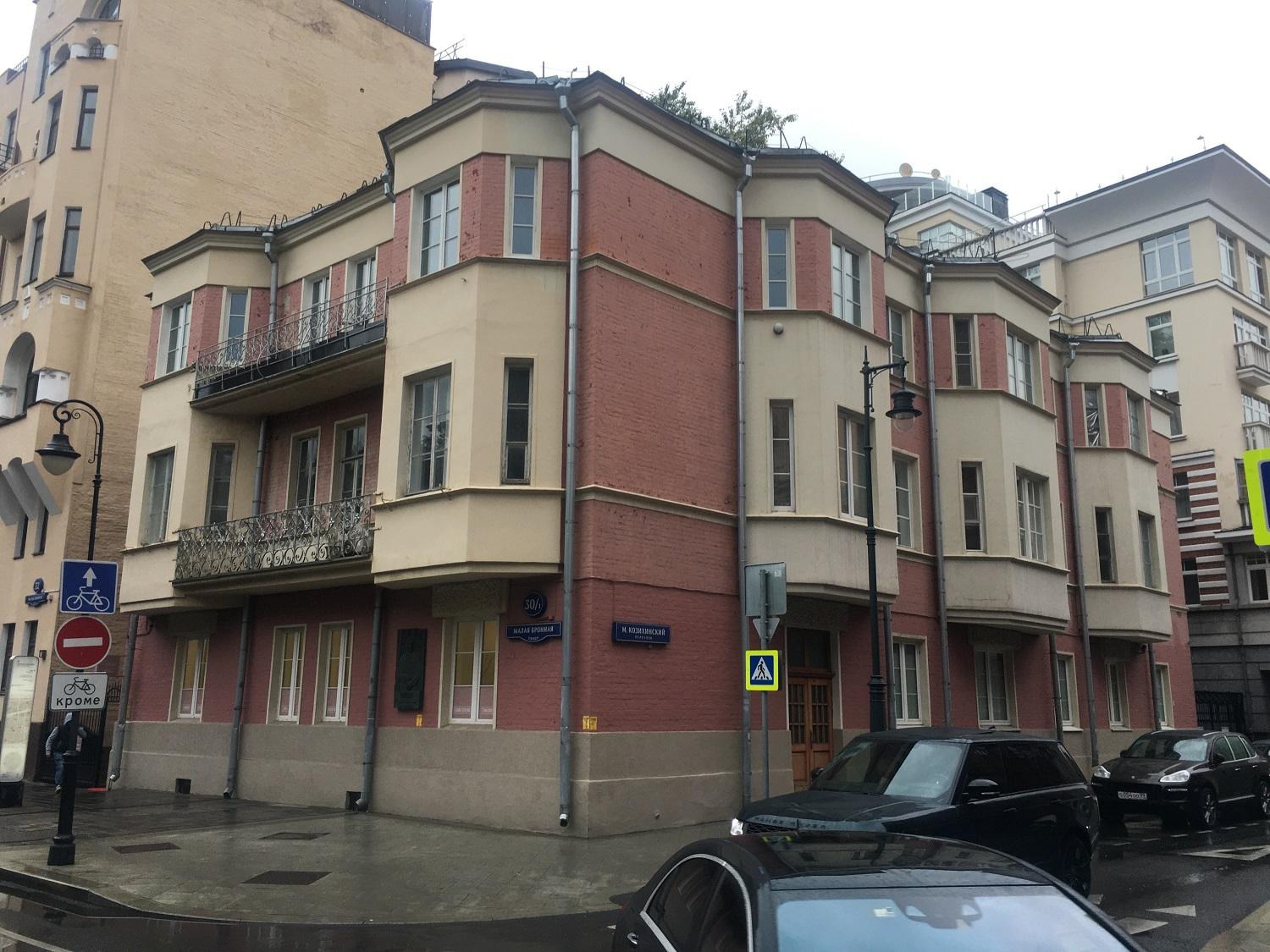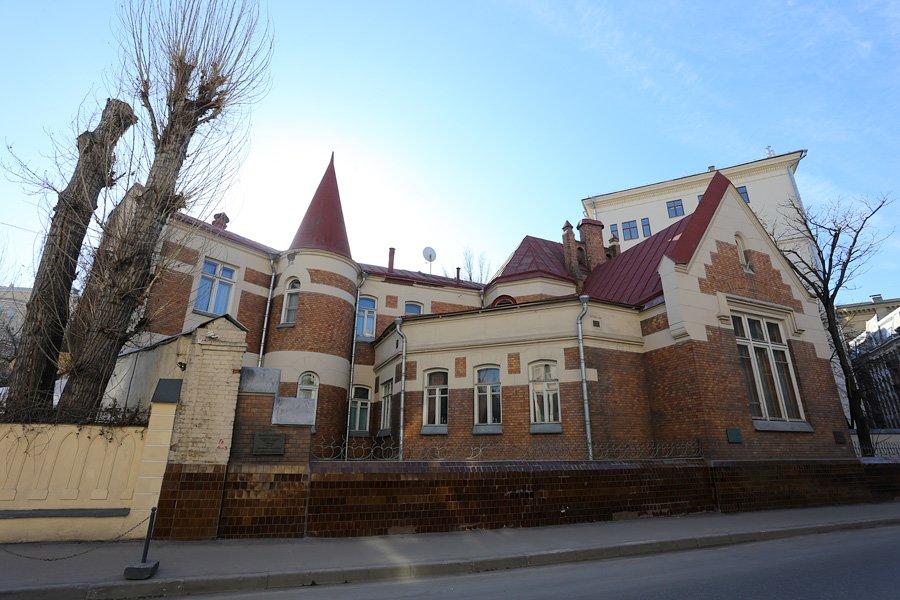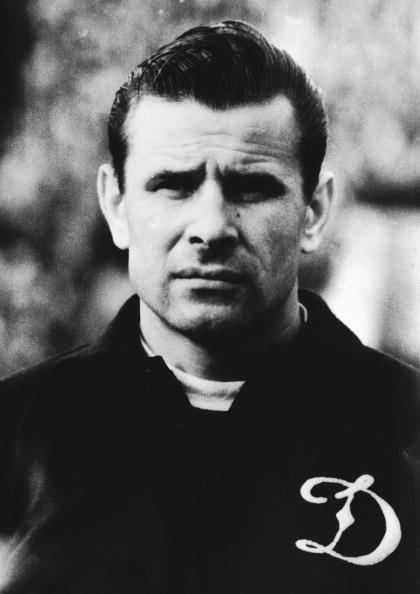
В начале XVIII в. здесь был пустырь. Его выкупили Огаревы и застроили каменными палатами. До Отечественной войны 1812 г. это были владения князя И.Г. Гагарина.
В конце 1850-х участок купила семья Левенсонов. Известный в Москве доктор А. Левенсон открыл в своем доме в 1880-х гг. «Поликлинику детских и женских болезней».
Одно из помещений в доме на углу он сдал А. Звереву для устройства трактира. В дни аукционов в залах собирались сухаревские торговцы, скупавшие задешево дорогие товары, на которые удалось сбить цену.
В 1881 г. в здании по переулку открылась первая типография А. Левенсона. Поначалу это было совсем небольшое предприятие, в котором в 1884 г. была напечатана первая книга рассказов Чехова «Сказки Мельпомены».
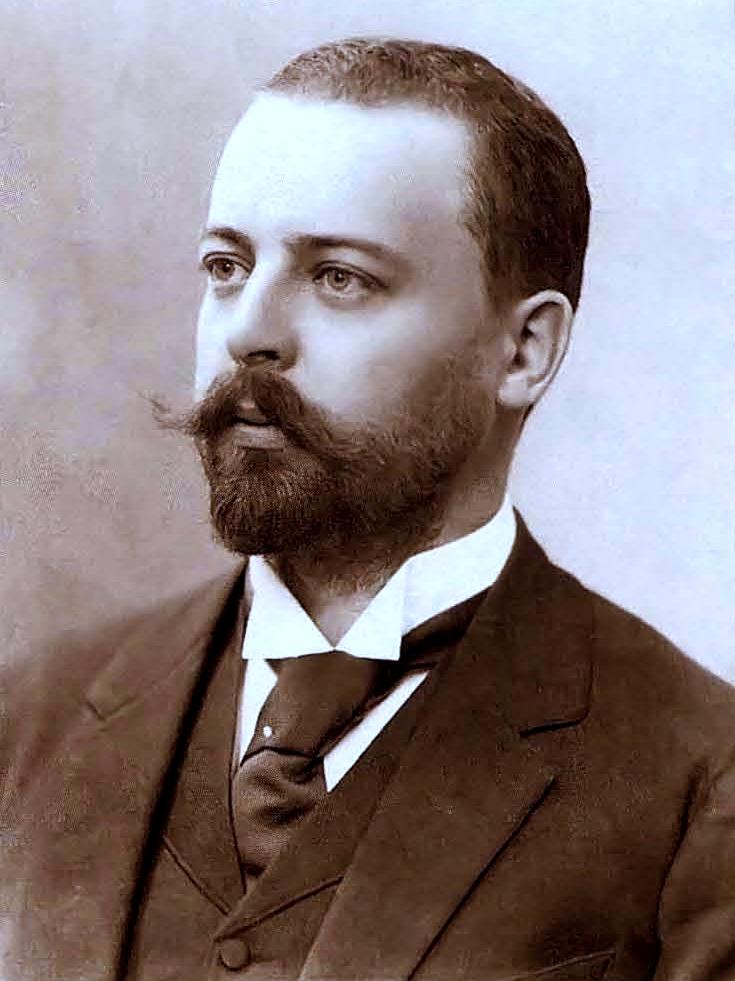
Изменением фасада и ремонтом дома занимался в 1890 г. архитектор Ф. Шехтель.
В начале 1900, когда дом уже принадлежал Грачеву, в нем находились меблированные комнаты «Надежда». Здесь жил историк Москвы Н. Бочаров, автор книг «Москва и москвичи. Историко-статические очерки». Он работал в редакции «Русского слова», разместившейся на месте трактира Зверева.
В 1920-х в Москве развернулось кооперативное строительство. На месте доходных домов, флигелей усадеб и хозяйственных строений появлялись многоэтажные дома в стиле конструктивизма, которые строили предприятия или профсоюзы для своих сотрудников.
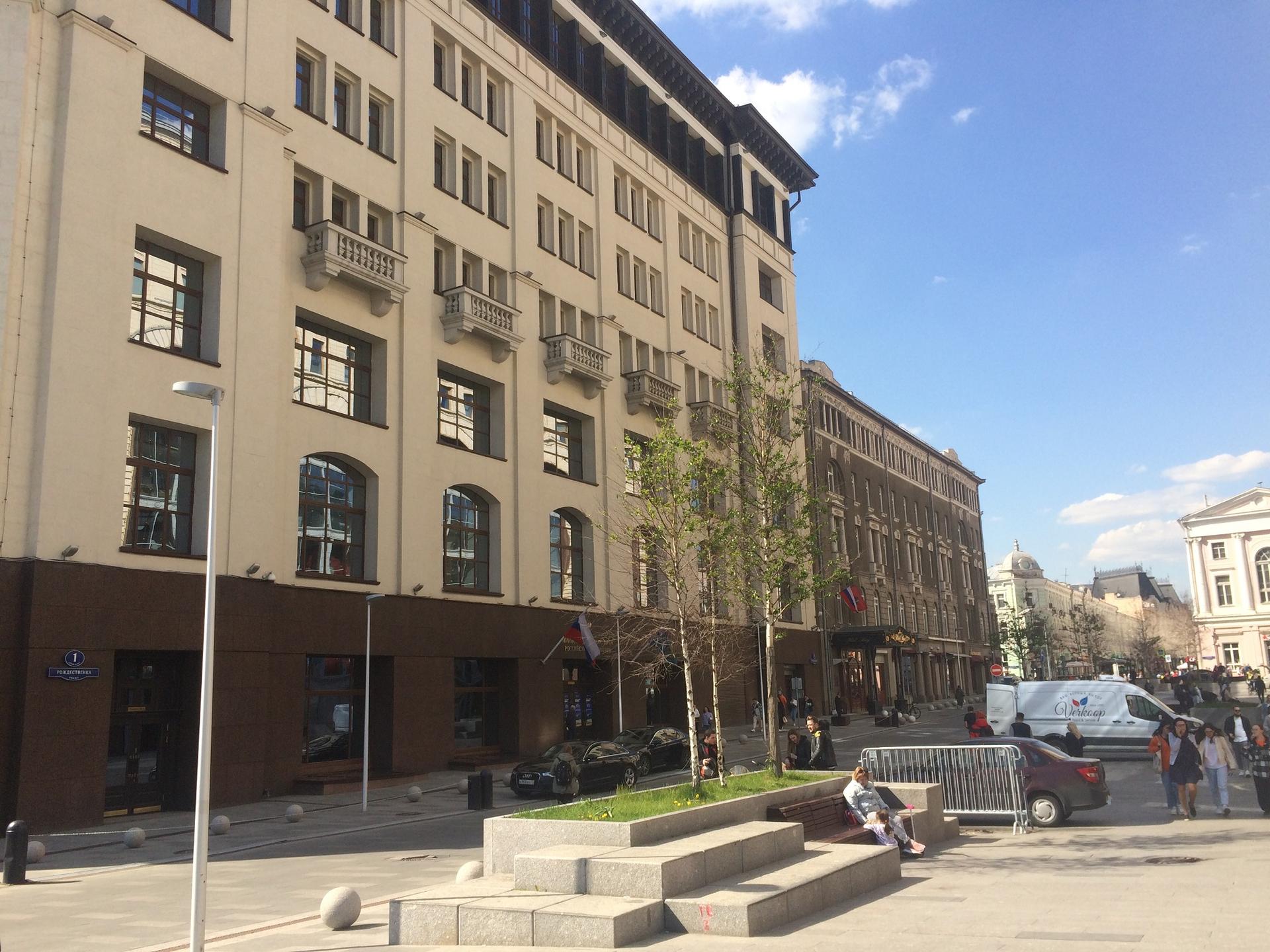
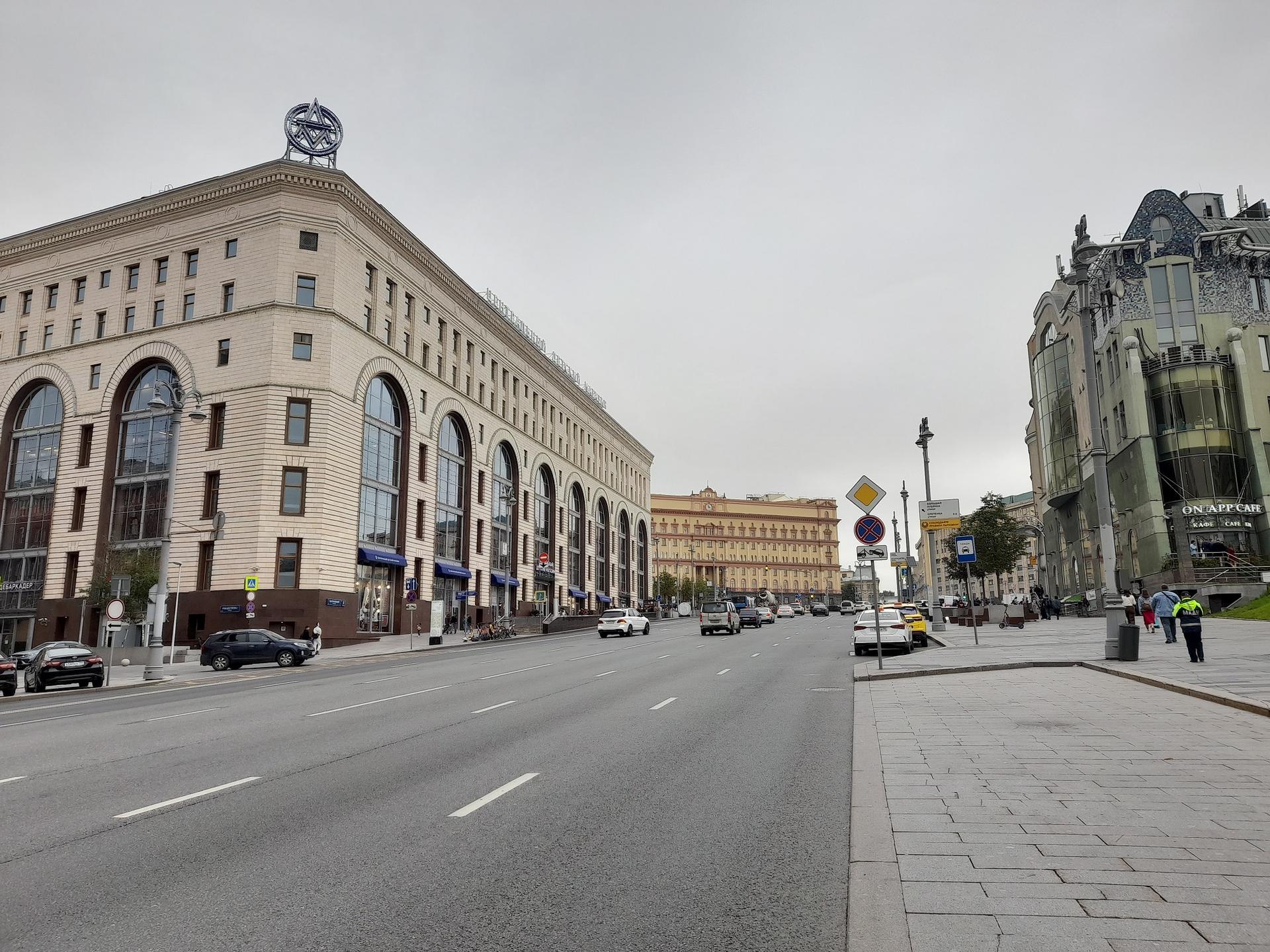
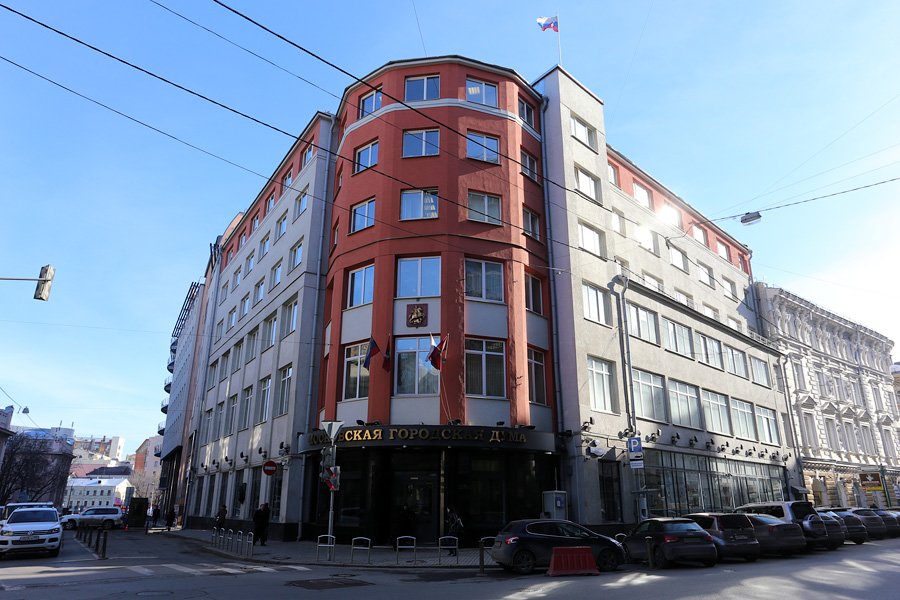
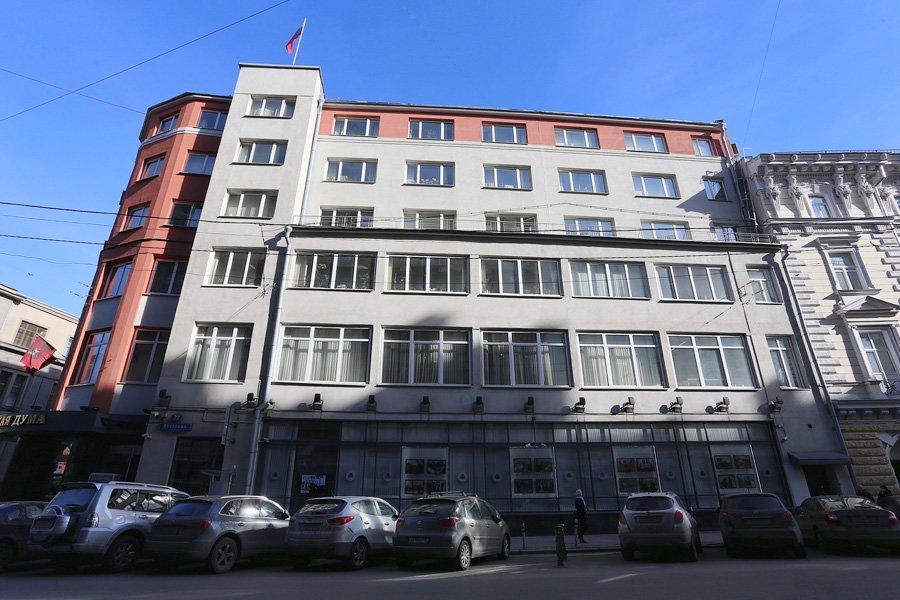
Угол Петровки и Рахмановского переулка застроил кооператив «Жиркость». Новый шестиэтажный дом заселили сотрудники парфюмерного предприятия «Новая заря». Именно эта фабрика, основанная французом А. Брокаром, после национализации получила название Трест «Жиркость», а во времена НЭПа стала компанией «ТеЖе».
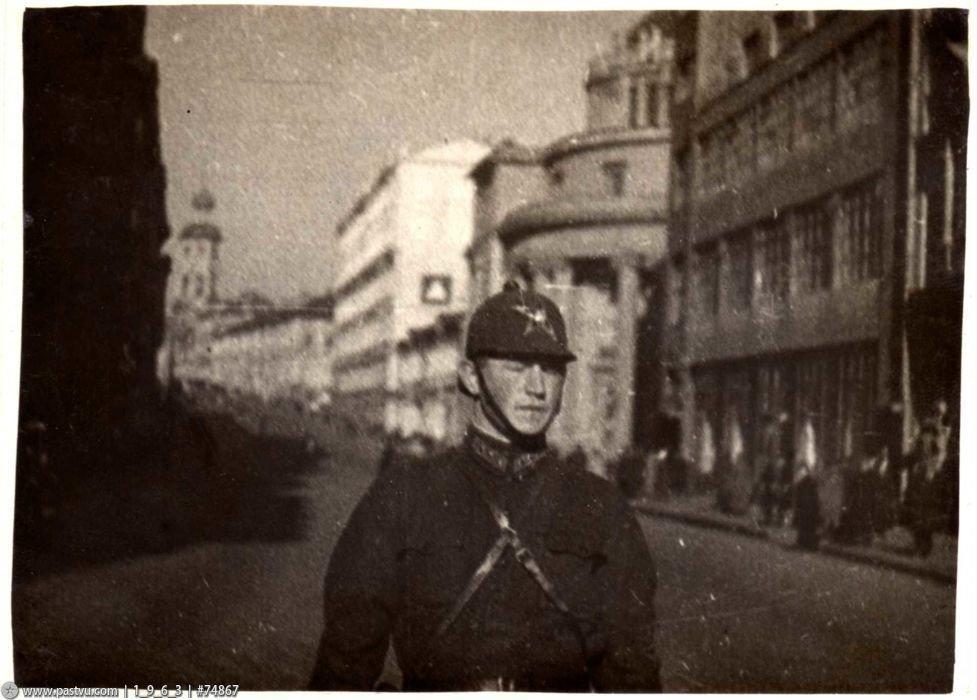
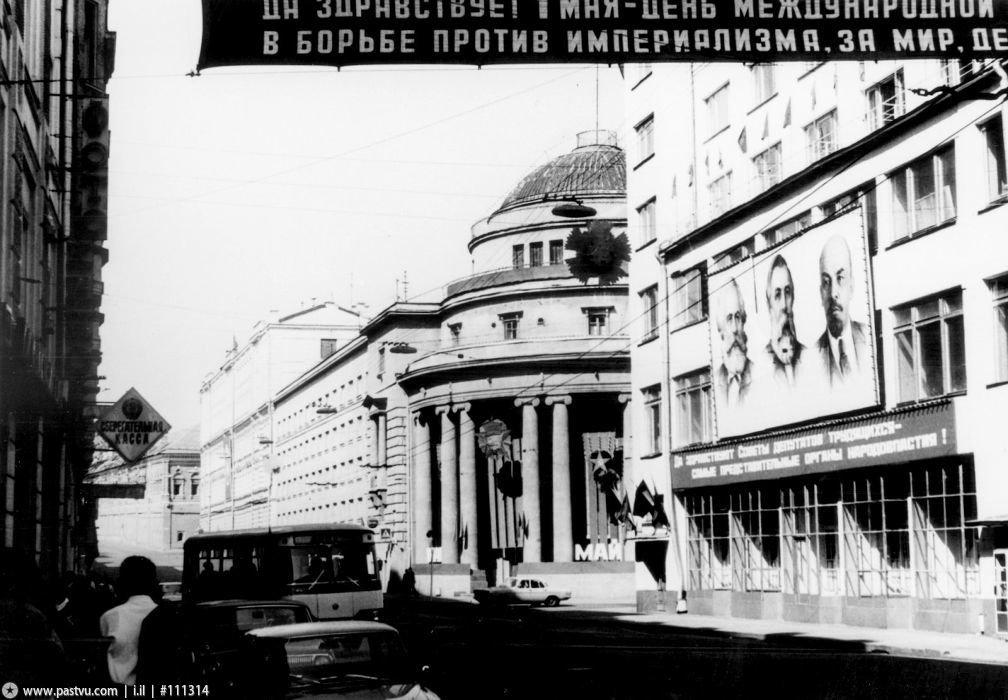
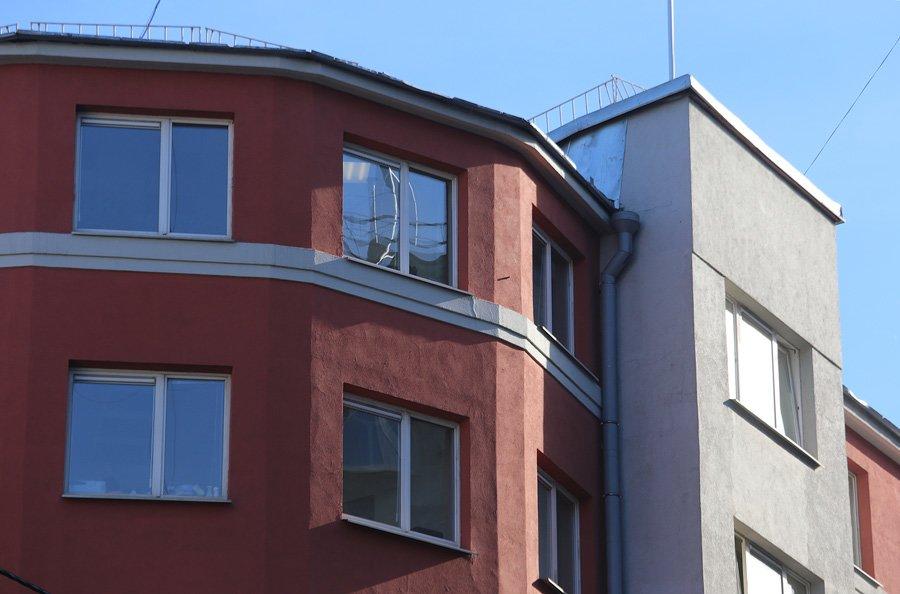
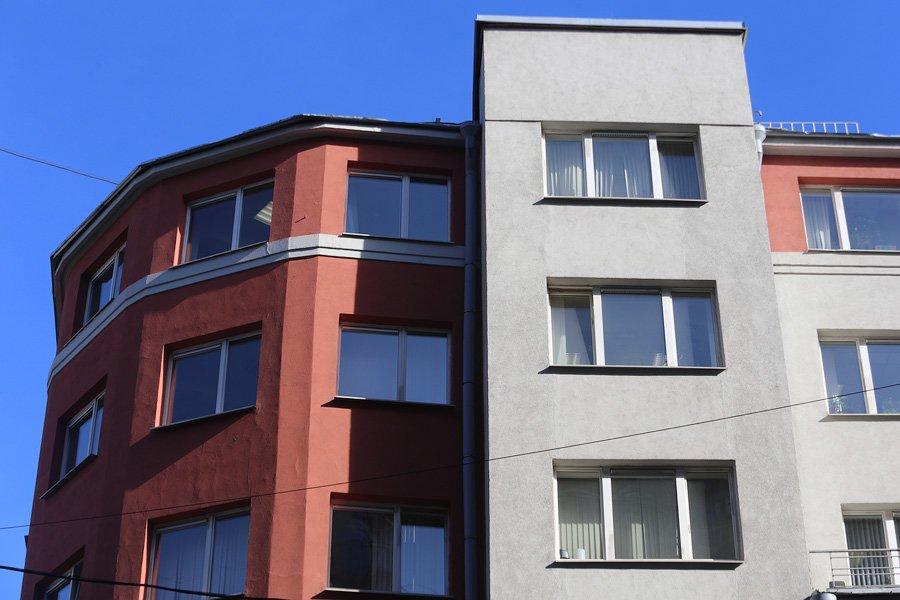
Строительство здания по проекту П. Кучнистова закончилось в 1928 г. Всматриваясь в его силуэт, можно предположить, что архитектор включил в него более ранние строения. Первые три этажа фасада, выходящего на Петровку, образуют выступ, по всей длине которого идет балкон четвертого этажа. Граненая угловая часть напоминает классические ротонды, которые архитекторы любили еще в XVIII в.
В 1992 г. на стене дома был установлен барельеф в память об актере А. Миронове. Семья Мироновых-Менакер жила здесь с 1940 по 1972 г. «Уютнейшая квартирка, но с чертовщиной, как у Булгакова», – описывал их квартиру сценарист А. Червинский.
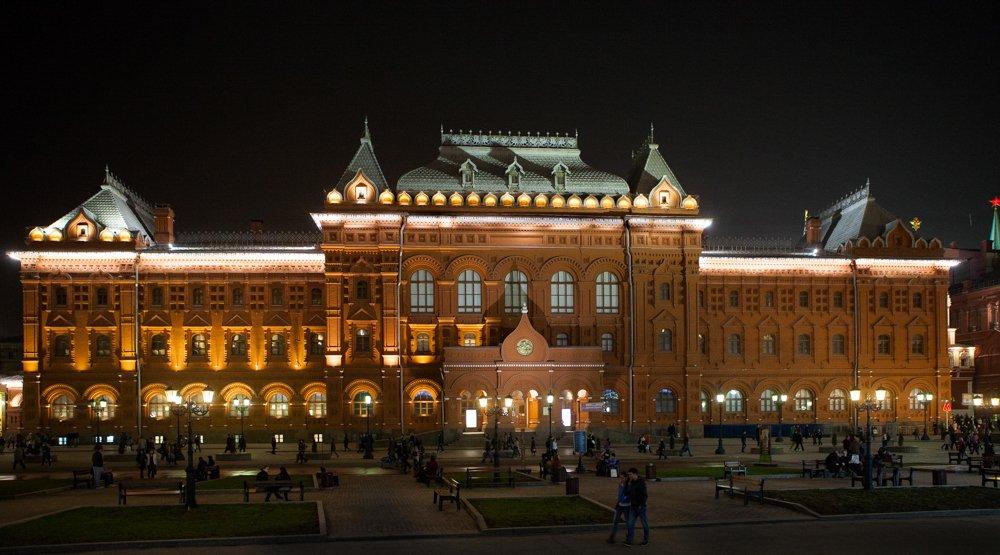
До конца 2015 года здание бывшего парфюмерного кооператива занимала Московская городская дума.
Levenson’s family bought the plot in the late 1850s. Dr. A. Levenson opened "Health Center for Children and women's diseases" in his house in the 1880s.
One of the rooms on the corner of the house he rented out to A. Zverev to open a restaurant there. Suharevska traders gathered in this restaurant on auction days to buy discounted goods.
The first print house of A. Levenson opened in the building In 1881. At first it was quite a small company. It published the first book of short stories by Chekhov "Tales of Melpomene" in 1884.
Façade of the building was changed and renovated by architect F. Shekhtel in 1890.
In the early 1900s, when the house was already owned by Grachev, furnished rooms “Nadezda” opened here. A.N. Bocharov, famous Moscow historian, the author of "Moscow and Muscovites. Historical and static essays" rented a room in the building. He worked in the "Russian word" editorial house that opened instead of the Zverevs restaurant.
Cooperative buildings construction started in Moscow in 1920. Multistory buildings in the constructivism style appeared instead of tenements, estates’ wings and commercial buildings. Cooperatives were built by companies or trade unions for their employees and members.
The corner of Petrovka and Rakhmanovskiy lane was built up by the cooperative "Zhirkost". The new six-story house was occupied by employees of the perfumery enterprise "New Dawn". It was this factory, founded by the Frenchman A. Brokar, after the nationalization was called the Trust "Fatness", and during the NEP (New economic policy) time became the "Tezh" company.
Construction of the building by the project of architect P. Kuchnistov was completed in 1928. Looking at his silhouette, we can assume that the architect was included in the earlier existing structure into the new building. Three first floor of the facade facing Petrovka street form a protrusion along the entire length of the building. The protrusion is the base for the fourth floor long balcony. Faceted angular part resembles classical rotunda that was widely used by architects yet in the XVIII century.
Bas-relief in memory of the actor A. Mironov was installed on the wall of the house in 1992. Mironov- Menaker family lived here from 1940 to 1972. A. Czerwinski, the screenwriter and a friend of the family described the apartment as "cozy, but devilry as at the books of Bulgakov".
The former perfume cooperative building is currently occupied by the Moscow City Duma.