Интерактивный гид по городу
С мобильным приложением бродить по городу гораздо интереснее!

10, 2nd Obydenskiy lane

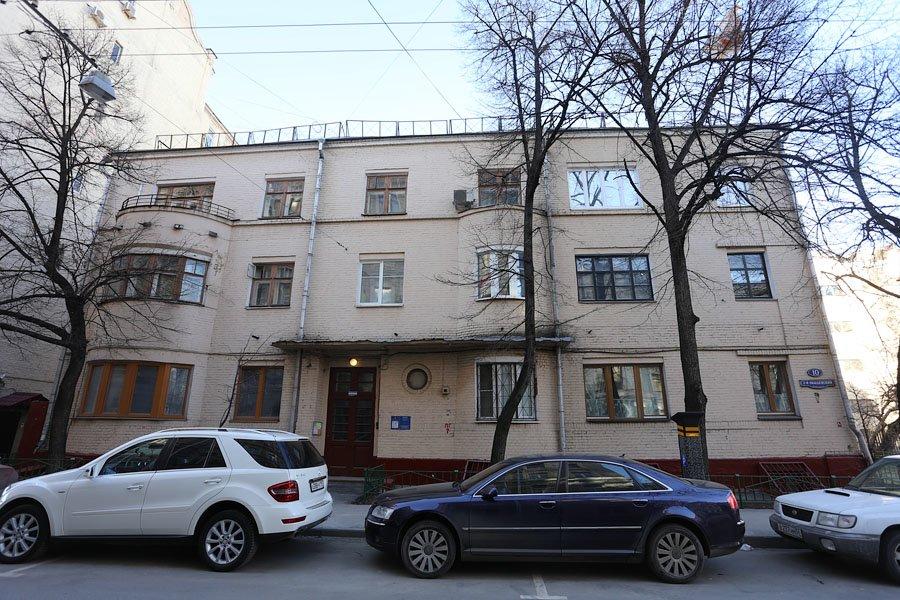
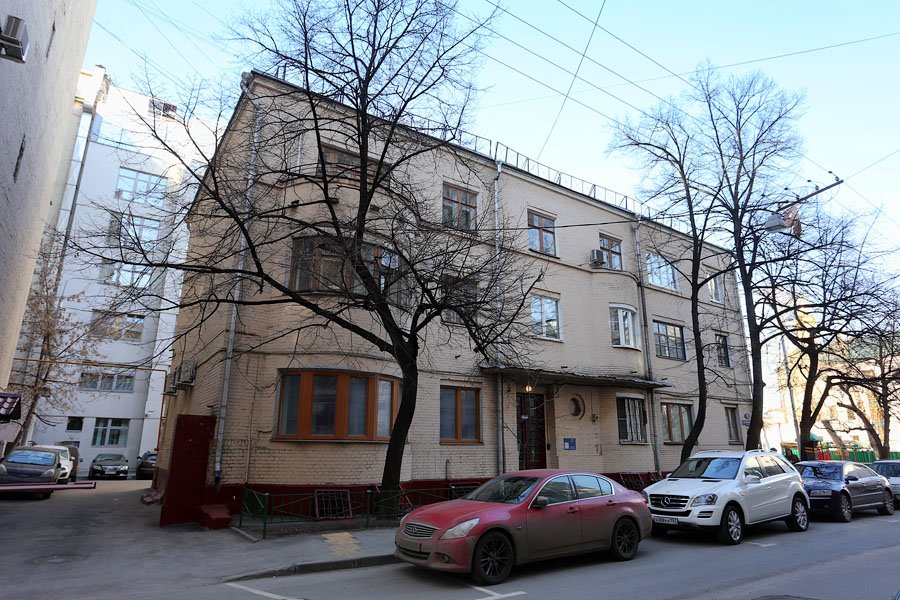
This is a typical Moscow cooperative house of the New Economic Policy period.

10, 2nd Obydenskiy lane
This is a typical Moscow cooperative house of the New Economic Policy period.
3.96
Вы можете воспользоваться QR-кодом, чтобы открыть эту страницу в нашем приложении
Архитектурный стиль:
Годы постройки:
1926-1927
Архитекторы:
В.Н. Семенов
Эпоха:
1920s
Информация о здании

Затерянный внутри высокоплотной предреволюционной доходной застройки, этот дом во 2-м Обыденском переулке выглядит почти частным особняком.

Здание было построено в 1926-1927 годах кооперативом, куда входил виднейший русский градостроитель, разработчик Сталинского генерального плана Москвы Владимир Николаевич Семенов. Он спроектировал небольшой двухсекционный трехэтажный дом, в котором на третьем этаже поселился и сам.

Здание стоит в промежутке между каменными доходными домами и совсем на них не похоже. Заняв территорию бывшей деревянной застройки, дом в стиле авангард отступает от красной линии переулка, как это стало принято в архитектуре конструктивизма и загибается вглубь двора. Асимметричный Г-образный план — дань не только моде, но и эффективное использование площади участка, заслоняемого от солнца более высокими домами. В отличие от предыдущей эпохи, здание не пытается «окружить» двор-колодец неприступной стеной, а наоборот, свободно размещается посреди участка — подобно особняку или дому в городах-садах, которые проектировал Семенов.

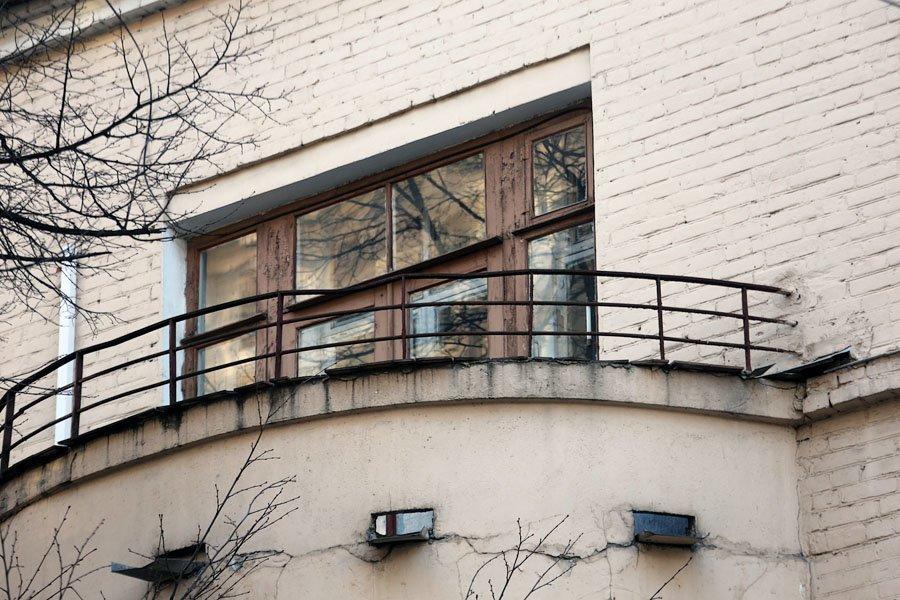
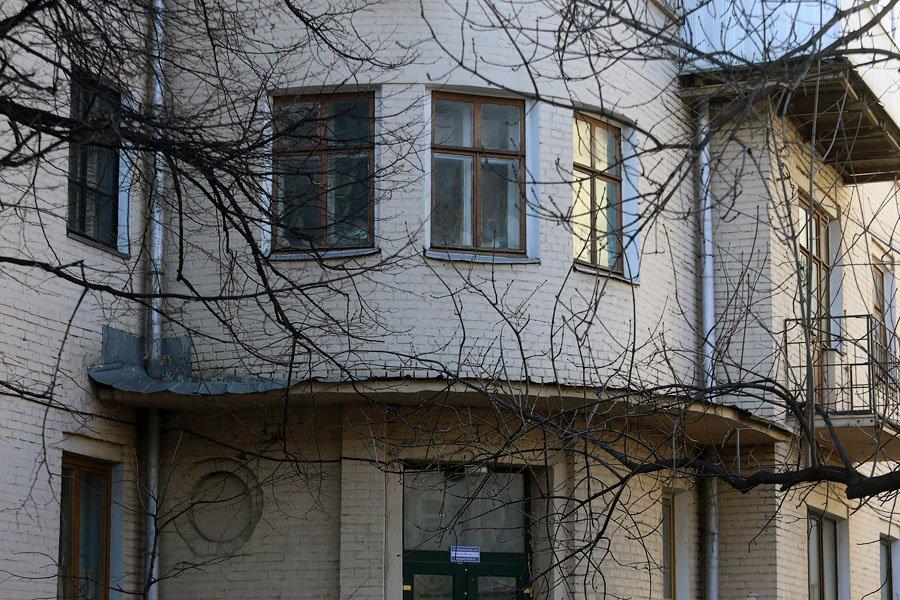
Убранство здания чрезвычайно скромное — он составлен из двух секций, перпендикулярных друг другу, и на фасадах выделяются только круглые окна и сильно выступающие эркеры с панорамными окнами гостиных комнат. Красный кирпич не был оштукатурен и впоследствии окрашен унылой московской бежевой краской.

Многие оконные рамы заменили, но в одном из двух подъездов ещё сохранились деревянные входные двери.
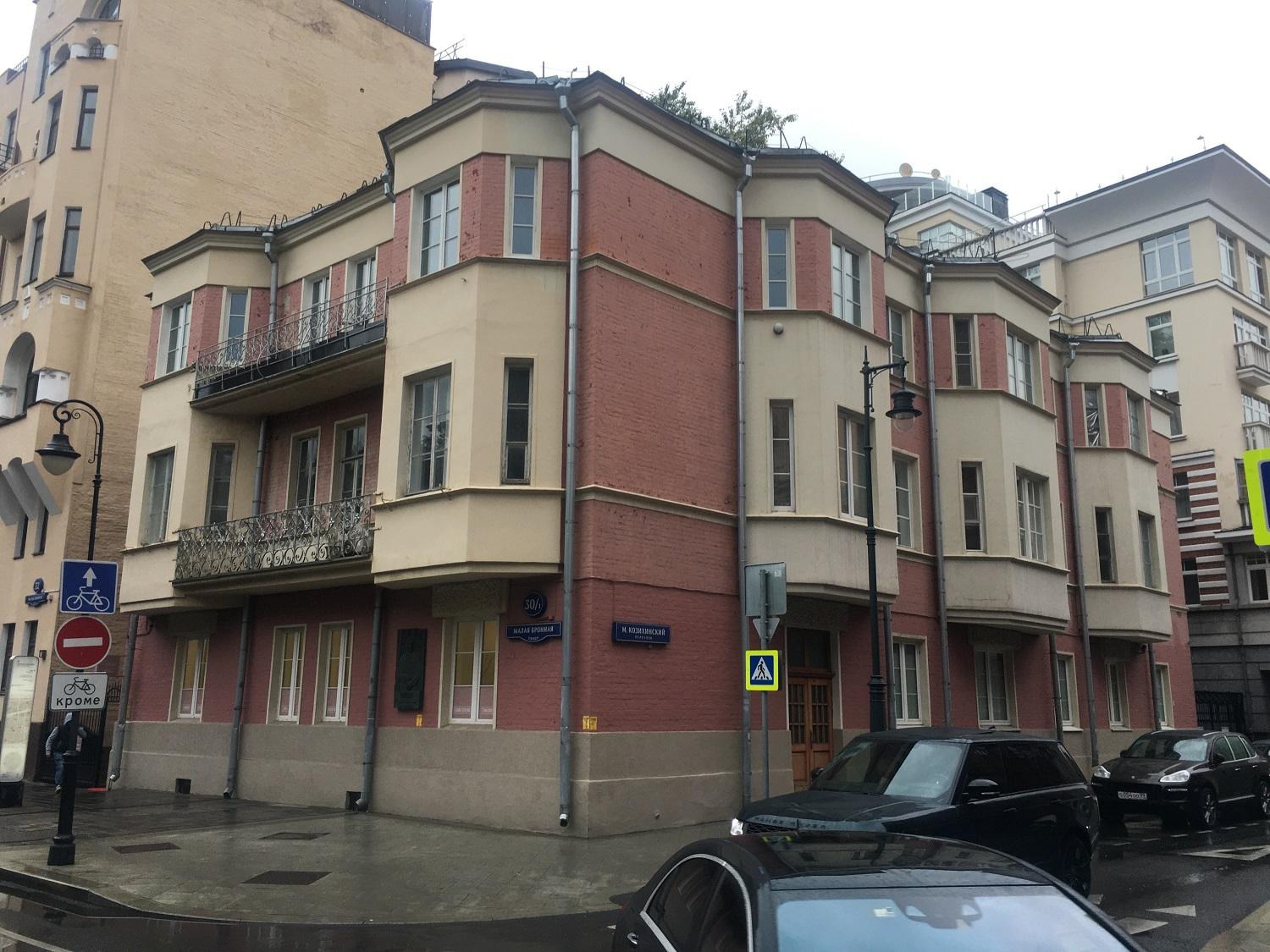
This is a typical Moscow cooperative house of the New Economic Policy period. Lost in the high-density pre-revolutionary apartment buildings, this house in the 2nd Obydensky lane looks almost like a private mansion. The house was built by the cooperative, which included Vladimir Semenov, the prominent Russian city planner, developer of Stalin's general plan of Moscow in the mid-1920s. He designed a small two-piece three-storey 12-apartment building. He lived on the third floor of the building. The building stands in the gap between stone apartment buildings and looks quite different. Occupying the territory of the former wooden houses, the building retreats from the red line of the Lane, as has become customary in the architecture of constructivism, and curled into the yard. Asymmetric L-shaped plan was not only a tribute to the current fashion, but also efficient use of land area, obscured from the sun by tall buildings. Unlike the previous era, the building was not trying to "encircle" the yard with impregnable wall, but rather loosely placed in the midst of the site, just like garden mansions which Semenov designed previously. The decoration of the building is extremely modest: it was composed of two sections, perpendicular to each other, and only round windows and strongly protruding bay windows with panoramic windows of living rooms were distinguished on the facades. Red brick was not plastered and was painted with dull beige Moscow paint afterwards. Many windows were replaced, but wooden doors still preserved in one of two entrances.
Автор статьи: Николай Васильев
Рекомендации
Зеленоград. 40-й километр Ленинградского шоссе
Petrovsko-Razumovskaya, Tushinskaya, Khovrino, Rechnoj vokzal, Pyatnickoe shosse, Belomorskaya