Интерактивный гид по городу
С мобильным приложением бродить по городу гораздо интереснее!

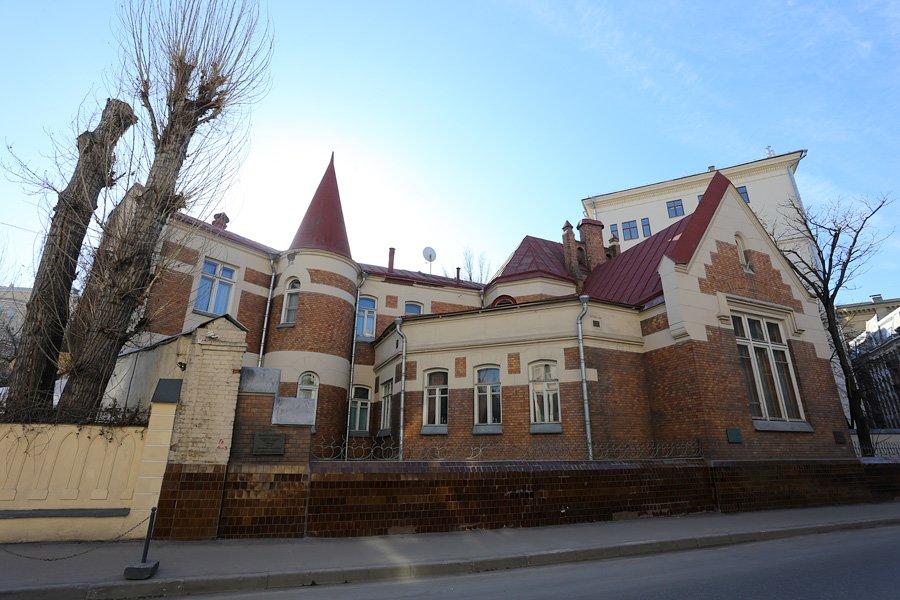
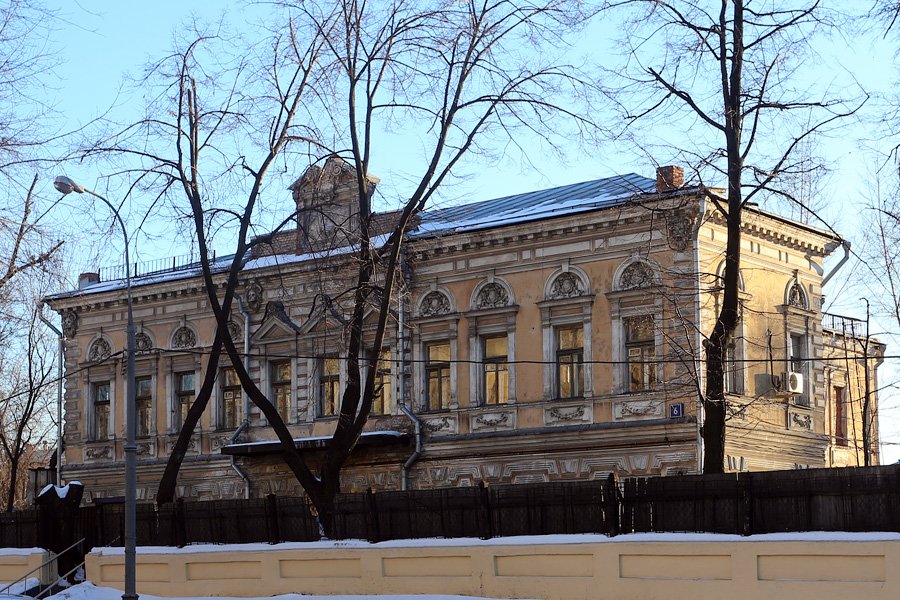
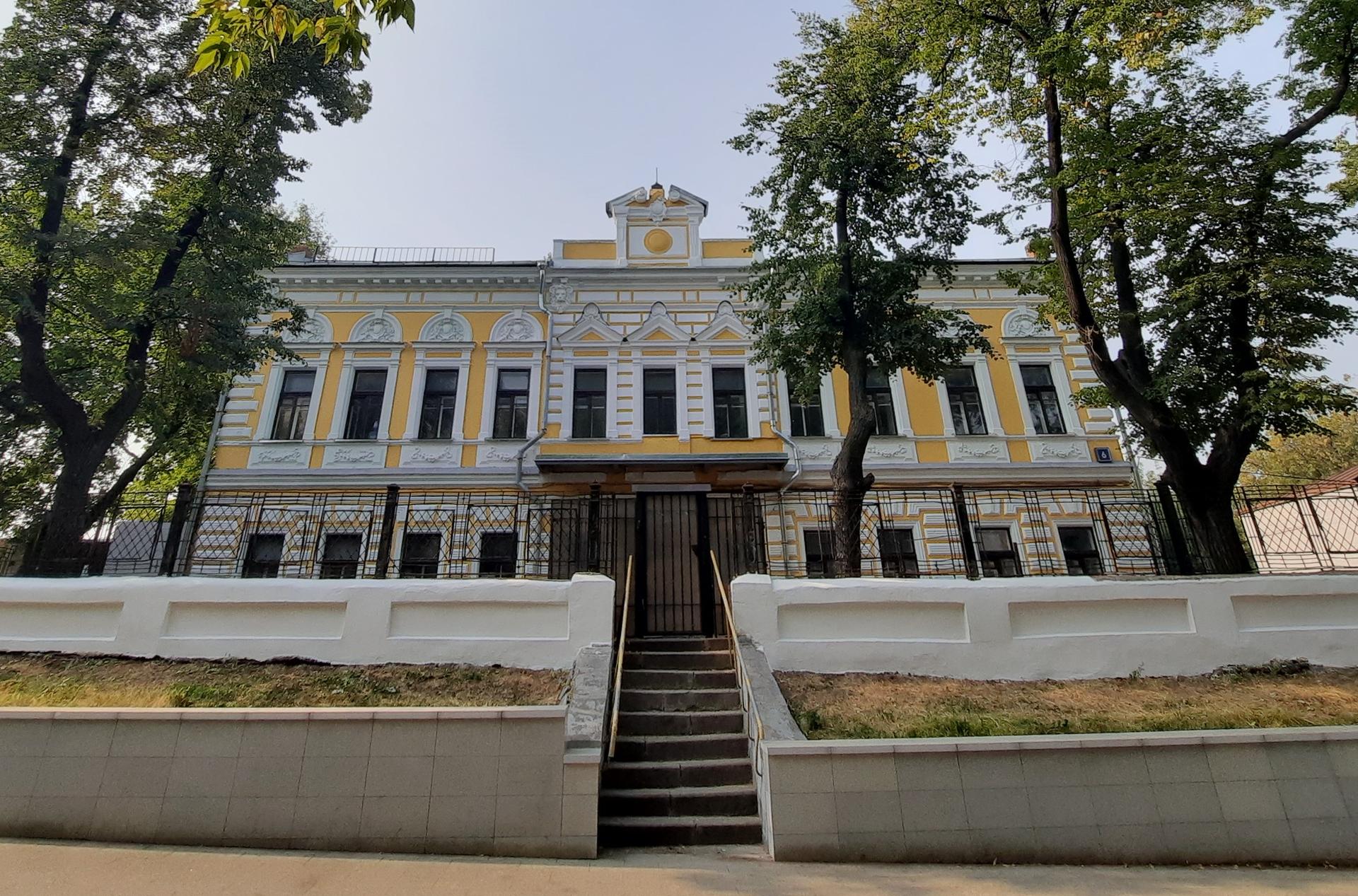
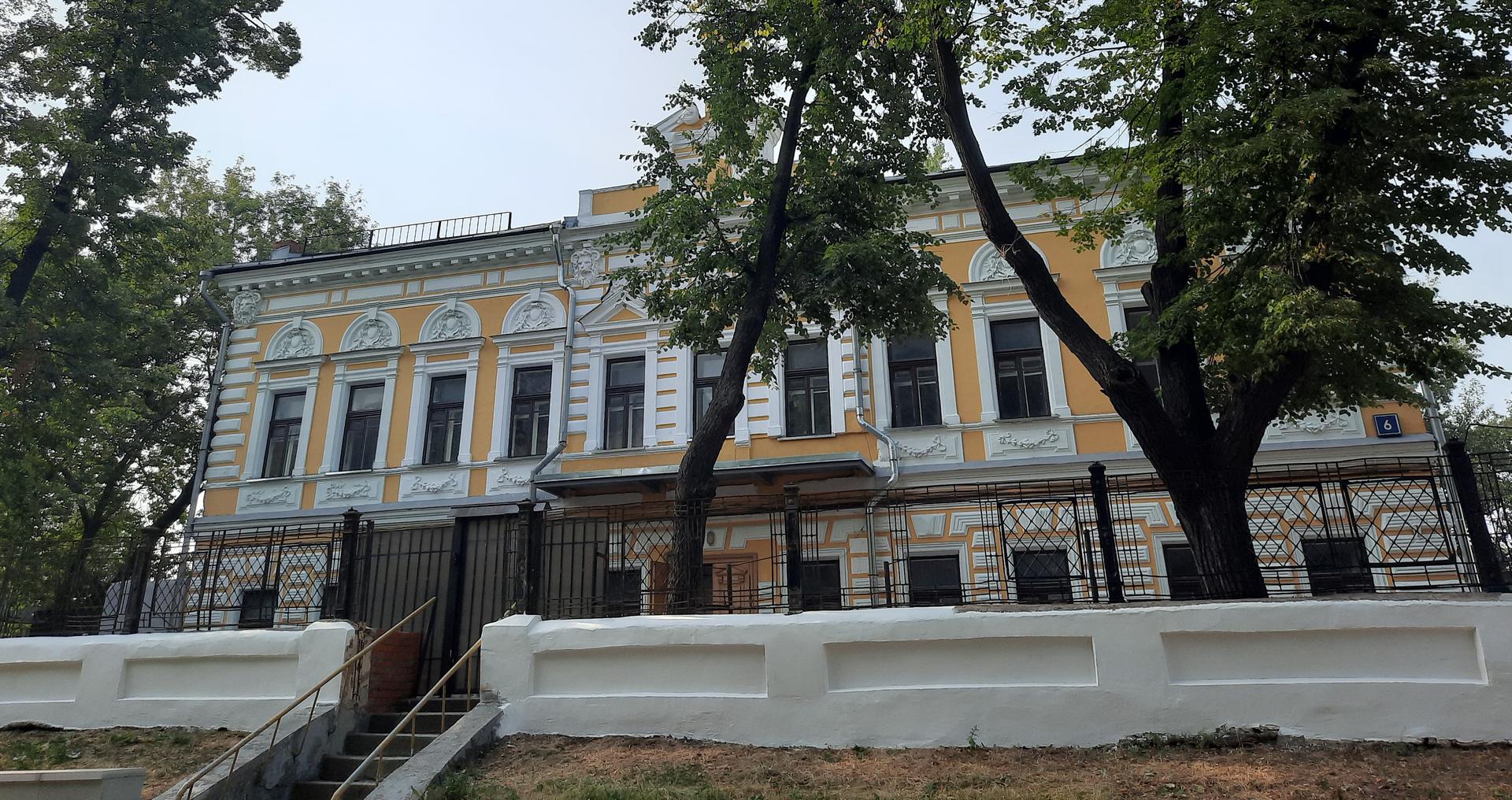
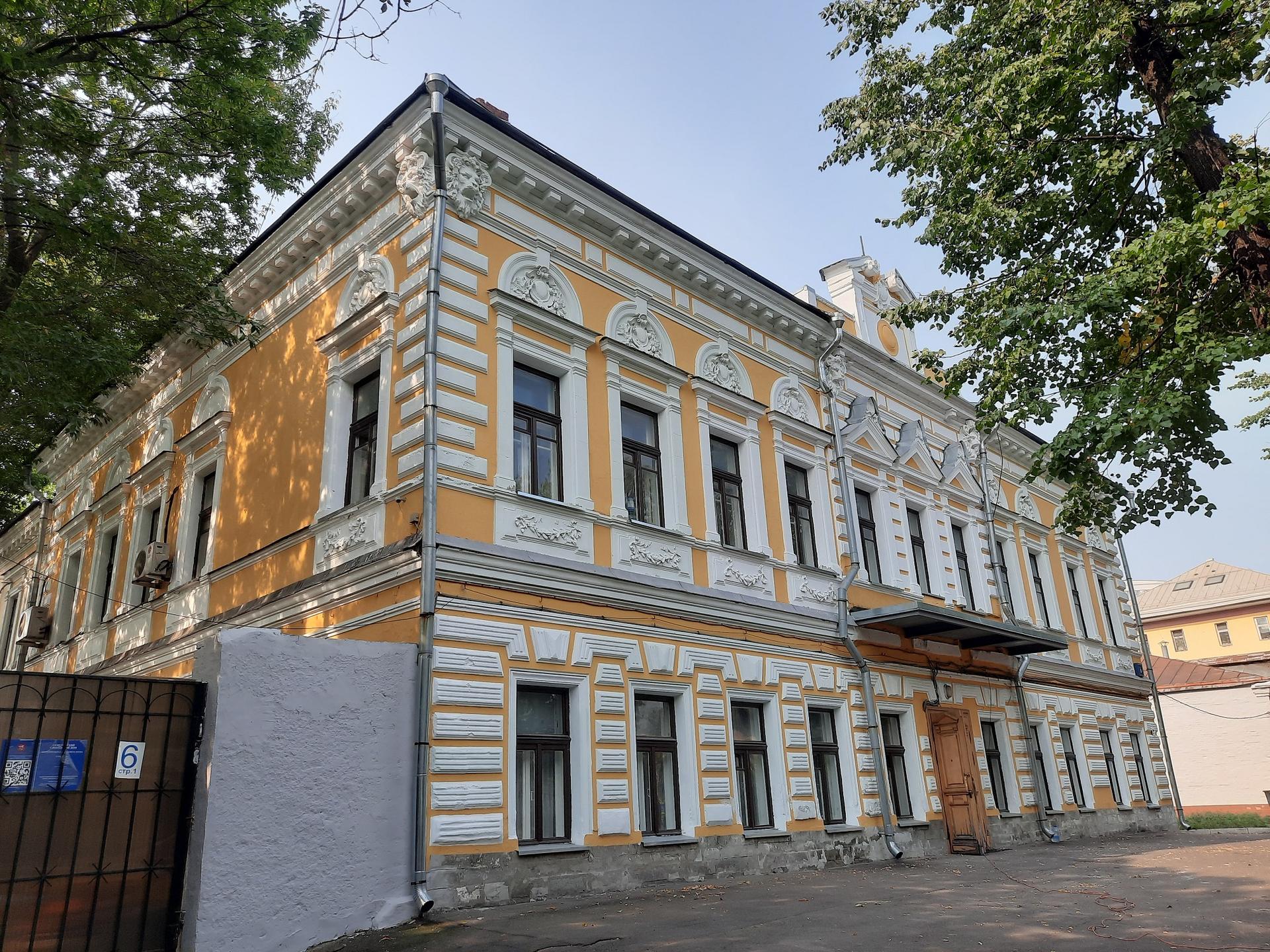
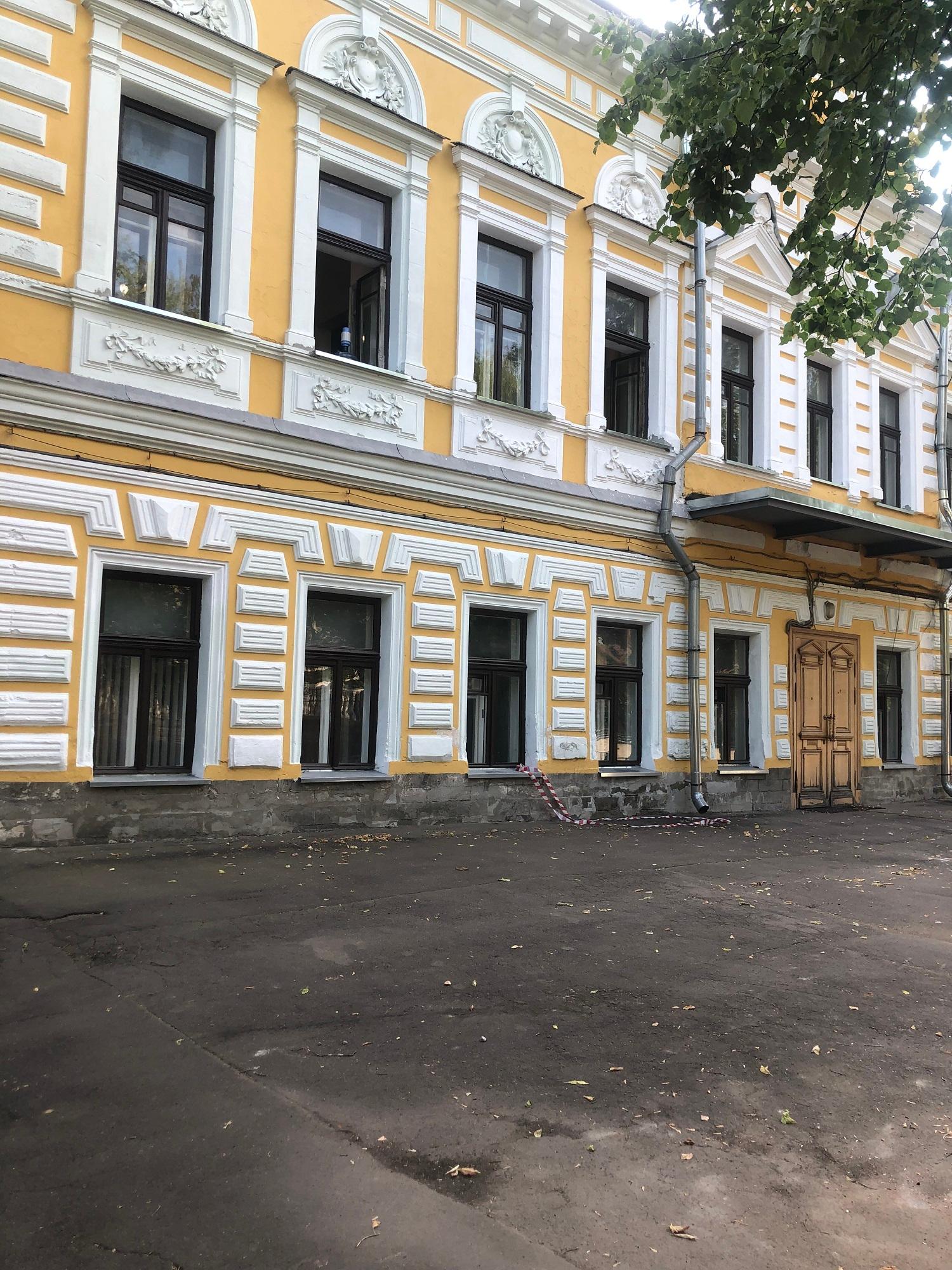
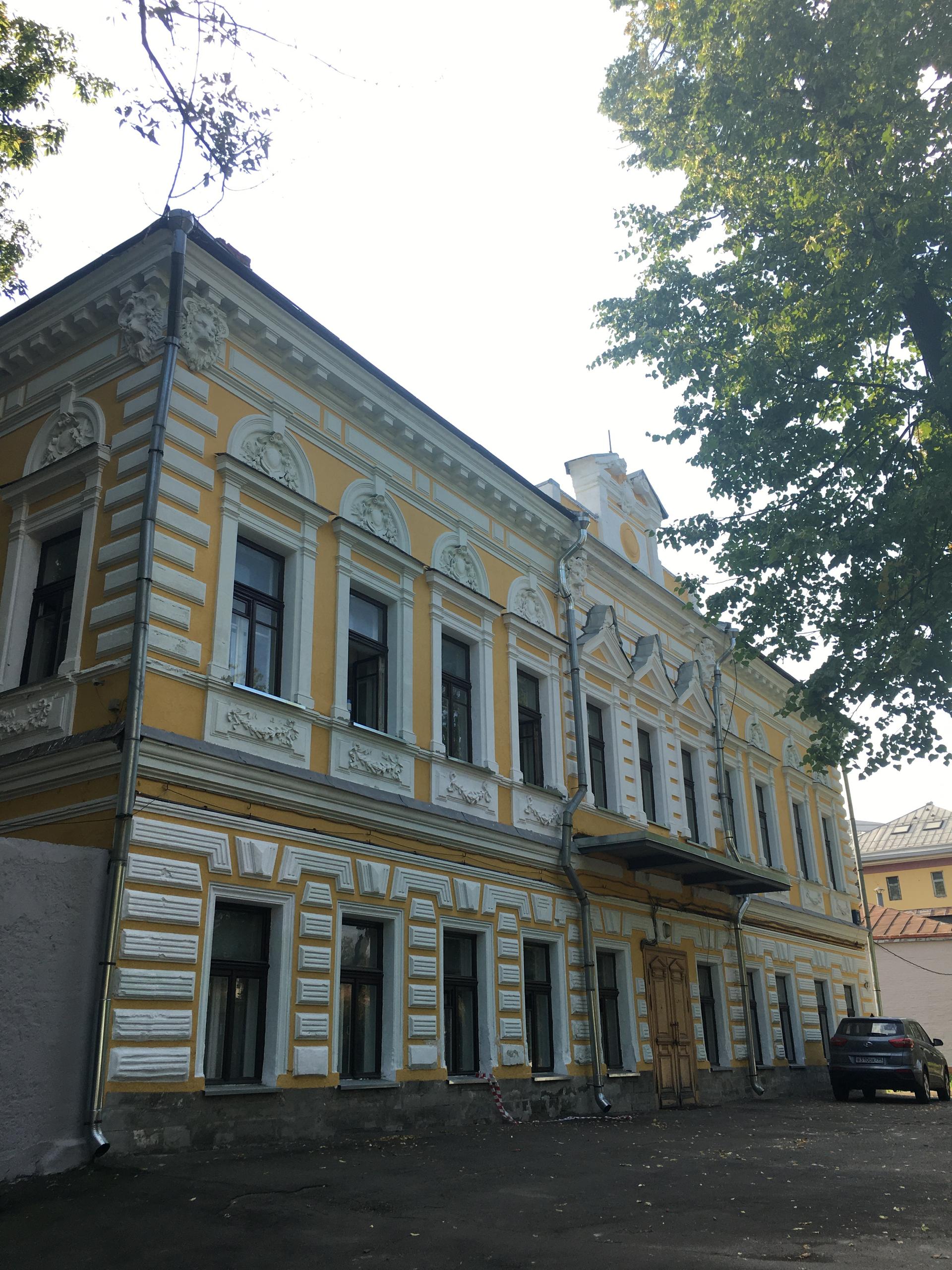
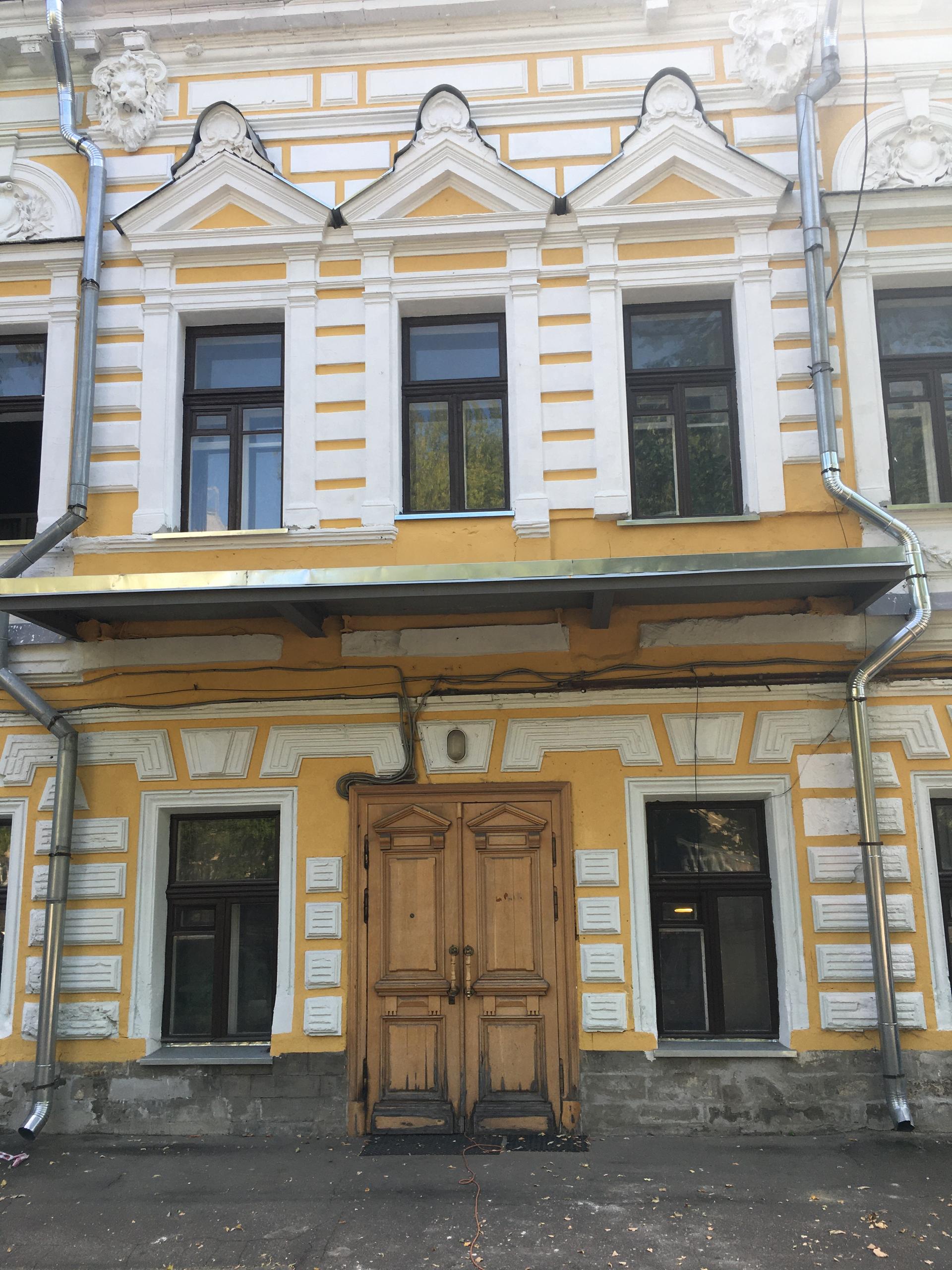
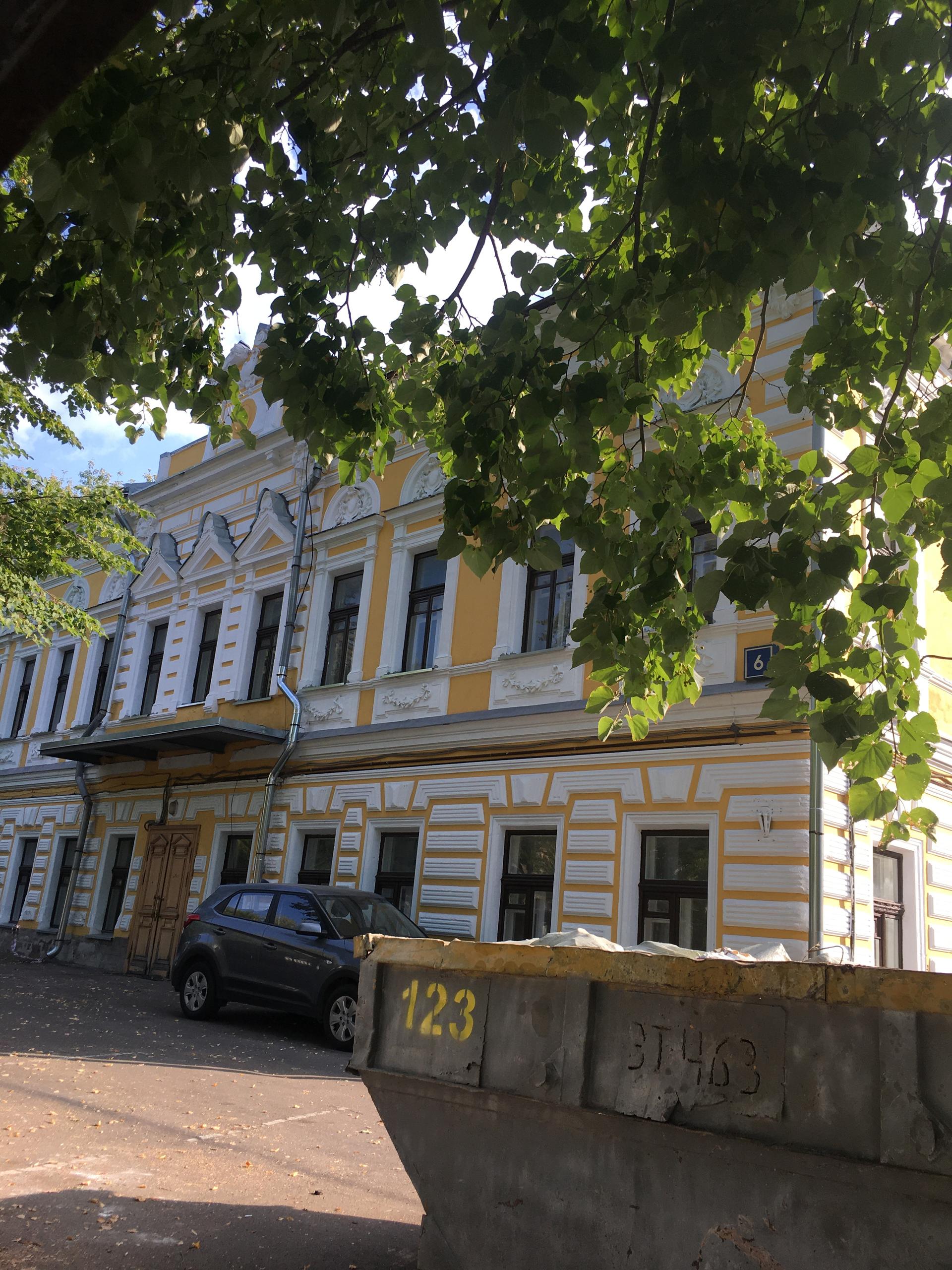
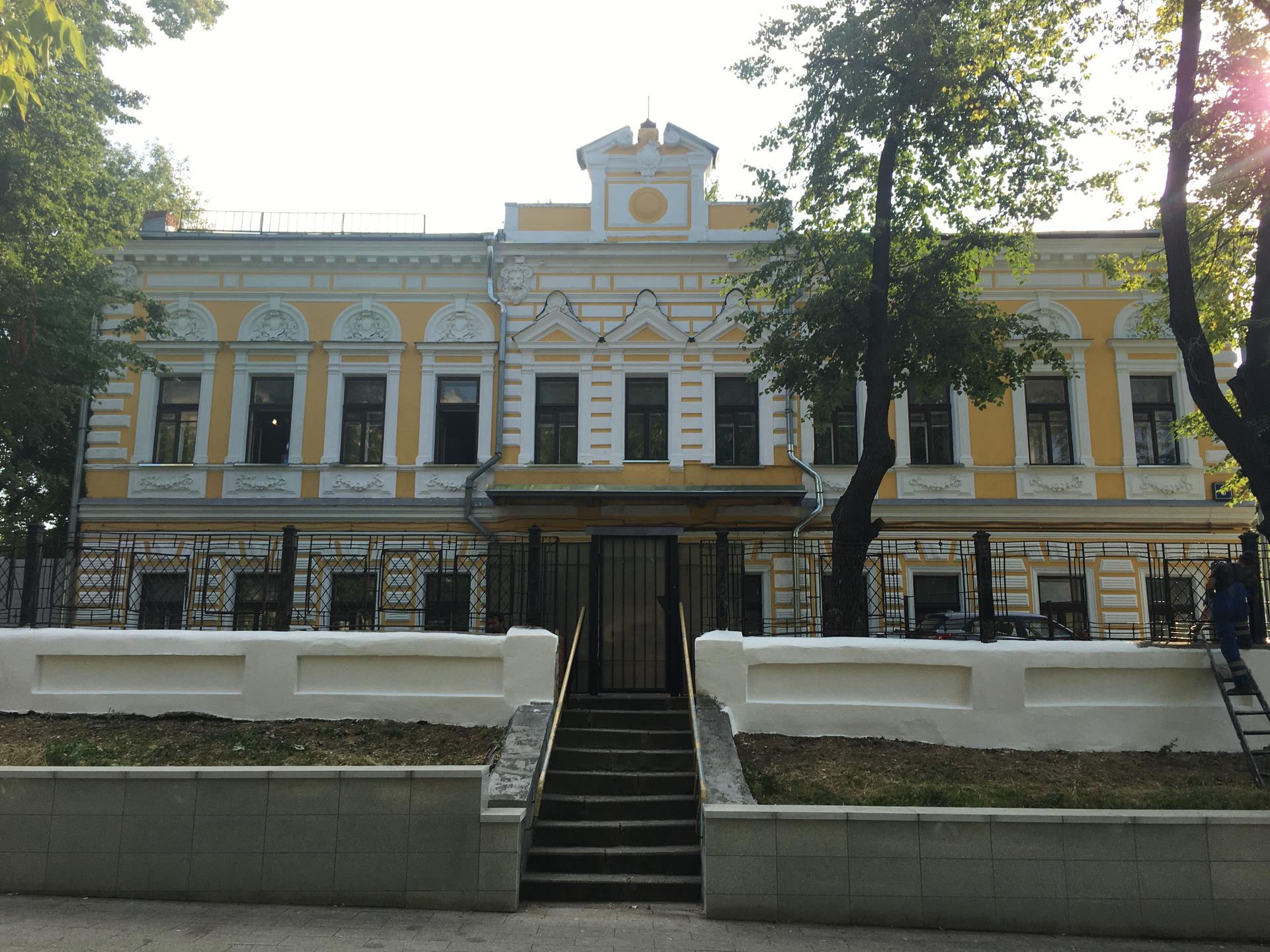
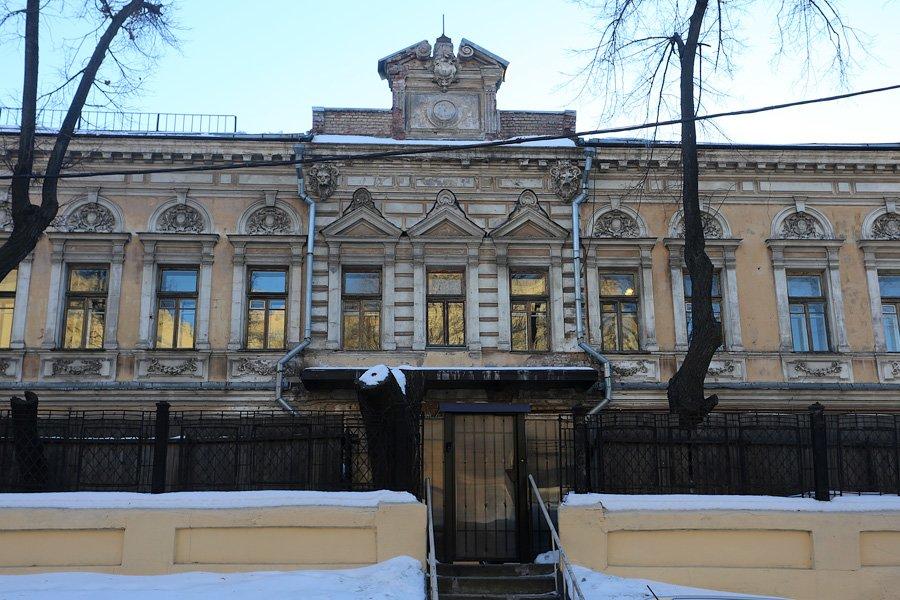
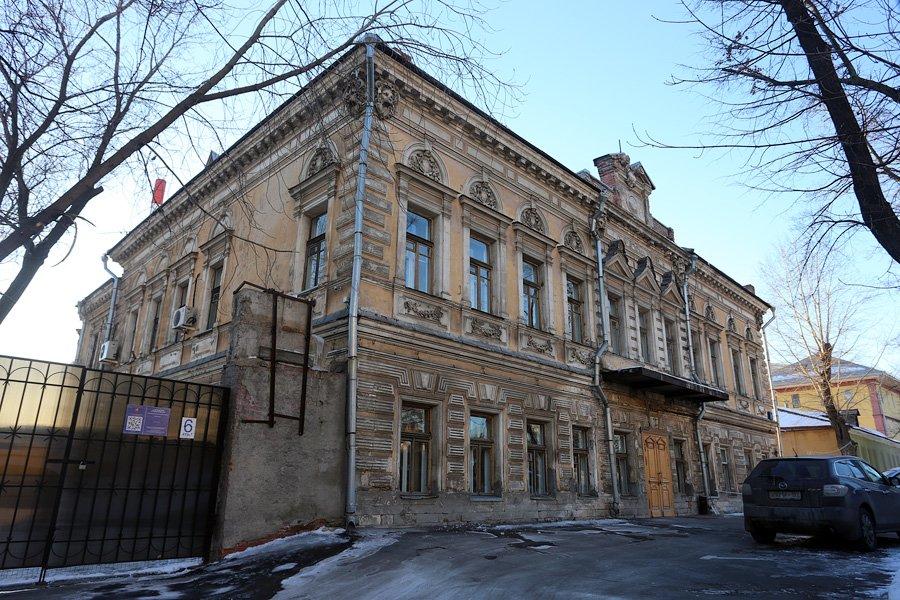
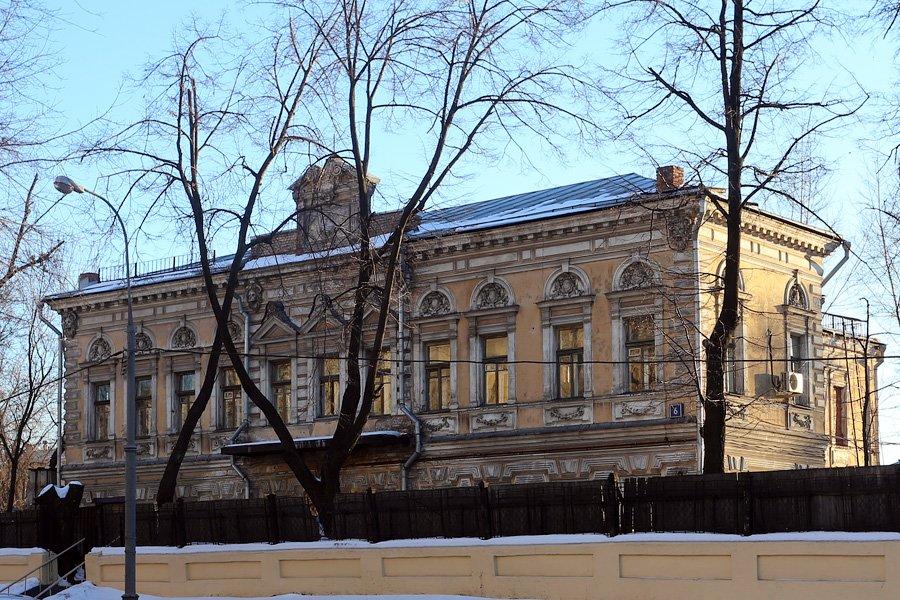
Merchant Shelaev’s house

In all likelihood, this house is the last remnant of Alexander Menshikov’s estate.

Merchant Shelaev’s house
In all likelihood, this house is the last remnant of Alexander Menshikov’s estate.
3.77
Вы можете воспользоваться QR-кодом, чтобы открыть эту страницу в нашем приложении
Архитектурный стиль:
,
Годы постройки:
XVIII-XIX вв.
Эпоха:
19th century
Информация о здании

В краеведческой литературе этот дом с подпорной стеной и железной оградой с изящным навершием ворот известен как особняк купцов Степана и Тихона Шелаевых, переделанный в 1870-е годы из здания начала XIX столетия. Фасады дома отделаны в ренессанно-классическом духе последней трети XIX века, сквозь окна заметны фрагменты отделки интерьеров того же времени. В списках вновь выявленных памятников культурного наследия Москвы здание по этому адресу фигурирует как «Семеновский слободской дом, XVIII-XIX вв.» Однако на этот счет есть и иное мнение.

Светлейший князь Александр Данилович Меншиков, закончивший дни свои в сибирской ссылке, начинал их в Семеновском. Когда после 1689 года положение царского приближенного позволило Меншикову заиметь собственную усадьбу, он выстроил ее в родном селе, между нынешней площадью Журавлева и Б. Семеновской улицей. Несколько раз возобновлявшаяся после пожаров, она слыла «увеселительной». Царь Петр, живший по соседству в скромном дворце-избе, пользовался домом Меншикова для приемов, балов и иных удовольствий. Поначалу усадьба Меншикова была скромна, но с годами расширялась и становилась все более роскошной. Здесь были два каменных корпуса в стиле «петровского барокко», включившие палаты 1708 года, каменные ворота с дорическими колоннами, деревянная башня с часами и даже декоративный «заливец» – водоем. Опись 1728 года, когда Меншиков попал в опалу, фиксирует в его семеновском доме хрустальную и китайскую посуду, коллекцию оружия и доспехов и даже медные и чугунные пушки. Пушки Меншиков оставил себе на память от созданного им в 1708 году при своем дворце оружейного завода: за несколько месяцев здесь отлили 3089 пушек и мортир, которые отправляли в действующую армию.

Усадьбу эту обычно считаются несохранившейся, отмечая, что на ее территории в послепетровскую эпоху располагался Прачечный двор дворцового ведомства, а позднее – здание Покровской (Лефортовской) части. Однако здание Покровской полицейской части – это и есть дом купцов Шелаевых. А в его основе, согласно новейшим данным – палаты начала XVIII века. По всей вероятности, это и есть последний остаток усадьбы Меншикова. А еще в середине 1920-х годов историк церковной Москвы Михаил Александровский обнаружил по соседству, на Лаврентьевской улице, еще несколько корпусов меншиковского дворца. Их разобрали в конце 1920-х. В советские годы в доме № 6 по Введенской площади был ЗАГС, теперь дом в частном пользовании.
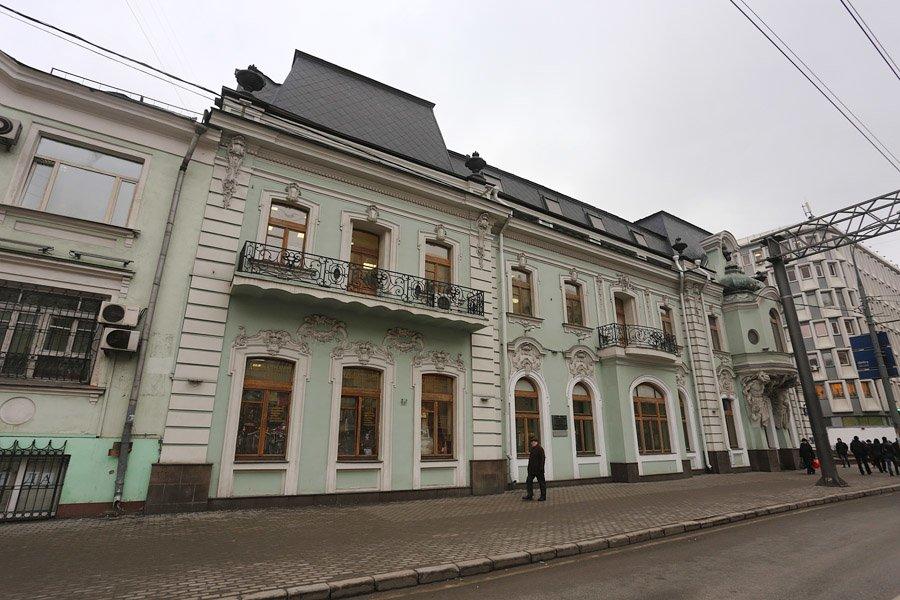
In the regional literature of this house with a retaining wall and iron fence with an elegant top of the gate, is known as the house of the merchant and Tikhon and Stepan Shelaevs, converted in 1870 from the building of the beginning of XIX century. The facades are decorated in renaissance-classical spirit of the last third of the XIX century through interior decoration of the same time are apparent through windows. Building at this address appears as "Semyonov suburban house, XVIII-XIX centuries” on the lists of the newly identified cultural heritage memorials of Moscow. However, there is a different opinion about this matter. Prince Alexander Menshikov, who finished his days in exile in Siberia, started it in Semenovskoe. When the position of the Tsar’s friend allowed Menshikov to get hold of the estate, he built it in his native village, between the current ​​Zhuravlev square and Bolshaya Semyonovskaya street after 1689. Rebuilt several times after fire, it was reputed to be the "entertainment house". Tsar Peter the Great, who lived next door in a modest hut-palace, used Menshikov’s house for receptions, parties and other treats. Initially Menshikov estate was modest, but over the years expanded and became more and more luxurious. There were two stone buildings in the style of "Petrine Baroque" that included chambers of 1708, the stone gate with Doric columns, wooden tower with a clock and even decorative "zalivets " – a pond. Inventory of 1728, when Menshikov fell into disgrace, fixes in his semenov house crystal and Chinese dishes, a collection of weapons and armor, and even copper and cast iron guns. Menshikov kept his cannons as a souvenir from the Arms Factory, that he established in 1708 at his palace: in a few months, 3,089 cannons and mortars were cast here, which were sent to the active army. This homestead is generally considered to be unpreserved, noting that in its territory in the post-Petrine era laundry yard and court administration, and later - the building of the Pokrovskaya ( Lefortovskaya ) regiment were here. However, the building of the Pokrovsky police department is the home of merchants Shelaevs. Chamber beginning of the XVIII century are in the core of the building according to the latest data. In all likelihood, this is the last remnant of the Menshikov’s estate. And in the middle of the 1920s, the historian of the Churches of Moscow, Mikhail Alexandrovsky found few cases of the Menshikov Palace next door at Lavrentivskaya street. They dismantled in the late 1920s. In the Soviet era at 6 Vvedenskaya square was the registrar, now this is a private home.
Автор статьи: Константин Михайлов
Поделитесь статьей с друзьями
Интересное рядом(3)
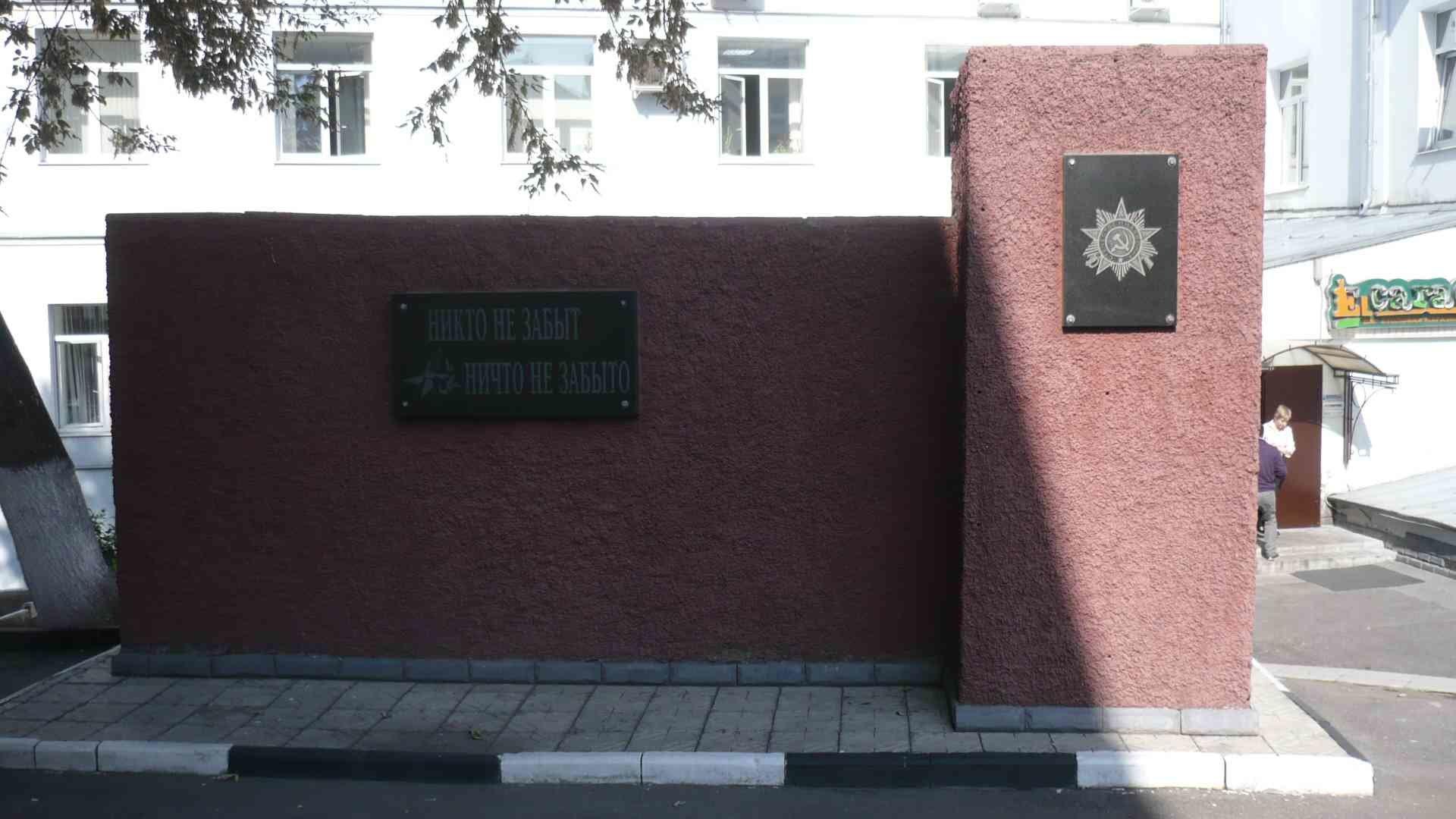
М. Семеновская ул., д. 9
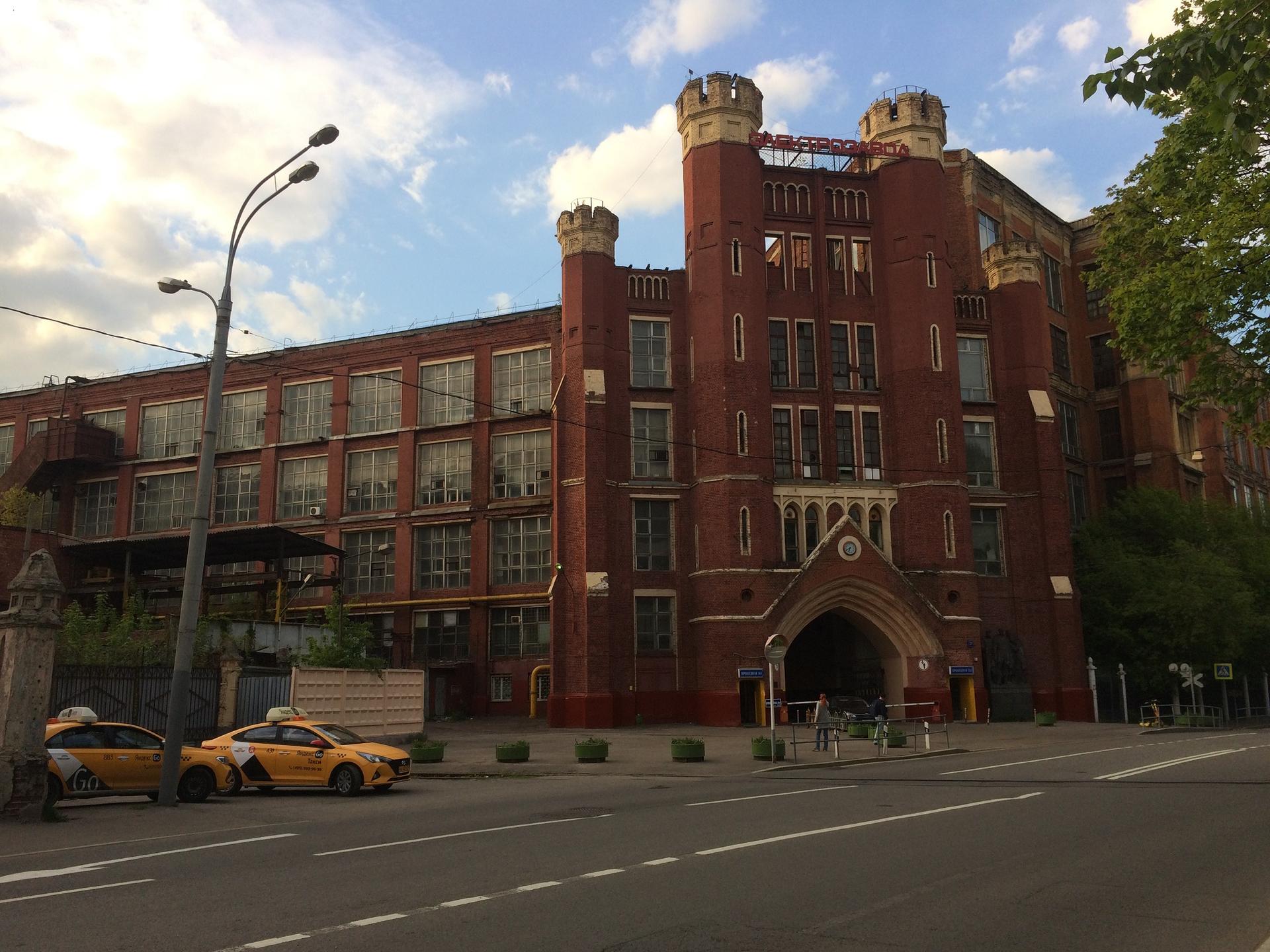
Электрозаводская ул., д. 27
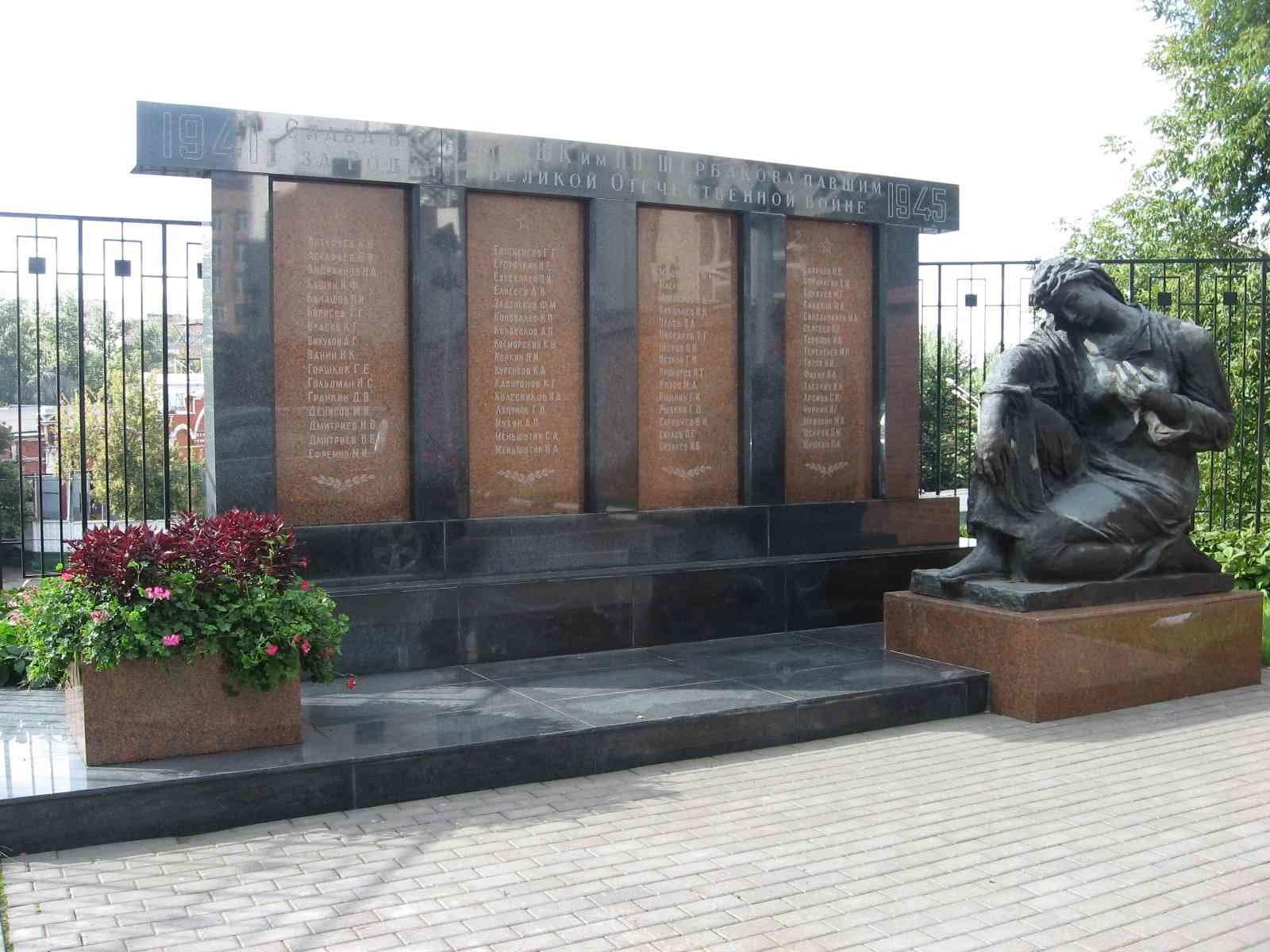
Preobrazhenskaya ploshchad