Интерактивный гид по городу
С мобильным приложением бродить по городу гораздо интереснее!

"The House on the Embankment"

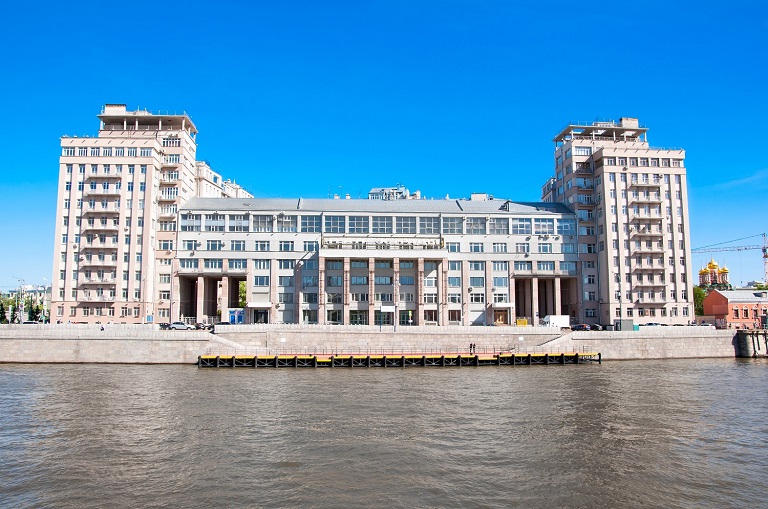
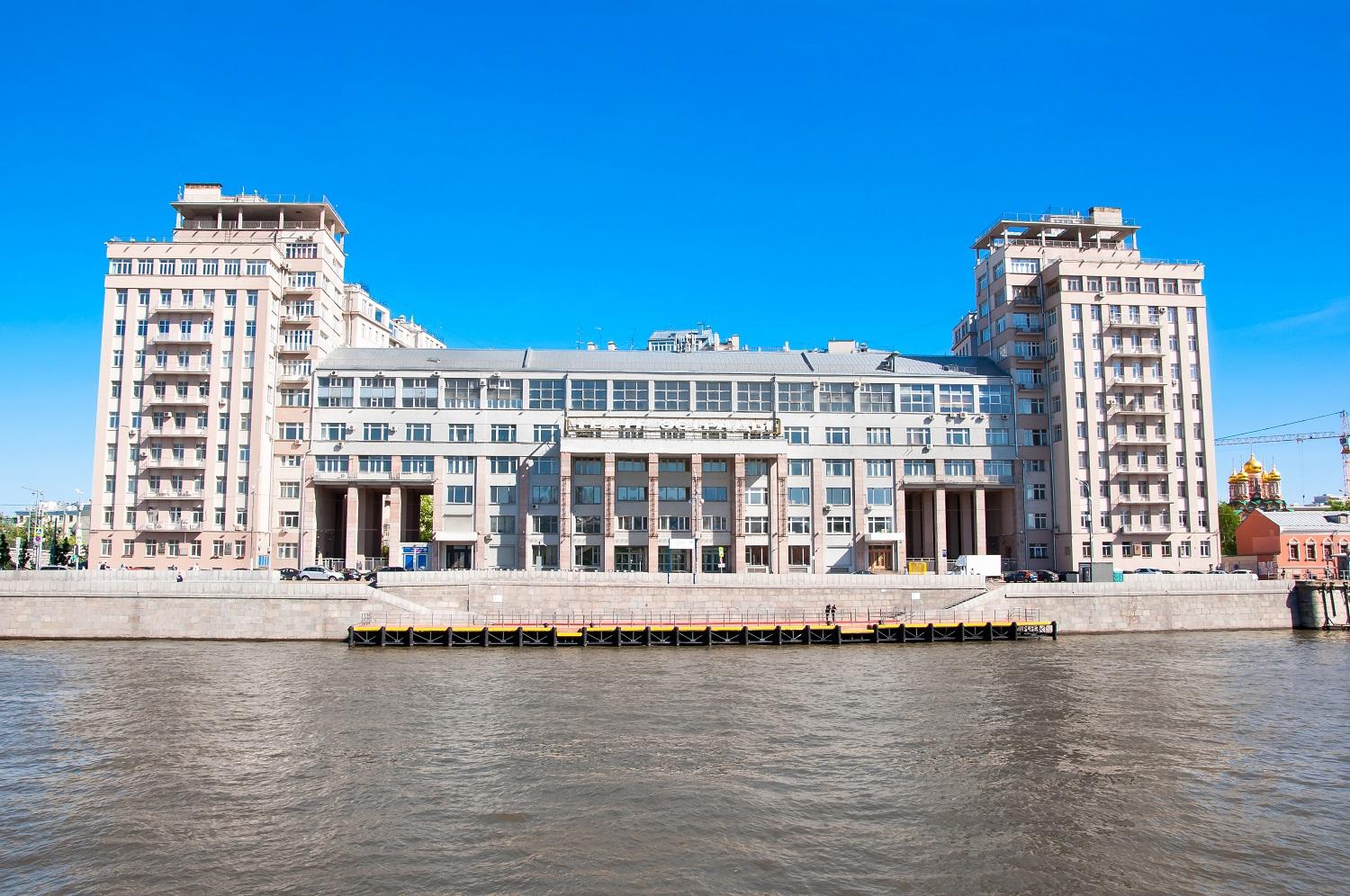
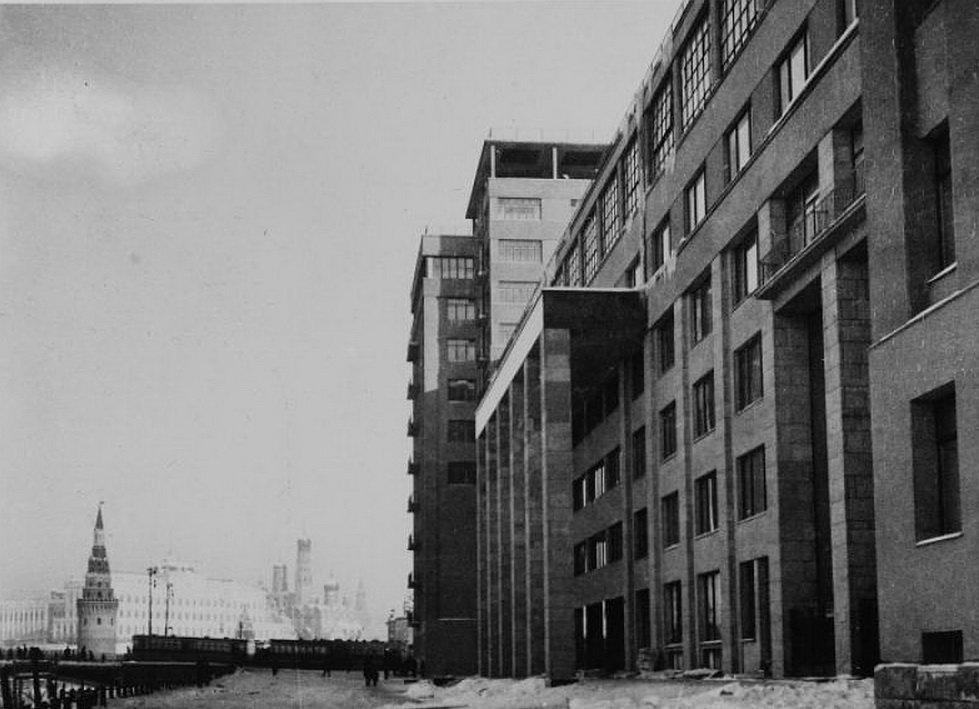
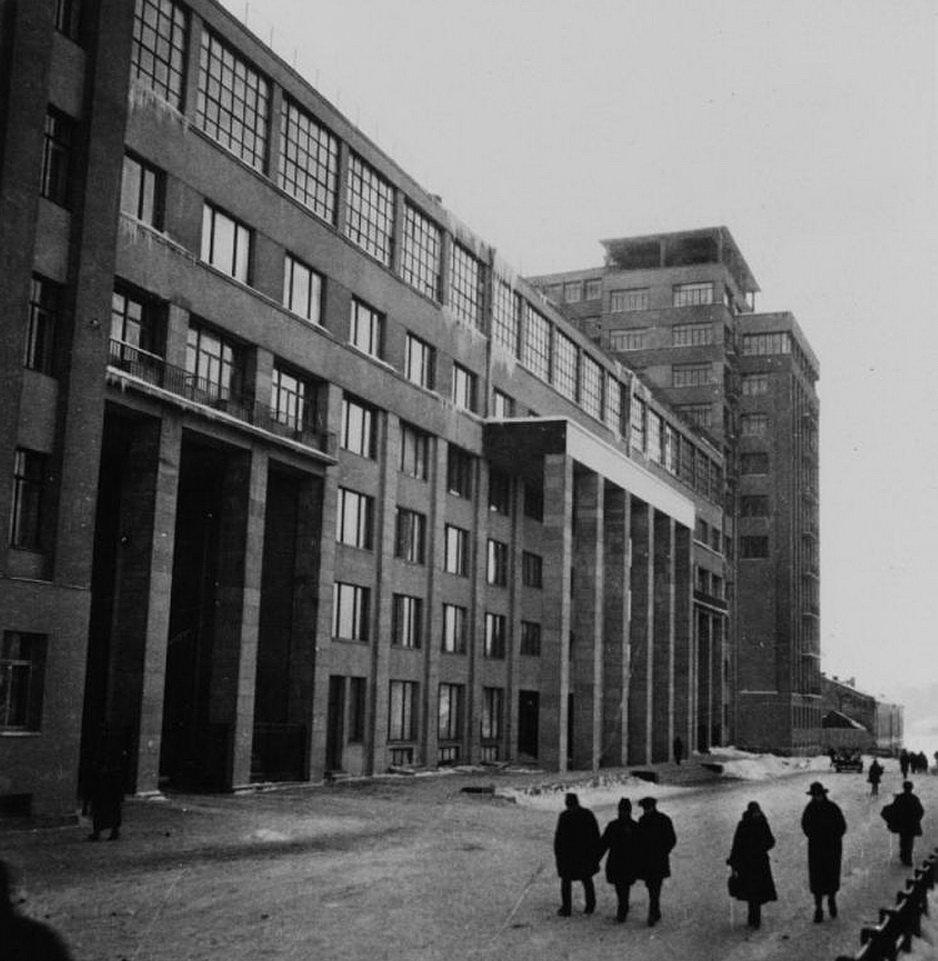
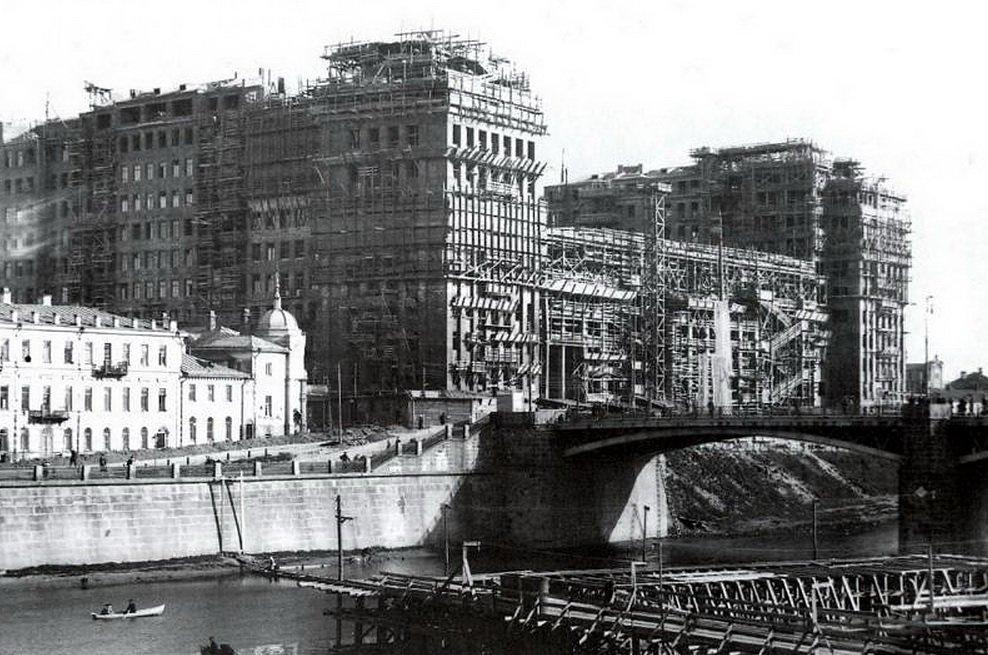
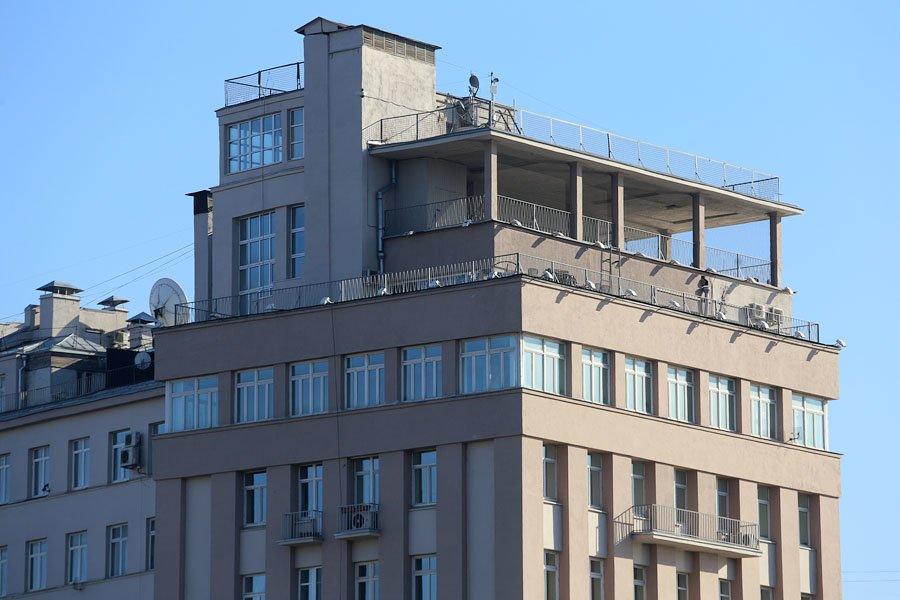
A special place in the architecture of Moscow occupies the 1st House of People's Commissars and the Central Executive Committee - the famous "House on the Embankment". It is located directly opposite the Kremlin as a symbol of the grim pre-war era and was the "main character" of the novel by Yuri Trifonov. This house was a unique complex. 505 apartments, with the latest equipment for those years, were populated by a new Soviet elite - generals, people's commissars, cultural figures.

"The House on the Embankment"
A special place in the architecture of Moscow occupies the 1st House of People's Commissars and the Central Executive Committee - the famous "House on the Embankment". It is located directly opposite the Kremlin as a symbol of the grim pre-war era and was the "main character" of the novel by Yuri Trifonov. This house was a unique complex. 505 apartments, with the latest equipment for those years, were populated by a new Soviet elite - generals, people's commissars, cultural figures.
3.97
Вы можете воспользоваться QR-кодом, чтобы открыть эту страницу в нашем приложении
Архитектурный стиль:
Годы постройки:
1928–1931
Архитекторы:
Б.М. Иофан
Эпоха:
1920s, 1930s
Информация о здании

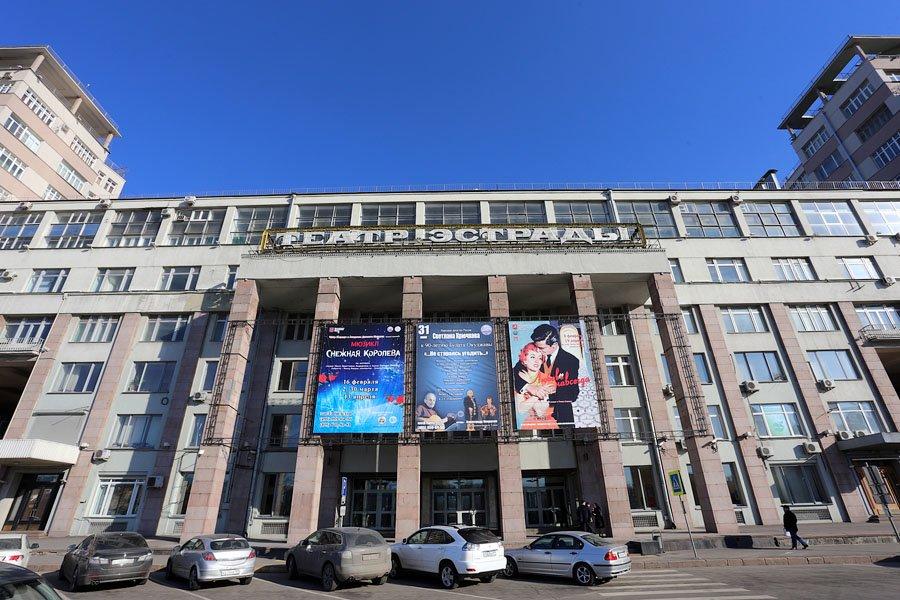
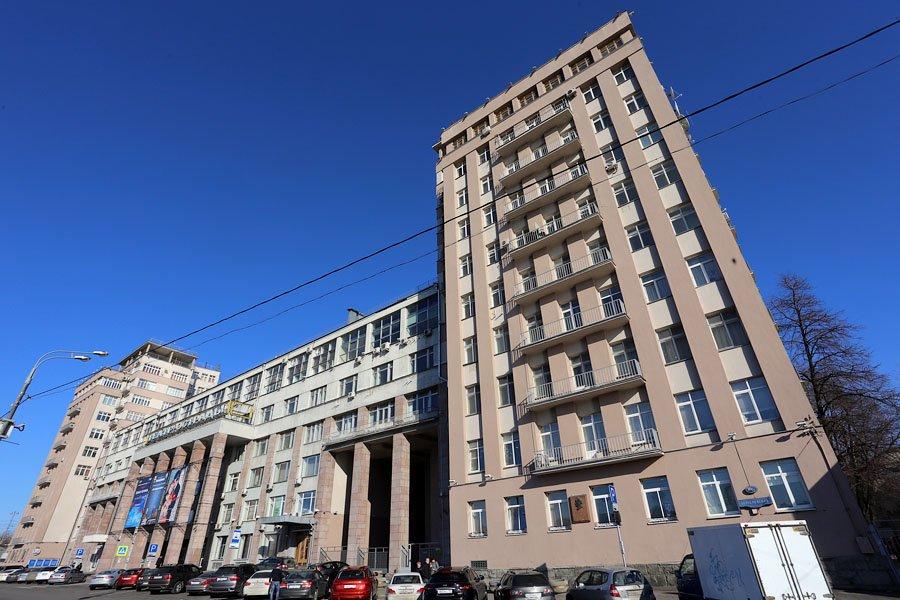
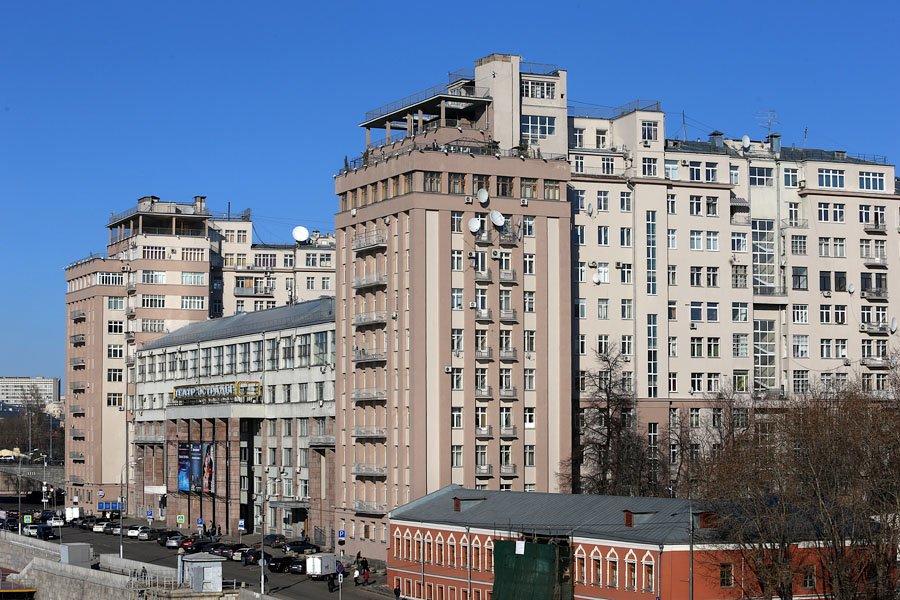
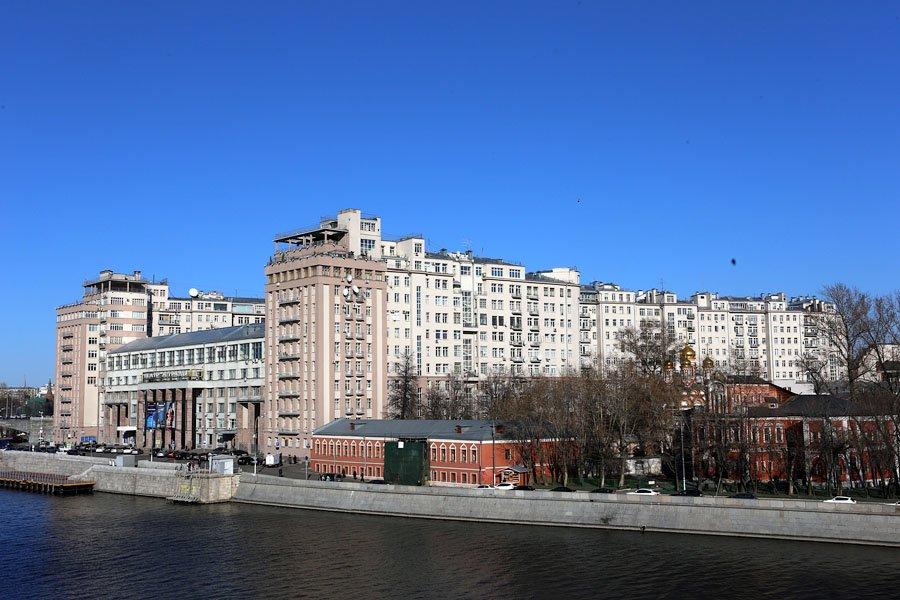
Особое место в архитектуре Москвы занимает 1-й Дом Совнаркома и ВЦИК — знаменитый «Дом на набережной». Он, расположенный прямо напротив Кремля, как символ мрачной предвоенной эпохи стал «главным героем» одноименного романа Юрия Трифонова. Этот жилой дом стал уникальным комплексом. 505 квартир, с новейшим для тех лет оборудованием, были заселены новой советской элитой — генералами, наркомами, деятелями культуры. Квартиры были служебными и многие из них не раз сменили жильцов, обыкновенно не по их собственной воле. Их непростой судьбе посвящен мемориальный музей, разместившийся в квартире №1. Была построена целая система обслуживания жителей: большой зрительный зал-клуб на 1200 мест, спортзал и крытые теннисные корты, кинотеатр, магазин-распределитель, амбулатория, почта, ясли, детский сад, солярий, библиотека, столовая, прачечная, обширные подвалы, где были устроены снеготаялка и мусоросжигательные печи.

Архитектура этого комплекса, сделанного по проекту Бориса Иофана при участии его старшего брата Дмитрия, стала предвосхищением монументального стиля середины 1930-х годов, несмотря на то, что он проектировался и строился еще во время моды на функциональность и простоту.

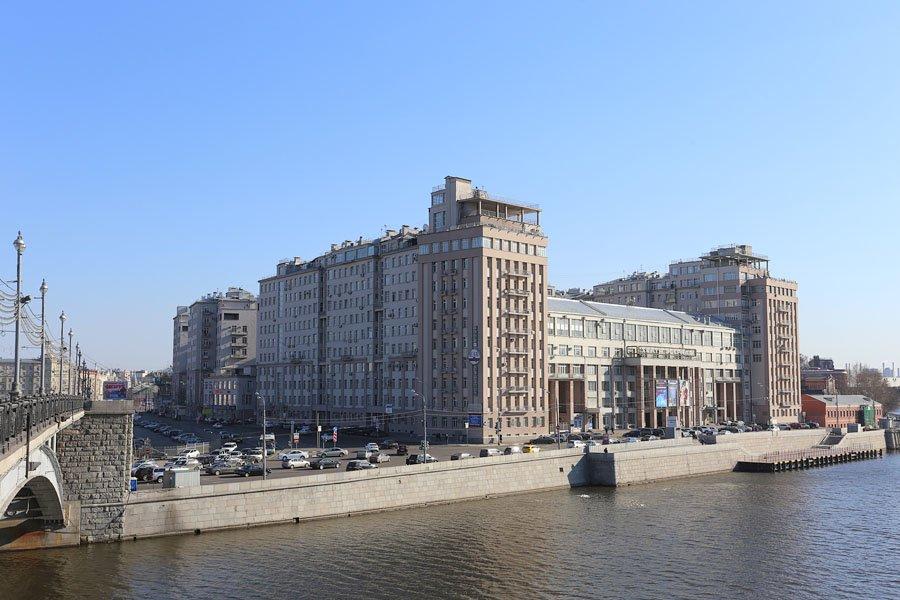
У архитекторов было стремление заполнить без остатка не только весь солидный участок, но и создать монументальный объём. Разновысотные секции (до 11 этажей) образуют систему дворов. Уникальная архитектурная выразительность «Дома на набережной» основана на сочетании однотипных жилых секций со сложным общим силуэтом корпусов, окружающих дворы-колодцы. Симметрия речного фасада делает его более значительным, чем остальные, а длинный восточный фасад замыкает ансамбль Болотной площади и оформляет проезд с Большого Каменного моста на юг столицы.

Пристроенный с юга кинотеатр «Ударник» был открыт в том же 1931 году, что и заселен дом.

«Ударник» стал первым кинотеатром, созданным специально для звукового кино. Поэтому он несколько десятилетий носил неофициальный титул главного кинотеатра страны.

A special place in the architecture of Moscow occupies the 1st House of People's Commissars and the Central Executive Committee - the famous "House on the Embankment". It is located directly opposite the Kremlin as a symbol of the grim pre-war era and was the "main character" of the novel by Yuri Trifonov. This house was a unique complex. 505 apartments, with the latest equipment for those years, were populated by a new Soviet elite - generals, people's commissars, cultural figures. The apartments were official and many of them changed tenants more than once, usually not according to their own will. Their uneasy fate is dedicated to the memorial museum, housed in apartment number 1. A whole system of serving the residents was built: a large auditorium-club for 1200 people, a gym and indoor tennis courts, a cinema, a distribution store, an outpatient clinic, a post office, a day nursery, a kindergarten, a solarium, a library, a dining room, laundry. The architecture of this complex designed by Boris Iofan involving his elder brother Dmitri was the anticipation of the monumental style of the mid-1930s, despite the fact that it designed and built during the time when functionality and simplicity were fashionable. Architects wanted to fill not only the entire solid plot without a trace, but also to create a monumental volume. Sections of different height (up to 11 floors) form a system of courtyards. Unique architectural expression of the "House on the Embankment" based on a combination of similar residential sections with a complex general silhouette of buildings surrounding courtyards. The symmetry of the river facade makes it more significant than the others, and the long eastern facade closes the ensemble of the Bolotnaya Square and makes out the passage from the Great Stone Bridge to the south of the capital. Attached to the south of the cinema "Udarnik" (the best worker, overachieving plans) was opened in the same 1931 that the house was inhabited. "Udarnik" was the first movie theater, created specifically for sound film. Therefore, for several decades, he wore an unofficial title of the country's main cinema.
Отзывы
(1)
Поделитесь статьей с друзьями