Интерактивный гид по городу
С мобильным приложением бродить по городу гораздо интереснее!

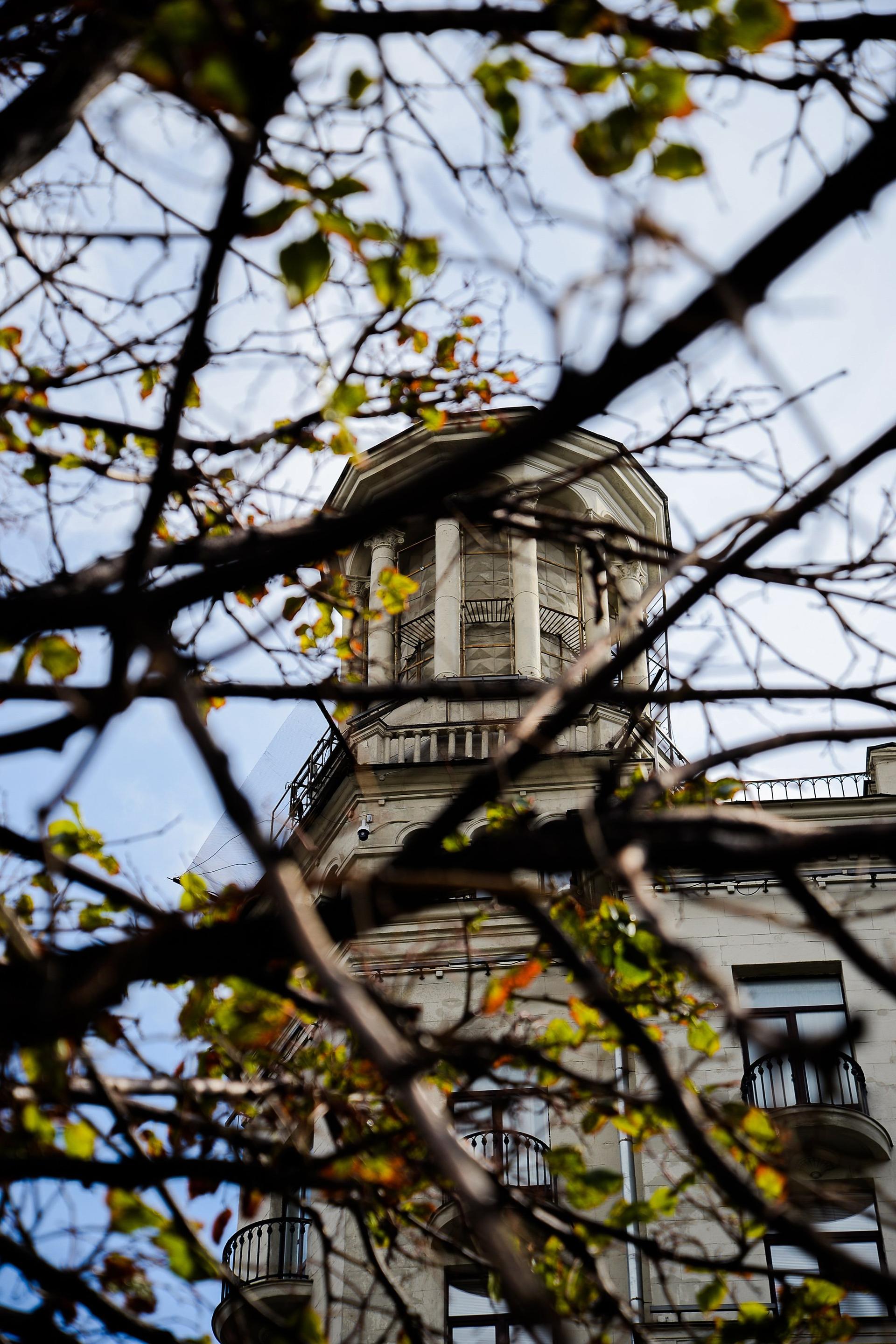
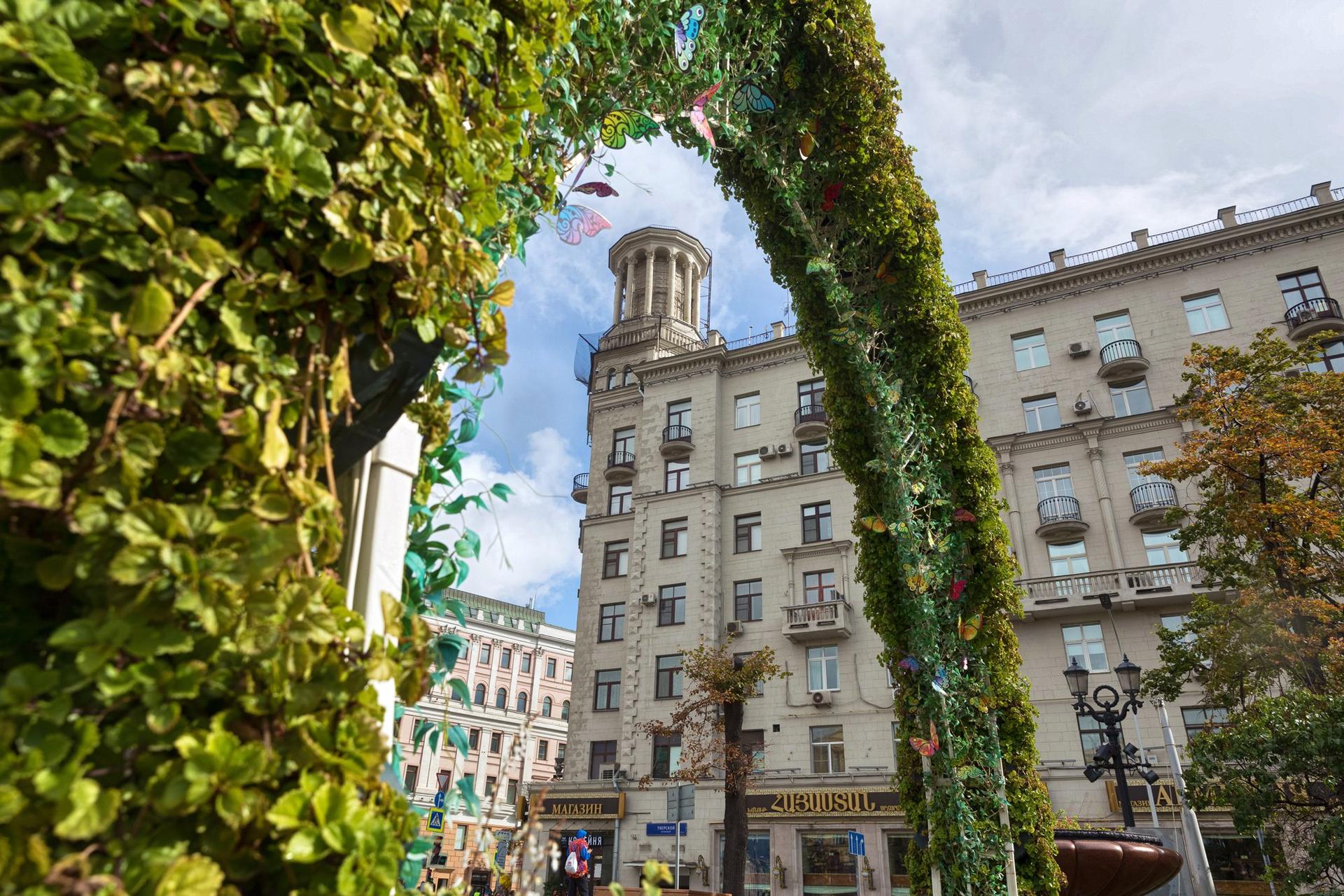
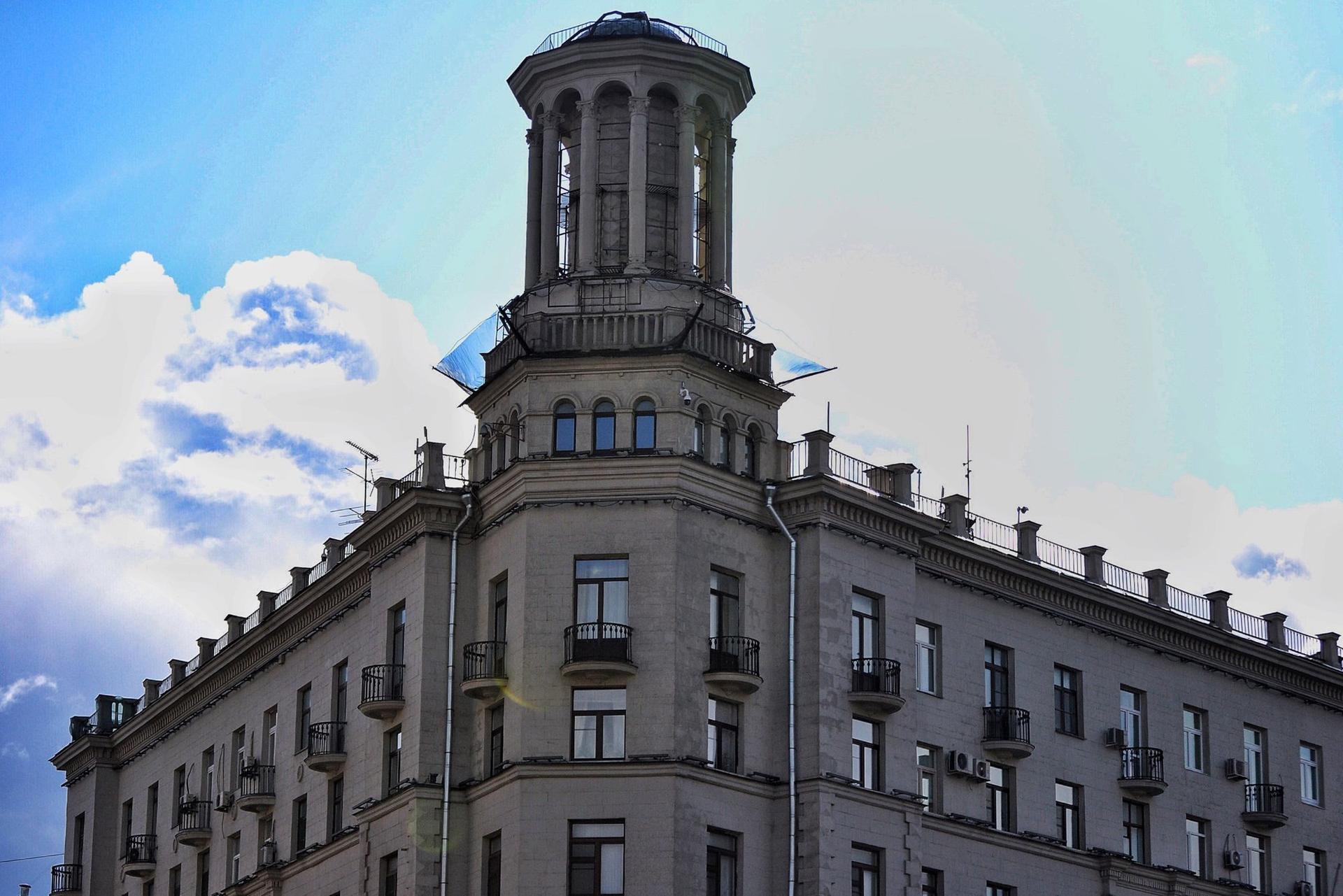
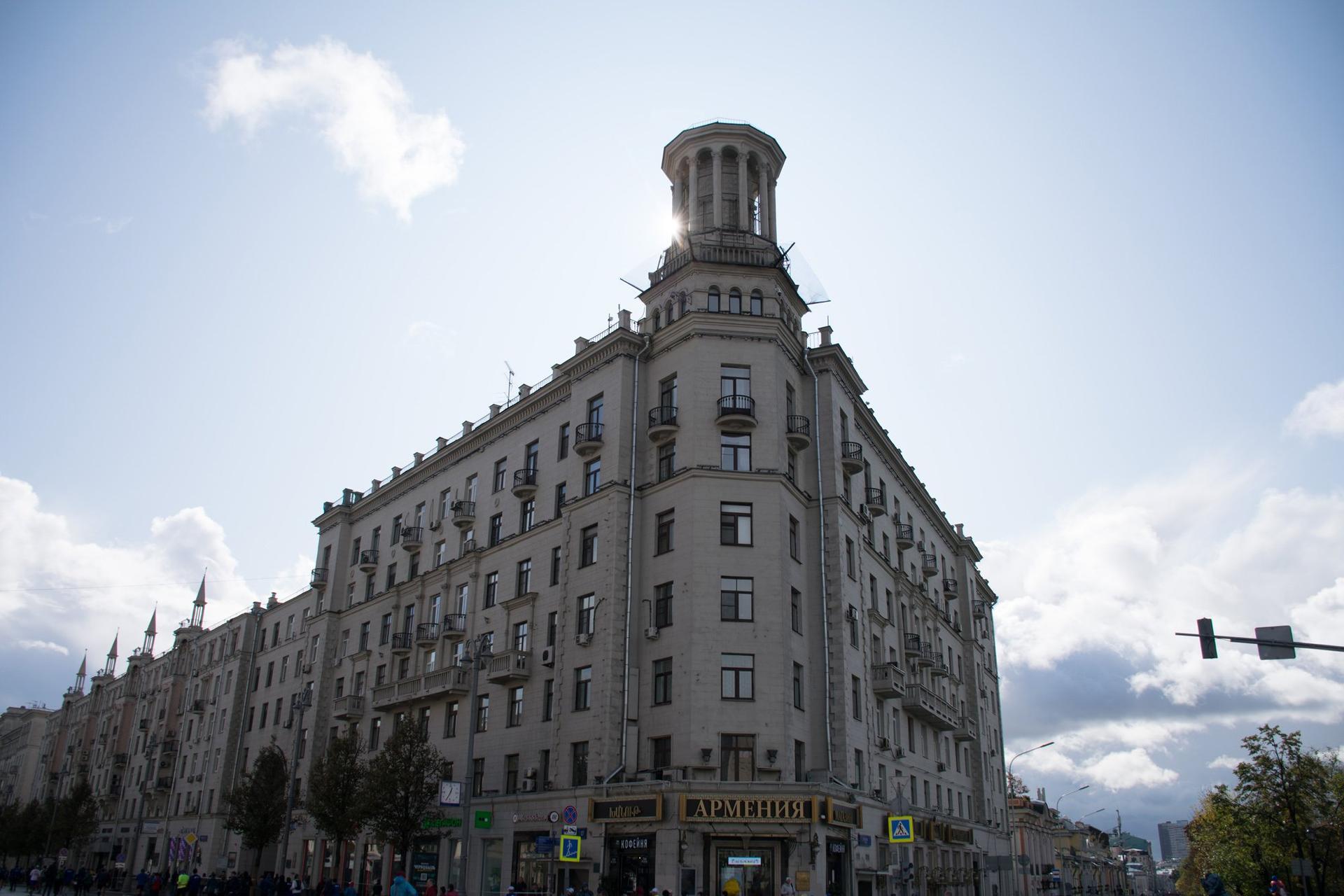
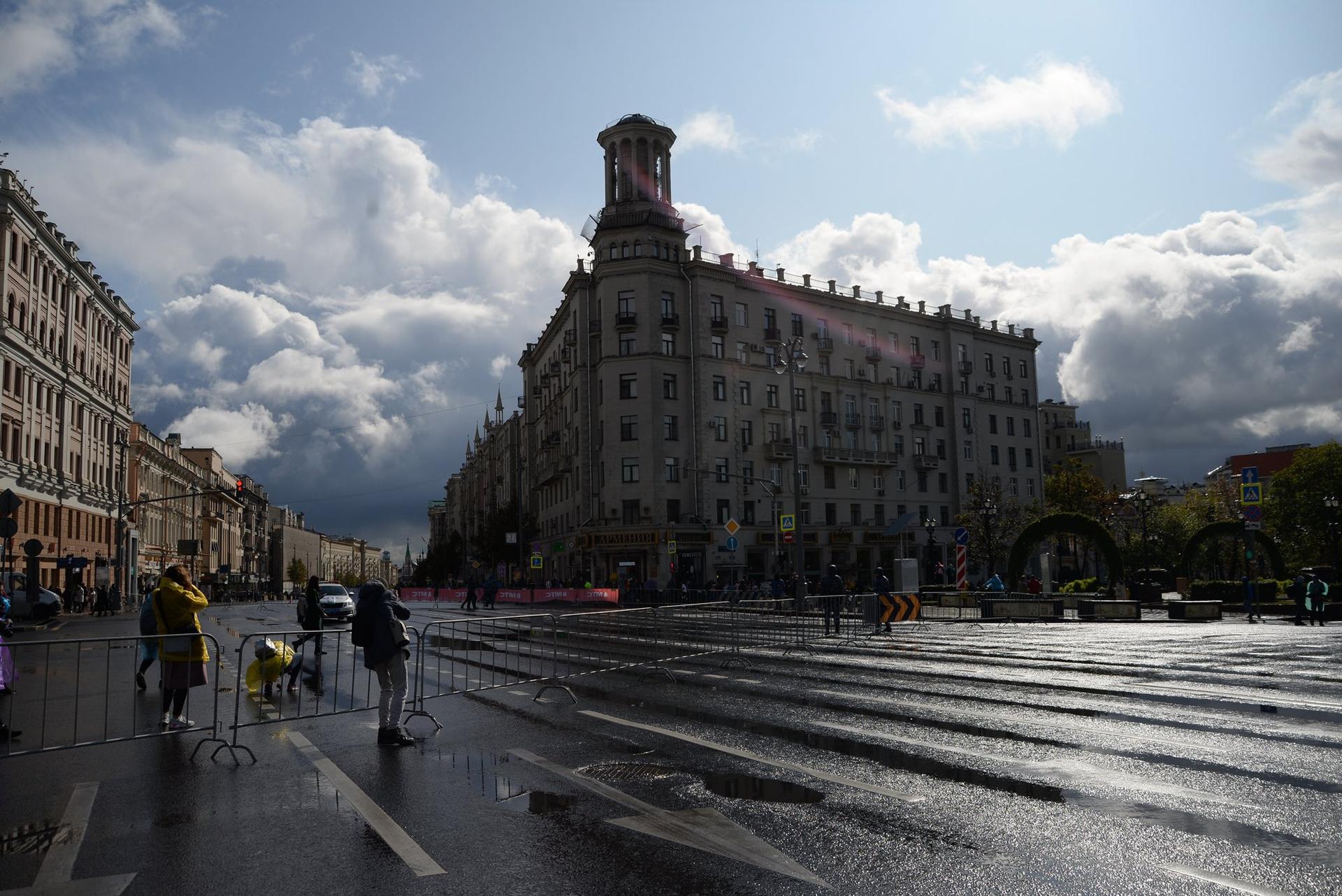
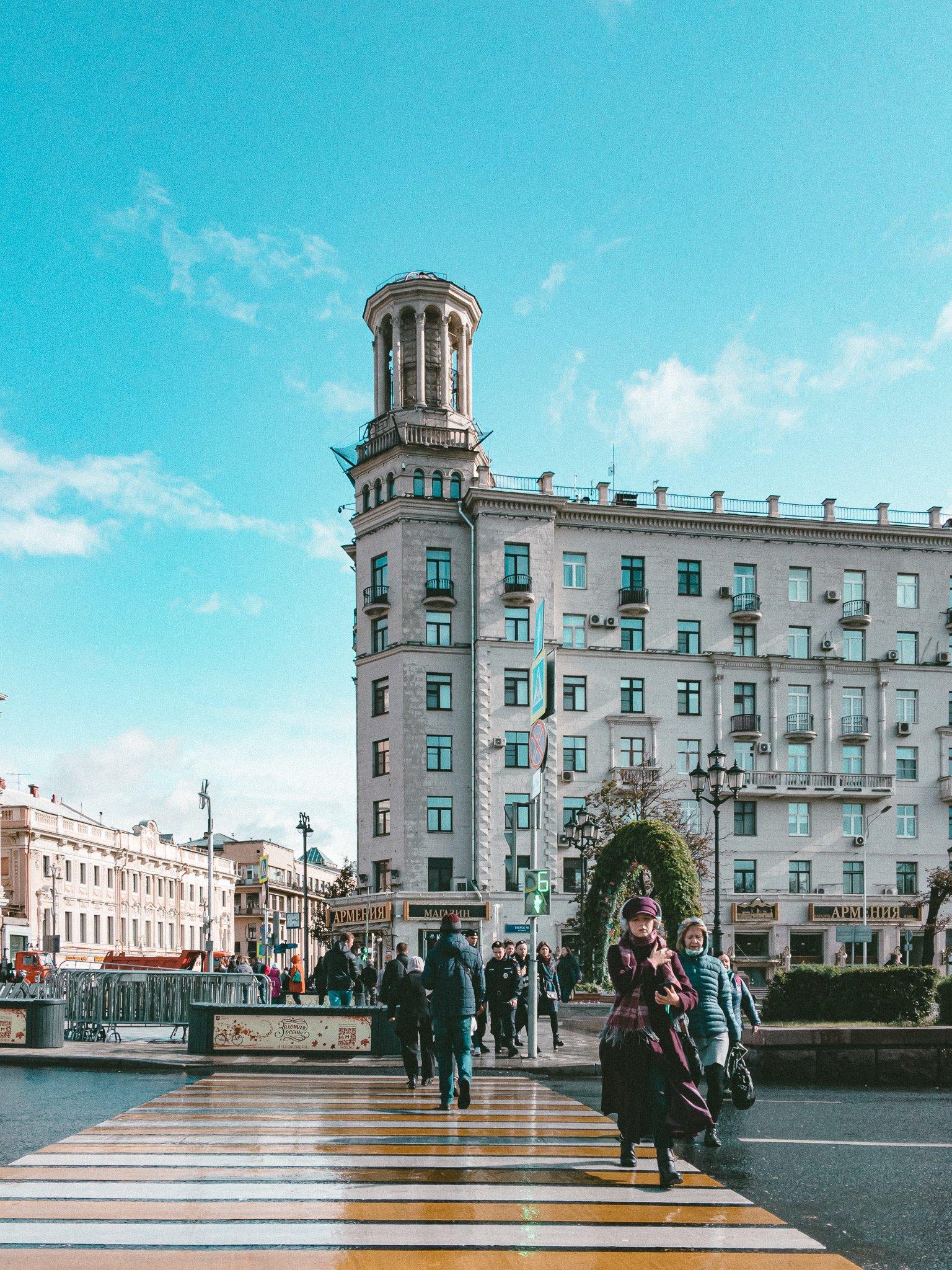
“House under the skirt”

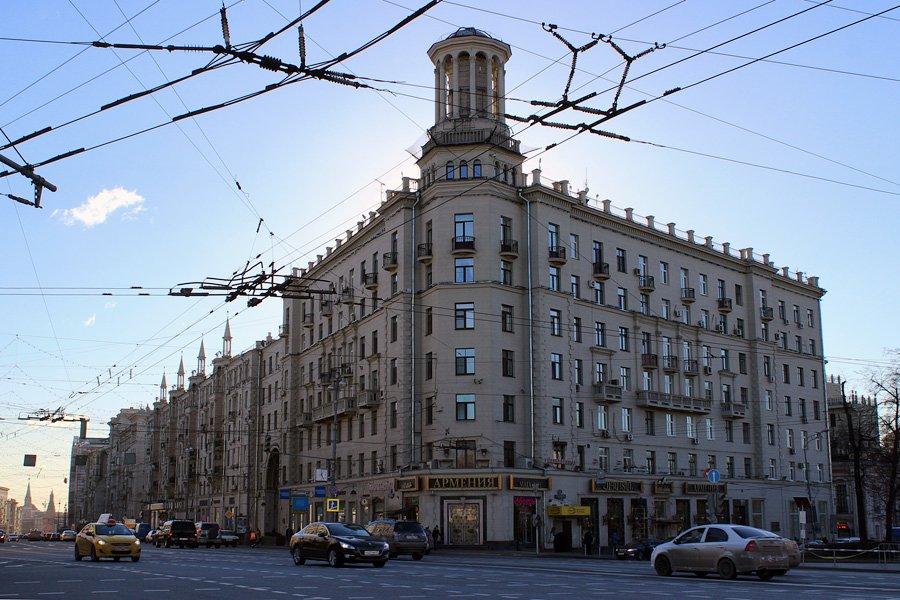
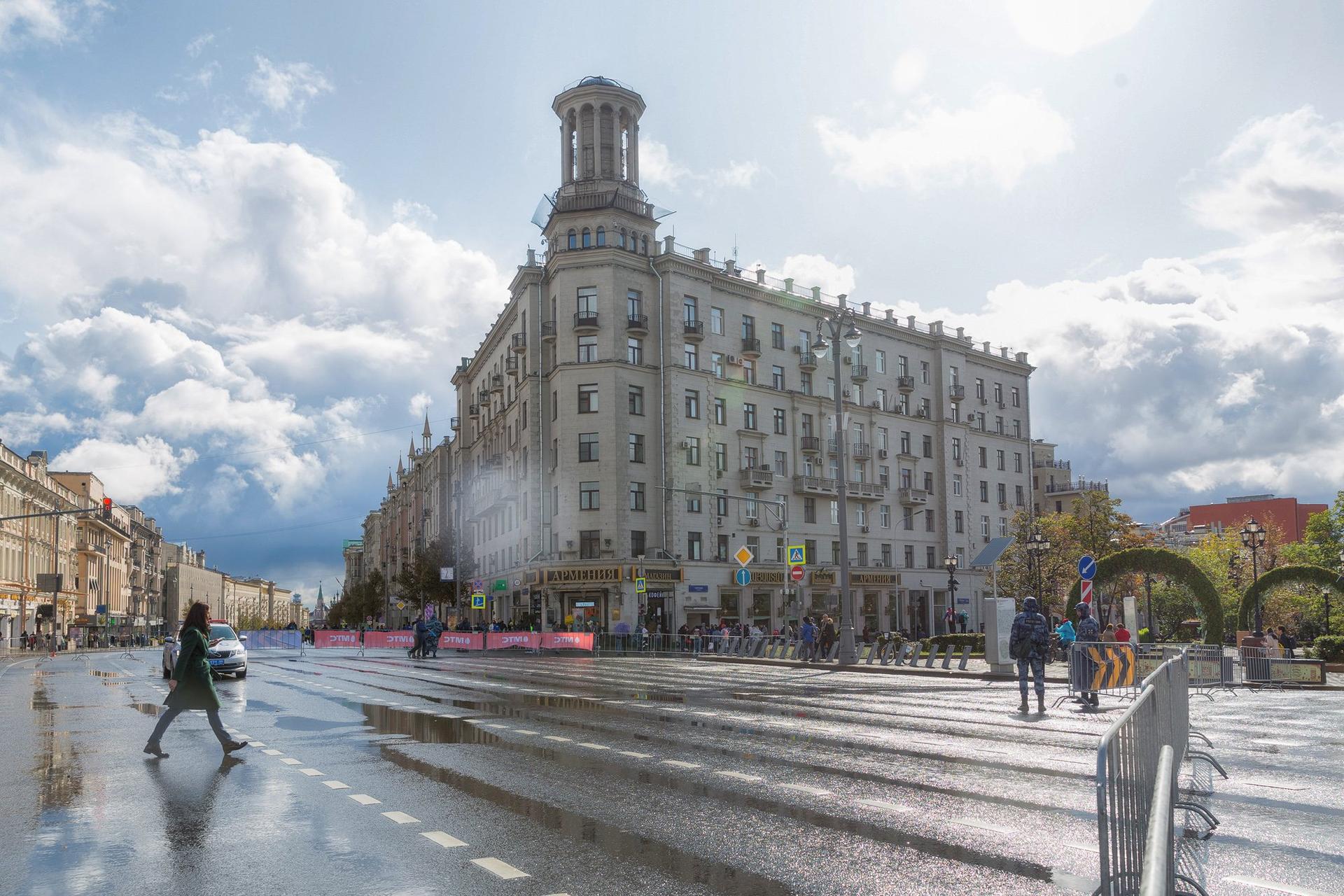
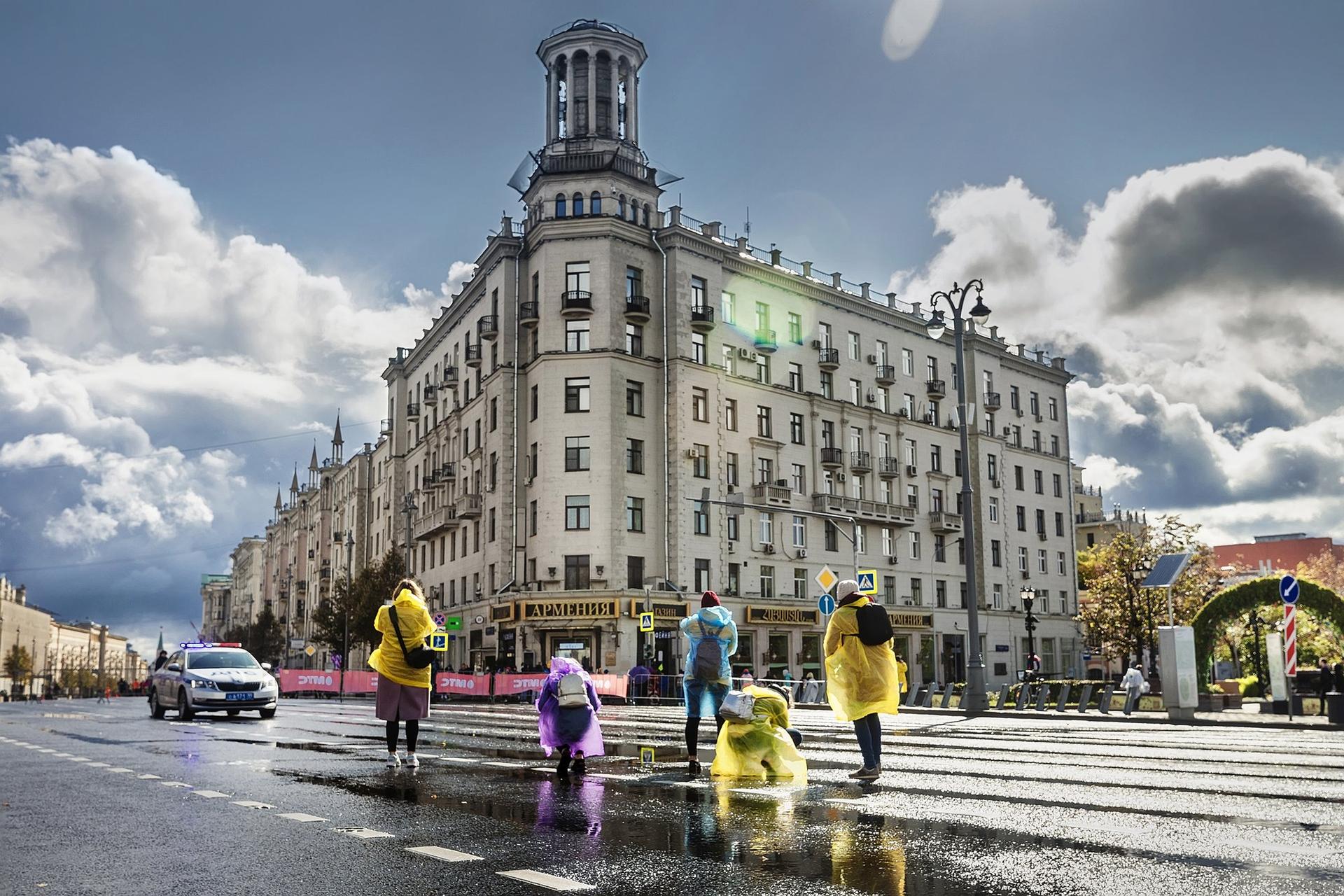
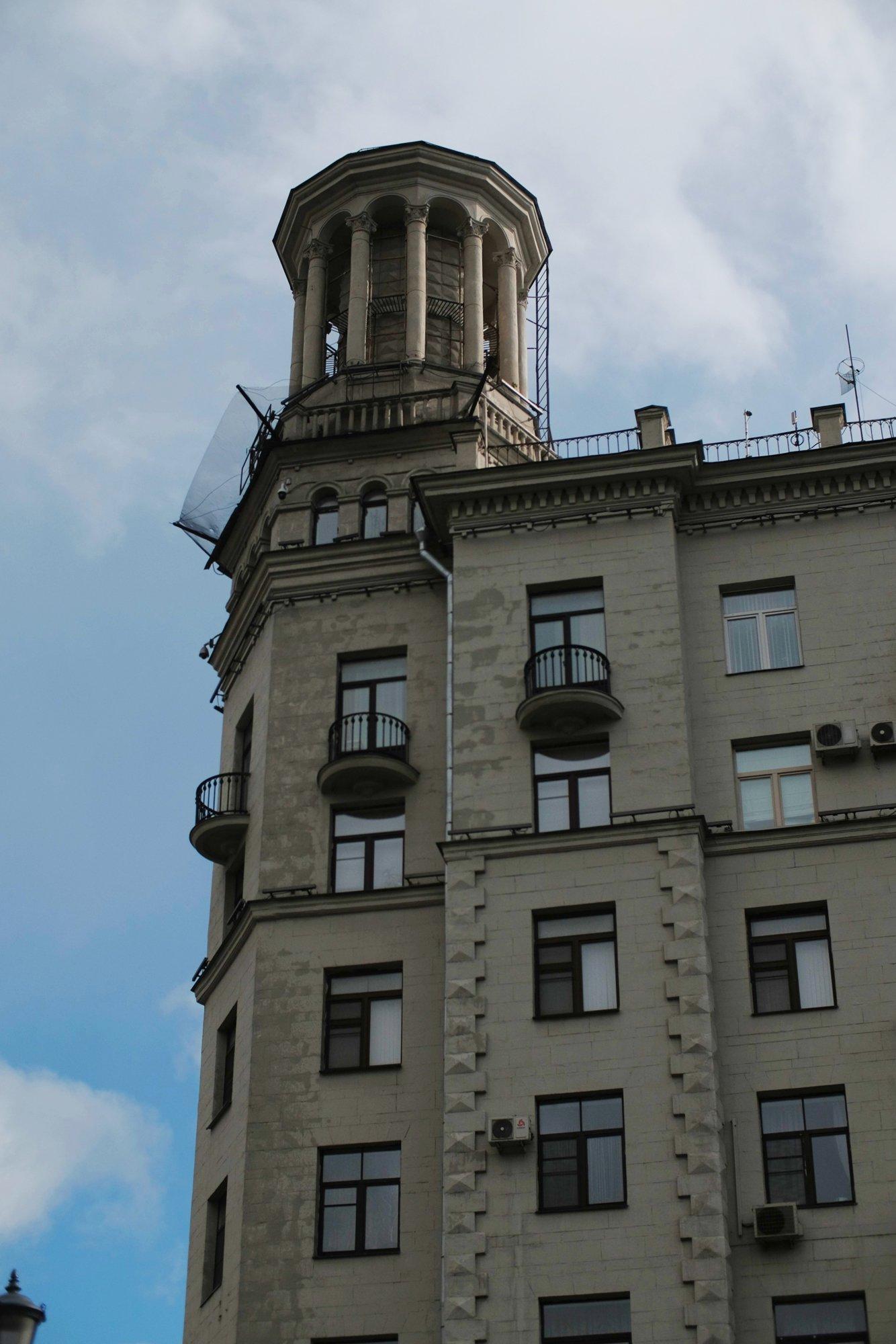
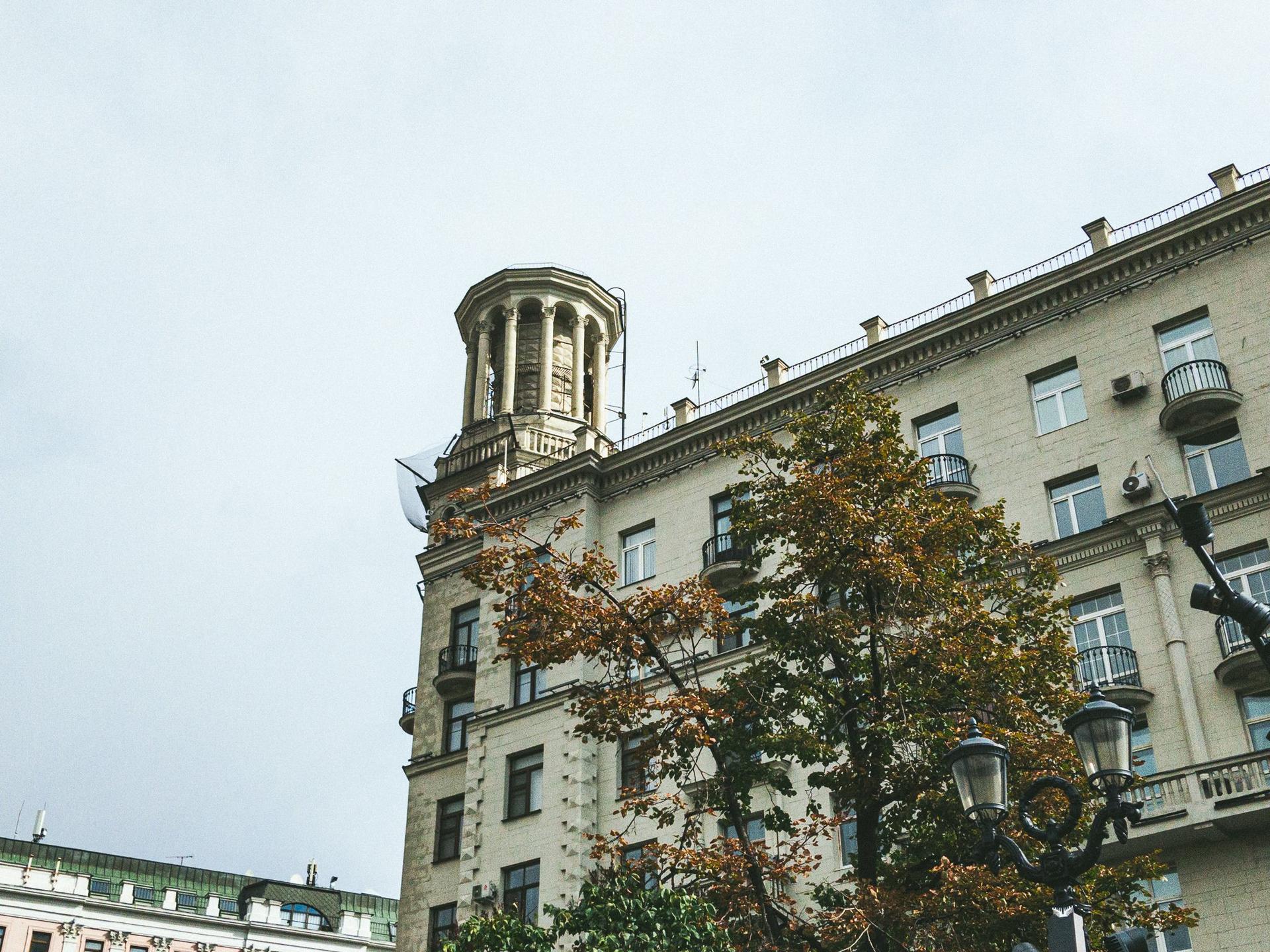
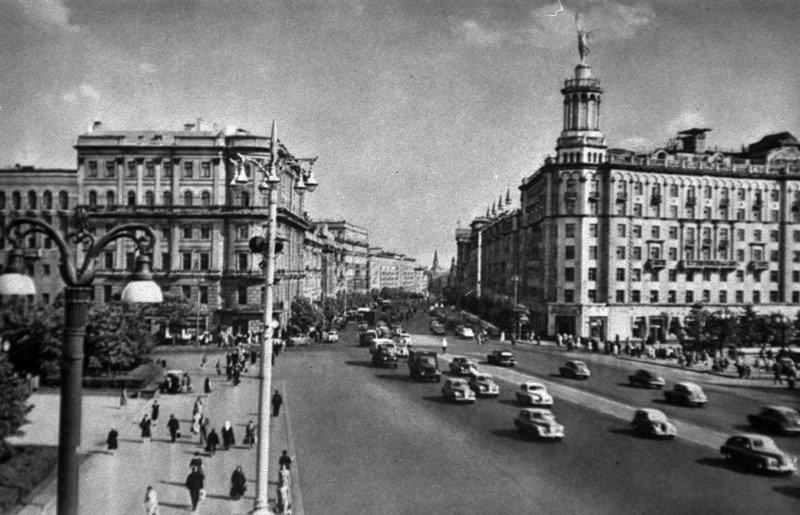
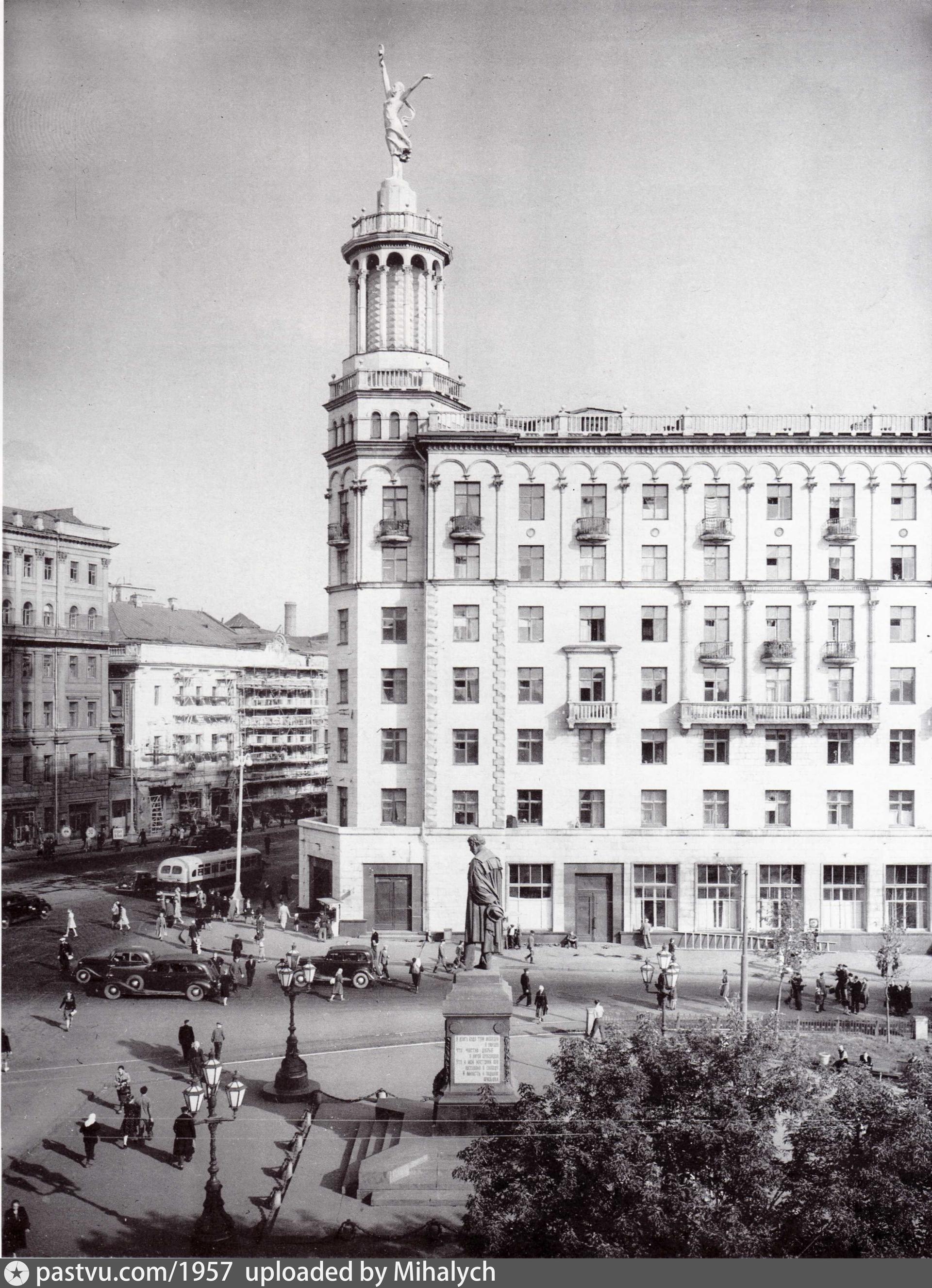
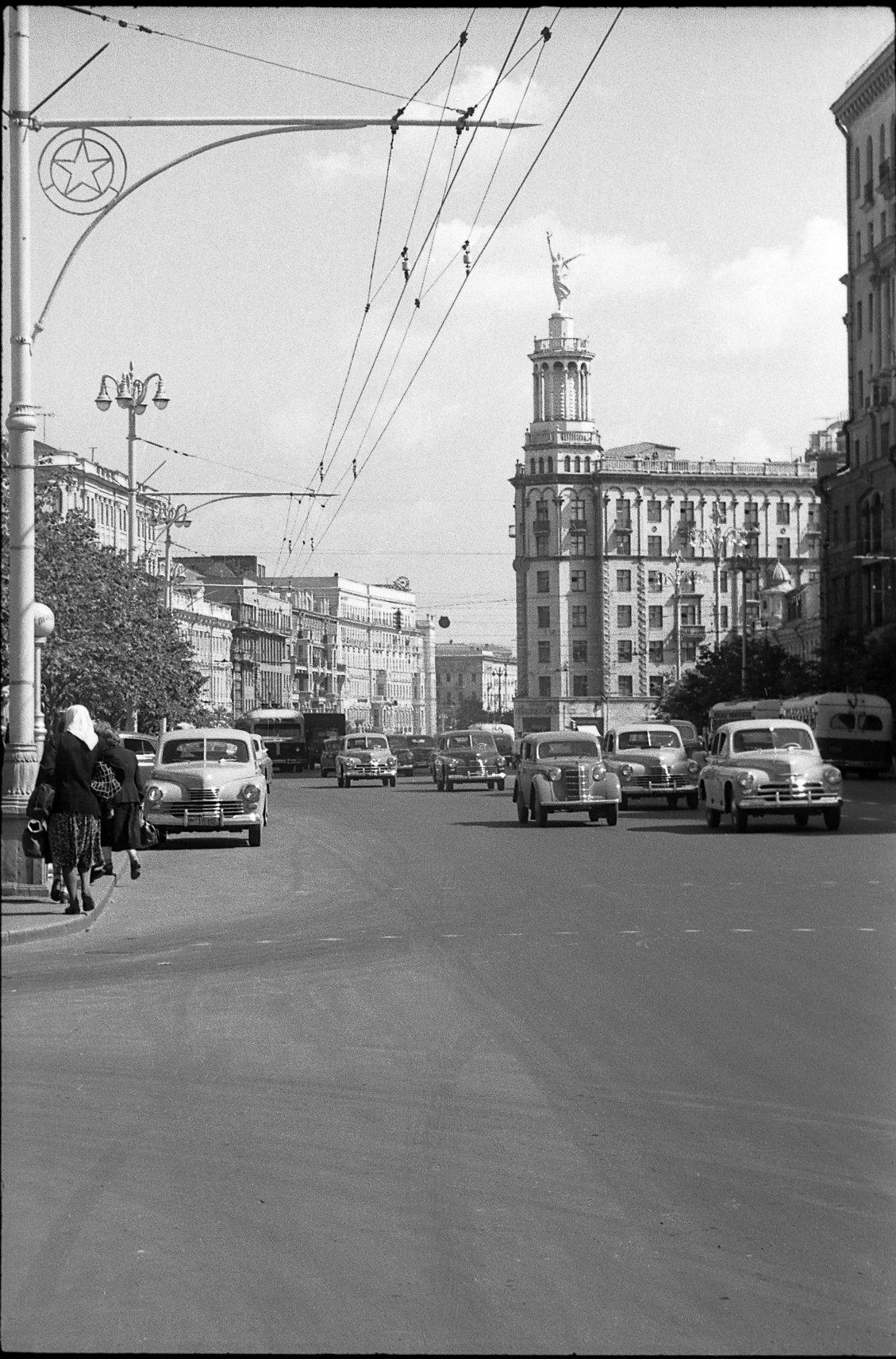
Up until 1958 a sculpture of the ballet dancer crowned the top of the corner tower of the building – that’s how the house got this nickname: "House under the skirt ".

“House under the skirt”
Pushkinskaya, Tverskaya, Chekhovskaya
Up until 1958 a sculpture of the ballet dancer crowned the top of the corner tower of the building – that’s how the house got this nickname: "House under the skirt ".
4.01
Вы можете воспользоваться QR-кодом, чтобы открыть эту страницу в нашем приложении
Архитектурный стиль:
Годы постройки:
1940
Архитекторы:
А.Г. Мордвинов
Дата открытия, История появления

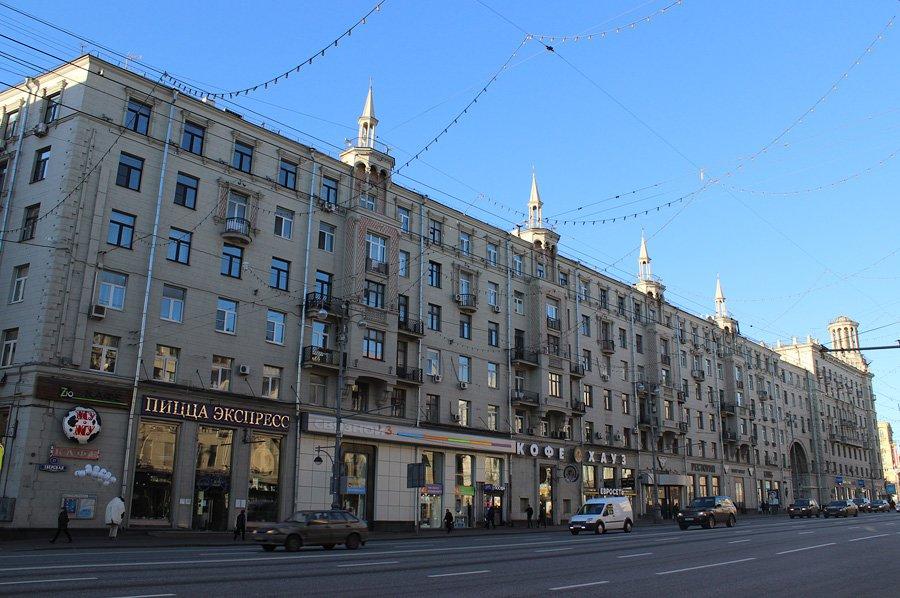
Здание построено по проекту знаменитого зодчего А.Г. Мордвинова и инженера П.А. Красильникова в 1940 году и вместе с жилым домом №15 занимает протяженный участок от Вознесенского переулка до Бульварного кольца.

Ранее на месте этого здания находилась древняя церковь Дмитрия Солунского, которая была снесена в 1933 году. А рядом с ней в 1920-х годах находилось литературное кафе "Стойло Пегаса", где частенько бывал Сергей Есенин.

Архитектор этого сооружения - А.Г. Мордвинов – в 1930-е годы занимался масштабным преобразованием улицы Горького (сейчас - Тверская).


Описание

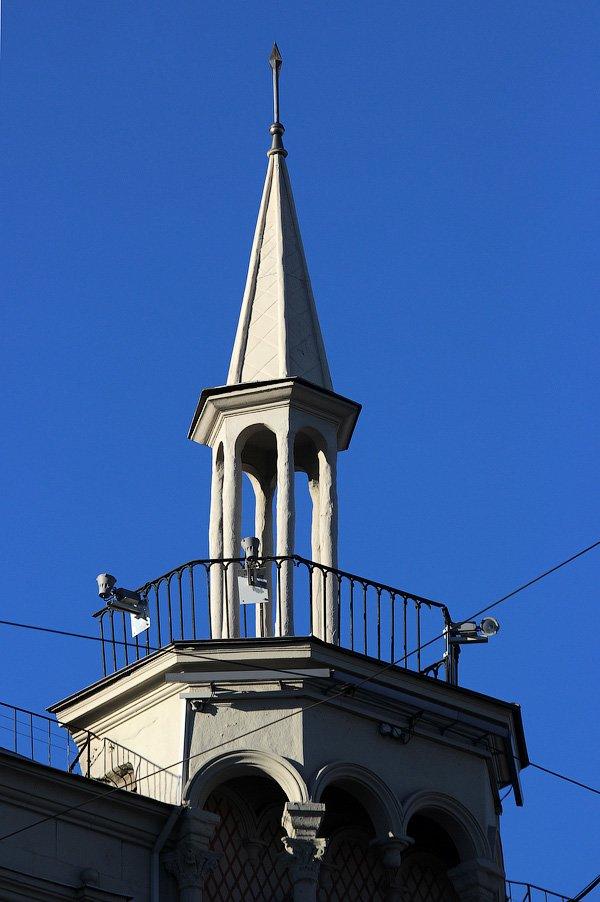
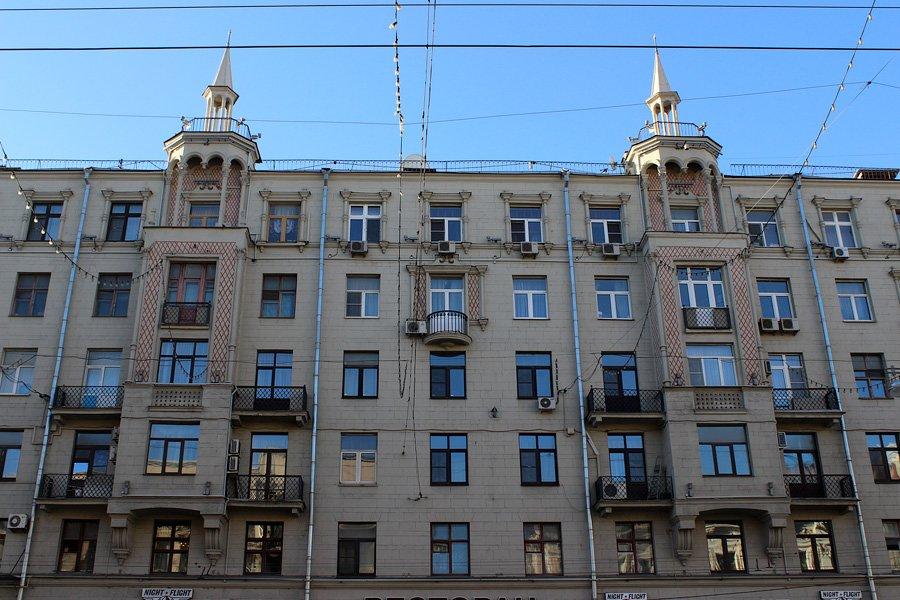
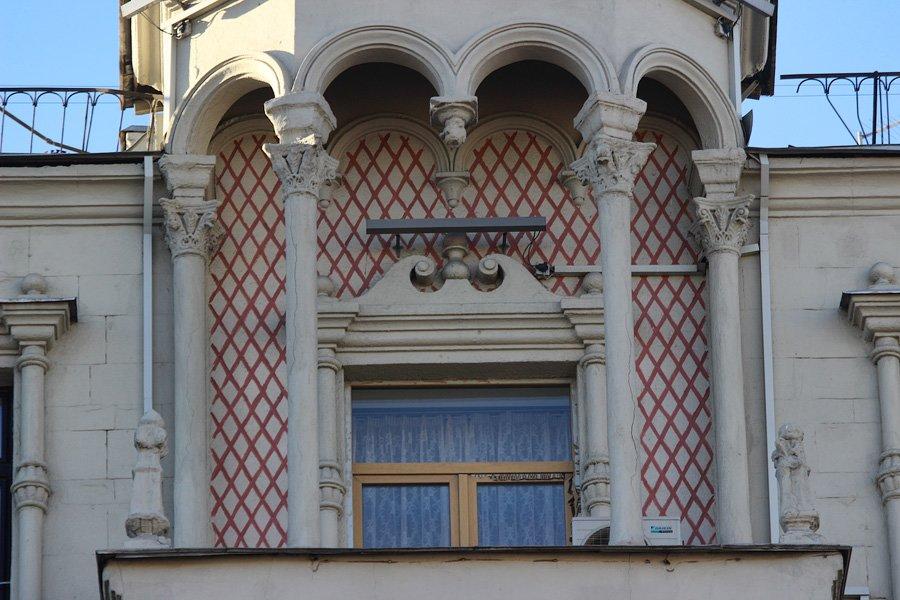
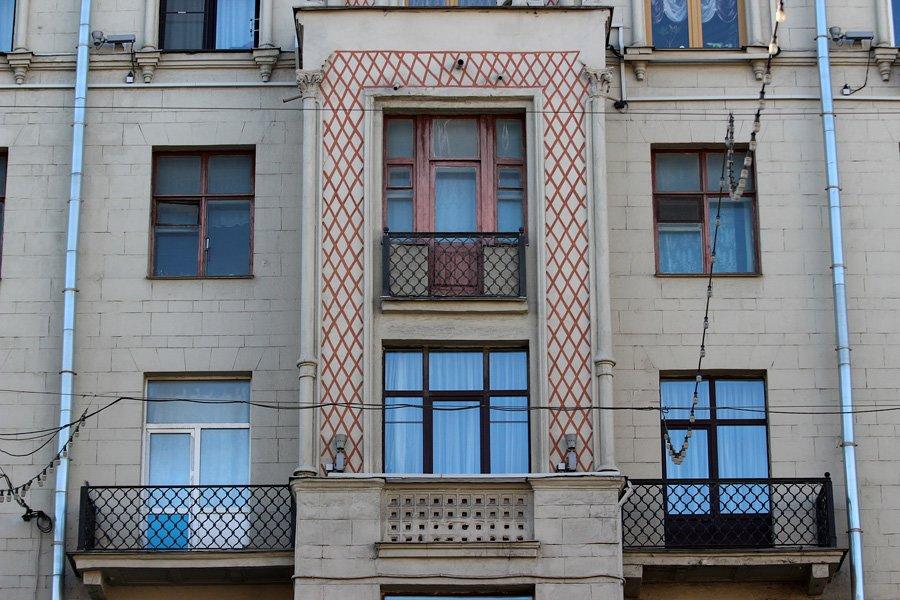
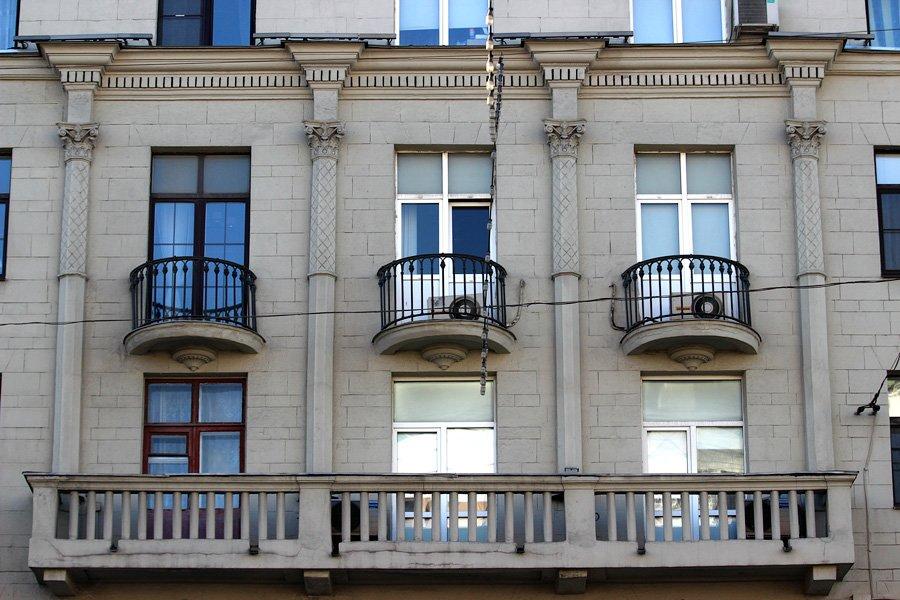
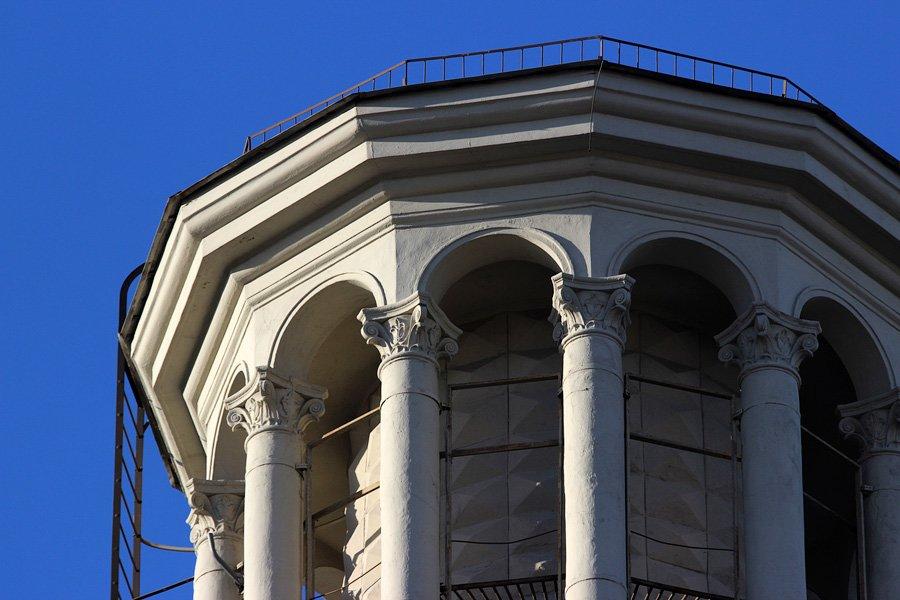
Этот массивный дом – типичный представитель сталинской архитектуры, богато декорированный со стороны улицы. Здание украшено характерными элементами архитектурного стиля конца 1930-х годов. Пластика фасадов организована с помощью эркеров, балконов и наличников. Крупномасштабная арка-проезд фиксирует вход в примыкающий переулок. На верхней части дома находятся легкие башенки восточного типа.

Интересные факты

Собственно, а почему «Дом под юбкой»? Огромная статуя балерины скульптора Г.И. Мотовилова украшала угловую башню до 1958 года. Девушка стояла с поднятой к солнцу рукой. Дама была очень грациозной, и москвичи считали, что это вылитая Ольга Лепешинская, прима Большого театра. Однако по поводу этой скульптуры весьма непристойно подшучивали. Остроумы даже сочинили стишок: "Над головою у поэта воздвигли даму из балета, чтоб Александр Сергеич мог увидеть пару стройных ног". Это намек на памятник А.С. Пушкину, который в 1950 году перенесли с бульвара на противоположную сторону. Балерины так же давно нет, ее демонтировали – состояние было аварийное, и она грозила упасть на голову какому-нибудь зазевавшемуся пешеходу. Но по старой памяти коренные москвичи называют этот дом «домом под юбкой».

Владельцы и значимые персоны

В этом доме проживали пианист А.В. Гольденвейзер и скульптор С.Т. Конёнков. 

Современное назначение

Ныне в квартире пианиста и мастерской скульптора созданы музеи, посвященные их творчеству.
В настоящее время здание является объектом культурного наследия регионального значения.
The building was built upon the project of the famous architect A. Mordvinov and engineer P. Krasilnikov in 1940 and together with the residential house number 15 it takes a long lot from Voznesenskiy lane to the Boulevard Ring. Earlier on the site of that building there was an ancient St Demetrius of Solun church which was demolished in 1933. And next to it, in 1920s, there was a literature cafe "Pegasus Stall" which was often visited by Sergei Esenin. This massive house is a typical representation of Stalinist architecture and is richly decorated from the side of the street with the characteristic elements of the architectural style of the late 1930s. Plastic art of the facades is performed by bay windows, balconies and architraves. Large-scale arch-passage captures the entrance to the adjacent lane. At the top of the house there are light towers in eastern style. So, why the house is called "House under the skirt?" A huge sculpture of a ballet dancer by sculptor G. Motovilov decorated the corner tower until 1958. The girl was standing with her hand raised to the sun. The lady was very gracious, and Muscovites believed that it is a spitting image of Olga Lepeshinskaya, prima ballerina of the Bolshoi Theatre. However, there were quiet obscene jokes about this sculpture. Witty persons even composed a poem: "Above the head of a poet, a lady from the ballet is erected, so that Alexander Sergeevich could see a pair of slender legs". This was a hint to the monument of Alexander Pushkin, which in 1952 was moved to the opposite side of the boulevard. Sculpture of ballerina was dismantled long time ago because of its emergency status – there was a threat of its falling down to the head of some unwary pedestrian. But for old time's sake natives of Moscow call this house 'house under the skirt." The architect of this building – A. Mordvinov - in 1930 was engaged in a large-scale transformation of Gorky Street (now - Tverskaya). Pianist A. Goldenveizer and sculptor S.Konenkov lived in this house. Now in their apartments there are museums dedicated to their creative work. Currently the building has a status of a cultural property of regional significance.
Отзывы
(7)
Поделитесь статьей с друзьями
Интересное рядом(6)
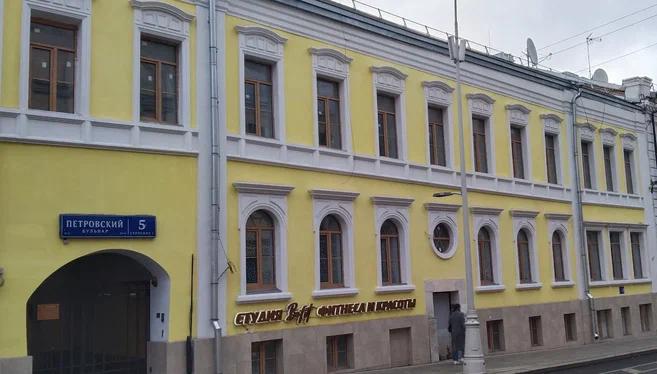
Peter's Gate Square

This square preserved the memory of the gate in the wall of the White City in its name.

площадь Петровские ворота
Trubnaya, Pushkinskaya, Tverskaya, Chekhovskaya
125 009, Россия, Москва, ул. Тверская, 3, -2 этаж
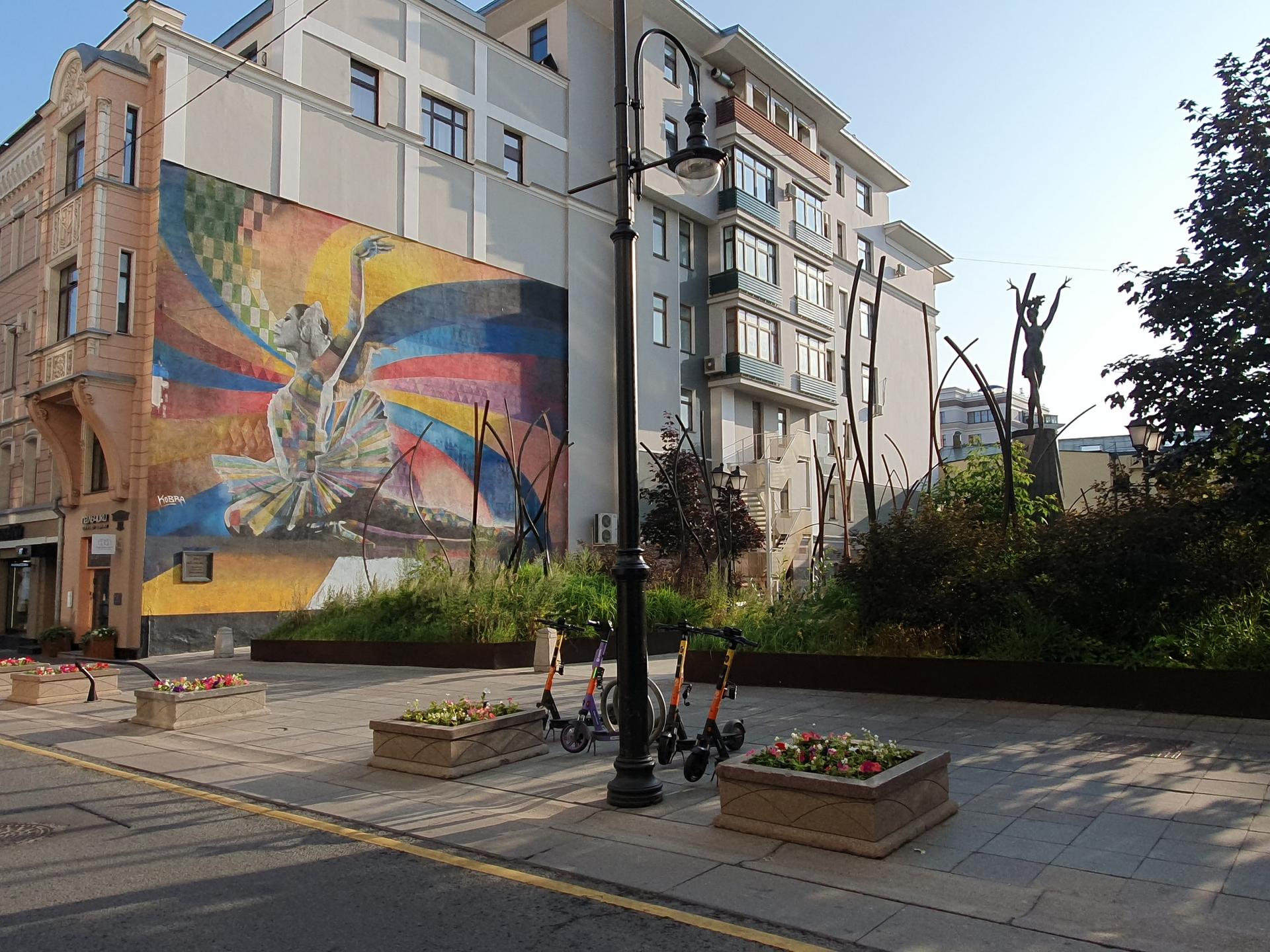
Сквер Майи Плисецкой
г. Москва, ул. Малая Дмитровка, д. 29, стр. 4
Pushkinskaya, Chekhovskaya, Mayakovskaya
скульптор