Интерактивный гид по городу
С мобильным приложением бродить по городу гораздо интереснее!

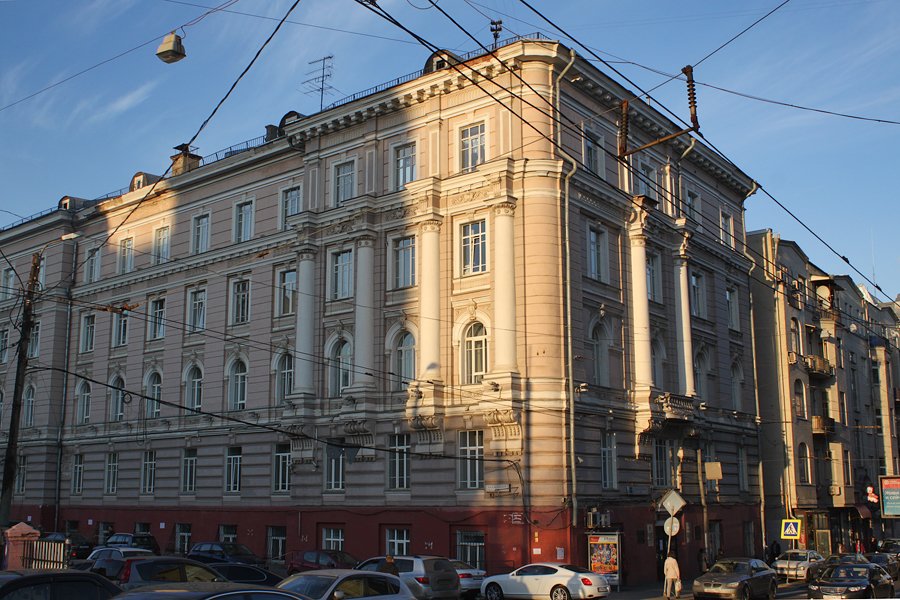
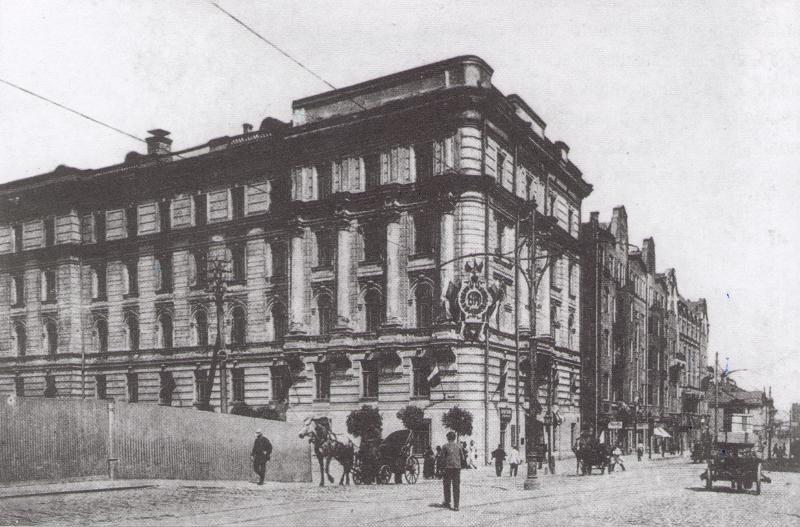
House of the Moscow-Kursk and Nizhny Novgorod-Murom railways

The building was constructed in 1898-1899 by the architect N.I. Orlov (the author of the old building of the Kursk Station) and engineer M.A. Aladin.

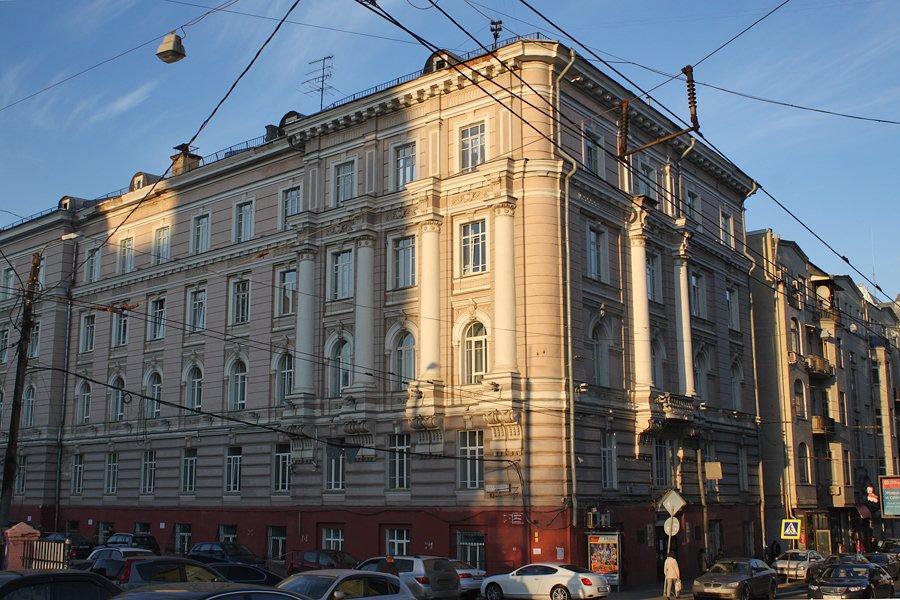
House of the Moscow-Kursk and Nizhny Novgorod-Murom railways
The building was constructed in 1898-1899 by the architect N.I. Orlov (the author of the old building of the Kursk Station) and engineer M.A. Aladin.
3.48
Вы можете воспользоваться QR-кодом, чтобы открыть эту страницу в нашем приложении
Архитектурный стиль:
Годы постройки:
1898-1899
Архитекторы:
Н.И. Орлов
Эпоха:
19th century
Информация о здании

В старину в Басманной слободе находились владения купца Луки Девятова и большой загородный двор Вознесенского монастыря, пожалованный обители царём Алексеем Михайловичем в 1654 году. Со временем, владения монастыря значительно уменьшились, часть их была распродана.

В первой половине XVIII века на месте нынешнего дома № 11 находился двор генерал-майора Ивана Дмитриевича Бухгольца - обрусевшего немца, путешественника и дипломата петровского времени, основателя города Омска (первой Омской крепости).

В XIX веке по бывшим монастырским землям была проложена соединительная железнодорожная ветка между Николаевской (ныне Октябрьской) и Курской железными дорогами, открытая в 1870 году.

Ныне существующее мощное и протяжённое здание, оформляющее угол Старой Басманной улицы и Басманного тупика, было построено в 1898-1899 годах по проекту архитектора Н. И. Орлова (автора старого здания Курского вокзала) и инженера М. А. Аладьина, которые являлись штатными архитекторами Московско-Курской железной дороги, для правления Московско-Курской и Нижегородско-Муромской железных дорог. Здесь располагались как управление службы дорог, так и квартиры железнодорожных служащих. Часть помещений использовалась как доходная и сдавалась внаём.

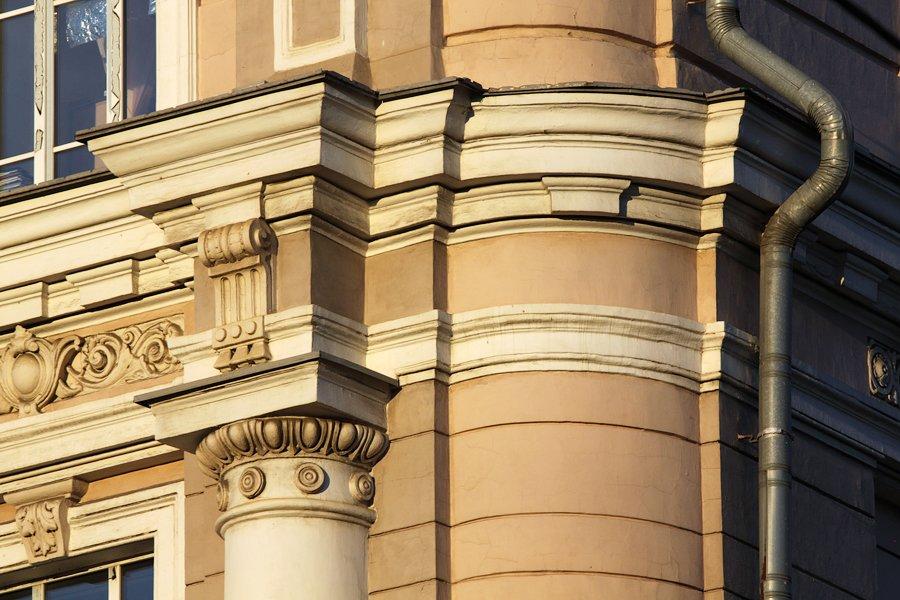
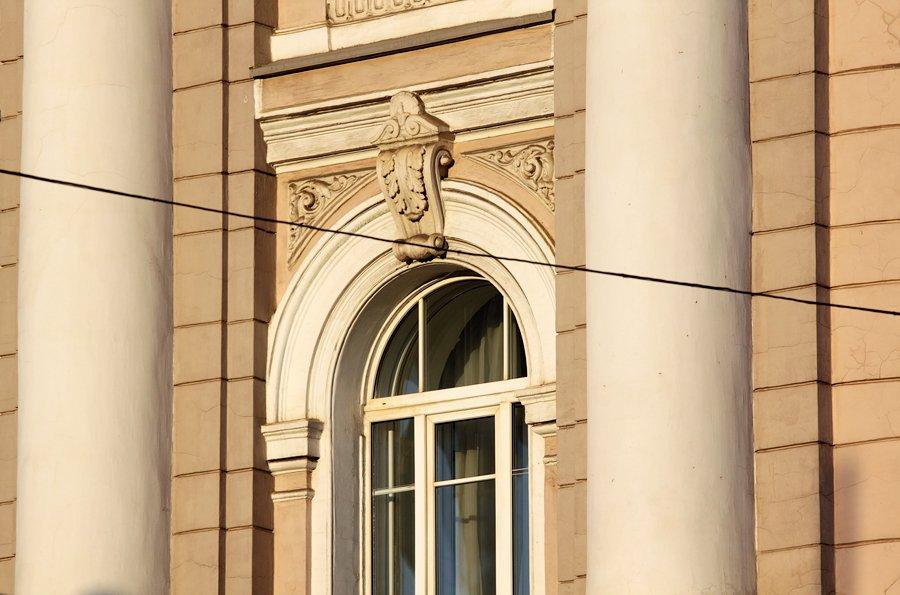
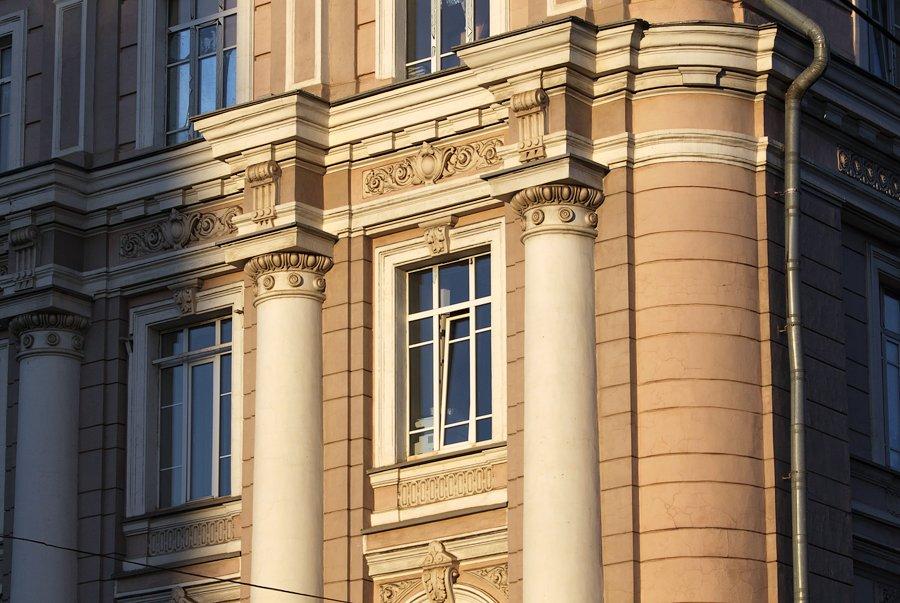
Своим длинным фасадом здание выходит на железнодорожную соединительную ветку. Трехчастную композицию этого фасада оформляют четырёхколонные портики гигантского ордера средних двух этажей центрального и боковых ризалитов, которые опираются на антаблемент из волют. При гладком цоколе все фасады здания имеют ярко выраженный руст. Наличники окон второго и третьего этажей более мощные, чем первого и последнего, и выделяют среднюю линию фасада, что присуще классическим зданиям. На окнах всех уровней присутствуют замковые камни разного декора – гладкие на верхнем этаже, и имеющие волюты с растительным орнаментом на втором и третьем.

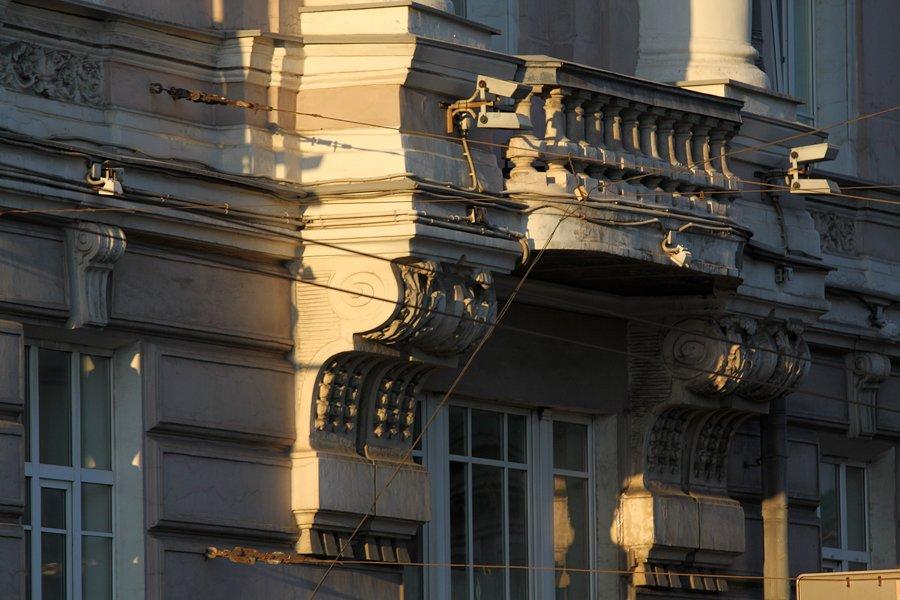
Фасад, выходящий на Старую Басманную улицу, оформлен двухколонным портиком с небольшим балконом между ними.

В настоящее время в доме располагается Федеральное агентство железнодорожного транспорта (Росжелдор) Министерства транспорта РФ. Здание находится на государственной охране и имеет статус выявленного объекта культурного наследия.
In olden times in the Basmannaya Sloboda there were the possessions of the merchant Luka Devyatova and the large country yard of the Ascension Monastery, granted to the monastery by Tsar Alexei Mikhailovich in 1654. Over time, the monastery's holdings were significantly reduced, some of them were sold. In the first half of the XVIII century on the site of the present house number 11 was the yard of Major-General Ivan Dmitrievich Buchholz - Russified German, traveler and diplomat of the Peter the Great time, the founder of the city of Omsk (the first Omsk fortress). In the 19th century, a connecting railway line was laid along the former monastic lands between the Nikolayevskaya (now Oktyabrskaya) and the Kursk railways, which was opened in 1870. Now the existing powerful and extensive building that forms the corner of Old Basmannaya Street and the Basmanny impasse was built in 1898-1899 according to the project of architect N.I. Orlov (the author of the old Kursk railway station building) and engineer M. Aladin, who were regular architects of Moscow-Kursk railway, for the management of the Moscow-Kursk and Nizhny-Novgorod-Murom railways. Here were located both the management of the road service and the apartment of railway employees. A part of the premises was used as a profitable and rented out. With its long facade, the building faces the railway connecting line. Three-part composition of this facade is made up of four-columned porticoes of a giant warrant of medium-sized two-level central and side projections, which are based on an entablature of volutes. With a smooth basement, all facades of the building have a pronounced rust. The windows of the second and third floors are more powerful than the first and the last one, and they distinguish the middle line of the facade that is characteristic of classical buildings. On the windows of all levels there are castle stones of different decor - smooth on the top floor, and having volutes with vegetative ornamentation on the second and third. Facade facing the Staraya Basmannaya street, two-column portico are decorated with a small balcony between them. Currently, the house is the Federal Agency for Railway Transport (Roszheldor) of the Ministry of Transport. The building is protected by the State and has the status of the identified cultural heritage sites.
Автор статьи: Алексей Дедушкин
Поделитесь статьей с друзьями
Интересное рядом(4)