Интерактивный гид по городу
С мобильным приложением бродить по городу гораздо интереснее!

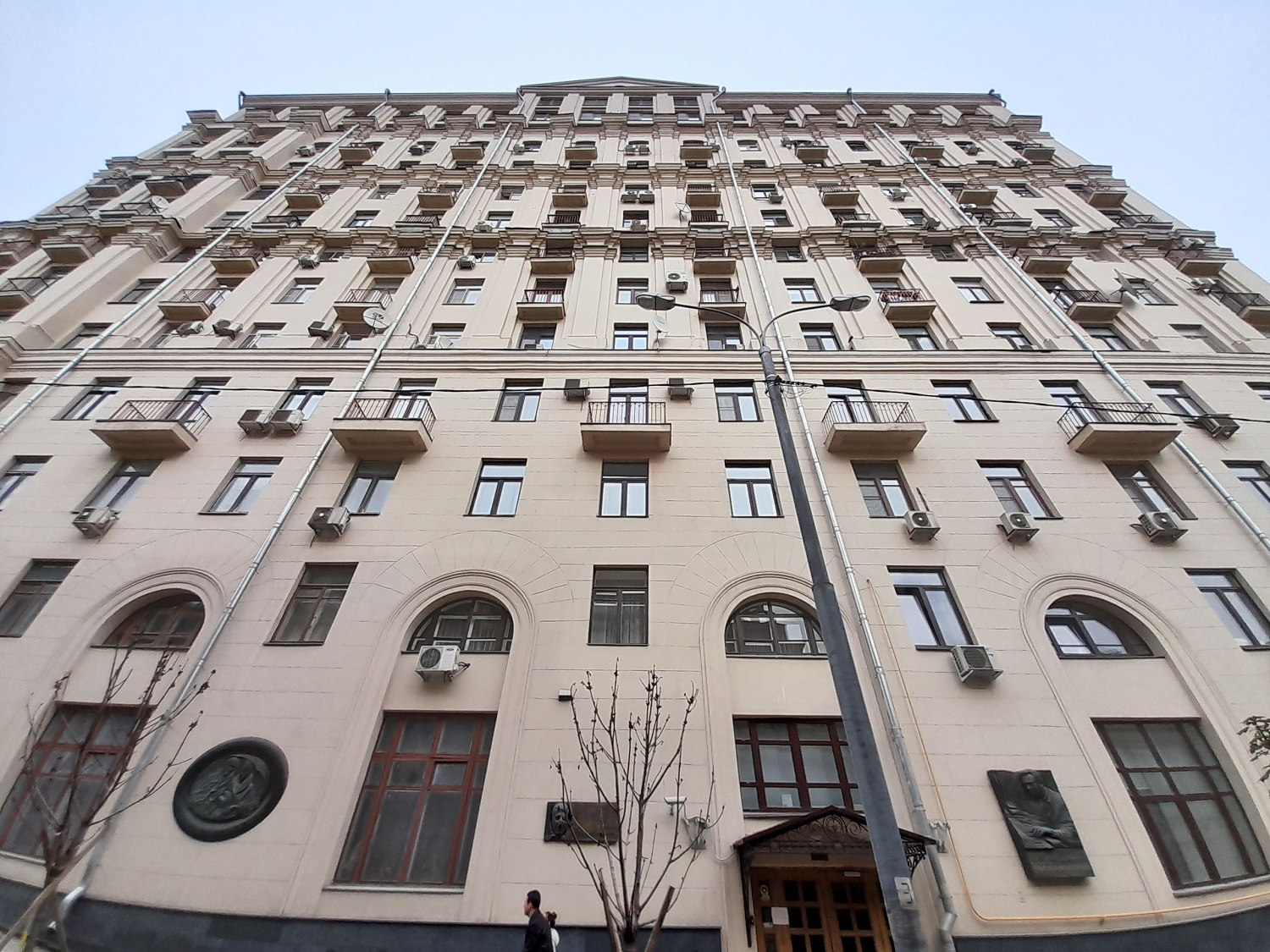
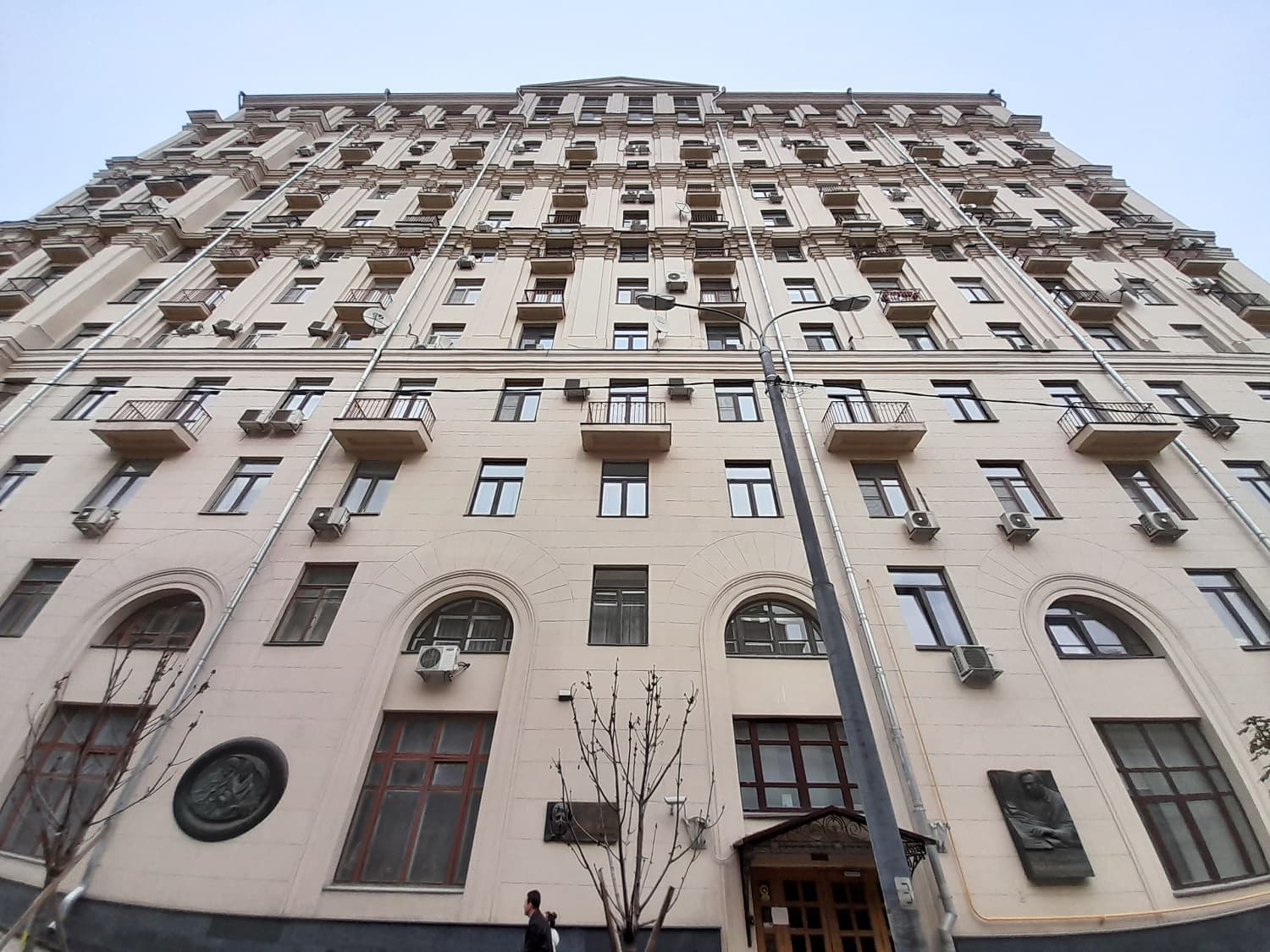
"House of 100 grand pianos"

The elite of national musical intelligentsia lived in these houses. A full list of names would take several pages.

"House of 100 grand pianos"
The elite of national musical intelligentsia lived in these houses. A full list of names would take several pages.
3.39
Вы можете воспользоваться QR-кодом, чтобы открыть эту страницу в нашем приложении
Архитектурный стиль:
Годы постройки:
1955
Архитекторы:
И.Л. Маркузе
Эпоха:
1950s
Информация о здании

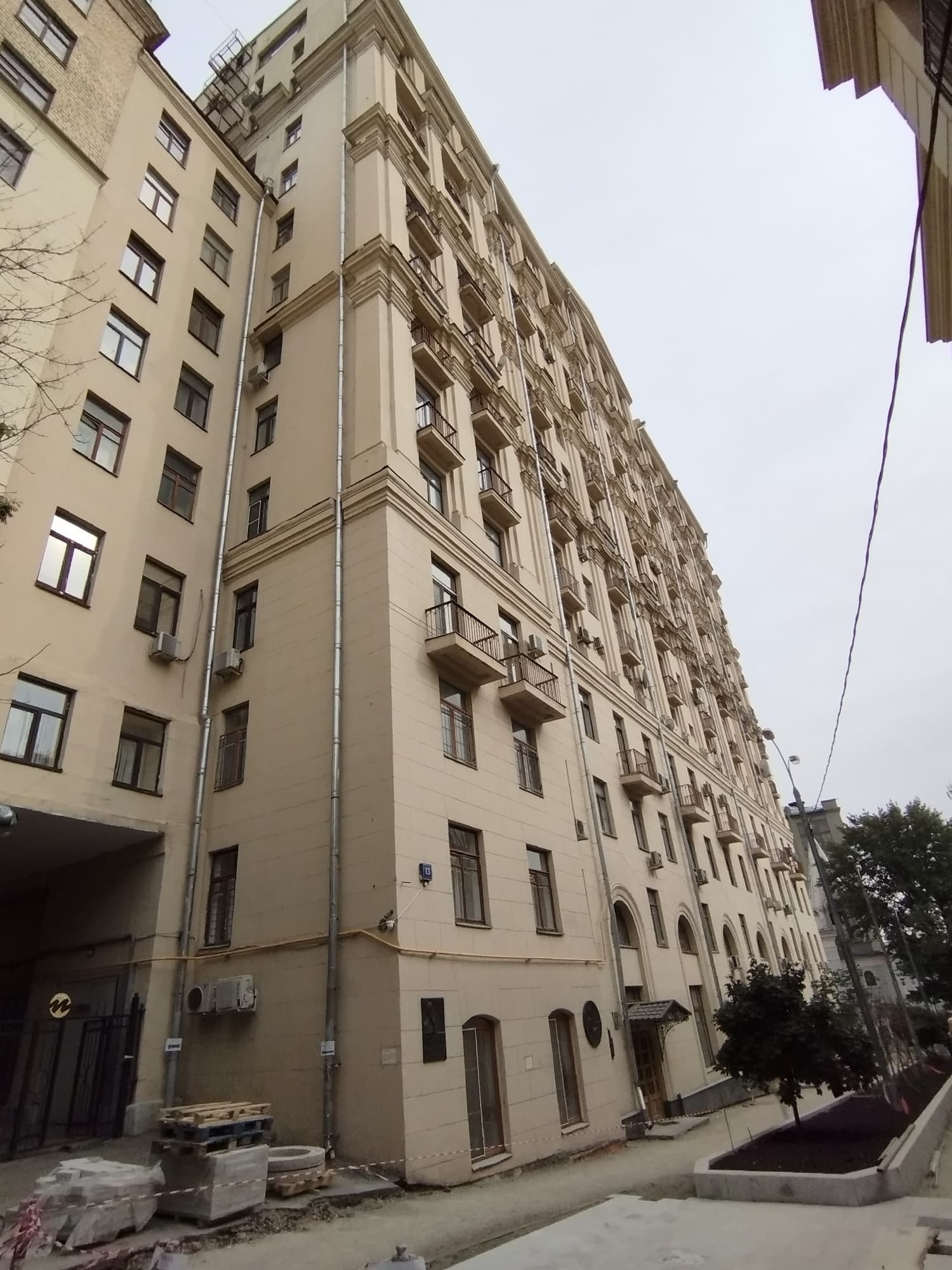
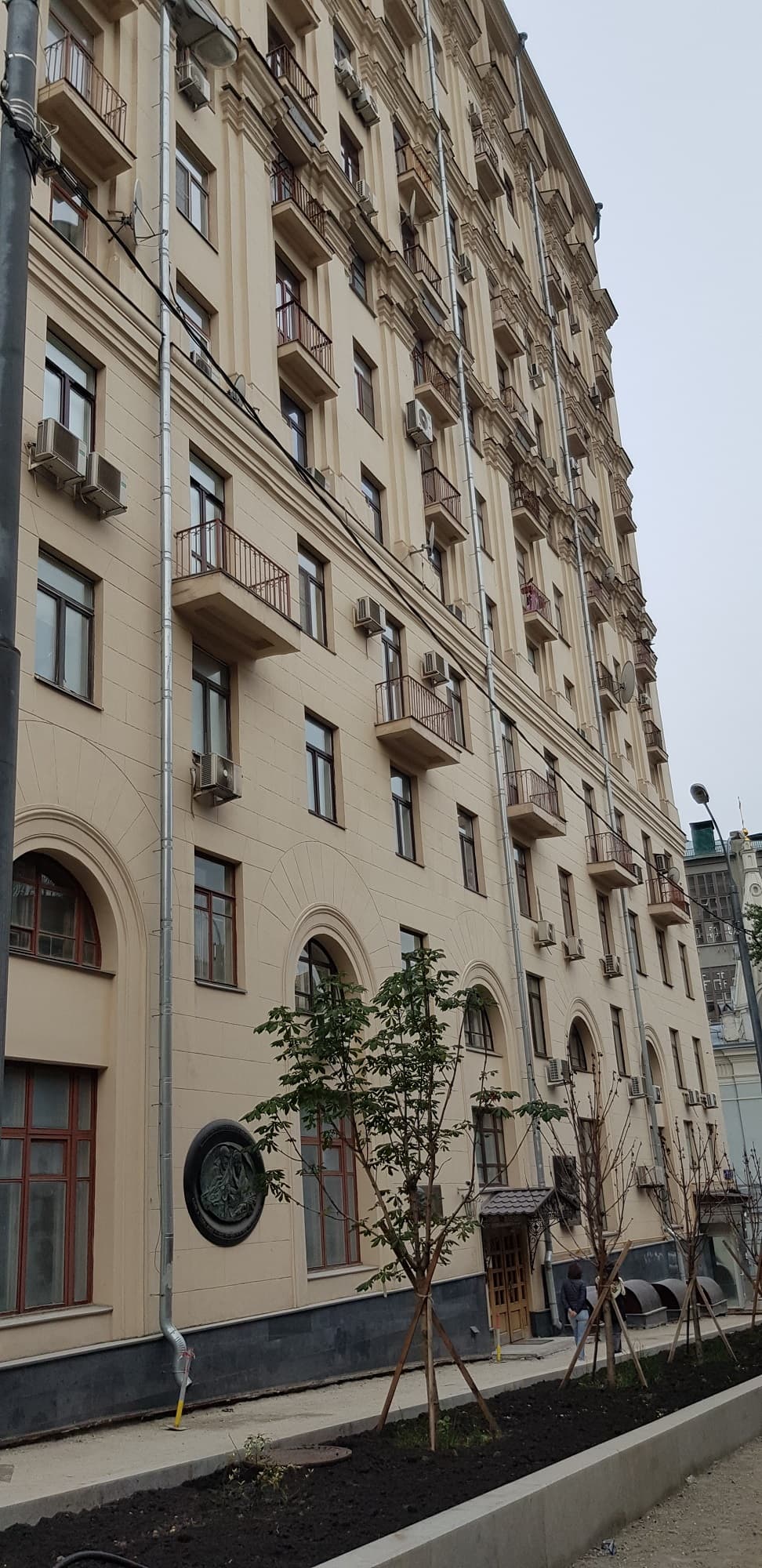
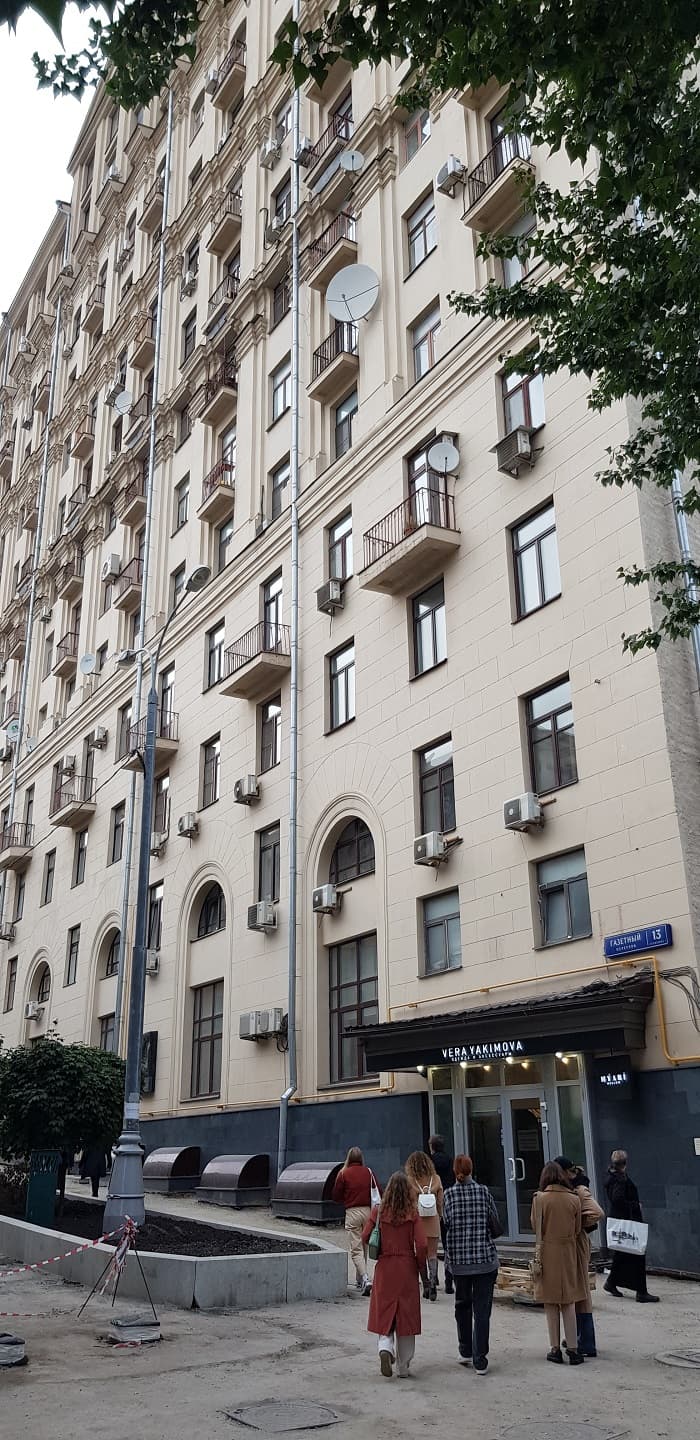
В самом начале 1950-х годов планировалось, что комплекс из двух восьмиэтажных зданий на 10 000 кв. м будет охватывать с двух сторон дореволюционный доходный дом, расположенный между Брюсовым и Газетным переулками. Оба дома были построены в середине 1950-х годов по проекту Исидора Маркузе, ученика великого авангардиста Ильи Голосова. Жители заселились в конце 1956 года.

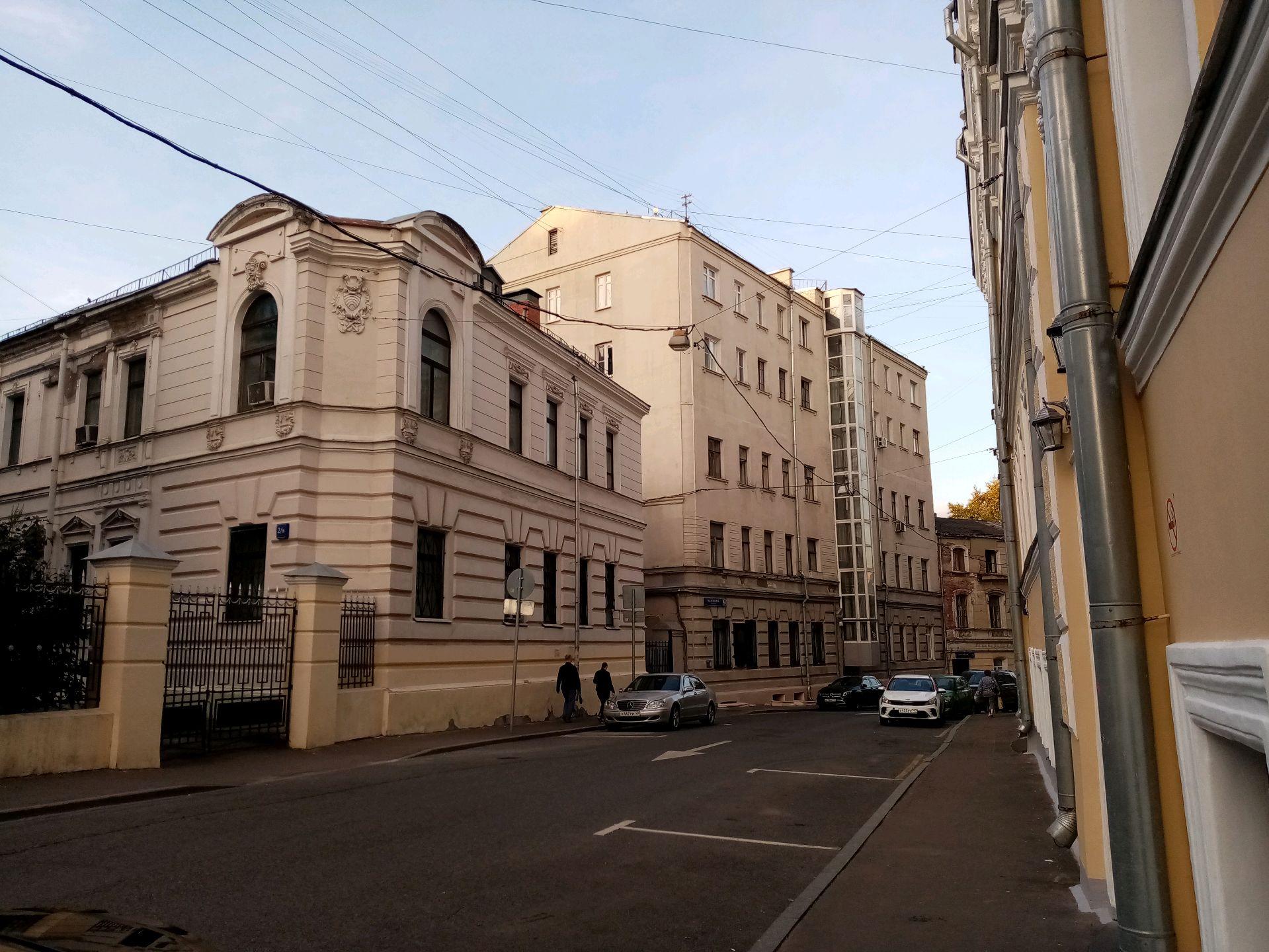
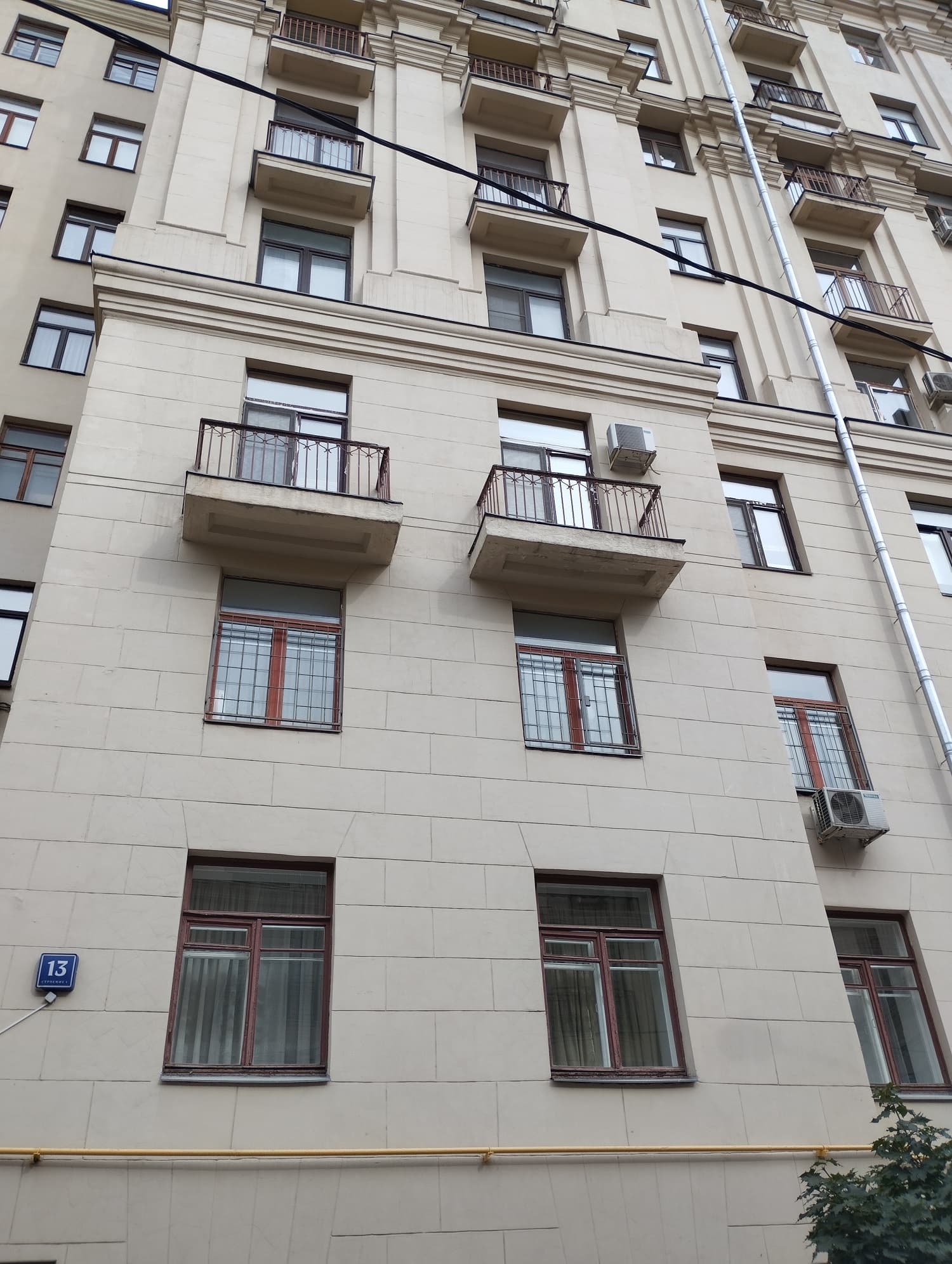
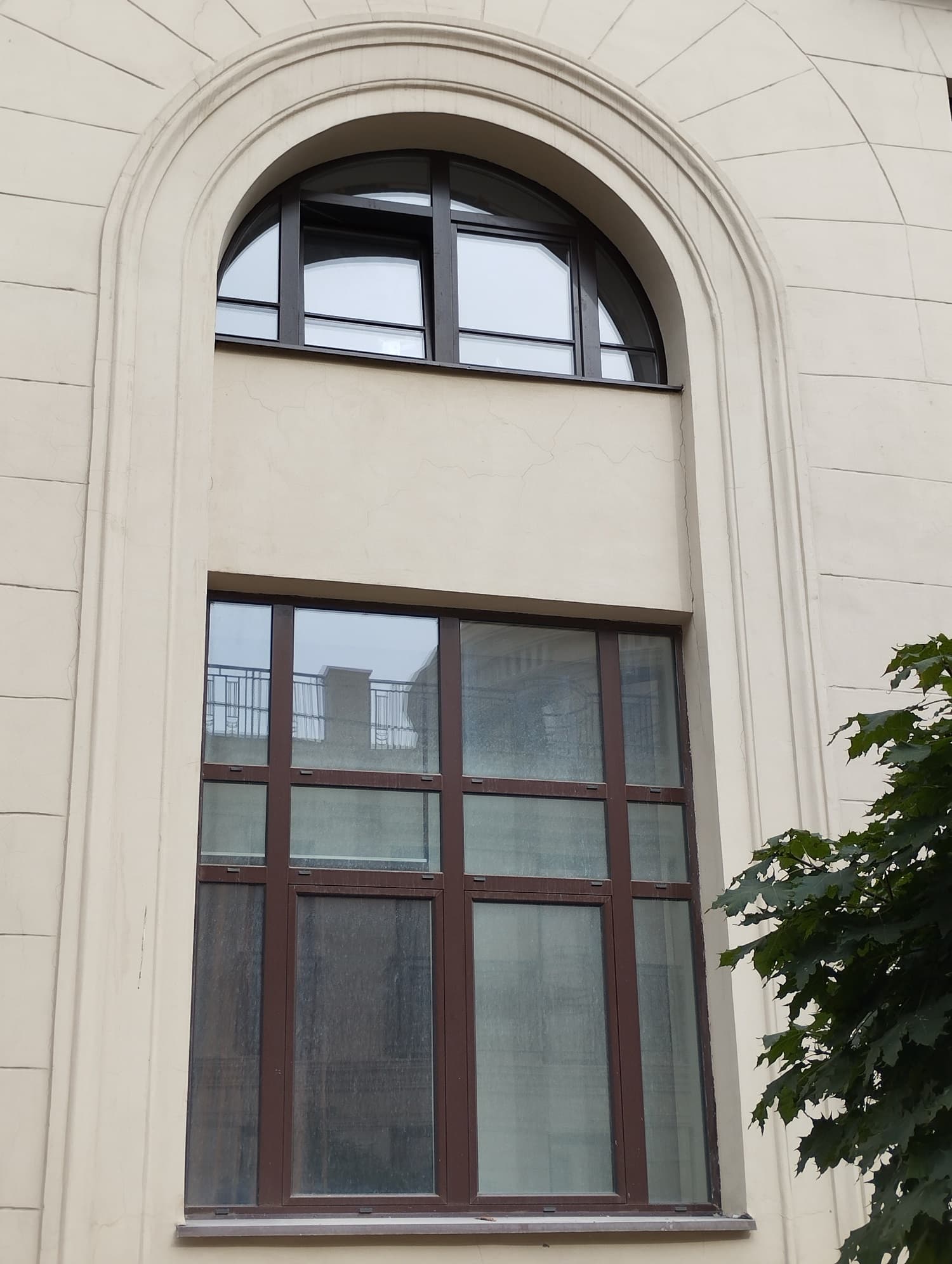
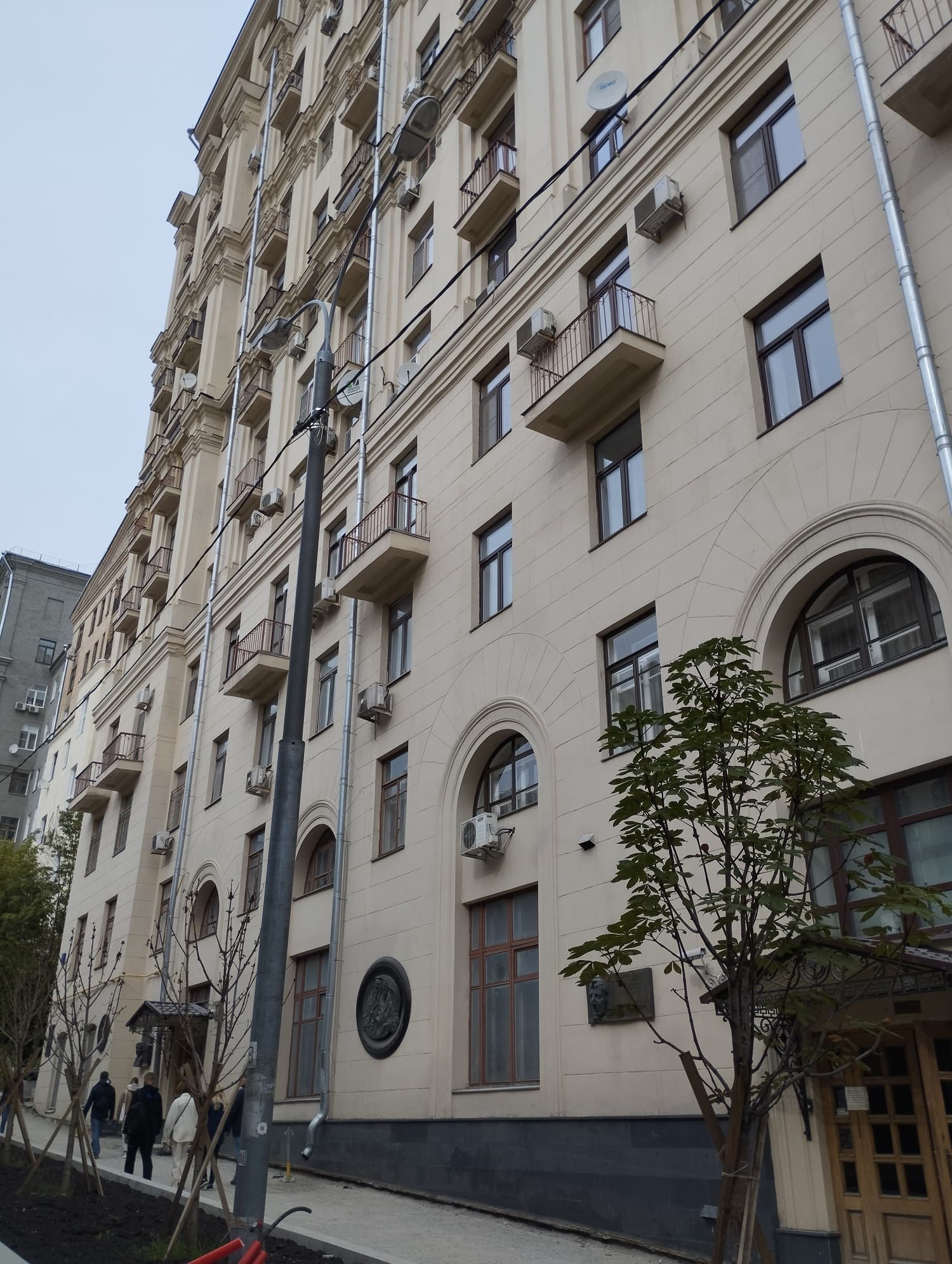
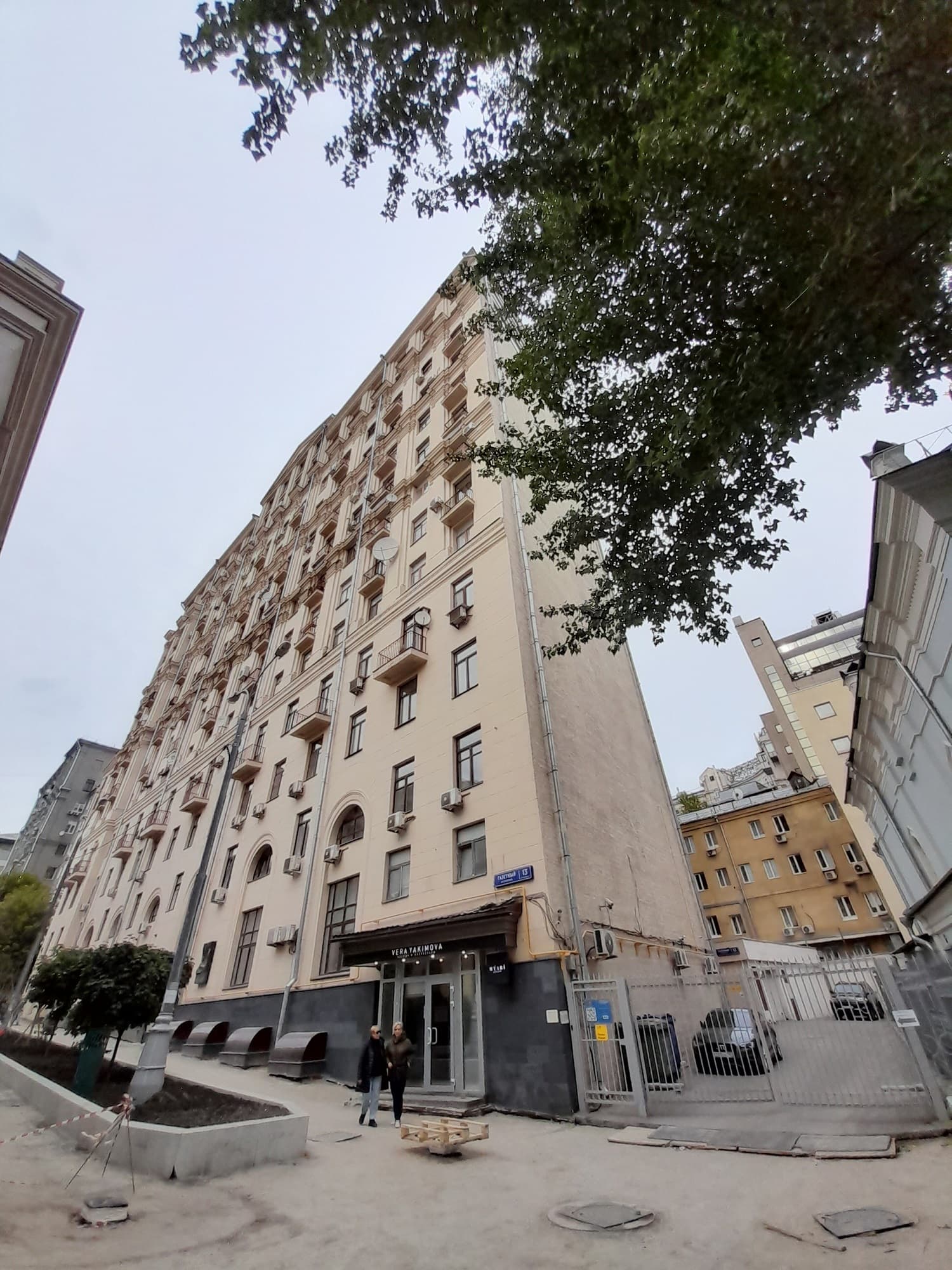
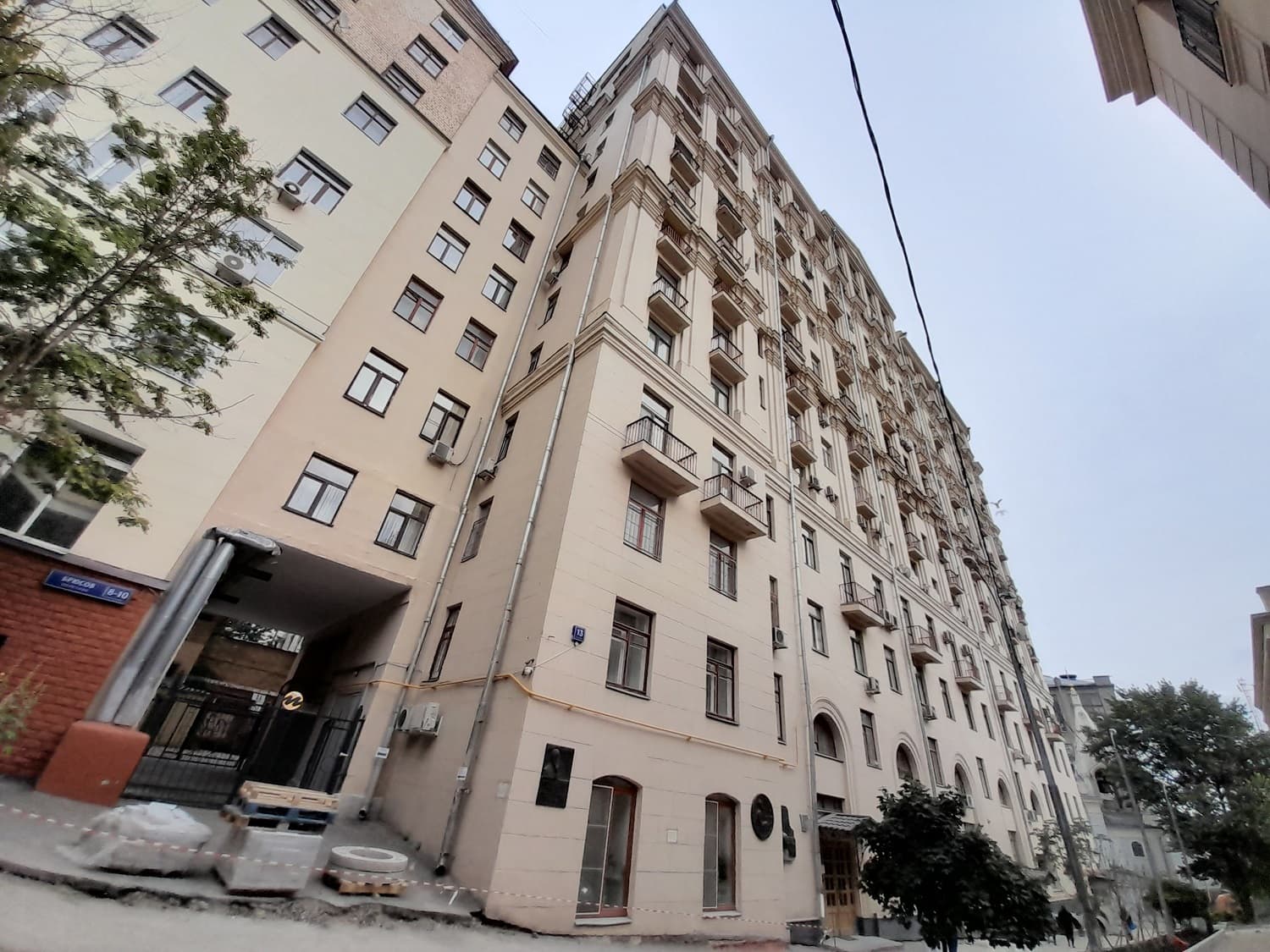
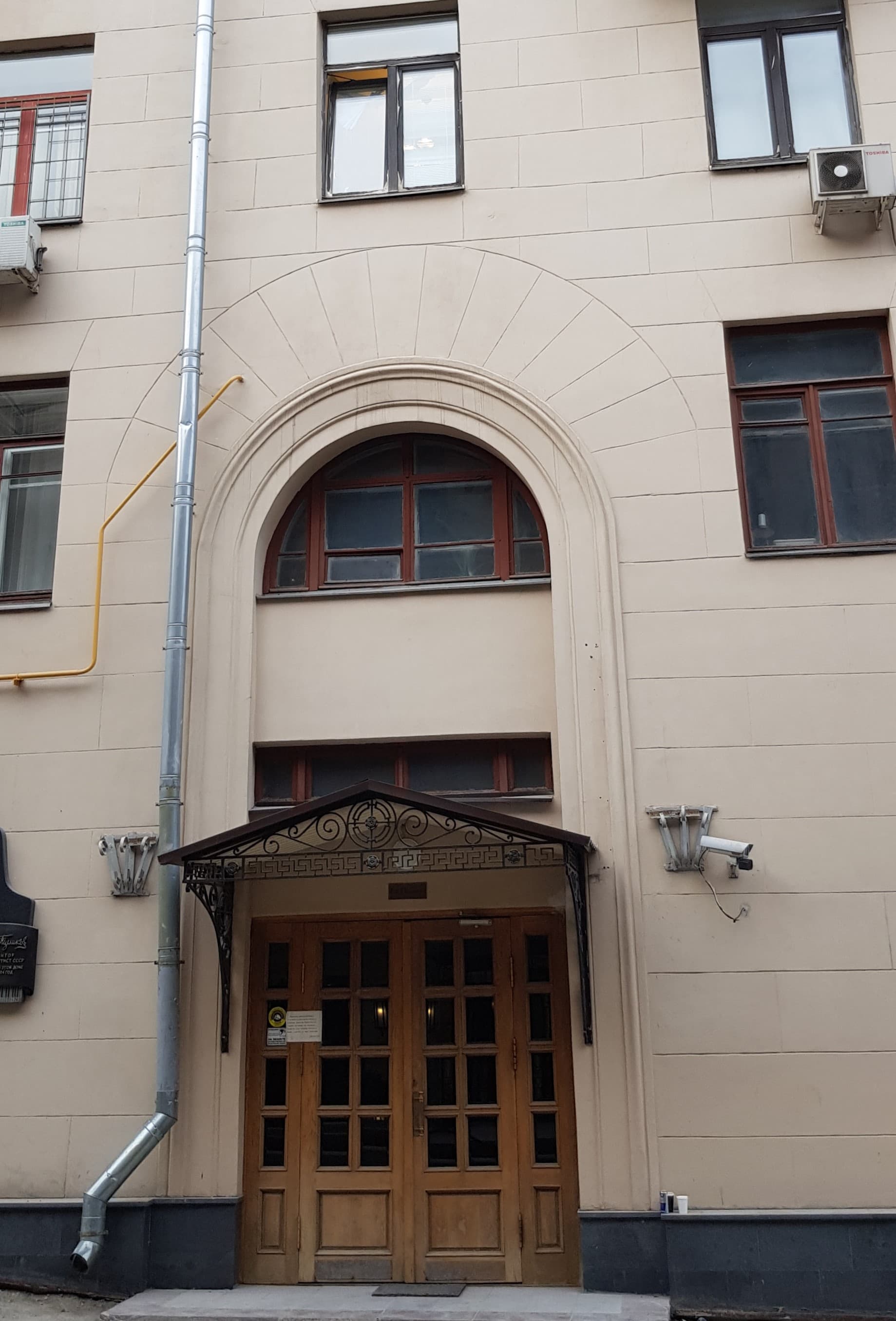
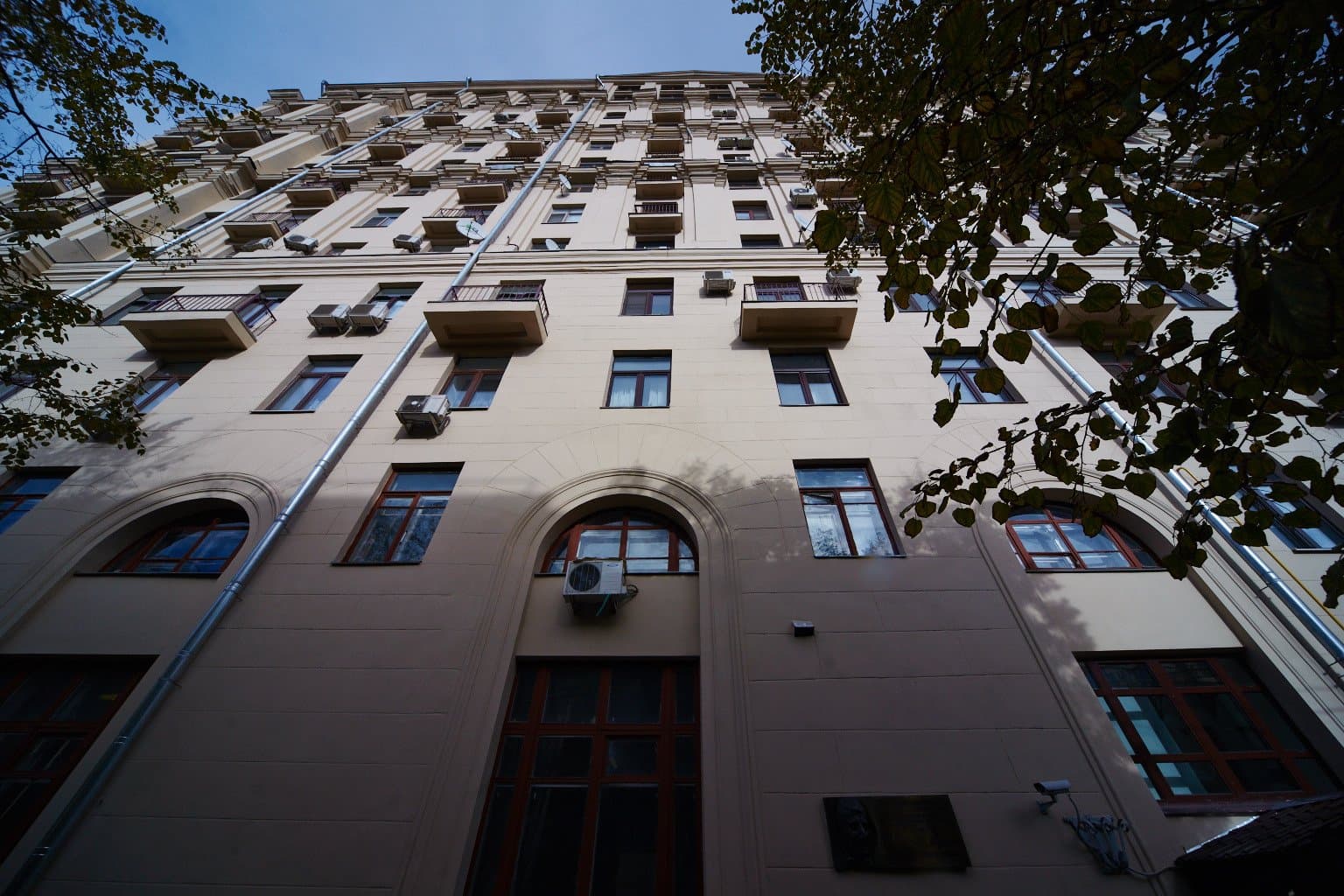
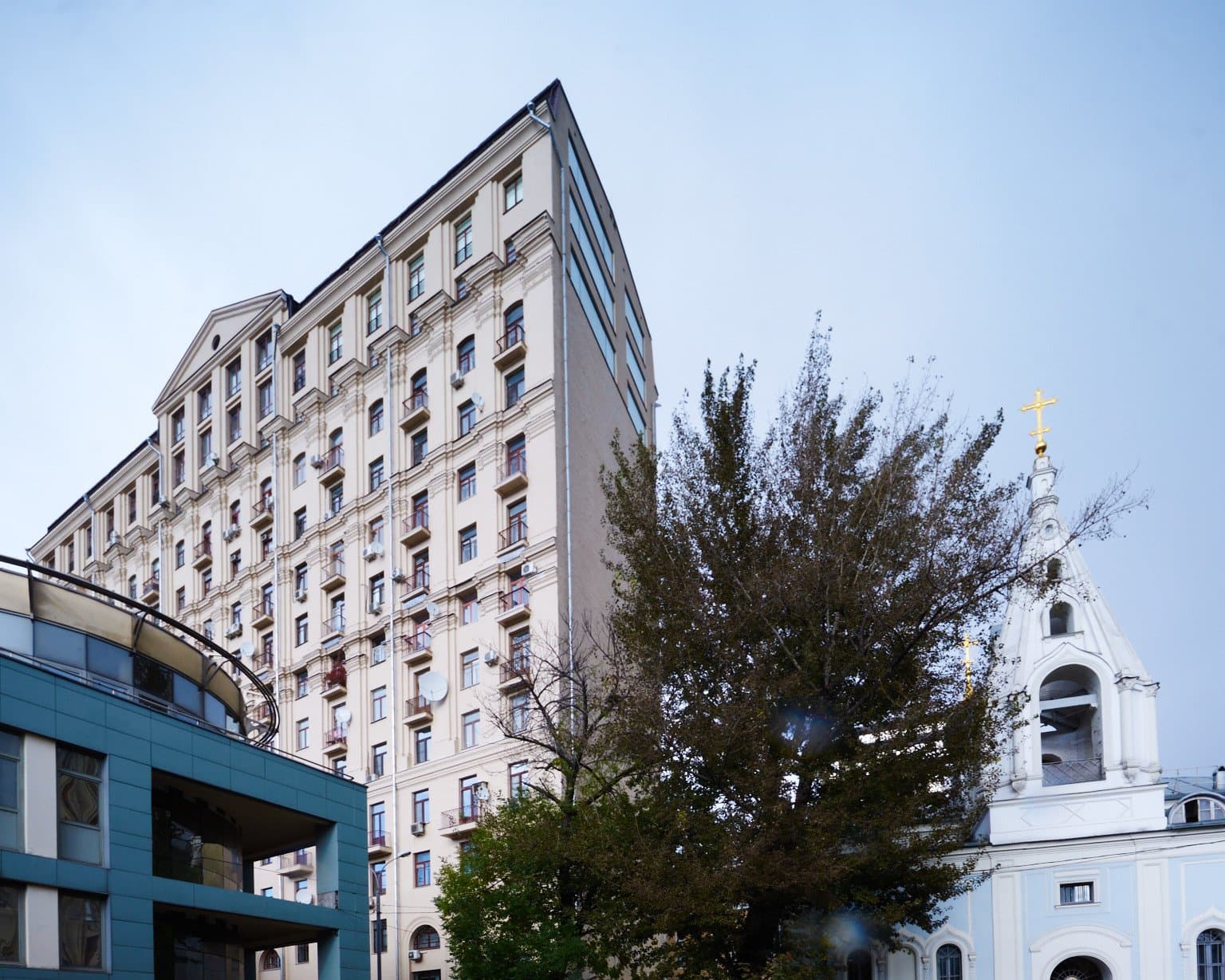
Восьмиэтажные дома очень похожи по своему убранству. У первых этажей высокие потолки и большие арочные окна. Фасады расчленены профилированными лопатками – это сближает строения со знаменитыми высотками, на архитектуру которых часто ориентировались советские проектировщики 1950-х годов. Однако для этих зданий были выбраны более лаконичные и прагматичные архитектурные решения: отсутствуют крупный декор, шпили, обелиски, карнизы большого выноса. Здание, выходящее на Брюсов переулок, имеет Г‑образный план, его изящно подрезанный угол смотрит в переулок арочными лоджиями. Дом по Газетному – прямоугольный в плане и выходит торцом к храму Успения Пресвятой Богородицы на Успенском вражке (середина XIX века). Таким образом два «композиторских» дома не замыкают квартал полностью, оставляя между собой и другими послевоенными зданиями место для исторической застройки.

В доме по Брюсову, помимо квартир, располагается также Союз Композиторов – с дирекцией, нотной и книжной библиотекой, медсанчастью и небольшим концертным залом. В 1960‑е годы он был реконструирован, и общественные помещения значительно расширились: появились еще один концертный зал, фонотека, студия звукозаписи и ресторан. В доме по Газетному переулку (в советское время – по улице Огарева) находятся только квартиры. В подъездах дежурили консьержи, а посыльные каждый день разносили по квартирам хлеб из «Филипповской» булочной и молоко из магазина «Диета».

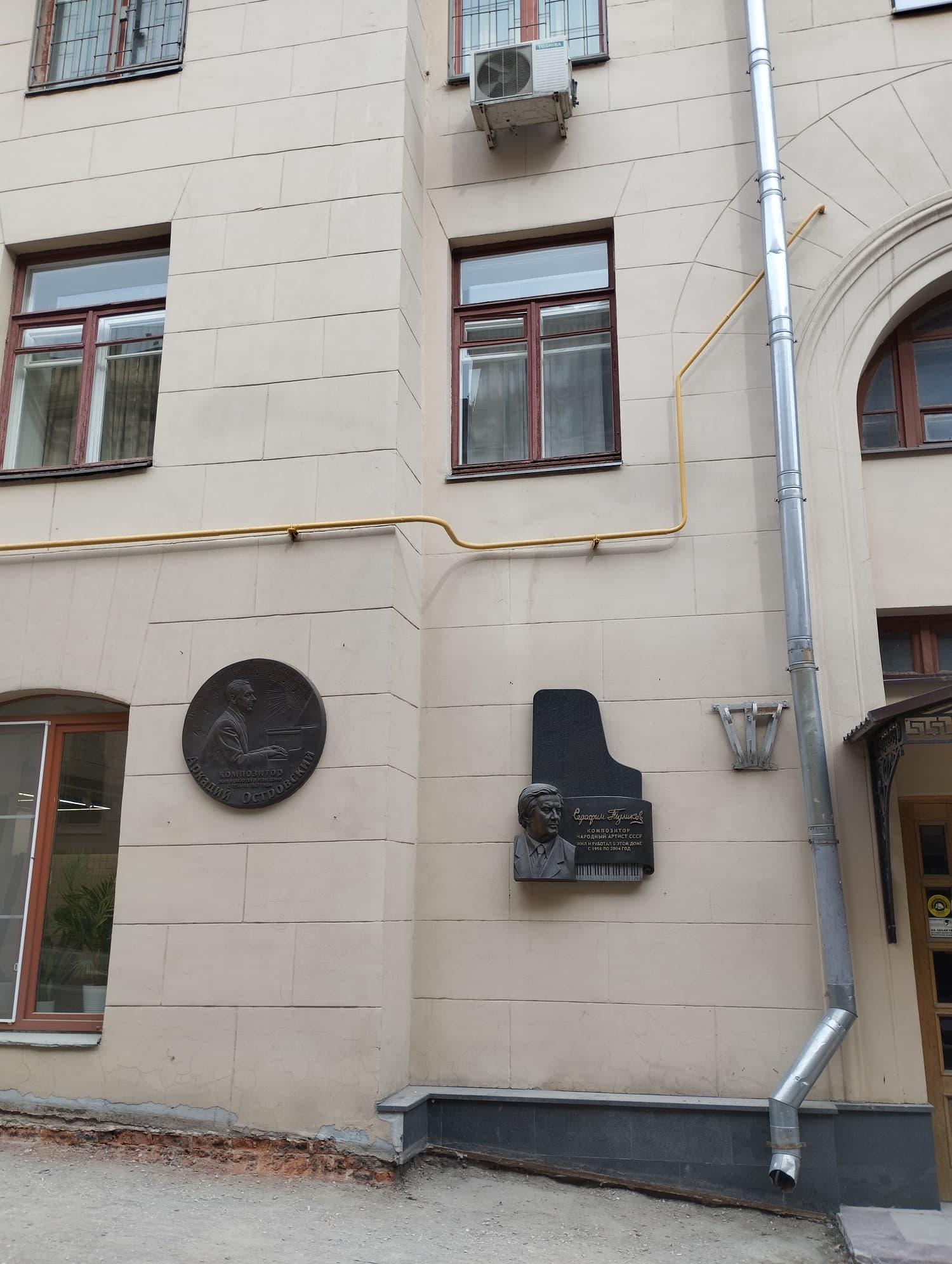
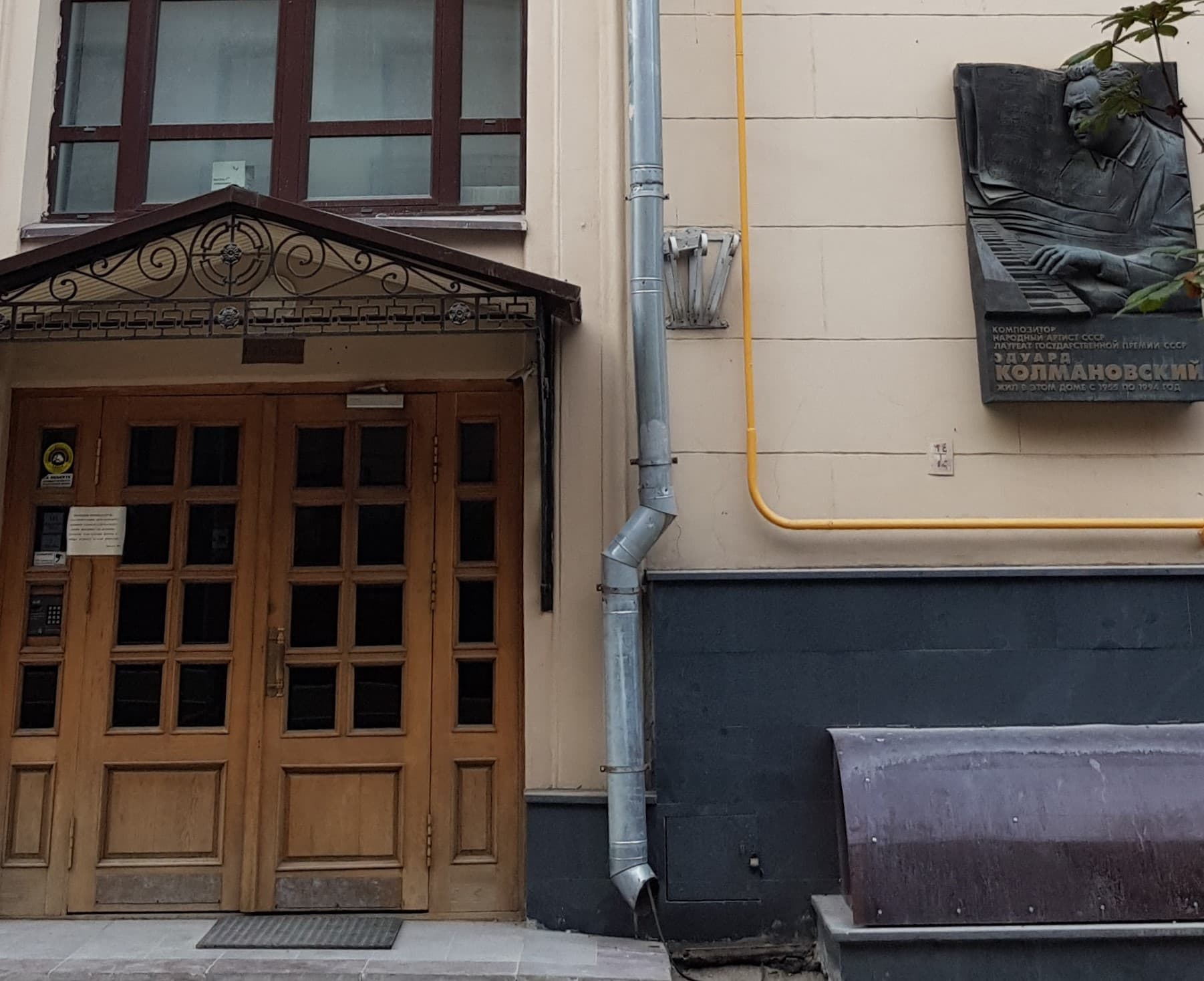
В этих домах проживала вся элита отечественной музыкальной интеллигенции — и композиторы, и исполнители, среди которых Галина Вишневская, Мстислав Ростропович, Георгий Свиридов и другие (полный список занял бы несколько страниц). Инициатором создания ЖСК был Исаак Дунаевский, сам не доживший до завершения строительства. Любопытно, что многие жильцы помнят курьезные случаи небольших соседских ссор из-за мешавшей музыки — многие здесь работали и репетировали, а «сто роялей» были прекрасно слышны.

В начале XXI века здание было надстроено двумя дополнительными этажами, классическим аттиком и мансардой. Большая часть жильцов остается верной миру музыки. 

In the early 1950s, it was planned that a complex of two eight-story buildings on 10,000 square meters will cover both sides of the pre-revolutionary apartment building, located between Briusov and Gazetny lanes. Both houses were built in the mid- 1950s by architect Isidore Marcuse, a disciple of the great avant-garde artist Ilya Golosov. Residents were settled there in the end of 1956. Eight-story buildings are very similar in their decoration. The first floors have high ceilings and large arched windows. Facades dismembered by profiled blades - it makes the structure of building look similar to the famous Stalin’s high-rise buildings, the architecture of which was often a role model for Soviet designers of the 1950s. However, more concise and pragmatic architectural solutions were chosen in design solutions of these buildings: there are no major decor, spiers, obelisks, cornices big fans. The building facing the Brusov Lane has an L -shaped form, it looks at the alley wit elegantly clipped corners of arched loggias. House on a Gazetny - rectangular in plan and the rear is overlooking the temple of the Assumption of the Blessed Virgin on Uspensky Vrazhek (built in the middle of XIX century). Thus the two "composers’ houses” are not completely close the quarter, leaving between itself and other post-war buildings place for historic buildings. The house on Bryusov, in addition to apartments, is also the Union of Composers - with management offices, music and book library, a medical unit and a small concert hall. In the 1960s it was renovated, and the public areas increased significantly: there is another concert hall, music library, recording studio and a restaurant. The house is on a Gazetny alley (in Soviet times - on Ogareva street). There were concierges at doorways and bell boys carried the daily bread from "Filippovskaya" bakery and milk from "Dieta” store to apartments. The crème de la crème of the national music intelligentsia lived in these houses: composers and artists, including Galina Vishnevskaya, Mstislav Rostropovich, Georgy Sviridov and others (the full list would take several pages). The initiator of the cooperative was Isaac Dunaevskii, who did not lived up to the completion of construction. Curiously, many residents remember the curious cases of small local quarrels that get in the way of music – many of the residents worked and rehearsed here, and "one hundred pianos" were perfectly audible. At the beginning of XXI century building was overbuilt with two additional floors, classic attic. Most of the tenants remain faithful to the world of music.
Автор статьи: Николай Васильев
Поделитесь статьей с друзьями
Интересное рядом(4)
Пушкинская площадь
Pushkinskaya, Tverskaya, Chekhovskaya
State Scientific-Research Museum of Architecture named after A.V. ShchusevThe idea of creating a museum of architecture was born in Russia at the end of the 19th century under the influence of an increased interest in national heritage. The material accumulated by various institutions and museums in the XIX century in the process of research and restoration of architecture monuments, needed to be generalized. There was a need for a higher-level scientific and educational center of a new type - in the museum of architecture. The museum was established on January 1, 1934, simultaneously with the establishment of the Academy of Architecture of the USSR. The museum was a division of this Academy. The largest domestic specialists in the history and theory of architecture worked at the museum. In 1935, the territory and buildings of the Donskoy Monastery were transferred to it. The main exhibition is located in the Great Cathedral. Inside the open-air monastery walls, artistic fragments of destroyed monuments were found, saved by the museum staff and becoming part of the collection. The object of the museum collection and display was declared world architecture from ancient times to the XIX century. The funds of the museum combined materials on Russian architecture, which made up the greater part of the collection, with materials on European, Byzantine, and Middle Eastern architecture. There were even such exotic exhibits as sample mock-ups from New Zealand huts and Indo-Chinese pile dwellings. The key object of the show was the monastery buildings and the preserved necropolis of the XVIII-XIX centuries.