
Местные улицы и переулки получили своё название от дворцовой слободы XVI века, где ремесленники изготавливали конскую сбрую из сыромятной кожи. С тех пор район значительно изменился, особенно после прокладки Курской железной дороги. Тем не менее, здесь сохранилось место для помпезной дворянской усадьбы, возрождённой почти из небытия.
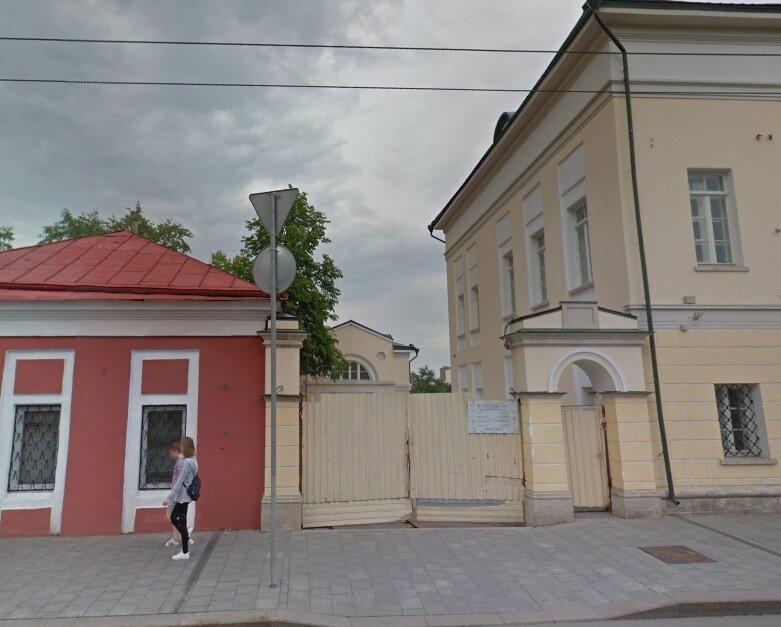
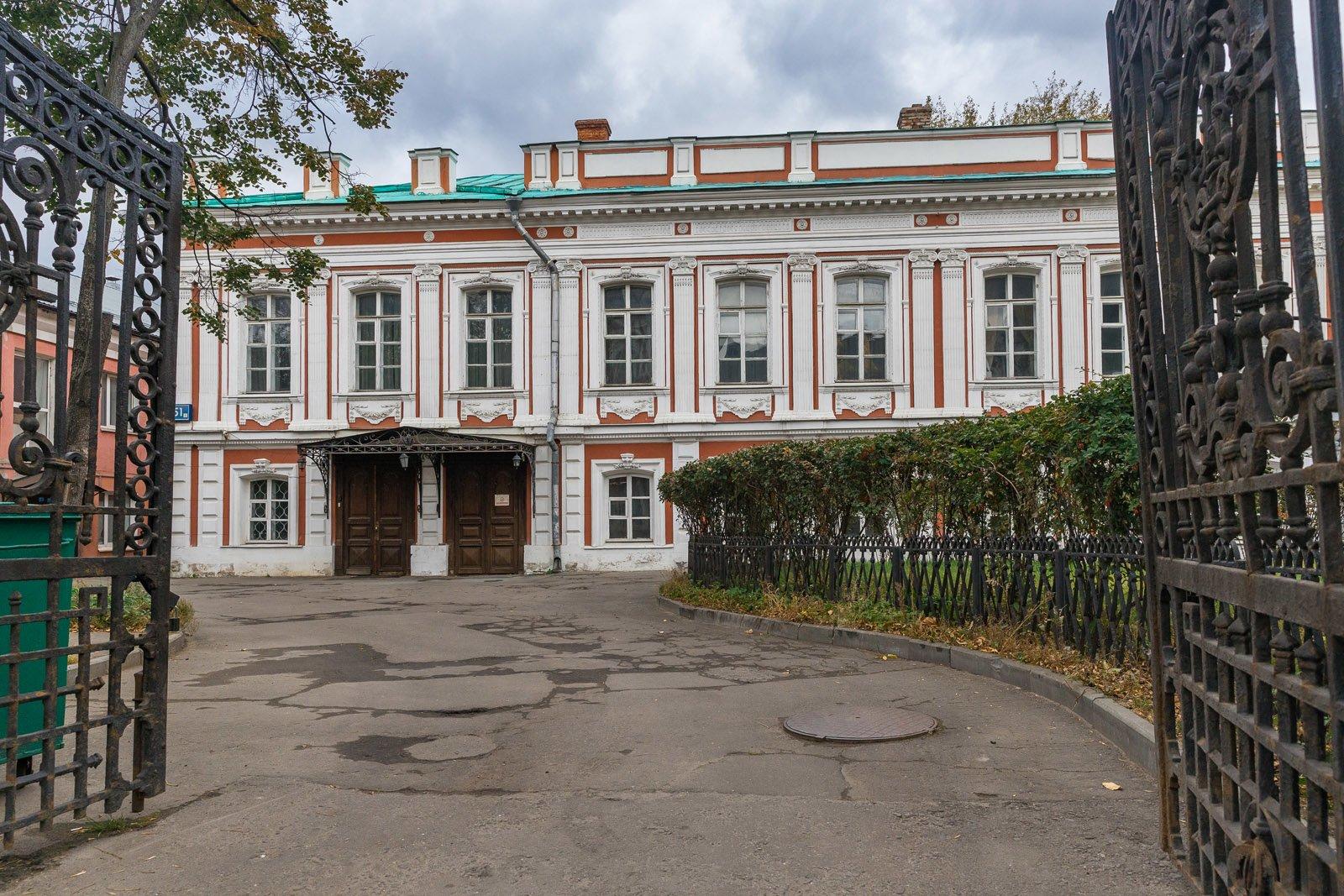
Первоначальный объём здания был возведён во второй половине XVIII века. В 1790 году владение принадлежало капитану Преображенского полка В. А. Мельгунову, затем перешло к его сестре, княгине Е. А. Волконской. В 1809 году участок приобрёл купец Н. И. Прокофьев. На тот момент усадьба состояла из центральной двухэтажной части с мезонином и северных одноэтажных крыльев.
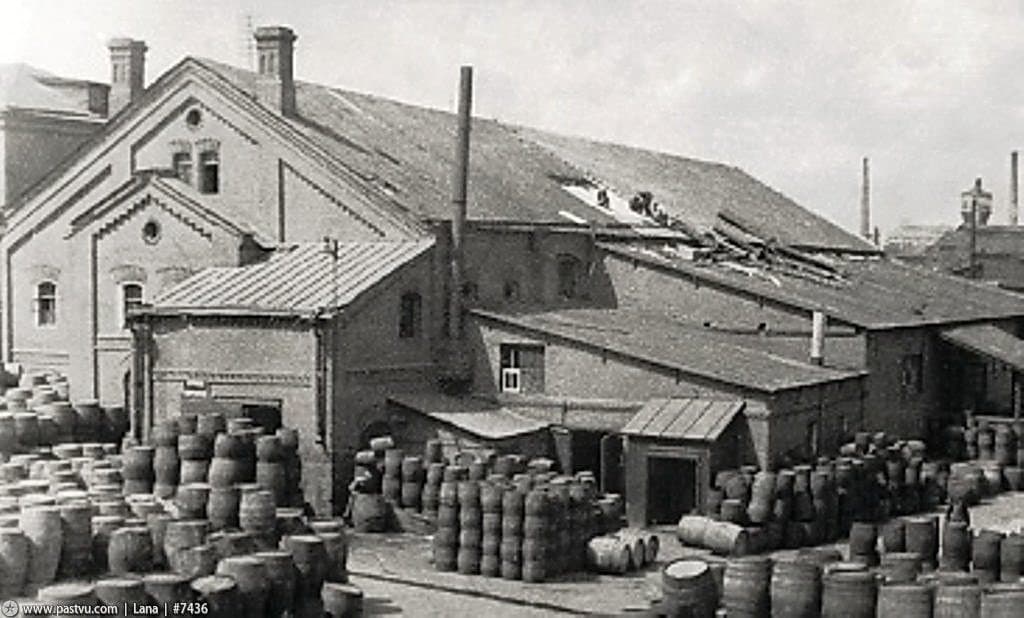
В 1822 году новым владельцем стал купец Ф. И. Даниельсон, который открыл на территории усадьбы пивоваренную фабрику. В этот период центральная часть дома была расширена, а со стороны сада появилась полуротонда с открытой террасой. К 1835 году фасады здания обрели оформление в стиле ампир.
В XIX веке усадьба неоднократно меняла владельцев. В 1909 году в особняке разместилось мужское училище, что отразилось на планировке и отделке интерьеров. После революции в здании располагались жилые квартиры и конторы, а усадебный сад был застроен.
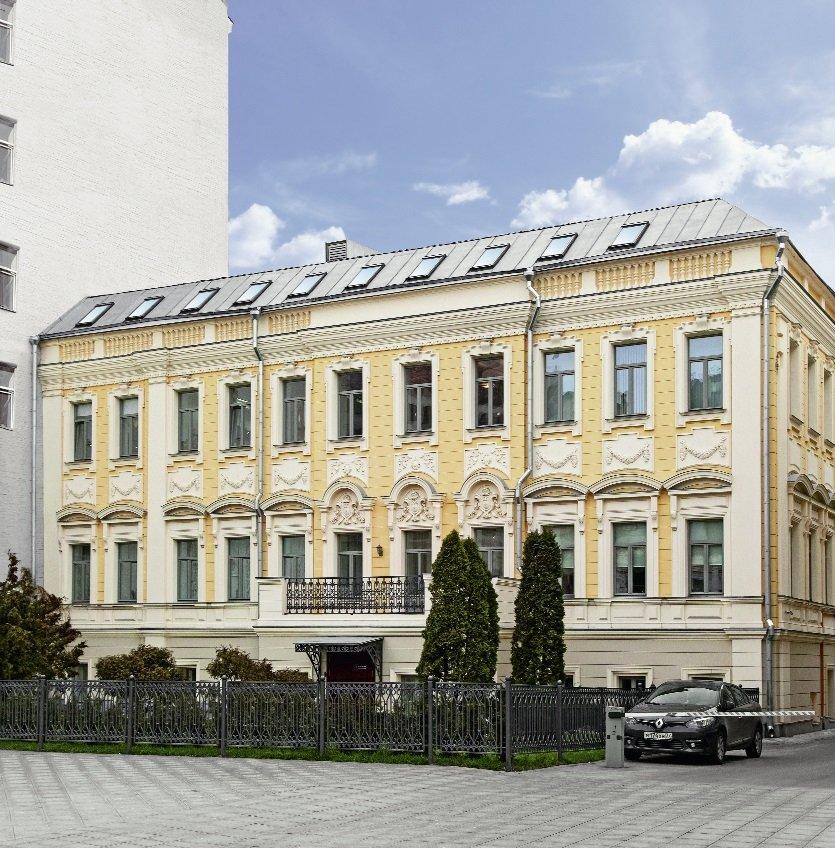
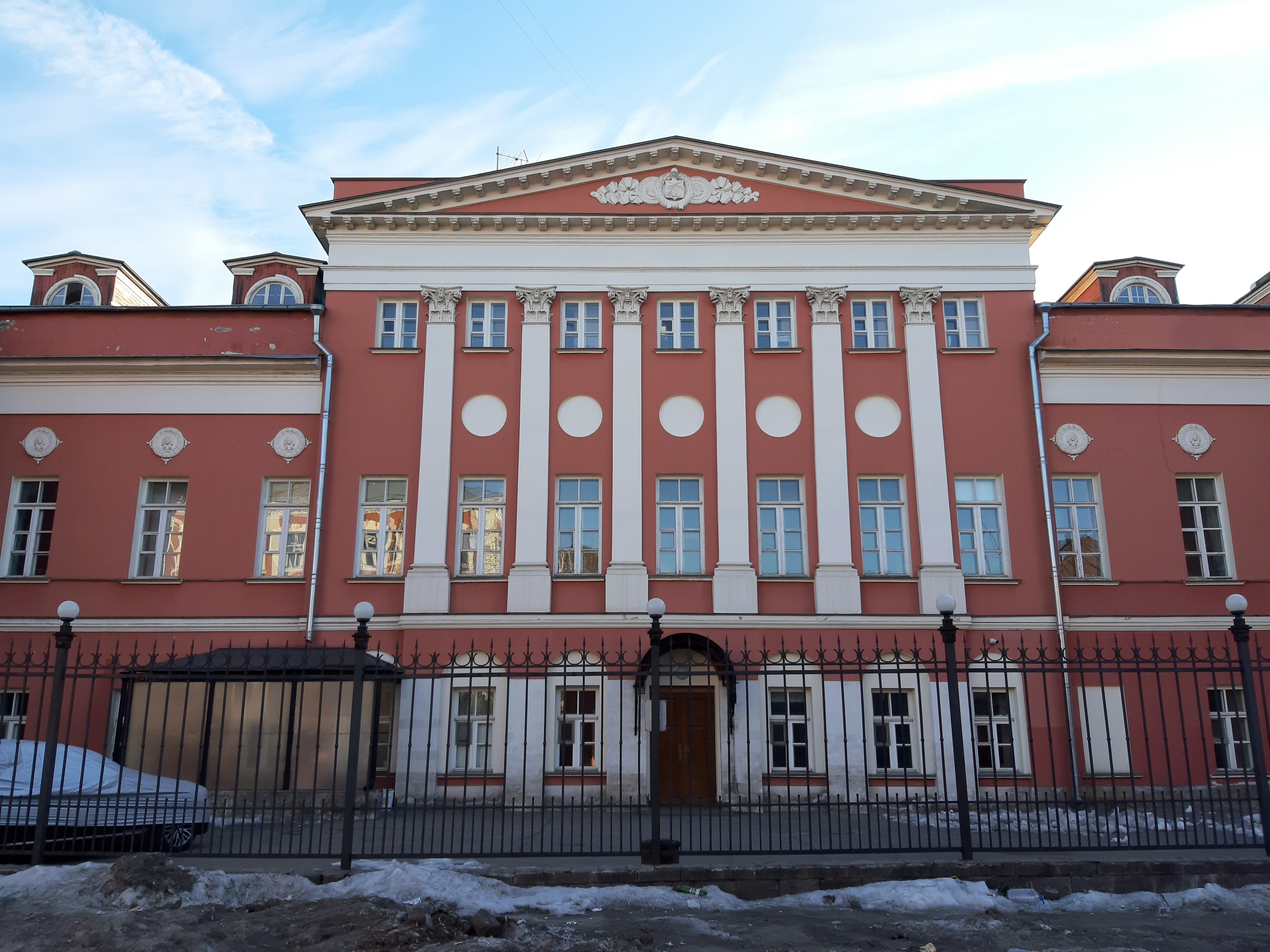
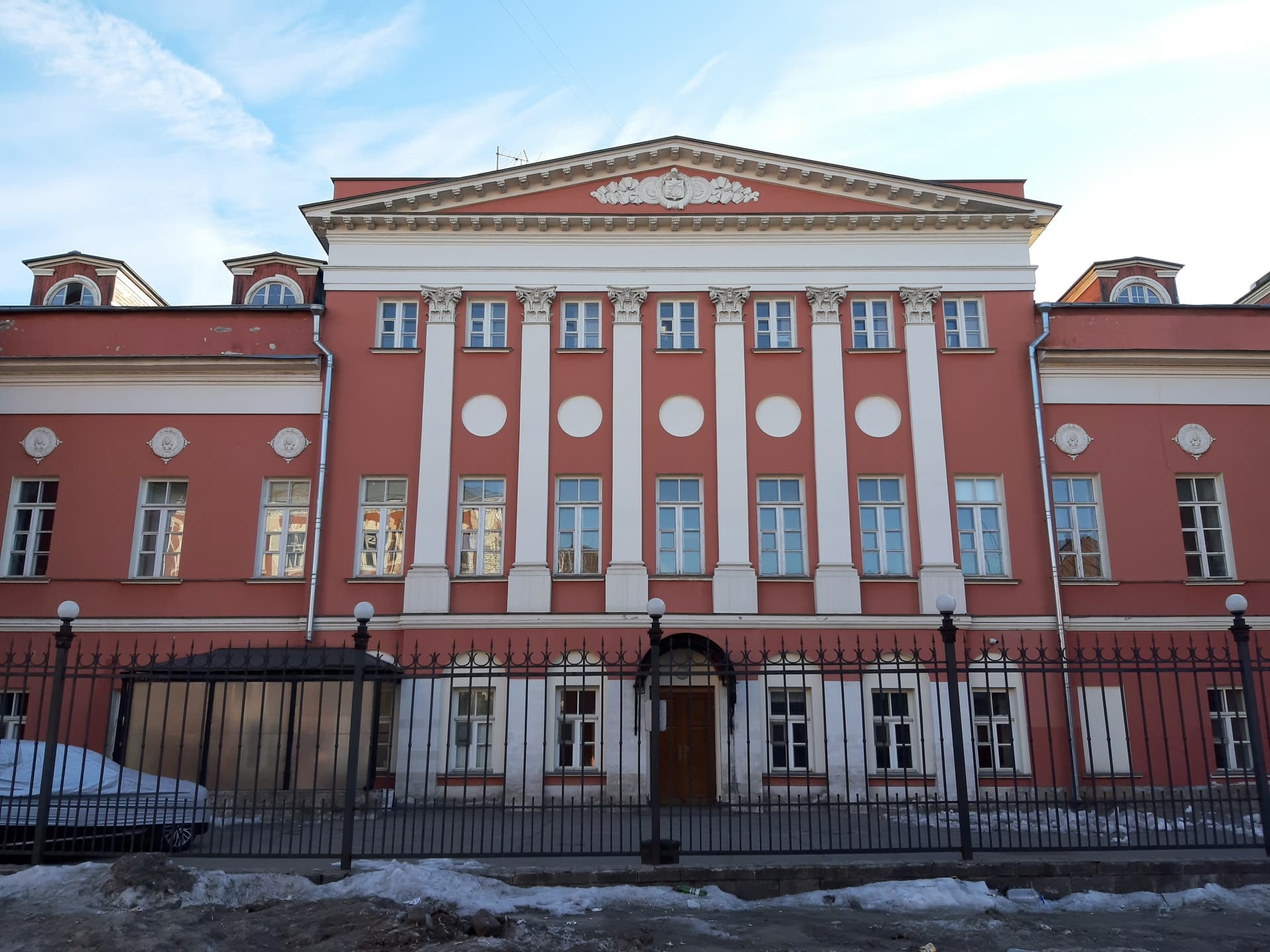
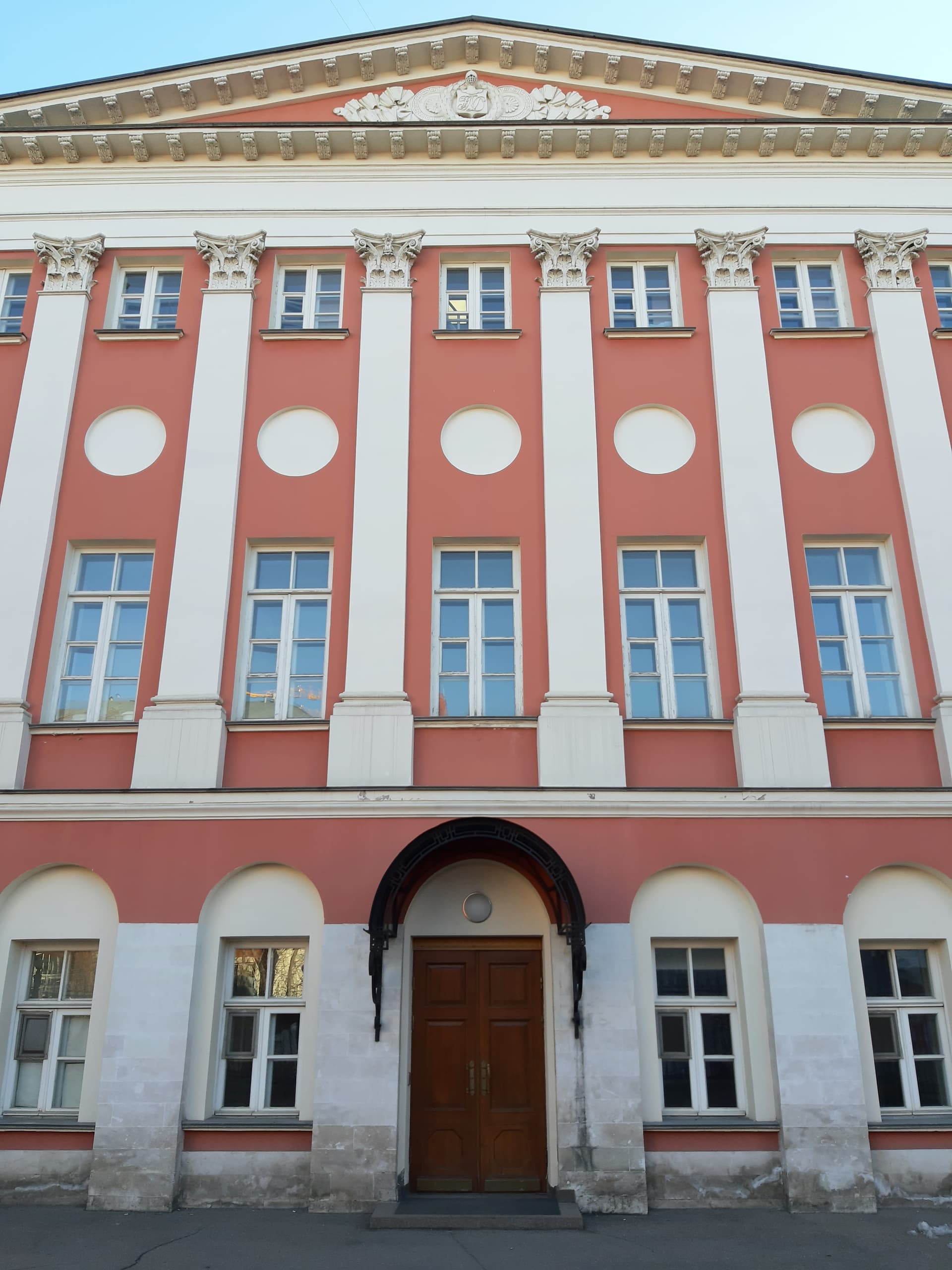
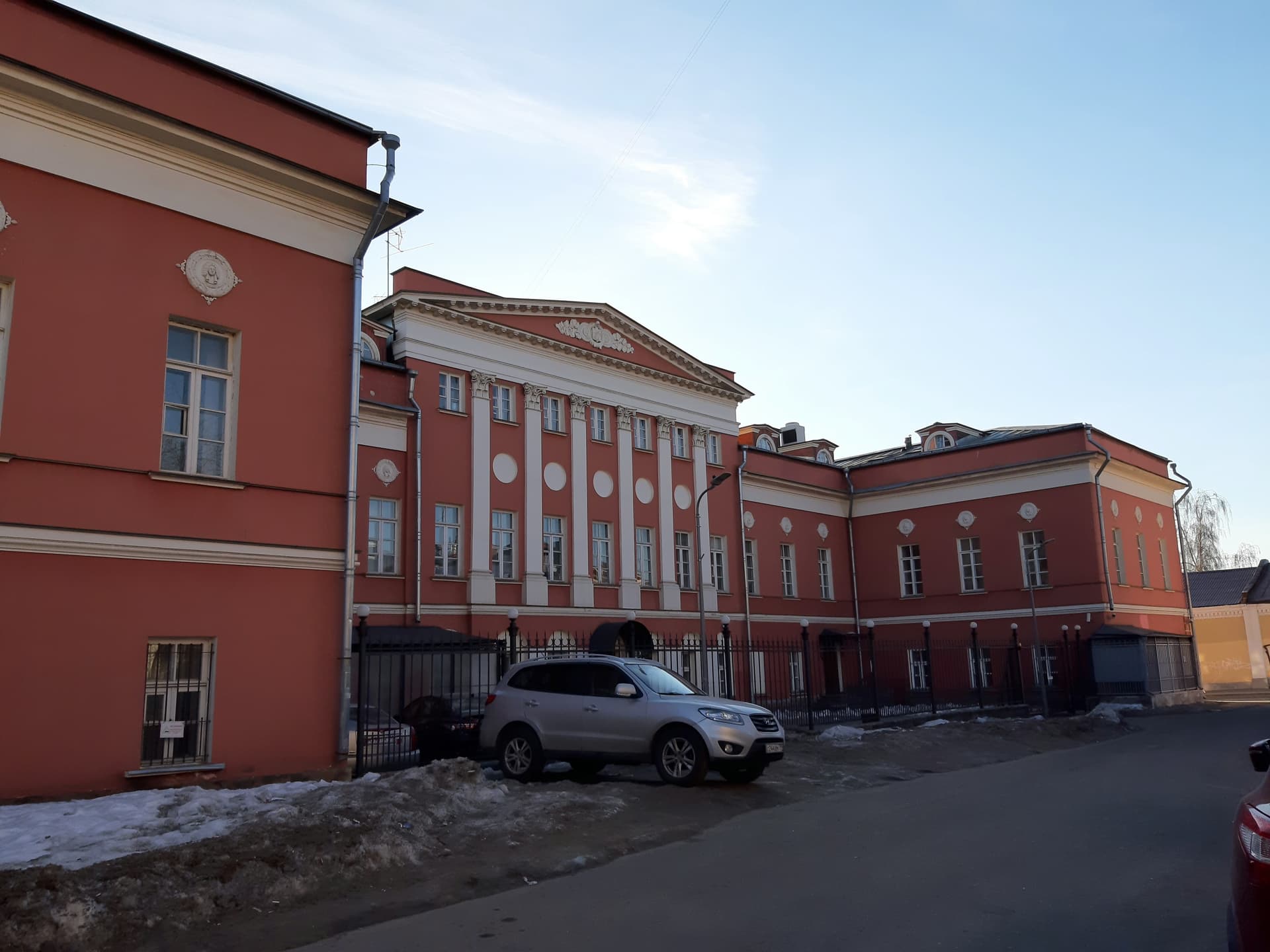
В 2008–2009 годах усадьба была полностью отреставрирована. Исторические элементы декора были очищены от поздних слоёв, а утраченные фрагменты воссозданы. Фасаду вернули его исторический красновато-кирпичный цвет 1830-х годов. На фронтоне здания частично сохранился вензель семьи Даниельсон, который при последующих владельцах был утрачен. В интерьерах частично сохранились своды, изразцовые печи, чугунные лестницы. Были отреставрированы пилястры, укреплены фундаменты, вычищены и продезинфицированы поражённые участки стен и перегородок. В интерьерах восстановлены своды, изразцовые печи и чугунные лестницы. Перед покраской фасадов и интерьеров стены были вычинены, просушены и исследованы. В 2011 году проект стал лауреатом конкурса «Московская реставрация».
Сегодня в здании располагаются офисы. На территории бывшего пивоваренного завода размещается центр современного искусства «Винзавод».
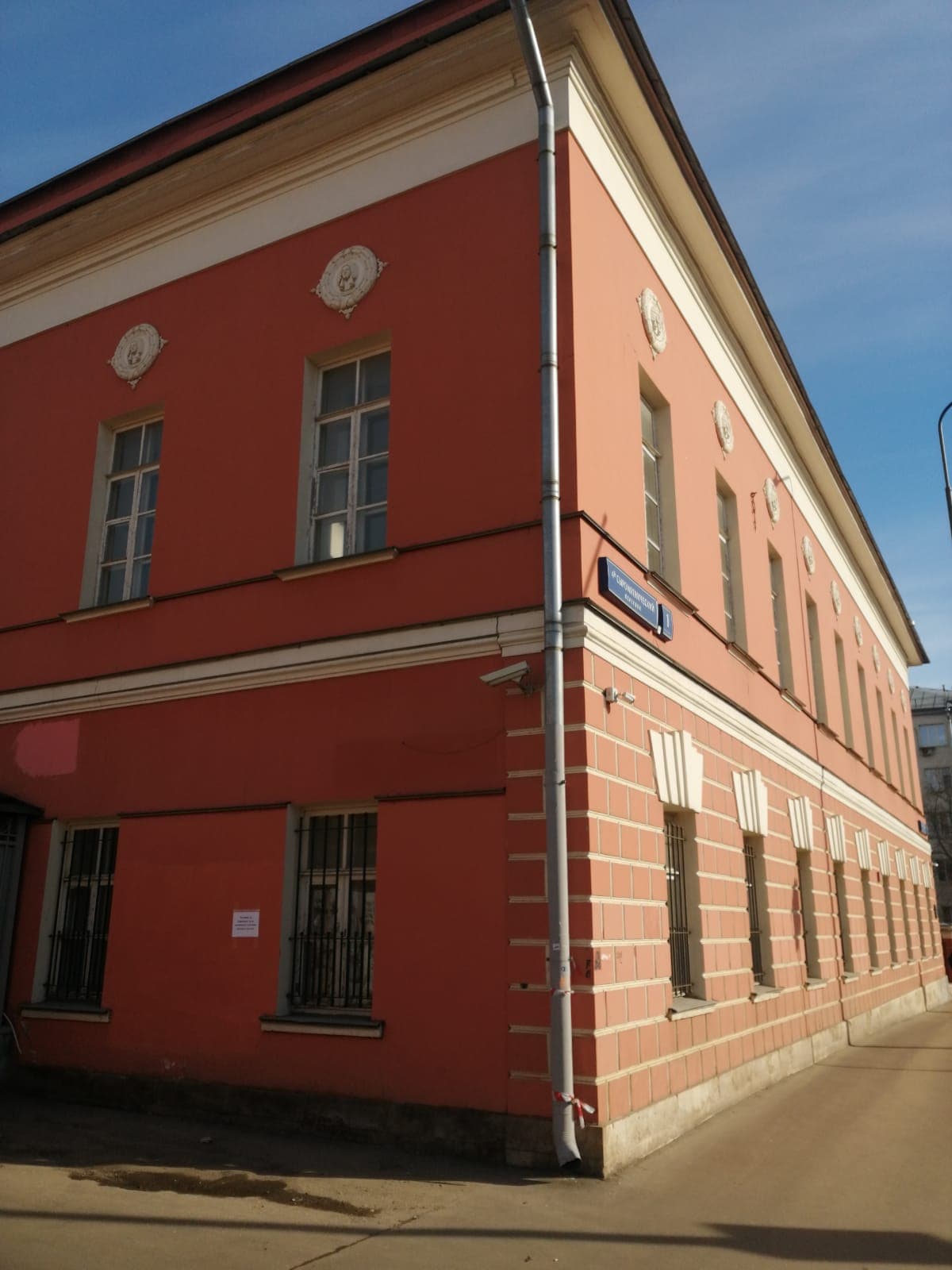
House foundation can be dated to the second half of the XVIII century. The first information about Manor belongs to 1790, when the possession belonged to V.A. Melgunov, the captain of the Preobrazhensky Regiment. A stone house standing perpendicular to the alley already existed there by that time. Owners changed and the place changed from nobility to a merchants house in the beginning of XIX century. Danielson’s merchant family from Revel (currently Tallinn) acquired the house in 1822. Frederick Danielson, the head of the family arranges his own estate here, organizes a malt-house in the wing of the estate, and builds a brewery on the acquired site nearby. The southern part of the building facing the lane was layered up with the second floor, the rest of the building expanded, and its facades received treatment with Empire-style rustication and medallions.
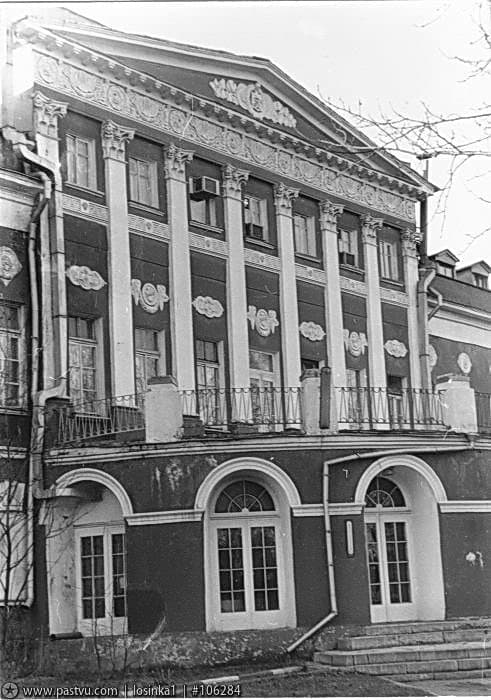
Entrance to the building marked by extensive semi-rotunda with an outdoor terrace on the second floor.
Entrepreneurs Watson and Dreyer acquired the property and production facility of Danielson in 1851. They brought it to the second place in Moscow. The plant became the property of the "Moscow Bayern" company in the 1870s. "Pure Viennese number 1" was the most famous beer brand of the company. However, in the early twentieth century brewery ceased to work, and homestead was back in the hands of the nobility, becoming the home of Princess A.I. Galitzine.
However, she lived only on the second floor of the building and rented the rest of the area. In particular, a male school was at the first floor since 1909. After the revolution, the house consisted of residential apartments, offices and then, once a vast manor garden was built up.
The estate was completely renovated In 2008-2009; preserved historic elements of decor were cleared of the layers later, and the lost fragments recreated by analogs.
Fragments of the original facades painting were found. Facades become red with white details as a result of the restoration work. Monogram of Danielson family is preserved on the front of the building. It was not destroyed by subsequent owners: the letters F, N and D, inscribed in a shield surmounted by a knight's helmet, located within a laurel wreath, which in turn is surrounded by two round shields with the decor in the form of a meander and curly ribbon. The interiors have been partially preserved coving, tiled stoves, and cast iron staircase. The building housed offices. Center for Contemporary Art "Winery" is located in the former brewery today.