Интерактивный гид по городу
С мобильным приложением бродить по городу гораздо интереснее!

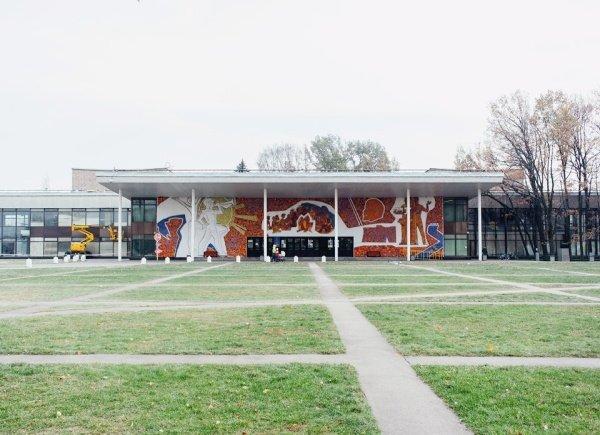
Pioneers' palace on Lenin’s hills

The most successful construction of Khrushchev's "thaw", the embodiment of the constructivism ideas and modern western architecture.

Pioneers' palace on Lenin’s hills
Косыгина ул., дом 17
The most successful construction of Khrushchev's "thaw", the embodiment of the constructivism ideas and modern western architecture.
3.75
Вы можете воспользоваться QR-кодом, чтобы открыть эту страницу в нашем приложении
Архитектурный стиль:
Годы постройки:
1958—1962
Архитекторы:
Б. Палуй , В.С. Егерев, Ф.А. Новиков, И.А. Покровский, В.С. Кубасов, М. Хажакян
Эпоха:
1950s, 1960s
Информация о здании

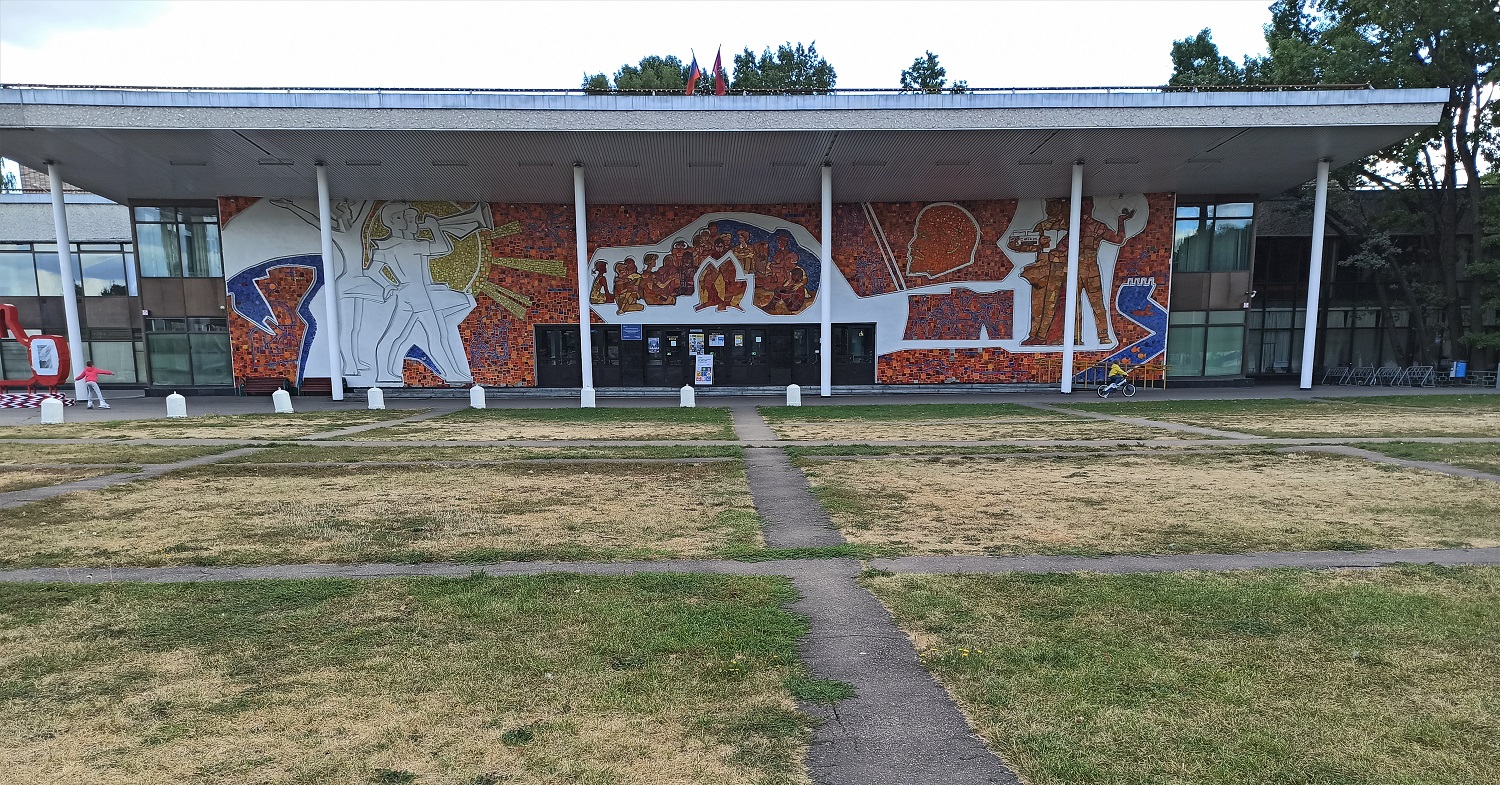
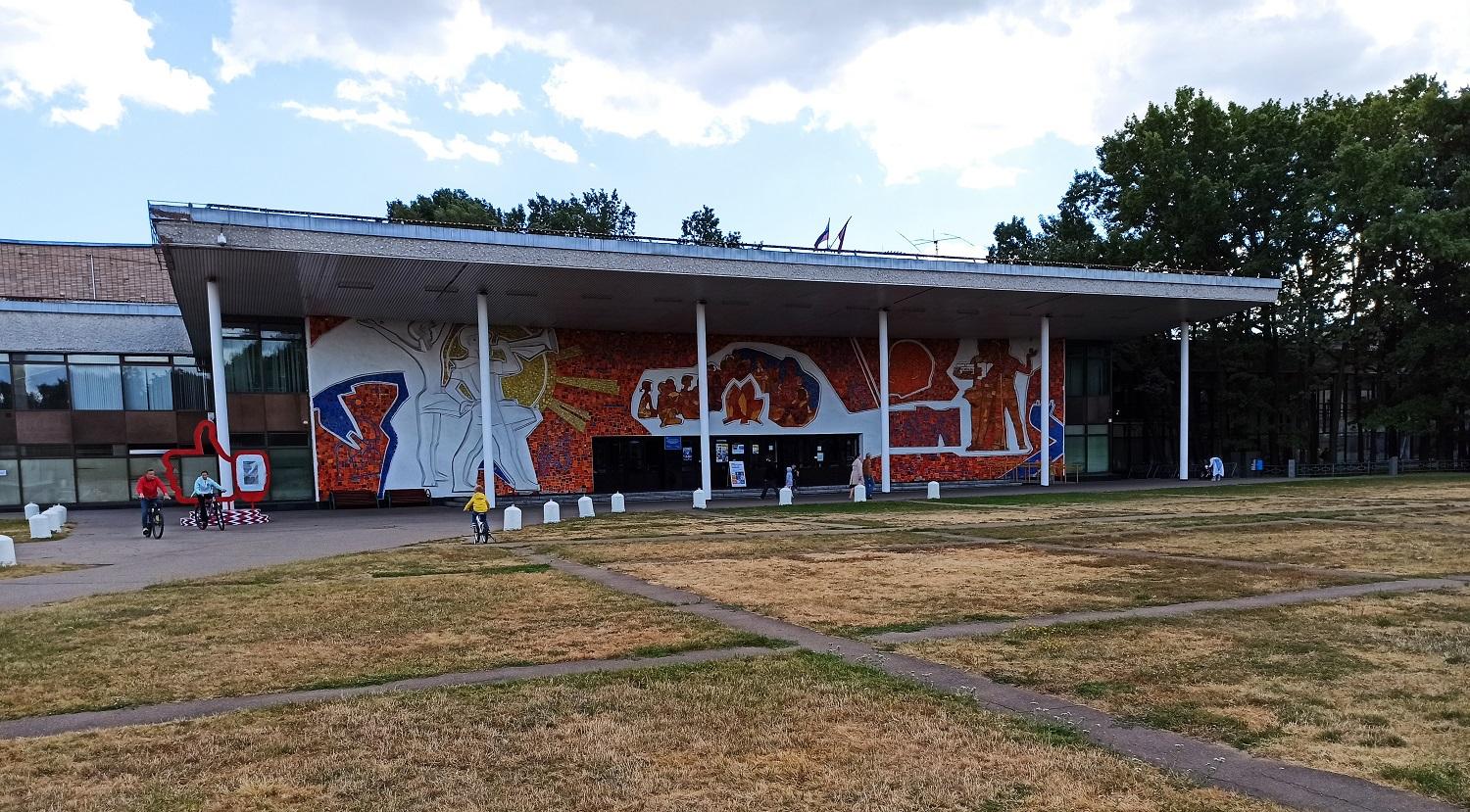
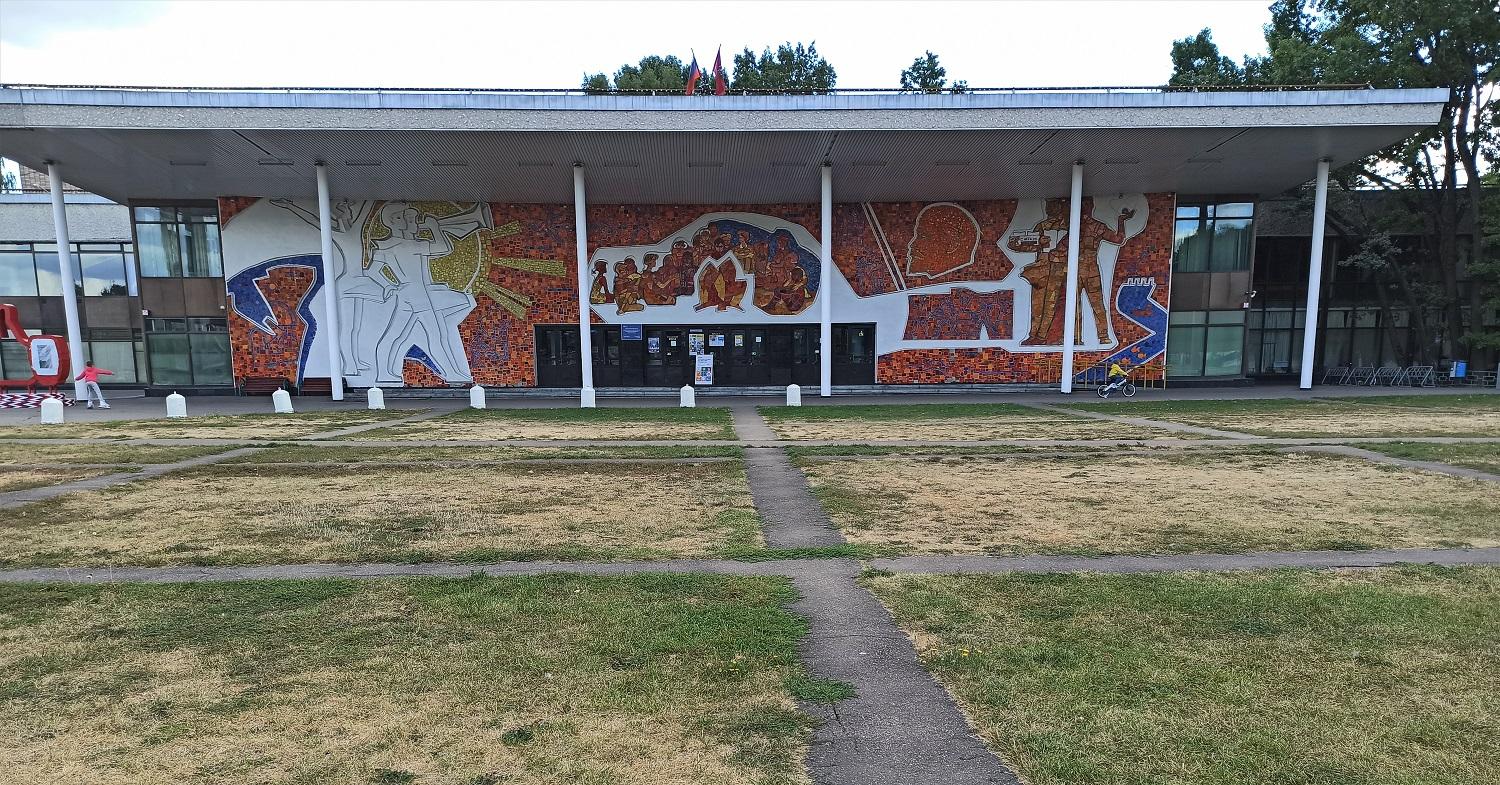
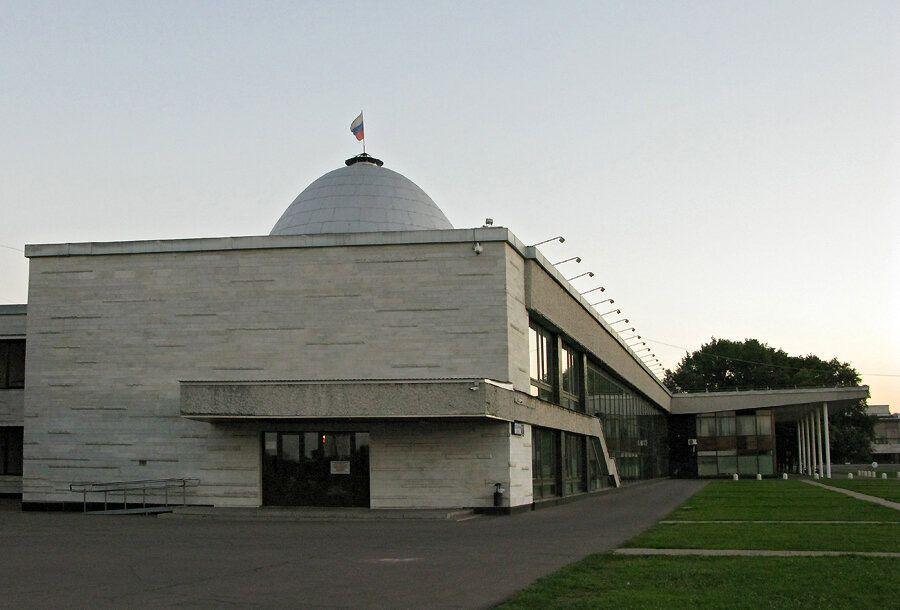
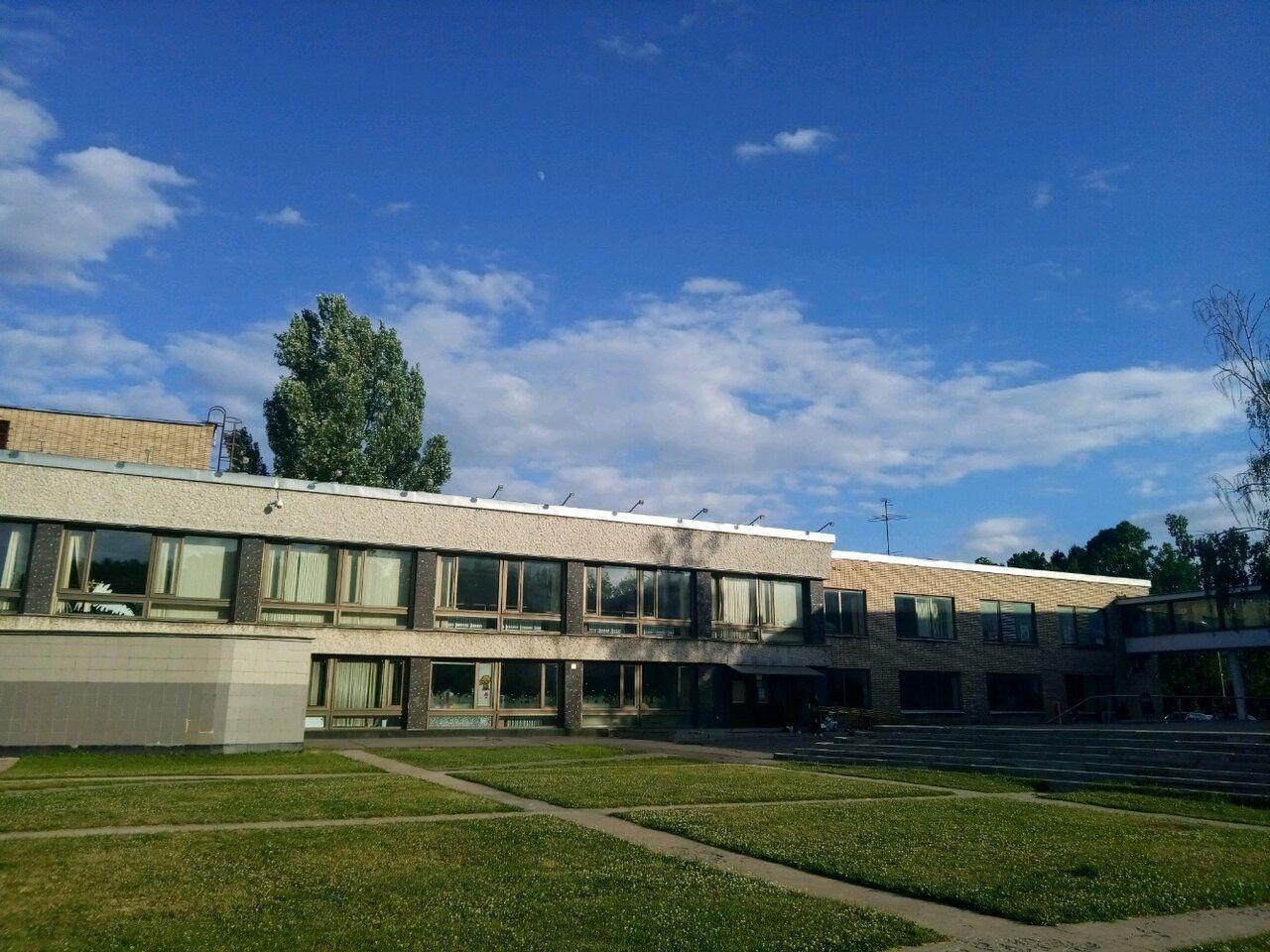
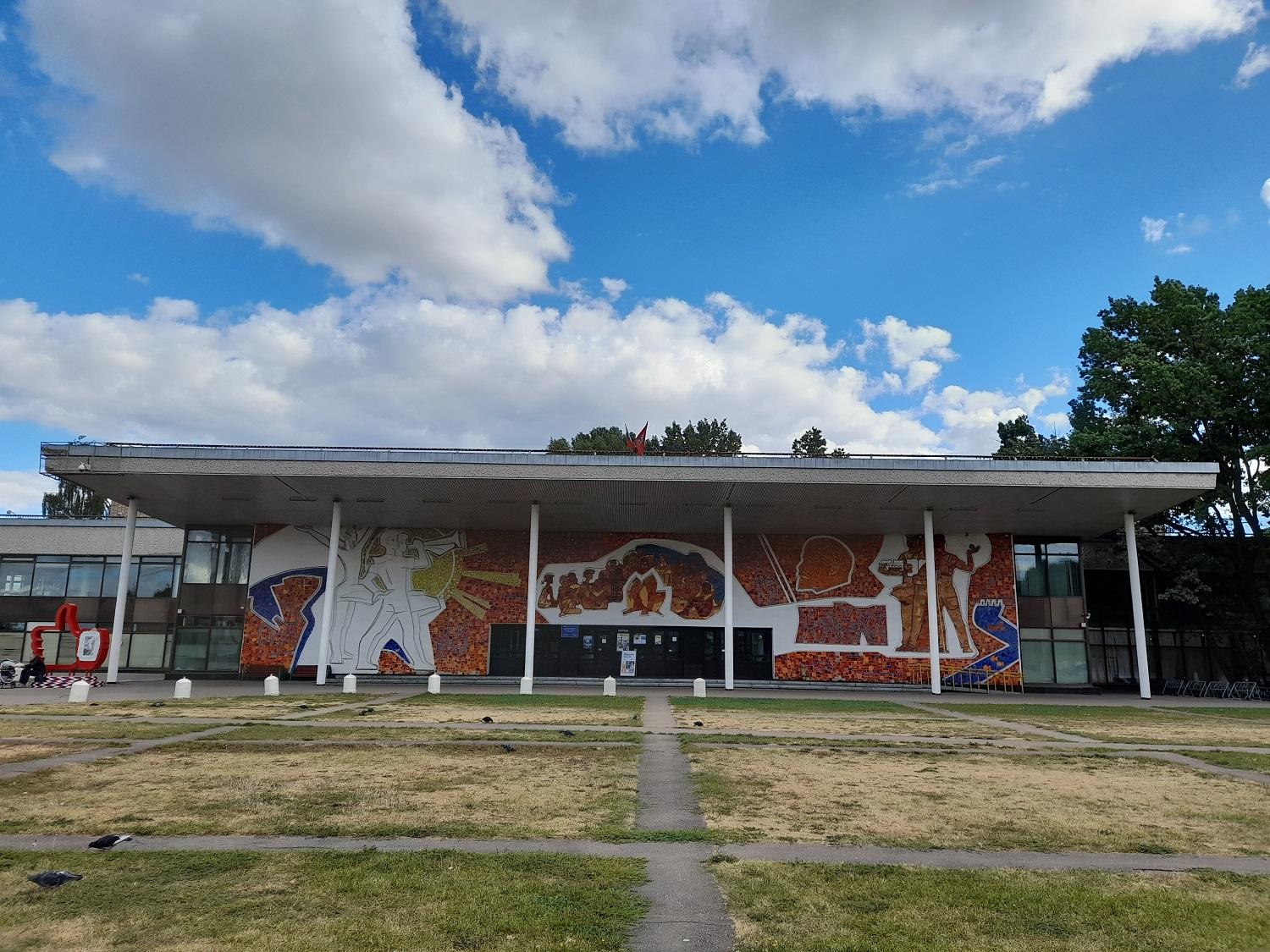
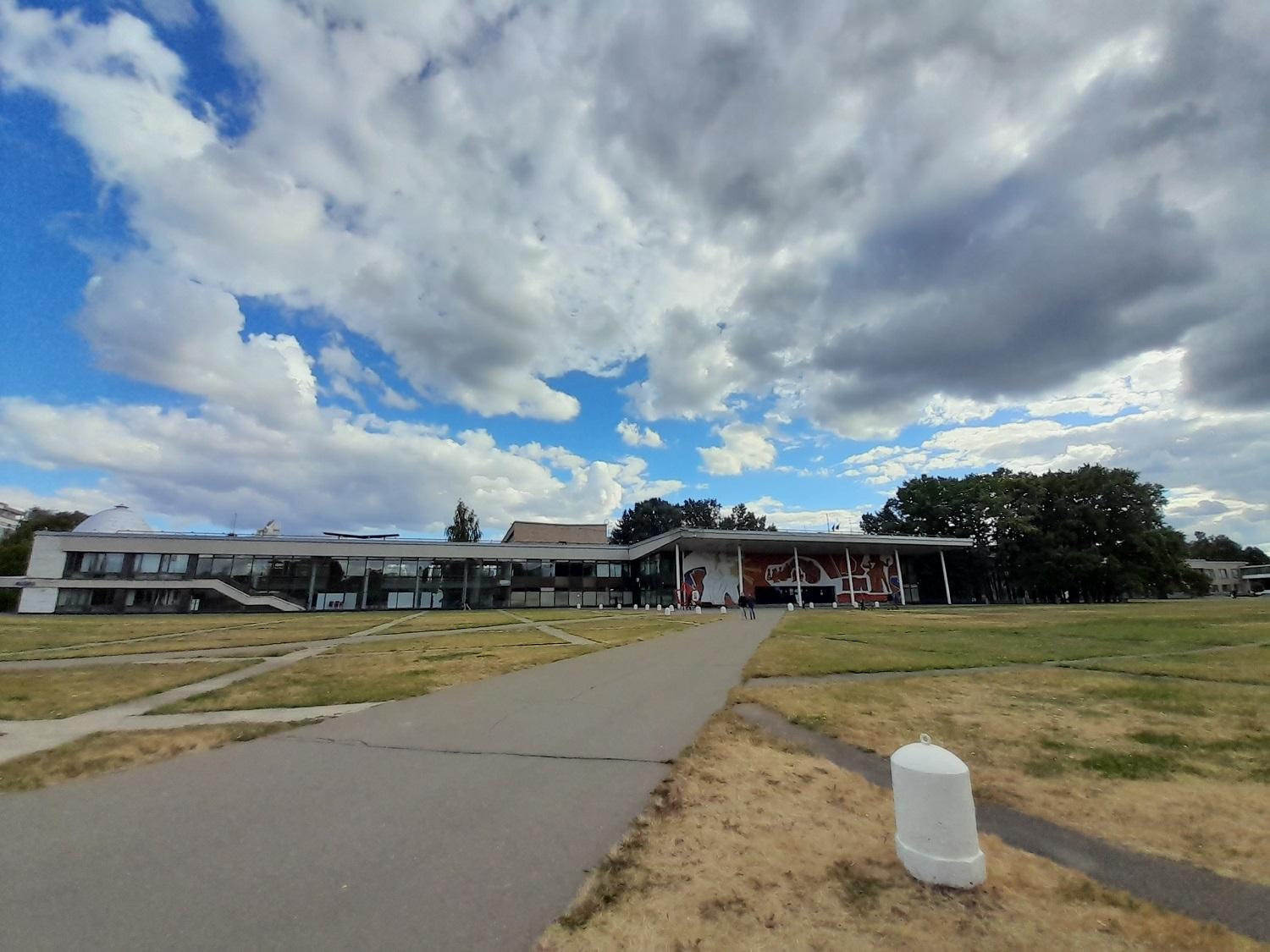
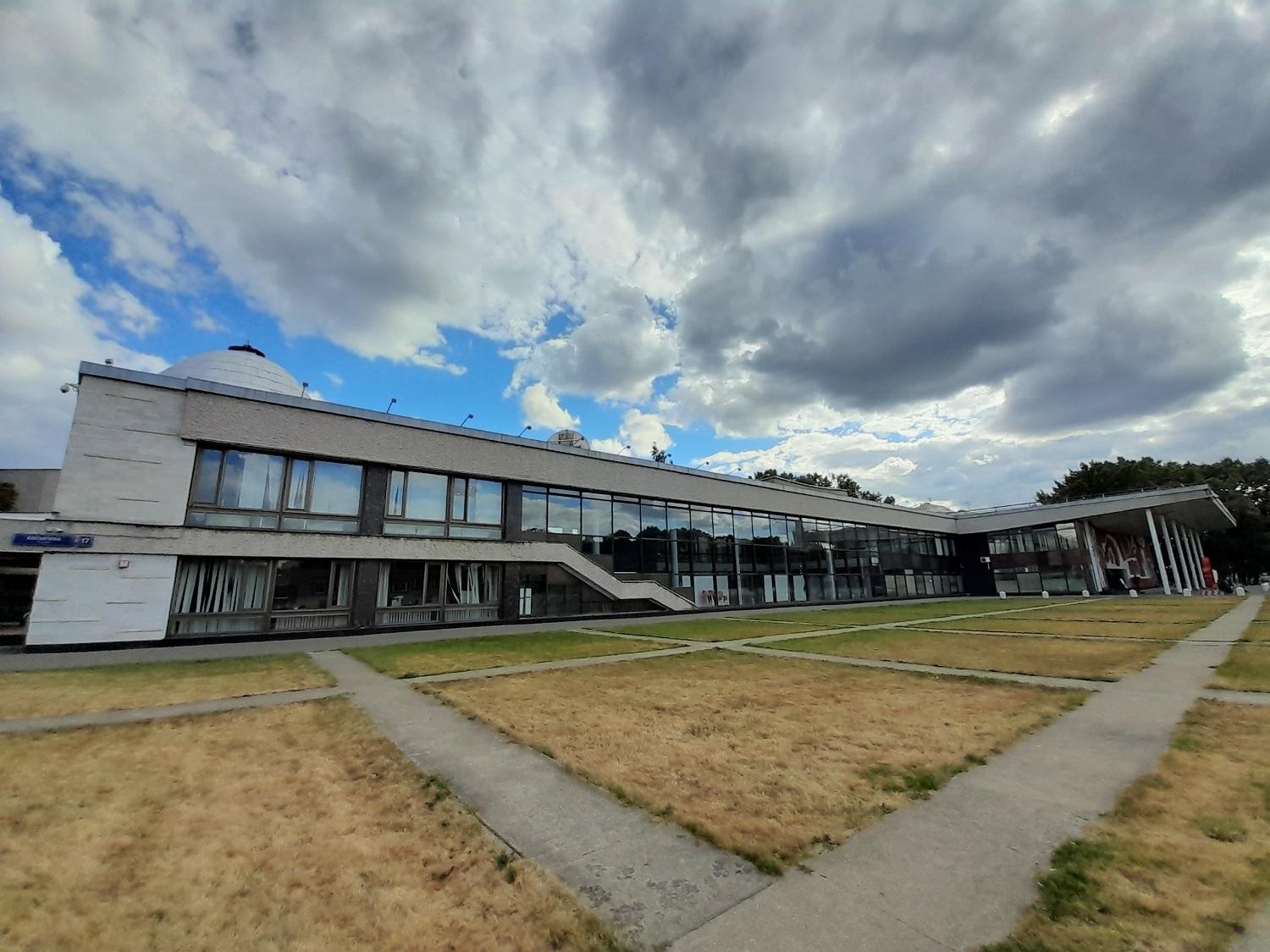
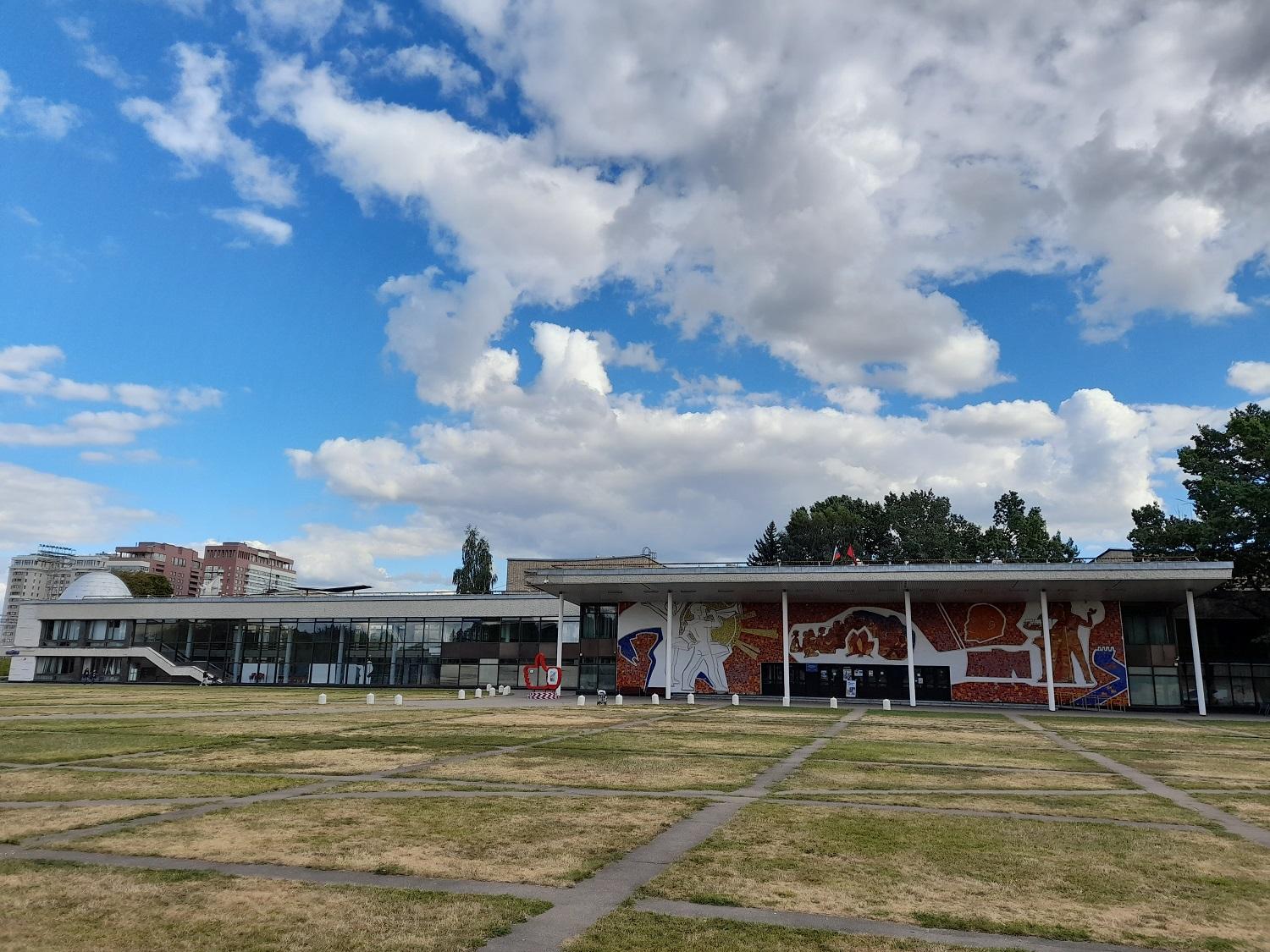
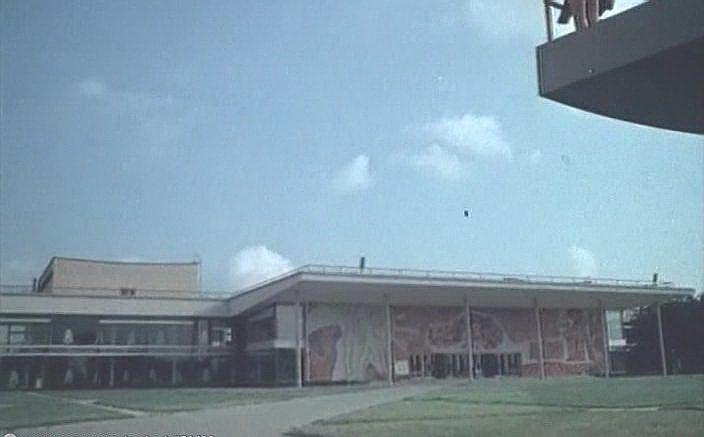
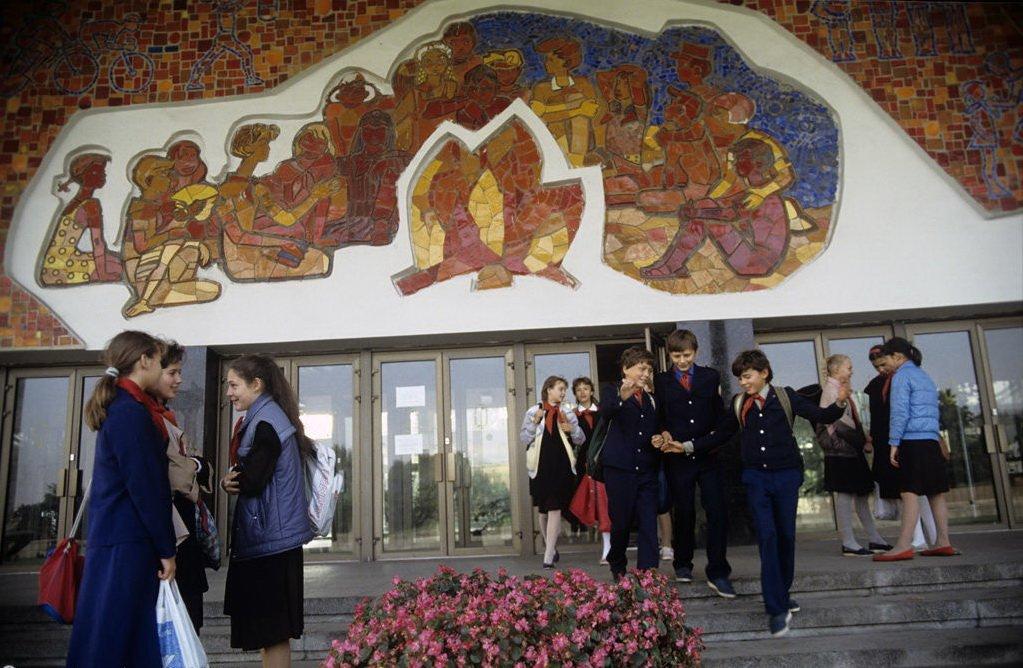
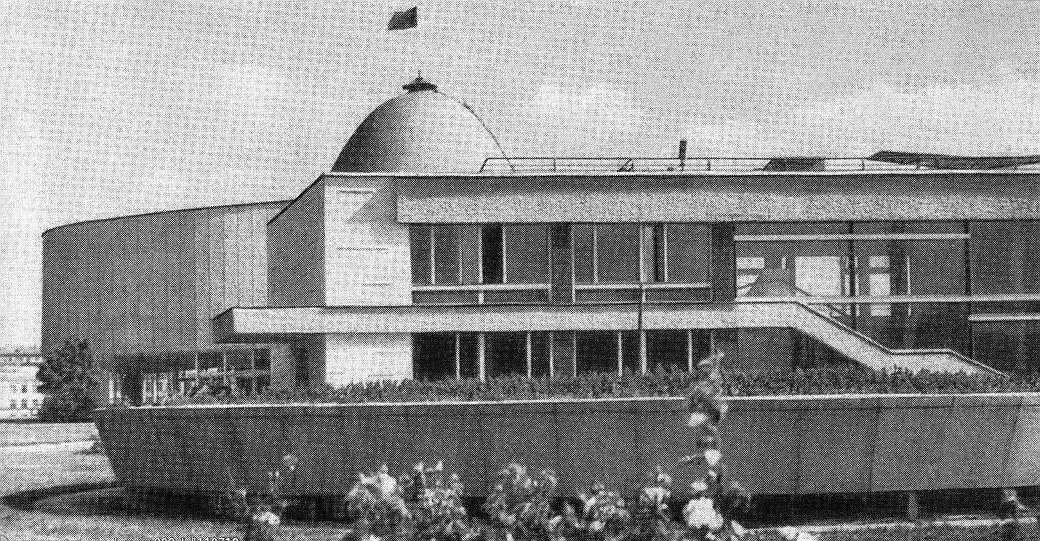
Стоящий посреди ландшафтного парка комплекс невысоких зданий – самая успешная постройка хрущёвской «оттепели» и один из символов послевоенного модернизма.

Постановление ноября 1955 года «Об устранении излишеств в проектировании и строительстве» вызвало оторопь у архитекторов и всю вторую половину десятилетия советская архитектура мучительно осваивает новый архитектурный язык. Это совпало со сменой поколений, и архитектурное начальство, к удивлению, не всегда препятствовало творческим поискам молодежи. Четверо (В. С. Егерев, В. С. Кубасов, Ф. А. Новиков, И. А. Покровский) из пяти авторов нового здания Дворца пионеров выполнили сперва конкурсный проект, одобренный самим К. С. Алабяном — почти всесильным зодчим-функционером, который лишь усилил группу, добавив им Хажакяна – архитектора старшего поколения.


В результате стройка стремительно превратилась в объект союзного значения, за которой лично приглядывал Н. С. Хрущев. Комплекс проектировался и строился, почти не зная затруднений, однако, карт-бланш, данный молодым архитекторам компенсировался огромной ответственностью.

Здание стало воплощением новой архитектуры, в чем-то вдохновленной авангардными поисками конструктивистов, в чем-то – современной западной архитектурой. Стеклянные стены открывали виды в новый живописный парк, окружавший здание, имевшее свободную планировку нескольких соединённых друг-с-другом низких корпусов. Лишь с высокой стороны холма, от пропилей главного входа и памятника Мальчишу-Кибальчишу природный ландшафт был нарушен четкими линейками бетонных дорожек и бассейном. Бетонные дорожки, расчерчивающие парадный двор использовались для построения линеек, но кроме этой, очевидной функции позволяли сделать плац зелёным.


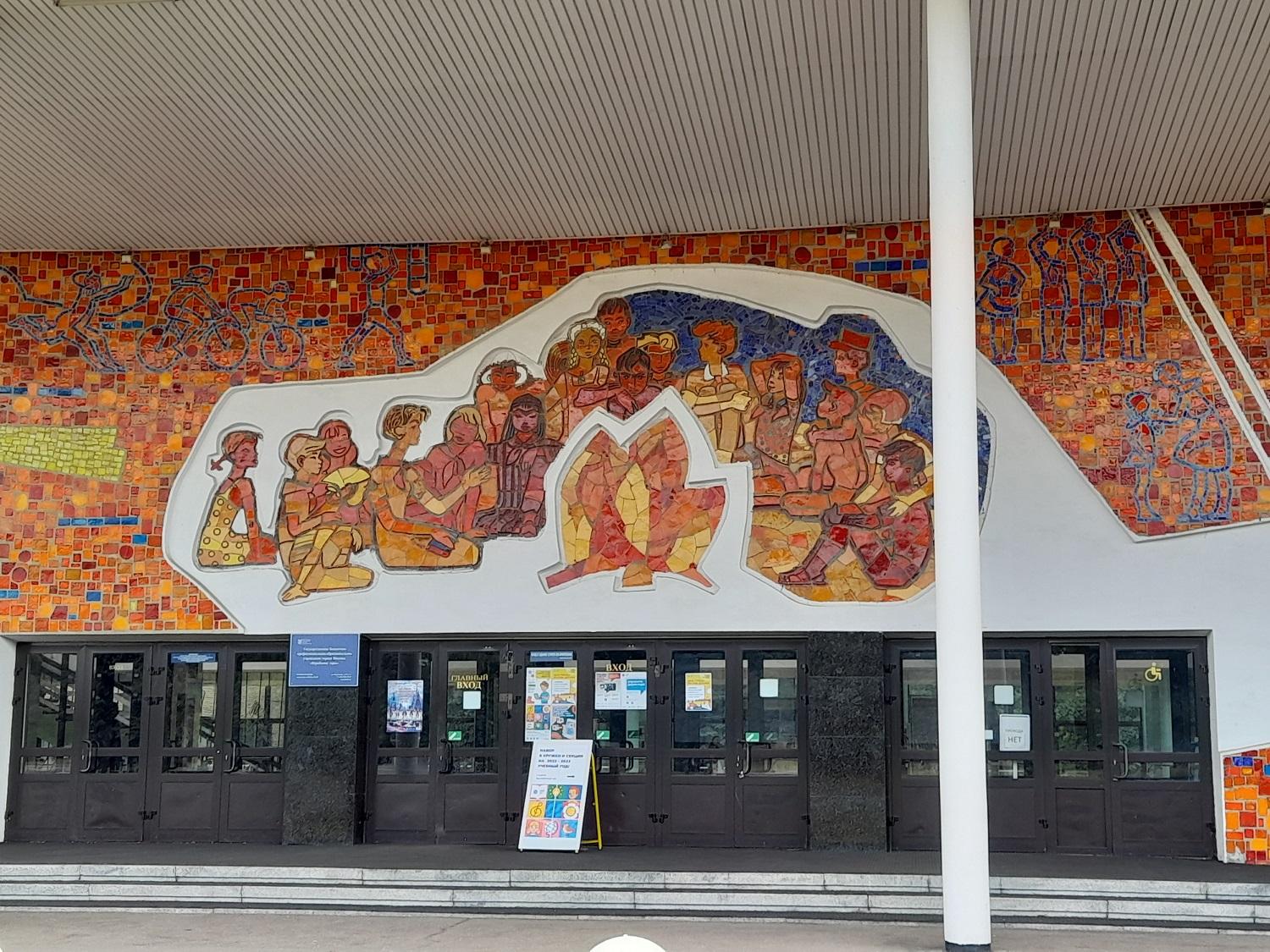
Тесная связь с ландшафтом, открытость, «честность» прозрачной архитектуры, не изолирующей общественные помещения от внешнего мира была дополнена истинно русской спецификой — богатейшим вкладом художников-монументалистов в решение внутреннего и внешнего убранства зданий. Были привлечены десятки молодых авторов — живописцев, мозаичистов, художников по металлу и скульпторов. Глухие торцевые стены получили выразительные панно, стена портика главного входа получила яркое геометризованное оформление. Все внутренние помещения были решены также в сочетании простых форм и мелкой пластики монументального искусства.


В 1967 году архитектуры Дворца удостоена Государственной премии РСФСР и стало одним из символов хрущевской «оттепели». В наше время здание сохранило свою функцию, хотя часть убранства утрачена.

The complex of low buildings standing in the middle of a landscape park is the most successful construction of Khrushchev's "thaw" and one of the symbols of postwar modernism. Resolution of November 1955 "On the elimination of excesses in design and construction" caused a shock for the architects and throughout the second half of the decade, Soviet architecture painfully develops a new architectural language. This coincided with the change of generations, and the architectural authorities, to the surprise, did not always hinder the creative search for young people. Four (V.S. Egerev, V. S. Kubasov, F. A. Novikov, I. A. Pokrovsky) from five authors of the new building of the Palace of Pioneers were accepted first by a competitive project approved by K.S. Alabyan himself - almost all-powerful architect- a functionary who only strengthened the group, adding to them Hajakian - the architect of the older generation. As a result, the construction quickly turned into an object of union value, for which personally scrutinized Khrushchev. The complex was designed and built, almost without knowing the difficulties, however, the carte blanche given to the young architects was compensated with a huge responsibility. The building became the epitome of the new architecture, inspired by the Constructivist avant-garde searching in something - modern Western architecture. Glass walls open to new kinds of beautiful park surrounding the building, which had a free plan connected to each other with low buildings. Only on the high side of the hill from the main entrance and the profiles Monument Malchish – Kibalchish (the hero of communist tales) natural landscape was a clear violation of the rulers of concrete paths and a swimming pool. Concrete paths, drawing through the front yard used to construct lines, but other than that, the obvious function allows you to ground green. The close connection with the landscape, the openness, the "honesty" of the transparent architecture that does not isolate public spaces from the outside world was supplemented by a truly Russian specificity - the artist's immense contribution to the solution of interior and exterior decoration of buildings. Dozens of young artists were drawn - painters, mosaicists, metal artists and sculptors. Deaf end walls received expressive panels, the wall of the portico of the main entrance received a bright geometric design. All internal premises have been solved also in a combination of simple forms and small plasticity of monumental art. In 1967, the architecture of the Palace was awarded the State Prize of the RSFSR and became one of the symbols of Khrushchev's "thaw". Nowadays the building has retained its function, although some of the decoration has been lost.
Автор статьи: Николай Васильев
Поделитесь статьей с друзьями
Интересное рядом(4)
улица Фотиевой, 6к1
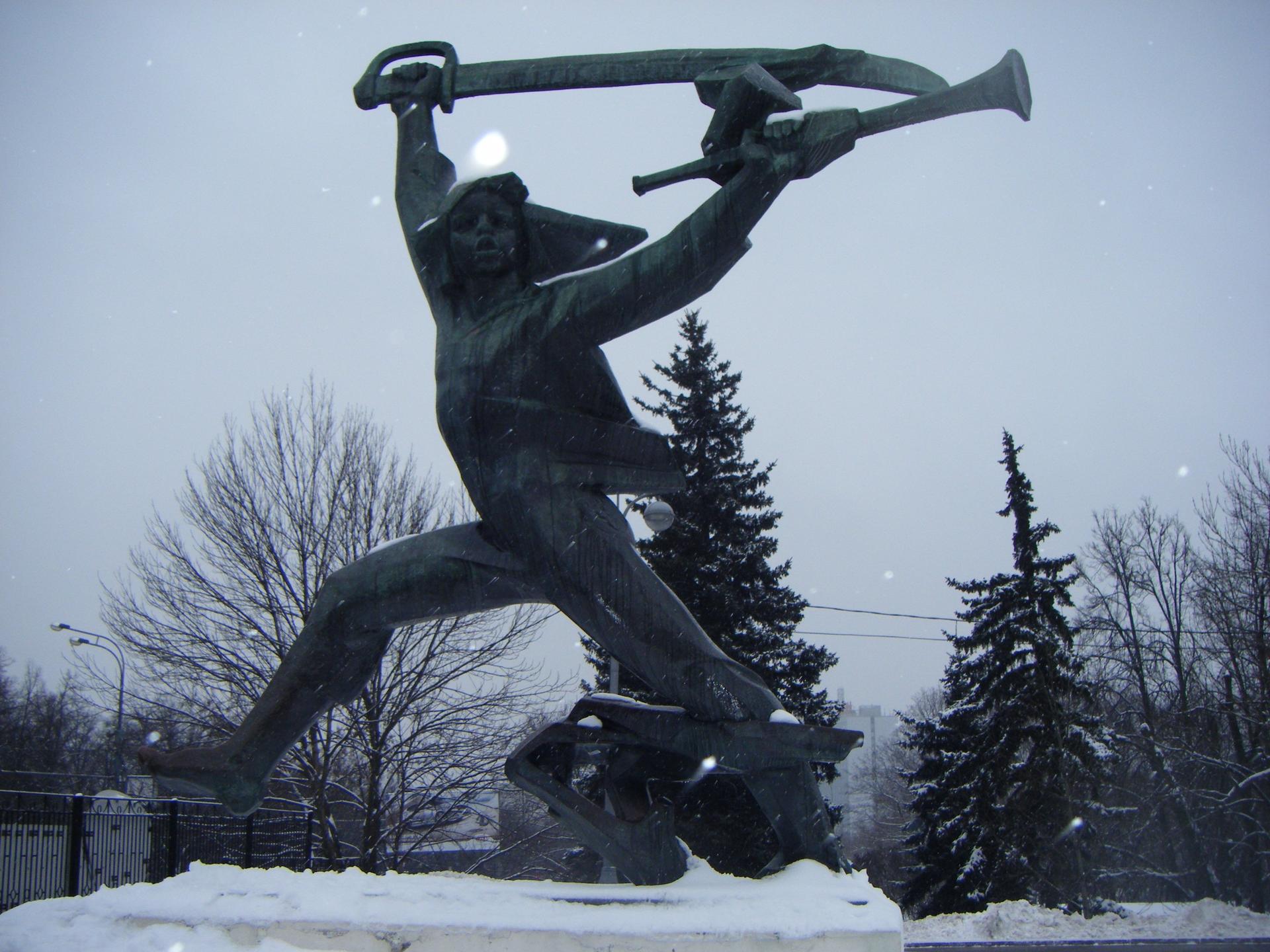
Malchish - Kibalchish"And the pioneers will pass - salute Malchish!"
Kosygin Street, before the Moscow City Palace of Children and Youth
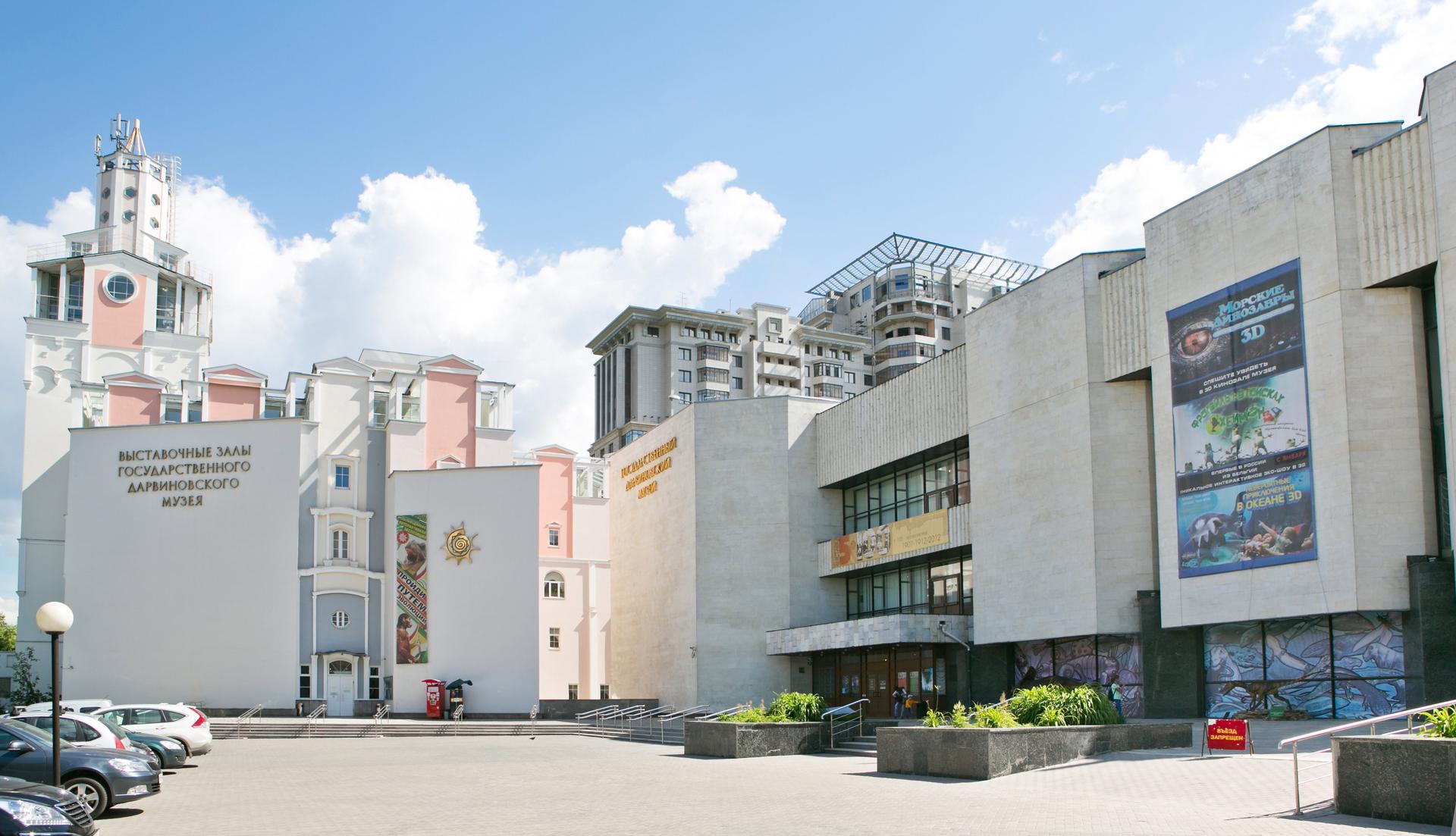
The State Darwin Museum

The State Darwin Museum was established in 1907 by Professor Alexander Kots, an excellent museum researcher, who read the lectures on the theory of evolution at the Moscow the Moscow Higher Female Courses. During that time, there was the first museum, devoted only to the theory of evolution. Now there are a lot of similar museums in the world, but the Darwin Museum still remains the only such museum in Russia and is considered to be a methodical center for all natural history museums of our country. In 1911 Alexander Kots married Nadezhda Ladygina, a MHFC student. This beautiful woman shared all efforts on the creation and maintenance of the museum with her husband.

The museum has a hard fate; only before its 87th anniversary, the museum finally moved to its own building, which had been constructed for about 20 years. The first part of the exposition was opened in 1995, and the construction of exposition in the new building was completed in 1997.

Now the State Darwin Museum has three buildings: the main building opened for visitors on September 2, 1995; the exhibition building opened on April 17, 2007, which includes the exhibit depository; and the technical building. The State Darwin Museum is one of few museums, where the regular re-exposition and construction of new interactive complexes take place, old expositions, vitrages, and labels are replaced by new ones without any closing of halls, and so on. The number of visitors exceeds 500 000; every year the museum conducts more than 2500 excursions, organizes more than 60 exhibitions.

The State Darwin Museum has a children’s animalistic art studio and a circle of young biologist. Annually, the employees of the Museum used to organize up to 10-11 mass holidays for visitors, and each of such events gathers from 3 to 7 thousand guests.

Besides traditional excursions, guests of the Darwin museum can quickly and easily receive textual, illustrative, sound and other information about the exposition’s objects which have interested them by using their smartphones. For this purpose it is enough "to read" a matrix code (to scan and recognize in the program a QR code), published on the website, information board, glass-cases of the museum or on printing products.

The Museum has created the comfortable conditions for the physically challenged people: both buildings are equipped with ramps, lifts, and elevator, there are also recreation areas.

The Darwin museum to be interesting for children who are keen on interactive activities: the little visitors can paint a picture from sand, watch the 3D - movie about sea dinosaurs, to learn its weight on other planets or to estimate it in non-standard units — in mice or bears. It is possible in the Darwin museum to stroke a hair of a real wolf and a polar bear, to listen to discordant croaking of frogs and to observe the life of insects in the insectarium.

At school students disposal – the multimedia complexes and programs: "Specially protected natural zones of the city of Moscow", "Natural reserves of Russia", multimedia informational Centre "EcoMoscow" and many others.

Interactive exposition "Pass by the path of evolution" allows young and adult visitors to get back for thousands and millions years ago and to take a look at the past times of our planet. And for those who wish to make a virtual "Travel with animals" will help the technology of augmented reality introduced in the Darwin museum: like in a science fiction film, museum glass-cases inhabitants comes out alive in order to get closer to the guests and pose for a picture with them.

In the Darwin Museum was opened the Youth Innovation Creativity Centre, where the young inventors under the leadership of engineers could develop original projects, using the latest achievements in bionics. And in September, 2014 to be opened the new interactive educational center "Discover Yourself — Discover the World" equipped with the latest technologies allowing to receive a full information about the Earth nature and provided in a very popular way.


In halls of the Darwin museum it is possible to see the unique exhibit items. Among the most interesting rarities are: 

- African elephant of the last emperor of the Russian Empire Nicholas II, 

- Jean-Dau an Indian elephant cow, 

- Spaniel of the leader of the USSR Iosif Vissarionovich Stalin,

- Lobster of the well-known astronaut Yury Alekseevich Gagarin, 

- Albino squirrel that museum founder, Alexander F. Kohts, traded on the samovar 

- A stuffed gorilla in whose stand’s were have been recently found the documents dated by the end of XIX century.


Vavilov Street, 57
akademicheskaya