Интерактивный гид по городу
С мобильным приложением бродить по городу гораздо интереснее!

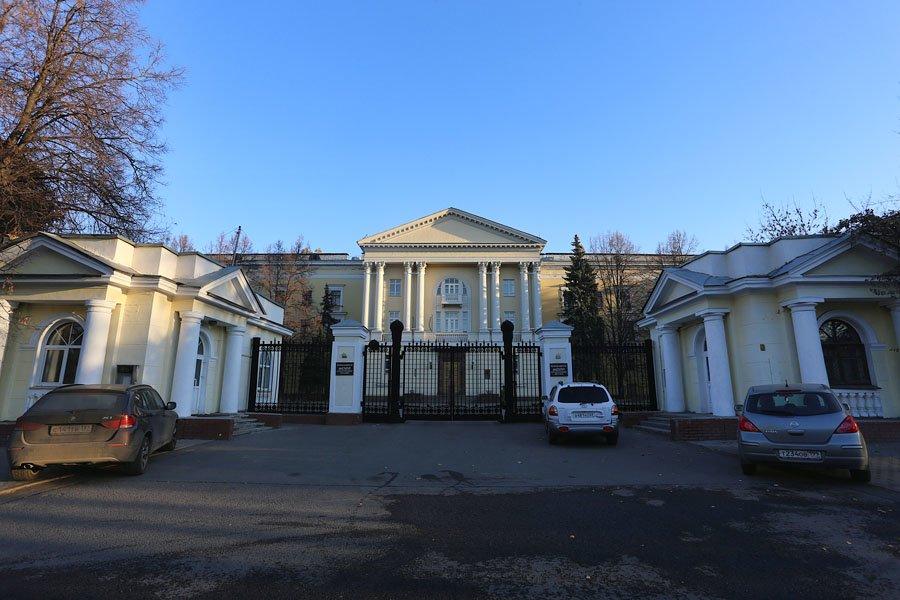
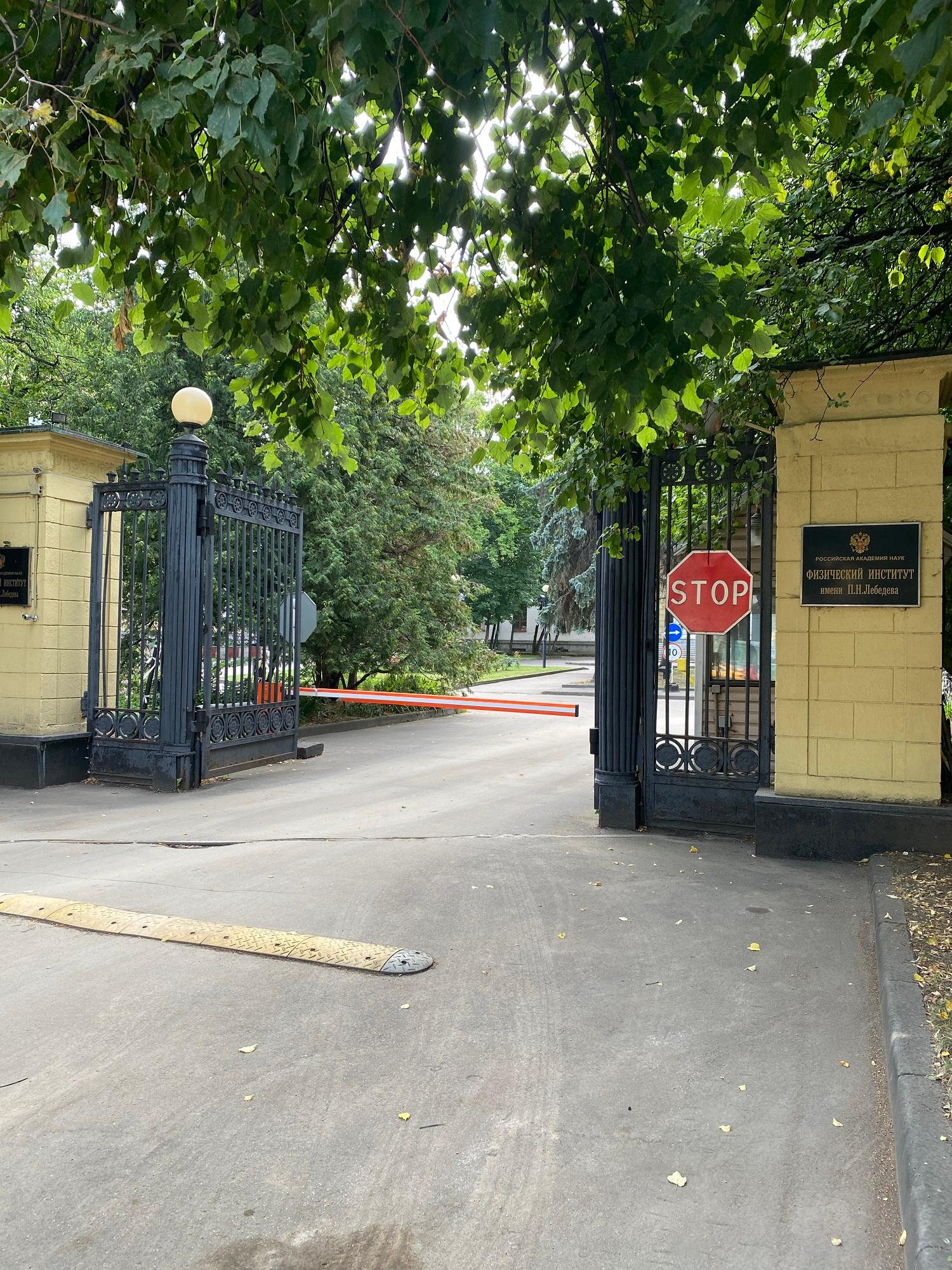
Physics institute of the Academy of Science

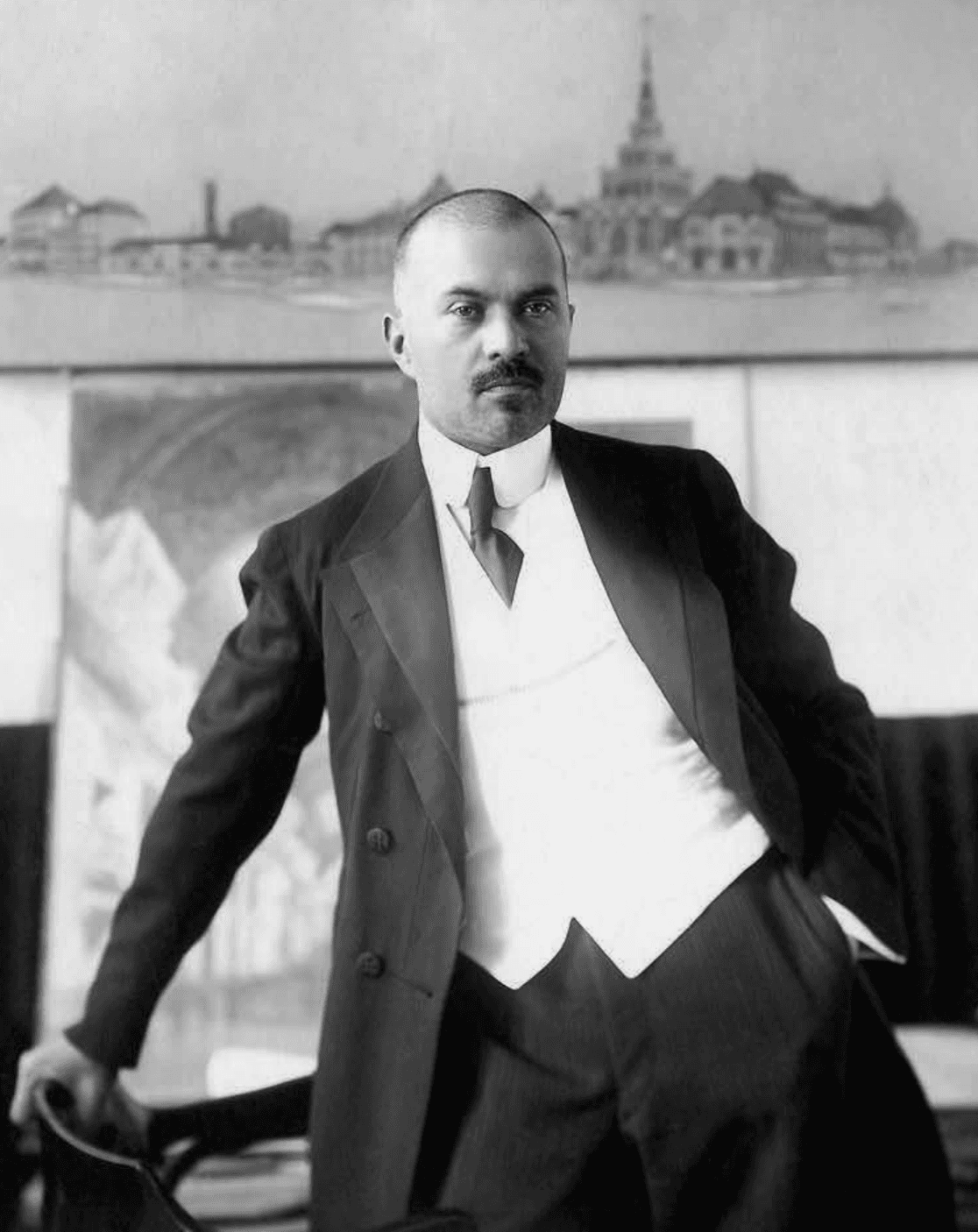
The complex of the one of the leading research institutes was designed in Akademstroy under the guidance of Academician Alexei Viktorovich Shchusev.

Physics institute of the Academy of Science
akademicheskaya
The complex of the one of the leading research institutes was designed in Akademstroy under the guidance of Academician Alexei Viktorovich Shchusev.
3.33
Вы можете воспользоваться QR-кодом, чтобы открыть эту страницу в нашем приложении
Архитектурный стиль:
Годы постройки:
1946-1951
Архитекторы:
Б.М. Тарелин, Н.М. Морозов, А.В. Снигарев, А.В. Щусев
Эпоха:
1930s
Информация о здании

Ленинский проспект стал «самой научной» магистралью столицы, ещё с конца 1920-х здесь стали размещать первые отечественные НИИ. Специально для их проектирования был создан проектный институт, возглавляемый выдающимся русским архитектором А.В. Щусевым, мастерская которого выиграла закрытый конкурс на проект Академического городка (участвовали также мастерские И.А. Фомина, Д.А. Фридмана, Н.А. Троцкого, ГИПРОГОРа).

Безусловно, каждый проект из, занявших левую сторону проспекта, новых зданий (а также улиц Косыгина и Вавилова) не мог быть лично спроектирован зодчим, но авторский почерк в самом понимании сталинской неоклассики остается видимым.

Общий замысел включал в себя постройку четырех десятков зданий, включенных в единый ансамбль Президиума Академии Наук СССР. Однако война спутала все планы, и в послевоенные планировки новой магистрали, разработанной в мастерской Александра Васильевича Власова, были включены не все довоенные разработки.

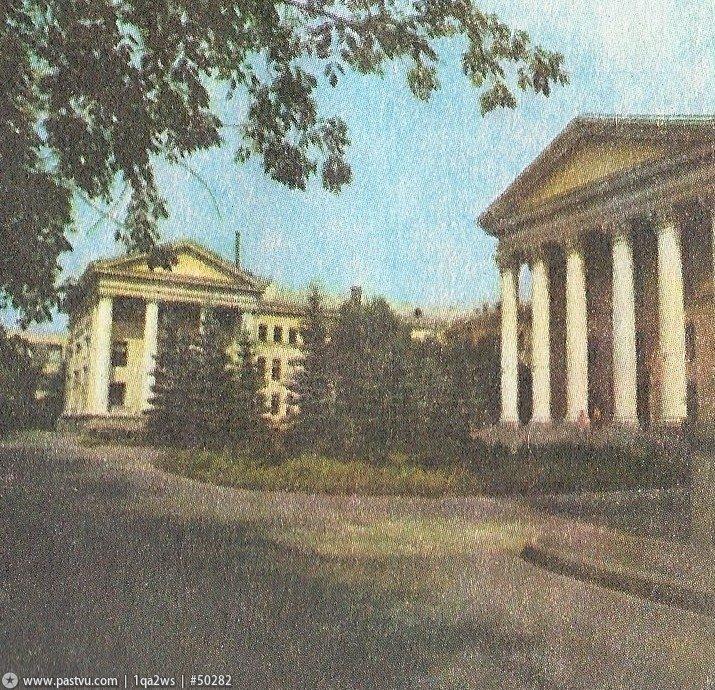
Как и другие главные корпуса своеобразного городка Академии Наук СССР, главное здание Физического института имени П.Н. Лебедева симметрично и, подобно усадебным постройкам, задвинуто внутрь участка. Его фланкируют два корпуса, фиксирующие углы квартала — это также отдельные научные учреждения. Физический институт занял самое монументальное здание среди всего комплекса — центральный вход обозначен высоким портиком с крупномасштабными колоннами коринфского ордера. Колонны обрамляют и боковые стены центрального ризалита — им вторят и два четырехколонных портика боковых крыльев здания, повернутых внутрь двора. Здание имеет сложный план и для использования естественного света состоит из сравнительно узких протяженных корпусов, охватывающих двор. Масштаб архитектурного замысла здесь уже не усадебный, а скорее древнеримский, имперский.

PIAS(Physics institute of the Academy of Science) occupies a dominant place in an urban composition of the odd side of Leninsky Prospekt.

Leninsky Prospekt became "the very scientific" avenue of the Russian capital. First national research institutes were placed here in the late 1920s. Special Design Institute, headed by the outstanding Russian architect A. Shchusev was founded specifically for creation of this type of buildings. Shchusev’s workshop won the close competition to design an academic campuses. This competition was also attended by workshops of I.A. Fomin, D. Friedman, N.A. Trotsky and GIPROGOR) .

Of course, each building that occupies the left side of the avenue (as well as Kosygin and Vavilov streets) could not be personally designed by the architect, but the author's handwriting of the Stalinist neoclassicism remains visible.

The overall design with the construction of four dozen of buildings is included in a single ensemble of the Presidium of the Academy of Sciences of USSR. However, the war interrupted all the plans, and not all the pre-war development was included into the postwar Leninsky Prospect planning, developed by Alexander V. Vlasov’s workshop.

The main building of the Physics Institute named after P. Lebedev is symmetrical and placed inside the plot just like other major buildings of the USSR Academy of Sciences’ town buildings. It is flanked by two buildings, which fix the corners of the block - these are also separate scientific institutions.Physical Institute took the most monumental building of the entire complex. Its main entrance is marked by large-scale high portico with Corinthian columns. Columns also frame side walls of the central projection. The building has a complex layout aimed for the use of natural light and composed of a relatively narrow extended corps covering the yard. Scale architectural concept here is not the manor’s, but rather Roman, imperial.
Автор статьи: Николай Васильев
Рекомендации
Поделитесь статьей с друзьями
Интересное рядом(6)
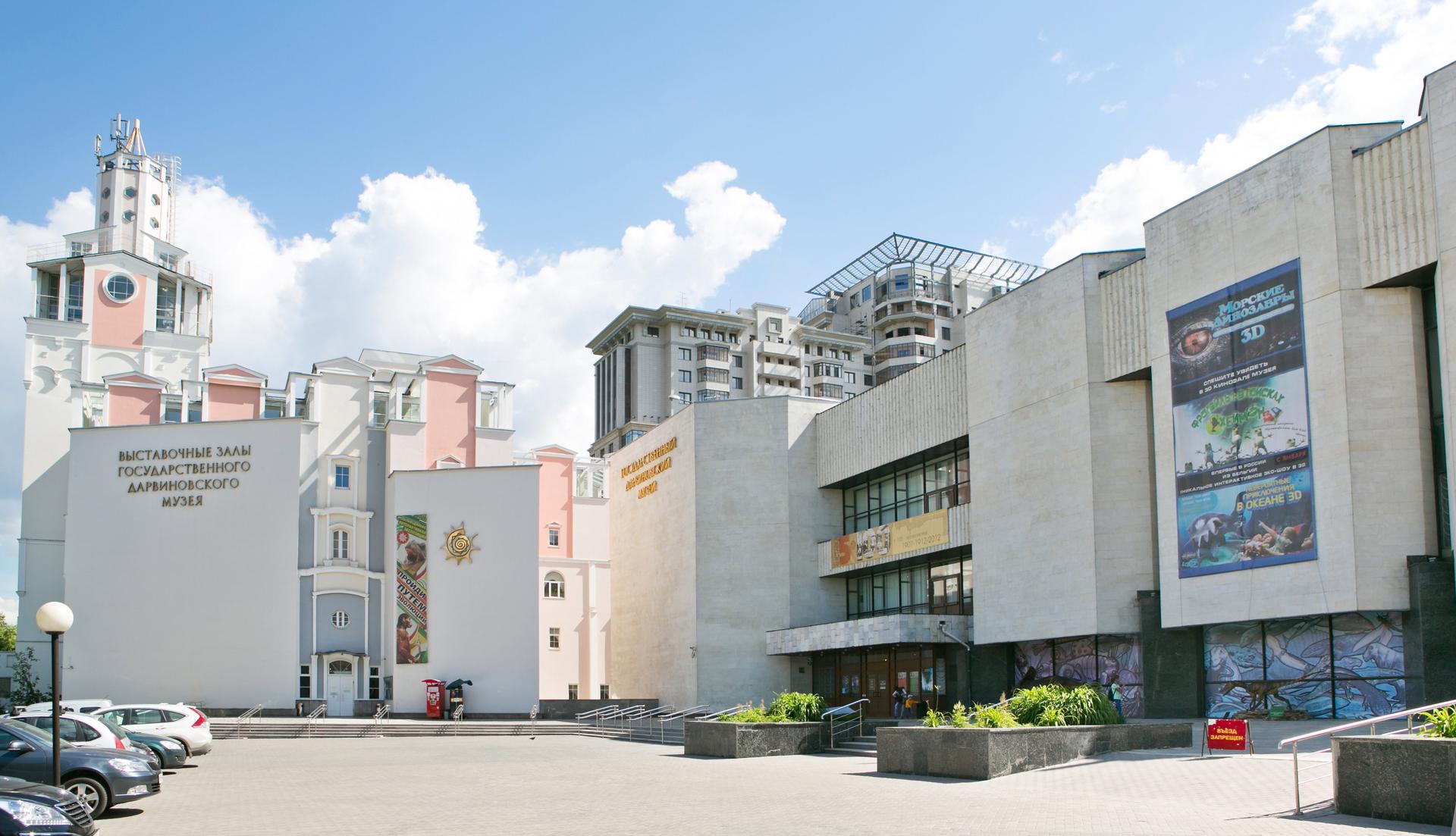
The State Darwin Museum

The State Darwin Museum was established in 1907 by Professor Alexander Kots, an excellent museum researcher, who read the lectures on the theory of evolution at the Moscow the Moscow Higher Female Courses. During that time, there was the first museum, devoted only to the theory of evolution. Now there are a lot of similar museums in the world, but the Darwin Museum still remains the only such museum in Russia and is considered to be a methodical center for all natural history museums of our country. In 1911 Alexander Kots married Nadezhda Ladygina, a MHFC student. This beautiful woman shared all efforts on the creation and maintenance of the museum with her husband.

The museum has a hard fate; only before its 87th anniversary, the museum finally moved to its own building, which had been constructed for about 20 years. The first part of the exposition was opened in 1995, and the construction of exposition in the new building was completed in 1997.

Now the State Darwin Museum has three buildings: the main building opened for visitors on September 2, 1995; the exhibition building opened on April 17, 2007, which includes the exhibit depository; and the technical building. The State Darwin Museum is one of few museums, where the regular re-exposition and construction of new interactive complexes take place, old expositions, vitrages, and labels are replaced by new ones without any closing of halls, and so on. The number of visitors exceeds 500 000; every year the museum conducts more than 2500 excursions, organizes more than 60 exhibitions.

The State Darwin Museum has a children’s animalistic art studio and a circle of young biologist. Annually, the employees of the Museum used to organize up to 10-11 mass holidays for visitors, and each of such events gathers from 3 to 7 thousand guests.

Besides traditional excursions, guests of the Darwin museum can quickly and easily receive textual, illustrative, sound and other information about the exposition’s objects which have interested them by using their smartphones. For this purpose it is enough "to read" a matrix code (to scan and recognize in the program a QR code), published on the website, information board, glass-cases of the museum or on printing products.

The Museum has created the comfortable conditions for the physically challenged people: both buildings are equipped with ramps, lifts, and elevator, there are also recreation areas.

The Darwin museum to be interesting for children who are keen on interactive activities: the little visitors can paint a picture from sand, watch the 3D - movie about sea dinosaurs, to learn its weight on other planets or to estimate it in non-standard units — in mice or bears. It is possible in the Darwin museum to stroke a hair of a real wolf and a polar bear, to listen to discordant croaking of frogs and to observe the life of insects in the insectarium.

At school students disposal – the multimedia complexes and programs: "Specially protected natural zones of the city of Moscow", "Natural reserves of Russia", multimedia informational Centre "EcoMoscow" and many others.

Interactive exposition "Pass by the path of evolution" allows young and adult visitors to get back for thousands and millions years ago and to take a look at the past times of our planet. And for those who wish to make a virtual "Travel with animals" will help the technology of augmented reality introduced in the Darwin museum: like in a science fiction film, museum glass-cases inhabitants comes out alive in order to get closer to the guests and pose for a picture with them.

In the Darwin Museum was opened the Youth Innovation Creativity Centre, where the young inventors under the leadership of engineers could develop original projects, using the latest achievements in bionics. And in September, 2014 to be opened the new interactive educational center "Discover Yourself — Discover the World" equipped with the latest technologies allowing to receive a full information about the Earth nature and provided in a very popular way.


In halls of the Darwin museum it is possible to see the unique exhibit items. Among the most interesting rarities are: 

- African elephant of the last emperor of the Russian Empire Nicholas II, 

- Jean-Dau an Indian elephant cow, 

- Spaniel of the leader of the USSR Iosif Vissarionovich Stalin,

- Lobster of the well-known astronaut Yury Alekseevich Gagarin, 

- Albino squirrel that museum founder, Alexander F. Kohts, traded on the samovar 

- A stuffed gorilla in whose stand’s were have been recently found the documents dated by the end of XIX century.


Vavilov Street, 57
akademicheskaya
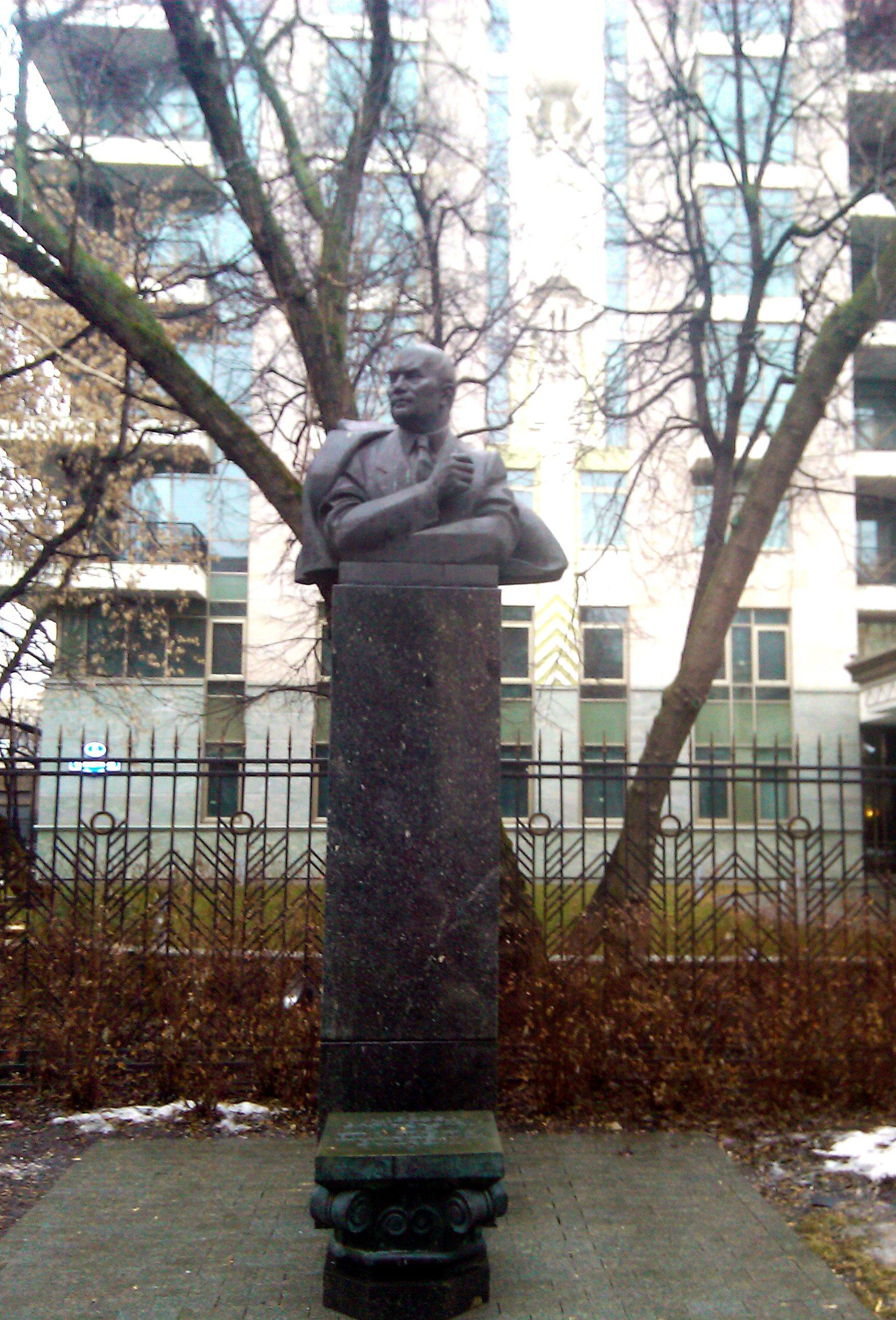
Shchusev A. V.
Архитектор
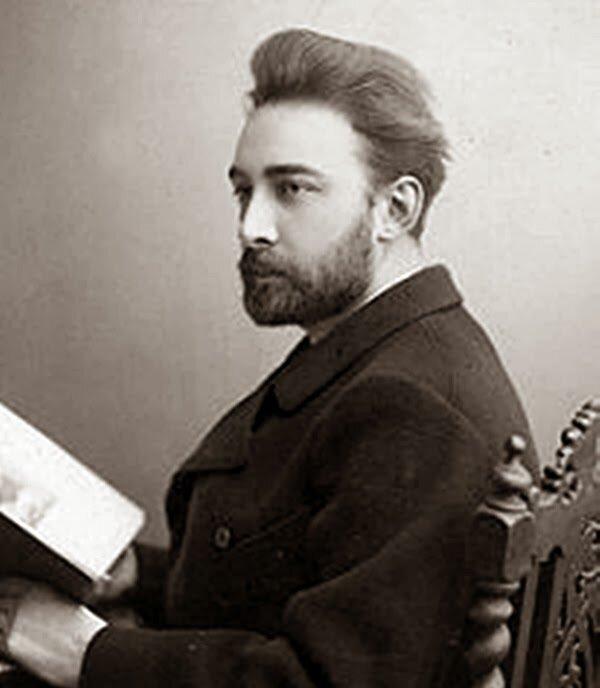
Лебедев Пётр Николаевич
русский физик-экспериментатор
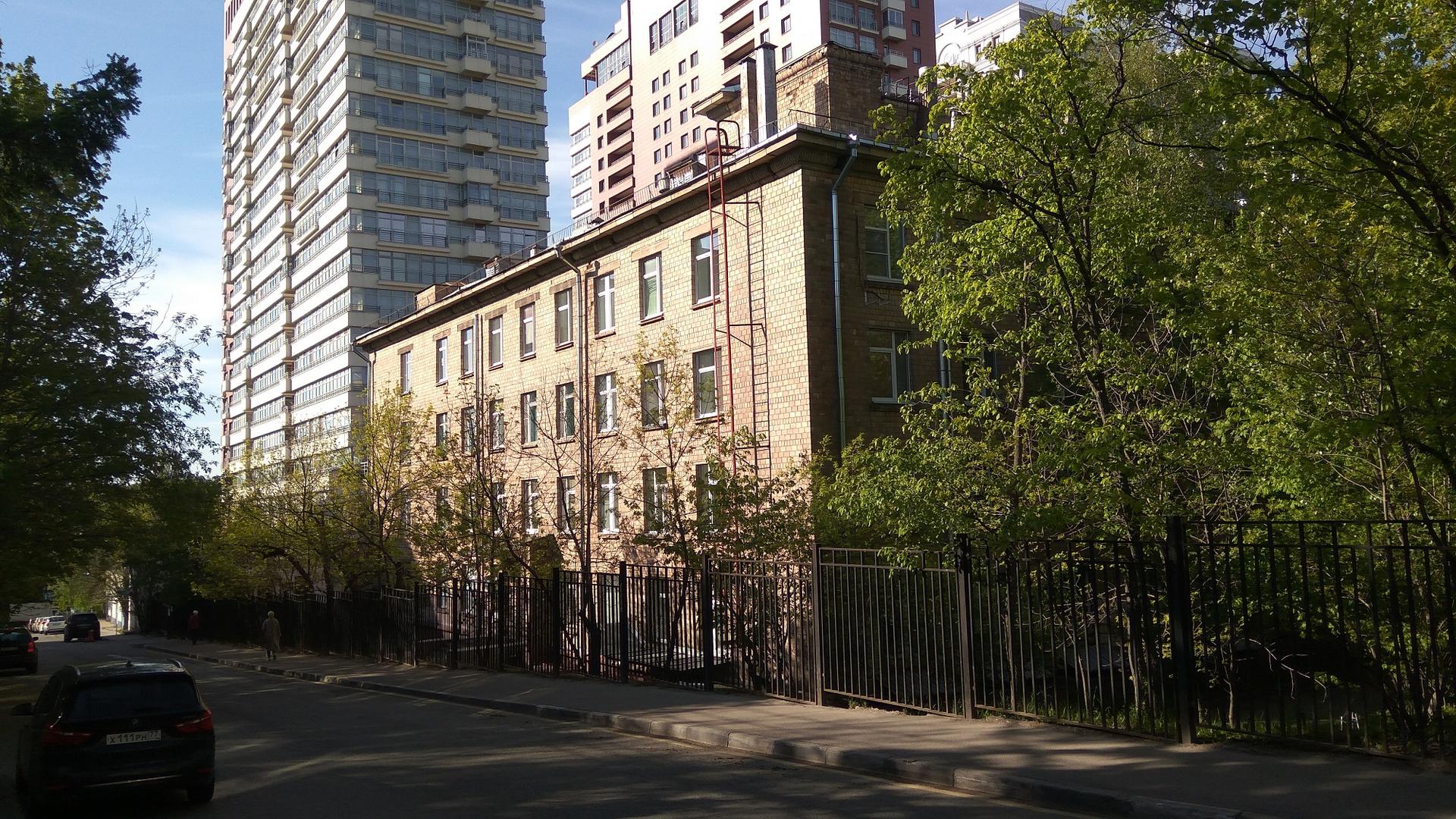
ул. Большая Черемушкинская, д. 24, корп. 3
akademicheskaya