Усадьба находится на территории бывшей Немецкой слободы. Улица Радио до 1929 г. называлась Вознесенской – по церкви Вознесения на Гороховом поле.
Известно, что в начале XVIII века хозяйкой усадьбы была генерал-поручица Аграфена Федоровна Колтовская. Существует генеральный план 1803 года, на котором видно, что прямоугольный участок был застроен по периметру. У восточной границы участка тогда текла речка Чечера, которую в начале XX века заключили в трубу. Примечательно, что долгое время никаких радикальных перемен в усадьбе не происходило: на плане 1834 года видно, что только вдоль восточной границы участка строится одноэтажный флигель. В 1875 году собственницей владения была вдова подполковника Вильгельмина Эдуардовна Волкова. Главный деревянный дом с мезонином и галереей с западной стороны, а также жилое одноэтажное строение выходили на Вознесенскую улицу. В 1886 году усадьбу купил известный московский архитектор Петр Александрович Дриттенпрейс, работавший на Московско-Курской железной дороге. С 1880-х гг. он был очень востребован и много работал по частным заказам: проектировал и перестраивал особняки и усадьбы для богатых купеческих семейств. Работал он в основном в стиле эклектики.
По проекту Дриттенпрейса главный дом и флигель по Вознесенской улице были перестроены в духе эклектики. После 1906 года П.А.Дриттенпрейс продает владение врачу-психиатру Александру Любушину и его жене Марии Александровне. В 1909 году новые хозяева возводят на месте старых хозяйственных построек в северо-восточной части участка, уже по проекту сына архитектора – В.П.Дриттенпрейса, каменный двухэтажный корпус клиники с пристройками и флигелем. Все владение приспосабливается под нужды лечебного учреждения.
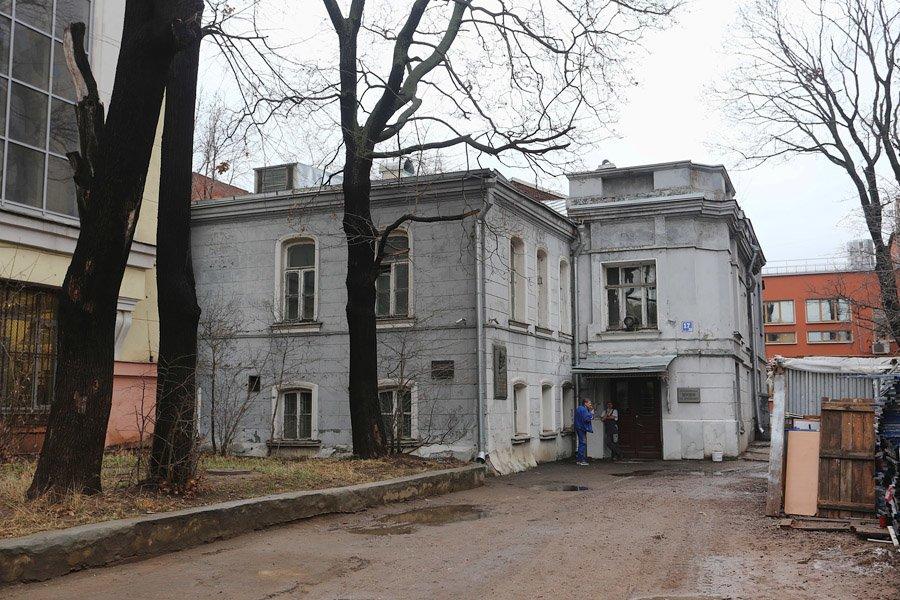
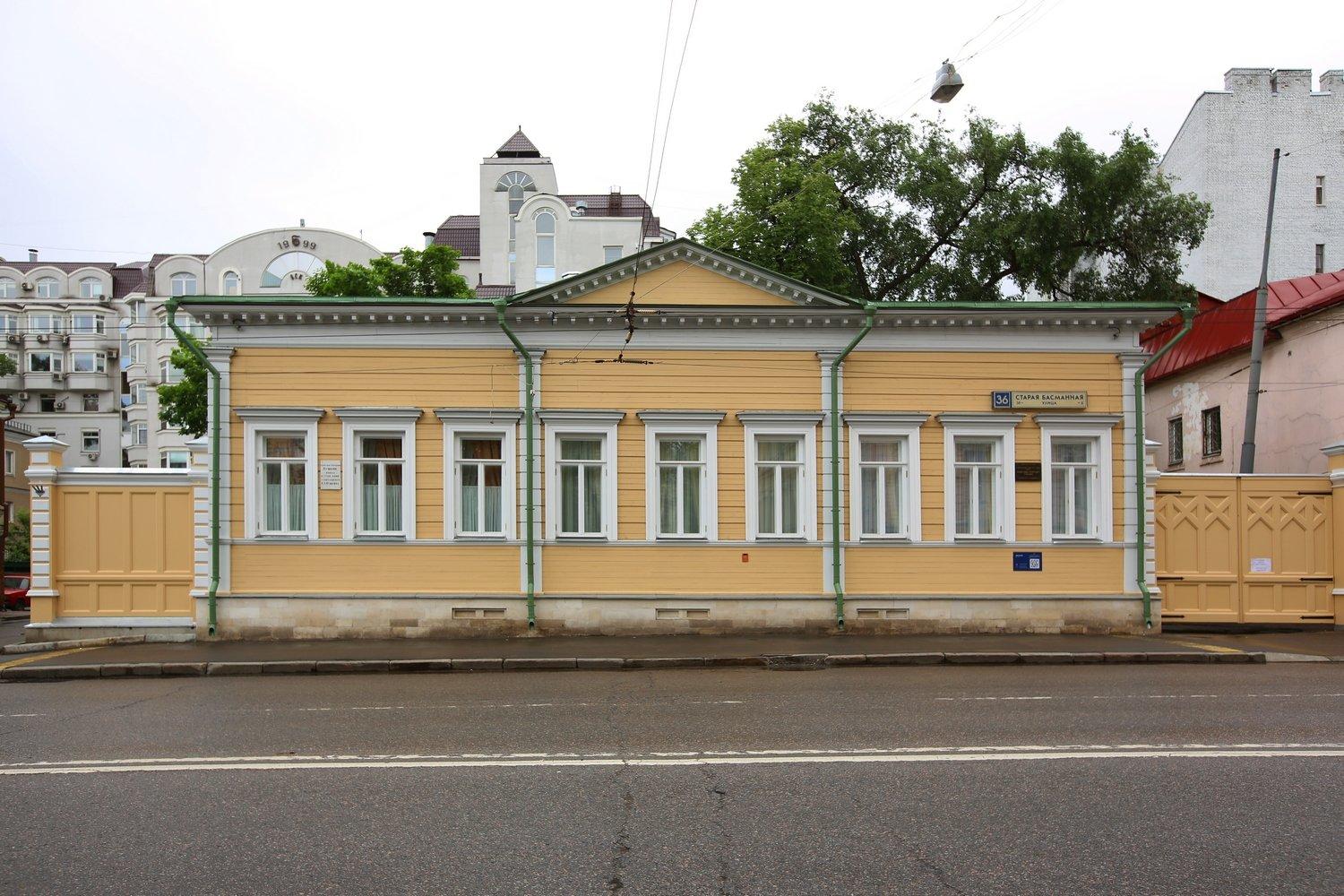
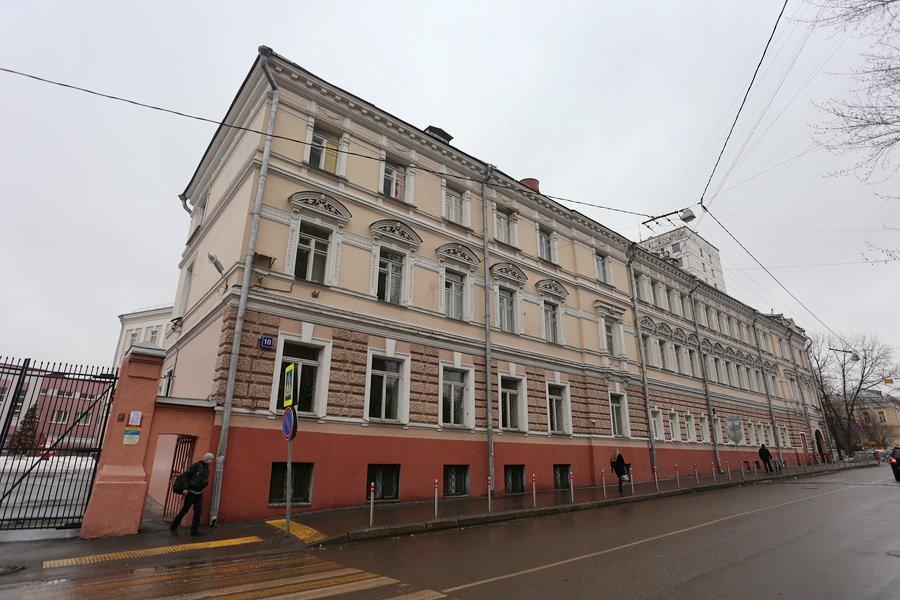
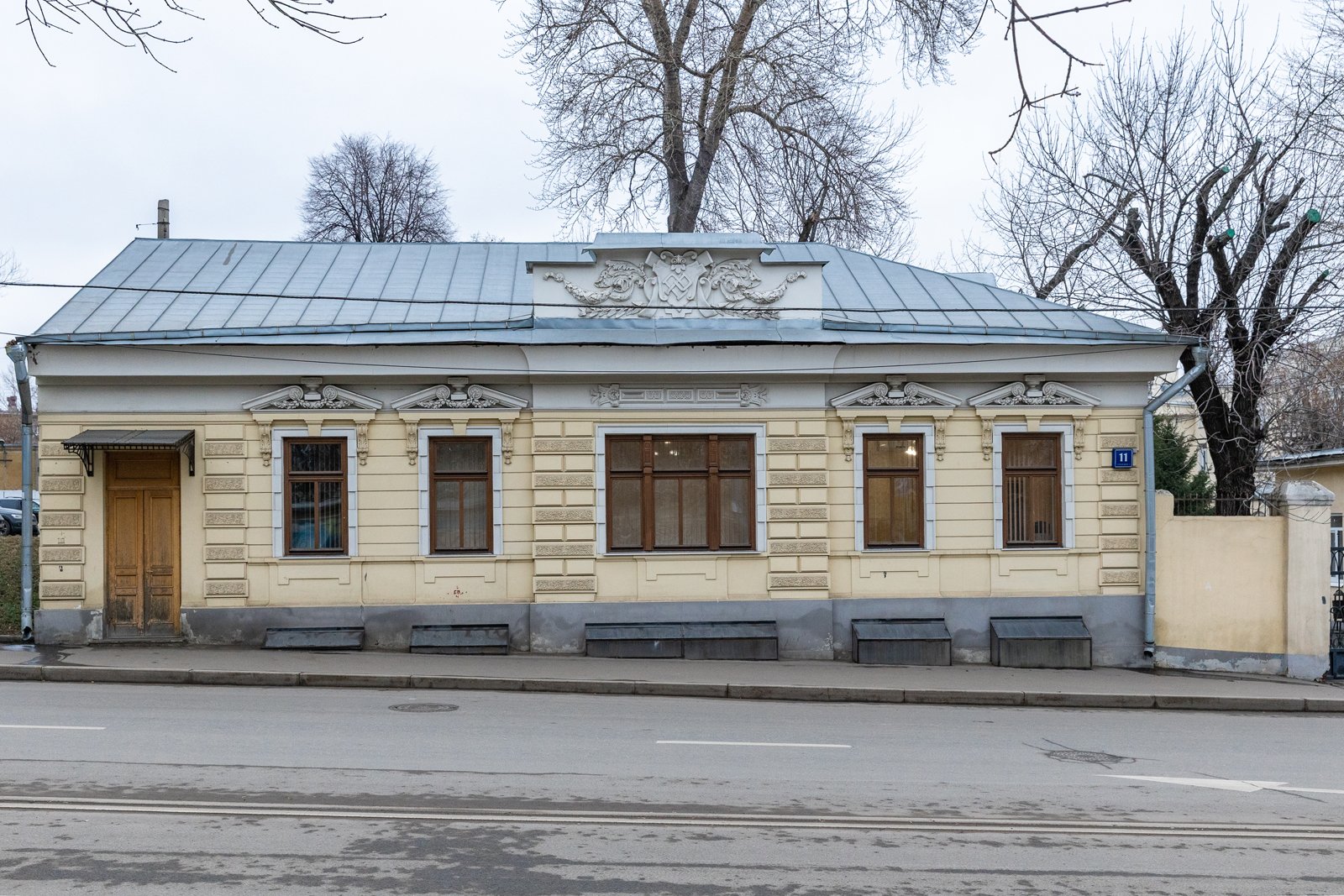
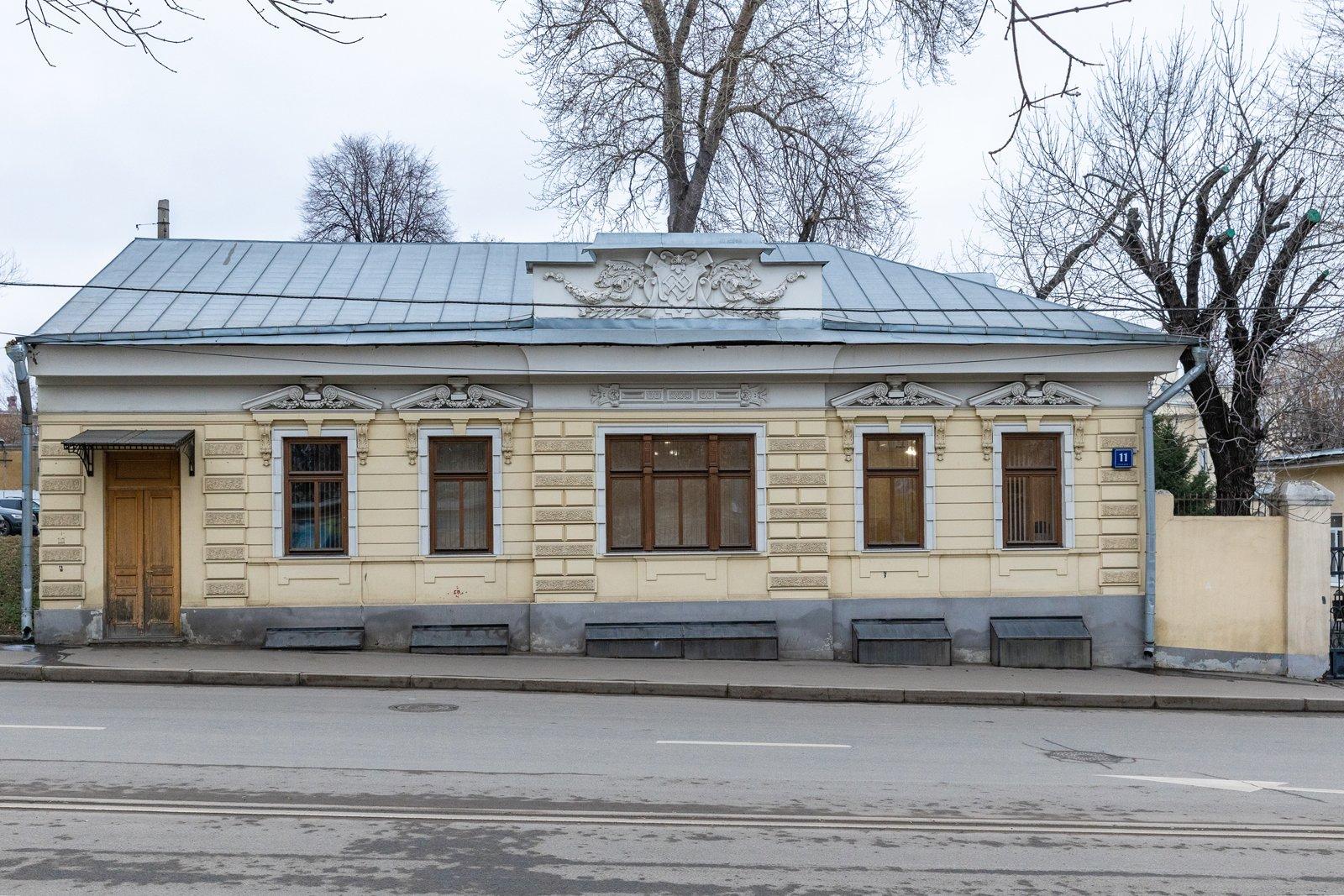
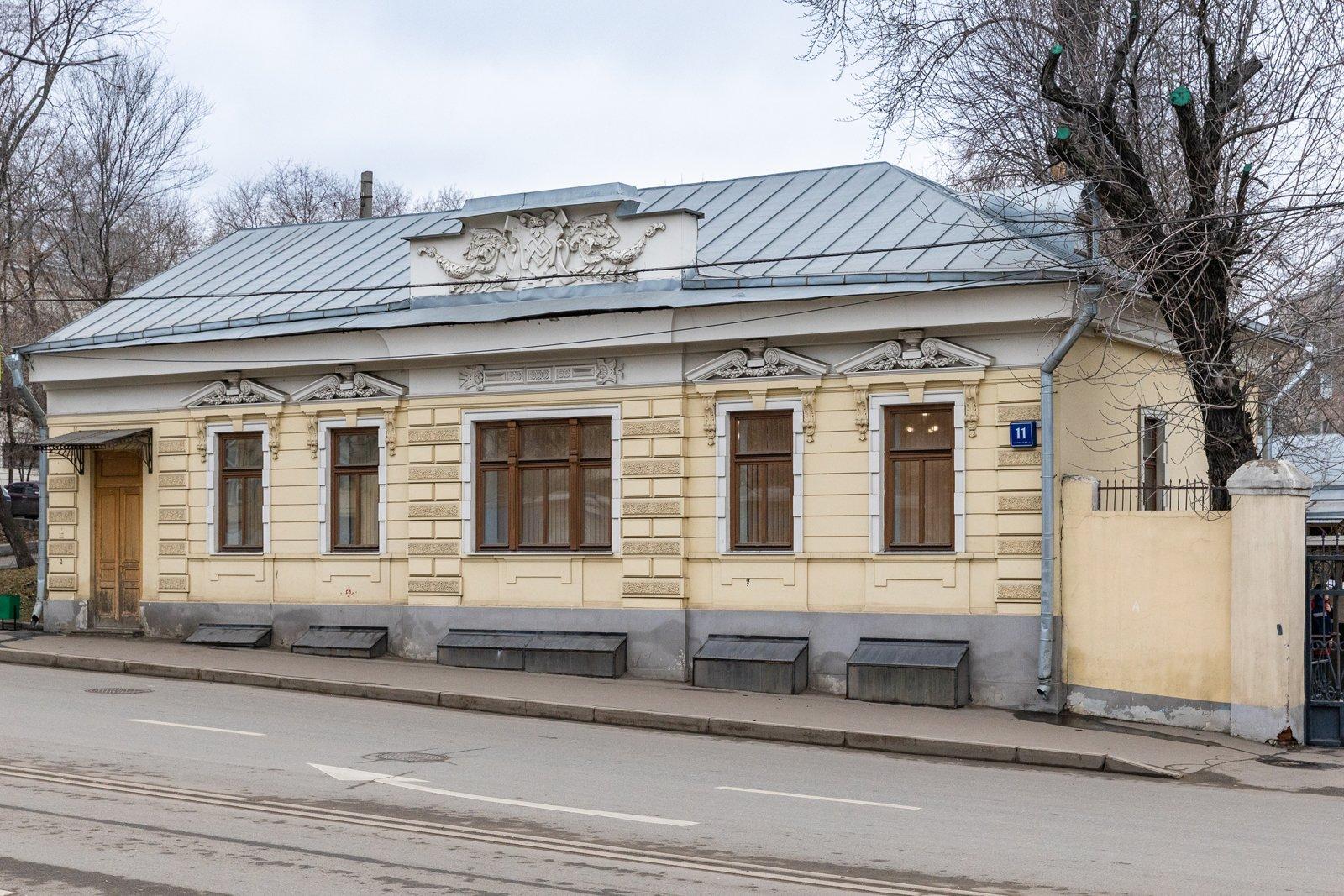
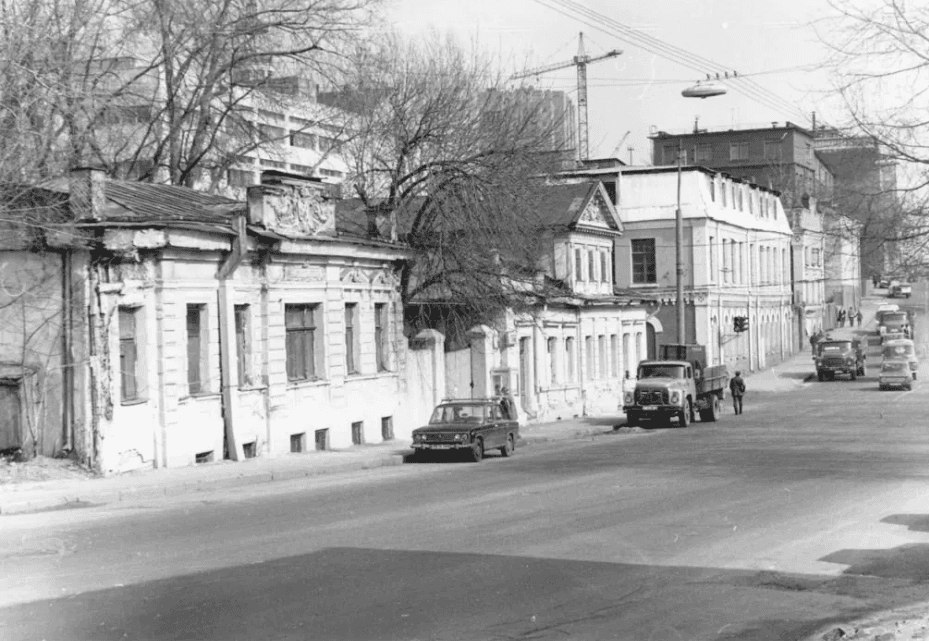
Флигель и дом по Вознесенской улице сохранились и по-прежнему формируют исторический облик улицы.
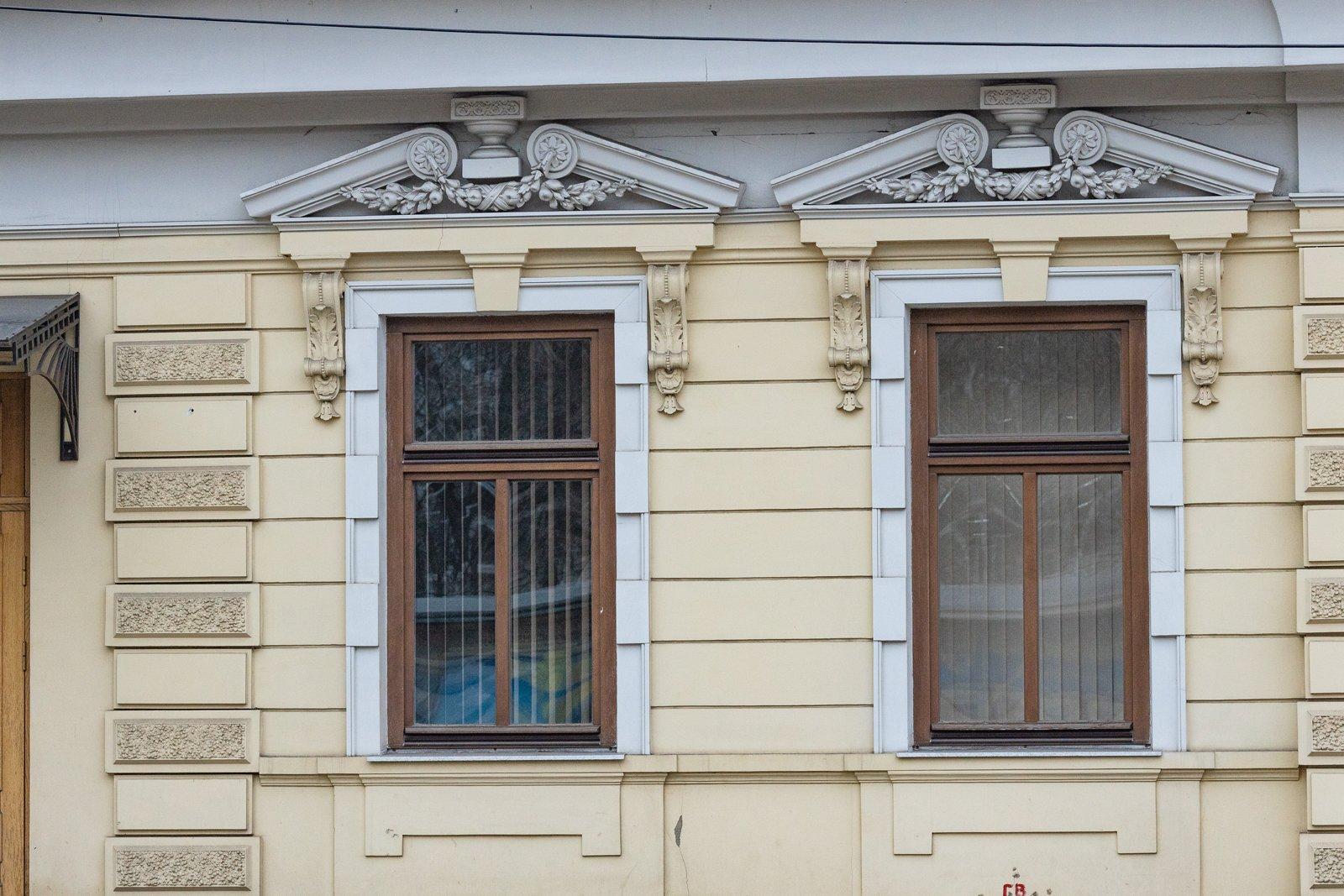
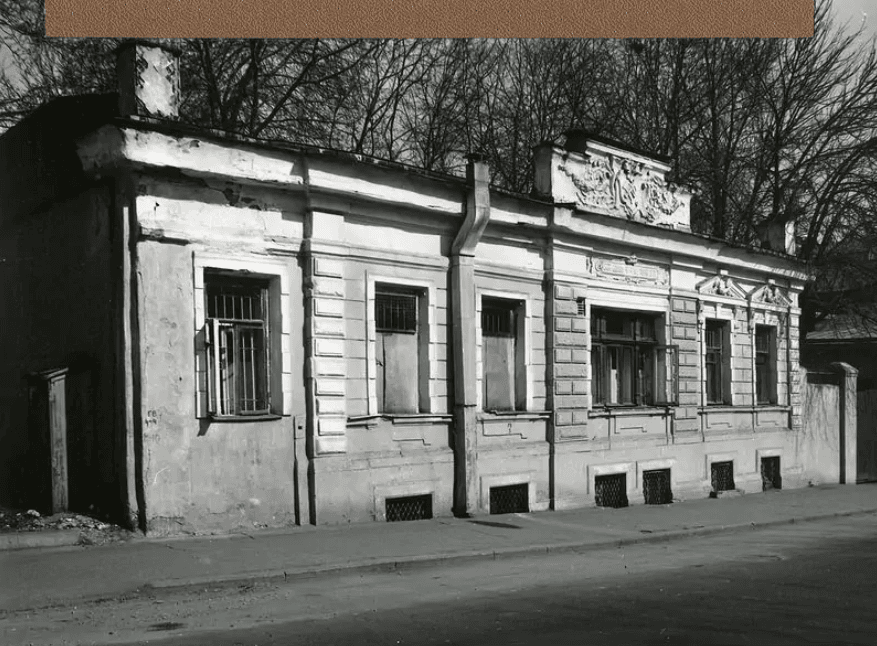
Флигель представляет собой одноэтажное с полуподвалом, сложной формы в плане жилое деревянное здание. Он затейливо оформлен: наличниками и сандриками, а также лепными подоконными плитами, лопатками, рустом – в том числе «под шубу», замковыми камнями, медальонами, декоративными консолями, венчающими карнизами.
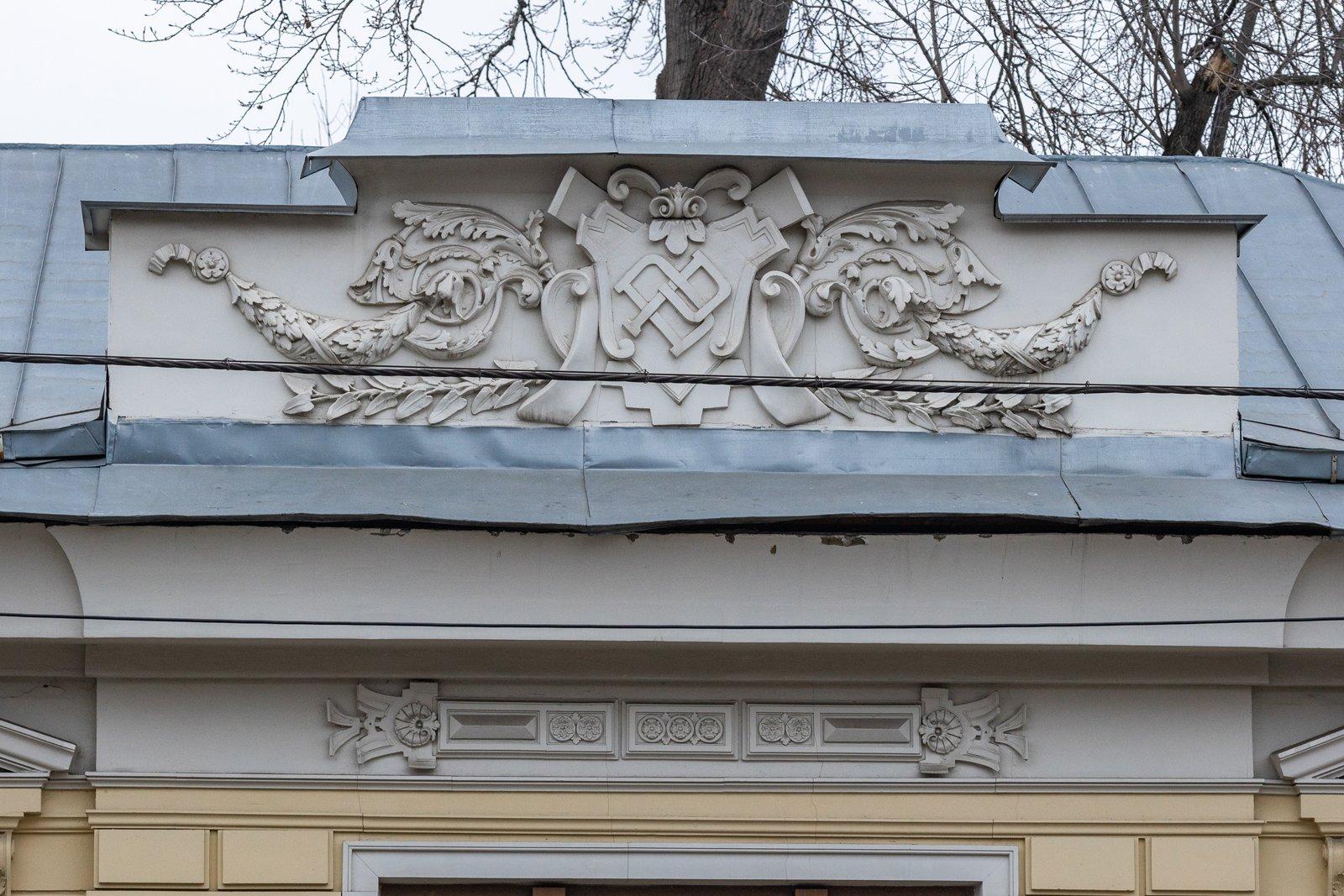
Центральная ось фасада акцентирована раскреповкой и ступенчатым аттиком с лепным картушем. Он украшен перекрещенными латинскими буквами «PD», которые обозначают инициалы архитектора. Целы кованые решетки окон полуподвала, а вот кованая решетка аттика крыши не сохранилась.
It is known that the owner of the Homestead in the early 18th century was lieutenant general's wife Agrafena Fyodorovna Koltovskaya. There is an 1803 master plan that shows that the rectangular land plot was built up around its perimeter. At that time, the small river of Chechera was flowing near the eastern part of the land plot; in the early 20th century this river was converted into an underground tunnel. It should be noted that there were no drastic changes in the Homestead for a long time: the 1834 plan shows that the one-storey side wing was built along the eastern border of the land plot. In 1875, the property title went to lieutenant colonel's widow Wilhelmina E. Volkova. The main wooden house with a mezonin (an additional storey annex in the building's central part) and a gallery on the western side, as well as a residential one storey building were facing the Voznesenskaya Street. Famous Moscow architect Piotr A.Drittenpreis who worked at the Moscow-Kursk Railway bought the Homestead in 1886. Since the 1880s, the architect was very popular and had a lot of private clients: he designed and remodeled mansions and homesteads for rich merchant families. His favorite style was that of Eclecticism.
According to Drittenpreis' design, the main house and the side wing were reconstructed in that very eclectic style. In 1906, P.A.Drittenpreis sold the property to psychiatrist Alexander Lyubushin and his wife Maria Alexandrovna. In 1909, instead of the old service buildings in the north eastern part of the land plot, the new owners had a two storey stone building with annexes and a wing constructed for the clinic, this time to the design of the architect's son, V.P.Drittenpreis. The entire property was adapted to the needs of the medical institution.
The side wing and the house on the Voznesenskaya street have survived and still maintain the street's historical look.
The side wing is a one storey wooden residential building with a semi basement, and of intricate layout. It is decorated in a fancy way: there are lintels and pediments, as well as molded window sill slabs, lesenes, rustication of alternating flat and “dressing” surfaces, keystones, medallions, ornamental consoles and final cornices.
The facade's central axis is accentuated with avantcorps and stepped attic with molded cartouche. The latter has crossed Latin letters “LD” standing for the architect's initials. Wrought iron lattices of the semi basement windows are intact but the wrought iron lattice of the roof attic has not survived.
Evgenia Tvardovskaya