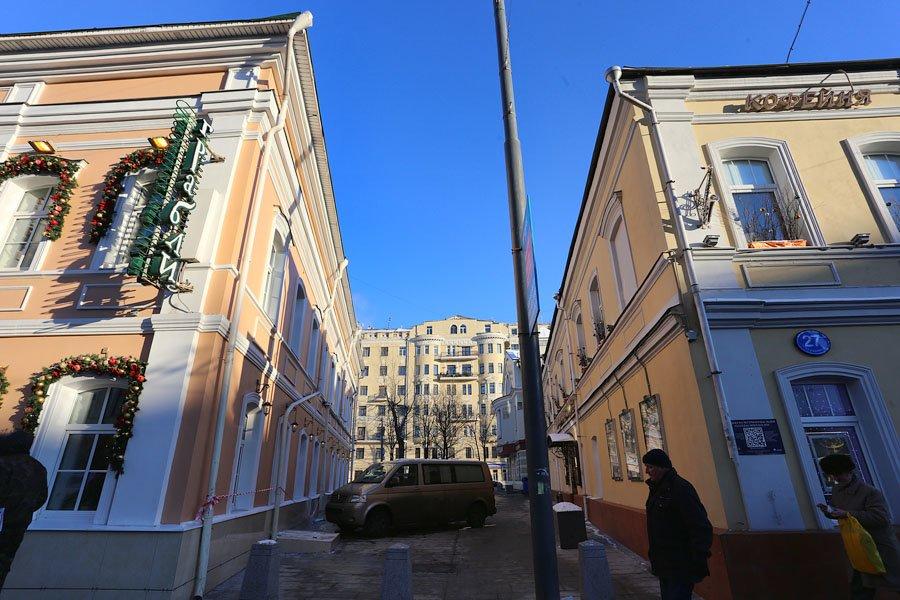
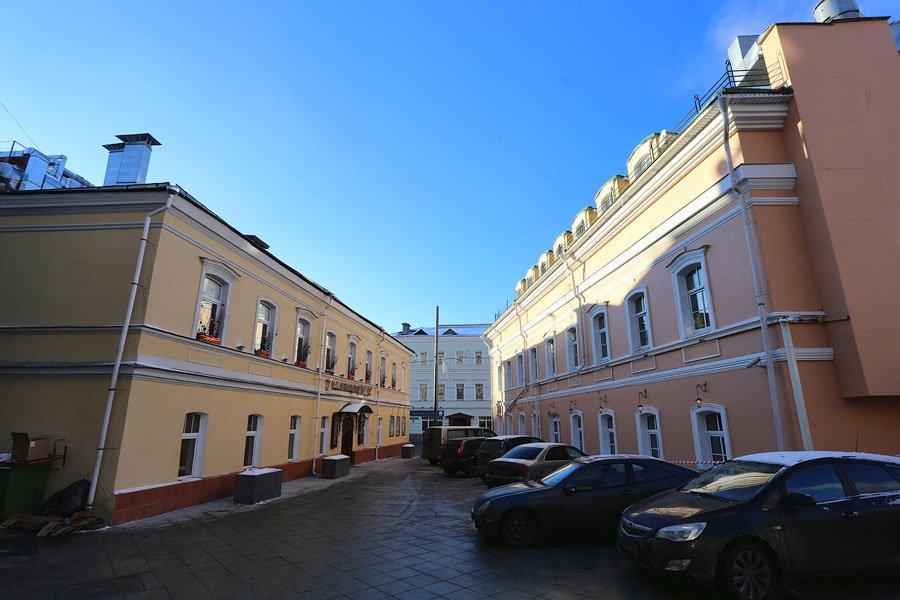
Палаты Журавлёвых относятся к числу редких сохранившихся примеров глубинной городской застройки XVIII века. Городская усадьба сформировалась в 1750-х годах, когда фабрикант-суконщик И.Г. Журавлёв объединил два смежных участка. В 1759 году он распорядился снести старые деревянные строения и возвести каменные палаты с отступом от красной линии Пятницкой улицы. Первоначально здание было одноэтажным с подвалом; в центре находился каретный проезд на задний двор. Вероятно, над каменной частью существовал деревянный жилой этаж. В 1772 году вдова владельца П.Д. Журавлёва надстроила палаты кирпичным этажом, закрепив их статус как капитального городского дома.
В 1790 году владение приобрёл купец П. Степанов. При нём усадьба включала главный дом, два деревянных флигеля в глубине двора и два каменных строения по красной линии улицы. Таким образом, сложилась типичная купеческая усадьба с чётким разделением парадной и хозяйственной частей.
Пожар 1812 года уничтожил деревянные постройки и серьёзно повредил каменные здания. После войны новый собственник Ф.П. Степанов провёл восстановительные работы, завершившиеся к 1824 году. В этот период каретный проезд в центральной части палат был преобразован в лестничную клетку с вестибюлем, что отражало изменение характера использования дома.
Во второй половине XIX века усадьба неоднократно перестраивалась. В 1873 году при купце Л.И. Шевцове к палатам с тыльной стороны была сделана каменная пристройка. В 1880-х годах при купцах Любимовых службами застроили весь периметр владения, одновременно обновив интерьеры и наружный декор главного дома. В начале XX века при купце Н.Г. Григорьеве палаты соединили с северным флигелем переходом-галереей. В 1904 году архитектор А.М. Калмыков возвёл на красной линии Пятницкой улицы пятиэтажный доходный дом, который практически скрыл старинные палаты со стороны улицы.
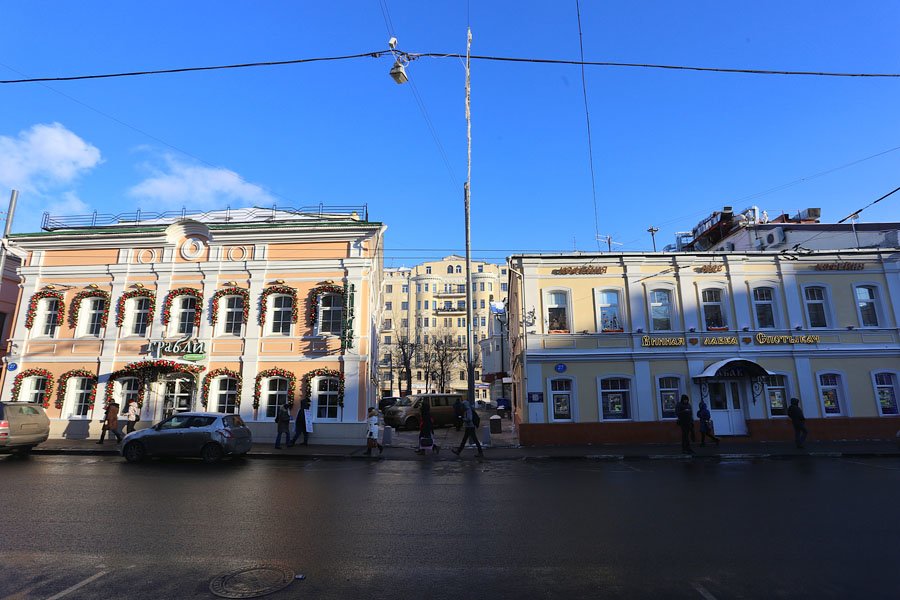
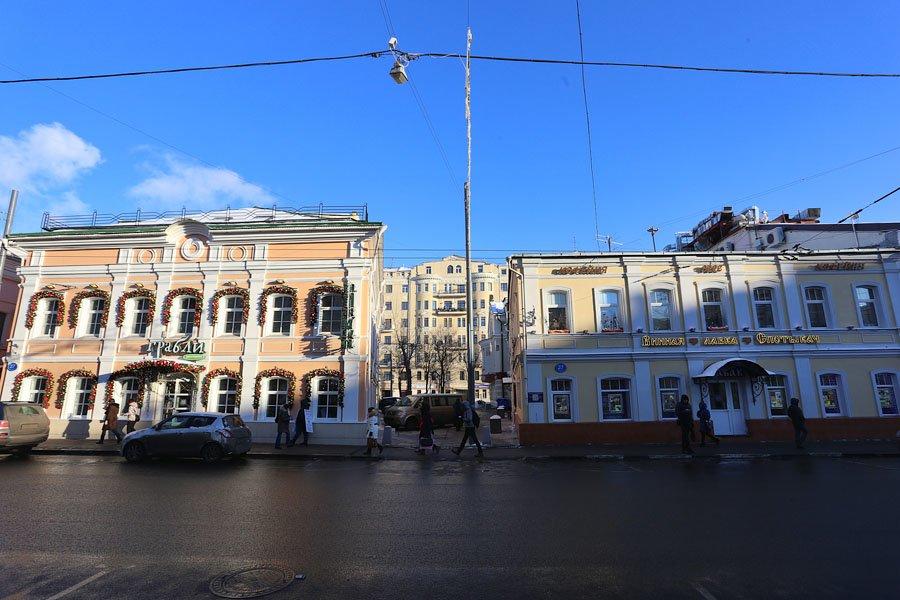
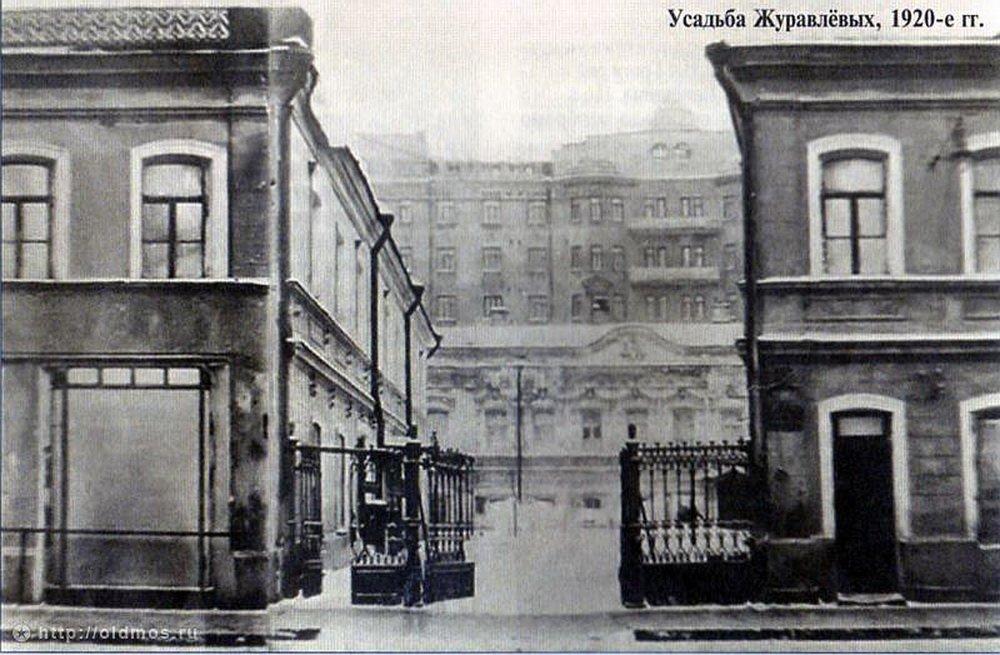
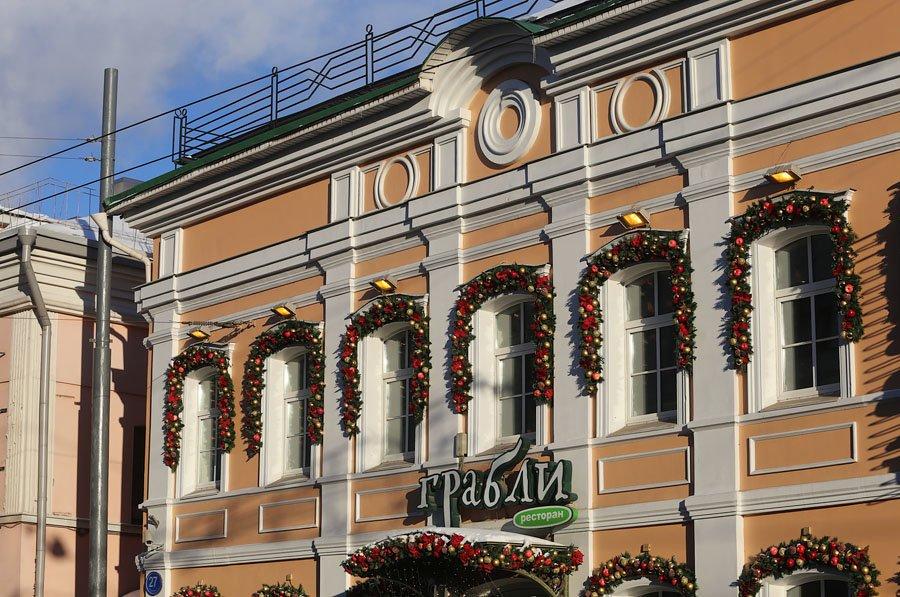
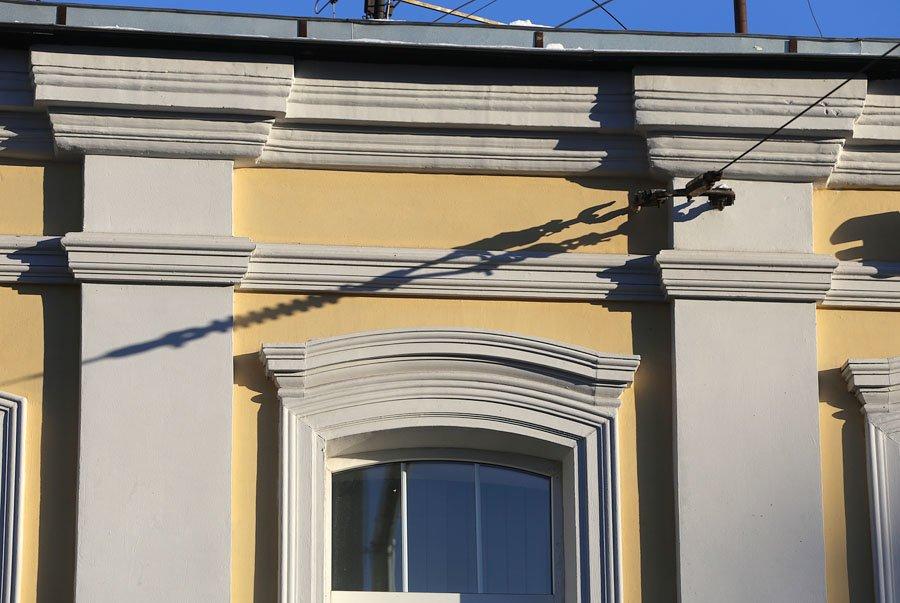
Сегодня палаты Журавлёвых можно увидеть лишь со двора, войдя в арку доходного дома. Их первый этаж, вросший в землю, воспринимается как подклет-полуэтаж и изначально имел хозяйственное назначение. Верхний жилой этаж выделяется карнизом и прямоугольными окнами в плоских нишах. Под общим номером 27 сохранились два флигеля усадьбы, возведённые в начале XIX века и перестраивавшиеся позднее; первоначально они были одноэтажными и соединялись оградой с въездными воротами. Характерной особенностью планировки было расширение двора по направлению к главному дому за счёт наклонного расположения стен флигелей, создававшего эффект удалённости улицы.
История усадьбы связана с семьёй Журавлёвых — одними из крупнейших промышленников XVIII века, храмоздателями церкви Параскевы Пятницы на Пятницкой улице. В глубине квартала за флигелями возвышается «тучерез» архитектора Э.-Р. Нирнзее, построенный перед Первой мировой войной для купца М.И. Бабанина. После революции доходные дома района были заселены коммунальными квартирами; при этом в интерьерах сохранились отдельные подлинные элементы, включая метлахскую плитку начала XX века. Палаты Журавлёвых остаются важным историческим слоем Пятницкой улицы, позволяющим проследить эволюцию купеческой усадьбы от XVIII века к плотной городской застройке начала XX столетия.

.jpg&w=1920&q=75)