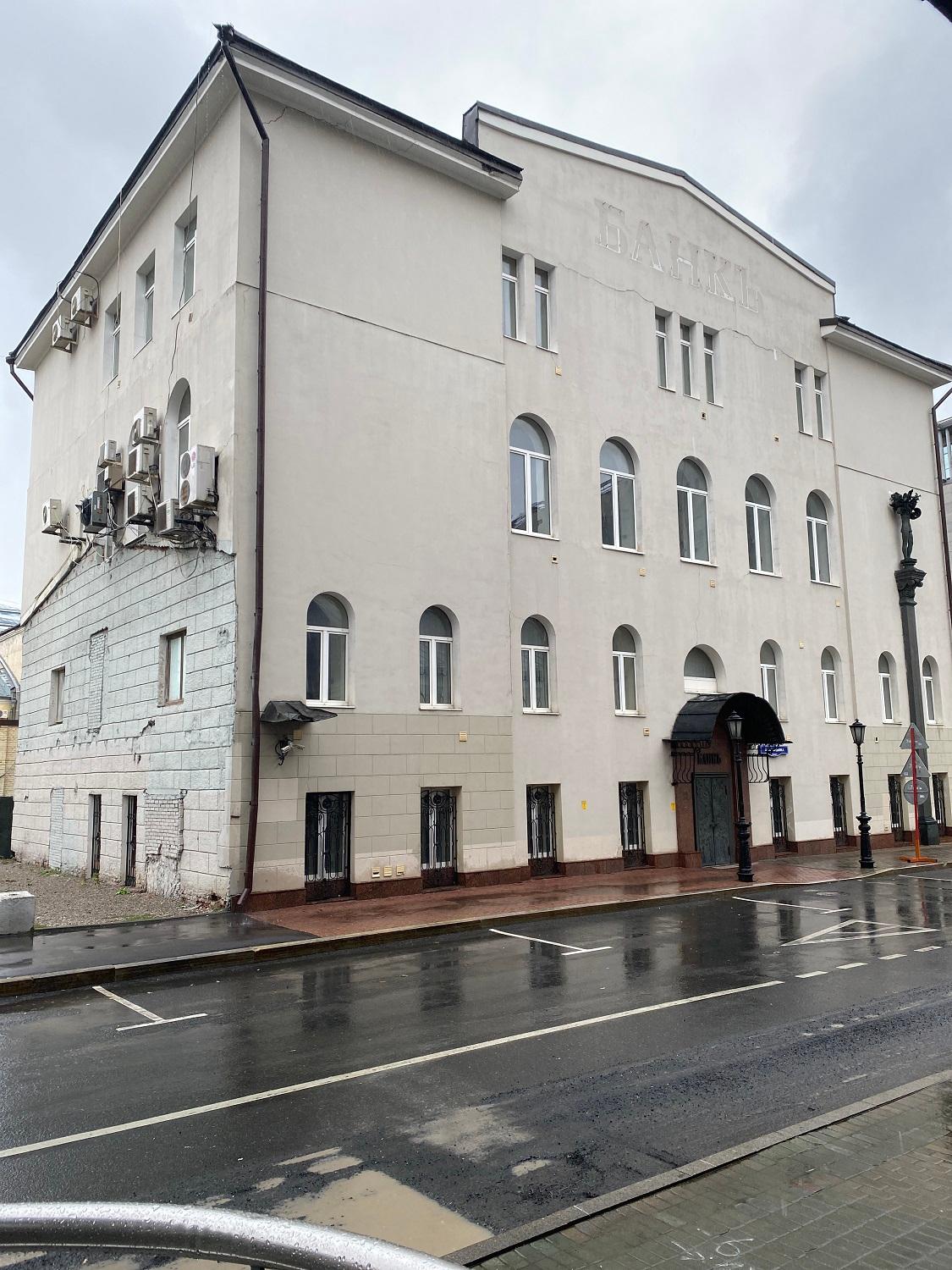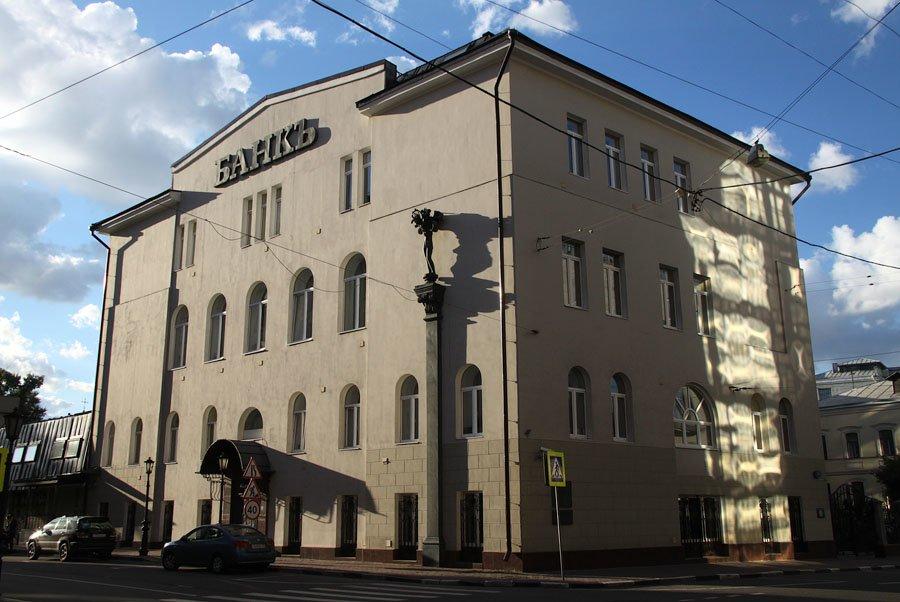
Информация о здании
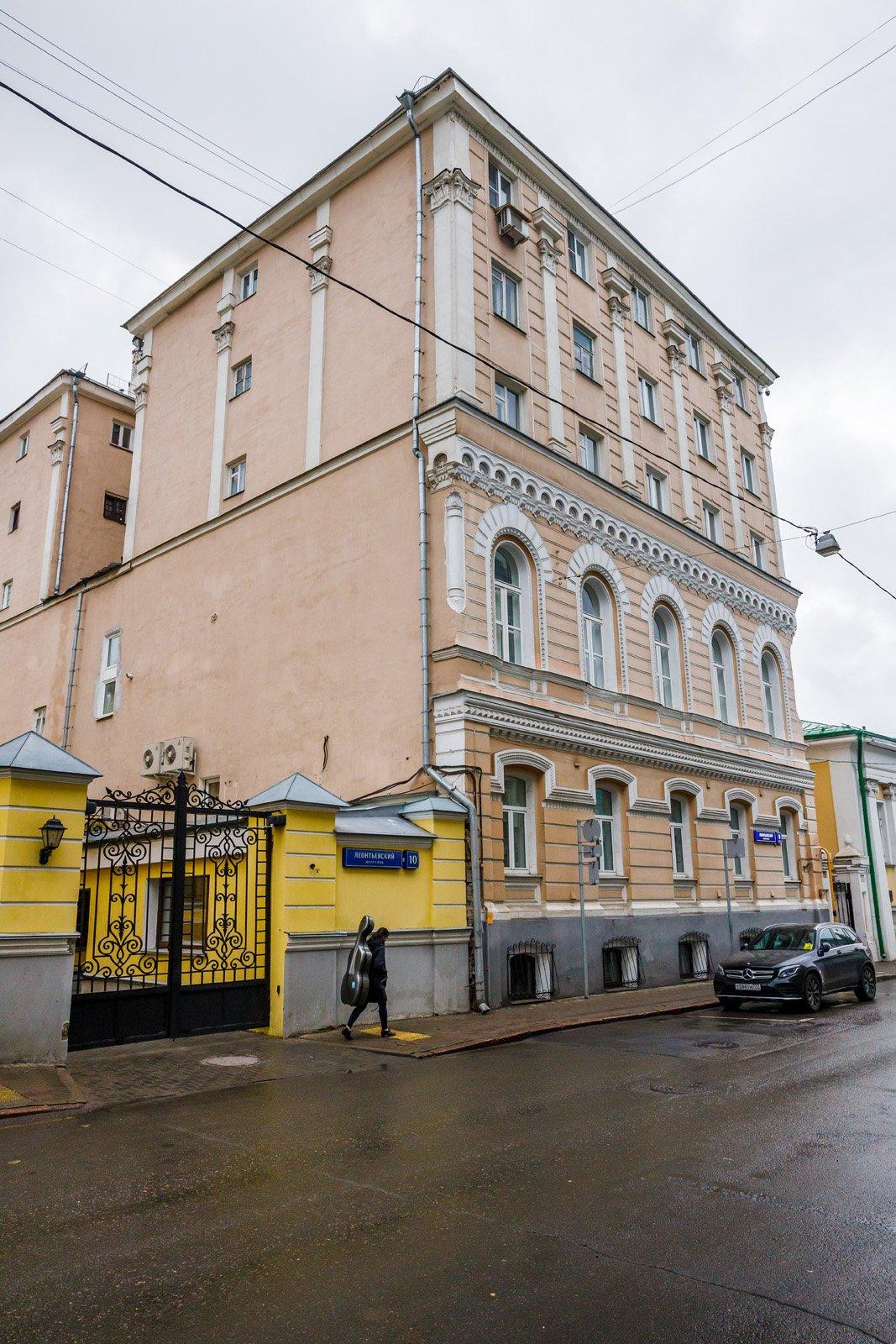
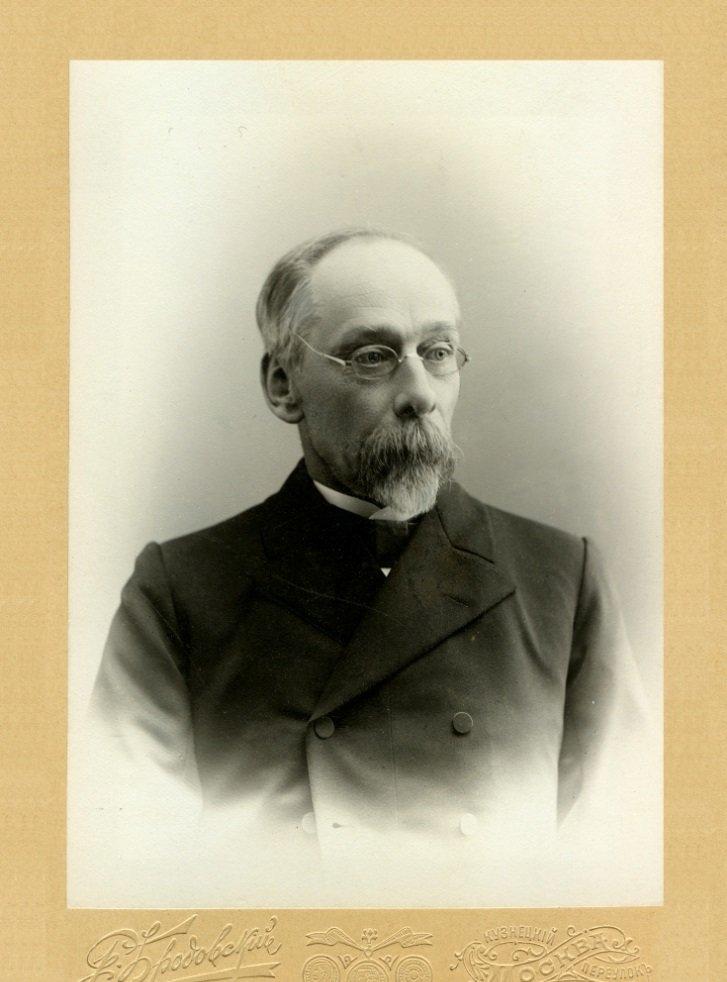
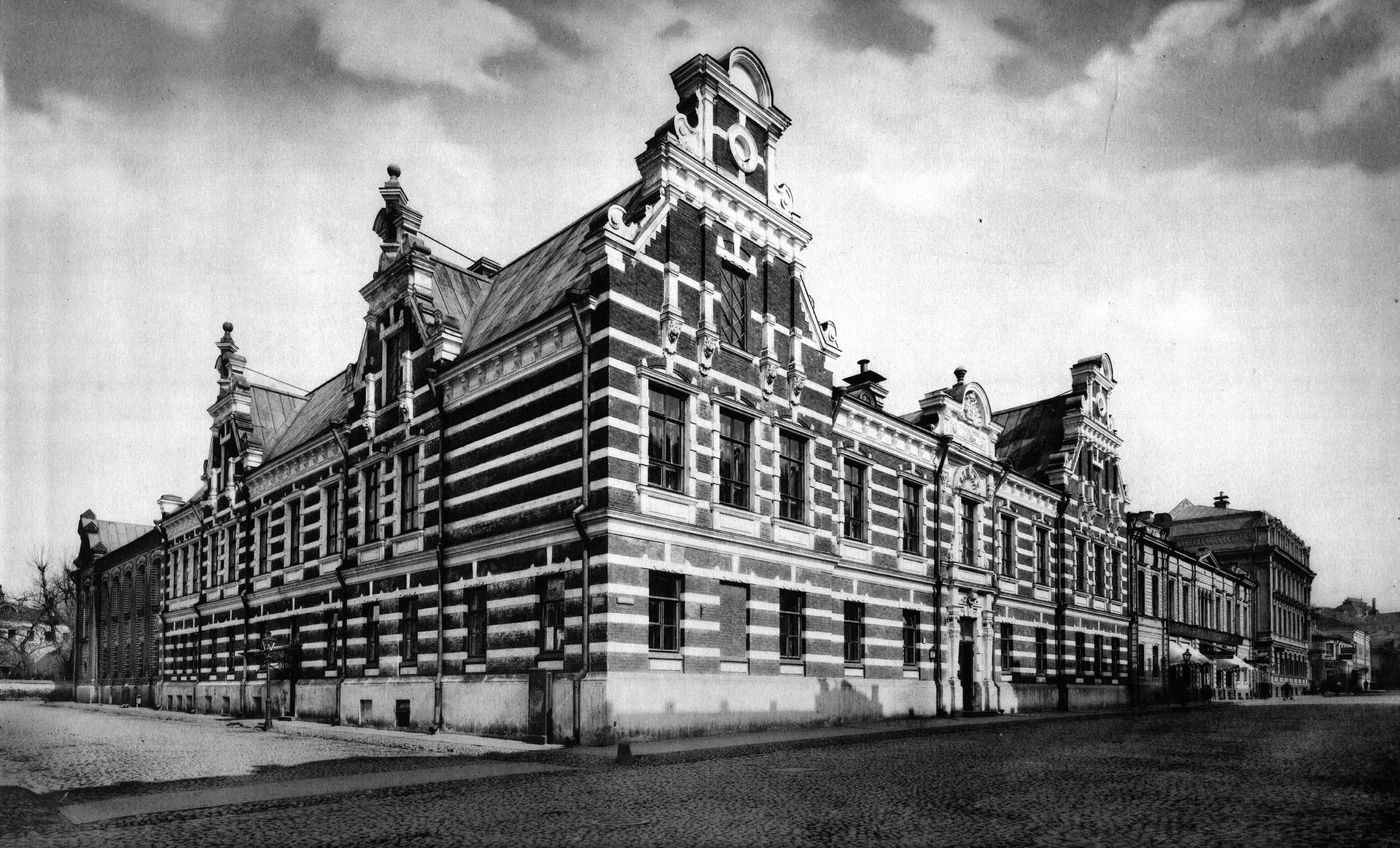
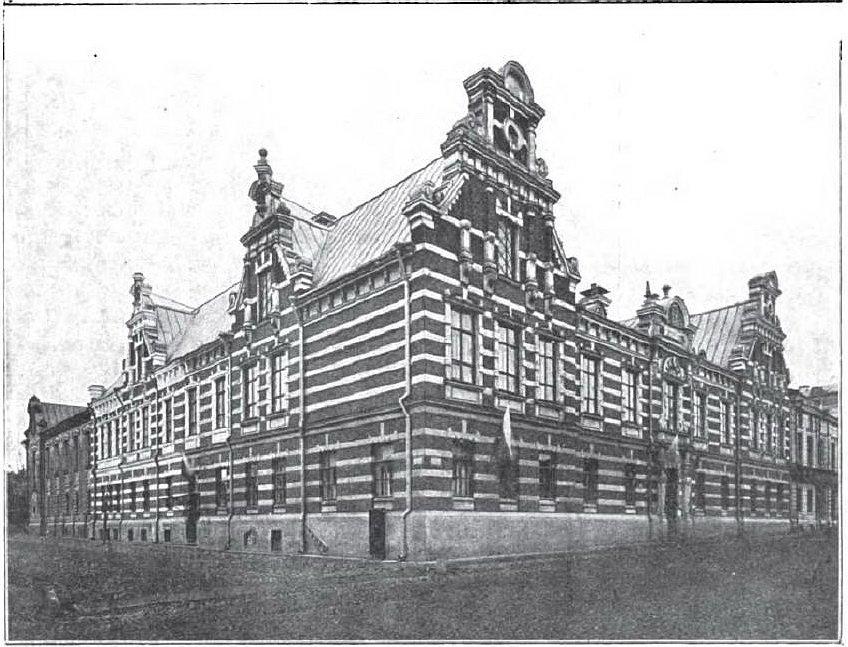
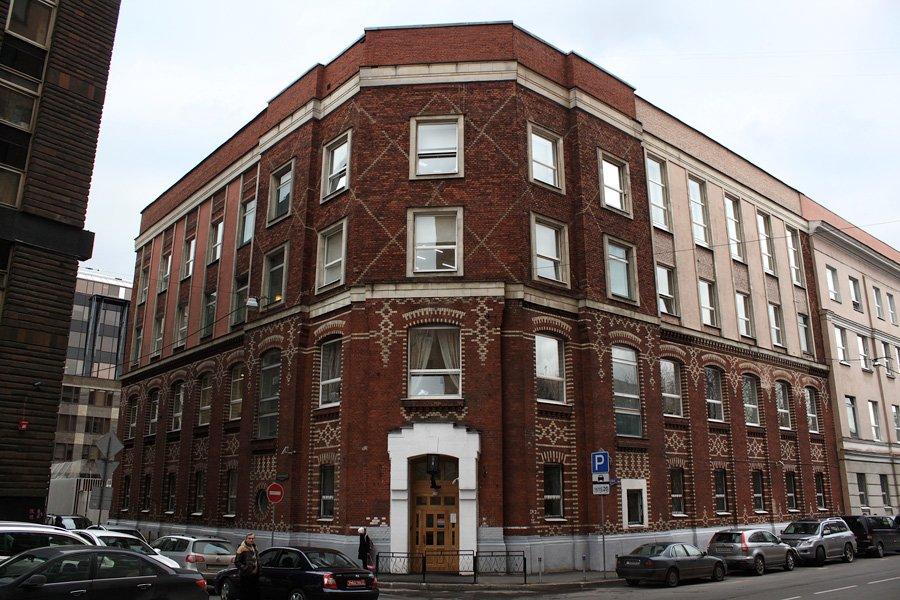
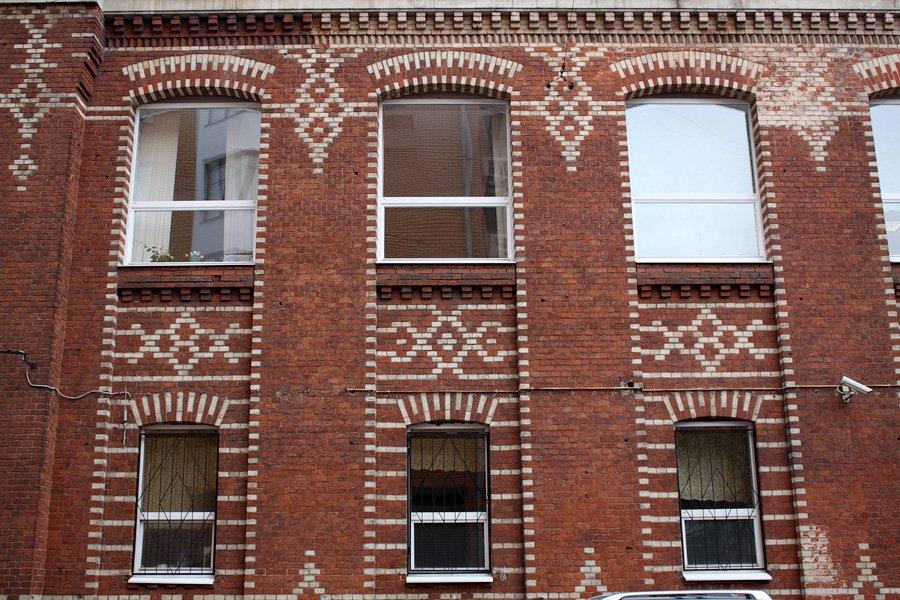
Удивительно красивое здание в скандинавском стиле было построено в Леонтьевском переулке на углу со Шведским тупиком в 1893 году архитектором Д.Н. Чичаговым. Название этого переулка происходит от Шведского подворья, которое располагалось здесь (с перерывами на время войн) в 1618–1874 годах. В 1874 году земля подворья была обменена на землю, принадлежавшую Российскому государству в Стокгольме, где находились «магазины, дарованные Королевским правительством, на основании древних трактатов, под склады товаров, приезжавших в Швецию русских торговцев».
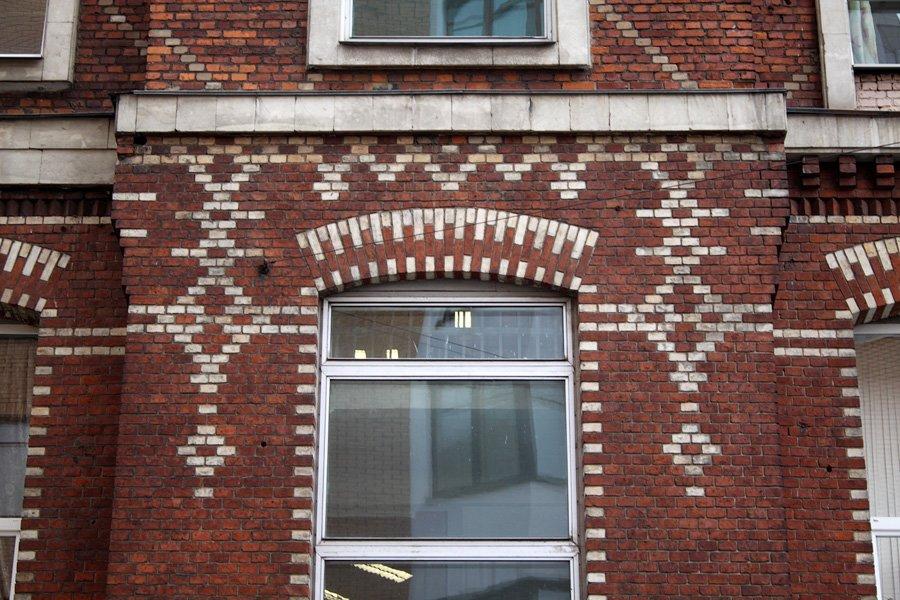
В 1892 году купец Александр Сергеевич Капцов пожертвовал городу 190 тыс. рублей на устройство городского начального училища имени его отца Сергея Александровича Капцова на 200 мальчиков. На эти деньги городом было построено здание гимназии. Архитектор выбрал для него стиль скандинавской архитектуры времени ее расцвета, так называемого «стиля Христина IV», ярко воплотившегося в архитектуре датского замка Розенборг и в особенности торговой биржи в Копенгагене с характерной раскраской в два цвета — кирпича и белого камня — и с несколькими высокими фигурными фронтонами.
В 1892 году купец Александр Сергеевич Капцов пожертвовал городу 190 тыс. рублей на устройство городского начального училища имени его отца Сергея Александровича Капцова на 200 мальчиков. На эти деньги городом было построено здание гимназии. Архитектор выбрал для него стиль скандинавской архитектуры времени ее расцвета, так называемого «стиля Христина IV», ярко воплотившегося в архитектуре датского замка Розенборг и в особенности торговой биржи в Копенгагене с характерной раскраской в два цвета — кирпича и белого камня — и с несколькими высокими фигурными фронтонами.
Amazingly beautiful building in a Scandinavian style was built in the Leontief lane on the corner of Swedish stalemate in 1893 by architect D.N. Chichagov. The name of this alley comes from the Swedish farmstead, which was located here (with breaks during wars) in 1618-1874. In 1874, the monastery land was exchanged for land owned by the Russian state in Stockholm , where the " shops, bestowed by the Royal Government, on the basis of ancient treatises, used as warehouses of goods of Russian traders who came to Sweden."
In 1892, the merchant Alexander Kaptsov donated 190 thousand rubles towards building an urban primary school named after his father, Sergei Alexandrovich Kaptsov for 200 boys to the city. The city managed to construct the gymnasium corpus with this money. The architect have chosen the Scandinavian architecture style of its heyday , the so-called "style Christine IV», vividly embodied in the architecture of the Danish Rosenborg Castle, and trade exchange of Copenhagen in particular with a traditional two colors painting of brick and white stone and with several high figural pediments.
After the death of Xenia Vasilevna, the mother of Alexander Kaptsov he decided to add the ladies department containing 300 girls from the side of Bolshoy Gneznkikowsky lane. The gymnasium was called in honor of the deceased mother and it was completed in 1896 by architect Geppner.
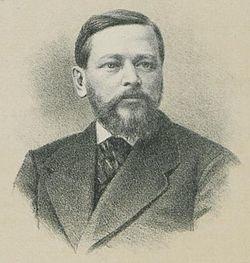
Kaptsov’s merchant family owned a large wholesale silk company in Greater Vetoshny row of Kitay-gorod in the mid XIX century. Kaptsovs lived in a family house on Vorontsovo pole street near Yauzsky Boulevard. Kaptsov’s mansion was built in 1888 by architect D.N. Chichagov . From the very foundation of the gymnasium, the Kapsovs were its main trustees and until November 1917 had financed it and directed its activities. In 1897, Alexander Sergeevich Kaptsov died suddenly of illness and all his commercial affairs were taken over by his wife Anna Mikhailovna Kaptsova, who was born in Zalogin. She herself owned a silk-weaving factory in Fryazino. At the beginning of the twentieth century, she created the Association "Anna Kaptsova with sons," which successfully existed before the revolution. Anna Mikhailovna's son Mikhail was the first dealer of the Opel auto plant in Russia. In the wing of his house on the Vorontsovoye Field he opened (for the first time in Moscow) a taxi park.
After the 1917 revolution Kaptsova gymnasium was transformed into a public school number 31. In fact there were two schools: № 131 man’s gymnasium with an entrance from the Leontief lane and 119 girls' high school with the entrance from the Swedish impasse. During the Great Patriotic War from 1941 to 1942, the 131st school was evacuated to the village of Naberezhnaya, Ryazan region. In the premises of the 119th school, a hospital was established and SMERSh school of intelligence. From 1943 to 1950, the school number 131 was female. It was finished by Lyudmila Tselikovskaya and Julia Drunina.
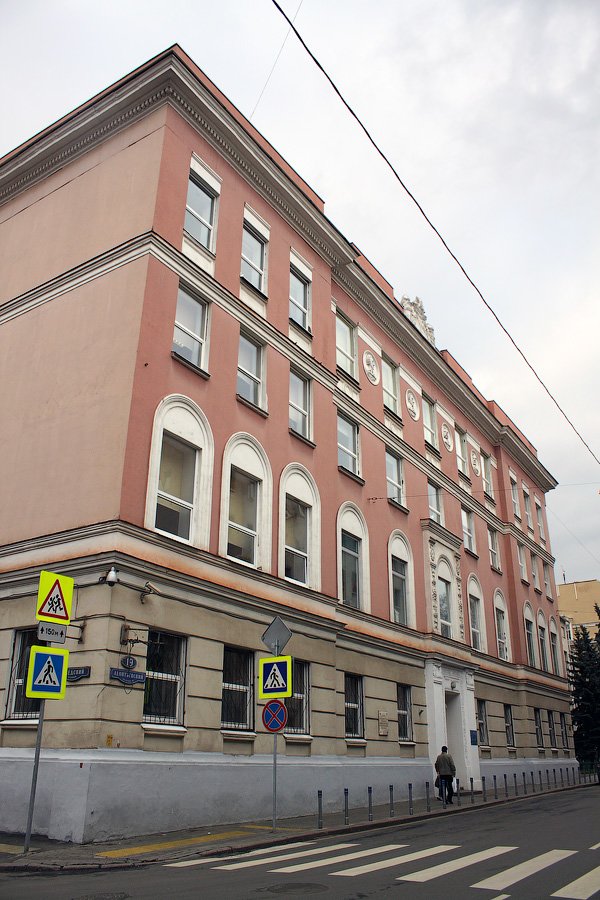
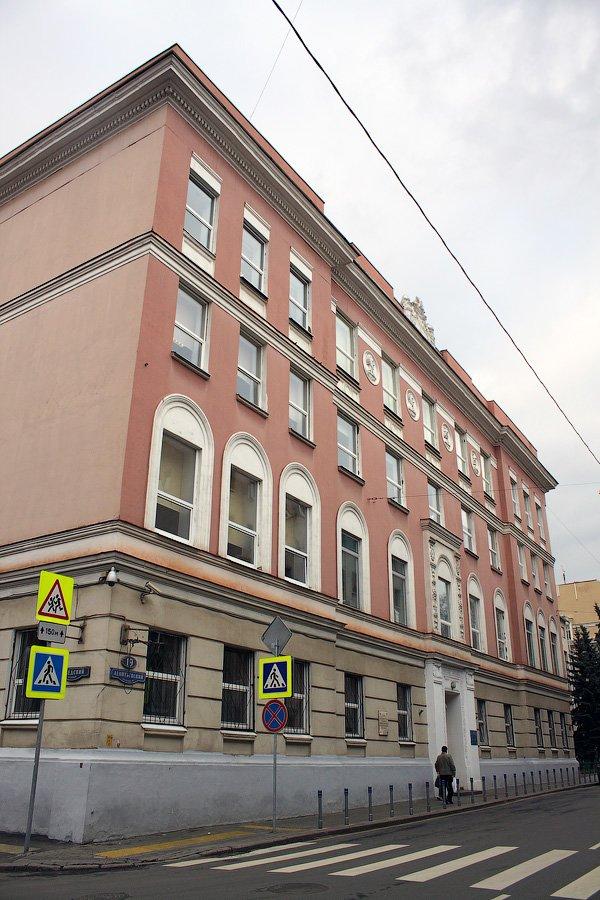
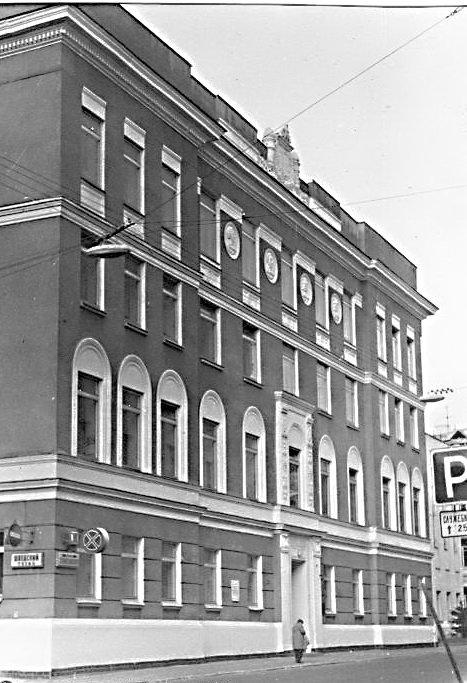
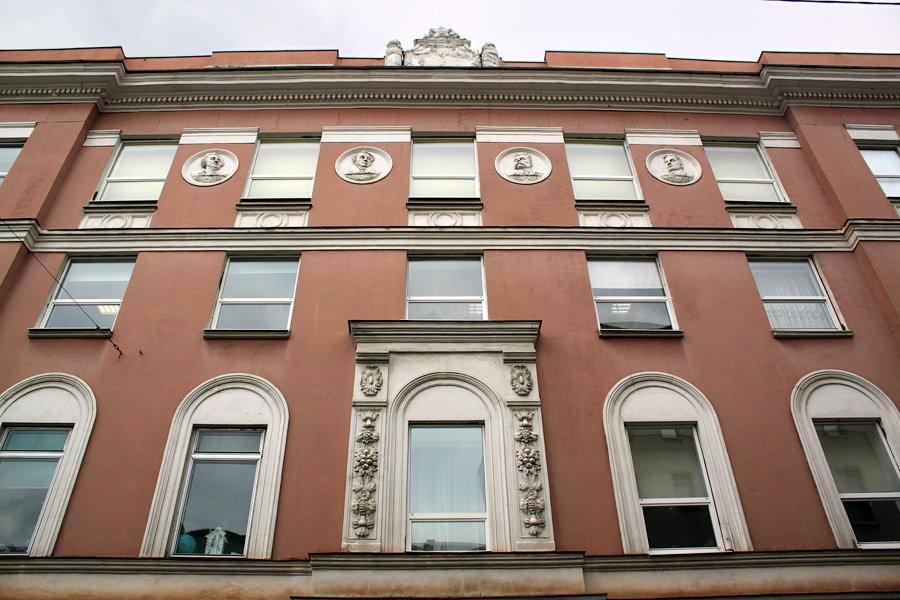
After the war, school number 31 was considered one of the best special schools with in-depth study of English. In 1952, the school building was overbuilt, very beautiful high figured pediments were removed, two more floors and a new facade were added. The internal organization of classrooms and recreations was the same, as it was convenient and well thought out.
In 1993, the school returned the name of Gymnasium No. 1520 named after the Kaptsovs.
Рекомендации