Интерактивный гид по городу
С мобильным приложением бродить по городу гораздо интереснее!

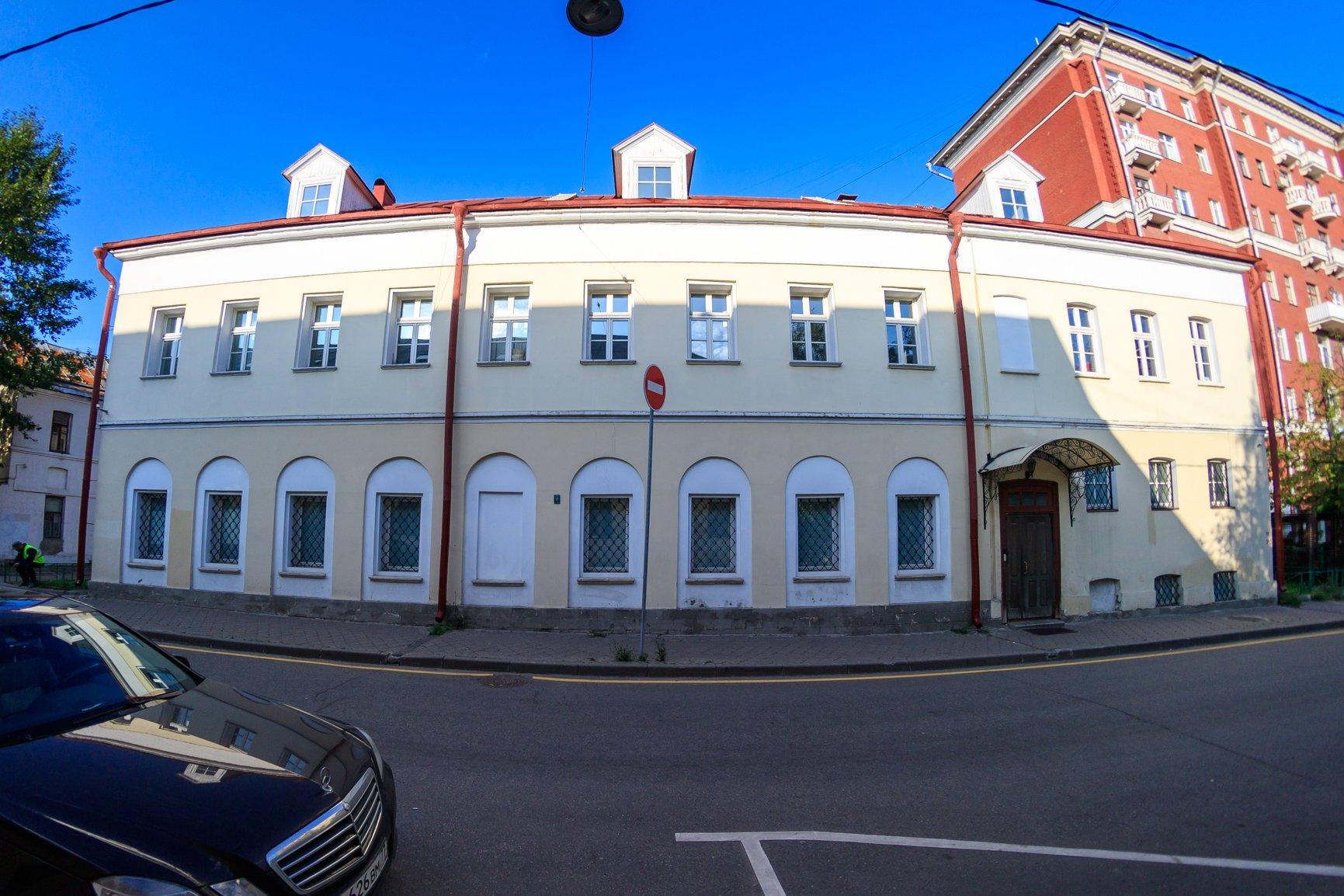
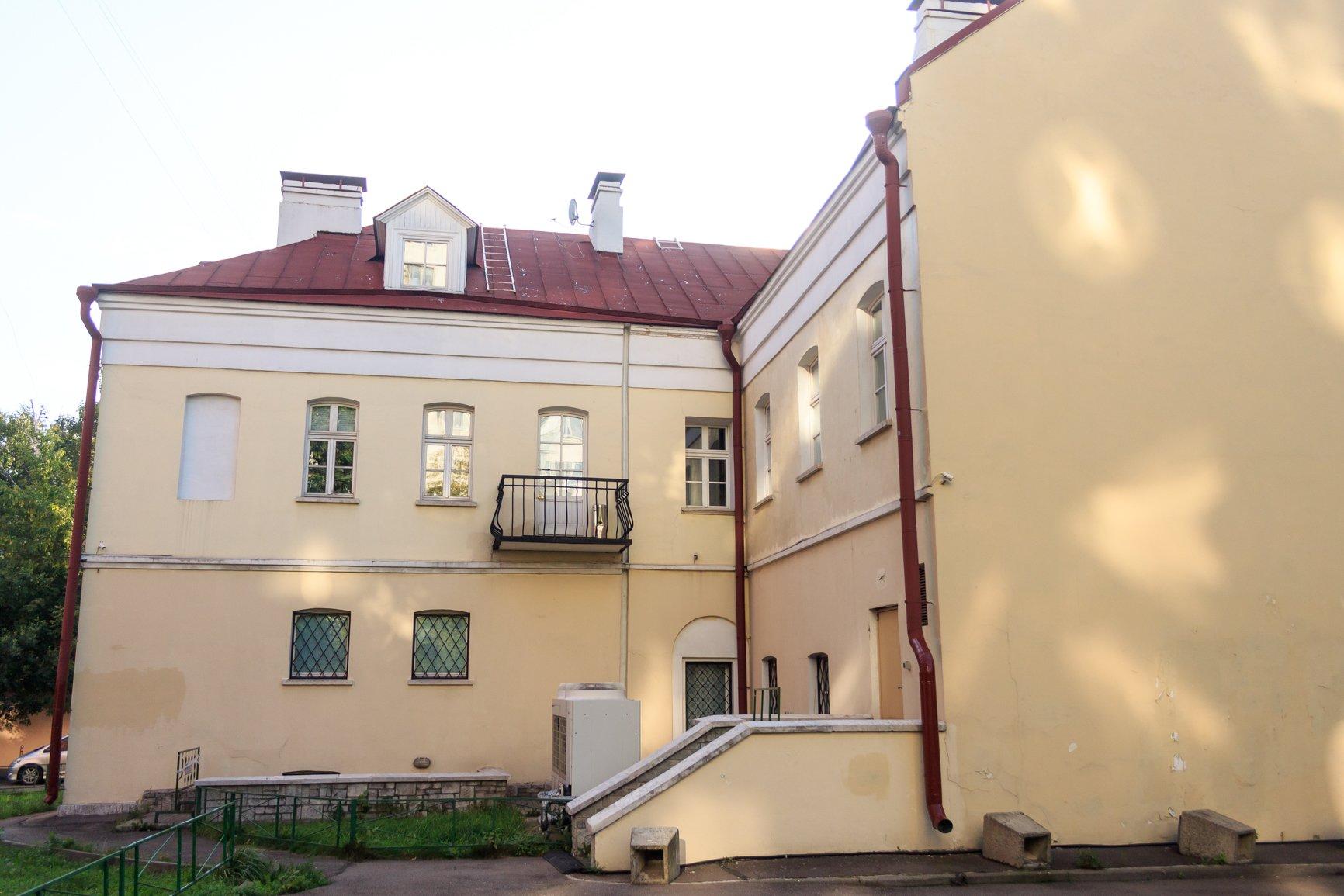
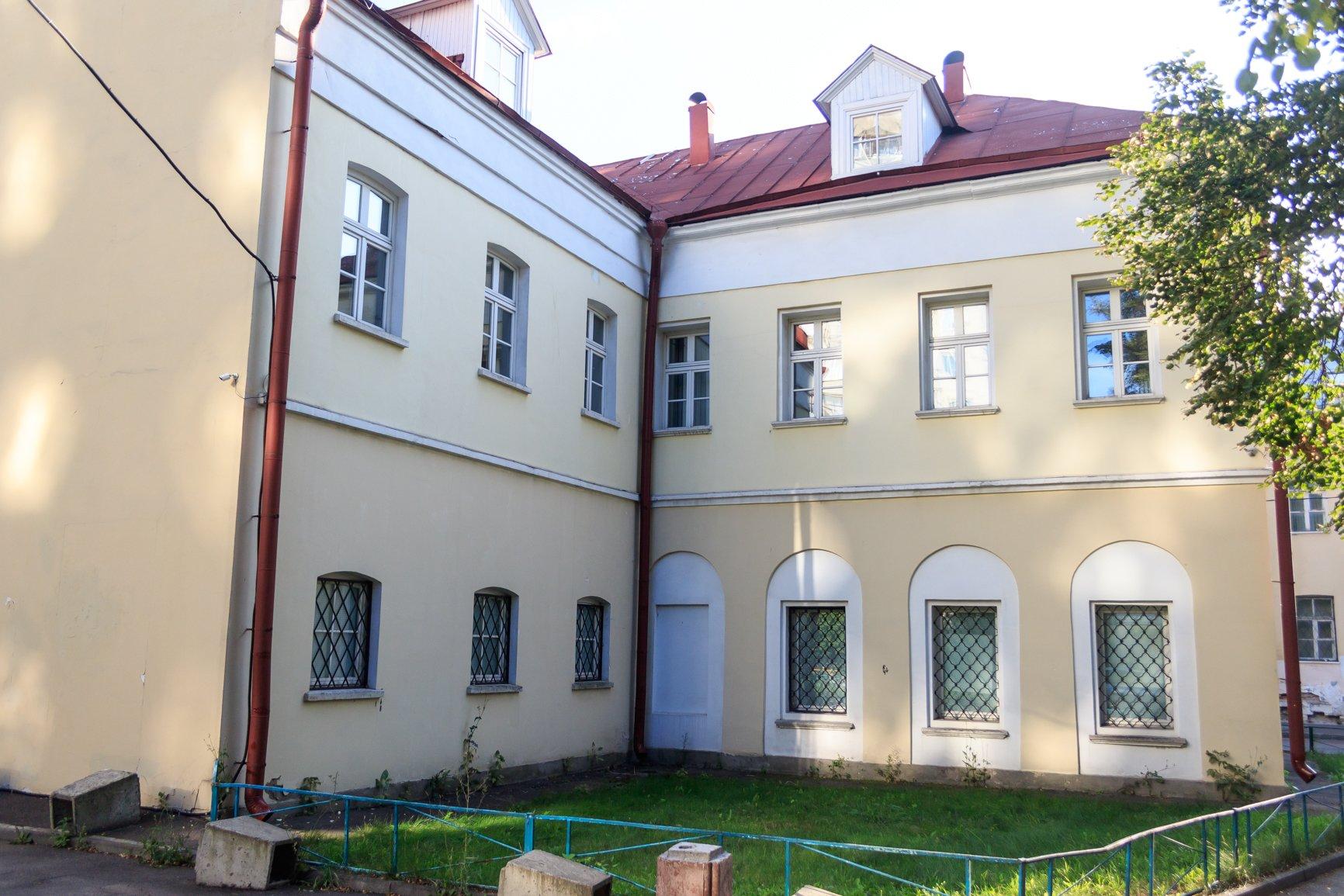
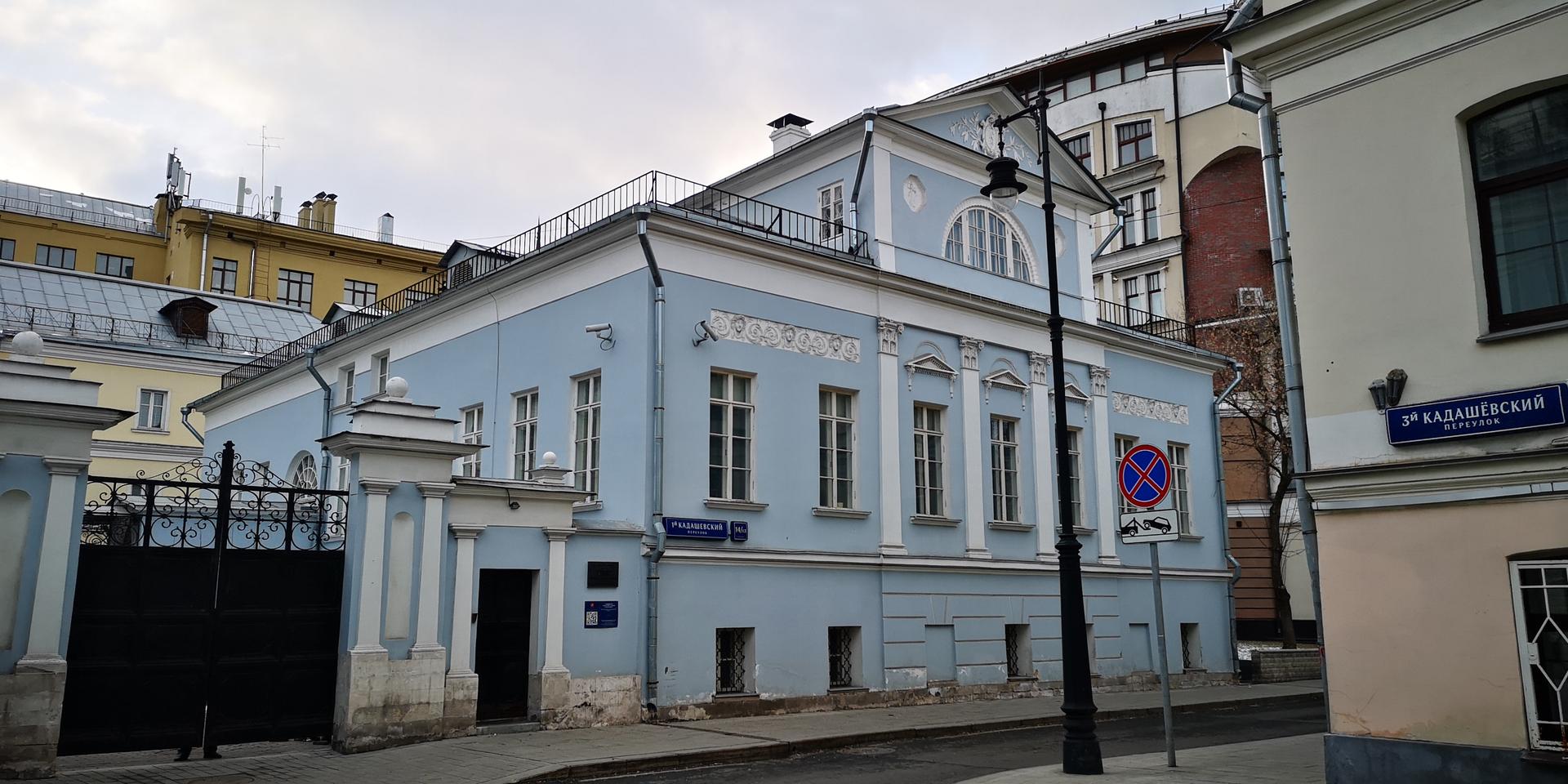
Главный дом городской усадьбы

In 1850s, there was a factory on the grounds of the homestead on the Gorokhovsky Lane; later its has been turned into residence. It was one of the first cases of industrial property conversion in Moscow.

Главный дом городской усадьбы
In 1850s, there was a factory on the grounds of the homestead on the Gorokhovsky Lane; later its has been turned into residence. It was one of the first cases of industrial property conversion in Moscow.
Вы можете воспользоваться QR-кодом, чтобы открыть эту страницу в нашем приложении
Архитектурный стиль:
Годы постройки:
XVII в., XIX в.
Архитекторы:
С.А. Елагин
Эпоха:
19th century
Информация о здании

Особенностью истории усадьбы купца Александра Александрова (памятник федерального значения «Городская усадьба: главный дом, флигель, служебный корпус с палатами, XVII в.; ограда, начало XIX в.») является то, что в середине XIX века она стала фабрикой, а впоследствии снова была переделана под жилье – и может служить, таким образом, одним из первых примеров конверсии промышленной недвижимости в Москве.

По некоторым данным, в 1781 году здесь, на углу Гороховского и Малого Демидовского переулков, купил себе дом художник Фёдор Рокотов, но жил тут недолго, переехав в 1785 году на угол Токмакова переулка и Старой Басманной улицы.

Главный дом, основная часть флигеля и ограда вдоль владения № 6 по Гороховскому переулку появились не позднее 1819 года (главный дом зафиксирован еще раньше, а сводчатые помещения нижнего этажа флигеля предположительно восходят даже к XVII веку). За домом располагался двор с отдельным двухэтажным каменным жилым флигелем конца 1810-х гг., в нижнем этаже которого помещалась кузница.

В 1850 г. новые хозяева − купеческий сын Иван Заварзин и его супруга Марья Алексеевна − устроили в усадьбе фабрику, которую сдавали внаём московскому купцу А.С. Головину, что повлекло ряд перестроек дома.

Но в 1875 году новая собственница – жена поручика Анна Юрьева – решила переустроить усадьбу под доходное жилье. Этим занимался по ее поручению архитектор Сергей Елагин. Анна Андреевна, судя по всему, была весьма рачительной и предприимчивой домовладелицей. Вплоть до начала XX века она неоднократно обращалась в Строительное отделение Городской управы с проектами перестроек, новостроек и достроек на своем участке.

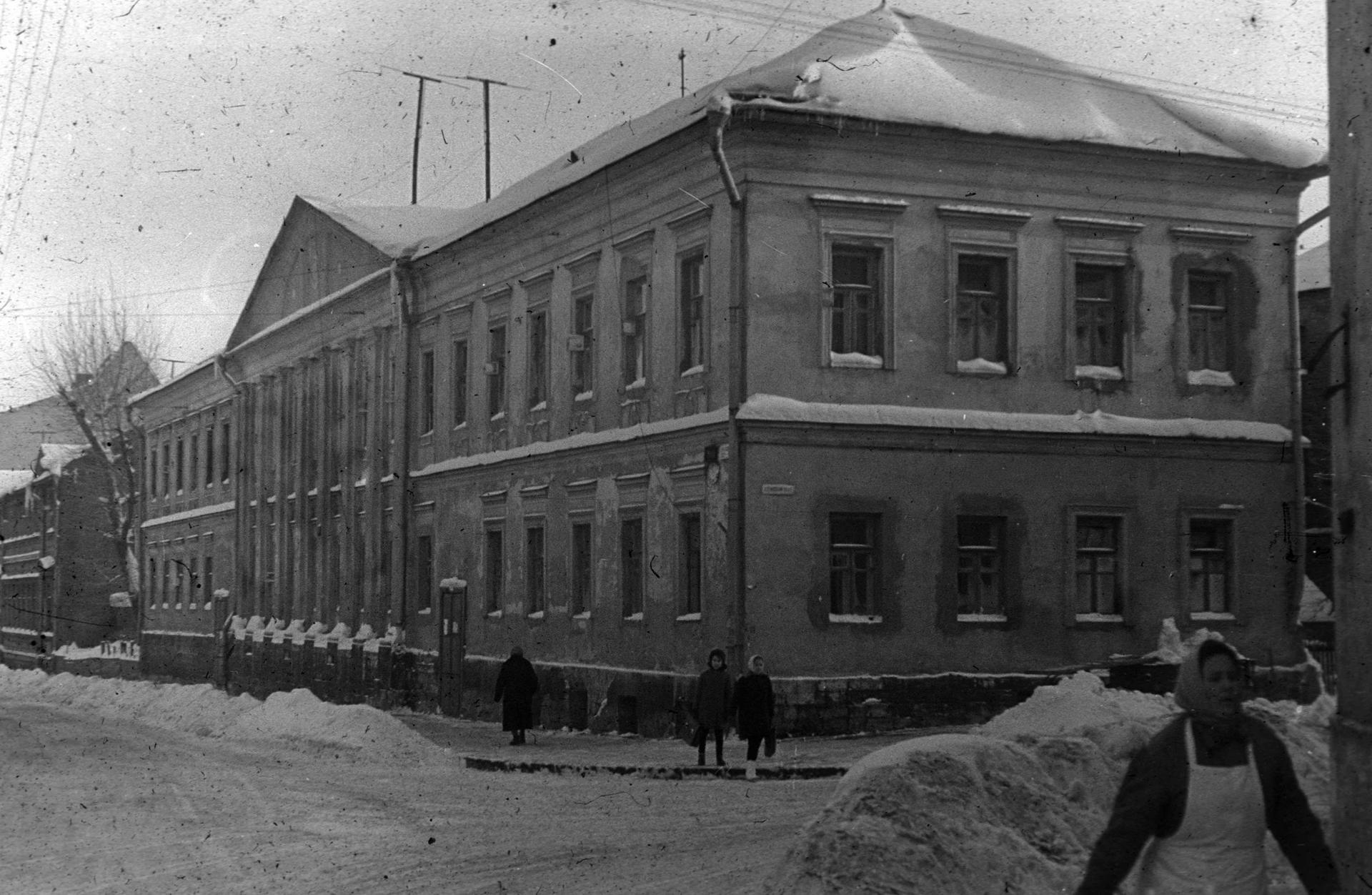
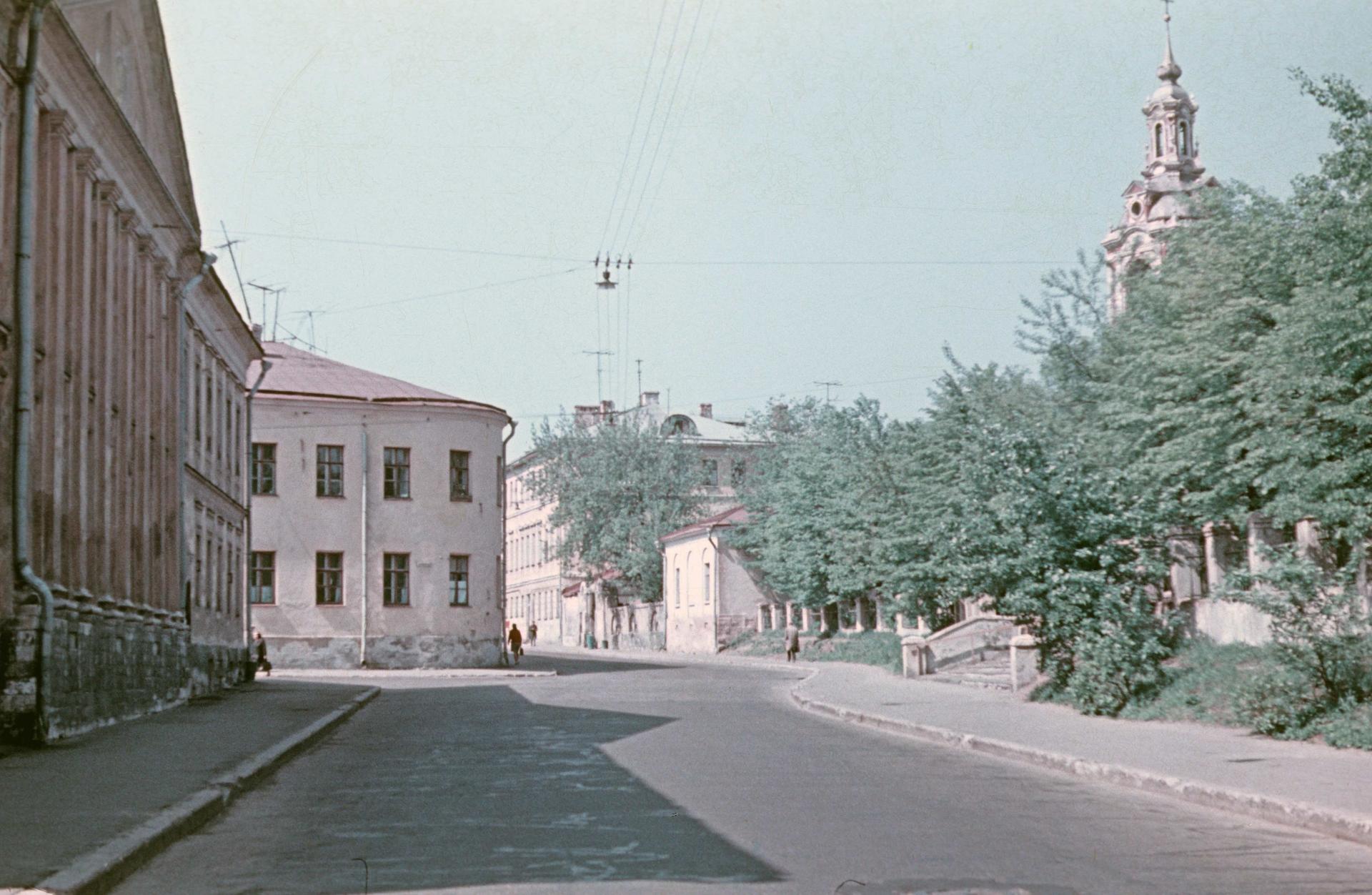
После 1917 года в главном доме бывшей усадьбы купца Александрова были коммунальные квартиры, а в 1960-х он был отдан под учреждения, что потребовало изменить планировку этажей.

Двухэтажный главный дом, тем не менее, почти полностью сохранил свой парадный фасад. Пологий фронтон и строгий пилястровый портик создают монументальный классический образ. В интерьерах сохранились исторические печи и лестница, а также подвал с коробовым сводом с распалубками.

Флигель расширен разновременными пристройками, но главный его фасад с белокаменными профилями и арочными нишами вокруг окон почти не изменился.
The merchant Alexander Alexandrov homestead (the heritage site of federal significance "City Homestead: Main House, Wing, 17th Century Service Building with Chambers, Early 19th Century Wall") has an interesting history. In the mid 19th century it was converted into a factory; later, it has been adapted for residence. Therefore, it is one of the first examples of industrial property conversion in Moscow. According to some sources, in 1781, artist Fiodor Rokotov has bought a house here at the Gorokhovsky and the Maly Demidovsky Lanes. He has not stayed there for long and in 1785 has moved to the Tokmakov Lane and the Staraya Basmannaya Street. The main house, the largest part of the wing and the wall along the number 6 on the Gorokhovsky Lane have been built no later than in 1819 (there are even earlier records of the main house while the vaulted rooms in the wing's lower floor allegedly date back to the 17th century). Behind the house, there was a courtyard with a two storey stone residential outbuilding of the 1810s; also, there was a smithery on the ground floor. In 1850, the new owners — merchant's son Ivan Zavarzin and his wife Maria Alexeyevna — have opened a factory on the property. They have leased the factory out to merchant A.S. Golovin which resulted in a number of reconstructions of the house. In 1875, however, a new owner — Lieutenant's wife Anna Yurieva — has decided to convert the homestead into a tenement property. For this purpose, she has commissioned architect Sergey Yelagin. Apparently Anna Yurieva was a very diligent and resourceful landlady. Up to the early 20th century, she has repeatedly submitted designs of restructuring, additions and new constructions within her property to the Development Department of the City Hall. After the 1917 revolution, what once used to be the main house of the merchant Alexandrov's homestead was converted into shared apartments. In 1960s the building has been given for the office needs which required modification of its floor plans. However, the two-storey main house has kept its main facade almost intact. The shallow angle pediment and austere portico with pilasters give it a monumental and classical air. Inside, authentic stoves and a staircase as well as a cellar with basket vault and spandrels have survived. The wing has been expanded through additions of various periods; however, its main facade with white stone profiles and arched niches framing the windows has hardly changed. Yevgenia Tvardovskaya
Автор статьи: Евгения Твардовская
Рекомендации
10
29 м.
2.4 км
Поделитесь статьей с друзьями