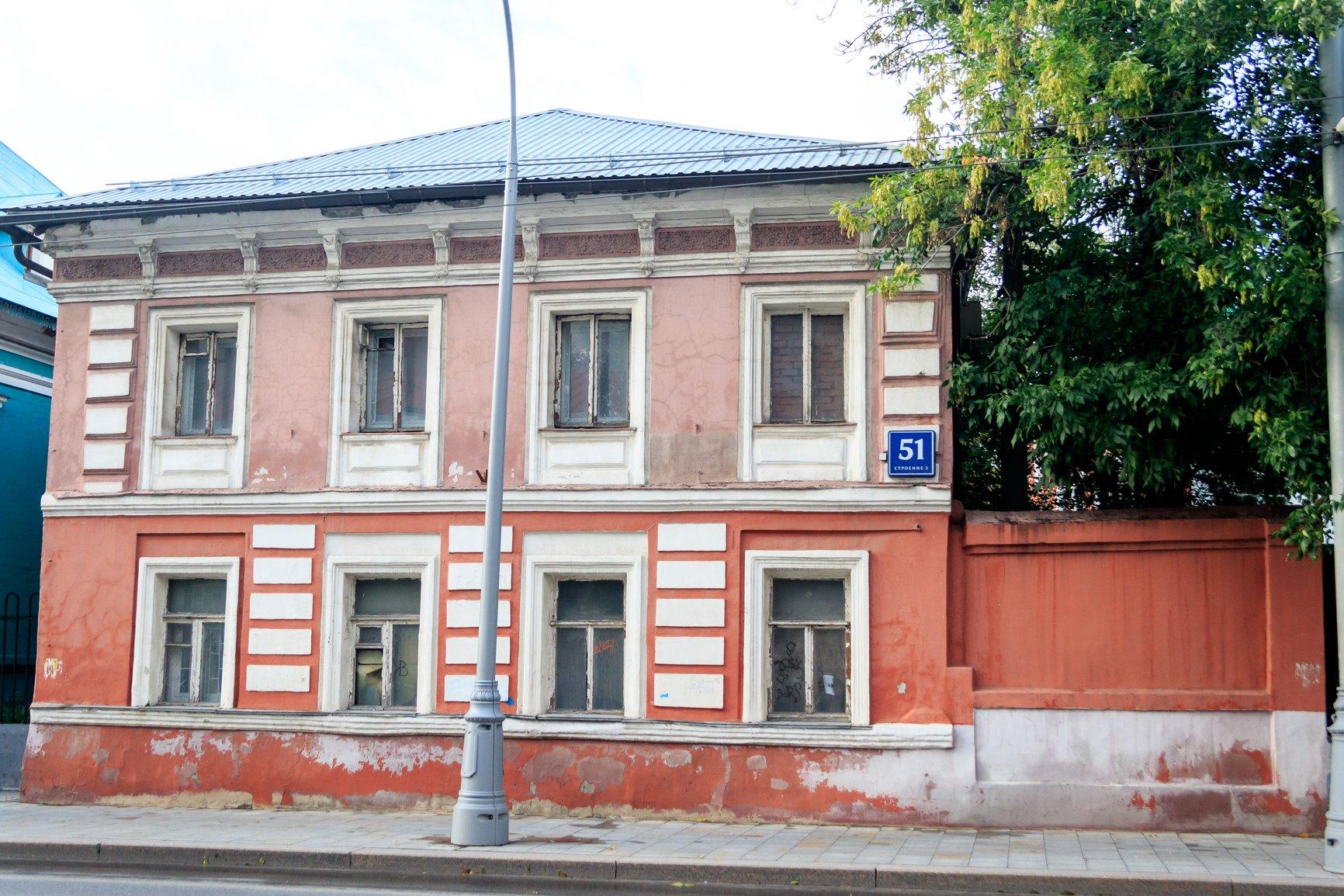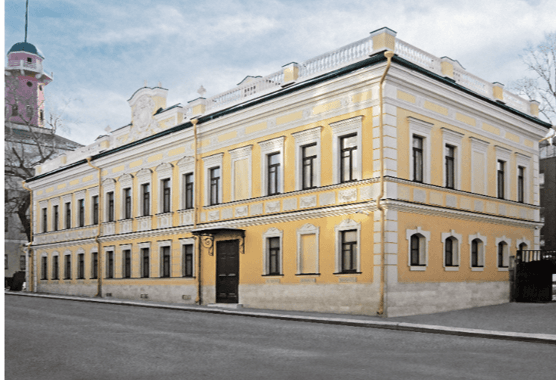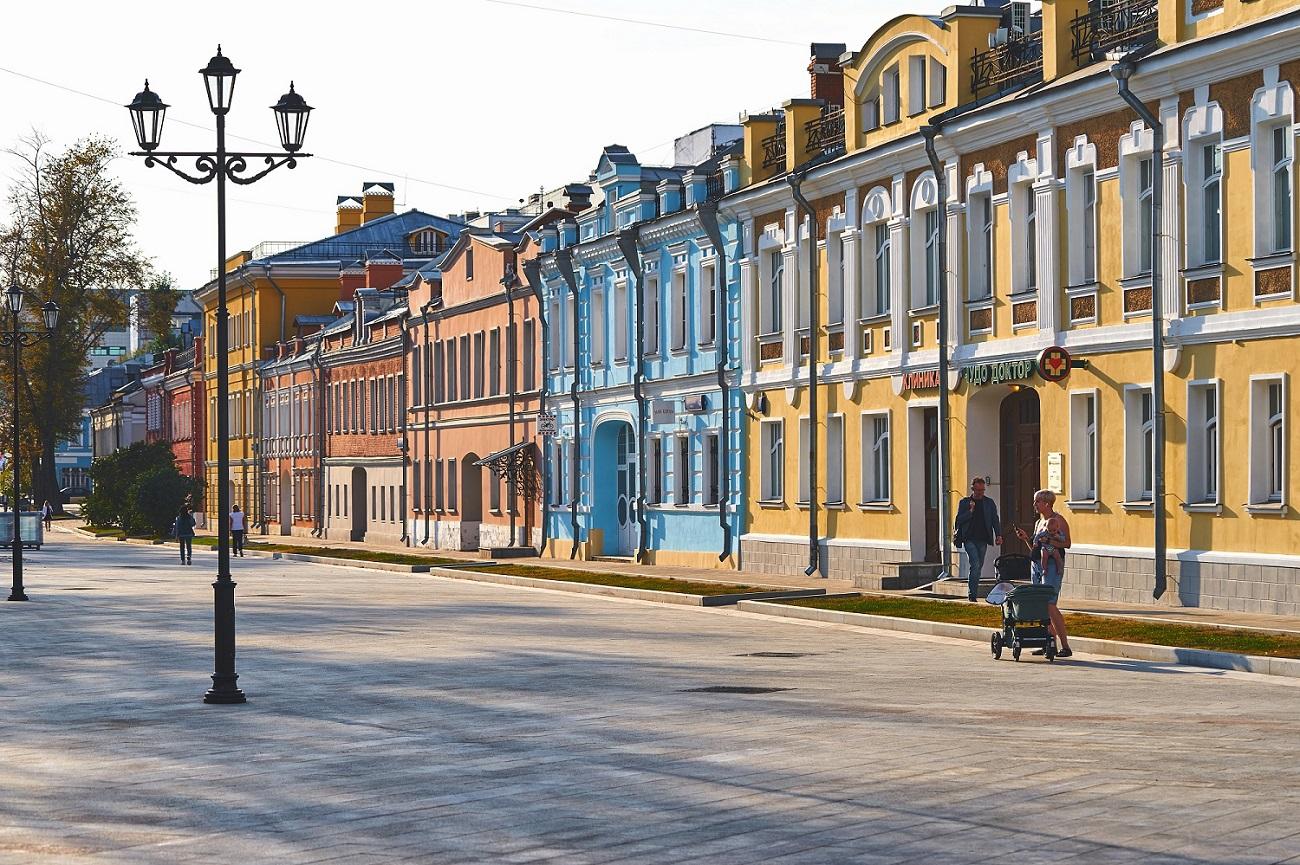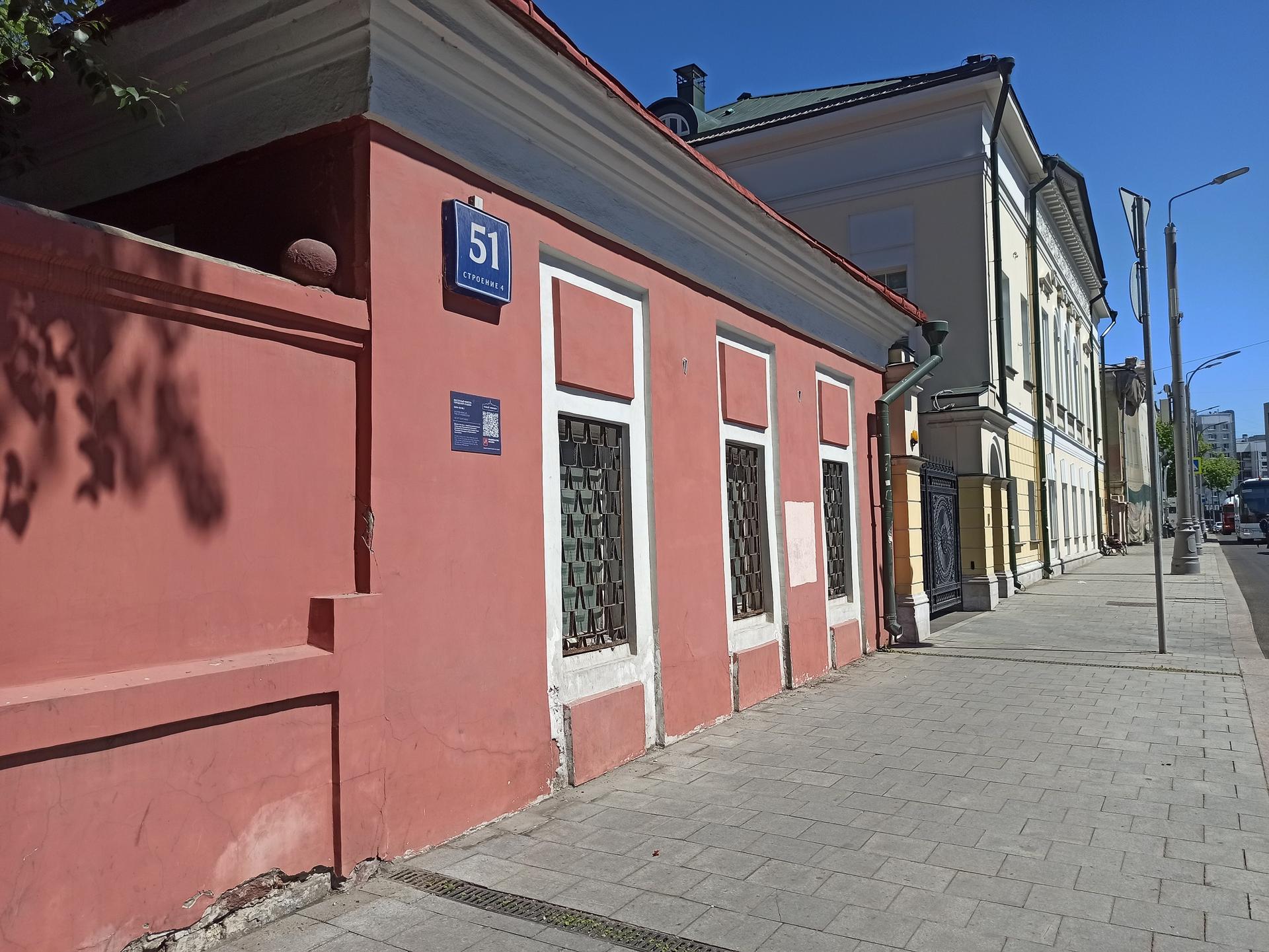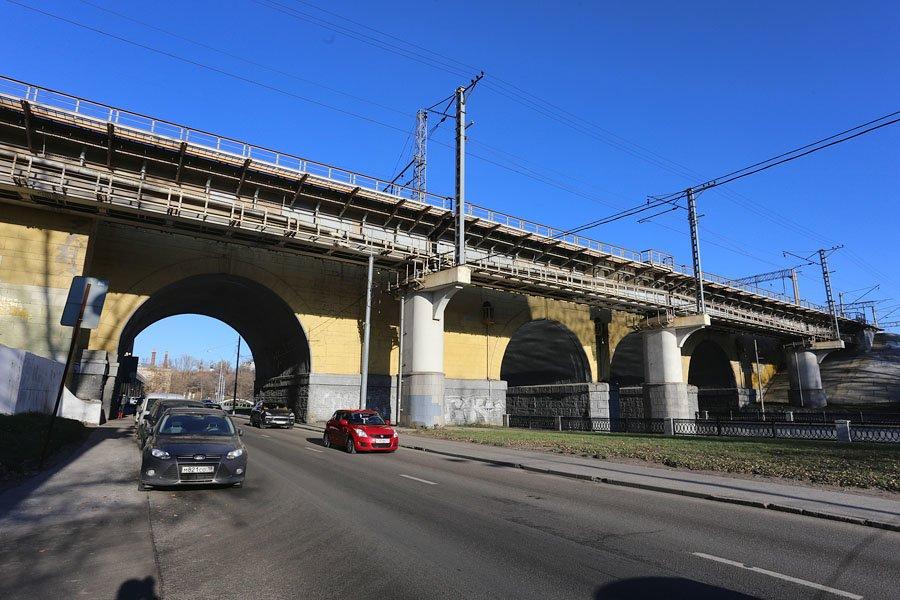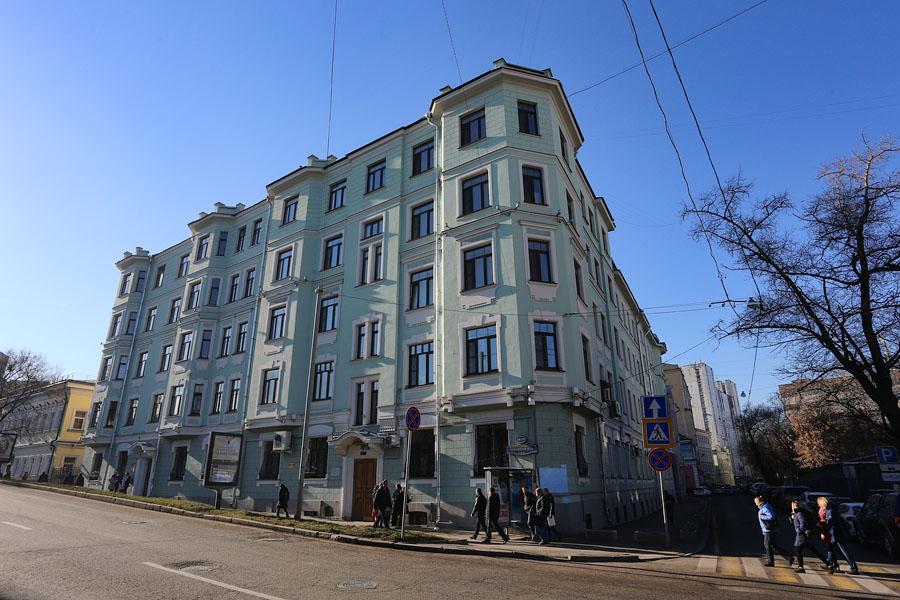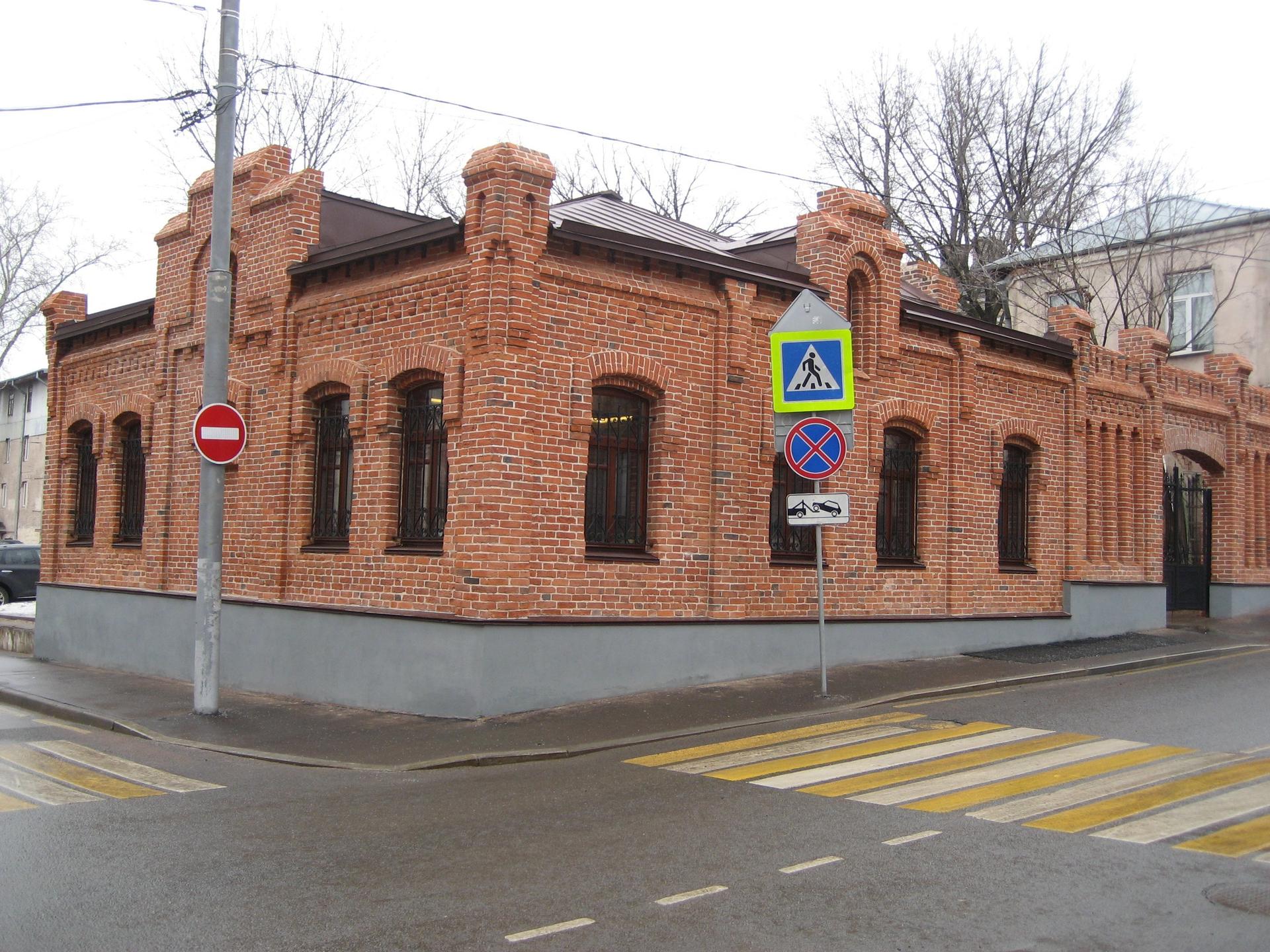
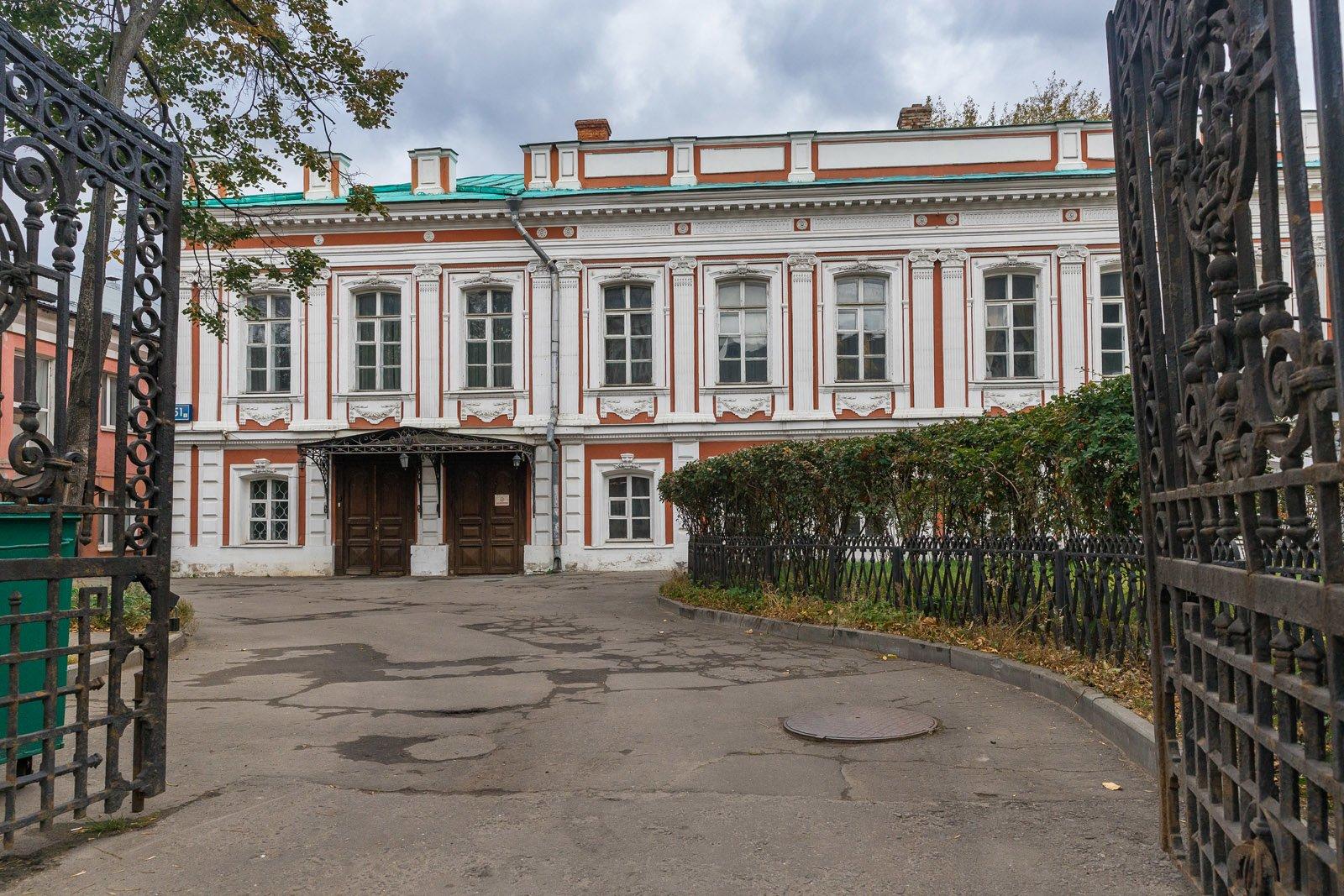
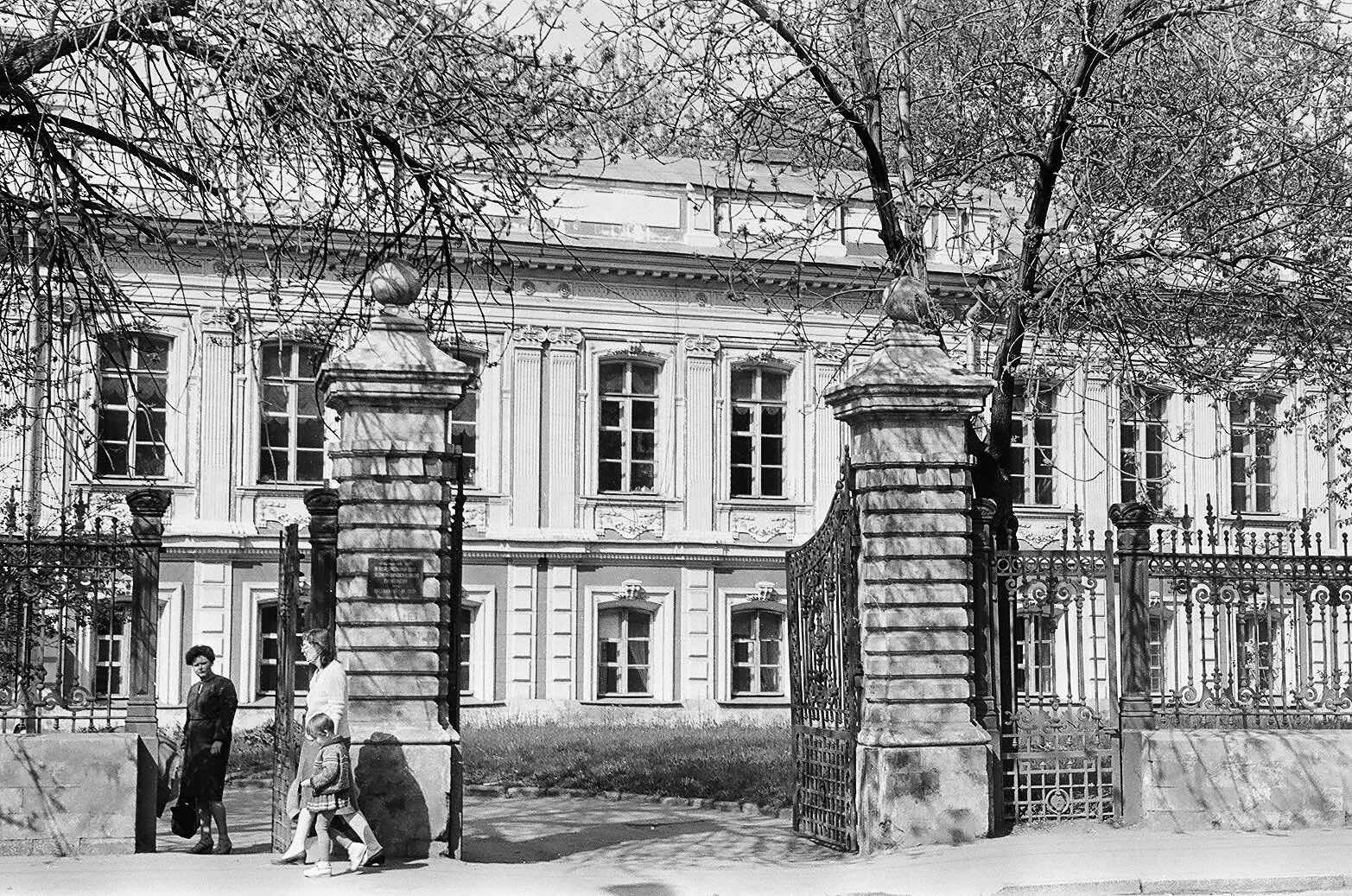
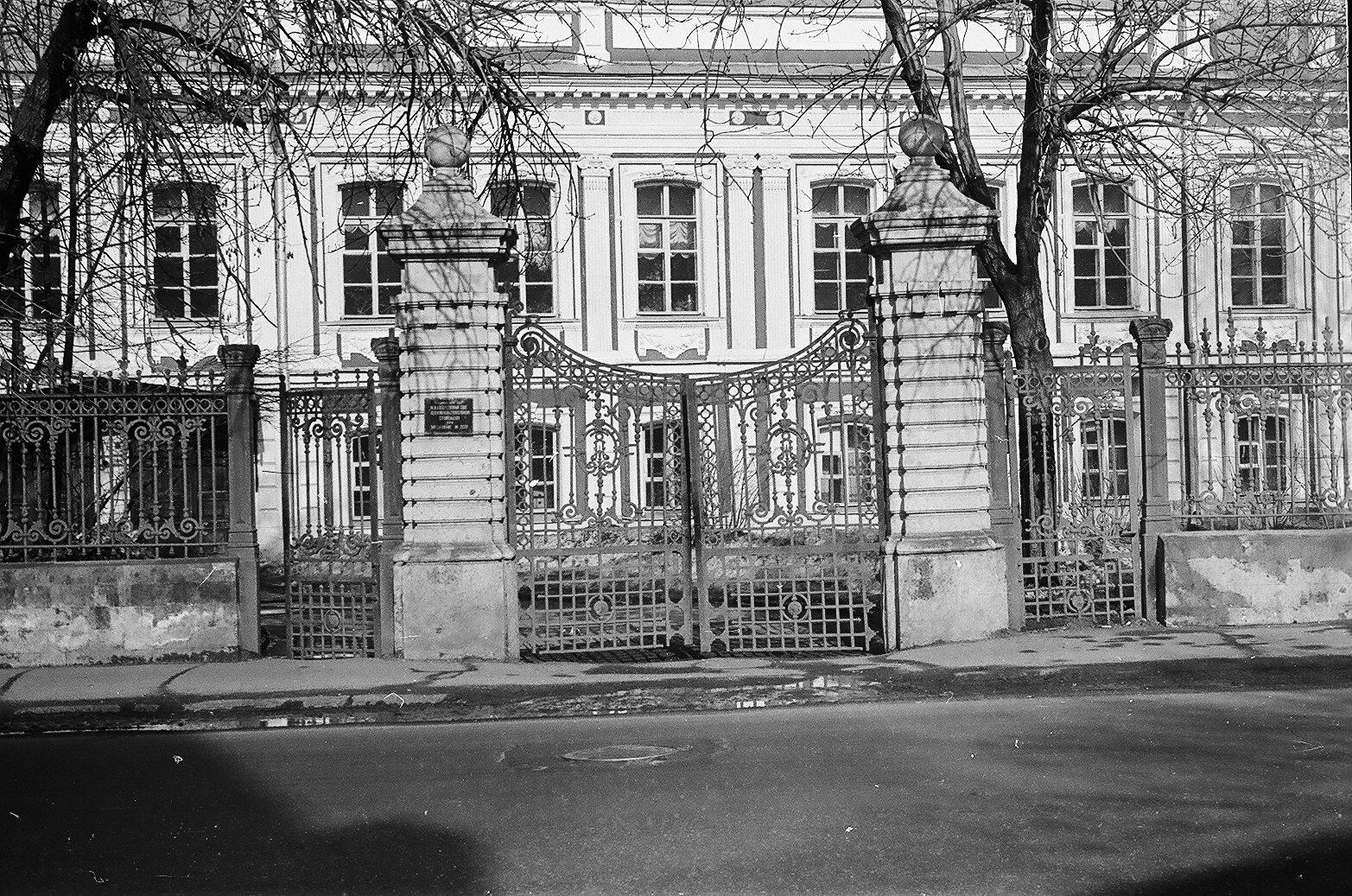
Улица названа Николоямской по находившейся в этой местности с начала XVII века церкви святителя Николая Чудотворца, «что в Ямах». Ее поставили ямщики Рогожской ямской слободы. В 1959 году она была уничтожена. Но этот храм наверняка «помнит» его современник – нынешний главный дом усадьбы Скороспелова.
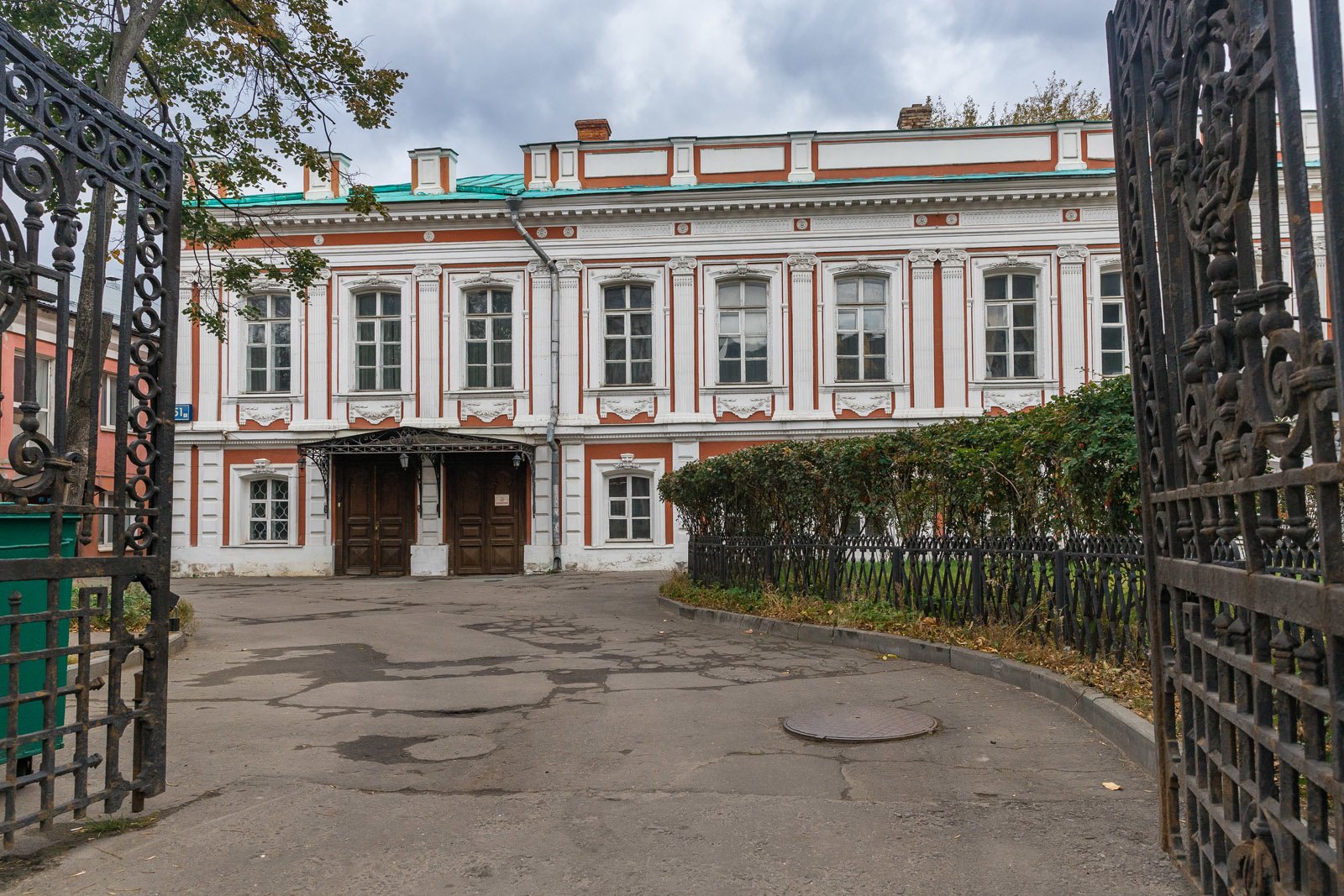
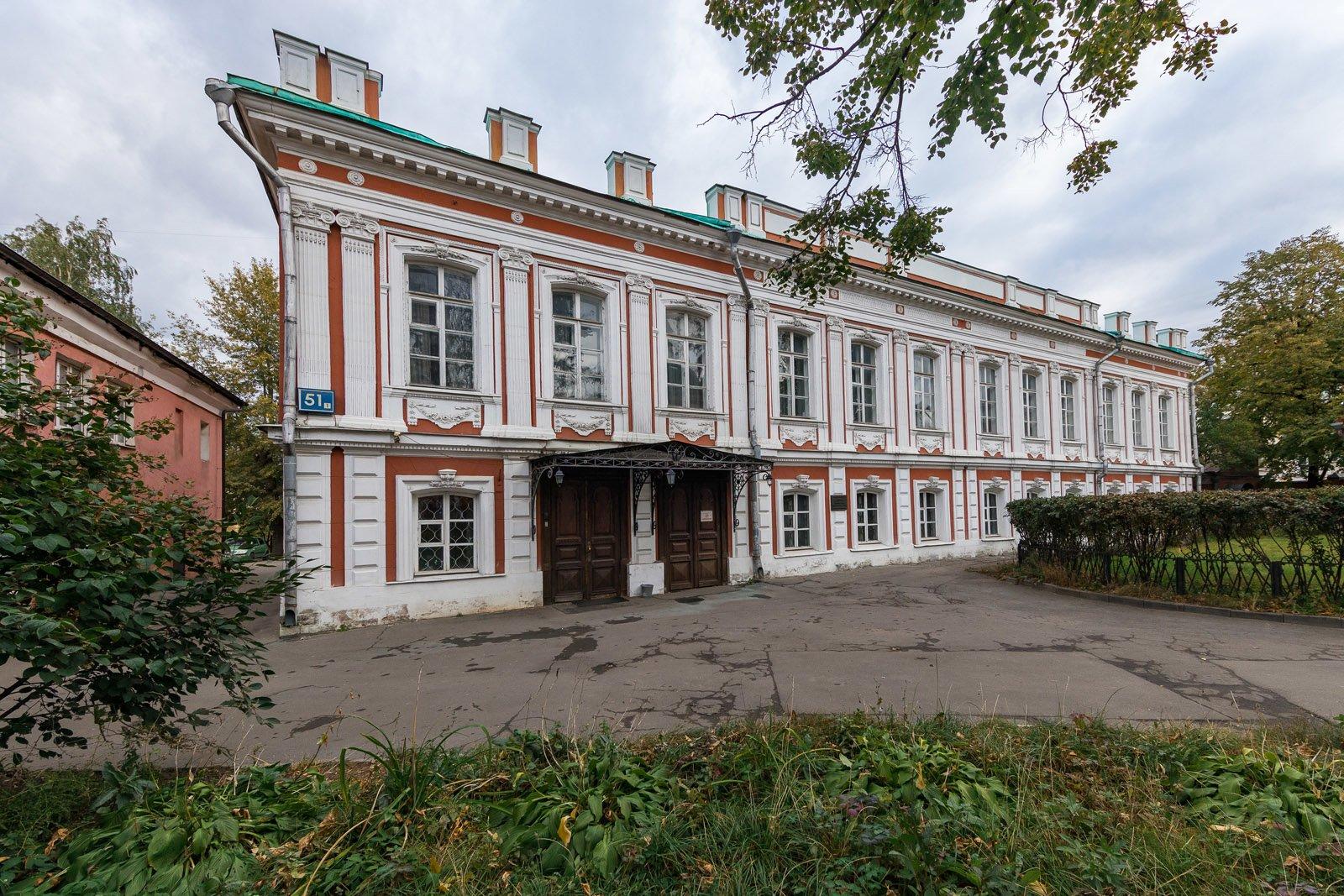
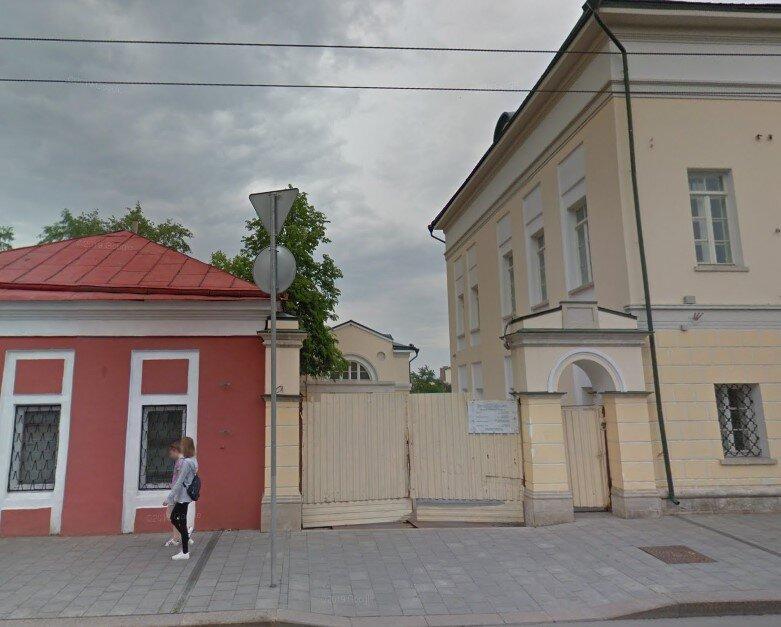
Краеведы всегда обращали внимание на необычное расположение дома: в глубине двора, боком к красной линии улицы, что уже свидетельствует о древности сооружения. И действительно, в нынешней средней части Главного дома сохранились два помещения рубежа XVII–XVIII веков: белокаменная палата с кирпичным сводом и примыкающие к ней сени с внутристенной лестницей на второй этаж (от последнего сохранились лишь незначительные фрагменты стен).
Так что здание представляет собой «слоеный пирог» строений от XVII в. до XIX в.: каждый новый хозяин вносил свою лепту в архитектурный облик ансамбля.
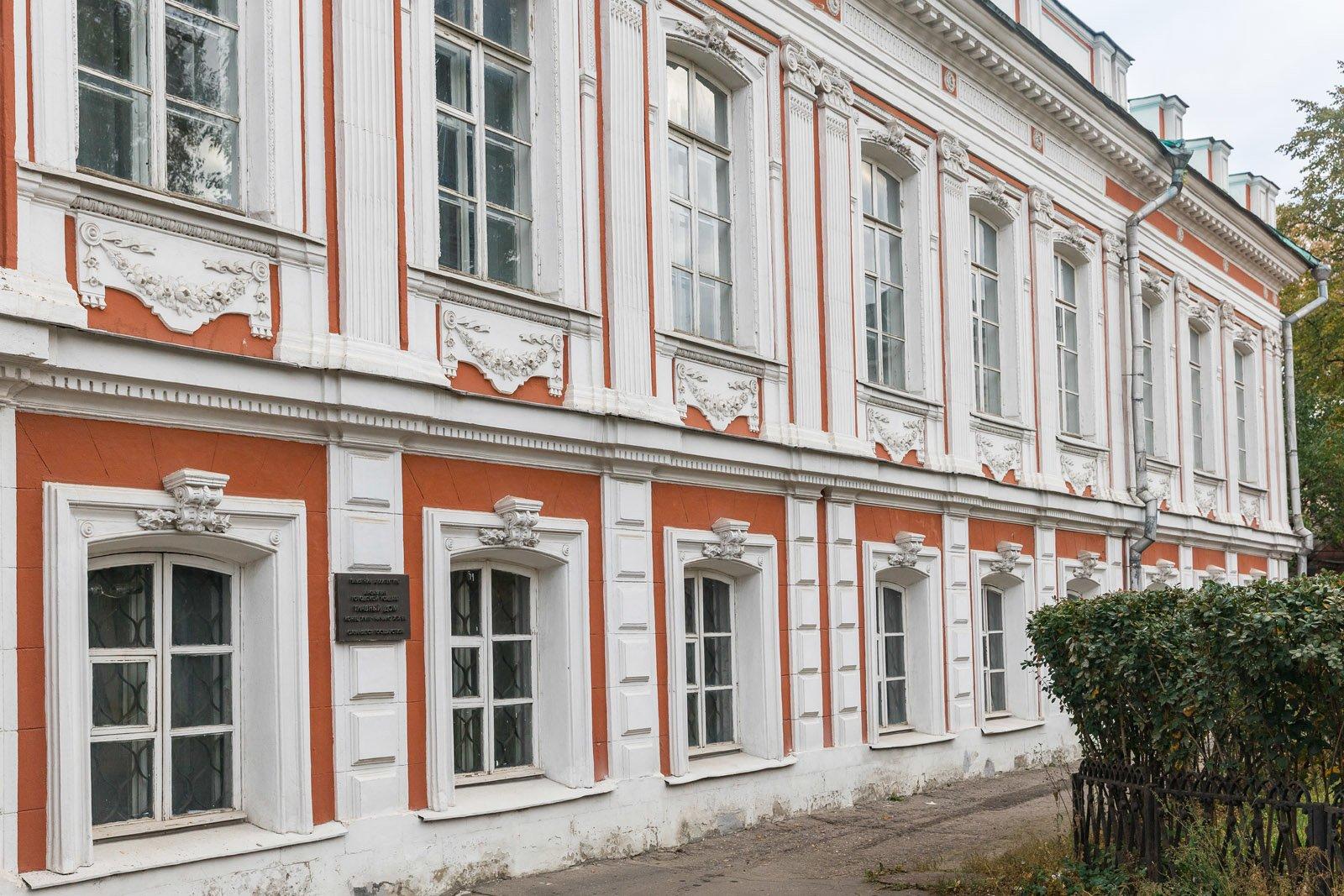
Существенные перестройки были сделаны в середине XVIII в. богатым купцом С.П.Васильевым – тем самым, на чьи средства была возведена колокольня Андроникова монастыря. При нем к правому торцу дома пристраиваются еще две палаты и, видимо, надстраивается второй этаж. В это время дом был похож на соседний – нынешний № 49: компактный кубический объем с рустованным первым этажом, нарядные барочные наличники и пилястры с резными белокаменными капителями, а также белокаменная межэтажная тяга и тяжелый сложный карниз.
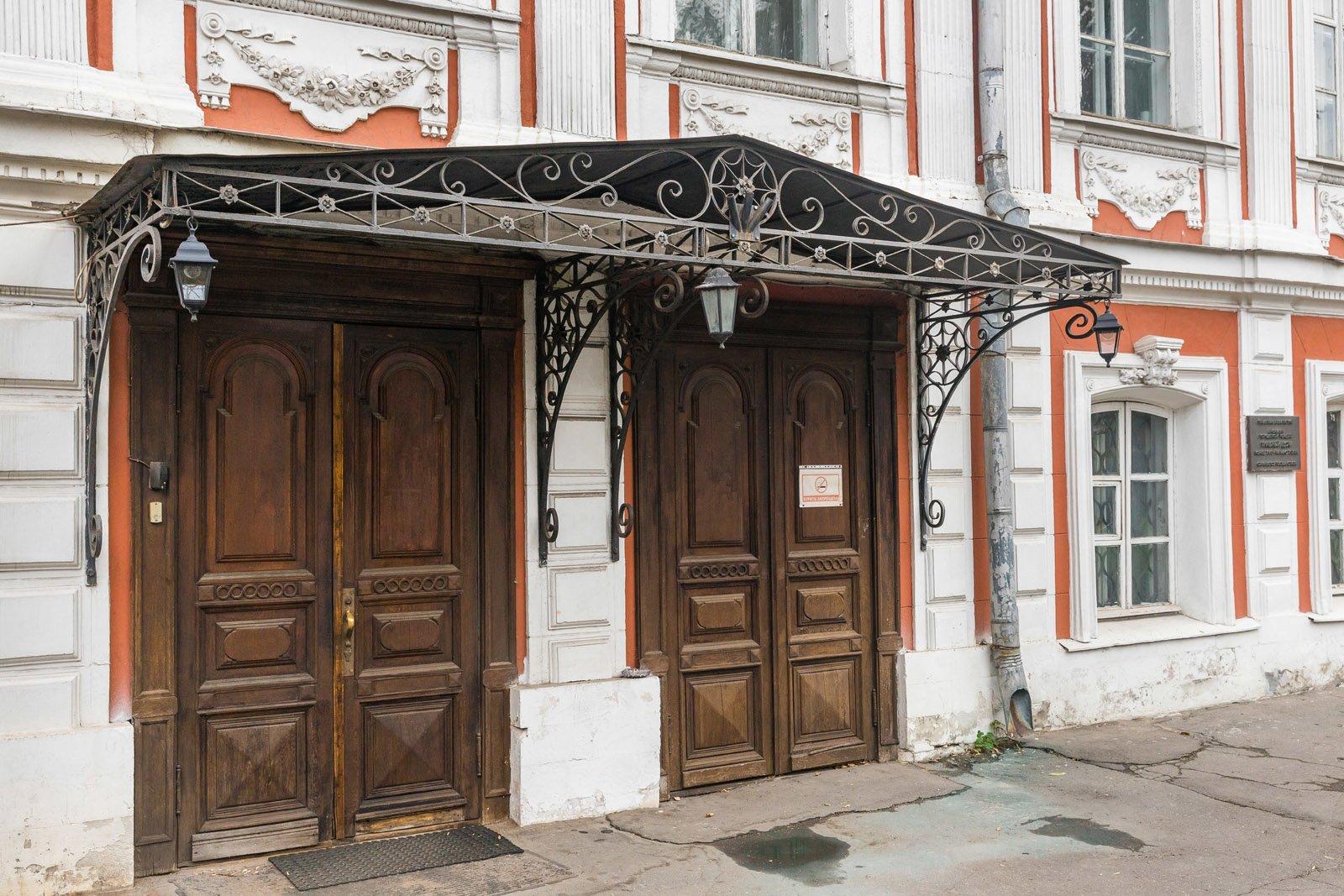
Позднее усадьба переходит к купцу П.Я.Пищальникову, владельцу соседнего участка № 53. Он заменяет древние службы каменными флигелями, а также переделывает фасад дома в строгих и скупых классических формах. Современный вид дом приобретает при купце А.А.Скороспелове — он в начале 1870-х гг. пристраивает к левому торцу парадные лестницу и вестибюль (в тамбуре левой двери на полу выложено мозаикой «1871» — очевидно, дата окончания строительства), а также ставит по линии улицы чугунную ограду. Следы многочисленных переделок можно видеть и в интерьерах: реставраторы сохранили фрагменты, когда-то украшавшие фасады — барочный и псевдоготический наличники. Сохраняются следы позднего убранства дома — мраморные камины и подоконники, лепные карнизы, живописные плафоны потолков, дубовые двери.
Ныне здание занимает Сейсмологический центр института геоэкологии РАН.
Local historians always made a point of the house's unusual position: at the back of the courtyard, with its sidewall along the street frontage — an evidence of the building's old age. Indeed, within the middle part of the Main House, two spaces attributed to the turn of the 18th century have survived: the white stone chamber with brickwork vault and the adjacent porch with the intramural staircase leading to the first floor (of the latter only scarce wall fragments have survived).
So the building is a multilayer "pastry" of structures dated from the 17th to the 19th century: each subsequent owner added something to the overall architectural appearance of the property.
Substantial reconstruction was performed by the rich merchant S.P.Vasilyev in the mid 18th century. Vasilyev funded the construction of the belfry at the Andronikov Monastery. During that period, two more chambers were annexed to the right sidewall of the house as well as — most probably — the first floor was built up. At that time, the House looked very much like the one next to it — today's No. 49: compact cubic mass with the rusticated ground floor walls, Baroque lintels and pilasters with white stone caps as well as the white stone inter floor string cornice and massive intricate final cornice.
Later, the homestead was acquired by merchant P.Ya.Pischalnikov who also owned the adjacent property (today's No. 53). Pischalnikov replaced the old service structures with stone outbuildings and had the Main House's facade remade in neat and lean classical style. In the period when the property was owned by merchant A.A.Skorospelov — in the early 1870s — the homestead became what it looks today: the left sidewall received a main staircase and a lobby ("1871" was inlaid on the floor of the portal — apparently, the end year of the construction), a cast iron fence was erected at the street frontage. We can see evidences of numerous redesigns in the interior, too: restorers preserved those fragments that once used to adorn the facades: the Baroque and Gothic imitating lintels. Elements of the later interior decor have been preserved: marbled fireplaces and window sills, molded cornices, painted ceiling plafonds, and oakwood doors.
Nowadays, the building is housing the Seismology Center within the Institute of Environmental Geoscience RAS.
Yevgenia Tvardovskaya

.jpg&w=1920&q=75)