Интерактивный гид по городу
С мобильным приложением бродить по городу гораздо интереснее!

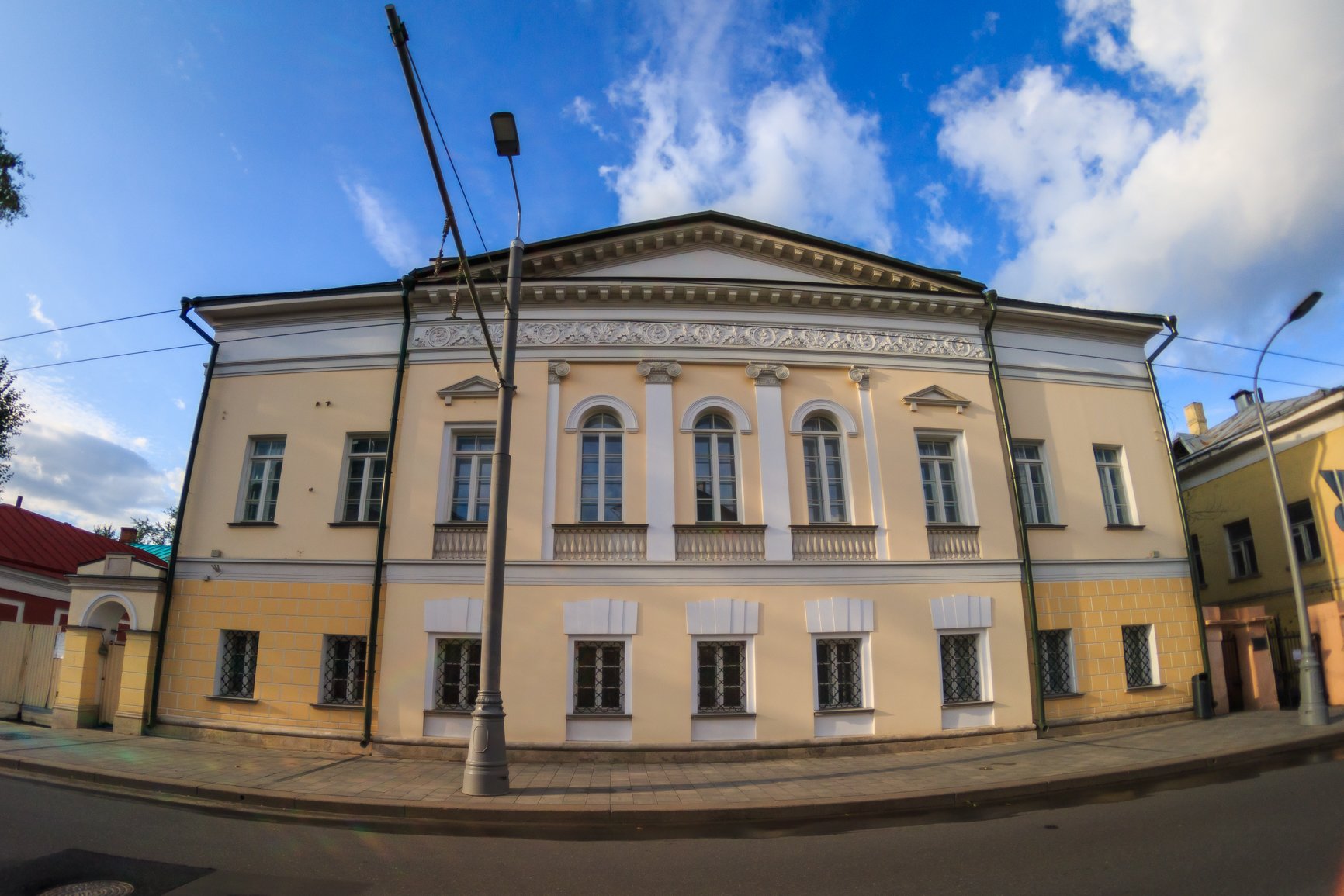
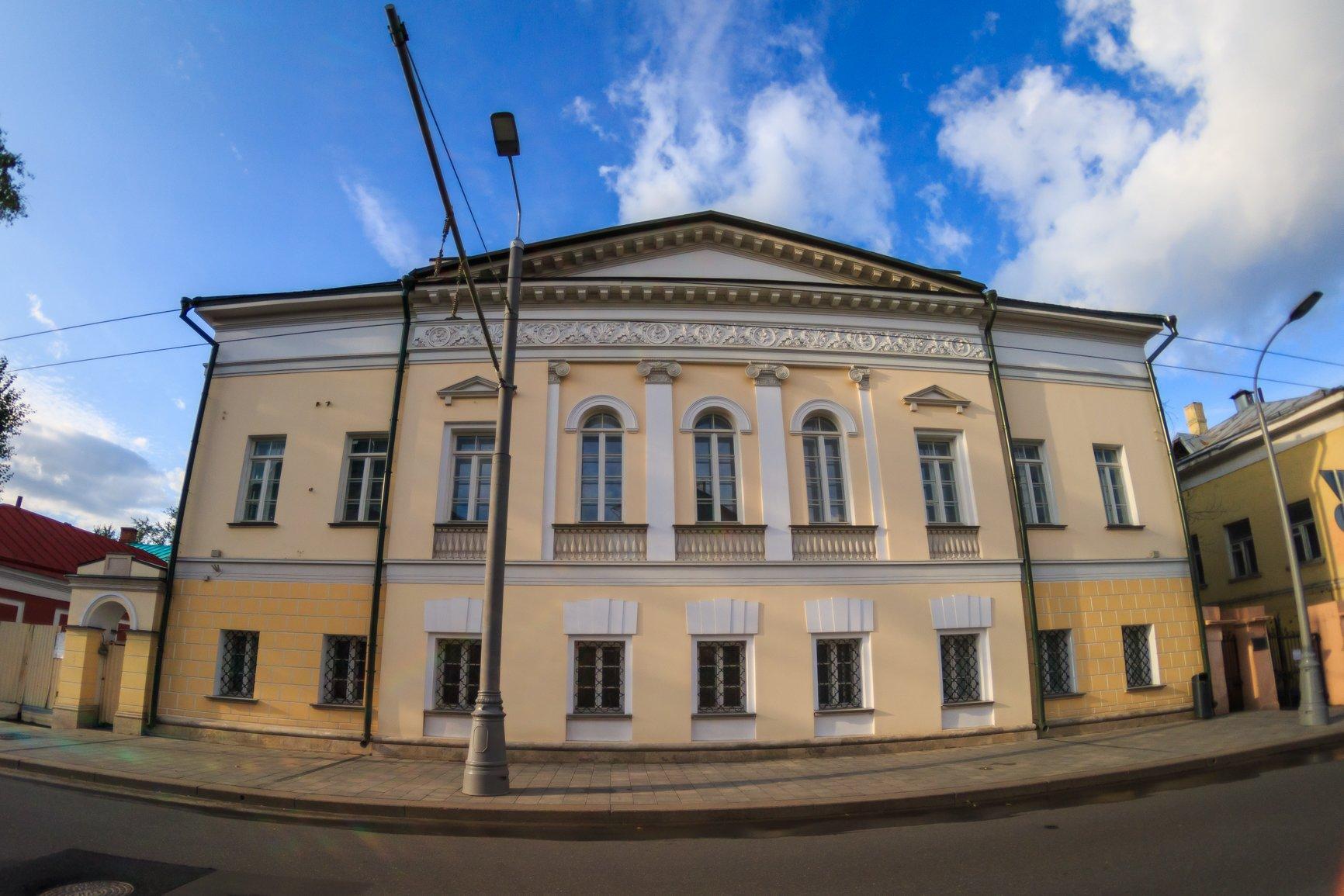
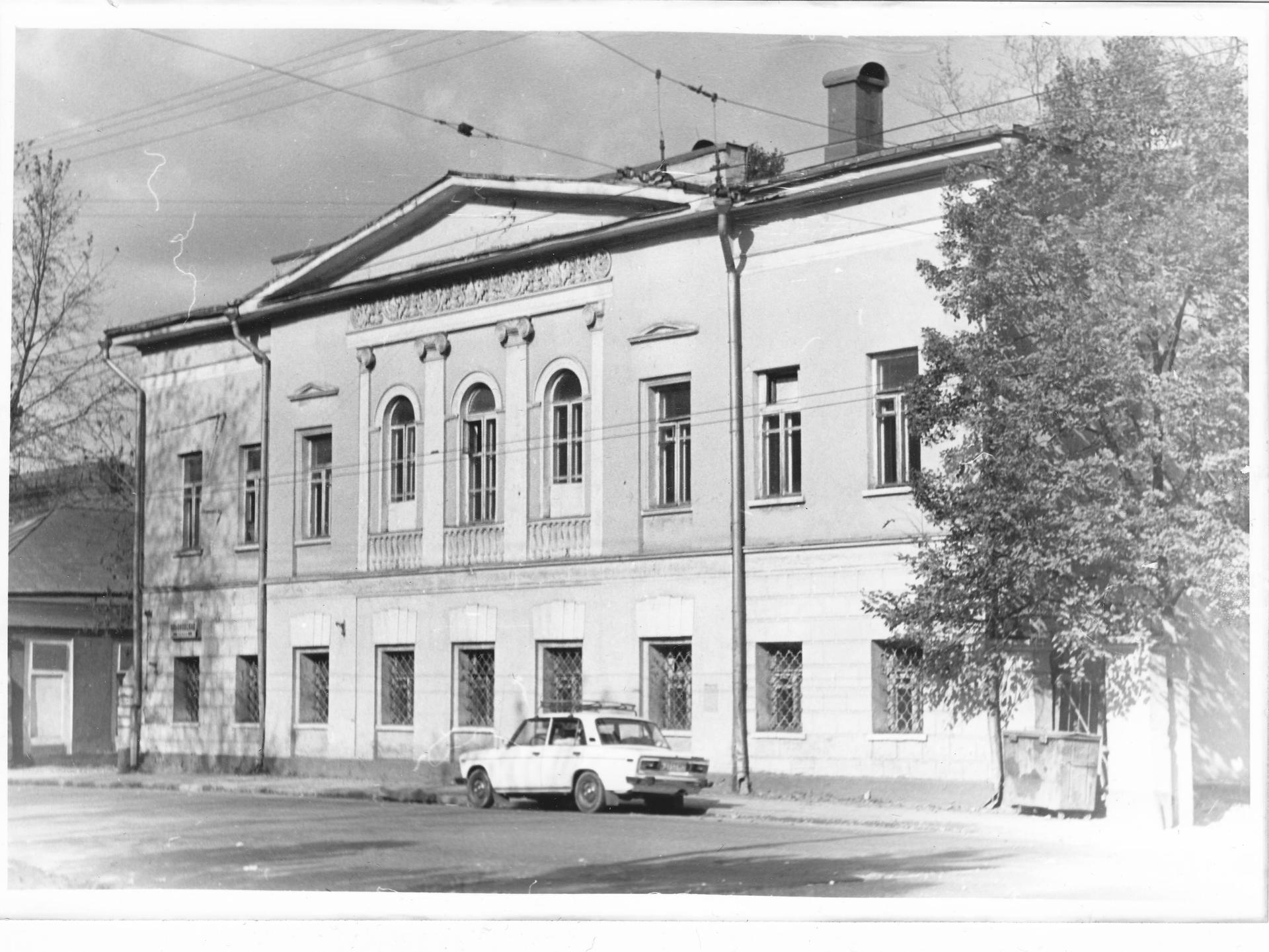
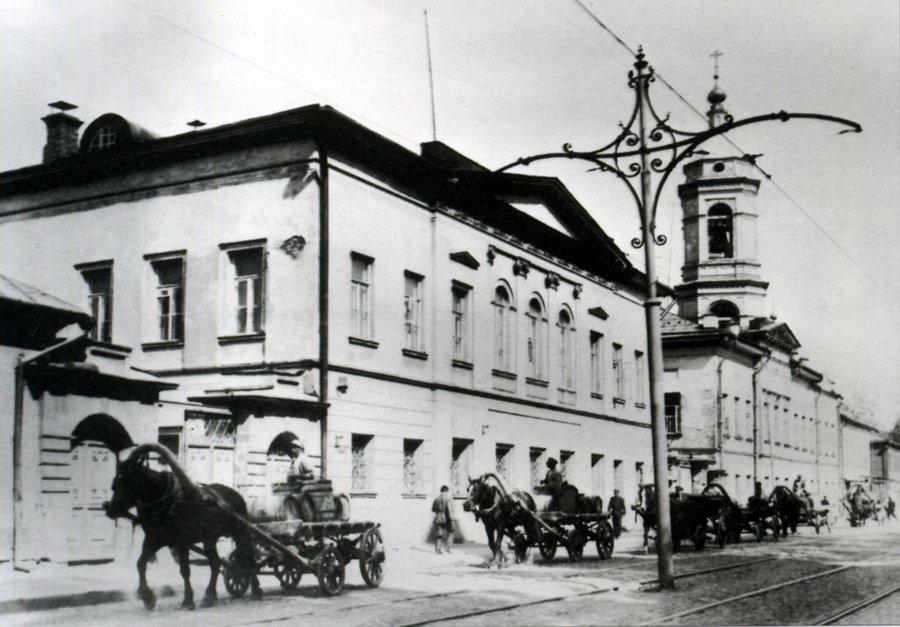
Главный дом усадьбы Е. Ф. Рогожиной

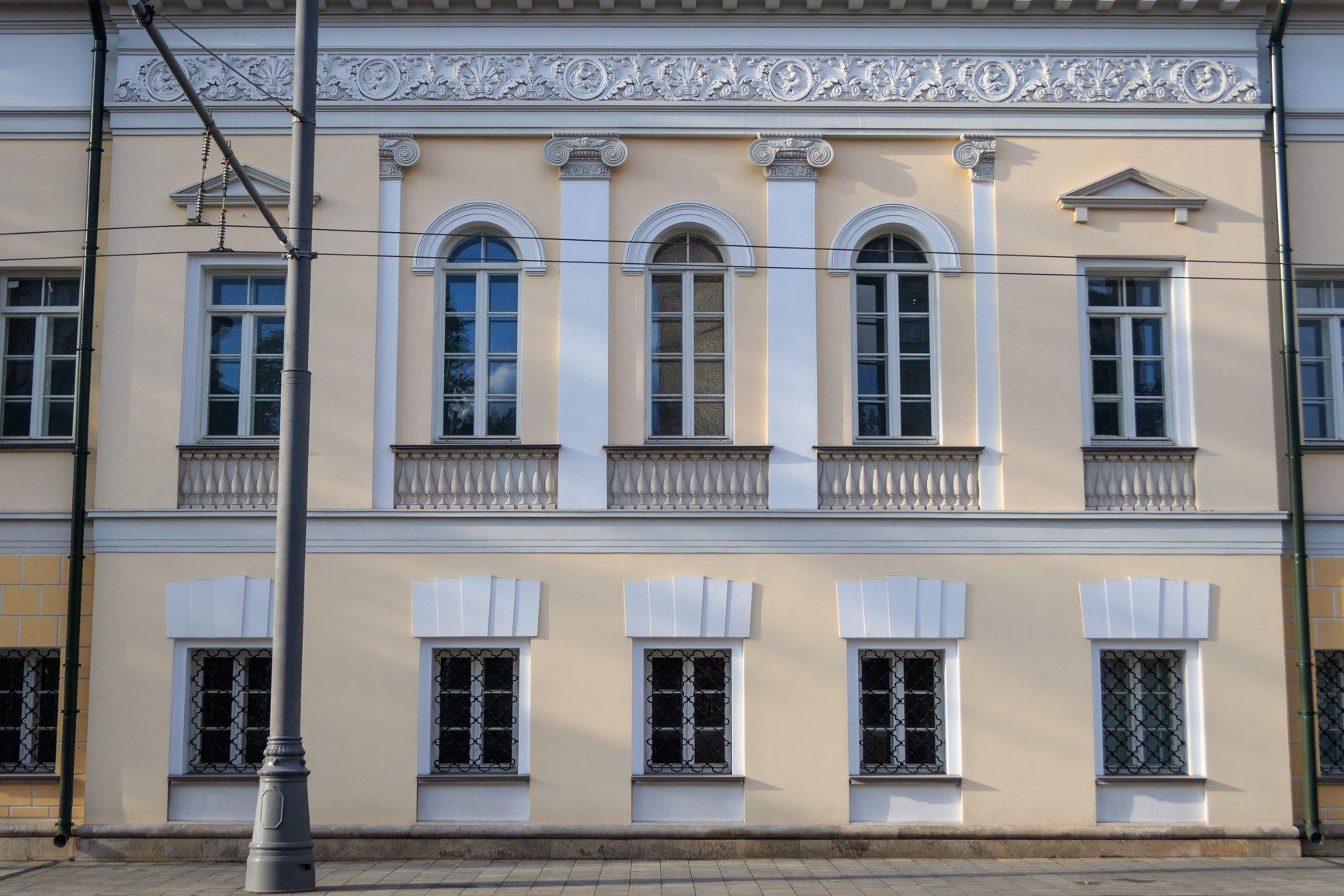
The risalit with an attic wall on the main facade of the building was designed by an unknown architect and most likely constructed under a standard design after the 1812 fire.

Главный дом усадьбы Е. Ф. Рогожиной
Marksistskaya, Ploshchad Ilicha, Rimskaya, Taganskaya
The risalit with an attic wall on the main facade of the building was designed by an unknown architect and most likely constructed under a standard design after the 1812 fire.
Вы можете воспользоваться QR-кодом, чтобы открыть эту страницу в нашем приложении
Архитектурный стиль:
Годы постройки:
XVIII - XIX вв.
Эпоха:
18th century, 19th century
Информация о здании


Домовладение в нынешних границах возникло после случившегося здесь в 1834 году пожара, когда усадьба отошла шелковому фабриканту Н.Н. Рогожину. Он отделал главный дом и флигели заново. Ранее хозяином усадьбы был купец С.П. Васильев, который с середины XVIII века владел также и участком с нынешним домом № 55, и усадьбой на Николоямской, д. 51. В 1780-1781 гг. по линии улицы были построены корпус, который позже стал основой дома № 55 существующий главный усадебный дом (№ 53, строение 1).


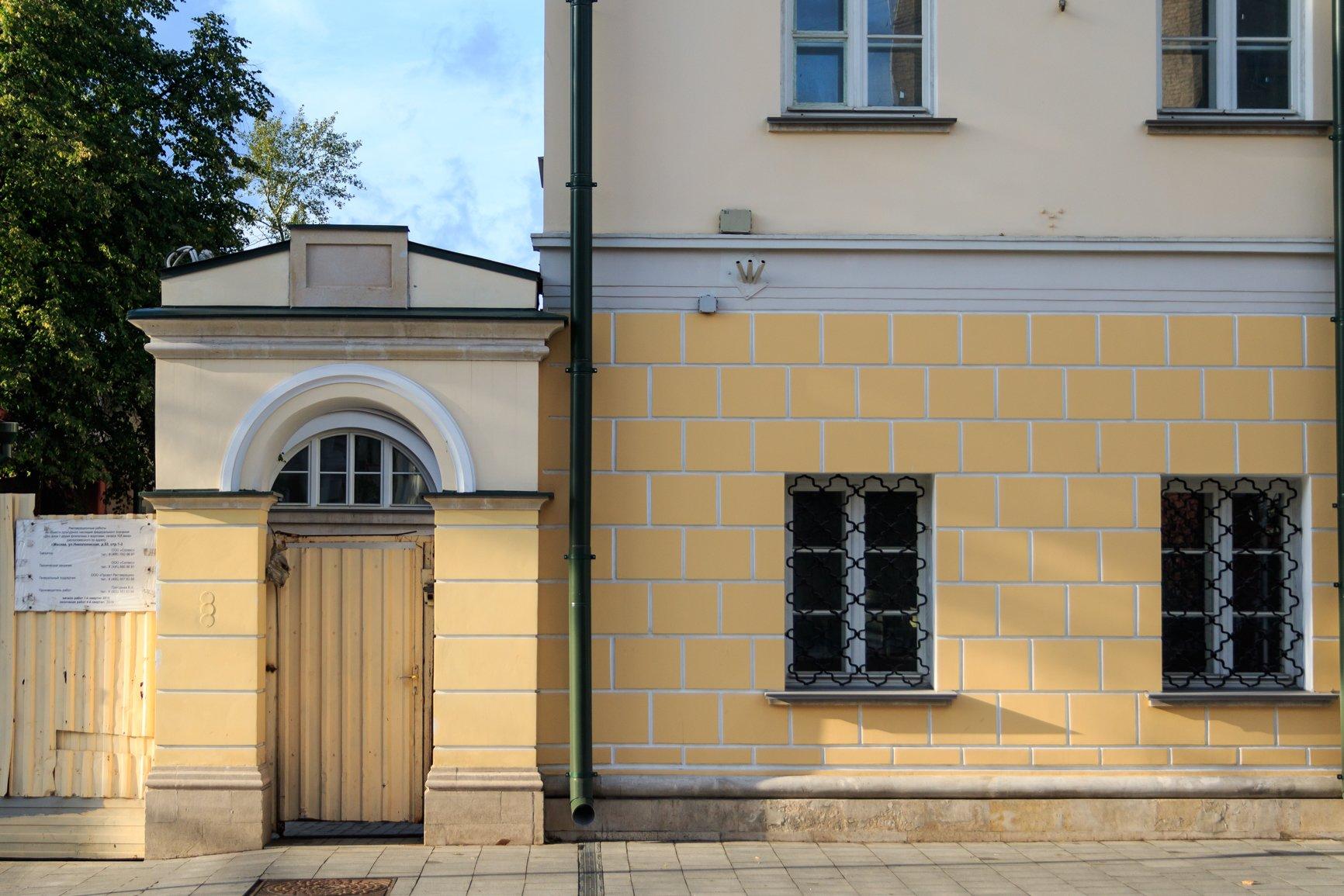
Внешне строение 1 имеет разновременные черты. Центральный ризалит с аттиковой стенкой – работа неизвестного мастера, выполненная, скорее всего, по типовому проекту после пожара 1812 года. Лаконичные членения на заднем фасаде, ризалит уличного фасада с широкими плоскими нишами в обоих этажах – это, конечно же, классицизм. А вот лепной декор уличного фасада, прямоугольный руст и замки´ над окнами больше характерны для позднего ампира и выполнены, как считается, в 1830-х гг. При сравнительно небольших размерах дом обрел монументальный облик. Архитектор, переделывавший дом в ампирном стиле, неизвестен.


До наших дней частично сохранилась внутренняя отделка главного дома. В 1831 году он был оформлен в стиле ампир. Конечно, основное внимание было уделено парадной анфиладе – трем помещениям во втором этаже. Их и лестничную клетку украсили лепниной. Основной вход в парадную анфиладу оформили порталом. В 1880-е годы в доме установили парадную лестницу каслинского литья, вестибюль также был выстлан чугунными плитами. Тогда уже вошла в моду эклектика и убранство дома шло вслед общему увлечению: была обновлена отделка, в частности, появились мраморные подоконники и украшение искусственным мрамором оконных откосов, пышная лепнина – все это фрагментарно сохранилось. Также сохраняются частично сводчатые помещения – в подвале и в первом этаже.


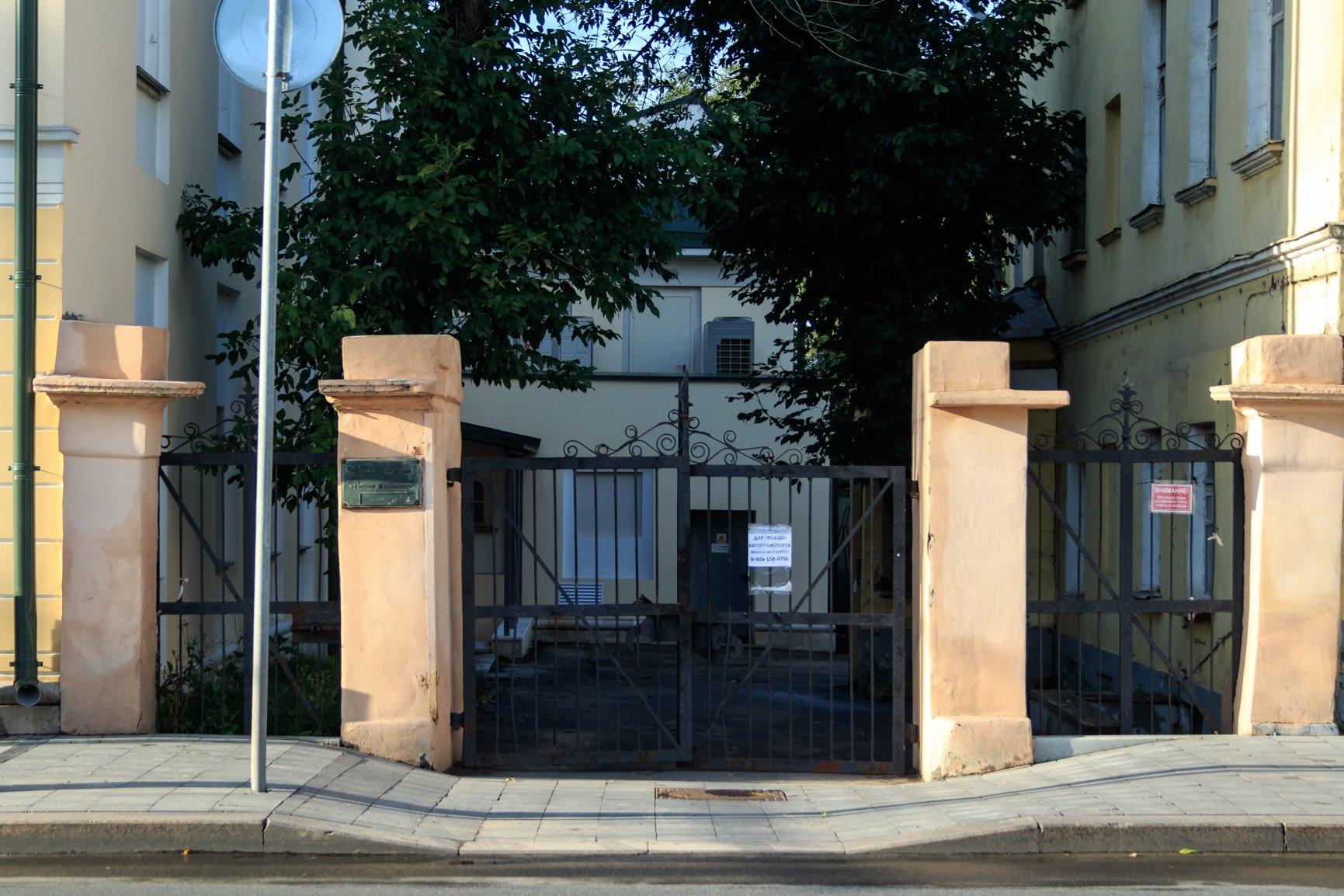
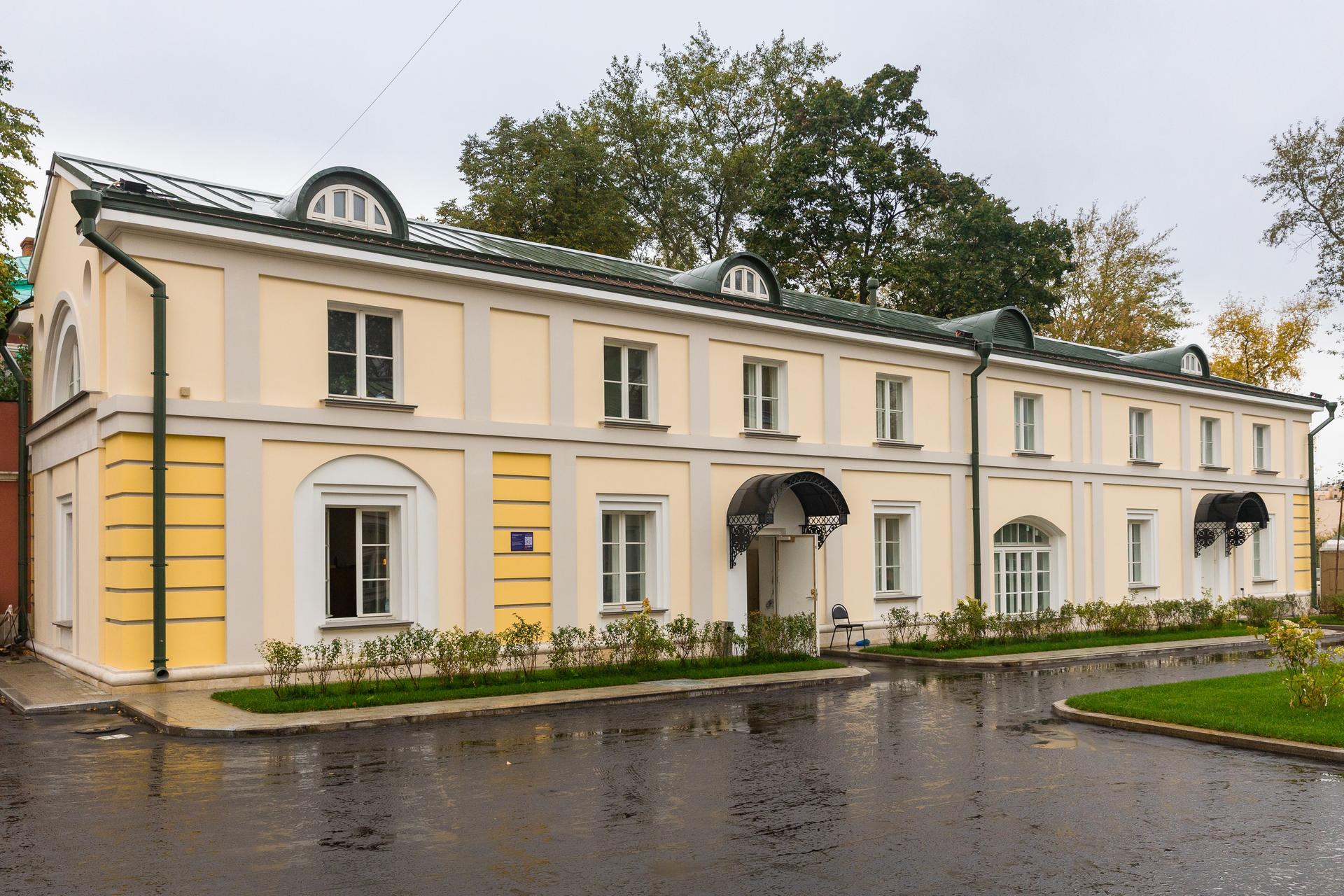
Здание реставрировалось в 1970-е годы, но в 1990-е было заброшено и не использовалось. Из-за многочисленных протечек в негодность пришла крыша, венчающие ряды кладки стен, карниз. Деревянные перекрытия прогнили. Были утрачены парадные въездные ворота. Казалось, утрата грозит и самому дому. Но реставрация второй половины 2010-х годов вернула памятнику архитектуры федерального значения исторический облик, усадебные ворота восстановлены.

Евгения Твардовская

Автор статьи
The property within its current boundaries was made up following a fire in 1834, when the silk manufacturer N.N. Rogozhin bought the homestead. He had the main house and the wings made anew. Before Rogozhin, the homestead was owned by merchant S.P. Vasiliev who since mid 18th century also owned a plot with house at No. 55 and an estate at No. 51, Nikoloyamskaya Street. In 1780 1781, a building has been built along the street that later became a core for the No. 55 as well as the now existing main house (No. 53/1). The exterior of the building No. 1 has features typical for different times. The central risalit with attic wall were designed by an unknown architect, most likely to a standard design, and built after the 1812 fire. Laconic divisions on the rear facade, risalit on the front facade with shallow niches in both levels are clearly conforming to the classical style. While the moulded decor, rectangular rustication and lockstones above windows are more typical for the late Empire style and are considered to belong to the 1830s. Being of relatively small dimensions, the building looks quite monumental. The name of the architect who redesigned the building to the Empire canon is unknown. Interior decor of the main house has partly survived. In 1831, it was decorated in the Empire style. Certainly, the suite of three formal rooms in the first floor were in the focus of decorator's efforts. The suite and the main staircase were decorated with stucco moulding. The main entrance to the formal suite had a portal. In the 1880s, a Kasli cast iron main staircase was installed, the lobby floor was also paved with cast iron plates. It was a time when eclectic style came in vogue and the house's decor complied with the trends: interiors were refreshed by adding, in particular, marble window sills and marezzo window jambs, lavish stucco moulding — some fragments of these elements have survived. Also, some vaulted rooms are still there in the cellar and in the ground floor. The building was restored in 1970s; however, in 1990s it was abandoned and remained unused. Owing to numerous leaks, the roof got into disrepair, so did the top brickwork courses and cornice. Wooden ceilings and floors got rotten. The main entrance gate disappeared. It seemed that the entire house was about to collapse. But the restoration undertaken in the mid 2010s reinstalled the architectural heritage of federal significance into its historical state, even the courtyard gate was recreated. Yevgenia Tvardovskaya
Автор статьи: Департамент культурного наследия города Москвы