Интерактивный гид по городу
С мобильным приложением бродить по городу гораздо интереснее!

Городская усадьба (XVIII–XIX вв.)

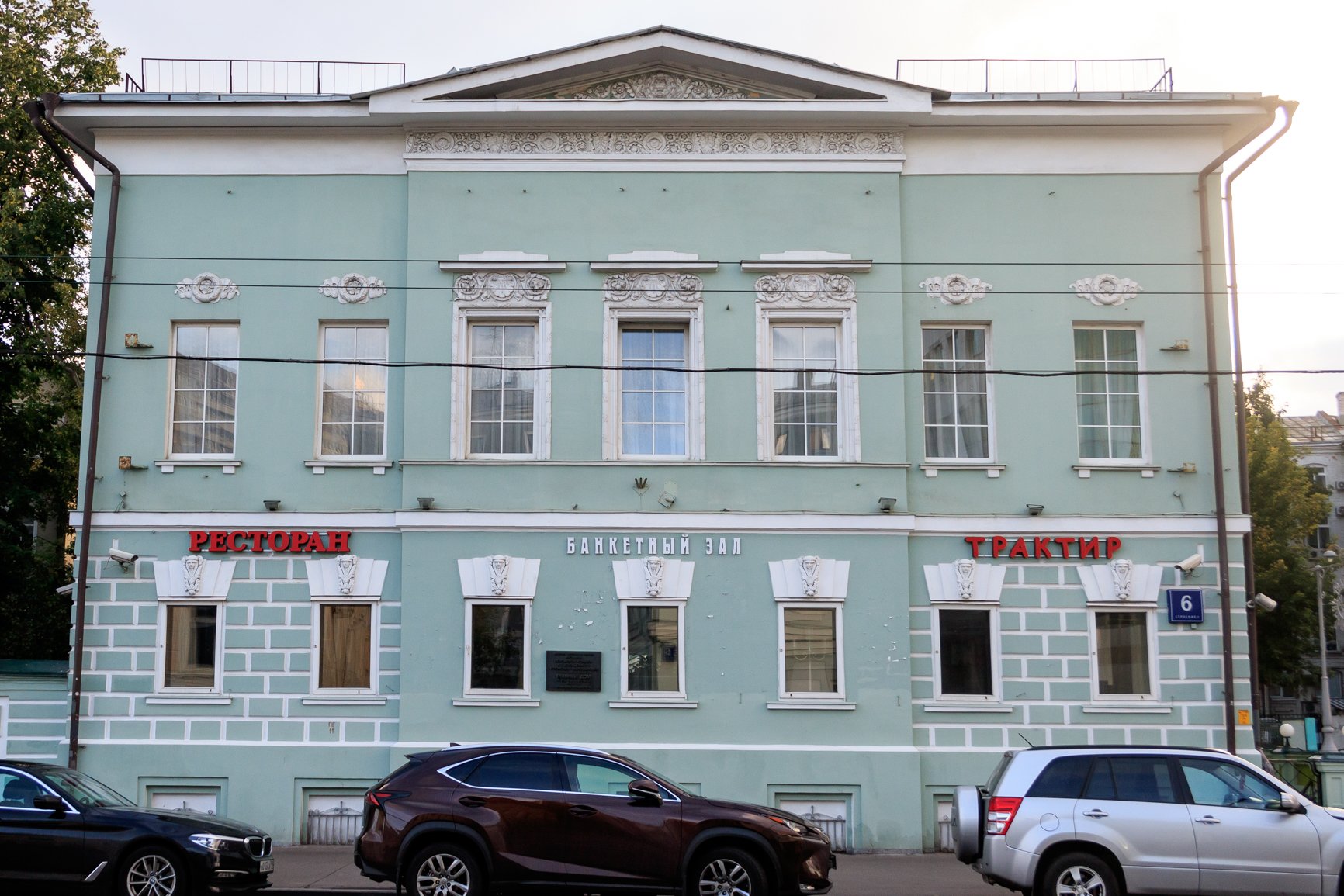
The core of the main house represents the 17th century chambers: their structures have survived in the basement and in the ground floor. The suite of formal rooms is lavishly decorated: plafonds with paintings and moulded cornices dating back to the 18th century.

Городская усадьба (XVIII–XIX вв.)
Taganskaya, Таганская (Краснопресненская линия)
The core of the main house represents the 17th century chambers: their structures have survived in the basement and in the ground floor. The suite of formal rooms is lavishly decorated: plafonds with paintings and moulded cornices dating back to the 18th century.
3.19
Вы можете воспользоваться QR-кодом, чтобы открыть эту страницу в нашем приложении
Архитектурный стиль:
Годы постройки:
XVIII-XIX вв.
Эпоха:
18th century, 19th century
Информация о здании

Вопреки официальному наименованию объекта культурного наследия федерального значения – «Усадьба Воронцова-Дашкова: дом, XVIII−XIX вв. с росписью плафона, белокаменные ворота, конец XVIII в.» – некоторые исследователи считают, что сведения о существовании здесь в конце XVIII века усадьбы графов Воронцовых – не более чем легенда. Согласно архивным документам, городская усадьба в XVIII–XIX вв. принадлежала, переходя из рук в руки, незнаменитым купцам и мещанам.

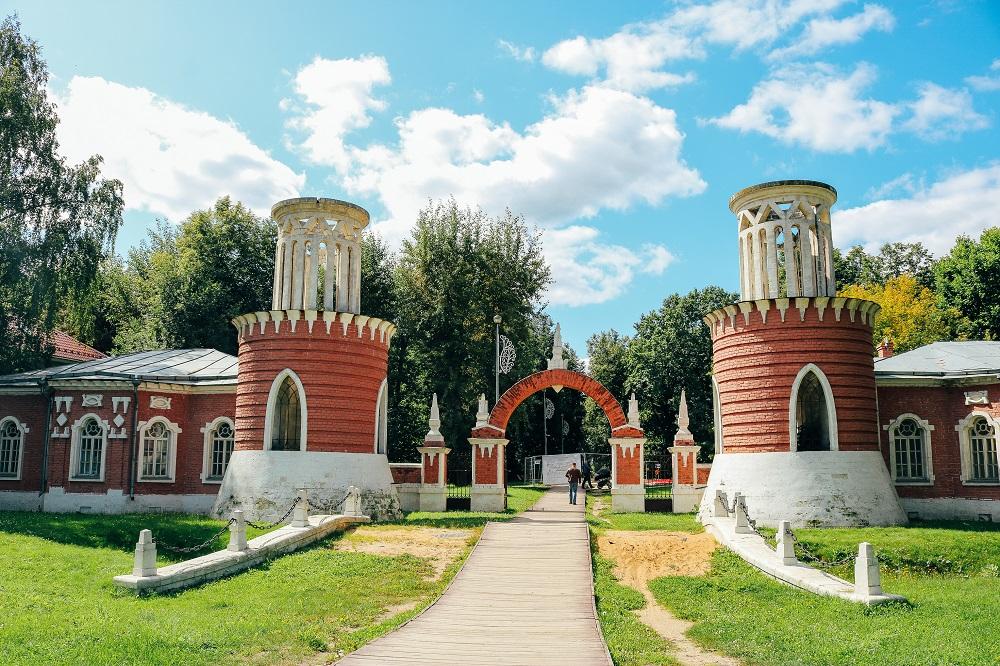
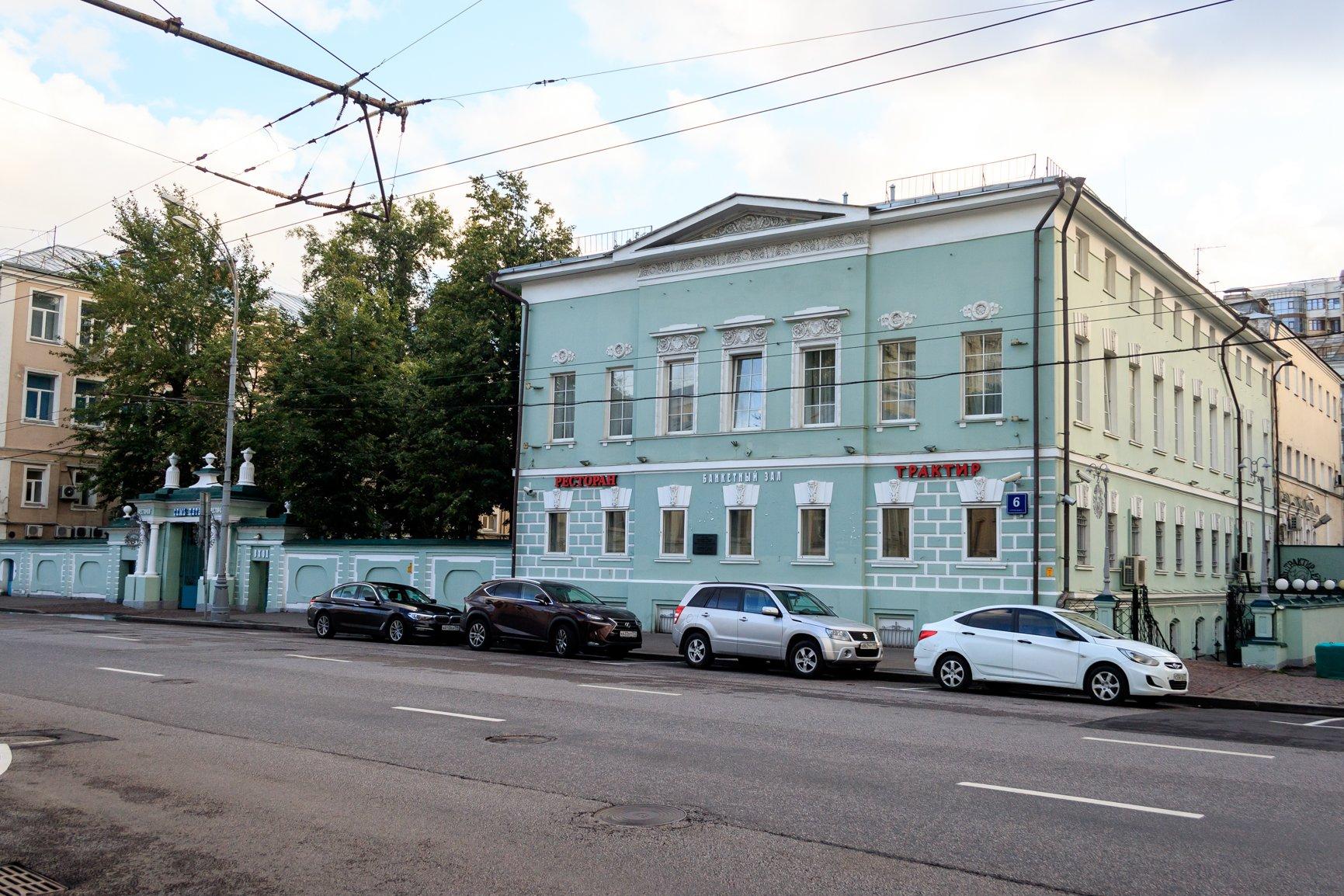
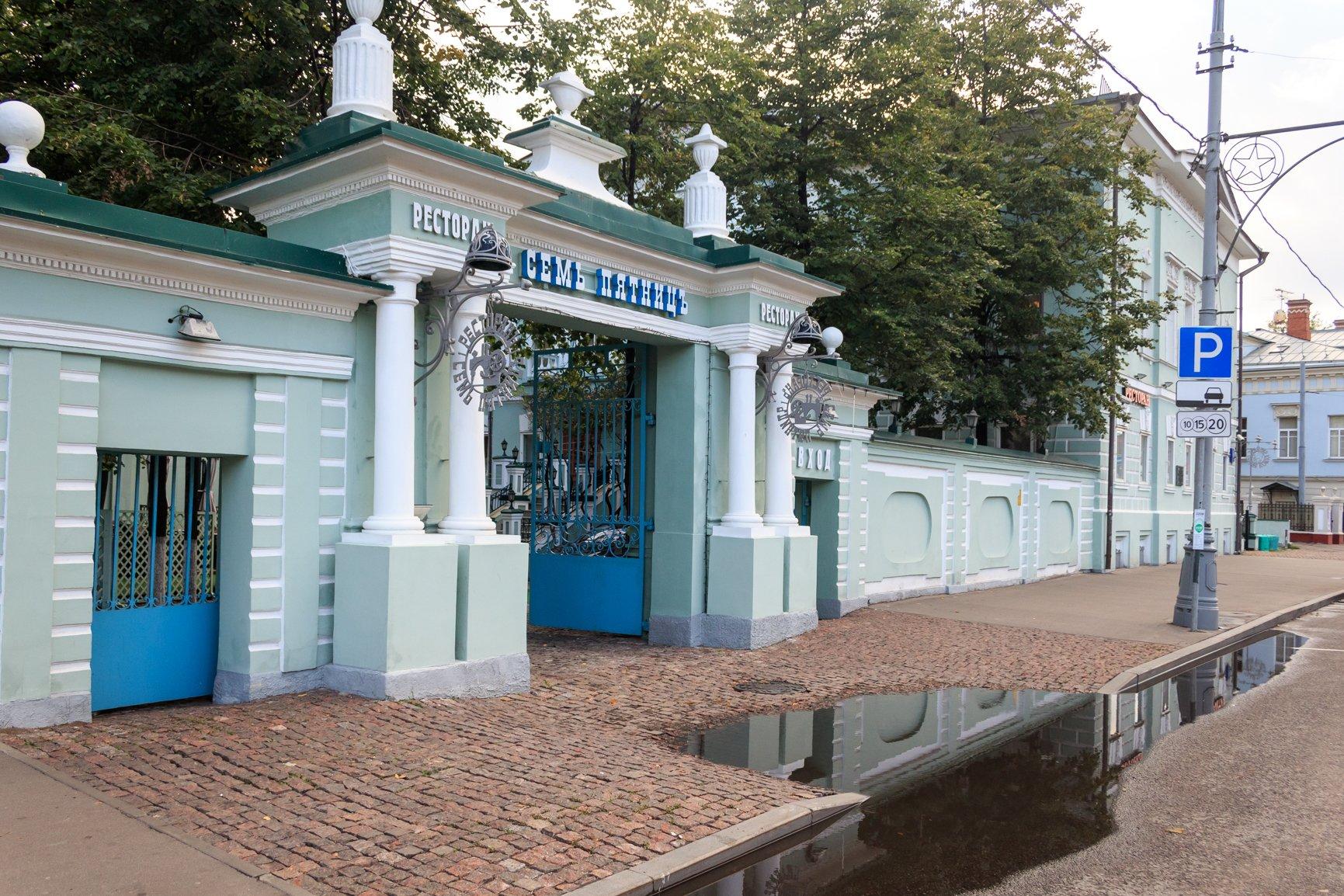
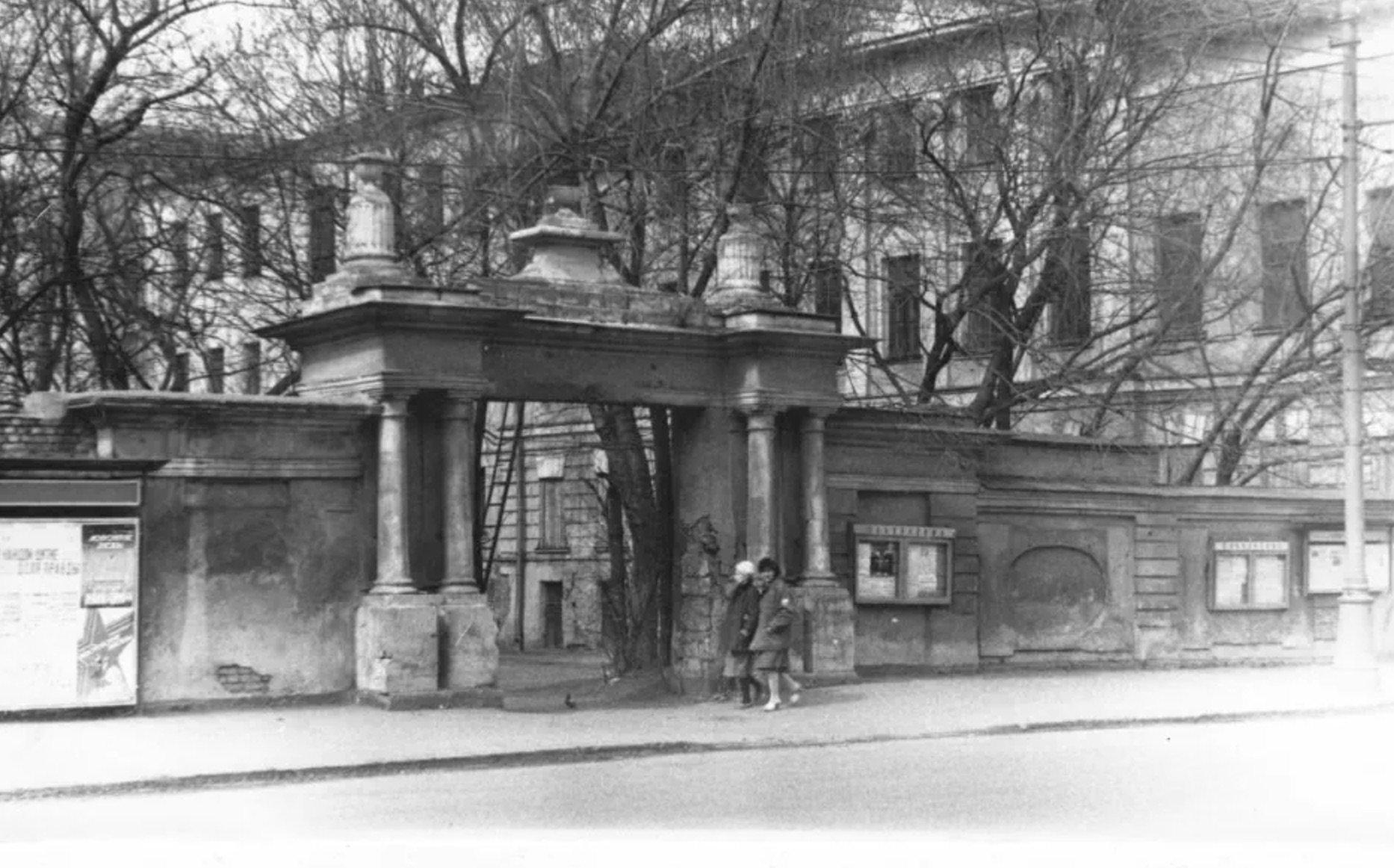
Зато архитектура этой усадьбы высоко ценится специалистами. Ее владельцы словно стремились посостязаться с лучшими особняками дворянской Москвы, и небезуспешно. Первое, что привлекает внимание в усадебном ансамбле – уникальная для Москвы уличная ограда парадного двора, в стиле классицизма конца XVIII века. Ворота имеют редкую форму со сдвоенными колоннами слева и справа, наверху – декоративные вазы.

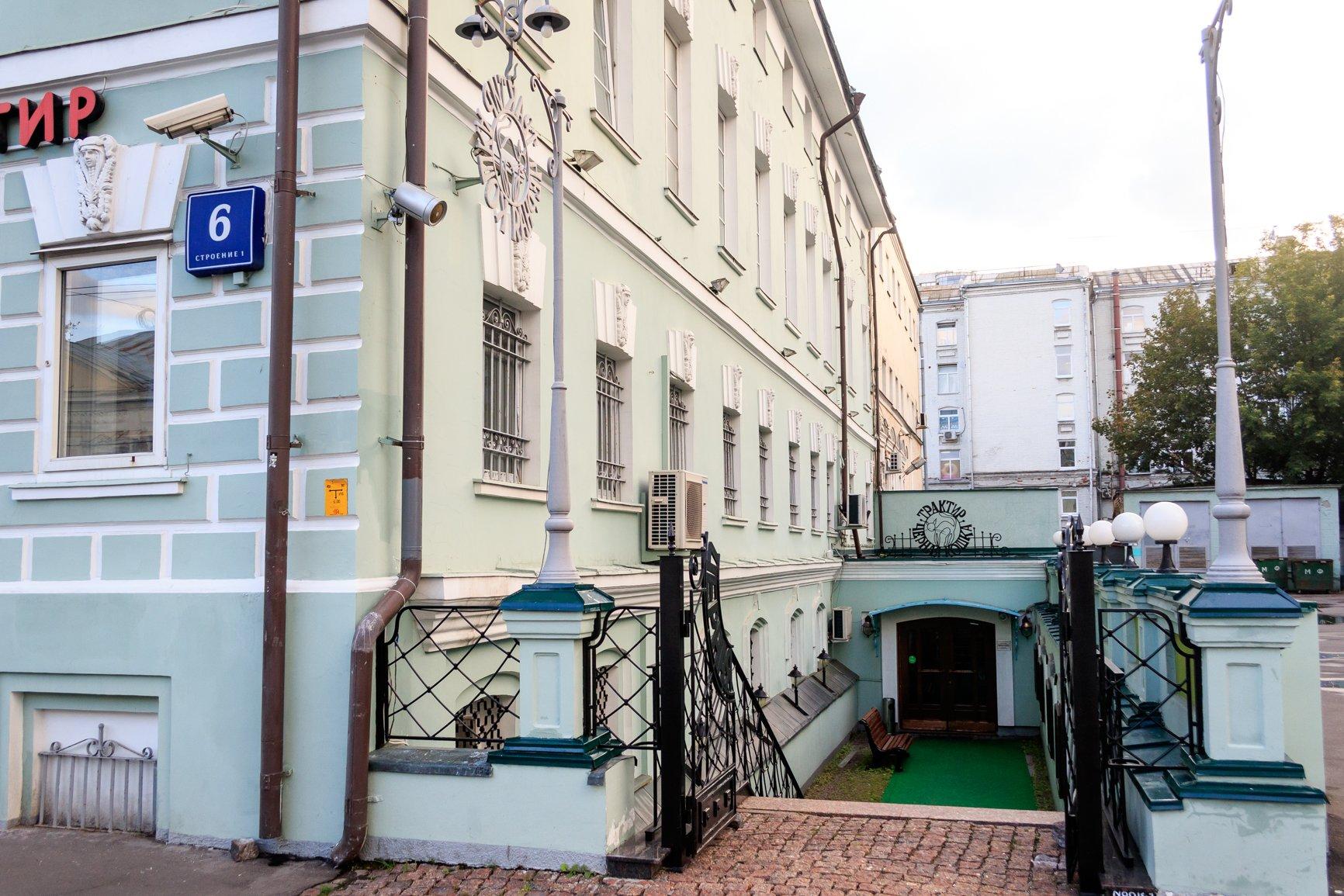
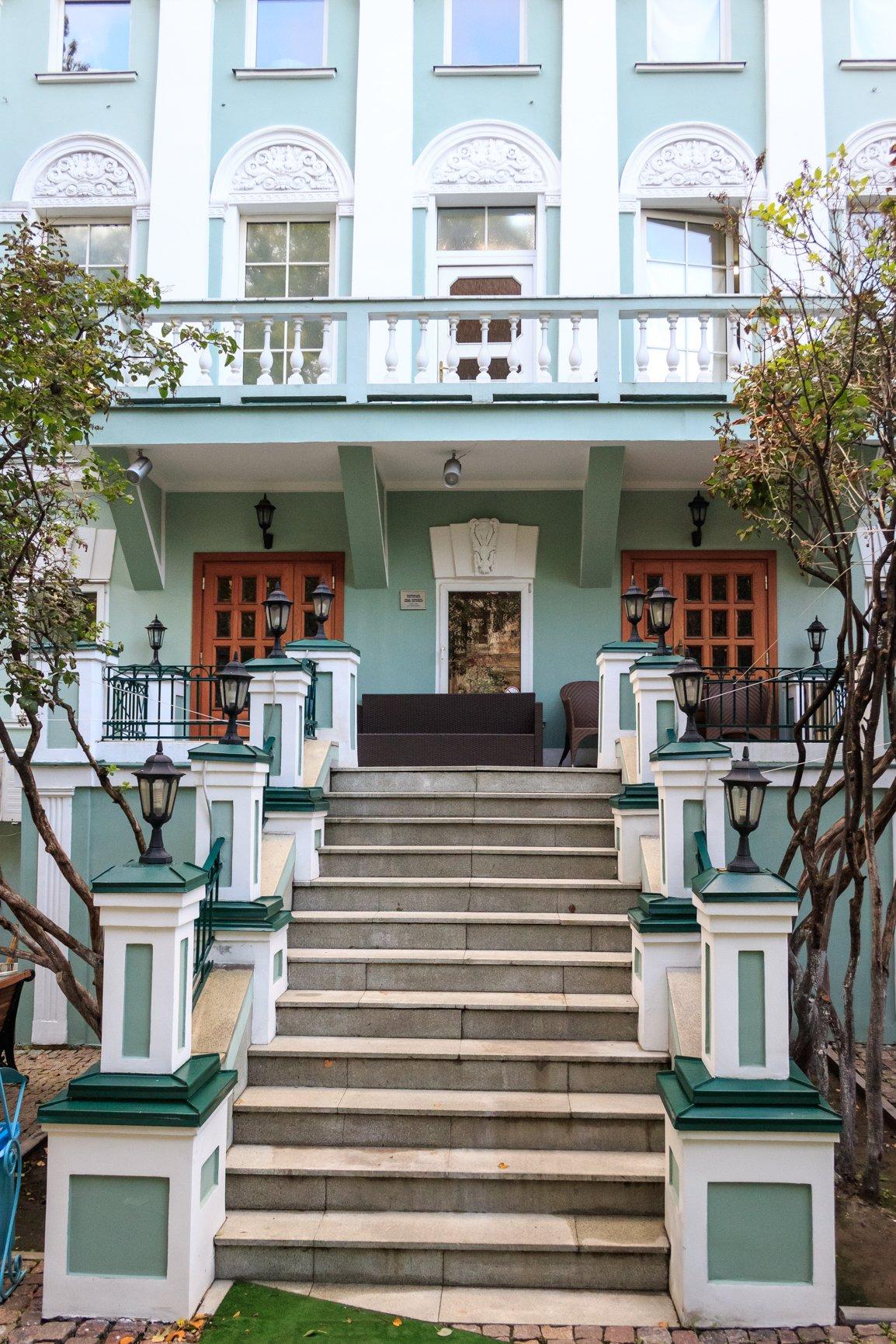
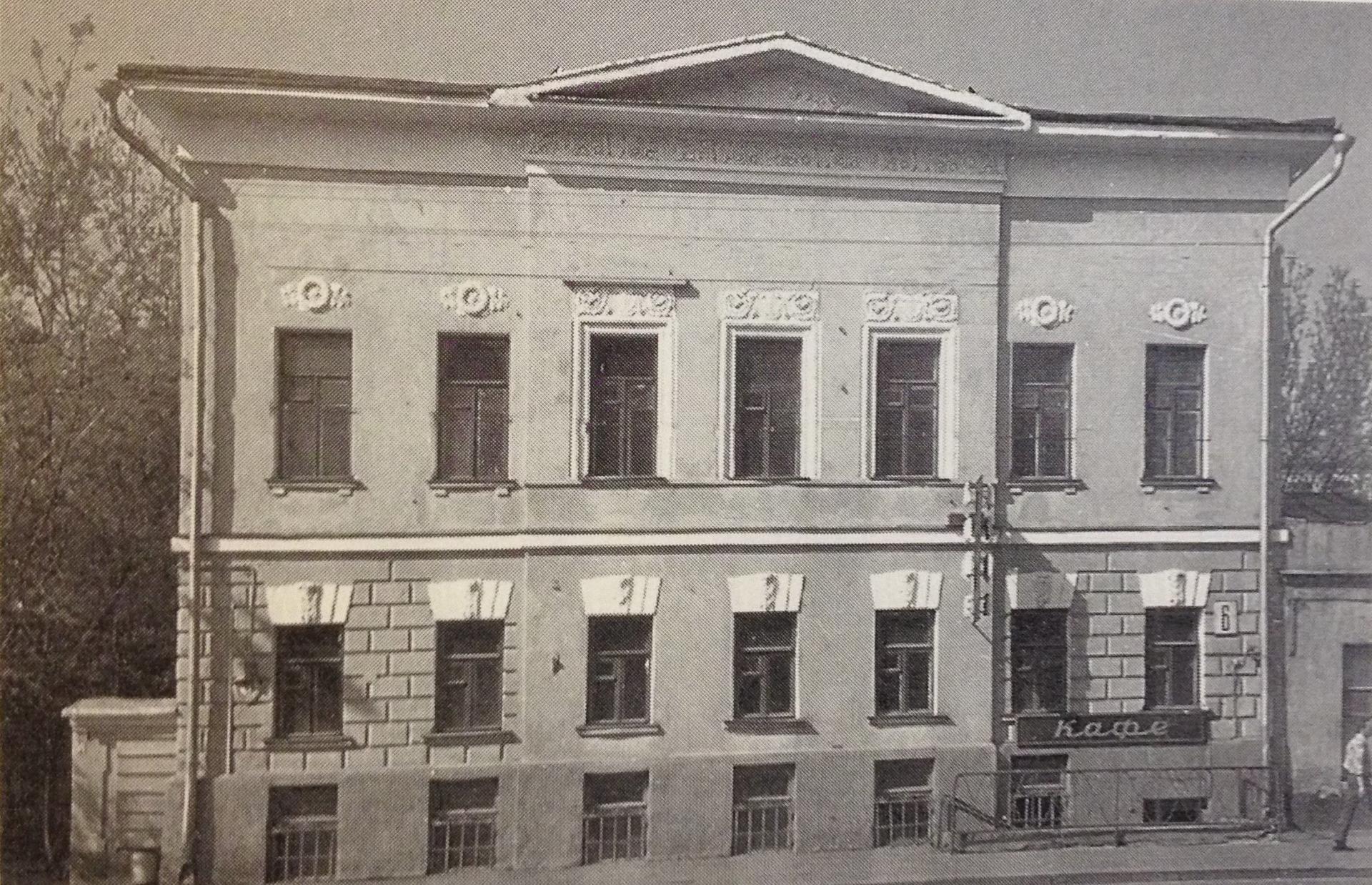
Каменные дома на участке 4–6 по Воронцовской улице появились ориентировочно в конце XVIII столетия. В основе правого, главного, дома – палаты XVII века, они сохранились в подвале и частично на первом этаже здания. В первой половине XVIII века дом был перестроен и отделан в стиле барокко. На западном фасаде реставраторами восстановлены барочные наличники.

Планировка усадьбы сложилась к 1774 году, когда хозяйкой здесь была жена фабриканта Алексея Иванова. Главный дом был расширен до линии улицы, напротив него выстроили двухэтажный каменный флигель, а между ними поставили деревянный сарай с конюшней и погребом. Конечно же, был и усадебный сад: он доходил до улицы Большие Каменщики. Такая планировка сохранялась до 1816 года, когда флигель и главный дом получили одинаковые завершения – мезонины.

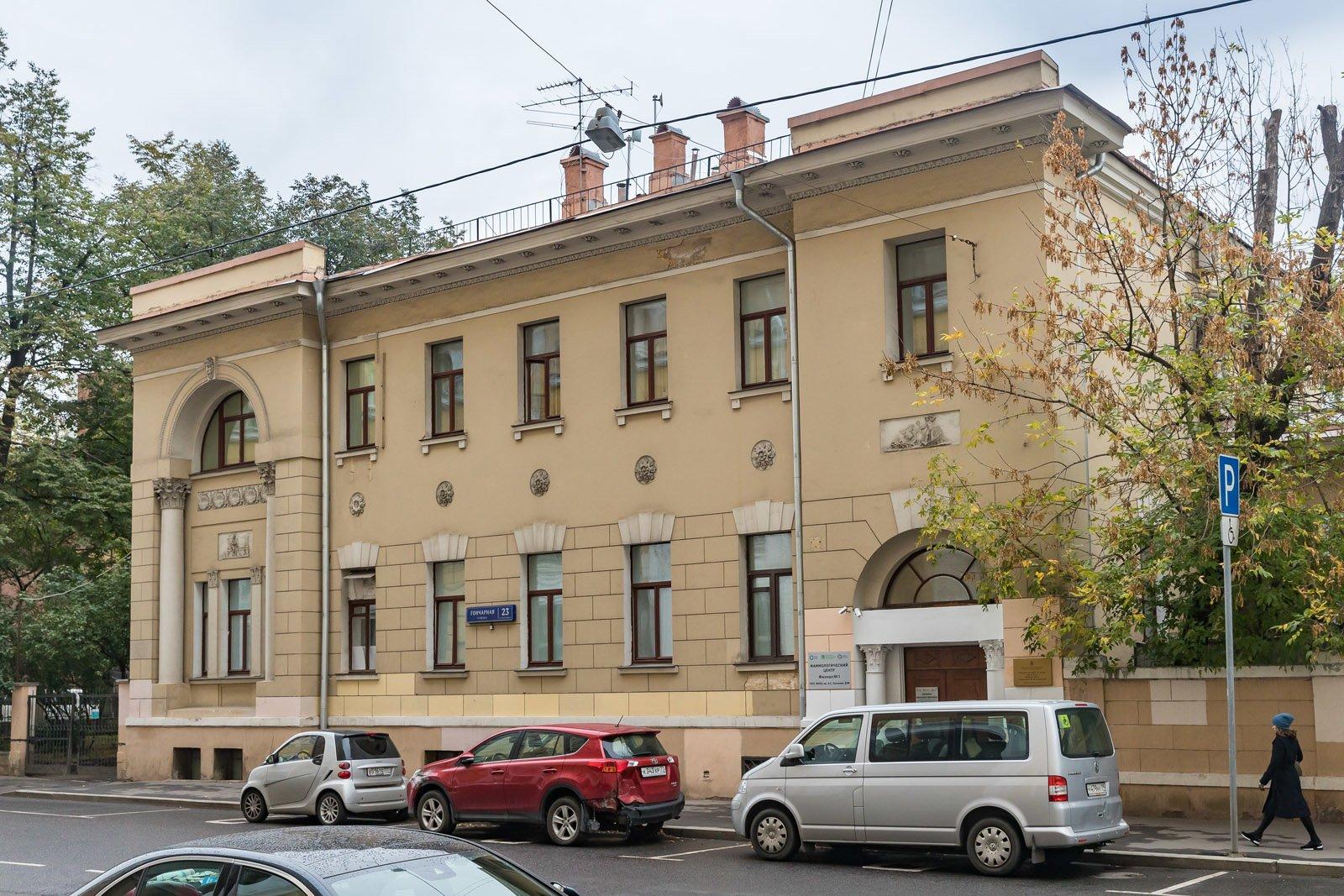
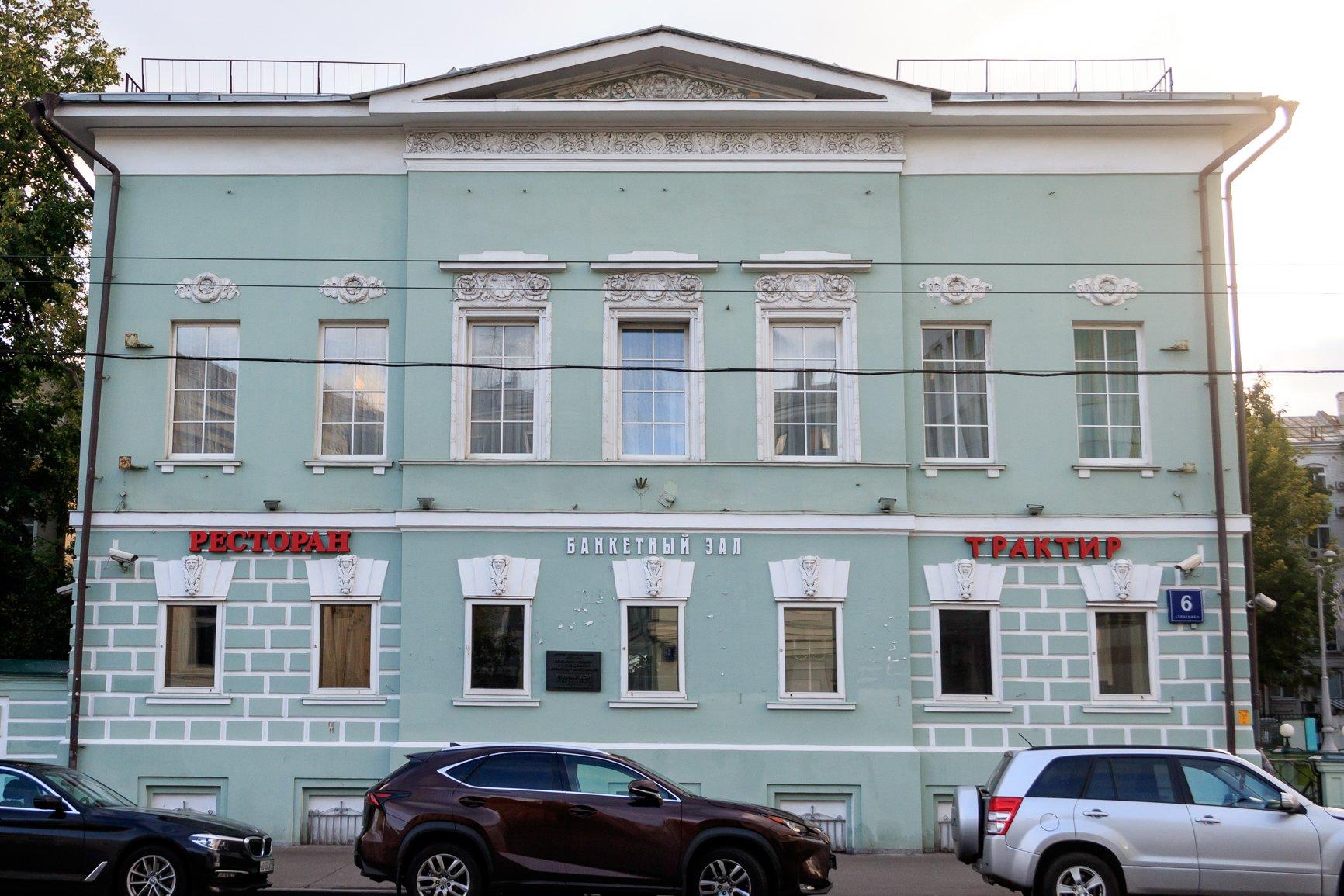
В 1830-е годы главный дом был полностью перестроен, но декоративная обработка фасада сохранилась до наших дней. И сегодня мы видим шесть пилястр ионического ордера, а также восстановленную лестницу XVIII века. В парадной анфиладе целы лепные карнизы и росписи плафонов того же времени. Внешне здание имеет ампирный облик: с тяжелыми веерными замками над окнами нижнего рустованного этажа, сложными сандриками и обильным лепным декором.

Усадебный флигель, расположенный слева от главного дома, изменился сильнее: в 1912 году его перестраивали для городского училища по проекту архитектора Н.Д.Струкова.
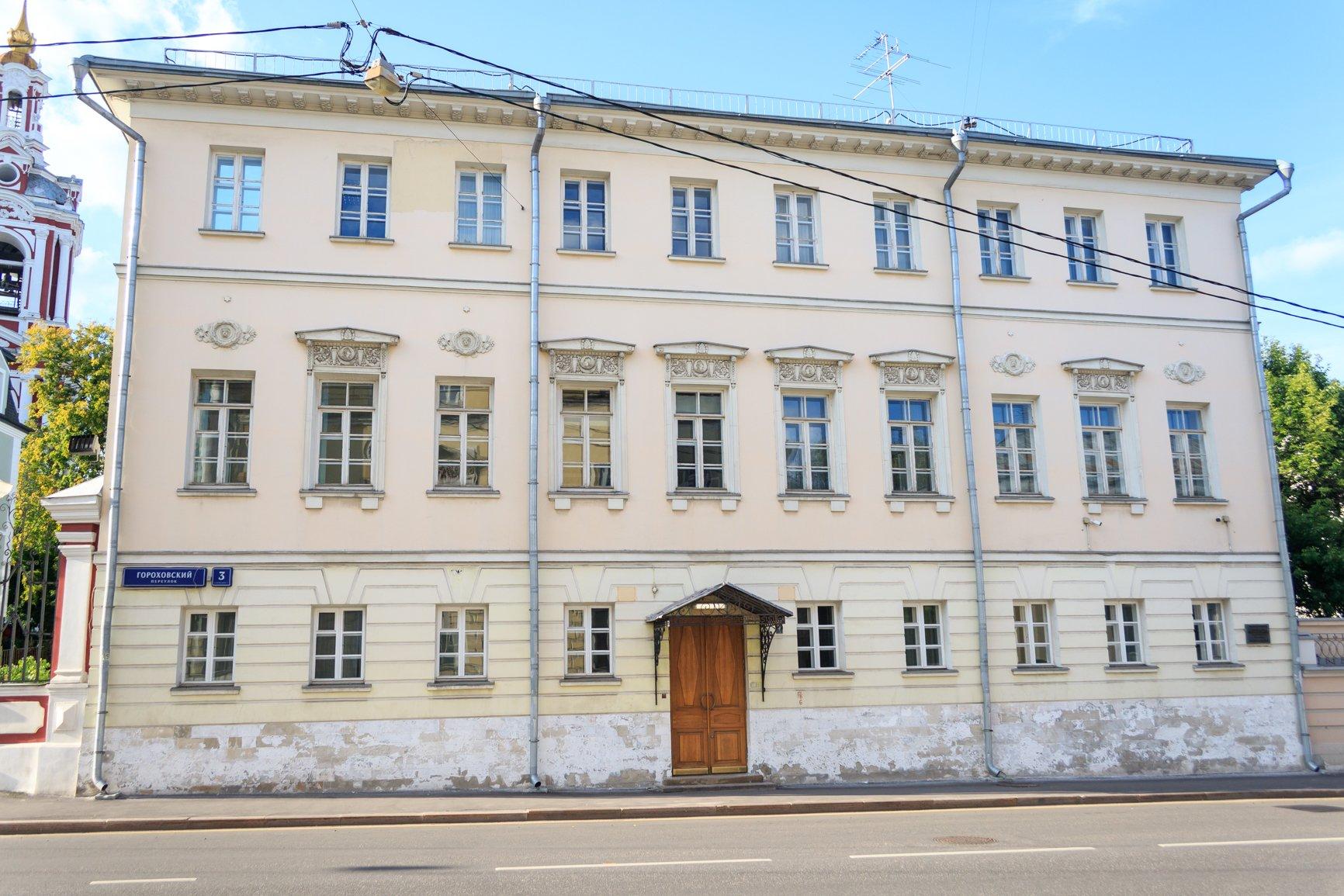
Notwithstanding the official name of the cultural heritage site of federal significance — "The Vorontsov — Dashkov Homestead: 18 19th Century House with Plafond Painting, Late 18th Century White Stone Gates", some researchers believe the information of the Count Vorontsov family homestead being located here in the late 18 century to be a mere legend. According to the archive records, in the 18 19th centuries, the homestead has repeatedly changed hands of common merchants and petty bourgeois. Nevertheless, the homestead architecture is highly valued by experts. The homestead owners seemed to compete with other outstanding mansions in the aristocratic part of Moscow. They succeeded indeed. The first thing catching ones eye in the homestead ensemble is the street facing wall of the front courtyard in the late 18th century neoclassical style, which is unique for Moscow. Its gates have a rare shape — with two couples of columns on either side and decorative vases on top. The first stone houses on the plot No. 4 6 on the Vorontsovskaya Street have been built approximately in the late 18th century. The main house in the right part of the plot has the 17th century chambers at its base, their structures are visible in the basement and partly in the ground floor. The house has been rebuilt and redecorated in the Baroque style in the first half of the 18th century. The Baroque window linings have been recreated by the restorers on the Western facade. The homestead layout took shape by the year 1774 when the homestead was owned by the wife of a manufacturer Alexey Ivanov. The main house has been enlarged up to the frontage of the street, a two story stone outbuilding has been constructed in front of it with a wooden barn with a horse stable and a cellar in between. Of course, there was a garden, too: it reached as far as the Bolshiye Kamenshchiki Street. This layout remained unchanged until 1816 when the outbuilding and the main house have been added identical upper structures — mezzanines. In the 1830s, the main house has been completely restructured; however, the facade decor has survived to our days. Today, we can see six Ionic pilasters as well as the restored 18th century staircase. The suite of formal rooms is decorated with moulded cornices and plafond paintings of the same period. The building has an Empire exterior with its fan shaped lockstones above the rusticated ground floor, intricate pediments and lavish molding decor. The outbuilding on the left side of the main house has undergone more significant modifications: in 1912, it has been rebuilt for the needs of a city public school to architect N.D. Strukov's design. Yevgenia Tvardovskaya
Автор статьи: Евгения Твардовская
Поделитесь статьей с друзьями
Интересное рядом(7)
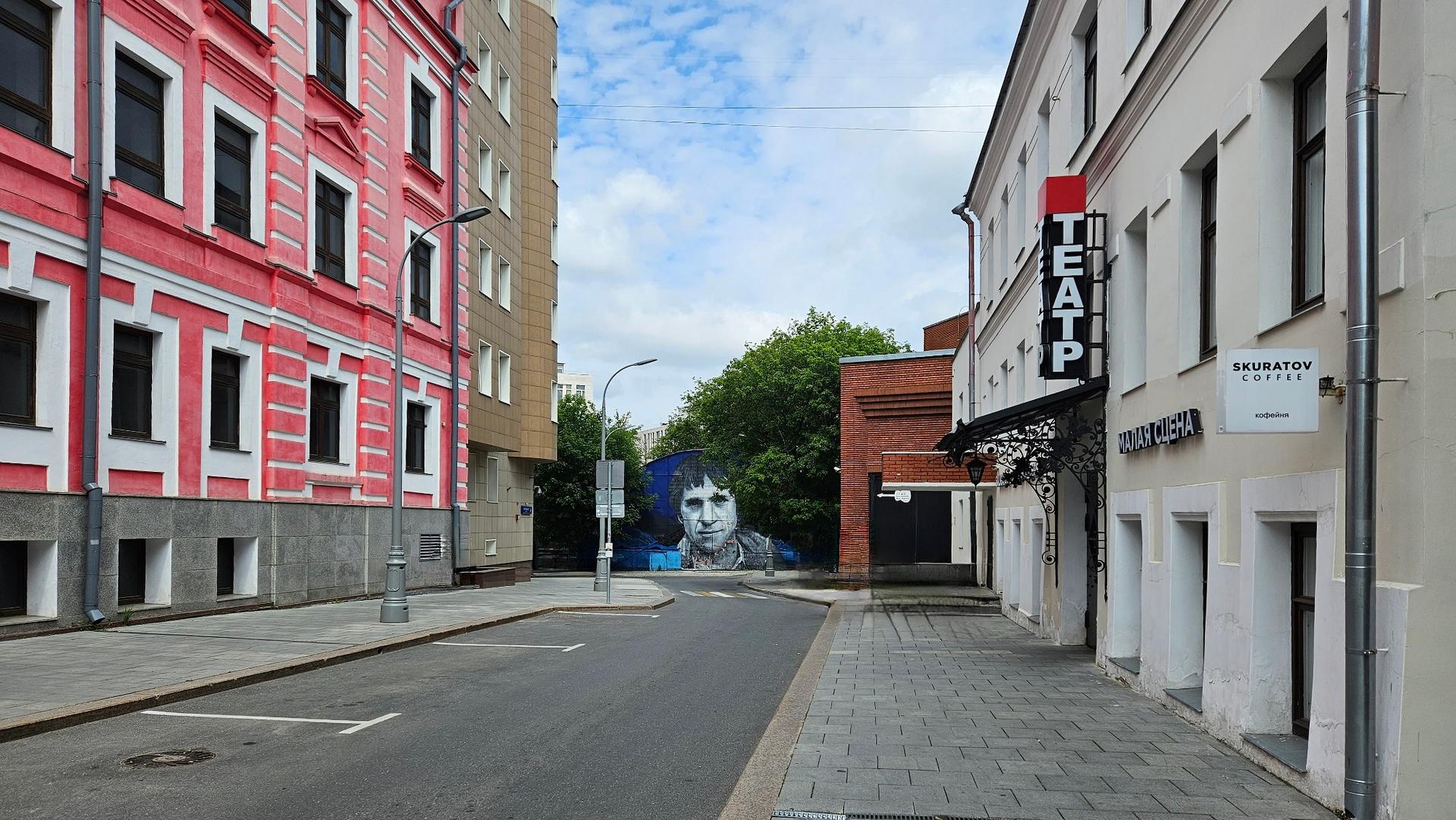
Улица Высоцкого
Taganskaya, Таганская (Краснопресненская линия)
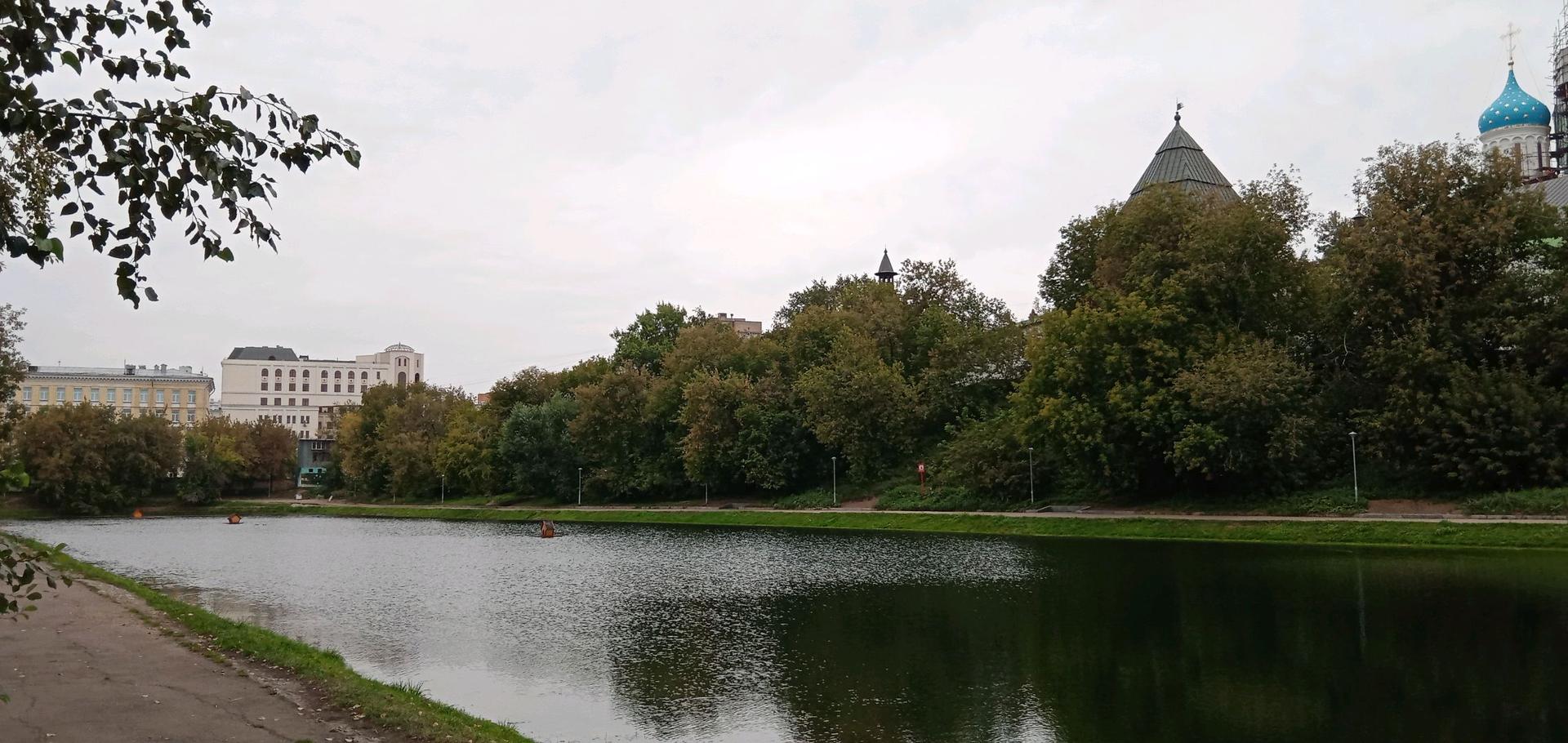
Краснохолмская набережная, 13
Proletarskaya, Krestyanskaya zastava