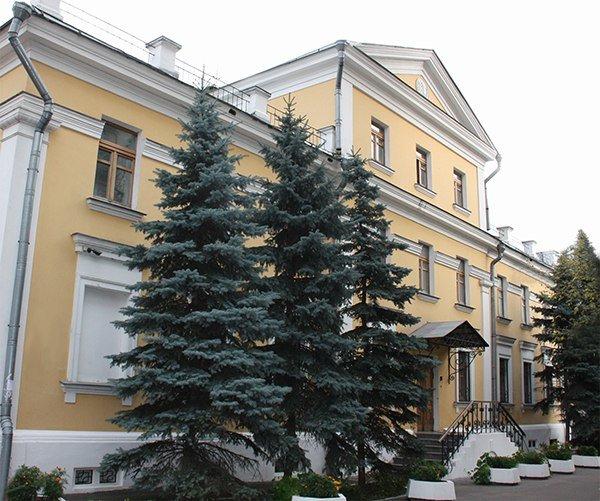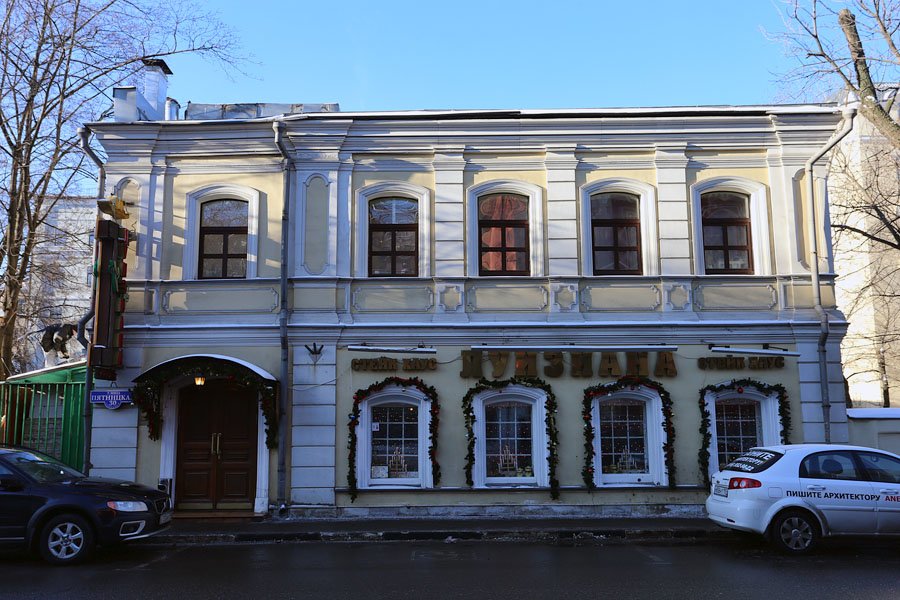
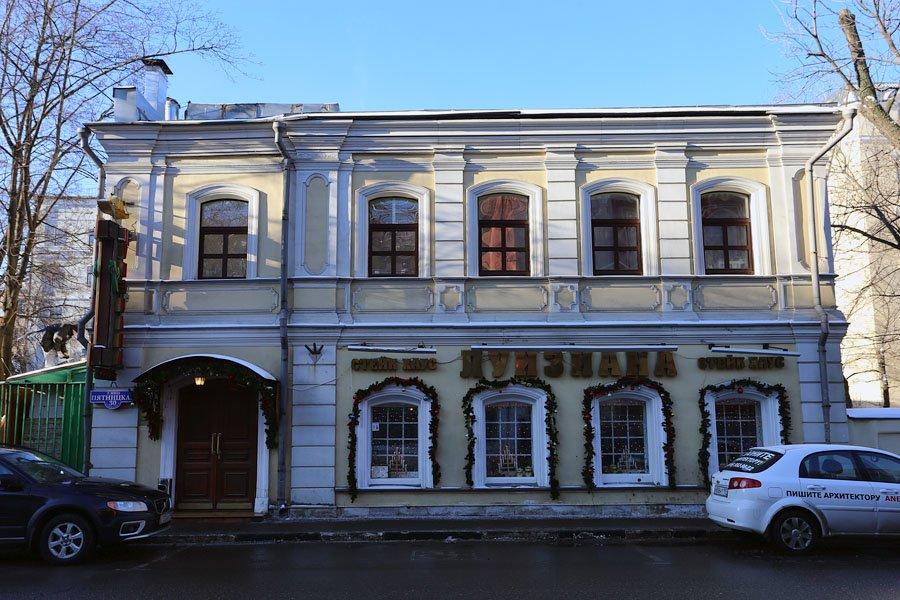
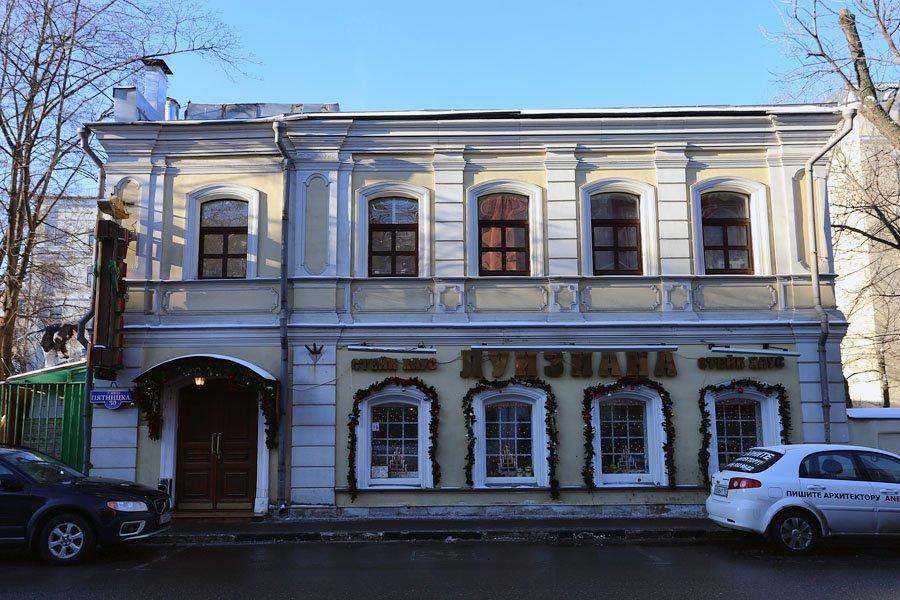
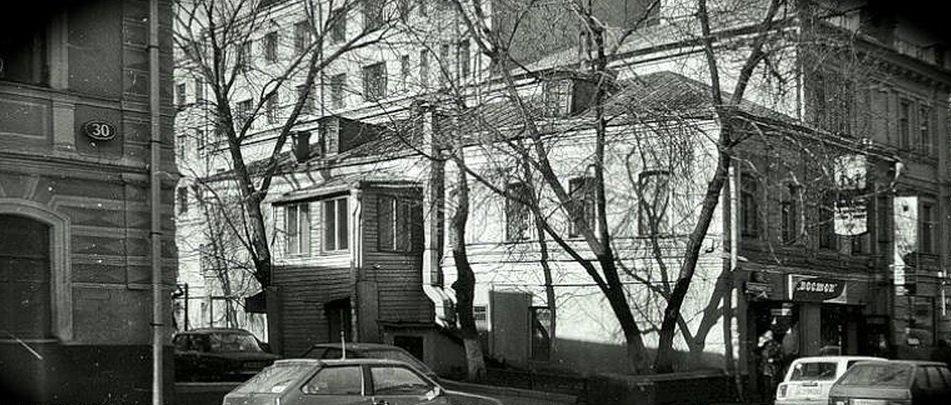
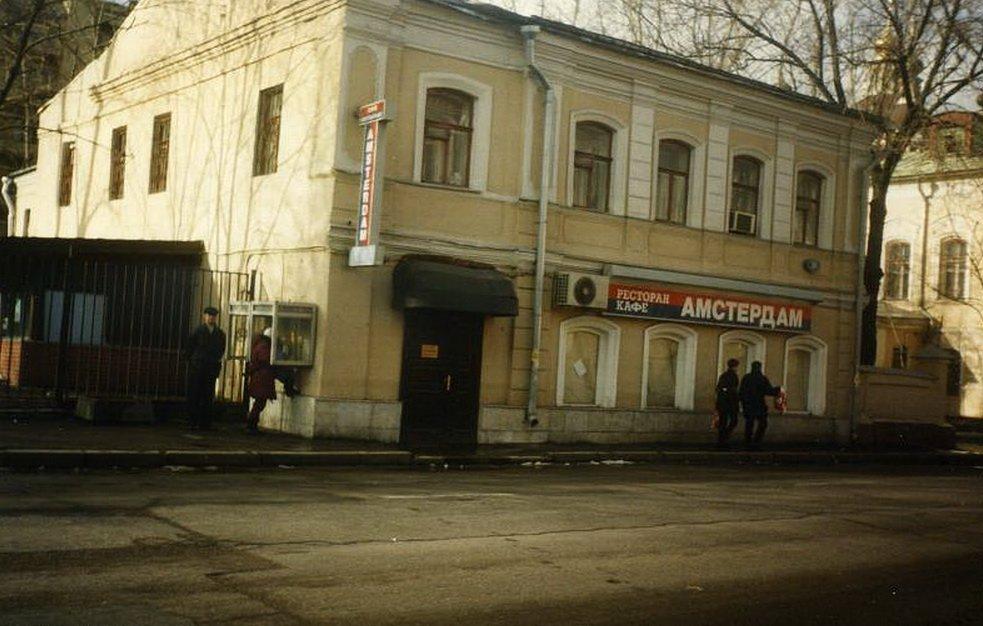
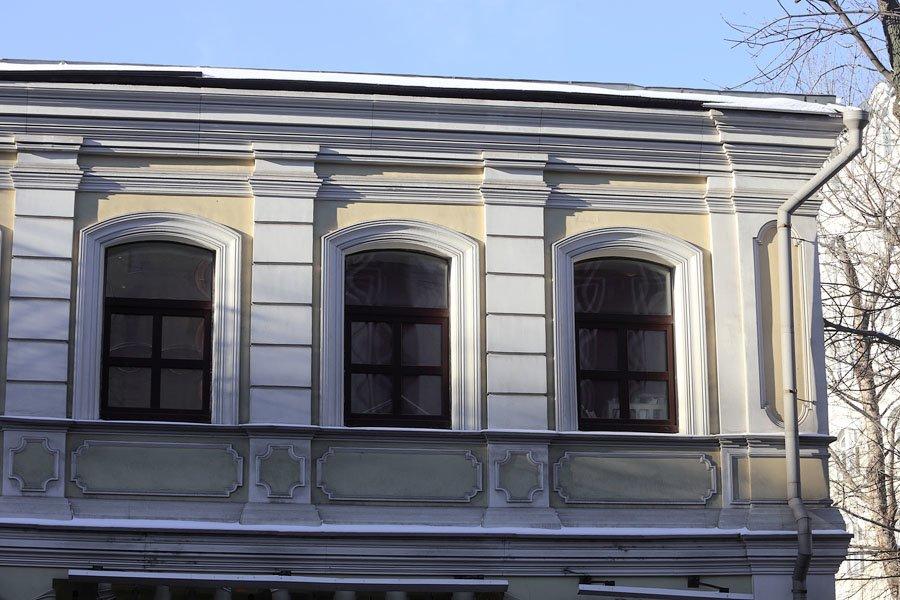
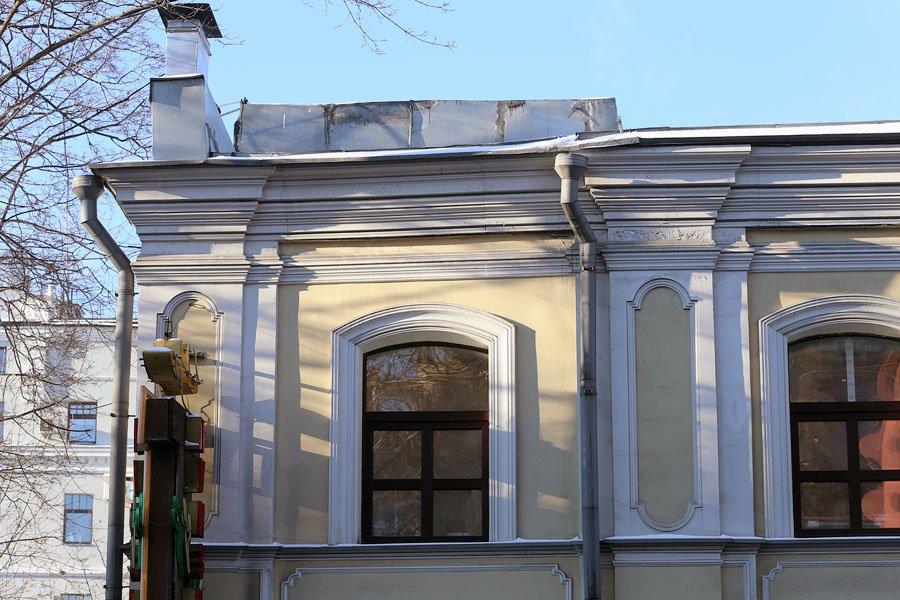
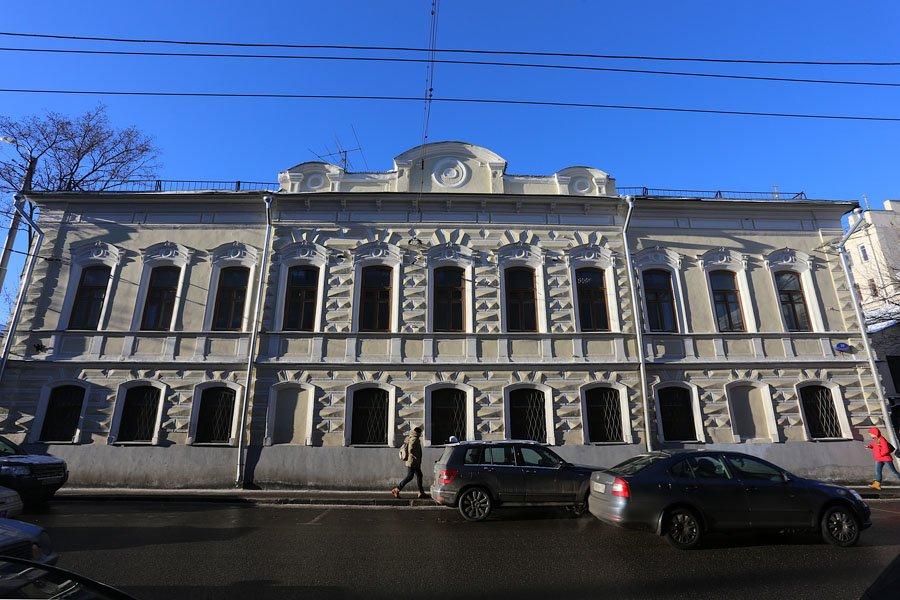
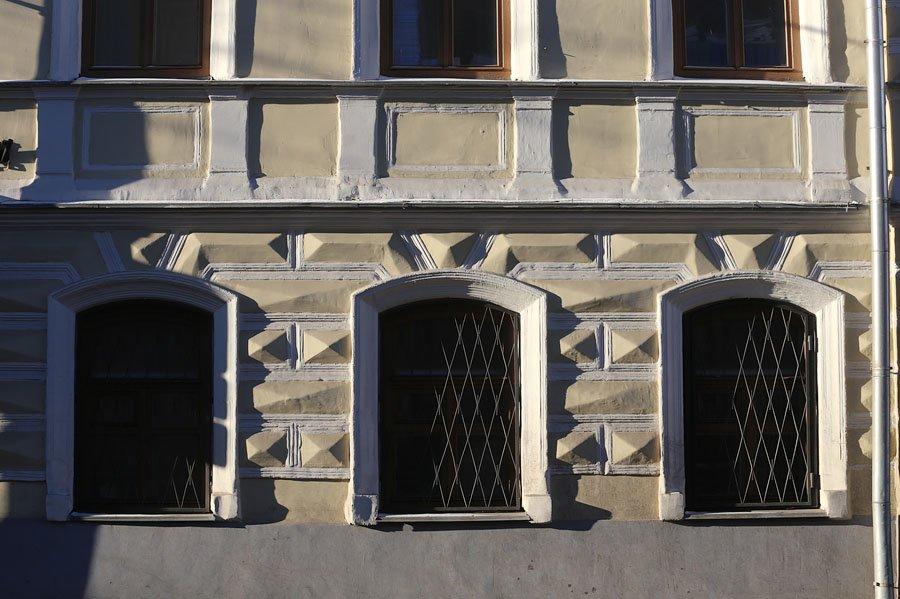
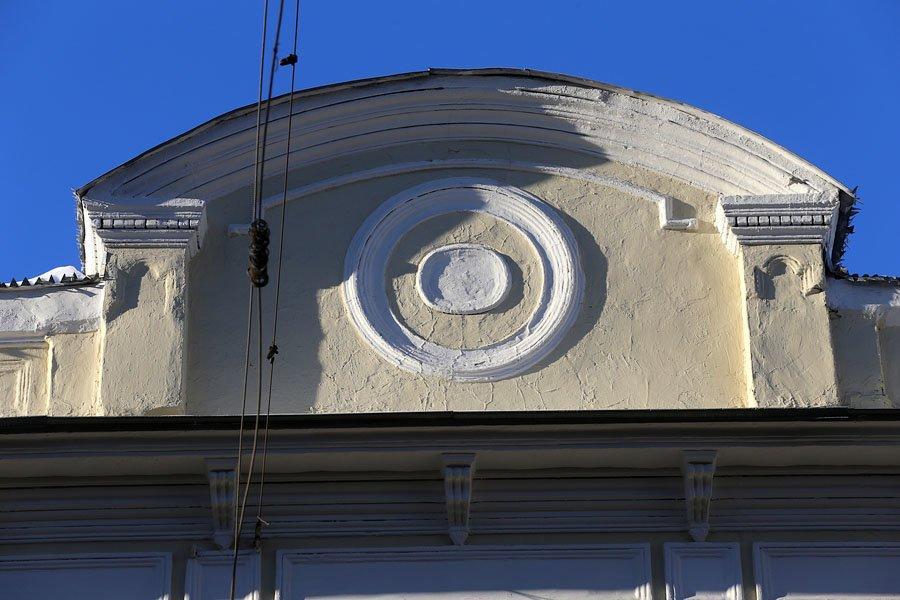
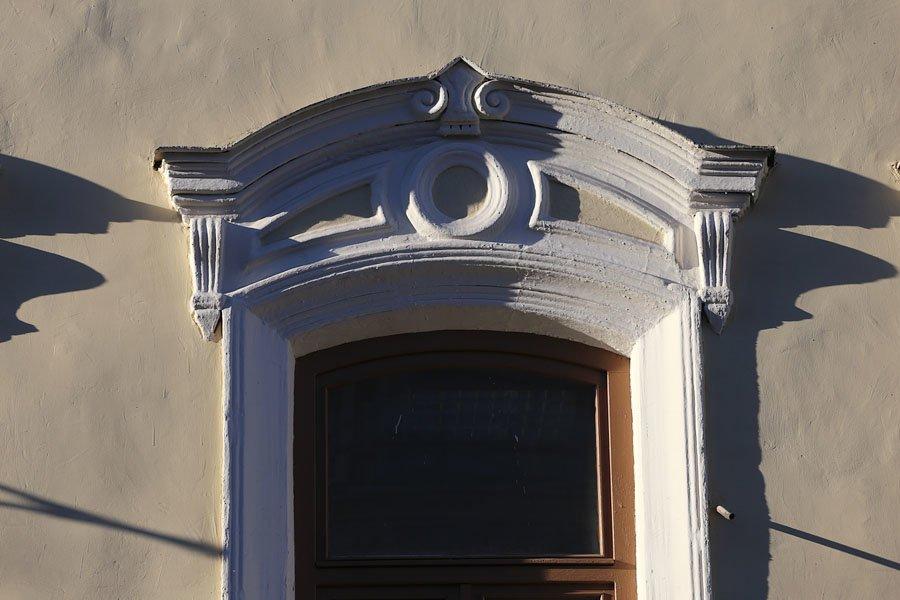
Добротный особняк № 30 по Пятницкой улице – городская усадьба XVIII – XIX веков с сохранившимися флигелямим (строения 1 и 2). Сушествующий фасад сделан в середине XIX века с фасадом, отделанным бриллиантовым рустом и небольшим аттиком над вторым этажом. Кто был владельцем этого дома в то время, доподлинно не известно, но факт того, что здание пережило пожар 1812 года, добавляет ему особый статус. В начале XX столетия это было владение потомственной почётной гражданки Надежды Петровны Гагман.
Интересно, что эта усадьба – классический пример дома «с антресолями». Если пройти во двор дома, то можно увидеть небольшие окошки над вторым, главным, этажом - это и есть антресоль. Антресоль – это верхний полуэтаж дома. В «антресоли» обычно устраивали жилые комнаты, детские кладовые или селили прислугу. Не стоит путать антресоль с мезонином: мезонин – надстройка над верхней частью дома по ширине меньшая, чем протяженность фасада дома. Антресоль же – лишь полуэтаж большого объема, который, кстати, не обязательно должен находиться на последнем этаже. Таких домиков с антресолями было очень много в старой Москве.
Антресоли – не единственная достопримечательность дома № 30. Во дворе особняка можно увидеть настоящую виноградную плантацию. Плантация, конечно, совсем крохотная, под стать маленькому уютному дворику, но для центра Москвы – настоящая диковинка.
Interestingly, this manor is a classic example of the house "with mezzanines." If you walk into the courtyard, you can see small windows on the second floor - this is the mezzanine. Mezzanine is an upper half-floor of the house. In the "mezzanine" usually bedrooms, children's pantries or settled maids are arranged. Entresol should not be confused with a mezzanine: mezzanine is a superstructure over the upper part of the house across the façade. The width of mezzanine is usually smaller than the length of the front of the house. Entresol is the same half floor, only the mezzanine is a large volume, which, incidentally, does not have to be on the top floor. There were many of such houses with mezzanine throughout old Moscow.
Entresol is not the only attraction of the house №30. In the yard of the mansion, you can see the real vineyard. Plantation, of course, is very tiny, to match a small cozy patio, but for the center of Moscow it is a real rarity.