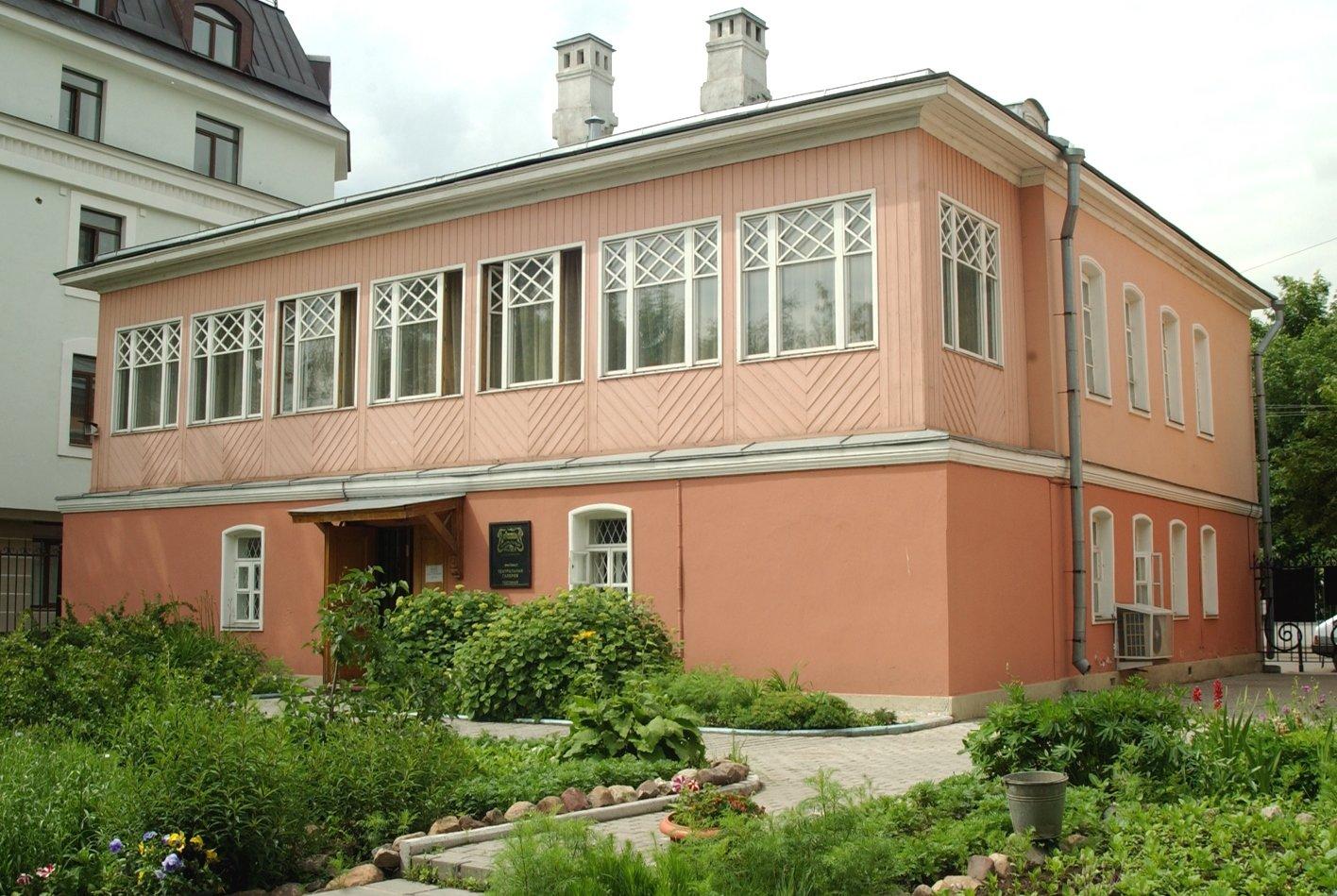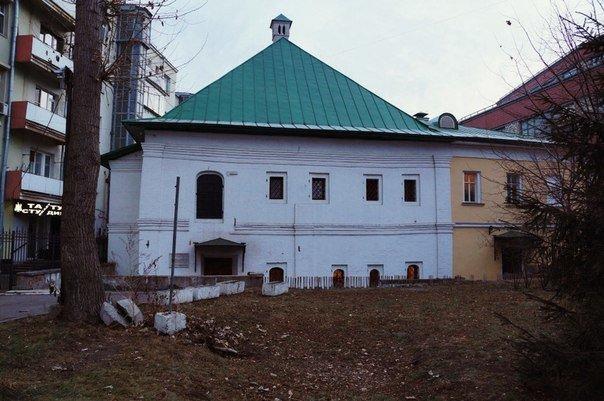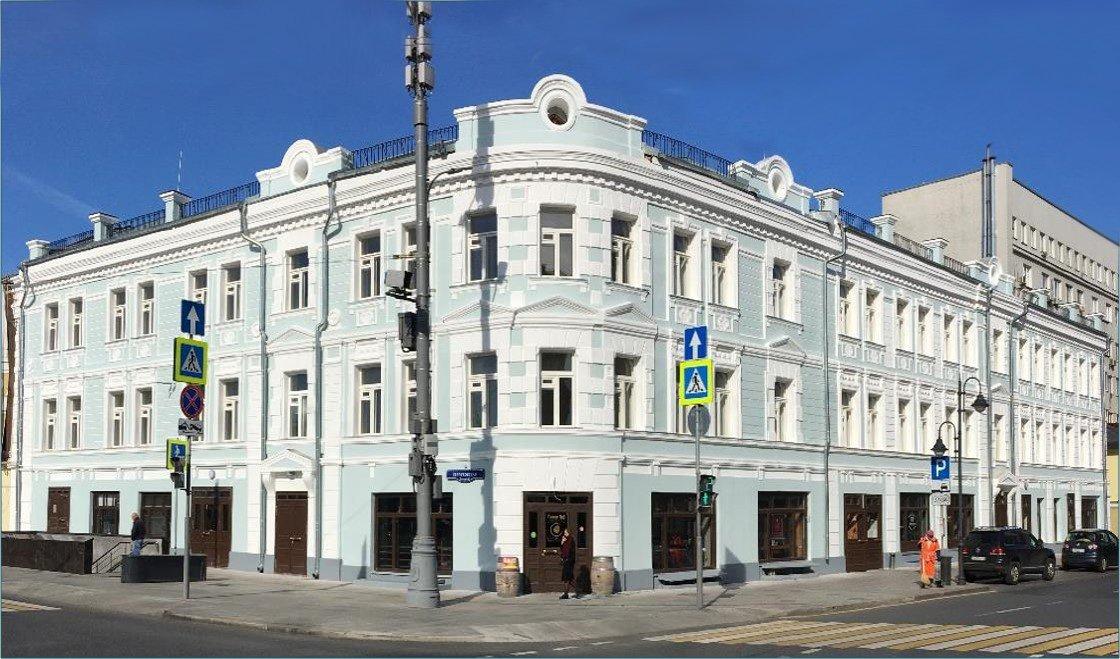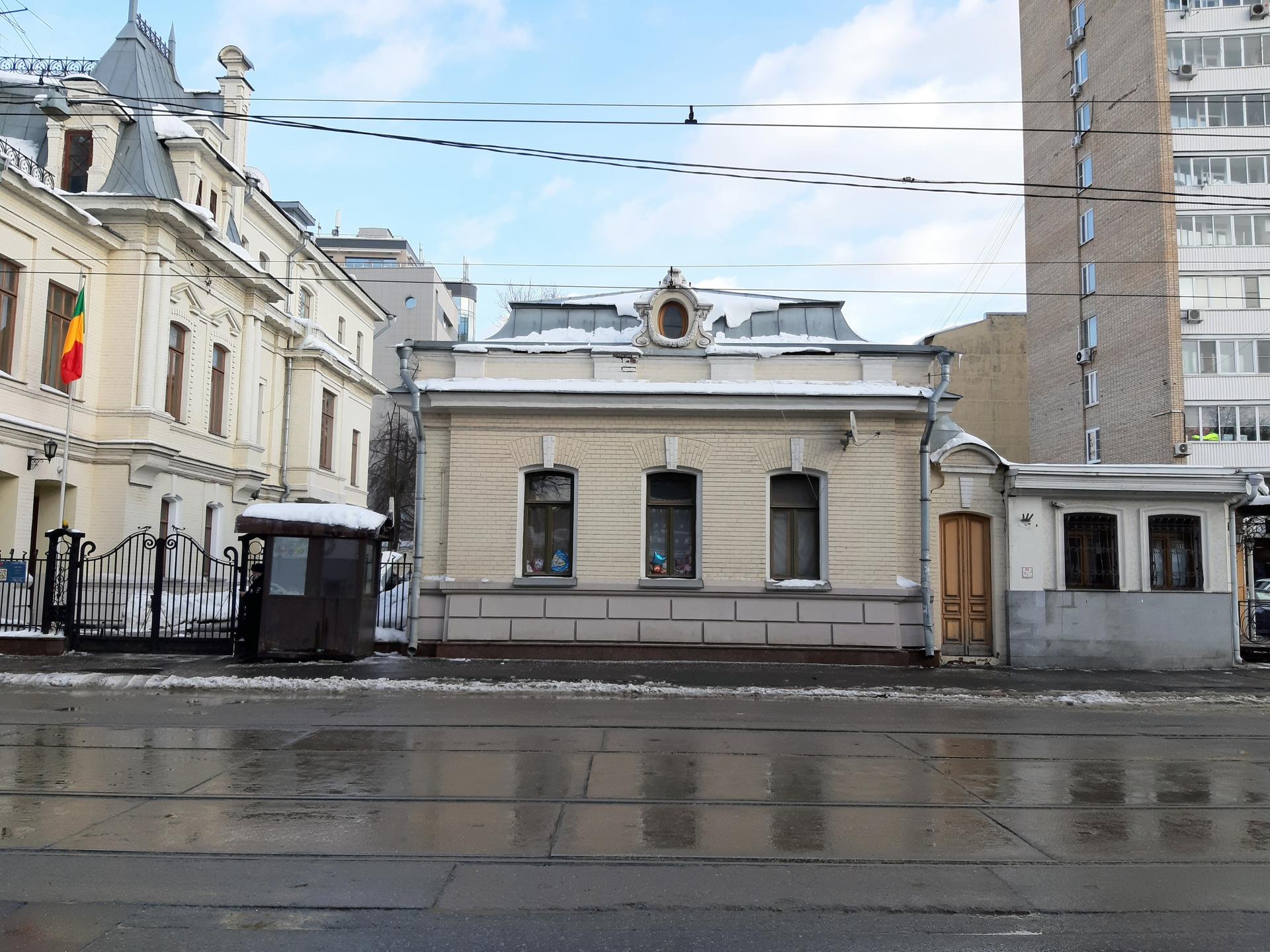
Вплоть до конца XIX века усадьбой владела семья купцов Целибеевых, выходцев из Малоярославца, членов Рогожской старообрядческой общины. Целибеевы числились купцами 2-й гильдии и торговали в Москве чаем и сахаром.
На рубеже XIX – ХХ веков усадьба была куплена Тимофеем Геннадьевичем Карповым, потомственным дворянином и титулярным советником, сыном известного профессора истории, члена Русского исторического общества Г.Ф. Карпова. По материнской линии Т.Г. Карпов состоял в родстве с династией купцов Морозовых.
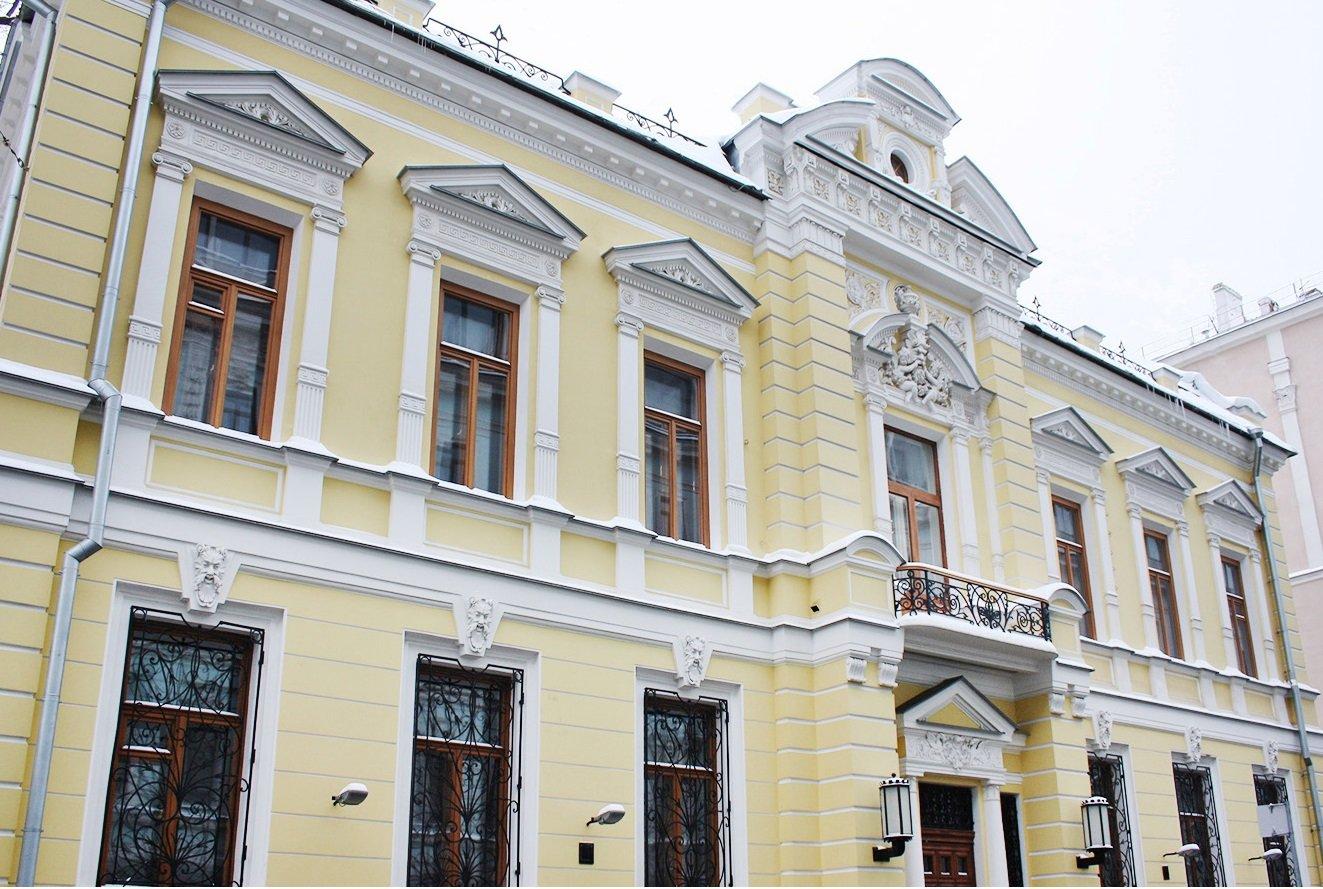
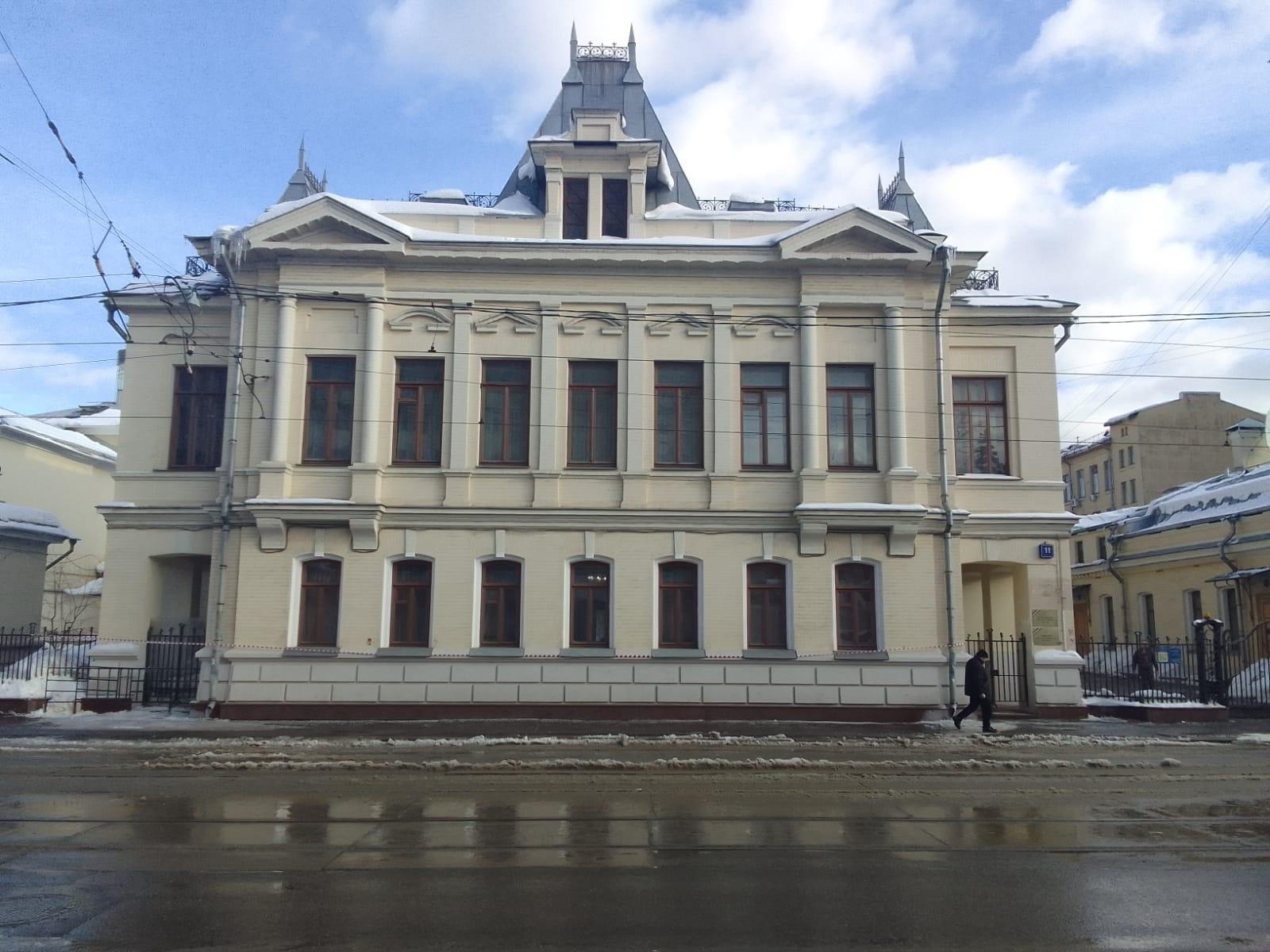
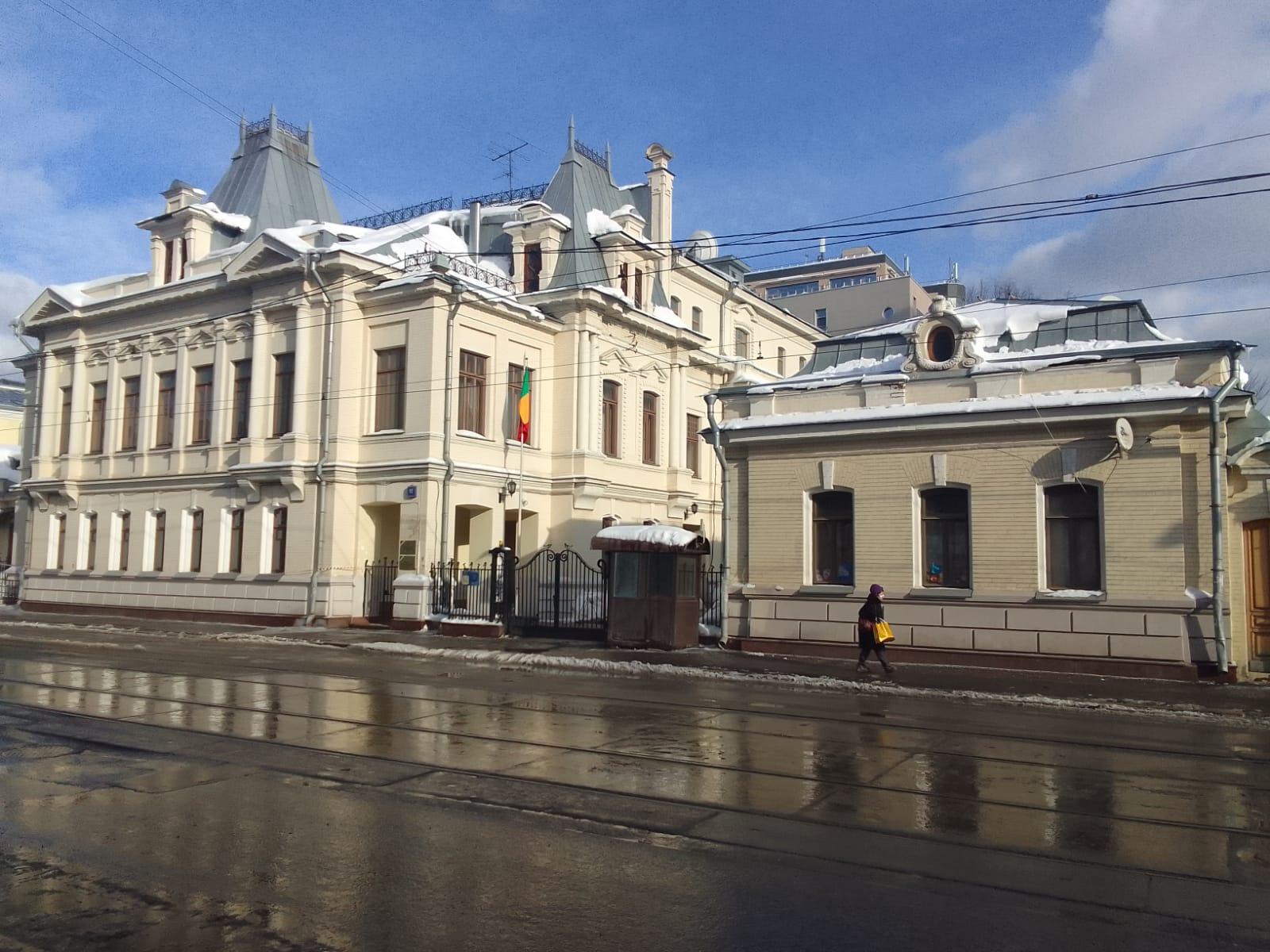
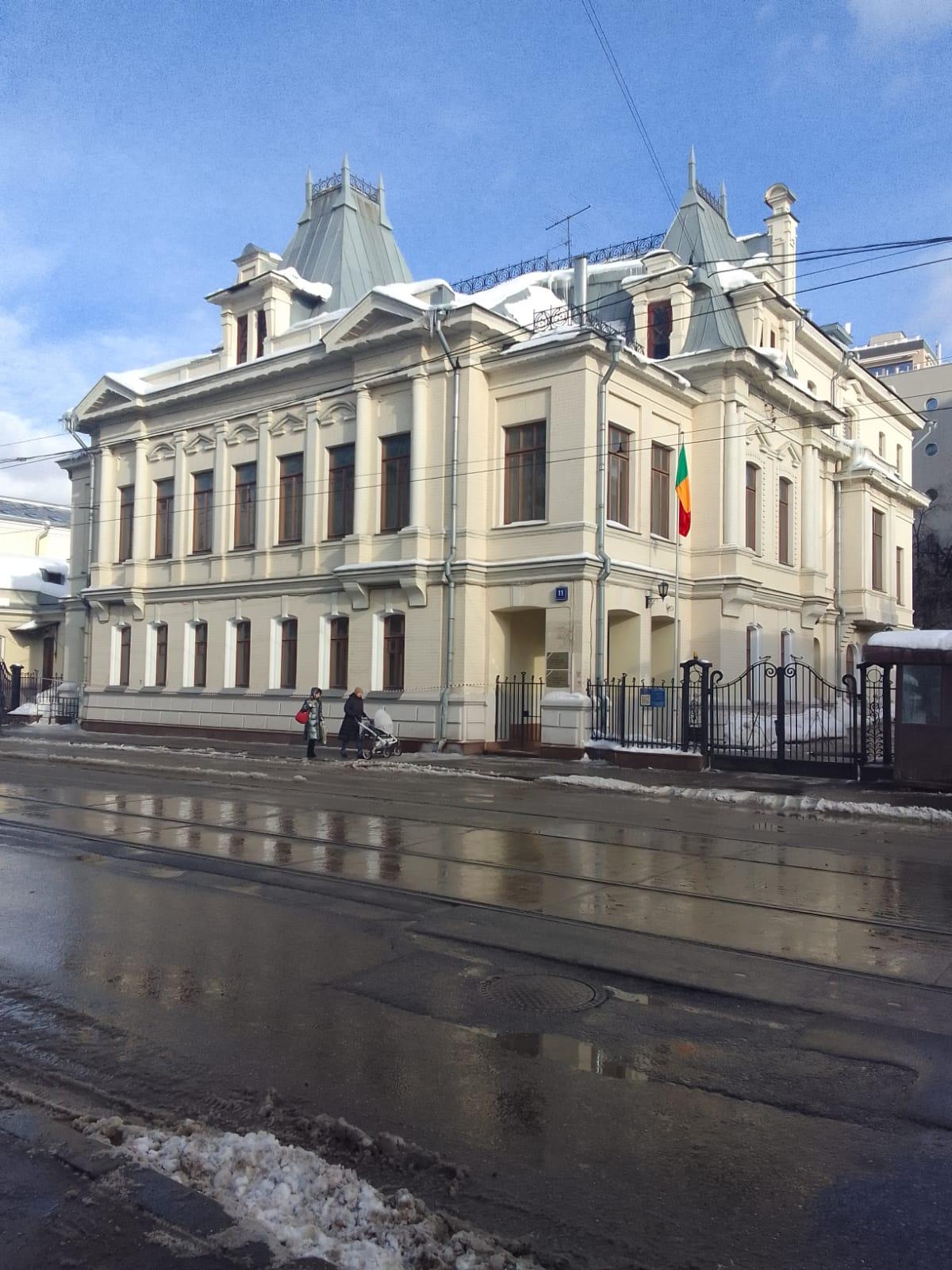
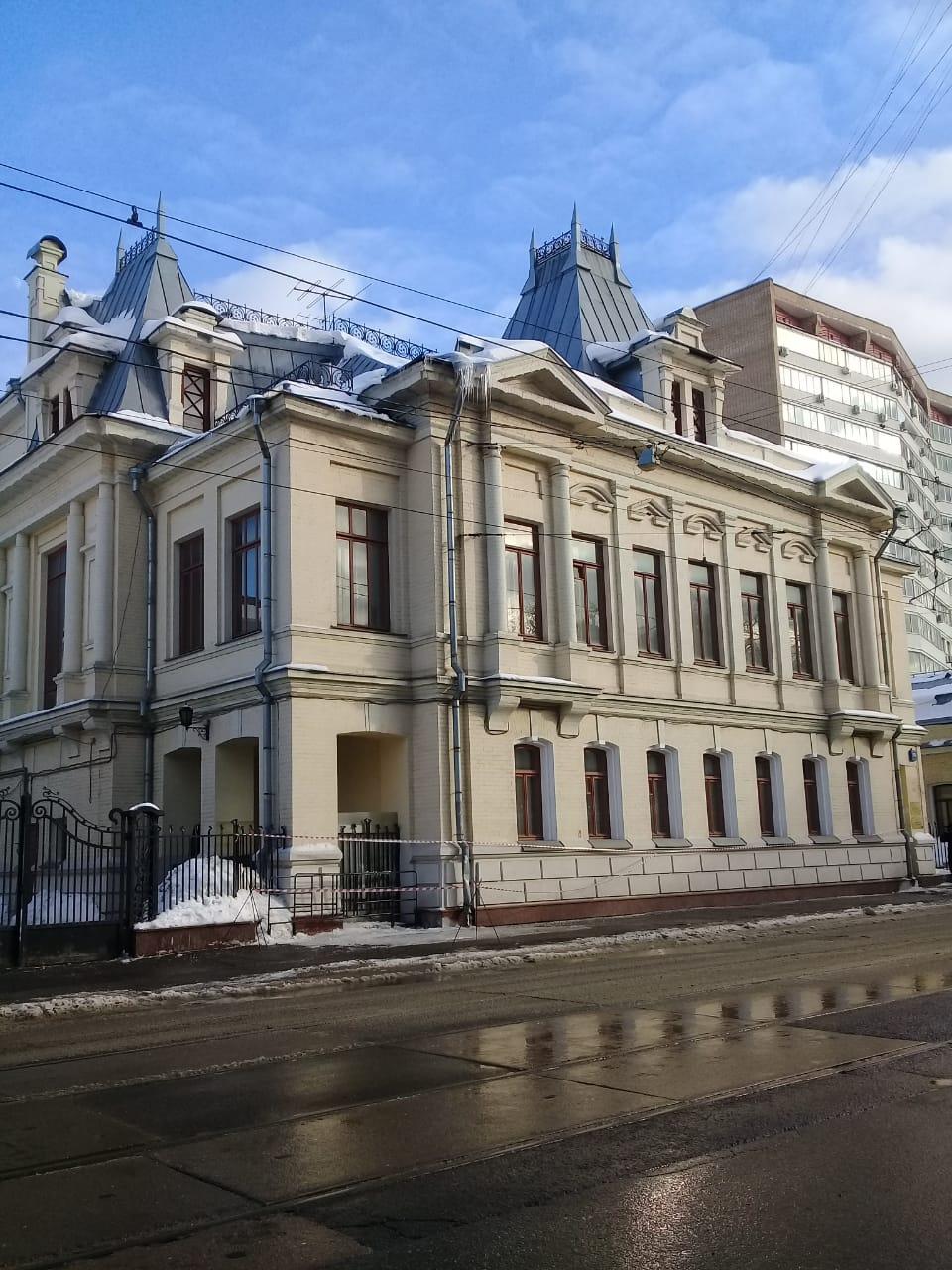
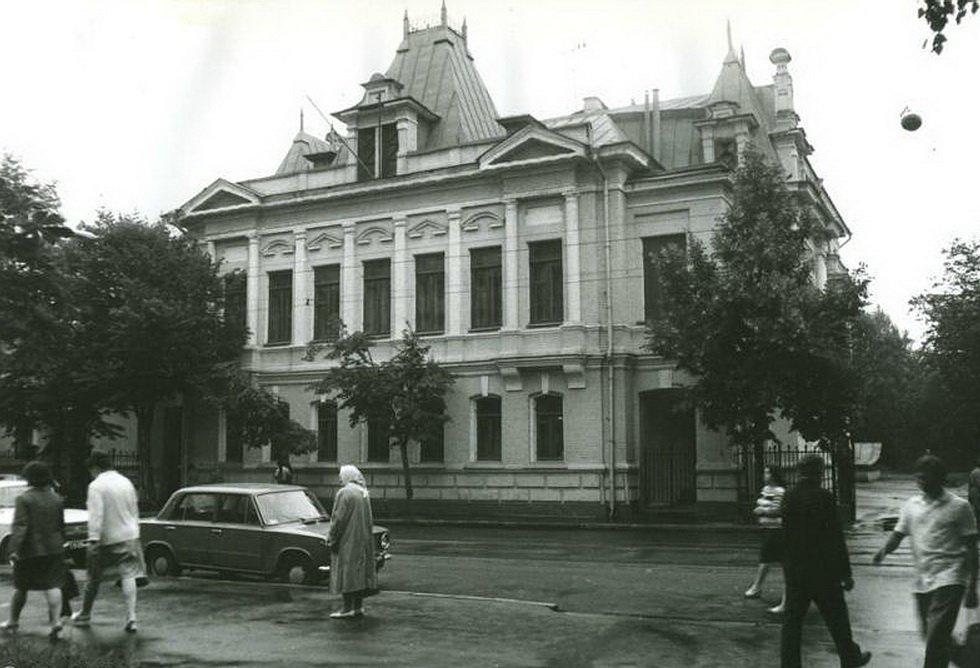
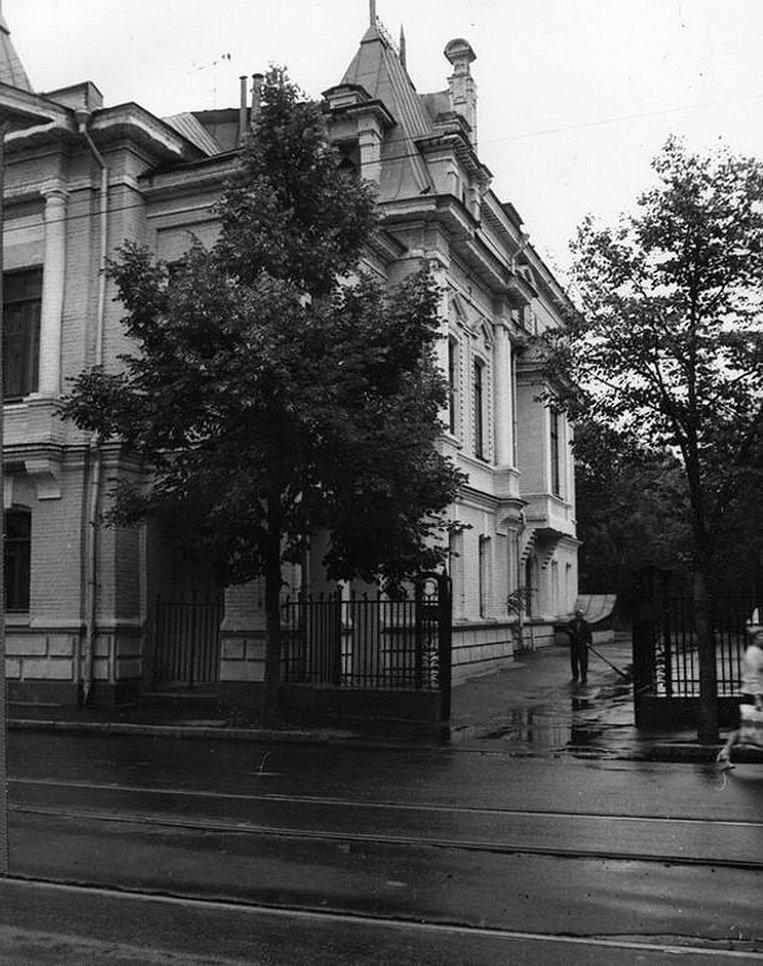
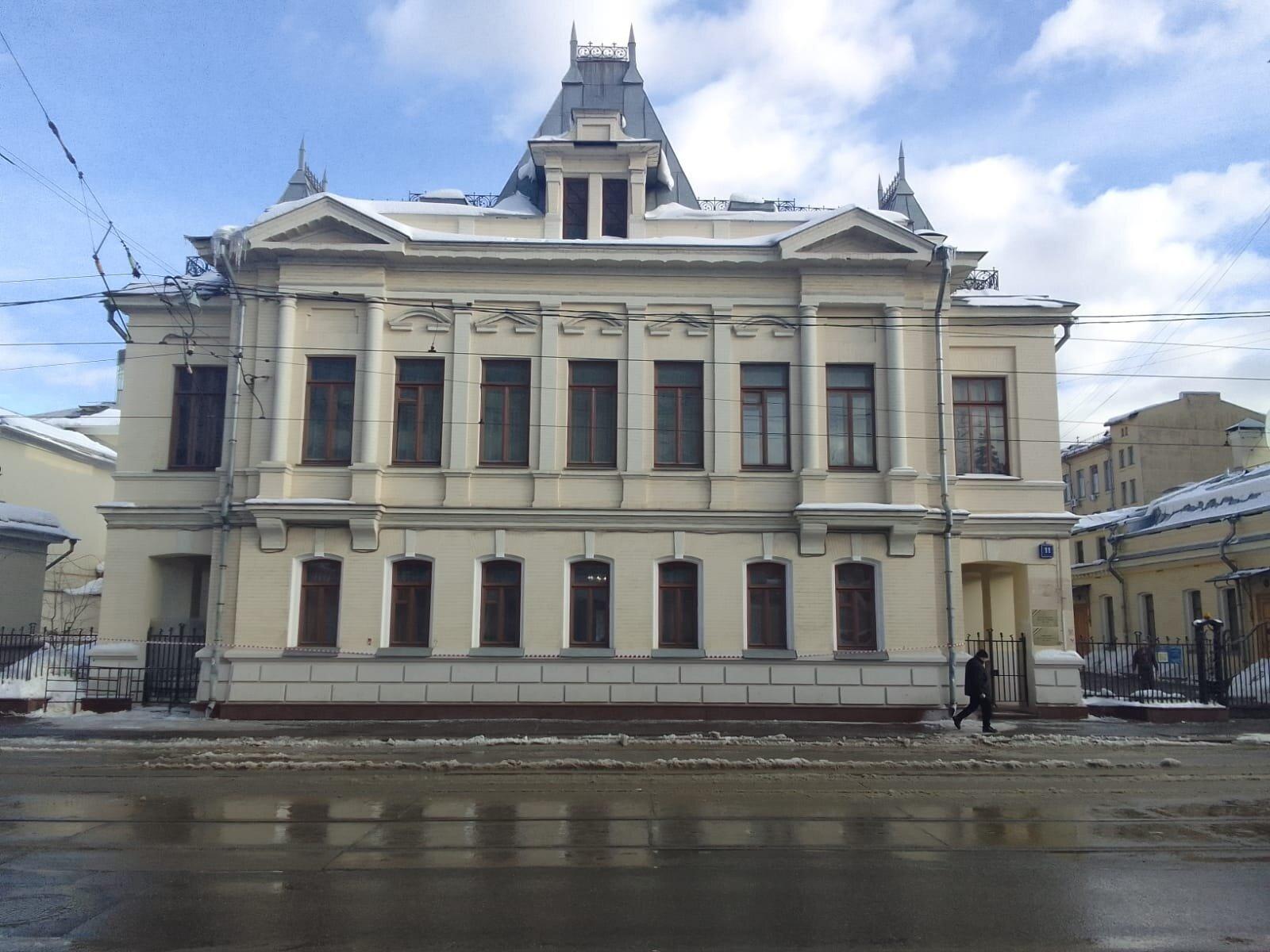
По его заказу архитектор А.П. Вакарин в 1900 году перестроил главный дом, превратив его в небольшой особняк, выполненный в формах эклектики, с оригинальной щипцовой кровлей и элементами классического ордерного декора на фасадах.
После женитьбы Т.Г. Карпова на Марии Дмитриевне Лепешкиной, он переписал дом на Новокузнецкой на ее имя, и она официально числилась домовладелицей вплоть до 1917 года. Супруги Карповы много занимались благотворительностью, были членами Московского благотворительного общества 1837 года, Тимофей Геннадьевич был также членом попечительского совета Сергиево-Елизаветинского убежища для увечных воинов русско-японской войны и Бюро для приискания занятий рабочим – оба этих заведения состояли под покровительством Великой княгини Елизаветы Федоровны.
После Октябрьского переворота 1917 г. принадлежащая Карповым усадьба была национализирована, а сами они были выселены в дом на Б. Ордынке, 41, который раньше принадлежал брату Т.Г. Карпова Федору Геннадьевичу, уехавшему в эмиграцию. Последние годы жизни Т.Г. Карпов был старостой Храма иконы Иверской Божьей матери на Большой Ордынке. В 1929 году Карпов был арестован и отправлен в ссылку, где и умер три года спустя.
В особняке на Новокузнецкой после национализации были устроены квартиры – в одной из них в 1935 – 1947 гг. жил известный советский архитектор Алексей Николаевич Душкин, спроектировавший множество зданий в Москве (среди которых Детский мир и высотка на Красных воротах), несколько станций Московского метрополитена (Кропоткинская, Маяковская, Новослободская, Автозаводская), железнодорожные вокзалы в Симферополе, Сочи, Днепропетровске.
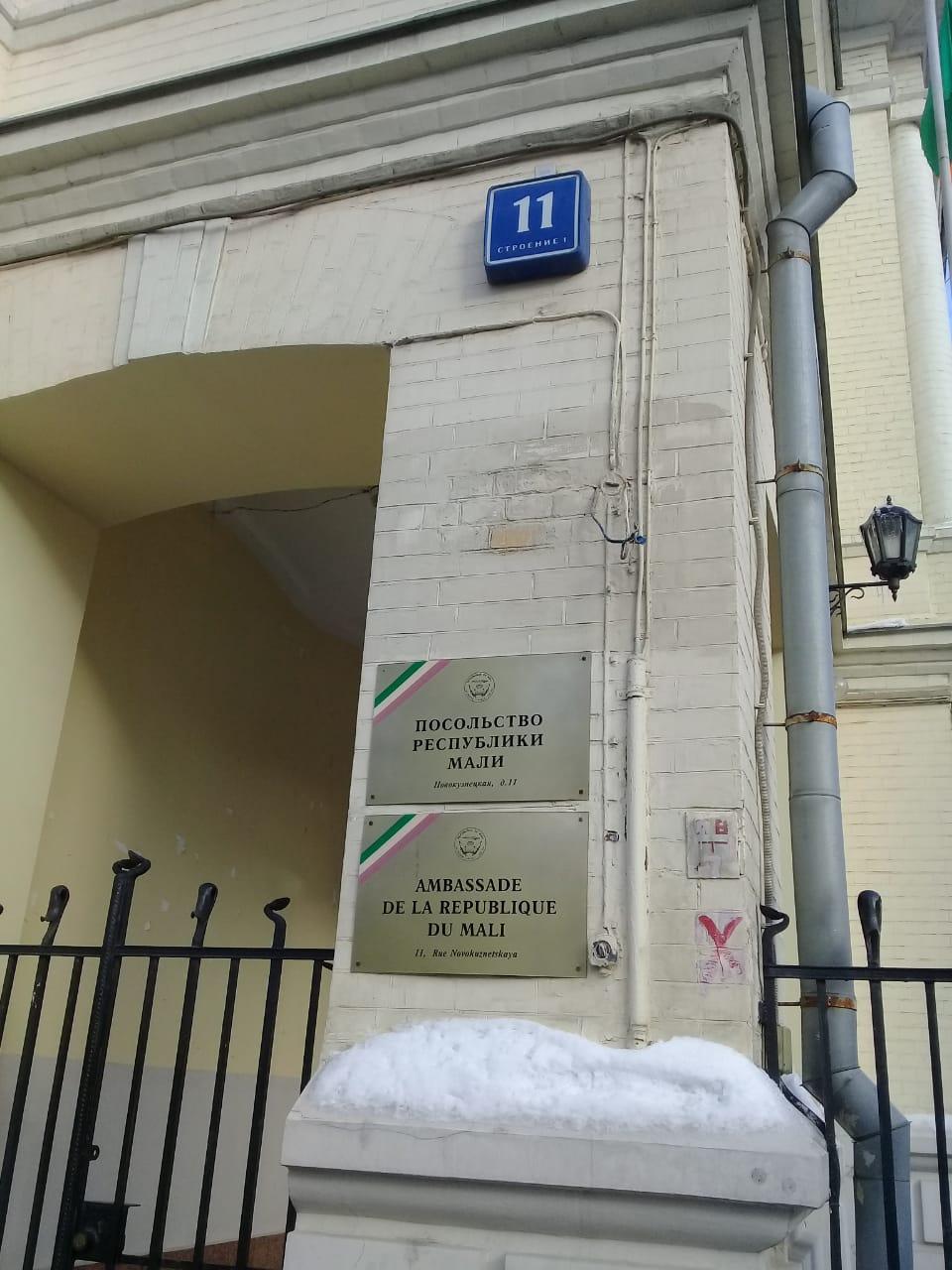
Позже особняк был передан под дипломатические нужды, в настоящее время здесь располагается посольство Мали.
Manor in Novokuznetsk street (until 1922 the street called Kuznetskaya after the blacksmiths settlement existed here) was built in the 1st half of the XIX century, after the fire period. It was typical for that time a small city manor - a two-story main house, standing on the red line the streets, on the right and left of it - one-story wing, courtyard garden was behind the main house.
The family of merchants Tselibeevs, natives of Maloyaroslavets, members Rogozhskoy Old Believer community owned by the manor until the end of the XIX century.
Manor in Novokuznetsk street (until 1922 the street called Kuznetskaya after the blacksmiths settlement existed here) was built in the 1st half of the XIX century, after the fire period. It was typical for that time a small city manor - a two-story main house, standing on the red line the streets, on the right and left of it - one-story wing, courtyard garden was behind the main house.
The family of merchants Tselibeevs, natives of Maloyaroslavets, members Rogozhskoy Old Believer community owned by the manor until the end of the XIX century. Tselibeevy were merchants of 2nd guild and traded tea and sugar in Moscow.
At the turn of XIX - XX centuries, the estate was bought by Timothy Gennadyevich Karpov, hereditary nobleman and titular councilor, son of the famous history professor, a member of the Russian Historical Society GF Karpov. Maternally TG Karpov was related to the dynasty of merchants Morozov.
Architect AP Vakarin rebuilt the main house, turning it into a small house, made in the form of eclecticism, with the original gable roof and a warrant elements of classic decor of fronts by the order of Karpov in 1900.
TG Karpov married Maria Dmitrievna Lepeshkin, and registered the house in Novokuznetskaya street at her name in her name, and she was an official landlady until 1917. Spouses Karpov much involved in charity, were members of the Moscow Charitable Society in 1837, Timofey Gennadievich was also a member of the Board of Trustees of Sergiev-Elizabethan refuge for maimed soldiers of the Russian-Japanese War and the Bureau for job search for workers - both of these places were under the patronage of the Grand Duchess Elizabeth Feodorovna.
After the October Revolution of 1917, the estate was owned by Karpov was nationalized, and they have been moved into the house at 41 Bolshaya Ordynka street, which had previously belonged to his brother Fedor Gennadyevich Karpov that left Russia. The last years of his life TG Karpov was elder of the church of Icons Iberian Mother of God in Bolshaya Ordynka. In 1929, Karpov was arrested and sent into exile, where he died three years later.
Apartments were arranged in the mansion in Novokuznetskaya street after nationalization. Famous Soviet architect Alexey Dushkin, who designed many buildings in Moscow (including the Children's World and the height at the Red Gate), several stations of the Moscow Metro (Kropotkin, Mayakovsky, Novoslobodskaya, Avtozavodskaya), railway stations in Simferopol, Sochi, Dnepropetrovsk, lived in one of the apartments of the building in 1935 - 1947.
Later, the mansion was placed under diplomatic needs, now here is the Embassy of Mali.