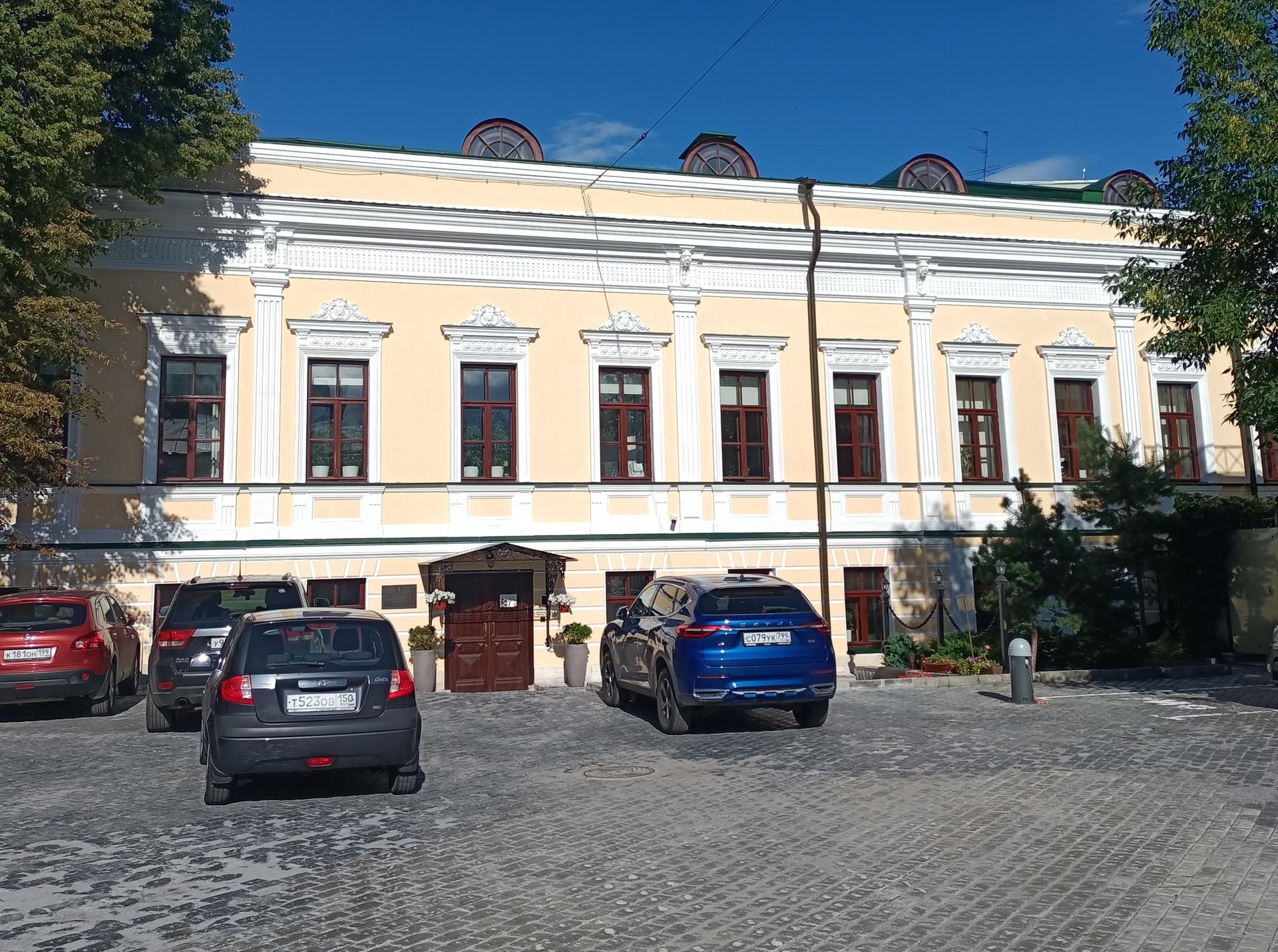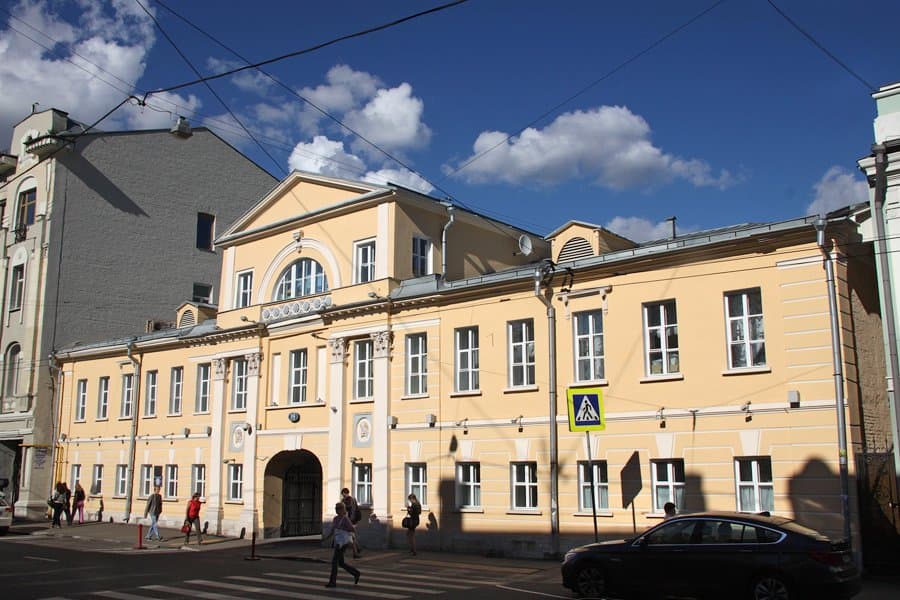

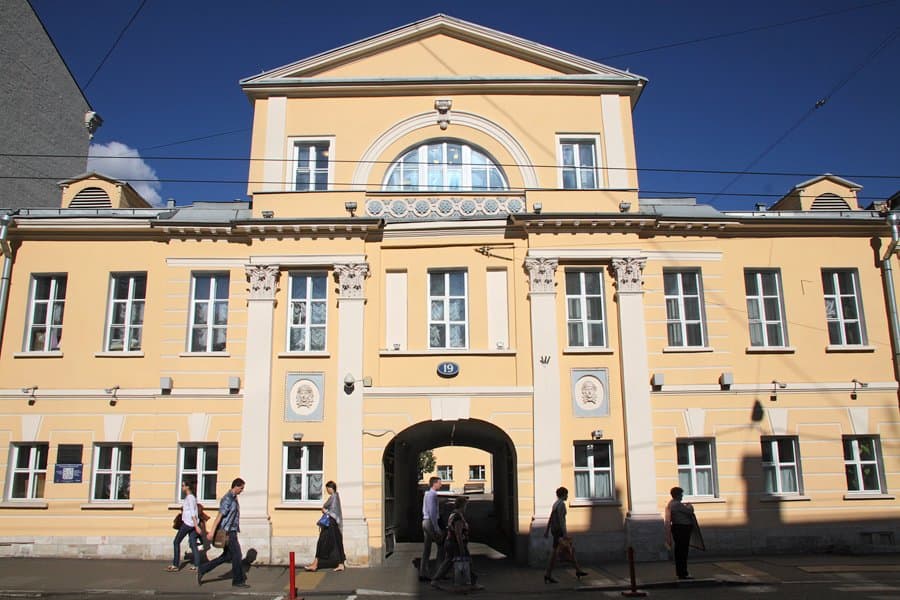
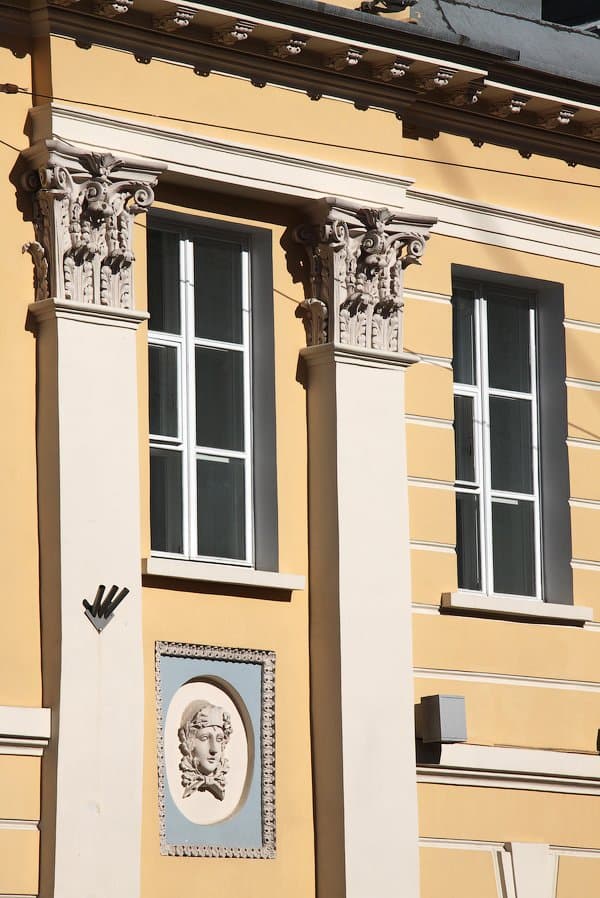
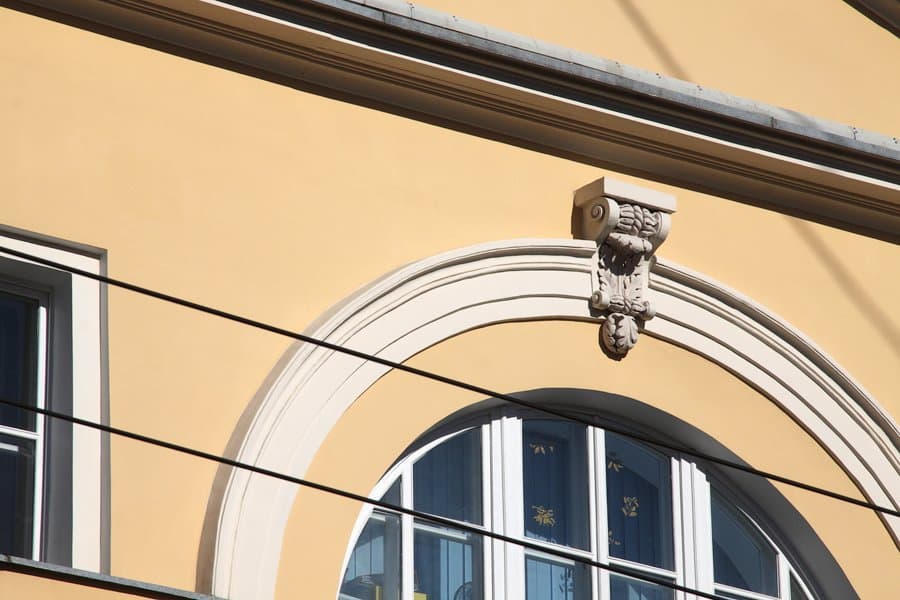
Бывшая городская усадьба – памятник истории и культуры XVIII–XIX вв. Изначально ансамбль усадьбы принадлежал купцу С.Иванову. Он состоял из главного дома, двухэтажного каменного флигеля и корпуса служб во дворе. Позже, в 1782 году, главный дом был перестроен. В исторических документах этого периода здание названо "каменный корпус с подъездом на погребах". Впрочем, уже через тридцать лет после пожара, устроенного солдатами Наполеона, от дома остается одна "коробка". В 1817 году, по инициативе приобретшей владение мещанки Ф.Великолеповой, усадьба была восстановлена. При этом основной корпус перестроили в соответствии с требованием того времени в стиле зрелого классицизма. Позже появился деревянный мезонин. Вместо сгоревших деревянных служб построили каменные конюшни, кладовые и сараи.
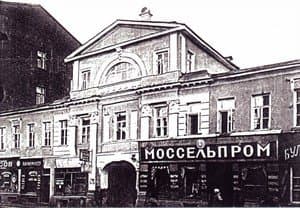
В конце XIX – начале XX столетия уже новые хозяева - московские купцы Маховы - частично перестраивают первый этаж главного дома для использования его в торговых целях. После революции здесь размещаются традиционные коммуналки, а в служебных - различные учреждения.
В 70–80-х годах прошлого века сначала главный дом, а затем и вся усадьба переходят Главному управлению охраны памятников города Москвы, которое сюда не только переезжает, но и проводит полный комплекс ремонтно-реставрационных работ.
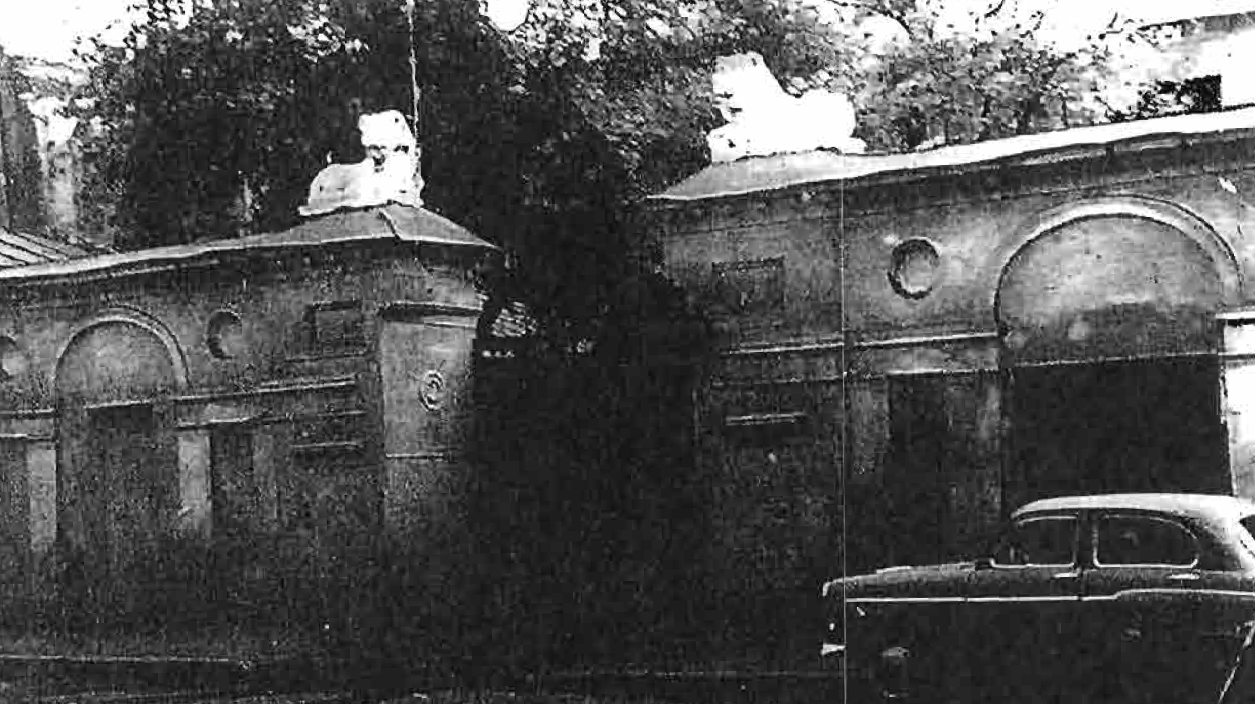
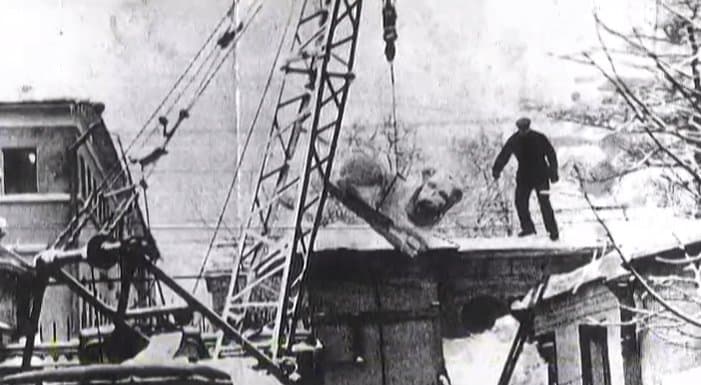
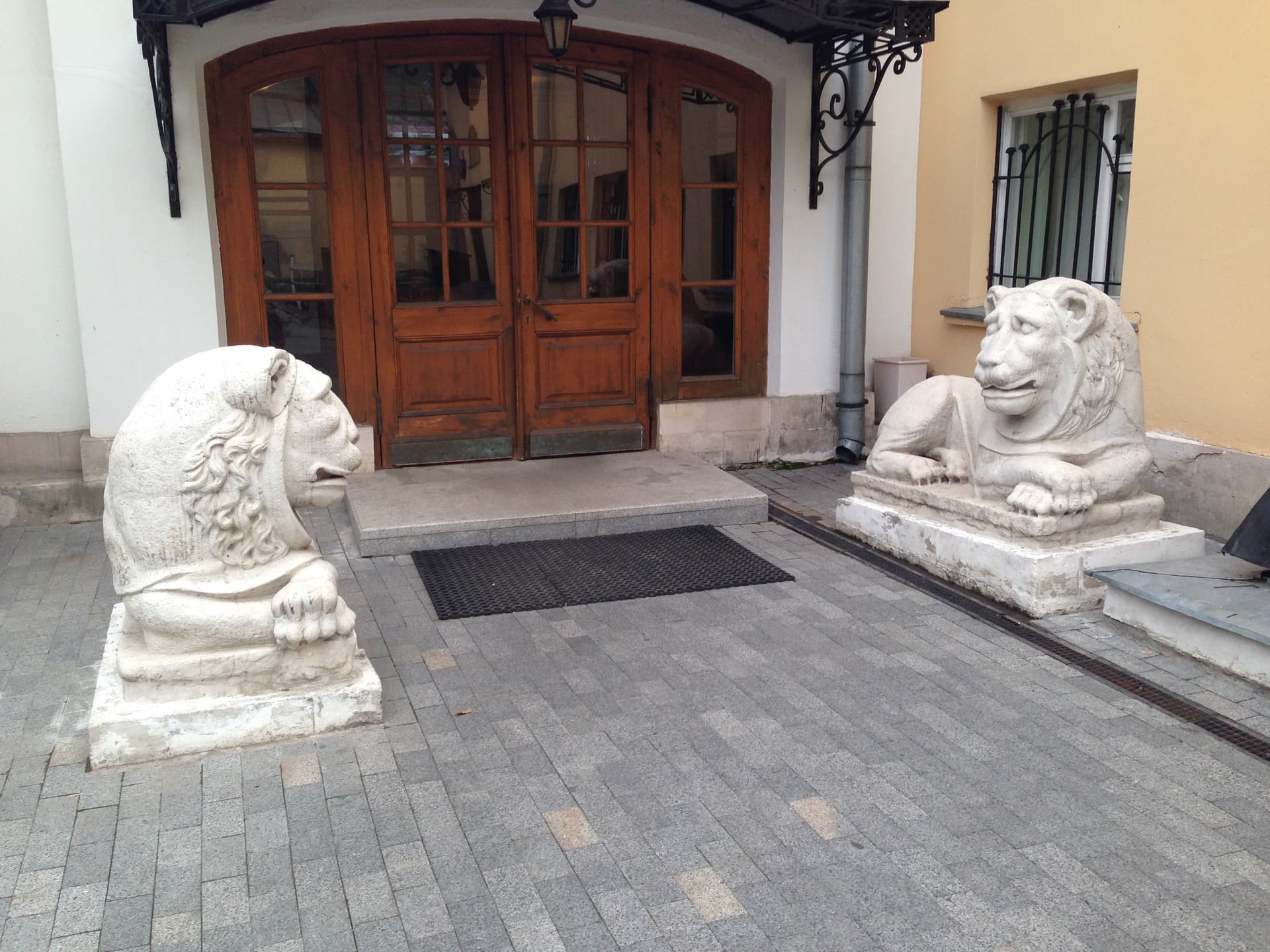
Интересна судьба появления белокаменных львов, ныне "прописанных" во дворе около входа в здание. Скульптуры эти исторически находились на воротах объекта культурного наследия федерального значения "Палаты (Дом Анны Монс), XVII в." по адресу: ул. Бауманская, д. 53, стр. 8. В конце 1970-х – нач. 1980-х гг. во время строительства корпуса завода НИИ точных приборов, пилоны ворот дома Анны Монс, располагавшихся на его территории, были разобраны, скульптуры львов демонтированы.
По словам бывшего директора завода, львы лежали на заводском складе под открытым небом среди мешков с цементом и прочих строительных ресурсов; деревянные короба, которыми их закрыли, сгнили.
По инициативе директора завода скульптуры львов переданы Главному управлению охраны памятников истории и культуры г. Москвы. С 1990-х гг. скульптуры размещены на территории Городской усадьбы, XIX в. во дворе ул. Пятницкой, д. 19.
В настоящее время в здании размещен Департамент культурного наследия города Москвы.
This seemingly aristocratic manor in fact most of the time belonged to different merchant families. The house survived the fire of 1812.
Ex- city mansion - a monument to history and culture of XVIII-XIX centuries. Initially, the ensemble of the estate belonged to the merchant Ivanov. It consisted of a main house, two-storey stone outbuilding and housing services in the yard. Later, in 1782, the main house was rebuilt. In historical documents of this period, building called "stone building with access to the cellar." However, after thirty years after the fire, arranged by soldiers of Napoleon, the house is a "box". In 1817, by the initiative of burghers F.Velikolepovoy, the new owner of the property, the estate restored. In this case, the main body rebuilt in accordance with the requirements of the time in the style of mature classicism. Later came the wooden mezzanine. Instead of burnt wood services built stone stables, barns and storehouses.
At the end of XIX - early XX century Moscow merchants Makhovs became new owners. They partially reconstruct the first floor of the main house to use it for commercial purposes. After the revolution placed the traditional communal, and service - various institutions.
In the middle of the 70-80-ies of the last century, the main house first, and then the entire estate passed to the General Directorate for Protection of Monuments of the city of Moscow. The organization not only moved here, but also carried a full range of repair and restoration work.
The fate of the appearance of the white stone lions, currently "registered" in the courtyard near the entrance to the building is interesting. These sculptures have historically been at the gate of an object of cultural heritage of federal importance "Chambers (House of Anna Mons) of XVII century" at 53/8 Baumanskaya street. At the end of 1970 – beginning of 1980s, during the construction of Precise Instruments Institute factory buildings, Anna Mons’ house pylons gate, located on its territory dismantled, sculptures of lions removed.
According to the former director of the plant, lions lying on the factory warehouse in the open air among the bags of cement and other building resources; original wooden boxes, where they packed lions during the construction rotted.
At the initiative of the plant director sculptures of lions passed to the Protection of Monuments of History and Culture General Directorate in Moscow. Sculptures placed on the territory of the city estate of the XIX century in the courtyard at 19 Pyatnitskaya Street since the 1990s.
Currently, the building housed the Moscow city Department of Cultural Heritage.