Интерактивный гид по городу
С мобильным приложением бродить по городу гораздо интереснее!

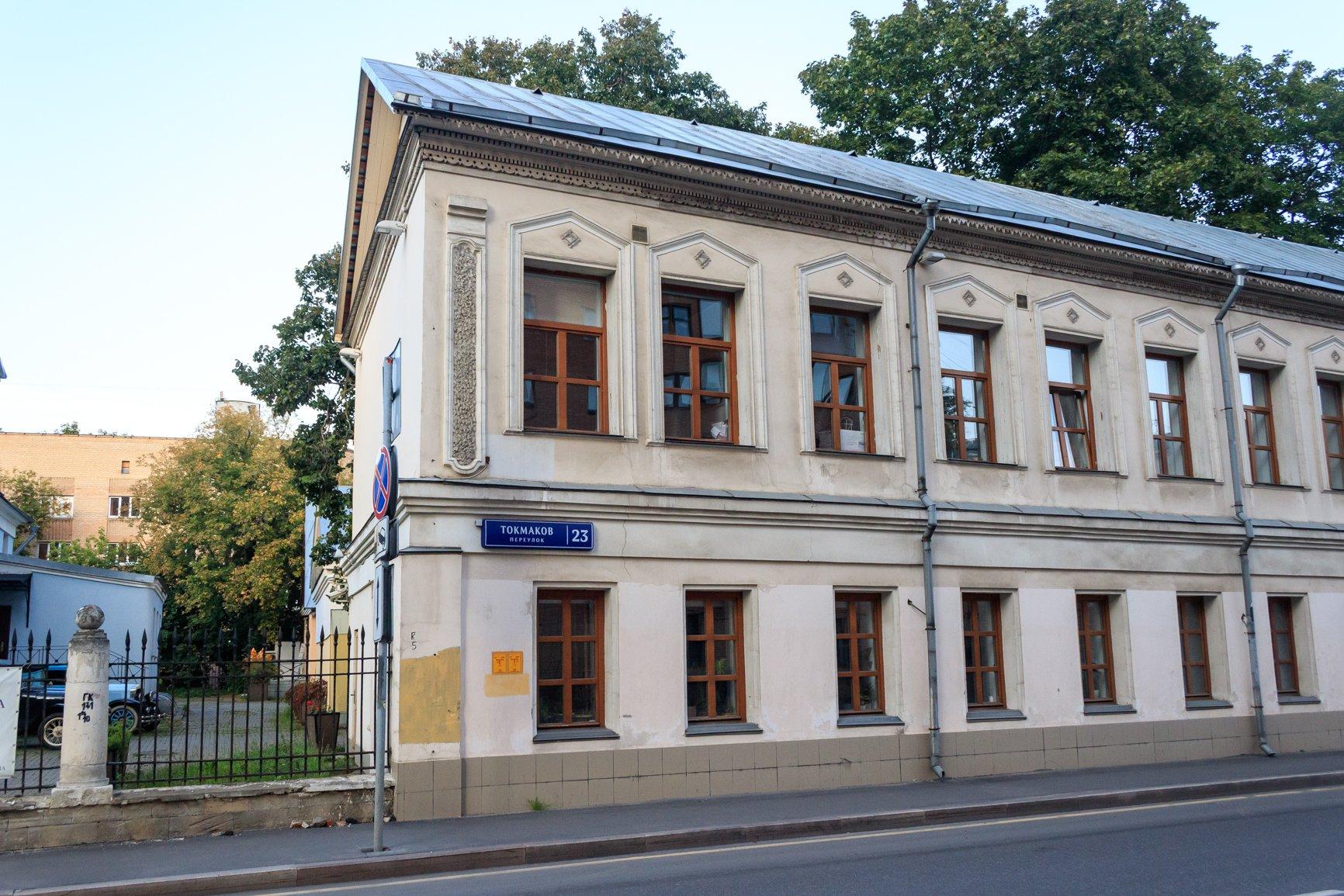
Urban estate of the XVIII-XIX centuries with an outhouse of the XX century

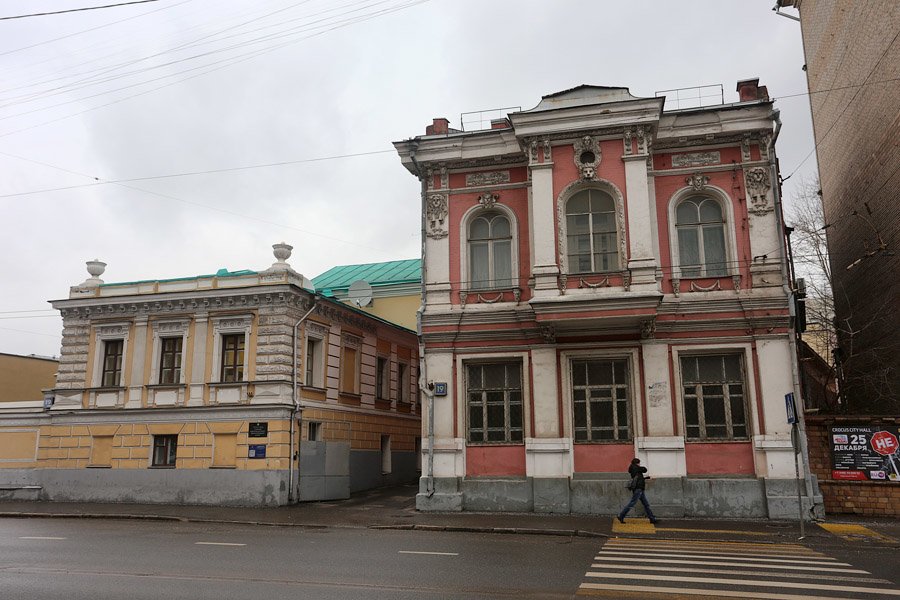
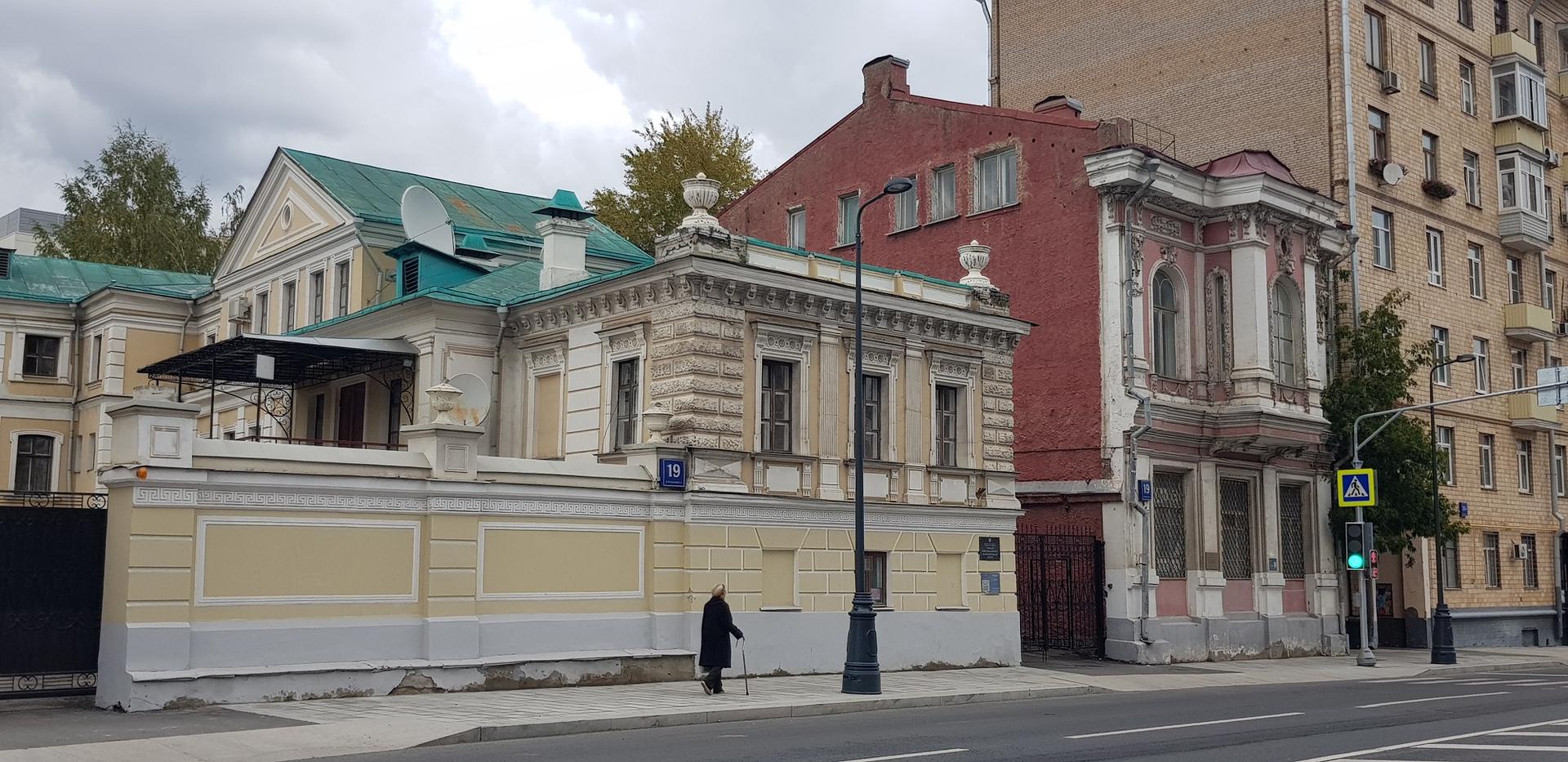
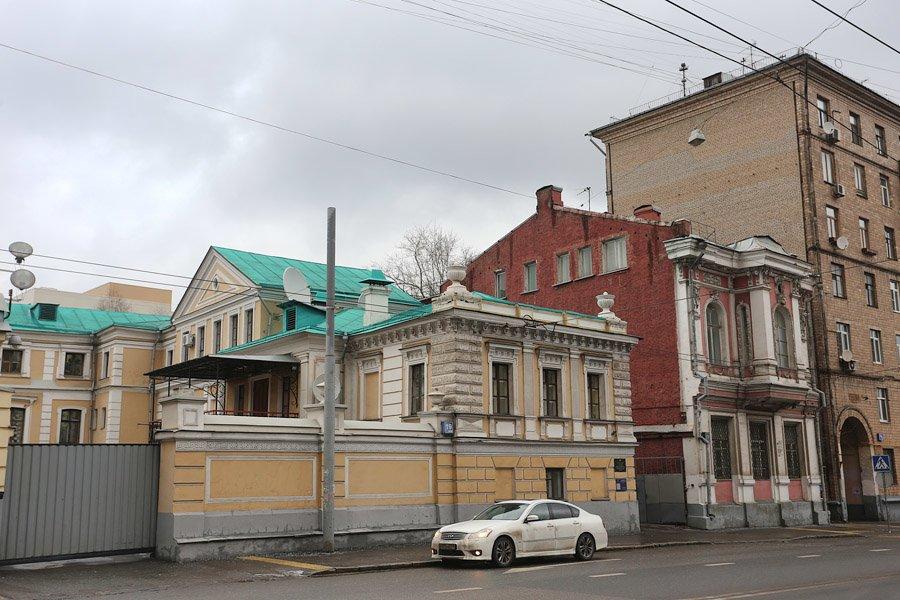
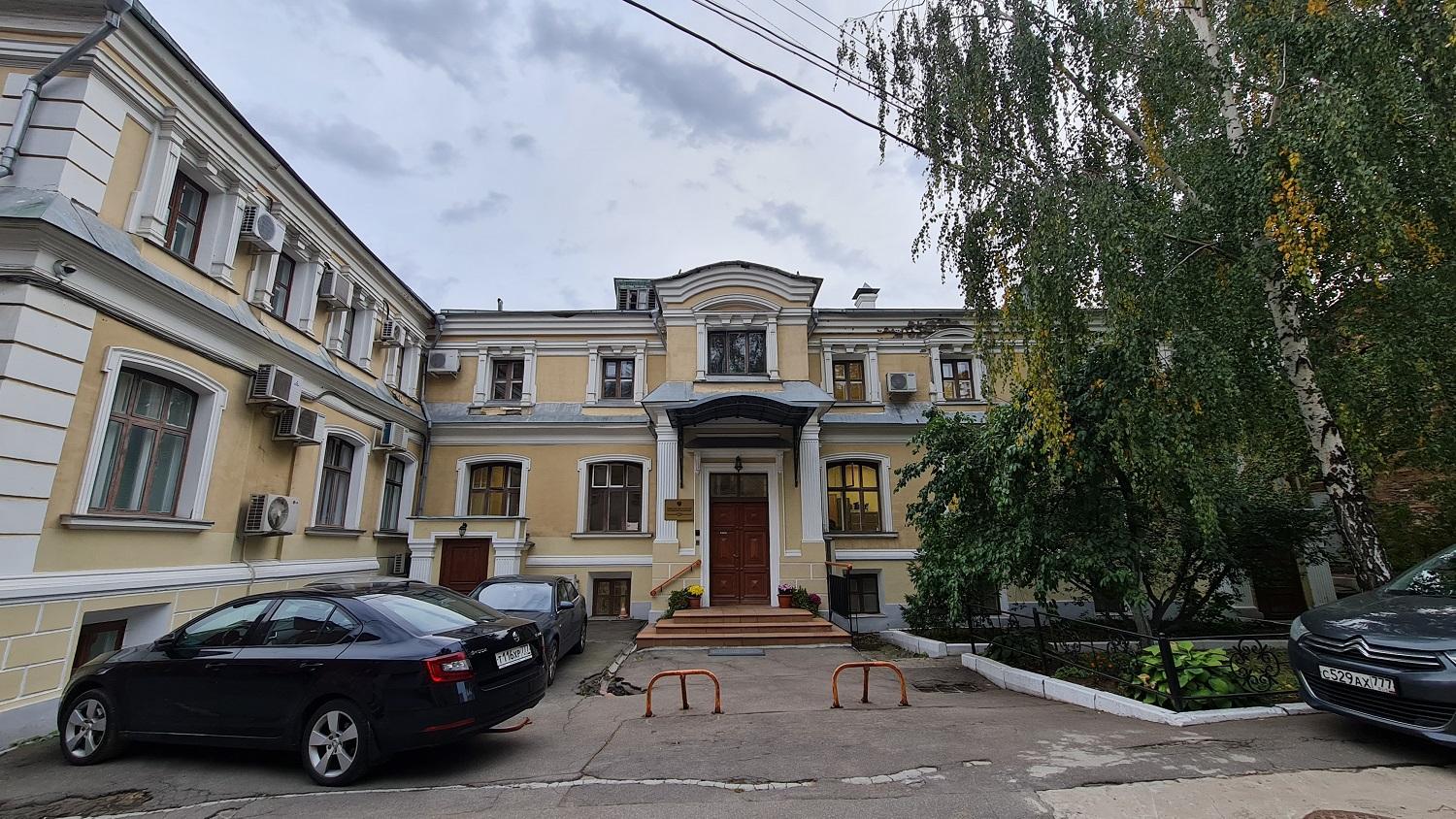
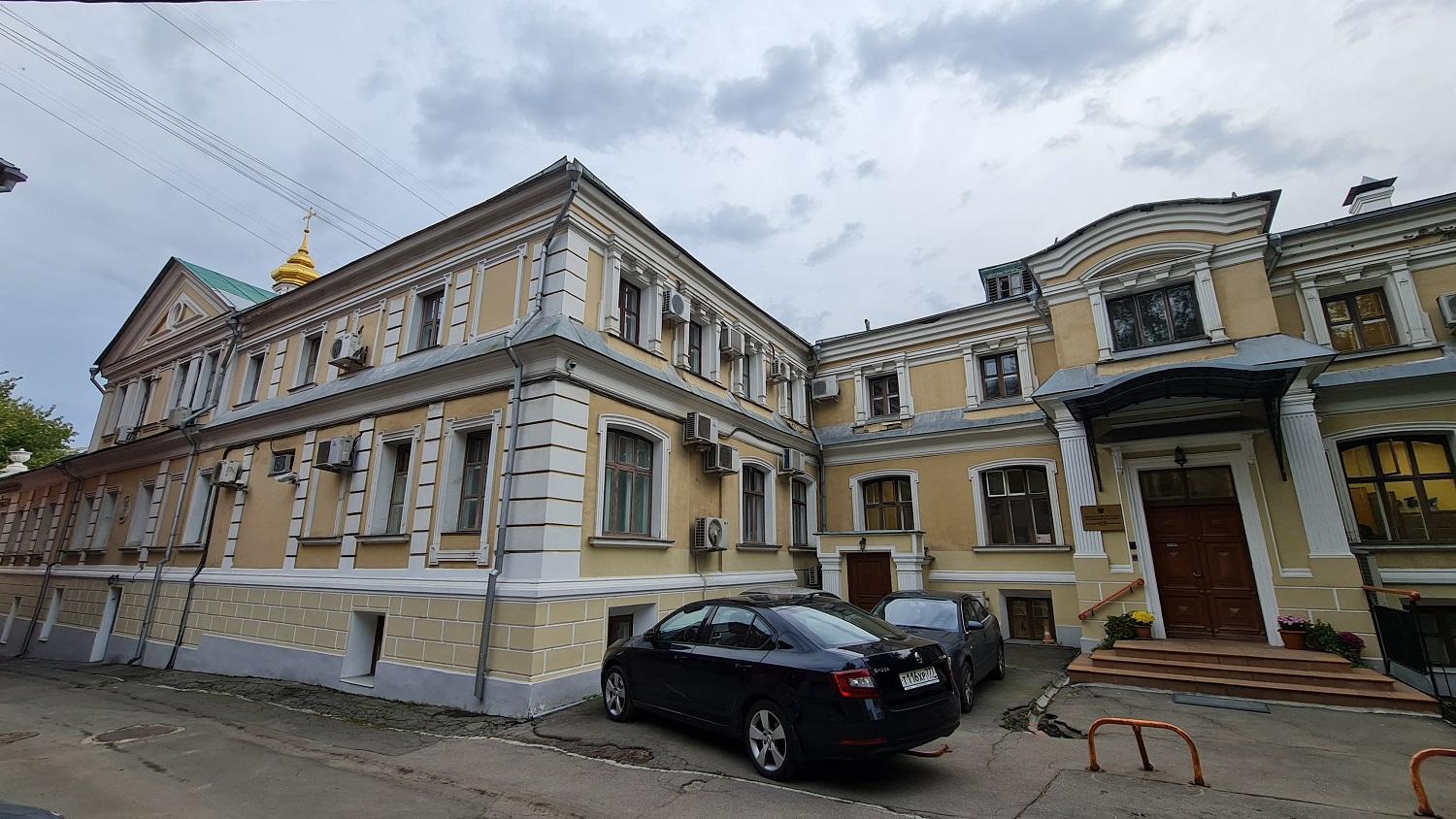
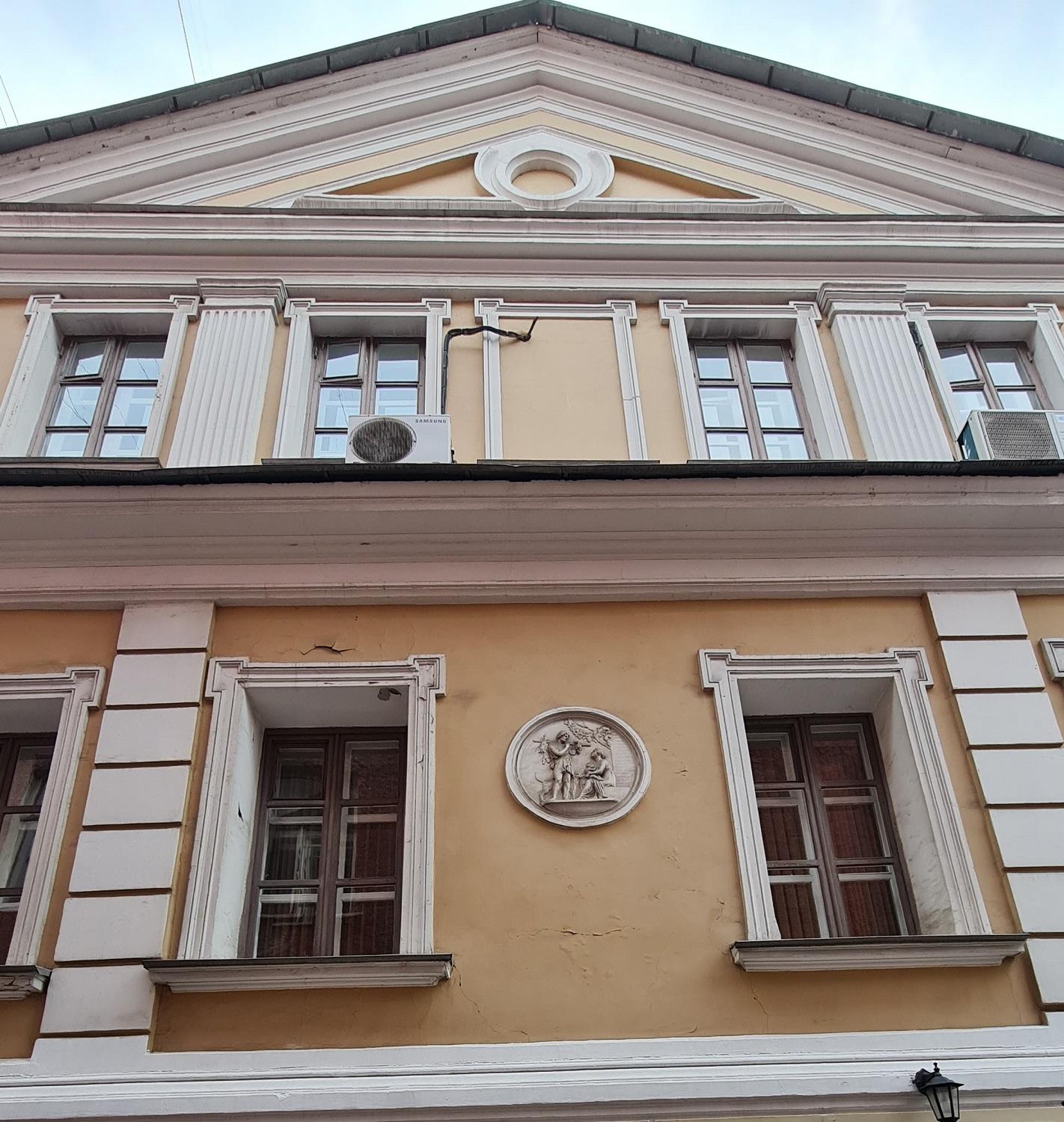
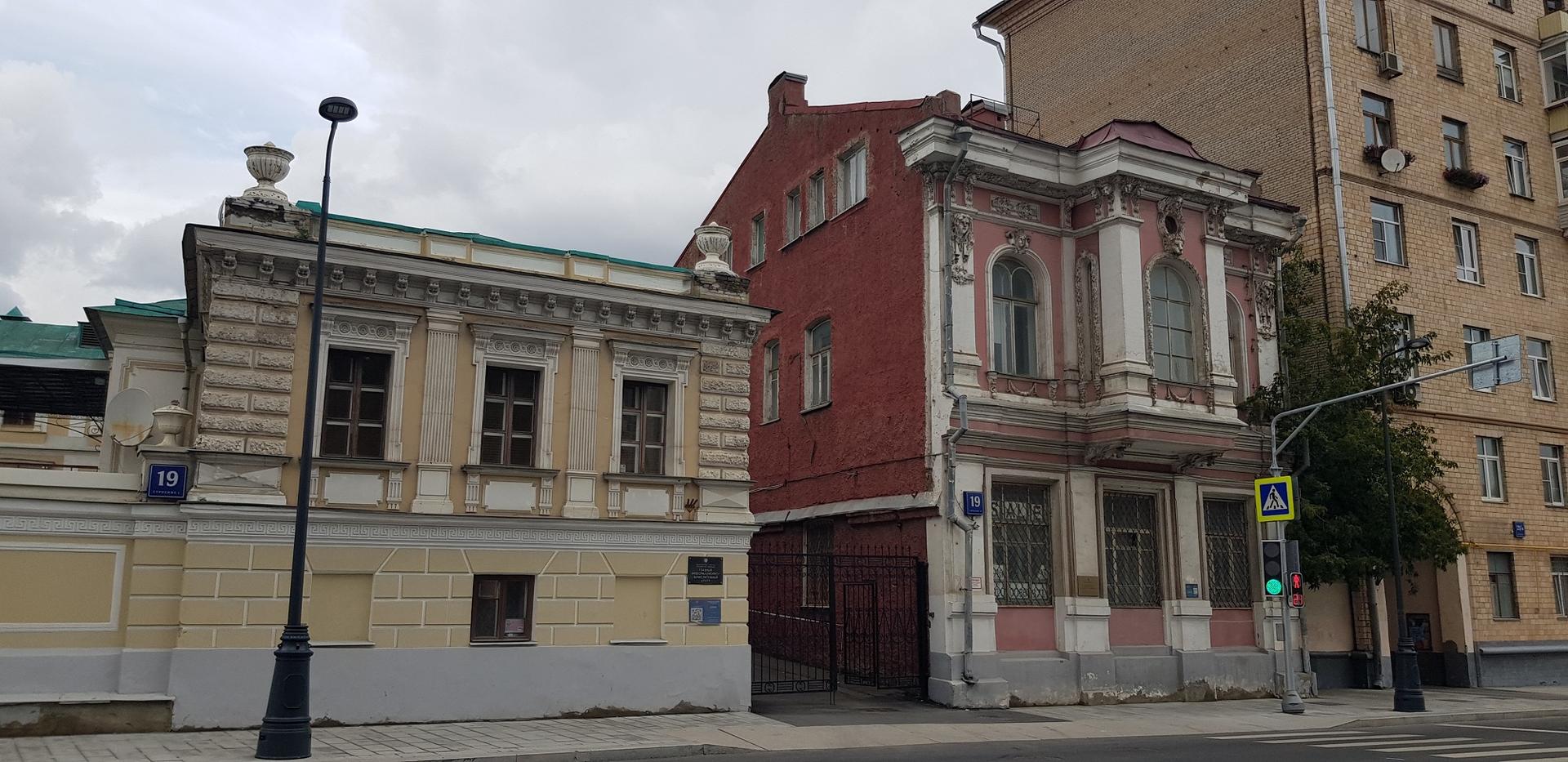
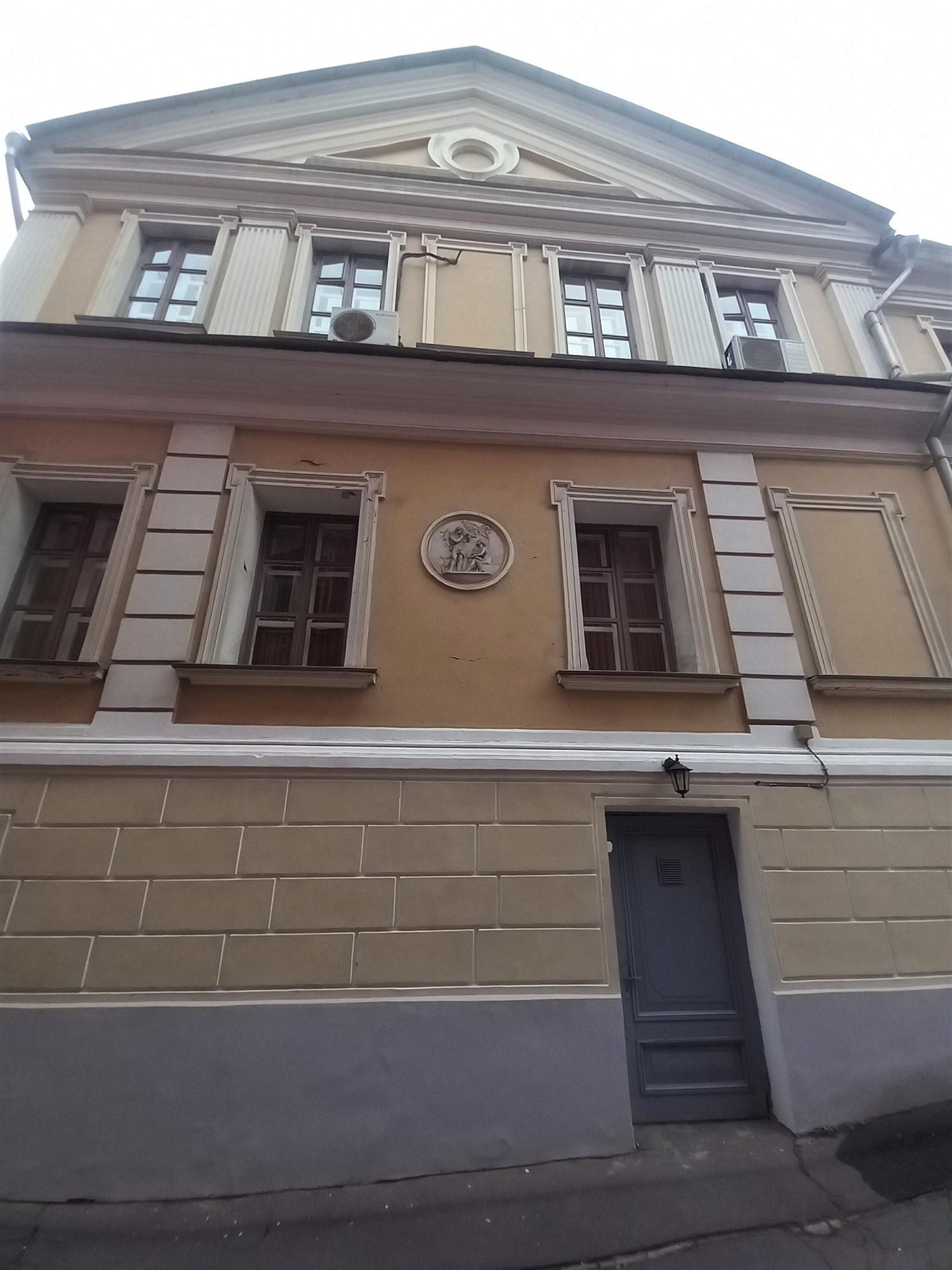
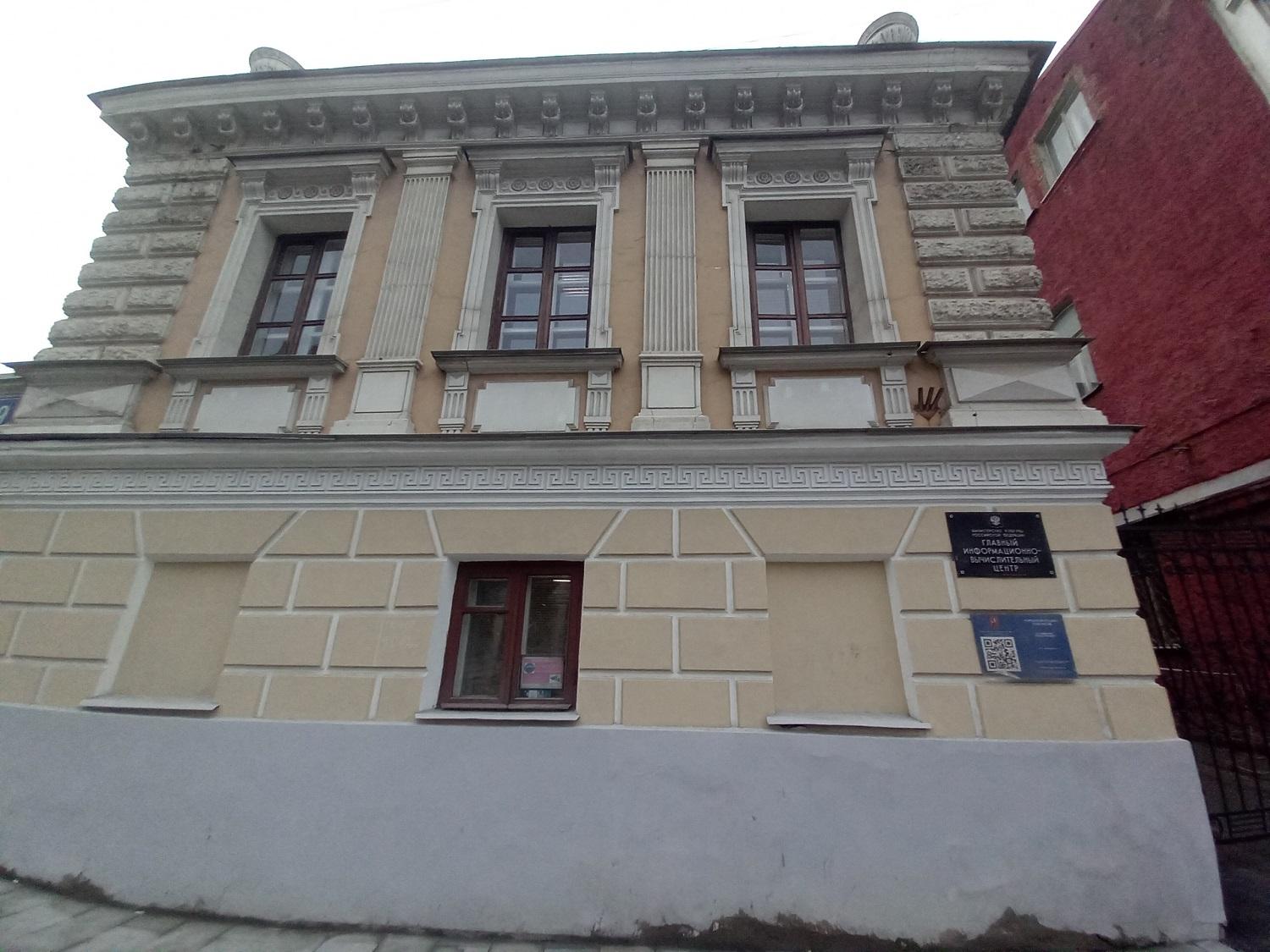
The estate number 19 dates from the XVIII century, it is stretched deep into possession. Only a small part of the facade and an outbuilding, attached on the right side look at the street.

Urban estate of the XVIII-XIX centuries with an outhouse of the XX century
The estate number 19 dates from the XVIII century, it is stretched deep into possession. Only a small part of the facade and an outbuilding, attached on the right side look at the street.
3.52
Вы можете воспользоваться QR-кодом, чтобы открыть эту страницу в нашем приложении
Архитектурный стиль:
,
Годы постройки:
XVIII-XIX вв.
Эпоха:
18th century
Информация о здании

На левой нечётной стороне Старой Басманной улицы, почти посередине её, располагается старинная купеческая усадьба, вытянутая вглубь квартала и зажатая с обеих сторон соседними владениями.

Главный усадебный дом (№ 19 стр. 1), стоящий перпендикулярно улице, был возведён ещё в XVIII веке и с тех пор не раз перестраивался. В середине XIX столетия усадьбой владела купчиха Наталья Григорьевна Лоушкина. А с 1863 года - прусский подданный, временно московский купец Карл Юстус Гекман. В 1870-е годы родственники Гекмана в глубине участка выстроили многочисленные одно- и двухэтажные корпуса для собственного Меднокотельного завода фирмы «К. Гекман». Тогда же по проекту архитектора Г. Г. фон Ниссена был перестроен и главный дом.

В 1881 году завод на Старой Басманной был закрыт по настоянию городских властей, полагавших недопустимым размещение пожароопасного производства в тесной жилой застройке.

Новым владельцем усадьбы стал Юлий Александрович фон Гук. Торговый дом «Юлий Гук и К», который ему принадлежал, занимался поставками строительных материалов и металлоизделий. Именно это фирма строила первые в Москве здания из железобетона, такие, например, как Верхние торговые ряды, Центральные Хлудовские бани, Музей изящных искусств на Волхонке и многие другие. В 1893 году во владении появились дополнительные служебные корпуса, в которых располагались склады и механические мастерские.

В самом конце XIX века фон Гук продал участок первогильдейскому купцу, владельцу кондитерской фабрики Тимофею Агафоновичу Кудрявцеву, после смерти которого в 1908 году усадьба перешла к его сыну – Фёдору Тимофеевичу, потомственному почётному гражданину, гласному Московской городской думы, выборному Московского купеческого общества. Ему она и принадлежала до октябрьского переворота.

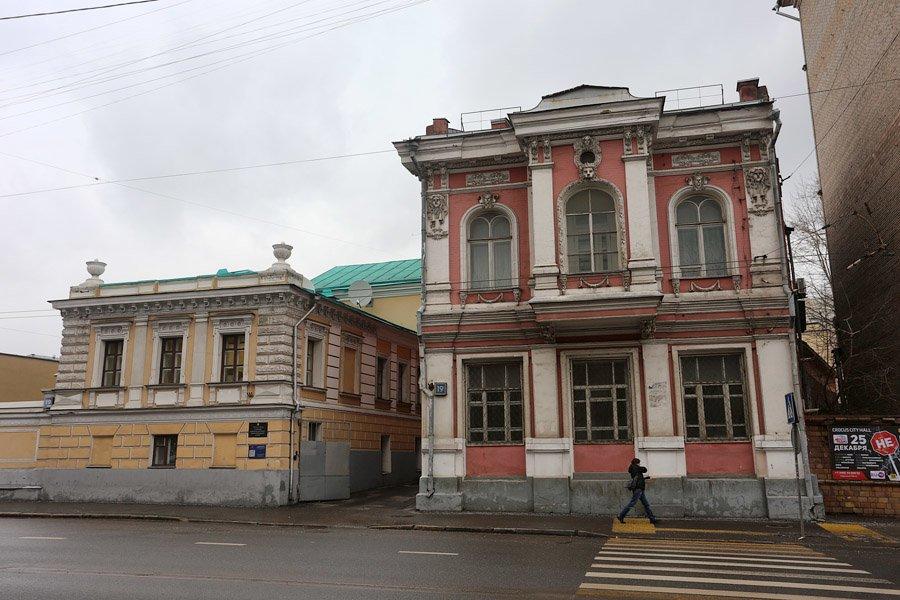
Флигель, расположенный справа от главного дома, представляет собой небольшой двухэтажный особняк с эркером посредине, украшенный маскаронами с изображением женских головок и львиных масок, построенный в 1902 году гражданским инженером П. К. Микини. Это здание до революции снимала частная женская прогимназия (затем гимназия) Е. Б. Гронковской, в которой преподавала старшая сестра Марины Цветаевой Валерия.

В главном доме некоторое время жил известный советский архитектор Н.Я. Колли. Кстати, ещё до революции во владении находились склады для хранения шерсти, арендованные Торговым домом «А. Колли», принадлежавшим родственникам зодчего.

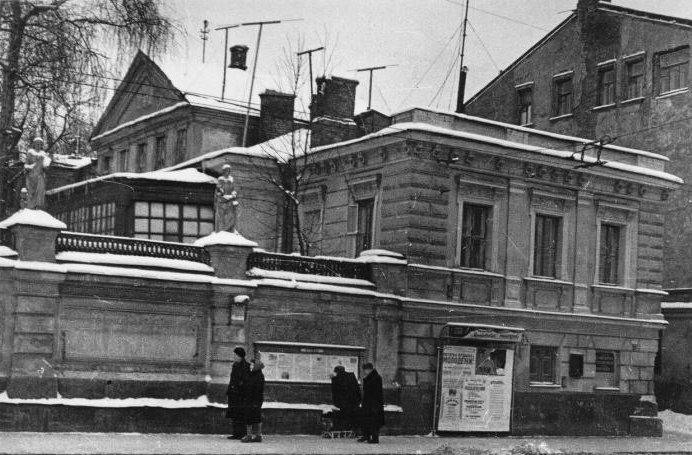
В советское время на пилонах ворот усадьбы располагались статуи на манер парковых, которые в настоящее время утрачены. Вместо них сейчас стоят гипсовые вазы. Подобные вазы, только большего размера, расположены и по углам крыши главного дома.

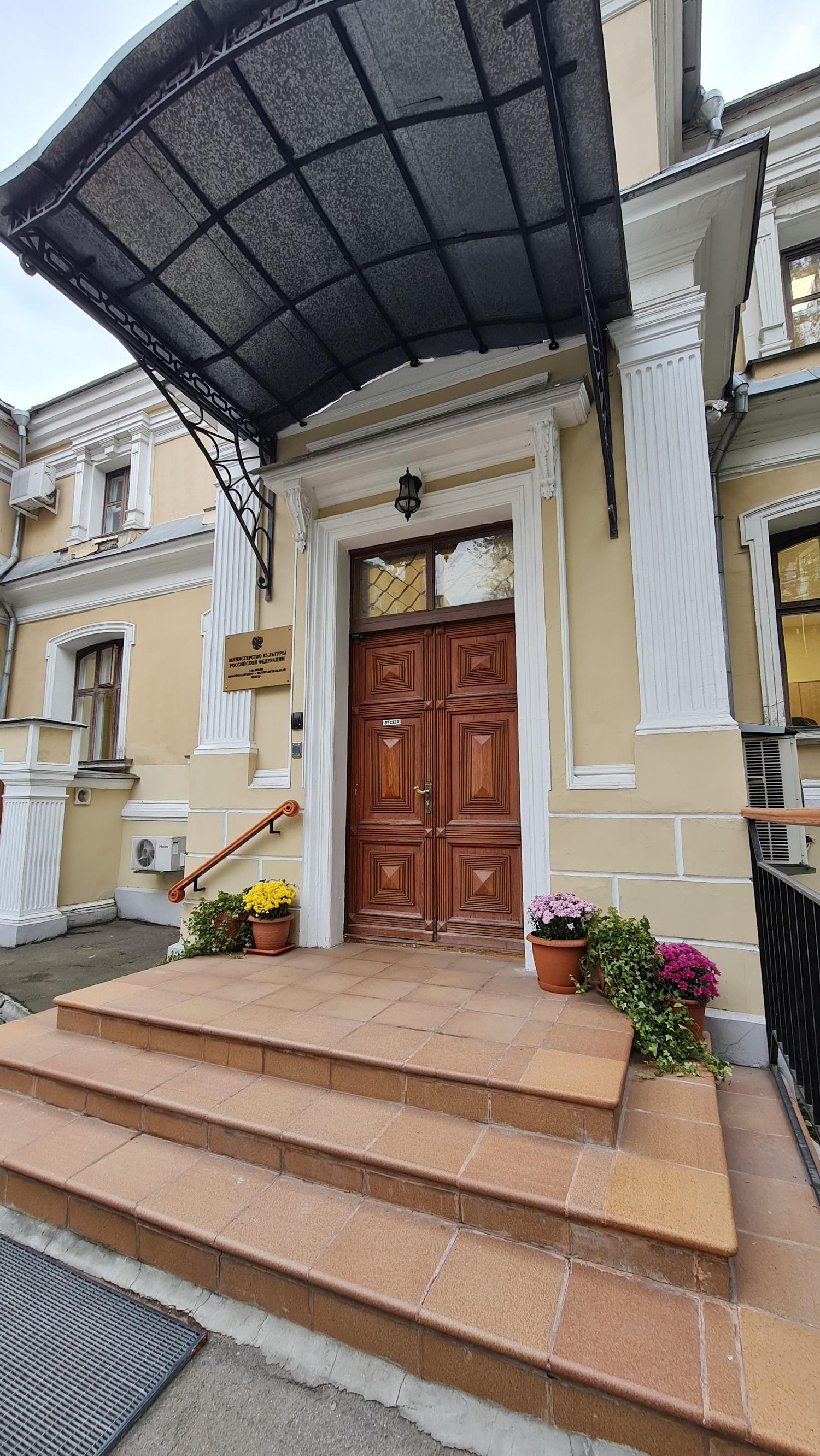
В настоящее время здесь находится ГУП «Главный информационно - вычислительный центр МК РФ».
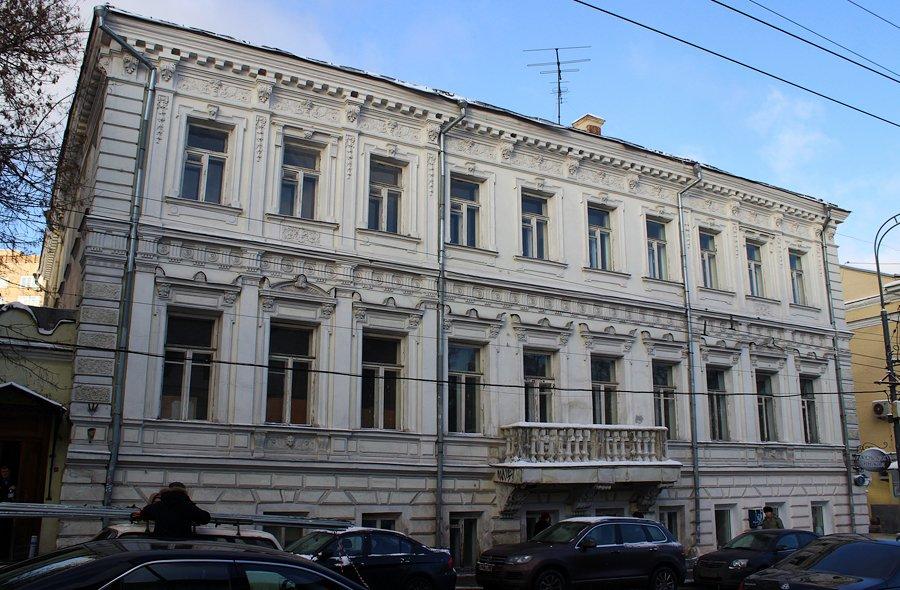
An old merchant's mansion, stretched deep into quarter and wedged between adjoining buildings, is situated on the odd left side near to the middle of the Staraya Basmannaya Street. The main manor house (№ 19, b.1) stands perpendicular to the street. It was built in the XVIII century and rebuilt several times. In the middle of the XIX century the manor was owned by merchant's wife Natalia Loushkina. Prussian national, temporarily Moscow merchant Carl Justus Heckman possessed it since 1863. In the 1870s, the Heckmann’s family built many one-and two-storey buildings in the middle of the site for their own Copper Boiler factory firms “K. Heckmann”. The main house was rebuilt by the architect G. von Nissen at the same time. According to city officials it was impossible to locate the fire risk production in close to residential development. Because of that, the factory on the Staraya Basmannaya Street was closed in 1881. The new owner of the estate was Julius von Guk. Trading house "Julius Guk and K" belonged to him, it was attended in the supply of building materials and hardware. Exactly his company built the first reinforced concrete building in Moscow, such as the Upper Merchant House, Central Khludov’s Baths, Museum of Fine Arts on Volhonka and many others. In 1893, there were additional office buildings on the territory of estate where warehouses and machine shops were located. At the end of the XIX century von Guk sold the land to merchant of the first guild Timothey Kudryavtsev, the owner of confectionary. After his death in 1908 the estate was inherited by his son Fedor. He was a hereditary honorary citizen, the member of the Moscow City Duma, the elected Moscow Merchant Society. The manor belonged to him until the October Revolution. To the right of the main house is situated the outbuilding. This is a small two-story house with a bay window in the middle, decorated mascarons with the image of a female heads and lion masks. It was built by civil engineer P. Mikini in 1902. Before the revolution this building was rented to private women’s progymnasium (after high school) of E. Gronkovskaya, where the older sister of Marina Tsvetaeva Valeria lectured. A famous Soviet architect N. Collie lived in the main house for a while. By the way, warehouses for wool storage, rented by a commercial house "A. Collie", were in the possession before the revolution. In Soviet times on the gate’s pylons were statues in the style park, now they are lost. Plaster vases stand instead it now. Similar vases, but larger, is located at the corners on the roof of the main house. Now there is SUE “Central Information and Computer Center of the Russian Federation” here.
Автор статьи: Алексей Дедушкин