Интерактивный гид по городу
С мобильным приложением бродить по городу гораздо интереснее!

Oceanology Institute named after P.P.Shirshov

Oceanology Institute named after P.P.Shirshov
Profsoyuznaya
3.49
Вы можете воспользоваться QR-кодом, чтобы открыть эту страницу в нашем приложении
Архитектурный стиль:
Годы постройки:
1977
Архитекторы:
Я. Белопольский
Эпоха:
1970s
Информация о здании

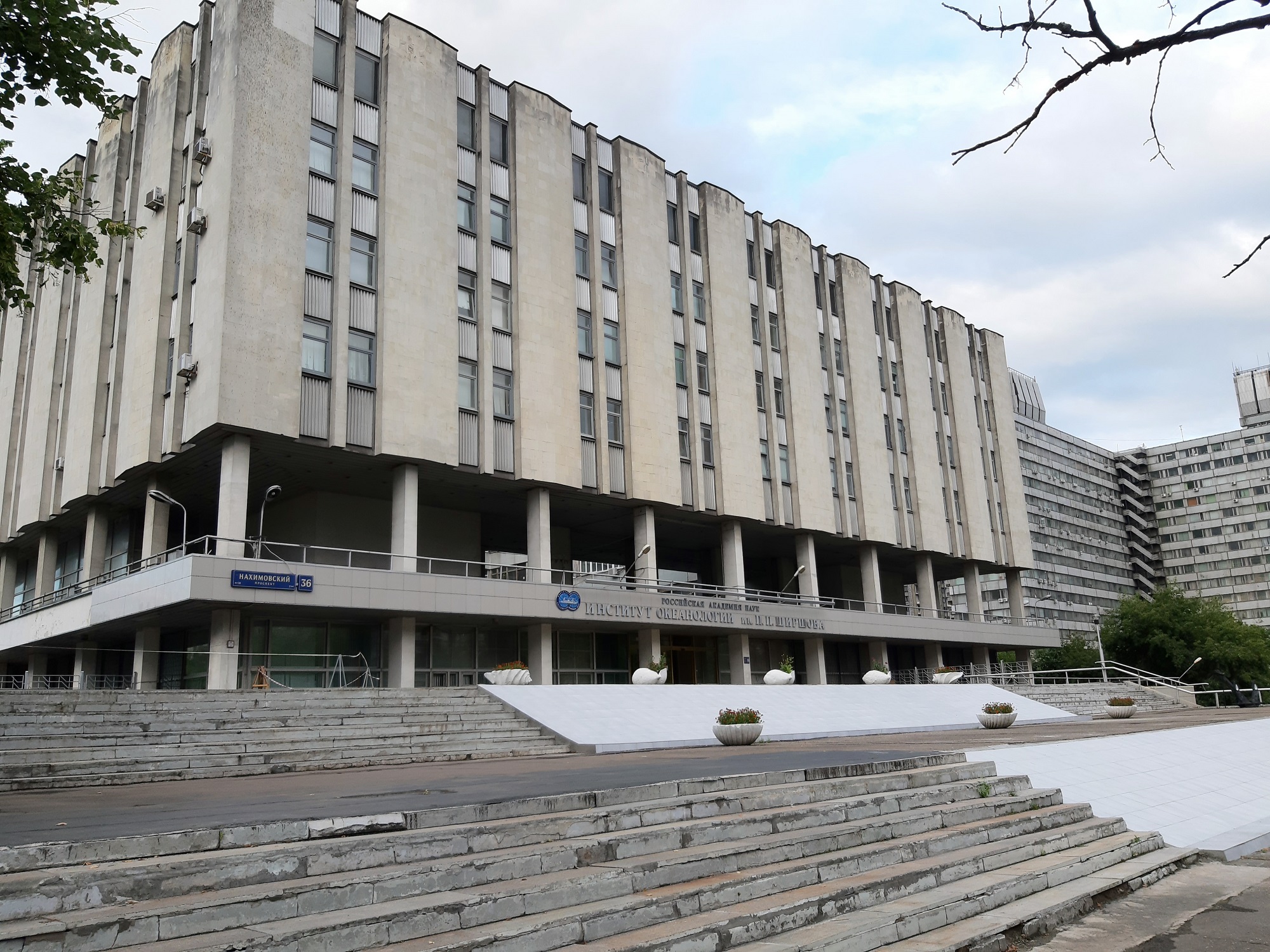
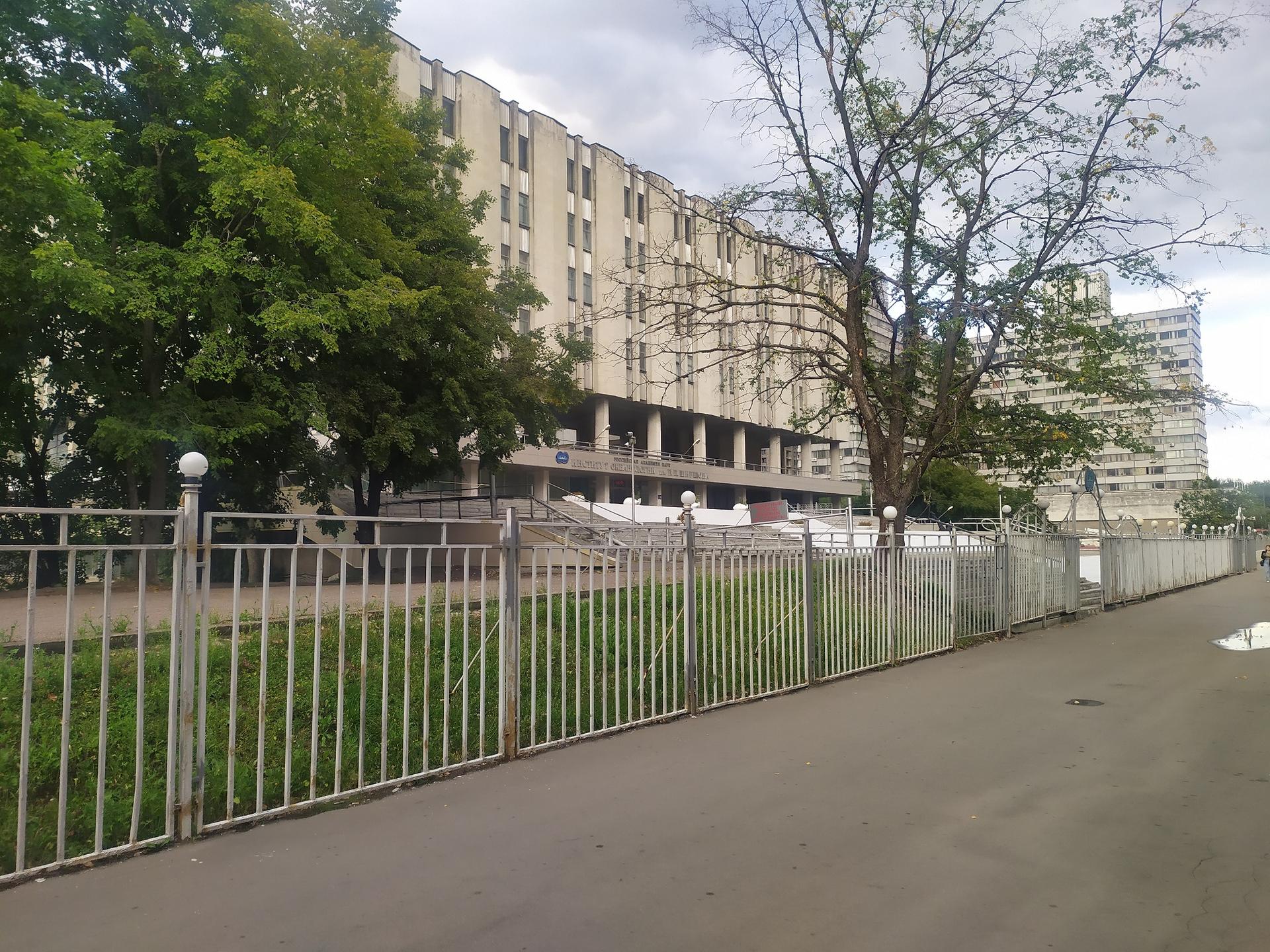
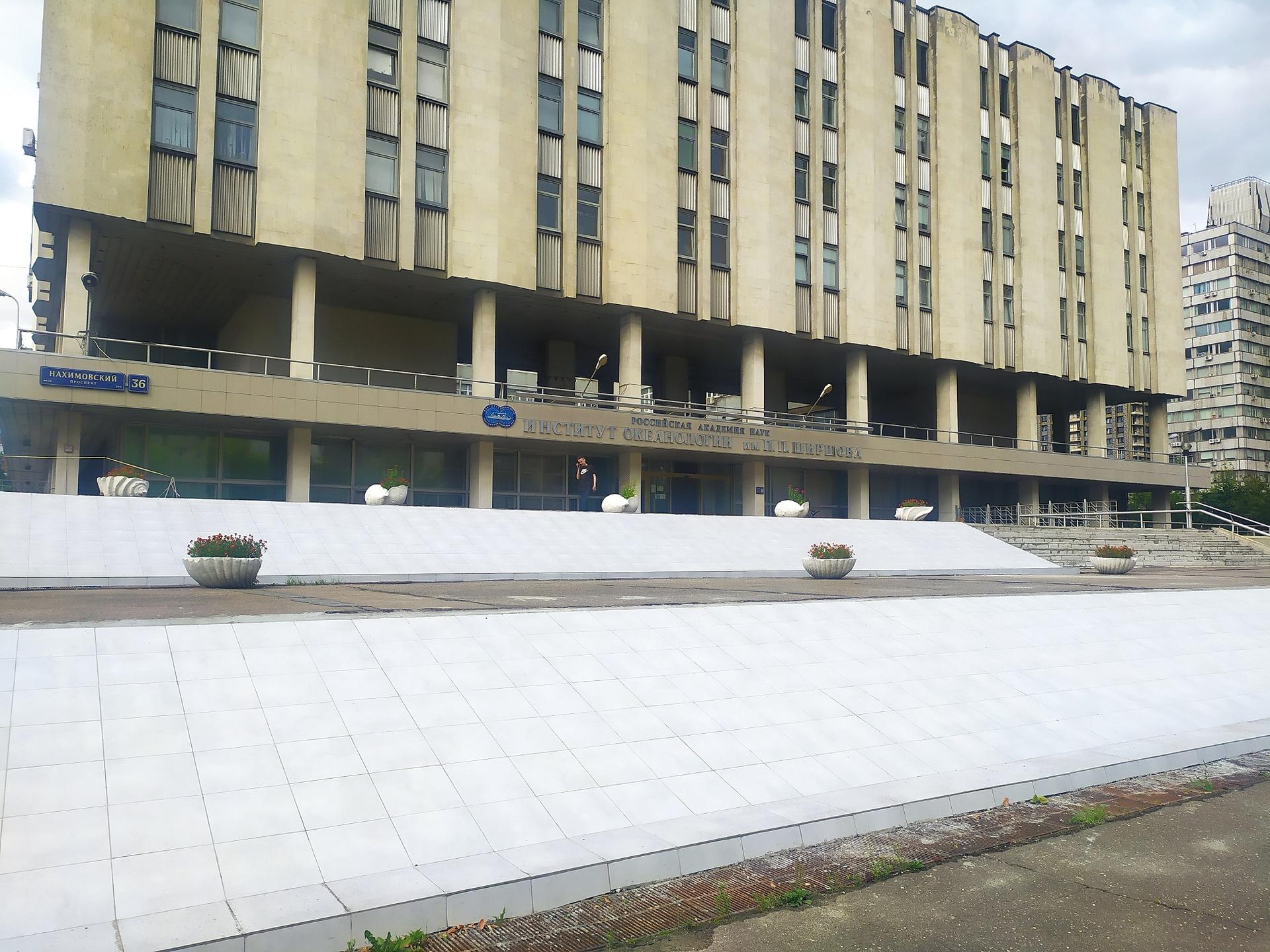
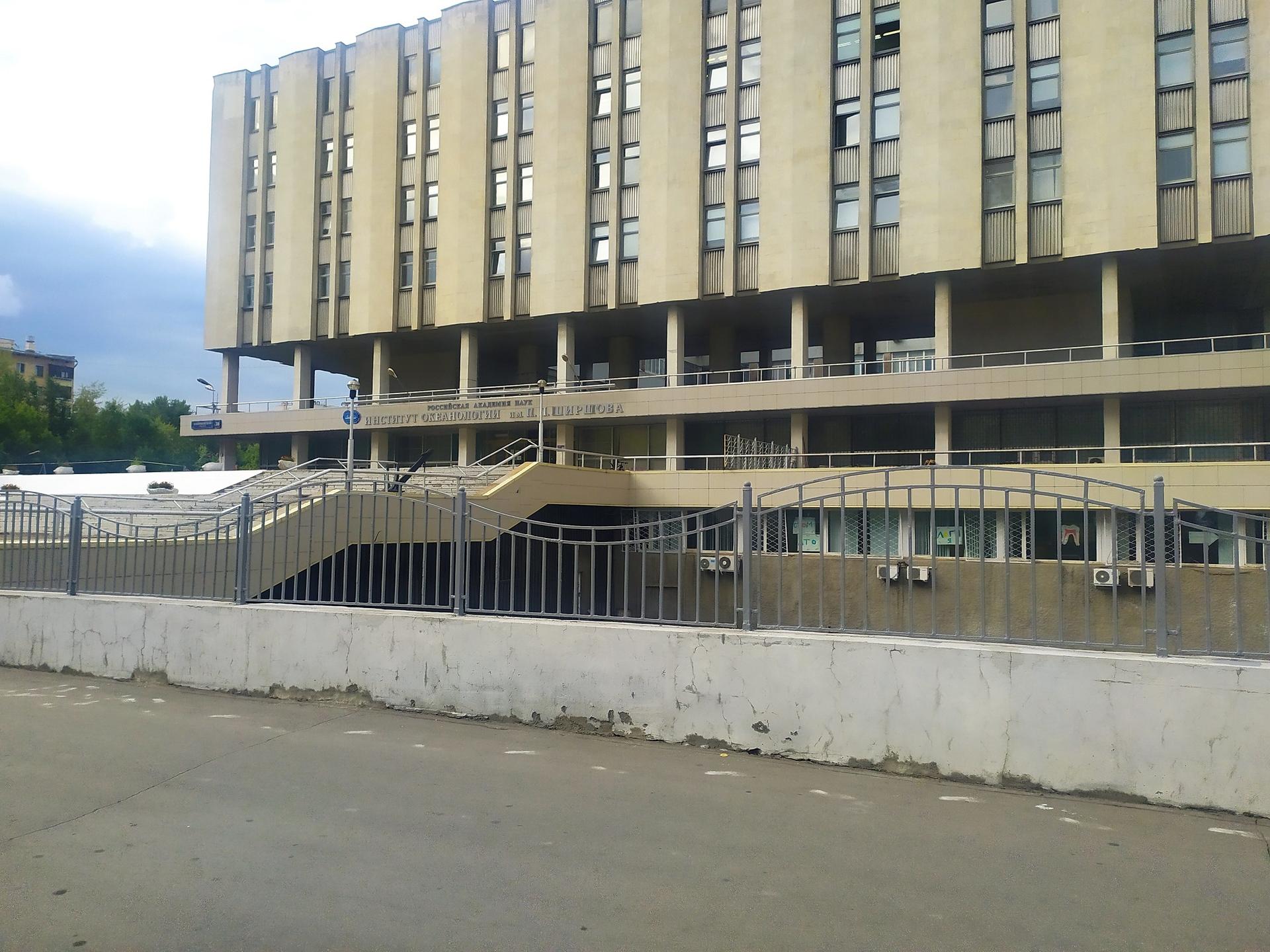
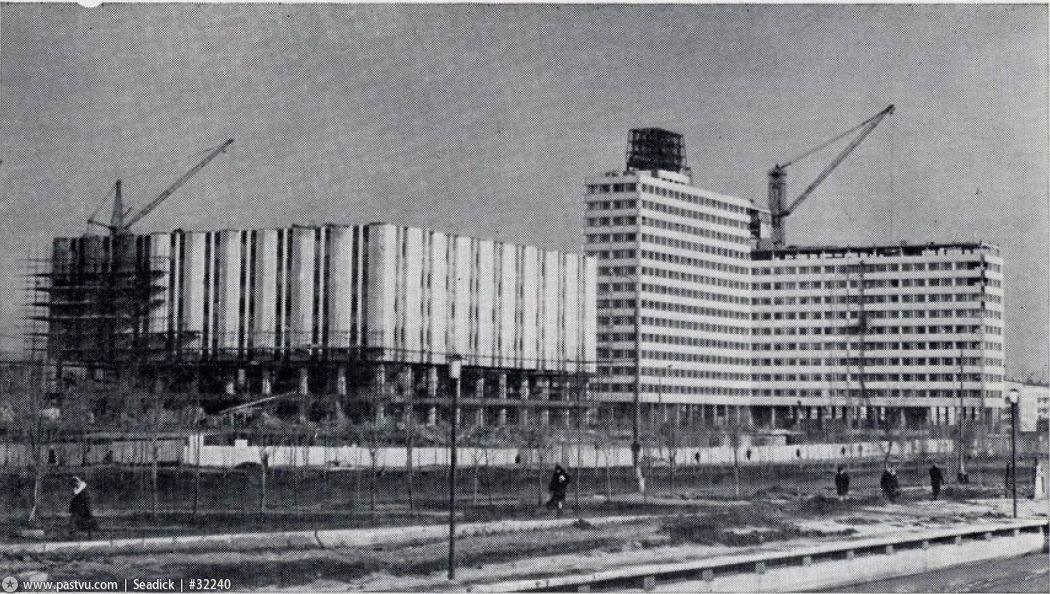
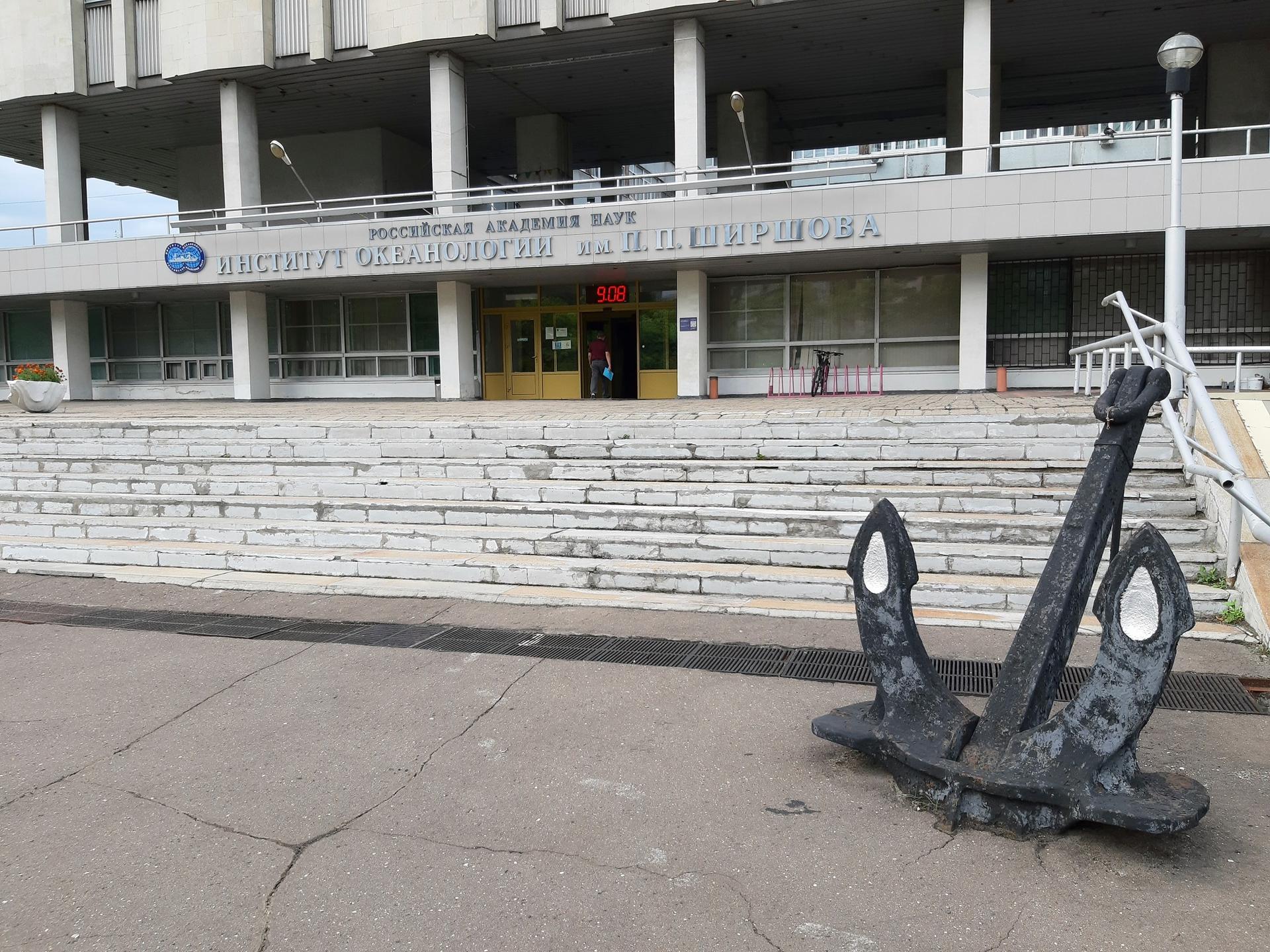
Новое здание для старейшей отечественной научной организации, занимающейся изучением морей и океанов, было построено на юге Москвы как своеобразное развитие еще довоенного научного городка Академии наук. На Нахимовском проспекте возникло несколько модернистских зданий, выстроенных по индивидуальным проектам.

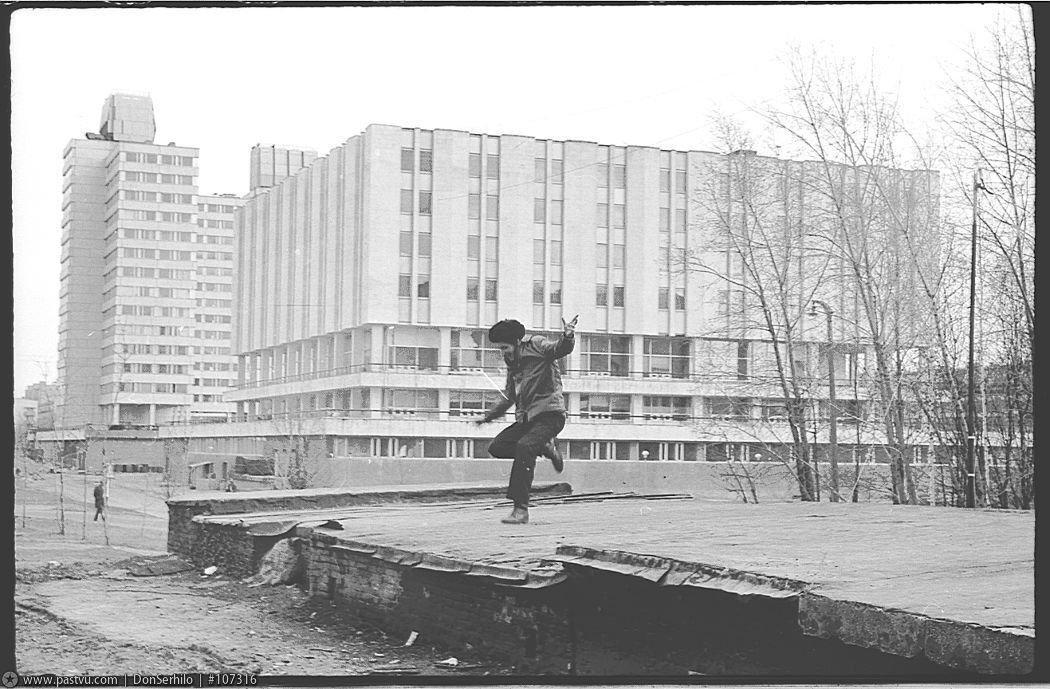
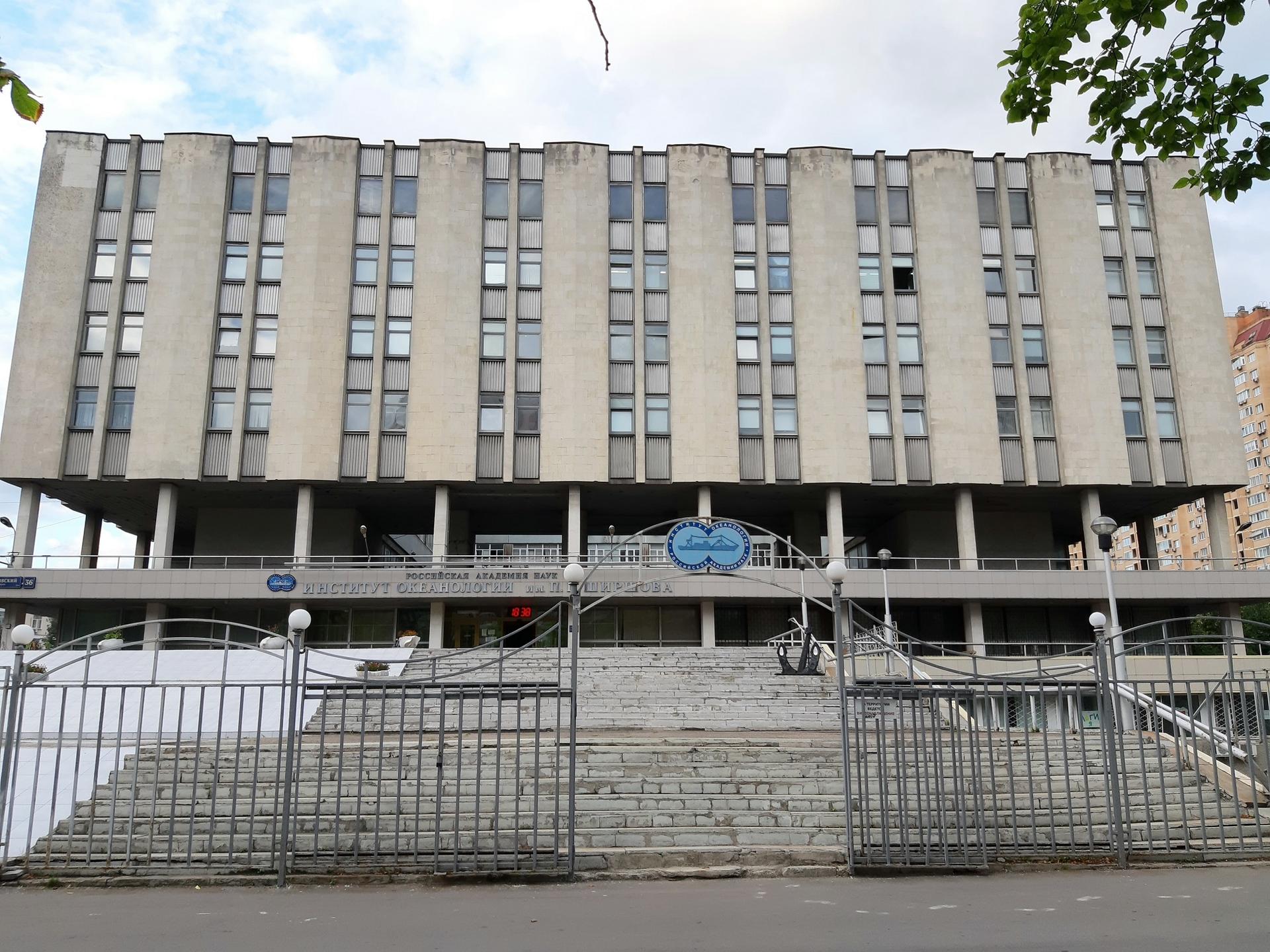
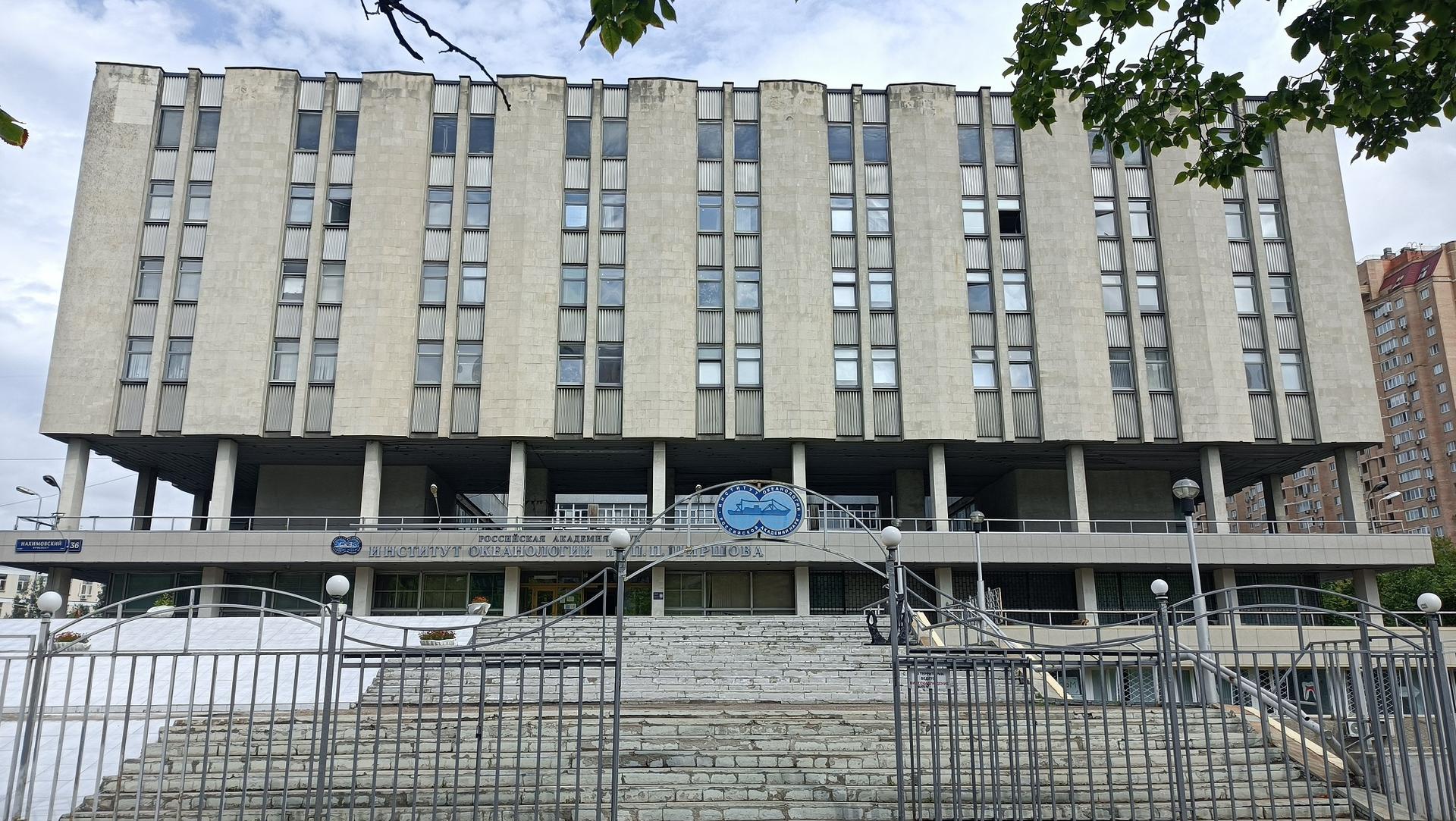
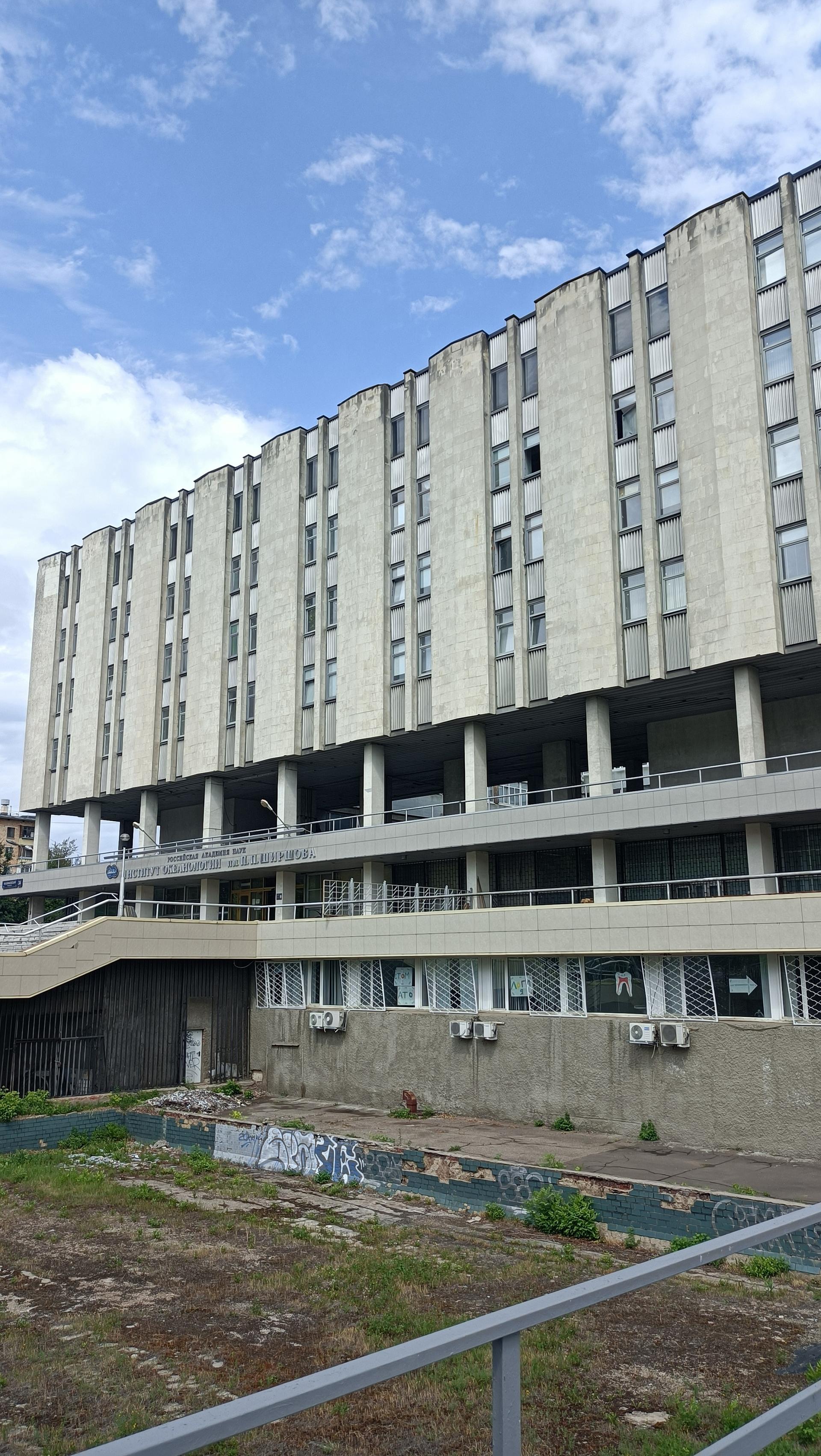
Группа зданий научных институтов проектировалась под руководством видного советского архитектора Якова Белопольского, и все они имеют общие черты. Как и знаменитый ИНИОН, Институт научной информации по общественным наукам, Институт океанологии был окружен бассейном, ныне пустым, и должен был вырастать из него монументальной громадой.

Именно Белопольский одним из первых совершил поворот в советском модернизме к выразительным монументальным формам, будто бы лишенным гравитации супрематическим композициям.

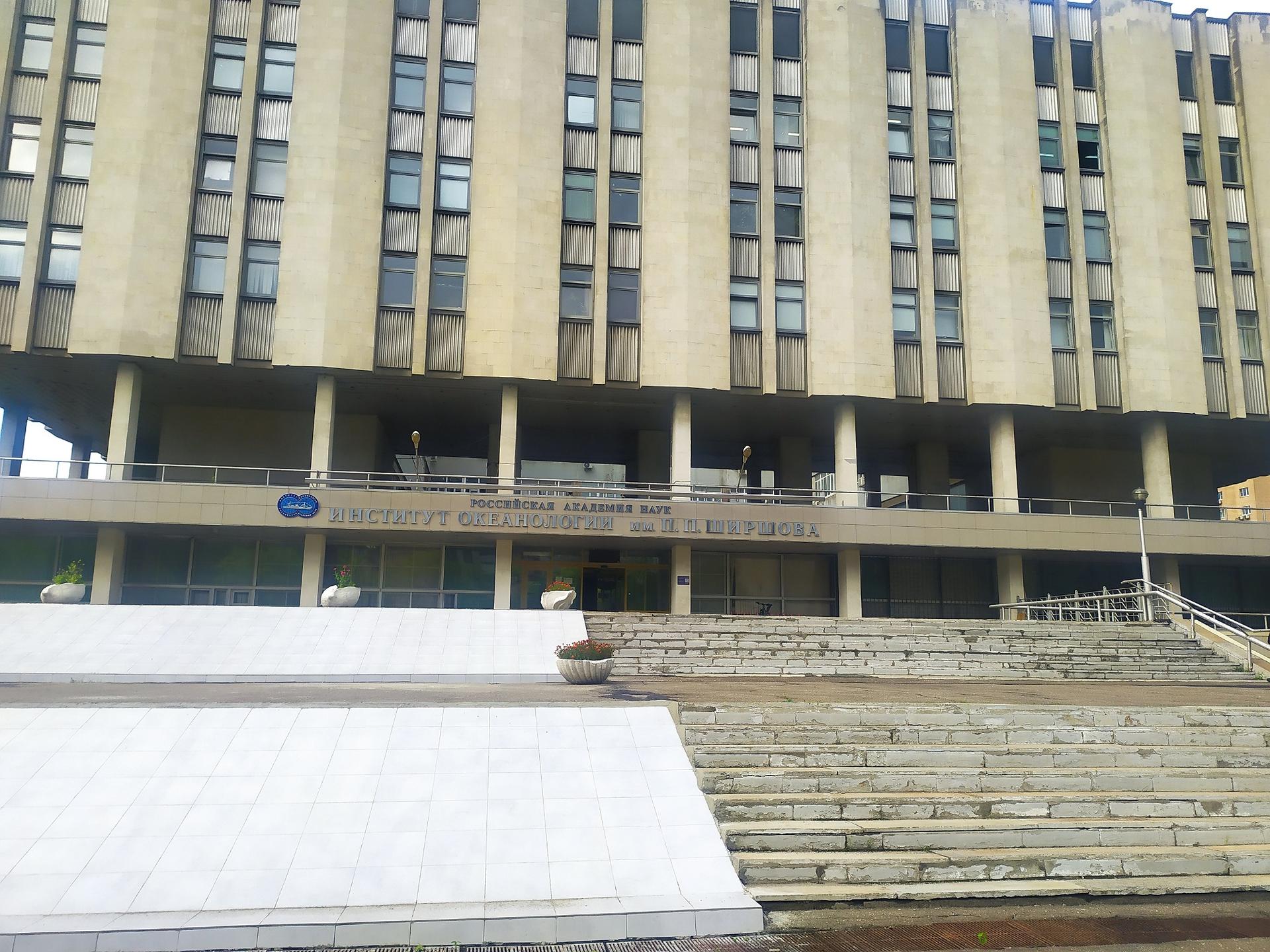
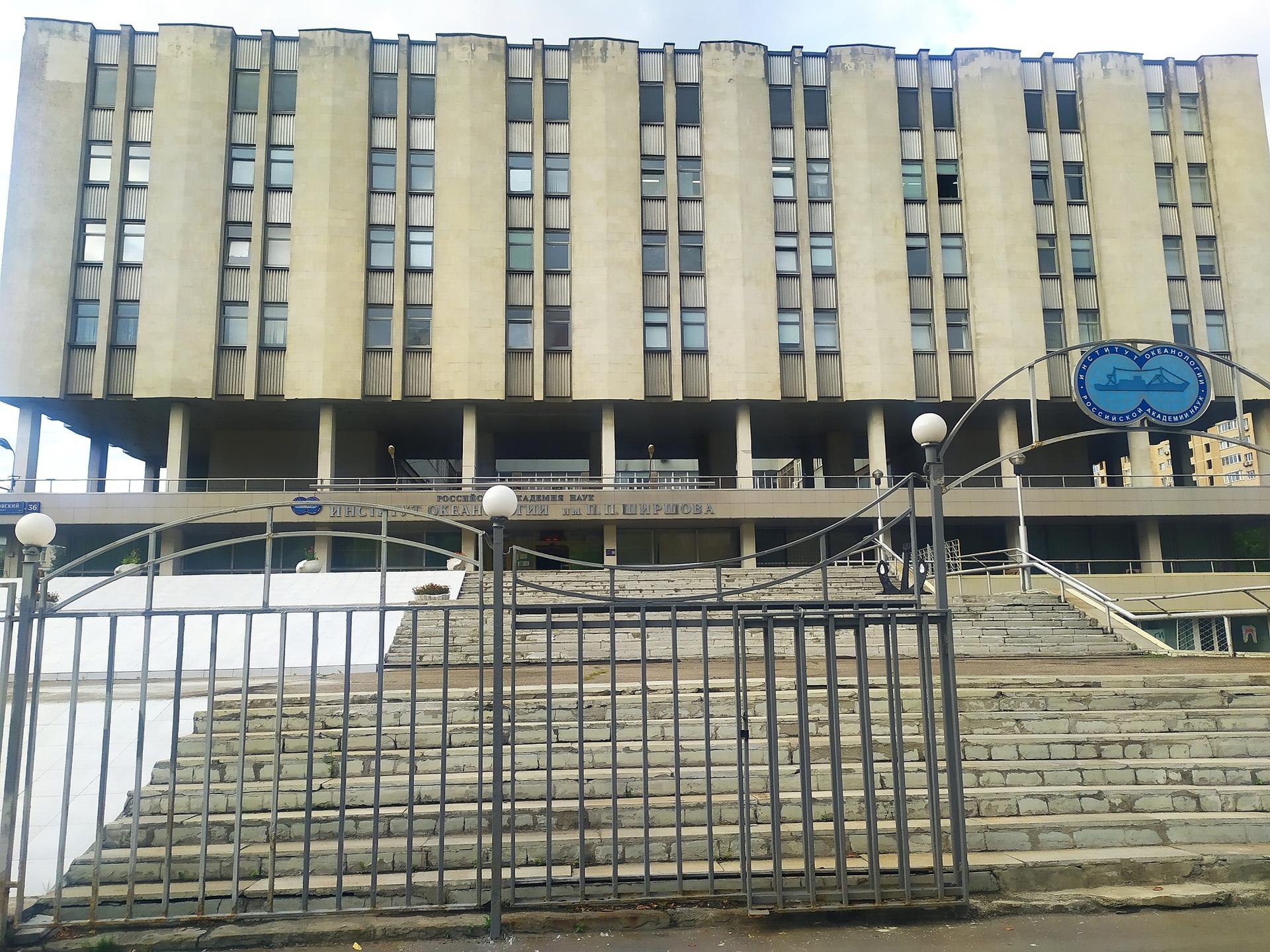
Здание Института океанологии задумывалось как центр композиции, вытянувшейся вдоль проспекта, с приземистыми институтами, сделанными группой Белопольского, и вытянутыми вертикалями институтов, спроектированных группой Платонова. Монументализм простых геометрических форм парадоксально сочетается с открытыми галереями с остекленными первыми этажами, а бассейны с перекинутыми через них мостиками напоминают о крепостной архитектуре.

Такая двоякость архитектуры 1960-х характерна для научных учреждений. В отличие от полностью «открытых» и «прозрачных» общественных зданий и магазинов, исследовательские здания должны были иметь и некую изоляцию, даже если речь шла о «гражданской» науке. Рвы-водоемы были также запроектированы вокруг зданий Центрального экономико-математического института и института Дальнего Востока.

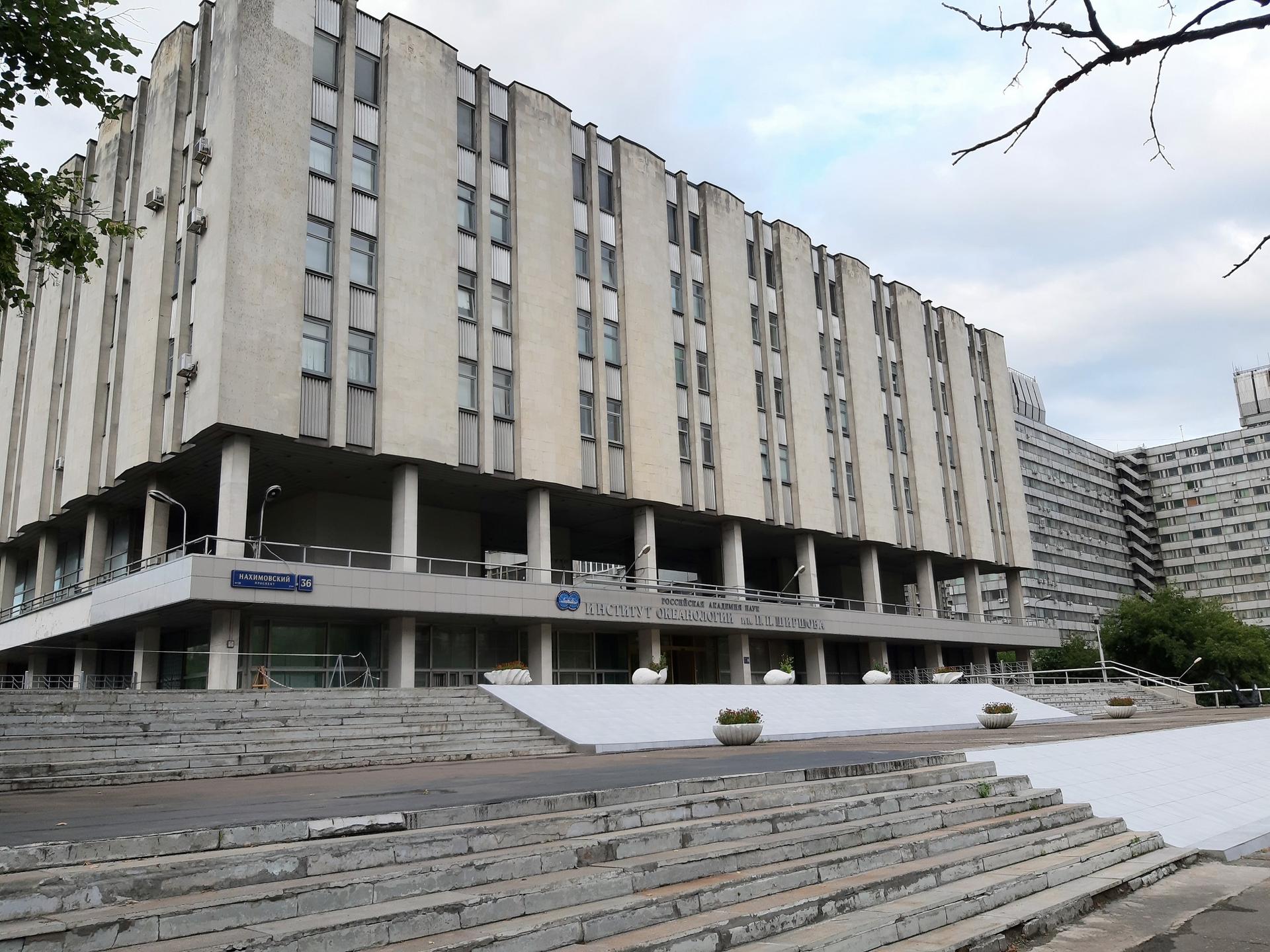
Институт океанологии представляет собой квадратный в плане объем, расчлененный вертикальными лопатками. Он производил бы впечатление брутальной постройки, почти крепости, но нижние этажи здания открыты, оно опоясано двухъярусной галереей. Этот прием нарушает излишнюю монументальность здания и дает легкий намек на атектоничность архитектурных фантазий русского авангарда.

В вестибюле здания находится уникальный объект культурного наследия – витраж "ГИДРОНАВТЫ" (худ. Л.Г.Полищук, С.И.Щербинина, 1977 г.).

The building surrounded by a pool, now empty. Building conceived as it grows out of the pool as monumental mass.

New building for the oldest national scientific organization dedicated to the study of the seas and oceans, was built in the south of Moscow as a kind of pre-war development of more scientific center of the Academy of Sciences. On Nakhimovskom Avenue, there were several modernist buildings, built on individual projects.

Group of buildings was designed research institutes under the leadership of prominent Soviet architect Yakov Belopolsky, and they all have in common. Like the famous INION, Institute of Scientific Information on Social Sciences, Institute of Oceanology, was surrounded by a pool, now empty, and had to grow out of his monumental enormous.

It Belopolsky one of the first made a turn in the Soviet modernism to the expressive monumental forms, though devoid of gravity Suprematist compositions.

Institute of Oceanology building was conceived as a center of the composition, stretched out along the avenue, with squat institutions make groups Belopolsky and elongated verticals institutions designed by a group of Platonov. Monumental simple geometric shapes paradoxically combined with open galleries with glazed ground floor and swimming pools with bridges thrown over them reminiscent of the fortress architecture.

This duality of architecture 1960 is typical for academic institutions. In contrast to the fully "open" and "transparent" public buildings and shops, research buildings and had to have some kind of isolation, even if it was a "civil" science. Ditches, ponds were also designed around the buildings of the Central Economics and Mathematics Institute, and the Institute of the Far East.

Institute of Oceanology is a square in terms of volume, dissected vertical blades. He would produce the impression of brutal construction, almost a fortress, but the lower floors of the building are open, it belted bunk gallery. This method violates the excessive monumental buildings and gives hint to atektonichnost architectural fantasies Russian avant-garde.

Автор статьи: Николай Васильев
Рекомендации
Отзывы
(2)
Поделитесь статьей с друзьями
Интересное рядом(6)
улица Вавилова
akademicheskaya, Ploshad Gagarina, Profsoyuznaya, Novye Cheryomushki, Leninskij prospekt
советский государственный деятель, гидробиолог и полярный исследователь, профессор
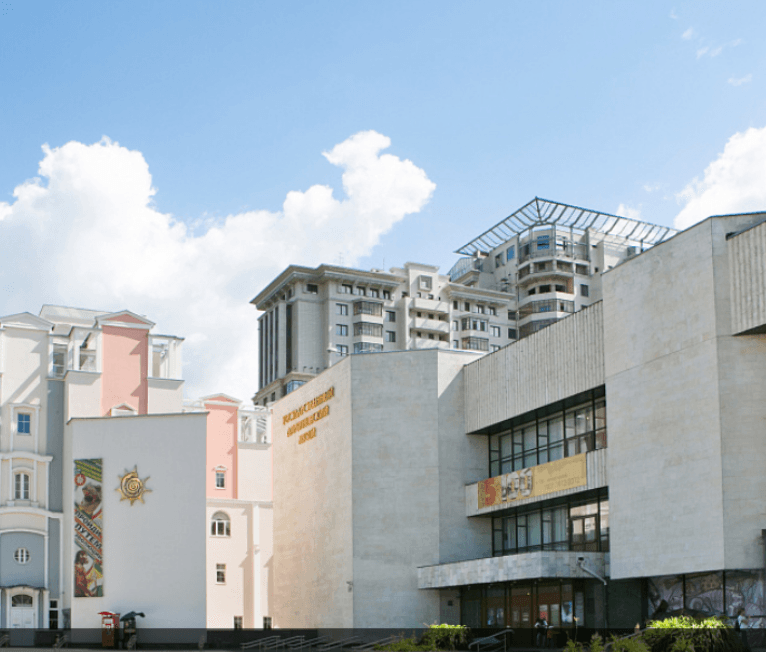
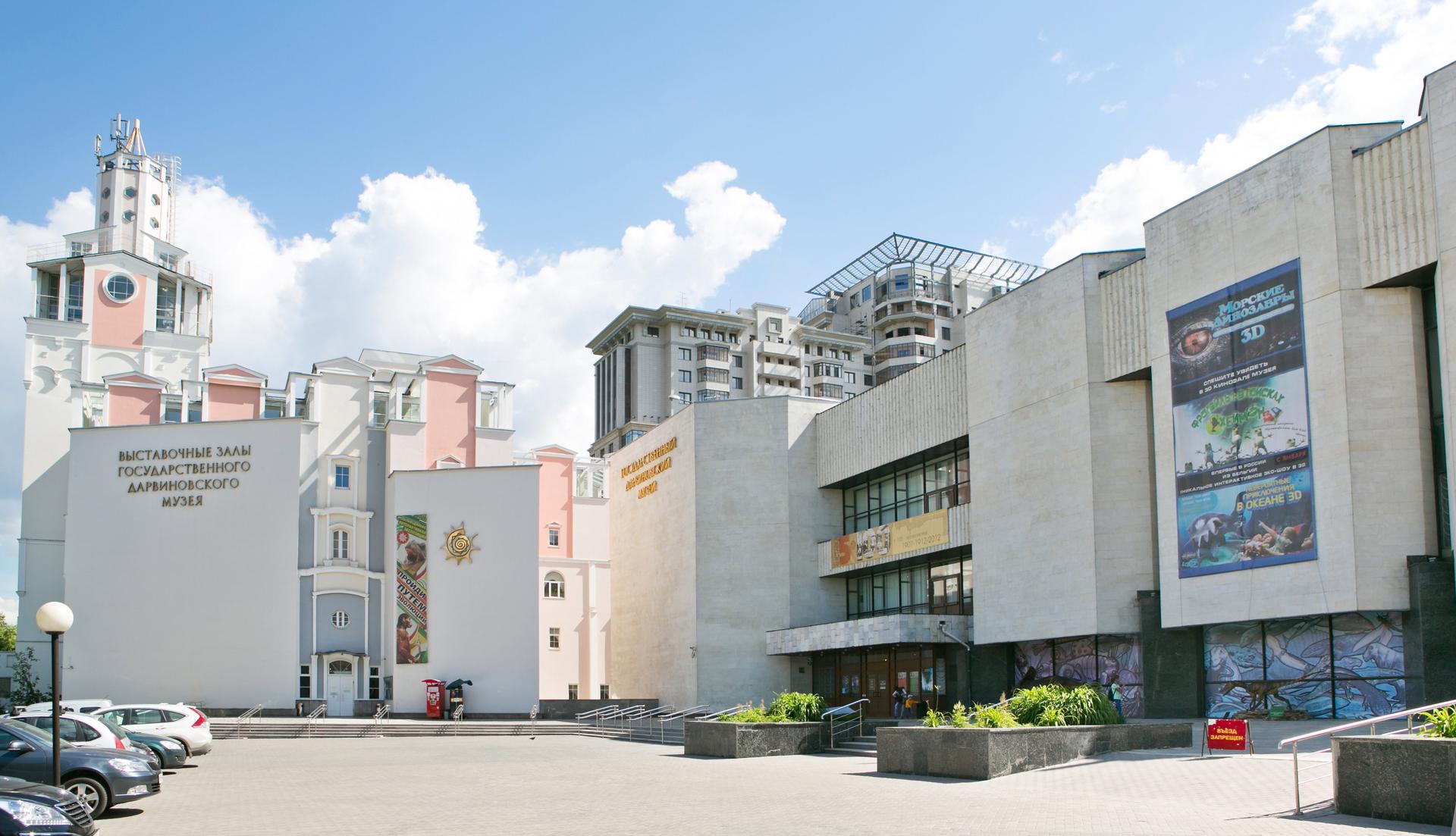
The State Darwin Museum

The State Darwin Museum was established in 1907 by Professor Alexander Kots, an excellent museum researcher, who read the lectures on the theory of evolution at the Moscow the Moscow Higher Female Courses. During that time, there was the first museum, devoted only to the theory of evolution. Now there are a lot of similar museums in the world, but the Darwin Museum still remains the only such museum in Russia and is considered to be a methodical center for all natural history museums of our country. In 1911 Alexander Kots married Nadezhda Ladygina, a MHFC student. This beautiful woman shared all efforts on the creation and maintenance of the museum with her husband.

The museum has a hard fate; only before its 87th anniversary, the museum finally moved to its own building, which had been constructed for about 20 years. The first part of the exposition was opened in 1995, and the construction of exposition in the new building was completed in 1997.

Now the State Darwin Museum has three buildings: the main building opened for visitors on September 2, 1995; the exhibition building opened on April 17, 2007, which includes the exhibit depository; and the technical building. The State Darwin Museum is one of few museums, where the regular re-exposition and construction of new interactive complexes take place, old expositions, vitrages, and labels are replaced by new ones without any closing of halls, and so on. The number of visitors exceeds 500 000; every year the museum conducts more than 2500 excursions, organizes more than 60 exhibitions.

The State Darwin Museum has a children’s animalistic art studio and a circle of young biologist. Annually, the employees of the Museum used to organize up to 10-11 mass holidays for visitors, and each of such events gathers from 3 to 7 thousand guests.

Besides traditional excursions, guests of the Darwin museum can quickly and easily receive textual, illustrative, sound and other information about the exposition’s objects which have interested them by using their smartphones. For this purpose it is enough "to read" a matrix code (to scan and recognize in the program a QR code), published on the website, information board, glass-cases of the museum or on printing products.

The Museum has created the comfortable conditions for the physically challenged people: both buildings are equipped with ramps, lifts, and elevator, there are also recreation areas.

The Darwin museum to be interesting for children who are keen on interactive activities: the little visitors can paint a picture from sand, watch the 3D - movie about sea dinosaurs, to learn its weight on other planets or to estimate it in non-standard units — in mice or bears. It is possible in the Darwin museum to stroke a hair of a real wolf and a polar bear, to listen to discordant croaking of frogs and to observe the life of insects in the insectarium.

At school students disposal – the multimedia complexes and programs: "Specially protected natural zones of the city of Moscow", "Natural reserves of Russia", multimedia informational Centre "EcoMoscow" and many others.

Interactive exposition "Pass by the path of evolution" allows young and adult visitors to get back for thousands and millions years ago and to take a look at the past times of our planet. And for those who wish to make a virtual "Travel with animals" will help the technology of augmented reality introduced in the Darwin museum: like in a science fiction film, museum glass-cases inhabitants comes out alive in order to get closer to the guests and pose for a picture with them.

In the Darwin Museum was opened the Youth Innovation Creativity Centre, where the young inventors under the leadership of engineers could develop original projects, using the latest achievements in bionics. And in September, 2014 to be opened the new interactive educational center "Discover Yourself — Discover the World" equipped with the latest technologies allowing to receive a full information about the Earth nature and provided in a very popular way.


In halls of the Darwin museum it is possible to see the unique exhibit items. Among the most interesting rarities are: 

- African elephant of the last emperor of the Russian Empire Nicholas II, 

- Jean-Dau an Indian elephant cow, 

- Spaniel of the leader of the USSR Iosif Vissarionovich Stalin,

- Lobster of the well-known astronaut Yury Alekseevich Gagarin, 

- Albino squirrel that museum founder, Alexander F. Kohts, traded on the samovar 

- A stuffed gorilla in whose stand’s were have been recently found the documents dated by the end of XIX century.


Vavilov Street, 57
akademicheskaya
ул. Большая Черемушкинская, д. 24, корп. 3
akademicheskaya