За Покровской заставой еще в XIX веке существовало старинное село Калитники, названное так по имени владельца — великого князя московского Ивана Калиты. За Калитниками начинались болота — Карачаровское и Сукино. Впрочем, по другой версии название произошло от соседнего Калитниковского ручья.
В 1771 году во время чумы среди прочих аналогичных кладбищ появилось и Калитниковское, которое среди других чумных захоронений приобрело славу самого «сельского» погоста в городе.
Калитниковское кладбище ведет начало от Симонова монастыря. В 1771 году в монастыре был устроен чумной карантин. Умерших монахи вывозили за Покровскую заставу, чтобы похоронить в отведенном для этого месте вне городской черты. Затем здесь возникло общегородское кладбище.
Хоронили здесь в основном местных крестьян, нищих и рабочий люд. Могилы располагались вокруг деревянной церкви Боголюбской иконы Пресвятой Богородицы. Мраморные и каменные памятники здесь появились во второй половине ХIХ века.
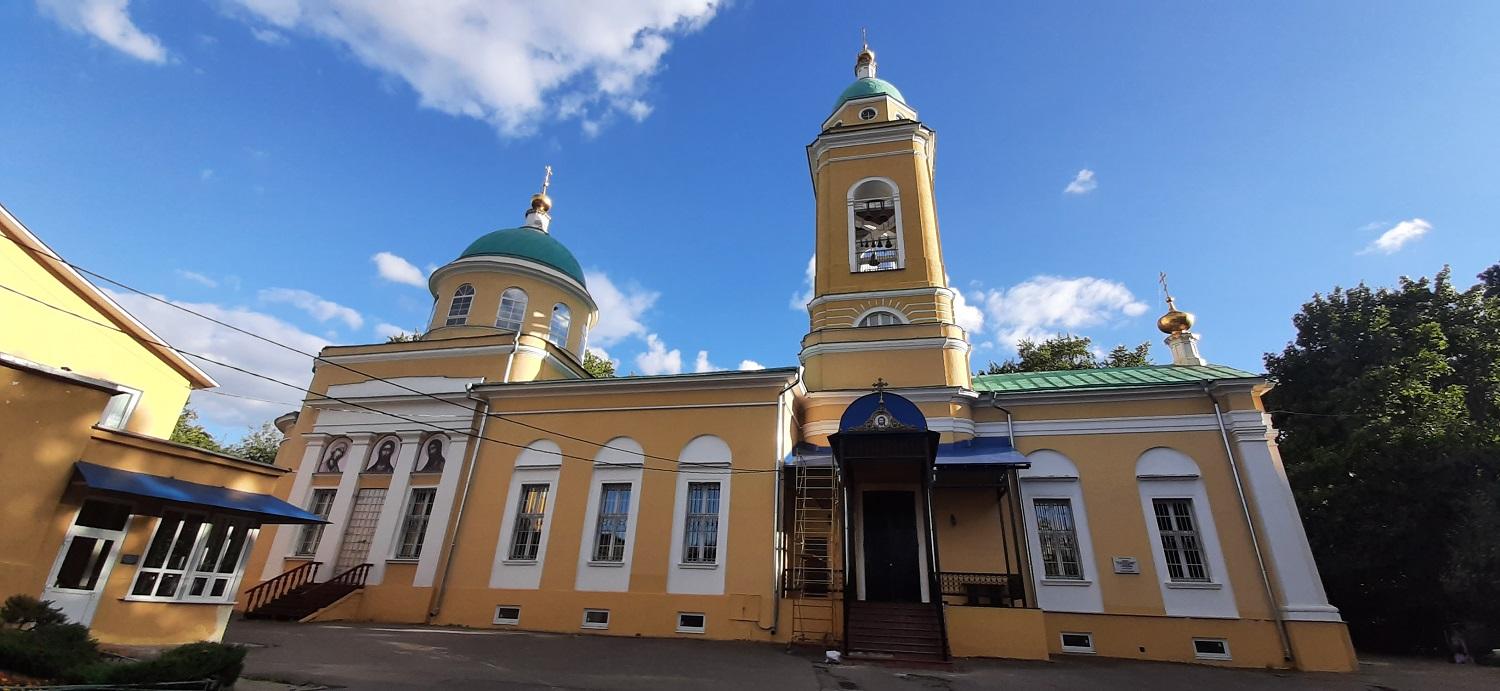
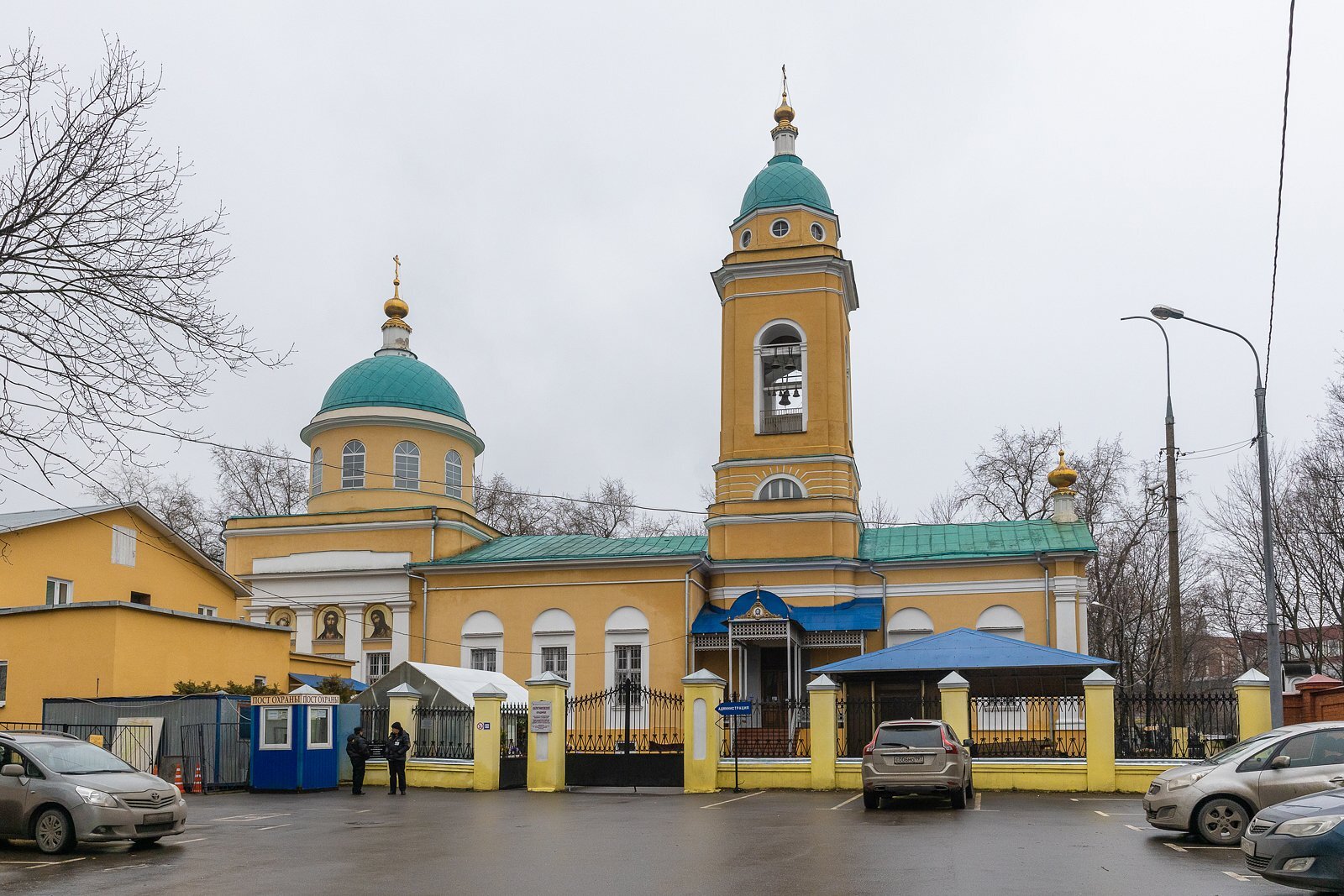
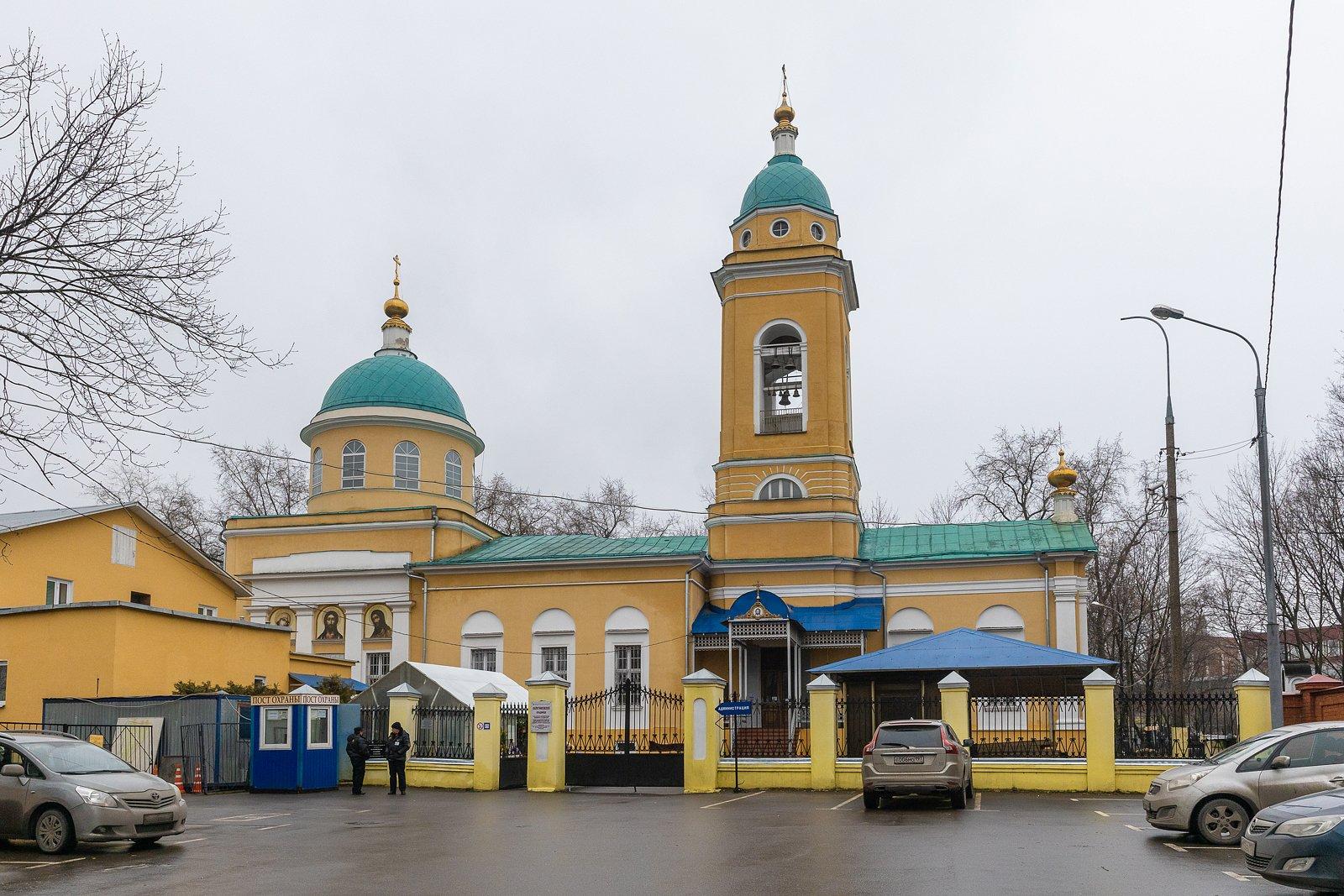
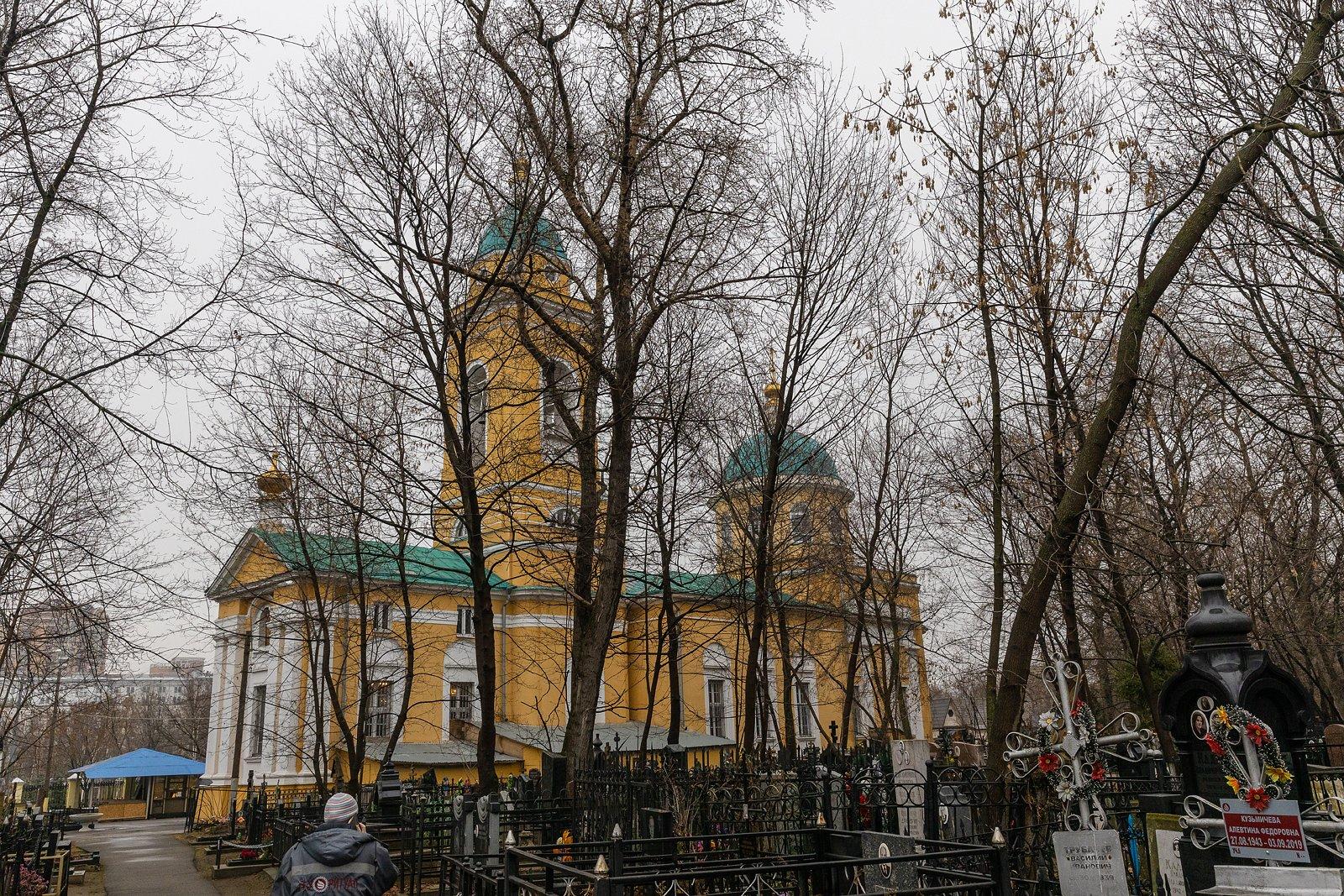
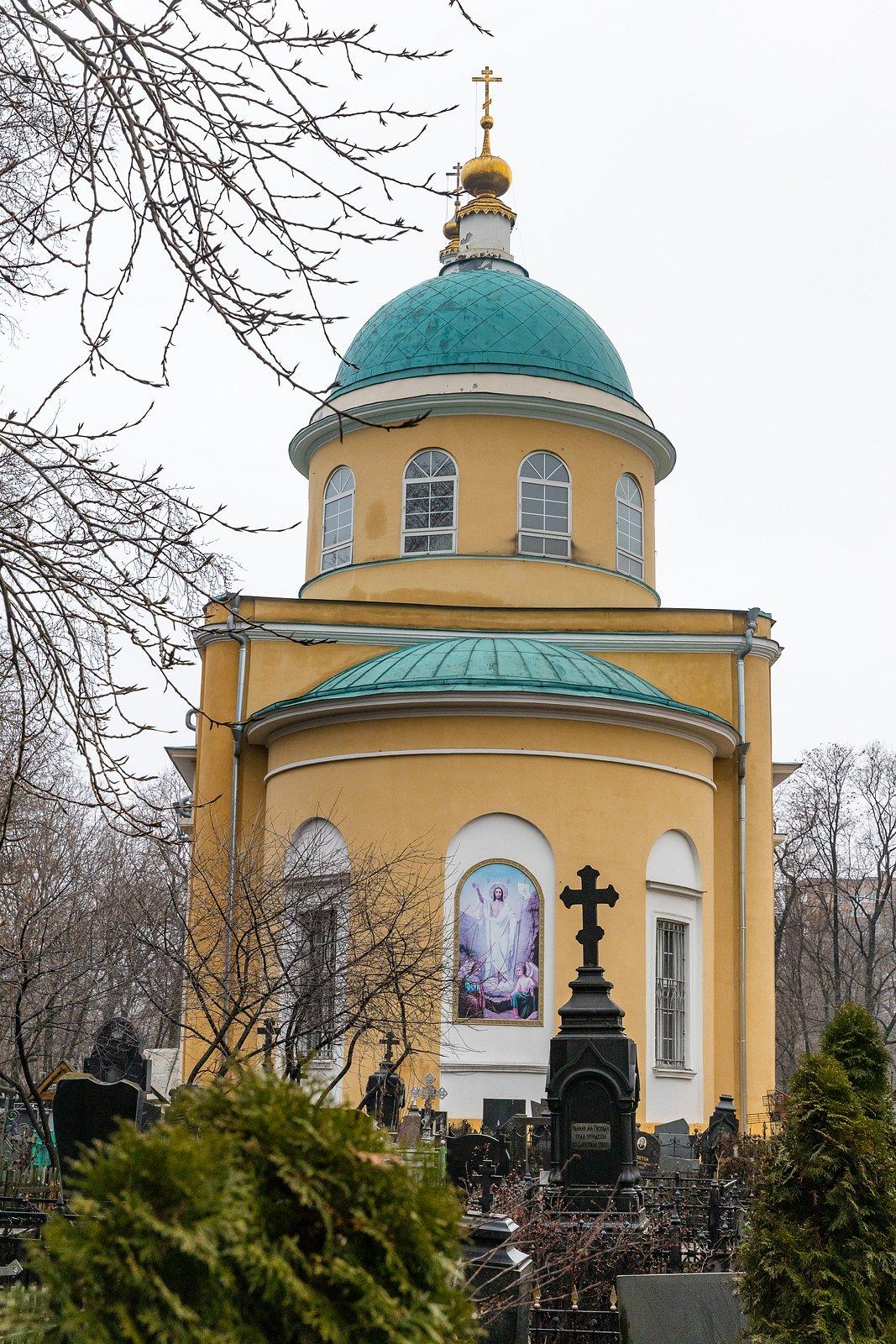
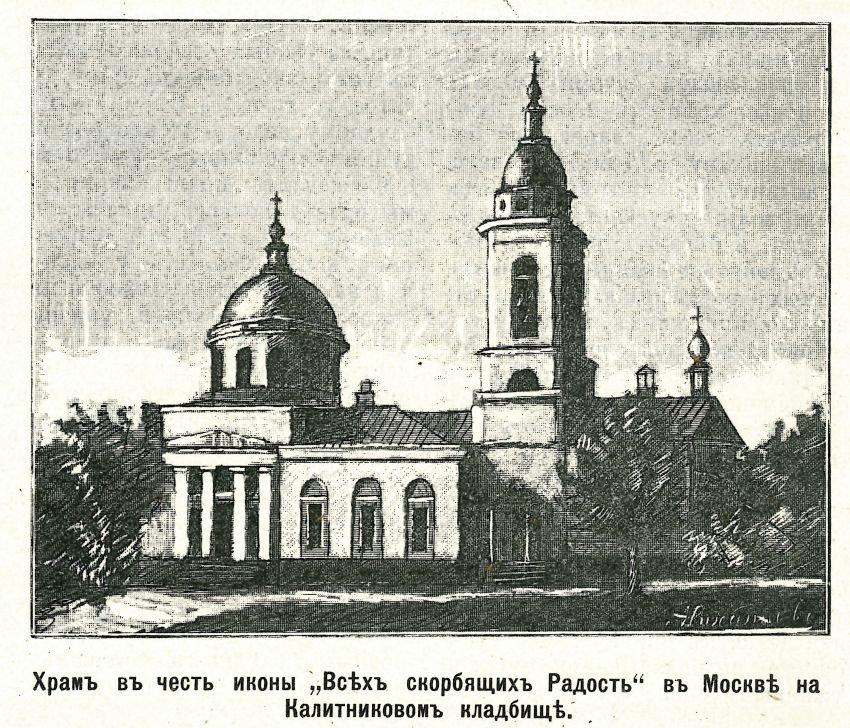
Деревянная церковь сгорела, и в 1834–1838 уже на новом месте по проекту архитектора Николая Козловского был построен каменный храм в честь иконы Богоматери Всех Скорбящих Радость с приделами Николая Чудотворца и Александра Невского в традиционном для того времени стиле ампир. В 1881 году ее перестроил архитектор В.Веригин. Ограда кладбища сооружена по проекту архитектора Н.Маркова.
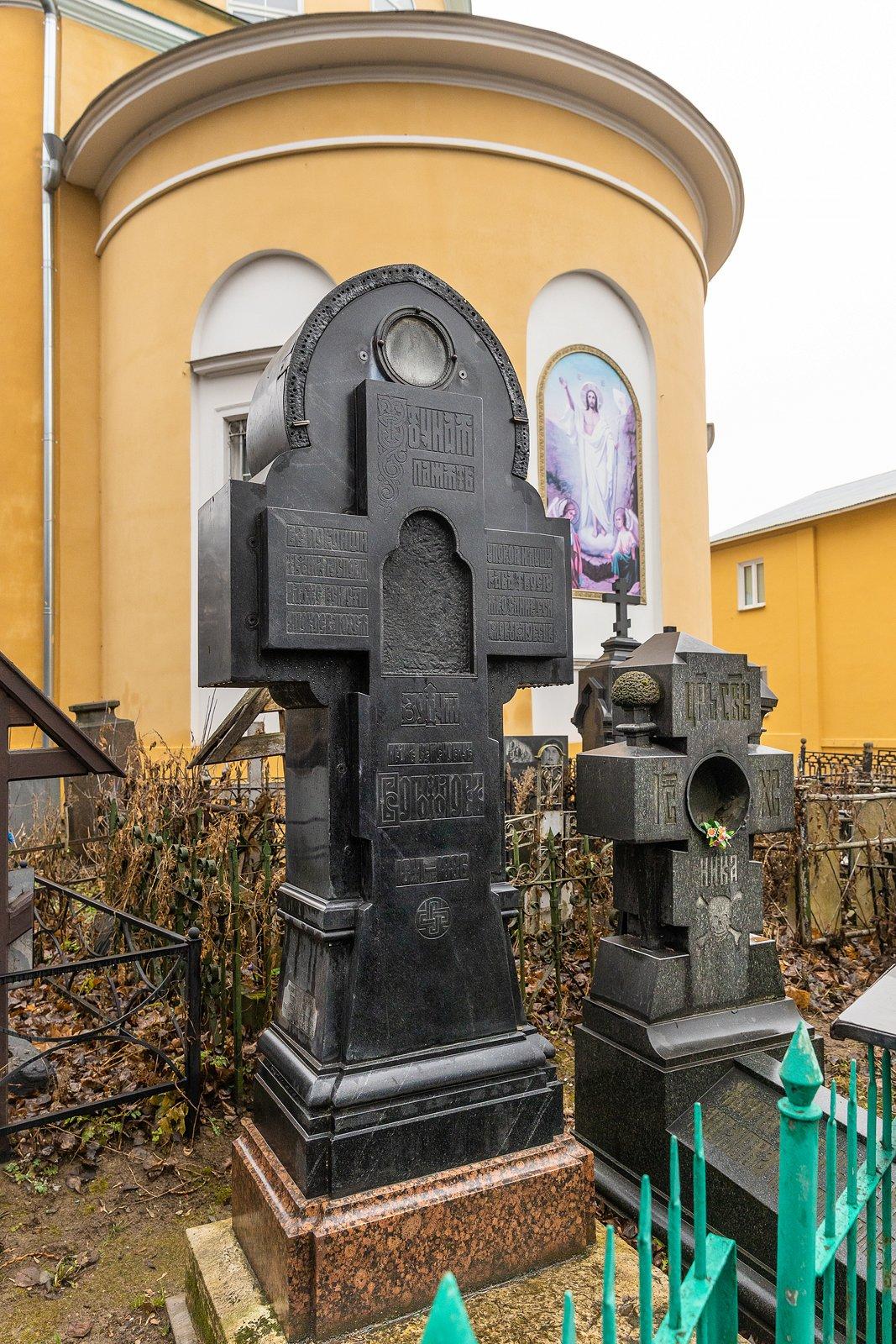
Всехскорбященская церковь в советское время была одним из главных храмов обновленцев – здесь часто совершал богослужения митрополит Александр Введенский. Он и похоронен тут же – за апсидой.
Вокруг церкви находится и другие могилы священнослужителей, а также могила Блаженной старицы схимонахини матушки Ольги, которая пользуется особым почитанием у верующих.
В советское время на кладбище стали хоронить артистов, музыкантов, ученых, архитекторов.
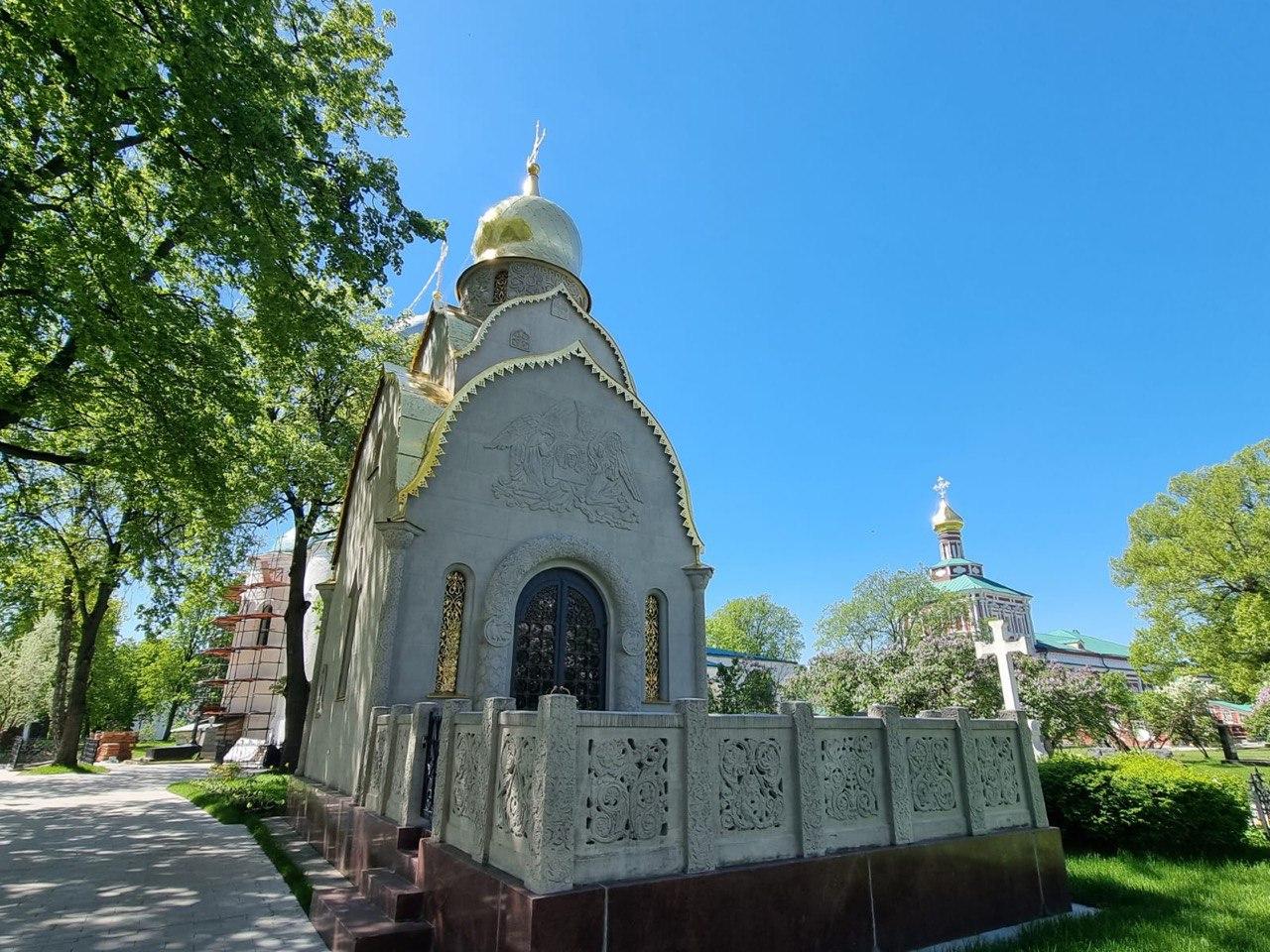
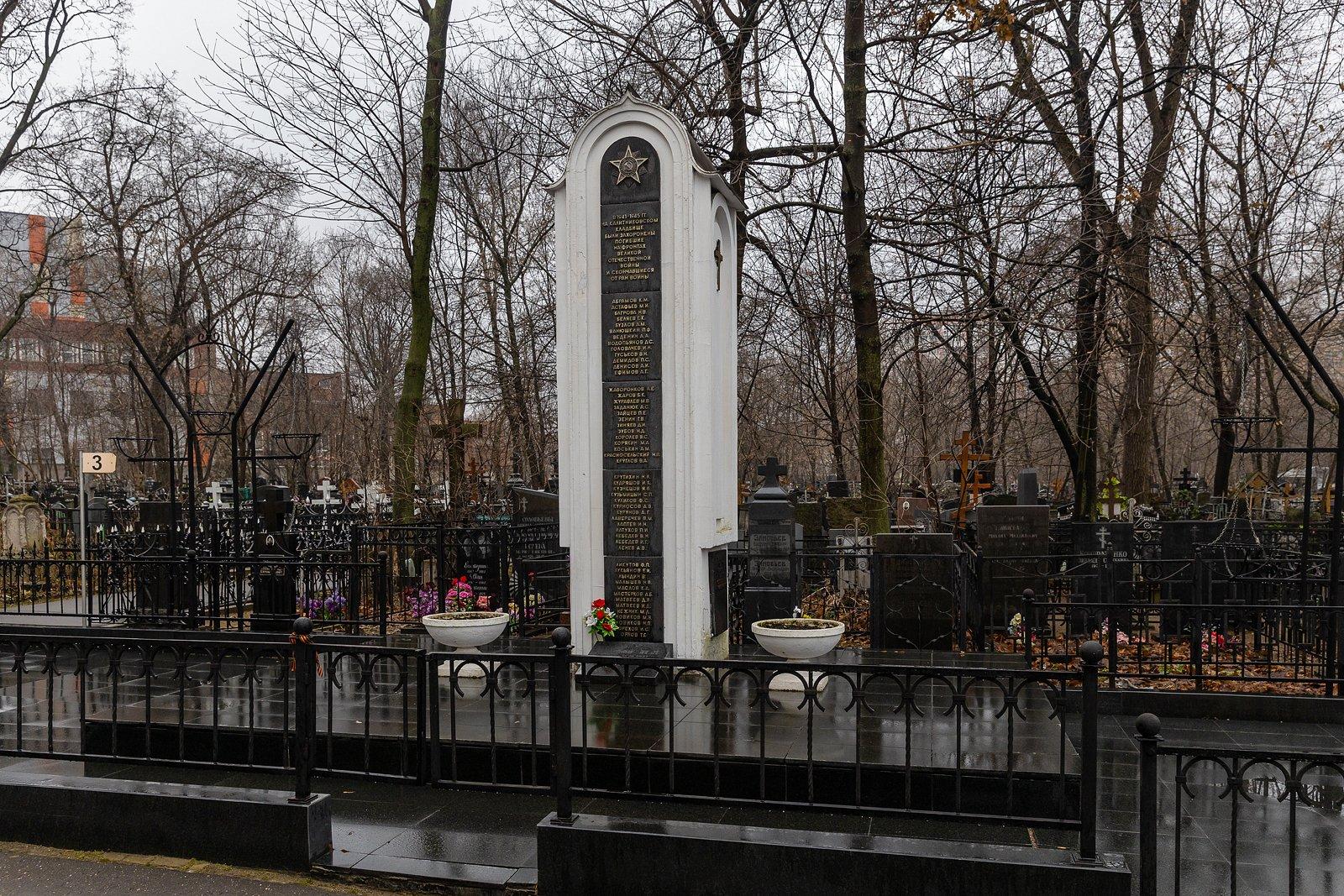
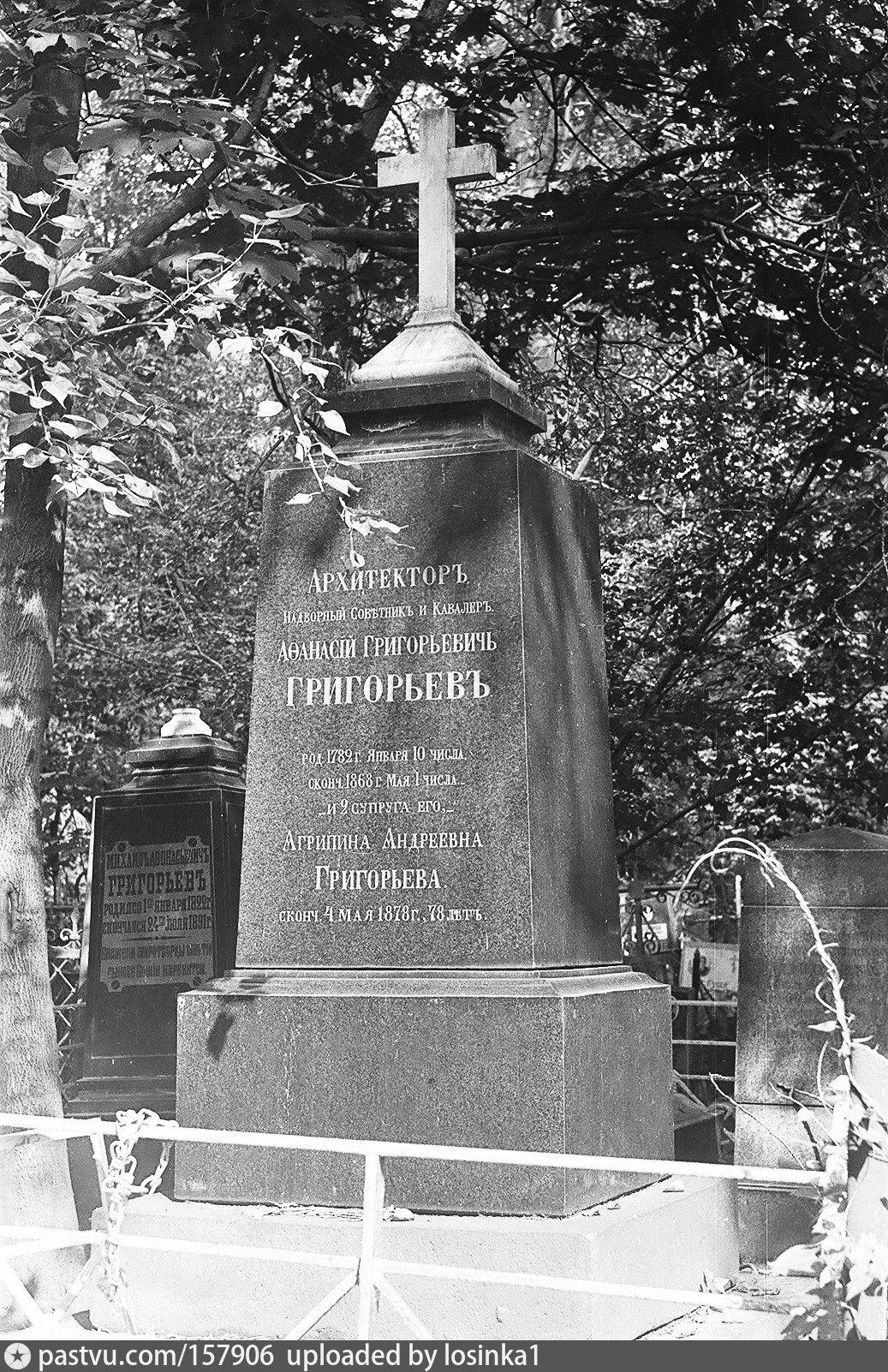
Самым значительным своим захоронением работники Калитниковского кладбища считают могилу народной артистки СССР, работавшей в Малом театре, Евдокии Турчаниновой. Она исполнила более 70 ролей в пьесах Александра Островского. Здесь же похоронен художник-авангардист Роберт Фальк, один из организаторов творческого объединения русских постимпрессионистов «Бубновый валет». В центральной части кладбища находится монумент-часовня архитектора Афанасия Григорьева. По его проекту на Пречистенке построен дом Лопухиной – ныне музей Льва Толстого и усадьба Хрущевых, где разместился музей Пушкина.
Здесь же нашел успокоение архитектор Федор Шестаков, построивший Провиантские склады на Крымской площади, трапезную и колокольню церкви Николая Чудотворца в Толмачах.
Могила автора памятника Александру Пушкину на Тверском бульваре — Александра Опекушина – тоже находится здесь.
Также среди похороненных на Калитниковском кладбище: убитый журналист и сотрудник разведки в отставке Вадим Бирюков, легендарная советская разведчица Елизавета Зарубина и литературовед Феликс Кузнецов.
Олег Фочки
During the 1771 plague outbreak, in addition to similar cemeteries, the Kalitnikovskoye Cemetery was laid out; among other "plage" burials in the city, it was considered the most rural one.
The Kalitnikovskoye Cemetery was founded at the Simonov Monastery. In 1771, the plague quarantine was enforced at the monastery. Monks were to take the dead beyond the Pokrovskaya Zastava and to bury them in the specially allocated area outside the city limit. Later the graveyard became one of the city cemeteries.
Mostly local peasants, beggars and commoners used to be buried there. Graves encircled the wooden Church of the Bogoliubsky Icon of the Holy Virgin. It was not until the second half of the 19th century that first tombstones of marble and stone were erected there.
The wooden church burned down, and in 1834–1838, a new stone Church of the Icon of The Virgin of Consolation of All Who Sorrow with the Nicolas the Wondermaker and the Alexander Nevsky chapels was constructed on another site to the Empire-style design by architect Nikolay Kozlovsky. In 1881, the Church was redesigned by architect V. Verigin. The Cemetery fence was designed by architect N.Markov.
In the Soviet times, the All Who Sorrow Church was one of the principal churches of the Renovationists. Metropolitan Alexander Vvedensky used to officiate at the service there. He was also buried right there behind the apse.
Around the Church, there are graves of other clergy as well as the grave of the Blessed Elderess Schema nun Mother Olga. Her grave is the most worshiped by the faithful.
In the Soviet times, actors, musicians, scholars and architects were buried in the Cemetery.
The grave of Yevdokia Turchaninova, actress with the Maly Theater with the status of the People's Artist, is considered by the Kalitnikovskoye Cemetery staff one of the most remarkable burials. The actress played more than 70 parts in the plays by Alexander Ostrovsky. Also, there is the grave of Robert Falk, an avant-guard artits and organizer of the Jack of Diamonds association of Russia post impressionist artists. In the Cemetery's central part, there is a tombstone in a shape of a chapel, architect Afanasy Grigoryev is buried there. The Lopukhina house on Prechistenka (nowadays the Leo Tolstoy Museum) and the Khrushchevs homestead now housing the Pushkin Museum were built to his designes.
Architect Fiodor Shestakov also found his final abode here; he designed the Food Supplies Warehouses on the Krymskaya Square, refectory and belfry of the Nicolas the Wondermaker Church in Tolmachy.
The grave of Alexander Opekushin, author of Alexander Pushkin monument on the Tverskoy Boulevard, is also there.
Among those buried in the Kalitnikovskoye Cemetery are: Vadim Biriukov, retired intelligence officer and journalist who was assassinated; Yelizaveta Zarubina, legendary Soviet intelligence officer; Felix Kuznetsov, literary critic.
Oleg Fochkin