Интерактивный гид по городу
С мобильным приложением бродить по городу гораздо интереснее!

Kamenny Most (Stone Bridge)

The first bridge in Moscow was pontoon Moskvoretsky bridge. It was made of logs and laid right on the water, the bridge bred for the passage of vessels. Later, there were other pontoon bridges. However, these bridges had to be dismantled during floods and it was difficult or impossible to transport large caliber artillery across the river. By the XVII century the need for a permanent bridge that does not depend on the season and weather, was realized by all.

Kamenny Most (Stone Bridge)
The first bridge in Moscow was pontoon Moskvoretsky bridge. It was made of logs and laid right on the water, the bridge bred for the passage of vessels. Later, there were other pontoon bridges. However, these bridges had to be dismantled during floods and it was difficult or impossible to transport large caliber artillery across the river. By the XVII century the need for a permanent bridge that does not depend on the season and weather, was realized by all.
3.79
Вы можете воспользоваться QR-кодом, чтобы открыть эту страницу в нашем приложении
Архитектурный стиль:
Архитекторы:
В.Г. Гельфрейх , М.А. Минкус , В.А. Щуко
Эпоха:
1930s
Информация о здании

Первым мостом Москвы был наплавной Москворецкий мост. Составляющие его брёвна лежали прямо на воде, мост разводили для прохода судов. Позже появились и другие наплавные мосты. Но эти мосты нужно было разбирать на время половодья, по ним трудно или невозможно было переправлять артиллерию большого калибра через реку. К XVII веку необходимость постоянного моста, не зависящего от времени года и погоды была осознана всеми.

В1643 году для строительства Каменного моста был приглашён палатный мастер Анце Кристлер из Страсбурга. Он вместе со своим дядей Иваном сделал деревянную модель моста с чертежом. Было определено и место строительства, немного выше впадения в Москву-реку реки Неглинки. Однако дальше начала работ дело не пошло.

Работы возобновились в 1682 году и были окончены в 1687, мост построили по проекту Кристлера. Длина моста составила 149 метров, ширина 21 метр. Стройкой руководил неизвестный нам монах. Строительство моста породило и поговорку того времени. Денег было истрачено так много, что москвичи, рассказывая о чём-то очень дорогом, говорили: «Дороже Каменного моста».

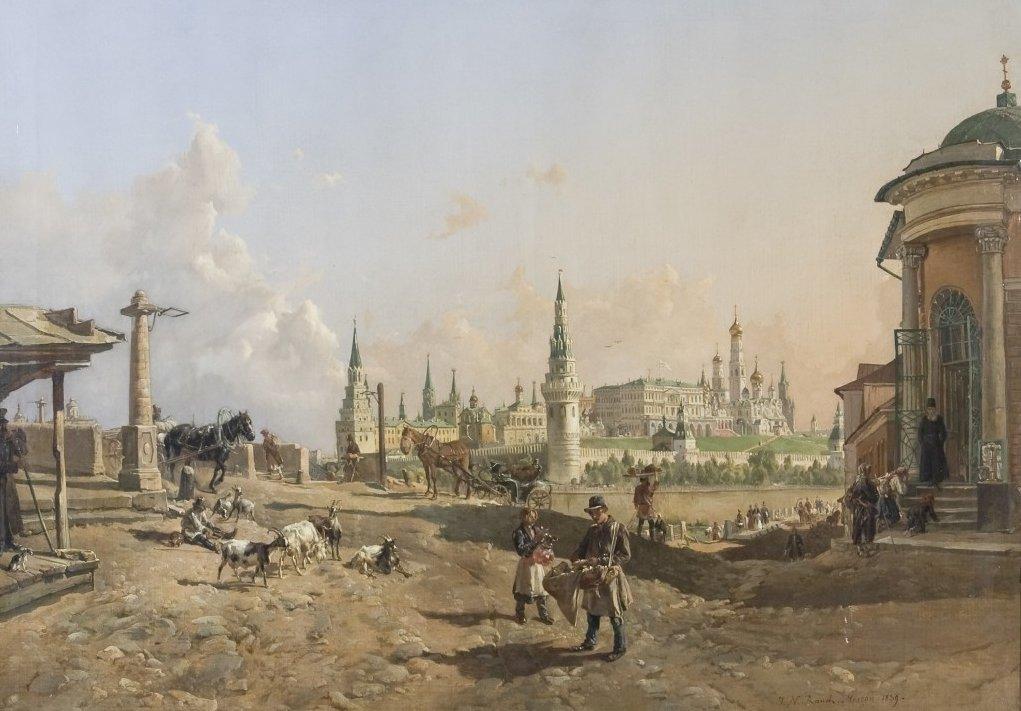
Мост начинался от угла Дома правительства или Дома на набережной (сейчас ул. Серафимовича, 2) и шёл на улицу Ленивка. На Каменном мосту были построены многочисленные лавки, он стал любимым местом прогулок. С замоскворецкой стороны для охраны моста и для красоты поставили башню с тремя парами ворот, завершённую двумя шатрами. На гульбище, специальной смотровой площадке на башне, устроена была пивная с видом на Кремль. Под мостом работала мельница.

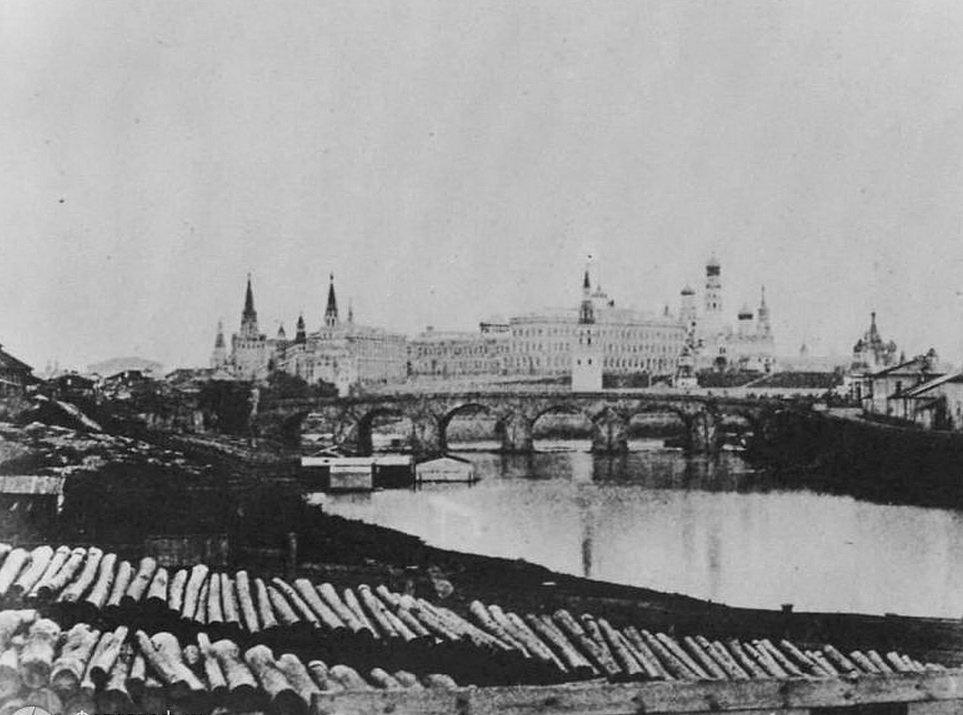
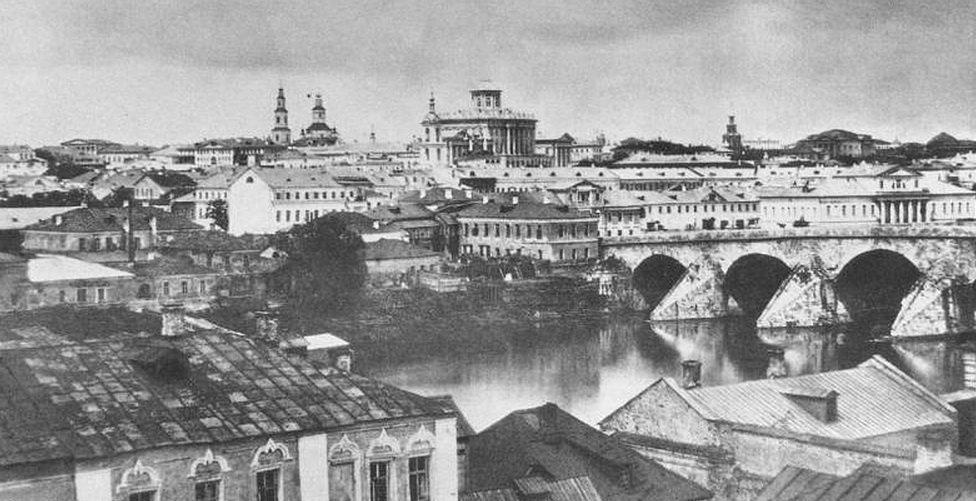
В 1783 году от напора воды, перегрузки и плохого ухода рухнули три арки моста с одиннадцатью мебельными лавками купца Епанешникова. Погибло 4 человека. Во время ремонта были разобраны все лавки и предмостная башня. В таком виде мост простоял до середины XIX века.

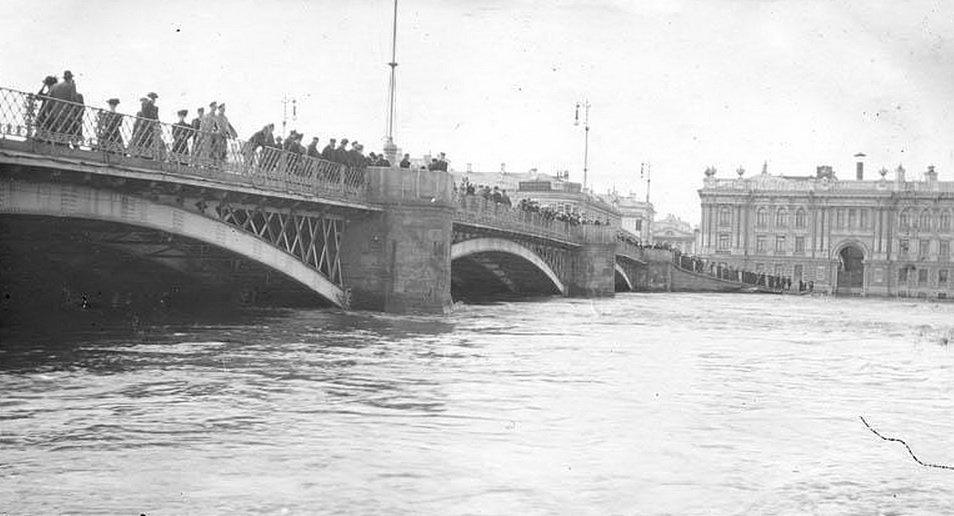
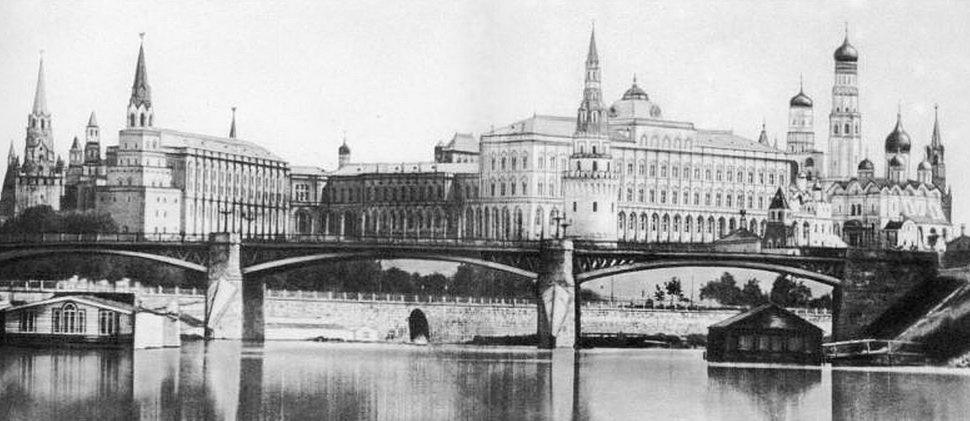
В1859 году на месте старого Каменного моста построили новый Каменный мост. На этот раз он был трёхпролётный, с металлическими фермами. Этот мост стоял до середины 1930-х годов.

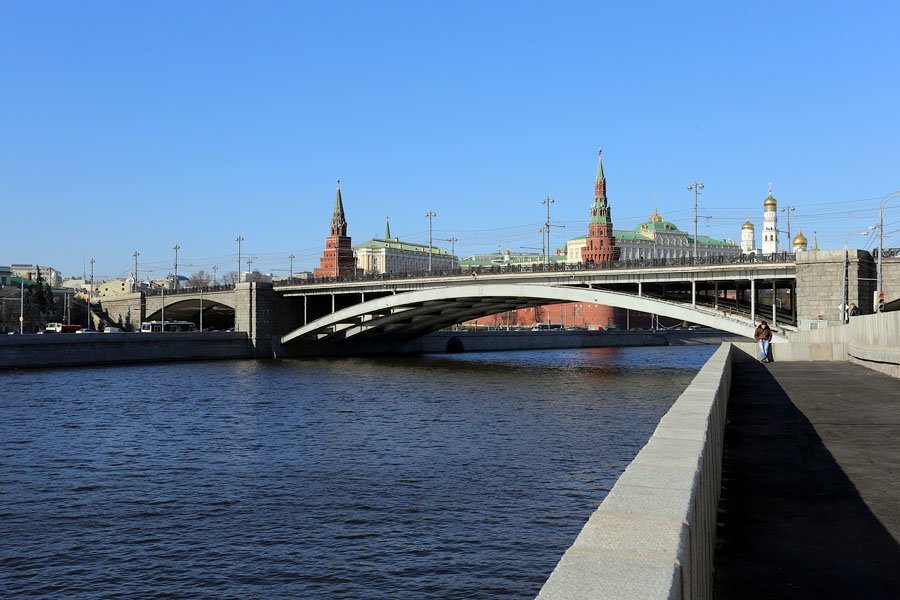
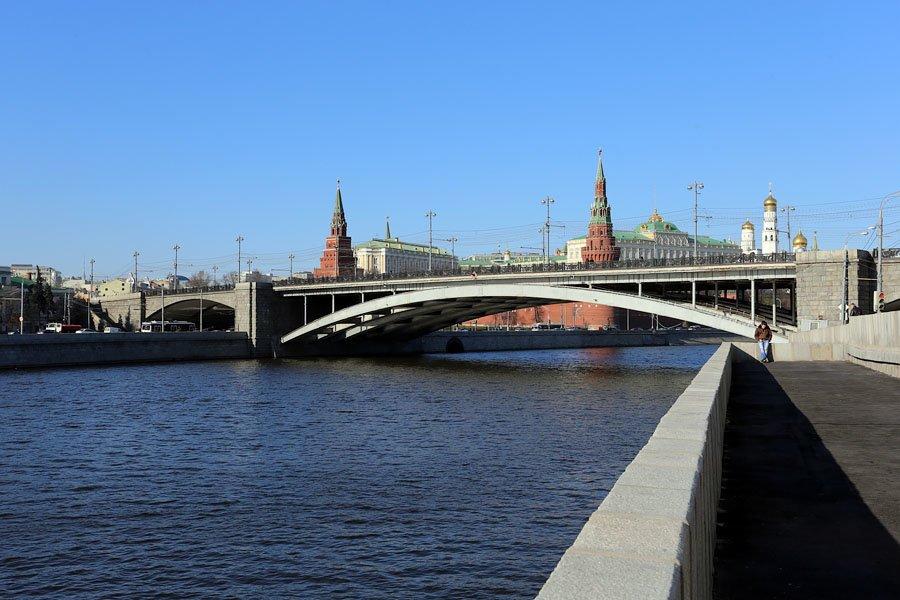
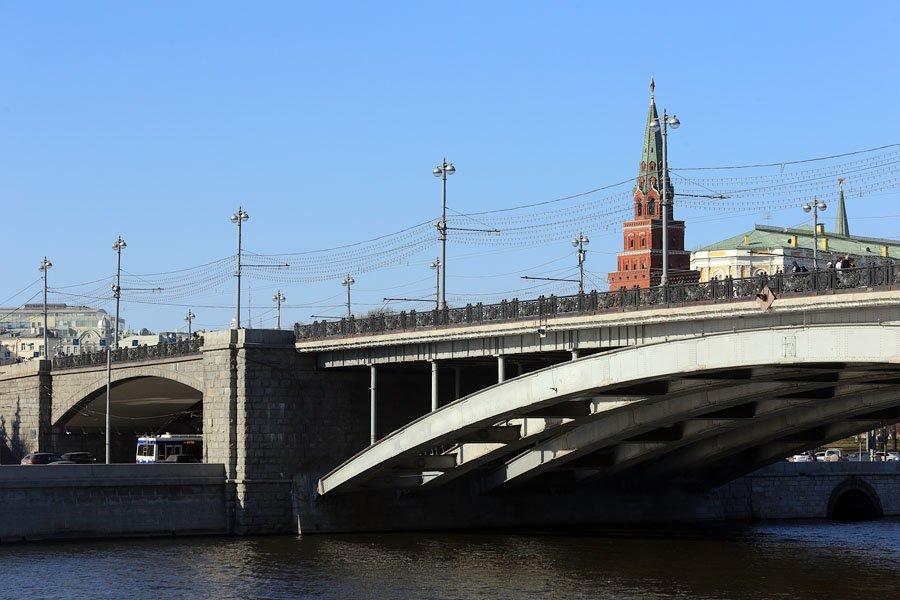
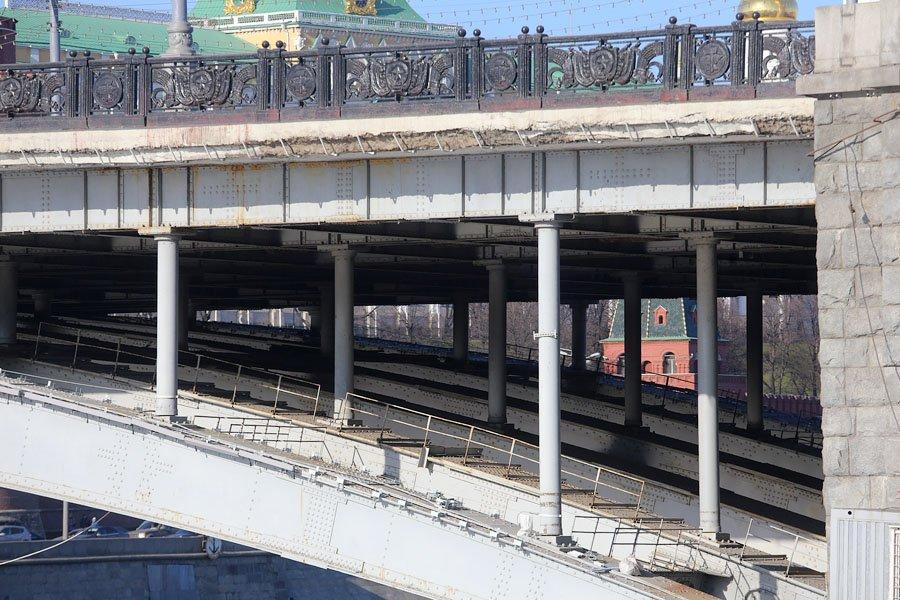
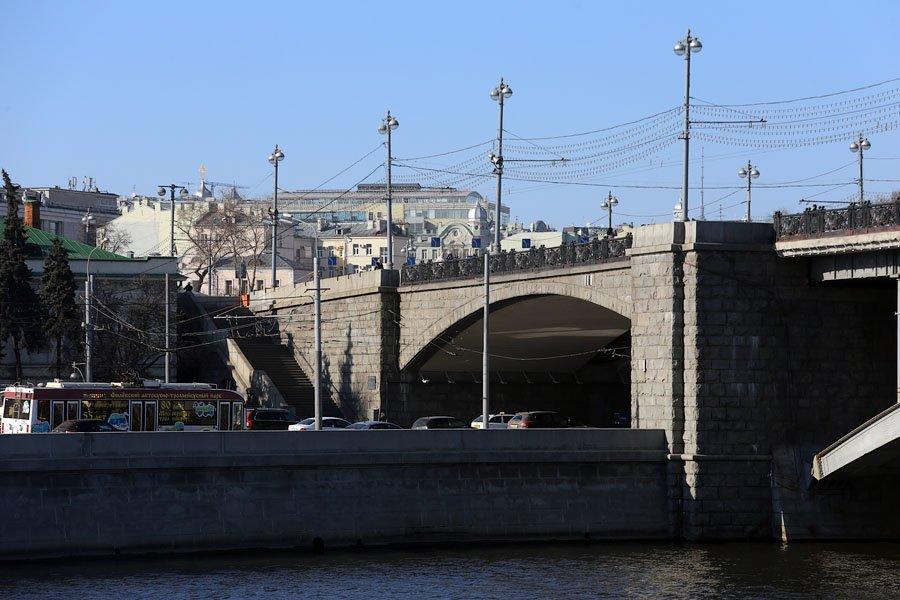
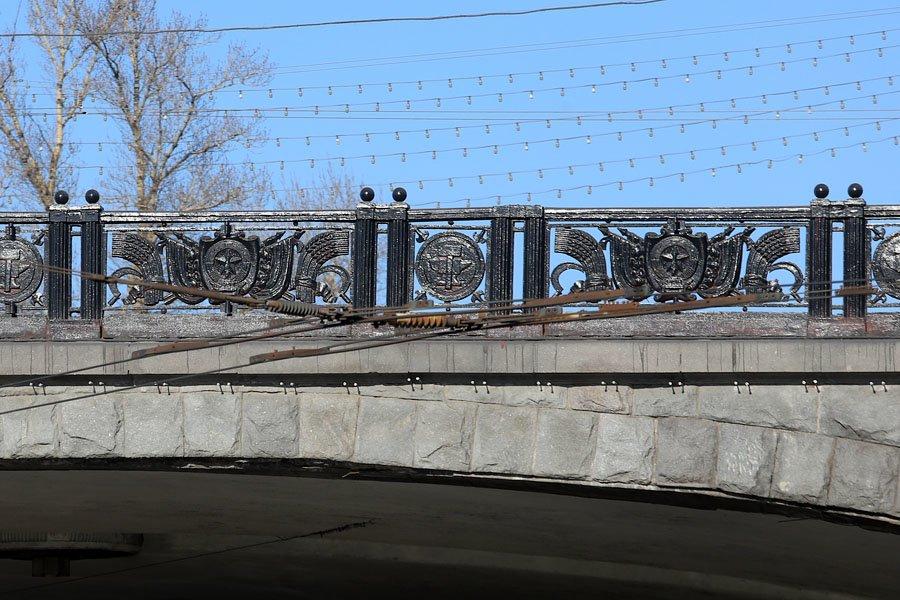
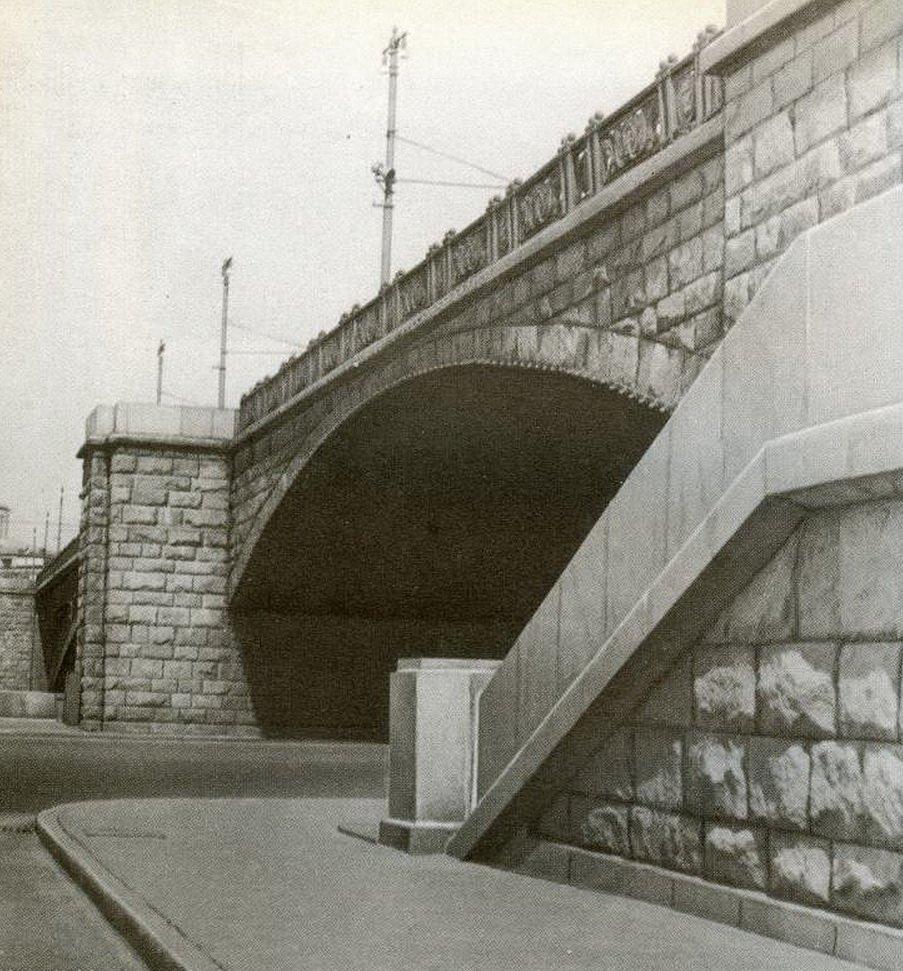
В 1938 году был открыт современный Большой Каменный мост. Его решили направить не к узкой Ленивке, а на место вновь пробитого проезда, ближе к Кремлю. Теперь длина моста вместе с подходами составила 487 метров. Высокие металлические арки перекрыли реку одним пролётом. Строительство новых мостов через Москву-реку в 1938 году было связано с открытием канала Москва-Волга. По Москве-реке теперь должны были ходить большие волжские суда, следовательно, пролёты мостов надо было поднять на значительную высоту.

The first bridge in Moscow was pontoon Moskvoretsky bridge. It was made of logs and laid right on the water, the bridge bred for the passage of vessels. Later, there were other pontoon bridges. However, these bridges had to be dismantled during floods and it was difficult or impossible to transport large caliber artillery across the river. By the XVII century the need for a permanent bridge that does not depend on the season and weather, was realized by all. Ance Kristler from Strasbourg, the ward master was invited for the construction of a stone bridge in 1643. He, along with his uncle Ivan made a wooden model of the bridge with the drawing. The construction site was determined , slightly above the confluence of the Neglinka River to the Moscow River. However, it did not go beyond starting work. Work resumed in 1682 and was finished in 1687, the bridge was designed by the Kristler. The bridge was 149 meters long and 21 meters wide. Construction site was led by an unknown monk. So much money was spent on construction so Muscovites, talking about something very expensive, said: "The more expensive than Kamenny Most." The bridge began from the angle of the Government House or House on the Embankment (now 2 Serafimovicha street), and went into the Lenivka street. Numerous shops were built on the Kamenny Most, it was a favorite place for walking. From Zamoskvoretskaya side of the bridge tower with three pairs of gates, a completed two tents were erected to guard the bridge and for beauty. On the promenade, on a special viewing platform on the tower, was arranged beer house overlooking the Kremlin. A mill worked under the bridge. In 1783, three arches of the bridge with eleven furniture shops of merchant Epaneshnikov collapsed because of the water pressure, overload and poor care. 4 people died. During repairs, all the shops and bridgehead were dismantled tower. As such, the bridge stood until the mid XIX century. In 1859 in place of the old stone bridge built a new stone bridge. This time it was of three spans with metal trusses. This bridge stood until the mid-1930s. In 1938, a modern Big Stone Bridge opened. It was decided not to send it to narrow Lenivka street but to the newly punched passage by the Kremlin. Now the length of the bridge along with approaches is 487 meters. High metal arches blocked the river one span. Construction of new bridges across the Moscow River in 1938 was associated with the opening of Moscow-Volga Canal. Great Volga ships had to pass through the Moscow River now therefore spans of bridges need to be raised to a considerable height.
Отзывы
(1)
Поделитесь статьей с друзьями